Reviewed by our editorial team Updated
Why Tourist Traps Still Catch Experienced Travellers
Most travellers believe they can easily spot a tourist trap. After all, the idea of being overcharged for a mediocre meal or a low-quality souvenir seems obvious. Yet every year millions of visitors fall into exactly these situations, often without realising it until much later.
The reason is simple: tourist traps are designed to look convenient. Restaurants sit directly beside famous landmarks, souvenir shops cluster around popular attractions, and ticket sellers approach visitors in busy squares. When travellers are tired, hungry or short on time, convenience often wins over careful decision-making.
Another factor is the lack of local price awareness. Visitors rarely know what a taxi ride, meal or attraction ticket should actually cost in a destination. This uncertainty makes it easier for businesses to charge inflated prices without immediately raising suspicion.
In many cities, entire areas develop around visitor spending. These districts are not necessarily scams, but they often operate with tourist pricing, where goods and services cost significantly more than they would in nearby neighbourhoods.
Understanding how these situations work is the first step toward avoiding them. Travellers who learn to recognise common tourist traps quickly realise that avoiding them rarely requires complicated strategies. Often it simply means walking a few streets further, checking prices in advance or using trusted booking platforms.
If you also want practical strategies for reducing everyday travel expenses, simple habits such as comparing prices, cooking some of your own meals and using public transport instead of taxis can help keep holiday budgets under control.
Restaurants Beside Major Attractions
One of the most common travel money traps can be found directly beside famous landmarks. Restaurants located next to monuments, museums and historic squares often rely almost entirely on visitor traffic rather than repeat local customers.
Because of this, the incentive to provide excellent value is often limited. Prices tend to be higher, portions smaller and quality inconsistent, especially in areas where tourists constantly pass by.
Menus in these areas frequently include pictures of food, multiple languages and large signs inviting passers-by to sit down. While this may seem convenient, it often indicates that the restaurant is targeting visitors rather than locals.
This pattern is well documented at some of Europe’s most photographed spots. The restaurants lining the approach to Rome’s Trevi Fountain and the base of the Spanish Steps regularly draw complaints for inflated bills and inconsistent quality, and a similar markup shows up along Amsterdam’s busiest canals, where a table with a view of the water can cost noticeably more than the same dish served two streets back.
The fastest way to spot the difference is often the menu itself. A laminated, multilingual sheet with photos of every dish and no prices listed in the local currency first is usually a sign the restaurant is built around passing visitors rather than repeat local diners.
It also helps to compare the price board posted outside with the final bill. In a small number of restaurants near major sights, an unlisted cover charge or a rounded-up total appears only once the table is seated, so a quick glance at the printed prices before sitting down avoids any surprises later.
For travellers hoping to experience genuine local cooking while avoiding tourist pricing, sitting down two or three streets from the main square remains one of the simplest improvements they can make, and checking the menu first works just as well when there is nowhere else nearby to eat.
Best if you want daily housekeeping and a front desk. Filter by area first, then by price.
Check availabilityBest for longer stays. Whole apartments and houses, so you are not eating out three times a day.
View rentalsBest if you have already picked a hotel. Checks the big booking sites for the same room and shows who is cheapest.
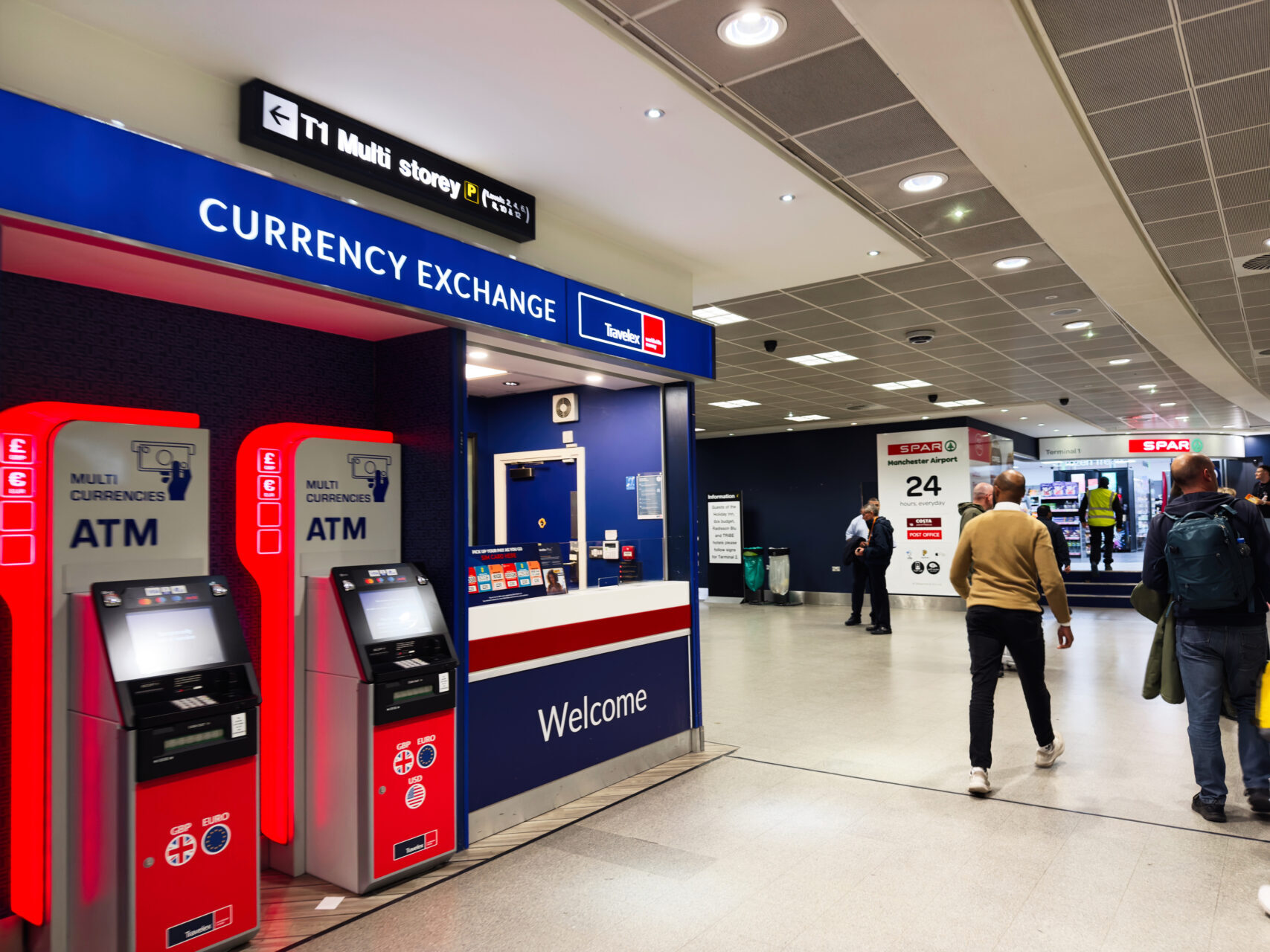
Check dealsAirport Currency Exchange Counters
Few places charge worse exchange rates than airport currency exchange counters. While they may appear convenient for travellers arriving in a new country, these services often combine poor rates with hidden commission fees.
The difference can be significant. In some cases travellers may lose 5–10 percent of their money simply by exchanging cash at the airport instead of using a bank or withdrawing from an ATM.
Many exchange counters advertise “zero commission”, which sounds appealing but usually hides the real cost inside the exchange rate itself. This practice allows providers to present their service as free while quietly charging much more through the conversion.
A better option is usually to withdraw local currency from an ATM or use a travel-friendly debit card that converts payments automatically. Services such as Wise or similar multi-currency cards often provide exchange rates much closer to the real market value.
Travellers who want to check the real exchange rate can consult reliable sources such as the European Central Bank, which publishes reference rates for many major currencies. These rates are publicly available at the European Central Bank website:
https://www.ecb.europa.eu/stats/policy_and_exchange_rates/euro_reference_exchange_rates/html/index.en.html
Having a quick look at the current rate before exchanging money makes it much easier to recognise when a service is charging an excessive markup.
Taxi Scams and Airport Transfer Overcharging
Transportation is another area where travellers frequently encounter inflated prices. Airports in particular are well known for unofficial taxi drivers and aggressive transfer sellers targeting newly arrived visitors.
Common situations include drivers refusing to use the meter, quoting inflated “tourist prices” or claiming that fixed fares apply even when cheaper options exist. In busy travel destinations, travellers may also encounter individuals offering unofficial airport transfers at highly inflated prices.
One simple way to reduce this risk is to use official taxi ranks rather than accepting offers inside the terminal building. Licensed taxis usually operate from clearly marked pickup points and follow regulated fare structures.
Another effective option is to use reputable ride-hailing apps where available. These services display the expected fare before the journey begins, reducing uncertainty and making it easier to compare prices.
Travellers can also check typical transport costs in advance. Many airport websites publish approximate taxi fares to city centres, allowing visitors to recognise when a quoted price is unusually high.
Taking a few minutes to research transport options before arriving at a destination can prevent one of the most common travel money traps and ensure the first journey of a trip starts smoothly.
Buying Attraction Tickets at the Door
Many travellers purchase attraction tickets directly at the entrance simply because it feels convenient. After arriving at a museum, historic site or observation tower, it seems natural to join the queue and buy a ticket from the counter. However, this is often one of the easiest ways to spend more than necessary.
In many destinations, walk-up ticket prices are higher than online prices. Attractions increasingly encourage visitors to book in advance through their websites or through trusted booking platforms. Online tickets sometimes include small discounts, bundled entry to multiple attractions, or access to timed entry slots that help visitors avoid long queues.
Another advantage of booking ahead is the ability to compare options before committing. Travellers who buy tickets at the entrance rarely have time to research whether better value packages exist elsewhere.
Many destinations now offer combined tickets that include several museums or attractions at a lower overall price. Booking platforms such as GetYourGuide, Klook and Tiqets often make it easier to compare these options before arriving.
Buying tickets online also reduces the risk of disappointment when attractions sell out. Some of the most popular landmarks now operate with strict visitor limits, meaning that travellers who wait until arrival may discover that entry times are fully booked for the day.
Planning attraction visits in advance therefore helps avoid queues, prevents overspending and ensures access to the experiences visitors most want to see.

Souvenir Shops Around Famous Attractions
Souvenir shopping is part of the travel experience for many visitors, but the location of a shop can dramatically influence its prices. Stores located immediately beside major attractions often charge significantly more than similar shops elsewhere in the same city.
These shops benefit from constant foot traffic from visitors leaving nearby landmarks. Because many customers will never return, there is little incentive to compete on price or offer particularly high-quality products.
Travellers may also notice that many souvenirs sold in these areas are mass-produced items rather than locally made crafts. Identical magnets, keyrings and T-shirts often appear in dozens of nearby stores at inflated prices.
A better strategy is to explore local markets, independent shops or neighbourhood stores slightly away from the main tourist areas. These locations often sell more interesting items and frequently offer better value.
Food souvenirs are another good alternative. Local sweets, regional snacks or speciality ingredients can make memorable gifts and often provide a more authentic connection to the destination.
Taking a little extra time to browse outside the immediate attraction zone usually results in both lower prices and more meaningful souvenirs.
Street Sellers Pushing Tours or Bus Tickets
In many busy tourist areas, visitors may be approached by street sellers promoting sightseeing tours, boat trips or hop-on hop-off bus tickets. While some of these sellers represent legitimate businesses, the information provided can sometimes be incomplete or misleading.
This is a well reported issue around Venice’s St Mark’s Square, where touts steer visitors toward gondola rides or water taxis priced well above the official rates set by the city’s gondolier association, and on islands such as Mykonos and Santorini, where quad bike, ATV and boat trip rentals arranged on the street sometimes carry hidden fuel, insurance or damage-deposit charges not mentioned in the initial price.
Commission-driven sales can encourage aggressive marketing tactics. Travellers may be told that a tour is almost full, that a discount is available only “today,” or that the offer is cheaper than buying online. In reality, the price may be identical or even higher.
Another issue is that travellers often receive only a small paper voucher rather than a confirmed ticket. This can create confusion later when trying to redeem the voucher at a ticket office or boarding point.
A safer approach is to buy tickets directly from official websites or reputable booking platforms. This ensures the ticket is valid and usually provides clear information about what is included.
Online booking also allows travellers to read reviews and compare prices before making a decision. Taking a few minutes to check these details helps avoid unnecessary spending and reduces the risk of confusion later in the day.
Hotel Breakfast That Isn’t Worth the Price
Hotel breakfasts often appear convenient, especially when travellers are eager to start exploring a destination early in the morning. However, the cost of hotel breakfast packages can sometimes be surprisingly high.
In many large cities, hotel breakfast can cost the equivalent of £15–£30 per person (roughly $20–$38 or €18–€35, depending on the country and hotel category), even when the food selection is relatively simple. For couples or families, this daily expense can quickly add a substantial amount to the overall cost of a trip.
Local cafés, bakeries and coffee shops often provide much better value. In many European cities, for example, a fresh pastry and coffee from a neighbourhood bakery costs only a small fraction of a hotel breakfast buffet.
Supermarkets and convenience stores also sell simple breakfast options such as yoghurt, fruit or pastries that can easily be enjoyed in accommodation before heading out for the day.
Of course, hotel breakfast can still be worthwhile in certain situations, particularly when it is included in the room price or when accommodation is located far from other food options. However, travellers who check nearby cafés often discover that exploring local breakfast spots provides both better value and a more authentic start to the day.
Best if you can move a day either way. Shows how the fare changes across the month.
Compare flightsBest for anyone whose home plan charges by the megabyte abroad. Pay a fixed price up front.
Check eSIMsBest if you would rather not work out the transport on arrival. Book it now and forget it.
View transfersPaid Photo Opportunities and Street Performer Traps
Busy tourist areas often feature street performers, costumed characters and photo props designed to attract visitors. While these displays can look fun and harmless, travellers are sometimes surprised when a simple photo turns into a request for payment.
In many destinations, performers dressed as movie characters, historical figures or colourful entertainers position themselves in high-traffic areas where visitors naturally stop to take photographs. After the photo is taken, the performer may request a tip or payment, sometimes more assertively than expected.
The same situation can occur with animals used for tourist photos. Visitors may be invited to hold a bird, pose with a snake or take pictures with a decorated animal, only to discover afterwards that a payment is expected.
These situations are not always scams, but they can quickly become uncomfortable if travellers were not aware of the arrangement beforehand.
The easiest way to avoid confusion is to clarify whether payment is expected before taking a photo. If a performer is actively posing with visitors, it is generally safe to assume that tips are part of the arrangement.
Travellers who prefer to avoid the situation entirely can simply enjoy the atmosphere of busy squares and streets without participating in staged photos.
Common Travel Scams That Drain Tourist Budgets
While most travel experiences are honest and straightforward, certain scams appear frequently in destinations that receive large numbers of visitors. These situations usually rely on confusion, distraction or unfamiliarity with local customs.
One well-known example is the “friendship bracelet” trick, where someone approaches a traveller offering a free bracelet or small gift. Once the bracelet is tied onto the traveller’s wrist, the person then demands payment. This particular version is well documented around Paris’s Sacré-Coeur in Montmartre, where it has been reported for long enough that most guidebooks and city tourism sites now warn visitors about it by name.
Another common tactic involves individuals claiming that an attraction is closed and offering to guide visitors to an alternative shop or tour office. In reality, the attraction is usually open, and the person is attempting to redirect visitors to a business where they receive commission.
Taxi-related scams can also occur, including drivers claiming their meter is broken or taking unnecessarily long routes through the city.
The key to avoiding these situations is maintaining awareness and politely declining unsolicited offers. Travellers who remain cautious when approached by strangers offering unexpected services are far less likely to encounter problems.
Researching common scams before visiting a destination is also helpful. Many travel forums and tourism websites regularly publish updates about scams reported by visitors.
Simple Rules for Avoiding Tourist Money Traps
Avoiding most tourist traps does not require complex strategies. In many cases, a few simple habits are enough to reduce the risk of overpaying during a trip.
Travellers who want to protect their travel budget can follow a few practical guidelines. It helps to avoid buying food, drinks or souvenirs directly beside major landmarks, and instead to ask hotel staff, who eat in the neighbourhood every day, for a genuine local recommendation. Checking attraction ticket prices online before visiting and using official taxi ranks or trusted ride-hailing apps also go a long way towards keeping costs under control. On top of that, researching common scams before arriving in a destination means travellers know what to watch for from the moment they land.
These habits quickly become second nature once travellers gain experience visiting new places.
It is also useful to remember that genuine local businesses rarely pressure customers into making immediate decisions. Shops, cafés and tour operators that rely on quality and reputation usually allow visitors to take their time before purchasing.
Travellers who combine a little research with simple awareness often discover that avoiding tourist traps is easier than it first appears.
Combining a little advance research with everyday awareness of prices is usually all it takes to stretch a travel budget further without sacrificing great experiences.

Rupert’s Handy Travel Tips
Rupert learned the hard way that the friendliest-looking stall beside a famous landmark is rarely the best value. These are the habits he now swears by to keep his holiday budget intact.
- Walk before you eat: if a restaurant sits directly beside a major attraction, walk a few streets further before deciding where to sit down.
- Book attractions online: check ticket prices on the official website before you arrive, since walk-up prices are often higher.
- Skip the airport exchange desk: withdraw local currency from an ATM or use a travel debit card instead of exchanging cash at the airport.
- Use official taxi ranks: avoid unofficial drivers who approach you inside the terminal and insist the meter is broken.
- Politely decline unsolicited offers: free bracelets, “closed” attractions and street tour sellers are common ways travellers lose money.
Want to meet the reindeer behind our travel tips? Find out more in our page Who is Rupert?.




Frequently Asked Questions
How can I tell if a restaurant near a famous landmark is a tourist trap?
Check the menu before sitting down. A laminated, multilingual sheet with photos of every dish and no prices shown in the local currency first is usually aimed at passing visitors rather than local regulars. Comparing it with a restaurant two or three streets away, and noticing whether locals are eating there too, is one of the fastest ways to judge real value.
Is it ever worth paying more to eat right next to a major attraction?
Sometimes, particularly when time is limited or the view genuinely adds to the experience. The key is knowing the extra cost is for convenience and location rather than assuming the food will match the price, and checking a couple of recent reviews first can prevent a genuinely disappointing meal.
Are street sellers offering “discounted” tours or boat trips ever legitimate?
Some work with genuine operators, but pressure tactics such as claiming a tour is almost full or that a discount only applies “today” are a warning sign. Buying directly through an official website or a recognised booking platform is usually just as cheap and considerably safer.
Should travellers always avoid restaurants and shops directly beside a landmark?
Not necessarily, since some are genuinely good. The odds shift in the visitor’s favour by walking a little further, checking prices in advance, or looking for a menu or price board written primarily in the local language rather than aimed purely at passers-by.
What should I do if I think I have already been overcharged?
Politely ask for an itemised receipt or bill, since this alone resolves many genuine mistakes. If a business refuses or the amount is significant, reporting it to the local tourist police, a unit that exists in many popular destinations, or leaving an honest review afterwards helps other travellers avoid the same situation.
Is it worth using a currency card or ATM instead of an airport exchange desk?
Yes, in almost every case. Airport exchange counters and “zero commission” booths typically build their profit into the exchange rate itself, while withdrawing cash from a bank ATM or using a multi-currency travel card usually gets much closer to the real market rate.

Further Reading & Related App Guides
Want to travel smarter and avoid unnecessary costs on your next trip? Our guide to the Too Good To Go App shows you how to save money on leftover restaurant meals, and our Local Public Transport Apps Guide makes it easy to navigate unfamiliar cities without relying on overpriced taxis.
Booking ahead is one of the simplest ways to dodge inflated walk-up prices. Our Attraction Ticket Apps Guide covers the best platforms for booking tours, museums and experiences in advance, while our eSIM Apps Guide keeps you connected abroad without expensive roaming charges.
Checking the forecast before planning your day with our Weather Apps Guide rounds out the essentials worth having installed before you set off.