Reviewed by our editorial team Updated
Paris earns its reputation as one of Europe’s greatest city breaks through sheer density of things worth seeing. World-class art, a river lined with landmarks, and a food and cabaret scene that has shaped how the rest of the world thinks about French culture all sit within a compact, walkable centre.
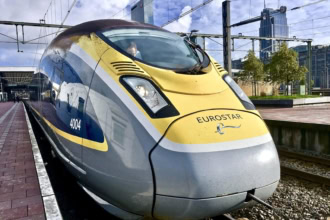
The city also sits at the heart of one of Europe’s best-connected rail networks, with a direct Eurostar service from London arriving into Gare du Nord in around two hours. That makes Paris as natural a weekend destination as it is a week-long trip, and it explains why so many travellers return again and again rather than treating it as a once-only visit.
This page works as a planning hub rather than a single exhaustive list, pulling together an overview of what Paris actually offers before handing off to a dedicated, in-depth guide for each major category. Museums, river cruises, the Moulin Rouge, hop-on hop-off buses, day trips, city passes and public transport each get their own full page elsewhere on this site, and this hub links out to every one of them.
Alongside those categories, Paris still has a core set of landmarks that almost every visitor builds a trip around, from the Eiffel Tower to Notre-Dame and the hilltop streets of Montmartre. Those get their own orientation section further down this page, complementing rather than repeating the deeper museum coverage found elsewhere on the site.
Use the overview table below to jump straight to whichever category matters most for your trip, or read on for the full picture of what a first, second or third visit to Paris can actually look like. Either way, book ahead where a section says to, since Paris’s biggest draws routinely sell out their busiest time slots.
| Category | What It Covers | Best For | Full Guide |
|---|---|---|---|
| Eiffel Tower | Best views, photo spots and fitting a visit into a day | Orientation and planning | See below on this page |
| Arc de Triomphe | History, the climb, tickets and safe access | History and panoramic views | See below on this page |
| Core Landmarks | Louvre, Notre-Dame, Champs-Élysées and Montmartre | First-visit orientation | See below on this page |
| Neighbourhoods & Parks | Montmartre in depth, the Latin Quarter, Le Marais, Canal Saint-Martin, Luxembourg Gardens, Père Lachaise and Buttes-Chaumont | Exploring beyond the checklist | See below on this page |
| Nightlife | Rooftop bars, Oberkampf and Pigalle’s cocktail scene, storied jazz clubs and late-night cafes | An evening out beyond dinner | See below on this page |
| Food, Culture & Shopping | Covered markets, cooking classes, the Seine’s bouquinistes, Palais Garnier and department stores | A deeper, local-feeling visit | See below on this page |
| Events & Holidays | Bastille Day, Fête de la Musique, Nuit Blanche, Heritage Days and French public holidays | Timing a visit around Paris’s calendar | See below on this page |
| Museums | The Louvre, Orsay, Orangerie and nine more sights | Art, history and culture | Paris Museums |
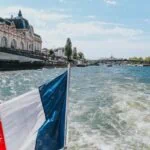
| River Cruises | Sightseeing, food, dinner and novelty Seine cruises | A relaxed way to see the skyline | Paris River Cruises |
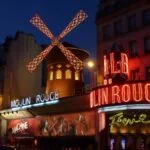
| Moulin Rouge | Cabaret shows, tickets and dress code | A classic Parisian evening out | Moulin Rouge |
| Hop-On Hop-Off Buses | Tootbus, Big Bus and the Panoramic Night Tour | A first-day orientation lap | Hop-On Hop-Off Bus Tours |
| Day Trips | Versailles, Giverny, Disneyland Paris and more | Extending a trip beyond the city | Paris Day Trips |
| City Card | Museum Pass, Paris Pass Plus and other bundles | Working out which pass pays off | Paris City Card |
| Public Transport | Métro, RER, buses and trams | Getting around without a car | Paris Public Transport |
Museums: The Louvre, Orsay and a Dozen More
Paris holds one of the highest concentrations of world-class museums anywhere, and picking a manageable route through them is half the challenge of a first visit. The Louvre alone could fill a full day, while the Orsay and the Orangerie pack an entire history of Impressionism into two buildings a short walk apart.
Beyond the big three, the city’s smaller collections reward the effort just as much. The Musée Rodin‘s sculpture garden, the restored Notre-Dame, and the underground Catacombs all sit on a single, walkable route roughly following the Seine from the Eiffel Tower east towards Montparnasse.
Timing matters more here than almost anywhere else in the city. The Louvre closes every Tuesday and the Orsay every Monday, a pairing that has derailed more than one two-day itinerary, and timed entry slots at the busiest sites can sell out days ahead during peak season.
Working out whether a multi-day museum pass actually pays off, and which of the twelve sights covered are worth booking in advance, is exactly what the dedicated guide below sets out to answer. It covers pricing, opening days and booking advice for each site in full.
For the complete rundown of every major Paris museum and monument, including current pricing and booking links, read our full guide to Paris Museums.
River Cruises: Seeing Paris from the Seine
The Seine runs directly past most of the city’s headline landmarks, and a boat still shows them off in a way no walking route quite manages. Ten different Seine cruise products are currently bookable in Paris, ranging from a straightforward hour-long sightseeing loop to a full sit-down dinner cruise.
Daytime and evening sightseeing cruises cover the same core route past the Louvre, Notre-Dame and the Musée d’Orsay, with the evening options adding illuminated monuments and, on some sailings, live music. A handful of food-and-drink add-on cruises build a crêpe, a waffle or a treat into the same hour, turning a simple sightseeing trip into more of an occasion.
For a genuine special occasion, a proper Bistronomic Dinner Cruise trades speed for a full multi-course meal served while the city’s landmarks glide past outside. A hop-on hop-off river pass and a novelty amphibious bus tour round out the options for anyone who wants something a little different from a standard cruise.
Picking between ten near-identical-sounding products is not straightforward from a booking page alone, which is why the dedicated guide groups them by what they actually offer rather than listing them in one undifferentiated block.
For a full breakdown of every Seine cruise option, current pricing and which one suits which kind of trip, read our complete guide to Paris River Cruises.
Best for two or three nights. The widest choice of rooms, with filters for free cancellation and included breakfast.
View staysBest for longer stays. Whole apartments and houses, so you are not eating out three times a day.
View rentalsBest for double-checking. Runs the same Paris search across several booking sites so you are not leaving money behind.
Compare pricesMoulin Rouge: Cabaret, Shows and Tickets
At the foot of Montmartre, the Moulin Rouge‘s red windmill has turned above Paris’s most famous cabaret since 1889, and a night here remains one of the classic Parisian evenings out. The current production, Féerie, runs for around an hour and forty minutes with a full cast of performers, live music and the venue’s signature can-can finale.
Two genuine ticket formats exist: a shorter evening with champagne served at your table, and a longer one built around a full dinner service beforehand. Neither is automatically the better choice, and working out which suits a specific evening, and budget, is the main decision most visitors need to make.
A strict dress code applies at the door, smart-casual rather than sportswear, and children from six years old may attend with an adult, though the show includes topless performances typical of French cabaret. Because the venue sits in Pigalle at the base of the Montmartre hill, it slots naturally into an evening that also takes in Sacré-Cœur earlier in the day.
Both nightly shows regularly sell out, particularly at weekends and through the Christmas and summer peaks, so booking ahead matters more here than for most other Paris attractions.
For the full history, dress code, ticket comparison and booking advice, read our complete guide to the Moulin Rouge.
Hop-On Hop-Off Bus Tours
Paris runs two established hop-on hop-off bus operators through its centre, Tootbus and Big Bus Tours, both sending open-top double-deckers past the Eiffel Tower, the Louvre and Notre-Dame on a loop that doubles as an easy first-day orientation lap. The details that actually matter, route length, audio language coverage and ticket validity, diverge more than a quick glance at either booking page reveals.
Tootbus runs an eleven-stop loop with the widest language coverage and tickets valid up to 72 hours, while Big Bus covers ten stops at a lower price with a slightly broader onboard language list. Neither is a clearly better choice on quality alone, since both carry near-identical review scores across tens of thousands of riders.
A separate Panoramic Night Tour from Big Bus is worth knowing about too, a fixed two-hour evening loop rather than an all-day pass, built for seeing the same landmarks lit up after dark. It pairs naturally with either daytime ticket rather than replacing one.
A bus loop works best as an orientation tool early in a trip, used alongside the Métro rather than instead of it, since the routes are built for sightseeing rather than the fastest way between two points.
For a full head-to-head comparison of both operators, pricing and which ticket suits which kind of trip, read our complete guide to Paris Hop-On Hop-Off Bus Tours.
Day Trips Beyond the City
Paris sits at the centre of one of the densest regional rail networks in Europe, which turns a surprising number of destinations into genuine day trips rather than rushed half-measures. Versailles and Fontainebleau put royal history within an hour of the capital, while Giverny and Auvers-sur-Oise trade palaces for the gardens and countryside that shaped Impressionist painting.
Versailles is the single most straightforward option, reachable on a direct RER C service with nothing more than a standard transport ticket. Disneyland Paris sits in a category of its own for families, a direct RER A ride away and built around a theme park day rather than a historic town.
Further afield, Reims rewards a specific interest in cathedrals or champagne with the longest and priciest trip on the list, while Chantilly and Auvers-sur-Oise both work comfortably as a relaxed half day. Each destination’s honest journey time, including any change of train, is set out in full in the dedicated guide.
Most of these trips run on regional RER or Transilien trains rather than pricier long-distance services, and several are covered by a standard public transport ticket rather than a separate long-distance fare.
For the full breakdown of all seven day trips, journey times and which one suits which kind of traveller, read our complete guide to Paris Day Trips.
Which City Card or Pass Actually Pays Off
Paris has more sightseeing passes competing for a traveller’s money than almost any other European capital, and working out whether any of them genuinely save cash depends entirely on how many paid attractions actually fit into a specific trip. The official Paris Museum Pass is the one most independent guides default to, covering permanent collections at more than fifty museums and monuments.
One detail catches people out: the Eiffel Tower is not included on the Museum Pass at all, so anyone building a pass-led itinerary around it still needs a separate ticket. At the other end of the market sit all-inclusive bundles from Turbopass and Paris Pass Plus, each promising unlimited entry to dozens of attractions for one flat fee.
Whether an all-inclusive bundle actually beats buying tickets separately comes down to real maths rather than the headline number of attractions on offer, and the honest answer for a typical two-day trip is often fewer paid sights than the marketing implies. A pick-your-own option from Go City suits a traveller with a short, specific wish list instead.
Working through six competing products by their actual review counts and genuine break-even points, rather than a features table, is the whole point of the dedicated guide.
For the full pass-by-pass comparison and honest break-even numbers, read our complete guide to the Paris City Card.
Getting Around: Public Transport
Paris is one of the easiest capital cities in the world to cross without a car, thanks to a dense Métro network of sixteen lines rarely more than a short walk from wherever you are standing. For anything beyond the city centre, including both airports, Versailles and Disneyland Paris, the faster RER network takes over instead.
Ticketing has changed significantly through 2025 and 2026, with paper tickets largely phased out in favour of a reloadable Navigo Easy card or a smartphone. Longer stays are usually better served by a weekly Navigo Découverte pass or a tourist-oriented Paris Visite pass, depending on how many days are involved.
The detail that trips up the most visitors is zones: Charles de Gaulle sits in zone 5 and Orly in zone 4, so a pass restricted to zones 1 and 2 will not cover either airport without an add-on or separate ticket. A flat-fare Paris Region airports ticket exists specifically to simplify that journey.
Buses and a smaller orbital tram network fill in the gaps the Métro and RER do not reach, and understanding which ticket type covers which mode avoids the single most common mistake visitors make.
For the full breakdown of every ticket type, current prices and how the zone system actually works, read our complete guide to Paris Public Transport.
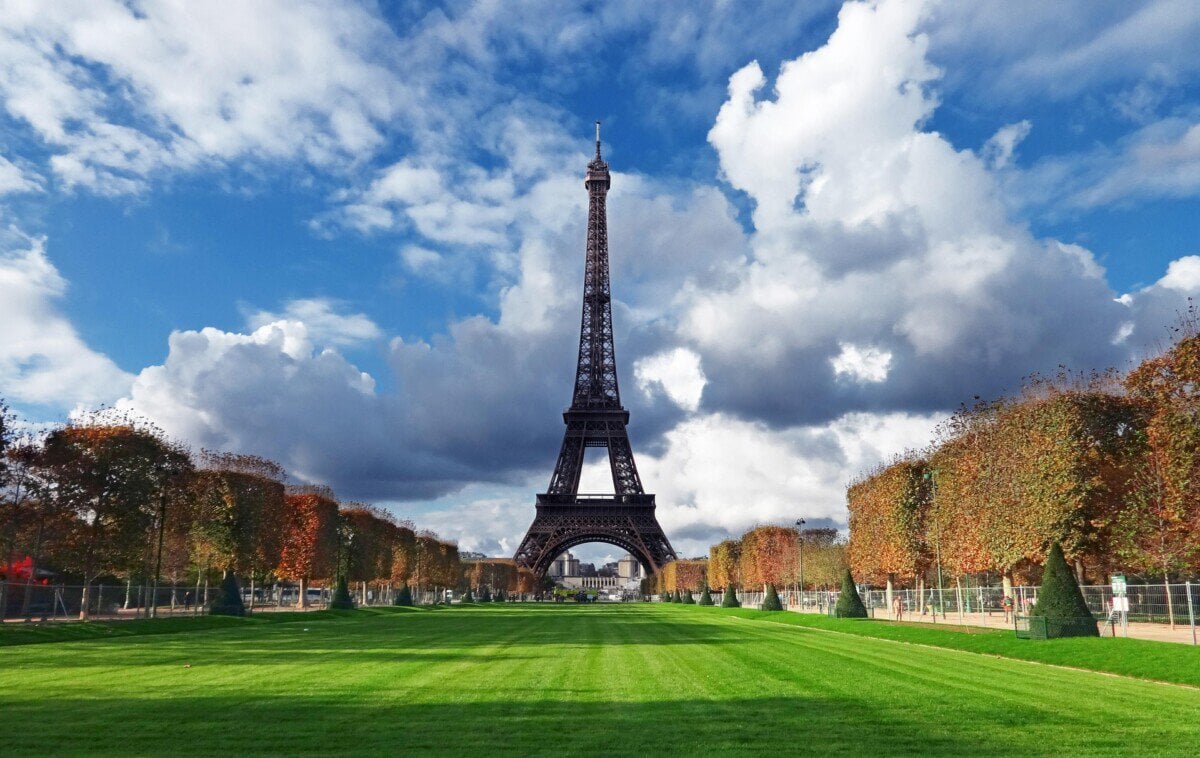
The Eiffel Tower: Best Views, Photo Spots and Planning Your Visit
The Eiffel Tower is still the single image most visitors build a Paris trip around, and where and when you see it matters as much as booking a ticket to climb it. Sunrise and the hour after sunset both draw thinner crowds than midday, before the tower’s evening light shows take over once the sky goes dark.
Those evening lights are actually two separate effects, not one. A continuous golden illumination, powered by 336 sodium-lamp spotlights, switches on automatically at nightfall via light sensors and stays lit steadily until the tower closes for the night.
Layered on top of that golden glow is the tower’s genuine sparkle effect, a completely different show using 20,000 low-power bulbs that flash in short, random bursts across the whole structure. It runs for exactly five minutes at the start of every hour, beginning at nightfall and repeating hourly until closing time.
Because both effects are triggered by light sensors at nightfall rather than a fixed clock time, the exact minute of the first sparkle shifts a little either way as sunset moves earlier or later through the year. The pattern itself never changes though, five minutes past the hour, every hour, from dusk onward.
The very last sparkle of the night depends on the tower’s seasonal closing time. In the standard season the tower closes at 11:45pm, so the final sparkle falls at midnight, while in summer it stays open until 12:45am, letting the sparkle continue for one more round, until around 1am.
Trocadéro, across the river from the tower itself, gives the single most photographed view in the city, its stepped esplanade framing the whole structure from base to summit. Champ de Mars, the park directly beneath the tower, offers a closer angle and enough open grass for a picnic while waiting for the lights.
For a genuinely different angle, the observation deck atop Tour Montparnasse looks back across the city with the Eiffel Tower itself in the frame, a view impossible from the tower’s own platforms. Pont de Bir-Hakeim, a double-decker bridge a short walk from the tower’s base, is a favourite among photographers for its symmetrical lines leading straight towards the structure.
Fitting the tower into a day’s itinerary is straightforward, since it sits at the western edge of central Paris within easy reach of the Trocadéro gardens and the market street of Rue Cler. Most visitors pair a morning or late-afternoon visit with a riverside walk rather than treating it as a standalone stop.
Climbing to the top, the full ticket-tier breakdown and the tower’s construction history for the 1889 World’s Fair are all covered in depth in our dedicated Paris Museums guide, the place to go for booking advice and current pricing.
Even without a ticket, the walk between the tower and Trocadéro across the Pont d’Iéna ranks among the best free things to do in the city. Arriving on foot rather than by Métro also gives a much better sense of the structure’s real scale.
Best for finding routes the airlines do not sell as a single ticket. Combines carriers to bring the fare down.
Search flightsBest if you want maps and messaging working the moment you switch your phone on.
See eSIM plansBest when public transport has stopped, or when you are travelling with children and bags.
Book a transferArc de Triomphe: History, the Climb and the Champs-Élysées Finish Line
Napoleon commissioned the Arc de Triomphe in 1806 to celebrate his victory at Austerlitz, though he never lived to see it finished. Construction dragged on through several changes of government, and the arch was not completed until 1836, three decades after the first stone was laid.
Standing at the western end of the Champs-Élysées, the arch marks the point where twelve grand avenues converge on Place Charles de Gaulle, once known as Place de l’Étoile. It anchors the Axe historique, a straight sightline running from the Louvre out to the Grande Arche de la Défense.
Climbing to the terrace means 284 steps rather than a lift, and the reward is a view the Eiffel Tower’s own platforms can’t match: a straight panorama down the Champs-Élysées one way and La Défense’s skyscrapers the other. It ranks among the best photo spots in Paris precisely because the Eiffel Tower sits in the same frame.
Beneath the arch lies the Tomb of the Unknown Soldier, where an eternal flame has burned since 1921 in memory of France’s unidentified First World War dead. It is rekindled every evening at 6:30pm in a short ceremony that is free to watch.
The avenue finishes directly at the arch’s base, which is why it serves as the finish line for the Tour de France‘s final stage each July and the site of France’s Bastille Day military parade. Crowds also gather here for the city’s New Year’s Eve fireworks.
Adult tickets cost €16 (£14/$19) from October to March, rising to €22 (£19/$26) from April to September, with a reduced €16 (£14/$19) rate on Wednesdays even in peak season. The monument opens daily from around 10am, and visitors aged 18 to 25 from the EU or resident in France climb for free.
One genuine safety point is worth stating plainly: never cross the roundabout on foot to reach the arch, since twelve lanes of merging traffic circle it with no pedestrian crossings at all. Use the Passage du Souvenir underpass instead, reached from the top of the Champs-Élysées, the same route the arch’s own official website recommends.
Core Paris Landmarks: A Quick Orientation
Beyond the deep-dive guides above, Paris still has a handful of landmarks that almost every first visit is built around. The Eiffel Tower remains the obvious starting point, and our dedicated section above covers the best viewpoints, photo spots and how to fit a visit into a day.
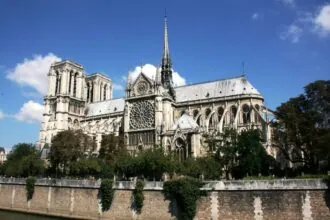
Across the river, the Louvre‘s glass pyramid marks the entrance to the world’s largest art museum, home to the Mona Lisa and tens of thousands of other works, while Notre-Dame reopened in December 2024 after a five-year restoration following the 2019 fire. Both sights, along with the Orsay, the Orangerie and eight more, get their full, practical treatment, including booking advice and current opening days, in our dedicated Paris Museums guide.
The Arc de Triomphe‘s history, the climb to its terrace and how to reach it safely are covered in their own dedicated section above, while the Champs-Élysées itself remains the classic Paris shopping and people-watching stretch running down towards Place de la Concorde.
Uphill from the centre, Montmartre and the basilica of Sacré-Cœur offer a village-like contrast to the grand boulevards below, with cobbled lanes, artists’ squares and one of the best free viewpoints in the city. It pairs naturally with an evening at the Moulin Rouge, given the short walk down into Pigalle.
Treat this landmark list as an orientation rather than the full picture: several of these sights carry booking quirks, weekly closures or seasonal detail that genuinely changes a visit, and that level of depth is exactly what the category guides above, and our Paris Museums guide in particular, are built to cover.
Montmartre and Sacré-Cœur: A Closer Look
Montmartre earns its reputation as Paris’s most village-like neighbourhood, a hilltop tangle of cobbled lanes that has kept a genuinely distinct identity despite sitting inside the 18th arrondissement. The white domes of the Sacré-Cœur basilica crown the hill and stay visible from much of the city, which makes the whole area one of the easiest Paris landmarks to simply walk towards.
The basilica itself opened in 1919 after four decades of construction, funded largely through public subscription following the Franco-Prussian War. Entry to the basilica is free, and its interior mosaic of Christ in Majesty ranks among the largest of its kind anywhere in the world.
Climbing the dome rewards the effort with one of the best panoramic views over the whole city, open daily from around 10:30am to 8:30pm and costing roughly €8 (£7/$9) for an adult. A funicular railway covers the steepest stretch of the hill for anyone who would rather save their legs for the lanes beyond.
Below the basilica, Place du Tertre fills with portrait artists and easels much as it has for well over a century, and the surrounding streets hold the last working vineyard still inside Paris. This is also, honestly, one of the city’s best-known spots for pickpockets and the friendship-bracelet scam, so keeping valuables secure matters here more than almost anywhere else, as covered in our guide to tourist traps to avoid.
Montmartre pairs naturally with an evening at the Moulin Rouge given the short walk down into Pigalle, a pairing our Moulin Rouge guide covers in more detail. Many visitors give the hill a full morning before heading elsewhere, since the steep streets and steady crowds both slow a visit down more than the map suggests.
Full opening hours and current dome tour pricing sit on the basilica’s official website, which is worth checking before travelling since the dome closes daily at midday for staff breaks.
The Latin Quarter: Paris’s Left Bank Student Heart
The Latin Quarter takes its name from the Latin once spoken by students at the medieval Sorbonne, and the neighbourhood has stayed a genuine student and intellectual hub ever since. Narrow streets radiate out from Place Saint-Michel and the university’s own courtyards, packed with bookshops, cinemas and cheap-eats restaurants rather than the grander boulevards found elsewhere in central Paris.
Shakespeare and Company, the famous English-language bookshop opposite Notre-Dame, remains the neighbourhood’s best-known landmark, having hosted writers from Hemingway to Anaïs Nin since it opened in its current form in 1951. Browsing its crowded shelves costs nothing, and the shop still invites travelling writers to sleep among the stacks in exchange for a few hours’ work.
Rue Mouffetard, a steep cobbled market street a short walk south, fills each morning with fruit, cheese and fish stalls before turning into a lively strip of bars and bistros by evening. It ranks among the oldest streets in Paris, tracing a Roman road that once led out of the city towards Italy.
The area’s proximity to both the Panthéon and Sainte-Chapelle, covered in full in our Paris Museums guide, makes it a natural base for anyone building a walking day around the Left Bank. Square Viviani, a small park beside the city’s oldest tree, offers one of the better quiet spots to rest between sights.
Evenings here lean towards jazz cellars and student-priced wine bars rather than tourist-oriented restaurants, and wandering without a fixed plan often works better than following a rigid checklist. The Latin Quarter rewards slow exploration more than almost any other central Paris neighbourhood.
Le Marais: Boutiques, Courtyards and Jewish Heritage
Le Marais escaped the sweeping boulevards that Baron Haussmann carved through the rest of Paris in the nineteenth century, which is why its narrow medieval streets and grand seventeenth-century mansions still survive largely intact. Straddling the 3rd and 4th arrondissements, it now mixes independent boutiques, art galleries and some of the city’s best-preserved architecture inside one compact, walkable district.
Place des Vosges anchors the neighbourhood, a symmetrical square of arcaded red-brick townhouses completed in 1612 and considered the oldest planned square in Paris. Victor Hugo lived at number 6 for sixteen years, and his former home now operates as a small, free museum devoted to his life and work.
The Musée Picasso, covered in full in our Paris Museums guide, occupies the Hôtel Salé a few streets away, one of several grand mansions in the Marais now given over to art and history collections. The district’s Jewish quarter, centred on Rue des Rosiers, has anchored Paris’s Ashkenazi community since the Middle Ages and remains known for its falafel shops and kosher bakeries.
Shopping here skews independent and design-led rather than chain-heavy, with concept stores, vintage clothing shops and small galleries filling ground floors that have barely changed since the 1600s. Sunday opening, unusual for much of Paris, makes the Marais one of the few central districts genuinely worth visiting on a weekend when other shops are shut.
The area works best explored on foot with no fixed itinerary, since its real appeal lies in hidden courtyards and quiet hôtels particuliers tucked behind unassuming doorways rather than any single headline attraction. Give it at least half a day to do the wandering justice.
Canal Saint-Martin: A Different Pace of Paris
The Canal Saint-Martin cuts a straight, tree-lined channel through the 10th arrondissement, built on Napoleon’s orders in the early nineteenth century to bring fresh drinking water into the city. Today it functions less as infrastructure and more as a genuine local hangout, lined with cafes, independent shops and grassy banks where Parisians picnic on warm evenings.
Nine locks and two swing bridges lift and lower boats along the canal’s roughly 4.5-kilometre route between Bastille and the Villette basin, and watching a barge work through a lock remains a small, free spectacle in itself. The wrought-iron footbridges crossing the water are some of the most photographed, least crowded spots in the city.
The area gained wider fame from the 1938 film Hôtel du Nord, shot partly beside the canal, and the neighbourhood still carries a slightly bohemian, unpolished feel compared with the grander central arrondissements. Independent record shops, natural wine bars and small designer boutiques have steadily filled the streets either side of the water over the past two decades.
A canal-side walk connects naturally to Buttes-Chaumont park further north, and the nearest Métro stations, République and Jacques Bonsergent, both sit within easy reach of central Paris. Renting a paddleboat or joining a short canal boat cruise are both genuine options for anyone who wants to see the locks in action from the water itself.
Weekday afternoons are noticeably quieter than weekend evenings, when the towpaths fill with pétanque players, buskers and groups sharing bottles of wine along the water’s edge. It is one of the few genuinely local Paris scenes still easy for a visitor to simply join.
Best for a short stop where being central matters more than the room. Dorms and private rooms both listed.
See hostelsBest if you have ever given up on a claim. AirHelp checks whether the flight qualifies and pursues it for you.
See the benefitsBest for a day with a bag and nowhere to put it. Find a storage point near where you already are.
View storageParis Nightlife: Rooftop Bars, Jazz Clubs and Late-Night Cafes
Paris after dark stretches well beyond a restaurant table, and its rooftop bar scene has expanded fast over the past decade, with panoramic terraces opening above hotels and stores across the centre. Most operate on a first-come basis, so arriving before sunset is the surest way to secure a table.
For a genuine local cocktail-bar crawl, head to Oberkampf and Bastille in the 11th arrondissement, where a dense run of small bars along Rue Oberkampf and Rue de la Roquette draws a mostly Parisian crowd. Natural wine bars sit alongside proper cocktail counters here, and the area stays lively past midnight on weekends.
Pigalle has quietly become one of the city’s most talked-about nightlife neighbourhoods, its once-seedy reputation giving way to a genuine speakeasy scene centred on Rue Frochot. Dirty Dick, a tiki-themed cocktail bar on that street, is one of the names that put the area back on the map.
Paris also has a real, storied jazz-club tradition that predates most of Europe’s current scene, and it remains genuinely alive rather than a nostalgia act for tourists. Le Caveau de la Huchette, a stone cellar in the Latin Quarter open since the 1940s, and Le Duc des Lombards near Châtelet both still book live sets most nights.
Beyond bars and clubs, Paris’s late-night cafes remain part of the scene, particularly around Saint-Germain-des-Prés and the Latin Quarter, where historic spots stay open into the small hours serving coffee, wine and simple food. Pulling up a pavement chair at one after midnight is still one of the most Parisian ways to end an evening.
Paris’s cabaret nightlife, above all the Moulin Rouge, is covered in full on its own dedicated page rather than repeated here, since the show format, tickets and dress code deserve their own space. Read our Moulin Rouge guide for that side of the city’s evening entertainment.
Luxembourg Gardens: A Quiet Left Bank Escape
The Jardin du Luxembourg spreads across 23 hectares on the Left Bank, laid out for Marie de’ Medici in the early seventeenth century around the Italianate Luxembourg Palace, which now houses the French Senate. It remains one of the most popular green spaces in Paris, drawing students, families and office workers in equal measure throughout the day.
A large octagonal pond sits at the garden’s centre, where children have rented small wooden sailboats and pushed them across the water with long sticks since the nineteenth century, a tradition that still continues today. Dozens of green metal chairs scattered across the gravel terraces let visitors settle wherever the sun happens to fall.
The grounds also hold more than a hundred statues, an orchard growing historic French apple varieties, and a scaled-down replica of the Statue of Liberty tucked into a quiet corner. Beehives maintained by a local apiculture school have produced honey here since the 1850s, sold each autumn at a small on-site sale.
Entry is free and the garden opens daily from around sunrise to sunset, with hours shifting through the year to track daylight, typically from roughly 8am in winter through to 9:30pm in high summer. It sits within easy walking distance of both the Panthéon and the Latin Quarter, making it a natural stop between two other sights rather than a destination requiring its own dedicated trip.
A playground, a puppet theatre and several tennis courts keep the gardens genuinely useful for families rather than purely ornamental, and picnicking on the grass is permitted on the open lawns. Few spots in central Paris offer this much space to simply sit down for a while.
Père Lachaise Cemetery: Paris’s Open-Air Museum
Père Lachaise opened in 1804 as Napoleon’s answer to Paris’s overflowing, unsanitary city-centre graveyards, and it has since grown into the largest cemetery within the city and one of the most visited in the world. Its tree-lined avenues and moss-covered tombs function as much like an open-air museum as a working burial ground.
The cemetery holds an unusually dense cluster of famous graves, from Jim Morrison and Édith Piaf to Oscar Wilde, Frédéric Chopin and Marcel Proust, and tracking them down across the site’s winding paths is much of the appeal for many visitors. A paper map, sold at stalls near the main entrances, makes navigating the roughly 70,000 graves considerably easier than relying on a phone alone.
Entry is free, and the cemetery opens daily, typically from 8am on weekdays and slightly later at weekends, closing at 5:30pm in winter and 6pm through the summer months. The nearest Métro station, Philippe Auguste on line 2, sits close to one of several entrance gates around the site’s perimeter.
Oscar Wilde’s tomb, designed by Jacob Epstein, once drew so many lipstick kisses from admirers that a glass barrier was eventually installed to protect the stone. Jim Morrison’s simpler grave remains one of the most visited sites in Paris among music fans, still marked by fresh flowers left most days of the year.
A guided walk helps make sense of the site’s scale and history far more efficiently than wandering alone, and a small number of official tours run through the grounds most weeks. Booking one is worth considering for anyone who wants the context alongside the graves themselves.

Paris’s Covered Food Markets
Paris’s covered markets offer one of the most genuine, least touristy ways to spend a morning in the city, and the Marché des Enfants Rouges in the Marais is the oldest of them all, trading continuously since 1628. Stalls inside sell fresh produce, cheese, flowers and bread alongside small counters serving Moroccan, Japanese and Italian food to eat standing up.
The market takes its unusual name from a nearby sixteenth-century orphanage whose children wore red clothing donated by a local charity, a detail most visitors never learn without asking. It sits at 39 Rue de Bretagne, open Tuesday through Sunday and closed on Mondays, with the food counters busiest around lunchtime.
Marché d’Aligre, near Bastille, offers a rougher, more local alternative, combining an outdoor fruit and vegetable market with a covered hall and a lively flea market spilling into the surrounding square most mornings. Rue Mouffetard’s market, threading through the Latin Quarter, adds a third genuinely different atmosphere, steep, cobbled and centuries old.
These markets reward arriving early, ideally before 11am, since the best produce and the liveliest atmosphere both thin out by early afternoon. None require a booking or an entry fee, and wandering with no fixed plan, simply following whatever smells good, is usually the most rewarding approach.
For anyone who wants a market visit paired with a proper introduction to French ingredients, several cooking schools build a short shopping trip into the start of their class, a pairing covered in more detail in the following section. A market stop also makes a genuinely cheap, filling lunch between two of the museum-heavy sights covered elsewhere on this page.
French Cooking Classes and Food Tours
Learning to cook a proper French meal has become one of the more popular ways to spend a half day in Paris, and a genuine hands-on class gives a far deeper introduction to French food culture than a restaurant meal alone ever could. Most classes run for two to four hours in small groups, usually capped at ten to twelve people around a shared kitchen.
A typical session starts with a short market visit to select the day’s produce, followed by hands-on preparation of a full French menu under a professional chef’s guidance, and finishes with everyone sitting down together to eat what they made. Classes built around pastry and macarons are particularly popular, since French baking technique is notoriously difficult to pick up from a recipe alone.
Food tours offer a lower-effort alternative for anyone short on time, walking a small group between a handful of bakeries, cheese shops and wine bars over two or three hours rather than teaching a full recipe. Both formats work well as a rainy-day option, since nearly all of them run indoors regardless of the weather outside.
Prices for a shared cooking class typically start from around €70 (£60/$82) per person, rising for smaller groups or a full multi-course lunch menu, and most book out several days ahead during peak summer months. Booking directly with a certified school, or through a verified platform, avoids the informal, unlicensed classes that occasionally appear on short-term booking sites with no real kitchen behind them.
The Seine’s Bouquinistes: Paris’s Riverside Booksellers
Green wooden boxes have lined the Seine’s stone parapets since the sixteenth century, selling secondhand books, old prints and vintage postcards from what has become one of the most distinctive sights along the riverbank. Roughly 900 of these bouquiniste stalls now stretch across both banks between the Louvre and Notre-Dame, and UNESCO recognised the tradition as part of the city’s cultural heritage in 2019.
Each bouquiniste operates under a strict municipal licence limiting exactly what can be sold and how the boxes may look, which keeps the uniform dark green colour consistent across the entire route. Many sellers have held their pitch for decades, and the trade is still frequently passed down within families rather than opening up to new applicants.
Browsing costs nothing, and the stalls reward slow, unhurried searching rather than a quick scan, since genuine first editions and rare prints sit alongside cheap paperbacks and reproduction posters in no particular order. Cash is still the most reliable way to pay, since many stalls do not accept cards.
The walk itself, tracing the river past Notre-Dame, the Conciergerie and towards the Musée d’Orsay, works as a genuinely pleasant activity even for visitors with no intention of buying anything. Late afternoon light along this stretch of the Seine is consistently one of the best free photography opportunities in the city.
A small number of stalls closed permanently after the 2024 Olympic Games disrupted trade along parts of the route, so not every historic pitch is still occupied, though the overall character of the walk remains intact. Pairing a bouquiniste stroll with one of the Seine river cruises covered elsewhere on this page gives a rounded view of the river from both the bank and the water.

Palais Garnier: The Paris Opera House
The Palais Garnier opened in 1875 as one of the most opulent theatres ever built, commissioned by Napoleon III and designed by the young architect Charles Garnier after he won a competition against 170 other entries. Its gilded, marble-heavy interior inspired Gaston Leroux’s novel The Phantom of the Opera, and a genuine underground reservoir beneath the building helped fuel that legend.
The Grand Staircase, built from white and coloured marble beneath a vaulted ceiling, remains the building’s single most photographed feature, designed deliberately as a stage for the audience to see and be seen before a performance even begins. Marc Chagall painted the auditorium’s ceiling in 1964, a bold, modern addition layered directly above the original nineteenth-century chandelier.
A self-guided daytime visit lets travellers explore the public areas, the Grand Staircase and, when no rehearsal is underway, a look into the auditorium itself, with tickets running from around €15 (£13/$18) for EU and EEA visitors up to roughly €25 (£21/$29) for others. The building is open most days from around 10am to 4pm, though performance schedules occasionally restrict which areas are accessible on a given afternoon.
Ballet remains a larger part of the Palais Garnier’s programme than opera today, since the newer Opéra Bastille now hosts most of the company’s full opera productions. Booking a seat for an actual performance, rather than just a daytime visit, turns a look around a beautiful building into a genuine evening out.
Parisian Shopping: Rue Cler to the Grand Department Stores
Rue Cler, a pedestrianised market street near the Eiffel Tower in the 7th arrondissement, offers one of the most pleasant, low-key shopping experiences in the city, lined with butchers, cheesemongers, wine shops and flower stalls rather than international chains. It works especially well for anyone staying nearby who wants to put together a genuine French picnic rather than eating in a restaurant every meal.
For a very different scale of shopping, the grand department stores clustered behind the Palais Garnier, Galeries Lafayette and Printemps, rank among the most architecturally striking retail buildings anywhere in Europe. Galeries Lafayette’s stained-glass dome, completed in 1912, remains worth a look even for visitors with no intention of buying anything inside.
Both stores offer free rooftop terraces with genuinely excellent views back towards the Opera and the Eiffel Tower, a detail many visitors miss entirely despite it costing nothing to access. International visitors from outside the EU can usually reclaim a portion of VAT on purchases over a set threshold, a saving worth asking about at the store’s dedicated tax refund desk. Our guide to claiming back VAT in Europe breaks down what that refund actually works out to once commission and currency conversion are deducted, plus the newer app-based alternatives that pay out more than the traditional desk-based route.
The Champs-Élysées, covered briefly in our landmarks section above, suits flagship fashion and flagship car showrooms rather than genuine bargains, while the Marais, covered elsewhere on this page, remains the better bet for independent boutiques and vintage finds. Rue de Rivoli, running along the Louvre’s northern edge, sits somewhere between the two, mixing souvenir shops with a handful of larger high-street names.
Sunday trading is limited across much of Paris outside a handful of designated tourist zones, so checking opening hours before planning a shopping-focused day avoids a wasted trip. The department stores and the Marais are both reliable Sunday options when much of the rest of the city stays shut.
Parc des Buttes-Chaumont
Parc des Buttes-Chaumont occupies a former gypsum quarry and rubbish dump in the 19th arrondissement, transformed by Baron Haussmann’s engineers into one of the most dramatic public parks in Paris for the 1867 World’s Fair. Steep cliffs, an artificial lake and a suspension bridge give it a genuinely different character from the formal, symmetrical gardens found elsewhere in the city.
A man-made island rises from the centre of the lake, topped by a small Roman-style temple, the Temple de la Sibylle, modelled on the Temple of Vesta in Tivoli and reached by a suspension bridge that briefly featured in the 1945 Marcel Carné film Les Enfants du Paradis. Climbing to the temple rewards the effort with one of the better elevated views in northeastern Paris.
The park spans more than 24 hectares of genuinely hilly terrain, unusual for a city built mostly on flat ground, and its grottoes, waterfall and winding paths still surprise first-time visitors expecting something closer to the Luxembourg Gardens. A waterfall inside an artificial grotto, complete with fake stalactites built from cement over an iron frame, was considered a marvel of engineering when it opened.
Entry is free, and the park opens daily from around 7am, closing anywhere between 8pm in winter and 10pm in high summer depending on the season. The nearest Métro stations, Buttes Chaumont and Botzaris, both sit on line 7bis, a short ride from central Paris.
The park connects naturally with a canal-side walk along the Canal Saint-Martin further south, and locals treat it as a genuine neighbourhood park rather than a tourist attraction, which keeps it noticeably quieter than most central Paris green spaces. Visiting in the late afternoon gives the best light over the lake and the temple above it.

Major Events and Annual Holidays
Paris builds several of its best-known annual moments around fixed dates, and Bastille Day on 14 July is the biggest of them all. A military parade marches down the Champs-Élysées each morning, and a fireworks display lights the Eiffel Tower and Trocadéro that evening from around 11pm.
Fête de la Musique on 21 June turns the whole city into a free, informal music festival rather than a ticketed event. Bands and DJs set up on street corners, in courtyards and outside bars across every neighbourhood, so a simple walk delivers a different set of performances at every turn.
Nuit Blanche takes over Paris for one night, usually a Saturday in early October, when museums and public spaces host free contemporary art into the small hours. The routes change yearly, but the idea stays constant, an all-night, free art trail through parts of the city few visitors see after dark.
European Heritage Days, the Journées du Patrimoine, usually fall on a weekend in mid-September and open buildings normally closed to the public, from ministries to embassies. It is one of the only chances most visitors get to step inside places like the Hôtel de Ville, and every visit is free.
The Tour de France traditionally finishes its final stage on the Champs-Élysées in late July, drawing large free crowds for the closing sprint. The exact date can shift slightly year to year, so it is worth checking the current season’s stage schedule before building a trip around it.
Christmas and New Year’s Eve get their own full treatment elsewhere rather than repeated here, since both fill an entire season’s worth of markets and lights. Our Christmas in Paris guide covers every market, the illuminations and the Arc de Triomphe’s New Year’s Eve fireworks in detail.
France also keeps public holidays that quietly affect a trip, among them May Day on 1 May, Victory in Europe Day on 8 May, Assumption on 15 August, All Saints’ Day on 1 November and Armistice Day on 11 November. Many museums, shops and smaller restaurants close on these dates, so check opening hours first.

Rupert’s Handy Travel Tips
Paris rewards a little planning more than most cities, since its biggest draws sell out fastest. Here is what I would tell anyone building a first Paris itinerary from this page.
- Book museums and Notre-Dame the night before, not the morning of: timed slots at the Louvre and Notre-Dame genuinely sell out during peak months.
- Mind the weekly museum closures: the Louvre shuts every Tuesday and the Orsay every Monday, a pairing that catches out more two-day itineraries than anything else.
- Use a bus tour or river cruise as your first-day orientation lap: both make the city’s layout click before you start picking individual sights.
- Work out the City Card maths before buying one: a pass only pays for itself once you are genuinely covering several full-price entries within a couple of days.
- Load a Navigo Easy card early: paper tickets are largely gone, and having transport sorted on arrival saves the first hour of any trip.
- Pair a big day trip like Reims with a shorter one like Chantilly: trying to fit everything into a single week rarely works out comfortably.
Want to meet the reindeer behind our travel tips? Find out more in our page Who is Rupert?.



Frequently Asked Questions
How many days do you need in Paris?
Three to four days covers the core landmarks and one or two museums comfortably, while a week leaves room for a day trip or two beyond the city. Trying to fit everything into a rushed weekend usually means seeing very little of any of it properly.
What is the best way to get around Paris?
The Métro is the fastest way to reach most sights within the centre, while the RER covers the airports, Versailles and Disneyland Paris. Our full Paris Public Transport guide covers tickets, zones and passes in detail.
Is a Paris city pass worth buying?
It depends entirely on how many paid attractions you would genuinely visit within your trip length, and the honest maths rarely favours a pass for a light two or three-sight visit. Our Paris City Card guide runs the real break-even numbers for six competing products.
Do I need to book the Louvre and Notre-Dame in advance?
Yes, particularly during peak season, since timed entry slots at both sites can sell out days ahead. Basic Notre-Dame entry is free but still requires a timed slot, while Louvre tickets are best booked through the museum’s own website.
What is the best day trip from Paris?
Versailles is generally the strongest single choice, reachable on a direct RER C train with nothing more than a standard transport ticket. Our Paris Day Trips guide covers six more options, from Giverny to Reims.
Is the Moulin Rouge worth booking for a first visit?
Yes, for most visitors it is one of the more memorable evenings Paris offers, though both nightly shows regularly sell out, particularly in summer and around Christmas. Our Moulin Rouge guide compares the champagne and dinner ticket formats in full.
Should I book a hop-on hop-off bus tour or a river cruise first?
Either works well as an orientation activity on the first day, and many travellers do both across a longer stay. Our guides to Hop-On Hop-Off Bus Tours and Paris River Cruises compare every operator and product currently bookable.
Further Reading
Every category covered on this page has its own dedicated guide with full pricing, booking advice and comparisons. Start with our Paris Museums guide for the Louvre, Orsay and ten more sights, then read our Paris River Cruises guide for a relaxed way to see the same landmarks from the Seine.
For an evening out, our Moulin Rouge guide covers tickets, dress code and what actually happens during a show. Our Hop-On Hop-Off Bus Tours guide compares Tootbus and Big Bus head to head for anyone planning an orientation lap early in their trip.
Working out whether a pass is worth it belongs in our Paris City Card guide, while our Paris Public Transport guide covers the Métro, RER, buses and trams in full. For life beyond the city itself, our Paris Day Trips guide covers seven genuine escapes, from Versailles to Reims.
Travelling from London, our Eurostar Trains Guide covers routes, tickets and the app, and our London to Paris Day Trip guide sets out what a single same-day visit can realistically cover. Families weighing a theme park day alongside the city should also read our Disneyland Paris Guide.
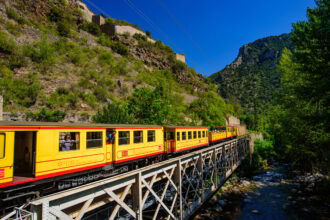
Finally, our guide to tourist traps to avoid is worth a read before any first visit, particularly around busy landmarks like Montmartre, and our Most Beautiful Train Journeys in France guide is a natural next stop for anyone extending your trip further afield by rail.