Reviewed by our editorial team Updated
Why Visit Germany?
Germany is one of Europe’s most rewarding countries to explore because it combines major cities, storybook scenery, deep history, efficient infrastructure, and strong regional character in a way few destinations do as well.
You can spend one part of your trip exploring the cultural energy of Berlin, the elegance of Munich, the waterfront atmosphere of Hamburg, or the cathedral cities along the Rhine, then move on to castles, vineyards, forests, mountain routes, lakes, and Christmas markets without constantly having to relearn how the country works. That mix of variety and practicality is what makes Germany such a strong all-round destination.
It is also a country that suits many different travel styles. You can build a trip around history, museums, architecture, nature, food, train travel, city breaks, hiking, winter markets, or road trips, and Germany can support all of them. The transport network is extensive, the cities are well organised, and tourism infrastructure is generally strong, which means even ambitious itineraries are manageable if you have the right planning tools. The German National Tourist Board organises its own official inspiration along similar lines, grouping ideas by cities and culture, nature and the outdoors, palaces and castles, and by season.
Another reason Germany works so well is that it feels both historic and modern at the same time. Roman remains, medieval old towns, Prussian monuments, Cold War landmarks, and memorial sites sit alongside design hotels, modern galleries, clean public transport systems, and internationally connected business districts. That contrast gives the country substance. It does not rely on one single travel identity. Instead, it offers a broad and layered experience that can feel different from one region to the next.
For travellers who want a destination that is interesting, efficient, varied, and easy to navigate, Germany is one of the best choices in Europe. With the right Germany travel apps, moving between cities, booking transport, finding your way, staying connected, and managing reservations becomes much easier, which is exactly why this guide matters.
| Category | Details |
|---|---|
| Capital | Berlin |
| Population | ~83 million |
| Official Language | German |
| Currency | Euro (€) |
| Time Zone | Central European Time (CET/CEST) |
| Plug Type | Type C & F (230V, 50Hz) |
| Emergency Number | 112 |
| EU Member | Yes |
| Driving Side | Right |
A Brief History of Germany
Germany’s history is long, influential, and at times deeply turbulent, and understanding even the broad outline adds real depth to a visit. For centuries, the lands that now form modern Germany were not a single country but a patchwork of kingdoms, duchies, bishoprics, and principalities within the Holy Roman Empire. This fragmented structure shaped the country’s regional diversity, which is still visible today in dialects, architecture, traditions, food, and local identity.
The modern German state emerged much later. In 1871, following a period of political and military change led by Otto von Bismarck, Germany was unified into the German Empire. This new state quickly became a major industrial and political power, with growing influence across Europe. Cities expanded, railways spread, and Germany established itself as a leading force in manufacturing, science, and engineering.
The 20th century brought enormous upheaval. After defeat in World War I, Germany experienced political instability, economic crisis, and social tension under the Weimar Republic. These conditions contributed to the rise of Adolf Hitler, which led Germany into World War II and carried out the Holocaust, one of the greatest crimes in human history. The destruction of the war left physical, political, and moral scars that still shape how Germany understands itself.
After 1945, Germany was divided into West Germany and East Germany, with Berlin itself split during the Cold War. The Berlin Wall became the most visible symbol of that division. In 1989, peaceful protests and political change led to the fall of the wall, and in 1990 Germany was reunified. That reunification was one of the defining events of modern European history.
Today, Germany is one of Europe’s most important democracies and a leading force in industry, sustainability, engineering, culture, and European politics. It is also a country that takes remembrance seriously. Across Germany, memorials, museums, preserved sites, and public history projects reflect a strong commitment to confronting the past rather than hiding it. That makes Germany not only interesting to visit, but also intellectually and emotionally substantial.
Browse hotels and accommodation for your visit to Germany.
View staysBrowse apartments, holiday homes and self-catering stays in Germany.
View rentalsCompare hotel deals in Germany from multiple booking sites.
Compare pricesMajor Cities in Germany and What to Expect
Germany’s diversity becomes clearest when you look at its cities. Each major city has a very different rhythm, identity, and travel appeal, which is why the best Germany travel apps are not just useful for transport, but for helping you adapt your planning to the place you are in.
Berlin is the country’s capital and its most layered urban experience. It is a city of Cold War history, memorial culture, nightlife, political landmarks, museums, creative neighbourhoods, and huge distances between districts. You do not experience Berlin properly by staying in one small area. Good navigation and local mobility apps are essential here because the city is broad, varied, and constantly shifting in atmosphere.
Munich feels very different. It is more polished, more compact in its central core, and more strongly associated with Bavarian tradition, beer halls, green spaces, elegant boulevards, and access to the Alps. It works well for travellers who want a city break that blends culture with order and efficiency. Public transport apps are especially useful here because the city’s system is excellent, and moving between neighbourhoods, museums, parks, and day-trip routes is usually seamless.
Hamburg brings a maritime character that sets it apart from the rest of the country. Canals, bridges, the port, warehouse districts, music venues, and waterside redevelopment all shape the city’s identity. It feels open and spacious, with a strong connection to trade, shipping, and international culture. Dining and transport apps are especially useful here because the city spreads across distinct districts rather than revolving around one compact centre.
Frankfurt is often underestimated. Many travellers know it only as an airport or business hub, but it also offers riverside walks, museums, historic reconstruction, and quick regional access. It is especially practical for short stays, stopovers, and onward rail journeys. Its efficiency makes it a strong fit for travellers who want a smooth and well-connected base.
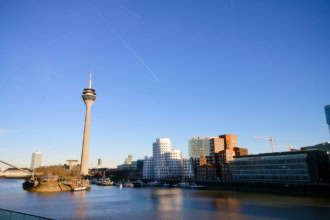
Cologne is built around a different kind of appeal. It is lively, friendly, creative, and famous for its cathedral, carnival culture, riverfront, and open social atmosphere. Düsseldorf, nearby, offers another contrast with its blend of fashion, art, business travel, and polished riverside districts. Smaller cities such as Heidelberg, Lübeck, Trier, Freiburg, and Rothenburg ob der Tauber add yet another dimension, showing how much of Germany’s appeal lies beyond the biggest names.
If Cologne is on your route, our guide to the best things to do in Cologne covers its cathedral, museums, and riverside highlights in more depth.
This variety is exactly why travel apps matter so much in Germany. The country is easy to move through, but every city rewards slightly different tools, whether you are booking transport, finding restaurants, buying local tickets, or planning short urban journeys.

Beyond Germany’s Major Cities: Unique Experiences Across the Country
While many travellers focus primarily on Berlin, Munich and Hamburg, some of the country’s most rewarding experiences are found far beyond Germany’s largest urban centres. From dramatic Alpine peaks and castle-lined river valleys to steam railways and medieval towns, travelling deeper into Germany often reveals a completely different side of the country.
In the far south near the Austrian border, Zugspitze offers one of the most spectacular mountain experiences in Central Europe. As Germany’s highest mountain, the summit combines panoramic Alpine views, year-round snow activities, glacier experiences and modern cable cars linking Bavaria with Tirol.
Travellers can ascend using the famous Bayerische Zugspitzbahn cog railway before descending by cable car, making it one of the country’s best scenic transport experiences as well as a major attraction in its own right. If you are planning a trip into the Bavarian Alps, our full Zugspitze travel guide explains how to visit, the best routes, ticket options and what to expect at the summit.
Nearby, Eagle’s Nest and Berchtesgaden add a further highlight to any Bavarian Alps itinerary, pairing dramatic mountain scenery with a striking piece of wartime history.
Further west, the winding Moselle Valley provides a completely different atmosphere, with steep vineyard-covered hills, half-timbered wine villages and riverside towns such as Cochem and Bernkastel-Kues. This region is particularly popular for slow travel itineraries, river cruises and scenic rail journeys linking western Germany with Luxembourg and France.
Travellers interested in castles and classic fairytale landscapes should consider the famous Romantic Road, which connects historic towns including Rothenburg ob der Tauber, Dinkelsbühl and Füssen. The route eventually reaches Neuschwanstein Castle, one of Europe’s most recognisable royal palaces and a major highlight for visitors exploring southern Germany.
Northern and eastern Germany also contain some surprisingly underrated destinations. The rugged sandstone landscapes of Saxon Switzerland National Park near Dresden attract hikers, photographers and outdoor travellers looking for dramatic scenery beyond the Alps. Meanwhile, the historic steam railways of the Harz Mountains still carry passengers through forests and mountain landscapes using traditional narrow-gauge steam locomotives, creating one of the most nostalgic rail experiences in Europe.
Along the Rhine Gorge, travellers can explore UNESCO-listed river scenery filled with medieval castles, vineyard towns and traditional river cruises between places such as Koblenz, Bacharach and Rüdesheim. In the north, Rügen Island offers sandy Baltic beaches, chalk cliffs and seaside resorts that feel very different from Germany’s inland cities, especially during summer.
Exploring beyond Germany’s major cities not only provides a more diverse travel experience, but also reveals how geographically and culturally varied the country really is. Whether you are interested in Alpine landscapes, scenic railways, historic towns or coastal escapes, these regional destinations often become the highlights travellers remember most after visiting Germany.
Getting to Germany
Germany is one of the easiest countries in Europe to reach, whether you are arriving by air, rail, coach, or road. Its central location means it works not only as a destination in its own right but also as a natural part of wider European itineraries. For international visitors, flying is often the main entry point, while travellers already in Europe frequently arrive by train or long-distance coach.
The country has a strong network of major airports, with Frankfurt, Munich, and Berlin Brandenburg acting as the most important international gateways. These airports connect Germany to destinations across Europe, North America, Asia, the Middle East, and beyond. One of Germany’s strengths is that arrival does not usually feel like the end of the transport system. Major airports are integrated with regional rail, local public transport, and long-distance connections, which makes onward travel relatively easy.
Germany is equally strong by rail. It sits at the centre of several major European train corridors, which means you can arrive from France, Belgium, the Netherlands, Switzerland, Austria, the Czech Republic, Denmark, and beyond without difficulty. High-speed services and cross-border trains make Germany especially attractive for travellers building multi-country rail trips.
Driving into Germany is also straightforward for many European travellers. The road network is extensive, signage is clear, and border crossings are generally uncomplicated within the Schengen area. Long-distance coach routes add another layer of flexibility, particularly for budget-conscious travellers.
In practical terms, Germany is not difficult to reach. The real question is not whether you can get there easily, but which arrival route best fits the rest of your trip. That is where the right train, flight, navigation, and booking apps become genuinely useful.
Major Airports
Germany’s airport network is one of the strongest in Europe, and for most international travellers, this is where the journey begins. What makes these airports particularly effective is not just their global connectivity, but how well they link directly into the country’s rail and public transport systems, allowing you to move quickly beyond your arrival point.
Frankfurt Airport (FRA) is the largest and busiest in the country, and one of Europe’s main aviation hubs. It connects to hundreds of destinations worldwide and serves as a major transfer point for long-haul travel. One of its biggest advantages is its direct integration with the high-speed rail network, meaning you can step off a flight and continue your journey across Germany without needing a separate transfer into the city. For a full breakdown of taxi, train, and shuttle options into the centre, see our Frankfurt Airport Transfers guide.
Munich Airport (MUC) offers a different experience. It is often considered one of Europe’s most efficient and passenger-friendly airports, with a more relaxed layout and excellent facilities. It is particularly well positioned for travellers heading into Bavaria, southern Germany, Austria, and the Alps, making it ideal for trips that combine city exploration with nature or mountain regions.
Berlin Brandenburg Airport (BER) serves the capital and has become the main gateway for travellers heading into eastern Germany. While smaller than Frankfurt, it continues to expand its route network and offers strong connections across Europe and to selected long-haul destinations. From here, access into Berlin’s transport network is straightforward and reliable.
Other key airports such as Düsseldorf, Hamburg, and Cologne Bonn play an important regional role. They offer excellent European connections and are often more convenient if your destination is in western or northern Germany. These airports are generally easier to navigate and less congested than the main hubs, which can make arrival feel smoother.
Across all of these airports, the experience is consistent. Clear signage, efficient processing, and strong onward connections make it easy to move from arrival to your next destination without unnecessary delays.

Lufthansa – Germany’s Flag Carrier
Lufthansa plays a central role in travel to and within Germany. As the country’s national airline, it connects major German cities with destinations across Europe and the wider world, while also linking smaller regional airports into global routes.
The airline’s main hubs are in Frankfurt and Munich, and these act as the backbone of its network. From these hubs, travellers can connect to long-haul flights across North America, Asia, Africa, and the Middle East, as well as short-haul routes across Europe. This makes Lufthansa particularly useful for international visitors who need a reliable entry point into Germany before continuing their journey.
One of the key advantages of flying with Lufthansa is consistency. The airline is known for reliable scheduling, strong safety standards, and well-managed connections, which is especially important if you are transferring between flights or combining air travel with rail journeys.
The Lufthansa app is a useful companion throughout the journey. It allows you to check in, manage bookings, receive real-time updates, and store digital boarding passes, which removes the need for printed documents and helps streamline the airport experience. Notifications about delays, gate changes, or boarding times can also make a noticeable difference, particularly in large airports.
For travellers combining flights with rail travel or onward connections, Lufthansa fits well into the wider German transport system. It acts as a gateway rather than just a standalone service, which is exactly what makes travelling through Germany feel so efficient overall.

App availability and prices vary by country. Some of these may not appear in your local App Store or Google Play.
Trains & Cross-Border Travel
Germany is at the heart of Europe, and its rail network is one of the most efficient and extensive in the world. Travelling by train is not only fast and convenient but also environmentally friendly, making it a preferred choice for both domestic and international journeys.
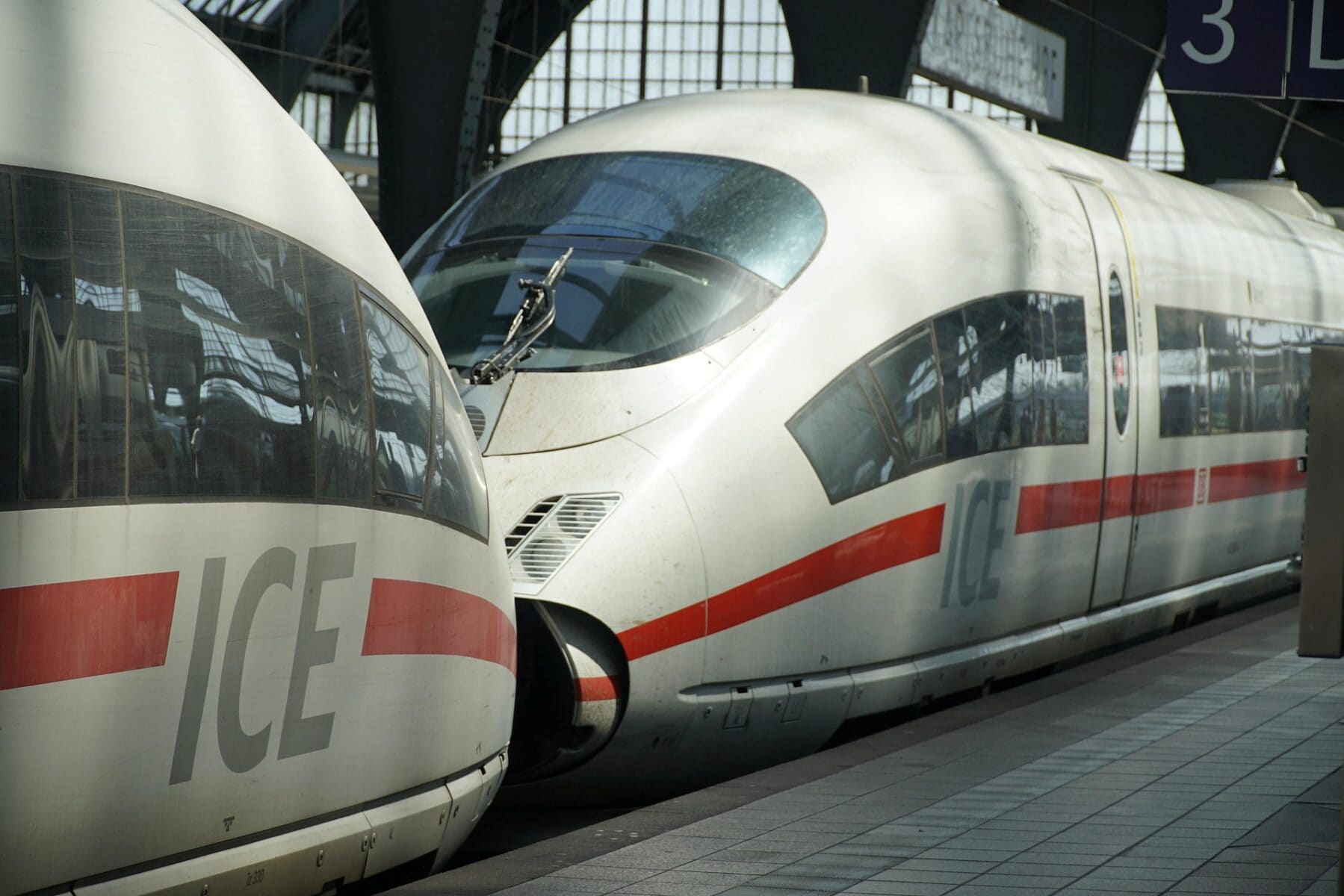
The backbone of this network is the InterCity Express (ICE), Germany’s flagship high-speed train, capable of reaching speeds up to 300 km/h. ICE services connect major German cities such as Berlin, Frankfurt, Munich, and Hamburg, and extend across borders to destinations in France, the Netherlands, Belgium, Austria, and Switzerland.
Alongside the ICE, international trains like Eurostar (which absorbed the former Thalys network in 2023), EuroCity (EC), and TGV offer seamless travel to Paris, Brussels, Zurich, Vienna, and beyond. Regional cross-border services also make it easy to reach neighbouring countries, for example, from Cologne to Luxembourg or Dresden to Prague. With excellent frequency, comfortable seating, and onboard amenities, Germany’s trains are well-suited to both short city hops and longer European adventures.
The DB Navigator app is the essential tool for managing train travel in Germany. It provides real-time timetables, up-to-date platform information, and instant delay or disruption alerts. Tickets can be purchased directly in the app, including regional offers like Länder-Tickets, group passes, and international routes. Digital boarding passes make travel paperless, and features such as seat reservations, journey sharing, and push notifications enhance the overall experience.
Whether planning a scenic ride along the Rhine Valley, a high-speed sprint to Paris, or a relaxed overnight journey to Vienna, Germany’s train system makes cross-border travel smooth, reliable, and stress-free.
For longer journeys or multi-city adventures, many travellers choose the Interrail Pass, which offers flexible, unlimited rail travel across Germany and the rest of Europe. It’s particularly valuable if you plan to combine major cities like Berlin, Munich, and Hamburg with cross-border trips to Austria, France, or Switzerland.
An Interrail Pass can save money compared to individual tickets and provides the freedom to adjust your itinerary as you go. For full details on routes, pass options, and how to make the most of rail travel in Germany, see our dedicated Germany Interrail Pass Guide. If your needs are more domestic, our German Rail Tickets Explained guide breaks down Länder-Tickets and the Deutschland-Ticket, while travellers connecting onward via the Channel Tunnel may find our Eurostar and Interrail guide useful for combining routes.
App availability and prices vary by country. Some of these may not appear in your local App Store or Google Play.
Many regional and international routes also appear in the Trainline app, which can compare prices and cover intercity buses too.

App availability and prices vary by country. Some of these may not appear in your local App Store or Google Play.
Germany’s public transport system is integrated and efficient, so travellers arriving by air or rail can easily connect to local transport in any city.
Public Transport & Local Mobility
Germany’s cities are built around strong public transport systems, and this is one of the reasons travelling here feels so straightforward. Whether you are in a large city or a smaller regional centre, you will typically find a network of U-Bahn (underground), S-Bahn (suburban rail), trams, and buses working together as a single system.
One of the key advantages is integration. In most cities, a single ticket allows you to move across multiple modes of transport within a set time period. This means you can combine different routes without needing to buy separate tickets, which simplifies day-to-day travel significantly.
Ticket prices vary slightly by region, but in most major cities, a standard single journey costs between €2.80 and €3.50 (£2.40 to £3 / $3.20 to $4). Day passes, group tickets, and weekly options are widely available, and these can offer good value if you are travelling frequently within a short period.
The DB Navigator app is useful not just for long-distance trains, but also for many regional and local services. It provides real-time departure information and allows you to purchase mobile tickets directly. For more detailed urban route planning, apps like Moovit can help with door-to-door navigation, combining walking, public transport, and shared mobility options.
In larger cities, contactless payment is becoming more common, but it is still advisable to rely on official apps or ticket machines, particularly outside major urban centres.
What stands out most is reliability. Services run frequently, connections are logical, and the system is designed to be predictable. This allows you to move around confidently without needing to constantly check schedules or worry about delays.
App availability and prices vary by country. Some of these may not appear in your local App Store or Google Play.
The Moovit app is useful for door-to-door trip planning across Germany’s urban networks, including less-touristy areas. It combines public transport, bike hire, walking routes, and shared mobility options.

App availability and prices vary by country. Some of these may not appear in your local App Store or Google Play.
In Berlin, Munich, Hamburg, and other large cities, contactless payment is increasingly accepted on buses and trams. However, it’s still advisable to use official apps or buy paper tickets in smaller towns.
Search flights and useful route combinations for your trip.
View flightsChoose an Airalo eSIM and arrange mobile data before you arrive.
Browse eSIMsHave a private airport pickup arranged before you travel.
Book a transferDriving, Car Hire & Road Travel
While public transport is excellent, driving can still be a valuable option in Germany, particularly if you plan to explore rural areas, scenic routes, or regions with limited rail coverage.
Germany’s road network is among the best in Europe. High-quality motorways, clear signage, and well-maintained infrastructure make driving relatively straightforward, even for visitors unfamiliar with the country. The famous Autobahn is often associated with unrestricted speed, but in reality, many sections do have limits, and conditions vary depending on traffic and location.
Car hire is widely available at major airports and in city centres. International visitors can usually rent a vehicle with a valid driving licence, although an International Driving Permit is recommended in some cases. Fuel prices are comparable to other Western European countries, and petrol stations are easy to find along major routes.
Driving within city centres is less appealing. Narrow streets, limited parking, and traffic restrictions can make it more complicated than using public transport. In many cases, it is more practical to collect a rental car only when leaving the city, rather than keeping it for your entire stay.
There are also a few important rules to be aware of. Germany enforces strict drink-driving laws, and many cities operate low-emission zones, which require a valid emissions sticker to enter. In winter, certain conditions require the use of winter tyres, particularly in mountainous areas.
For navigation, apps like Google Maps or HERE WeGo provide real-time traffic updates and route planning, making it easy to adapt your journey as needed.
Driving in Germany works best when it is used strategically. It is not always necessary, but for the right type of trip, it offers a level of flexibility that public transport cannot always match.
The Rentalcars.com app is a convenient aggregator for booking and managing car rentals across major German cities and airports.

App availability and prices vary by country. Some of these may not appear in your local App Store or Google Play.
To navigate with real-time traffic updates, offline maps, and speed limit alerts, HERE WeGo and Google Maps are both reliable choices.

App availability and prices vary by country. Some of these may not appear in your local App Store or Google Play.
Germany enforces strict drink-driving laws, winter tyre requirements, and emissions stickers (Umweltplakette) for city access in low-emission zones. Apps like ADAC Drive (German-only) or Green-Zones.eu help check local restrictions.
Scooters, Bikes & Urban Mobility
Across Germany, urban mobility has expanded far beyond traditional public transport, and in most major cities you will find a wide range of flexible, app-based travel options that make short journeys faster and more convenient.
Electric scooters are now a common sight in cities such as Berlin, Munich, Hamburg, Cologne, and Düsseldorf. Providers like Dott (which has absorbed the former Tier fleets), Lime, and other local operators allow you to unlock a scooter through an app, ride to your destination, and leave it in a designated area. Pricing typically includes a small unlock fee followed by a per-minute charge, which makes scooters ideal for short distances or quick connections between transport hubs and attractions.
Bike-sharing schemes are equally widespread and often more practical for longer short-distance travel. Services such as Nextbike and city-run systems provide access to standard bicycles and, increasingly, electric bikes. These are particularly useful in cities with extensive cycle lanes or along riverside routes, where cycling can be faster than public transport for certain journeys.
What makes this system effective is integration. In cities like Berlin and Munich, apps such as Jelbi or MVGO bring together public transport, scooters, bikes, and even car-sharing options into a single platform. This allows you to plan and complete an entire journey without switching between multiple apps, which is especially useful for visitors.
There are, however, a few practical considerations. Scooters must be used in designated areas such as bike lanes or roads, not on pavements, and improper parking can result in fines. While helmets are not legally required, they are strongly recommended for safety.
Used correctly, these mobility options add a layer of flexibility that complements Germany’s already strong transport network, particularly for short urban trips where speed and convenience matter most.

App availability and prices vary by country. Some of these may not appear in your local App Store or Google Play.
SIM Cards, eSIMs & Connectivity
Staying connected in Germany is straightforward, and reliable mobile data makes a noticeable difference when using navigation, booking apps, translation tools, and real-time transport updates.
Traditional SIM cards are widely available at airports, supermarkets, convenience stores, and mobile phone shops. Major providers include Telekom, Vodafone, and O2, all of which offer prepaid packages suitable for travellers. These typically include data bundles, local calls, and EU roaming, making them practical for multi-country trips.
For many travellers, however, eSIMs have become the simplest option. If your phone supports eSIM technology, you can activate a data plan before arrival and connect immediately upon landing, without needing to visit a shop or swap a physical SIM card. This is particularly useful for short stays or trips involving multiple countries.
Germany has strong 4G and expanding 5G coverage, especially in cities and along major transport routes. Even in rural areas, connectivity is generally reliable, although speeds may vary depending on location.
Free Wi-Fi is widely available in hotels, cafés, airports, train stations, and some public areas, but it is not always consistent or secure enough for navigation or booking tasks. Having mobile data ensures you can rely on maps, tickets, and travel apps at any time.
For practical travel, connectivity is no longer optional. It underpins everything from finding your route to managing bookings and checking real-time updates, which is why choosing the right SIM or eSIM setup is an important early decision.
Stay Connected Abroad with Airalo eSIM Travel Data
Staying connected abroad is essential, whether you need maps, tickets, or last-minute bookings. Airalo makes it easy to get mobile data instantly with eSIM plans covering over 200 countries, without the need for a physical SIM card.
It is ideal for international travel, multi-country trips, and avoiding expensive roaming charges. You can set everything up in minutes and stay online from the moment you arrive.
Scan to open
on your phone

Where to Stay – Booking Apps & Tips
Germany offers a wide range of accommodation options, and choosing where to stay is usually more about location and timing than availability. From large international hotel chains to boutique properties, guesthouses, and serviced apartments, there is something to suit most travel styles and budgets.
In major cities such as Berlin, Munich, and Hamburg, demand can fluctuate significantly depending on events, trade fairs, and festivals. Prices often rise sharply during peak periods, so booking in advance is strongly recommended if your trip coincides with major events such as Oktoberfest, Christmas markets, or international exhibitions.
Location plays a key role in convenience. Staying near a Hauptbahnhof (main train station) or a well-connected U-Bahn or S-Bahn stop makes it much easier to explore the city and reach onward transport. In many cases, this is more important than staying directly in the historic centre, especially in larger cities where distances can be greater than expected.
For families or groups, apartment-style accommodation can offer better value and more space, particularly for longer stays. Many booking platforms now provide flexible options that allow you to compare hotels, apartments, and short-term rentals in the same search.
It is also worth noting that many German cities apply a tourist tax, typically ranging from €1 to €5 (£0.85 to £4.30 / $1.15 to $5.70) per person per night, which may be added to your final bill. This is standard practice and helps fund local tourism infrastructure.
Overall, accommodation in Germany is reliable, varied, and generally good quality. The key is choosing a location that aligns with your itinerary, rather than focusing solely on price or hotel category.
Toilet Finder & Accessibility Apps
Practical details such as finding a public toilet can make a significant difference to your travel experience, especially in busy cities or when moving between attractions. In Germany, public facilities are generally clean and well maintained, but they are not always free or immediately visible.
Many public toilets, particularly in train stations, shopping centres, and tourist areas, charge a small fee, usually around €0.50 (£0.43 / $0.57). Payment may be made in coins or via contactless systems, so it is useful to be prepared for both.
Apps designed to locate toilets can be surprisingly valuable. They provide locations, opening hours, user reviews, and accessibility information, allowing you to plan ahead rather than searching at the last minute. This is particularly helpful in unfamiliar cities or when travelling with children.
Accessibility is another important consideration. Germany has a strong framework for accessible facilities, and many locations use the Euro Key system, which allows access to secure toilets designed for disabled users across multiple European countries. Travellers who require these facilities can benefit from apps that highlight step-free access, adapted toilets, and accessible routes.
In practical terms, these tools solve a problem that many travellers underestimate. Having reliable access to facilities improves comfort, reduces stress, and allows you to explore more freely throughout the day.
Food Delivery & Restaurant Apps
Germany’s food scene is far more diverse than many travellers expect, and digital tools make it much easier to explore it efficiently. From traditional dishes such as sausages, schnitzel, and regional specialities to international cuisine, vegan dining, and high-end restaurants, there is a wide range of options in every major city.
Food delivery apps are widely used, particularly in urban areas. They allow you to order directly to your accommodation, which is useful after long travel days or late arrivals. These platforms typically cover everything from fast food to more premium dining options, and most support international payment methods.
Restaurant booking apps are equally valuable, especially in cities where popular venues fill up quickly. Being able to browse menus, read reviews, and reserve tables in advance helps avoid waiting times and ensures access to the places you actually want to visit.
In smaller towns, the experience is often more traditional. Many excellent restaurants are not heavily digitised, and you may rely more on local recommendations or simply exploring on foot. However, even in these areas, apps can still help you identify key options and avoid tourist traps.
What these tools ultimately provide is efficiency. Instead of spending time searching for places to eat, you can make informed decisions quickly and focus on enjoying the experience.
App availability and prices vary by country. Some of these may not appear in your local App Store or Google Play.
Browse hostels and budget-friendly stays around Germany.
See hostelsGet help with compensation, eligible lounge access and disruption support.
Explore AirHelp+Arriving before check-in or leaving later? Store your luggage and make more of your time in Germany.
Store your bagsCity Passes & Tourist Discount Cards
Across Germany, many cities offer tourist cards designed to simplify travel and reduce costs, but their real value depends on how you plan to use them. These passes typically combine public transport access with discounted or free entry to attractions, creating a single, easy-to-use system for exploring a city.
In destinations such as Berlin, Munich, Hamburg, and Cologne, city cards are particularly well developed. They often include unlimited travel across local transport networks alongside reduced admission to museums, landmarks, and guided tours. Some also include additional benefits such as discounts on restaurants, river cruises, or cultural events.
The main advantage is convenience combined with potential savings. Instead of buying separate tickets for transport and attractions, everything is bundled into one product. This reduces friction during your trip and allows you to move around the city without constantly thinking about costs or ticket purchases.
However, these cards are not automatically the best option for every traveller. If your itinerary is light, focused on just one or two attractions, or mostly based on walking, the cost may outweigh the benefits. Their value increases when you are actively visiting multiple sites and using public transport regularly.
A useful rule is simple. If you plan to visit at least three attractions and travel across the city, a card will often pay for itself. If your plans are more relaxed, it’s worth comparing individual ticket prices before committing.
Used correctly, city passes can streamline your experience and remove a lot of small decisions throughout the day. Used without planning, they can easily become an unnecessary expense.
Safety & Local Travel Tips
Germany is widely regarded as one of the safest countries in Europe, and for most travellers, the experience is straightforward and trouble-free. That said, understanding a few practical realities will help you move confidently and avoid common issues.
Petty crime, particularly pickpocketing, does exist in busy areas such as train stations, tourist hotspots, and crowded public transport. Keeping your belongings secure and avoiding open pockets is usually enough to minimise risk.
Public transport is reliable and safe, even late at night in major cities. However, it is always sensible to stay aware of your surroundings, particularly when travelling alone or in quieter areas after dark.
There are also a few cultural habits that can catch travellers off guard. Cycle lanes are taken seriously, and stepping into one without looking can quickly lead to a near miss. Similarly, crossing the road against traffic signals is frowned upon and sometimes fined, especially in cities.
Taxis are regulated and trustworthy, and ride-hailing services operate in most large cities. Emergency services are efficient, and the standard emergency number 112 works nationwide.
Overall, safety in Germany is less about avoiding danger and more about respecting systems and staying aware in busy environments. With basic precautions, travel is smooth, predictable, and comfortable.
Budget Planning & Currency Tips
Germany sits firmly in the mid-range category for European travel costs, but how much you spend depends heavily on your choices around transport, accommodation, and dining.
Daily expenses are generally predictable. Meals in casual restaurants often fall between €10 and €20 (£8.60 to £17 / $11 to $23), while museum entries typically range from €6 to €12 (£5 to £10 / $7 to $14). Transport costs vary depending on distance and booking time, with long-distance train tickets fluctuating significantly based on demand.
One important point is payment culture. While card usage has increased, cash is still widely used, particularly in smaller towns, independent shops, and local cafés. Having a mix of payment methods avoids inconvenience, especially outside major cities.
ATMs are easy to find, and using a bank-affiliated machine usually provides fair exchange rates. It’s best to avoid standalone or tourist-area machines where fees and exchange rates can be less favourable.
Tipping is modest but expected. In most cases, rounding up the bill or adding around 5 to 10 percent is standard, and it is customary to hand the tip directly to the server rather than leaving it on the table.
The key to managing your budget in Germany is balance. Transport and accommodation can be optimised with early booking, while daily costs remain relatively stable. With a little planning, it is easy to keep spending under control without limiting your experience.

Weather, Seasons & When to Visit
Germany’s climate changes significantly throughout the year, and the timing of your trip will shape your overall experience more than almost any other factor.
Spring brings mild temperatures and fewer crowds, making it one of the most comfortable times to visit cities and explore the countryside. Parks and gardens come to life, and travel feels more relaxed compared to peak season.
Summer is the busiest period. Cities are lively, outdoor events are in full swing, and lakes and open-air spaces become central to daily life. Temperatures can rise, particularly in southern regions, but the longer days create more time to explore.
Autumn offers a different appeal. Cooler temperatures, changing colours, and seasonal events create a more atmospheric experience. This is also the time for major cultural highlights such as Oktoberfest, which significantly increases demand in certain regions.
Winter is colder, especially in the south and mountainous areas, but it brings one of Germany’s most distinctive experiences: Christmas markets. Cities transform into festive spaces, with lights, food stalls, and seasonal traditions creating a unique atmosphere.
Rain is possible at any time of year, so flexible clothing and light layers are always a good idea. The best travel windows tend to be late spring and early autumn, when conditions are comfortable and crowds are more manageable.
Accessibility Guide – Travelling Germany with Confidence
Germany offers a generally high standard of accessibility, particularly in major cities and transport hubs, although older infrastructure in historic areas can still present challenges.
Public transport is increasingly accessible. Larger train stations are equipped with lifts, ramps, and clear signage, while assistance services are available to help with boarding and connections. In major cities, metro and tram systems are steadily improving, although not every station is fully step-free.
Many museums, hotels, and public buildings provide accessible entrances, adapted facilities, and support services, but it is still advisable to check in advance, particularly for smaller or historic venues.
Accessible toilets are widely available, and the Euro Key system provides controlled access to facilities designed specifically for disabled users. This system is used across much of Europe and can significantly improve ease of travel.
Digital tools also play a role here, helping travellers identify accessible routes, entrances, and facilities before they arrive. This reduces uncertainty and allows for better planning throughout the trip.
While accessibility standards are strong overall, the key is preparation. With the right information and a little forward planning, Germany can be travelled with confidence and relative ease.
Cultural Norms and Local Etiquette
Understanding how things work socially in Germany will make your trip noticeably smoother. The country has a reputation for structure and directness, and while that can feel formal at first, it actually creates clarity and predictability in everyday interactions.
Punctuality sits at the centre of this. Whether it’s a train, a restaurant booking, or meeting someone, being on time is expected. Arriving even a few minutes early is considered normal, while being late without notice is seen as disrespectful. This applies just as much to casual situations as it does to formal ones.
Communication is typically clear, direct, and efficient. Germans tend to say exactly what they mean, without much softening or small talk. This isn’t rudeness, it’s simply a different communication style. Once you understand that, interactions become easier and more comfortable.
In public spaces, behaviour is generally more reserved. Public transport, cafés, and shared environments tend to be quieter, with people respecting personal space. Loud conversations or disruptive behaviour stand out quickly and are usually avoided.
There are also small everyday habits that matter. Waiting for the green pedestrian signal, standing on the correct side of escalators, and respecting cycle lanes are all part of the rhythm of daily life. These aren’t just suggestions, they are followed closely by locals.
Once you align with these norms, Germany becomes an easy place to navigate. The systems work well, people are helpful when approached, and the overall experience feels organised rather than restrictive.

National Holidays and Major Events
Germany’s calendar is shaped by a mix of national holidays, regional traditions, and seasonal events, and these can have a real impact on travel plans.
Public holidays often mean closed shops, reduced services, and quieter cities, particularly outside major tourist areas. While restaurants and attractions may still operate, it’s always worth checking opening hours in advance.
One of the most important dates is German Unity Day on 3 October, which marks the reunification of the country. Celebrations take place nationwide, often with events, concerts, and public gatherings.
Religious holidays such as Easter and Christmas are widely observed. During these periods, travel demand increases, especially around key dates. At the same time, they bring some of the most distinctive experiences, particularly during December when Christmas markets transform cities across the country.
Seasonal events also play a major role. Oktoberfest in Munich is the most famous, attracting visitors from around the world and significantly increasing demand for accommodation and transport. Similar regional festivals take place throughout the year, often tied to local culture, food, or wine.
What matters for travellers is awareness. Holidays can either enhance your experience or complicate logistics, depending on how prepared you are. Checking dates before you travel helps you avoid surprises and, in some cases, take advantage of events you might otherwise miss.

Rupert’s Handy Travel Tips
I’ve criss-crossed Germany by ICE more times than I can count, here’s what I’d want a fellow traveller to know before setting off.
- Validate before you board: Regional and Länder-Ticket fares are not always checked at the gate, but travelling without a validated ticket can mean an on-the-spot fine, so stamp or activate it before the train leaves.
- Plan around Sunday closures: Most shops and supermarkets close on Sundays, so pick up essentials the day before, especially outside major cities.
- Carry some cash for small purchases: Card acceptance is strong in cities, but bakeries, markets, and some regional trains still prefer coins or notes.
- Tip discreetly, not on the table: Round up the bill or add 5 to 10 percent, and hand it directly to the server rather than leaving it behind.
- Compare regional passes before buying single tickets: A Länder-Ticket or the Deutschland-Ticket can work out cheaper than several individual fares if you are making more than one journey in a day.
Want to meet the reindeer behind our travel tips? Find out more in our page Who is Rupert?.


Frequently Asked Questions
What are the best Germany travel apps for public transport?
DB Navigator and Moovit are two of the most useful public transport apps in Germany. DB Navigator works nationwide for trains, trams, and buses, while Moovit helps plan routes using real-time data, especially in urban areas.
Is it easy to get mobile data or a SIM card in Germany?
Yes. You can buy prepaid SIM cards at airports, supermarkets, or phone shops. eSIMs from apps like Airalo are also a convenient option, especially for short-term travel.
Can I use contactless payment and cards everywhere?
Most places in big cities accept contactless cards, but smaller shops and cafes may still prefer cash. It’s always smart to carry some euros, especially coins.
Do I need to speak German to travel around?
No, but learning a few basic phrases helps. Most younger Germans and those in the tourism sector speak English. Apps like Google Translate or DeepL can assist with menus and signs.
Are taxis or rideshare apps better in Germany?
Traditional taxis are safe and reliable, and regulated fares make pricing consistent. Rideshare apps like Free Now operate in many cities and are often faster than Uber.
Is Germany accessible for disabled travellers?
Yes, major cities have good accessibility. DB Navigator offers assistance for train travel, and apps like WheelMate and Wheelmap help locate accessible toilets and venues.
When’s the best time to visit Germany?
Spring (April–June) and autumn (September–October) offer mild weather, fewer crowds, and vibrant festivals. Summer is popular but can be hot and crowded, especially in cities.
Do German cities offer tourist cards or city passes?
Yes, cities like Berlin, Munich, and Hamburg have tourist cards that include public transport and attraction discounts. Many can be purchased digitally or via an app.
Further Reading & Related App Guides
Want to prepare for every part of your journey? These related guides go deeper into the practical details this page only introduces, from choosing where to base yourself to picking the right ticket for a cross-border trip. If a Rhineland city break is part of your itinerary, our Düsseldorf Travel Guide covers the Altstadt, riverfront, and transport tips for one of Germany’s most underrated destinations.
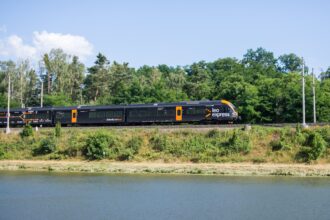
Rail travel is where most of the planning effort tends to pay off. Our Interrail Germany Pass Guide explains routes, prices, and how to combine major cities without buying individual tickets, while the Euregio Ticket Explained guide is worth a look if your trip crosses into the Netherlands or Belgium on a budget. Travellers weighing up cheaper long-distance alternatives to DB’s own fares should also check our Leo Express Trains Guide, which covers routes, classes, and how the tickets compare.
Beyond the trains themselves, a handful of app-based tools make day-to-day travel noticeably smoother. Our Train Booking Apps Guide compares the platforms worth having installed before you land, and the eSIM Apps Guide explains how to stay connected from the moment you arrive. For getting around once you are in a city, the Local Transport Apps Guide rounds up the best tools for buses, trams, and metro networks.
When it comes to booking your stay, our Hotel Booking Apps Guide compares the platforms that consistently offer the best rates across German cities, and the Attraction Ticket Apps Guide helps you skip queues at major sights and museums. Together, these guides should cover everything you need to plan a smooth, well-connected trip through Germany.