Reviewed by our editorial team Updated
Why European Public Holidays Matter for Travellers
Public holidays in Europe can dramatically affect your trip, often in ways many international visitors do not expect. In some countries, a public holiday simply means shops close early. In others, entire cities can feel almost shut down, with reduced public transport, packed trains, fully booked hotels, and restaurants operating on limited hours.
For travellers moving around Europe by rail, ferry, or domestic flights, public holidays can have a major impact on pricing and availability. Long-distance trains such as those operated by Eurostar, Deutsche Bahn, SNCF, and Trenitalia often sell out far earlier during major holiday weekends. Ferry routes between countries and islands can become heavily booked, while flights around Easter, Christmas, and summer national holidays regularly surge in price.
Accommodation prices can also rise sharply. A normal weekend in cities such as Paris, Rome, Barcelona, or Amsterdam may suddenly become far more expensive if it overlaps with a national holiday, religious festival, or major long weekend. In tourist-heavy regions, domestic travellers compete with international visitors for hotels, trains, and rental cars.
Another major issue is closures. In many parts of Europe, supermarkets, pharmacies, shopping centres, museums, and even restaurants may close entirely during certain public holidays. Countries such as Germany, Austria, Norway, and Poland are particularly strict with Sunday and holiday trading laws, which can catch travellers by surprise if they arrive unprepared.
Public holidays also affect atmosphere. Some dates create fantastic travel experiences, with festivals, decorations, fireworks, concerts, markets, and cultural events transforming cities completely. Others can make travel more difficult, particularly when millions of people move simultaneously during Easter, summer departures, or Christmas migration periods.
Understanding Europe’s holiday calendar therefore is not just about dates. It is about knowing when transport becomes crowded, when prices rise, when attractions close, and when destinations become either wonderfully atmospheric or logistically difficult.
How Public Holidays Work Across Europe
One of the biggest misconceptions travellers have about Europe is assuming public holidays work the same way across every country. In reality, holiday systems vary enormously between nations, regions, and even individual cities.
Some holidays are widely observed across much of Europe, such as Christmas Day, New Year’s Day, Easter Monday, and Labour Day. Others are highly regional or connected to national identity, religion, or local history. For example, Bastille Day is hugely important in France, while German Unity Day matters specifically in Germany. Spain has a complex system where both national and regional holidays exist simultaneously, meaning one city may be operating normally while another is effectively shut down.
Religion also plays a huge role in Europe’s holiday calendar. Much of western and northern Europe follows the Western Christian calendar, while countries such as Greece, Romania, and parts of eastern Europe often follow the Orthodox calendar for major religious celebrations. This means Easter may occur on completely different dates depending on where you are travelling.
Long weekends are another important concept. In many European countries, if a public holiday falls on a Thursday, workers often take Friday off as well, creating a four-day “bridge weekend.” These periods can trigger huge spikes in domestic travel demand, especially in countries such as France, Germany, and Italy.
Seasonality matters too. Northern Europe has important summer celebrations such as Midsummer in Scandinavia, while southern Europe often slows dramatically during August holidays, when locals leave major cities for the coast or countryside. During these periods, some smaller businesses close for extended stretches rather than just a single public holiday.
Travellers should also understand that Sundays in many European countries already operate with reduced services. When a public holiday falls beside a weekend, transport disruption and closures can feel much more significant than visitors from countries with 24/7 retail culture might expect.
Overall, Europe’s public holiday landscape is highly fragmented. Understanding the local calendar can make the difference between a smooth trip and arriving to find closed supermarkets, unavailable trains, and fully booked accommodation.
Best for two or three nights. The widest choice of rooms, with filters for free cancellation and included breakfast.
View staysBest for longer stays. Whole apartments and houses, so you are not eating out three times a day.
View rentalsBest for double-checking. Runs the same search across several booking sites so you are not leaving money behind.
Compare pricesMajor Europe-Wide Travel Holidays
Certain holidays create major travel impacts across large parts of Europe, even when the celebrations themselves differ slightly between countries. These are the dates travellers should pay the closest attention to when planning transport, accommodation, and sightseeing.
New Year’s Day is one of the first major disruption points of the year. While Christmas itself often centres around family gatherings, New Year brings huge public celebrations in cities such as London, Paris, Berlin, Vienna, and Edinburgh. Hotels and trains frequently sell out, while January 1st itself can feel extremely quiet, with many businesses closed.
Easter is arguably one of the most important travel periods in Europe. In many countries, both Good Friday and Easter Monday are public holidays, creating a four-day weekend with enormous domestic movement. Airports, motorways, ferries, and railways become extremely busy. Countries such as Germany, Poland, Austria, and Norway also experience extensive shop closures during Easter.
Labour Day on May 1st is observed widely across Europe and often includes demonstrations, parades, and closures. In some countries, transport strikes also become more common around this period, especially in France and southern Europe.
Ascension Day and Pentecost create further long weekends in parts of central and northern Europe, particularly in Germany, Austria, Switzerland, and the Nordic countries. These holidays may be less familiar to international visitors but can still create major travel demand.
Summer brings region-specific disruptions. In Scandinavia, Midsummer is one of the most important holidays of the year, with many cities becoming quieter as people head to countryside cabins and lakeside celebrations. Meanwhile, much of southern Europe slows during August, especially around the Assumption of Mary holiday on August 15th.
Autumn is generally calmer until the build-up toward Christmas markets begins in central Europe. From late November onward, cities such as Vienna, Prague, Munich, and Budapest become extremely popular, pushing hotel prices upward.
Finally, the Christmas and New Year period creates one of the largest travel waves in Europe. Trains, flights, and ferries become exceptionally busy, while many businesses close for several days. In some countries, December 24th is more important than December 25th itself, adding another layer of complexity for travellers.
These holiday periods shape Europe’s travel patterns far more than many first-time visitors realise.
| Public Holiday | Typical Timing | Main Countries Affected | Travel Impact | What Travellers Should Expect |
|---|---|---|---|---|
| New Year’s Day | 1 January | Most of Europe | High | Busy rail and air travel before New Year, widespread closures on January 1st |
| Epiphany | 6 January | Spain, Italy, Austria, Poland, parts of Central Europe | Moderate | Religious celebrations, reduced shopping hours, quieter city centres |
| Good Friday | March or April | UK, Germany, Nordics, parts of Central Europe | High | Reduced transport schedules, early business closures, busy Easter departures |
| Easter Sunday | March or April | Most of Europe | Very High | Large-scale closures, packed tourist destinations, limited shopping |
| Easter Monday | March or April | Most of Europe | Very High | Heavy return travel, crowded trains and airports |
| Labour Day / May Day | 1 May | Most of Europe | High | Public demonstrations, closures, heavy domestic travel |
| Victory in Europe Day | 8 May | France, Czechia, Slovakia and parts of Europe | Moderate | Ceremonies, some closures, increased local travel |
| Ascension Day | May | Germany, Austria, Switzerland, Nordics, Benelux | High | Long weekend travel surges, crowded motorways and rail services |
| Whit Sunday / Pentecost | May or June | Germany, Austria, Switzerland, Netherlands, Belgium | High | Busy domestic tourism, crowded countryside and lake regions |
| Whit Monday | May or June | Much of Central & Western Europe | High | Heavy rail demand, long weekend returns |
| Midsummer | June | Sweden, Finland, Norway, Baltics | Moderate to High | Cities quieter while lakeside and countryside destinations become extremely busy |
| Assumption Day | 15 August | Italy, Spain, Portugal, France, Poland, Austria | Very High | Massive summer migration, packed beaches, widespread closures |
| All Saints’ Day | 1 November | Poland, Austria, Hungary, Croatia, much of Central Europe | Moderate | Cemetery visits, reduced retail opening, increased domestic travel |
| Immaculate Conception | 8 December | Spain, Italy, Portugal, Austria, Poland | Moderate | Religious observances, long weekends in southern Europe |
| Christmas Eve | 24 December | Much of Europe | Very High | Early closures, packed trains and flights before evening |
| Christmas Day | 25 December | Most of Europe | Very High | Widespread closures, reduced public transport, quiet city centres |
| St Stephen’s Day / Boxing Day | 26 December | UK, Ireland, Germany, Austria, Central Europe | High | Busy return travel, reduced schedules, post-Christmas tourism |
| New Year’s Eve | 31 December | Most of Europe | Very High | Fireworks, celebrations, expensive hotels, crowded transport hubs |
Country-by-Country Public Holiday Impacts
Public holidays affect European countries in very different ways, and understanding these national differences can make travel much smoother.
In Germany, public holidays often bring widespread closures. Supermarkets, shopping centres, and many restaurants close completely, especially outside major tourist areas. Train travel remains available, but stations and long-distance routes become significantly busier during Easter, Christmas, and Pentecost weekends.
In France, holidays can create a mix of celebrations and disruption. National events such as Bastille Day bring fireworks and festivals, while strike action occasionally overlaps with busy holiday periods, affecting trains and flights. August is particularly important because many French residents leave cities for summer holidays, changing the atmosphere of destinations across the country.
Italy experiences strong domestic travel surges around Easter, Ferragosto in August, and Christmas. Coastal resorts and historic cities can become extremely crowded during these periods, while trains operated by Trenitalia and Italo often require early booking.
In Spain, the situation becomes even more complex because regional holidays matter alongside national ones. Cities such as Barcelona, Madrid, Seville, and Valencia may all operate differently depending on local celebrations and saints’ days. Semana Santa, or Holy Week, is especially significant, transforming many Spanish cities through processions and religious events.
The Nordic countries often experience quieter cities during holidays because many residents leave urban areas entirely. In Norway and Sweden, holidays such as Easter and Midsummer can result in surprisingly empty cities while cabins, mountain areas, and coastal regions become extremely busy.
In Poland, Austria, and several central European countries, religious holidays remain strongly observed. Shop closures are widespread, and Sundays can already operate with limited trading even outside official public holidays.
The United Kingdom generally experiences fewer complete closures than continental Europe, but major bank holiday weekends, listed in full on the UK government calendar, still cause heavy rail demand, motorway congestion, and higher hotel prices in tourist hotspots.
Understanding these national patterns helps travellers avoid surprises. The same public holiday can create a festival atmosphere in one country while effectively shutting down another.
| Public Holiday | Country / Region | Typical Timing | Travel Impact | What Travellers Should Expect |
|---|---|---|---|---|
| Bastille Day | France | 14 July | High | Fireworks, military parades, packed Paris transport, busy domestic travel |
| German Unity Day | Germany | 3 October | Moderate | Increased domestic rail demand, some closures, long weekend travel |
| King’s Day | Netherlands | 27 April | Very High | Amsterdam becomes extremely crowded, trains and hotels sell out early |
| St Patrick’s Day | Ireland | 17 March | High | Parades, nightlife, expensive Dublin hotels and flights |
| Constitution Day | Norway | 17 May | High | Massive parades, busy domestic transport, crowded Oslo city centre |
| National Day of Catalonia | Catalonia, Spain | 11 September | Moderate | Demonstrations, regional closures, crowded Barcelona transport |
| Swiss National Day | Switzerland | 1 August | High | Fireworks, mountain resort demand, crowded domestic trains |
| Belgian National Day | Belgium | 21 July | Moderate | Events in Brussels, increased domestic tourism |
| Portugual Day | Portugal | 10 June | Moderate | National celebrations, domestic coastal travel |
| Spain National Day | Spain | 12 October | High | Military parades, busy domestic transport, holiday weekend demand |
| Austrian National Day | Austria | 26 October | Moderate | Museum events, increased domestic travel, some closures |
| Hungarian National Day | Hungary | 20 August | High | Fireworks in Budapest, packed Danube riverfront areas |
| Polish Independence Day | Poland | 11 November | Moderate to High | Patriotic events, closures, busy intercity rail travel |
| Czech Statehood Day | Czechia | 28 September | Moderate | Public ceremonies, reduced business opening |
| Slovak National Uprising Day | Slovakia | 29 August | Moderate | Domestic travel and local events |
| Republic Day | Italy | 2 June | High | Military parade in Rome, busy domestic rail travel |
| Andalusia Day | Andalusia, Spain | 28 February | Moderate | Regional closures and increased domestic movement |
| Burns Night | Scotland, UK | 25 January | Low to Moderate | Cultural celebrations, increased tourism in some areas |
| Wales St David’s Day | Wales, UK | 1 March | Moderate | Local celebrations and increased domestic tourism |
| Fête Nationale | Luxembourg | 23 June | Moderate | Celebrations in Luxembourg City, busy hotels |
| Greek Independence Day | Greece | 25 March | High | Parades, ferry demand, busy domestic travel |
| Statehood Day | Croatia | 30 May | Moderate | Domestic tourism increases along the Adriatic coast |
| Restoration of Independence Day | Baltic States | Various | Moderate | National ceremonies and local transport demand |
Worst Public Holidays for Transport Disruption
Some European public holidays create far more disruption than others. During these periods, trains sell out early, airports become chaotic, ferries operate at capacity, and accommodation prices rise sharply. Travellers who understand these peak pressure points can avoid expensive mistakes and reduce unnecessary stress.
Easter weekend is one of the biggest travel periods across Europe. In many countries, both Good Friday and Easter Monday are public holidays, creating a four-day weekend that triggers huge domestic travel demand. Long-distance rail services in countries such as Germany, France, Italy, Norway, and Austria often become fully booked days in advance. Airports also experience major congestion as families travel for holidays and religious gatherings.
In Scandinavia, Easter is particularly important because many residents head to mountain cabins for skiing and outdoor holidays. This creates extremely busy transport corridors in countries such as Norway and Sweden, even though the cities themselves may feel quieter.
The summer departure period in August is another major challenge, especially in southern Europe. Countries such as France, Italy, Spain, and Portugal experience mass domestic travel toward coastal resorts and holiday regions. Roads become heavily congested, trains fill quickly, and hotel prices surge. In France, the famous “Black Saturday” motorway weekends are notorious for enormous traffic jams.
Christmas and New Year create one of the largest annual travel waves in Europe. Rail networks, airports, ferries, and long-distance coaches all operate under heavy pressure. Weather disruption becomes an additional risk factor in northern Europe, where snow and storms can affect flights and trains simultaneously.
Certain national holidays can also create country-specific disruption. In France, major strike periods sometimes overlap with holiday travel, compounding transport problems. In Germany, Pentecost weekends generate huge domestic rail demand. In the Netherlands, King’s Day transforms Amsterdam into one of Europe’s busiest party destinations, with hotels often selling out months in advance.
Public holidays connected to religious pilgrimages or major festivals can also overwhelm smaller destinations. Places that normally feel relaxed can suddenly become crowded and expensive during local celebrations, particularly in southern Europe.
For travellers using rail passes such as the Interrail Global Pass, these busy periods require especially careful planning because reservations may disappear long before departure dates.

Best Public Holidays for Festivals & Atmosphere
While some holidays create logistical headaches, others provide some of the best travel experiences in Europe. During these periods, cities become more atmospheric, cultural traditions become visible, and destinations feel far more alive than during ordinary weeks.
One of the strongest examples is Midsummer in Scandinavia. Celebrated across Sweden, Finland, and parts of Norway, this holiday marks the height of summer with bonfires, dancing, traditional food, and countryside gatherings. Cities may become quieter as locals head to lakes, cabins, and rural celebrations, but for travellers willing to embrace the culture, it can be one of the most memorable times to visit northern Europe.
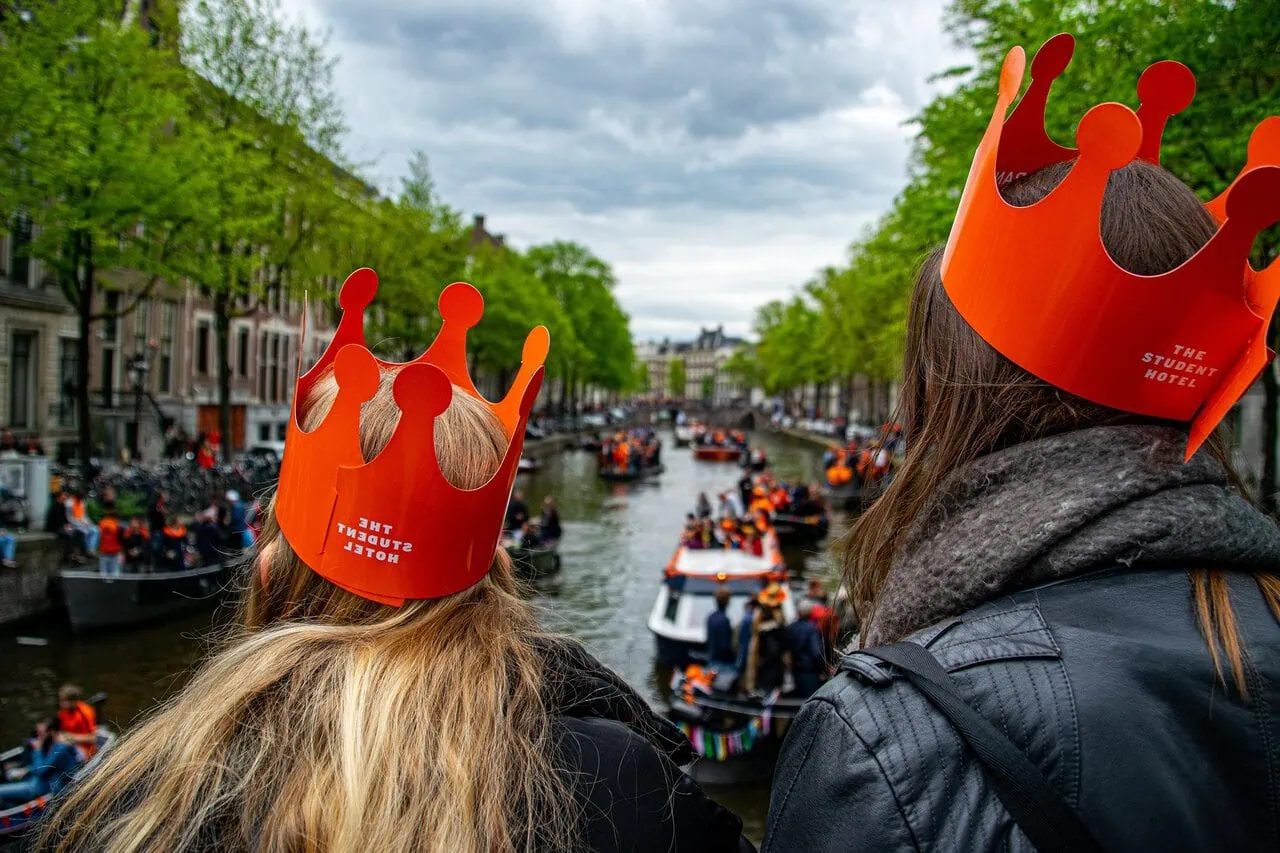
In the Netherlands, King’s Day transforms cities into giant open-air parties filled with canalside celebrations, live music, markets, and crowds dressed in orange. Amsterdam becomes especially lively, though accommodation prices and transport demand rise dramatically.
Semana Santa in Spain offers a completely different atmosphere. Across cities such as Seville, Málaga, and Granada, elaborate religious processions move through historic streets during Holy Week. Even travellers who are not religious often find the scale, emotion, and visual spectacle unforgettable.
France’s Bastille Day on July 14th combines fireworks, concerts, military parades, and public celebrations across the country. Paris becomes particularly vibrant, with fireworks around the Eiffel Tower attracting huge crowds.
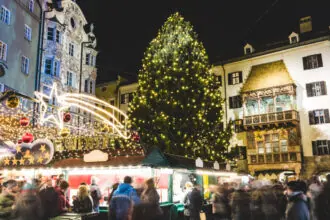
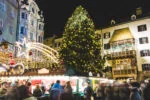
The Christmas market season is another major travel highlight. From late November onward, cities such as Vienna, Prague, Munich, Budapest, and Strasbourg become famous for festive markets, illuminated squares, mulled wine, and winter decorations. Rail travel during this period can feel especially magical, particularly when combining multiple central European cities.
In Ireland and parts of the UK, St Patrick’s Day creates a lively atmosphere filled with parades, music, and celebrations, while parts of eastern Europe host impressive Orthodox Easter traditions later in spring.
The key difference between these holidays and the more disruptive travel periods is that travellers intentionally visit because of the atmosphere itself. When planned properly, these dates can become the highlight of an entire European trip rather than something to avoid.
European Public Holiday Calendar Overview
Europe’s holiday calendar is spread unevenly throughout the year, and understanding the seasonal rhythm can help travellers avoid crowded periods or intentionally seek out festivals and celebrations.
The year begins with New Year’s Day, one of the most widely observed holidays across Europe. January itself is usually quieter after the festive season, although ski destinations remain busy throughout winter.
Spring becomes increasingly active as Easter approaches. Because Easter moves each year, its impact changes annually, but it consistently creates one of the biggest travel periods across the continent. April and May also bring several public holidays across central and western Europe, including Labour Day, Ascension Day, and Pentecost, often generating long weekends and domestic tourism surges.
Summer holiday patterns differ dramatically between regions. Northern Europe celebrates Midsummer, while southern Europe becomes increasingly busy through July and August. Coastal destinations in Spain, Italy, France, Portugal, and Croatia experience peak tourism pressure during this period.
Autumn is generally calmer, making September and October some of the easiest months for rail travel and city breaks. However, national holidays such as German Unity Day and cultural festivals such as Oktoberfest still create localised demand spikes.
From late November onward, the focus shifts toward Christmas markets and the festive season. Cities across central Europe become increasingly busy as December progresses, particularly on weekends. The period between Christmas and New Year then creates one of the heaviest transport and accommodation demand periods of the entire year.
Travellers planning long rail trips across Europe should pay particular attention to how these holidays overlap with weekends. A Thursday public holiday may effectively become a four-day travel surge if large numbers of people also take Friday off.
For rail travellers, understanding the annual rhythm of European holidays can be just as important as understanding geography itself.
Apps for Travelling During European Holidays
Travelling during major European public holidays becomes much easier when you use the right apps. During peak periods, transport disruption, reservation shortages, and accommodation pressure can change rapidly, so live information becomes extremely important.
For rail travel, apps such as Trainline, Omio, and Rail Planner are extremely useful for checking schedules, reservation availability, and last-minute route changes.
Travellers using rail passes such as the Interrail Global Pass should pay especially close attention to reservation-heavy countries during holidays, as trains can fill far earlier than expected.
For flights, airline apps become essential during disruption periods. Push notifications for gate changes, delays, and cancellations can save huge amounts of stress during Easter and Christmas travel surges.
Accommodation apps such as Booking.com and Airbnb help travellers monitor price spikes and availability during busy festival periods or national holidays.
Restaurant booking apps become increasingly valuable in countries where holiday dining demand rises sharply. Apps such as TheFork can help secure tables during packed weekends and city festivals.
Connectivity is equally important during travel disruption. Using an eSIM app such as Airalo or Saily helps ensure you can access live transport information even when crossing borders.
Finally, public transport apps such as Google Maps and Moovit become especially valuable during holiday timetable changes, metro disruptions, and temporary service adjustments.
During major European holiday periods, having accurate live information often matters more than having a fixed itinerary.
Best for long or awkward journeys. Builds one itinerary out of separate flights.
View flightsBest if you want maps and messaging working the moment you switch your phone on.
See eSIM plansBest if you would rather not work out the transport on arrival. Book it now and forget it.
View transfersTips for Travelling During Major European Holidays
Travelling during major European public holidays can be hugely rewarding, but it requires much more preparation than travelling during quieter periods of the year. One of the biggest mistakes visitors make is assuming transport systems, supermarkets, museums, and restaurants will continue operating normally. In many European countries, public holidays genuinely change the rhythm of daily life.
Booking transport early is one of the most important steps. Long-distance rail services operated by Eurostar, SNCF, Deutsche Bahn, and Trenitalia can become extremely busy around Easter, Christmas, summer holiday weekends, and national celebrations. This is particularly important for travellers using the Interrail Global Pass because reservation quotas can disappear even while expensive full-fare tickets remain available.
Accommodation should also be secured earlier than usual. During festivals, Christmas market weekends, and major national holidays, hotel prices can rise dramatically. Destinations such as Amsterdam during King’s Day, Munich during Oktoberfest, and Vienna during Christmas market season often become far more expensive than travellers expect.
Travellers should also prepare for closures. In countries such as Germany, Austria, Norway, and Poland, public holidays can mean widespread supermarket and shop shutdowns. Arriving late in the evening on a holiday without food, transport plans, or supplies can quickly become stressful if nearby businesses are closed.
Building flexibility into itineraries is extremely important during holiday periods. Airports become busier, roads slower, and train stations more crowded. Connections that feel easy during quieter weeks can become difficult during Easter migration weekends or Christmas departures.
Understanding local customs also helps set expectations. Some holidays are loud and festive, filled with fireworks, parades, and concerts, while others are quieter family-centred occasions where cities may feel unusually calm. Travellers who understand the local atmosphere generally enjoy the experience far more.
Weather should not be overlooked either. Winter holidays in northern Europe may involve snow disruption, while summer public holidays in southern Europe can coincide with extreme heat and overcrowded coastal destinations.
Public holidays are not automatically something to avoid. In many cases, they create some of Europe’s best travel experiences. The key difference between a stressful trip and a memorable one is preparation.
Best Times to Avoid Crowds in Europe
Travellers hoping to avoid Europe’s busiest holiday periods usually benefit from focusing on the quieter shoulder seasons rather than the summer peak. Europe’s travel patterns change dramatically throughout the year, and understanding those rhythms can make a huge difference to both cost and overall experience.
In general, some of the calmest periods for travel are mid-January through early March, late September, and much of October. During these periods, there are fewer school holidays, fewer long weekends, and far less domestic tourism pressure across most of the continent.
Late September is particularly attractive because much of Europe still enjoys relatively mild weather while summer crowds have faded significantly. Cities such as Rome, Barcelona, Prague, and Budapest often feel noticeably calmer than they do in July and August, while transport and hotel prices also begin to soften.
October is another excellent month for quieter rail travel and city breaks. Long-distance trains become less crowded, reservations easier to obtain, and major attractions more manageable. In many destinations, autumn also improves the atmosphere, particularly in central Europe where cooler weather suits walking tours and historic cities.
Winter outside the Christmas period can also offer strong value. January and February are relatively quiet across much of Europe outside ski regions, and travellers willing to accept shorter daylight hours often benefit from lower accommodation costs and calmer tourist sites.
By contrast, certain periods consistently generate major pressure across Europe. Easter week is one of the busiest travel periods of the entire year, particularly in strongly Catholic countries such as Spain, Italy, and Poland. Late July and August also bring huge domestic migration toward beaches, mountain resorts, and countryside destinations.
Travellers hoping to avoid crowds should also pay attention to local festivals and national events. Celebrations such as King’s Day in the Netherlands, Oktoberfest in Germany, and major Christmas market weekends in central Europe can transform otherwise manageable cities into extremely busy destinations.
One of the advantages of travelling outside peak public holiday periods is that Europe often feels more authentic. Restaurants become easier to access, trains quieter, and historic districts less dominated by overtourism. For many travellers, the shoulder seasons offer the best balance between atmosphere, weather, and practicality.
European Public Holidays and Rail Travel
Public holidays affect Europe’s railways far more than many first-time visitors realise. During major holiday periods, train networks across the continent experience huge increases in demand, especially on long-distance and international routes.
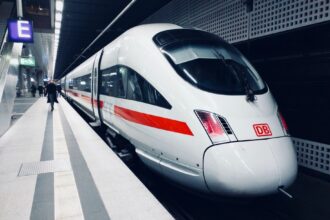
High-speed operators such as Eurostar, SNCF, Deutsche Bahn, ÖBB, and Trenitalia regularly see trains sell out around Easter, Christmas, New Year, and major spring long weekends. Routes linking capital cities, coastal destinations, and Christmas market regions are especially vulnerable to heavy demand.
This becomes particularly important for travellers using rail passes such as the Interrail Global Pass. In reservation-heavy countries such as France, Italy, and Spain, pass holder reservation quotas may disappear long before departure dates, even when expensive standard tickets are still technically available.
Night trains become especially valuable during public holiday periods because they combine transport and accommodation during some of the most expensive travel weeks of the year. However, sleeper cabins and couchettes also become much harder to secure during Christmas, Easter, and summer weekends.
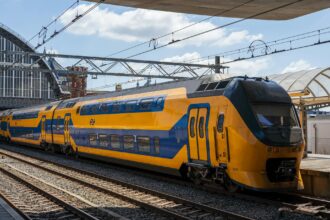
Regional rail services are often less pressured than international high-speed routes, but they can still become crowded during domestic migration weekends. Countries such as Norway, Germany, and Austria experience major internal travel toward mountain areas, lakes, and countryside destinations during holiday periods.
Travellers should also remember that some railways operate reduced timetables during public holidays. While flagship intercity routes generally continue running normally, regional services and rural connections may operate less frequently on Sundays and holidays.
Transport strikes can create additional problems during busy travel periods. France is particularly known for rail disruption around major holidays, although strike action can affect other countries too. When disruption overlaps with already high travel demand, replacement transport options become limited very quickly.
Planning ahead is the key to successful holiday rail travel. Reserving important journeys early, avoiding unrealistic transfer windows, and building extra flexibility into itineraries all become much more important during Europe’s busiest holiday periods.
For prepared travellers, however, rail remains one of the best ways to experience Europe during major celebrations. Scenic winter journeys, festive city connections, and cross-border rail trips often become memorable parts of the holiday itself.
Rupert’s Handy Travel Tips

Rupert has learned the hard way that European public holidays can completely transform a trip. One minute everything feels normal, and the next the supermarkets are closed, the trains are full, and half the city seems to have disappeared to the countryside.
- Book trains early around Easter, Christmas, and major long weekends, especially if using an Interrail pass.
- Check supermarket opening rules in countries such as Germany, Austria, and Norway where holiday closures can be strict.
- Expect hotel prices to surge during events like King’s Day, Bastille Day, and major Christmas market weekends.
- Use holiday periods to your advantage because some celebrations create incredible atmospheres, especially in Spain, the Netherlands, and Scandinavia.
- Leave flexibility in your itinerary because crowded stations, airports, and roads can cause delays during peak holiday migration periods.
Want to meet the reindeer behind our travel tips? Find out more in our page Who is Rupert?.




Frequently Asked Questions About European Public Holidays
Do trains run during public holidays in Europe?
Yes, trains generally continue operating during public holidays across Europe, especially major long-distance and international services. However, trains are often far busier than normal during Easter, Christmas, summer holiday weekends, and major national celebrations. Regional services may also run reduced schedules on Sundays and public holidays, particularly in rural areas.
Are shops closed during European public holidays?
In many European countries, yes. Nations such as Germany, Austria, Norway, and Poland often have strict holiday trading laws, meaning supermarkets, shopping centres, and smaller businesses may close completely. Tourist areas sometimes remain partially open, but travellers should never assume normal opening hours.
What are the busiest public holiday travel periods in Europe?
The busiest travel periods are usually Easter weekend, late July and August, and the Christmas and New Year period. These dates create huge demand across trains, flights, ferries, and hotels throughout Europe.
Do European public holidays happen on the same dates every year?
Some holidays remain fixed each year, including Christmas Day, New Year’s Day, and Labour Day. Others move annually. Easter is the most important movable holiday because many related public holidays depend on its date.
Which European countries have the strictest holiday closures?
Countries such as Germany, Austria, Norway, and Switzerland are generally known for stricter Sunday and public holiday closures. In these countries, many shops and supermarkets close entirely during major holidays.
Should travellers avoid Europe during public holidays?
Not necessarily. Some holiday periods create transport disruption and higher prices, but many also provide fantastic cultural experiences, festivals, markets, fireworks, and celebrations. The key is understanding which holidays create logistical problems and which ones improve the atmosphere.
Do public holidays affect Interrail travel?
Yes, especially in reservation-heavy countries such as France, Italy, and Spain. During busy holiday periods, reservation quotas for pass holders can sell out long before departure, so booking important journeys early becomes extremely important.
Are museums and attractions closed during public holidays?
Some are, particularly on major religious holidays such as Christmas Day and Easter Sunday. However, many tourist attractions remain open during national holidays and festival periods because these dates are important tourism periods. Opening hours may still change, so checking in advance is always recommended.
Do airports become busier during European public holidays?
Yes. Airports across Europe experience major surges during Easter, summer migration weekends, Christmas, and long weekends. Security queues, traffic around airports, and flight prices often increase significantly during these periods.
What is the best time to avoid crowds in Europe?
Many travellers find that late September, October, and parts of January and February offer the best balance between reasonable weather, lower prices, and fewer crowds. These periods usually avoid both the peak summer season and the biggest public holiday travel waves.
Further Reading & Related Guides
If you are planning a wider European trip, understanding Europe public holidays is only one part of travelling smoothly across the continent. Transport demand, hotel pricing, reservation systems, and local travel rules all change significantly during busy holiday periods, especially around Easter, Christmas, and major summer weekends.
Travellers planning long-distance rail journeys during peak holiday periods should also explore our wider Interrail and European rail travel guides. These explain how reservation systems work, which countries become hardest for pass holders during busy weekends, and how to avoid common booking mistakes when trains start selling out early.
For travellers relying heavily on rail transport, our Train Booking Apps Guide compares the best apps for checking live schedules, booking reservations, and managing tickets across multiple countries and operators. During holiday disruption periods, having reliable live information becomes extremely important.
Staying connected while crossing borders is equally valuable during public holiday travel. Delays, cancellations, strike action, and timetable changes are far easier to manage when you have working mobile data throughout your trip. Our eSIM Apps Guide explains the best options for maintaining reliable coverage across Europe without constantly changing SIM cards.
Travellers combining trains with islands, coastal destinations, or cross-border ferry routes should also explore our Ferry Apps Guide. During major holiday weekends, ferry demand across southern Europe and Scandinavia can become extremely intense, making advance planning essential.
If your trip includes airports, busy city arrivals, or late-night transfers during holiday periods, our Taxi Hailing Apps Guide can also help simplify local transport and reduce stress after long journeys.
Europe’s public holidays affect far more than just shop opening hours. They shape crowd levels, transport availability, hotel pricing, and the overall atmosphere of destinations throughout the year. Understanding these seasonal patterns helps travellers avoid problems while also discovering some of Europe’s most memorable festivals and celebrations.