Reviewed by our editorial team Updated
Why the Interrail Lithuania Pass Is a Smart Way to Explore the Baltics
The Interrail Lithuania Pass is a strong choice for travellers who want to explore one of Europe’s quieter and more affordable rail destinations. Lithuania may not have the scale of Germany or the speed of Italy, but it offers something different: short distances, simple routes, low costs, and easy access to Baltic culture, historic cities, forests, lakes, and coastal gateways.
The pass works especially well because Lithuania’s key destinations are spread across a compact network. From Vilnius, you can travel to Kaunas in around one hour, continue west to Klaipėda for the Baltic Sea, or head north towards Šiauliai for the Hill of Crosses. This makes it possible to build a varied trip without spending full days in transit.
One of the biggest advantages is flexibility. On each active travel day, you can take unlimited trains, which allows you to combine several stops without buying separate tickets. You might spend the morning in Vilnius, travel to Kaunas for the afternoon, and continue towards Šiauliai or Klaipėda later in the day.
The pass is also appealing because Lithuania is already a budget-friendly destination. Food, accommodation, and local transport are generally affordable, so the pass helps keep the whole trip predictable and manageable. It is particularly useful for travellers who want to avoid repeated ticket purchases or make plans at short notice.
For first-time Interrail users, Lithuania is a gentle introduction. The network is simple, the operator structure is straightforward, and most journeys are easy to understand. For travellers building a wider Baltic itinerary, the Lithuania Pass can also work as a useful domestic rail base before continuing towards Latvia, Estonia, or Poland.
Overall, the Interrail Lithuania Pass is best for travellers who value simplicity, affordability, and flexible regional discovery rather than high-speed rail or luxury travel.
Interrail Lithuania Pass Overview and Key Facts
The Interrail Lithuania Pass is a One Country Pass that gives you flexible rail travel across Lithuania for a set number of travel days within a one-month period. It is designed for travellers who want to explore the country’s main cities and regional routes without buying individual tickets for every journey.
The pass is available with 3, 4, 5, 6, or 8 travel days, and each active day allows unlimited train travel across eligible Lithuanian rail services. This means you can use one travel day for a simple long-distance journey, or combine multiple stops if the timetable works.
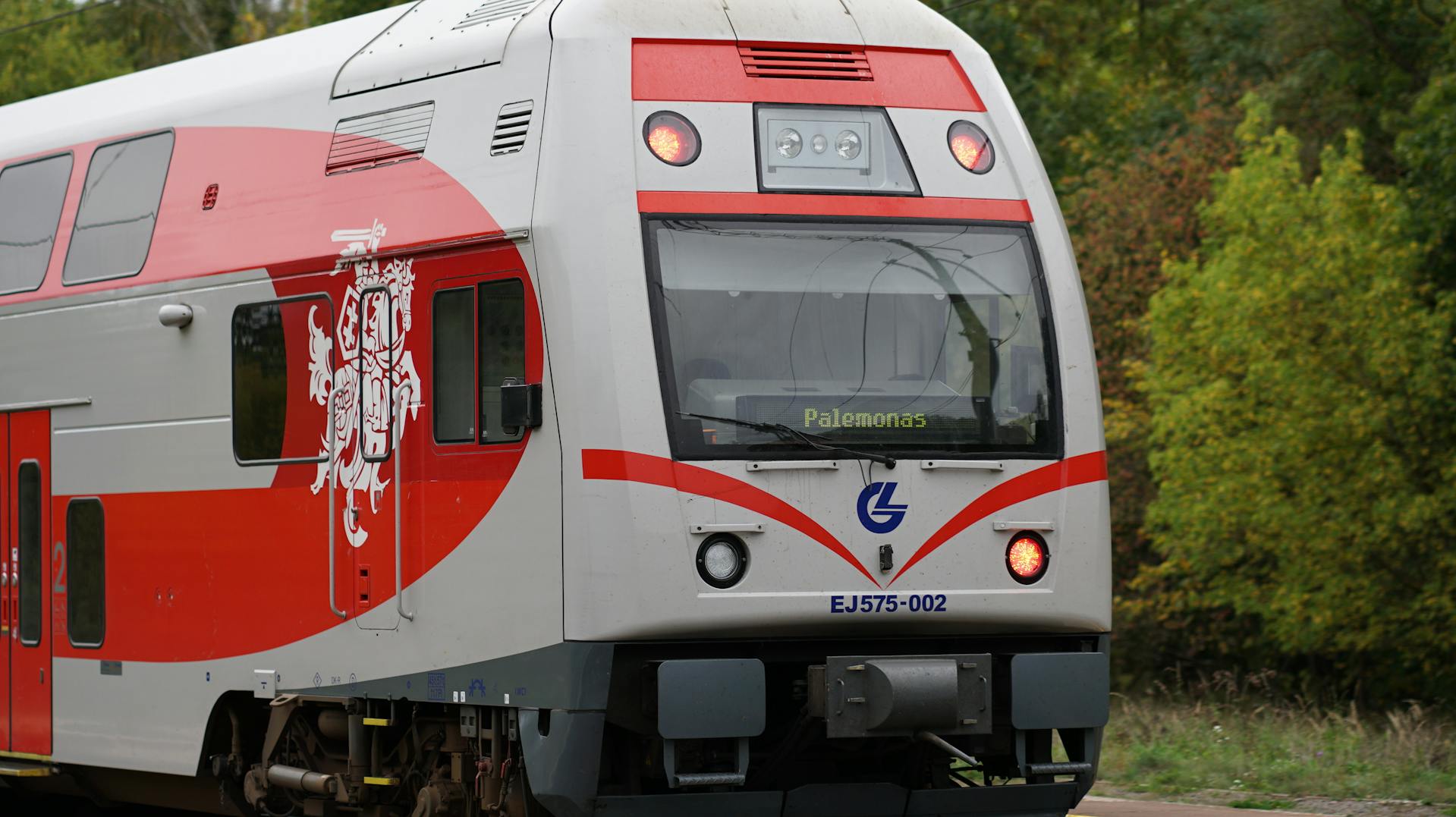
The pass is valid on LTG Link, the passenger division of Lithuanian Railways. This covers the country’s main intercity and regional services, including routes between Vilnius, Kaunas, Klaipėda, Šiauliai, Panevėžys, and Trakai. It is a straightforward network, with one main operator and relatively simple validity rules.
The Lithuania Pass can be issued in mobile or paper format. Most travellers will find the mobile pass easier, as it can be managed through the Rail Planner app, where you activate travel days and show your QR code during inspections. Paper passes are still available for travellers who prefer a physical ticket.
Seat reservations are usually simple and inexpensive. They are required on some InterCity services, especially longer routes such as Vilnius to Klaipėda, but fees are typically low, often around €1 to €2 (roughly £1 to £2 / $1 to $2). Regional trains are usually more flexible and rarely require reservations.
The pass does not include urban transport in cities such as Vilnius or Kaunas, so buses and trolleybuses must be paid for separately. However, Lithuania’s local transport is generally inexpensive, and city ticketing apps make transfers easy.
In practical terms, the Lithuania Pass is a simple, low-cost, flexible rail pass for exploring the country’s main cities, coastal gateway, and cultural stops.
| Travel Days | Youth (12–27) | Adult (28–59) | Senior (60+) |
|---|---|---|---|
| 3 days | €50 (£44 / $54) | €67 (£58 / $72) | €60 (£52 / $65) |
| 4 days | €63 (£55 / $68) | €84 (£73 / $91) | €75 (£65 / $81) |
| 5 days | €76 (£66 / $82) | €101 (£88 / $109) | €90 (£78 / $97) |
| 6 days | €89 (£77 / $96) | €118 (£103 / $127) | €105 (£91 / $113) |
| 8 days | €113 (£98 / $122) | €150 (£131 / $162) | €135 (£117 / $146) |
Prices are approximate and shown for guidance only. Interrail pricing can shift slightly by season and promotion, so it is always worth confirming the exact fare at checkout before booking.
See hotel options and places to stay in Lithuania.
Browse hotelsBrowse apartments, homes and self-catering accommodation in Lithuania.
Browse rentalsSee hotel prices from multiple booking sites in one search.
Compare ratesKey Operators and Rail Network Size in Lithuania
Lithuania’s passenger rail services are operated mainly by LTG Link, the passenger arm of Lithuanian Railways. This makes the Interrail Lithuania Pass easy to use, as most relevant passenger services fall under one national operator.
The network is compact but practical, linking the country’s main population centres and several useful regional destinations. It is not as dense as rail networks in Western Europe, but it covers the routes most visitors are likely to use, especially the corridor between Vilnius, Kaunas, Šiauliai, and Klaipėda.
The backbone of the network is the route from Vilnius to Kaunas and Klaipėda, which connects the capital with Lithuania’s second city and the Baltic coast. This is the most important long-distance corridor for pass holders, particularly for travellers heading to Klaipėda as a gateway to the Curonian Spit.
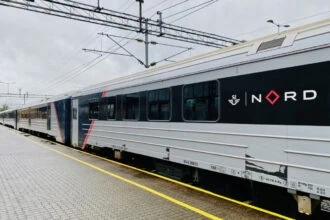
InterCity services are generally the fastest and most comfortable trains, often offering air conditioning, Wi-Fi, and reserved seating. Regional trains are slower but useful for shorter journeys, including trips to places such as Trakai, which is one of the easiest cultural day trips from Vilnius.
The network is more limited in some areas. Destinations such as Palanga, Nida, and large parts of the Curonian Spit are not directly served by rail, so buses and ferries are needed for the final leg. This does not make the pass weak, but it does mean you should treat it as the backbone of your trip rather than a complete door-to-door solution.
It is also worth knowing about Rail Baltica, the major new standard-gauge line planned to link Lithuania, Latvia, and Estonia with Poland and Central Europe, running through Kaunas with Vilnius as a key connection point. As of mid-2026, no section of the line is carrying passengers anywhere along its route. Roughly 40% of the mainline is under construction, and track-laying has only just begun on isolated sections this year.
The official target for Phase 1 is 2030, though even Poland’s own infrastructure ministry has called that date “impossible” and suggested 2040 instead. Current Lithuania Pass itineraries should be planned entirely around the existing LTG Link network rather than any assumption of a new cross-Baltic route opening soon.
Overall, Lithuania’s rail system is small, logical, and easy to navigate, making the pass especially appealing for travellers who want straightforward planning and reliable domestic connections.
Main Transport Hubs and Key Rail Routes in Lithuania
Lithuania’s rail network is centred around Vilnius Central Station, the country’s main rail hub and the starting point for many domestic journeys. The station connects with local buses, trolleybuses, and the airport shuttle train, making it the natural base for most Interrail travellers.
The second major hub is Kaunas, Lithuania’s second-largest city. Trains between Vilnius and Kaunas are frequent, with journey times of around one hour, making this one of the easiest and most useful routes in the country. Kaunas also works well as a stop between Vilnius and western Lithuania.
On the coast, Klaipėda is the key railhead for Baltic Sea travel. The journey from Vilnius to Klaipėda takes around four hours, and once you arrive, a short ferry crossing takes you onto the Curonian Spit and on by road to Nida, while Palanga sits north along the coast and is reached by bus rather than by boat. This makes Klaipėda one of the most important destinations for travellers who want to combine rail with seaside exploration.
Further north, Šiauliai is an important stop because of its access to the Hill of Crosses, one of Lithuania’s most famous cultural and pilgrimage sites. Panevėžys also connects into the wider regional network, although it is less commonly used by first-time visitors.
The most useful routes for pass holders are Vilnius to Kaunas, Vilnius to Klaipėda, Vilnius to Šiauliai, and Kaunas to Klaipėda. These routes allow travellers to combine capital-city sightseeing, historic towns, Baltic coast access, and cultural detours in a compact itinerary.
Because Lithuania is relatively small, the pass is well suited to hub-and-spoke travel, with Vilnius as a base and longer journeys used to reach the west and north.
Example Ticket Prices vs Pass Value in Lithuania
The Interrail Lithuania Pass can offer strong value, but it needs to be judged against Lithuania’s generally affordable rail fares. Individual tickets are not expensive by Western European standards, so the pass works best when you are planning several medium or long-distance journeys, not just one short day trip.
A typical Vilnius to Kaunas ticket costs around €7 to €9 one way (£6 to £8 / $8 to $10), while a longer Vilnius to Klaipėda journey is usually around €20 to €23 (£17 to £20 / $22 to $25). Routes such as Vilnius to Šiauliai often sit around €12 to €14 (£10 to £12 / $13 to $15), while Kaunas to Klaipėda is usually around €14 to €16 (£12 to £14 / $15 to $17). These fares are manageable individually, but they begin to add up once you build a multi-stop route.
For example, an itinerary covering Vilnius, Kaunas, Klaipėda, Šiauliai, and back to Vilnius can easily reach around €60 to €65 (£52 to £57 / $65 to $70) in separate tickets. That is already close to the cost of a 3-day Adult or Senior Pass, and higher than the 3-day Youth Pass. Add one or two extra journeys, and the pass starts to make even more sense.
The real value comes from using each travel day intelligently. On one active day, you could travel from Vilnius to Kaunas, continue towards Šiauliai, and return later, all under the same pass day. This kind of multi-stop use is where the pass becomes more useful than buying separate tickets.
If you only plan to travel from Vilnius to Trakai or make one short journey, ordinary tickets will usually be cheaper. But if you want a flexible itinerary across Vilnius, Kaunas, Klaipėda, Šiauliai, and the Baltic coast, the pass offers both value and convenience.

Interrail Lithuania Pass Prices Explained
The Interrail Lithuania Pass is one of the most affordable One Country Passes, making it attractive for travellers who want a low-cost way to explore the Baltics. It is available as a Flexi Pass, meaning you choose a set number of travel days to use within a one-month period.
For Youth travellers aged 12 to 27, prices start at €50 (£44 / $54) for 3 travel days and rise to €113 (£98 / $122) for 8 travel days. For Adults aged 28 to 59, the pass starts at €67 (£58 / $72) for 3 travel days and increases to €150 (£131 / $162) for 8 travel days. Senior travellers aged 60 and over receive reduced pricing, with fares ranging from €60 (£52 / $65) for 3 days to €135 (£117 / $146) for 8 days.
A 3-day pass works well for a compact itinerary linking Vilnius, Kaunas, and Klaipėda. A 5 or 6-day pass gives more room for routes involving Šiauliai, Trakai, and additional regional stops, while the 8-day pass is best for slower travellers who want to spread journeys across the full month.
Because Lithuanian point-to-point tickets are already affordable, the pass delivers the best value when used for longer routes or multi-stop travel days. It is less useful for travellers making only one or two short journeys.
Overall, the Lithuania Pass is affordable, flexible, and easy to justify if you want to explore more than just Vilnius.
How the Lithuania Pass Works in Practice
The Interrail Lithuania Pass works as a flexible rail ticket for travel across Lithuania’s national rail network. You choose 3, 4, 5, 6, or 8 travel days, and those days can be used at any point within a one-month validity period.
On each active travel day, you can take unlimited eligible trains within Lithuania. This gives you flexibility to combine long-distance journeys with shorter stops, such as travelling from Vilnius to Kaunas, continuing to Šiauliai, and returning later if the timetable allows.
The pass is available in both mobile and paper formats. The mobile version is easiest for most travellers because it works through the Rail Planner app, where you activate travel days, add journeys, and show your QR code during inspections. If you use a paper pass, you need to fill in the date and journey details correctly before boarding.
Seat reservations are required on some InterCity routes, especially longer journeys such as Vilnius to Klaipėda. These reservations are inexpensive, usually around €1 to €2 (roughly £1 to £2 / $1 to $2), and can be arranged through LTG Link, station ticket offices, or ticket machines. Regional trains are usually more relaxed and rarely require reservations.
The pass does not cover city buses or trolleybuses in Vilnius, Kaunas, or other cities, so local transport must be paid for separately. It also does not cover ferries or buses needed to reach places like Nida, Palanga, or the Curonian Spit from Klaipėda.
In practice, the Lithuania Pass is simple to use, especially in mobile format. It gives you a clear rail backbone for exploring the country while leaving room to add local transport where needed.
Where You Can Travel with the Lithuania Pass
The Interrail Lithuania Pass covers the full eligible LTG Link rail network, giving access to Lithuania’s main cities, regional centres, and coastal gateway.
The most important route is Vilnius to Kaunas to Klaipėda, which links the capital, the country’s second city, and the Baltic coast. This is the backbone of most Lithuania rail itineraries and one of the strongest reasons to consider the pass.
From Vilnius, you can also make easy shorter trips, including the route to Trakai, famous for Trakai Island Castle. This is one of the most popular day trips from the capital, although ordinary tickets are cheap enough that you may prefer to save pass days for longer routes.
Heading north, Šiauliai is a key destination because it provides access to the Hill of Crosses, one of Lithuania’s most distinctive cultural sites. While you may need local onward transport from the station, the rail journey gets you close to the region.
The pass also supports routes towards Panevėžys and other regional towns, although some services run less frequently than the main corridors. This makes timetable checking important if you are planning a more ambitious route.
For coastal travel, Klaipėda is the main railhead. From there, you can continue by bus or ferry to Palanga, Nida, and the Curonian Spit, which are not directly covered by the rail pass but are easy to add onto the journey.
Overall, the Lithuania Pass is best used to connect Vilnius, Kaunas, Klaipėda, Šiauliai, Trakai, and selected regional towns, with buses and ferries filling the gaps beyond the rail network.
Search routes and flight options for your trip to Lithuania.
Search flightsUse an eSIM to get online without hunting for a local SIM after arrival.
See eSIM optionsCheck private pickup options and plan your onward journey before arrival.
View transfersHow to Buy the Interrail Lithuania Pass
Buying the Interrail Lithuania Pass is straightforward, and most travellers will complete the process online before their trip. The easiest and most reliable option is to purchase directly from the official Interrail website, where you will always find the latest pricing, promotions, and full pass options.
When purchasing, you will choose the number of travel days, your class of travel, and your age category. Youth fares apply to travellers aged 12 to 27, while Seniors aged 60 and over benefit from discounted pricing. Adults fall into the standard fare category. You will also decide whether you want a mobile pass or a paper pass, although the mobile version is recommended for ease of use.
If you select the mobile option, your pass is delivered instantly through the Rail Planner app. From there, you can activate travel days, plan routes, and present your ticket as a QR code during inspections. This removes the need to carry physical documents and makes last-minute planning much easier.
Paper passes are still available and may appeal to travellers who prefer a physical ticket. These are posted to your home address, so you will need to allow enough time for delivery. Before using a paper pass, it must be validated at a station, and each journey must be recorded manually.
You can also purchase the pass through distributors such as Rail Europe or Omio, although prices and refund conditions may vary slightly. Regardless of where you buy, it is worth purchasing in advance so you can plan routes and reservations before arriving.

Explore Europe by Train with Rail Passes
Travelling by train in Europe can quickly become expensive if you book individual tickets. Rail passes offer a flexible way to travel across one or multiple countries with a single ticket, making it easier to plan your journey.
Rail Europe allows you to compare and buy a wide range of rail passes, including Interrail-style options, helping you choose the best pass for your route and travel style.
Top Routes and Itineraries Across Lithuania
The Interrail Lithuania Pass is best used to build flexible routes that combine cities, culture, and the coast. Because distances are short, you can cover multiple highlights in just a few travel days without feeling rushed.
One of the most popular itineraries is the classic westbound route from Vilnius to Kaunas to Klaipėda. This journey takes you from the capital’s historic old town to the modern energy of Kaunas, before finishing on the Baltic coast. From Klaipėda, many travellers continue to the Curonian Spit, making this a natural backbone for a first visit.
A shorter but equally rewarding option is a cultural loop combining Vilnius, Trakai, and Kaunas. Trakai is only a short journey from Vilnius and offers one of Lithuania’s most iconic sights, while Kaunas adds a different architectural and cultural feel.
For travellers interested in history and quieter regions, a route including Vilnius, Šiauliai, and Kaunas works well. This allows a visit to the Hill of Crosses and gives a broader view of northern Lithuania.
Longer itineraries can combine all of these into a single route. A typical extended journey might move from Vilnius to Kaunas, on to Klaipėda, then north to Šiauliai, and finally back to Vilnius, creating a full circuit of the country.
The key advantage of the pass is that it allows you to adjust these routes easily. If you decide to stay longer in one place or skip a destination, you can do so without losing money on pre-booked tickets.
Seat Reservations and Additional Costs
Using the Interrail Lithuania Pass is simple, but understanding reservations will make your trip smoother. Most regional trains do not require reservations, which means you can board freely, find a seat, and travel without extra planning.
On InterCity services, reservations are usually required, especially on longer routes such as Vilnius to Klaipėda. These are inexpensive, typically costing around €1 to €2 per journey (£1 to £2 / $1 to $2), and can be arranged through LTG Link, at stations, or online. Compared to Western Europe, where reservations can cost €10 (£9 / $11) or more, Lithuania keeps these fees very low.
There are very few additional costs to worry about. Lithuania does not have domestic high-speed or overnight trains, so you will not encounter expensive supplements for sleeper cabins or premium services. Most journeys are daytime services with standard seating.
The main extra costs arise when combining rail with other transport. Reaching destinations such as Palanga or Nida requires a bus or ferry from Klaipėda, and these are not included in the pass. Similarly, urban transport in cities like Vilnius and Kaunas must be paid separately.
Overall, reservation costs in Lithuania are minimal, and the system is easy to manage. For most travellers, this means the pass remains simple, predictable, and affordable throughout the trip.
Benefits of the Interrail Lithuania Pass
The Interrail Lithuania Pass stands out for its simplicity and value. One of its strongest advantages is flexibility, allowing unlimited train travel on each active day. This means you can adjust your plans easily, whether that involves adding an extra stop or changing direction entirely.
Another major benefit is ease of use. With a single national operator, there are no complicated validity rules or multiple ticket systems to navigate. This makes Lithuania one of the most straightforward countries in Europe for Interrail travel.
The pass also offers strong cost control. Even though Lithuanian train tickets are relatively cheap, the pass removes the need to calculate individual fares and protects you from last-minute price changes. For travellers making multiple journeys, this quickly becomes good value.
It also opens up access to a wide range of destinations, from historic cities to coastal gateways and cultural landmarks. You can combine Vilnius, Kaunas, Klaipėda, and Šiauliai with ease, while also adding smaller stops where the rail network allows.
Finally, there is a clear comfort advantage. Lithuanian trains are generally modern, clean, and uncrowded, offering a relaxed way to travel compared to buses or driving. For travellers who prefer a slower, more scenic pace, the pass supports a stress-free journey across the country.
Taken together, these benefits make the Lithuania Pass a smart choice for travellers who want flexibility, simplicity, and a reliable way to explore Lithuania by rail.
Drawbacks and Limitations of the Lithuania Pass
The Interrail Lithuania Pass is simple and affordable, but it does come with a few limitations that are worth understanding before you commit.
The most obvious constraint is the size of the rail network. Lithuania’s trains cover the main cities and several regional centres, but they do not reach every destination. Popular places such as Palanga, Nida, and large parts of the Curonian Spit are not directly accessible by rail, so you will need to rely on buses or ferries for the final leg of the journey. This does not reduce the usefulness of the pass, but it does mean you should plan for combined transport.
Another limitation is train frequency outside the main corridors. The route between Vilnius and Kaunas is frequent and reliable, but services to places such as Šiauliai or Klaipėda can be less frequent, particularly outside peak travel times. Missing a train may mean waiting several hours, so checking timetables in advance is important.
Lithuania also does not have high-speed or overnight trains. All services operate at standard speeds, so journeys such as Vilnius to Klaipėda can take up to four hours. While trains are comfortable, travellers used to Western Europe’s high-speed networks may find the pace slower.
The pass is also not always the cheapest option for short trips. A simple journey such as Vilnius to Trakai costs very little when bought separately, so using a full travel day for that route would not represent good value. The pass works best when used for longer journeys or multi-stop travel days.
Finally, while reservations are inexpensive, they are still required on some InterCity routes. This adds a small extra step to planning, particularly during busy periods when seats may need to be booked in advance.
Despite these drawbacks, the pass remains a strong option when used strategically. It is best suited to travellers who want to cover multiple regions rather than focus on a single city.
Who the Lithuania Pass Is Best For
The Interrail Lithuania Pass is not for everyone, but for the right traveller it is an excellent fit.
It is particularly well suited to first-time Interrail users. Lithuania’s simple rail structure, compact geography, and low reservation costs make it one of the easiest countries to understand and navigate. If you are new to Interrail, this is a forgiving place to start.
The pass also works well for budget travellers. Lithuania is already an affordable destination, and the pass helps keep transport costs predictable. Youth and senior discounts make it especially appealing to students, backpackers, and retirees who want flexibility without overspending.
For city-focused travellers, the pass provides an easy way to connect Vilnius, Kaunas, Klaipėda, and Šiauliai, each offering a different perspective on Lithuanian culture. It allows you to move between them quickly without committing to fixed tickets.
It is also a good choice for travellers building a Baltic itinerary. If you are combining Lithuania with Latvia, Estonia, or Poland, the pass gives you a flexible domestic base before moving on to international travel.
For nature and culture seekers, the pass provides access to railheads near Trakai, the Hill of Crosses, and the Baltic coast, making it easy to combine urban exploration with outdoor experiences.
Where it is less suitable is for travellers planning to stay mainly in one place or those focused heavily on destinations that require buses or cars. In those cases, individual tickets or alternative transport may be more efficient.
Overall, the Lithuania Pass is best for travellers who want flexibility, simplicity, and a structured but adaptable way to explore the country.
Compare hostels and budget-friendly accommodation around Lithuania.
Browse hostelsGet help with compensation, eligible lounge access and disruption support.
Explore AirHelp+Use convenient luggage storage around Lithuania between arrival, check-in and departure.
Check storageTips for Using the Lithuania Pass Effectively
Getting the most out of the Interrail Lithuania Pass comes down to using it strategically rather than casually.
The first key tip is to use your travel days for longer journeys. Routes such as Vilnius to Klaipėda or Vilnius to Šiauliai deliver far more value than short trips like Vilnius to Trakai. If you plan carefully, you can combine multiple stops into one travel day and maximise the benefit.
It is also important to book InterCity reservations early, especially on popular routes and during weekends or summer travel. Even though reservations are cheap, trains can fill up, and booking ahead ensures you get the departure time you want.
Another useful strategy is to group destinations logically. For example, you might combine Vilnius, Kaunas, and Šiauliai in one travel sequence, then use another travel day for a longer westbound trip to Klaipėda. This avoids unnecessary backtracking and makes better use of each pass day.
Always check timetables in advance, particularly for regional routes. Lithuania’s network is reliable, but services are not always frequent, and missing a train can disrupt your plans.
You should also be prepared to combine trains with buses or ferries. The pass gets you to key railheads, but reaching places such as the Curonian Spit or Palanga requires additional transport. Planning these connections in advance will save time.
Finally, keep things practical. Carry water and snacks for longer journeys, arrive at stations with enough time to find your platform, and make sure your pass is activated correctly if using the mobile version.
Used properly, the Lithuania Pass gives you a flexible and efficient way to explore the country without unnecessary stress.
Apps for Train Travel in Lithuania
Using the right apps alongside your Interrail Lithuania Pass will make your journey smoother and more efficient.
The most important tool is the Rail Planner app. This is essential if you are using a mobile pass, as it allows you to activate travel days, store your ticket, and show your QR code during inspections. It also provides timetables and route planning across Europe.
For local travel, the LTG Link app is highly useful. It offers real-time train schedules, platform information, and the ability to purchase reservations or standalone tickets. This is particularly helpful for checking updates or confirming train times on less frequent routes.
To handle city transport, apps such as Trafi are widely used in Lithuania. These help you navigate buses and trolleybuses in Vilnius and Kaunas, which are not covered by the Interrail pass.
For broader journey planning, apps like Omio can help you compare routes or book buses and ferries to complement your rail travel. This is especially useful when travelling beyond the rail network.
Finally, general tools such as Google Maps remain valuable for door-to-door navigation, while translation and weather apps help you adapt to local conditions.
Together, these apps ensure that your Lithuania Pass is part of a well-organised, flexible travel setup, giving you confidence at every stage of your journey.


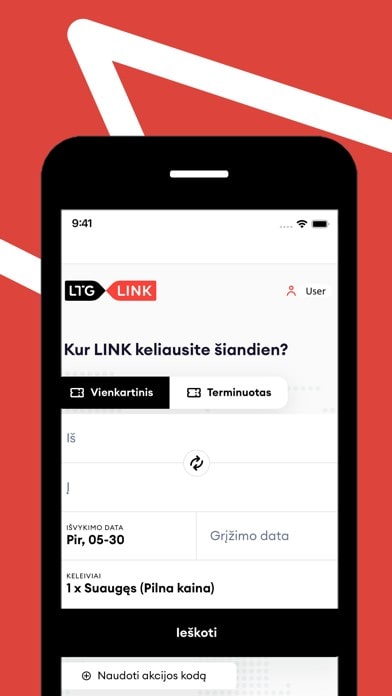
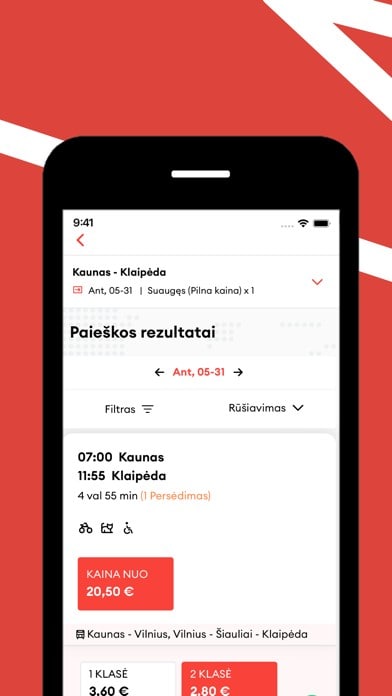
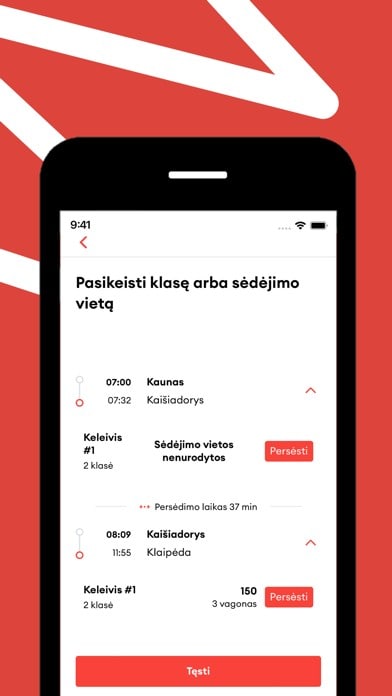
App availability and prices vary by country. Some of these may not appear in your local App Store or Google Play.

Rupert’s Handy Travel Tips
I’ve hopped across Lithuania a few times now, and it’s one of the easiest Baltic countries to get right on your first go, so here’s what I’d want you to know before you set off.
- Base yourself in Vilnius: the capital has the best rail connections and hotel choice, and everywhere else in the country is a manageable day trip or short hop from there.
- LTG Link is your one operator: unlike countries juggling several rail companies, Lithuania keeps it simple, so you only need to learn one app and one ticketing system.
- Don’t skip Kaunas: it’s only about an hour from Vilnius and has a totally different feel, with Art Deco streets and a laid-back riverside vibe that surprises most first-time visitors.
- Fill the gaps with buses: the rail network is limited beyond the main towns, so I always keep the Trafi or Omio apps handy for connecting onward to Nida, Palanga, or the Curonian Spit.
- Combine with Latvia and Estonia by road, not rail, for now: with Rail Baltica still years from opening, hopping between the three Baltic capitals still means a bus or a hire car, so budget extra time for those legs.
Want to meet the reindeer behind our travel tips? Find out more in our page Who is Rupert?.



Frequently Asked Questions about the Interrail Lithuania Pass
Do I need seat reservations in Lithuania?
Reservations are compulsory on InterCity trains linking Vilnius, Kaunas, Šiauliai, and Klaipėda. They are cheap (around €1 to €2, roughly £1 to £2 / $1 to $2) and easy to book at stations or online. Regional trains usually do not require them.
Can I reach the Curonian Spit with the pass?
Not directly. The pass will take you to Klaipėda, the railhead on the Baltic coast. From there, you’ll need to continue by bus or ferry to Nida and other parts of the Curonian Spit.
Does the pass cover buses or trams in cities?
No. Urban transport in Vilnius and Kaunas is not included. However, these services are inexpensive and can be paid for via local apps such as Trafi.
Is the pass good value compared to local tickets?
Yes, if you’re making several medium or long-distance trips. A single return from Vilnius to Klaipėda is around €40 to €45 (£35 to £39 / $43 to $49), nearly the same as the 3-day Youth Pass. The more you travel, the more value you gain.
Can I use the Lithuania Pass to travel internationally?
The pass is only valid on domestic routes within Lithuania. For onward journeys to Poland or Latvia, you’ll need additional tickets or an Interrail Global Pass.

Further Reading & Related App Guides
Want to prepare for every part of your journey? These related guides will help you stay informed, connected, and ready to travel with confidence. Start with the Interrail Europe Pass Guide to see the full range of routes and benefits across the continent, then check our Train Booking Apps Guide for live schedules and ticket options beyond Lithuania.
Before you set off, our eSIM Apps Guide will help you stay connected as you travel between Vilnius and Riga, and it’s worth pairing with our Travel Insurance Apps Guide to protect your trip from unexpected surprises.
Once you land, our Local Transport Apps Guide covers the buses and trolleybuses that fill the gaps the Lithuania Pass doesn’t reach, so you can plan door-to-door journeys in Vilnius, Kaunas, and beyond with confidence.