Reviewed by our editorial team Updated
Beyond the Views: Things to Actually Do
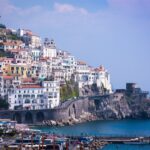
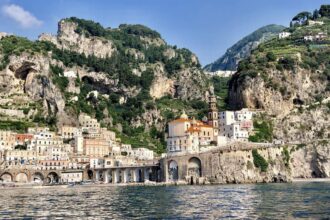
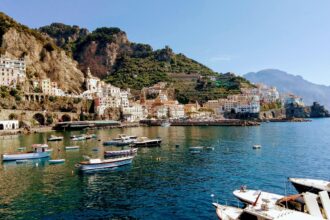
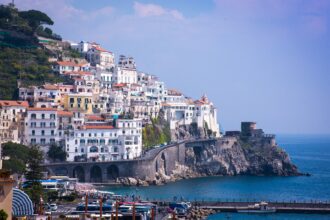
The Amalfi Coast genuinely offers considerably more than the postcard views that first draw visitors here, though those views alone would honestly justify the trip. Beyond the pastel villages and dramatic cliffs, this UNESCO World Heritage listed stretch of coastline holds genuine hiking trails, historic cathedrals, natural wonders and a distinctive culinary tradition worth building an entire itinerary around.
Given how easy it is to spend an entire visit simply admiring the scenery from a café terrace, understanding the coast’s specific activities genuinely helps you make the most of your time here, whether you have a single day or a full week to explore. Many of the region’s genuinely best experiences also cut across several towns rather than sitting within just one specific village.
This guide covers the essential things to do along the Amalfi Coast, from hiking the celebrated Path of the Gods and exploring Amalfi’s cathedral through to the emerald waters of the Grotta dello Smeraldo and the coast’s genuinely distinctive local cuisine. For an overview of the individual towns themselves, our Complete Guide to the Amalfi Coast covers each one in full detail.
Whether you’re planning a single day trip or a longer stay along the Amalfi Coast, this guide is built to help you fill your time with genuinely rewarding experiences rather than simply passing through one photogenic village after another.
Top Activities at a Glance
Before working through each activity in detail, it genuinely helps to see how the Amalfi Coast’s best experiences compare on cost, time needed and which town they’re based in, since planning around geography genuinely saves considerable backtracking along the coast’s single winding road.
Given how spread out some of these activities genuinely are, from Ravello’s hilltop gardens to Conca dei Marini’s coastal grotto, grouping your day by location rather than simply following a checklist helps you avoid unnecessary ferry or bus journeys between towns.
The table below groups the essentials by rough cost and time commitment, giving you a realistic starting point for planning your visit. Prices at ticketed attractions do shift periodically, so checking official websites close to your travel dates remains genuinely worthwhile.
Use this table as your starting point, then read the detailed sections below for the full picture on each specific activity, including booking advice, timing tips and what genuinely makes each one worth your time.
| Experience | Location | Time | Cost |
|---|---|---|---|
| Path of the Gods | Agerola–Positano | 3–4 hrs | Free |
| Amalfi Cathedral | Amalfi | 1 hr | € |
| Ravello Villas | Ravello | Half day | €€ |
| Emerald Grotto | Conca dei Marini | 45 mins | € |
| Boat Tour | Coastwide | Half–Full day | €€ |
| Fiordo di Furore | Furore | 1 hr | Free |
| Lemon Farm | Various | 1–2 hrs | €€ |
| Paper Museum | Amalfi | 1 hr | € |
| Beaches | Various | Half day | Free |
| Capri | Capri | Full day | €€€ |
| Ceramics | Vietri sul Mare | 2 hrs | Free to browse |
| Local Food | Coastwide | Flexible | Varies |
Compare hotels and other places to stay in Amalfi Coast.
Check availabilityExplore holiday homes and apartments around Amalfi Coast.
See holiday homesCompare prices for Amalfi Coast hotels across multiple booking sites.
Check dealsHike the Path of the Gods
Hiking the Path of the Gods, or Sentiero degli Dei, genuinely ranks among the most rewarding experiences anywhere on the Amalfi Coast, tracing a dramatic clifftop trail high above the water between Agerola and Nocelle, the upper reaches of Positano. The panoramic views along the route genuinely justify its lofty name.
The hike itself typically takes three to four hours at a comfortable pace, passing ruined farmhouses, old vineyards and terraced hillsides before descending into Nocelle, from where a staircase of roughly fifteen hundred steps leads down into central Positano, or a local bus for those who’d rather save their legs after the trail.
Reaching the starting point genuinely requires some planning, typically a SITA bus from Amalfi up to Agerola, given no direct public transport runs straight there from the coastal towns below. Given this complexity, many visitors opt for an organised tour including transfers rather than navigating the connections independently.
Given the genuine physical effort involved, along with the considerable heat that builds along the largely shadeless trail during summer, an early morning start with plenty of water is genuinely essential preparation. Completing the hike towards Positano, rather than in reverse, also means finishing your day with a well earned swim and dinner by the sea.
Explore Amalfi’s Duomo and Cloister of Paradise
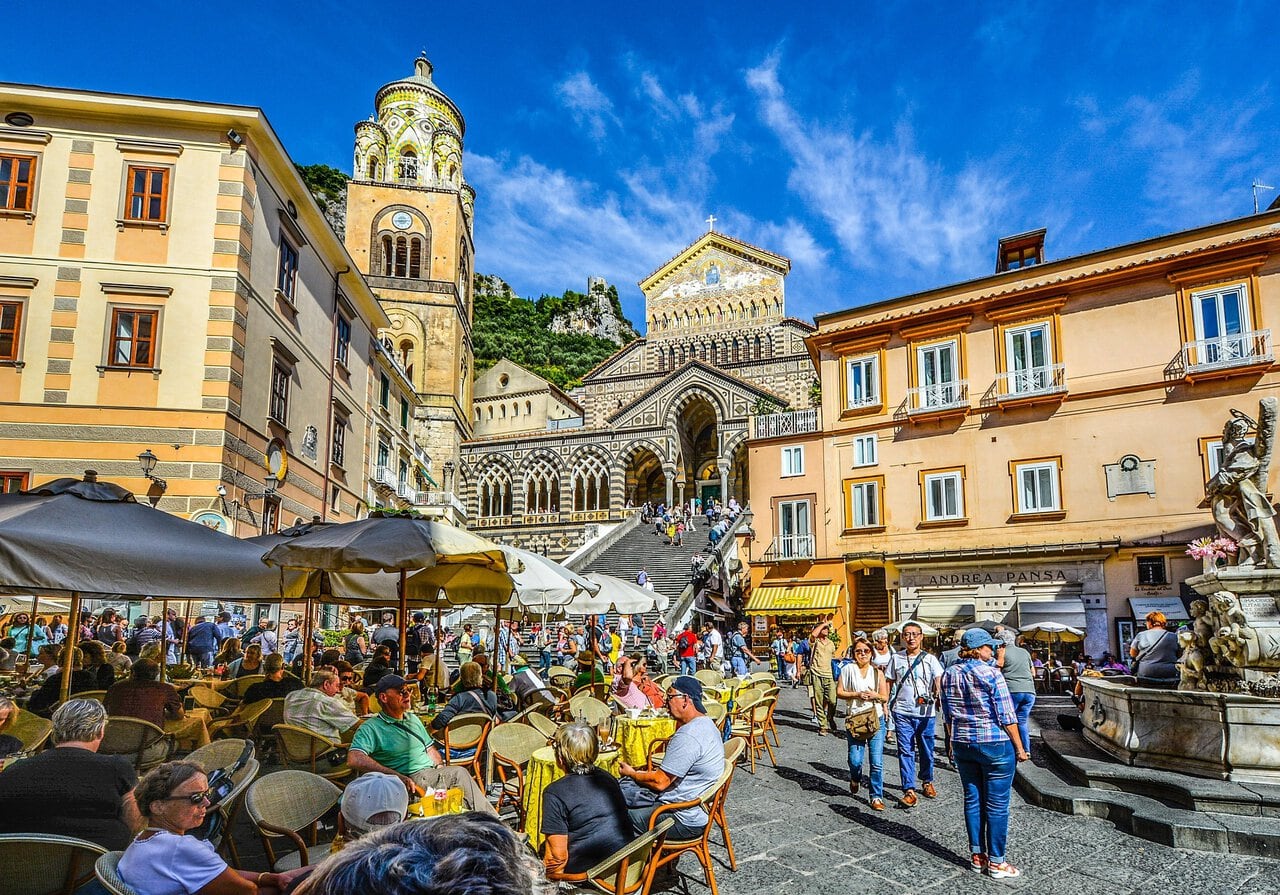
Exploring Amalfi’s Duomo, formally the Cathedral of Sant’Andrea, genuinely ranks among the essential sights anywhere on the coast, its striped Arab Norman facade and dramatic entrance staircase dominating the town’s main piazza. The cathedral’s design genuinely reflects Amalfi’s medieval trading links stretching as far as North Africa and the Byzantine world.
Inside, the Cloister of Paradise, built in the thirteenth century as a burial ground for the town’s nobility, remains genuinely one of the most atmospheric spaces along the entire coast, its intertwining Arab style arches surrounding a quiet garden of palms and citrus trees. The adjoining crypt houses the relics of Saint Andrew, brought to Amalfi from Constantinople in 1208.
Given the cathedral’s central position, most visitors combine a visit here with a wider wander through Amalfi’s historic centre, taking in the town’s narrow alleyways, artisanal shops and the harbour itself. Entry costs a modest few euros, paid directly at the entrance itself rather than booked online well in advance.
For visitors with even a passing interest in medieval history and architecture, the Duomo genuinely rewards considerably more time than the brief glance many rushed day trippers allow it, particularly given how much detail hides within the cloister’s quieter corners.
Visit the Fiordo di Furore
Hidden beneath one of the Amalfi Coast’s most famous bridges lies the Fiordo di Furore, one of the most photographed natural landmarks anywhere along the coastline. Despite its name, it isn’t technically a true fjord, which can only be formed by glaciers, but rather a dramatic ria, where a steep river valley has been flooded by the sea. Regardless of the geology, the result is breathtaking: towering limestone cliffs plunge into a narrow inlet where crystal-clear water laps against a tiny pebble beach, creating one of the coast’s most spectacular settings.
The fjord is spanned by the dramatic Furore Bridge, which rises around 30 metres above the water and hosts the famous Red Bull Cliff Diving World Series when it visits Italy. Watching professional divers leap from the bridge into the narrow inlet below is an extraordinary spectacle, although for most of the year the bridge simply provides one of the Amalfi Coast’s finest viewpoints. Looking down from above gives you an excellent appreciation of the tiny fishing village tucked beneath the cliffs, where a handful of historic fishermen’s houses still cling to the rocks.
Reaching the beach itself requires descending a long flight of steps from the coastal road, making it less crowded than many of the beaches in Positano or Amalfi. During the summer months, the sheltered cove becomes a popular place for swimming, while photographers often arrive early in the morning when sunlight gradually reaches the water between the towering cliffs. Boat tours passing along the coastline also slow here, allowing passengers to admire the dramatic scenery from sea level.
The easiest way to visit is by SITA bus, car or organised boat tour. If travelling independently by bus, ask for Fiordo di Furore, as services stop directly beside the bridge. Allow around an hour to enjoy the viewpoint and beach, although many visitors happily stay much longer. It’s one of those places that genuinely lives up to the photographs and remains an essential stop on any Amalfi Coast itinerary.
Spend a Day on Capri
Although technically an island rather than part of the mainland Amalfi Coast, Capri has been attracting visitors for more than two thousand years and makes one of the most rewarding day trips you can take during your stay. Frequent ferries from Amalfi, Positano, Sorrento and Naples make reaching the island straightforward throughout the main tourist season, allowing you to experience one of Italy’s most glamorous destinations in a single day.
Most visitors begin in Marina Grande, where funicular trains climb to the elegant streets of Capri Town. Here you’ll find designer boutiques, lively piazzas, cafés and the famous Piazzetta, often described as the island’s open-air living room. From there, many continue to the Gardens of Augustus, whose terraces provide unforgettable views over the iconic Faraglioni Rocks and the winding Via Krupp below.
Those with a little more time should continue to Anacapri, the quieter village sitting higher on the island. The chairlift to Monte Solaro, Capri’s highest point, rewards visitors with breathtaking panoramic views across the Bay of Naples, the Amalfi Coast and, on exceptionally clear days, as far as the mountains of Calabria. It’s one of the finest viewpoints anywhere in southern Italy.
No visit would be complete without considering a trip to the famous Blue Grotto, where sunlight entering beneath the cave entrance transforms the water into an extraordinary electric blue. Access depends entirely on sea conditions, so it’s never guaranteed, but when open it remains one of Capri’s most memorable attractions.
While Capri can be busy, particularly during July and August, its combination of spectacular scenery, beautiful gardens, luxury shopping and unforgettable coastal views fully justifies its reputation. If you’re spending several days on the Amalfi Coast, dedicating one full day to Capri is something we’d strongly recommend.
Visit a Traditional Lemon Farm
The Amalfi Coast is famous for its spectacular scenery, but it is equally renowned for the enormous Sfusato Amalfitano lemons that grow on its steep terraced hillsides. Larger, sweeter and more fragrant than ordinary lemons, these protected fruit have shaped the region’s agriculture, cuisine and economy for centuries. Visiting a traditional lemon farm offers one of the most authentic experiences on the coast and provides a fascinating insight into a way of life that has changed remarkably little over generations.
Many family-run farms open their gates to visitors, offering guided walks through the terraces while explaining how the lemons are grown, harvested and protected beneath the distinctive wooden pergolas that cover much of the landscape. Maintaining these terraces is incredibly labour intensive, with every tree cared for by hand due to the steep slopes that make machinery virtually impossible to use. Walking among the fragrant groves while overlooking the Mediterranean is an unforgettable experience in itself.
Most tours conclude with tastings of the region’s best-known products. Naturally, limoncello takes centre stage, but you’ll also have the opportunity to sample fresh lemonade, lemon marmalade, olive oil, local cheeses, homemade cakes and the delicious Delizia al Limone, one of Campania’s signature desserts. Many farms also have small shops selling products made directly on-site, making them excellent places to buy authentic souvenirs rather than mass-produced gifts from tourist shops.
Lemon farm experiences are available close to Amalfi, Minori, Maiori and Sorrento, with many lasting around two hours. Some even include cooking classes or traditional lunches prepared using seasonal local ingredients. If you’re looking to experience the Amalfi Coast beyond its beaches and viewpoints, spending time on a working lemon farm provides a genuine connection with the region’s history, traditions and unmistakable flavours.
Discover the Charm of Atrani
Sitting almost unnoticed beside its famous neighbour, Atrani is one of the Amalfi Coast’s best-kept secrets. Separated from Amalfi by little more than a short pedestrian tunnel, this tiny fishing village remains Italy’s smallest municipality, covering just 0.12 square kilometres. Despite being only a few minutes’ walk from one of the coast’s busiest towns, Atrani feels remarkably peaceful and retains an atmosphere that has largely disappeared elsewhere.
Unlike Positano or Amalfi, Atrani has never become dominated by large hotels or busy shopping streets. Instead, you’ll find a maze of narrow staircases, vaulted alleyways and whitewashed houses climbing the hillside exactly as they have done for centuries. Laundry hangs between buildings, locals chat in the tiny piazzas and fishing boats gently bob in the small harbour, creating the authentic Mediterranean atmosphere that many visitors hope to find.
The heart of the village is Piazza Umberto I, a delightful square surrounded by cafés and overlooked by the elegant Church of San Salvatore de’ Birecto, where medieval Doges of Amalfi were once crowned. A short stroll also leads to Atrani’s attractive beach, which is considerably quieter than those in neighbouring Amalfi while still offering beautiful views across the coastline.
Because Atrani is so compact, most visitors only need an hour or two to explore, making it an ideal addition to a day spent in Amalfi. In fact, many people accidentally miss it altogether despite walking only a few hundred metres away. If you’re looking to experience a quieter, more traditional side of the Amalfi Coast away from the largest crowds, Atrani is one of the most rewarding places you can visit.
Search routes and flight options for your trip to Amalfi Coast.
Search flightsUse an eSIM to get online without hunting for a local SIM after arrival.
See eSIM optionsArrange a private airport pickup for your trip to Amalfi Coast.
Check transfersRelax on the Amalfi Coast’s Beautiful Beaches
Although the Amalfi Coast is better known for its dramatic cliffs than long stretches of sand, it still offers a wonderful selection of beaches, each with its own distinctive character. Some are lively and surrounded by colourful towns, while others are hidden beneath towering cliffs and only accessible by boat or long flights of steps. Choosing the right beach depends entirely on the type of day you’re hoping to enjoy.
The most famous is Spiaggia Grande in Positano, where rows of colourful umbrellas line the shore beneath the town’s iconic pastel buildings. It’s one of the most photographed beaches in Italy and provides a lively atmosphere throughout the summer, with beach clubs, restaurants and regular ferry services departing throughout the day.
In Amalfi, the main beach sits immediately beside the harbour, making it a convenient place for a swim after sightseeing. Those looking for something quieter often continue a little further to Atrani Beach, where the atmosphere is noticeably more relaxed despite being only a few minutes’ walk away.
Further along the coast, Maiori boasts the Amalfi Coast’s longest beach, making it particularly popular with families thanks to its gently shelving shoreline and abundance of facilities. Nearby Minori offers a smaller but equally attractive alternative, while Marina di Praia near Praiano provides one of the region’s most dramatic beach settings, hidden between towering limestone cliffs.
Many smaller coves can also be reached by boat, allowing visitors to discover secluded swimming spots that remain inaccessible from the road. Whether you’re looking for a lively beach club, a family-friendly afternoon or a peaceful cove surrounded by cliffs, the Amalfi Coast offers far more variety than many first-time visitors expect.
Step Inside Amalfi’s Paper Museum
Long before tourism transformed the Amalfi Coast into one of Italy’s most famous destinations, the town of Amalfi was already internationally renowned for something rather unexpected: paper. During the Middle Ages, Amalfi became one of Europe’s most important paper-making centres, producing high-quality handmade paper that was exported across the Mediterranean. Today, visitors can discover this fascinating history at the Museo della Carta, one of the coast’s most unusual attractions.
Housed inside a restored thirteenth-century paper mill in the Valle dei Mulini, the museum preserves many of the original machines and equipment once used to transform cotton rags into fine writing paper. Guided demonstrations show the traditional production process, allowing visitors to see how sheets of paper were created entirely by hand long before modern manufacturing techniques existed.
Beyond the machinery itself, the museum explains how Amalfi’s abundant mountain streams powered the water wheels that drove the mills and helped establish the town as an important commercial centre during the medieval period. It’s a fascinating reminder that Amalfi’s wealth was built not only on maritime trade but also on skilled craftsmanship and innovation.
The museum is only a short walk from Amalfi Cathedral, making it easy to combine both attractions in a single visit. While it rarely appears on standard tourist itineraries, it offers a refreshing change from beaches and viewpoints while providing valuable insight into the town’s remarkable history. For visitors interested in culture, local traditions and hidden attractions, the Paper Museum is one of the Amalfi Coast’s genuine hidden gems.
Watch the Sunset Over the Amalfi Coast
Few places in Europe offer sunsets quite as spectacular as the Amalfi Coast. As the afternoon light softens, the colourful villages begin to glow, the limestone cliffs take on warm golden tones and the Mediterranean reflects shades of orange, pink and purple stretching towards the horizon. Whether you’re enjoying an evening meal overlooking the sea or simply relaxing with a gelato on a harbour wall, sunset is one of the most magical times of day to experience the coastline.
One of the finest places to watch the sun go down is Villa Cimbrone in Ravello. Its famous Terrace of Infinity, lined with marble busts overlooking the cliffs, provides one of Italy’s most iconic viewpoints. Looking south across the coastline as the light fades is an unforgettable experience and one of the reasons Ravello has inspired artists, writers and musicians for centuries.
Positano offers a completely different atmosphere. Watching the sun sink behind the colourful houses from Spiaggia Grande is a classic Amalfi Coast experience, while the cafés and restaurants around the beach gradually fill with visitors enjoying dinner against one of Italy’s most recognisable backdrops. The reflections dancing across the sea create wonderful photography opportunities long after the sun has disappeared below the horizon.
For visitors seeking somewhere quieter, Praiano is often regarded as the Amalfi Coast’s sunset village. Unlike many of its neighbours, it faces directly towards the west, giving uninterrupted views of the evening sky. It’s far less crowded than Positano yet offers equally spectacular scenery, making it a favourite among photographers and those looking for a more peaceful end to the day.
Even Amalfi Harbour, Minori, Maiori and the waterfront at Cetara become wonderfully atmospheric during the evening. Wherever you happen to be staying, try to slow down for an hour, order an aperitivo, and simply enjoy one of nature’s finest daily performances. Along the Amalfi Coast, sunset isn’t just another photograph; it’s an experience that perfectly captures everything people love about this remarkable part of Italy.
Wander the Gardens of Ravello
Wandering the gardens of Ravello genuinely delivers some of the most spectacular panoramic views found anywhere on the Amalfi Coast, given the town’s genuinely elevated position high above the water below. Two celebrated villas, each with their own distinct character, dominate any visit here.
Villa Rufolo, dating back to the thirteenth century, holds terraced gardens overlooking the sea that reportedly inspired composer Richard Wagner while writing Parsifal. The villa also hosts the celebrated Ravello Festival each summer, with concerts staged on a terrace suspended dramatically above the coastline below.
Villa Cimbrone, a short walk further into the village, offers an equally rewarding garden centred around the Terrace of Infinity, a balustraded viewpoint lined with marble busts that genuinely delivers one of the single best views along the entire coast. The villa’s grounds, considerably larger than Villa Rufolo’s, genuinely reward a slower, more leisurely wander through the surrounding gardens.
Given how close together both gardens sit within Ravello’s compact centre, visiting both in a single half day is genuinely straightforward, making Ravello a rewarding excursion even for visitors based elsewhere along the coast and travelling up for just an afternoon.
Visit the Emerald Grotto
Visiting the Emerald Grotto, or Grotta dello Smeraldo, genuinely offers one of the coast’s most unusual natural attractions, a karst sea cave near Conca dei Marini where sunlight filtering through a submerged fissure bathes the water in an extraordinary emerald green glow. A local fisherman only discovered the cave officially in 1932.
Visits typically involve a short rowboat tour, gliding silently past dramatic stalactites and stalagmites formed over millennia into genuinely fantastical shapes. Look carefully at the cave floor and you’ll spot a submerged ceramic nativity scene, a small but genuinely memorable detail many visitors nearly miss entirely.
The grotto can be reached either by lift from the coastal road above, or by boat directly from Amalfi’s harbour, with the site genuinely open daily from nine until three, closing slightly earlier on Mondays. Entry costs a modest few euros, paid directly at the entrance itself rather than booked online well in advance.
Given the grotto’s genuine popularity, particularly during August and summer weekends, arriving outside peak hours or combining the visit with a wider boat tour along the coast, covered in the next section, genuinely helps you avoid the longest queues.
Take a Boat Tour Along the Coast
Taking a boat tour along the Amalfi Coast genuinely offers the single best way to appreciate this stretch of coastline properly, given how much of its dramatic beauty simply cannot be seen from the winding coastal road above. Most tours run between Positano and Amalfi, passing every major landmark along the way.
A typical group tour genuinely passes the dramatic Fiordo di Furore, a narrow fjord like inlet cutting into the cliffs, before continuing on towards Conca dei Marini and its celebrated Emerald Grotto. Many tours also include a swimming stop in the coast’s genuinely clear, calm waters, along with several hours of free time to explore Amalfi itself before the return journey.
Given how differently a boat tour reveals the coastline compared with viewing it from land, this genuinely ranks among the most worthwhile activities for visitors with even a single free day to dedicate to it. Private charters are also widely available for visitors wanting a more flexible, personalised itinerary along the water.
Given the coast’s genuinely limited road capacity and notorious summer traffic, a boat tour also offers a considerably more relaxed way to see multiple towns in a single day compared with battling the SS163 by bus or car during peak season.
Compare hostels and lower-cost places to stay in Amalfi Coast.
Search hostelsAccess compensation support, eligible lounge benefits and faster payouts when flights go wrong.
See the benefitsArriving before check-in or leaving later? Store your luggage and make more of your time in Amalfi Coast.
Store your bagsShop for Ceramics in Vietri sul Mare
Shopping for ceramics in Vietri sul Mare genuinely offers one of the most rewarding souvenir experiences anywhere on the Amalfi Coast, given the town’s status as the region’s genuine ceramics capital. The hand painted tiles and pottery decorating shops, churches and fountains throughout the wider coast largely originate here.
Vietri’s workshops, many family run across multiple generations, produce everything from small decorative tiles to full dinnerware sets, typically featuring the coast’s classic lemon and coastal motifs in vivid blues, yellows and greens. Watching artisans actually paint pieces by hand in several workshops adds a genuinely rewarding dimension beyond simply browsing finished products.
Given how much cheaper Vietri genuinely is compared with buying similar ceramics in the busier tourist shops of Positano or Amalfi, dedicated shoppers often make the specific trip here purely to browse workshops directly at the source. The town’s own church, decorated with a striking majolica tiled dome, offers a genuinely fitting preview of the craftsmanship found throughout the shops nearby.
For visitors hoping to bring home a genuine piece of the Amalfi Coast rather than a mass produced souvenir, Vietri sul Mare remains the single most authentic place along the entire coastline to shop for handmade Italian ceramics.
Taste the Coast’s Distinctive Cuisine
Tasting the Amalfi Coast’s genuinely distinctive cuisine ranks among the most rewarding activities covered in this entire guide, built around three defining ingredients: the fragrant Sfusato Amalfitano lemon, the coast’s fresh seafood, and colatura di alici, a fermented anchovy sauce from Cetara descended from ancient Roman garum.
The signature pasta to try is scialatielli, a thick handmade ribbon pasta typically served with mixed seafood and cherry tomatoes, alongside spaghetti alla Nerano, tossed simply with fried courgettes, basil and Provolone del Monaco cheese. In Minori, seek out ndunderi, a genuinely ancient ricotta and semolina gnocchi considered one of the oldest pasta shapes still made today.
For something sweet, delizia al limone, a lemon cream sponge cake, and sfogliatella, a flaky, ricotta filled pastry said to originate in Conca dei Marini, remain genuinely essential tastes of the region. Sal De Riso’s celebrated pastry shop in Minori and the historic Pansa, founded in Amalfi in 1830, both rank among the coast’s most reliable stops for these treats.
Given how much genuine variation exists between towns, seeking out smaller trattorias in Praiano, Cetara or inland Tramonti, rather than the busier tourist restaurants clustered around Positano’s beach or Amalfi’s cathedral square, genuinely rewards visitors with more authentic, better value versions of these celebrated dishes.
Is the Amalfi Coast Worth Visiting?
The Amalfi Coast has become one of the world’s most famous travel destinations, appearing on countless bucket lists and social media feeds. With so much attention, it’s perfectly reasonable to wonder whether it genuinely lives up to the hype. For the overwhelming majority of visitors, the answer is yes. Few destinations combine such dramatic scenery, historic towns, world-class food and memorable experiences within such a compact area.
The coastline offers an incredible variety of experiences. You can spend one morning hiking the Path of the Gods, enjoy lunch in a centuries-old fishing village, visit magnificent villas in Ravello, explore the medieval streets of Amalfi, swim beneath towering cliffs in Positano, then finish the day watching the sunset over the Mediterranean. Very few destinations offer so much diversity within such short travelling distances.
It’s also an outstanding base for exploring the wider Campania region. Regular ferries connect the coast with Capri, Sorrento, Naples, Ischia and Procida, while nearby attractions such as Pompeii, Herculaneum and Mount Vesuvius make excellent day trips. Whether you’re staying for two nights or a full week, there’s no shortage of things to see and do.
That said, it’s worth arriving with realistic expectations. During July and August, the Amalfi Coast can become extremely busy, with crowded buses, busy ferries and high accommodation prices. Visitors looking for deserted beaches or complete tranquillity may prefer travelling during the shoulder seasons of April, May, September or October, when the weather remains pleasant but the crowds are significantly smaller.
The Amalfi Coast is particularly well suited to couples, photographers, food lovers, walkers and anyone who enjoys travelling at a slower pace while admiring spectacular scenery. Families also find plenty to enjoy, especially through boat trips, beaches and ferry-hopping between the coastal towns. Whether you’re visiting for the first time or returning for another holiday, the Amalfi Coast remains one of Europe’s truly unforgettable destinations and fully deserves its reputation as one of Italy’s greatest highlights.

Choose the Experiences That Suit You Best
One of the greatest strengths of the Amalfi Coast is that no two visits need ever be the same. Some travellers come for the spectacular scenery, others for the history, the food or simply the chance to slow down beside the Mediterranean. With so many different activities available, it’s worth building an itinerary that matches your own interests rather than trying to squeeze everything into a single day.
If it’s your first visit, focus on the classics. Explore Amalfi, spend time in Positano, take a scenic boat trip, enjoy a walk through Ravello’s gardens and sample as much local cuisine as possible. These experiences showcase everything that makes the Amalfi Coast so famous and provide an excellent introduction to the region.
More adventurous visitors should make time for the Path of the Gods, explore hidden villages such as Atrani, swim at the Fiordo di Furore or visit one of the region’s traditional lemon farms. History enthusiasts will appreciate attractions such as Amalfi Cathedral, the Paper Museum and the fascinating maritime heritage that shaped the coast for centuries.
Whatever your itinerary, avoid the temptation to rush. The Amalfi Coast isn’t somewhere to tick attractions off a list. Some of the most memorable moments come while sitting in a quiet piazza, enjoying lunch overlooking the sea, wandering through narrow alleyways or watching fishing boats return to harbour as the evening approaches. Allow yourself time to pause, take in the scenery and enjoy the slower pace of life that has made this remarkable coastline one of Italy’s most treasured destinations.

Rupert’s Handy Travel Tips
The Amalfi Coast rewards a bit of planning, so here’s what I’d want to know before filling your itinerary.
- Start the Path of the Gods early: the trail is largely shadeless, so beat the summer heat with a morning departure.
- Book a tour if the connections feel complicated: reaching the trailhead independently takes genuine planning.
- Visit both Ravello villas in one trip: they sit close together and reward a single combined half day.
- Time the Emerald Grotto outside August weekends: queues build quickly during the busiest summer periods.
- Buy ceramics in Vietri, not Positano: the same quality costs considerably less at the source.
Want to meet the reindeer behind our travel tips? Find out more in our page Who is Rupert?.




Frequently Asked Questions
How long does the Path of the Gods hike take?
Around three to four hours at a comfortable pace, finishing with a descent into Positano.
Is the Emerald Grotto worth visiting?
Yes, particularly for the unusual emerald light and the submerged ceramic nativity scene visible on the cave floor.
Can I visit both Ravello gardens in one day?
Yes. Villa Rufolo and Villa Cimbrone sit close together and can both be seen in a single half day.
Where is the best place to buy ceramics on the Amalfi Coast?
Vietri sul Mare, the region’s genuine ceramics capital, offers better quality and prices than the busier tourist towns.
What food should I try on the Amalfi Coast?
Scialatielli, spaghetti alla Nerano, colatura di alici, delizia al limone, and sfogliatella are all essential tastes of the region.
Is a boat tour worth it on the Amalfi Coast?
Yes. Much of the coast’s dramatic beauty is only visible from the water, making a boat tour genuinely worthwhile.
Further Reading
For an overview of the coast’s towns themselves, our Complete Guide to the Amalfi Coast covers Positano, Amalfi, Ravello and beyond in full detail, while our Amalfi Coast by Ferry guide covers the seasonal boat network.
Planning your trip from Sorrento? Our Day Trips from Sorrento guide and Sorrento Ferry Guide cover getting to the Amalfi Coast in detail.
If you’re connecting through Naples, our Naples Airport Transfer Guide and Naples Ferry Routes Guide cover onward connections to the wider Campania region.
If you’re travelling around Italy more widely, our Best eSIM Apps Guide will help you stay connected wherever your Amalfi Coast adventures take you.