Reviewed by our editorial team Updated
Why Visit the Amalfi Coast
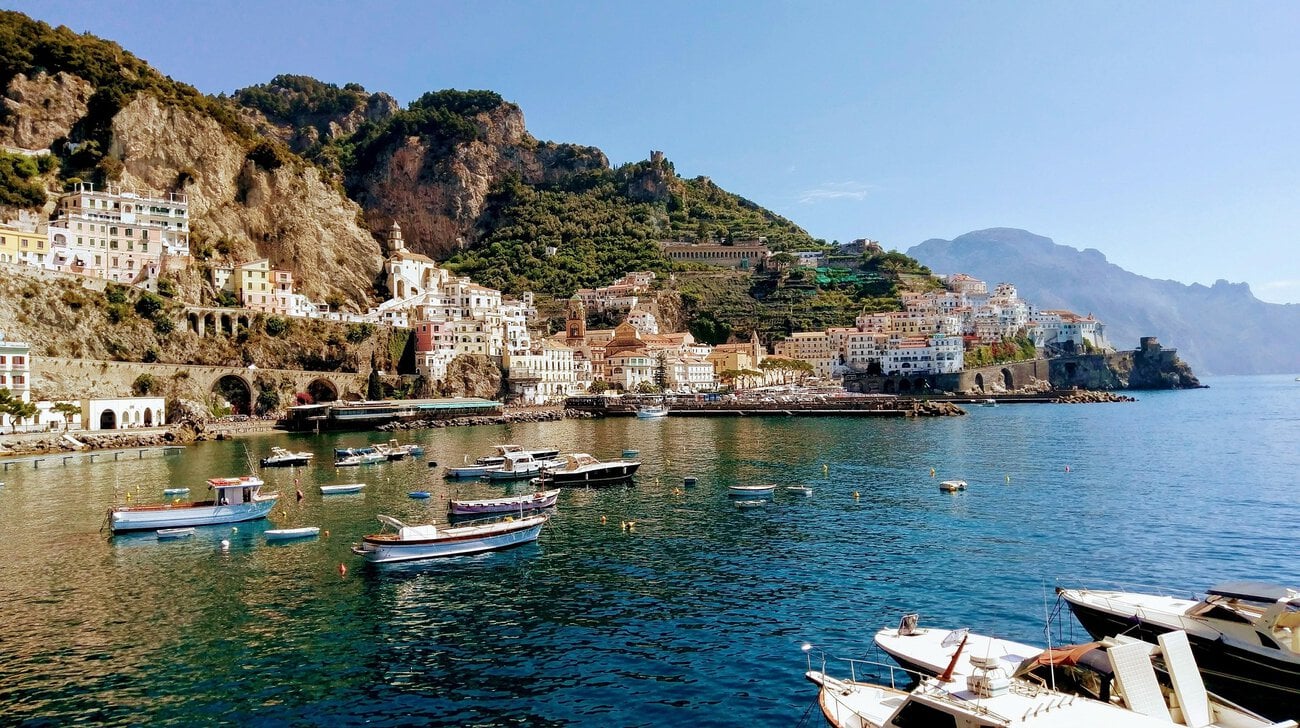
The Amalfi Coast genuinely earns its reputation as one of Italy’s most breathtaking stretches of coastline, a roughly fifty kilometre run of pastel villages clinging to cliffs above the Tyrrhenian Sea, declared a UNESCO World Heritage Site in 1997. Few places anywhere combine dramatic scenery, genuine history and unmistakable glamour quite so effortlessly.
Stretching from Positano in the west to Vietri sul Mare in the east, the coast officially encompasses thirteen distinct municipalities, each holding a genuinely different character despite sitting only a short drive or boat ride apart. Some, like Positano, Amalfi and Ravello, appear on every postcard and Instagram feed, while others, including Atrani, Furore and Cetara, remain genuinely under visited despite offering an equally rewarding, considerably calmer experience.
This guide covers the essential towns making up the Amalfi Coast, from the headline destinations most visitors already know through to the genuinely rewarding smaller villages many travellers overlook entirely. We’ve also covered how to actually get around, given the coast’s single winding road and reliance on ferries and buses, along with honest guidance on the best time to visit and where to base yourself.
Whether you’re planning a single day trip from Sorrento or Naples, or a longer stay properly exploring this genuinely extraordinary stretch of coastline, this guide is built to help you understand what makes each town distinct and how to plan a visit that genuinely suits your priorities.
The Amalfi Coast at a Glance
Before working through each town in detail, it genuinely helps to see the Amalfi Coast at a glance, given how much variety exists across a stretch of coastline many first time visitors assume is considerably smaller and more uniform than it genuinely is.
The coast runs roughly fifty kilometres along the SS163, the single winding road connecting every town from Piano di Sorrento through to Vietri sul Mare, famous for its hairpin bends and genuinely spectacular, if occasionally nerve wracking, views over the water below.
Given how differently each town suits different travellers, from the glamour of Positano to the quiet authenticity of Atrani or Cetara, the table below offers a starting point for understanding which towns genuinely deserve priority based on your own specific interests and travel style.
Use this table as a quick reference, then read the dedicated sections below for genuinely useful detail on what makes each town distinct, how to reach it, and what to actually do once you arrive.
| Town | Character | Best For |
|---|---|---|
| Positano | Glamorous, iconic, steep | Photography, boutiques, splurge trips |
| Amalfi | Historic, walkable, well connected | Practical base, cathedral, day trips |
| Ravello | Hilltop, romantic, cultural | Gardens, views, quiet elegance |
| Praiano | Quiet, residential, sunsets | Value, Path of the Gods access |
| Minori & Maiori | Flat, family friendly, affordable | Families, longer stays, beaches |
| Vietri sul Mare | Ceramics capital, gateway town | Transport links, shopping |
Compare hotels and other places to stay in Amalfi Coast.
Check availabilityExplore holiday homes and apartments around Amalfi Coast.
See holiday homesSee hotel prices from multiple booking sites in one search.
Compare ratesPositano
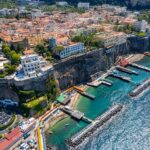
Positano is genuinely the Amalfi Coast’s most photographed town, its pastel houses cascading dramatically down the cliffside towards the sea in a view that has appeared on countless postcards and travel features for decades. The village’s majolica tiled dome, topping the Church of Santa Maria Assunta, remains its single most recognisable landmark.
Positano’s steep, narrow streets connect the upper town to two main beaches: Spiaggia Grande, the busier, more central stretch of sand lined with restaurants and beach clubs, and Fornillo, a genuinely quieter alternative just a short walk further along the coast. The town’s boutiques, celebrated for the flowing linen style known as “Positano fashion,” genuinely justify a slow browse between beach visits on a warm afternoon.
Given Positano’s genuine popularity, an active ZTL restricted traffic zone limits vehicle access to the historic centre, meaning most visitors arrive by ferry, bus or on foot rather than driving directly in. This restriction, combined with the town’s notoriously steep staircases, genuinely rewards visitors willing to pack light and embrace a considerably slower pace than usual.
Given how central Positano sits within the wider coast, it also makes a genuinely convenient base for exploring neighbouring towns by ferry or the coastal SITA bus, though its genuine popularity means accommodation here typically costs considerably more than in quieter towns further along the coastline, particularly during peak summer.
Amalfi
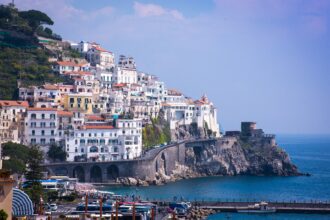
Amalfi, the town lending its name to the entire coastline, genuinely earns its place as the region’s historic and practical heart. Once the seat of a powerful medieval maritime republic trading as far as Constantinople, the town’s compact, flatter centre makes it genuinely one of the most walkable bases along the coast.
The town’s striking Duomo di Sant’Andrea, with its striped Arab Norman facade and dramatic entrance staircase, remains Amalfi’s single most impressive sight, alongside the genuinely atmospheric Cloister of Paradise tucked just beside it. Amalfi’s harbour also functions as the coast’s genuinely busiest transport hub, with ferries and buses connecting onward to nearly every other town covered in this guide.
Given its central position and relatively flat terrain compared with the steep streets of Positano, Amalfi genuinely suits visitors wanting a well connected base without the constant staircases that define much of the coast. The town also holds a genuinely rich culinary tradition, with excellent seafood restaurants clustered around both the harbour and the main piazza itself.
For visitors seeking a genuinely practical, historically rich base with easy onward access to Ravello, Positano and the smaller villages covered later in this guide, Amalfi remains a consistently sensible choice, particularly for those without a car relying on public transport throughout their entire stay.
Ravello
Ravello, perched high above the coast rather than sitting directly on the water, genuinely offers the most intimate, contemplative atmosphere anywhere along this stretch of Italy, drawing artists, writers and musicians for well over a century. The composer Richard Wagner found inspiration here for Parsifal, while the author Gore Vidal called Ravello home for thirty years.
The town’s two celebrated gardens, Villa Rufolo and Villa Cimbrone, genuinely deliver some of the most spectacular panoramic views found anywhere on the Amalfi Coast, their terraces framing the sea far below through carefully manicured Mediterranean planting. Villa Rufolo also hosts the celebrated Ravello Festival each summer, drawing classical musicians to perform on a stage suspended dramatically above the water.
Given its elevated position, reaching Ravello genuinely requires a bus journey up from Amalfi, adding a layer of effort many visitors skip entirely in favour of the more accessible coastal towns. Those willing to make the climb, however, are genuinely rewarded with a considerably calmer, more romantic atmosphere than the busier villages sitting directly below at sea level.
For visitors seeking a genuinely peaceful base away from the coast’s busiest crowds, or simply a rewarding half day excursion from Amalfi, Ravello offers something the sea level towns covered elsewhere in this guide genuinely cannot match.
Praiano
Praiano, tucked between the far busier Positano and Amalfi, genuinely offers a considerably quieter alternative for visitors wanting the coast’s dramatic scenery without the crowds and inflated prices found in its more famous neighbours. Locals themselves widely consider Praiano home to the very best sunsets found anywhere along this entire stretch of coastline.
The village splits across two distinct clusters, San Gennaro and San Luca, connected by the coastal road and offering a genuinely more residential, lived in atmosphere than the tourist heavy centres nearby. Praiano also serves as one of the recognised endpoints for the celebrated Path of the Gods hiking trail, making it a genuinely useful base for visitors planning to walk this route.
Given its position roughly midway between Positano and Amalfi, Praiano genuinely works well as a base for visitors wanting easy access to both without paying Positano’s considerably inflated accommodation prices. The village’s beaches, while smaller than those found elsewhere along the coast, remain genuinely uncrowded even during the busiest weeks of peak summer.
For visitors specifically prioritising value, tranquillity and genuine local atmosphere over headline name recognition, Praiano rewards the slight sacrifice in bragging rights with a considerably calmer, more authentic Amalfi Coast experience overall.
Minori and Maiori
Minori and Maiori, two neighbouring sister towns just east of Amalfi, genuinely offer some of the best value anywhere along the coast, with accommodation typically running thirty to forty percent cheaper than comparable stays in Positano. Neither delivers quite the jaw dropping first impression of the coast’s headline towns, but both reward visitors with a genuinely relaxed, considerably less touristy atmosphere.
Maiori holds the longest, flattest beach anywhere on the Amalfi Coast, backed by a genuinely pleasant walkable promenade lined with restaurants and cafés, making it particularly well suited to families with young children or anyone simply wanting an uncomplicated beach day. Minori, smaller and quieter still, offers its own sandy beach alongside a genuinely excellent selection of local trattorias serving noticeably more reasonable prices than the busier towns nearby.
A genuinely lovely hiking trail connects the two towns directly, offering rewarding coastal views without the crowds found on some of the Amalfi Coast’s more famous walking routes. Completing this walk in either direction makes for a genuinely pleasant half day combining exercise, scenery and a well earned lunch stop along the way.
For visitors seeking a longer stay without fighting constant crowds, or simply a genuinely relaxed alternative to the coast’s more famous names, Minori and Maiori together deliver a considerably calmer, more affordable slice of the Amalfi Coast experience.
Vietri sul Mare and the Lesser-Known Villages
Vietri sul Mare, marking the coast’s eastern gateway just outside Salerno, genuinely functions as the region’s ceramics capital, with the hand painted tiles and pottery seen decorating shops, churches and fountains throughout the wider Amalfi Coast largely produced here. The town also offers genuinely excellent transport links, sitting right at the edge of Salerno’s train network and its wider regional connections.
Beyond the coast’s headline towns, several genuinely rewarding smaller villages remain surprisingly overlooked. Atrani, a short walk from Amalfi, ranks among the smallest incorporated towns in all of Italy, holding just one piazza and one small beach, yet remains genuinely free of tour buses if you visit before mid morning. Cetara, a working fishing village, produces the coast’s celebrated colatura di alici anchovy sauce, a genuinely distinctive local delicacy worth seeking out.
Conca dei Marini holds the striking Emerald Grotto, a sea cave lit an extraordinary green by refracted sunlight, while Furore offers the genuinely dramatic Fiordo di Furore, a narrow fjord like inlet considerably less visited than its more famous counterparts elsewhere on the coast.
For visitors willing to venture beyond the three or four towns most itineraries cover, these smaller villages genuinely reward the extra effort with a considerably more authentic, less commercialised glimpse of Amalfi Coast life away from the busiest crowds.
Search routes and flight options for your trip to Amalfi Coast.
Search flightsChoose an Airalo eSIM and arrange mobile data before you arrive.
Browse eSIMsHave a private airport pickup arranged before you travel.
Book a transferWhich Amalfi Coast Town is Right for You?
With thirteen official towns spread across roughly 50 kilometres of coastline, choosing where to stay can feel surprisingly difficult. Every town has its own personality, and while it’s certainly possible to visit several during your trip, selecting the right base can make a huge difference to your overall experience. Whether you’re looking for luxury, family-friendly beaches, romantic views, great food or simply the best value for money, the table below will help point you in the right direction.
| If you’re looking for… | The Best Town | Why It’s the Best Choice |
|---|---|---|
| Iconic Amalfi Coast scenery | Positano | The classic postcard views, colourful cliffside houses and stylish atmosphere. |
| History and transport links | Amalfi | Historic centre, cathedral, ferries and buses to almost every town. |
| Romance and spectacular views | Ravello | Elegant gardens, luxury hotels and unforgettable panoramic terraces. |
| Peace and quiet | Praiano | A slower pace, fewer crowds and some of the coast’s finest sunsets. |
| Families | Maiori | The Amalfi Coast’s longest beach, flat promenade and family-friendly atmosphere. |
| Best value | Minori | Excellent restaurants, lower accommodation prices and a relaxed local feel. |
| Food lovers | Cetara | Outstanding seafood and the famous local anchovy sauce, colatura di alici. |
| Shopping for ceramics | Vietri sul Mare | The Amalfi Coast’s famous ceramics capital with countless artisan workshops. |
| Photography | Positano & Ravello | Two of Italy’s most photogenic destinations. |
| Walking and hiking | Praiano | Excellent access to the Path of the Gods and other coastal trails. |
| Avoiding the biggest crowds | Atrani | Tiny, authentic and just minutes from Amalfi yet often overlooked. |
| First-time visitors | Amalfi | The best all-round base with excellent transport and easy sightseeing. |
Whichever town you choose, it’s worth remembering that the Amalfi Coast is surprisingly compact. Ferries and buses make it easy to explore neighbouring villages, so there’s no need to worry about seeing everything from a single base.
Hidden Gems of the Amalfi Coast
It’s easy to spend an entire holiday visiting Positano, Amalfi and Ravello, but doing so means missing some of the Amalfi Coast’s most rewarding experiences. Beyond the famous towns lies a collection of spectacular viewpoints, peaceful villages, hidden beaches and fascinating attractions that many visitors simply never discover. If you have more than a day or two on the coast, these lesser-known highlights deserve a place on your itinerary.
One of the most spectacular is the Fiordo di Furore, a dramatic narrow inlet carved deep into the cliffs beneath a towering bridge. Although often referred to as a fjord, it’s actually a flooded river valley, with crystal-clear water, a tiny pebble beach and one of the Amalfi Coast’s most photographed viewpoints. During certain years it even hosts the Red Bull Cliff Diving World Series, with divers leaping from the bridge into the water below.
Another hidden treasure is the Emerald Grotto at Conca dei Marini. This remarkable sea cave takes its name from the vivid green light created as sunlight filters through the water and reflects onto the cave walls. Smaller than Capri’s famous Blue Grotto but considerably less crowded, it offers a fascinating stop while travelling along the coast by boat or road.
If you enjoy walking, don’t overlook the beautiful Valle delle Ferriere Nature Reserve. Beginning near Amalfi, this lush inland valley feels completely different from the dramatic coastline, with waterfalls, streams, ancient paper mills and rare prehistoric ferns creating one of the region’s most peaceful landscapes. It’s an excellent choice for anyone wanting to escape the busiest tourist areas for a few hours.
Food lovers should also make time to visit one of the region’s traditional lemon farms, where you’ll learn how the famous Sfusato Amalfitano lemons are grown before sampling fresh lemonade, limoncello and locally produced desserts. Likewise, the fascinating Paper Museum in Amalfi tells the story of the town’s medieval paper-making industry, while the charming fishing village of Cetara offers some of the finest seafood restaurants anywhere on the coast.
The beauty of the Amalfi Coast isn’t limited to its headline destinations. Often, the most memorable moments come while wandering through a quiet village, discovering a hidden cove or stopping at a family-run trattoria that never appears in the guidebooks. Allow yourself time to explore beyond the obvious and you’ll discover a side of the Amalfi Coast that many visitors never experience.
Getting Around the Amalfi Coast: Ferries, Buses and the SS163
One of the biggest surprises for first-time visitors is that travelling between Amalfi Coast towns often takes longer than expected. Although the coastline measures only around 50 kilometres, dramatic cliffs, narrow roads and heavy seasonal traffic mean even relatively short journeys can take considerably longer than they appear on a map. Understanding the different transport options before you arrive will help you make the most of your time and avoid unnecessary frustration.
For most visitors, ferries are the best way to travel whenever they’re operating. Seasonal services connect major destinations including Positano, Amalfi, Salerno, Sorrento, Capri, Naples and several other coastal towns. Travelling by sea isn’t simply the quickest option on many routes, it’s also one of the highlights of an Amalfi Coast holiday. From the deck of a ferry you’ll enjoy spectacular views of colourful villages clinging to the cliffs, hidden beaches, sea caves and dramatic headlands that simply can’t be appreciated from the road. Ferries also avoid the traffic congestion that frequently affects the coast during spring and summer.
Where ferries don’t operate, the SITA Sud bus network provides the backbone of public transport. These distinctive blue buses run throughout the year, linking almost every town along the coastline, including Ravello, which sits high above Amalfi and isn’t served by ferry. SITA Sud’s own timetables page has current routes and departure times. Bus fares are inexpensive and services are frequent, but it’s worth remembering that they can become extremely busy during the peak tourist season. At popular times it’s not unusual for buses to be standing room only, and occasionally passengers may need to wait for the next departure if a bus is already full.
The famous SS163 Amalfitana is one of Europe’s most scenic coastal roads, winding dramatically around cliffs with breathtaking views across the Mediterranean. However, it also demands patience. Hairpin bends, narrow sections, delivery vehicles and heavy tourist traffic often result in slower journey times than visitors expect. If you’re driving, you’ll also need to contend with limited parking, restricted spaces within many towns and seasonal traffic regulations. Unless you’re planning to explore beyond the Amalfi Coast, many visitors find public transport considerably less stressful than hiring a car.
Walking is another rewarding way to experience the region. Ancient footpaths connect several neighbouring villages, while famous routes such as the Path of the Gods offer some of the finest coastal scenery anywhere in Italy. Even short walks between towns reveal hidden viewpoints, historic churches, lemon terraces and peaceful corners that are impossible to appreciate from a passing bus or ferry.
If you’re arriving from Naples Airport, Naples city centre or travelling with several suitcases, a private transfer can be an excellent investment for your arrival or departure day. Being collected directly from the airport or railway station and driven to your accommodation removes the stress of changing between trains, buses and ferries after a long journey. Once you’ve settled into your hotel, however, most visitors find that a combination of ferries, SITA buses and the occasional walk provides the easiest, most enjoyable and most economical way to explore everything the Amalfi Coast has to offer.
Best Time to Visit
Choosing the best time to visit the Amalfi Coast genuinely matters more here than on many other Italian trips, given how dramatically both crowds and prices shift between seasons along this relatively compact stretch of coastline. The genuinely ideal window sits in the shoulder seasons rather than the height of summer most visitors instinctively assume.
April, May, September and October genuinely offer the best combination of pleasant weather and manageable crowds, with seasonal ferries typically running throughout these months and accommodation prices considerably lower than the July and August peak. Visiting during these shoulder months also means considerably more comfortable temperatures for exploring the coast’s many staircases and hiking trails without overheating.
Peak summer, while undeniably the liveliest time to experience the coast’s famous beach clubs and vibrant evening atmosphere, genuinely brings intense crowds, inflated prices and uncomfortable midday heat, particularly on the coast’s more exposed walking routes. Winter, by contrast, sees many ferries suspended entirely and a considerably quieter, sleepier atmosphere across most towns.
Given these genuine seasonal swings, visitors with flexibility in their travel dates are consistently better served targeting the shoulder seasons, while those restricted to summer holidays should genuinely book accommodation and any popular restaurants well in advance of their trip.
A Perfect Day Trip to the Amalfi Coast
Not everyone has the luxury of spending several nights exploring the Amalfi Coast. Many visitors arrive from Naples, Sorrento, Salerno or even Rome, hoping to experience as much as possible in a single day. While you certainly won’t see everything, careful planning still allows you to enjoy some of Italy’s most spectacular scenery without feeling constantly rushed.
If you’re travelling from Sorrento, the easiest option is usually the seasonal ferry. Departing early in the morning allows you to arrive in Positano before the largest crowds, giving you time to wander the steep lanes, browse the boutiques and enjoy the famous Spiaggia Grande before continuing by ferry to Amalfi around lunchtime. Travelling by boat also lets you appreciate the dramatic cliffs from the sea, something you’ll completely miss if you spend the day on the coastal road.
From Naples, organised tours are often the most efficient choice if you’re only visiting for the day. These typically combine transport with carefully planned stops in Positano, Amalfi and Ravello, removing the stress of navigating buses and ferry timetables. Independent travellers can also reach the coast by train to Salerno before continuing by ferry, which is generally quicker and more comfortable than travelling the entire distance by road.
If you’re arriving from Salerno, you’re already at one end of the Amalfi Coast, making ferry travel particularly convenient. Beginning your day in Amalfi, before continuing to Positano and returning by boat during the evening, offers one of the most scenic day trips anywhere in Italy.
The biggest mistake people make is trying to see every town in one day. While it may look possible on a map, you’ll spend most of your time waiting for buses or ferries rather than actually enjoying the destinations. We’d recommend concentrating on two main towns, perhaps adding a brief stop in Atrani or Praiano if time allows. You’ll return home with a far better impression of the Amalfi Coast than if you simply rush from one viewpoint to the next.
If you only have a single day available, don’t worry. You’ll almost certainly leave wishing you had longer, but you’ll also understand exactly why the Amalfi Coast has become one of Europe’s most admired destinations.
How Many Days Do You Need on the Amalfi Coast?
One of the questions travellers ask most often is “How long should I spend on the Amalfi Coast?” The honest answer depends entirely on what you want to experience. While it’s perfectly possible to enjoy the coastline during a day trip, staying longer allows you to explore beyond the famous viewpoints and discover the quieter villages that many visitors never reach.
If you only have one day, focus on Positano and Amalfi, travelling by ferry wherever possible. You’ll experience the coast’s two best-known towns, enjoy spectacular scenery from the water and still have time for a leisurely lunch overlooking the Mediterranean. It’s a busy day, but entirely achievable.
With two days, your options improve dramatically. Spend one day exploring Positano and Praiano, then dedicate the second to Amalfi, Atrani and Ravello. This allows time to visit Amalfi Cathedral, Ravello’s famous gardens and enjoy a slower pace without constantly watching the clock.
A stay of three days is widely considered the sweet spot. You’ll have enough time to visit the headline towns, discover smaller villages such as Minori, Maiori or Cetara, enjoy a boat trip and perhaps even complete the Path of the Gods or visit a traditional lemon farm. Three days also provide flexibility if weather affects ferry services.
Visitors staying five to seven days can truly experience the region. This gives you time for relaxing beach days, long lunches, hidden walking trails and day trips to Capri, Pompeii, Herculaneum or Mount Vesuvius without ever feeling rushed. Many people also choose to split their stay between two different towns, experiencing both the lively atmosphere of places like Positano and the tranquillity of Praiano or Ravello.
If your itinerary allows, we’d recommend at least three nights on the Amalfi Coast. It gives you enough time to experience not only the famous sights but also the slower, more authentic moments that make this remarkable stretch of coastline so unforgettable.
Compare hostels and budget-friendly accommodation around Amalfi Coast.
Browse hostelsGet help with compensation, eligible lounge access and disruption support.
Explore AirHelp+Arriving before check-in or leaving later? Store your luggage and make more of your time in Amalfi Coast.
Store your bagsHow Much Does an Amalfi Coast Holiday Cost?
The Amalfi Coast has a reputation for being one of Italy’s most expensive destinations, but the reality is rather more nuanced. While luxury hotels and Michelin-starred restaurants certainly exist, it’s perfectly possible to enjoy the region on a more modest budget if you choose your base carefully and travel outside the busiest weeks of the summer.
Accommodation is usually the biggest expense. Premium hotels in Positano can easily cost several hundred pounds per night during July and August, while similar accommodation in Maiori, Minori or Vietri sul Mare is often significantly cheaper. Travelling during April, May, September or October can also reduce hotel prices considerably while offering more pleasant sightseeing conditions.
When it comes to food, there’s something for almost every budget. A coffee at a local café costs only a few euros, while a pizza or simple pasta dish is usually affordable even in the most popular towns. Waterfront restaurants naturally command higher prices, particularly in Positano, but excellent family-run trattorias can still be found throughout the smaller villages at much more reasonable rates.
Transport costs also vary depending on how you travel. SITA buses are the cheapest way to move between towns, while ferries cost more but provide a faster and considerably more scenic journey. Visitors hiring a car should also budget for parking charges, which can be surprisingly expensive and difficult to find during peak season.
The good news is that many of the Amalfi Coast’s greatest attractions cost nothing at all. Walking through beautiful villages, admiring the spectacular coastal scenery, relaxing on public beaches or watching the sunset over the Mediterranean are all completely free. While it’s certainly possible to spend a fortune here, thoughtful planning makes the Amalfi Coast far more accessible than many first-time visitors expect.
Common Mistakes First-Time Visitors Make
The Amalfi Coast is one of Italy’s easiest destinations to fall in love with, but it’s also surprisingly easy to make small mistakes that can turn an unforgettable holiday into a much more stressful experience. Fortunately, most of them are easily avoided with a little advance planning.
Perhaps the biggest mistake is trying to see too much in too little time. Many visitors attempt to squeeze Positano, Amalfi, Ravello, Capri and even Pompeii into a single day. While technically possible in some cases, you’ll spend far more time travelling than actually enjoying the places you’ve come to see. Slowing down and focusing on two or three destinations usually creates a much more rewarding experience.
Another common error is driving the Amalfi Coast without understanding the roads. The famous SS163 is spectacular, but it’s also narrow, winding and extremely busy during the tourist season. Parking is limited, expensive and often fills early. Unless you specifically enjoy mountain driving, ferries and buses are generally far more relaxing.
Many first-time visitors also underestimate the number of steps. Towns such as Positano are built almost vertically, meaning you’ll spend much of the day walking uphill or downhill. Comfortable footwear is essential, and visitors with mobility concerns should consider staying in Amalfi, Maiori or Minori, where the terrain is noticeably flatter.
Finally, don’t make the mistake of only visiting the famous towns. While Positano and Amalfi deserve their reputations, quieter places such as Atrani, Cetara, Praiano and Minori often provide some of the most authentic experiences on the entire coastline. Allow yourself time to wander beyond the postcard locations and you’ll discover why so many people return to the Amalfi Coast again and again.
Is the Amalfi Coast Suitable for Families?
Although the Amalfi Coast is often associated with romantic honeymoons and luxury holidays, it can also be a wonderful destination for families. Crystal-clear beaches, regular ferry services, fascinating boat trips, delicious Italian food and welcoming local communities make it an enjoyable place to explore with children of all ages. The key is choosing the right town and planning your days sensibly, particularly during the busy summer months.
If you’re travelling with younger children, Maiori is often considered the best family base on the Amalfi Coast. Unlike many neighbouring towns, it has a long, wide beach, a flat seafront promenade, plenty of cafés and restaurants, and far fewer steep staircases. Nearby Minori also offers a relaxed atmosphere and calm beaches, making it another excellent choice for families wanting a quieter holiday.
Positano is undoubtedly beautiful, but families should be prepared for hundreds of steps leading between the beach, hotels and town centre. While older children may enjoy the adventure, parents pushing buggies or carrying toddlers may find the constant climbs surprisingly tiring. Amalfi provides a good compromise, offering easier access, plenty of facilities and excellent transport connections while still delivering the classic Amalfi Coast experience.
Children often love travelling by ferry, and boat journeys quickly become one of the highlights of the holiday. Rather than spending long periods on winding coastal roads, ferries provide fresh air, spectacular scenery and a much more enjoyable way to travel between towns. Many families also enjoy taking a day trip to Capri, where chairlifts, boat tours and the famous Blue Grotto create unforgettable memories.
Italian restaurants are generally very welcoming towards children, with pizzas, pasta and gelato making even the fussiest eaters happy. Combined with safe beaches, beautiful scenery and countless opportunities for boat trips and sightseeing, the Amalfi Coast can be an excellent family destination, as long as you choose your base carefully and don’t try to cram too much into each day.

Is the Amalfi Coast Accessible?
The Amalfi Coast is one of the most spectacular destinations in Europe, but its dramatic landscape inevitably creates challenges for visitors with reduced mobility. Many towns were built centuries before modern accessibility standards, with steep hills, narrow lanes, uneven stone streets and long flights of steps forming part of their unique character. Fortunately, some destinations are considerably easier to explore than others.
Amalfi is generally regarded as one of the most accessible towns on the coastline. The historic centre is relatively compact and much flatter than neighbouring Positano, allowing visitors to explore the cathedral square, waterfront and shopping streets with fewer obstacles. Maiori is another excellent choice, thanks to its wide promenade, gently sloping streets and spacious beachfront, making it particularly suitable for wheelchair users and visitors with mobility concerns.
By contrast, Positano presents the greatest challenges. The town is built almost vertically into the cliffs, with hundreds of steps connecting the upper streets to the beach below. Although taxis can reduce some walking, many of Positano’s most famous viewpoints, boutiques and restaurants still require climbing or descending significant numbers of stairs.
Travelling between towns by ferry is often easier than relying solely on buses, particularly during the busy summer months when vehicles become crowded. Most ferry operators provide assistance where possible, although boarding conditions may vary depending on sea conditions and the design of individual harbours.
Visitors with specific accessibility requirements should always check directly with accommodation providers before booking, as facilities vary significantly from one hotel to another. With careful planning and by choosing the most suitable base, it’s entirely possible to enjoy an unforgettable Amalfi Coast holiday while avoiding many of the area’s more physically demanding locations.
What Should You Pack for the Amalfi Coast?
Packing for the Amalfi Coast is relatively straightforward, but bringing the right items can make your holiday considerably more comfortable. The region combines coastal walks, boat trips, historic towns, beaches and hiking trails, meaning you’ll often move between very different environments during the same day.
The most important item is undoubtedly a pair of comfortable walking shoes. Even if you don’t plan to tackle the Path of the Gods, you’ll almost certainly spend hours exploring cobbled streets, climbing staircases and walking between viewpoints. Stylish sandals may look the part, but supportive footwear will be much more appreciated after a full day sightseeing.
During the summer months, sun protection is essential. A hat, sunglasses, high-factor sunscreen and a refillable water bottle should all be considered daily essentials. The Mediterranean sun can be surprisingly intense, particularly when reflected from the sea and the pale limestone cliffs.
Don’t forget your swimwear, even if you’re primarily visiting for sightseeing. Crystal-clear beaches, hidden coves and opportunities for boat trips make swimming difficult to resist, while many hotels also have pools overlooking the coastline.
A lightweight day backpack is ideal for carrying water, cameras, ferry tickets and any purchases made during the day. If you’re visiting churches such as Amalfi Cathedral, carrying a light layer is also worthwhile, as modest clothing may be appreciated when entering religious buildings.
Finally, remember to leave a little space in your suitcase. Many visitors return home with beautifully painted Vietri ceramics, bottles of locally produced limoncello, handmade leather sandals or delicious lemon-based treats that make perfect souvenirs of one of Italy’s most beautiful coastlines.
Is the Amalfi Coast Worth Visiting?
Few destinations anywhere in Europe inspire quite as much admiration as the Amalfi Coast, and after spending even a short time exploring its villages, it’s easy to understand why. The combination of dramatic cliffs, colourful hillside towns, crystal-clear Mediterranean waters, historic landmarks, world-class food and breathtaking scenery creates an experience that’s genuinely unlike anywhere else in Italy.
Yes, the Amalfi Coast can be busy during the height of summer. Roads become congested, ferries are popular and famous towns such as Positano attract visitors from around the world. Yet despite the crowds, the coastline somehow retains its magic. Wander through the quiet streets of Atrani, watch the sunset from Praiano, enjoy fresh seafood in Cetara or admire the gardens of Ravello, and you’ll quickly discover that there are still countless peaceful corners waiting to be explored.
The region also offers remarkable variety. One day you can be relaxing on a beach, the next hiking the Path of the Gods, exploring medieval cathedrals, visiting a traditional lemon farm, taking a ferry to Capri or discovering the extraordinary ruins of Pompeii. Very few destinations combine so many different experiences within such a compact area.
Of course, visiting the Amalfi Coast requires a little planning. Choosing the right base, allowing enough time and understanding the transport options will make a huge difference to your holiday. That’s exactly why we’ve created this guide: to help you avoid common mistakes and enjoy the very best that the region has to offer.
If you’re looking for one destination that perfectly captures the romance, beauty and atmosphere of southern Italy, the Amalfi Coast should be at the very top of your travel wish list. Whether it’s your first visit or your fifth, it’s a place that has an extraordinary ability to leave visitors planning their return before they’ve even left.

Rupert’s Handy Travel Tips
The Amalfi Coast rewards a bit of planning, so here’s what I’d want to know before choosing where to go.
- Visit in the shoulder seasons if you can: April, May, September and October offer the best balance of weather and crowds.
- Take the ferry over the SS163 where possible: it’s faster, more scenic, and avoids the road’s notorious hairpin bends.
- Consider Minori or Maiori for better value: both run thirty to forty percent cheaper than Positano for comparable stays.
- Visit Atrani before mid morning: it stays genuinely free of tour buses if you arrive early enough in the day.
- Book at least three nights, not a rushed day trip: the coast genuinely rewards a slower, more unhurried pace.
Want to meet the reindeer behind our travel tips? Find out more in our page Who is Rupert?.




Frequently Asked Questions
How many towns make up the Amalfi Coast?
Thirteen official municipalities, from Positano in the west to Vietri sul Mare in the east.
What is the best base for a first visit?
Amalfi or Positano both work well, depending on whether you prioritise logistics or iconic atmosphere.
When is the best time to visit the Amalfi Coast?
April, May, September and October offer the best combination of pleasant weather and manageable crowds.
Do I need a car on the Amalfi Coast?
No. Ferries and the SITA bus cover the main towns well, though a car helps reach smaller villages like Furore.
Which Amalfi Coast town is cheapest?
Minori, Maiori and Vietri sul Mare typically cost thirty to forty percent less than Positano for comparable accommodation.
Is the Amalfi Coast a UNESCO World Heritage Site?
Yes, since 1997, covering the stretch from Positano to Vietri sul Mare.
Further Reading
Ready to explore the coast in more depth? Our Things to Do on the Amalfi Coast guide covers the essential sights, while our Amalfi Coast by Ferry guide covers the seasonal boat network in full detail.
Planning your trip from Sorrento? Our Day Trips from Sorrento guide and Sorrento Ferry Guide cover getting to Positano, Amalfi and beyond.
If you’re connecting through Naples, our Naples Airport Transfer Guide and Naples Ferry Routes Guide cover onward connections to the wider Campania region.
If you’re travelling around Italy more widely, our Best eSIM Apps Guide will help you stay connected wherever your Amalfi Coast adventures take you.