
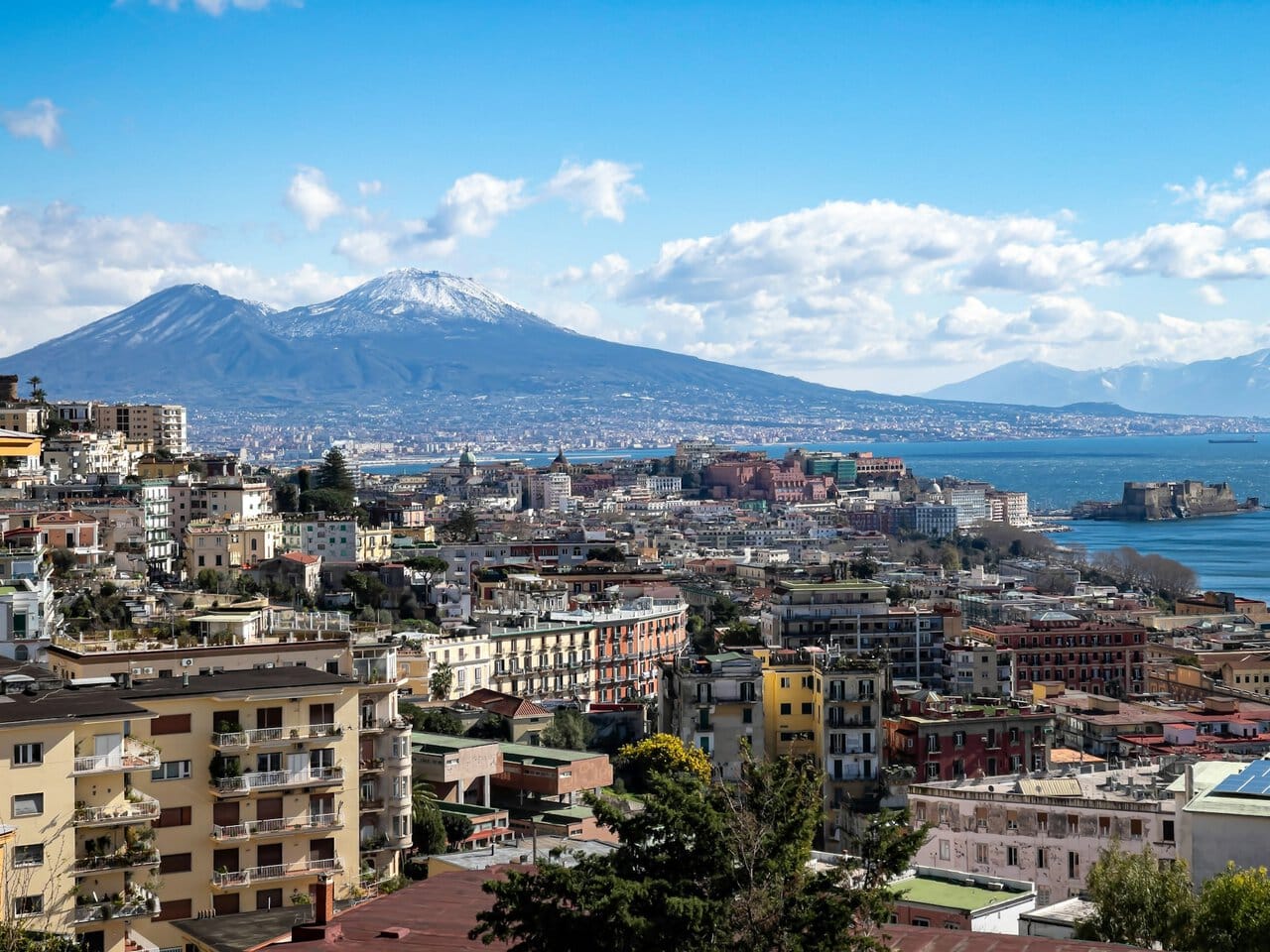
Why Naples Is One of Europe’s Most Important Ferry Hubs
Naples is one of the most important ferry gateways anywhere in the Mediterranean, connecting mainland Italy with islands, coastal resorts and long-distance sea routes across Southern Europe. Few cities combine such a dense mix of short island crossings, scenic coastal ferries and overnight long-haul services within a single port system.
For travellers, this makes Naples ferry routes extremely useful for both practical transport and sightseeing. Ferries from Naples connect directly with destinations including Capri, Ischia, Procida, Sorrento, the Amalfi Coast, Sicily, and several longer-distance Mediterranean routes.
The port is particularly important because it acts as both a local commuter hub and a major tourism gateway. During summer, thousands of travellers move daily between Naples and the islands of the Bay of Naples, while overnight ferries continue south towards Sicily and other Italian coastal destinations.
Unlike many ferry ports located far outside city centres, Naples places travellers surprisingly close to the action. The main terminals sit near the historic centre, cruise port, metro network and major railway stations, making transfers relatively straightforward compared with some larger Mediterranean ferry hubs.
For travellers exploring Southern Italy without a car, ferries from Naples often provide a faster, more scenic and significantly less stressful alternative to crowded regional roads and rail lines.
| Route | Ferry Operators | Typical Crossing Time | Main Type of Service | Notes |
|---|---|---|---|---|
| Naples to Capri | SNAV, NLG, Caremar | Around 50 minutes to 1 hour | Fast hydrofoil and ferry | One of the busiest ferry routes in Italy, especially during summer |
| Naples to Ischia | Caremar, Medmar, SNAV | Around 50 minutes to 1 hour 45 minutes | Hydrofoil and vehicle ferry | Some ferries arrive at Ischia Porto while others use Casamicciola |
| Naples to Procida | Caremar, SNAV | Around 35 to 60 minutes | Hydrofoil and ferry | Popular for day trips and quieter island stays |
| Naples to Sorrento | NLG, Alilauro | Around 35 to 45 minutes | Fast ferry | Scenic alternative to the crowded Circumvesuviana railway |
| Naples to Amalfi | NLG, Positano Jet | Around 1 hour 30 minutes to 2 hours | Seasonal fast ferry | Strong summer route along the Amalfi Coast |
| Naples to Positano | NLG, Positano Jet | Around 1 hour to 1 hour 45 minutes | Seasonal fast ferry | Extremely popular during peak season |
| Naples to Salerno | NLG, Alicost | Around 2 to 3 hours | Coastal ferry | Useful for wider Campania travel |
| Naples to Palermo | Grandi Navi Veloci, Tirrenia | Around 10 to 12 hours | Overnight ferry | Cabins strongly recommended |
| Naples to Catania | Grimaldi Lines | Around 10 to 13 hours | Overnight ferry | Vehicle and passenger route to eastern Sicily |
| Naples to Cagliari | Grimaldi Lines | Around 14 to 16 hours | Overnight ferry | Main Sardinia connection from Naples |
| Naples to Olbia | Grimaldi Lines, Moby | Around 7 to 10 hours | Overnight ferry | Seasonal frequency changes common |
| Naples to Livorno | Grimaldi Lines | Around 8 to 10 hours | Overnight ferry | Useful northbound coastal route |
| Naples to Palermo via Cruise Ferry | Grandi Navi Veloci | Overnight | Long-distance ferry | Popular with road trippers and overlanders |
Understanding the Different Ferry Ports in Naples
One reason some travellers initially find Naples ferry routes confusing is that the city uses several nearby ferry terminals rather than one single unified passenger port. Understanding which terminal your ferry uses is extremely important before departure because operators and destinations vary between different sections of the waterfront.
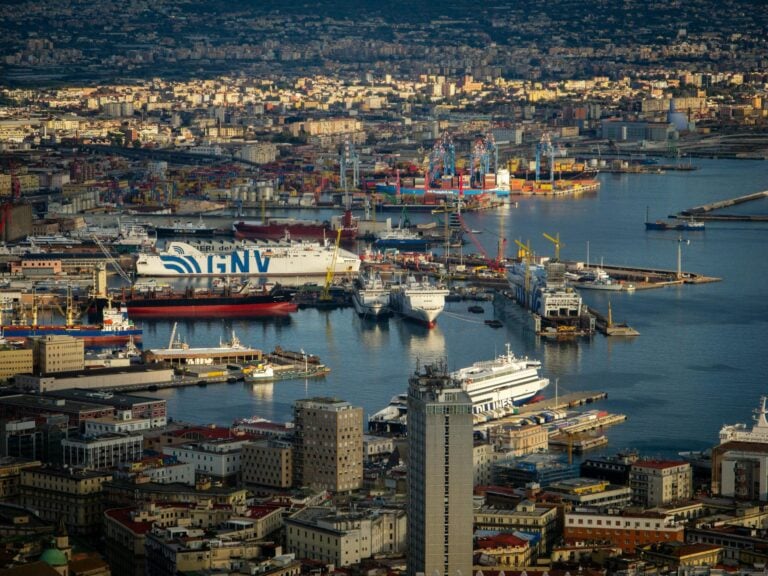
The main passenger hub is Port of Naples, located directly beside the historic centre and cruise terminals. Within the wider port area, travellers will usually encounter three key departure zones known as Molo Beverello, Calata Porta di Massa, and Mergellina.
Molo Beverello is the most important terminal for high-speed passenger ferries serving destinations such as Capri, Ischia, Procida, Sorrento, and parts of the Amalfi Coast. This is where many tourists travelling on fast hydrofoils and catamarans will depart.
Calata Porta di Massa handles many of the larger conventional ferries and vehicle-carrying services, particularly routes involving cars, overnight crossings and some longer-distance journeys towards Sicily.
Meanwhile, Mergellina Port, located further west along the Naples seafront, operates a smaller number of seasonal and high-speed services depending on the time of year.
Travellers should always check departure terminals carefully before arriving because walking between some Naples ferry terminals can take longer than expected, especially with luggage during busy summer periods.
The good news is that the ferry areas remain relatively well connected to public transport. Naples Metro, taxis, local buses and pedestrian routes all provide relatively easy access between the port and major transport hubs including Napoli Centrale railway station and the historic centre.
Compare hotels and other places to stay in Naples.
Check availabilityBrowse apartments, holiday homes and self-catering stays in Naples.
View rentalsSee hotel prices from multiple booking sites in one search.
Compare ratesFerry Routes from Naples to Capri
The ferry route between Naples and Capri is one of the busiest and most famous ferry crossings anywhere in Italy. During summer, services operate constantly throughout the day carrying tourists, local residents and day-trippers across the Bay of Naples.
For many visitors, the Naples to Capri ferry is the fastest and easiest way to reach the island. High-speed hydrofoils and fast ferries normally take between around 50 minutes and just over an hour depending on operator, sea conditions and departure terminal.
Most fast passenger services leave from Molo Beverello, while some slower conventional ferries capable of carrying vehicles depart from Calata Porta di Massa. Travellers bringing cars should pay particularly close attention because vehicle restrictions on Capri are common during peak tourism periods.
Several major ferry operators compete on the route including SNAV, NLG, and Caremar. High-speed services dominate during summer because most tourists prioritise speed over lower fares.
The route is particularly popular for day trips because early morning departures from Naples allow travellers to spend a full day exploring Capri before returning in the evening. However, summer sailings can become extremely busy, especially between June and September, and advance booking is strongly recommended.
Sea conditions also matter more than many travellers expect. High winds and rough seas can occasionally disrupt hydrofoil services even when conventional ferries continue operating normally. Travellers visiting during shoulder seasons should always leave some flexibility in their itinerary in case weather conditions affect departures.
Naples to Ischia Ferry Routes
The ferry connection between Naples and Ischia is one of the most important local sea routes in Southern Italy. While Capri attracts much of the international attention, Ischia is actually larger, more residential and often considered better suited for longer stays thanks to its beaches, thermal spas and quieter atmosphere.
Ferries from Naples to Ischia normally operate year-round with a mixture of high-speed hydrofoils and slower conventional ferries. Journey times vary depending on vessel type and arrival port, although most crossings take between roughly one hour and one hour and forty-five minutes.
High-speed passenger ferries usually depart from Molo Beverello, while vehicle ferries often leave from Calata Porta di Massa. Travellers bringing cars should always check vehicle regulations carefully because seasonal restrictions can apply for non-residents on the island during busy periods.
One detail many travellers overlook is that Ischia actually has multiple ferry arrival ports including Ischia Porto, Casamicciola Terme, and Forio depending on operator and route. Checking the exact arrival point is important because travelling across the island afterwards can take longer than expected.
Major operators on the route include Caremar, SNAV, and Alilauro. Summer schedules are significantly more intensive than winter timetables due to tourism demand.
Compared with Capri, Ischia generally feels less polished and more authentically local. Many travellers actually prefer it for longer stays because accommodation prices are often lower and the island offers a broader mix of beaches, villages and thermal spa resorts.
Ferry Routes from Naples to Procida
The ferry route from Naples to Procida is shorter, quieter and often more relaxed than the heavily touristed crossings towards Capri.
Procida is the smallest of the three main islands in the Bay of Naples, but many travellers consider it one of the most attractive because of its colourful harbourfronts, narrow streets and less commercial atmosphere. The island became internationally better known after serving as the Italian Capital of Culture in 2022.
Fast ferries from Naples to Procida usually take around 35 to 45 minutes depending on the operator and departure terminal. Conventional ferries are slower but may offer lower fares and vehicle transport options.
Most services depart from either Molo Beverello or Calata Porta di Massa, with operators including Caremar and SNAV operating regular sailings throughout much of the year.
Unlike Capri, which often feels crowded during peak summer periods, Procida remains noticeably calmer even during busy months. Many travellers visit as a day trip from Naples, although staying overnight allows visitors to experience the island after most day tourists have departed.
The crossing itself is relatively straightforward and sea conditions are usually manageable because of the short distance involved. During summer weekends and holidays, however, ferries can still become busy with both local commuters and domestic tourists travelling between the islands and mainland.

Ferry Routes from Naples to Sorrento and the Amalfi Coast
Ferries from Naples to Sorrento and the wider Amalfi Coast provide one of the most scenic transport experiences anywhere in Italy. For many travellers, ferry travel is considerably more enjoyable than dealing with the heavily congested coastal roads that dominate the region during summer.
The Naples to Sorrento ferry is particularly useful because rail travel between the two cities can become extremely crowded, especially on the busy Circumvesuviana railway. Fast ferries normally take around 35 to 45 minutes across the bay while offering spectacular views towards Mount Vesuvius and the coastline.
During summer, seasonal ferry routes also expand further along the Amalfi Coast towards destinations including Positano, Amalfi, and Salerno. These routes are extremely popular because they avoid the notorious traffic jams affecting the narrow cliffside roads.
Most high-speed coastal ferries depart from Molo Beverello, with operators such as NLG and Alilauro dominating many of the tourist-focused services.
Seasonality is important on these routes. Summer schedules are extensive and designed around tourism demand, while winter ferry services become significantly more limited and weather dependent. Travellers visiting outside peak season should always check timetables carefully before relying entirely on ferry transport.
For many visitors, these coastal ferries are not simply transport connections but part of the sightseeing experience itself. The views across the Bay of Naples, the cliffs of the Sorrentine Peninsula, and the colourful villages of the Amalfi Coast are often among the highlights of travelling through Southern Italy.
Ferry Routes from Naples to Sicily
Long-distance ferries between Naples and Sicily are some of the most important overnight sea connections in Southern Italy. These routes link mainland Italy with major Sicilian ports while also carrying freight traffic, vehicles, local passengers and tourists travelling without flying.
The main ferry routes from Naples normally operate towards Palermo, although schedules and seasonal services can vary slightly between operators and times of year. Overnight sailings are particularly popular because they allow travellers to combine transport and accommodation in a single journey.
Journey times are significantly longer than the island ferries within the Bay of Naples. Crossings towards Sicily typically take around 10 to 12 hours depending on vessel type, weather conditions and the exact route being operated.
Most long-distance ferries depart from Calata Porta di Massa, which handles many of the larger conventional passenger and vehicle ferries operating from Naples. Travellers bringing cars, motorhomes or motorcycles should normally arrive well in advance because vehicle loading procedures can take time, especially during busy summer sailings.
Major operators on Sicilian routes include Grandi Navi Veloci and Tirrenia. Cabins are available on many overnight departures, ranging from basic shared accommodation to more private en-suite options.
For travellers exploring Southern Italy without flying, these overnight ferries can be surprisingly practical. Instead of returning north through mainland rail routes, travellers can continue directly towards Sicily while enjoying a slower and more scenic style of travel across the Mediterranean.
International Ferry Routes from Naples
Although Naples is primarily focused on domestic Italian ferry traffic, the port has historically also supported wider Mediterranean connections depending on demand, operator schedules and seasonal changes.
Compared with Adriatic ferry hubs such as Bari or Ancona, Naples is less focused on international Balkan routes and more concentrated on Southern Italian and Tyrrhenian Sea services. However, travellers occasionally encounter seasonal or longer-distance Mediterranean sailings connected to wider cruise and regional ferry networks.
For most international travellers, Naples works better as a gateway towards Sicily, the Amalfi Coast, Capri, Ischia, and the wider Southern Italian coastline rather than as a major international ferry crossing hub.
That said, the city’s strategic location still makes it an important maritime centre within the wider Mediterranean ferry system. The port handles a huge mixture of cruise traffic, overnight ferries, hydrofoils, cargo ships and local commuter vessels throughout the year.
Travellers planning complex Mediterranean ferry itineraries sometimes combine Naples with other Italian ports such as Genoa, Civitavecchia, or Bari depending on onward routes towards Greece, Sardinia, Sicily or North Africa.
Compare hostels and budget-friendly accommodation around Naples.
Browse hostelsGet help with compensation, eligible lounge access and disruption support.
Explore AirHelp+Arriving before check-in or leaving later? Store your luggage and make more of your time in Naples.
Store your bagsFerry Operators Serving Naples
A large number of operators run services from Port of Naples, ranging from high-speed hydrofoil companies to major overnight ferry operators carrying vehicles and freight across Southern Italy.
For routes around the Bay of Naples, travellers will most commonly encounter operators such as SNAV, NLG, Caremar, and Alilauro.
These companies primarily focus on fast ferries and regional passenger services connecting Naples with Capri, Ischia, Procida, Sorrento, and sections of the Amalfi Coast. High-speed vessels dominate many tourist-heavy routes during summer because travellers prioritise shorter crossing times.
Longer-distance overnight services towards Sicily are usually operated by larger companies including Grandi Navi Veloci and Tirrenia, both of which operate conventional ferries capable of carrying vehicles and freight alongside passengers.
The choice between operators often depends on journey time, departure terminal, luggage rules, vehicle transport needs and seasonal schedules.
Travellers should also remember that not all operators use the same Naples terminal. Checking departure locations carefully before travelling is extremely important because the port area is larger and more spread out than many visitors initially expect.
Fast Ferries vs Conventional Ferries from Naples
Travellers using Naples ferry routes will quickly notice that there are often two very different styles of ferry operating on the same route. Choosing between high-speed ferries and conventional ferries can significantly affect both journey time and overall travel experience.
Fast ferries, hydrofoils and catamarans dominate many passenger-heavy tourist routes towards Capri, Ischia, and Sorrento. These vessels prioritise speed and typically reduce journey times substantially compared with conventional ferries.
For travellers taking day trips or short coastal journeys, fast ferries are usually the preferred option because they maximise sightseeing time at the destination itself. However, hydrofoils can be more affected by rough sea conditions, and cancellations during poor weather are not uncommon outside stable summer periods.
Conventional ferries are slower but offer several advantages. They are generally more stable in rough seas, often cheaper, and normally allow vehicle transport including cars, motorcycles and motorhomes. Larger ferries also provide more outdoor deck space and can feel less cramped during busy crossings.
For overnight routes towards Sicily, conventional ferries are the standard option because they support cabins, restaurants, freight traffic and long-distance vehicle transport.
The best choice depends heavily on the style of trip being taken. Travellers prioritising speed usually prefer hydrofoils, while travellers carrying vehicles or wanting a slower maritime experience may find conventional ferries considerably more comfortable.
How to Book Naples Ferry Tickets
Booking Naples ferry tickets is usually straightforward, but travellers should still plan carefully during busy periods because some of the most popular routes can sell out surprisingly early, especially in summer.
Routes towards Capri, Ischia, and the Amalfi Coast become extremely busy between late spring and early autumn. Morning departures are particularly popular because many travellers use the ferries for day trips from Naples.
Travellers can normally book tickets online directly through ferry operators or through comparison platforms that allow users to compare multiple schedules and companies in one place. Booking in advance is strongly recommended for summer weekends, public holidays, overnight ferries and vehicle transport.
Vehicle spaces on ferries towards Sicily and the islands can become especially limited during peak tourism periods. Travellers bringing cars or motorhomes should normally reserve well ahead of departure.
Most operators now support digital tickets and mobile boarding passes, making the process considerably easier than older paper-ticket systems. However, travellers should still arrive at the port with enough time to locate the correct terminal because the Naples waterfront can feel chaotic during busy sailing periods.
For high-speed ferries, arrival around 30 to 45 minutes before departure is usually sensible. Conventional overnight ferries and vehicle services generally require significantly earlier check-in times.
Book Ferry Tickets from Naples
Whether you’re travelling to Capri, Ischia, Procida, Sorrento, the Amalfi Coast or even Sicily, booking your ferry in advance is often the easiest way to secure the best departure times and avoid long queues at the port. Direct Ferries lets you compare routes from multiple ferry operators in one place, making it simple to check timetables, fares and availability before you travel. If you’re planning to explore beyond Naples by sea, it’s a convenient way to compare your options and book your ferry tickets with confidence.

Find Ferry Tickets for Naples with Direct Ferries
Rather than checking several ferry operators separately, you can use Direct Ferries to search available crossings for Naples in one place.
Comparing routes side by side makes it easier to choose the sailing time, port and operator that best suit your plans.
Want to compare ferry prices? You can also check Ferryhopper and FerryScanner before booking.
Naples Ferry Prices and Journey Times
Prices on Naples ferry routes vary heavily depending on destination, season, vessel type and booking timing. High-speed ferries are usually more expensive than conventional ferries, especially during peak summer tourism months.
Short crossings within the Bay of Naples are generally relatively affordable. Ferries towards Capri, Ischia, and Procida typically range from around 35 minutes to roughly one and a half hours depending on route and vessel type.
Routes towards Sorrento are also relatively short and often considerably faster than travelling by road during heavy traffic periods along the coast.
Long-distance overnight ferries towards Sicily naturally cost more due to the length of the journey and the availability of cabins and vehicle transport. Prices can vary dramatically depending on cabin choice, vehicle size, seasonal demand and booking lead time.
Summer is by far the most expensive period for Naples ferry travel. July and August crossings towards Capri and the Amalfi Coast can become particularly expensive if booked at the last minute.
Travellers visiting during shoulder seasons such as May, September and early October often benefit from a much better balance between weather, crowd levels and ferry pricing.
Best Day Trips Using Naples Ferries
One reason Naples works so well as a ferry hub is the sheer number of excellent day trips available directly from the waterfront.
The most famous option is naturally Capri, where travellers can explore dramatic cliffs, luxury shopping streets, viewpoints and the island’s famous marina areas within a single day. Early departures from Naples make full-day Capri visits relatively easy even during busy tourism periods.
Travellers looking for a quieter atmosphere often prefer Procida, which feels considerably less commercial and retains a more traditional fishing-island character. The colourful harbour areas and slower pace make it one of the most relaxing trips available from Naples.
Ischia is better suited for travellers interested in beaches, thermal spas and longer coastal exploration. While possible as a day trip, many visitors eventually decide that Ischia deserves at least one overnight stay.
Ferries towards Sorrento and the Amalfi Coast are also extremely popular because they avoid the severe road congestion affecting the coastal highways during summer. For many travellers, arriving in Positano or Amalfi by sea is one of the highlights of travelling through Southern Italy.
The variety of destinations is what makes Naples particularly special. Travellers can move from busy urban streets to volcanic islands, medieval coastal towns or cliffside resorts within a relatively short time using the ferry network alone.
Naples Ferry Routes for Cars and Motorhomes
Travellers bringing vehicles onto Naples ferry routes should pay careful attention to both ferry type and seasonal restrictions before travelling.
Not all ferries carry vehicles. High-speed hydrofoils and catamarans operating towards destinations such as Capri and Sorrento are usually passenger-only services focused on fast crossings rather than vehicle transport.
Conventional ferries departing from Calata Porta di Massa are normally the main option for travellers bringing cars, motorcycles, campervans and motorhomes.
Travellers should also understand that some islands impose seasonal vehicle restrictions for non-residents during busy tourism periods. Capri is particularly strict, with private visitor vehicles heavily limited for much of the peak season.
Routes towards Ischia and Sicily are generally more practical for vehicle-based travel, although advance reservations are still strongly recommended during summer.
Motorhome travellers exploring Southern Italy often use Naples as a connection point before continuing towards Sicily by overnight ferry. This can be considerably less tiring than driving long mainland routes through Calabria before crossing the Strait of Messina separately.
Vehicle check-in procedures normally require earlier arrival times than passenger-only sailings. During peak summer periods, arriving well ahead of departure is strongly advised because the Naples port area can become heavily congested.
Naples Ferry Terminals, Transport and Metro Connections
Reaching the Port of Naples is usually relatively straightforward once travellers understand how the city’s transport system connects with the waterfront. Most passenger ferries depart from either Molo Beverello or Calata Porta di Massa, both located close to the historic centre and cruise terminals.
For travellers arriving by train, the main gateway is Napoli Centrale railway station. From there, the easiest public transport connection is usually the Naples Metro Line 1 towards Municipio Station. Trains generally operate every few minutes throughout the day and the journey itself is short, usually taking around 5 to 10 minutes depending on waiting times.
Once at Municipio Station, most travellers can walk to Molo Beverello in roughly 5 to 10 minutes. The route is relatively direct, although heavy luggage and busy pavements can slow things down during peak tourist periods.
Travellers heading towards Calata Porta di Massa should allow slightly longer. Walking from Municipio normally takes around 15 to 20 minutes depending on pace and luggage. Taxis are often easier for travellers carrying large bags or travelling during summer heat.
Naples also operates surface bus and tram services connecting the railway station and waterfront. The most useful routes vary slightly depending on traffic conditions and temporary road layouts, but buses and trams between Napoli Centrale, Piazza Garibaldi, and the port area generally operate frequently throughout the day.
Public transport tickets in Naples use an integrated system covering metro, buses and trams. Standard urban tickets are usually valid for a limited time period across multiple forms of transport and can normally be purchased from metro station machines, tobacconists, newsstands and some convenience shops.
Contactless payment is increasingly common on parts of the transport network, although travellers should not assume every machine or service will accept international bank cards reliably.
Travellers arriving directly from Naples International Airport normally have two main options. The easiest route is usually a taxi directly to the ferry terminal area, with journeys typically taking around 20 to 35 minutes depending heavily on traffic.
The cheaper alternative is the Alibus airport shuttle, which connects the airport with both Napoli Centrale railway station and the port area near Molo Beverello. Buses generally operate roughly every 15 to 30 minutes throughout much of the day, although traffic conditions in Naples can affect reliability.
For ferry passengers, the Alibus is often one of the simplest public transport options because it avoids needing separate metro transfers with luggage. Tickets are normally purchased either onboard, through authorised vendors or using some digital ticket systems depending on current operating arrangements.
Travellers should always leave generous transfer time before ferry departures. Traffic congestion, cruise ship crowds and busy summer conditions around the Naples waterfront can all slow journeys significantly more than expected.
Best Time of Year for Naples Ferry Travel
The best season for using Naples ferry routes depends heavily on the type of trip being planned. Ferry services operate throughout much of the year, but schedules, sea conditions and crowd levels change dramatically between seasons.
Summer is by far the busiest period. Between roughly June and September, ferries towards Capri, Ischia, Sorrento, and the Amalfi Coast become extremely crowded with both international tourists and domestic holidaymakers.
During peak summer weeks, advance booking is often essential, especially for morning departures, weekend sailings and high-speed ferries.
The advantage of summer is frequency. Operators run far more services, seasonal coastal routes expand significantly and sea conditions are usually calmer and more reliable.
Many experienced travellers actually prefer the shoulder seasons of May, early June, September and early October. During these periods, the weather often remains excellent while ferry crowds and accommodation prices become considerably more manageable.
Winter ferry travel feels very different. Routes continue operating towards major islands such as Ischia and Procida, but schedules are reduced and weather disruptions become more common. Seasonal tourist ferries along the Amalfi Coast may also operate far less frequently or pause completely depending on conditions.
For travellers focused primarily on sightseeing rather than beach weather, spring and autumn often provide the best overall balance between comfort, pricing and ferry reliability.
Common Naples Ferry Problems and Delays
Most ferry journeys from Naples operate relatively smoothly, but travellers should still expect a certain level of unpredictability, particularly during busy tourism periods or poor weather conditions.
The most common issue is simple overcrowding during summer. Ferries towards Capri and the Amalfi Coast can become extremely busy, especially on weekends and during Italian holiday periods. Last-minute travellers occasionally discover that popular sailings are fully booked.
Weather is another major factor. High-speed hydrofoils are more vulnerable to rough seas than conventional ferries, and cancellations can occur surprisingly quickly when winds increase across the Bay of Naples. Conventional ferries are generally more stable and may continue operating even when some fast services are suspended.
Port confusion is also common among first-time visitors. Travellers sometimes arrive at the wrong terminal because operators use different departure areas within the wider Naples waterfront. Checking departure information carefully before travelling is extremely important.
Traffic congestion around the port can create additional stress, particularly for travellers arriving by taxi or private vehicle during summer afternoons and cruise ship embarkation periods. Leaving extra transfer time is highly advisable.
Travellers prone to seasickness should also prepare carefully during rougher conditions. Although many crossings are relatively short, hydrofoils can become uncomfortable during periods of stronger swell.
Is Naples Worth Using as a Ferry Base?
For many travellers exploring Southern Italy, absolutely. Naples is one of the best ferry bases anywhere in the Mediterranean because of the sheer range of destinations accessible directly from the port.
Within a relatively small geographical area, travellers can reach volcanic islands, cliffside coastal towns, beach resorts, overnight long-distance ferries and major historic cities using the Naples ferry network alone.
The city also works particularly well for travellers combining ferries with rail travel. Napoli Centrale railway station, the metro system and the ferry terminals all sit reasonably close together compared with many larger Mediterranean transport hubs.
For travellers without a car, this flexibility becomes extremely valuable. Ferries often provide faster and more scenic alternatives to crowded regional roads, especially during summer when traffic along the Amalfi Coast can become exhausting.
Naples itself also adds another layer to the experience. Travellers can combine ferry trips with:
historic districts, pizza culture, archaeological museums, views of Mount Vesuvius, and easy access towards Pompeii and the wider Campania region.
Rather than functioning purely as a transit point, Naples works best when treated as both a destination and a transport gateway at the same time.

Rupert’s Handy Travel Tips
Naples is one of Rupert’s favourite ferry cities because he believes the Bay of Naples makes far more sense when experienced from the water rather than only from trains or roads.
- Taking at least one daytime ferry from Naples is strongly recommended because the coastline, islands and volcanic scenery look completely different from the sea.
- Early morning ferries to Capri and Sorrento are usually far calmer before large summer crowds build up around Molo Beverello.
- Double-checking whether ferries depart from Molo Beverello or Calata Porta di Massa can save a stressful last-minute rush across the harbour.
- Overnight ferries to Sicily feel completely different from flying because cabin travel and slow overnight sailings make the journey itself part of the experience.
- Bringing a light jacket onto the outside decks is a good idea because sea winds across the Bay of Naples can feel surprisingly cool even during warmer months.
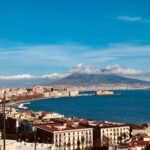
- Watching Mount Vesuvius rise behind the Naples skyline while ferries leave the harbour is one of the great transport views anywhere in the Mediterranean.
For Rupert, the smell of sea air, ferry engines and salt spray leaving Naples Harbour is one of the defining travel experiences of Southern Italy.
Want to meet the reindeer behind our travel tips? Find out more in our page Who is Rupert?.

Frequently Asked Questions About Naples Ferry Routes
Which Naples ferry terminal is used for Capri ferries?
Most high-speed ferries and hydrofoils towards Capri depart from Molo Beverello, which sits close to Municipio Station and the cruise terminal area.
How early should I arrive for Naples ferries?
For most high-speed passenger ferries, arriving around 30 to 45 minutes before departure is normally sensible. Travellers bringing vehicles or boarding overnight ferries should usually arrive significantly earlier.
Can you take cars on ferries from Naples?
Yes, but only on conventional ferries rather than hydrofoils or fast catamarans. Vehicle ferries normally depart from Calata Porta di Massa.
What is the easiest way to get from Naples Airport to the ferry port?
The simplest public transport option is usually the Alibus airport shuttle, which connects Naples International Airport with both Napoli Centrale railway station and the port area near Molo Beverello. Taxis are faster but considerably more expensive.
Can you do Capri as a day trip from Naples?
Yes. Many travellers take early morning ferries from Naples and return during the evening. Summer schedules are usually frequent enough for full-day visits.
Are Naples ferries affected by weather?
Yes. High-speed hydrofoils are particularly vulnerable to rough seas and strong winds. Conventional ferries are generally more stable and may continue operating when some fast services are cancelled.
Is it better to stay in Naples or on the islands?
That depends on travel style. Naples works well as a transport base with excellent ferry connections, while islands such as Ischia and Capri provide a slower coastal atmosphere better suited to relaxation.
Further Reading & Related Guides
Making the most of your time in Naples? Don’t miss our complete Things to Do in Naples Guide, packed with the city’s best attractions, museums, viewpoints and food experiences, explore our Best Day Trips from Naples Guide for unforgettable excursions to Pompeii, Herculaneum, Capri, Ischia, Procida, Mount Vesuvius and the Amalfi Coast, and discover whether the Campania Artecard could save you money on attractions and public transport during your stay. Together, these three guides will help you plan the perfect Naples itinerary.
Travellers planning Naples ferry routes should also read our Naples to Sicily Ferry Guide, especially if you are considering the overnight crossing from Naples to Palermo as part of a wider Southern Italy itinerary. If your trip continues by rail, our Interrail Pass Guide, Interrail Italy Guide, Rome to Sicily Sleeper Train Guide, and European Railway Network Guide explain how to connect ferries with long-distance trains across Italy and the wider continent.
For airport arrivals, our Naples Airport Transfer Guide explains how to reach the city centre and ferry terminals from Naples International Airport using the Alibus shuttle, taxis and onward public transport. Travellers relying on mobile tickets, ferry confirmations, rail apps and maps should also read our eSIM Apps Guide before departure so they can stay connected across Italy, Sicily and wider European travel routes.