
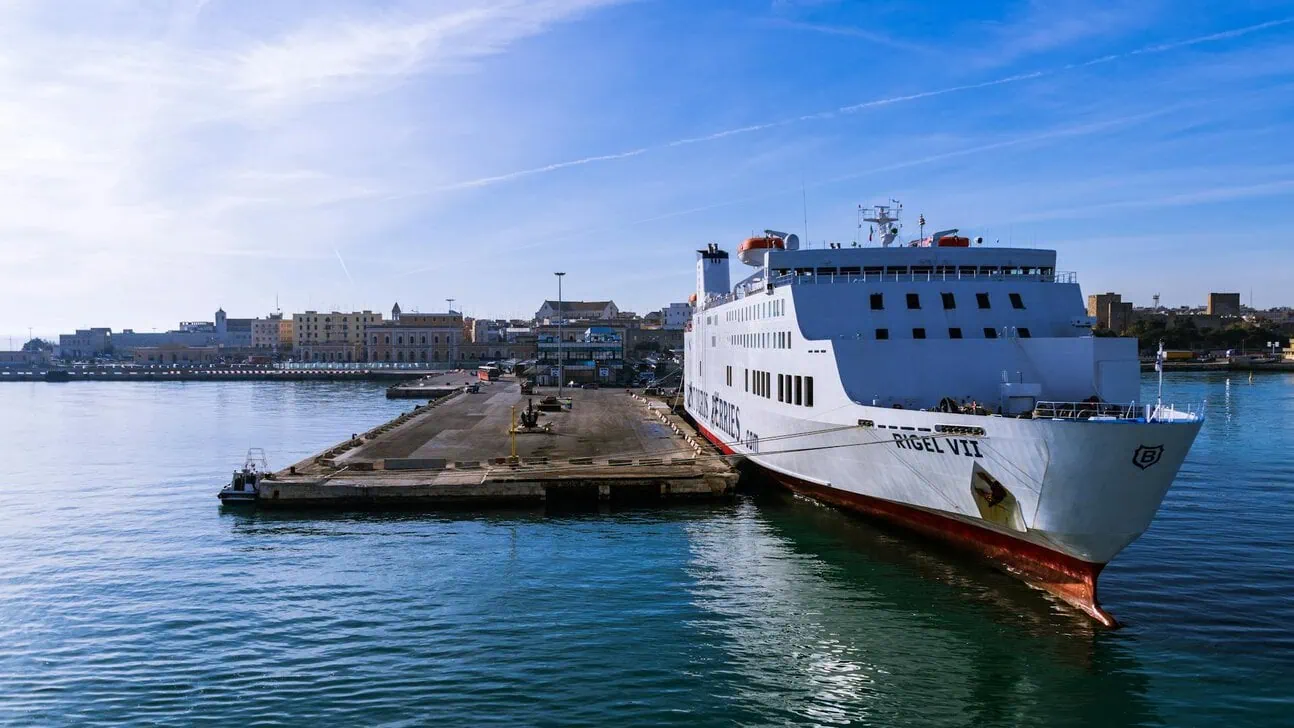
Why Bari Is One of Italy’s Most Important Ferry Ports
Ferry routes from Bari are among the most important international sea connections in the entire Adriatic Sea region. Sitting on Italy’s southeastern coastline in the region of Puglia, Bari acts as a major maritime bridge between Italy, Greece, Albania, and parts of the Balkans. For travellers exploring southern Europe without flying, the city has become one of the most strategically important departure points in the Mediterranean.
Unlike some ferry ports that focus mainly on tourism, Porto di Bari combines large scale passenger traffic with commercial shipping, overnight ferries, freight movements, and long distance vehicle crossings. This gives the port a constant year round rhythm. During summer, the terminals become especially busy with travellers heading toward destinations such as Corfu, Igoumenitsa, Patras, Durrës, and Dubrovnik. Overnight sailings fill with backpackers, Interrail travellers, motorhome users, families driving to Greece, and long haul truck traffic moving across southeastern Europe.
One reason Bari ferry routes remain so popular is geography. Bari sits much closer to the Balkans than northern Italian ports such as Venice or Ancona. Crossing times are therefore shorter on many routes, particularly to Albania and northwestern Greece. This makes Bari one of the fastest ways to leave Italy by sea without heading through the Alps or relying on expensive flights.
The city itself also works exceptionally well as a transport hub. Bari Centrale railway station connects directly to Italy’s national rail network, including high speed trains from Rome, Milan, Naples, and Bologna. Bari Karol Wojtyła Airport provides budget airline links across Europe, while local public transport and walkable streets make transfers between the old town, railway station, and ferry terminal relatively simple compared with larger Mediterranean ports.
Another major advantage is the variety of operators. Companies such as Superfast Ferries, Anek Lines, Ventouris Ferries, Jadrolinija, and GNV all operate services from Bari. Travellers therefore have multiple choices depending on budget, vehicle type, cabin requirements, and destination. Some crossings focus heavily on freight traffic with simple overnight facilities, while others feel much closer to mini cruise ships with restaurants, lounges, private cabins, and outdoor decks overlooking the Adriatic.
For travellers building larger overland journeys, ferries from Bari can unlock huge multi country itineraries. It is entirely possible to travel from London to Greece using trains and ferries via Bari without taking a flight. Likewise, travellers exploring the Balkans can use Bari as a jumping off point toward Albania, Montenegro, Croatia, and inland destinations such as Sarajevo, Belgrade, or Skopje.
Because of this combination of geography, transport links, and international ferry connections, Bari has evolved into one of the Mediterranean’s most important passenger ports for independent travellers.
Quick Ferry Route Overview from Bari
The most famous Bari ferry routes are the international overnight crossings to Greece. Ferries to Igoumenitsa and Patras operate throughout much of the year and form a critical transport corridor between western Europe and mainland Greece. Igoumenitsa is usually the faster route, serving northwestern Greece and providing road access toward Meteora, Ioannina, and Thessaloniki. Patras, further south in the Peloponnese, is commonly used by travellers heading toward Athens or southern Greece.
The route to Corfu becomes particularly popular during the summer season. Although services can vary by year and operator schedules, Bari remains one of the easiest Italian departure points for reaching the island directly by sea. For travellers avoiding airports or carrying vehicles, this route can save significant travel time compared with flying connections through mainland Greece.
Another hugely important corridor is the Bari to Durrës ferry. The crossing to Albania is one of the Adriatic’s busiest passenger and freight routes, carrying large numbers of diaspora travellers, commercial traffic, and tourists. Journey times are relatively short compared with Greece routes, making Albania one of the quickest international ferry crossings from Italy.
Seasonal and less frequent routes may also connect Bari with parts of Croatia and the eastern Adriatic coastline. Services vary depending on demand and operator schedules, but routes toward Dubrovnik historically attract strong interest during the summer months due to Croatia’s booming tourism industry and the popularity of island hopping across the Adriatic.
Most ferries departing Bari are overnight sailings. Travellers board during the evening, spend the night onboard, and arrive the following morning. This saves hotel costs and allows passengers to maximise daytime sightseeing. Larger ferries usually provide reclining lounges, aircraft style seating, private cabins, vehicle decks, restaurants, bars, and outdoor viewing spaces.
Journey times vary considerably depending on route and weather conditions. The shortest major crossings are usually the Albania routes, while sailings to southern Greece can exceed 15 hours. Weather conditions on the Adriatic can occasionally affect schedules during winter, particularly when strong winds hit the region.
One important detail for travellers is that not all ferries operate daily year round. Summer timetables are significantly larger, with additional departures and seasonal operators entering the market. Travellers visiting during July and August should book early because vehicle spaces and private cabins can sell out surprisingly quickly, especially on Greece services.
For many travellers, Bari ferry routes are not simply transport connections. They form part of the travel experience itself. Watching the lights of Puglia disappear behind the ship while crossing the Adriatic overnight remains one of the classic overland travel experiences in southern Europe.
Browse hotels and accommodation for your visit to Bari.
View staysExplore holiday homes and apartments around Bari.
See holiday homesCompare hotel deals in Bari from multiple booking sites.
Compare pricesWhere Is Bari Ferry Port?
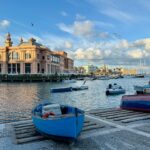
The main Bari ferry port sits immediately northwest of Bari Vecchia, the city’s historic old town, along the Adriatic waterfront. Officially known as Porto di Bari, the port occupies a large area stretching around commercial docks, ferry terminals, freight zones, and cruise facilities. Despite its size, it is surprisingly close to the city centre compared with many Mediterranean ferry ports.
For most travellers, this proximity is one of Bari’s greatest advantages. You can walk from parts of the old town directly to the passenger terminal area in around 20 to 30 minutes depending on luggage and exact departure point. This makes Bari far easier to navigate than larger ports where ferry terminals sit many kilometres outside the city.
The passenger ferry area is concentrated around the Maritime Station and nearby international terminals. Signage throughout the port is generally reasonable, although first time visitors should still allow extra time because ferry check in procedures can vary significantly depending on operator and destination. Some routes require printed documents or additional passport screening before boarding.
The surrounding area mixes industrial port infrastructure with attractive seafront promenades. Walking south from the terminals eventually brings travellers into the heart of Bari Vecchia, known for its narrow lanes, historic churches, seafood restaurants, and lively evening atmosphere. Major landmarks nearby include the Basilica di San Nicola, Castello Normanno Svevo, and Bari’s elegant waterfront boulevards.
Unlike many purely tourist focused ports, Bari remains a working commercial harbour. Large freight trucks, cargo ships, cruise vessels, and international ferries all operate within the same broad port complex. Travellers should therefore expect a busy and sometimes chaotic atmosphere during peak departure periods.
Security procedures have increased significantly over the years because Bari serves international non Schengen ferry routes. Travellers heading toward Albania or parts of the Balkans may encounter passport checks before entering boarding areas. Vehicle passengers should also expect customs controls and security inspections depending on route and current regulations.
Several parking facilities operate near the ferry terminals, although prices can rise sharply during summer. Long stay parking is available for travellers leaving vehicles while visiting Greece or Albania. Some operators also provide dedicated vehicle waiting lanes and freight processing areas separate from pedestrian boarding.
For those arriving by train, the route from Bari Centrale to the ferry port is relatively straightforward. Taxis are widely available outside the station, while local buses connect parts of the city to the port entrance. Some travellers also choose to stay overnight in Bari before departure, especially when sailing early in the morning or after long rail journeys from northern Italy.
Overall, the location of Porto di Bari is one of the main reasons the city works so well for overland travel. The combination of a major international ferry hub and a walkable historic centre creates a far smoother travel experience than many larger Mediterranean ports.
| Transport Option | How to Reach Bari Ferry Port | Typical Cost | Journey Time | Best For |
|---|---|---|---|---|
| Taxi | Direct taxi to the Porto di Bari ferry terminals from anywhere in central Bari | Usually around €10 to €20 from central Bari | Around 10 to 15 minutes from Bari Centrale | Travellers with luggage, families, and overnight ferry passengers |
| Walking | Walk via the waterfront from Bari Vecchia or through the city centre from Bari Centrale | Free | Around 20 to 40 minutes depending on starting point | Backpackers and travellers with lighter luggage |
| Local Bus | Bari city buses stop near parts of the port area and ferry terminal entrances | Usually around €1 to €2 | Around 15 to 30 minutes depending on route and traffic | Budget travellers comfortable using local transport |
| Train + Taxi | Take a train to Bari Centrale, then continue by taxi to the ferry port | Rail fare varies by departure city plus taxi cost | Usually 10 to 15 minutes from station to port | Travellers arriving from elsewhere in Italy |
| Airport Train + Taxi | Use the airport rail link from Bari Airport to Bari Centrale, then taxi to the port | Around €5 airport train + €10 to €20 taxi | Around 30 to 45 minutes total | International arrivals connecting directly onto ferries |
| Private Transfer | Pre booked private vehicle direct to the ferry terminal entrance | Usually higher cost than taxis | Depends on pickup location | Families, groups, cruise passengers, and travellers with heavy luggage |
| Driving Yourself | Follow signs for Porto di Bari from the A14 motorway or city roads | Fuel and parking costs vary | Depends on traffic | Travellers boarding ferries with cars, motorhomes, or motorcycles |
How to Reach Bari Port
Reaching Bari ferry port is relatively straightforward thanks to the city’s strong rail, airport, motorway, and public transport connections. For many international travellers, Bari acts as the main gateway between western Europe and the Balkans, so transport infrastructure around the port is well developed.
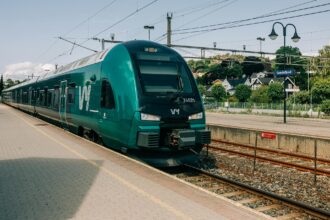
Most rail passengers arrive through Bari Centrale, the city’s main railway station. This station sits on Italy’s national rail network and receives high speed services operated by Frecciarossa, Intercity, and regional train operators. Direct trains connect Bari with major cities including Rome, Milan, Naples, Bologna, Florence, and Venice. Journey times from Rome are often around four hours depending on service type.
From Bari Centrale, travellers can reach the ferry terminals by taxi, local bus, or on foot. Walking is technically possible, though it can feel long with heavy luggage, especially during summer heat. Taxis usually take around 10 to 15 minutes depending on traffic. Public buses also operate toward the port area, though services and stop locations may vary.
Travellers arriving by air typically use Bari Karol Wojtyła Airport, located northwest of the city centre. The airport handles a growing number of European routes, including budget airlines connecting Bari with destinations across the United Kingdom, Germany, France, Poland, and eastern Europe. An airport rail link connects directly into central Bari, making onward transfer to the ferry port fairly easy.
Drivers approaching Bari usually arrive via the A14 motorway, one of Italy’s major north south transport corridors. Clear road signs direct traffic toward the port, although congestion near the terminals can become intense during summer weekends and major holiday periods. Travellers carrying vehicles to Greece or Albania should arrive well ahead of departure because ferry loading procedures can take considerable time.
Long distance coach services also connect Bari with wider Italy and parts of Europe. Operators such as FlixBus provide budget alternatives for travellers reaching the city before continuing onward by ferry. Some passengers intentionally combine overnight buses and overnight ferries to reduce accommodation costs during extended European trips.
One detail many travellers underestimate is the importance of check in timing. International ferry operators often require passengers to arrive between 90 minutes and three hours before departure depending on whether they are travelling with vehicles. Summer sailings toward Greece and Albania can become extremely busy, particularly when diaspora traffic peaks around August holidays.
For travellers staying overnight before departure, several hotels sit within reasonable distance of the ferry terminals and old town. Bari’s compact layout makes it relatively easy to combine sightseeing with ferry travel, allowing passengers to explore the city before boarding overnight sailings across the Adriatic.

Plan Your Bari Bus Journey with Busbud
Planning a bus or coach journey involving Bari? Busbud lets you compare routes, departure times and ticket options from different operators in one place.
It can make planning easier when several companies serve the same route or when local booking systems are unfamiliar.
Major Ferry Operators in Bari
Several major companies operate ferry routes from Bari, with services covering Greece, Albania, and parts of the eastern Adriatic. The port handles a mixture of traditional passenger ferries, vehicle ferries, freight heavy overnight sailings, and larger cruise style vessels. Choosing the right operator can make a significant difference to comfort, cabin quality, onboard facilities, and overall travel experience.
One of the best known operators is Superfast Ferries, which runs major routes between Italy and Greece. Their ships are among the most modern operating from Bari and are particularly popular with travellers heading toward Igoumenitsa and Patras. Many vessels feature private cabins, restaurants, bars, lounges, outdoor decks, and large vehicle capacity. For overland travellers driving to Greece, Superfast Ferries has become one of the most recognisable names on the Adriatic.
Closely connected to these services is Anek Lines, another major Greek ferry company operating long distance Adriatic crossings. Depending on schedules and seasonal arrangements, some sailings may be jointly operated or code shared with Superfast Ferries. Anek Lines vessels are especially familiar to travellers making longer overnight journeys into southern Greece.
For Albania services, Ventouris Ferries remains one of the most important operators from Bari. The company runs heavily used crossings toward Durrës, carrying both tourists and substantial diaspora traffic. These ferries often have a more practical transport focused atmosphere compared with cruise style Mediterranean ships, though cabins and seating options are still widely available.
GNV, short for Grandi Navi Veloci, also operates routes from Bari. GNV vessels are generally large ships with extensive passenger facilities, including restaurants, lounges, cabins, shops, and vehicle decks. The company has become increasingly visible across Mediterranean ferry markets and is especially popular with travellers carrying cars or motorhomes.
Seasonal Croatia connections may involve operators such as Jadrolinija, Croatia’s national ferry company. Jadrolinija is well known throughout the Adriatic and operates both international and domestic Croatian ferry routes. Services can vary significantly year by year depending on tourism demand and scheduling.
One important thing travellers should understand is that ferry quality varies enormously between operators and even between individual ships. Some vessels feel almost like floating hotels with modern cabins and polished public spaces, while others are older working ferries focused mainly on moving freight and vehicles. Reading recent reviews before booking can therefore be extremely useful.
Cabin selection also matters on overnight routes. Travellers booking the cheapest deck passage tickets may spend long nights sleeping in public lounge areas or onboard cafés. Private cabins cost more but can dramatically improve comfort, particularly on crossings exceeding ten hours.
Another major difference involves vehicle loading efficiency. Some operators handle boarding very smoothly, while others can experience long delays during busy summer departures. Travellers driving cars, campervans, or motorcycles should always arrive early and carefully follow operator instructions inside the port.
Despite differences between companies, most Bari ferry operators share one major advantage. They provide some of the most important direct maritime links between western Europe and southeastern Europe, allowing travellers to cross the Adriatic without flying.

International Ferry Routes from Bari
The vast majority of ferry routes from Bari are international services crossing the Adriatic Sea toward the Balkans and Greece. These routes have operated for decades and remain essential for tourism, freight transport, and family travel between southern Europe and the eastern Mediterranean.
The busiest and most important international corridor is the connection between Bari and Greece. Ferries regularly depart toward Igoumenitsa and Patras, two of Greece’s most important western ferry gateways. These routes are heavily used by tourists travelling with vehicles, overland backpackers, freight traffic, and Greek diaspora communities returning from western Europe during summer.
The Bari to Igoumenitsa ferry is particularly important because of its strategic location. Igoumenitsa sits in northwestern Greece near the border with Albania, providing rapid road access toward Meteora, Ioannina, and northern Greece. Travellers driving from central Europe often prefer this route because it avoids the need to cross the Balkans entirely by road.
The Bari to Patras ferry travels further south and is especially useful for travellers heading toward Athens, the Peloponnese, or southern Greek islands. Patras itself is one of Greece’s largest ports and acts as a major gateway into the country’s domestic transport network.
Routes toward Albania are another critical part of Bari’s ferry network. The Bari to Durrës ferry has become one of the Adriatic’s busiest international sea crossings. Durrës sits just west of Tirana and functions as Albania’s primary port city. Journey times are considerably shorter than many Greece crossings, making Albania one of the fastest international ferry destinations reachable from Italy.
During peak summer months, some operators may also run services toward parts of Croatia and the eastern Adriatic coastline. These routes have fluctuated over the years depending on tourism demand and operating costs, but they remain attractive for travellers building larger Balkan itineraries.
One reason international ferries from Bari remain so popular is flexibility. Travellers can transport cars, motorcycles, bicycles, campervans, and even commercial freight vehicles onboard. This creates enormous freedom for extended road trips through southeastern Europe.
International sailings also provide an alternative to Europe’s increasingly expensive peak season flights. Families travelling with vehicles often find ferry travel more economical than booking flights plus car hire, especially when transporting camping equipment or luggage.
Border procedures vary depending on destination and current Schengen arrangements. Routes toward Greece generally involve smoother EU processing, while Albania routes may require more formal passport checks. Travellers should always verify document requirements before departure, particularly for non EU passports.
For many travellers, these international crossings are not merely transport links but a core part of the European overland travel experience. Overnight ferries leaving Bari and arriving in another country at sunrise remain one of the Mediterranean’s most memorable journey styles.
| Route | Country | Typical Arrival Port | Approximate Crossing Time | Typical Sailing Type | Main Operators | Best For |
|---|---|---|---|---|---|---|
| Bari to Igoumenitsa | Greece | Igoumenitsa | 8 to 11 hours | Mostly overnight | Superfast Ferries, Anek Lines | Northern Greece, Meteora, Balkan road trips |
| Bari to Patras | Greece | Patras | 15 to 17 hours | Overnight | Superfast Ferries, Anek Lines | Athens, Peloponnese, southern Greece |
| Bari to Corfu | Greece | Corfu | Around 9 to 12 hours | Seasonal overnight services | Seasonal operators vary | Greek island holidays, Ionian islands |
| Bari to Durrës | Albania | Durrës | 8 to 10 hours | Mostly overnight | Ventouris Ferries, GNV, Adria Ferries | Albania, Balkans, budget travel |
| Bari to Dubrovnik | Croatia | Dubrovnik | 7 to 9 hours | Mostly seasonal | Jadrolinija and seasonal operators | Croatian coast, island hopping |
| Bari to Bar | Montenegro | Bar | Seasonal and infrequent | Varies by operator | Occasional seasonal services | Montenegro coast and Balkans |
| Bari to Kotor region connections | Montenegro | Via Bar or Dubrovnik | Indirect | Multi stage journey | Combination routes | Bay of Kotor itineraries |
| Bari to Kefalonia connections | Greece | Via Patras or Igoumenitsa | Indirect | Ferry combinations | Greek domestic operators | Ionian island hopping |
| Bari to Zakynthos connections | Greece | Via Patras | Indirect | Combined ferry journey | Greek domestic operators | Beach holidays and island travel |
| Bari to Hvar connections | Croatia | Via Dubrovnik or Split | Indirect | Seasonal onward ferries | Croatian domestic operators | Croatian island hopping |
Domestic Ferry Routes from Bari
Although Bari is primarily known for international sailings, the port also supports several important domestic ferry routes within Italy. These services are especially valuable for travellers exploring southern Italy, Sicily, and the Adriatic coastline without relying entirely on trains or internal flights.
One of the most important domestic connections is the route between Bari and Sicily, although services and operators can vary depending on season and commercial demand. Ferry links toward Catania and other southern Italian ports have historically provided alternatives for freight traffic and vehicle transport moving between mainland Italy and Sicily.
Bari also acts as part of Italy’s broader coastal maritime network, linking commercial shipping corridors across the Adriatic and southern Mediterranean. While these domestic services are less famous than the Greece or Albania routes, they still play a major role in logistics, regional travel, and vehicle movement.
For Italian travellers from Puglia, ferries from Bari can sometimes provide practical alternatives to long rail journeys through the peninsula. Southern Italy’s geography means overland rail travel between Adriatic and Tyrrhenian coastal regions can become time consuming, particularly for vehicle owners.
Some seasonal services may also support tourism along Italy’s eastern coastline during summer. Exact routes change regularly depending on operator decisions and tourism demand, so travellers should always verify current schedules before planning journeys.
Domestic sailings tend to attract a different atmosphere compared with international overnight ferries. The passenger mix usually includes freight workers, regional travellers, families visiting relatives, and Italians transporting vehicles between regions. Facilities onboard may therefore focus more heavily on practical transport rather than tourism.
One advantage of domestic ferry travel from Bari is the ability to avoid Italy’s motorway traffic during peak summer periods. Southern Italian roads can become extremely congested in July and August, especially near coastal tourist regions. Ferries allow drivers to rest overnight while crossing by sea instead of spending long hours behind the wheel.
Domestic ferry operations from Bari are also deeply connected to the city’s historic maritime role. For centuries, Bari has functioned as one of southern Italy’s most important commercial ports, linking the Adriatic with the wider Mediterranean world. Even today, freight shipping remains a major part of daily life around the harbour.
Travellers exploring Puglia often combine ferry journeys with wider regional itineraries. Bari itself serves as an excellent base for visiting destinations such as Alberobello, Polignano a Mare, Matera, and Lecce before continuing onward by sea toward Greece or Albania.
While international routes dominate headlines, Bari’s domestic ferry network still forms an important layer of the city’s transport identity and helps reinforce its status as one of southern Italy’s great maritime gateways.
| Route | Region / Destination | Typical Crossing Time | Sailing Type | Main Purpose | Notes |
|---|---|---|---|---|---|
| Bari to Catania | Sicily | Around 11 to 15 hours | Mostly overnight freight/passenger services | Vehicle transport and southern Italy travel | Services can vary significantly by season and operator |
| Bari to Messina connections | Sicily | Indirect route | Combined rail and ferry travel | Access to eastern Sicily | Usually involves onward travel after mainland arrival |
| Bari to Palermo connections | Sicily | Indirect or seasonal | Varies | Long distance southern Italy itineraries | Less consistent than western Italian ferry routes |
| Bari to Tremiti Islands | Puglia / Adriatic Islands | Around 4 to 6 hours depending on routing | Mostly daytime seasonal sailings | Tourism and island travel | More common from nearby northern Puglia ports |
| Bari coastal seasonal services | Puglia coastline | Short regional crossings | Seasonal | Tourism and leisure travel | Routes vary year by year |
| Bari freight and mixed passenger coastal services | Southern Italy | Varies heavily | Operational and commercial routes | Freight and regional connectivity | Often not tourism focused |
Bari to Greece Ferry Routes
The most famous and busiest ferry routes from Bari are unquestionably the crossings toward Greece. These routes form one of Europe’s major overland transport corridors and remain hugely popular with tourists, backpackers, freight operators, campervan travellers, and families driving between western Europe and the Greek mainland.
The shortest major Greek route is usually the Bari to Igoumenitsa ferry. Crossing times typically range from roughly 8 to 11 hours depending on vessel type, sea conditions, and operator schedules. Igoumenitsa sits on Greece’s northwestern coastline and acts as a critical gateway into the country. From the port, travellers can quickly continue toward Meteora, Ioannina, Corfu, or northern Greece by road or coach.
For travellers heading deeper into Greece, the Bari to Patras ferry is one of the Adriatic’s classic overnight sailings. Journey times are significantly longer, often stretching beyond 15 hours. However, Patras provides much easier onward access toward Athens, the Peloponnese, and southern mainland Greece.
The onboard experience on Greece routes is usually more developed than shorter Adriatic crossings. Larger ships commonly feature restaurants, bars, cafés, lounges, outdoor viewing decks, shops, cabins, showers, and children’s play areas. Some vessels feel remarkably similar to cruise ferries operating in northern Europe.
Private cabins are strongly recommended for longer sailings, especially during summer. Deck passage tickets are cheaper but can become uncomfortable on crowded overnight crossings. Travellers often underestimate how busy these ferries become during peak season, particularly around Greek holiday periods in August.
Vehicle traffic is enormous on Greece routes. Many passengers drive all the way from countries such as Germany, Switzerland, Austria, and the United Kingdom before boarding ferries in Bari. Campervans, caravans, motorcycles, and packed family cars are therefore extremely common onboard.
One major advantage of sailing from Bari rather than northern Italian ports is reduced crossing time. Bari’s location deep in southern Italy cuts several hours off Adriatic crossings compared with departures from Venice or Ancona. This can make a substantial difference on long overland journeys.
Seasonal services to Corfu may also operate depending on demand and operator schedules. These crossings are especially attractive during summer because they allow travellers to reach the Ionian Islands directly from Italy without travelling through mainland Greece first.
Weather can occasionally affect schedules, particularly during winter storms in the Adriatic. Strong winds may delay departures or extend crossing times. Summer conditions are generally calmer, though ships can still experience rough seas depending on weather systems moving across the Mediterranean.
For many travellers, the overnight journey from Bari to Greece represents the true beginning of a Balkan or Mediterranean adventure. Watching the Italian coastline disappear into darkness before waking up near the mountains of western Greece remains one of Europe’s great ferry travel experiences.
Compare hostels and lower-cost places to stay in Bari.
Search hostelsGet help with compensation, eligible lounge access and disruption support.
Explore AirHelp+Leave your luggage somewhere convenient and enjoy Bari hands-free.
View storageBari to Albania Ferry Routes
The Bari to Albania ferry is one of the busiest and most strategically important maritime links in the entire Adriatic region. For many travellers, this route provides the fastest and most practical connection between Italy and the rapidly growing tourism markets of Albania and the western Balkans. Passenger numbers have increased dramatically over the past decade as Albania has transformed from a relatively overlooked destination into one of Europe’s fastest rising travel hotspots.
Almost all Albania services from Bari arrive at Durrës, the country’s largest port city. Located around 35 kilometres west of Tirana, Durrës acts as Albania’s primary maritime gateway and handles huge volumes of passenger traffic, freight transport, commercial vehicles, and seasonal tourism flows.
Compared with the Greece crossings, the Bari to Durrës ferry is usually shorter, with many sailings taking roughly 8 to 10 hours depending on operator and sea conditions. Most departures still operate overnight, allowing passengers to board in Italy during the evening and arrive in Albania the following morning.
The atmosphere onboard Albania ferries often differs noticeably from the Greece routes. While tourists are increasingly common, especially during summer, many sailings still carry large diaspora communities travelling between Italy and Albania. Freight traffic is also substantial, giving some services a more practical and transport focused feel rather than a cruise style atmosphere.
Despite this, many vessels still provide a solid range of facilities. Travellers can usually expect cafés, bars, lounges, cabins, outdoor decks, and vehicle transport options. Cabin quality varies significantly depending on operator and ship age, so checking vessel reviews before booking is worthwhile.
One major reason the Albania route has grown so rapidly is cost. Albania remains considerably cheaper than many Mediterranean destinations, particularly for accommodation, food, and transport. Travellers arriving by ferry from Bari can quickly continue south toward the Albanian Riviera, including destinations such as Vlorë, Sarandë, and Ksamil.
The route is also increasingly popular with backpackers and overland travellers building larger Balkan itineraries. From Albania, it becomes relatively easy to continue toward Montenegro, North Macedonia, Kosovo, or inland Balkan cities such as Skopje and Pristina.
Passport controls are generally more formal on Albania routes than on Greece sailings because Albania is outside the Schengen Area. Travellers should therefore allow extra time during boarding and arrival procedures. Vehicle checks can also be more thorough, particularly during busy summer periods.
Summer demand on Albania ferries has risen sharply in recent years. July and August sailings can become extremely busy, especially when Albanian communities living abroad return home for holidays. Travellers carrying vehicles should book as early as possible during these peak periods.
For travellers wanting an affordable Adriatic crossing with easy access to one of Europe’s fastest changing destinations, the Bari to Albania ferry route has become one of the Mediterranean’s most compelling travel options.
Bari to Croatia Ferry Routes
Although less extensive than the Greece and Albania networks, ferry routes from Bari to Croatia remain highly attractive for travellers exploring the eastern Adriatic coastline. Croatia’s tourism boom has dramatically increased interest in maritime connections across the Adriatic, particularly during the summer season when the country’s coastal cities and islands become some of Europe’s most popular holiday destinations.
Historically, the best known Croatia connection from Bari has been the route toward Dubrovnik. This spectacular walled city on Croatia’s southern coastline attracts enormous visitor numbers thanks to its UNESCO listed old town, Adriatic scenery, and international popularity following its use as a filming location in major television productions.
The Bari to Dubrovnik ferry has varied over the years depending on commercial demand and operator scheduling. Some seasons see regular passenger sailings, while other years may feature reduced frequency or temporary suspensions. Travellers therefore need to check carefully for the latest timetables before building itineraries around this route.
When operating, the crossing usually takes around 7 to 9 hours depending on vessel and sea conditions. Overnight departures are common, although some schedules may vary during peak tourist months.
Compared with Greece services, Croatia ferries from Bari are often more tourism oriented. Passengers frequently include backpackers, island hoppers, cruise extension travellers, and visitors combining Italy with Croatia as part of wider Mediterranean holidays.
One of the major advantages of these routes is the ability to avoid lengthy overland journeys through the Balkans. Travelling by road between southern Italy and Croatia requires significant detours northward unless using ferry connections. Bari therefore offers one of the most direct maritime shortcuts across the Adriatic.
Croatia’s popularity means summer demand can become extremely intense. Ferry tickets, hotel rooms, and vehicle spaces often sell out well in advance during July and August, particularly around Dubrovnik. Travellers hoping to transport campervans or cars should secure bookings early.
The Croatian coastline itself is exceptionally well suited to onward ferry travel. Once arriving in Dubrovnik or elsewhere along the Adriatic, travellers can continue toward islands such as Hvar, Korčula, Brač, and Mljet using Croatia’s extensive domestic ferry network.
Weather conditions can occasionally affect Croatia sailings because the Adriatic can experience strong winds, particularly the powerful Bora wind system. While major cancellations are not constant, delays are possible during poor conditions.
For travellers wanting to combine two of the Mediterranean’s most beautiful coastlines in a single trip, the Bari to Croatia ferry routes remain among the Adriatic’s most scenic and rewarding sea journeys.
Journey Times and Overnight Ferries
One of the defining features of most ferry routes from Bari is that they operate as overnight sailings. Rather than short daytime hops, many Adriatic crossings involve full evening departures followed by overnight travel across the sea before arriving the next morning in another country.
For many travellers, this creates one of the great classic overland travel experiences in Europe. Boarding a ship in southern Italy, sleeping onboard, and waking up in Greece, Albania, or the Balkans feels fundamentally different from airport travel. The journey itself becomes part of the adventure rather than simply a transport necessity.
Journey times vary considerably depending on route, operator, weather, and vessel type. The shortest major international crossings are usually the Albania services toward Durrës, often taking approximately 8 to 10 hours. Crossings toward Igoumenitsa in northwestern Greece are commonly similar, though some sailings can extend slightly longer depending on stops and sea conditions.
The longest regular routes are usually those continuing further south toward Patras. These crossings often exceed 15 hours and can approach 17 hours on slower vessels or rough weather days. For these journeys, private cabins become highly recommended rather than optional.
Most departures leave Bari during the late afternoon or evening. Boarding procedures can begin several hours before sailing, particularly for vehicle passengers. Ships typically arrive the following morning or around midday depending on distance and route structure.
Travellers should understand that ferry times are not always as predictable as air travel. Sea conditions on the Adriatic can affect schedules, particularly during winter. Strong winds and rough seas occasionally cause delays or timetable changes. Summer crossings are usually calmer but can still experience operational delays during busy periods.
Overnight ferries generally offer several accommodation categories. The cheapest option is usually a deck passage ticket, where passengers can access public areas but do not receive assigned seating or cabins. Budget travellers often attempt to sleep in lounges, cafés, or outdoor seating areas, though this can become uncomfortable on crowded sailings.
Aircraft style reclining seats offer a mid range option and are common on many ships. These provide guaranteed seating in designated lounges and are significantly more comfortable than open deck tickets.
Private cabins remain the best option for long crossings. Most ferries offer internal cabins, sea view cabins, and sometimes premium suites. Ensuite bathrooms are common on larger vessels. Families and older travellers often find cabins well worth the additional cost, especially on Greece routes exceeding 12 hours.
Another factor affecting crossing times is vehicle loading. Ferries carrying freight trucks, caravans, and large vehicle volumes may take considerable time to load and unload. This is particularly noticeable during peak summer periods when ports become extremely busy.
Despite the long durations, many travellers actively prefer overnight ferries to flights. The ability to travel while sleeping, avoid airport restrictions, transport vehicles easily, and enjoy the slower rhythm of sea travel gives Bari overnight ferries a unique appeal that continues to attract travellers across Europe.
Cabins, Seating and Onboard Facilities
The onboard experience on ferry routes from Bari can vary enormously depending on operator, vessel age, and destination. Some ships feel remarkably modern with facilities approaching mini cruise ships, while others are more basic working ferries focused primarily on freight and vehicle transport.
For travellers crossing the Adriatic overnight, choosing the right accommodation onboard can make a major difference to comfort. The cheapest tickets are usually sold as deck passage fares. Despite the name, this does not necessarily mean passengers remain outdoors. Instead, travellers gain access to public areas without receiving an assigned seat or cabin.
Budget travellers often sleep in lounges, cafés, corridors, or sheltered outdoor spaces using sleeping bags and travel pillows. This can work reasonably well on quieter sailings but becomes far less comfortable during busy summer departures when public areas fill quickly.
Most ferries also offer airline style reclining seats inside dedicated lounges. These provide guaranteed seating and a more structured overnight environment. For shorter Albania crossings, many travellers find reclining seats perfectly acceptable.
However, on longer Greece routes, particularly sailings toward Patras, private cabins are strongly recommended. Crossing times can exceed 15 hours, and proper beds, showers, and quiet private spaces become increasingly valuable.
Cabin options vary significantly. Internal cabins without windows are usually the cheapest private rooms, while outside cabins offer sea views through portholes or windows. Premium cabins and suites may include larger beds, televisions, upgraded bathrooms, and priority boarding benefits.
Many ferries departing Bari also include restaurants, self service cafeterias, bars, lounges, and small onboard shops. Food quality varies but is generally decent on larger Adriatic operators. Travellers can usually expect pizza, pasta, sandwiches, grilled meats, pastries, and breakfast items depending on sailing time.
Outdoor decks are among the best parts of the experience. Watching the Adriatic coastline disappear after departure from Bari or seeing the mountains of Greece emerge at sunrise gives ferry travel a far more atmospheric feel than flying.
Wi Fi availability remains inconsistent. Some ships now offer paid internet packages, while others provide limited or unreliable connections. Mobile signal also disappears for significant periods during open sea crossings.
Travellers carrying vehicles usually cannot access car decks during sailing for safety reasons. Important items, including medications, passports, chargers, valuables, and overnight bags, should always be taken upstairs before departure.
Families often appreciate ferry travel because of the extra space compared with aircraft cabins. Children can move around, explore public areas, and spend time outdoors rather than remaining seated for hours.
While Adriatic ferries may not always feel luxurious, they offer something increasingly rare in modern travel. They turn the act of getting somewhere into a slower, more memorable part of the journey itself.
Booking Tickets and Best Ferry Apps
Booking ferry routes from Bari has become dramatically easier in recent years thanks to modern ferry comparison platforms, mobile ticketing apps, and integrated European transport tools. While travellers can still buy tickets directly at the port, this is increasingly risky during the busy summer season when popular sailings toward Greece and Albania can sell out days or even weeks in advance.
Most travellers now book Bari ferry crossings online before arriving in Italy. This is especially important for passengers carrying cars, motorhomes, motorcycles, or large amounts of luggage. Vehicle deck space is limited, and peak summer departures toward Igoumenitsa, Patras, and Durrës often reach capacity surprisingly quickly.
One of the most useful booking platforms for Adriatic crossings is Direct Ferries. The site compares multiple operators serving Bari ferry routes, allowing travellers to check schedules, crossing times, cabin availability, and pricing across different companies in one place. For travellers unfamiliar with Adriatic ferry operators, comparison platforms are often the easiest way to understand the available options.
Plan Your Bari Ferry Journey with Direct Ferries
Planning a ferry journey involving Bari? Direct Ferries lets you compare routes, sailing times and ticket prices from multiple ferry operators in one place.
It can make planning much easier when several companies operate similar routes or when you want to compare different departure ports and sailing times before booking.
Want to compare ferry prices? You can also check Ferryhopper and FerryScanner before booking.
Another increasingly popular travel planning platform is Omio, which combines ferries with trains, buses, and flights. This can be particularly useful for overland travellers arriving in Bari by rail and continuing onward by sea toward the Balkans or Greece.
Plan Your Bari Train Journey with Omio
Planning a train journey involving Bari? Omio lets you compare routes, check departure times and search for tickets from different transport operators in one place.
It is particularly useful when a journey involves different rail companies or crosses a border, saving you from checking several operator websites separately.
Scan to open
on your phone

Some ferry operators also maintain their own dedicated apps and websites. Superfast Ferries and Anek Lines both allow direct bookings, while companies such as GNV increasingly push mobile ticketing and online check in systems.
Travellers should pay close attention to the ticket category being booked. Many cheap fares advertised online refer only to deck passage tickets, which do not include private cabins or reserved seating. On longer overnight sailings, particularly toward Patras, upgrading to a cabin can make an enormous difference to the overall journey experience.
Flexible ticket policies are also worth considering. Adriatic weather conditions, strikes, and port delays occasionally disrupt schedules. Some operators charge high amendment fees for the cheapest ticket classes, while premium fares may allow easier changes.
One common mistake is underestimating how early check in closes. International ferry operators departing Bari often require passengers to complete boarding procedures well before sailing time. Vehicle passengers may need to arrive up to three hours before departure during summer.
Digital boarding passes are increasingly accepted, though some operators still occasionally request printed documentation for international sailings. Travellers should therefore keep both digital and paper copies available where possible.
Travellers using Interrail or wider European rail passes should also note that some Adriatic ferry operators provide discounts for rail pass holders. These offers change regularly but can significantly reduce crossing costs on routes toward Greece.
Booking early becomes especially important during July and August, when Bari transforms into one of the Mediterranean’s busiest ferry hubs. Cabins on overnight Greece sailings frequently sell out first, particularly sea view cabins and family rooms.
For travellers building large overland itineraries through southern Europe, properly planning and booking Bari ferry tickets can save substantial money, improve comfort, and avoid stressful last minute scrambling at the port.
Bari Ferry Prices and Cost Expectations
The cost of ferry routes from Bari varies enormously depending on destination, operator, season, vehicle type, and cabin selection. Budget travellers can sometimes cross the Adriatic surprisingly cheaply, while families travelling with cars and private cabins during summer may spend several hundred euros on a single sailing.
The cheapest fares are usually found on deck passage tickets toward Albania or Igoumenitsa outside peak season. These tickets may occasionally appear for relatively low prices when booked in advance, particularly during spring or autumn. However, deck passage means no private cabin and often no assigned seating.
Adding reclining seats increases costs moderately but provides significantly more comfort for overnight crossings. Many travellers consider this the best value option on shorter Adriatic routes.
Private cabins create the largest price jump. Internal cabins without windows are generally cheapest, while sea view cabins and larger family rooms cost substantially more. On long sailings toward Patras, many travellers still consider cabins worthwhile because crossing times can exceed 15 hours.
Vehicle transport changes pricing dramatically. Taking a car onboard usually adds a major surcharge, while campervans and caravans cost even more due to their size. Motorcycle transport is often considerably cheaper and remains popular with overland travellers exploring the Balkans or Greece by bike.
Seasonality plays a huge role in pricing. A ferry ticket in August can cost double or triple the price of the same crossing in May or October. Last minute bookings during summer are particularly expensive, especially for vehicle passengers.
Families should also budget for onboard expenses. Restaurants, cafés, bars, and shops on ferries are rarely cheap. Bringing snacks, water, chargers, and travel essentials onboard can help reduce costs significantly during overnight sailings.
Travellers should watch for hidden extras during booking. Some operators charge separately for reserved seating, bedding, vehicle passengers, pets, priority boarding, or even port taxes. Comparison websites do not always make these additional fees immediately obvious.
One important thing to remember is that ferry travel often replaces other expenses. Overnight crossings can eliminate hotel costs while also transporting passengers and vehicles between countries simultaneously. For travellers already driving across Europe, ferries can therefore represent good overall value despite seemingly high ticket prices.
Fuel prices and wider economic conditions also affect Adriatic ferry fares. Operators periodically adjust pricing due to rising fuel costs or seasonal demand spikes, meaning fares can fluctuate noticeably even within the same year.
For travellers wanting the best balance of comfort and value, booking early during the shoulder season usually provides the strongest deals. Flexible travellers who avoid peak August departures can often experience Bari ferry routes far more cheaply while also enjoying quieter ships and smoother boarding procedures.
Vehicle Ferries, Motorhomes and Bikes
One of the biggest reasons travellers choose ferry routes from Bari is the ability to transport vehicles directly across the Adriatic. Cars, campervans, caravans, motorcycles, bicycles, and commercial vehicles all form a huge part of daily ferry traffic moving between Italy, Greece, and the Balkans.
The vehicle decks on Bari ferries are enormous. During summer, ships heading toward Igoumenitsa, Patras, and Durrës fill with heavily loaded family cars, European campervans, freight trucks, and long distance motorcycle travellers beginning major Balkan or Mediterranean road trips.
For travellers driving from countries such as the United Kingdom, Germany, Austria, or Switzerland, Bari provides one of the fastest ways to reach Greece without enduring extremely long overland routes through the Balkans. Boarding a ferry in southern Italy can save days of driving time.
Motorhome travel is especially popular on the Greece routes. Many European travellers spend months exploring the Peloponnese, the Greek mainland, or Albania by campervan during spring and autumn. Ferries from Bari allow them to move vehicles efficiently while avoiding border complications associated with driving through multiple Balkan countries.
Motorcycle traffic is also extremely common. Riders exploring the Adriatic coast, Albanian mountain roads, or Greece’s island regions frequently use Bari as their maritime gateway into southeastern Europe. Motorcycle fares are usually considerably cheaper than car transport, making ferries particularly attractive for touring riders.
Cyclists can also use most Bari ferry services, though procedures vary depending on operator. Bicycles may either travel free, require small surcharges, or need special booking categories depending on the company.
Vehicle passengers should always arrive significantly earlier than foot passengers. Boarding procedures for cars and motorhomes can become slow and chaotic during busy periods, particularly in July and August. Large vehicle queues often form outside the port hours before departure.
Once onboard, access to vehicle decks is normally prohibited during sailing for safety reasons. Travellers should therefore pack overnight bags carefully and remove passports, medications, chargers, valuables, and essential items before leaving vehicles.
Height and length restrictions are also important. Campervans, caravans, and roof boxes can dramatically affect pricing. Travellers entering incorrect vehicle dimensions during booking may face additional charges or boarding delays at the port.
Some ferries also provide special facilities for vehicle travellers, including pet friendly cabins, campervan power hookups on certain routes, and large luggage storage areas.
Driving off a ferry into another country at sunrise remains one of Europe’s great road trip experiences. Whether continuing toward the mountains of northern Greece, the beaches of the Albanian Riviera, or deeper into the Balkans, vehicle ferries from Bari provide a level of freedom that flights simply cannot match.
Border Controls and Passport Checks
Because most ferry routes from Bari are international crossings, travellers should expect formal border procedures before boarding and again on arrival. The exact experience depends heavily on destination, nationality, current European regulations, and whether the route enters or leaves the Schengen Area.
For routes toward Greece, procedures are usually relatively smooth for EU and Schengen travellers because Greece forms part of the Schengen zone. However, this does not mean checks are absent. Passport inspections still occur regularly at Bari’s international ferry terminals, especially for vehicle passengers and non EU travellers.
Routes toward Albania involve more visible border processing because Albania sits outside Schengen. Travellers heading toward Durrës should therefore expect more structured passport controls, customs checks, and vehicle inspections both before departure from Italy and after arrival in Albania.
One important thing travellers often underestimate is how early ferry operators require passengers to complete these procedures. Unlike rail travel, international ferry boarding can resemble airport style processing during busy periods. Vehicle passengers may need to arrive several hours before departure, especially in peak summer months when Bari’s port becomes extremely congested.
Passport validity rules matter enormously. Many non EU travellers crossing between Italy and Albania or entering Greece through ferry routes should verify current validity requirements carefully before departure. Ferry operators can refuse boarding if documentation appears incomplete or invalid.
Vehicle documentation is equally important. Drivers taking cars, campervans, or motorcycles onboard must usually carry original registration documents, driving licences, and valid insurance paperwork. Rental vehicles may require additional authorisation letters allowing international ferry transport.
Customs procedures vary by route and season. Freight heavy sailings toward Albania often involve visible truck inspections and cargo checks, while tourist focused Greece crossings may feel more relaxed. However, security measures can change rapidly depending on wider European migration or border enforcement policies.
Summer departures can create substantial queues inside Bari’s ferry terminal areas. Travellers may move through several stages including ticket checks, passport control, security screening, and boarding gate processing before finally reaching the vessel.
Travellers carrying pets should also verify animal entry requirements carefully. Greece and Albania have different regulations regarding vaccinations, microchips, and pet passports. Ferry companies may additionally require advance notification for animals onboard.
One positive aspect of ferry border controls is that they are usually less stressful than major airports. Even when queues become long, the overall atmosphere tends to feel slower and calmer. Travellers generally have more luggage flexibility, fewer liquid restrictions, and more personal space during processing.
Still, international ferry travel should never be treated casually. Missing check in deadlines or arriving with incomplete documents can easily result in denied boarding. Travellers using ferry routes from Bari should always build extra time into their schedules and verify requirements directly with operators before departure.
Accessibility at Bari Port
Accessibility standards at Bari ferry port have improved steadily in recent years, although the overall experience can still vary depending on operator, terminal area, and individual vessel. Because Bari functions as one of southern Europe’s major international ferry hubs, most large operators now provide at least basic accessibility support for passengers with reduced mobility.
The main passenger areas at Porto di Bari generally offer step free access, ramps, lifts, and designated assistance services. However, travellers should remember that Bari remains a large working commercial port rather than a purpose built modern cruise terminal. Distances between parking zones, waiting areas, passport controls, and boarding gates can therefore be significant.
Travellers with mobility issues should strongly consider notifying ferry operators in advance. Most Adriatic ferry companies can arrange boarding assistance, priority access, wheelchair support, or adapted cabin options if informed early enough before departure.
Larger ships operating the Greece routes often provide the best accessibility facilities. Ferries run by companies such as Superfast Ferries and GNV frequently include lifts between decks, accessible toilets, adapted cabins, and wider corridors suitable for wheelchair users.
Older vessels on certain Albania or seasonal routes may offer more limited facilities. This is one reason why checking the exact ship operating a crossing can be useful before booking, particularly for travellers requiring specific accessibility support.
Boarding procedures can also vary considerably. Some ferries use enclosed gangways connected directly to terminals, while others require passengers to board using steeper ramps or open port areas. Weather conditions can occasionally complicate boarding further, especially during windy Adriatic sailings.
Travellers with visual impairments or hearing difficulties may find the port environment challenging during busy departures because of noise, crowds, freight traffic, and multilingual announcements. Arriving early can help reduce stress and provide more time to locate assistance staff.
Accessible parking spaces are available near parts of the ferry terminal area, though summer demand can make these spaces highly competitive. Taxi access to the port is generally straightforward, and most local Bari taxis can drop passengers relatively close to terminal entrances.
One positive aspect of ferry travel for accessibility is space. Compared with aircraft cabins, large Adriatic ferries provide far more room to move around during long journeys. Public lounges, outdoor decks, restaurants, and cabin corridors often feel less restrictive than planes or coaches.
Accessible cabins are limited in number and can sell out quickly during summer. Travellers requiring adapted accommodation should therefore book as early as possible, especially on long overnight Greece routes.
While accessibility across the Adriatic ferry network is not perfectly uniform, most major Bari ferry operators now recognise the growing importance of accessible travel and continue improving facilities onboard and at the port itself.
Food, Hotels and Waiting Areas Near the Port
One of the major advantages of travelling through Bari ferry port is that the terminals sit remarkably close to the city itself. Unlike isolated industrial ports located far outside urban areas, Bari allows travellers to combine international ferry travel with restaurants, hotels, historic sightseeing, and waterfront walks within easy reach of the harbour.
The area surrounding the port contains a mixture of practical transport focused businesses and atmospheric parts of Bari Vecchia, the city’s historic old town. This means travellers arriving early for overnight ferries can still spend several hours exploring cafés, seafood restaurants, churches, and narrow medieval streets before boarding.
Seafood dominates much of Bari’s local cuisine. Restaurants near the waterfront frequently serve fresh octopus, mussels, squid, prawns, and Adriatic fish dishes. The city is also famous for orecchiette pasta, one of Puglia’s signature foods. Travellers with time before departure should absolutely try local southern Italian cuisine rather than relying entirely on onboard ferry restaurants.
Closer to the terminal areas, travellers will also find simpler cafés, snack bars, bakeries, and takeaway food outlets aimed at ferry passengers and freight drivers. These are particularly useful for purchasing drinks and snacks before overnight crossings where onboard prices may be higher.
Hotel options near the port range from budget guesthouses to more comfortable city centre accommodation. Many travellers choose to stay overnight in Bari before early morning sailings or after arriving from long rail journeys across Italy.
Accommodation near Bari Centrale station can be particularly convenient because it provides relatively easy access both to the railway network and the ferry terminals. Meanwhile, hotels closer to Bari Vecchia offer a far more atmospheric experience surrounded by historic streets and waterfront promenades.
Summer demand can become intense, especially when ferry traffic overlaps with wider tourism peaks in Puglia. Hotels near the port often book out quickly during July and August, particularly on weekends when both ferry passengers and domestic Italian tourists flood the city.
Waiting areas inside the port itself vary in quality depending on terminal and operator. Some areas provide reasonable seating, cafés, air conditioning, and toilets, while others feel more functional and crowded. Travellers should not expect luxury terminal experiences similar to major airports.
Because of this, many experienced travellers spend as little time as possible inside the ferry terminal itself. Instead, they remain in the old town or waterfront areas until closer to boarding time before returning to the port for final processing.
The waterfront promenade south of the port offers one of the best pre departure experiences in southern Italy. Watching ferries, cargo ships, and fishing boats move through the harbour while the evening light hits the Adriatic creates a memorable atmosphere before overnight sailings toward Greece or Albania.
For travellers using ferry routes from Bari, the city is not simply a transport interchange. It is a genuinely worthwhile destination in its own right and deserves at least some exploration before boarding the next Adriatic crossing.
Alternative Ferry Ports Near Bari
Although Bari is one of southern Italy’s most important ferry gateways, it is far from the only Adriatic departure point. Travellers planning wider Mediterranean or Balkan journeys should also understand the role of nearby alternative ferry ports, particularly when searching for cheaper fares, shorter crossings, or different destination options.
The most important nearby competitor is Brindisi, located further south along the Puglia coastline. Like Bari, Brindisi offers major ferry connections toward Greece and the Balkans. In some cases, Brindisi crossings toward Igoumenitsa can actually be shorter than those from Bari because of the city’s more southerly position.
Brindisi also tends to feel slightly smaller and less chaotic than Bari during peak summer periods. Some travellers actively prefer it because boarding procedures can feel more manageable, especially for vehicle traffic. However, Bari generally offers stronger rail connections and a larger range of departure options.
Further north, Ancona represents another major Adriatic ferry hub. Located on Italy’s central eastern coastline, Ancona handles extensive routes toward Greece, Croatia, and the Balkans. Travellers coming from northern Italy, Austria, or southern Germany may sometimes prefer Ancona because it reduces driving distance within Italy itself.
However, crossings from Ancona are usually longer than Bari departures because the port sits further north in the Adriatic. Bari therefore remains more attractive for travellers prioritising shorter sea crossings.
At the extreme northern end of the Adriatic, Venice historically operated important ferry routes toward Greece and Croatia. These sailings provide spectacular departures through the Venetian lagoon but involve significantly longer crossing times and often higher prices.
For travellers specifically targeting Croatia, smaller Italian ports occasionally offer seasonal Adriatic services depending on tourism demand. These routes can fluctuate heavily from year to year and are generally less reliable than the major Bari and Ancona corridors.
One major advantage Bari retains over many rivals is integration with wider transport networks. Bari Centrale railway station provides strong national rail connectivity, while Bari Airport continues expanding its European flight network. This combination makes Bari especially attractive for travellers mixing trains, ferries, and flights within larger European itineraries.
The city also offers one of the best balances between practical transport infrastructure and worthwhile tourism appeal. Some ferry ports feel purely industrial or functional, whereas Bari combines genuine southern Italian atmosphere with major international transport links.
Travellers planning Balkan road trips should compare all available Adriatic ports carefully before booking. In some cases, another departure point may reduce overall driving time or produce cheaper fares depending on destination and seasonal pricing.
Still, for most travellers heading toward Greece, Albania, or the southern Balkans, ferry routes from Bari remain among the Adriatic’s most practical and best connected maritime options.
Rail Connections from Bari Port
One of the biggest strengths of ferry routes from Bari is how well the port connects into Italy’s national rail network. Unlike many Mediterranean ferry terminals that feel isolated or difficult to reach without a car, Bari allows travellers to move relatively smoothly between ferries and long distance trains. This makes the city exceptionally valuable for backpackers, Interrail travellers, and overland tourists crossing between western Europe and the Balkans.
The main railway hub is Bari Centrale, located south of the port and connected to both regional and high speed rail services. The station acts as the transport heart of Puglia and handles trains running north toward Rome, Bologna, Florence, Milan, and Venice, alongside regional routes deeper into southern Italy.
High speed services operated by Trenitalia and Italo have transformed access to Bari over the past decade. Journeys that once felt extremely long are now dramatically quicker. Travellers can leave Rome in the morning and comfortably board an overnight ferry to Greece or Albania the same evening.
The rail link is especially important for travellers attempting larger overland European journeys. It is entirely realistic to travel by train from cities such as London, Paris, Zurich, Munich, or Vienna before continuing onward by ferry from Bari into southeastern Europe.
Although the port itself does not sit directly attached to the railway station, transfers are relatively simple. Taxis are widely available outside Bari Centrale, while local buses connect parts of the city with the port entrance. Some experienced travellers also choose to walk, especially when staying overnight in the city centre.
Regional rail services are equally important. Bari connects well to destinations across Puglia, including Lecce, Brindisi, Foggia, Monopoli, and Polignano a Mare. This means travellers can easily combine ferry crossings with wider southern Italy itineraries before continuing overseas.
One particularly useful route is the rail connection toward Matera, one of southern Italy’s most famous historic destinations. Although Matera sits outside the main national rail network, travellers can still reach it relatively easily from Bari using regional trains and buses.
Overnight ferry schedules often align surprisingly well with long distance rail arrivals. Many passengers spend the day arriving from northern Italy before boarding ferries in the evening, effectively turning the ship into a moving overnight hotel.
Travellers should still plan connections carefully. Ferry schedules can change due to weather or operational delays, and Italian rail strikes occasionally affect onward transport. Leaving generous transfer times between train arrival and ferry check in is therefore strongly recommended.
For travellers seeking a genuine overland Mediterranean journey, the combination of Italy’s high speed rail network and Bari’s international ferry routes creates one of Europe’s most fascinating transport corridors.


Best Ferry Routes for Island Hopping
Although most travellers associate ferry routes from Bari with mainland destinations, the port can also act as a gateway for larger Adriatic and Greek island hopping adventures. By combining Bari crossings with domestic ferry networks in Greece and the Balkans, travellers can build remarkably varied multi island itineraries without needing flights.
The most obvious island connection is Corfu. Depending on season and operator schedules, Bari may offer direct sailings toward the island, particularly during the summer months. Even when direct ferries are unavailable, travellers can easily reach Corfu via Igoumenitsa, where frequent local ferries connect the mainland with the island.
This route remains one of the Adriatic’s classic travel experiences. Travellers leave southern Italy, cross the Adriatic overnight, and arrive within easy reach of one of the Ionian Sea’s most famous islands. Corfu’s Venetian architecture, beaches, and lush green scenery make it an ideal first stop for Mediterranean island hopping.
From Corfu, onward ferry networks open access toward other Ionian destinations including Paxos, Lefkada, Kefalonia, and Zakynthos. These islands provide a very different atmosphere from the heavily touristed Cyclades, often combining dramatic coastlines with quieter villages and lower prices.
Travellers arriving in Patras can also continue deeper into Greece’s huge island ferry system. Domestic Greek ferries connect mainland ports with hundreds of islands across the Aegean Sea and eastern Mediterranean. This means a journey beginning in Bari can eventually continue toward islands such as Santorini, Mykonos, Rhodes, or Crete.
The Albania routes also create interesting possibilities. Travellers arriving in Durrës can continue south toward the Albanian Riviera before reaching ferry services toward the Greek island of Corfu from ports such as Sarandë. This allows for unusual Italy Albania Greece island combinations rarely explored by mainstream tourists.
Croatia offers another entirely different style of island hopping. When Adriatic services toward Dubrovnik operate, travellers gain access to Croatia’s extensive coastal ferry network. From there, islands such as Hvar, Korčula, Mljet, and Brač become reachable through domestic Croatian ferry services.
One of the biggest advantages of island hopping via Bari is flexibility for vehicle travellers. Unlike flights, ferries allow passengers to transport cars, motorcycles, bicycles, and campervans between countries and islands. This dramatically expands the type of itineraries possible across southern Europe.
Timing remains important though. Many island ferry networks operate much larger schedules during summer. Shoulder season travel can still work extremely well, but travellers should verify connections carefully outside peak months.
For travellers seeking slower, more atmospheric Mediterranean travel, using Bari ferry routes as the starting point for wider island hopping journeys creates a far richer experience than simply flying between destinations.

Rupert’s Handy Travel Tips
Rupert strongly recommends arriving at Bari Ferry Port far earlier than many travellers expect, especially during the busy summer months. Overnight sailings to Greece and Albania can involve long vehicle queues, busy passport controls, and slow boarding procedures inside the port.
- Travelling with a car or motorhome? Aim to arrive at least 2 to 3 hours before departure during July and August.
- Bring snacks and water onboard before departure, especially on overnight crossings where onboard shops may become crowded.
- Keep passports, chargers, medicines, and valuables in a separate overnight bag because vehicle decks are usually closed during sailing.
- Sea view cabins sell out first on popular Greece routes, so booking early can make a huge difference to comfort.
- Bari Vecchia is worth exploring before departure. The old town sits surprisingly close to the ferry port and is ideal for a final Italian meal before crossing the Adriatic.
Want to meet the reindeer behind our travel tips? Find out more in our page Who is Rupert?.
Frequently Asked Questions About Ferry Routes from Bari
How long is the ferry from Bari to Greece?
The crossing time depends heavily on destination and operator. The Bari to Igoumenitsa ferry is usually the shortest major Greece route and often takes around 8 to 11 hours. Sailings toward Patras are considerably longer and can exceed 15 hours depending on vessel and weather conditions.
Can you take a car on ferries from Bari?
Yes. Most major ferry routes from Bari are designed for vehicle transport and carry large numbers of cars, campervans, motorcycles, caravans, and freight vehicles. Vehicle spaces can sell out quickly during summer, so early booking is strongly recommended.
Which is better, Bari or Brindisi for ferries to Greece?
Both ports are important Adriatic ferry hubs. Brindisi sometimes offers slightly shorter crossings because it sits further south, but Bari generally provides stronger rail connections, a larger city, and wider ferry options. Bari is usually more convenient for travellers arriving from northern Italy by train.
Do I need a cabin on overnight ferries?
Not necessarily, but cabins are highly recommended on longer crossings, especially routes toward Patras. Budget travellers often use deck passage tickets or reclining seats, though these can become uncomfortable on crowded summer sailings.
Are Bari ferries expensive?
Prices vary significantly depending on season, route, operator, and whether you carry a vehicle. Shoulder season sailings are usually much cheaper than peak summer departures. Cabins and vehicle transport increase prices substantially.
Can you walk to Bari ferry port from the city centre?
Yes. The ferry terminals are relatively close to central Bari and parts of Bari Vecchia. Walking is possible for many travellers, though taxis are often easier when carrying heavy luggage.
Are ferries from Bari affected by bad weather?
Yes. Strong Adriatic winds and winter storms can occasionally delay or disrupt sailings, particularly between late autumn and early spring. Summer crossings are generally more reliable.
Is Bari a good starting point for Balkan travel?
Absolutely. Bari provides one of the easiest maritime gateways into Greece, Albania, and southeastern Europe. Many overland travellers use the city as the bridge between western Europe and the Balkans.
Can you sleep onboard Bari ferries?
Yes. Most international sailings are overnight ferries offering cabins, reclining seats, and public lounge areas for sleeping. Many travellers intentionally use the ferry as overnight accommodation during longer journeys.
What is the busiest ferry route from Bari?
The routes toward Greece and Albania, particularly Igoumenitsa, Patras, and Durrës, are among the busiest and most important Adriatic ferry corridors operating from Bari.


Further Reading & Related Guides
Travelling through Bari often becomes part of a much larger Mediterranean or Balkan journey rather than a simple point to point crossing. Many travellers arriving at the port continue onward through Greece, Albania, Croatia, or deeper into southeastern Europe, while others combine ferry travel with wider rail adventures across Italy and the Adriatic region.
If you are planning a wider overland journey, our guide to European Railway Journeys explains how to combine long distance rail travel with international ferry crossings for smoother multi country itineraries. Travellers arriving in Bari by train should also explore our wider coverage of Interrail travel, including country specific rail pass guides and overnight rail routes across Europe.
Connectivity can become complicated once travelling beyond Italy, particularly when crossing between EU and non EU countries. Our detailed eSIM Apps Guide explains the best mobile data solutions for travellers.