Reviewed by our editorial team Updated
Welcome to Toulouse, the Pink City of Culture, Space and Style
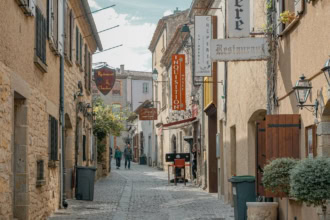
Toulouse is one of the most distinctive and rewarding city breaks in France. Known as La Ville Rose, the city takes its nickname from the warm pink and terracotta bricks that catch the sunlight and give streets, squares, churches, and civic buildings a character unlike anywhere else in the country. It feels elegant and historic, yet energetic and forward-looking at the same time.
What makes Toulouse especially compelling is the range it offers. In one trip, you can wander through medieval lanes, stand in grand public squares, stroll beside the Garonne River, follow the tree-lined banks of the Canal du Midi, and then step into one of Europe’s most important centres of aviation and aerospace. As the home of Airbus and a major hub of scientific research, Toulouse balances heritage and innovation with unusual confidence.
The city also works exceptionally well for visitors. Its historic core is compact, walkable, and full of atmosphere. Independent travellers can explore easily on foot, couples will find stylish neighbourhoods and riverside cafés, and families have access to standout attractions such as the Cité de l’Espace and Aeroscopia. This is a place where major sights do not feel spread out and exhausting, which makes it ideal for a long weekend, a relaxed cultural break, or a stop on a wider journey through Occitanie and southwest France.
Food is another strong reason to visit. Toulouse is proud of its regional identity, and that comes through clearly in its cuisine. Local specialities such as cassoulet, Toulouse sausage, duck dishes, and violet-flavoured sweets give the city a personality that feels deeply rooted in place rather than manufactured for tourists. Add in lively markets, handsome squares, strong transport links, and a generally warm, easygoing local atmosphere, and it becomes clear why so many visitors come back.
This Toulouse city guide covers the essentials properly, including how to arrive, how to get around, the city’s key transport infrastructure, and why Toulouse is such a rewarding destination for travellers who want more than the usual checklist of attractions.
Quick Facts Table
| Category | Details |
|---|---|
| Country | France |
| Region | Occitanie |
| Nickname | La Ville Rose (The Pink City) |
| Population | Approx. 500,000 (metro area ~1.3 million) |
| Language | French (basic English understood) |
| Currency | Euro (€) |
| Time Zone | Central European Time (CET), UTC +1 |
| Airports | Toulouse-Blagnac Airport (TLS) |
| Main Train Station | Toulouse-Matabiau |
| Famous For | Aerospace industry (Airbus), Canal du Midi, Cité de l’Espace, historic squares |
| Best For | Culture lovers, aviation enthusiasts, foodies, weekend city breaks |
| Local Specialty | Cassoulet (slow-cooked bean and meat stew), violet-based sweets |
| Emergency Number | 112 (EU-wide) |
Best for a short trip. Compare rooms by neighbourhood, price and guest rating before you book.
Compare hotelsBest for families, or any stay past about four nights. A kitchen and a washing machine start paying for themselves.
Browse rentalsBest as a last check before booking. Compares Toulouse hotel rates across several sites in one search.
Compare ratesBrief History
Toulouse has more than two thousand years of urban history behind it, and that long story still shapes the city visitors see today. Long before it became a modern aerospace capital, it was an important settlement of the Volcae Tectosages, a Gallic people whose presence established Toulouse as a regional centre of trade and power. Under the Romans, the city, then known as Tolosa, became a major provincial hub. Roman roads, foundations, and archaeological remains still lie beneath the modern streets, reminders that Toulouse has been strategically significant since antiquity.
In the early medieval era, the city became the heart of the Visigothic Kingdom for a time and later the seat of the powerful Counts of Toulouse. This gave it major political and religious influence across southern France. Toulouse was not a peripheral town but one of the key cities of the region, involved in trade, learning, and ecclesiastical life. The Albigensian Crusade in the 13th century, launched against the Cathars, had a profound impact on the city and the wider region. It also strengthened the authority of the French crown in the south, gradually drawing Toulouse more firmly into the orbit of the kingdom of France.
The Renaissance brought another period of prosperity. Much of this wealth came from the trade in pastel, or woad, a blue dye that made local merchants exceptionally rich. That money financed many of the city’s finest mansions, courtyards, and civic buildings, and it helped shape the elegant architectural fabric that still makes central Toulouse so appealing today. In later centuries, including during the French Revolution and the Napoleonic period, the city remained an important administrative and cultural centre rather than slipping into decline.
The most dramatic modern transformation came in the 20th century, when Toulouse reinvented itself as the aerospace capital of Europe. The growth of Airbus, advanced engineering, scientific research, and aviation-related industries reshaped the local economy and gave the city a global role far beyond its size. That modern identity sits surprisingly well alongside its Romanesque churches, old riverfront, and medieval streets. Today, Toulouse is best understood not as a city divided between old and new, but as one that has repeatedly adapted and prospered across very different eras.
App availability note: If a download link looks broken on this page, it’s usually not an error on our side. Some apps are geo-locked in the Apple App Store or Google Play Store and only appear if your account region or SIM matches the country. This is common where apps rely on local payment systems, regulations, or developer resources. Once you’re in the right region, the app will normally work as expected.
Getting There & Around – Airport Overview & Transfers
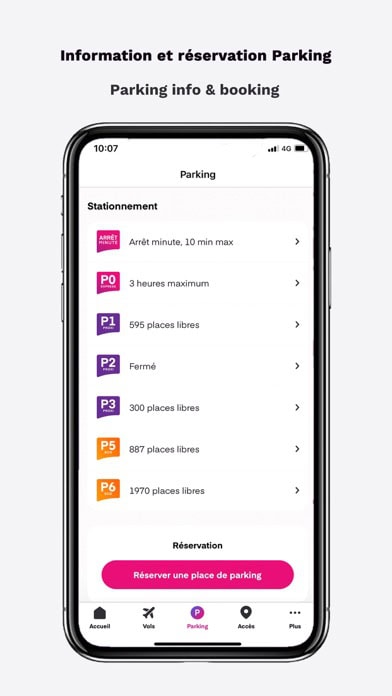
Toulouse-Blagnac Airport (TLS) is the main gateway to the city and the wider region of southwest France. Located around 7 km northwest of the city centre, it is close enough to make arrivals straightforward and efficient, which is a real advantage for a short break. The airport handles more than 9 million passengers a year and serves a strong mix of domestic, European, and selected seasonal leisure routes. Regular direct links connect Toulouse with major cities such as Paris, London, Amsterdam, Frankfurt, and Madrid, while seasonal services can extend to destinations including Casablanca, Marrakesh, and Santorini.
The airport itself is relatively compact, with one main terminal, which makes it far easier to navigate than many larger French and European hubs. Arrivals and departures are usually smooth, and facilities are solid rather than excessive. Visitors will find free Wi-Fi, cafés, shops, car hire desks, family facilities, business lounges, and accessibility services. For most travellers, it feels modern, clean, and easy to understand from the moment they land.
Getting into central Toulouse is simple, with several workable options depending on budget and timing. The dedicated Airport Shuttle, Navette Aéroport, runs roughly every 20 minutes and remains one of the most convenient ways to reach the city. The journey to Gare Matabiau usually takes about 20 to 25 minutes, depending on traffic, and tickets cost around €9.00 for a single trip. There is also a 6-trip airport ticket priced at €38.20. One practical advantage is that the airport shuttle ticket allows up to 3 changes on 4 different lines within 1 hour 30 minutes after validation, though a return on the same line counts as two journeys. Free passes are not accepted on the shuttle.
For travellers looking to save money, the tram and wider public transport network provide a cheaper alternative, though usually at the cost of extra time. The airport’s tram connection links into the city’s network and can be a sensible choice if you are not carrying much luggage and do not mind a slower journey. Public transport from the airport is well integrated into the broader Tisséo system, which is one of Toulouse’s strengths.
Taxis are easy to find at the official rank outside the terminal. A typical trip into the centre costs around €25 to €30, while app-based services such as Uber and Bolt can sometimes come in a little lower during quieter periods, with some airport journeys starting from around €20 depending on demand. Major international and local car hire companies also operate from the airport, making it a practical collection point if you plan to leave the city and explore places such as Carcassonne, Albi, the Gaillac vineyards, or the Pyrenees by road.
When you arrive in the city, our Toulouse Airport to City Centre guide explains the best transfer options including tram, bus, taxi, and airport transfers so you can get into the city easily.




App availability and prices vary by country. Some of these may not appear in your local App Store or Google Play.



App availability and prices vary by country. Some of these may not appear in your local App Store or Google Play.
Trains
Gare de Toulouse-Matabiau is the city’s main railway station and one of the most important transport hubs in southwest France. Located just east of the city centre and connected directly to Metro Line A, it is extremely convenient for visitors. You can arrive by train and be in the central sightseeing area very quickly, which makes rail one of the best ways to approach Toulouse from elsewhere in France.
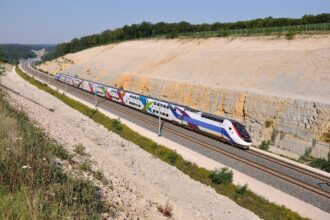
High-speed and long-distance rail services make the city well connected. Direct TGV services to Paris Montparnasse take roughly 4 hours 15 minutes, while other services connect Toulouse with destinations such as Bordeaux, Montpellier, and Lyon. Regional rail is equally important. TER and Intercités trains make day trips and onward travel easy, with regular links to places like Albi, Foix, Montauban, Carcassonne, and Narbonne. For travellers using Toulouse as a base, this matters a great deal because it opens up much of the region without requiring a car.
Inside the station, facilities are good and practical. There are shops, cafés, luggage lockers, ticket counters, and self-service machines, with signage and booking options available in both French and English. Accessibility is also strong, with lift access, tactile paving, and adapted entrances. Because Toulouse-Matabiau sits beside the Gare Routière, transfers between rail, long-distance buses, metro, tram, taxis, and rideshare are unusually simple by French city standards.
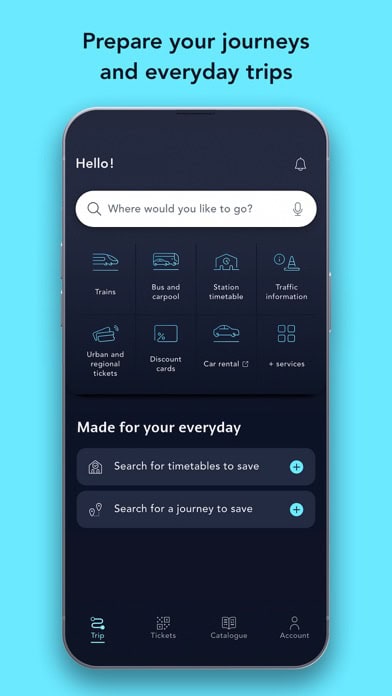
Booking ahead is sensible, particularly for Fridays, Sundays, and holiday periods, when trains can become busy or sell out altogether. The SNCF website and app are the simplest tools for planning and advance purchase.




App availability and prices vary by country. Some of these may not appear in your local App Store or Google Play.
Night Trains to and from Toulouse
Toulouse night trains provide one of the most practical ways to travel between southern and northern France without losing an entire day to transport. While France’s overnight rail network is much smaller than it once was, the overnight route between Toulouse and Paris remains one of the country’s most important sleeper services and has seen renewed popularity as travellers increasingly look for alternatives to domestic flights.
The overnight services are operated by SNCF Intercités de Nuit and normally run between Toulouse Matabiau and Paris Austerlitz. These services allow travellers to leave one city late in the evening before arriving in the other early the following morning, making them extremely useful for maximising sightseeing time while reducing accommodation costs.
| Sleeper Route | Main Route | Main Operators | Best Booking Platform |
|---|---|---|---|
| Paris Overnight Corridor | Toulouse → Montauban → Cahors → Les Aubrais → Paris Austerlitz | SNCF Intercités de Nuit | Rail Europe |
| Toulouse Overnight Corridor | Paris Austerlitz → Toulouse Matabiau | SNCF Intercités de Nuit | Rail Europe |
The northbound overnight service, INTERCITÉS de Nuit 3750, normally departs Toulouse Matabiau at 10:16 PM before travelling through Montauban Ville Bourbon, Cahors, and Les Aubrais, eventually arriving into Paris Austerlitz at approximately 7:16 AM.
Meanwhile, the southbound service, INTERCITÉS de Nuit 3751, normally departs Paris Austerlitz at 10:00 PM and arrives into Toulouse Matabiau at approximately 6:44 AM, with a total journey time of around 8 hours 44 minutes. Passengers can usually board shortly before departure, making the service particularly convenient for travellers spending a final evening in the French capital before travelling overnight to southern France.
Accommodation usually includes reclining seats and couchettes, although most travellers strongly prefer couchettes for comfort. The train also offers several useful onboard features including WiFi, onboard staff, pre-order catering options, travel kits, and paid bicycle spaces depending on availability and service configuration.
For travellers exploring southern France, the overnight service works particularly well alongside journeys through the wider Occitanie region, including routes towards Carcassonne, the Pyrenees, and the Mediterranean coast. Tickets can be booked through Rail Europe, which is often simpler for international travellers booking wider European rail itineraries.
Buses & Coaches
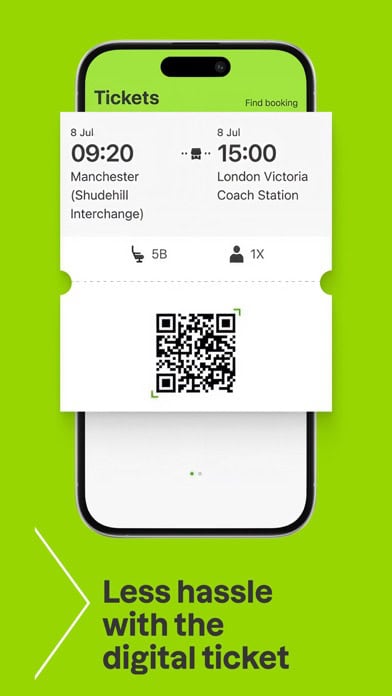
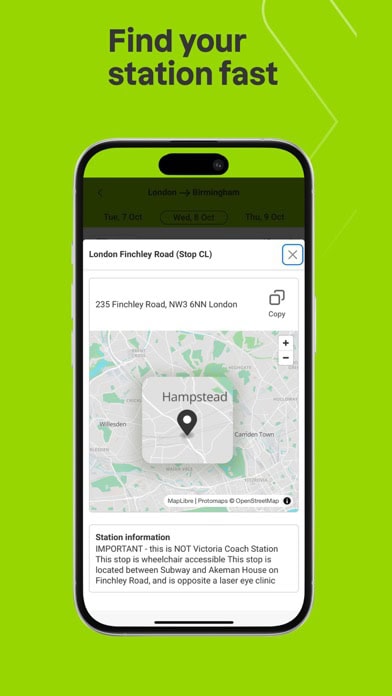
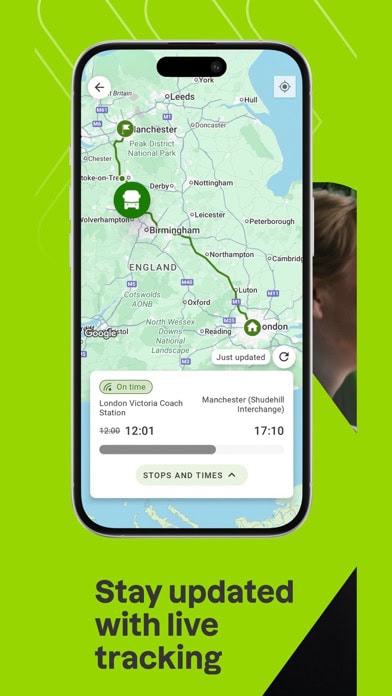
Long-distance coaches provide another useful layer of connectivity for Toulouse, especially for travellers on a tighter budget or those crossing into Spain and other parts of Europe. Most services depart from or arrive at the Gare Routière, located beside Gare Matabiau, so the integration with other forms of transport is excellent.
Operators such as FlixBus and BlaBlaCar Bus run many of the most relevant routes. These include domestic journeys to Paris, Lyon, and Bordeaux, as well as international links to places such as Barcelona. Fares can be very competitive, with some Toulouse to Barcelona tickets starting from around €15, making coach travel particularly attractive for students, backpackers, and flexible travellers. Luggage is generally included, and many modern coaches offer Wi-Fi, power sockets, reclining seats, and air conditioning, although the level of comfort can vary by operator and route.
Because signage and stand allocations can change, it is worth arriving at the bus station a little early, especially during summer weekends and public holiday periods. Coaches are often the cheapest option and can be surprisingly comfortable, particularly for overnight or cross-border routes where rail would require more changes or a higher fare.


App availability and prices vary by country. Some of these may not appear in your local App Store or Google Play.
Local Public Transport
Toulouse has one of the better urban transport networks in regional France, and for visitors it is reliable, affordable, and easy to understand. The whole system is operated by Tisséo, covering the metro, tram, and bus network under one ticketing structure.
The metro consists of two fully automated lines. Line A runs east to west and serves central stops such as Capitole, Esquirol, and Marengo-SNCF near the main station. Line B runs north to south, linking districts such as Borderouge, Saint-Michel, Palais de Justice, and the university areas. The key interchange is Jean Jaurès, where the two lines meet. Trains run very frequently, often every 1 to 3 minutes at peak times, which makes the metro the quickest way to cross the city.
The bus network is extensive, with more than 80 routes, and the tram system adds further coverage. The tram is especially relevant for airport access and for reaching the northwest of the city. One of Toulouse’s big practical advantages is that a single fare works across metro, bus, and tram within the permitted validation window, so you do not have to think in separate transport categories.
Standard fares remain reasonable. A single ticket costs €1.80, while a last-minute onboard bus ticket costs €2.50. A 10-trip ticket is €15.40. If you are spending the day sightseeing, the 1-day pass at €6.90 is good value, while a 3-day pass costs €13.80. For small groups, the Tribu Group Ticket offers 12 trips in one day for €9.10, which can work very well for families or friends travelling together.
Tisséo Fare Table
| Ticket Type | Price | Where to Buy |
|---|---|---|
| Single ticket | €1.80 | ATD, Tisséo agencies, partner retailers and shops |
| Single last-minute ticket | €2.50 | On board bus |
| 10 trips | €15.40 | ATD, Tisséo agencies, partner retailers, shops, Tisséo app |
| 1 Day Pass | €6.90 | ATD, Tisséo agencies |
| 3 Day Pass | €13.80 | ATD, Tisséo agencies |
| Tribu Group Ticket | €9.10 | ATD, Tisséo agencies, partner retailers and shops |
Services generally run from about 05:30 until midnight, with later hours at weekends. Accessibility is also solid, with lifts and step-free access at many major stations, and buses equipped for wheelchair users.
App availability and prices vary by country. Some of these may not appear in your local App Store or Google Play.
Best for long or awkward journeys. Builds one itinerary out of separate flights.
View flightsBest for short trips. Install the eSIM at home and arrive in Toulouse with working data, no shop queue.
Browse eSIMsBest after a long flight or a late landing. Price agreed before you travel, and no taxi queue.
Check transfersTaxis & Ride Shares
Taxis in Toulouse are widely available and regulated, offering a convenient option for door-to-door transport, especially late at night or with luggage. Official Taxis Toulousains can be found at designated ranks, including Gare Matabiau, Place du Capitole, Jean Jaurès, and Toulouse-Blagnac Airport.
Base fares start around €2.50, with daytime city centre journeys costing €10–€15, and trips to or from the airport priced between €25–€30, depending on traffic and time of day. Fares increase in the evening (after 7pm), on Sundays, and public holidays. Most taxis accept credit cards, but it’s advisable to confirm before departure.
App-based ride services are also well-established. Uber and Bolt operate reliably across the city, often offering competitive fares compared to traditional taxis. Estimated airport transfers via Uber start from €20. Wait times are generally short, especially in central districts.
Taxis can also be booked by phone or through the Taxis Radio Toulousains app. Services include vehicle options for larger groups and accessible vehicles.
While taxis are more expensive than public transport, they’re useful when connections are limited , such as early morning departures, late-night arrivals, or if travelling with heavy luggage or mobility needs.

App availability and prices vary by country. Some of these may not appear in your local App Store or Google Play.
Scooter & Bike Rentals
Toulouse is a bike- and scooter-friendly city, with dedicated cycle lanes, riverfront paths, and increasingly sustainable transport options. Whether you’re looking for a short city hop or a scenic ride along the Canal du Midi, rentals are widely accessible and affordable.
For scooters, Dott and TIER are the two main operators. Both offer electric scooters for short-term use via mobile apps. You’ll find them parked at designated spots across the city, especially around Capitole, Jean Jaurès, and along the Garonne riverbanks. Prices typically start at €1 unlock fee + €0.20–€0.25 per minute, with day passes available.
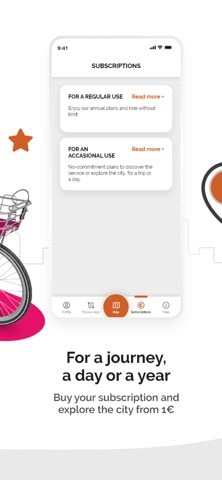
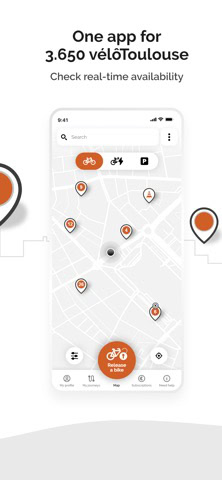
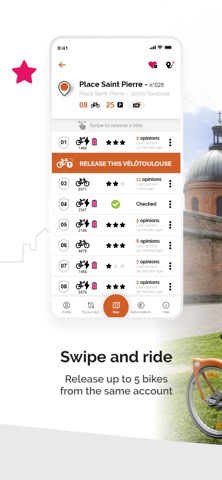
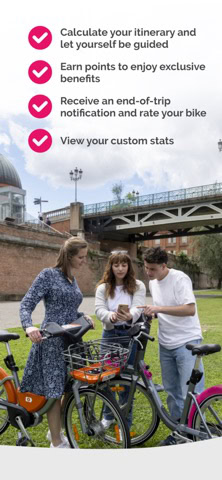
Toulouse’s public bike-share scheme, VélôToulouse, is popular with locals and tourists alike. It operates over 280 docking stations around the city, with 24/7 availability. A 1-day pass (€1.20) or 7-day pass (€5) allows unlimited rides of up to 30 minutes (longer rides incur extra charges). Stations are near metro exits, public squares, and major attractions.
Helmets are not mandatory but recommended. Apps and docking maps are available in English. Longer-term rentals or e-bike hire can be arranged via shops like Toulouse Bike Tour or La Maison du Vélo.
Renting a bike or scooter is an ideal way to explore Toulouse at your own pace.
App availability and prices vary by country. Some of these may not appear in your local App Store or Google Play.
Walking
Toulouse is one of the easiest major French cities to explore on foot, and for many visitors it is the best way to experience the city properly. The historic centre is compact, relatively flat, and filled with architectural detail, which means walking here rarely feels like a chore. Instead, it becomes part of the pleasure of the trip. Many of the city’s main sights, including Place du Capitole, Basilique Saint-Sernin, the Couvent des Jacobins, Pont Neuf, the Garonne riverfront, and the main shopping and café streets, all sit within a manageable walking area that can comfortably be covered over the course of a day.
What makes walking in Toulouse especially rewarding is the atmosphere between the headline attractions. This is a city of warm brick façades, elegant squares, hidden courtyards, arcaded passageways, and winding streets that reveal something new as you move through them. Around areas such as Rue Saint-Rome, Rue Alsace-Lorraine, Place Saint-Georges, and the smaller lanes branching off the central grid, you are not simply walking from one monument to another. You are moving through the city’s daily life, passing bakeries, small boutiques, student cafés, produce markets, churches, and lively terraces that give Toulouse its distinctly local character.
The riverside and canal-side routes also make walking here more varied than in many city-break destinations. A stroll along the Garonne offers broad views, bridges, and attractive evening light, while the paths beside the Canal du Midi provide a greener, quieter experience away from the busier shopping streets. In spring and early summer, these routes are especially pleasant, and in the hotter months they can offer welcome shade and a slower pace.
Walking in Toulouse is also practical. Public benches are common, many central streets are pedestrian-friendly, and if you get tired, the Tisséo metro network is never far away. Useful public toilet locations include areas near Place Wilson, Jardin des Plantes, and Prairie des Filtres, which can make longer days on foot much easier. The only real limitation is that some parts of the old centre have cobblestones or uneven pavements, so comfortable footwear is a good idea. Even so, for most visitors, Toulouse is a city best discovered step by step rather than seen through taxi windows or rushed public transport transfers.
Cycling Routes & Bike Hire
Cycling in Toulouse has become a far more attractive option in recent years, and the city now offers a good mix of urban bike routes, riverside paths, canal-side greenways, and short-hop rental schemes. For visitors who enjoy active sightseeing, cycling can be one of the best ways to cover more ground without losing the sense of freedom and local immersion that makes Toulouse appealing in the first place. The city is relatively flat in most central and near-central areas, which makes it accessible for casual riders as well as more confident cyclists.
The best-known cycling route is the Canal du Midi Greenway, which begins in Toulouse and stretches southeast towards Castelnaudary and eventually further into the region. This route is one of the city’s great assets. The canal towpath is shaded, scenic, and mostly gentle, making it suitable for relaxed half-day rides as well as more ambitious longer-distance outings. It gives you a very different view of Toulouse from the city centre, with water, trees, locks, and quieter neighbourhood edges replacing the busier urban core. Another enjoyable option is the route along the Garonne River, where the paths pass through green spaces and provide attractive views towards bridges, embankments, and surrounding districts.
For short urban journeys, the VélôToulouse bike-share system is highly practical. With more than 280 docking stations across the city, it is easy to pick up a bike near a metro stop, square, or tourist site and use it for a quick ride between neighbourhoods. A 1-day pass costs €1.20, while a 7-day pass costs €5, and both allow unlimited rides of up to 30 minutes, with extra charges applying for longer use. This makes the system very good value for visitors who want flexibility without the commitment of a full-day private rental.
If you want something more substantial, independent providers such as La Maison du Vélo near Matabiau and Toulouse Bike Tour offer longer rentals, including e-bikes, helmets, and panniers. These are the better choice if you plan to spend several hours cycling or want to venture beyond the centre. Helmets are not compulsory for most adult riders, but they are strongly advisable, especially if you are unfamiliar with the city. Downloadable cycling maps are available through the tourist office and online, which can be useful for planning routes in advance.
For travellers who enjoy seeing cities at a steadier pace without relying entirely on public transport, cycling adds a lot to a Toulouse visit. It works especially well when combined with the city’s green corridors, because you can move quickly while still enjoying the scenery rather than simply commuting through it.
Car Hire in Toulouse
Hiring a car in Toulouse is not essential for most city breaks, but it becomes very useful the moment your plans extend beyond the centre. Within Toulouse itself, the metro, trams, buses, walking routes, and bike hire options are usually more convenient than driving. The historic core has narrow streets, limited parking, pedestrian-only areas, and traffic patterns that can be inconvenient for visitors unfamiliar with the city. For that reason, many travellers are better off spending the first part of their stay car-free and only collecting a vehicle when they are ready to explore the wider region.
Where car hire really comes into its own is in the surrounding areas of Occitanie and southwest France. Toulouse makes an excellent base for road trips because so many worthwhile destinations sit within a manageable drive. Carcassonne, Albi, Foix, the Gaillac vineyards, and routes into the Pyrenees all become far easier and more flexible with your own vehicle. While some of these places can also be reached by train, a car allows you to combine stops, detour into villages, reach viewpoints, or travel at times that are not dictated by rail schedules.
Most visitors collect rental cars at Toulouse-Blagnac Airport, where there is the widest choice of providers and vehicle categories. Major international brands are represented there, and the airport setup is convenient if you are landing and heading directly out into the region. City-centre rentals are also available near Toulouse-Matabiau and other transport hubs, which can work well if you want to enjoy a few days in Toulouse first and then continue by road.
Driving conditions in the wider region are generally straightforward. France’s motorway network is excellent, and Toulouse sits near major routes that connect to the Mediterranean coast, the Spanish border, and the mountains. That said, once you return to central Toulouse, parking can be both limited and expensive, so it is worth booking accommodation with parking if you plan to keep a vehicle overnight. If you are hiring a car to drive into restricted urban areas, it is also important to remember that Toulouse operates a low-emissions zone, and some vehicles may require a Crit’Air sticker.
For travellers who want to combine city culture with castles, vineyards, mountain scenery, or medieval towns, a hire car can significantly broaden what a Toulouse itinerary can achieve. For those staying entirely within the city, though, it is often more hassle than help.

Plan Your Toulouse Car Hire
If a road trip or several day trips are part of your visit to Toulouse, arranging car hire before arrival can make planning much simpler.
Use Discover Cars and EconomyBookings to compare available vehicles, suppliers and booking conditions for your travel dates.
Transport Attractions
For anyone interested in aviation, engineering, space exploration, or the wider story of human movement and innovation, Toulouse is one of the most compelling urban destinations in Europe. This is not a city that merely happens to have a science museum. It is a place whose modern international identity is deeply tied to the development of aircraft, aerospace research, and advanced transport technology. That gives its transport-focused attractions real depth and authenticity.
The best-known site is the Cité de l’Espace, which is one of the city’s major headline attractions and one of the strongest family-oriented science experiences in France. It is far more than a collection of static displays. Visitors can move through immersive exhibitions on satellites, rockets, astronaut training, and European space missions, while also seeing full-size replicas of major spacecraft, including the Mir space station and an Ariane rocket. Interactive elements make it accessible for children, but the subject matter is substantial enough to hold the interest of adults, particularly those with a genuine curiosity about technology, science policy, and the future of space travel. Because the site is extensive, it is wise to allow at least several hours rather than trying to rush it.
Equally important for aviation enthusiasts is the Aeroscopia Museum in Blagnac, just outside the main centre. This museum is one of the clearest expressions of Toulouse’s place in global aviation history. It houses an impressive collection of aircraft, including the Concorde, the Airbus A300, and the distinctive Super Guppy, and it does a strong job of placing those machines within the broader industrial story of the city. Rather than treating aircraft as isolated objects, Aeroscopia helps visitors understand why Toulouse became so central to European aircraft manufacturing and how that legacy continues today.
Another major draw is Let’s Visit Airbus, which offers guided experiences linked to the Airbus world in Toulouse. These tours normally require advance booking and are among the most distinctive technical visits available in France. For travellers who want more than museum interpretation and are interested in the realities of aircraft production, this is a rare opportunity to connect the city’s public attractions with its living industrial role.
What makes these sites particularly effective is that they do not feel disconnected from the city around them. In Toulouse, transport heritage and transport innovation are visible in the wider urban environment. Airport links, tram routes, industrial zones, research campuses, and museum programming all reinforce the idea that this is a city built in part around the ambition to move people, goods, and ideas further and faster. For transport enthusiasts, that makes Toulouse feel unusually coherent and rewarding.
Best for a short stop where being central matters more than the room. Dorms and private rooms both listed.
See hostelsBest arranged before you fly rather than after. Covers claim handling, plus lounge access on eligible delays.
Explore AirHelp+Best for a day with a bag and nowhere to put it. Find a storage point near where you already are.
View storageMini Trains, Trams & Tourist Shuttles
While Toulouse does not have the classic hop-on hop-off sightseeing bus model seen in some larger European cities, it does offer several gentler and more characterful ways to explore. These lighter transport experiences add variety to a visit and can be especially useful for first-time visitors, families, or anyone who wants to cover ground without committing to long stretches on foot. They also show a softer, more leisurely side of the city.
The Petit Train Touristique de Toulouse is one of the most accessible and charming options. Departing from Place du Capitole, this small road-going tourist train offers a relaxed introduction to the city through guided loops lasting roughly 35 to 45 minutes. Depending on the service and season, routes may focus on the Old Town or the Garonne riverfront, allowing visitors to take in Toulouse’s major visual highlights from an easy seated perspective. The slower pace is useful for photography and orientation, especially on a first day in the city when you want a general overview before exploring in more detail. It is also a sensible option during hotter weather, when a fully walking-based introduction can feel unnecessarily tiring.
The city’s Navette Fluviale adds another layer of interest. This seasonal river shuttle, operated by Tisséo, connects points along the Garonne and provides a scenic way to move through part of the city while enjoying Toulouse from the water. Stops can include areas such as Saint-Cyprien, Pont Neuf, and Port Viguerie, depending on the operating pattern. It is usually available from April to October and is included in standard Tisséo travel passes, which makes it not only enjoyable but also practical value. For visitors who enjoy seeing a city from the water without committing to a full cruise, this is one of Toulouse’s more understated pleasures.
The tram network, particularly T1 and T2, also deserves mention. Although it is not designed as a sightseeing attraction, it can still offer appealing urban views, especially through the city’s northwest corridors and towards the airport and aerospace districts. For visitors interested in architecture, infrastructure, or simply observing neighbourhood life beyond the historic centre, tram journeys can add another perspective to a stay.
Together, these mini trains, tram journeys, and water-based shuttles provide welcome alternatives to standard walking routes. They are not gimmicks in the way tourist transport can sometimes feel elsewhere. In Toulouse, they genuinely help broaden the experience of the city and give visitors a more layered sense of place.
Top Attractions in Toulouse
Toulouse offers a rich mix of historic landmarks, cultural institutions, and modern attractions, all within a compact and highly walkable city centre. What makes the experience especially enjoyable is how naturally these sights connect to one another. You are rarely travelling far between them, and the journey itself often becomes part of the attraction, with streets, squares, and cafés adding to the overall experience.
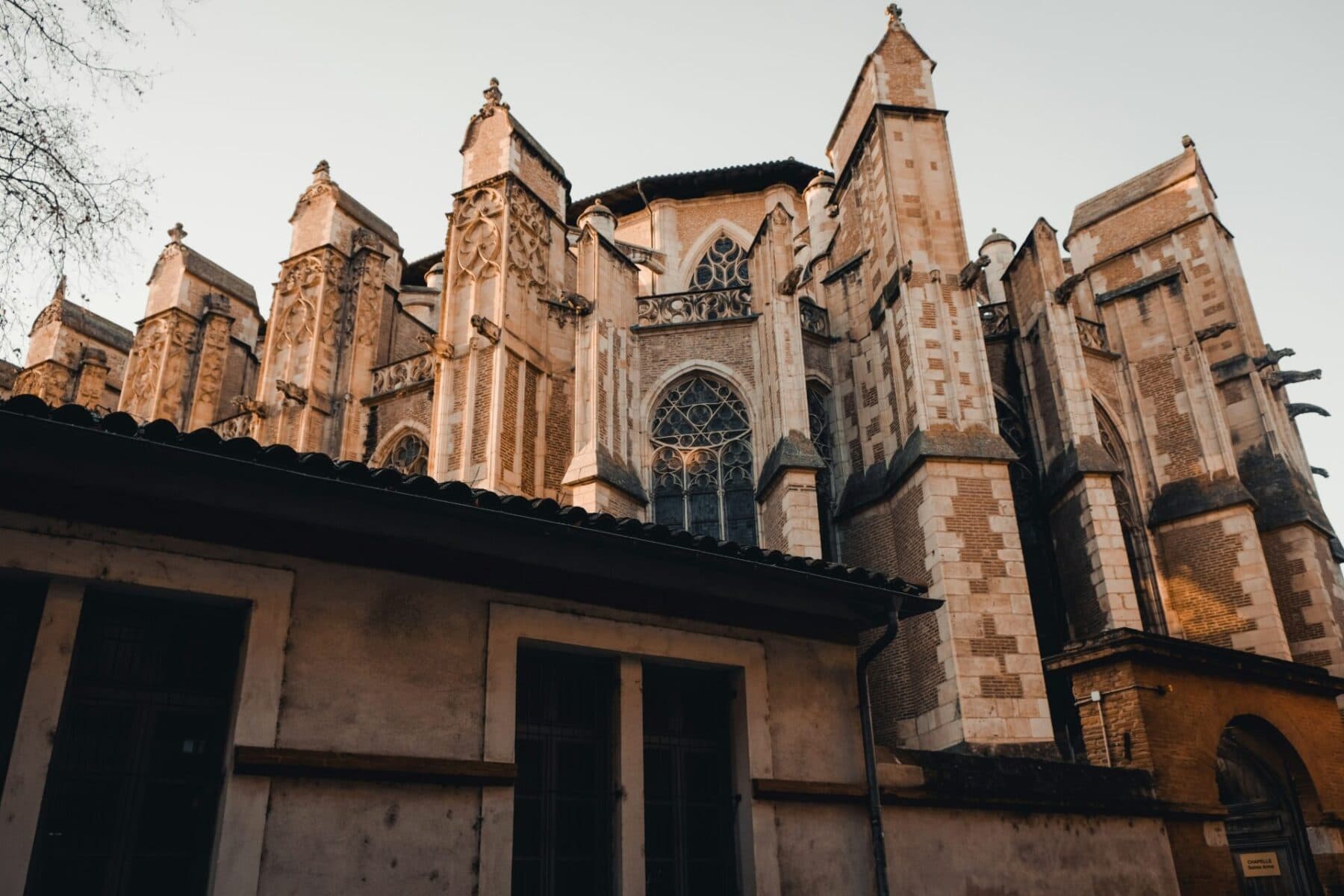
At the heart of the city sits Place du Capitole, the focal point of daily life in Toulouse. This large, open square is framed by elegant façades and lined with cafés and restaurants that remain busy throughout the day and into the evening. The square is dominated by the Capitole building, which houses both the city hall and the Théâtre du Capitole, one of France’s respected opera venues. The building’s distinctive pink-brick façade reflects the architectural identity that gives Toulouse its nickname, and the square regularly hosts events, markets, and festivals that keep it lively year-round. Inside, visitors can access parts of the Capitole complex, including grand staircases and decorated halls, which provide a glimpse into the city’s civic history.
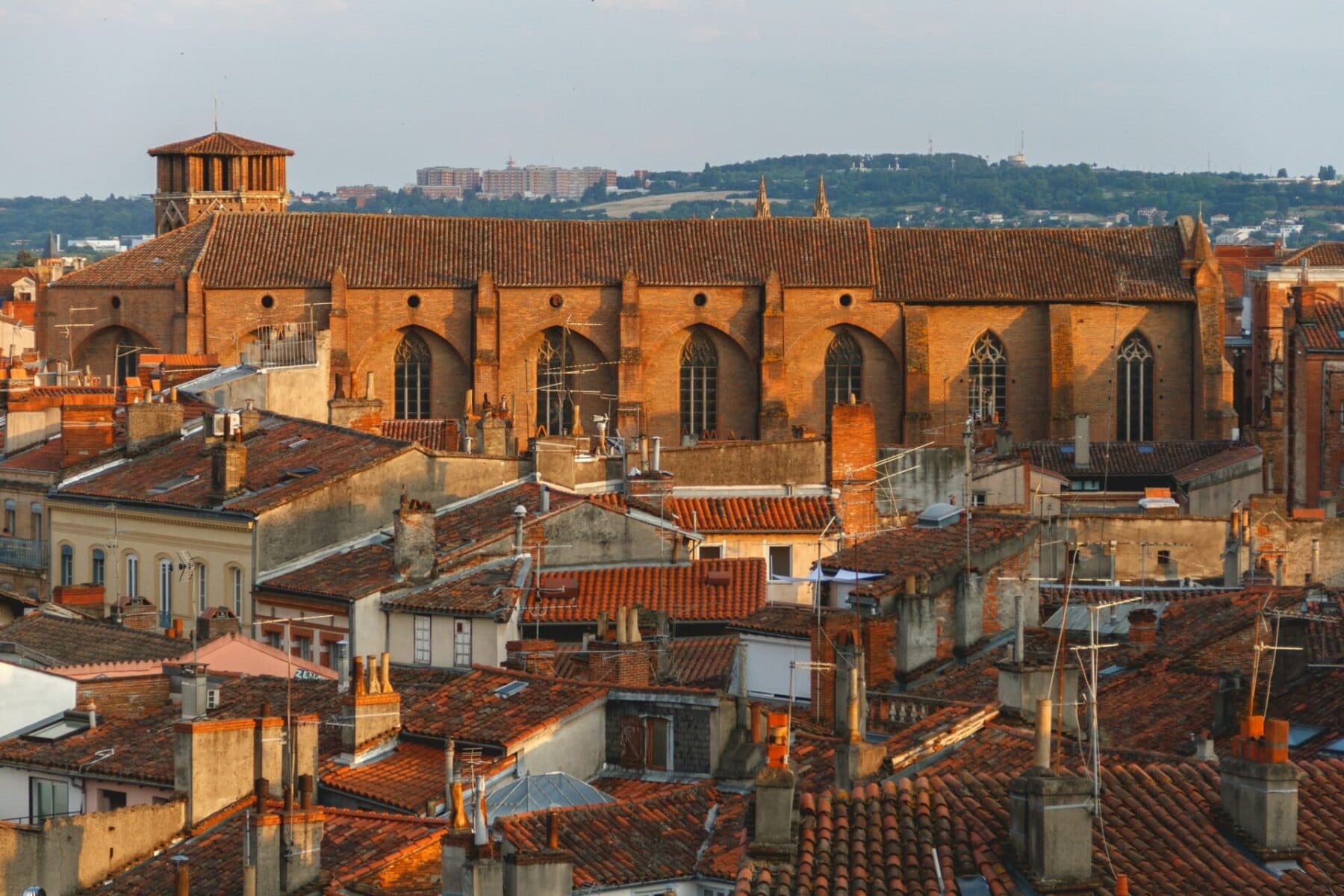
A short walk away, the Basilique Saint-Sernin stands as one of the most important religious buildings in southern France. Dating from the 11th to 13th centuries, it is one of the largest Romanesque churches in Europe and forms part of the UNESCO-listed Camino de Santiago pilgrimage route. Its distinctive octagonal bell tower is a defining feature of the Toulouse skyline, while the interior offers a calm and contemplative space filled with stone carvings, chapels, and a crypt housing relics of Saint Saturnin, the city’s first bishop. Entry is free, making it one of the most accessible major landmarks in the city.
The Couvent des Jacobins provides a very different but equally impressive experience. This striking example of Southern Gothic architecture is known for its extraordinary “Palm Tree” vaulted ceiling, where ribs spread outward from a single column in a way that is both structurally innovative and visually dramatic. Beyond the church itself, the cloisters and garden spaces offer a quiet retreat from the busier streets outside. The convent also holds the relics of Saint Thomas Aquinas, adding further historical and religious significance. Cultural events, concerts, and exhibitions are often hosted here, particularly during the summer months.
For something more modern and interactive, the Cité de l’Espace stands out as one of Toulouse’s flagship attractions. This large-scale science park focuses on space exploration, reflecting the city’s status as a major aerospace hub. Visitors can explore full-scale replicas of spacecraft, interactive exhibits, simulators, and a planetarium, making it one of the most engaging attractions for families and anyone interested in science and technology. Because of its size, it is best approached as a half-day visit rather than a quick stop.
Art lovers will find the Musée des Augustins a rewarding addition to their itinerary. Housed in a former medieval monastery, the building itself is as much a draw as the collection. Cloisters, vaulted ceilings, and quiet courtyards create a peaceful setting for a range of works spanning from the Middle Ages to the modern period, including pieces associated with artists such as Delacroix and Rubens. The Romanesque sculpture hall is particularly notable, presenting historic works in a setting that enhances their scale and detail.
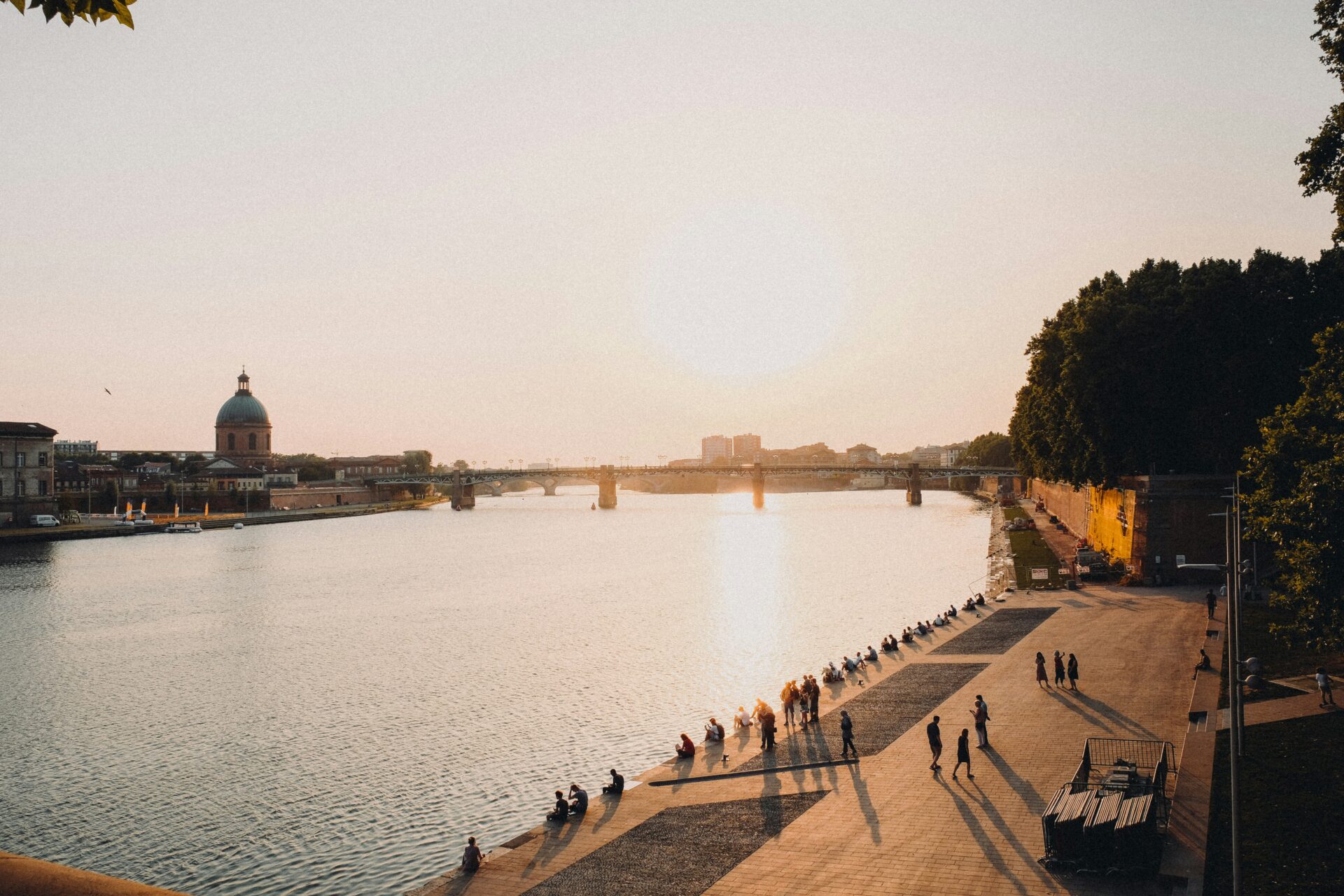
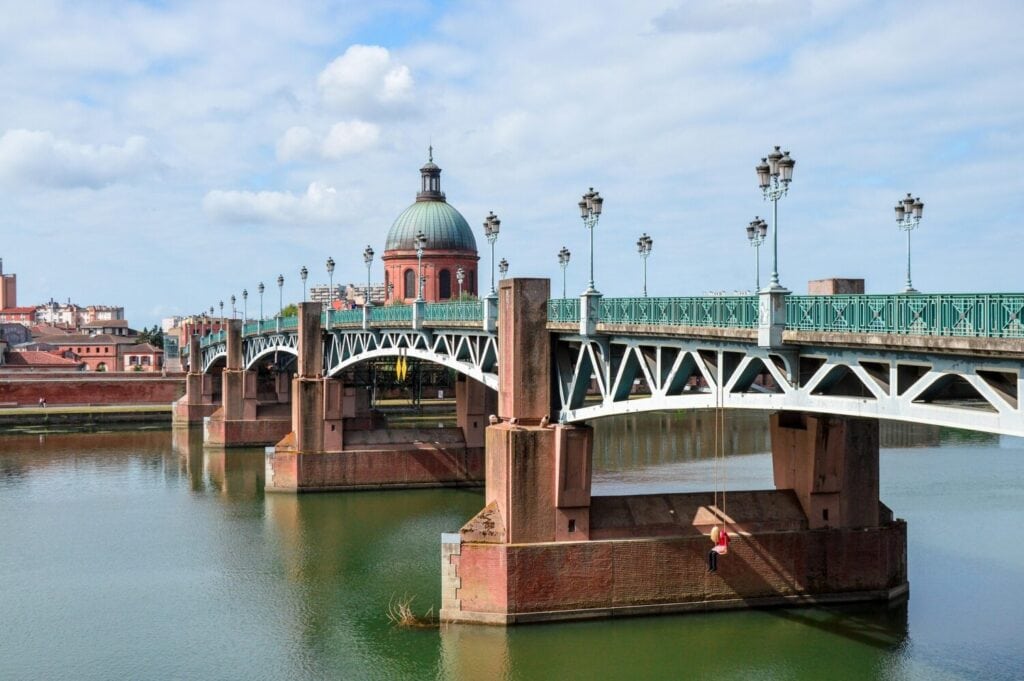
Finally, no visit to Toulouse feels complete without time spent along the Garonne River, particularly around Pont Neuf. Despite its name meaning “New Bridge,” it is actually the oldest bridge in the city, completed in the 17th century. From here, you get some of the best views in Toulouse, especially in the evening when the warm tones of the buildings reflect in the water. Nearby, the Prairie des Filtres provides a relaxed green space where locals gather for picnics, outdoor events, and summer festivals. The riverfront as a whole offers one of the most atmospheric and accessible ways to experience the city.
Historical Highlights & Landmarks
Beyond its main attractions, Toulouse is filled with historic sites that reveal the city’s depth and long-standing importance in southern France. These landmarks are often less crowded than the headline sights but add valuable context to the city’s development over centuries.
The Hôtel-Dieu Saint-Jacques is one of the most significant historic complexes in Toulouse. Located on the left bank of the Garonne, this former hospital dates back to the 12th century and once played a crucial role in caring for travellers and pilgrims on the Camino de Santiago. Its long riverside façade, built in the city’s characteristic pink brick, remains one of the most recognisable architectural views in Toulouse. Today, the building is used for administrative and cultural purposes, but its courtyards and surrounding structures still reflect its historic role. Just behind it stands the Chapelle Saint-Joseph de la Grave, whose distinctive dome forms part of one of the city’s most photographed riverside scenes.
Close to the centre, the Donjon du Capitole, also known as the Tour des Archives, provides a different glimpse into Toulouse’s past. Built in the 16th century, it was never a prison despite its name, but instead served as a secure location for the city’s records, archives, and important documents. Today, it houses the Toulouse Tourist Office, making it both a functional and historical point of entry for visitors. Architecturally, it reflects a blend of Gothic and Renaissance influences, and the surrounding square often hosts temporary exhibitions and installations.
One of the city’s more unexpected highlights is the Chapelle des Carmélites, a relatively hidden baroque chapel tucked away near Rue du Périgord. From the outside, it appears modest, but the interior is striking, with a richly painted ceiling covered in Biblical scenes, floral motifs, and intricate decorative detail. The artwork, added in the 19th century, gives the chapel a sense of grandeur that contrasts sharply with its discreet location. It is also used for concerts, taking advantage of its intimate acoustics.
The historic Rue du Taur offers a more everyday but equally meaningful connection to Toulouse’s past. Running from Place du Capitole to Basilique Saint-Sernin, this narrow street follows a route associated with the martyrdom of Saint Saturnin in the 3rd century. Today, it is lined with independent shops, cafés, and historic façades, but it still forms part of the UNESCO-listed Way of St James pilgrimage route. Walking along it provides a sense of continuity between the city’s medieval and modern life.
Along the river, the Basilique Notre-Dame de la Daurade adds another layer of religious and historical significance. Built on the site of earlier Roman and early Christian structures, it is known for its association with the Black Madonna, an object of local devotion for centuries. The adjacent Quai de la Daurade is now one of the city’s most popular riverside areas, particularly in the evening, when locals gather to sit, relax, and enjoy the view over the Garonne.
Finally, the Université Toulouse 1 Capitole, founded in 1229, highlights the city’s long-standing role as a centre of learning. With more than 100,000 students across Toulouse, the academic presence is still very much alive today. The university’s buildings combine historic and modern elements, and although much of it is used for teaching and research, its presence contributes significantly to the youthful, intellectual atmosphere that defines the city.

Hidden Gems & Local Secrets in Toulouse
While the main squares and landmarks attract most visitors, Toulouse also rewards those who take the time to look a little deeper. Away from the busiest areas, you will find quieter spaces, unusual attractions, and places that feel more connected to everyday life in the city.
One of the most peaceful spots is the Jardin de l’Observatoire, located near the Canal de Brienne. This small and often overlooked garden surrounds the former Toulouse Observatory and offers a calm environment with shaded benches, mature trees, and subtle references to the site’s scientific past. It is rarely crowded, which makes it an ideal place to pause during a busy day of sightseeing. Its location also makes it easy to combine with nearby green spaces such as the Japanese Garden in Compans-Caffarelli.
For something more unusual, the Halle de La Machine in the Montaudran district provides a completely different experience. This workshop and exhibition space houses large-scale mechanical creations, including a giant moving Minotaur that visitors can actually ride. Built by the same team behind the famous machines in Nantes, the attraction blends engineering, art, and performance in a way that feels both playful and technically impressive. It appeals strongly to families, but it is equally interesting for adults who appreciate design and mechanical innovation.
Another lesser-known highlight is the Musée Georges-Labit, which feels quite different from Toulouse’s other museums. Set inside a distinctive Moorish-style villa, it houses collections of Asian and Egyptian artefacts. The building itself is striking, and the surrounding garden adds to the sense that you have stepped into a different cultural space altogether. It is a good choice for visitors who want something quieter and more unusual than the main museum circuit.
Exploring these hidden corners gives a more rounded view of Toulouse. They show that the city is not just about its main landmarks but also about smaller, more personal discoveries that reflect its diversity and creativity.
The Canal du Midi Experience
The Canal du Midi is one of Toulouse’s defining features and one of the most enjoyable parts of the city to experience at a slower pace. As a UNESCO World Heritage Site, it is both historically significant and visually appealing, stretching from Toulouse all the way to the Mediterranean Sea. Built in the 17th century, it was originally designed to link the Atlantic and the Mediterranean, representing a major engineering achievement of its time.
Today, the canal offers a completely different atmosphere from the busy city centre. Its tree-lined towpaths provide shade for much of the year, making it a comfortable place to walk or cycle even during warmer months. The paths are flat and well maintained, which makes them suitable for all types of visitors, from casual walkers to families with children and cyclists covering longer distances. Many locals use these routes daily for jogging, commuting, or simply relaxing by the water, which gives the canal a lived-in, authentic feel.
Visitors can choose how they experience the canal. A short walk from the city centre allows you to enjoy a peaceful stretch without committing to a long route, while those with more time can follow it for several kilometres and see how the environment gradually changes as you move away from the urban core. The canal is particularly attractive in spring and early summer, when the trees are in full leaf and temperatures are comfortable.
Boat trips offer another perspective. Departing from Port Saint-Sauveur, these cruises range from shorter guided journeys to longer experiences that explain the canal’s construction, locks, and role in regional transport. They provide a relaxing way to see Toulouse from a different angle and are especially popular during the warmer months, when demand can be high.
Whether explored on foot, by bike, or by boat, the Canal du Midi provides a quieter, greener counterpoint to the city centre and is one of the most consistently enjoyable experiences Toulouse has to offer.

App availability and prices vary by country. Some of these may not appear in your local App Store or Google Play.
Indoor Attractions & Rainy-Day Ideas in Toulouse
Although Toulouse is known for its sunny climate, there are plenty of high-quality indoor attractions that make the city just as enjoyable in bad weather or during the hottest parts of summer. One of the strengths of Toulouse is that many of these indoor options are located close to the centre, which means you can move between them easily without long travel times.
The Muséum de Toulouse is one of the standout indoor attractions and one of the leading natural history museums in France. Its exhibits cover biodiversity, evolution, ecosystems, and Earth sciences, with a strong emphasis on interactive displays that make it particularly appealing for families. Located next to the Jardin des Plantes, it also offers the option of combining indoor and outdoor activities if the weather improves during your visit.
For contemporary art, Les Abattoirs provides a very different experience. Set inside a converted industrial building by the river, the museum focuses on modern and contemporary works, including installations and rotating exhibitions. The building itself adds to the experience, with its large open spaces and riverside setting giving it a more modern, urban feel compared to Toulouse’s historic museums.
Food and shopping also offer excellent indoor alternatives. The Marché Victor Hugo is one of the best covered markets in the city and is particularly lively at lunchtime, when the restaurants on the upper floor serve fresh, local dishes. It is a great place to experience regional cuisine without committing to a formal restaurant. Nearby, Galeries Lafayette provides a more traditional shopping experience, with a wide range of brands and a central location that makes it easy to include in your itinerary.
For more relaxed or social activities, Toulouse has a growing number of escape rooms, cinemas, and indoor entertainment venues. Cinemas such as Utopia Toulouse are known for screening independent and international films, often inside architecturally interesting buildings that add to the experience.
Finally, even larger attractions like the Cité de l’Espace and the Aeroscopia Museum include substantial indoor exhibition areas. This means they remain viable options even in poor weather and can easily fill several hours of your day.
Overall, Toulouse handles bad weather well. Rather than limiting your options, it simply shifts the focus from streets and squares to museums, markets, and cultural spaces, ensuring there is always something worthwhile to do.

City Passes & Discount Cards
For visitors planning to see several attractions in a short period, the Pass Tourisme Toulouse can offer strong value and added convenience. Priced at around €26 for one day, the pass is designed to make it easier to explore multiple sites without purchasing individual tickets each time. In practical terms, it begins to pay for itself once you visit three or more attractions in a single day, particularly if those include higher-priced sites.
The pass includes free admission to a wide range of museums and monuments, which can cover many of the city’s cultural highlights. It also provides discounted entry to major attractions such as the Cité de l’Espace and Aeroscopia, which are among the more expensive experiences in Toulouse. One of the more useful inclusions is a guided tour from the official Tourist Office programme, which can add structure and insight to a visit without additional cost.
Transport can also be integrated into the pass. For an additional €10, you can add 10 journeys on the Tisséo network, covering metro, tram, and bus travel. For most visitors, this is enough to handle a full day of moving between key areas and attractions without needing to think about individual tickets.
The pass is available online, at the Tourist Office located in the Donjon du Capitole, and through the official mobile app, which allows you to store and manage your pass digitally. This removes the need to carry paper tickets and makes it easier to track what is included.
That said, the pass is not always the best option. If you are planning a slower visit with only one or two attractions per day, or if you prefer flexibility over a fixed schedule, buying individual tickets through platforms such as attraction booking apps may be more practical. The Pass Tourisme Toulouse works best for visitors who want to see a lot in a short time and prefer a structured, efficient approach to sightseeing.
App availability and prices vary by country. Some of these may not appear in your local App Store or Google Play.
Seasonal Highlights & Annual Events in Toulouse
Toulouse has a lively cultural calendar that runs throughout the year, and timing your visit to coincide with key events can significantly enhance the experience. The city’s festivals, markets, and public celebrations take advantage of its squares, parks, and riverfront, giving many events an open and accessible feel.
In spring, Toulouse begins to come alive after the quieter winter months. One of the most distinctive events is the Fête de la Violette, which celebrates the city’s historic association with violet flowers. Markets during this period feature violet-based sweets, perfumes, and local crafts, offering a unique glimpse into a lesser-known part of Toulouse’s identity. Spring also brings the Carnaval de Toulouse, a colourful event filled with parades, costumes, music, and street performances that move through the city centre and attract both locals and visitors.
The summer months are particularly vibrant. Events move outdoors, and the city’s riverside spaces become central to its cultural life. The Rio Loco Festival, held at the Prairie des Filtres, is one of the biggest highlights, bringing international music and a relaxed, festival-style atmosphere to the banks of the Garonne. Another popular feature of summer is Toulouse Plages, where sections of the riverfront are transformed into temporary urban beaches with deckchairs, sports activities, games, and evening entertainment. These events give the city a lively, social feel, particularly in July and August when long evenings and warm temperatures encourage outdoor activity.
In autumn, the pace becomes slightly calmer, but the cultural calendar remains strong. The Piano aux Jacobins Festival is one of the most respected classical music events in France, hosted within the historic setting of the Couvent des Jacobins. September also brings the Journées du Patrimoine, or Heritage Days, when buildings that are normally closed to the public open their doors for special visits. This is one of the best opportunities to explore hidden or restricted parts of Toulouse’s architectural heritage.
During winter, the focus shifts towards seasonal celebrations. The Christmas Market in Place du Capitole is the main highlight, with wooden chalets selling food, gifts, and decorations. The square and surrounding streets are decorated with festive lighting, creating a warm atmosphere despite temperatures typically ranging between 6 and 12°C. While winter days are shorter, the city still offers a pleasant experience, particularly for those who prefer fewer crowds.
Across all seasons, Toulouse maintains a steady rhythm of events, and it is always worth checking local listings before your visit. Even smaller festivals and neighbourhood events can add unexpected highlights to a trip.
Parks, Gardens & Green Spaces in Toulouse
Despite its size, Toulouse is a notably green city, with a wide range of parks, gardens, and riverside areas that provide space to relax, walk, or take a break from sightseeing. These green spaces are spread across the city and contribute significantly to its laid-back, outdoor-friendly atmosphere.
One of the most important and widely used parks is the Jardin des Plantes, the city’s oldest public garden. Located near the centre, it offers a mix of tree-lined avenues, open lawns, ponds, and themed botanical areas, making it suitable for everything from a short rest to a longer afternoon visit. Its proximity to the Muséum de Toulouse means the two can easily be combined into a single outing, especially if you want to balance indoor and outdoor activities.
The Jardin Japonais, located within Compans-Caffarelli Park, provides a completely different experience. Designed in the style of traditional Kyoto gardens, it features carefully arranged landscaping, koi ponds, bridges, stone elements, and a tea pavilion. It is one of the most tranquil places in Toulouse and stands out for its contrast with the surrounding urban environment.
Closer to the river, the Prairie des Filtres is one of the city’s most popular open spaces. Situated near Pont Neuf, it offers wide grassy areas that are ideal for picnics, informal sports, and social gatherings. During summer, it becomes a focal point for events, including music festivals and the activities associated with Toulouse Plages. Its location along the Garonne also makes it one of the best places to relax while still enjoying views of the city.
The Grand Rond and Jardin Royal, which are connected, provide a more traditional park experience. These areas feature fountains, statues, flower beds, and shaded paths, offering a quieter and more refined atmosphere. They are particularly well suited to short walks, reading, or simply escaping the busier streets for a while.
Finally, the paths along the Canal du Midi extend the city’s green space into longer, linear routes. These shaded towpaths are used by walkers, cyclists, and joggers and offer one of the most scenic ways to move through Toulouse without encountering heavy traffic.
Together, these parks and green areas give Toulouse a balance that many larger cities lack. Even during busy periods, it is always possible to find a quieter, greener space within easy reach of the centre.

Where & What to Eat in Toulouse
Food plays a central role in the identity of Toulouse, and the city’s cuisine reflects the traditions of Occitan and southwest French cooking. This is a region known for hearty dishes, rich flavours, and strong local ingredients, with a particular emphasis on duck, sausage, beans, and regional wines. For visitors, this translates into a dining scene that feels authentic rather than overly adapted for tourists.
The most famous local dish is cassoulet, a slow-cooked combination of white beans, duck confit, and Toulouse sausage. It is filling and robust, and although it is available year-round, it is especially popular during cooler months. Another key speciality is saucisse de Toulouse, a pork sausage that appears both as a standalone dish and as part of cassoulet. It is typically grilled and served with simple accompaniments, allowing the flavour of the meat to stand out.
Duck features heavily across menus in Toulouse, with magret de canard, a seared duck breast usually served pink, being one of the most common options. The region’s culinary traditions also extend to desserts. The fénétra, a cake made with almonds and preserved lemon, offers something slightly different from more familiar French pastries, while violet-based sweets, syrups, and liqueurs reflect the city’s historical connection to violet cultivation.
In terms of where to eat, several areas stand out. Place Saint-Georges is one of the most popular dining spots, with a range of restaurants offering outdoor seating and a lively atmosphere. The Carmes district and Saint-Cyprien are known for a more local feel, with wine bars, modern bistros, and smaller restaurants that focus on seasonal ingredients and regional cooking. These areas are particularly good if you want to move away from the busiest tourist zones without sacrificing quality.
Markets are also an essential part of the food experience. The Marché Victor Hugo is the best-known covered market and is especially busy at lunchtime, when the restaurants on the upper floor serve fresh, locally sourced dishes. Other markets, such as Marché des Carmes and Marché Cristal, provide opportunities to sample cheese, charcuterie, pastries, fruit, and regional specialities in a more informal setting.
Overall, Toulouse is a strong destination for food-focused travellers. It combines traditional cooking, high-quality ingredients, and a relaxed approach to dining that encourages visitors to slow down and enjoy the experience rather than rush through it.
Top Cities Near Toulouse
One of the advantages of visiting Toulouse is its location in southwest France, which makes it an excellent base for exploring nearby cities, historic towns, and varied landscapes. Several destinations can be reached in under two hours, making them ideal for day trips or short extensions to your itinerary.
The city of Albi, located about one hour by train, is one of the most popular choices. Known for its striking red-brick architecture, it features the impressive Sainte-Cécile Cathedral, one of the largest brick buildings in the world, and the Toulouse-Lautrec Museum, housed in a historic palace overlooking the river. The old town is compact and easy to explore, with a relaxed atmosphere that contrasts nicely with Toulouse.
Another major highlight is Carcassonne, approximately 1 hour 15 minutes by train. Its medieval citadel, complete with walls, towers, and a castle, is one of the most famous in Europe and has a distinctly storybook appearance. Walking through its narrow streets and fortifications offers a very different historical experience compared to Toulouse’s urban layout.
For a quieter option, Montauban sits around 40 minutes away by train. It is known for its elegant squares, pink-brick buildings, and the Musée Ingres Bourdelle. It tends to attract fewer visitors, which makes it a good choice if you are looking for a slower-paced excursion.
Further south, Foix provides a gateway to the Pyrenees, with its dramatic castle rising above the town. It offers a mix of history and mountain scenery and is particularly appealing if you want to experience a smaller town with a strong sense of place.
Closer to the Mediterranean, Narbonne combines Roman history, canals, and food markets. While not a full coastal resort, it offers a slightly different atmosphere and can be a good option if you want a day trip that feels distinct from inland destinations.
Taken together, these nearby cities make Toulouse more than just a standalone destination. They turn it into a practical and well-connected base for exploring one of the most varied and historically rich regions of France.
If you want to explore beyond the city, our Best Day Trips from Toulouse guide covers places like Albi, Carcassonne, and the Canal du Midi, which are all easy to visit from Toulouse.
Cultural Norms & Etiquette in Toulouse
Toulouse is widely regarded as one of the more relaxed and welcoming cities in France, but like anywhere, understanding a few local customs can make your experience smoother and more enjoyable. Small gestures of politeness go a long way, particularly in everyday interactions such as shops, cafés, and public transport.
One of the most important habits to adopt is the use of greetings. In France, it is considered polite to acknowledge people when entering or leaving a space. Saying “Bonjour” during the day or “Bonsoir” in the evening when entering a shop, bakery, or restaurant is expected, and a simple “Au revoir” when leaving is equally appreciated. Skipping this step can sometimes be perceived as abrupt or impolite, even if that is not the intention.
Dining culture in Toulouse is also worth understanding. Meals are typically unhurried and seen as an experience rather than a quick necessity. In most restaurants, you will be seated rather than choosing your own table, and the bill is usually requested rather than automatically brought to you. Taking your time over a meal is normal, and there is no pressure to leave quickly once you have finished. If you enjoyed your food, a brief comment such as “Merci, c’était très bon” is a simple but appreciated way to show gratitude.
Public behaviour tends to be calm and considerate. On public transport, people generally keep conversations at a low volume, and using headphones is expected if you are listening to music or watching something on your phone. While Toulouse has a large student population and a lively social scene, especially in the evenings, respectful behaviour is still expected in residential areas and around historic or religious sites.
The city also has a strong regional identity tied to Occitan culture, which you may notice in signage, festivals, and local traditions. While French is the dominant language, the presence of Occitan reflects the region’s history and cultural pride. Visitors are not expected to know the language, but recognising that Toulouse is part of a distinct cultural region can add depth to your understanding of the city.
Overall, Toulouse is easygoing and visitor-friendly. A combination of basic politeness, awareness of local customs, and a willingness to adapt slightly to local norms will usually result in positive interactions throughout your stay.

Where to Stay in Toulouse
Choosing where to stay in Toulouse can have a significant impact on your overall experience, although the city’s compact layout means most central areas offer good access to attractions, transport, and restaurants. For most visitors, staying within or close to the historic centre provides the best balance of convenience and atmosphere.
The area around Place du Capitole and Place Wilson is the most central and is often the first choice for visitors. Staying here places you within walking distance of many of the city’s key sights, as well as a wide range of restaurants, cafés, and shops. This is particularly useful for short stays, where minimising travel time allows you to make the most of your visit.
The districts of Carmes and Saint-Étienne offer a slightly quieter but still highly central alternative. These neighbourhoods have a more local feel, with narrower streets, independent shops, markets, and a mix of boutique hotels and apartments. They are well suited to travellers who want to stay in the heart of the city while avoiding the busiest squares.
Areas such as Compans-Caffarelli and Jeanne d’Arc are good options if you prefer modern accommodation and easy access to transport. These districts are just outside the main historic core but remain within walking distance or a short metro ride of central attractions. They can offer better value for money while still providing convenience.
Across the Garonne River, the Saint-Cyprien district presents a more relaxed and slightly bohemian atmosphere. Known for its markets, galleries, and local restaurants, it offers a different perspective on the city while remaining close to the centre. It is a strong choice for travellers looking for something a little less conventional without sacrificing accessibility.
In general, most visitors find that staying in Capitole, Carmes, or Saint-Étienne works best, particularly for shorter trips. These areas allow you to explore Toulouse primarily on foot, with public transport easily available when needed.
Accommodation Options in Toulouse
| Property | Type | Description | Ideal For |
|---|---|---|---|
| La Cour des Consuls Hotel & Spa | 5★ Boutique | Elegant 18th-century mansion in Carmes, with spa and gourmet dining | Couples, Luxury |
| Hotel Albert 1er | 3★ Traditional | Family-run hotel near Capitole with eco-label and excellent breakfasts | Central convenience |
| Mama Shelter Toulouse | 3★ Design Hotel | Funky, colourful rooms with rooftop bar and social vibe | Younger travellers |
| Residhome Toulouse Occitania | 3★ Aparthotel | Studios with kitchenettes near tramway and Zénith concert venue | Longer stays, families |
| ibis Toulouse Centre | 2★ Chain Budget | Clean and efficient chain property close to Jeanne d’Arc metro | Budget-conscious travellers |
| Hotel Garonne | 4★ Riverside Boutique | Small upscale hotel on the riverbank in Saint-Cyprien | Quiet charm |
Major International Hotel Chains – Toulouse Presence
| Hotel Chain | Presence in Toulouse | Nearest Location (if not present) | Distance |
|---|---|---|---|
| Accor (Ibis, Novotel, Sofitel) | Yes, multiple properties including ibis Toulouse Centre | City centre | — |
| Hilton | No | Hilton Garden Inn, Carcassonne | ~95 km |
| Marriott (Courtyard, Moxy) | Yes, Courtyard Toulouse Airport | ~8 km from centre | — |
| IHG (Holiday Inn, Crowne Plaza) | Yes, central locations available | City centre | — |
| Radisson Hotel Group | No | Radisson Blu, Marseille | ~400 km |
| Hyatt | No | Hyatt Regency Nice | ~560 km |
| Wyndham | No | Wyndham Garden, Montpellier | ~240 km |
| Best Western | Yes, multiple properties | City centre | — |
| Choice Hotels | No | Comfort Hotel, Rodez | ~150 km |
Toilets & Accessibility in Toulouse
Access to public toilets in Toulouse has improved significantly in recent years, particularly in central areas and locations frequented by visitors. The city has installed a number of modern, automated self-cleaning toilet cabins, which are typically free to use and generally maintained to a reasonable standard. These facilities are most commonly found near key public spaces such as Place du Capitole, Prairie des Filtres, Jardin des Plantes, and along sections of the Canal du Midi near Port Saint-Sauveur.
In addition to standalone public toilets, visitors can often rely on facilities inside museums, shopping centres, train stations, and some public buildings. These are often the most convenient and reliable options, particularly during busy periods. While most modern facilities are free, some older or privately managed toilets may charge a small fee of around €0.50, so carrying coins can still be useful.
Accessibility across the city is steadily improving, although it is not completely uniform due to the historic nature of many areas. The Tisséo transport network is largely accessible, with lifts and step-free access available at many metro stations on both Line A and Line B, and buses are equipped with ramps for wheelchair users. Major attractions such as Basilique Saint-Sernin, the Cité de l’Espace, and several museums offer partial or full accessibility, although it is advisable to check specific access details in advance.
The main challenge comes from the historic centre itself. Areas such as Carmes and parts of the old town include cobbled streets, narrow walkways, and uneven surfaces, which can make movement more difficult for those with reduced mobility. Despite this, many of the city’s main routes and public spaces have been adapted to improve access where possible.
For visitors who require more detailed information, the Toulouse Tourist Office at the Donjon du Capitole provides guidance, maps, and accessibility resources. With a bit of planning, Toulouse can still be a manageable and enjoyable destination for travellers with different mobility needs.
Weather & Best Time to Visit Toulouse
Toulouse benefits from a mild, temperate climate that makes it a viable destination throughout the year. Thanks to its location in southwest France, the city often enjoys warm temperatures, relatively low humidity, and a good amount of sunshine, particularly compared to northern parts of the country. Each season offers a slightly different experience, and the best time to visit depends largely on your preferences.
Spring is one of the most pleasant times to visit. Temperatures are generally mild, parks and gardens begin to come into bloom, and the city’s outdoor spaces become more active. This is also when festivals and events start to reappear, making it a good balance between comfortable weather and a lively atmosphere. Occasional rain is possible, but it rarely dominates the experience.
During summer, Toulouse can become quite hot, with temperatures often ranging between 25 and 35°C, particularly in July and August. The city remains lively during this period, with outdoor events, riverside activities, and busy restaurant terraces. Sightseeing is best planned for the early morning or evening, as the middle of the day can feel intense during heatwaves.
Autumn offers a more relaxed alternative. Temperatures cool slightly but remain comfortable, making it a good time for walking, museums, and day trips. The reduction in tourist numbers can also make the city feel more manageable. Autumn coincides with wine harvest season in the surrounding region, which can add another dimension to a visit.
In winter, Toulouse remains relatively mild compared to many parts of Europe, with temperatures typically between 6 and 12°C. While daylight hours are shorter, the city hosts Christmas markets, festive lighting, and seasonal events, particularly around Place du Capitole. It is a good option for travellers who prefer fewer crowds and a quieter atmosphere.
Overall, the most balanced periods to visit are May to early July and September, when temperatures are comfortable, events are plentiful, and the city is active without being overwhelming.
eSIMs & Connectivity in Toulouse
Staying connected in Toulouse is very easy, as the city has excellent 4G and 5G coverage, public Wi-Fi in many areas, and easy access to SIM cards and eSIMs. Most visitors now use eSIMs, which allow you to activate mobile data without needing a physical SIM card.
Most modern smartphones support eSIMs, including newer iPhones, Google Pixel phones, and Samsung devices. You can usually purchase an eSIM before travelling and activate it when you arrive in France, which is often the easiest option.
Several companies offer eSIM data plans for France or Europe, including Airalo, Holafly, and Nomad, which provide prepaid data packages for short trips. French mobile networks such as Orange, Bouygues, and SFR also offer SIM and eSIM options, although sometimes a French payment card is required when buying directly from network stores.
Free Wi-Fi is available in many places across Toulouse, including Toulouse-Blagnac Airport, major train stations, Place du Capitole, and some museums and public buildings. Many cafés, libraries, co-working spaces, and chain restaurants also offer free Wi-Fi, sometimes without needing a password.
For remote workers or digital nomads, Toulouse also has several co-working spaces in the city centre, which provide reliable internet and working spaces for short-term use.
Overall, staying connected in Toulouse is simple and reliable, whether you use an eSIM, a local SIM card, or public Wi-Fi.
Laws, Safety & Warnings in Toulouse
Toulouse is generally a safe and welcoming city, and most visitors experience no problems during their stay. However, like in any large city, it is important to stay aware of your surroundings, especially in busy areas and on public transport.
Most issues that affect visitors involve pickpocketing in crowded areas, particularly around Place du Capitole, busy markets, festivals, and on public transport. It is a good idea to keep bags zipped, avoid leaving phones on café tables, and be careful in crowded places.
Police patrol the city centre regularly, and most tourist areas are well lit and busy until late evening, which helps make the city feel safe. In case of emergency, the main emergency number in France and across the EU is 112, while 17 connects you directly to the police.
There are also a few local rules and regulations visitors should be aware of. Public drinking may be restricted in certain areas, particularly around major squares and transport hubs, and temporary alcohol bans are sometimes introduced during events. Cannabis and other recreational drugs are illegal in France.
If you plan to hire a car, be aware that Toulouse has a low-emissions zone (ZFE), and some vehicles require a Crit’Air sticker to enter certain areas. If you use electric scooters, they must be ridden in bike lanes or on roads rather than pavements, and speed limits apply.
During summer, Toulouse can experience heatwaves, so it is important to drink plenty of water, wear sunscreen, and take breaks in shaded parks or cafés during the hottest part of the day.
Overall, Toulouse is a safe, friendly, and easy city to visit, and basic awareness and common sense are usually all that is needed for a smooth trip.

Rupert’s Handy Travel Tips for Toulouse
Visiting Toulouse? Here are a few useful tips to help you get around the city and make the most of your trip:
- Get a Tisséo day pass: This gives you unlimited metro, tram, and bus rides. Remember to validate your ticket each time you enter the system.
- Arrive early at Capitole Square: The square is much quieter in the morning and it is the best time for photos before the crowds arrive.
- Try the cassoulet: Toulouse is famous for this hearty dish made with beans, sausage, and duck confit. Look for traditional brasseries around Place Saint-Georges.
- Use the city bikes: The VéloToulouse bike scheme is cheap and convenient for short rides along the Garonne River or Canal du Midi.
- Plan Sundays carefully: Many shops close on Sundays, but museums often remain open and markets are usually busy.
- Look up at night: The pink-brick buildings that give Toulouse its nickname “La Ville Rose” look beautiful when lit up in the evening.
Want to meet the reindeer behind our travel tips? Find out more in our page Who is Rupert?.


Frequently Asked Questions About Toulouse
Is Toulouse worth visiting?
Yes, Toulouse is definitely worth visiting. The city offers a unique mix of southern French culture, pink-brick architecture, historic streets, lively squares, and modern attractions like the Cité de l’Espace. It is less touristy than Paris or Nice but still has plenty to see and do, especially in spring and summer when the city feels very lively.
Do people speak English in Toulouse?
French is the main language in Toulouse, but many people working in tourism, hotels, restaurants, and transport speak basic to intermediate English. In smaller shops and local cafés, English may be limited, so learning a few simple French phrases is helpful and usually appreciated.
How many days should I spend in Toulouse?
Most visitors spend 2 to 3 days in Toulouse, which is enough time to see the historic centre, visit museums, walk along the Garonne River, and explore the main squares and markets. If you want to take day trips to places like Albi, Carcassonne, or the Canal du Midi, you may want to stay an extra day.
Can I drink the tap water in Toulouse?
Yes, tap water in Toulouse is safe to drink, and you can refill water bottles in hotels, restaurants, and some public fountains and parks.
Is Toulouse expensive?
Compared to cities like Paris or Nice, Toulouse is moderately priced. Restaurants, public transport, and mid-range accommodation are generally affordable, although prices can increase slightly during summer and major events.
Further Reading & Related Guides
If you are planning your trip to Toulouse, it is worth reading a few of our related guides to make your journey smoother, especially if you are planning day trips, airport transfers, or travelling further through France and the Pyrenees.
If you want to explore beyond the city, our Best Day Trips from Toulouse guide covers places like Albi, Carcassonne, and the Canal du Midi, which are all easy to visit from Toulouse.
For travellers heading into the mountains, our Toulouse to Andorra Travel Guide explains the different transport options, travel times, and the easiest way to reach Andorra from Toulouse.
If you are planning to travel around France by train, our Interrail France Pass Guide explains how rail passes work in France, when they are worth buying, and how to plan longer rail journeys across the country.
When you arrive in the city, our Toulouse Airport to City Centre guide explains the best transfer options including tram, bus, taxi, and airport transfers so you can get into the city easily.
If you are planning to visit museums and attractions, you may also want to read our Toulouse City Card guide, which explains whether the card is worth buying and what it includes.
Finally, to stay connected while travelling, our eSIM Apps Guide explains how to get mobile data across France and Europe without needing to buy a local SIM card.
Reading these guides together will help you plan your Toulouse trip more efficiently, organise transport and day trips, and make your visit much easier overall.