Reviewed by our editorial team Updated
Why Malta Is One of the Mediterranean’s Most Rewarding Destinations
For travellers planning a Mediterranean escape, Malta offers one of the most rewarding travel experiences in Europe. Despite its small size, this island nation packs an extraordinary mix of history, dramatic coastlines, island culture, and year-round sunshine into a destination that is easy to explore in just a few days.
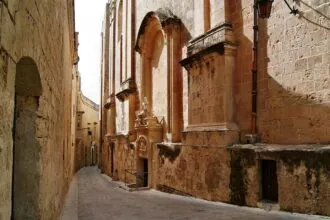
At the heart of the country lies Valletta, a UNESCO World Heritage capital built by the Knights of St John. Its golden-stone streets, grand fortifications, and ornate churches make it one of Europe’s most impressive historic cities. Beyond the capital, Malta reveals fishing villages filled with colourful luzzu boats, medieval towns like Mdina, and harbour cities shaped by centuries of maritime history.
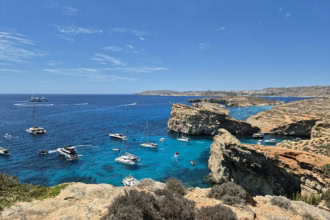
For sea lovers, Malta is one of the best destinations in the Mediterranean for swimming, diving, snorkelling, sailing, and boat trips. The Blue Lagoon on Comino is one of the most famous swimming spots in Europe, while Gozo offers rugged cliffs, hiking trails, rural villages, and a slower pace of life.
Malta’s culture is equally unique. Influences from Phoenicians, Arabs, Normans, Italians, and the British have created a country unlike anywhere else in Europe. Maltese, a Semitic language written in the Latin alphabet, is spoken alongside English, while the food blends Italian, Mediterranean, and North African flavours.
Whether you’re interested in ancient temples older than the pyramids, historic cities, beaches and boat trips, nightlife in St Julian’s, or quiet countryside villages in Gozo, Malta offers an incredible variety of experiences in a very small space. That combination is exactly why Malta is one of the Mediterranean’s most rewarding destinations to visit.
Key Neighbourhoods, Areas & Regions
Though small, Malta is remarkably diverse, with each city, island, and region offering a different experience, from historic capitals and medieval towns to beach resorts and rural islands.
Valletta, the tiny but spectacular capital city is less than one square kilometre in size yet packed with palaces, churches, museums, bastions, and lively cafés. It is the political, cultural, and historic heart of Malta and a UNESCO World Heritage city.
Sliema & St Julian’s, Located just across the harbour from Valletta, these districts are Malta’s main shopping, dining, hotel, and nightlife areas. Expect modern hotels, seaside promenades, marinas, restaurants, and bars, making this the most cosmopolitan part of Malta.
Mdina & Rabat, Known as the “Silent City,” Mdina is a walled medieval town filled with narrow alleys, stone palaces, and panoramic viewpoints. Next door, Rabat offers Roman catacombs, traditional bakeries, and a slower, more local atmosphere.
Gozo, Malta’s sister island is greener, quieter, and more rural, known for cliffs, beaches, hiking trails, historic churches, and traditional crafts. Highlights include Victoria (Rabat), the Cittadella, Ramla Bay, and Dwejra.
Comino, Almost uninhabited, Comino is home to the famous Blue Lagoon, one of the most photographed swimming spots in the Mediterranean. It is best visited as a day trip by boat.
The Three Cities (Senglea, Vittoriosa, Cospicua), Located across the Grand Harbour from Valletta, these historic fortified towns offer marinas, narrow streets, fortresses, and local life, often with fewer crowds than Valletta.
Together, these cities, islands, and regions give Malta its variety: historic capitals, nightlife districts, medieval towns, rural islands, beaches, and heritage sites, all within short bus or ferry journeys.
Best for two or three nights. The widest choice of rooms, with filters for free cancellation and included breakfast.
View staysBest for families, or any stay past about four nights. A kitchen and a washing machine start paying for themselves.
Browse rentalsBest for double-checking. Runs the same Malta search across several booking sites so you are not leaving money behind.
Compare pricesQuick Facts Table
| Feature | Details |
|---|---|
| Official Name | Republic of Malta |
| Capital City | Valletta |
| Population | ~520,000 (2025 estimate) |
| Official Languages | Maltese, English |
| Currency | Euro (€) |
| Time Zone | Central European Time (CET), UTC+1; Summer: UTC+2 |
| Driving Side | Left |
| International Dialling Code | +356 |
| Major Islands | Malta, Gozo, Comino |
| Highest Point | Ta’ Dmejrek (253m) |
| Climate | Mediterranean: hot, dry summers; mild, wet winters |
| Religion | Predominantly Roman Catholic |
| EU / Schengen | EU member and part of the Schengen Area since 2007 |
Malta may be tiny, but its quick facts underline why it is such a fascinating destination. With a population smaller than many European cities, Malta is still one of the world’s most densely populated nations. Its position in the central Mediterranean has shaped centuries of history, trade, and cultural mixing. English is widely spoken alongside Maltese, making travel easy for visitors. The Euro ensures simple financial transactions, while modern telecoms and widespread eSIM coverage mean you’ll stay connected.
Travellers should note that Malta drives on the left-hand side of the road, a legacy of British rule. The country’s compact size makes journeys short, though traffic can be heavy at peak times. Malta’s sunny climate is one of its main attractions, expect around 300 days of sunshine a year.
Brief History & Background
The story of Malta is extraordinary for such a small Mediterranean microstate. Its strategic location in the centre of the Mediterranean meant that almost every major civilisation in the region fought to control the islands. As a result, Malta has one of the richest and most layered histories in Europe.
The first settlers arrived from Sicily around 5900 BC, and by 3600 BC they were building the megalithic temples of Ħaġar Qim and Mnajdra, which are older than the Egyptian pyramids and Stonehenge. These prehistoric temples are among the oldest freestanding structures in the world and remain one of Malta’s most important historical attractions.
Over the centuries, Phoenicians, Carthaginians, and Romans all ruled Malta, with Mdina serving as a Roman administrative centre. Later, Arab rule introduced new agriculture, irrigation systems, language influences, and urban layouts, many of which still shape Maltese culture today.
In 1530, the Knights of St John were granted Malta and transformed the islands into a fortified stronghold. After the Great Siege of 1565 against the Ottoman Empire, they built Valletta, a planned baroque capital filled with fortifications, palaces, and churches. Much of Valletta’s architecture today dates from this period.
Malta briefly fell under French rule during Napoleon’s campaigns, but the British took control in 1800, beginning more than 160 years of British colonial rule. This period left lasting influences on Malta’s language, legal system, education, and infrastructure, which is why English remains an official language and Malta drives on the left.
Malta gained independence in 1964, became a republic in 1974, and joined the European Union in 2004. Today, Malta is a modern European country with a unique cultural mix of Semitic roots, Italian culture, British influence, and Mediterranean lifestyle.
This layered history is one of the reasons Malta is such a fascinating travel destination, prehistoric temples, medieval cities, baroque architecture, British-era buildings, and modern Mediterranean life all exist within a very small area. In Malta, almost every town and street has a story connected to its past.
UNESCO World Heritage Sites in Malta
Malta has one of the highest concentrations of UNESCO World Heritage Sites in Europe, despite its small size. The country’s designation reflects a combination of prehistoric monuments, fortified cities, and religious architecture that span thousands of years of history.
The most prominent site is the City of Valletta, recognised as a UNESCO World Heritage Site for its role as a fortified capital built by the Knights of St John in the 16th century. The entire city is protected, with its grid layout, baroque buildings, and defensive walls forming one of the most complete historic urban landscapes in Europe.
Malta is also home to the Ħal Saflieni Hypogeum, a unique underground complex dating back over 5,000 years, and the Megalithic Temples of Malta, which are among the oldest free-standing structures in the world.
What makes Malta particularly compelling is that these sites are not isolated attractions. They are spread across the islands, creating a destination where prehistoric, medieval, and early modern history coexist within a compact area.
For travellers, this means Malta offers an unusually dense and varied UNESCO experience, where multiple globally significant sites can be visited within a short distance of each other.
Learn More from UNESCO
This destination is connected to a UNESCO World Heritage Site, recognised for its outstanding cultural, historical, or natural importance. You can explore official listings, background information, and protected heritage sites through UNESCO’s global database.
App availability note: If a download link looks broken on this page, it’s usually not an error on our side. Some apps are geo-locked in the Apple App Store or Google Play Store and only appear if your account region or SIM matches the country. This is common where apps rely on local payment systems, regulations, or developer resources. Once you’re in the right region, the app will normally work as expected.
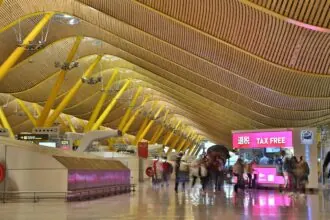
Malta International Airport (MLA)
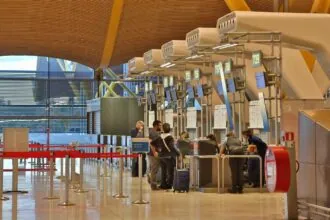
Malta International Airport (MLA) is the only airport in Malta and the main gateway to the islands. Located in Luqa in central Malta, the airport is close to most major towns and tourist areas, which means transfers are usually quick compared with many other European destinations. Valletta is around 8 km away, while Sliema and St Julian’s can usually be reached in around 20–30 minutes. Even the northern resorts and the Gozo ferry terminal at Ċirkewwa are typically within an hour of the airport, making Malta a very easy destination to arrive and travel around.
The airport itself is small, modern, and easy to navigate, with a single passenger terminal handling all arrivals and departures. Because of its size, arrivals are usually quick, and it is often possible to leave the airport within 20–30 minutes of landing. Inside the terminal, travellers will find restaurants, cafés, duty-free shops, ATMs, currency exchange, car hire desks, taxi counters, and a Tallinja public transport office where bus cards and travel information are available. Free Wi-Fi is available throughout the terminal, and there is also an airport hotel within walking distance of the terminal building.
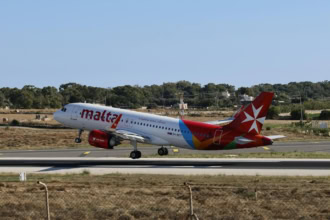
Malta Airport has excellent flight connections across Europe, particularly to the United Kingdom, Italy, France, Germany, and other Mediterranean countries. A mixture of full-service airlines and low-cost carriers operate year-round and seasonal routes. Airlines serving Malta include KM Malta Airlines, Ryanair, easyJet, Wizz Air, Lufthansa, ITA Airways, Air France, KLM, and Turkish Airlines, among others. Because of the strong presence of low-cost airlines, flights to Malta are often relatively inexpensive, especially from the UK and Italy.
Common direct routes include London, Manchester, Rome, Milan, Paris, Brussels, Amsterdam, Frankfurt, Munich, Vienna, Zurich, Athens, Istanbul, and Madrid, with many additional seasonal routes during the summer months. Flight frequencies increase significantly between April and October, which is the main tourist season.
After arriving at the airport, travellers can continue their journey by public bus, taxi, ride-hailing services, shuttle, private transfer, or rental car. Because there are several options and prices vary, it is usually worth comparing transport methods in advance. For a full comparison of transport options, prices, and travel times, see the Malta Airport Transfers guide, which explains the best way to get from the airport to Valletta, Sliema, St Julian’s, Gozo, and other destinations.
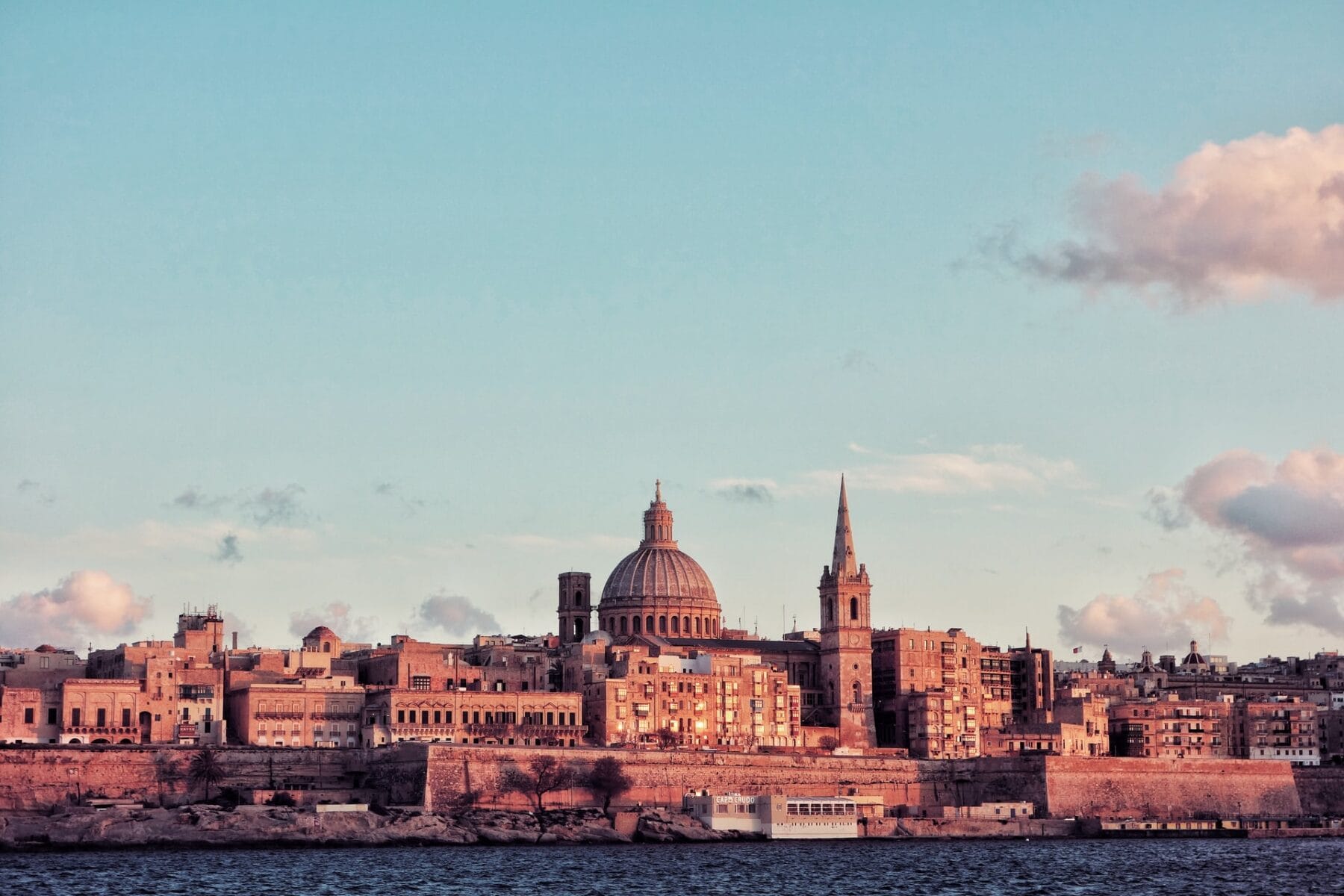
Local Public Transport
Malta’s public transport system is built primarily around buses, but it also includes harbour ferries, minibuses, and ride-hailing services, all of which combine to make the islands relatively easy to travel without a car. Because Malta is small, journeys rarely exceed one hour, meaning visitors can stay in one area and still explore most of the country.
The main hub of the transport network is the Valletta Bus Terminus, located just outside the city gates. From here, bus routes radiate across the island to towns, beaches, ferry terminals, and tourist attractions. Most journeys either start, end, or connect through Valletta, which makes it the centre of Malta’s transport system.
In addition to buses, harbour ferries are one of the fastest and most scenic ways to travel. Regular ferry services connect Valletta with Sliema and the Three Cities, crossing the harbour in under 10 minutes, which is often much faster than travelling by road during busy periods. The crossings also offer excellent views of Valletta’s fortifications and the Grand Harbour, making them both practical and enjoyable.
On Gozo, public transport consists entirely of bus routes centred around Victoria (Rabat), the island’s main town. Buses connect Victoria with Marsalforn, Xlendi, Ramla Bay, Dwejra, and Mgarr ferry terminal, making it possible to explore Gozo without a car, especially for day trips.
Malta’s public transport system is tourist-friendly, with English used on signage, bus displays, announcements, and ticket machines. Accessibility has improved in recent years, and most buses are wheelchair accessible and equipped with ramps.
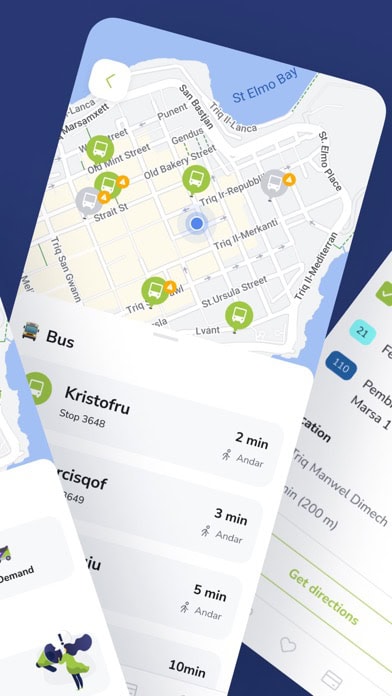
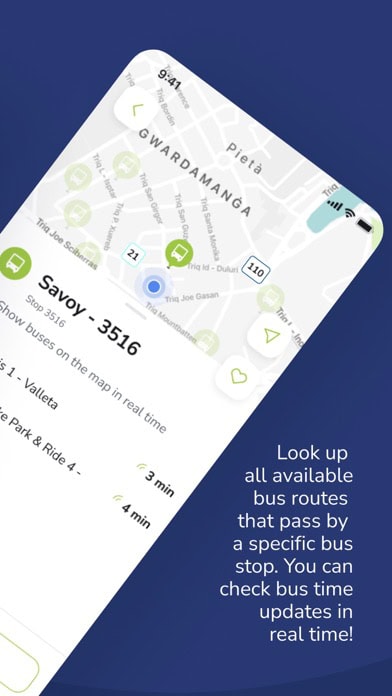
For visitors, the Tallinja app is extremely useful. It provides live bus arrival times, route planning, service alerts, and journey suggestions, and can make navigating Malta’s bus network much easier. When combined with ferries, taxis, and ride-hailing services, public transport provides a reliable and affordable way to travel around Malta and Gozo without renting a car.
Buses & Coaches
Malta’s bus network is the backbone of public transport on the islands, connecting almost every town, beach, ferry terminal, and major attraction. While the system is inexpensive and extensive, it can feel confusing at first because many routes pass through Valletta and journey times can be longer than expected. Once you understand how the system works, however, buses are one of the easiest and cheapest ways to travel around Malta.
Fares & Tickets
Standard bus fares are €2.50 in summer (mid-June to mid-October) and €2.00 in winter, and tickets are valid for two hours, allowing unlimited transfers within that period. Night routes, special services, and Tallinja Direct express routes cost €3.00. Tickets can be purchased on board using cash, contactless bank cards, or mobile payments, and travellers must keep their ticket or validated card as inspectors carry out random checks. Fines for travelling without a valid ticket are around €50.
Tallinja Cards
While single tickets are simple, most visitors save money by using a Tallinja travel card, which offers either multi-journey tickets or unlimited travel passes. The most common visitor options include the 12 Single Day Journeys card, which can be shared between travellers, and the Explore card, which provides unlimited bus travel for seven days. There is also an Explore Flex card, which combines bus travel with optional extras such as Gozo fast ferry tickets, harbour cruises, or Comino boat trips. Cards can be purchased at Tallinja sales offices at the airport, Valletta bus terminus, Buġibba, and Sliema, as well as from ticket machines and selected shops.
The Tallinja App
The Tallinja mobile app makes using buses significantly easier. It provides live bus arrival times, route planning, walking directions to stops, and service alerts for delays or diversions. The app can also be used to manage Tallinja cards, top up credit, and purchase travel packages, making it an essential tool for anyone planning to use buses regularly during their trip.
Routes & Coverage
The centre of the bus network is the Valletta Bus Terminus, located just outside the city gates. From here, routes spread across the island, and many journeys require changing buses in Valletta even when travelling between nearby towns. The terminus is divided into zones for northern, southern, and central routes, and while it can appear busy, routes are clearly marked and organised.
Buses reach all major tourist areas including Sliema, St Julian’s, Bugibba, Mellieħa, Mdina, Rabat, Marsaxlokk, the Blue Grotto, and the Gozo ferry terminal at Ċirkewwa. On Gozo, buses operate from Victoria (Rabat) to coastal towns, beaches, and villages across the island.
Express Routes & Tallinja Direct
In addition to standard routes, Malta operates express services, including X routes and Tallinja Direct (TD) routes, which have fewer stops and shorter journey times. These are particularly useful for airport routes, major resort areas, and popular destinations such as Marsaxlokk or Buġibba. Tallinja Direct routes cost slightly more than standard buses but can save significant travel time, especially during busy summer months.
Night Buses
Night bus routes, marked with an “N”, operate mainly on weekends and connect nightlife areas such as Paceville with Sliema, Valletta, and other towns. These services are particularly useful for late-night travel when standard bus services are limited.
Tips for Using Buses in Malta
During the summer, buses to popular beaches and tourist areas can become very crowded, and drivers may not stop if the bus is already full. It is often best to travel early in the day or allow extra time for journeys. When boarding in busy areas, standing near the front of the stop improves your chances of getting on. In Valletta, allow time to find the correct bus bay, as the terminus is large and busy.
Despite occasional delays and crowding, Malta’s buses offer excellent value and cover almost the entire island, making them one of the most practical ways to explore Malta without renting a car. When combined with ferries, taxis, and walking, the bus network allows visitors to travel almost anywhere on the islands.
Best for finding routes the airlines do not sell as a single ticket. Combines carriers to bring the fare down.
Search flightsBest if you want maps and messaging working the moment you switch your phone on.
See eSIM plansBest after a long flight or a late landing. Price agreed before you travel, and no taxi queue.
Check transfersHow to Use the Tallinja Card
Using a Tallinja travel card is the easiest way to use buses in Malta, especially if you plan to travel frequently during your stay. Instead of buying individual tickets each time, you can load journeys or unlimited travel onto the card and simply tap when boarding the bus.
The first step is choosing the right Tallinja card. The 12 Single Day Journeys card (€19) includes twelve bus trips and can be shared between travellers, making it useful for couples or families. The Explore Adult card (€25) provides unlimited bus travel for seven days, while the Explore Child card (€7) offers unlimited travel for children aged 4–10. For more flexibility, the Explore Flex card (from €19) allows four or seven days of unlimited bus travel and can include extras such as Gozo fast ferry tickets, harbour cruises, Comino boat trips, and sightseeing bundles.
Tallinja cards can be purchased from Tallinja Sales Offices at Malta Airport, Valletta Bus Terminus, Buġibba, and Sliema Ferries, as well as from ticket machines and selected retail outlets such as Agenda bookshops, 8TillLate stores, and WH Smith.
After buying a card, it is recommended to download the Tallinja app, which is available on both Apple App Store and Google Play. The app allows you to check live bus arrival times, plan routes, receive service alerts, and manage your travel card directly from your phone.
You can also link your Tallinja card to the app by scanning the QR code on the card or entering the card number manually. Once linked, you can top up credit, buy travel passes, and add travel bundles directly through the app.
When boarding a bus, simply tap your Tallinja card on the validator near the driver. The screen will confirm your journey or active pass. If your card includes ferry tickets or travel bundles, you may need to present the card at ferry terminals or activity desks when using those services.
Using a Tallinja card makes travelling around Malta cheaper, easier, and faster, especially during busy periods when buying tickets on the bus can slow boarding.



App availability and prices vary by country. Some of these may not appear in your local App Store or Google Play.
Taxis & Ride Shares
Taxis in Malta are easy to find, especially at Malta International Airport, Valletta, Sliema, and St Julian’s. Unlike many countries, Malta operates on a fixed fare system from the airport, with set prices to major destinations. A trip to Valletta typically costs €15–20, while journeys to Sliema or St Julian’s are around €25. Taxis can be hailed at designated ranks, pre-booked, or arranged through hotel reception desks.
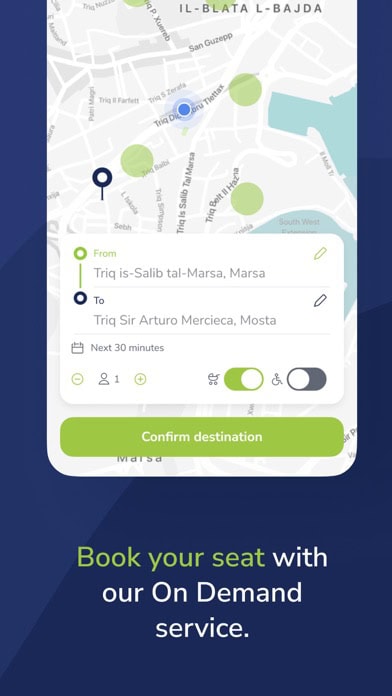
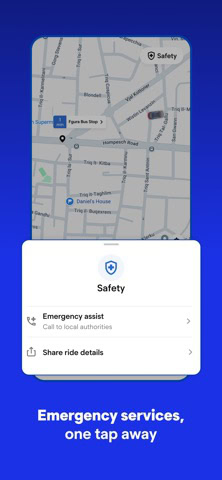
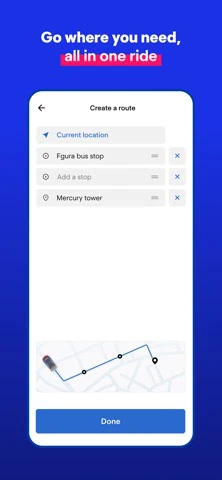
In recent years, ride-hailing services have grown rapidly, offering travellers more choice and competitive pricing. Apps such as Bolt, Uber, and local operator eCabs are widely available and often cheaper than traditional taxis, particularly for short hops across the harbour or nightlife districts. These services allow you to book in advance, see the fare upfront, and pay securely through the app.
For late-night journeys, ride-hailing is often more reliable than waiting for buses, which can be limited outside of peak hours. In busy summer months, demand surges quickly, so it’s best to book slightly ahead of time, especially when leaving popular beaches or entertainment zones.
Minibuses and shared shuttle taxis also exist, often used for airport transfers or excursions. While slightly slower than private taxis, they are an affordable option for groups or solo travellers looking to save money.
Overall, combining taxis and ride-hailing apps ensures flexibility, whether you’re heading to a quiet bay for swimming or catching an early morning flight.





App availability and prices vary by country. Some of these may not appear in your local App Store or Google Play.
Scooter & Bike Rentals
With Malta’s compact size and sunny climate, scooters and bicycles are popular ways to explore. Several rental companies operate in Valletta, Sliema, and St Julian’s, offering daily or weekly scooter hire for around €25–35 per day. Scooters are ideal for weaving through traffic and reaching beaches or villages not directly served by buses. Helmets are mandatory, and driving is on the left-hand side, so confidence in local traffic conditions is important.
For environmentally friendly travel, bike rentals and e-bikes are increasingly common. Coastal promenades in Sliema and St Julian’s are flat and well-suited for cycling, while Gozo offers scenic routes through rural landscapes and cliffside viewpoints. Several companies, including Nextbike, provide dockless bike-sharing schemes, allowing flexible pick-up and drop-off.
Electric scooters have also been trialled in Malta, especially in urban areas. These can be rented via smartphone apps, making them useful for short hops between ferry terminals, hotels, and attractions. Always check local rules: scooters are not permitted on main highways, and safety equipment is strongly recommended.
While cycling and scootering are rewarding, the narrow roads and busy summer traffic can be challenging. Early mornings or off-season rides are often the most enjoyable. For active travellers, however, hiring two wheels adds freedom and a fresh perspective on Malta’s harbours, hills, and historic towns.

Using Tallinja Bike
For short journeys in urban areas, the Tallinja Bike scheme offers a convenient and eco-friendly way to get around. The system operates similarly to other European bike-share programmes: you can rent an electric bike from one docking station and return it at another, making it ideal for short trips between bus terminals, ferry ports, and city centres.
Tallinja Bikes are mainly available in Valletta, Sliema, St Julian’s, Pembroke, Msida, Qormi, and on Gozo, and they are particularly useful for travelling along waterfront promenades or avoiding traffic in busy areas. Because the bikes are electric-assist, they make it much easier to climb Malta’s hills, especially in Valletta.
How Tallinja Bike Works
To use Tallinja Bike, you first need to create an account at a docking station touchscreen or online, which requires a credit card for verification. A small refundable charge is usually applied to confirm the card.
Once registered, you can unlock a bike from any docking station, ride to your destination, and then return the bike to another docking station. To avoid additional charges, it is best to dock the bike whenever you stop rather than keeping it for long periods, as the system charges based on usage time.
Each rental period has a 24-hour limit, and penalties apply if the bike is not returned within that time.
Tallinja Bike Fares
Prices depend on whether you are using pay-per-use or a Tallinja travel card. The first 30 minutes typically cost around €3.00 for pay-per-use users, while Tallinja card holders receive discounted rates, usually around €1.50 for the first 30 minutes. Additional time is charged in half-hour increments. There are also 24-hour, 3-day, and weekly packages available for frequent use.
Docking Stations
Docking stations are located near major transport hubs, ferry terminals, universities, shopping areas, and tourist locations. Key locations include Valletta Bus Terminus, the Barrakka Lift, Valletta Waterfront, Marsamxett Harbour, Pembroke Park & Ride, the University of Malta, Msida, Qormi, St Julian’s, Mgarr in Gozo, Victoria in Gozo, and Marsalforn.
Because many stations are located near bus interchanges and ferry terminals, Tallinja Bike works well as part of a combined transport journey, for example cycling from a ferry terminal to a hotel or from a bus stop to a beach.
Why Use Tallinja Bike
Tallinja Bike is particularly useful for short urban journeys, especially in Valletta, Sliema, and St Julian’s, where traffic and parking can be difficult. The bikes are electric, relatively inexpensive, and integrated with Tallinja transport cards, making them a convenient addition to Malta’s public transport network. For visitors who enjoy cycling or want a flexible way to travel short distances, Tallinja Bike can be a very practical option.
Driving, Parking & Car Access
Driving in Malta can be both rewarding and challenging. On one hand, the islands are small, making journeys short; on the other, narrow streets and dense traffic can test patience. Visitors should remember that Malta drives on the left-hand side, a legacy of British rule, and roundabouts operate clockwise.
Roads range from modern highways linking Valletta to the airport and main towns, to twisting rural lanes that feel centuries old. Signage is generally clear, with most signs in both Maltese and English. Speed limits are modest: 80 km/h on open roads and 50 km/h in towns. Enforcement is strict, with speed cameras and heavy fines for violations.
Parking is one of the biggest challenges, especially in busy areas like Valletta, Sliema, and St Julian’s. Street spaces are limited and often require permits. Pay-and-display zones are common, while white lines indicate free parking, blue lines show residents-only, and green zones are time-restricted. Many visitors prefer to use park-and-ride services into Valletta to avoid the hassle.
Access to Valletta itself is controlled by a Congestion Charge Zone, known locally as CVA (Controlled Vehicle Access). Drivers entering during daytime hours pay automatically via number-plate recognition, while evenings and Sundays are free. For tourists, this adds a small but notable cost.
Despite these hurdles, driving remains the best way to reach remote beaches, countryside temples, and rural villages where buses run infrequently. If you’re confident behind the wheel, having a car opens up the less-explored corners of the islands.
Car Rental
Renting a car in Malta is a popular option for visitors who want to explore Gozo, beaches, temples, rural villages, and less accessible parts of the islands beyond the main bus routes. While buses reach most towns, a car gives much more flexibility, especially for remote bays, cliff viewpoints, and countryside areas.
Car rental companies operate at Malta International Airport and in major resort areas such as Sliema, St Julian’s, Buġibba, and Mellieħa. Both international companies like Hertz, Avis, Europcar, and Sixt and local Maltese rental companies are available, and prices are often competitive compared with other European destinations.
Rental prices vary depending on the season. In low season, small cars often start from around €25–35 per day, while in summer prices can rise to €50 or more per day. Fuel prices are generally lower than in many European countries, and most rental cars run on petrol.
To rent a car, drivers must have a valid driving licence and are usually required to be at least 21 years old, though some companies require drivers to be 23 or older. A credit card deposit is normally required, and it is important to check insurance excess levels carefully, as excess charges can be high unless additional coverage is purchased.
One advantage of renting a car in Malta is that rental vehicles can be taken on the Gozo ferry, allowing visitors to explore both Malta and Gozo in the same trip. Gozo is generally easier to drive in, with quieter roads, scenic coastal routes, and traditional villages such as Xlendi, Marsalforn, and Nadur.
However, driving in Malta also comes with challenges. Traffic congestion can be heavy in central areas, parking can be difficult in Valletta, Sliema, and St Julian’s, and many village streets are narrow and winding. For this reason, many visitors choose to use public transport in urban areas and rent a car for only part of their trip, particularly for exploring Gozo or rural Malta.
For travellers who want the freedom to discover hidden beaches, ancient temples, countryside viewpoints, and small villages at their own pace, renting a car remains one of the most flexible ways to explore Malta.

Book Car Hire for Your Malta Trip
If your plans in Malta include day trips, rural areas or several stops, having your own car can make the itinerary much easier to manage.
Discover Cars and EconomyBookings both let you compare available vehicles and prices from a range of rental companies.
Best if you would rather spend the money on Malta than on the room. Compare hostels by location and rating.
Search hostelsBest arranged before you fly rather than after. Covers claim handling, plus lounge access on eligible delays.
Explore AirHelp+Best if your room is not ready yet. Left luggage booked in advance, so you are not hunting for a locker.
Check storageWalking
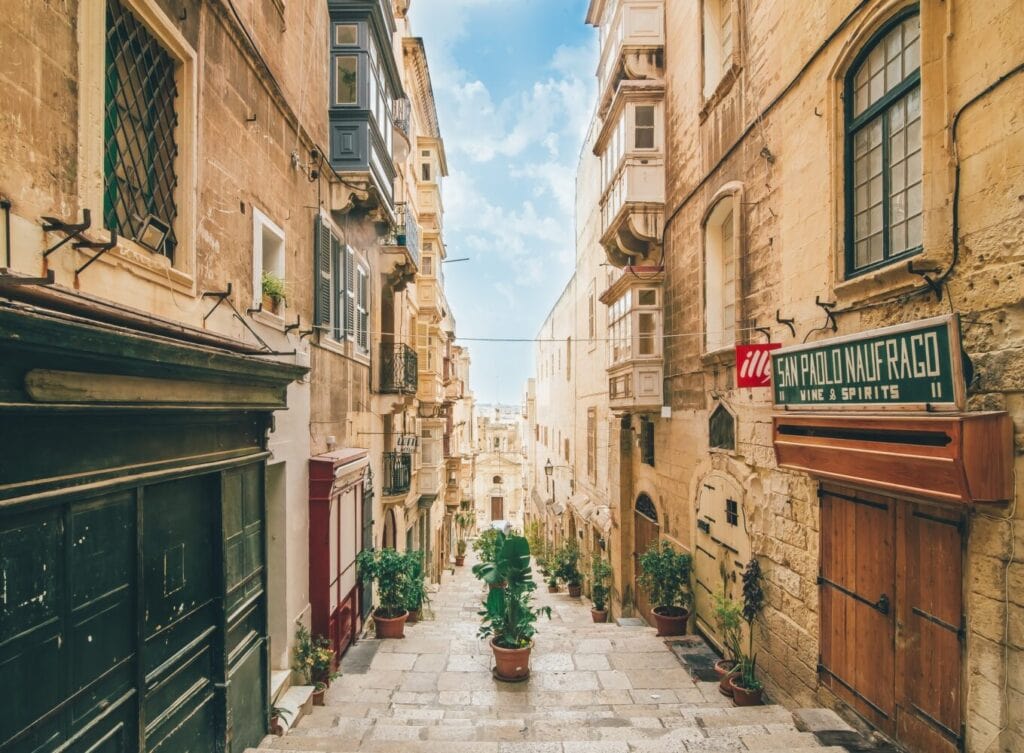
One of the joys of Malta is how walkable it is. The compact size of towns and villages makes exploring on foot both practical and rewarding. Valletta, the capital, is particularly suited to pedestrians: its grid of narrow streets, baroque palaces, and lively squares can easily be discovered in a day without transport. Walking here means uncovering hidden courtyards, ornate balconies, and spectacular harbour views at every turn.
Beyond the capital, Mdina, the “Silent City”, is a pedestrian paradise. Its fortified streets are largely car-free, preserving a medieval atmosphere best enjoyed at a slow pace. The neighbouring town of Rabat also offers winding alleys, catacombs, and traditional bakeries that invite exploration.
For nature lovers, coastal walks are some of the highlights of a Malta vacation. The Dingli Cliffs offer dramatic sea views, while trails in Gozo lead through terraced hillsides, rural villages, and down to secluded bays. Comino’s Blue Lagoon and surrounding paths also make for an unforgettable hike.
That said, walking comes with a few caveats. Many Maltese pavements are narrow or uneven, and summer heat can be intense. Comfortable footwear, sun protection, and plenty of water are essential. Some routes, particularly in rural areas, lack shade, so early morning or evening strolls are often more pleasant.
For travellers who enjoy combining culture and exercise, walking is one of the best ways to connect with Malta’s layered history, stunning coastlines, and local life at street level.
International Ferries (Malta to Sicily)
Malta has regular high-speed ferry connections with Sicily, offering travellers an alternative to flying and making it easy to combine Malta and Sicily in one trip. These ferries are popular with both tourists and locals, especially for shopping trips, weekend breaks, and multi-destination holidays.
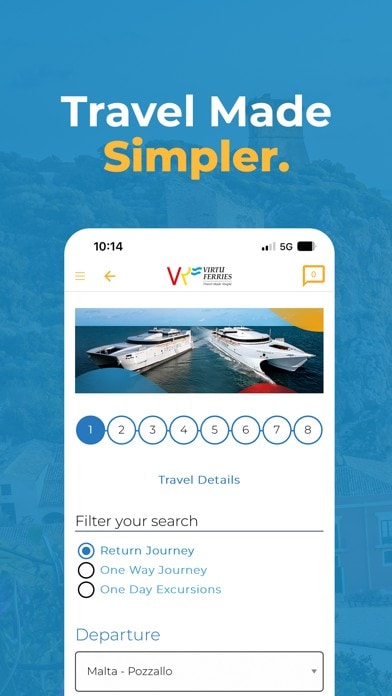
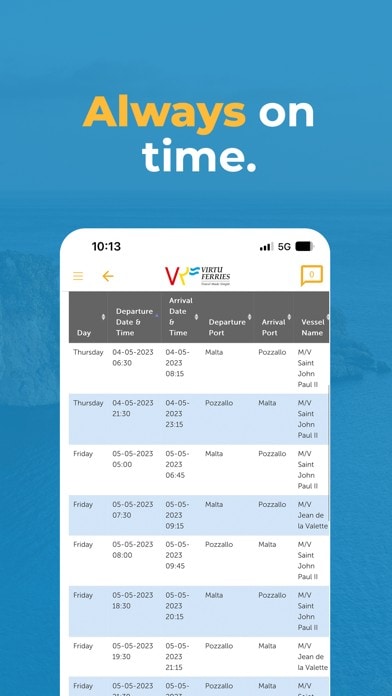
The main operator is Virtu Ferries, which runs high-speed catamarans between Valletta’s Grand Harbour and the Sicilian ports of Pozzallo and Catania. The journey to Pozzallo takes around 1 hour 45 minutes, while the longer route to Catania takes around 4 hours.
Ferries usually run once or twice per day depending on the season, with more frequent services during the summer months. Tickets typically cost around €50–70 one way for foot passengers, with discounts available for return tickets and children. It is also possible to take a car on the ferry, which is useful for travellers planning a road trip in Sicily.
The ferry terminal is located in Valletta’s Grand Harbour area near Marsa, a short taxi or bus ride from Valletta city centre. The terminal is connected to the local bus network, and parking is available nearby for passengers travelling with vehicles.
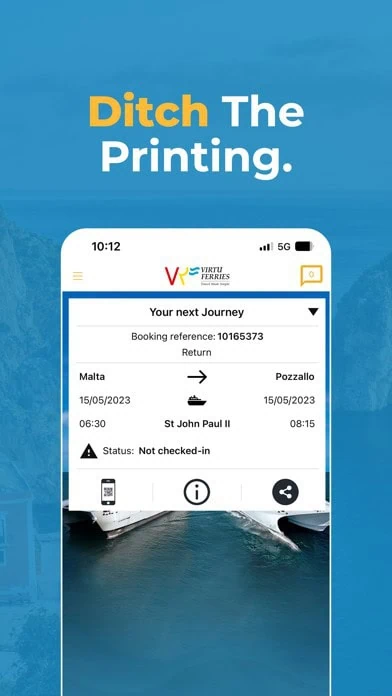
Tickets can be booked online through the Virtu Ferries website or via travel agents, and boarding passes can usually be printed or scanned from a smartphone. Check-in is normally required around 45 minutes before departure for foot passengers and around 90 minutes for vehicles.
For travellers planning a longer Mediterranean trip, the ferry provides a convenient and scenic way to travel between Malta and Sicily, allowing you to combine Valletta, Gozo, Mount Etna, Catania, or Syracuse in a single itinerary. If you would rather visit as a single excursion, our Malta to Sicily Day Trip guide covers routes, timings, and what to see in a day.

App availability and prices vary by country. Some of these may not appear in your local App Store or Google Play.
Gozo Ferry (Ċirkewwa–Mgarr)
The main ferry between Malta and Gozo operates between Ċirkewwa in northern Malta and Mgarr Harbour in Gozo and is run by the Gozo Channel Line. This is the traditional and most commonly used ferry, especially for travellers with cars or those staying in the north of Malta near Mellieħa. The crossing takes around 25 minutes, and ferries run frequently throughout the day.
One unusual feature of the Gozo ferry is the return ticket system. Foot passengers and vehicles only pay when leaving Gozo, not when travelling from Malta to Gozo. This means the outbound journey from Malta is effectively free, and you pay on the return journey from Mgarr back to Ċirkewwa. Return fares are relatively inexpensive, making this the cheapest way to travel between Malta and Gozo, especially compared with the Valletta fast ferry.
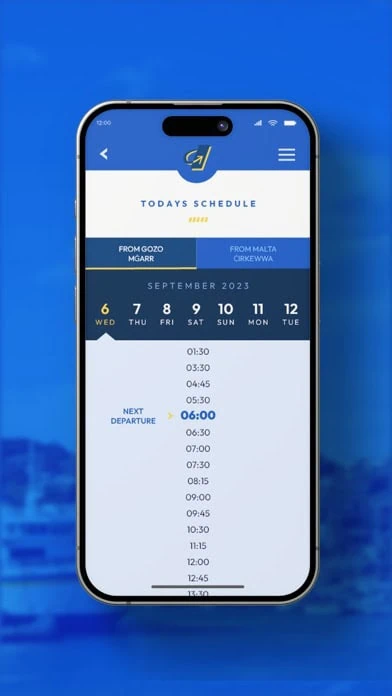
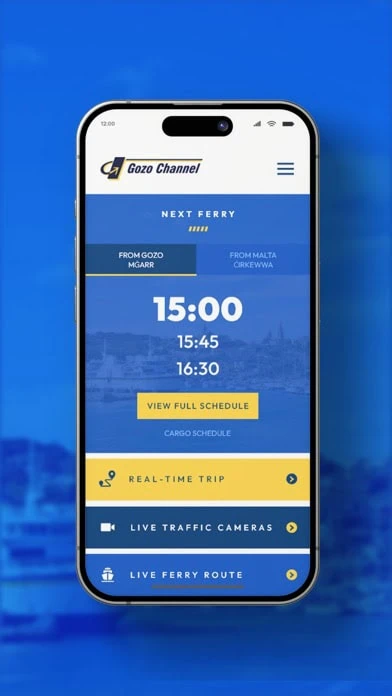
Ferries operate every 30 to 45 minutes for most of the day, from early morning until late at night, with additional sailings during busy periods such as summer weekends and major events in Gozo. The service runs every day of the year, and it is generally very reliable.
The ferries themselves are large vehicle ferries with indoor seating areas, outdoor decks, cafés, toilets, and car decks, so the crossing is comfortable and also offers good views of Comino, the Blue Lagoon area, and the northern coast of Malta during the journey.
Both ferry terminals are well connected to transport. At Ċirkewwa in Malta, buses connect the ferry terminal with Valletta, the airport, Mellieħa, and Bugibba, and taxis are usually available. At Mgarr in Gozo, buses connect directly to Victoria (Rabat), Marsalforn, Xlendi, Dwejra, and Ramla Bay, making it easy to continue travelling across Gozo after arrival.
For most travellers, this ferry is the best option if travelling with a car, staying in northern Malta, or looking for the cheapest way to reach Gozo. Visitors staying in Valletta or Sliema often prefer the Gozo fast ferry, which is quicker and departs directly from Valletta. Many travellers end up using both ferries during their trip, taking the fast ferry for a day trip and the traditional ferry when travelling with a car or exploring northern Malta.
More information can be found by visiting the Official Gozo Channel Website

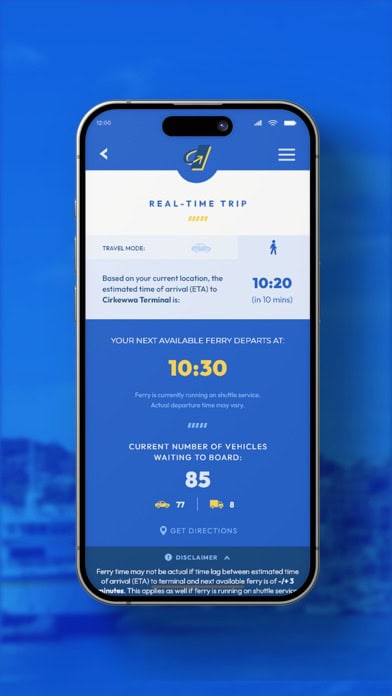

App availability and prices vary by country. Some of these may not appear in your local App Store or Google Play.
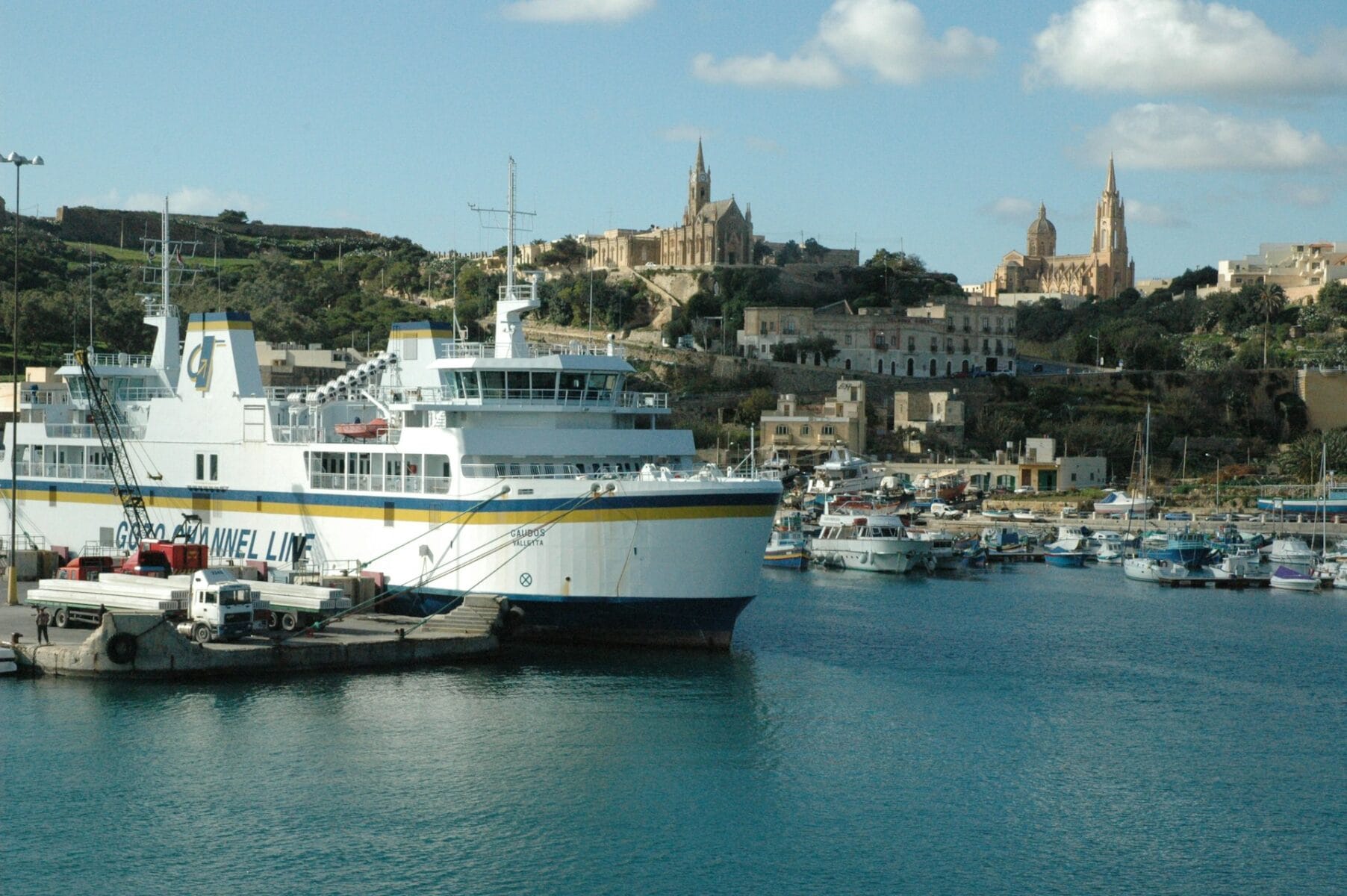

Valletta to Mgarr (Gozo Fast Ferry)
The Gozo Fast Ferry connects Valletta’s Grand Harbour (Lascaris Wharf) with Mgarr Harbour in Gozo in around 45 minutes, making it the fastest way to travel between Malta and Gozo for foot passengers. The service operates all year round and is run by Gozo Highspeed and Virtu Ferries Gozo, providing a quicker alternative to the traditional ferry from Ċirkewwa.
This ferry is particularly convenient for travellers staying in Valletta, Sliema, St Julian’s, or central Malta, as it avoids the one-hour journey to the northern ferry terminal at Ċirkewwa. The departure point at Lascaris Wharf is located below Valletta, and the Barrakka Lift connects the harbour to Valletta city centre and the main bus terminus in less than a minute, making transfers very easy.
The crossing takes around 45 minutes, and ferries usually run roughly every hour throughout the day, with additional late evening sailings in summer and on weekends. Because of the regular schedule, the fast ferry is ideal for day trips to Gozo, allowing travellers to leave in the morning and return in the evening without needing to stay overnight.
Tickets are around €7.50 one way for adults, with reduced fares for children, students, seniors, and Gozo residents. Tickets can be purchased online, via the Gozo Fast Ferry app, or at the ferry terminals in Valletta and Mgarr.
When arriving in Mgarr, Gozo, buses connect directly to Victoria (Rabat), Marsalforn, Xlendi, Ramla Bay, and other villages and beaches, making it easy to explore Gozo without a car.
For most visitors staying in or near Valletta, the Gozo Fast Ferry is the easiest and most efficient way to visit Gozo, especially for day trips, short stays, or travellers without a car. Travellers with vehicles or those staying in northern Malta may prefer the traditional Ċirkewwa–Mgarr ferry, but many visitors use both services during their trip depending on their plans.
More information can be found on the Official Gozo Highspeed Website.
Harbour Ferries: Valletta–Sliema
The ferry between Valletta and Sliema is one of the quickest and most scenic ways to cross Marsamxett Harbour. Operated by Valletta Ferry Services, the crossing takes around six minutes, passing Manoel Island and offering excellent views of Valletta’s fortifications and skyline. For many visitors, this short ferry ride is both a practical transport link and a small sightseeing experience.
The ferry is often much faster than travelling by bus, especially during rush hour when traffic around Sliema and Valletta can be heavy. While buses between Valletta and Sliema can take 30–40 minutes in traffic, the ferry crosses the harbour in just a few minutes, making it one of the most efficient ways to travel between the two areas.
Fares are relatively inexpensive, with single and return tickets available, and children travelling at reduced prices while very young children travel free. Tickets can be purchased at the ferry kiosks, onboard, or online, and contactless card payments are accepted. However, Tallinja bus cards are not valid on the ferry, so tickets must be purchased separately.
The ferry runs every 30 minutes throughout the day, with longer operating hours during the summer months, including evening services. In winter, services finish earlier, while in summer ferries usually continue until late evening or around midnight, making the ferry useful even for dinner or nightlife trips between Valletta and Sliema.
In Valletta, the ferry departs from the Marsamxett Harbour side, just a short walk from the Valletta Bus Terminus and City Gate. For those who prefer not to walk uphill into Valletta, the Valletta circular bus (Route 133) connects the ferry area with the city centre and main bus station.
On the Sliema side, the ferry terminal is located near the Tigné Point area, close to shopping centres, restaurants, hotels, and the Sliema waterfront promenade. This makes the ferry especially convenient for travellers staying in Sliema or St Julian’s who want quick access to Valletta.
For visitors choosing between bus and ferry, the ferry is usually faster, more scenic, and often more enjoyable, especially during busy periods. For many travellers staying in Sliema, this ferry becomes the main way they travel to Valletta during their trip.
More information can be found on the Official Valletta Ferry Services Website.
Harbour Ferries: Valletta–Three Cities
The ferry between Valletta and the Three Cities (Cospicua, Senglea, and Vittoriosa) is one of the most scenic and atmospheric ways to cross the Grand Harbour. Operated by Valletta Ferry Services, the crossing takes around seven minutes and offers excellent views of Valletta’s bastions, Fort St Angelo, the historic dockyards, and the waterfront of the Cottonera area.
This ferry is not just a transport link but also a short harbour sightseeing experience, giving passengers some of the best views of Valletta and the Grand Harbour from the water. It is also much faster than travelling by road, as bus journeys between Valletta and the Three Cities can take 30–40 minutes in traffic, while the ferry takes less than ten minutes.
Fares are similar to the Valletta–Sliema ferry, with single and return tickets available, reduced fares for children, and free travel for very young children. Tickets can be purchased at the ferry kiosks, onboard, or online, and contactless card payments are accepted. Tallinja bus cards are not valid on the ferry, so tickets must be purchased separately.
The ferry runs every 30 minutes throughout the day, with longer operating hours during the summer months when evening and late-night sailings are available. In winter, services usually finish earlier in the evening, while in summer ferries continue until late at night.
In Valletta, the ferry departs from Lascaris Wharf in the Grand Harbour, directly below the Upper Barrakka Gardens. The Barrakka Lift connects the ferry terminal to Valletta city centre and the main bus terminus in under a minute, making transfers very easy.
On the Three Cities side, the ferry terminal is located in Cospicua, within walking distance of Senglea and Vittoriosa (Birgu). The area is known for marinas, fortifications, waterfront restaurants, and historic streets, and visiting the Three Cities is often considered one of the highlights of a trip to Malta.
For visitors exploring Valletta, the Three Cities, or the Grand Harbour area, the ferry is the quickest, most scenic, and most enjoyable way to travel between the two sides of the harbour.
More information can be found on the Official Valletta Ferry Services Website.

Cruises
Cruising is one of the most atmospheric ways to experience Malta’s spectacular coastline and historic harbours. The main departure point is Valletta’s Grand Harbour, where cruise liners, excursion boats, and dinner cruises all set sail. The port is easily reached via bus, taxi, or on foot from central Valletta. For those arriving on international cruise ships, the Valletta Waterfront terminal is a gateway lined with restaurants and shops, directly connected to the city by the Barrakka lift. For a full breakdown of terminal facilities, disembarkation, and onward transport, see our Malta Cruise Port Guide.
Harbour cruises are among the most popular options for visitors. These 90-minute trips circle both Marsamxett Harbour and the Grand Harbour, offering unparalleled views of Valletta’s fortifications, Manoel Island, and the Three Cities. Commentary is usually included, explaining the history of the bastions and the island’s military past. Prices start at around €15–20 per adult, with discounts for children.
For longer experiences, coastal cruises circumnavigate the island of Malta, often including stops for swimming and snorkelling in Comino’s Blue Lagoon. Full-day trips may also sail on to Gozo, where passengers enjoy free time to explore before returning in the evening. Expect to pay €25–40 for day cruises, depending on the itinerary and inclusions.
Evening cruises are another highlight. These typically feature dining or drinks on board, set against the backdrop of Valletta’s illuminated skyline and the harbour lights. Prices vary widely, from €20 for a simple evening sail to €60 or more for a dinner cruise with live entertainment.
Tickets can be booked at the Sliema Ferries terminal, through hotel desks, or online via operator websites. Some companies allow mobile vouchers, though there is no centralised app. With departures running almost daily from spring to autumn, cruises provide an unforgettable way to combine relaxation, sightseeing, and Malta’s unique maritime culture.
Unique & Scenic Ways to Travel
Beyond buses and ferries, Malta offers several unique ways to travel that add charm to any trip. One of the most traditional is the dgħajsa, a brightly painted wooden water taxi used in the Grand Harbour. These boats, once the main means of crossing between Valletta and the Three Cities, now ferry tourists as well as locals. A short crossing costs €2–5, and many operators also offer longer harbour tours for a negotiated fare.
Another quirky option is the karozzin, a horse-drawn carriage ride. Found around Valletta, Mdina, and Sliema, these carriages provide a leisurely way to see the historic centres. While not the fastest means of transport, they remain a nostalgic experience for visitors who want to imagine Malta before modern traffic. Prices are negotiable but usually start from €20–30 for a short ride.
For adventurers, kayak and stand-up paddleboard rentals are available along popular coastlines such as St Julian’s and Mellieħa Bay. Paddling under sea caves, arches, and hidden coves offers a perspective that larger boats cannot reach. Guided tours are available for those who want commentary and local expertise.
On Gozo, quad bikes and jeeps provide a rugged way to explore the island’s countryside and coastal trails. Rentals start around €40–50 per day, with guided tours also available. These vehicles are perfect for accessing off-road viewpoints and beaches.
Finally, helicopter tours and scenic flights operate seasonally, offering bird’s-eye views of Malta’s compact geography, historic towns, and turquoise waters. Though pricier, they deliver unforgettable memories. Together, these modes of transport give travellers more than just practicality, they add adventure and cultural flavour to a Malta vacation.
Mini Trains, Trams & Tourist Shuttles
While Malta has no conventional railways, it does offer a range of tourist trains and shuttles that make sightseeing easier. The most popular are the brightly coloured road trains, which operate in Valletta, Mdina, and Bugibba. These small, open-sided vehicles follow circular routes past key landmarks, with commentary provided in multiple languages. Tickets typically cost €6–8 for adults and can be purchased directly at departure points.
In Mdina, the tourist train is particularly popular, giving an overview of the walled city and neighbouring Rabat in a 25-minute loop. Valletta’s version highlights the bastions, waterfront, and central squares, while Bugibba’s caters more to families holidaying in the seaside resorts.
Some attractions operate their own shuttle buses, such as links from Valletta to the crafts village at Ta’ Qali or large shopping complexes. During festivals and major events, temporary shuttle services are sometimes arranged to manage crowds.
Private tour companies also run hop-on hop-off sightseeing buses, covering both Malta and Gozo. These double-decker buses follow set routes with audio commentary, allowing travellers to hop off at attractions like Blue Grotto, Golden Bay, or Ta’ Pinu Basilica. A day ticket usually costs €20–25 and can be bought online or at hotel desks.
While not substitutes for everyday commuting, these mini trains and shuttles are a fun, low-stress way to sightsee. They are particularly useful for families, older travellers, or those short on time. For visitors seeking an easy introduction to Malta’s highlights, they provide an accessible and entertaining option.

Visiting: Top Attractions
Despite its small size, Malta is packed with attractions, ranging from historic cities and prehistoric temples to beaches, boat trips, and family attractions. One of the biggest advantages of visiting Malta is that many of the country’s top sights are located within short distances of each other, making it possible to see a lot in just a few days.
Most visitors begin in Valletta, Malta’s capital and a UNESCO World Heritage city. The city is known for its baroque architecture, fortifications, museums, and harbour views. Highlights include St John’s Co-Cathedral, famous for Caravaggio’s paintings, the Upper Barrakka Gardens, which overlook the Grand Harbour, and the historic streets filled with palaces, cafés, and small museums. Valletta is compact and easy to explore on foot, and it is often considered the cultural heart of Malta.
Not far from Valletta is Mdina, often called the Silent City. This medieval walled town sits on a hill in central Malta and is known for its narrow streets, stone architecture, and panoramic views across the island. Mdina feels very different from the coastal resort areas and is one of the most atmospheric places in Malta, especially in the evening when the streets are quiet.
For those interested in prehistoric history, Malta is home to some of the oldest free-standing structures in the world. The temples of Ħaġar Qim and Mnajdra date back more than 5,000 years, while the Ħal Saflieni Hypogeum is an underground prehistoric burial complex that can only be visited with advance booking due to limited daily visitor numbers.
Malta is also famous for its coastline, swimming spots, and boat trips. The Blue Lagoon on Comino is one of the most photographed places in the Mediterranean, known for its bright turquoise water and popular boat excursions. Sandy beaches such as Golden Bay and Mellieħa Bay are among the best places for swimming and relaxing on the main island.
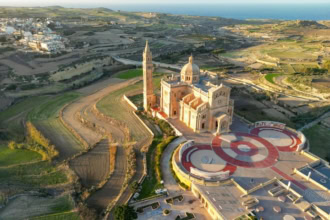
Many visitors also take trips to Gozo, Malta’s sister island, which is greener, quieter, and more rural. Popular places in Gozo include the Cittadella in Victoria, the coastal area around Dwejra Bay, and the Ta’ Pinu Basilica, one of the island’s most important religious sites. Gozo is often visited as a day trip from Malta, though some visitors choose to stay overnight.
In addition to historical and natural attractions, Malta also has several family-friendly and activity-based attractions, including Popeye Village, the Malta National Aquarium, harbour cruises, boat tours, and hop-on hop-off bus tours, which are popular ways to explore the island, especially for first-time visitors.
Because Malta is small, visitors can combine cities, beaches, historical sites, and boat trips within a short stay, which is one of the reasons the country is considered one of the most rewarding travel destinations in the Mediterranean.
Historical Highlights & Landmarks
Malta’s long history has left a remarkable trail of landmarks that make it a living museum. Among the most important are the megalithic temples, including Ġgantija on Gozo, some of the oldest freestanding structures in the world. These prehistoric monuments highlight Malta’s role as an early centre of civilisation.
The Knights of St John shaped much of Malta’s urban fabric. Valletta’s bastions, the Grandmaster’s Palace, and the Auberges (residences of the knightly orders) showcase baroque grandeur. The Great Siege of 1565, when the knights repelled the Ottoman Empire, is commemorated in Fort St Elmo’s museum.
In the Three Cities, Fort St Angelo stands as a symbol of Malta’s maritime history. Senglea and Cospicua also feature winding lanes and waterfronts steeped in tradition. Across the island, hundreds of churches dominate town skylines, the most famous being Mosta’s Rotunda, with one of the largest unsupported domes in the world.
British influence is evident in structures such as Victoria Lines, a series of 19th-century fortifications that cut across the island, and in military installations used during World War II. The Lascaris War Rooms beneath Valletta provide a fascinating look at the Allied command centre that directed Mediterranean operations.
Malta’s layered history means every era, from prehistoric to medieval, baroque, and colonial, has left its mark. Exploring these highlights gives travellers a deep sense of how this small island played an outsized role in European and Mediterranean history.
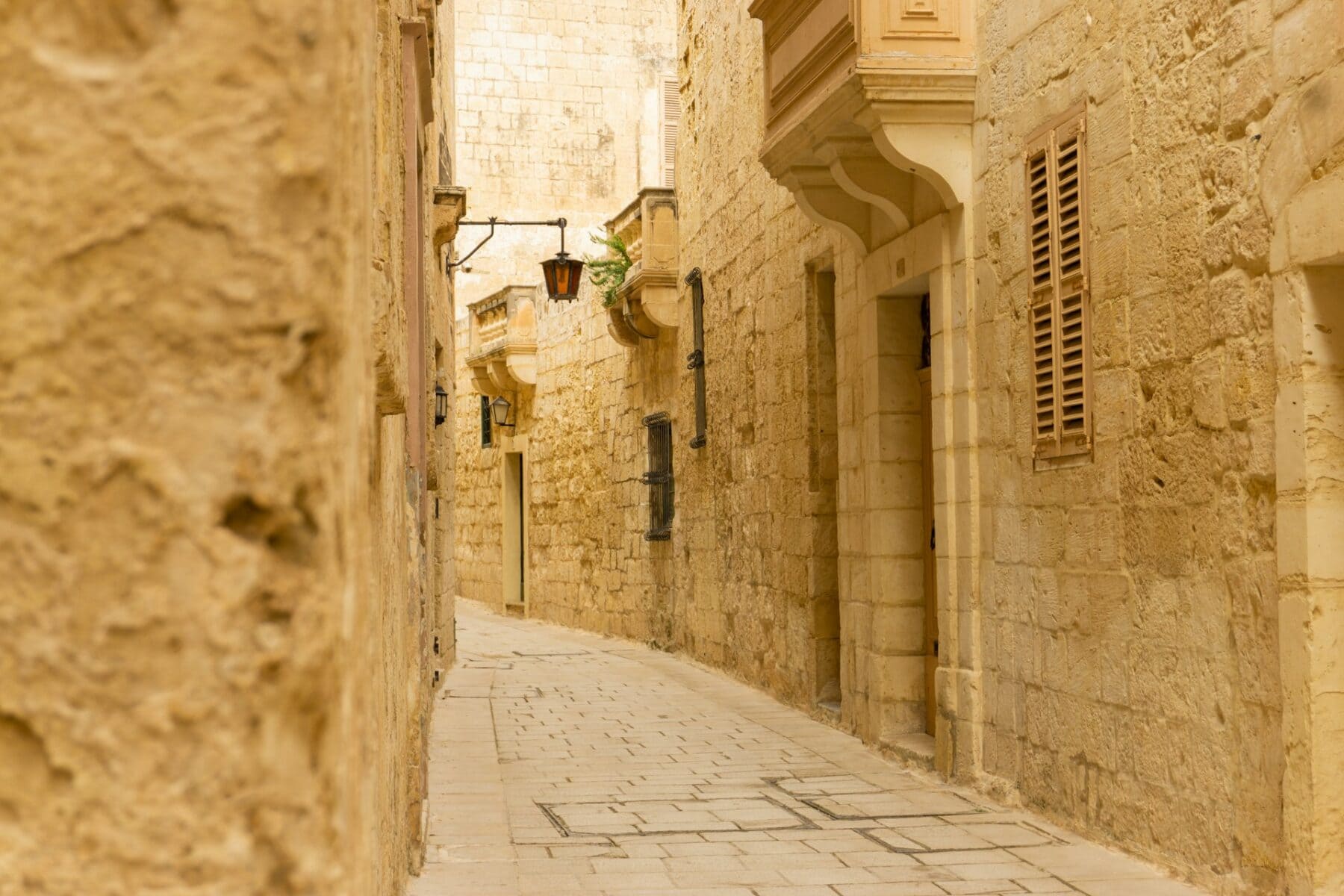
Hidden Gems & Local Secrets
Beyond Malta’s famous attractions, there are many lesser-known places and experiences that reveal a quieter, more local side of the islands. Taking the time to explore beyond the main tourist routes often leads to some of the most memorable parts of a Malta trip.
One of the most authentic experiences is visiting Marsaxlokk, especially on Sunday morning when the fish market takes place. The village is known for its colourful luzzu fishing boats, but the market itself offers a glimpse into everyday Maltese life. Fishermen sell fresh seafood directly from the harbour, while stalls sell local produce, honey, souvenirs, and street food. Arriving early allows you to see the harbour at its liveliest before the crowds arrive.
Nearby, St Peter’s Pool is one of Malta’s most beautiful natural swimming spots. This rocky cove with flat limestone ledges is popular with locals for sunbathing, swimming, and cliff jumping, and the water is usually exceptionally clear. Unlike sandy beaches, it feels more rugged and natural, and it remains quieter than many of Malta’s main beaches.
For something completely different, Buskett Gardens near Dingli Cliffs provide a rare patch of woodland in Malta’s otherwise dry landscape. Originally planted during the time of the Knights of St John, the area is now a peaceful place for walking, picnics, and escaping the heat, especially in late afternoon.
On Gozo, there are also many hidden corners beyond the main tourist sites. The salt pans near Marsalforn and Xwejni are still used today to harvest sea salt using traditional methods, and walking along the coastline here is one of the quieter and more scenic experiences on the island. Smaller prehistoric sites such as Ta’ Ħaġrat and Skorba temples are less visited than Malta’s larger temple complexes but are among the oldest structures on the islands.
For a more local evening experience, visitors can stop at a band club bar in one of Malta’s villages. These social clubs are an important part of Maltese community life, where residents gather to talk, watch football, and enjoy inexpensive drinks. Visitors are usually welcome, and it offers a glimpse into everyday Maltese culture away from tourist areas.
Exploring these hidden corners, local villages, coastal paths, and traditional communities shows that Malta is much more than its main attractions. Often, the most memorable experiences come from wandering small streets, finding quiet swimming spots, and discovering places that don’t always appear in guidebooks.

What to Do in Malta When It Rains
Although Malta enjoys around 300 days of sunshine each year, occasional rain, strong winds, or very hot summer afternoons can make indoor attractions a welcome alternative. Fortunately, Malta has a surprisingly large number of museums, historic buildings, and indoor attractions, especially in Valletta and the Three Cities.
Valletta is the best place to start on a rainy day, as many of Malta’s most important indoor attractions are located within walking distance of each other. The National Museum of Archaeology displays artefacts from Malta’s prehistoric temples, including statues and carvings that are thousands of years old. Nearby, the Grandmaster’s Palace State Rooms and Armoury offer a glimpse into the world of the Knights of St John, with ornate halls, armour collections, and historical displays. For those interested in military history, the Lascaris War Rooms and the National War Museum at Fort St Elmo provide fascinating insight into Malta’s strategic importance, particularly during the Second World War.
Art lovers can visit MUŻA, the National Community Art Museum, which houses Maltese and European paintings and sculptures in a beautifully restored historic building. Another interesting cultural site is the Manoel Theatre, one of the oldest working theatres in Europe, where visitors can sometimes take guided tours or attend performances.
On Gozo, indoor attractions include the Ġgantija Temples Visitor Centre, which explains the history of Gozo’s prehistoric temples, and the Gozo Museum of Archaeology in Victoria. The Ta’ Pinu Basilica, while not strictly an indoor attraction in the museum sense, is also worth visiting for its architecture and peaceful atmosphere.
Families looking for indoor activities often visit the Malta National Aquarium in Qawra, which features marine life exhibits, tunnels, and interactive displays, making it a popular option for children and rainy days.
For shopping, entertainment, and restaurants in one place, visitors can head to shopping centres such as The Point in Sliema or Bay Street in St Julian’s, both of which have shops, cafés, restaurants, and cinemas and can easily fill a few hours if the weather is poor.
Rain in Malta is usually short-lived, but having a few indoor options planned means that even on windy or rainy days, visitors can still enjoy Malta’s history, culture, and entertainment without losing a day of their trip.
Best Beaches in Malta
For many travellers, the coastline is the main reason to visit Malta. While the island is known for its rocky shoreline and dramatic cliffs, it also offers a selection of excellent sandy beaches, along with some of the clearest swimming water in Europe. The key is understanding where to go, as each beach offers a very different experience.
Golden Bay is one of the most popular sandy beaches in Malta and one of the easiest to access. Located on the northwest coast, it combines soft golden sand, reliable facilities, and consistent swimming conditions.
The beach has a gradual slope into the sea, making it suitable for relaxed swimming, while the surrounding cliffs provide shelter from wind, which is not always guaranteed elsewhere on the island. You will find sunbed rentals, restaurants, cafés, and water sports, making it a strong all-round option for a full beach day.
It does get busy during July and August, particularly in the afternoon, so arriving early or visiting later in the day will give you a much better experience.
Mellieħa Bay, also known as Għadira Bay, is the largest sandy beach in Malta and one of the most practical for longer visits.
What sets this beach apart is the extremely shallow water, which stretches far out into the bay. This makes it one of the safest and most comfortable places for families, casual swimmers, and anyone who prefers calm conditions. Even at peak times, the size of the beach means it rarely feels as crowded as smaller bays.
Facilities are extensive, including food kiosks, equipment hire, and transport connections, and its location near Mellieħa village makes it easy to combine with other parts of your itinerary.
The Blue Lagoon on the island of Comino is one of the most famous swimming spots in the Mediterranean. Known for its intensely turquoise water and white sandy seabed, it offers some of the clearest and most photogenic water in Malta.
However, this is not a traditional beach experience. Space is limited, and the area becomes extremely crowded in summer, particularly between 10:30 and 16:00 when day-trippers arrive from both Malta and Gozo.
To enjoy it properly, you should aim to arrive early in the morning or later in the afternoon, or consider visiting via a boat trip that allows you to access quieter areas nearby.
Located on the island of Gozo, Ramla Bay stands out for its distinctive red-golden sand, which is unique within the Maltese islands.
The beach is wider and more open than most on Malta, giving it a less crowded and more natural feel, even during busier periods. It is also backed by green hills and countryside, creating a more scenic and relaxed atmosphere compared to the built-up areas on the main island.
Getting here requires a ferry crossing to Gozo, followed by a short journey, but it is well worth the effort if you are looking for a more authentic beach experience.
For something completely different, St Peter’s Pool offers a natural rock swimming area rather than a sandy beach.
Located near Marsaxlokk, this spot is known for its flat limestone ledges and deep, clear water, making it ideal for strong swimmers and those looking to jump or dive into the sea. The water clarity here is exceptional, often with a deep blue tone that contrasts sharply with the pale rock.
Access involves a short but uneven walk, and there are limited facilities, so it is best suited to travellers who are prepared and looking for a more adventurous coastal experience.
Paradise Bay is a smaller sandy beach located close to the Gozo ferry terminal in the north of Malta.
Despite its size, it offers clear water, a sheltered bay, and a quieter atmosphere than some of the larger beaches. The setting is more enclosed, which helps reduce wind exposure and creates consistently calm swimming conditions.
It is a strong option if you are travelling between Malta and Gozo, or if you want a less crowded alternative to Golden Bay and Mellieħa Bay.
Shopping & Markets
Shopping in Malta blends modern convenience with traditional charm. The island may be small, but visitors will find everything from high-street fashion to artisan crafts.
The most popular shopping hub is Sliema, where The Point Shopping Mall and surrounding streets host international brands, boutiques, and department stores. Here you’ll find clothing, electronics, and lifestyle goods comparable to any European city. St Julian’s complements this with designer shops and upscale outlets, often combined with dining and nightlife.
For those seeking local flavour, Valletta’s Republic Street and Merchant Street are lined with independent boutiques selling Maltese lace, filigree jewellery, and handmade souvenirs. The Valletta Market (Is-Suq tal-Belt), a restored Victorian covered market, offers gourmet food stalls alongside traditional produce.
Traditional village markets are another highlight. Marsaxlokk Sunday Market is the best known, with its colourful fish stalls and craft vendors. Smaller weekly markets take place across towns such as Birkirkara and Rabat, where locals shop for fruit, clothing, and household goods.
Gozo is particularly noted for artisanal products. Victoria’s It-Tokk market square is filled with stalls selling wool, lace, and cheeselets (ġbejniet), while craft villages around Ta’ Qali and Gozo’s Dwejra stock ceramics, glassware, and blown glass.
Prices are generally reasonable, and bargaining is uncommon outside flea markets. Shops typically open from 9 a.m. to 7 p.m., with shorter hours on Sundays. Credit cards are widely accepted, though cash is handy in village markets.
Whether you’re after souvenirs, luxury goods, or fresh local produce, shopping adds another dimension to a Malta vacation.
Suggested Itinerary
Thanks to its compact size, Malta is an ideal destination for short trips, and it is possible to see many of the islands’ highlights in 4 to 5 days. A well-planned itinerary can combine historic cities, beaches, boat trips, and a visit to Gozo, giving a good overall introduction to the country.
Day 1: Valletta and the Grand Harbour
Begin your trip in Valletta, Malta’s historic capital. Visit St John’s Co-Cathedral, famous for its ornate interior and Caravaggio paintings, then explore the Grandmaster’s Palace and walk through the historic streets towards the Upper Barrakka Gardens, which offer panoramic views of the Grand Harbour. In the afternoon or evening, take the harbour ferry to the Three Cities (Vittoriosa, Senglea, and Cospicua) for a walk along the marina and dinner by the waterfront.
Day 2: Mdina, Rabat and Dingli Cliffs
Spend the morning in Mdina, the medieval walled “Silent City,” wandering its narrow streets, bastions, and palaces. From Mdina, walk or take a short bus ride to Rabat, where you can visit the St Paul’s Catacombs and stop at a café to try pastizzi, Malta’s famous pastry snack. In the late afternoon, head to Dingli Cliffs on the west coast for sunset views over the Mediterranean.
Day 3: Gozo Day Trip
Take either the Gozo Channel ferry from Ċirkewwa or the Gozo Fast Ferry from Valletta and spend the day exploring Gozo. Highlights include the Cittadella in Victoria, the coastal village of Xlendi, the salt pans near Marsalforn, and the impressive Ta’ Pinu Basilica. Gozo has a quieter, more rural atmosphere than Malta and is often a highlight of the trip.
Day 4: Comino and the Blue Lagoon
Join a boat trip or ferry to Comino to visit the famous Blue Lagoon, known for its clear turquoise water. Visitors can swim, snorkel, walk around the island, or relax on a boat. Many tours also visit Crystal Lagoon and sea caves around Comino. In the evening, return to Malta and head to St Julian’s for restaurants, bars, or nightlife in the Paceville area.
Day 5: Beaches and Prehistoric Temples
Spend your final day relaxing at one of Malta’s sandy beaches such as Golden Bay or Mellieħa Bay. In the afternoon, visit the prehistoric temples of Ħaġar Qim and Mnajdra, some of the oldest stone structures in the world. End your trip with a farewell dinner in Valletta, Sliema, or a seaside village such as Marsaxlokk.
This itinerary combines Malta’s historic cities, island landscapes, beaches, and boat trips, giving visitors a well-rounded introduction to the islands in just a few days. Travellers staying longer can add more time in Gozo, additional beaches, diving trips, or historical sites.
Events, Festivals, Seasonal Highlights & Annual Events
Despite its small size, Malta boasts a packed calendar of events that reflect its deep traditions and lively contemporary culture.
Religious festas are the heart of Maltese life. Every village celebrates its patron saint with fireworks, marching bands, and street decorations. The largest, St Paul’s Shipwreck in Valletta (February) and Santa Maria in Mosta (August), draw thousands of visitors. For travellers, attending a festa offers a colourful glimpse into local identity and hospitality.
Music and arts thrive too. The Malta International Fireworks Festival lights up the Grand Harbour each April, while the Malta Jazz Festival in July attracts world-class performers. Valletta’s Baroque Festival (January) showcases classical music in historic venues, and the Isle of MTV summer concert in Floriana brings global pop stars to the island.
Summer is festival season, with food fairs, wine tastings, and beach parties filling the calendar. Notte Bianca (October) transforms Valletta into an all-night cultural street party with performances, exhibitions, and open museums. On Gozo, Gaulitana Music Festival (spring) is a highlight for opera and classical fans.
Sports and seasonal events include sailing regattas in the Grand Harbour, the Rolex Middle Sea Race (October), and the traditional regatta on 31 March and 8 September.
For visitors, checking the local calendar before travelling ensures the chance to experience Malta at its most vibrant, where centuries-old traditions meet modern celebrations.
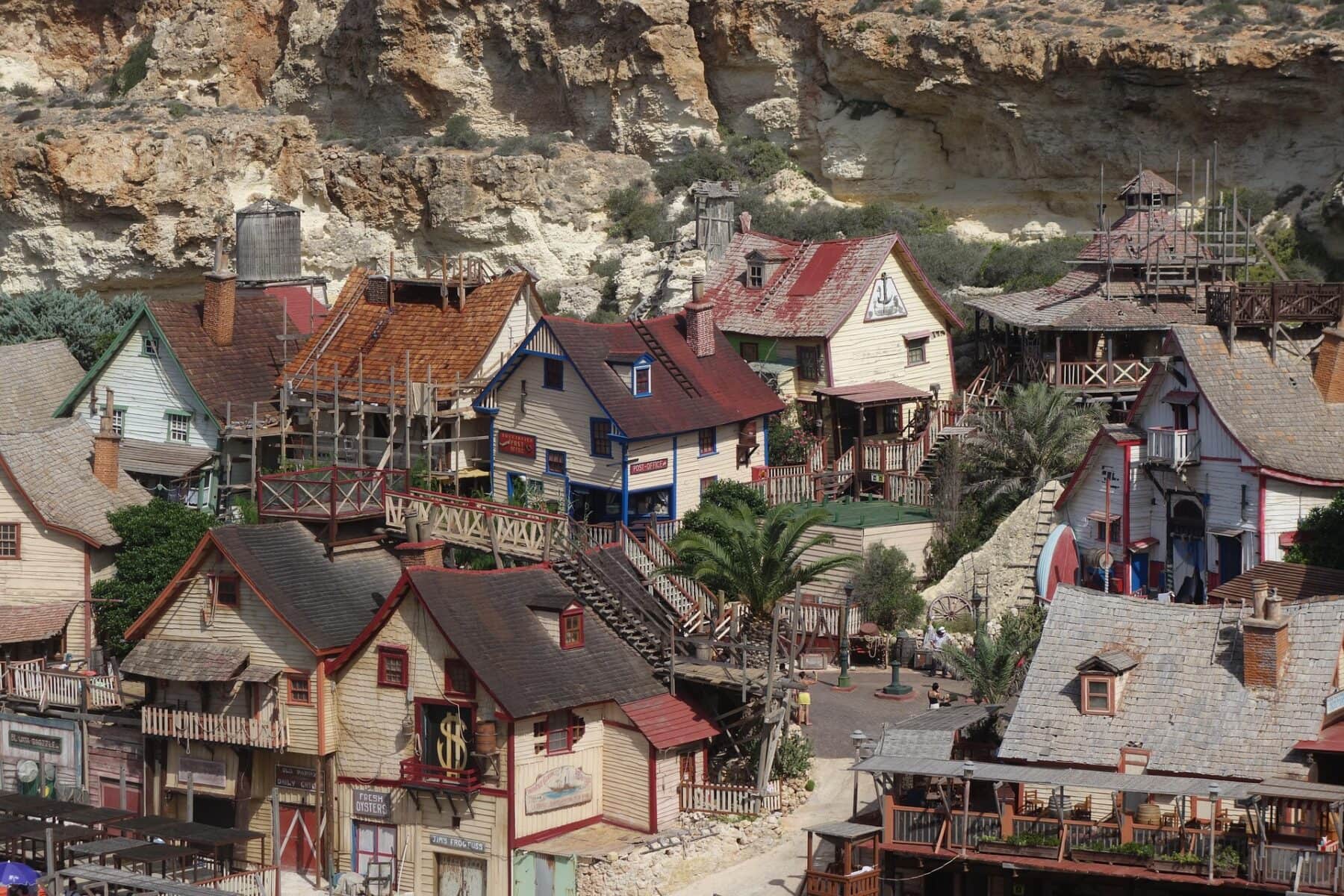
City Passes, Discount Cards & Tourism Bundles
To make sightseeing more affordable and convenient, Malta offers several attraction passes, transport cards, and bundled tourism packages. These can save money if you plan to visit multiple museums, historic sites, and attractions, and they also make planning easier by combining entry tickets and transport into a single pass.
The most comprehensive option is the Malta Multi Pass, which combines entry to major attractions with public transport and harbour ferry travel. Depending on the pass chosen, it can include sites such as St John’s Co-Cathedral, the Ħaġar Qim temples, selected museums, harbour cruises, hop-on hop-off buses, and the Malta National Aquarium, along with unlimited bus travel for the duration of the pass. Passes are typically available for 24 hours, 48 hours, 72 hours, and up to 7 days, making them useful for short trips as well as longer stays. For travellers planning to visit several attractions, this pass can offer significant savings compared with buying tickets individually. A full breakdown of what is included, prices, and whether it is worth buying can be found in the Malta Multi Pass guide.
Another popular option is the Heritage Malta Pass, which is best suited to history and archaeology enthusiasts. This pass provides entry to more than 20 state-run historical sites, including the Ħal Saflieni Hypogeum, Fort St Elmo, the National War Museum, archaeological museums, and the Ġgantija Temples in Gozo. Individual and family passes are available, and the pass is particularly good value for visitors planning to visit several museums and temple sites.
For transport rather than attractions, the Tallinja Explore Card offers unlimited bus travel for seven days, making it useful for visitors who plan to travel around Malta frequently using public transport. Shorter-stay visitors sometimes prefer the 12 Single Day Journeys card, which allows multiple trips at a reduced cost per journey.
In addition to official passes, many private tour operators offer combination tickets that bundle together hop-on hop-off bus tours, harbour cruises, boat trips to Comino, and attraction entry tickets. These are commonly sold online, at hotel reception desks, and at tourist kiosks in Valletta and Sliema.
While city passes are not essential for every traveller, they can save both money and time, especially for visitors planning to visit several museums, temples, and paid attractions in a short period. Choosing the right pass depends largely on whether your trip focuses more on history, transport, sightseeing tours, or a mixture of everything.
Parks, Gardens & Green Spaces
While Malta is better known for its rocky coastline and historic towns than for vast greenery, the islands still offer tranquil spaces where travellers can relax.
In Valletta, the Upper Barrakka Gardens are a must-visit. Perched above the Grand Harbour, they provide sweeping views of the Three Cities and feature daily cannon salutes from the Saluting Battery. Nearby, the Lower Barrakka Gardens offer quieter corners with shady benches and monuments. Both are free and open year-round.
Another gem is the San Anton Gardens in Attard, surrounding the Presidential Palace. Dating back to the 17th century, these landscaped grounds are filled with fountains, statues, and a wide variety of plants, making them a favourite for families and photographers alike.
For woodland, the Buskett Gardens near Dingli Cliffs are unique. Originally planted by the Knights of St John for hunting, this is one of Malta’s few forested areas. It’s especially lively in June during the Feast of St Peter and St Paul, when picnics and celebrations fill the groves.
Gozo also offers scenic open spaces. The Villa Rundle Gardens in Victoria combine ornamental landscaping with shaded walks, while coastal walks near Ramla Bay and Ta’ Ċenċ Cliffs highlight the island’s natural beauty.
Though green spaces are limited, these parks and gardens provide balance to the stone cities and coastal landscapes, adding variety to a Malta vacation.
Where & What to Eat
Maltese cuisine reflects the island’s history: Mediterranean at its heart, but with Arabic, Italian, and British influences layered in. A highlight of any Malta travel guide is exploring its food.
Start with pastizzi, flaky pastries filled with ricotta or mushy peas, found in bakeries across the islands. Another staple is ħobż biż-żejt, Maltese bread rubbed with tomatoes, drizzled with olive oil, and stuffed with tuna, capers, and olives, a simple but delicious street food.
Traditional dishes include fenek (rabbit stew), often slow-cooked in wine, and bragioli (beef olives). For seafood, lampuki pie made with dolphinfish is a seasonal favourite. Gozo is famous for its ġbejniet, small sheep’s cheeselets served fresh or dried, often drizzled with pepper or herbs.
Valletta, Sliema, and St Julian’s host a wide range of restaurants, from fine dining to family-run trattorias. In fishing villages like Marsaxlokk, waterfront eateries serve the freshest catch of the day. On Gozo, rustic farmhouses turned restaurants highlight local produce and traditional recipes.
Maltese sweets also deserve mention. Kannoli filled with ricotta, figolli almond pastries, and qagħaq tal-għasel (honey rings) are commonly found in local bakeries, especially around religious festivals.
Pair meals with Cisk lager, the national beer, or wines from Malta’s growing vineyards, many of which offer tastings and tours.
For travellers, food is one of the richest ways to connect with Maltese culture, blending centuries of influences into unique, flavourful traditions.
Nightlife
Malta may be small, but its nightlife scene punches above its weight. The undisputed hub is St Julian’s, particularly the district of Paceville, where nightclubs, cocktail bars, and music venues cluster within walking distance. Here, international DJs play late into the night, and bars often stay open until dawn. It’s a lively, youthful scene that attracts both tourists and locals.
For a more laid-back evening, Sliema offers waterfront lounges, wine bars, and casual pubs with sea views. Valletta, though quieter after dark, has recently developed a sophisticated nightlife with rooftop terraces, jazz bars, and intimate wine cellars tucked into historic buildings. The Bridge Bar, with its outdoor jazz nights, is particularly popular in summer.
Gozo has its own charm, with village festas during summer months turning quiet squares into vibrant party spaces with music and fireworks. For beach lovers, coastal clubs at Għajn Tuffieħa or Armier Bay host open-air parties that last well into the night.
Casino-goers will find Malta well equipped, with venues in St Julian’s and Bugibba offering gaming alongside restaurants and entertainment. Craft beer and cocktail bars are on the rise, giving alternatives to mainstream clubs.
Whether you’re looking for high-energy nightlife or a romantic evening by the harbour, Malta delivers a variety of after-dark experiences, blending Mediterranean style with international influences.
Day Trips
Thanks to Malta’s small size and good ferry connections, day trips are easy and are often one of the highlights of visiting the islands. Within a short time, travellers can move from historic cities to beaches, rural landscapes, or even another island, making Malta ideal for exploring beyond your base.
The most popular day trip is Gozo, Malta’s smaller sister island. Just a short ferry journey away, Gozo feels quieter and more rural, with green valleys, coastal cliffs, traditional villages, and historic sites. Many visitors spend the day exploring the Cittadella in Victoria, Xlendi Bay, Marsalforn, the salt pans, and Ta’ Pinu Basilica. Gozo can be explored independently by bus or car, or through organised tours and hop-on hop-off sightseeing buses, which are a convenient way to see the island in one day.
Another unforgettable excursion is Comino, home to the famous Blue Lagoon. The lagoon’s clear turquoise water makes it one of the most popular swimming and snorkelling spots in Malta. Many visitors reach Comino by boat tours, ferries, or day cruises, and some tours also visit Crystal Lagoon, sea caves, and hidden coves around the island. While the Blue Lagoon can be busy in summer, walking trails across Comino lead to quieter viewpoints and small bays.
On the main island of Malta, there are also several excellent day trip destinations. Mdina and Rabat are often visited together, offering medieval streets, catacombs, churches, and panoramic views across the island. Nearby, the Dingli Cliffs provide some of the best coastal scenery in Malta, especially at sunset.
For beach-focused day trips, visitors often head to Mellieħa Bay, Golden Bay, Għajn Tuffieħa, or the Blue Grotto area, where boat trips into sea caves are available. These areas combine beaches, walking routes, and scenic coastline.
Some travellers also choose wine tasting tours, countryside drives, or visits to Ta’ Qali Crafts Village, where traditional Maltese glassblowing, pottery, and crafts can be seen and purchased.
Because distances are short, one of the pleasures of Malta is that you can wake up in Valletta or Sliema and, within an hour, be exploring Gozo, swimming in the Blue Lagoon, walking along cliffs, or visiting ancient temples. Day trips are therefore a major part of any Malta itinerary, and many visitors take several during their stay.
Cultural Norms & Etiquette
Maltese culture is shaped by centuries of Mediterranean, European, and British influences, yet it retains a strong sense of identity. Visitors will find locals generally warm, hospitable, and eager to help. A polite “Bongu” (good morning) or “Grazzie” (thank you) in Maltese is always appreciated, even though English is widely spoken.
Religion plays a central role in daily life. Around 90% of Maltese identify as Roman Catholic, and village festas honouring patron saints are taken seriously. When visiting churches, modest clothing is expected: cover shoulders and knees, remove hats, and speak quietly. Photography is usually allowed but should be discreet during services.
Punctuality is flexible in social settings, but buses and tours aim to keep to timetables. Bargaining is not common in shops, though open markets may allow small discounts. Tipping is optional but welcomed; rounding up a restaurant bill or leaving 5–10% for good service is customary. Taxi drivers and hotel staff also appreciate small gratuities.
Maltese people value personal connections, so friendly conversation is encouraged. At the same time, avoid sensitive topics like politics or land ownership unless you know someone well. Malta has a diverse population, and respect for different backgrounds is expected.
In summer, the islands welcome large numbers of tourists, and locals can be protective of their quieter spaces. Showing courtesy, avoiding littering, and respecting queues or beach etiquette will go a long way. In short, travellers who are polite and considerate will find Maltese hospitality among the most welcoming in Europe.
Where to Stay
Choosing where to stay in Malta depends largely on what type of trip you are planning, as each area of the island offers a very different atmosphere. Malta is small, so it is possible to explore the island from almost anywhere, but staying in the right area can make your trip much more convenient and enjoyable.
Valletta is the historic capital and best choice for travellers interested in culture, architecture, museums, and historic atmosphere. The city is compact, walkable, and well connected by buses and ferries, making it a good base for sightseeing. However, Valletta has fewer beaches and nightlife options than other areas, and accommodation is often boutique hotels and historic guesthouses rather than large resorts.
Sliema is one of the most popular areas to stay for visitors. It is a modern coastal town with hotels, shopping centres, restaurants, cafés, and ferry connections to Valletta. While Sliema does not have sandy beaches, it has long seaside promenades and swimming areas along the rocks. It is a convenient and central base for exploring Malta.
St Julian’s, particularly the Paceville area, is known for restaurants, bars, nightlife, and large hotels and resorts. It is a good area for travellers who want nightlife, entertainment, and resort-style accommodation, and many international hotel chains are located here. St Julian’s also has several small bays and waterfront restaurants.
In the north of Malta, areas such as Mellieħa, Buġibba, and Qawra are popular for beaches, resorts, and family holidays. Mellieħa is close to one of Malta’s largest sandy beaches and the Gozo ferry, while Buġibba and Qawra have many hotels, seaside promenades, and diving centres.
For a quieter and more rural experience, some visitors choose to stay on Gozo, Malta’s sister island. Gozo has farmhouses, small hotels, coastal villages, and a slower pace of life, making it ideal for relaxation, walking, and scenic landscapes.
Overall, Valletta is best for history and culture, Sliema for convenience and shopping, St Julian’s for nightlife and resorts, Mellieħa for beaches, and Gozo for a quieter island experience. Because travel distances are short, many visitors choose accommodation based on atmosphere rather than location alone.
| Property | Location | Style | Notes |
|---|---|---|---|
| Phoenicia Hotel | Valletta | Luxury heritage | Historic 5-star next to City Gate, with gardens and harbour views. |
| AX The Palace | Sliema | Contemporary upscale | Rooftop pool, spa, close to shopping and ferries. |
| Corinthia St George’s Bay | St Julian’s | Resort | Seafront location with multiple pools and dining options. |
| Domus Zamittello | Valletta | Boutique | Elegant restored palazzo, intimate service. |
| Grand Hotel Gozo | Mgarr, Gozo | Mid-range | Overlooking the harbour, convenient for ferry arrivals. |
| Hotel Juliani | St Julian’s | Boutique | Stylish waterfront hotel with modern design and personal feel. |
Major International Hotel Chains in Malta
| Chain | Presence in Malta | Hotels | Notes |
|---|---|---|---|
| Accor | ❌ | – | Nearest in Rome (~700 km) |
| Hilton | ✅ | Hilton Malta (St Julian’s) | Large resort with marina views, 5-star facilities |
| Marriott | ✅ | Malta Marriott Hotel & Spa (St Julian’s) | Overlooking Balluta Bay, upscale property |
| IHG | ✅ | InterContinental Malta, Holiday Inn Express Malta, voco Malta (all St Julian’s) | Strong presence with 3 properties in prime nightlife/shopping area |
| Radisson | ✅ | Radisson Blu Resort St Julian’s, Radisson Blu Resort & Spa Golden Sands, Radisson Blu Resort Mellieħa | 3 properties covering both resort and luxury segments |
| Hyatt | ✅ | Hyatt Regency Malta (St Julian’s) | Modern 5-star near Bay Street |
| Wyndham | ❌ | – | Nearest in Sicily (~200 km) |
| Best Western | ❌ | – | Nearest in Sicily (~200 km) |
| Choice Hotels | ❌ | – | Nearest in Sicily (~200 km) |
Toilets & Accessibility
Malta has made good progress in recent years towards improving public facilities, though travellers should still plan ahead. Public toilets are available in central areas of Valletta, Mdina, Sliema, and St Julian’s, as well as at major tourist attractions such as the Hypogeum, National Museum of Archaeology, and Ħaġar Qim temples. Entry is usually free or costs a small fee (20–50 cents). Facilities are also widely available in shopping malls, bus stations, and ferry terminals.
Accessibility is improving, but Malta’s historic architecture presents challenges. Many streets are steep, narrow, or cobbled, especially in Valletta and Mdina. However, modern attractions, restaurants, and hotels increasingly comply with EU accessibility standards. Most major museums now have lifts, ramps, and accessible toilets.
Public transport is wheelchair-friendly. Around 90% of Malta’s buses are low-floor with ramps, and designated spaces for wheelchairs and prams. The Valletta–Sliema and Three Cities ferries are also accessible, though boarding can be difficult in rough seas. Taxis can be booked with wheelchair access via local providers.
Beaches have started to adapt as well. Golden Bay, Mellieħa Bay, and St George’s Bay all provide beach wheelchairs and accessible walkways during the summer season. Gozo’s Ramla Bay is partially accessible too.
Travellers with accessibility needs are advised to consult the VisitMalta Accessibility page before arrival, which lists facilities and updates. While challenges remain, especially in older districts, careful planning allows most visitors to enjoy a comfortable and inclusive Malta vacation.
Weather & Best Time to Visit
Malta enjoys one of the sunniest climates in Europe, with around 300 days of sunshine per year. Summers (June–September) are hot and dry, with daytime highs averaging 30°C. This is peak tourist season, when beaches, cruises, and nightlife are at their busiest. It’s the best time for swimming and diving, but heat and crowds may be intense.
Spring (March–May) and autumn (October–November) are arguably the best times for a Malta vacation. Temperatures range from 18–25°C, the sea is still warm in autumn, and attractions are less crowded. These seasons are perfect for hiking, sightseeing, and outdoor exploration.
Winter (December–February) is mild compared to much of Europe, with temperatures rarely dropping below 10°C. Rainfall is higher, but sunny days are still common. Winter is an excellent time to explore cultural sites, museums, and local festivals without the crowds.
Sea temperatures vary from 15°C in winter to 26°C in summer, meaning swimming is possible from late May through early November. Divers enjoy year-round conditions, though visibility is best in late spring and autumn.
Festivals also influence timing. Religious festas run through summer, the Malta International Fireworks Festival takes place in April, and Notte Bianca fills Valletta in October. Each adds cultural flavour to the travel experience.
Overall, the shoulder seasons of spring and autumn balance pleasant weather, affordable accommodation, and thinner crowds, making them the sweet spot for most visitors planning a Malta travel guide journey.
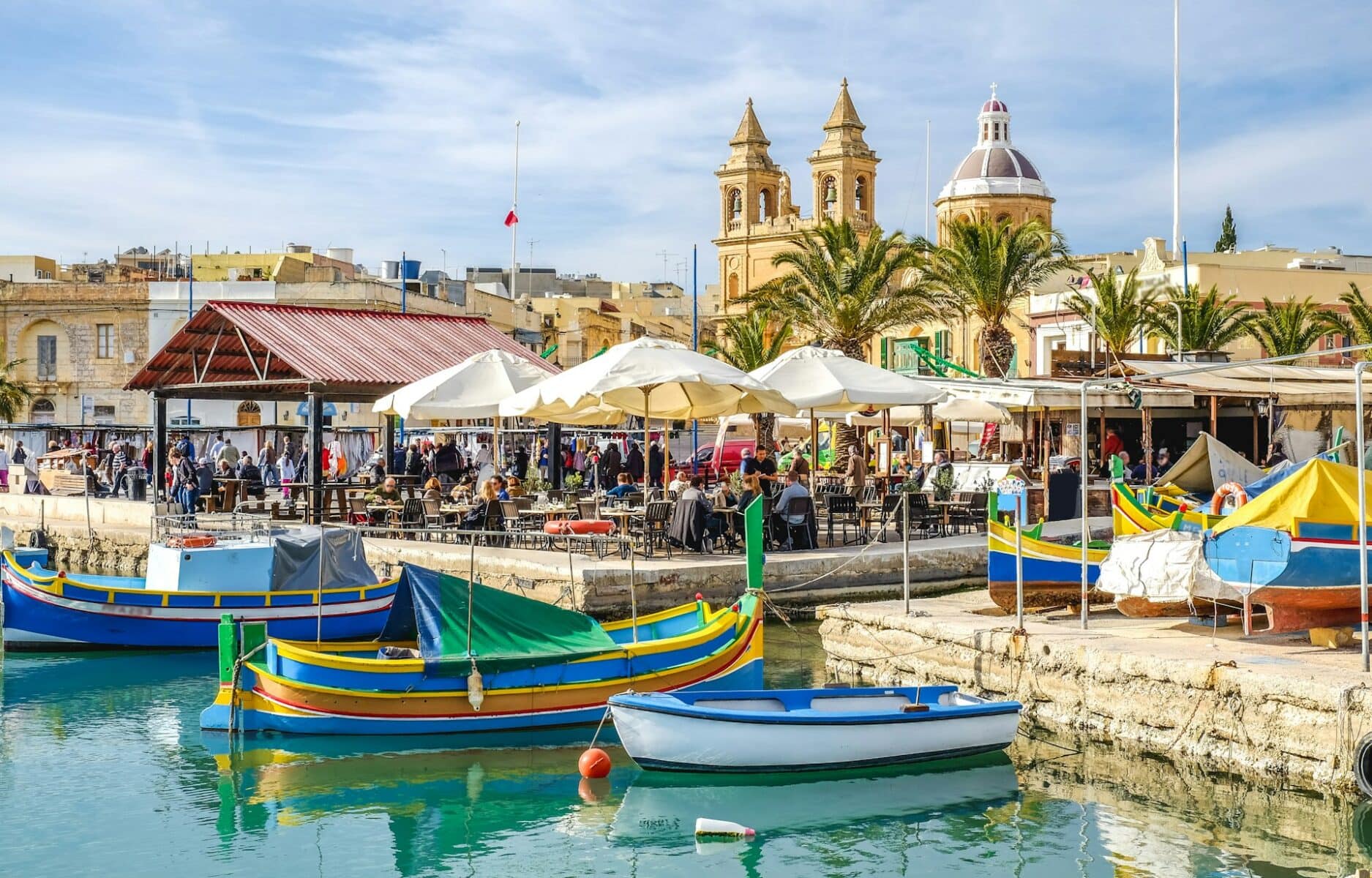
eSIMs & Connectivity
Staying connected in Malta is straightforward, with widespread 4G and expanding 5G coverage across both Malta and Gozo. Free Wi-Fi is available in many cafés, hotels, and public areas, but for travellers who want reliable data throughout their stay, an eSIM is the most convenient option.
Using an eSIM in Malta
- Malta is well covered by global eSIM providers such as Airalo, Holafly, Nomad, and GigSky, which sell short-term regional or Malta-specific data packages.
- Set up is simple: purchase a plan online before or after arrival, scan the QR code, and activate your profile. No need to find a shop or swap SIM cards.
- Most plans include 4G/5G data only (no calls/SMS). For calls, use WhatsApp, Messenger, or VOIP apps.
Local Network Providers
Malta has three main networks:
- GO Mobile – strongest coverage in Gozo and rural areas.
- Epic (ex-Vodafone) – excellent urban 5G speeds.
- Melita – competitive data packages, also offers free Wi-Fi zones in some towns.
Travellers arriving without an eSIM can buy a prepaid SIM card at Malta International Airport, though this requires ID and is less convenient than eSIM activation.
If you plan to visit other Mediterranean destinations (Italy, Greece, Cyprus, Spain), choose a regional Europe eSIM rather than a Malta-only package. It’s usually better value and avoids switching profiles when you move on.
Laws, Safety & Warnings
Malta is one of the safest countries in Europe, but travellers should still be aware of local laws and safety guidance.
General safety: Violent crime is rare, and petty theft is less common than in many tourist destinations. Still, be cautious in crowded areas such as Valletta, Sliema, and St Julian’s nightlife districts. Keep valuables secure on buses and at beaches.
Driving laws: Malta drives on the left-hand side, and seatbelts are compulsory for all passengers. Speed limits are 50 km/h in towns and 80 km/h on open roads. Drink-driving laws are strict, with a blood alcohol limit of 0.08%; random checks are carried out. Parking regulations are enforced, especially in Valletta’s CVA congestion zone.
Smoking & alcohol: Smoking is banned in indoor public spaces, including restaurants and bars. Alcohol is legal from age 17, one of the lowest limits in Europe, but drinking in the street is prohibited in many town centres.
Drugs: Malta has strict drug laws. Possession of even small amounts of illegal substances can lead to fines or prosecution. Cannabis use was legalised for personal possession (up to 7g) within private residences, but public use remains illegal.
Beach and sea safety: Strong currents can occur around cliffs and coves. Always heed lifeguard flags at popular beaches and avoid cliff diving. Sun protection is essential in summer, as heatwaves are common.
Political stability: Malta is an EU member with a stable democracy. Demonstrations are rare and usually peaceful.
Overall, Malta is safe and welcoming, but respecting local laws ensures a stress-free Malta vacation.

Rupert’s Handy Travel Tips
- Beat the heat: Summer sun is intense. Plan outdoor sightseeing early morning or after 4 p.m., and always carry water.
- Use ferries when you can: Valletta–Sliema and Three Cities ferries save time and offer great views.
- Pick the right base: Stay in Valletta for culture; St Julian’s for nightlife: match your base to your style.
- Don’t miss Gozo: Even a day trip adds a quieter, rural contrast to Malta.
- Eat like a local: Grab fresh-baked pastizzi from a village bakery, not tourist cafés.
- Tickets & payments: Buy ferry tickets separately. Tallinja bus cards don’t work on Gozo or harbour ferries. Carry small change or use contactless.
- Festas fireworks: Summer village festas feature spectacular displays. Check local schedules.
- Plan for traffic: Malta is compact but congested. Allow extra time, especially when driving or catching flights.
Want to meet the reindeer behind our travel tips? Find out more in our page Who is Rupert?.


Frequently Asked Questions
What’s the best way to get to Gozo?
The Gozo Channel ferry from Ċirkewwa to Mgarr runs every 30 minutes during the day and takes 25 minutes. Tickets cost €4.65 for foot passengers.
Is English widely spoken?
Yes. English is an official language alongside Maltese, and most locals are fluent. Italian is also commonly understood.
Do I need a visa to visit Malta?
Malta is in the EU and part of the Schengen Area. EU/EEA citizens can enter freely. Visitors from most countries can stay up to 90 days visa-free. Always check entry requirements before travel.
Can I use euros in Malta?
Yes. Malta uses the Euro (€), and card payments are widely accepted. ATMs are plentiful, though carrying some cash is useful in markets or rural villages.
Is Malta expensive to visit?
Malta offers good value compared to Western Europe. Buses cost €2, and meals at mid-range restaurants average €15–20. Luxury resorts are pricier, but budget stays and street food make it affordable.
Further Reading & Related Malta Guides
If you are planning a trip to Malta, these guides will help you organise transport, day trips and attractions across Malta and Gozo.
If you are arriving by plane, read our Malta Airport Transfers guide to understand the best ways to get from Malta International Airport to Valletta, Sliema, St Julian’s and the Gozo ferry.
If you are planning to visit Gozo, our Gozo Day Trip guide explains ferry options, transport around the island and the best places to visit in one day. You can also read our Gozo Hop-On Hop-Off Bus guide if you want an easy way to explore the island without hiring a car.
If you want to explore Malta and the surrounding islands by boat, see our Malta Cruise Overview Guide or Blue Lagoon & Comino Island Cruise guide, which covers Comino boat trips, harbour cruises and Gozo boat tours.
If you prefer sightseeing by bus, read our Malta Hop-On Hop-Off Bus guide, which explains the North and South routes, major stops and whether the bus is worth using.
For popular attractions in Malta, you can also read our Popeye Village Malta guide and Malta National Aquarium guide, which include visitor information, ticket advice and tips for planning your visit.
If you are planning to visit multiple attractions during your trip, it is worth reading our Malta Attractions Pass guide, which explains how different passes work, what they include, and whether they actually save you money. These passes can bundle together top sights, tours and experiences, making them a convenient option if you want to see more while keeping costs under control.
These guides will help you plan transport, attractions and day trips so you can make the most of your time in Malta and Gozo.