Reviewed by our editorial team Updated
Why Choose the Croatia Pass
The Interrail Croatia Pass is one of the best-value rail passes in Europe, offering a simple and flexible way to explore a country known for its Adriatic coastline, historic cities, and diverse landscapes. Croatia has become one of Europe’s most popular destinations, and this pass allows you to move between its highlights without the hassle of booking multiple tickets.
One of the biggest advantages is affordability. With prices starting from around €50 (£44 / $54) for youths, it is among the cheapest Interrail passes available. This makes it particularly attractive for budget travellers, students, and families, allowing you to explore both coastal and inland regions while keeping transport costs under control. Even a small number of longer journeys can quickly justify the cost of the pass.
The pass also offers strong flexibility. With unlimited train travel on selected days, you can build an itinerary that suits your pace. You might base yourself in Zagreb or Split and take day trips, or travel more extensively from north to south, combining multiple regions in one journey. This flexibility is especially valuable in Croatia, where travel plans often change depending on weather or how long you want to stay by the coast.
Another key benefit is the experience of travelling by train itself. Instead of flying over the country, you move through mountains, rivers, and countryside, seeing the landscapes that define Croatia. Trains also arrive directly in city centres, making travel more convenient and immersive.
Whether you are exploring Roman heritage in Split, cultural life in Zagreb, or planning a route that includes Dubrovnik via nearby connections, the Interrail Croatia Pass provides a cost-effective, flexible, and rewarding way to discover the country.
Quick Facts / Pass Overview
The Interrail Croatia Pass is valid exclusively within Croatia, giving you access to the national rail network without needing to purchase individual tickets for each journey. It is available to European residents, while non-European travellers should choose the Eurail Croatia Pass, which offers the same coverage.
Travellers can select either 1st or 2nd class, depending on their preferred level of comfort. The pass is structured across multiple age categories, including Youth, Adult, Senior, and Child, with up to two children under 12 travelling free when accompanied by an adult. This makes it particularly appealing for families.
The pass operates as a Flexi Pass, meaning you choose a set number of travel days to use within a one-month period. Options include 3, 4, 5, 6, or 8 travel days, allowing you to tailor your itinerary based on how intensively you want to travel.
Most domestic trains do not require reservations, making travel simple and flexible. However, long-distance and international routes often require reservations, particularly for overnight services.
The pass is available as a mobile version via the Interrail app or as a traditional paper pass, although mobile is now the more convenient option. Key routes include Zagreb to Split, Zagreb to Rijeka, Split to Osijek, and Zagreb to Zadar via a bus connection, highlighting both rail coverage and the need for occasional onward transport.
Browse hotels and accommodation for your journey.
View staysExplore holiday homes and apartments for your trip.
See holiday homesCompare prices from multiple hotel booking sites.
Check dealsKey Operators and Rail Network Size
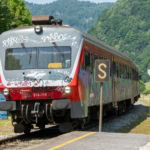
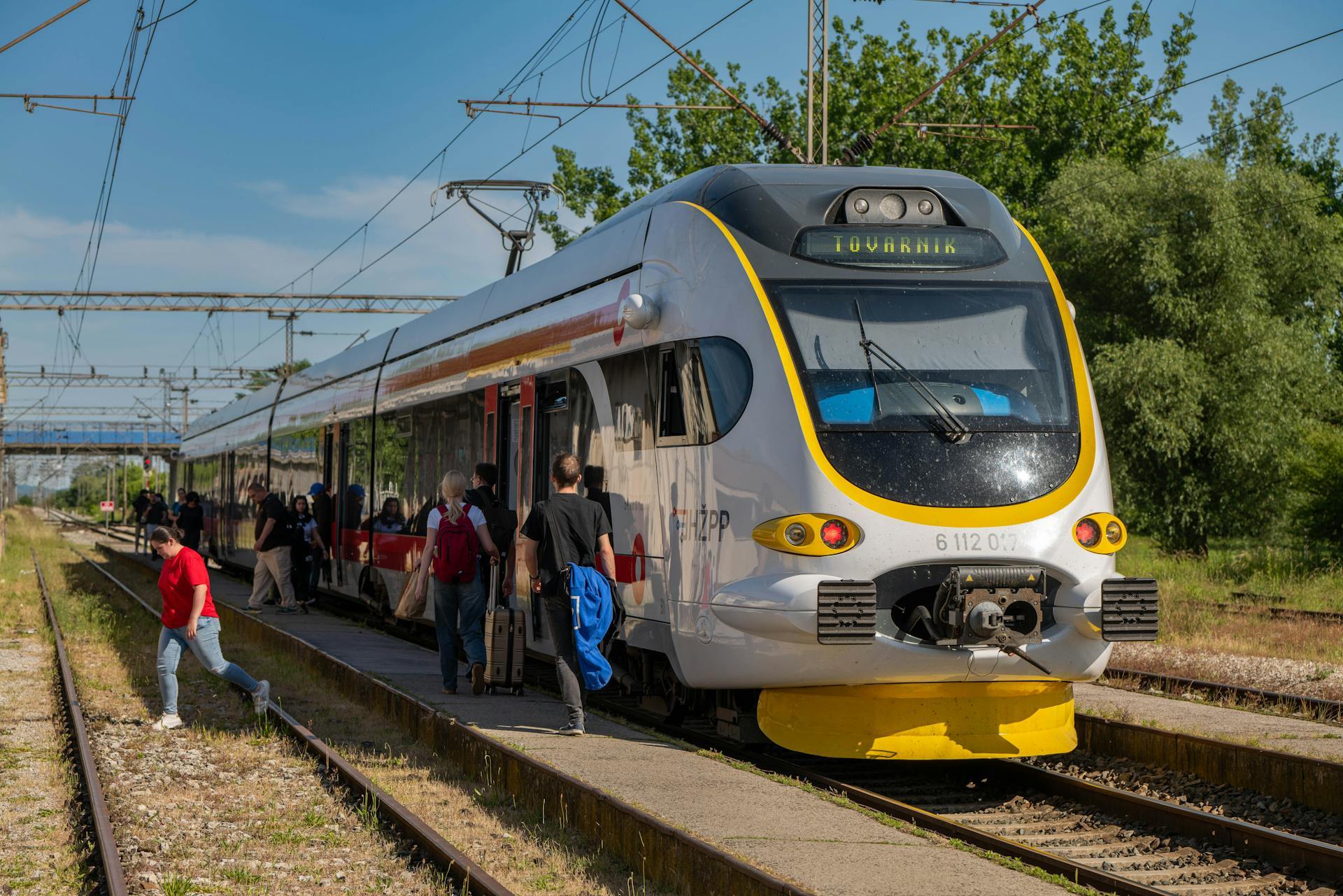
The Interrail Croatia Pass is valid on trains operated by HŽPP (Hrvatske Željeznice Putnički Prijevoz), the national passenger railway company. This operator runs almost the entire rail network in Croatia, covering approximately 2,600 kilometres of track.
The network is centred around Zagreb, with lines extending towards the Adriatic coast, eastern Croatia, and neighbouring countries. Services are generally divided into Intercity and fast trains, which connect major cities such as Zagreb, Split, and Rijeka, and regional trains, which serve smaller towns and local routes.
There are also international services linking Croatia with nearby countries, including Slovenia, Hungary, Serbia, and Bosnia & Herzegovina. These connections are particularly useful for travellers planning wider Balkan journeys.
While Croatia’s rail system is not as fast or modern as those in Western Europe, it covers the essential routes needed for travel across the country. Long-distance journeys, such as Zagreb to Split, typically take 6 to 7 hours, but offer scenic views through mountainous and river landscapes.
Ongoing upgrades are gradually improving infrastructure and rolling stock. Some trains are modern and air-conditioned, while others are more basic. Despite this variation, the network remains a reliable and affordable way to reach Croatia’s main destinations.
Transport Hubs and Major Routes
Rail travel in Croatia revolves around a number of key hubs, with Zagreb Glavni Kolodvor serving as the central point of the network. From the capital, trains connect to the coast, inland regions, and neighbouring countries, making it the starting point for most journeys using the Croatia Pass.
Split is one of the most important coastal hubs, known for Diocletian’s Palace and its ferry connections to nearby islands. The route from Zagreb to Split is one of the most popular for pass holders, offering a long but scenic journey through mountainous terrain.
Rijeka serves as another major coastal hub and acts as a gateway to the Istrian region. It also provides connections towards Slovenia, making it useful for cross-border travel.
In eastern Croatia, Osijek is the main hub, linking to Zagreb and further connections into Serbia. Nearby Vinkovci is also an important junction, particularly for international rail routes.
Key domestic routes include Zagreb to Split, which takes around 6 to 7 hours, Zagreb to Rijeka at approximately 3.5 to 4 hours, and Zagreb to Osijek, typically around 3 to 4 hours. The Split to Osijek route via Zagreb offers a full cross-country journey.
Internationally, Zagreb connects directly to Ljubljana, Budapest, Belgrade, and Sarajevo, making the Croatia Pass a useful starting point for wider travel across the Balkans.
Example Ticket Prices vs Pass Value
Train travel in Croatia is relatively inexpensive, but the Interrail Croatia Pass can still offer strong value when taking multiple journeys.
A typical one-way ticket from Zagreb to Split costs around €20 to €25 (£17-22 / $22-27), and a return trip quickly approaches the price of a 3-day Youth Pass. Shorter routes such as Zagreb to Rijeka usually cost €15 to €18 (£13-16 / $16-19), while Zagreb to Osijek averages €13 to €16 (£11-14 / $14-17). Longer cross-country journeys, including Split to Osijek, can exceed €30 (£26 / $32).
International tickets add further cost. A journey from Zagreb to Budapest typically costs €25 to €30 (£22-26 / $27-32), while Zagreb to Ljubljana is around €10 to €15 (£9-13 / $11-16). These fares sit outside the pass, which only covers travel within Croatia, so budget for them separately.
The real strength of the pass is its flexibility and combined value. With unlimited travel on active days, you can take multiple journeys without additional cost, removing the need to plan every leg in advance. This is particularly useful when combining routes or adjusting plans mid-trip.
Families and senior travellers gain additional value through discounts and free child travel, while the simplicity of using one pass instead of multiple tickets reduces both time and hassle. For travellers planning four or more intercity journeys, the Croatia Pass typically pays for itself while offering greater freedom.

Interrail Croatia Pass Prices and Options
The Interrail Croatia Pass is one of the most affordable One Country Passes available, making it an attractive option for travellers who want flexibility without a high upfront cost. It is offered as a Flexi Pass, meaning you choose a set number of travel days to use within a one-month period, allowing you to balance travel days with time spent exploring each destination.
Pricing starts at a relatively low level compared to many other European countries. A 3-day pass within one month costs around €50 (£44 / $54) for Youth travellers, €67 (£58 / $72) for Adults, and €60 (£52 / $65) for Seniors, making it accessible even for shorter trips. Moving up, a 4-day pass is typically priced at €63 (£55 / $68) for Youth, €84 (£73 / $91) for Adults, and €76 (£66 / $82) for Seniors, while a 5-day option increases to approximately €75 (£65 / $81), €100 (£87 / $108), and €91 (£79 / $98) respectively.
For travellers planning a slightly longer itinerary, the 6-day pass, often the most popular option, is priced at around €89 (£77 / $96) for Youth, €118 (£103 / $127) for Adults, and €107 (£93 / $116) for Seniors, offering a strong balance between flexibility and value. At the top end, an 8-day pass costs roughly €113 (£98 / $122) for Youth, €150 (£130 / $162) for Adults, and €135 (£117 / $146) for Seniors, making it a viable option for those looking to explore multiple regions in more depth.
What stands out immediately is how low the entry point is. Compared to countries with extensive high-speed networks, Croatia’s pricing makes it easier to justify the pass even with a modest itinerary. While individual train fares in Croatia are generally cheaper than in Western Europe, the pass still becomes worthwhile if you are planning several longer journeys or want the ability to change plans without being tied to specific tickets.
In practical terms, the Croatia Pass is less about replacing extremely expensive tickets and more about buying flexibility at a low cost, which can be particularly valuable if you are travelling across different regions or adjusting your route as you go.
How the Croatia Pass Works
The Interrail Croatia Pass operates as a Flexi Pass, giving you the freedom to travel on a set number of days within a one-month validity period.
Each travel day allows unlimited train journeys from midnight to midnight, meaning you can take multiple routes in a single day without additional cost. This makes it possible to combine long-distance journeys with shorter regional trips, or to move quickly between multiple destinations.
The pass is available as both a mobile pass and a paper pass, although the mobile version is now the preferred choice. Stored in the Interrail Rail Planner app, the mobile pass allows you to activate travel days, generate a QR code ticket, and adjust plans at short notice. The paper pass requires you to manually write in travel dates before boarding, which offers less flexibility.
Most domestic trains in Croatia do not require reservations, so you can simply arrive at the station and board. However, long-distance, overnight, and international trains may require reservations, usually at a low cost.
The pass covers all trains operated by HŽPP, connecting major cities, regional towns, and key routes across the country. By consolidating all your travel into one pass, you remove the need to buy tickets for each journey and gain a more flexible and stress-free travel experience.
Where You Can Travel with the Croatia Pass
The Interrail Croatia Pass provides access to the entire national rail network, allowing you to travel across a wide range of destinations, from inland cities to coastal hubs.
Most journeys begin in Zagreb, the country’s main rail hub, with strong connections to all regions. From here, you can travel south to Split, one of Croatia’s most important coastal cities, known for its Roman heritage and ferry links to the islands. Another coastal route leads to Rijeka, which serves as a gateway to the Istrian region.
Heading east, the network connects to Osijek, a major city in the Slavonia region, known for its Austro-Hungarian architecture and café culture. Nearby Vinkovci acts as a key junction for international services.
Although Dubrovnik is not connected by rail, the pass still allows you to get close by travelling to Split and continuing by bus. Similarly, destinations such as Zadar and Šibenik can be reached via nearby rail stations with short onward connections.
The network also includes smaller inland towns such as Karlovac and Varaždin, offering opportunities to explore beyond the main tourist hotspots. International trains from Zagreb also run into Slovenia, Hungary, Serbia, and Bosnia & Herzegovina, making the country a useful base for wider Balkan travel, although the pass itself only covers the Croatian section of those journeys.
The pass can also extend a trip across the Adriatic by sea. Interrail confirms that pass holders get a 20% discount on all SNAV Ferries services crossing between Italy and Croatia, making it an easy and discounted way to continue a Croatia-based itinerary onward into Italy without paying the full ferry fare.
Compare routes and fares for your next trip.
Compare flightsChoose an Airalo eSIM and arrange mobile data before you arrive.
Browse eSIMsCheck private airport pickup options and plan the first part of your journey in advance.
View transfersHow to Buy the Interrail Croatia Pass
Buying the Interrail Croatia Pass is straightforward, with the most convenient option being through the official Interrail website.
The mobile pass is recommended for most travellers. Once purchased, it is delivered instantly and stored in the Rail Planner app, where you can activate travel days, manage your itinerary, and present your ticket via a QR code. This flexibility is particularly useful in Croatia, where travel plans often change.
A paper pass is still available through authorised agents and selected railway stations, but it requires manual entry of travel dates and is less flexible overall.
When purchasing your pass, you will need to choose your travel class, your pass duration, and your passenger category. Payment can be made using standard methods such as card or PayPal, and the process is quick and user-friendly.
Before travelling, the pass must be activated. Mobile passes are activated within the app, while paper passes must be validated at a station. It is recommended to purchase in advance so you can familiarise yourself with how the system works and avoid any last-minute issues.

Explore Europe by Train with Rail Passes
Travelling by train in Europe can quickly become expensive if you book individual tickets. Rail passes offer a flexible way to travel across one or multiple countries with a single ticket, making it easier to plan your journey.
Rail Europe allows you to compare and buy a wide range of rail passes, including Interrail-style options, helping you choose the best pass for your route and travel style.
Top Routes and Itineraries with the Croatia Pass
The Interrail Croatia Pass is most effective when used to combine inland cities with coastal destinations and regional routes, creating a varied and balanced itinerary.
A classic route begins in Zagreb and continues to Split, offering one of the most scenic journeys in the country. The route takes 6 to 7 hours, passing through mountains and valleys before reaching the Adriatic coast. From Split, you can explore Roman ruins, waterfront promenades, and nearby islands via ferry connections.
Another popular option is travelling from Zagreb to Rijeka, which provides access to the northwestern coast and the Istrian region. From Rijeka, onward bus connections open up destinations such as Pula and Rovinj.
For a less touristy experience, a route through Zagreb, Osijek, and Vinkovci explores eastern Croatia. This region offers a different perspective, with Austro-Hungarian influences, local culture, and fewer crowds.
The pass can also cover the first leg of cross-border travel, with routes such as Zagreb to Ljubljana and Zagreb to Budapest departing from the capital. Because this is a One Country Pass, it only covers the Croatian section of those journeys, so you will need to buy a separate ticket for the part of the route beyond the border.
With unlimited travel on each active day, you can also create day-trip itineraries, such as travelling from Zagreb to Varaždin or Karlovac and returning the same day. This flexibility allows you to explore more without increasing costs, making the pass particularly valuable for varied travel plans.
Seat Reservations and Supplements
One of the main advantages of the Interrail Croatia Pass is that most domestic trains do not require seat reservations, allowing for a flexible and straightforward travel experience. In many cases, you can simply arrive at the station, board your train, and present your pass when requested.
There are, however, some important exceptions. Night trains, particularly those running between Zagreb and Split, often include sleeper and couchette options, which require a reservation. These supplements are generally low-cost, typically ranging from €5 to €15 (£4-13 / $5-16), depending on the level of comfort you choose. Travelling overnight can also save on accommodation, making it a practical option for longer journeys.
For international services, reservations are usually required, and you will also need a ticket for the section of the route outside Croatia, since the pass does not cover it. Routes from Zagreb to Budapest, Ljubljana, Belgrade, and Sarajevo carry a reservation fee on top of that, typically around €5 to €10 (£4-9 / $5-11). These trains run less frequently, so booking ahead ensures you have a confirmed seat, particularly during the busy summer season.
Croatia does not have high-speed rail services like those found in Western Europe, which means you do not face expensive reservation fees. The trade-off is longer journey times, but the system remains simple, affordable, and easy to navigate.
In practice, most travellers combine flexible domestic travel with a few planned reservations for long-distance or overnight routes, striking a balance between convenience and comfort.
Benefits of the Croatia Pass
The Interrail Croatia Pass offers a range of benefits that make it a strong option for exploring the country.
The most immediate advantage is affordability. It is one of the cheapest Interrail passes available, and even a small number of longer journeys can quickly match or exceed the cost of the pass. This makes it particularly attractive for budget travellers and those planning multiple intercity trips.
Flexibility is another key strength. With unlimited travel on active days, you can take multiple journeys without worrying about additional costs. This allows you to adjust your itinerary on the go, which is especially useful in Croatia, where you may decide to stay longer in coastal destinations or change plans based on weather.
The pass also offers significant convenience. Instead of buying separate tickets for each journey, often at smaller stations with limited English support or card payment options, you can travel with one pass that covers the entire network. This simplifies travel and reduces stress.
Families benefit from free child travel, with up to two children under 12 travelling free with each adult. Discounts for youth and seniors further increase the overall value.
Finally, the pass encourages deeper exploration. With travel already covered, you are more likely to visit lesser-known towns, inland regions, and cultural sites, rather than sticking only to the most popular destinations. This leads to a more authentic and rewarding travel experience.
Drawbacks and Limitations
While the Interrail Croatia Pass offers excellent value, there are some limitations that travellers should be aware of.
The most significant drawback is the speed and frequency of trains. Croatia’s rail network is slower and less developed than those in Western Europe. Journeys such as Zagreb to Split can take 6 to 7 hours, and services are not always frequent. This means careful planning is often required, especially if you are working within a tight schedule.
Another limitation is coverage gaps. Some of Croatia’s most popular destinations, including Dubrovnik, Zadar, and Šibenik, are not directly served by rail. To reach these locations, you will need to combine train travel with bus connections, which are not included in the pass.
Comfort levels can also vary. While some trains are modern, others are older and more basic, and air conditioning is not always guaranteed. Travellers used to Western European standards may find this a noticeable difference.
International connections, while useful, are limited in frequency, often running only once per day. Missing a service can mean waiting until the following day, which reduces flexibility.
Finally, for travellers planning only one or two journeys, point-to-point tickets may be cheaper. The pass delivers the best value when used for multiple intercity trips or flexible itineraries.
Who the Pass is Best For
The Interrail Croatia Pass is best suited to travellers who want a flexible, affordable way to explore the country at their own pace.
It is particularly well suited to backpackers and budget travellers, who benefit from the low cost and the ability to travel extensively without worrying about individual ticket prices. The flexibility to change plans easily is also a major advantage for this group.
Families can also gain strong value, as children under 12 travel free with an adult, making it easier to plan multi-stop trips without significantly increasing costs.
For senior travellers, the pass offers both discounted pricing and simplicity, allowing travel across the country without needing to manage multiple bookings or navigate language barriers at ticket counters.
The pass also works well for slow travellers and culture-focused visitors. Croatia offers a mix of Roman history, Austro-Hungarian architecture, and coastal culture, and the pass allows you to explore both major attractions and lesser-known destinations without rushing.
Finally, it is a good choice for travellers planning to extend their journey into the Balkans, as Croatia’s network connects easily to neighbouring countries such as Slovenia, Hungary, Serbia, and Bosnia & Herzegovina, with separate tickets for the legs beyond the border.
Browse hostels and budget-friendly stays.
See hostelsAccess compensation support, eligible lounge benefits and faster payouts.
See the benefitsArriving before check-in or leaving later? Store your luggage and enjoy the extra time hands-free.
Store your bagsTips for Using the Croatia Pass
To make the most of the Interrail Croatia Pass, a combination of flexibility and planning is key.
Long journeys are a defining feature of Croatia’s rail network, so it is important to plan your day around them. Routes such as Zagreb to Split can take most of the day, so treating them as a central part of your itinerary will help avoid frustration.
Because the rail network does not reach every major destination, it is often necessary to combine train travel with buses, particularly for places like Dubrovnik, Zadar, and Šibenik. Using trains for longer routes and buses for final connections provides the most efficient approach.
Overnight trains can be a valuable option. Reserving a couchette or sleeper allows you to travel long distances while saving on accommodation, making better use of your time.
It is also important to be prepared for limited onboard facilities. Bringing food, water, and entertainment will make longer journeys more comfortable.
Activating travel days strategically can improve value. If you are staying several days in one location, wait until you are ready to travel before activating a day, ensuring you get the most out of each one.
Finally, always check timetables in advance, as train frequency can be limited on some routes. A small amount of planning ensures smoother travel and helps you avoid missing key connections.
Apps for Train Travel
Several apps make using the Croatia Pass smoother and more efficient.
The most important is the Interrail Rail Planner app, which stores the mobile pass, generates your QR ticket, and shows train timetables. It also indicates whether seat reservations are required, making it essential for daily planning.
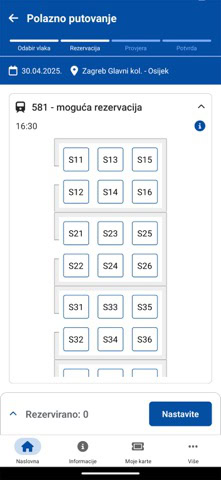
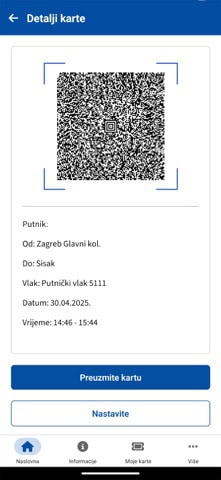
For local services, the HŽPP app (Croatian Railways) provides timetables, ticket options for non-pass journeys, and service updates. While not always fully translated, it’s useful for checking domestic train information.
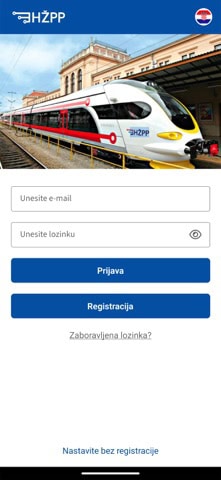
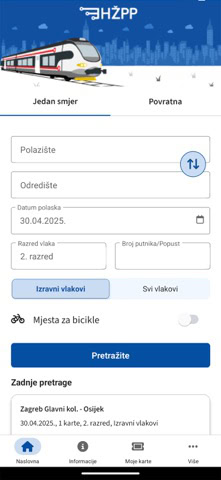
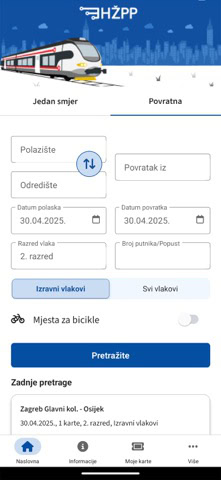
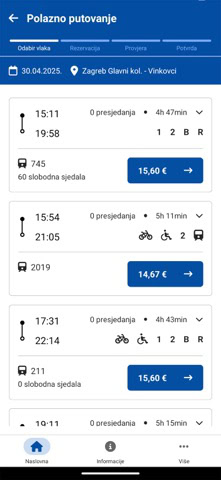
App availability and prices vary by country. Some of these may not appear in your local App Store or Google Play.
Third-party platforms like Omio and Trainline can help if you’re planning onward travel outside Croatia, especially for cross-border journeys. These often display connections not easily found in local apps.
For on-the-ground navigation once you arrive, Google Maps and Moovit are excellent for combining train travel with walking, buses, and trams in Croatian cities.
Together, these apps ensure you always have up-to-date information at your fingertips, making your Croatia Pass experience smoother and more reliable.

Rupert’s Handy Travel Tips
Croatia’s rail network isn’t always straightforward, but Rupert’s figured out how to make it work smoothly without wasting time or money.
- Plan for gaps in the rail network: places like Dubrovnik and Zadar need a short bus connection.
- Build your day around long journeys: routes like Zagreb to Split take most of the day.
- Use overnight trains where possible: they save time and cut accommodation costs.
- Book ahead in peak summer: coastal routes can fill up quickly.
- Carry snacks and water: onboard facilities are limited on many trains.
Want to meet the reindeer behind our travel tips? Find out more in our page Who is Rupert?.




Frequently Asked Questions about the Interrail Croatia Pass
Do I need seat reservations in Croatia?
Most domestic trains don’t require reservations. However, night trains and international services usually do, and small supplements apply.
Does the pass cover buses and ferries?
No. The Croatia Pass is valid only on HŽPP trains. Buses and ferries must be purchased separately, though they are often necessary to reach places like Dubrovnik or the islands.
Is the pass cheaper than point-to-point tickets?
For one or two short trips, single tickets may be cheaper. But if you’re planning several intercity journeys or want flexibility, the pass offers better value.
Can I use the pass for international routes?
No. The Croatia Pass is a One Country Pass, so it is valid only within Croatia. Zagreb does have direct trains to Ljubljana, Budapest, Belgrade, and Sarajevo, but the pass only covers the Croatian section of those journeys and you will need a separate ticket for the part beyond the border.
Do children travel free with the Croatia Pass?
Yes. Up to two children under 12 travel free with each adult pass holder, making it a family-friendly option.

Further Reading & Related App Guides
Planning to explore Croatia by train or ferry? These related guides will help you travel smarter across the Adriatic and beyond, and our Interrail Pass hub is the place to start if Croatia is one stop on a wider multi-country trip.
Our Train Booking Apps Guide makes it easy to compare routes and tickets, and if you are combining rail with the islands, our Ferry Booking Apps Guide covers planning island hops and coastal crossings.
Staying connected wherever you go matters too, and our eSIM Apps Guide covers the easiest ways to keep data working without swapping physical SIM cards. It is also worth checking our Weather Apps Guide before you ride, and making sure you are covered abroad with our Travel Insurance Apps Guide.