Reviewed by our editorial team Updated
Discovering Istanbul: Where Continents and Cultures Meet
Istanbul is one of the world’s great city experiences, a place where Europe and Asia meet across the Bosphorus and where almost every street carries the weight of empire, trade, faith, and everyday life. Once known as Byzantium and later Constantinople, the city has been shaped by Greek, Roman, Byzantine, and Ottoman influence, yet it still feels fiercely modern, busy, creative, and alive.
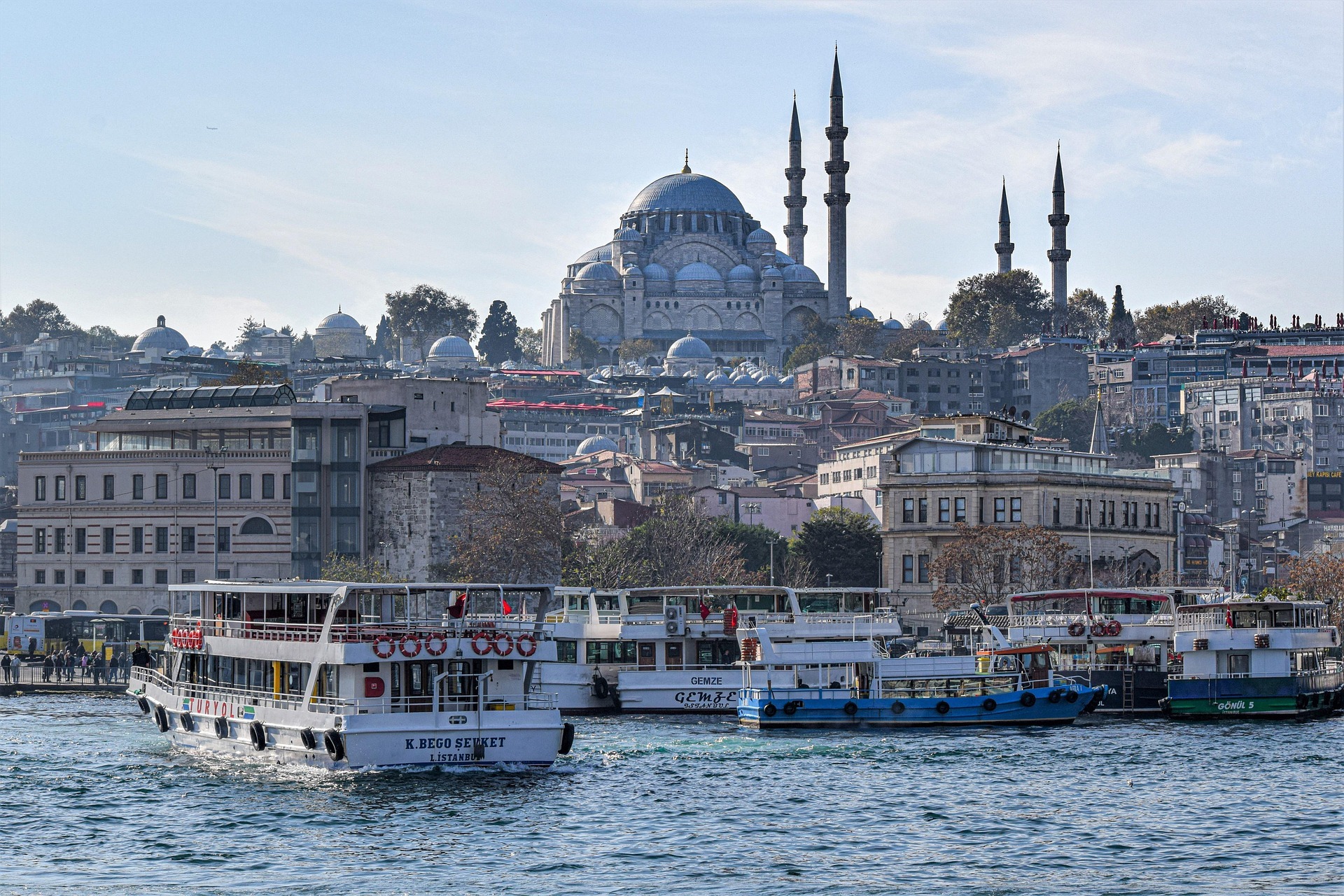
What makes visiting Istanbul so memorable is the constant contrast. In one morning, you can stand beneath the vast dome of the Hagia Sophia, walk past the elegant minarets of the Blue Mosque, cross the Galata Bridge, and then take a ferry to the Asian side for tea beside the water. Few cities make history feel so close to daily life. Here, ancient monuments are not sealed away from the modern city. They sit beside tram stops, cafés, markets, hotels, ferry piers, and streets full of commuters.
This Istanbul travel guide is designed for travellers who want more than a quick checklist of famous landmarks. The city rewards those who explore its neighbourhoods, use its ferries, understand its public transport, and leave space for slower discoveries. Sultanahmet delivers the grand historic sights, Beyoğlu brings nightlife and culture, Karaköy adds waterfront energy, while Kadıköy and Üsküdar reveal a more local rhythm on the Asian side.
Technology also makes Istanbul easier to navigate than many first-time visitors expect. Apps for public transport, ride-hailing, airport transfers, tour bookings, ferry routes, and eSIM connectivity can turn a complex megacity into a manageable, app-connected destination. That matters in a city where distances are large, traffic can be heavy, and the best route is often a mix of metro, tram, ferry, and walking.
Above all, Istanbul tourism is about atmosphere. The call to prayer echoing over rooftops, the smell of roasted chestnuts near ferry terminals, the sparkle of the Bosphorus at sunset, and the rush of the bazaars all create a city that feels layered, emotional, and unforgettable. Istanbul is not simply a place to visit. It is a city to move through, listen to, taste, and slowly understand.
Key Neighbourhoods, Areas & Regions
Understanding Istanbul’s neighbourhoods is essential because the city is enormous, spread across two continents, and divided by the Bosphorus, the Golden Horn, and several major transport corridors. Choosing the right areas to visit, stay in, and return to can completely change your experience of the city.
For most first-time visitors, Sultanahmet and Fatih form the historic heart of Istanbul tourism. This is where you find the Hagia Sophia, Blue Mosque, Topkapı Palace, Basilica Cistern, Grand Bazaar, and many of the city’s most important Byzantine and Ottoman landmarks. Staying here makes sightseeing easy, especially if your priority is history, museums, mosques, and early morning access to the Old City’s busiest attractions.
Nearby Eminönü is one of Istanbul’s great transport and market districts. It is busy, noisy, crowded, and completely atmospheric. The Spice Bazaar, ferry piers, street food stalls, and views across the Golden Horn make it a brilliant area for travellers who want to feel the city’s everyday energy. It is also one of the best places to understand how ferries, trams, bridges, and markets all connect.
Across the water, Beyoğlu, Galata, and Karaköy offer a more modern and creative side of the city. Galata Tower, Istiklal Avenue, rooftop restaurants, boutique hotels, cafés, galleries, and nightlife make this area ideal for travellers who want history with a more cosmopolitan edge. Karaköy is especially useful because it combines tram access, ferry links, waterfront dining, and easy movement between the Old City and Beyoğlu.
The Asian side offers a different rhythm. Kadıköy is youthful, relaxed, and full of food markets, independent cafés, street art, bars, and seaside walks. Üsküdar feels more traditional and Ottoman, with waterfront mosques, ferry views, and one of the best sunset perspectives over the European skyline. Travellers who only stay on the European side miss a major part of the city’s personality.
Further north, Beşiktaş, Ortaköy, and Nişantaşı bring upscale dining, Bosphorus views, luxury hotels, shopping, and nightlife. These areas work well for travellers who want a more polished, contemporary Istanbul experience while staying close to ferry routes and major waterfront landmarks.
For a quieter escape, the Princes’ Islands offer a completely different pace. Reached by ferry, these car-free islands are known for pine forests, historic mansions, seaside restaurants, and slower day trips away from the city’s traffic. They are especially useful for travellers who want a softer contrast after several intense days in central Istanbul.
The best Istanbul itinerary usually combines several areas rather than staying in one district. A strong first visit might include Sultanahmet for history, Karaköy and Beyoğlu for atmosphere, Kadıköy for local life, and a Bosphorus or island ferry for the city’s most memorable views.
Compare hotels and other places to stay in Istanbul.
Check availabilityBrowse apartments, holiday homes and self-catering stays in Istanbul.
View rentalsSee hotel prices from multiple booking sites in one search.
Compare ratesQuick Facts Table
| Category | Details |
|---|---|
| Country | Türkiye |
| Region | Marmara Region |
| Continents | Europe and Asia |
| Population | Around 15.9 million |
| Main Language | Turkish, with English common in major tourist areas |
| Currency | Turkish Lira (TRY) |
| Time Zone | TRT (UTC +3) |
| Plug Type | Type F, 230V |
| Driving Side | Right |
| Main Airports | Istanbul Airport (IST) and Sabiha Gökçen Airport (SAW) |
| Flag Carrier | Turkish Airlines |
| Climate | Mediterranean-influenced, with humid summers and mild, wet winters |
| UNESCO Status | Historic Areas of Istanbul, inscribed in 1985 |
| Famous For | Hagia Sophia, Blue Mosque, Bosphorus, Grand Bazaar, Turkish baths |
| Useful Transport Apps | Moovit, BiTaksi, Metro Istanbul, Istanbulkart |
| Best Time to Visit | April to June and September to October |
| Local Calling Code | +90 |
| Emergency Number | 112 |
| Visa Information | British citizens need no visa or e-visa for stays of up to 90 days in any 180; other nationalities should check before travelling |
From a traveller’s perspective, Istanbul is unusually well connected for a city of its size. Most international visitors arrive through Istanbul Airport (IST), one of the world’s busiest global hubs, while Sabiha Gökçen Airport (SAW) on the Asian side is especially useful for low-cost carriers, regional flights, and travellers staying in Kadıköy, Üsküdar, or the eastern districts.
The city’s intercontinental identity is not just a marketing phrase. It shapes daily travel. You can start the morning in Europe, cross the Bosphorus by ferry, and spend the afternoon in Asia without leaving the same city. This makes Istanbul feel more varied than many destinations twice its size, because neighbourhoods, transport routes, food culture, and skyline views change quickly from one side to the other.
For practical planning, the most important thing to understand is that Istanbul rewards travellers who use public transport intelligently. The Istanbulkart works across metro, tram, ferry, bus, funicular, and Marmaray services, making it the single most important transport tool for most visitors. Combined with route-planning apps, it helps avoid the worst of the city’s traffic and makes cross-city travel far easier.
The city is also highly connected digitally, but travellers should prepare before arrival. Having mobile data ready through an eSIM, roaming plan, or local SIM makes a major difference when checking ferry times, navigating metro transfers, booking taxis, or finding your hotel after dark. In a city as large and layered as Istanbul, connectivity is not a luxury. It is part of travelling confidently.
Brief History & Background
The history of Istanbul stretches back nearly 3,000 years, making it one of the most important continuously inhabited cities in the world. Its story begins with Byzantium, a Greek settlement founded in the 7th century BC in a position of extraordinary strategic value. Sitting beside the Bosphorus, the settlement controlled movement between the Black Sea, the Mediterranean, Europe, and Asia.
The city’s global importance grew dramatically in AD 330, when Emperor Constantine refounded it as Constantinople and made it the capital of the Eastern Roman Empire. From that moment, the city became one of the greatest centres of power, religion, trade, and culture in the medieval world. Its walls, churches, palaces, and markets shaped the political and spiritual life of the eastern Mediterranean for more than a thousand years.
The Hagia Sophia, completed under Emperor Justinian in the 6th century, remains the most powerful symbol of Byzantine Constantinople. Its vast dome, mosaics, and architectural ambition reflected a city that saw itself as the centre of the Christian world. Even today, standing inside or near the building gives travellers a sense of the city’s immense historical weight.
In 1453, Sultan Mehmed II captured Constantinople after a famous siege, bringing the Byzantine Empire to an end and transforming the city into the capital of the Ottoman Empire. Under Ottoman rule, Istanbul became a centre of Islamic architecture, imperial administration, trade, scholarship, and artistic production. Great mosques, including the Süleymaniye Mosque and Blue Mosque, reshaped the skyline and established the domed silhouette that still defines the city today.
The Ottoman period also gave Istanbul its palaces, bazaars, hammams, fountains, and neighbourhood structure. Topkapı Palace became the heart of imperial power, while the Grand Bazaar and Spice Bazaar connected the city to trading networks stretching across Europe, Asia, Africa, and the Middle East.
After the foundation of the modern Republic of Türkiye in 1923, the national capital moved to Ankara, but Istanbul remained the country’s cultural, commercial, and emotional centre. During the 20th and 21st centuries, the city expanded rapidly, becoming a vast megacity of more than 15 million people.
Today, visiting Istanbul means walking through all these layers at once. Byzantine walls, Ottoman mosques, republican monuments, modern towers, ferries, shopping streets, and global airports all exist together. That is what gives Istanbul tourism its depth. The city is not a preserved museum, but a living historical landscape where the past is still actively present in daily life.
UNESCO World Heritage Sites in Istanbul
Istanbul is one of the most historically layered cities in the world, and its Historic Areas of Istanbul are recognised as a UNESCO World Heritage Site. This designation reflects the city’s role as the capital of both the Byzantine and Ottoman Empires, with landmarks that span over a thousand years of history.
The UNESCO-listed area centres on the Historic Areas of Istanbul, which includes some of the city’s most important monuments. Among them is the Hagia Sophia, a structure that has served as a cathedral, mosque, and museum, and remains one of the most recognisable buildings in the world. Nearby, the Topkapı Palace offers insight into the power and structure of the Ottoman Empire, while the Sultan Ahmed Mosque reflects the architectural and religious significance of the city.
What makes Istanbul’s UNESCO status particularly compelling is the way these landmarks are integrated into a living, modern city. Walking through the historic districts, especially around Sultanahmet, you move between mosques, palaces, courtyards, and public squares that are still actively used today. This creates an experience where history is not isolated but woven into daily life.
For travellers, this means that visiting Istanbul is not about seeing a single UNESCO attraction. It is about exploring a continuous historic landscape, where multiple globally significant sites sit within walking distance of each other, forming one of the most important cultural zones in Europe and Asia.
Learn More from UNESCO
This destination is connected to a UNESCO World Heritage Site, recognised for its outstanding cultural, historical, or natural importance. You can explore official listings, background information, and protected heritage sites through UNESCO’s global database.
Getting There & Around – Airport Overview & Transfers
Istanbul is served by two major international airports: Istanbul Airport (IST) on the European side and Sabiha Gökçen International Airport (SAW) on the Asian side. Together, they make the city one of the world’s most important aviation gateways, linking Europe, Asia, the Middle East, Africa, and the Americas through a huge network of international routes.
Istanbul Airport (IST) is the city’s main long-haul hub and the home base of Turkish Airlines. Located around 40 kilometres northwest of the historic centre, it is vast, modern, and highly connected. For travellers heading to Sultanahmet, Taksim, Beşiktaş, or Karaköy, the journey into the city can take anywhere from 45 minutes to well over an hour, depending on traffic and the transport option chosen.
The M11 metro line has made airport transfers from IST much easier and cheaper than before. Travellers can connect from the airport towards Kağıthane, then continue into the wider metro system for central districts. This is usually the best-value option for confident travellers with light luggage, especially if avoiding road traffic is a priority.
For travellers who prefer direct road transport, Havaist airport buses run frequent services from Istanbul Airport to major districts including Taksim, Beşiktaş, Sultanahmet-area connections, and parts of the Asian side. They are more comfortable than standard city buses and often a good compromise between price and convenience.
Sabiha Gökçen Airport (SAW) sits around 45 kilometres southeast of central Istanbul and is especially useful for travellers staying on the Asian side, including Kadıköy, Üsküdar, and Moda. The airport is popular with low-cost carriers and regional flights. Transfers are available by metro, airport bus, taxi, and private transfer, although cross-city journeys to the European side can be slow during heavy traffic.
For many visitors, the best transfer choice depends on three things: arrival time, luggage, and where you are staying. The metro is affordable and reliable, buses are practical for many central districts, and taxis or private transfers are best for late arrivals, families, heavy luggage, or first-time visitors who want door-to-door simplicity.
Apps such as Moovit, Google Maps, BiTaksi, and Uber make Istanbul airport transfers easier to compare in real time. Because traffic can change dramatically, it is worth checking journey times before committing to a taxi or bus.
Getting to the City Centre by Metro
The metro is now one of the best ways to reach central Istanbul from Istanbul Airport (IST), especially for travellers who want to avoid the city’s unpredictable road traffic. The M11 Metro Line connects the airport with Kağıthane, where passengers can transfer into the wider Istanbul metro network.
After landing at Istanbul Airport, follow signs for Metro / M11 from the arrivals area. The station is connected to the terminal, though the airport is large, so allow extra time for walking. Before boarding, buy or top up an Istanbulkart from the yellow vending machines near the gates. This card is the key to Istanbul’s public transport network and works across metro, tram, bus, ferry, funicular, and Marmaray services.
From Istanbul Airport, take the M11 line towards Kağıthane. The journey usually takes around 30 to 35 minutes. At Kağıthane, travellers can connect towards central districts using the M7 line and then the M2 line, depending on the final destination.
For Taksim, the usual route involves travelling from Kağıthane towards Şişli-Mecidiyeköy, then transferring to the M2 line southbound. This normally brings total travel time to around 50 to 60 minutes, depending on interchange times.
For Sultanahmet and the Old City, the route is slightly more involved. Travellers usually connect through the metro network, then transfer to the T1 tram, which serves key historic stops near the Hagia Sophia, Blue Mosque, Topkapı Palace, and Grand Bazaar. This takes longer than reaching Taksim, but it is still often more reliable than sitting in airport traffic.
Metro services are clean, air-conditioned, and affordable, making this one of the strongest options for independent travellers. However, it may be less convenient if you are carrying large luggage, travelling with children, arriving late at night, or staying somewhere far from a metro or tram stop.
For many visitors, the metro offers the best balance of price, reliability, and comfort. It is especially useful for travellers who already plan to use the Istanbulkart throughout their stay.
Flag Carrier: Turkish Airlines
Turkish Airlines is Türkiye’s national flag carrier and one of the most important airline brands in the world. Based at Istanbul Airport (IST), it plays a central role in making Istanbul a global travel hub, connecting the city with hundreds of destinations across Europe, Asia, Africa, the Middle East, and the Americas.
For travellers planning an Istanbul vacation, Turkish Airlines is often more than just a way to arrive. Its huge network means many passengers pass through Istanbul on longer international journeys, and the city is perfectly positioned for a stopover. This makes Istanbul one of the easiest major cities to add onto a wider trip, whether you are travelling between London and Asia, Europe and Africa, or the Middle East and North America.
The airline is known for its broad route network, strong onboard catering, and connection-friendly hub operation. Long-haul travellers often choose Turkish Airlines because it links many secondary cities that are not always served directly by other major carriers. That global reach makes Istanbul feel like a natural meeting point between continents.
The Turkish Airlines mobile app is useful for managing flights, checking in online, tracking baggage, downloading boarding passes, monitoring gate changes, and managing Miles&Smiles loyalty details. For travellers moving through a large airport like IST, having the app installed can reduce stress, especially during tight connections or busy travel periods.
Turkish Airlines also promotes Istanbul through stopover and tour programmes, allowing some eligible transit passengers to experience the city rather than simply waiting at the airport. This supports Istanbul tourism by turning flight connections into short city breaks.
For AppSavvyTraveller readers, the practical takeaway is simple: if you are flying into Turkey or connecting through Istanbul, the Turkish Airlines app, a working eSIM or roaming plan, and a clear airport transfer plan will make the arrival process far smoother.


App availability and prices vary by country. Some of these may not appear in your local App Store or Google Play.
Search routes and flight options for your trip to Istanbul.
Search flightsChoose an Airalo eSIM and arrange mobile data before you arrive.
Browse eSIMsCheck private pickup options and plan your onward journey before arrival.
View transfersTrains
Rail travel in Türkiye has expanded rapidly over the past decade, and Istanbul is once again emerging as one of the most important rail gateways between Europe and Asia. For travellers, the city now offers a mix of high-speed rail, commuter services, international trains, and cross-city tunnel connections that make rail one of the most interesting and efficient ways to explore both Istanbul and the wider country.
The centrepiece of the system is the Marmaray tunnel, a major engineering project running beneath the Bosphorus. This underwater rail connection links the European and Asian sides of Istanbul in just a few minutes, allowing travellers to move between continents without ferries or road traffic. For many visitors, simply riding the Marmaray is an attraction in itself because it symbolises Istanbul’s role as a true intercontinental city.
The main hub for long-distance rail travel is now Söğütlüçeşme Station on the Asian side, alongside other key stations connected through the Marmaray network. From here, travellers can access Türkiye’s growing YHT high-speed rail network, operated by TCDD Taşımacılık.
The most important domestic routes include:
| Route | Approximate Journey Time |
|---|---|
| Istanbul – Ankara (YHT) | Around 4.5 hours |
| Istanbul – Konya (YHT) | Around 5 hours |
| Istanbul – Eskişehir (YHT) | Around 3 hours |
These modern high-speed trains are comfortable, air-conditioned, and significantly easier than domestic flights once airport transfer time is included. For travellers building a wider Türkiye itinerary, rail travel now makes cities such as Ankara, Konya, and Eskişehir highly practical additions to an Istanbul trip.
Within the city itself, the Marmaray commuter line is extremely useful for travellers. Stops such as Sirkeci, Üsküdar, Yenikapı, and Kadıköy-area connections allow quick movement across central districts while avoiding heavy traffic. Because the line is fully integrated into the Istanbulkart system, transferring between metro, tram, ferry, and rail is straightforward.
International rail links are also slowly expanding again. Overnight trains connect Istanbul with Sofia in Bulgaria, with onward links towards Bucharest and wider Eastern Europe. These routes reinforce Istanbul’s historic role as a rail bridge between Europe and Asia.
For travellers interested in slower, scenic, and more sustainable travel, rail remains one of the most rewarding parts of modern Istanbul tourism. It combines practicality with atmosphere in a way flights and highways rarely can.


App availability and prices vary by country. Some of these may not appear in your local App Store or Google Play.

Buses & Coaches
While metros and ferries dominate most tourist itineraries, buses remain one of the most important parts of daily life in Istanbul and across Türkiye. For many travellers, understanding the bus and coach network opens up cheaper, more flexible, and surprisingly comfortable ways to explore both the city and the wider country.
Long-distance coaches are especially important in Türkiye because the country’s domestic bus network is one of the largest and most developed in Europe and the Middle East. Services connect Istanbul with almost every major destination, including Ankara, Izmir, Antalya, Bursa, Cappadocia, Pamukkale, and the Black Sea coast.
The city’s main coach terminals are:
| Terminal | Location |
|---|---|
| Esenler Otogarı | European side |
| Dudullu Terminal | Asian side |
Major operators such as Kamil Koç, Metro Turizm, and Pamukkale run extensive schedules throughout the day and night. Coaches are generally modern and comfortable, with reclining seats, onboard refreshments, USB charging, Wi-Fi, and frequent rest stops on longer routes.
For budget-conscious travellers, coach travel can offer exceptional value. Overnight services are particularly useful because they reduce accommodation costs while covering large distances. Travelling overnight between Istanbul and destinations such as Cappadocia or Antalya is extremely common among domestic travellers and backpackers alike.
Booking has also become far easier thanks to apps and online platforms. Services such as Busbud, Obilet, and operator-specific apps allow travellers to compare routes, choose seats, store tickets digitally, and track schedules directly from their phones. This digital infrastructure makes Türkiye’s bus network much more accessible for international visitors than many travellers initially expect.
Inside the city, Istanbul’s public bus system is operated mainly by İETT and forms a huge network linking districts not fully covered by metro or tram lines. Buses run throughout the day and night, including dedicated overnight routes. They are integrated into the Istanbulkart fare system, making transfers simple and affordable.
However, travellers should remember that Istanbul traffic can be intense, especially during morning and evening rush hours. Metro and ferry services are often faster for crossing the city centre, while buses work best for shorter local connections or districts beyond the rail network.
For many visitors, buses become most useful after a few days in the city, once they feel more confident navigating Istanbul’s geography and transport system.


App availability and prices vary by country. Some of these may not appear in your local App Store or Google Play.
Local Public Transport
Istanbul’s public transport system is one of the most extensive and affordable urban networks anywhere in Europe or the Middle East. Despite the city’s enormous size, travellers can reach most major attractions, neighbourhoods, ferry piers, and transport hubs using a combination of metro, tram, bus, funicular, Marmaray, and ferry services.
For anyone following this Istanbul travel guide, the single most important thing to buy is an Istanbulkart. This reloadable contactless card works across almost the entire transport system and dramatically simplifies moving around the city. Without it, fares become more expensive and journeys far less convenient.
The metro system continues expanding rapidly and now forms the backbone of urban travel. The most useful lines for travellers include:
| Line | Main Areas Served |
|---|---|
| M1A | Yenikapı – former Atatürk Airport corridor |
| M2 | Taksim, Şişli, Levent, business districts |
| M7 | Mecidiyeköy and western districts |
| M11 | Istanbul Airport connection |
| Marmaray | Bosphorus rail tunnel linking Europe and Asia |
The T1 tram line is especially important for tourists because it connects many of Istanbul’s major historic attractions, including Sultanahmet, Hagia Sophia, Topkapı Palace, the Grand Bazaar, and Eminönü.
Funiculars and cable-linked transport also help overcome Istanbul’s steep terrain. The F1 funicular between Kabataş and Taksim is particularly useful for avoiding long uphill walks.
One of the best aspects of Istanbul tourism is that public transport remains remarkably affordable compared to many other global cities. Standard metro, tram, and bus fares remain low when using the Istanbulkart, and discounted transfer pricing makes multi-stage journeys economical.
For most travellers, daily transport costs are modest even with extensive sightseeing. Ferries cost slightly more than buses or metro rides but remain excellent value considering the views and experience they provide.
Apps such as Moovit, Metro Istanbul, Google Maps, and Trafi are extremely helpful for live route planning, platform navigation, delays, and transfer timing. Combined with the Istanbulkart, they make navigating a megacity of more than 15 million people surprisingly manageable.
Public transport is not simply a practical necessity in Istanbul. It is part of the city experience itself. Riding ferries across the Bosphorus, using the Marmaray beneath the sea, or taking trams past Ottoman monuments gives travellers a much deeper connection to the city than taxis alone ever could.
Metro, Tram & Bus Fares (2025)
One of the biggest advantages of using public transport in Istanbul is affordability. Compared with many major European cities, Istanbul’s fares remain low, especially when using the Istanbulkart contactless payment system.
All major public transport modes, including metro, tram, bus, funicular, Marmaray, and most ferries, are integrated into the same fare structure. Travellers simply tap their Istanbulkart when entering stations or boarding vehicles, and fares are deducted automatically.
Approximate 2025 public transport fares are as follows:
| Ticket Type | Price |
|---|---|
| Standard Adult Fare | Around ₺35 |
| Student Fare | Around ₺17 |
| Teacher / Social Fare | Around ₺25 |
| Single-Use Paper Ticket | Around ₺50 |
Transfer discounts are one of the most useful features of the Istanbulkart system. Additional journeys made within roughly two hours become progressively cheaper, meaning travellers using metro-to-tram or tram-to-ferry combinations pay less than buying separate standalone tickets.
Approximate transfer pricing:
| Transfer Number | Approximate Fare |
|---|---|
| 1st Transfer | Around ₺26 |
| 2nd Transfer | Around ₺20 |
| Further Transfers | Often between ₺13–₺17 |
Ferries are slightly more expensive depending on route length, with standard Bosphorus crossings usually costing around ₺38–₺58 (roughly £0.70–£1.10 / $0.90–$1.40). Longer journeys to the Princes’ Islands cost more but still represent excellent value compared with private boat tours.
The Marmaray line uses distance-based pricing, meaning longer cross-city rail journeys may cost slightly more than a short metro ride.
Airport transport is priced separately. Havaist airport buses from Istanbul Airport generally cost between ₺80–₺120 (roughly £1.50–£2.20 / $2–$3), depending on destination.
For most travellers, loading around ₺200–₺300 (roughly £3.70–£5.60 / $5–$7) onto an Istanbulkart provides enough credit for several days of sightseeing, ferry crossings, and metro journeys.
The affordability of Istanbul’s transport system is one of the city’s greatest strengths. It allows travellers to explore huge areas of the city cheaply while experiencing the rhythm of local life rather than relying entirely on taxis or expensive transfers.
Prices across the Istanbul network change frequently, but up to date prices can be found on the Official IETT Public Transportation Fee Schedule.
App availability and prices vary by country. Some of these may not appear in your local App Store or Google Play.
Map of the Istanbul Metro Network

Click here to download the official map.
The Istanbulkart: Your Key to the City
No transport tool is more important for travellers visiting Istanbul than the Istanbulkart. This reloadable contactless card acts as the universal key to the city’s transport network, allowing seamless access to metro lines, trams, buses, ferries, funiculars, Marmaray trains, and even some public facilities.
For most visitors, buying an Istanbulkart should be one of the first things done after arriving in the city. It dramatically reduces transport costs compared with buying individual tickets and makes moving around Istanbul far simpler, especially when switching between multiple transport modes during a single journey.
Cards are available from yellow Biletmatik vending machines located throughout the city, including airports, metro stations, ferry terminals, and major tram stops. Machines usually support both cash and card payments, although carrying some small Turkish Lira remains useful in case of temporary card-reader issues.
The card itself has an initial purchase fee, after which travellers load credit onto it. Each journey deducts the correct fare automatically when tapping at gates or onboard readers. One of the major advantages is the discounted transfer system, where additional journeys within a limited time period become progressively cheaper.
For example, a traveller might use:
| Journey Combination | Using Same Istanbulkart |
|---|---|
| Metro → Tram | Discounted transfer |
| Tram → Ferry | Further discount |
| Ferry → Bus | Reduced fare again |
This makes complex cross-city travel much more affordable than relying on separate tickets.
The Istanbulkart also works across both the European and Asian sides of the city, making it ideal for travellers planning to combine historic sightseeing, Bosphorus ferry crossings, and neighbourhood exploration within the same day.
The official Istanbulkart mobile app adds another layer of convenience. Travellers can check balances, top up digitally, manage virtual cards, and monitor transactions directly from their phones. NFC-enabled devices can even support contactless top-ups without using machines.
One particularly useful feature for groups is that a single physical Istanbulkart can technically be shared by multiple passengers through repeated taps. However, transfer discounts work best when each traveller has their own card.
For most people following this Istanbul travel guide, the Istanbulkart quickly becomes one of the best-value purchases of the entire trip. It turns a potentially overwhelming megacity into a much easier place to navigate confidently and affordably.
Taxis & Ride Shares
While public transport is usually the fastest and cheapest way to move around central Istanbul, taxis and ride-share services remain extremely useful, especially for airport transfers, late-night journeys, luggage-heavy travel, or reaching areas beyond the metro and tram network.
Istanbul’s taxis are easy to recognise, with the standard yellow cabs operating throughout the city at regulated municipal rates. In recent years, additional turquoise and black premium taxis have also appeared, offering newer vehicles and slightly higher comfort levels.
For travellers, the safest and easiest way to use taxis is through apps such as BiTaksi or Uber Türkiye. These platforms allow passengers to:
| App Feature | Benefit |
|---|---|
| Fare estimates | Avoid confusion over pricing |
| GPS tracking | Safer navigation |
| Card payment | Reduced cash reliance |
| Driver details | Added security |
| Route monitoring | Helps avoid unnecessary detours |
Importantly, Uber in Istanbul works using licensed taxis rather than private rideshare vehicles, meaning journeys remain part of the official taxi system.
Average taxi pricing changes frequently due to inflation, but airport journeys remain relatively affordable compared with many major European cities. Approximate fares from Istanbul Airport to central districts such as Sultanahmet, Taksim, or Karaköy often fall within the ₺350–₺500 (roughly £6.50–£9.30 / $8–$12) range depending heavily on traffic conditions and time of day.
Traffic is the single biggest issue when using taxis in Istanbul. During rush hour, crossing the city by road can take dramatically longer than expected, especially around:
| Heavy Traffic Zones |
|---|
| Bosphorus bridges |
| Taksim area |
| Major motorway approaches |
| Old City access roads |
For this reason, ferries and metro services are often faster during peak periods.
Travellers should avoid unofficial taxis and always ensure the meter is active if hailing directly from the street. Apps reduce most common problems and are strongly recommended for first-time visitors.
Another local transport option is the dolmuş, a shared minibus service operating fixed routes throughout the city. These are inexpensive and popular with locals, though less intuitive for tourists unfamiliar with routes or Turkish signage.
For late-night travel, taxis and ride-share apps become particularly valuable because some transport lines reduce frequency after midnight. They also help when returning from rooftop bars, Bosphorus restaurants, or nightlife districts such as Kadıköy, Beyoğlu, or Beşiktaş.
Overall, taxis are best viewed as a complement to public transport rather than a full replacement. Combined intelligently with metro, ferry, and tram journeys, they help travellers navigate Istanbul far more efficiently.


App availability and prices vary by country. Some of these may not appear in your local App Store or Google Play.
Compare hostels and budget-friendly accommodation around Istanbul.
Browse hostelsGet help with compensation, eligible lounge access and disruption support.
Explore AirHelp+Use convenient luggage storage around Istanbul between arrival, check-in and departure.
Check storageScooter Rentals
In recent years, e-scooters have become a major part of modern urban mobility in Istanbul. For travellers, they provide a flexible and enjoyable way to explore waterfronts, parks, quieter neighbourhoods, and shorter local journeys without relying entirely on taxis or public transport.
Several app-based scooter operators now work across the city, particularly in flatter districts and coastal areas. The most widely used include:
| Scooter Apps | Coverage |
|---|---|
| Martı | Extensive citywide coverage |
| BinBin | Popular in tourist districts |
| Hop | Common in central areas |
The process is straightforward. Travellers download the app, register payment details, scan a QR code on the scooter, and begin riding immediately. Pricing usually includes a small unlock fee followed by per-minute usage charges.
Scooters work best in areas such as:
| Ideal Scooter Areas |
|---|
| Kadıköy |
| Moda |
| Beşiktaş waterfront |
| Ortaköy promenade |
| Princes’ Islands connections |
| Coastal parks |
Because Istanbul is famously hilly, scooters are less practical in some steep historic districts such as parts of Fatih, Galata, and upper Beyoğlu. However, along flatter coastal areas and promenades they can be an excellent way to move around while enjoying Bosphorus views.
Cyclists should know that Istanbul currently has no working public bike-share scheme. The city-run İSBİKE system, which offered docked hire along the waterfront routes and parks, was discontinued on 15 February 2026 and its bicycles were scrapped. On 17 February 2026 İBB awarded new bike-hire licences to Hop and to Yapıdrom, which operates under the Tazi brand. Until it does, private hire shops and the scooter apps above are the practical options.
If you hire a bike privately or bring your own, the best routes for travellers are generally found along the shoreline, especially near:
| Recommended Cycling Areas |
|---|
| Kadıköy coastline |
| Moda waterfront |
| Fenerbahçe Park |
| Princes’ Islands |
| Bosphorus promenades |
Safety remains important. Istanbul traffic can be intense, and road conditions vary significantly between districts. Travellers should avoid riding aggressively, remain cautious near tram tracks, and use helmets whenever possible.
For many visitors, scooters and bikes are not the primary way to cross the city. Instead, they work best as supplements to metro, ferry, and tram journeys, adding flexibility and making neighbourhood exploration more enjoyable.
They also reflect the increasingly modern and tech-driven side of Istanbul tourism, where smartphone-based mobility services now play a major role in everyday travel.


App availability and prices vary by country. Some of these may not appear in your local App Store or Google Play.
Driving, Parking & Car Access
Driving in Istanbul is possible, but for most first-time visitors it is not the easiest way to experience the city. Istanbul is enormous, heavily populated, and often congested, particularly around the Bosphorus crossings and central districts. While the motorway network is modern and well developed, traffic conditions can change dramatically within minutes, especially during commuting hours.
For travellers planning to stay mainly within central areas such as Sultanahmet, Beyoğlu, Taksim, Karaköy, or Kadıköy, public transport is usually the better option. The combination of metro lines, ferries, trams, and taxis is generally faster and far less stressful than navigating the city by car.
That said, driving becomes far more useful if you plan to explore beyond Istanbul itself. Renting a car gives excellent flexibility for trips towards Bursa, Sapanca Lake, Edirne, the Black Sea coast, or longer journeys deeper into Türkiye. Once outside the city centre, the road network is generally modern, efficient, and easy to navigate.
Istanbul is connected by several major ring roads and motorway systems, while three huge Bosphorus crossings link the European and Asian sides of the city:
15 July Martyrs Bridge,
Fatih Sultan Mehmet Bridge, and
Yavuz Sultan Selim Bridge.
These crossings are impressive pieces of infrastructure, but they are also major traffic bottlenecks during rush hour. Congestion is usually worst between 07:00–10:00 AM and 4:30–7:30 PM, particularly on routes approaching the bridges or major motorway junctions.
Historic districts create additional challenges. Areas such as Fatih, Balat, and parts of Beyoğlu contain narrow streets, steep hills, limited parking, and heavy pedestrian activity. Driving here can quickly become frustrating, especially for travellers unfamiliar with local traffic habits.
Parking is one of the biggest practical issues. Street parking in central districts is limited and often tightly controlled. The safest option is to use official İSPARK facilities, which operate across the city in both open-air and underground locations. Many shopping centres and larger hotels also provide secure parking garages.
Navigation apps are essential for anyone driving in Istanbul. Most locals rely heavily on Google Maps, Yandex Maps, or Waze for live traffic conditions and route adjustments. Without real-time navigation, journey times can easily double during busy periods.
Travellers should also remember that most major toll roads and Bosphorus crossings operate using electronic payment systems such as HGS. Rental cars usually include these systems automatically, with toll fees charged back later through the rental agreement.
For most visitors, the smartest strategy is simple: rely on public transport within Istanbul itself, then use rental cars only for regional exploration or onward road trips across Türkiye. This gives you the flexibility of driving without the constant stress of navigating one of the world’s busiest megacities.
Car Rental
For travellers wanting to explore beyond Istanbul, renting a car can add huge flexibility to a Türkiye itinerary. While driving inside central Istanbul is often stressful due to traffic and parking challenges, having your own vehicle becomes extremely useful once leaving the city for coastal routes, historic towns, mountain regions, or longer road trips across the country.
Both Istanbul Airport (IST) and Sabiha Gökçen Airport (SAW) host a wide range of international and local rental companies. Major global brands such as Avis, Hertz, Enterprise, Europcar, Budget, and Sixt all operate here, alongside Turkish companies that sometimes offer more competitive pricing.
Rental prices vary significantly depending on season, vehicle type, insurance level, and transmission choice. Compact manual vehicles are usually the cheapest option, while SUVs and automatic cars command noticeably higher prices. During summer and holiday periods, rates can rise sharply, especially for automatic vehicles which remain in high demand among international visitors.
Most rental companies require:
A valid driving licence,
A passport, and
A credit card for the deposit.
An International Driving Permit (IDP) is recommended for many non-European travellers, even if not always strictly required.
One of the most useful strategies for travellers visiting Istanbul is to avoid renting immediately upon arrival unless leaving the city quickly. Many visitors spend several days exploring Istanbul using public transport, then collect a rental car later when beginning regional travel. This avoids unnecessary parking costs and stressful city driving.
Popular road-trip destinations from Istanbul include:
| Destination | Approximate Drive Time |
|---|---|
| Bursa | 2–3 hours |
| Sapanca Lake | 1.5–2 hours |
| Edirne | 2.5–3 hours |
| Şile & Ağva | 1.5–2 hours |
| Cappadocia | 7–9 hours |
| Izmir | 5–6 hours |
Türkiye’s motorway network is generally modern and well maintained, particularly on major western routes. Petrol stations are frequent, roads are well signposted, and motorway services are usually good quality.
Travellers should remember that many major highways and bridges use electronic toll systems. Most rental cars include automatic HGS toll tags, with charges billed afterwards through the rental company. Always check how toll handling works before leaving the rental desk.
Fuel prices in Türkiye fluctuate frequently and can be higher than some visitors expect. Diesel vehicles are popular because of the country’s long-distance driving culture, though petrol and hybrid vehicles are increasingly common.
Apps such as DiscoverCars, Rentalcars.com, and Yolcu360 help compare pricing and insurance options before booking. For navigation, most drivers rely on Google Maps or Yandex Maps, both of which perform well across Türkiye.
For travellers building a broader Türkiye itinerary, car rental opens up parts of the country that are harder to reach efficiently by train or bus. Used strategically, it transforms Istanbul from a final destination into the starting point for much wider exploration.

Walking
Despite its size, Istanbul is one of the world’s great walking cities. Many of its most memorable experiences happen on foot, moving slowly between mosques, ferry piers, cafés, hidden courtyards, steep alleyways, and crowded market streets. Walking allows travellers to absorb the city’s atmosphere in a way no taxi or metro line ever can.
The best areas for walking are often the historic and waterfront districts, where major landmarks sit surprisingly close together despite the city’s huge scale.
Sultanahmet is the most obvious starting point. The Hagia Sophia, Blue Mosque, Topkapı Palace, Basilica Cistern, and parts of the old Byzantine Hippodrome can all be explored comfortably within the same general area. Walking here early in the morning is especially rewarding before tour groups and crowds fully arrive.
The route from Eminönü across the Galata Bridge into Karaköy and uphill towards Galata Tower is another classic Istanbul experience. Street vendors, fishermen, ferries, tramlines, mosques, cafés, and skyline views combine constantly along the way.
Travellers who enjoy neighbourhood exploration should spend time wandering through:
Balat and Fener for colourful historic streets,
Kadıköy and Moda for local café culture, and
Üsküdar for quieter waterfront walks overlooking the European skyline.
The Bosphorus shoreline also offers some of the city’s best walking routes. Areas around Ortaköy, Beşiktaş, Arnavutköy, and parts of the Asian waterfront combine sea views with cafés, mosques, parks, and ferry traffic.
However, walking in Istanbul also comes with challenges. The city is famously hilly, pavements can be uneven, and traffic crossings sometimes feel chaotic compared with Western Europe. Comfortable footwear is essential, particularly in historic districts where cobblestones and steep gradients are common.
Summer heat can also become intense, especially during midday. Many experienced travellers structure their days around early starts, longer lunch breaks, and evening walks when temperatures fall and the city becomes more atmospheric.
Navigation apps such as Google Maps, Maps.me, and Komoot are extremely useful for route planning, particularly in neighbourhoods with winding side streets and changing elevation.
Walking also reveals details many visitors miss completely: hidden tea gardens, Ottoman fountains, old city walls, rooftop views, local bakeries, tiny mosques, ferry sounds drifting through alleyways, and the rhythm of ordinary life between the major attractions.
For many travellers, the best moments in Istanbul happen between destinations rather than at them. Walking is what allows those moments to emerge naturally.
Ferries & Cruises
Few experiences define Istanbul tourism more completely than riding a ferry across the Bosphorus. Ferries are not simply transport in Istanbul. They are part of the city’s identity, linking Europe and Asia while providing some of the best skyline views anywhere in the world.
For locals, ferries are an everyday commuter service. For travellers, they quickly become one of the highlights of any Istanbul trip. Watching mosques, palaces, bridges, and waterfront neighbourhoods glide past from the open deck creates a perspective of the city that streets alone cannot provide.
The main public ferry operator is Şehir Hatları, whose routes connect key districts including:
Eminönü,
Karaköy,
Beşiktaş,
Kadıköy, and
Üsküdar.
Most ferries fully integrate with the Istanbulkart system, making them both affordable and easy to use.
Some of the most useful and scenic public ferry routes include:
| Ferry Route | Typical Journey Time |
|---|---|
| Eminönü ↔ Üsküdar | 10–15 minutes |
| Beşiktaş ↔ Kadıköy | 15–20 minutes |
| Karaköy ↔ Kadıköy | 20–30 minutes |
| Golden Horn services | 35–40 minutes |
| Princes’ Islands ferries | 75–100 minutes |
The short cross-Bosphorus routes are particularly valuable because they combine sightseeing with practical transport. Many travellers deliberately structure their itineraries around ferries because they are often faster and more relaxing than crossing the city by road.
Longer Bosphorus cruises provide a more scenic experience. Public long-distance ferries travel north towards the Black Sea, passing Ottoman palaces, waterfront mansions, fishing villages, and major Bosphorus landmarks along the way. These routes offer incredible value compared with private sightseeing cruises.
Private operators also run:
Sunset cruises,
Dinner cruises,
Luxury yacht tours, and
Bosphorus sightseeing trips.
These are widely available through apps such as GetYourGuide, Klook, and hotel tour desks.
The Princes’ Islands ferries deserve special mention because they provide one of the best day trips from Istanbul. Travelling by ferry to islands such as Büyükada transforms the atmosphere completely, replacing traffic and crowds with pine forests, sea air, and slower coastal life.
For the best ferry experience, many travellers prefer sitting outside on the upper decks with tea or simit while watching the skyline unfold. Sunset crossings are particularly memorable, when the city’s domes and minarets glow beneath the evening light.
No matter how modern Istanbul becomes, ferries remain central to the city’s rhythm and one of the simplest ways to understand its geography, beauty, and atmosphere.


App availability and prices vary by country. Some of these may not appear in your local App Store or Google Play.
Ferries You Can Ride with the Istanbulkart
One of the best features of Istanbul’s public transport system is that most major city ferries fully accept the Istanbulkart, allowing travellers to cross between continents just as easily as boarding a metro or tram.
This makes ferry travel incredibly practical for sightseeing. Instead of paying premium prices for tourist boats, travellers can use ordinary commuter ferries for some of the best views in the city at a fraction of the cost.
Some of the most useful ferry routes include:
| Route | Why It’s Useful |
|---|---|
| Eminönü ↔ Üsküdar | Classic Europe-to-Asia crossing |
| Beşiktaş ↔ Kadıköy | Fast route between lively neighbourhoods |
| Karaköy ↔ Kadıköy ↔ Moda | Scenic local route with waterfront views |
| Kabataş ↔ Üsküdar | Useful for Bosphorus and tram connections |
| Golden Horn ferries | Access to Balat, Fener, and Eyüpsultan |
| Princes’ Islands routes | Day-trip access to Büyükada and beyond |
These ferries are operated primarily by Şehir Hatları, the official city ferry company. Travellers simply tap their Istanbulkart at the entrance gates before boarding, exactly like entering a metro station.
Fares vary slightly depending on route length, but most standard Bosphorus crossings remain extremely affordable compared with almost any comparable tourist experience elsewhere in Europe.
One of the biggest advantages of using public ferries rather than private cruises is flexibility. Travellers can:
Cross between continents casually,
Take ferries as part of ordinary sightseeing days, and
Enjoy Bosphorus views repeatedly without large extra costs.
Morning and evening crossings are especially atmospheric. Commuters drink tea, feed seagulls, and watch the skyline pass while mosques and towers emerge through changing light over the water.
For many visitors following this Istanbul travel guide, public ferries become far more than simple transportation. They become one of the defining experiences of the entire trip.

Sehir Hatlari Route Map
Istanbul Public Ferry Fares
Ferry travel remains one of the absolute highlights of visiting Istanbul, combining practical transport with some of the best views anywhere in the city. Crossing the Bosphorus by ferry is not treated as a tourist activity by locals. It is simply part of everyday life, which makes the experience feel far more authentic than many organised sightseeing tours.
All major public ferry services operate using the Istanbulkart, fully integrating ferries into the wider metro, tram, bus, and Marmaray network. Travellers simply tap their card at the terminal entrance before boarding, exactly as they would when entering a metro station.
Fares vary depending on route length and distance travelled, but most short Bosphorus crossings cost between ₺44 and ₺58. Longer journeys, particularly those heading towards the Princes’ Islands, cost more due to the extended sailing time and distance involved. Even so, these remain extremely good value considering the scenery and overall experience.
Popular commuter crossings such as Eminönü to Üsküdar, Beşiktaş to Kadıköy, and Karaköy to Kadıköy remain among the cheapest and most scenic ways to move around the city. Longer routes travelling north along the Bosphorus or across the Golden Horn naturally carry slightly higher fares.
Travellers should avoid relying on single-use paper tickets where possible, as these are considerably more expensive than using an Istanbulkart. The Istanbulkart also applies automatic transfer discounts within certain time windows, making combined journeys significantly cheaper.
Compared with many large global cities, Istanbul’s ferry system remains remarkably affordable. In very few places can travellers cross between two continents for the price of a short local metro ride while enjoying panoramic views of Ottoman palaces, mosques, bridges, waterfront mansions, and the constantly shifting skyline.
For many visitors, ferries quickly become more than transport. They become part of the daily rhythm of the trip itself.
Private Ferries and Sightseeing Cruises
While public ferries provide an authentic local experience, private Bosphorus cruises offer a more relaxed and scenic way to experience Istanbul from the water. These cruises have become one of the defining experiences of modern Istanbul tourism, especially during sunset when the city’s skyline glows beneath the evening light.
Private operators run a wide range of services along the Bosphorus, from simple sightseeing sailings to luxury dinner cruises and private yacht charters. Unlike the public ferry system, these cruises operate independently and usually require separate tickets or advance booking.
Short sightseeing cruises typically last between one and two hours, travelling past some of Istanbul’s most famous waterfront landmarks including Dolmabahçe Palace, Ortaköy Mosque, Rumeli Fortress, and the huge Bosphorus bridges linking Europe and Asia.
Sunset cruises are particularly popular because they showcase Istanbul at its most atmospheric. As daylight fades, mosques illuminate across the hillsides, ferries cut through golden reflections on the water, and the Bosphorus gradually transitions into a sea of lights.
Dinner cruises are another major attraction for travellers visiting Istanbul. Most include Turkish cuisine, live music, and entertainment onboard while slowly sailing between the European and Asian shores. Quality varies significantly between operators, so checking recent reviews before booking is strongly recommended.
Luxury yacht experiences have also expanded rapidly in recent years. These private charters often depart from districts such as Bebek, Kabataş, or Kuruçeşme, offering quieter and more exclusive Bosphorus experiences for couples, families, or small groups.
Most private cruises can be booked through major travel platforms such as GetYourGuide, Klook, and Viator, while many hotels also assist with reservations directly.
For many travellers, the ideal approach is combining public ferries during the daytime with one private Bosphorus cruise during the evening. This provides both the authenticity of ordinary city life and the unforgettable spectacle of Istanbul’s skyline from the water at night.

Unique & Scenic Ways to Travel
One of the most enjoyable aspects of visiting Istanbul is that transportation itself often becomes part of the attraction. The city offers an extraordinary variety of scenic and unusual ways to move around, many of which reveal entirely different sides of Istanbul’s personality.
The most iconic is undoubtedly the historic red tram running along Istiklal Avenue between Taksim Square and Tünel. Moving slowly through crowds, street musicians, historic buildings, cafés, and shops, this nostalgic tram has become one of the defining visual symbols of modern Istanbul.
On the Asian side, the Kadıköy–Moda tram provides a quieter and more local experience. This circular route passes through leafy neighbourhoods, independent cafés, bookshops, parks, and coastal promenades, revealing a slower and more residential side of the city often missed by first-time visitors.
Istanbul also contains several unusual transport systems that many travellers completely overlook. The Tünel Funicular, opened in 1875, remains one of the oldest underground railways in the world. Though short, it provides a steep connection between Karaköy and Beyoğlu, climbing rapidly beneath the hillside.
The city’s cable cars provide another scenic perspective. The Eyüpsultan–Pierre Loti Cable Car rises above the Golden Horn, offering spectacular panoramic views across domes, minarets, cemeteries, and waterfront districts below. Nearby, the Maçka Cable Car near Taksim glides over urban parks and busy roads, creating a surprisingly peaceful journey above the traffic.
More recently, Istanbul has expanded its modern maritime transport options with sea taxis and app-based Bosphorus crossings. These allow travellers to move quickly between waterfront districts while avoiding road congestion entirely.
For transport enthusiasts, Istanbul is genuinely fascinating because it layers modern infrastructure alongside historic systems that still function as part of daily life. Within a single day, travellers can ride vintage trams, underground funiculars, high-speed metros, Bosphorus ferries, cable cars, and commuter rail tunnels crossing beneath two continents.
Very few cities offer that level of transport diversity combined with such dramatic scenery and hist
Mini Trains, Trams & Tourist Shuttles (Hop On Hop Off)
Istanbul’s trams and sightseeing transport systems are far more than practical ways to move around the city. They are part of the atmosphere itself, weaving through historic districts, crossing busy squares, and revealing constantly changing views of daily life. For many visitors, some of the most memorable moments happen not inside attractions, but while travelling between them.
The city’s most famous tram is the nostalgic red tram running along Istiklal Avenue between Taksim Square and Tünel. This historic vehicle slowly rattles through one of the busiest pedestrian streets in the country, passing musicians, cafés, bookstores, embassies, and grand late-Ottoman buildings. The route is short, but the atmosphere surrounding it captures the energy and personality of modern Istanbul better than almost anywhere else.
On the Asian side, the Kadıköy–Moda tram offers a completely different mood. Instead of crowded shopping streets and nightlife, this circular route moves slowly through residential districts filled with parks, independent cafés, local markets, and seaside promenades. It feels calmer, more local, and far less tourist-focused than the European-side tram experience.
The modern tram network is equally important for exploring the city efficiently. The T1 tram line is especially useful because it links many of the city’s biggest landmarks and transport hubs. Travellers can easily move between Kabataş, Karaköy, Eminönü, Sultanahmet, and the Grand Bazaar without needing taxis or complicated metro changes. For many visitors, the T1 becomes the easiest way to navigate the historic core.
One of the biggest advantages of the tram system is that it avoids much of Istanbul’s road congestion. While cars and buses often become trapped in heavy traffic, trams continue moving steadily through dedicated corridors across the city centre. They are also fully integrated into the Istanbulkart system, making transfers between trams, ferries, metros, and buses straightforward and affordable.
Sightseeing buses provide another option for travellers wanting a broader overview of the city. Open-top hop-on hop-off routes pass many major landmarks, including Dolmabahçe Palace, Ortaköy, Taksim Square, Galata Tower, and the Bosphorus waterfront. These buses are especially useful for first-time visitors trying to understand the scale and layout of the city before exploring neighbourhoods in more detail.
Traffic can sometimes slow these services considerably, particularly during peak commuting hours, but the elevated seating provides excellent views across the skyline and Bosphorus bridges. Audio commentary is usually available in multiple languages, helping travellers understand the city’s long and complex history while moving between districts.
What makes Istanbul’s trams and sightseeing transport special is the way they combine movement with atmosphere. You are never simply travelling from one attraction to another. Every tram ride, ferry crossing, and street-level journey becomes part of the wider experience of the city itself.
Visiting: Top Attractions
Istanbul is a living museum where every street reveals a new chapter of history. For those visiting Istanbul for the first time, certain landmarks define the experience, timeless icons that unite Byzantine, Ottoman, and modern Turkish culture in one skyline.
Start in Sultanahmet, the city’s historic heart. Here you’ll find the Hagia Sophia, one of the world’s most significant architectural masterpieces. Its massive dome, mosaics, and shifting history , from cathedral to mosque, reflect Istanbul’s layered identity. Directly opposite stands the Blue Mosque (Sultanahmet Camii), famous for its six minarets and delicate Iznik tiles.
Nearby, the Topkapı Palace immerses travellers in the splendour of the Ottoman sultans, while the Basilica Cistern, an underground marvel supported by 336 columns, offers a cool, atmospheric retreat.
Crossing the Golden Horn, Galata Tower provides panoramic views over both continents, best visited at sunset. In Beyoğlu, Istiklal Avenue buzzes with shops, music, and cafés, capturing the modern pulse of Istanbul tourism.
The Dolmabahçe Palace, set on the Bosphorus waterfront, showcases 19th-century European opulence infused with Ottoman flair, while the Chora Church (Kariye Mosque) preserves breathtaking mosaics that rank among the finest in the world.
For an alternative angle, visit the Asian side’s peaceful Üsküdar and Kadıköy districts, where daily life flows at a gentler pace and seaside promenades reveal stunning Bosphorus views.
Each attraction contributes to the layered story of the city, a meeting place of empires, faiths, and ideas. Whether you’re exploring grand palaces or quiet neighbourhoods, every corner adds new depth to your visit and ensures memories that linger long after your trip ends.

Historical Highlights & Landmarks
Few cities on earth contain historical layers as deep and visible as Istanbul. The city’s landmarks are not isolated monuments sitting behind barriers. They remain woven directly into modern life, creating a constant overlap between ancient empires and present-day energy.
The most iconic of all is undoubtedly the Hagia Sophia. Constructed in AD 537 under Emperor Justinian, it stood for nearly a thousand years as the largest cathedral in the world before later becoming a mosque, museum, and mosque once again. Its enormous dome, marble columns, faded Byzantine mosaics, and Islamic calligraphy represent the extraordinary collision of civilisations that defines the city itself.
A short walk away stands the magnificent Blue Mosque, one of the greatest achievements of Ottoman architecture. Built in the early 17th century, its six minarets and cascading domes dominate the skyline around Sultanahmet Square. Inside, tens of thousands of blue İznik tiles create the soft lighting effect that gave the mosque its famous nickname.
The nearby Hippodrome of Constantinople once served as the social and political centre of the Byzantine Empire. Though much of the original structure has disappeared, surviving monuments such as the Obelisk of Theodosius and the Serpent Column still stand where chariot races once entertained huge crowds.
Further along the skyline rises the monumental Süleymaniye Mosque, designed by the legendary Ottoman architect Mimar Sinan. Many locals consider it more beautiful than the Blue Mosque because of its perfect proportions, calmer atmosphere, and panoramic views across the Golden Horn.
The city’s Ottoman history reaches its peak inside Topkapı Palace, where generations of sultans ruled a vast empire stretching across three continents. The palace complex contains imperial courtyards, treasury chambers, royal kitchens, gardens, religious relics, and the famous Harem, revealing the extraordinary scale of Ottoman power and court life.
Beyond the major attractions, historical remnants appear constantly across the city. Ancient Byzantine walls cut through neighbourhoods, Roman cisterns hide beneath modern streets, Ottoman fountains stand beside tram lines, and centuries-old hammams still operate much as they always have.
What makes Istanbul exceptional is not simply the number of landmarks, but the way history remains alive within the modern city rather than separated from it.

Hidden Gems & Local Secrets
Beyond the grand mosques and famous palaces, Istanbul hides an enormous number of quieter neighbourhoods, local traditions, and overlooked corners that many travellers never discover. These smaller experiences often become the moments people remember most vividly after leaving the city.
One of the most rewarding areas to explore is Balat, the old Jewish quarter along the Golden Horn. Colourful wooden houses, steep cobbled streets, hidden cafés, antique shops, and layers of religious history create an atmosphere entirely different from the busy tourist centre around Sultanahmet. Nearby Fener adds another layer of character with its Orthodox churches, old Greek schools, and quieter residential feel.
On the Asian side, Kuzguncuk offers one of the most peaceful neighbourhood experiences anywhere in the city. Narrow streets lined with trees, bakeries, independent cafés, synagogues, mosques, and churches sit side-by-side, reflecting the multicultural character that has shaped Istanbul for centuries.
Travellers searching for quieter viewpoints should head towards the Pierre Loti Café above Eyüpsultan. Reached by cable car or uphill walk, it overlooks the Golden Horn with sweeping views across domes, rooftops, waterways, and distant skylines. Early mornings and evenings are especially atmospheric here.
Another overlooked experience is visiting one of the city’s historic hammams away from the busiest tourist crowds. The Süleymaniye Hamamı and Kılıç Ali Paşa Hamamı both combine stunning Ottoman architecture with more authentic bathing experiences than some of the heavily commercialised alternatives.
Modern Istanbul also contains an increasingly vibrant creative scene. Around Kadıköy, enormous street murals cover apartment blocks and side streets, while independent record stores, bookshops, cocktail bars, and small galleries create one of the city’s most dynamic neighbourhood atmospheres.
Many hidden gems in Istanbul are not major attractions at all. They are ordinary moments found in tea gardens overlooking the Bosphorus, local ferry rides at sunset, tiny bakeries selling fresh simit, or wandering into quiet backstreets where daily life unfolds far from the major tourist routes.
The deeper travellers explore, the more Istanbul rewards curiosity.
Indoor Attractions & Rainy-Day Ideas
Istanbul remains an outstanding destination even during rainy weather or winter months. The city’s combination of museums, hammams, historic interiors, covered markets, and cultural spaces means there is always something to explore indoors.
The Istanbul Archaeology Museums are among the finest in the region yet are often overshadowed by nearby landmarks. Their collections span thousands of years of civilisation and include extraordinary artefacts from the Greek, Roman, Byzantine, and Ottoman worlds. Highlights include the famous Alexander Sarcophagus and artefacts connected to ancient Troy.
Nearby, the Museum of Turkish and Islamic Arts contains beautifully preserved carpets, manuscripts, ceramics, calligraphy, and woodwork inside a former Ottoman palace overlooking the old Hippodrome.
For modern culture, Istanbul Modern provides a completely different perspective on the country. Its striking waterfront location and contemporary exhibitions showcase Turkey’s rapidly evolving artistic scene while also providing excellent Bosphorus views from inside the gallery spaces.
Rainy days are also ideal for visiting one of the city’s historic hammams. Traditional Turkish baths such as Cağaloğlu Hamamı, Çemberlitaş Hamamı, and Kılıç Ali Paşa Hamamı combine architecture, history, and relaxation in a uniquely Istanbul experience. Many of these structures have operated continuously for centuries.
The city’s famous covered markets become even more atmospheric during wet weather. The Grand Bazaar and Spice Bazaar offer endless sheltered exploration beneath vaulted ceilings filled with lamps, spices, textiles, ceramics, jewellery, and tea shops.
Underground attractions become particularly memorable during rain. The dimly lit Basilica Cistern, with its forest of ancient columns rising from shallow water, feels even more dramatic when contrasted against stormy weather outside.
Istanbul’s café culture also comes alive during colder months. Spending time in historic tea houses or waterfront cafés while ferries move through rain and mist across the Bosphorus becomes part of the atmosphere rather than a disruption to the trip.
Even indoors, the city constantly feels alive, layered, and deeply atmospheric.
Shopping & Markets
Shopping in Istanbul is not simply retail. It is part of the city’s identity and one of the clearest surviving connections to its history as a global trading centre linking Europe and Asia.
The most famous market is naturally the Grand Bazaar. Dating back to the 15th century, this vast covered complex contains thousands of shops spread across an intricate maze of corridors and passageways. Carpets, ceramics, lanterns, jewellery, leather goods, spices, antiques, and textiles fill every corner beneath painted ceilings and historic archways.
While many visitors come for souvenirs, the Grand Bazaar is most enjoyable when approached slowly. Some of the best experiences come from wandering quieter side alleys, speaking with long-established traders, and watching craftsmen still producing goods using traditional techniques.
Nearby, the Spice Bazaar offers a completely different atmosphere. The scent of saffron, tea, Turkish delight, nuts, dried fruit, and spices fills the air while vendors compete for attention beneath the old vaulted ceilings. It remains one of the most sensory experiences anywhere in the city.
For travellers preferring modern retail, districts such as Nişantaşı, Zorlu Center, IstinyePark, and Kanyon Mall contain international luxury brands, designer boutiques, restaurants, and contemporary shopping centres comparable to those in major European capitals.
The Asian side offers a more local shopping atmosphere. Kadıköy Market is particularly popular for fresh food, small cafés, bookstores, local fashion, and artisan shops. Sundays also bring lively flea markets selling antiques, records, second-hand books, and vintage items.
Smaller specialist areas across the city focus on particular crafts. Certain streets remain known for:
Carpets, Musical instruments, Jewellery, Ceramics, or Leather goods.
Bargaining still plays an important role in many traditional markets, though generally in a friendly and conversational way rather than aggressive negotiation.
What makes shopping in Istanbul special is the atmosphere surrounding it. Tea is constantly offered, conversations stretch beyond transactions, and centuries of trading culture still shape the experience. Even travellers with little interest in buying anything often find the markets among the most memorable parts of the city.

Suggested Itinerary
Because Istanbul is so vast and layered, having a rough structure to your visit makes a huge difference, blending famous sites with slower moments rather than rushing from landmark to landmark. The city can easily feel overwhelming without a plan, particularly for first-time visitors trying to balance historic sites, Bosphorus views, neighbourhood exploration, food, shopping, and transport logistics. A well-paced itinerary allows you to experience both the monumental side of the city and the quieter local atmosphere hidden between the major attractions.
A strong first day should focus on the historic core around Sultanahmet. Begin early at the Hagia Sophia before crowds become intense, then continue across to the Blue Mosque and the remains of the old Byzantine Hippodrome. From there, spend several hours exploring Topkapı Palace, including the treasury rooms and Bosphorus terraces. After lunch, descend into the atmospheric Basilica Cistern before wandering towards the Grand Bazaar in the late afternoon. Ending the evening around Karaköy or Galata gives a perfect contrast between the city’s imperial history and its modern energy.
A second day works best when focused around the Bosphorus and the Asian side. Begin with breakfast in Beşiktaş, then visit Dolmabahçe Palace, one of the most extravagant buildings in the entire country. Afterwards, board a ferry towards Kadıköy or Üsküdar, enjoying skyline views while crossing between continents. The Asian side rewards slower exploration, particularly around Moda, where cafés, waterfront parks, and quieter residential streets reveal a calmer side of the city. Returning by ferry at sunset often becomes one of the highlights of the entire trip.
A third day allows more flexibility and local discovery. Explore districts such as Balat, Fener, and Eyüpsultan, where colourful streets, historic churches, local cafés, and hilltop viewpoints reveal a completely different atmosphere from the busy tourist centre. Alternatively, spend the day exploring the Bosphorus further north around Ortaköy, Arnavutköy, and Bebek, where waterfront mansions, seafood restaurants, and tea gardens line the shoreline.
Travellers with extra time should strongly consider a day trip to the Princes’ Islands, where traffic disappears entirely and pine-covered hills replace the noise of the city. Others may prefer using additional days for hammams, museums, Bosphorus cruises, shopping, or simply slowing the pace and spending more time absorbing the atmosphere.
Istanbul rewards travellers who leave space for spontaneity. Some of the best experiences happen unexpectedly between the major landmarks rather than inside them.
Events, Festivals, Seasonal Highlights & Annual Events
Istanbul changes dramatically throughout the year, with each season bringing different moods, colours, celebrations, and cultural events. Timing your visit well can completely alter the atmosphere of the city and shape the type of experience you have.
Spring is widely considered one of the best periods to visit. Between April and June, temperatures become pleasantly warm without the intensity of summer heat, and the city’s parks explode with colour during the famous Istanbul Tulip Festival. Millions of tulips appear across areas such as Emirgan Park, Gülhane Park, and countless public spaces throughout the city. Ferries, café terraces, and Bosphorus walks all become especially enjoyable during this season.
Summer transforms the city into a far more energetic and crowded destination. Long evenings, rooftop bars, Bosphorus cruises, and outdoor dining dominate daily life. The Istanbul Jazz Festival attracts international artists and performances across both continents, while open-air concerts and waterfront events continue throughout the warmer months. Summer also brings intense traffic and larger tourist crowds, particularly around the historic centre.
Autumn offers another outstanding period for visiting Istanbul. Temperatures remain comfortable well into October, while humidity falls and the city regains a calmer rhythm after peak summer tourism. Major cultural events such as the Istanbul Biennial, art fairs, film festivals, and literary events create a more creative and intellectual atmosphere across districts such as Beyoğlu, Karaköy, and Kadıköy.
Winter presents a quieter and often underrated version of the city. While temperatures are cooler and rain becomes more common, hotel prices generally fall and major attractions become easier to explore without overwhelming crowds. Occasional snowfall transforms the skyline into something genuinely spectacular, particularly around the domes and minarets of the historic peninsula.
Religious and national events also shape the city throughout the year. Ramadan evenings create a distinctive atmosphere with illuminated mosques, late-night food stalls, and large public gatherings after sunset. Republic Day celebrations on 29 October bring fireworks and large-scale events along the Bosphorus.
No matter the season, Istanbul never feels static. The city constantly reinvents its atmosphere throughout the year.
City Passes, Discount Cards & Tourism Bundles
Istanbul’s scale and huge number of attractions mean that city passes can provide very good value for travellers planning to visit multiple landmarks within a short period of time. They also simplify logistics by reducing ticket queues and combining several services into one package.
The most widely used option is the Istanbul E-Pass, a fully digital sightseeing pass covering dozens of attractions across the city. Depending on the duration selected, it typically includes entry to major sites such as Topkapı Palace, the Basilica Cistern, Galata Tower, Bosphorus cruises, guided tours, and various museums. Everything operates through QR codes on your phone, making it easy to manage while travelling.
Another popular option is the official Museum Pass Istanbul, issued by the Turkish Ministry of Culture and Tourism. This pass focuses primarily on state-run historical attractions and museums. It provides excellent value for travellers interested mainly in Ottoman and Byzantine history, especially those planning to visit multiple museum sites within a few days.
Some passes combine sightseeing with transport benefits. Packages such as the Istanbul Welcome Card may include:
Airport transfers,
Public transport access,
Bosphorus cruises, and
Guided tours.
These bundled options appeal particularly to first-time visitors wanting a simpler and more organised introduction to the city.
The main advantage of using city passes in Istanbul is often convenience rather than purely financial savings. During busy periods, queue-skipping access at attractions such as Topkapı Palace and the Basilica Cistern can save significant time and reduce stress.
However, not every traveller benefits equally from these passes. Visitors planning a slower itinerary focused mainly on neighbourhood exploration, cafés, ferries, markets, and local experiences may find that individual ticket purchases work out cheaper overall.
The best approach is to compare the attractions genuinely on your itinerary against the pass coverage before purchasing. Istanbul offers enough variety that the right pass depends heavily on your travel style. For a closer side-by-side look at how the leading options compare, see our Istanbul Tourist Pass Comparison.
Parks, Gardens & Green Spaces
Despite its enormous population and constant movement, Istanbul contains a surprising number of parks, gardens, waterfront promenades, and green spaces where the pace of the city slows dramatically. These areas provide important breathing space between the crowded streets, markets, and transport hubs.
One of the most central and historically important parks is Gülhane Park, located beside Topkapı Palace. Originally part of the imperial palace gardens, it now serves as a peaceful public space filled with shaded walkways, fountains, flower beds, and Bosphorus viewpoints. During spring, the tulip displays here become particularly impressive.
Further north along the Bosphorus lies Emirgan Grove, one of the city’s most beautiful green spaces. Rolling hills, Ottoman pavilions, wooded paths, and panoramic waterfront views make it extremely popular with locals, especially during weekends and tulip season.
Near Beşiktaş, Yıldız Park stretches between former imperial palaces and forested hillsides. Its quieter atmosphere, cafés, and elevated Bosphorus viewpoints make it feel surprisingly distant from the surrounding urban density.
The Asian side contains some of the city’s most relaxed waterfront green spaces. Areas around Moda, Fenerbahçe, and the Kadıköy coastline provide long seaside promenades where locals gather to picnic, jog, cycle, fish, or simply sit watching ferries move between continents.
One of the most spectacular viewpoints anywhere in Istanbul is Çamlıca Hill, rising above the Asian side skyline. From here, visitors can look across the Bosphorus towards the historic peninsula, bridges, mosques, and endless urban sprawl stretching across both continents.
The city’s parks also reveal a more local side of Istanbul away from the major tourist routes. Families gather for tea, students relax beneath trees, elderly residents play backgammon, and street vendors move through the crowds selling simit and roasted corn.
After long days exploring mosques, palaces, markets, and busy transport corridors, these green spaces provide an important contrast and help reveal the slower rhythm hidden within the city.
Where & What to Eat
Food sits at the centre of everyday life in Istanbul, and exploring the city properly means exploring its kitchens, cafés, bakeries, markets, tea gardens, and street stalls just as much as its mosques and palaces. The city’s cuisine reflects centuries of empire, migration, trade, and regional influence, blending flavours from across Anatolia, the Balkans, the Middle East, and the Mediterranean into one of the richest food cultures anywhere in the world.
Breakfast is treated almost as a social ritual. A traditional Turkish breakfast spreads across the table with fresh bread, cheeses, olives, eggs, tomatoes, cucumbers, jams, honey, and endless glasses of strong black tea. Districts such as Beşiktaş, Kadıköy, and Ortaköy are especially popular for long breakfasts overlooking the Bosphorus, where locals often spend hours eating slowly and socialising rather than rushing through meals.
Street food forms another huge part of the city’s identity. Around ferry terminals, busy squares, and market streets, vendors constantly sell fresh simit, roasted chestnuts, stuffed mussels, grilled corn, and the famous balık ekmek, the grilled fish sandwiches served beside the water around Eminönü. The smells drifting through the streets become part of the atmosphere itself.
The city’s kebab culture is equally diverse. Istanbul draws regional dishes from all across Türkiye, meaning travellers can experience everything from rich southeastern-style kebabs to refined Ottoman palace cuisine. Some of the best restaurants are hidden in completely ordinary-looking streets where generations of cooks have specialised in the same dishes for decades.
Seafood plays an enormous role in the city’s dining scene thanks to the Bosphorus and surrounding seas. Waterfront districts such as Arnavutköy, Kumkapı, and parts of the Asian shoreline are filled with seafood restaurants where tables spill towards the water and dinners continue late into the night beside passing ferries and illuminated bridges.
For travellers seeking more contemporary dining, neighbourhoods such as Karaköy, Galataport, and Nişantaşı now contain some of the country’s most modern restaurants. Young chefs combine traditional Turkish ingredients with international influences while still preserving strong local identity and flavours.
Desserts are impossible to ignore in Istanbul. Shops selling baklava, Turkish delight, künefe, and thick Turkish ice cream appear across the city, while historic establishments such as Hafız Mustafa and Karaköy Güllüoğlu continue traditions stretching back generations. Even travellers who normally avoid sweets often find themselves stopping repeatedly for tea and dessert during long days exploring the city.
One of the most enjoyable aspects of eating in Istanbul is that excellent food exists across every budget level. Some of the most memorable meals come not from luxury restaurants, but from tiny local eateries, ferry-side fish stalls, neighbourhood bakeries, or family-run cafés hidden far from the tourist centre.
Nightlife
As daylight fades, Istanbul transforms again. The city’s nightlife reflects the same contrasts that define it during the day, blending traditional taverns, rooftop cocktail bars, live music venues, waterfront lounges, and energetic late-night streets into one of the most diverse nightlife scenes anywhere in Europe or the Middle East.
The centre of nightlife on the European side is usually Beyoğlu, particularly around Istiklal Avenue, Galata, and the surrounding side streets. Here, historic apartment buildings hide bars, jazz clubs, rooftop terraces, and late-night restaurants spread across multiple floors above the crowded streets below. The atmosphere changes constantly from one block to the next, shifting between traditional and modern within minutes.
Rooftop venues have become especially popular because of the extraordinary skyline views across the Bosphorus and historic peninsula. Watching the city illuminate beneath the evening call to prayer while ferries continue moving between continents creates one of the most distinctive nightlife settings anywhere in the world.
For a more local and youthful atmosphere, many travellers now head towards Kadıköy on the Asian side. Streets around Kadife Sokak fill with bars, live music venues, independent breweries, and outdoor seating areas packed with students, artists, and young professionals late into the evening. Compared with the more polished nightlife around Taksim and Galata, Kadıköy often feels more relaxed and authentic.
Along the Bosphorus shoreline, districts such as Ortaköy, Arnavutköy, and Beşiktaş combine waterfront restaurants and cocktail bars with stunning night views of the illuminated bridges crossing between Europe and Asia. Even simple evening walks along the waterfront become memorable because of the atmosphere created by ferries, mosques, skyline reflections, and crowds gathering beside the water.
Traditional nightlife remains equally important. Historic meyhanes continue serving long dinners built around shared meze dishes, seafood, raki, and live Turkish music. These tavern-style evenings often stretch for hours and provide a much deeper cultural experience than simply visiting bars or clubs.
Istanbul’s nightlife ultimately mirrors the city itself: layered, energetic, contradictory, and constantly changing depending on where you choose to spend the evening.
Day Trips
Although Istanbul itself could easily occupy weeks of exploration, the surrounding region offers excellent day trips that reveal very different sides of Türkiye beyond the megacity atmosphere. Mountains, forests, islands, Ottoman towns, vineyards, and coastal landscapes all sit within relatively easy reach.
The most famous day-trip destination is undoubtedly the Princes’ Islands. Reached by ferry from multiple points across the city, these islands provide a dramatic contrast to central Istanbul. Cars are heavily restricted, creating a far quieter atmosphere filled with pine forests, historic villas, waterfront cafés, bicycles, and sea air. Büyükada, the largest island, remains especially popular for full-day escapes from the city.
Travellers interested in Ottoman history often head towards Edirne, the former imperial capital near the Greek and Bulgarian borders. The city’s extraordinary Selimiye Mosque, designed by Mimar Sinan, is widely considered one of the greatest achievements of Ottoman architecture and forms part of a UNESCO World Heritage Site.
Nature-focused travellers frequently escape towards the Black Sea coast, particularly around Şile and Ağva. These smaller coastal towns combine beaches, rivers, forests, and seafood restaurants with a much slower pace of life than Istanbul itself.
Closer to the city, Belgrad Forest provides a popular escape for locals wanting walking trails, picnic areas, and green space away from the dense urban centre. Weekends here reveal a completely different side of Istanbul life focused around outdoor recreation and family gatherings.
Some travellers also use Istanbul as a gateway for longer regional exploration. High-speed trains, domestic flights, ferries, and coaches make it relatively easy to continue towards destinations such as Bursa, Cappadocia, Pamukkale, or the Aegean coast after spending time in the city.
One of Istanbul’s greatest strengths is precisely this positioning between continents and regions. The city works both as a destination in itself and as a launch point for much wider exploration across Türkiye and beyond.
Cultural Norms & Etiquette
Understanding local customs adds enormous depth to any visit to Istanbul. Although the city is modern, international, and highly cosmopolitan, traditional values and social etiquette still shape many aspects of daily life.
Hospitality remains one of the strongest parts of Turkish culture. Visitors are frequently offered tea, especially in shops, cafés, markets, and smaller businesses. Accepting a small glass of tea is often less about the drink itself and more about acknowledging friendliness and respect.
Politeness matters greatly in social interactions. Greeting people with a friendly “Merhaba” is appreciated, while basic courtesy and patience generally receive warm responses in return. Istanbul is busy and fast-moving, but social interactions often remain more personal and conversational than in many Western European cities.
Religious respect is also important, particularly when visiting mosques or historic religious sites. Travellers should dress modestly inside mosques, covering shoulders and knees, while women are generally expected to cover their hair inside active prayer spaces. Shoes must always be removed before entering mosque interiors.
The call to prayer echoes across the city five times daily and forms part of Istanbul’s atmosphere rather than something separate from ordinary life. Even in highly modern districts, moments of religious tradition remain woven into the rhythm of the city.
Dining culture is usually slower and more social than many visitors initially expect. Meals are often shared across the table, conversations last long after eating finishes, and cafés remain social gathering spaces throughout the day and late into the evening.
Bargaining still exists in traditional markets such as the Grand Bazaar, though it is generally expected to remain friendly and respectful rather than confrontational. In modern shops, supermarkets, restaurants, and malls, prices are fixed.
One of the most important things for visitors to understand is that Istanbul constantly balances modernity with tradition. In one district, nightlife and contemporary fashion dominate daily life, while only minutes away more conservative neighbourhoods maintain very different social norms. Respecting those differences helps travellers navigate the city far more comfortably.
Where to Stay
Choosing the right area to stay in Istanbul has a huge impact on the overall experience because the city is so large and geographically spread across both Europe and Asia. Different districts offer completely different atmospheres, transport connections, nightlife, and sightseeing access.
For first-time visitors, Sultanahmet remains the most practical location. Staying here places travellers within walking distance of major landmarks such as the Hagia Sophia, Blue Mosque, Topkapı Palace, and Grand Bazaar. The atmosphere is heavily historical, particularly early in the morning and evening once day-tour crowds begin to thin.
Travellers wanting a more modern, energetic, and nightlife-focused atmosphere often prefer Beyoğlu, Galata, or Karaköy. These areas combine historic architecture with cafés, bars, rooftop restaurants, galleries, and excellent ferry connections. They also provide easier access to contemporary Istanbul beyond the historic peninsula.
For luxury accommodation, districts along the Bosphorus such as Beşiktaş, Ortaköy, and Nişantaşı contain some of the city’s finest hotels. Many offer direct waterfront views, rooftop terraces, spas, and easy transport connections while remaining slightly calmer than the busiest tourist districts.
The Asian side has also become increasingly popular with repeat visitors and longer-stay travellers. Areas such as Kadıköy and Moda provide a more local atmosphere with excellent cafés, nightlife, coastal promenades, and ferry access back towards the European side. Many travellers find these districts feel more relaxed and residential while still remaining highly connected.
Budget travellers are well served throughout the city, particularly around Fatih, Sirkeci, and parts of Kadıköy, where smaller guesthouses, hostels, and boutique hotels offer good value.
Transport access matters enormously when choosing accommodation in Istanbul. Staying close to ferry terminals, tram lines, Marmaray stations, or metro interchanges can dramatically reduce journey times across the city.
Because Istanbul changes so much between neighbourhoods, accommodation is not simply about hotel quality. It is about deciding which version of the city you want to experience most closely during your stay.
Major International Hotel Chains (Regional Presence)
| Hotel Brand | Presence in Istanbul |
|---|---|
| Accor (Novotel, Mercure, Mövenpick) | ✅ Multiple properties |
| Hilton Hotels & Resorts | ✅ Extensive presence |
| Marriott International | ✅ Widespread (JW Marriott, Sheraton, Aloft) |
| IHG Hotels (InterContinental, Holiday Inn) | ✅ Central and airport areas |
| Radisson Hotel Group | ✅ Multiple Bosphorus and airport sites |
| Hyatt Hotels | ✅ Key districts (Mecidiyeköy, Levent) |
| Wyndham Hotels & Resorts | ✅ Present (Wyndham Grand Istanbul Levent) |
| Best Western Hotels | ✅ Available in central areas |
| Choice Hotels | ❌ Not in city |
Toilets & Accessibility
Public facilities across Istanbul are generally far better than many visitors expect, particularly in major tourist districts, transport hubs, shopping centres, ferry terminals, and modern public spaces. While standards still vary between neighbourhoods, the city has invested heavily in improving infrastructure over recent years, especially around public transport and key attractions.
Public toilets are easy to find throughout busy areas such as Sultanahmet, Eminönü, Taksim, Kadıköy, and along the main ferry routes. Most are clearly marked with signs reading “WC” or “Tuvalet”, and many are staffed by attendants who maintain cleanliness throughout the day. Small fees are common, usually only a few Turkish lira, so carrying coins or smaller notes is useful when moving around the city.
The cleanest and most modern facilities are usually found inside shopping centres, major museums, metro interchanges, and newer ferry terminals. Large malls such as Zorlu Center, IstinyePark, and Cevahir Mall provide modern accessible toilets, lifts, baby-changing facilities, and step-free access throughout the buildings.
Accessibility across Istanbul continues improving rapidly, although the city’s dramatic geography and historic layout still create challenges in older districts. Many newer metro stations, tram systems, Marmaray platforms, and ferry terminals now include lifts, ramps, escalators, tactile paving, and accessible entrances designed for travellers with reduced mobility.
Historic areas can still be difficult in places. Districts such as Balat, Fener, and parts of Fatih contain steep hills, uneven pavements, narrow streets, and cobbled surfaces that can become physically demanding, particularly during hot weather or crowded periods. Even in central tourist areas, gradients can be surprisingly steep.
Major attractions have gradually improved accessibility as well. Istanbul Modern, sections of Topkapı Palace, newer museums, and many large hotels now offer improved lift access and adapted facilities, although some heritage buildings naturally remain restricted because of preservation rules and historic architecture.
For travellers with mobility concerns, the easiest way to move around the city is usually by combining metro lines, modern tram routes, ferries, and app-based taxis. These options reduce walking distances significantly compared with relying entirely on foot travel through older districts.
Despite the city’s challenges, Istanbul has become noticeably more accessible in recent years, particularly compared with many historic cities of similar age and scale.
Weather & Best Time to Visit
Istanbul changes dramatically with the seasons, and each part of the year creates a completely different atmosphere across the city. Timing your visit carefully can make a huge difference when balancing sightseeing, ferry rides, walking, rooftop dining, and overall comfort.
For most travellers, spring and autumn are the ideal seasons to visit. Between April and June, the city feels especially vibrant as parks, waterfronts, and gardens fill with flowers during the famous Tulip Festival. Temperatures are warm without becoming exhausting, skies are often clear, and ferry journeys across the Bosphorus become particularly enjoyable.
Spring is also one of the best periods for exploring historic areas such as Sultanahmet, Galata, and Balat on foot. Long walking days remain comfortable, while outdoor cafés and rooftop terraces begin filling with locals and visitors alike.
Autumn, especially during September and October, offers similarly pleasant conditions. Summer heat begins easing while daylight remains long enough for sightseeing and evening Bosphorus cruises. Many experienced travellers consider autumn the perfect balance between weather, crowd levels, and overall atmosphere.
Summer creates a far more intense version of Istanbul. Temperatures regularly exceed 30°C, humidity increases, and major tourist areas become significantly busier. However, summer also brings long evenings, lively nightlife, packed waterfront cafés, open-air dining, rooftop bars, and a highly energetic atmosphere stretching late into the night.
The Bosphorus becomes especially beautiful during summer evenings, when ferries continue crossing beneath illuminated bridges while crowds gather along the waterfront until midnight and beyond.
Winter transforms Istanbul again into something quieter and more atmospheric. Temperatures are cooler and rain becomes more frequent, though snowfall occasionally creates spectacular scenes across the city’s domes, mosques, rooftops, and hillsides.
Winter also comes with major advantages. Hotel prices are often lower, queues at attractions become shorter, and many neighbourhoods feel calmer and more local compared with peak tourism periods. Hammams, tea houses, covered markets, and historic cafés become especially inviting during colder weather.
No matter the season, Istanbul rarely loses its energy. The city simply reveals different personalities throughout the year rather than having a single “best” time to visit.
eSIMs & Connectivity
Staying connected in Istanbul is generally easy thanks to strong mobile coverage, widespread Wi-Fi access, and modern digital infrastructure throughout most parts of the city. However, travellers using eSIM technology in Türkiye should understand one important detail before arriving.
eSIMs do work in Türkiye, but confusion online has grown because restrictions introduced in recent years affect some activation processes after arrival. The issue is not that eSIMs are blocked entirely. The problem is that purchasing, downloading, or activating some eSIM profiles inside the country can occasionally become unreliable.
The simplest solution is installing and activating your eSIM before travelling. Doing this ensures mobile data works immediately when arriving at Istanbul Airport or Sabiha Gökçen Airport, avoiding the setup problems that some travellers encounter after landing.
Having instant connectivity is especially important in a city as large and fast-moving as Istanbul. Navigation apps, ferry schedules, translation tools, metro maps, ride-hailing services, hotel bookings, and digital payments all become far easier with reliable mobile data from the moment you arrive.
Major international providers such as Airalo, Holafly, Nomad, Yesim, and Saily all offer Turkish eSIM packages with varying pricing structures, durations, and data allowances. Coverage across Istanbul itself is generally excellent, including inside metro systems, shopping centres, ferry terminals, and busy tourist districts.
Free Wi-Fi is also common across the city. Hotels, cafés, restaurants, airports, shopping centres, and many larger public spaces provide reliable internet access. The city government additionally operates public Wi-Fi hotspots in some parks, ferry terminals, metro stations, and public squares through the İBB Wi-Fi system.
Travellers staying longer-term sometimes choose local SIM cards from providers such as Turkcell, Vodafone Türkiye, or Türk Telekom, though short-term visitors often find international eSIMs much simpler and more convenient overall.
Preparing your connectivity before departure removes almost all potential issues and makes navigating Istanbul significantly easier from the very beginning of the trip.
Religious Customs & Behaviour in Sacred Spaces
Religion remains deeply woven into everyday life throughout Istanbul, even in the city’s most modern districts. Understanding local customs and behaviour inside sacred spaces helps travellers experience the city respectfully while also gaining a much deeper appreciation for its atmosphere and traditions.
Mosques across Istanbul are active places of worship first and tourist attractions second. Visitors are welcomed warmly in most major mosques, but respectful behaviour is always expected.
Modest clothing is important inside religious sites. Shoulders and knees should remain covered, while women are generally expected to cover their hair before entering prayer areas. Many larger mosques provide scarves or coverings near entrances for visitors who need them.
Shoes must always be removed before entering carpeted prayer spaces. Most visitors either place them on shelving near entrances or carry them in small plastic bags provided by the mosque.
Timing matters as well. During the five daily prayer periods, sections of some mosques temporarily close to tourists while worship takes place. Fridays are particularly important because of large congregational prayers around midday, when many major mosques become significantly busier.
Photography is usually permitted in most famous mosques, including the Blue Mosque, Süleymaniye Mosque, and Hagia Sophia, but visitors should remain discreet and avoid disturbing worshippers. Flash photography, loud conversations, and casual behaviour inside prayer spaces are considered disrespectful.
One of the defining sounds of Istanbul is the call to prayer, which echoes across the city five times daily from thousands of minarets. For many travellers, hearing multiple calls overlapping across the Bosphorus at sunset becomes one of the most memorable parts of the entire experience.
What makes Istanbul particularly unique is the way religion remains integrated naturally into ordinary daily life. Ferries continue moving between continents, cafés remain busy, trams pass crowded streets, and modern city life continues flowing around ancient religious traditions without either feeling separate from the other.
Laws, Safety & Warnings
Istanbul is generally a safe and welcoming city for travellers, and millions of international visitors explore it each year without problems. However, like any global megacity, it rewards awareness, preparation, and common sense, particularly in crowded tourist areas and busy transport hubs.
Petty theft remains the most common issue affecting visitors. Pickpocketing can occasionally occur around heavily crowded areas such as Istiklal Avenue, Eminönü, Grand Bazaar, tram platforms, and ferry terminals. Keeping valuables secure, using zipped bags, and remaining alert in dense crowds is usually more than enough to avoid problems.
Tourists should carry identification at all times. A physical passport is not always necessary, but carrying a clear copy alongside another form of ID is strongly recommended. Police checks in tourist areas are uncommon but perfectly normal if they occur.
Taxi scams still occasionally affect visitors, particularly around airports, nightlife districts, and major tourist landmarks. Using trusted apps such as BiTaksi or Uber Türkiye greatly reduces the risk of pricing disputes or unofficial drivers. Always check that the meter is running if using a street-hailed taxi.
Traffic in Istanbul can be intense and unpredictable. Roads are often congested, crossings can feel chaotic, and driving standards may appear aggressive compared with parts of Western Europe. Pedestrians should remain cautious even at marked crossings because vehicles do not always stop immediately.
Public transport is generally very safe, including ferries, metros, trams, and Marmaray services. Late-night transport remains widely used, though quieter stations naturally require more awareness after midnight.
Turkish law is stricter than some visitors expect in certain areas. Drug offences carry severe penalties, and photographing military sites, police facilities, or sensitive government buildings should always be avoided. Travellers should also avoid becoming involved in political demonstrations or protests if encountered accidentally.
During summer, heat and dehydration often become larger risks than crime. Istanbul’s steep streets and long walking distances can quickly become exhausting during hot weather, particularly around the historic peninsula.
Earthquakes are another consideration because Türkiye sits in an active seismic region. Serious events are rare, but travellers should familiarise themselves with hotel emergency procedures and remain calm if minor tremors occur.
Overall, Istanbul remains one of the safest major cities in the region for tourism. Basic awareness, sensible precautions, and respectful behaviour are usually all that is required for a smooth and enjoyable visit.

Rupert’s Handy Travel Tips
Heading to Istanbul? Here are a few useful tips from Rupert to make your city adventure smoother:
- Buy an Istanbulkart early: It’s the key to using metros, trams, buses, and ferries across both continents. You can top it up at yellow kiosks or via the official app.
- Start your days early: Popular sites like the Hagia Sophia and Topkapı Palace open around 9 AM, so arrive early to skip long queues and midday heat.
- Use ferries strategically: The Bosphorus crossings aren’t just transport; they’re sightseeing in motion. Sit outside, grab a tea, and enjoy the skyline views.
- Respect prayer times: When visiting mosques, avoid entering during worship and dress modestly; scarves and long sleeves are appreciated.
- Carry small cash: Many cafés and public toilets prefer coins or small notes. Keep ₺5–₺10 handy for quick transactions.
Want to meet the reindeer behind our travel tips? Find out more in our page Who is Rupert?.


Frequently Asked Questions
What is the best way to get around Istanbul?
The easiest way to move around Istanbul is by combining the metro, trams, ferries, and the Marmaray rail line using an Istanbulkart. Ferries are particularly useful because they avoid road traffic while also offering some of the best views in the city.
Is Istanbul safe for solo travellers?
Yes, Istanbul is generally considered safe for solo travellers, including solo female travellers. Standard city precautions apply, particularly in crowded tourist areas and late at night, but most visitors experience no significant issues during their stay.
Which airport is better for tourists?
Istanbul Airport (IST) on the European side is usually more convenient for travellers staying around Sultanahmet, Taksim, Galata, or Karaköy. Sabiha Gökçen Airport (SAW) often offers cheaper flights and is more convenient for those staying on the Asian side.
How many days do you need in Istanbul?
Most travellers need at least 4–5 days to experience Istanbul properly. The city is far larger and more complex than many first-time visitors expect, and rushing between attractions often means missing much of its atmosphere and character.
Is Istanbul expensive?
Compared with many major European cities, Istanbul can still offer excellent value, especially for food, ferries, local transport, and accommodation outside the luxury districts. However, prices in major tourist areas have increased noticeably in recent years.
Can you drink tap water in Istanbul?
Most visitors prefer bottled water for drinking. Tap water is generally treated and safe for brushing teeth, but bottled water remains the preferred option for both tourists and many locals.
What should you wear in Istanbul?
Istanbul is modern and relatively relaxed in areas such as Beyoğlu, Kadıköy, and Nişantaşı, but modest clothing is recommended when visiting mosques and more conservative neighbourhoods. Comfortable footwear is also essential because of the city’s hills and uneven streets.
Is English widely spoken?
English is commonly spoken in tourist areas, hotels, airports, restaurants, and transport hubs. However, learning a few simple Turkish phrases is always appreciated and often creates warmer interactions with locals.
Further Reading & Related App Guides
Planning a trip to Turkey? These guides cover rail travel, airlines, day trips, and essential tips for exploring Istanbul and beyond.
If you plan to explore beyond Istanbul by rail, the Interrail Turkey Pass is worth a look for combining the city with train journeys across the wider country, covering routes, pricing, and practical booking tips.
For getting to Istanbul in the first place, our Turkish Airlines Guide breaks down the national carrier’s routes, fleet, and booking advice, while the SunExpress Airlines Winter 2025/26 guide is useful if you’re flying in during the colder months, when schedules and connections can shift.
Once you’ve settled into the city, it’s worth setting aside time to venture further afield. Our guide to the Best Day Trips from Istanbul rounds up the top routes and ideas for exploring beyond the city limits, from historic towns to coastal escapes.