Reviewed by our editorial team Updated
Discover the Best Things to Do in Rimini
When most people think of Rimini, they picture long stretches of golden sand, colourful beach umbrellas and one of Italy’s best-known seaside resorts. While the beaches are undoubtedly the city’s biggest attraction, there’s far more to Rimini than sunbathing and summer holidays. This historic Adriatic city combines over 2,000 years of history, fascinating Roman monuments, lively piazzas, family attractions, excellent museums and a vibrant food scene that makes it one of the most rewarding destinations in Emilia-Romagna.
Founded by the Romans in 268 BC, Rimini has played an important role throughout Italian history. Visitors can still walk across the remarkably well-preserved Tiberius Bridge, admire the impressive Arch of Augustus and explore ancient archaeological sites that reveal what life was like nearly two thousand years ago. The city’s compact historic centre makes these landmarks easy to discover on foot, while elegant squares and bustling cafés provide plenty of places to stop along the way.
Rimini is equally popular with families. Theme parks, miniature cities, museums and miles of safe sandy beaches mean there’s something for every age group, while the nearby independent republic of San Marino and beautiful towns scattered across Emilia-Romagna make excellent day trips. Whether you’re planning a weekend break, a family holiday or using Rimini as a base for exploring northern Italy, you’ll find no shortage of memorable experiences.
This guide covers the very best things to do in Rimini, including the city’s top attractions, beaches, museums, family activities, practical travel tips and the tickets that are worth booking before you arrive.
Why Rimini Should Be on Your Italy Itinerary
Rimini is one of those rare destinations that appeals to almost every type of traveller. History lovers can spend hours exploring Roman ruins, medieval streets and Renaissance churches, while families enjoy theme parks, sandy beaches and interactive museums. Food lovers are spoiled with traditional Emilia-Romagna cuisine, and beachgoers have more than 15 kilometres of coastline to choose from.
The city also offers an excellent balance between sightseeing and relaxation. You can spend the morning wandering through the historic centre, enjoy lunch overlooking the Adriatic, relax on the beach during the afternoon and finish the day with an evening stroll along the lively promenade. Few Italian cities combine culture, history and traditional seaside holidays quite so successfully.
Another major advantage is Rimini’s location. Regular trains connect the city with Bologna, Ravenna, Ancona and other destinations across northern Italy, while San Marino is only a short bus journey away. Whether you’re staying for several nights or simply passing through, Rimini provides an excellent base for discovering this fascinating corner of the country.
Perhaps the biggest surprise for first-time visitors is just how much history lies behind the modern beach resorts. Long before Rimini became one of Europe’s favourite summer destinations, it was an important Roman city, and that heritage remains visible throughout the historic centre today.
Compare hotels and other places to stay in Rimini.
Check availabilityBrowse apartments, holiday homes and self-catering stays in Rimini.
View rentalsCompare hotel deals in Rimini from multiple booking sites.
Compare pricesIs The Rimini Official Pass Worth Buying?
If you’re planning to visit several attractions, the Rimini Official Pass is well worth considering before you arrive. Designed to combine attraction entry, public transport and a wide range of discounts into a single ticket, it can save both money and time, particularly if you’re staying in the city for more than a day.
The pass is available in 24-hour, 3-day and 7-day versions, with longer passes including additional benefits. Depending on which option you choose, you’ll receive unlimited public transport, entry to attractions including the Domus del Chirurgo, City Museum, Museo Fellini, Rocca Malatestiana, Fortress of San Leo and several other museums and historic sites. Longer-duration passes can also include admission to Mirabilandia, while a range of discounts are available for attractions including Fiabilandia, Italia in Miniatura, Aquafan, Cattolica Aquarium and other popular family destinations.
Beyond attraction entry, the pass also provides discounts at restaurants and shops, suggested itineraries and digital audio guides, making it particularly useful for visitors exploring the city independently.
The Rimini Official Pass offers the best value for visitors planning to see several museums, use public transport regularly and visit multiple attractions over a few days. If you’re only coming to Rimini for a beach day, it may not represent good value, but for anyone interested in combining history, culture and family attractions, it’s certainly worth comparing against buying individual tickets.
Explore Rimini’s Remarkable Roman Heritage
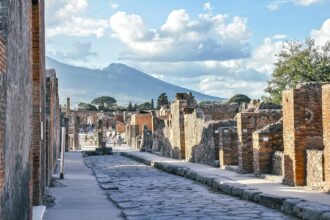
Long before Rimini became one of Italy’s most famous beach resorts, it was an important city of the Roman Empire. Founded over 2,200 years ago, its strategic location helped connect northern and central Italy, and many of the city’s greatest attractions date from this remarkable period.
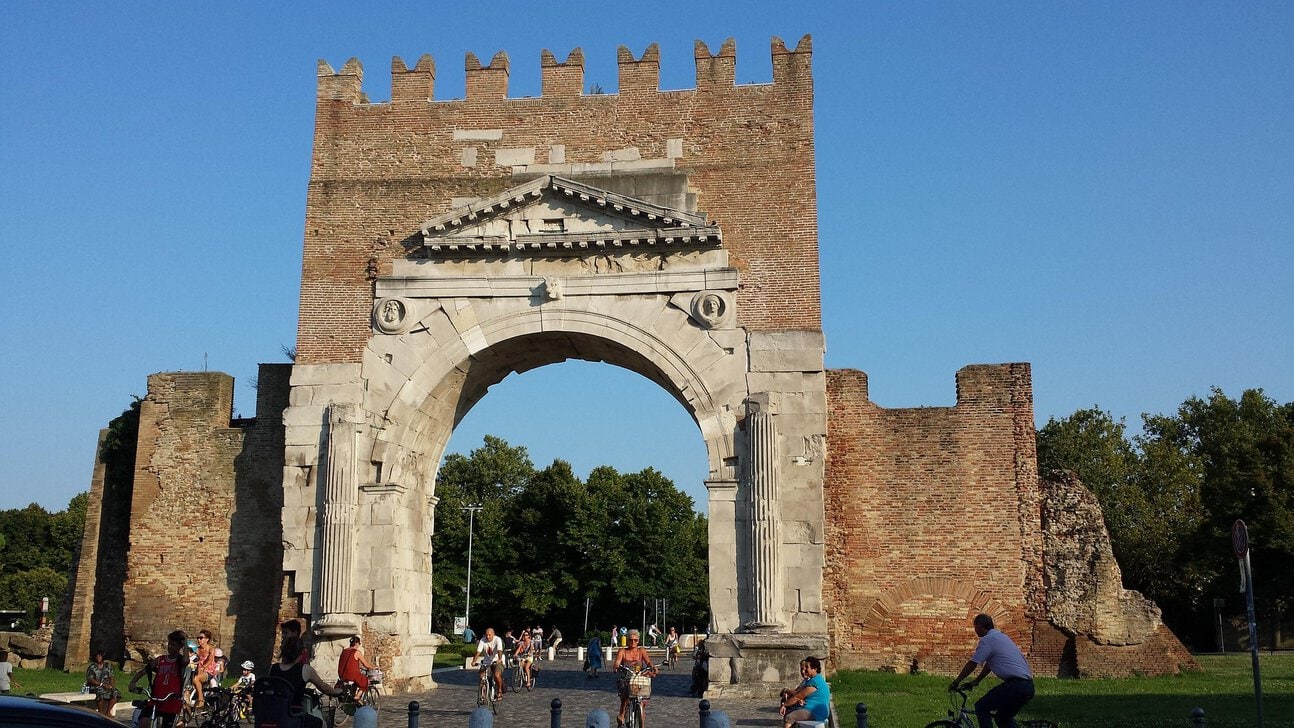
The best place to begin is the magnificent Arch of Augustus, built in 27 BC. As the oldest surviving Roman triumphal arch in northern Italy, it once marked the southern entrance to the city and still stands as one of Rimini’s most recognisable landmarks. Walking through the arch today offers a tangible connection with the countless travellers, merchants and soldiers who passed beneath it during Roman times.
From here, follow the historic streets towards the famous Tiberius Bridge. Completed in 21 AD, this extraordinary five-arched stone bridge continues to carry pedestrians and traffic more than two thousand years after it was built. It’s one of the finest surviving examples of Roman engineering anywhere in Europe and remains one of Rimini’s most photographed landmarks.
Along the way you’ll also pass Piazza Tre Martiri, once the city’s Roman forum, where political gatherings, markets and public ceremonies took place. Nearby lies the remains of the Roman Amphitheatre, reminding visitors that Rimini was once an important centre of entertainment as well as trade. Together, these remarkable monuments tell the story of a city whose history stretches back long before the first beach umbrellas appeared on the Adriatic coast.
Visit the Domus del Chirurgo and Rimini City Museum
One of Rimini’s most fascinating attractions lies hidden beneath the modern streets. The Domus del Chirurgo, or Surgeon’s House, is one of the most important Roman archaeological discoveries in Italy, giving visitors an extraordinary glimpse into everyday life nearly 2,000 years ago.
Discovered during excavations in 1989, the site preserves the remains of a second-century Roman villa believed to have belonged to a doctor named Eutyches. Beautiful mosaic floors, remarkably preserved rooms and an astonishing collection of more than 150 surgical instruments reveal just how advanced Roman medicine had become. It’s a fascinating experience, whether you’re interested in archaeology, Roman history or simply discovering something completely unexpected beneath the streets of modern Rimini.
Admission also includes the neighbouring City Museum, where many of the artefacts recovered from the excavation are displayed alongside Roman sculptures, mosaics and paintings tracing the city’s long history. Together, the two attractions provide one of the best introductions to Rimini’s Roman past and are well worth allowing two to three hours to explore.
If you’re planning to visit several attractions during your stay, combined admission is included with the Rimini Official Pass, making it one of the pass’s most valuable benefits.
Explore Rimini’s Historic Centre and Elegant Piazzas
Although Rimini is famous for its beaches, its historic centre is equally deserving of your time. Away from the busy seafront you’ll discover elegant squares, narrow medieval streets, impressive churches and lively cafés where locals gather throughout the day.
The heart of the old town is Piazza Cavour, a beautiful square surrounded by historic buildings including the Palazzo dell’Arengo, Palazzo del Podestà and the elegant Teatro Amintore Galli. The square has served as Rimini’s civic centre for centuries and remains one of the city’s busiest meeting places, particularly during the evenings when restaurants and cafés fill with both residents and visitors.
A short walk away stands the remarkable Tempio Malatestiano, one of the most important Renaissance churches in Italy. Originally a medieval church, it was transformed during the fifteenth century into an architectural masterpiece commissioned by Sigismondo Pandolfo Malatesta. Its striking marble façade and beautiful interior make it one of Rimini’s architectural highlights.
The surrounding streets are perfect for wandering without a plan. Independent boutiques, traditional bakeries, artisan gelato shops and welcoming cafés appear around almost every corner, making the historic centre an enjoyable place to spend a leisurely afternoon even if you have no particular destination in mind.
Relax on Rimini’s Famous Adriatic Beaches
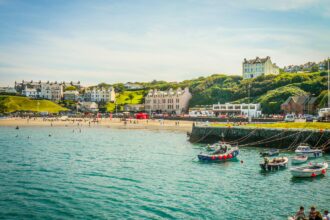
Stretching for more than 15 kilometres, Rimini’s coastline is one of the longest and most famous stretches of beach in Europe. Fine golden sand, gently shelving water and excellent facilities have attracted holidaymakers for generations, helping establish the city as one of Italy’s best-loved seaside destinations.
Most of the coastline is divided into well-managed beach clubs, known locally as bagni, where visitors can hire sunbeds, parasols and changing cabins for the day. Many also offer restaurants, cafés, children’s play areas, sports facilities and organised activities, making them particularly popular with families.
If you prefer a quieter experience, there are also several free public beaches where you can simply lay down a towel and enjoy the Adriatic without paying for facilities. These areas tend to be less crowded outside the peak summer months and are ideal for visitors looking for a more relaxed beach day.
Beyond sunbathing, Rimini’s beaches offer plenty of opportunities for paddleboarding, windsurfing, beach volleyball and leisurely walks along the shoreline. The wide promenade running behind the beaches is lined with cafés, restaurants and cycle paths, creating an attractive place to spend time even if you’re not planning to swim.
Enjoy a Family Day at Fiabilandia
If you’re travelling with younger children, Fiabilandia is one of Rimini’s most popular family attractions. Opened in 1965, this colourful theme park has entertained generations of visitors with a mixture of gentle rides, live shows, themed areas and interactive experiences designed primarily for younger families.
Rather than focusing on extreme rollercoasters, Fiabilandia is aimed at children roughly between the ages of three and twelve. Attractions include family rides, adventure trains, water features, fairy-tale settings and seasonal entertainment, allowing younger visitors to enjoy a full day’s fun without the intimidating thrill rides found at larger amusement parks.
The park is located just south of Rimini city centre and is easy to reach using local buses or by car. Most families allow half a day to a full day depending on the ages of their children and how many shows they wish to see. Restaurants, cafés and picnic areas are available throughout the park, making it easy to spend several hours here.
If you’re planning to visit, buying tickets in advance can save time on arrival, particularly during the busy summer holiday season. Visitors with the Rimini Official Pass should also check the latest offers, as the pass includes discounts on Fiabilandia admission, helping reduce the overall cost of a family day out.
Search routes and flight options for your trip to Rimini.
Search flightsBrowse Airalo eSIM options for convenient travel data.
Check eSIMsCheck private pickup options and plan your onward journey before arrival.
View transfersWander the Colourful Streets of Borgo San Giuliano
Cross the historic Tiberius Bridge and you’ll arrive in one of Rimini’s most charming neighbourhoods. Borgo San Giuliano was once a traditional fishing village, but today it’s known for its colourful streets, beautifully painted houses and the dozens of murals celebrating Rimini’s most famous son, film director Federico Fellini.
The neighbourhood has a completely different atmosphere from the bustling beachfront. Narrow lanes are lined with flower-filled balconies, small piazzas and independent restaurants serving traditional Emilia-Romagna cuisine. It’s the perfect place to slow down, wander without a map and discover a quieter side of Rimini that many visitors miss.
As you explore, keep an eye out for the striking murals covering many of the buildings. These colourful works of art depict scenes from Fellini’s films, local history and everyday life in the old fishing quarter, making Borgo San Giuliano feel like an open-air gallery. Photography enthusiasts will find no shortage of picturesque corners, particularly during the early morning or around sunset when the streets are bathed in warm light.
If you’re visiting in the evening, this is also one of the best places in Rimini for dinner. The relaxed atmosphere, traditional restaurants and outdoor terraces make Borgo San Giuliano an excellent choice after a day of sightseeing.
Discover Federico Fellini’s Rimini
Few people have shaped Rimini’s international reputation as much as Federico Fellini, one of Italy’s greatest film directors. Born in the city in 1920, Fellini drew inspiration from Rimini throughout his career, with memories of his childhood appearing in many of his most celebrated films.
The city’s tribute to its famous resident is the impressive Museo Fellini, an innovative museum spread across several historic buildings in the city centre. Rather than simply displaying costumes and film posters, the museum uses interactive exhibitions, multimedia installations and immersive displays to bring Fellini’s imagination to life. Even visitors unfamiliar with his films often find the experience surprisingly engaging.
The museum is closely linked with Castel Sismondo and Piazza Malatesta, creating a cultural quarter that celebrates both Fellini’s cinematic achievements and Rimini’s wider artistic heritage. Allow around one to two hours to explore the exhibitions at a comfortable pace.
If you’re purchasing the Rimini Official Pass, admission to the Museo Fellini is included, making it excellent value for anyone planning to visit several of the city’s museums and historic attractions.
See Italy in Miniature at Italia in Miniatura
One of Rimini’s most unique attractions is Italia in Miniatura, a remarkable park featuring 273 miniature buildings representing many of Italy’s most famous landmarks alongside selected European monuments. It’s a fascinating experience for both children and adults, combining education with plenty of interactive attractions.
Visitors can admire incredibly detailed scale models of landmarks including the Colosseum, Leaning Tower of Pisa, Milan Cathedral, Venice’s Grand Canal, Mount Etna and Saint Peter’s Basilica, all carefully recreated within beautifully landscaped gardens. Some exhibits include moving trains, boats and interactive features, bringing the miniature cities to life.
The park is located approximately 6 kilometres north of Rimini city centre and is easy to reach using local buses, which stop close to the entrance. If you’re driving, the journey takes around 15 minutes, and parking is available on site. Most visitors spend three to five hours exploring the park, although families with younger children often stay longer to enjoy the additional rides and attractions.
For visitors travelling with children, Italia in Miniatura is one of the highlights of any holiday in Rimini. Advance tickets can save time during the busy summer season, while holders of the Rimini Official Pass can also benefit from discounted admission, making it well worth checking the latest offers before booking.
Great Things To Do With Children
Rimini is one of Italy’s most family-friendly destinations, offering far more than just beaches. While the city’s long sandy coastline is naturally the biggest draw during the summer, families will also find museums, parks, playgrounds and attractions suitable for children of all ages.
Younger visitors will love spending time at Fiabilandia and Italia in Miniatura, while older children often enjoy exploring the Roman landmarks, climbing around the historic centre and walking across the remarkable Tiberius Bridge. The combination of history and entertainment means families can easily balance educational experiences with plenty of fun.
The city’s beaches are another major advantage. Many bagni provide children’s play areas, shallow swimming zones, sports activities and family-friendly facilities, allowing parents to relax while younger visitors stay entertained throughout the day. Cycle paths and pedestrian promenades also make it easy to explore the seafront safely.
If you’re staying for several days, Rimini also makes an excellent base for family excursions to San Marino, Riccione, nearby water parks and attractions across the Adriatic coast. With such a wide range of activities available, it’s easy to keep children entertained whatever the weather.
A Taste Of Emilia-Romagna
No visit to Rimini would be complete without discovering the region’s outstanding food. Sitting between the Adriatic Sea and the fertile countryside of Emilia-Romagna, the city enjoys the best of both worlds, with menus featuring fresh seafood, handmade pasta and some of Italy’s finest local produce.
One dish you simply have to try is piadina romagnola, a traditional flatbread that originated in this part of Italy. Usually served warm and filled with ingredients such as Parma ham, squacquerone cheese, rocket or grilled vegetables, it’s a favourite with both locals and visitors. You’ll find piadina kiosks throughout the city, making it an excellent choice for a quick lunch while sightseeing.
Seafood naturally plays a starring role. Many restaurants around the harbour specialise in grilled fish, mussels, clams, calamari and freshly caught Adriatic seafood, while pasta dishes such as tagliatelle al ragù, strozzapreti and homemade ravioli showcase the culinary traditions of Emilia-Romagna.
To accompany your meal, sample local wines including Sangiovese di Romagna or Trebbiano, before finishing with authentic Italian gelato as you stroll along the seafront. Food is an important part of everyday life in Rimini, and taking time to enjoy long, relaxed meals is all part of the experience.
Evening Entertainment After Sunset
As the sun begins to set, Rimini takes on a completely different character. The beaches gradually empty, the waterfront fills with people enjoying an evening stroll and the city’s cafés, restaurants and bars come to life. Whether you’re looking for a relaxed drink overlooking the sea or a lively night out, there’s something to suit every style of traveller.
The Lungomare becomes the centre of activity during the evening. Families wander along the promenade, cyclists make the most of the dedicated paths and outdoor terraces fill with people enjoying an aperitivo before dinner. It’s the perfect time to soak up Rimini’s friendly atmosphere while watching the sky change colour over the Adriatic.
If you prefer something quieter, head into the historic centre, where elegant piazzas are illuminated after dark and restaurants spill onto the streets. Dining outdoors beneath centuries-old buildings creates a completely different atmosphere from the lively beachfront and offers a wonderful opportunity to experience authentic local life.
During the summer months, Rimini also hosts concerts, street performances, open-air cinema screenings and cultural events throughout the city. Combined with the resort’s famous nightlife, visitors will find plenty to enjoy long after the beaches have closed for the day.
Compare hostels and lower-cost places to stay in Rimini.
Search hostelsAccess compensation support, eligible lounge benefits and faster payouts when flights go wrong.
See the benefitsLeave your luggage somewhere convenient and enjoy Rimini hands-free.
View storageTake an Easy Day Trip from Rimini
Rimini’s excellent location and transport connections make it an ideal base for exploring the wider region. Whether you’re travelling by train, bus or car, several outstanding destinations can comfortably be visited in a single day.
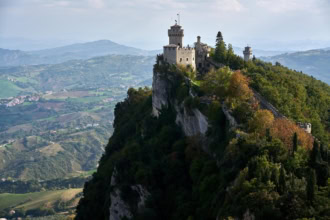
The most popular excursion is undoubtedly San Marino, one of the world’s oldest republics. Located around 25 kilometres from Rimini, regular buses connect the city centre with the historic hilltop capital in approximately 50 minutes. Once there, you’ll discover medieval streets, spectacular viewpoints and the famous Three Towers overlooking the surrounding countryside.
Rail travellers may prefer heading north to Ravenna, famous for its extraordinary Byzantine mosaics and UNESCO World Heritage Sites. Frequent trains take around one hour, making it one of Italy’s easiest cultural day trips. Bologna is another excellent choice, with high-speed trains reaching the city in around one hour, where visitors can explore medieval streets, elegant arcades and one of Italy’s finest food scenes.
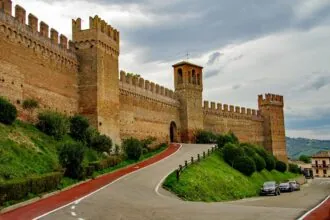
Closer to Rimini, the stylish seaside resort of Riccione is only a few minutes away by train or the Metromare rapid transit system, while charming destinations such as Gradara and Cesena offer impressive castles, historic centres and a slower pace of life. Whatever your interests, Rimini provides easy access to some of the most rewarding destinations in Emilia-Romagna and the surrounding region.
Getting Around Rimini by Foot, Bus and Train
Exploring Rimini is refreshingly straightforward thanks to its compact historic centre, excellent public transport and extensive network of pedestrian and cycling routes. Many of the city’s main attractions are within comfortable walking distance of one another, allowing visitors to explore at a relaxed pace without constantly relying on transport.
For longer journeys, Rimini is served by an efficient network of local buses covering the city, surrounding suburbs and nearby attractions. One of the most useful services is the Metromare, a modern rapid transit route linking Rimini Railway Station with Riccione. Running frequently throughout the day, it provides a fast and convenient way to travel between the two resorts while avoiding summer traffic.
The city’s railway station is another major advantage. Frequent regional and high-speed services connect Rimini with destinations including Bologna, Ravenna, Ancona, Pesaro and Riccione, making both short excursions and longer journeys easy to arrange. If you’re planning to explore several places during your stay, booking rail tickets through Omio allows you to compare departure times and purchase tickets before you travel.
Cycling is also becoming increasingly popular thanks to the city’s growing network of cycle paths, particularly along the seafront. Combined with the flat terrain and walkable city centre, Rimini is one of Italy’s easiest destinations to explore without hiring a car.

Rupert’s Handy Travel Tips
Heading to Rimini? Here are a few useful tips to make your visit smoother:
- Consider the Rimini Official Pass: If you’re planning to visit several museums and attractions while using public transport, the pass can offer excellent value.
- Use the Metromare: This fast public transport service links Rimini with Riccione, making it an easy way to explore the coastline without driving.
- Visit the historic centre early: Attractions such as the Tiberius Bridge and Arch of Augustus are quieter during the morning before the crowds arrive.
- Mix culture with the coast: Spend part of the day exploring Rimini’s Roman landmarks before relaxing on one of the city’s famous beaches.
- Allow time for a day trip: **San Marino**, **Ravenna** and **Bologna** are all easy to reach and add even more variety to your holiday.
Want to meet the reindeer behind our travel tips? Find out more in our page Who is Rupert?.




Frequently Asked Questions
What is Rimini famous for?
Rimini is famous for its 15-kilometre sandy beach, lively seaside atmosphere, Roman monuments, and as the birthplace of legendary film director Federico Fellini. It’s one of Italy’s best-known holiday destinations.
Is Rimini worth visiting?
Yes. Rimini offers much more than beaches. Visitors can explore Roman history, beautiful piazzas, museums, family attractions, excellent restaurants and use the city as a base for exploring Emilia-Romagna and San Marino.
How many days do you need in Rimini?
Two to three days is enough to experience the city’s main attractions, enjoy the beach and visit one nearby destination such as San Marino or Ravenna. Families planning to visit the theme parks may wish to stay longer.
Is the Rimini Official Pass worth buying?
If you intend to visit several museums and attractions while using public transport, yes. The pass can represent excellent value by combining admission, transport and discounts into one ticket.
Can you visit San Marino from Rimini?
Yes. Regular buses operate between Rimini Railway Station and San Marino, with the journey taking approximately 50 minutes, making it one of Italy’s easiest international day trips.
Is Rimini good for families?
Absolutely. Attractions including Fiabilandia, Italia in Miniatura, wide sandy beaches and family-friendly hotels make Rimini one of the best seaside destinations in Italy for children.
When is the best time to visit Rimini?
May, June and September offer warm weather and fewer crowds, while July and August are ideal for beach holidays but are also the busiest months of the year.
Can you explore Rimini without a car?
Yes. The city is very walkable and has an excellent network of buses, regional trains and the Metromare rapid transit service, making it easy to explore both Rimini and the surrounding coastline without driving.
Further Reading
If you’re arriving by air, our Rimini Airport Transfers guide explains the quickest and easiest ways to travel between the airport, the city centre, Riccione, San Marino and other nearby destinations using buses, trains, taxis and private transfers, helping you start your holiday with confidence.
Looking to explore beyond the city? Our Best Day Trips from Rimini guide features some of the region’s top excursions, including San Marino, Ravenna, Bologna, Urbino and Gradara, with journey times, transport options and practical travel advice for each destination. If San Marino is at the top of your list, our dedicated Rimini to San Marino guide provides detailed information on buses, driving, ticket prices and what to expect when you arrive in one of the world’s oldest republics.
If you’re planning to explore Emilia-Romagna by rail, our Italia in Tour guide explains how Italy’s excellent-value regional rail pass works and whether it could save you money during your stay. Visitors travelling further afield should also read our Trenitalia Pass guide, which covers the national rail pass for international travellers and when it offers better value than buying individual tickets.
Finally, staying connected makes navigating Italy much easier. Our Best eSIM Apps guide compares the leading providers, helping you choose the right mobile data plan for maps, tickets, translation apps and keeping in touch while you travel.