Reviewed by our editorial team Updated
Why Visit Aqaba – Gateway to the Red Sea and Jordan’s Desert Wonders
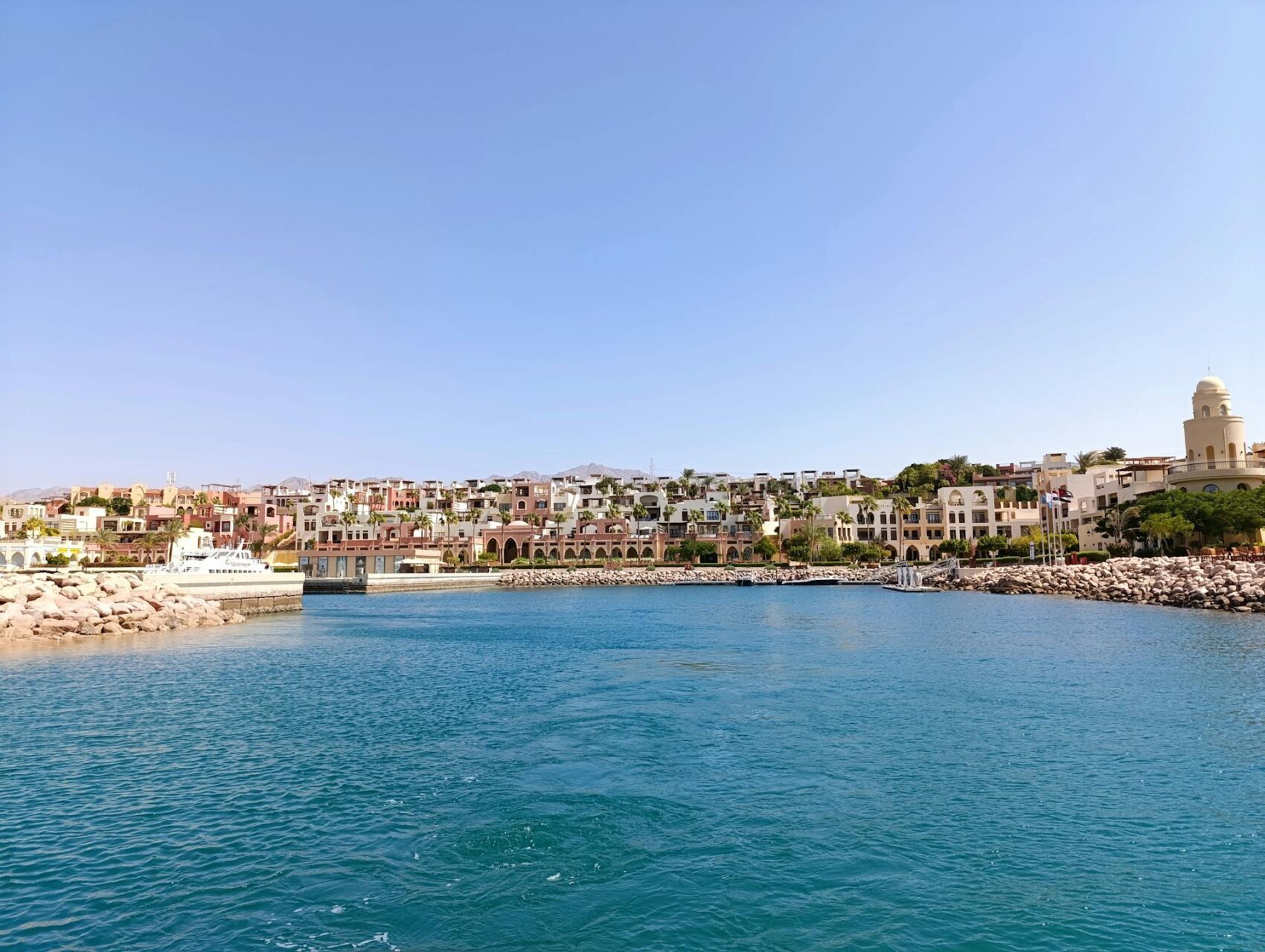
Set between rugged crimson mountains and the clear blue waters of the Red Sea, Aqaba feels completely different from anywhere else in Jordan. It is the country’s only coastal city, and that gives it a lighter, slower, more open atmosphere than Amman or Petra. Here, coral reefs sit just offshore, beach cafés fill with evening conversation, and the desert always feels close enough to shape the skyline.
What makes Aqaba so appealing is the way it combines relaxation, adventure, and convenience in one compact destination. You can spend the morning snorkelling over bright coral gardens, the afternoon wandering through the souk or along the marina, and the evening eating fresh seafood by the water. The city is small enough to navigate easily, but varied enough to keep a longer stay interesting.
Aqaba also works brilliantly as a base for wider travel across southern Jordan. Wadi Rum is close enough for an easy day trip, Petra is within reach by road, and the desert highways connecting the region are part of the experience in their own right. That makes the city more than just a beach stop. It is a practical gateway to some of Jordan’s most unforgettable landscapes.
Another advantage is how straightforward Aqaba feels for independent travellers. Hotels, beaches, diving centres, taxis, and shopping streets all sit within a manageable area, and the city’s growing infrastructure makes it easy to get around without much friction. Whether you come for the Red Sea, the desert, or simply a slower pace after more intensive sightseeing elsewhere in Jordan, Aqaba earns its place on the itinerary very quickly.
Key Neighbourhoods, Areas & Regions
Although Aqaba is compact, different parts of the city offer noticeably different experiences. Understanding the main areas helps you choose where to stay, where to spend your time, and what sort of atmosphere suits you best.
The City Centre is the heart of local life and the most practical base for many travellers. This is where you will find the main souk, the marina, banks, casual restaurants, cafés, and easy access to the public beach. It is busier and more local in feel than the resort districts, which makes it a good choice if you want to combine sightseeing with everyday city life.
Tala Bay has a very different character. Located to the south, it is more polished, more self-contained, and more resort-focused. The area is built around private beaches, higher-end hotels, water sports, and marina-style development, which makes it especially attractive for couples, families, and travellers looking for a more relaxed holiday atmosphere.
Further along the coast, South Beach is the main hub for snorkelling and diving. It has a more laid-back feel than the city centre, with a mix of public access points, simple cafés, and dive operators. Travellers who care more about the sea than shopping or nightlife often prefer this stretch of coastline.
The port and industrial zone are not tourism areas, but they do matter to the identity of the city. Aqaba’s role as Jordan’s maritime gateway shapes its economy, and understanding that helps explain why the city feels both commercial and coastal at the same time.
Beyond the city itself, the roads leading inland are an important part of the picture. The routes towards Wadi Rum, Petra, and the Desert Highway make Aqaba feel connected rather than isolated. That is one of its biggest strengths. It may be Jordan’s southern coastal city, but it is also a practical base for exploring much more than the shoreline.
See hotel options and places to stay in Aqaba.
Browse hotelsExplore holiday homes and apartments around Aqaba.
See holiday homesCompare prices for Aqaba hotels across multiple booking sites.
Check dealsQuick Facts About Aqaba
| Category | Details |
|---|---|
| Country | Jordan |
| Governorate | Aqaba Governorate |
| Population | Around 150,000 residents |
| Language | Arabic (English widely spoken in tourist areas) |
| Currency | Jordanian Dinar (JOD) |
| Time Zone | GMT +3 |
| Electricity | 230V / 50Hz, Type C, D, F, G outlets |
| Driving Side | Right |
| Main Airport | King Hussein International Airport (AQJ) |
| Major Port | Port of Aqaba (ferries to Egypt and Saudi Arabia) |
| Climate | Hot desert climate – warm winters and very hot summers |
| Average Sea Temperature | 21–27°C year-round |
| Best Time to Visit | October–April for comfortable temperatures |
| Neighbouring Destinations | Wadi Rum (1 hour), Petra (2 hours), Eilat (20 mins by border) |
| Local Emergency Number | 911 (Police, Ambulance, Fire) |
Aqaba is compact, easy to navigate, and enjoys excellent road links north toward Petra and Amman. Most visitors will find the city walkable, with taxis and minibuses filling the gaps. This Aqaba travel guide highlights everything you need to plan your stay from airport transfers and beach activities to the best local apps for smooth navigation. Whether you’re visiting Aqaba for diving, shopping, or relaxation, this Red Sea hub offers both adventure and comfort in equal measure.
Brief History & Background
Aqaba’s history stretches back thousands of years, making it one of the oldest continuously inhabited coastal settlements in the region. Its location gave it strategic importance from the beginning. Sitting at the meeting point of trade routes linking Arabia, the Levant, Africa, and beyond, it became valuable long before the modern port existed.
In ancient times, the city was known as Ayla, and it developed as a trading settlement with strong commercial links across the wider region. Under Roman influence, it continued to grow in importance, and remains from these earlier periods can still be seen near the modern centre.
During the Islamic era, Aqaba became significant once again as part of the pilgrimage route to Mecca and as a coastal point of movement and exchange. Its position ensured that it remained relevant even as empires changed and trade patterns shifted.
The city also holds an important place in more modern history. The capture of Aqaba in 1917, associated with the Arab Revolt and T. E. Lawrence, gave the city an outsized place in the story of the First World War in the Middle East. That episode still shapes how many travellers first hear about Aqaba.
Today, the city balances that long history with modern development. The free economic zone, expanding resort areas, and active port all push Aqaba forward, while archaeological sites and older districts preserve links to its past. What makes the city interesting is not just that it is old, but that it still feels like a place of movement, exchange, and transition, just as it did centuries ago.
Getting There & Around – Airport Overview & Transfers
For most travellers arriving directly into the city, King Hussein International Airport is the main gateway. It sits only a short drive from central Aqaba, which means arrival is usually fast and uncomplicated. Compared with larger international airports, it is much smaller and easier to handle, which many visitors find refreshing after a longer journey.
The airport itself is modern enough for a smooth arrival, with essentials such as ATMs, cafés, car hire desks, and basic passenger facilities. Because the city is so close, transfer times are short. In most cases, you can get from the airport to your hotel in around 15 minutes, which is one of Aqaba’s big practical advantages.
Taxis are the most common option and are usually waiting outside arrivals. Fares are generally reasonable, but it is still smart to confirm the price before setting off, especially if you are arriving late or heading to one of the resort areas rather than the city centre.
Some hotels, particularly in Tala Bay and South Beach, arrange their own transfers. These can be convenient if you want a simple arrival with no negotiation. Shared shuttles and pre-booked transfers are also available, and they make sense if you are travelling with luggage, dive equipment, or arriving outside peak times.
Many visitors also reach Aqaba from Amman, either by road or by connecting flight. In that sense, the city works both as a final stop and as an entry point for southern Jordan. It is particularly well placed for travellers moving on to Wadi Rum or Petra, with many operators able to arrange onward transport directly from the airport.
Once you are in the city, distances are short enough that getting around is rarely a hassle. That ease of movement is part of what makes Aqaba work so well. You arrive quickly, settle quickly, and can start enjoying the place almost immediately.

Pre-Book Your Arrival Transfer in Aqaba
Welcome Pickups offers private airport transfers for visitors to Aqaba, giving you the option to arrange the first journey of your trip before departure.
It is particularly convenient if your accommodation is not easy to reach by public transport or your flight arrives later in the day.
Check alternative transfer providers for Aqaba. You can also check another transfer provider before booking.
Flag Carrier & Airlines Serving Aqaba
Aqaba’s air links have improved significantly in recent years, and that has made the city much easier to reach than many travellers expect. Royal Jordanian, the country’s flag carrier, plays an important role here, especially through its short domestic connection between Amman and Aqaba, which turns what would be a long overland journey into a quick and efficient hop.
For travellers arriving from abroad, Aqaba also benefits from a growing mix of seasonal, charter, and low-cost international flights. This is especially useful for visitors who want to focus on southern Jordan without routing everything through the capital. The city has become a practical entry point for travellers heading straight to the Red Sea, Petra, or Wadi Rum.
Low-cost airlines have helped widen access further, making Aqaba more appealing not just as a resort destination, but as an affordable gateway to Jordan as a whole. That shift matters because it changes how people use the city. Instead of treating it as a final stop, more travellers now begin their Jordan journey here and build northwards.
The airport’s smaller scale is also an advantage. Check-in, security, and baggage procedures are generally more manageable than at larger hubs, making the overall experience less stressful. Even so, travellers should still allow sensible time before departure, particularly on international routes.
Overall, flying into Aqaba is now a genuinely convenient option rather than a specialist one. It suits beach-focused holidays, multi-stop Jordan itineraries, and anyone who wants to avoid adding unnecessary travel time at the start or end of a trip.
Trains
Rail travel does not currently play a practical role in reaching Aqaba as a visitor. At present, there are no passenger train services linking Aqaba with Amman, Petra, or other major destinations, so travellers should plan to arrive by road, air, or ferry instead.
That does not mean rail has no place in the city’s story. Aqaba remains important in Jordan’s freight network, particularly through the Aqaba Railway Corporation, which moves phosphate and other cargo from inland areas to the port. This gives the railway continued economic importance, even if it is not part of the visitor experience.
Historically, the wider region was shaped by rail connections, especially through the Hejaz Railway, which once linked major centres across the Middle East. While that legacy still holds interest for transport enthusiasts, it does not currently provide a useful option for travellers heading to the Red Sea.
There are long-term discussions about modernising Jordan’s rail infrastructure and eventually creating stronger links between Aqaba, Amman, and the north of the country. If those plans progress, Aqaba would likely become even more significant as both a tourism and transport hub. For now, though, those plans remain future-facing rather than practical.
Anyone planning a trip here should think of Aqaba as a city reached by highway, domestic flight, or sea crossing, not by rail. That is the current reality, and building your itinerary around road or air connections will save time and confusion.
Buses & Coaches
Buses are one of the most practical and affordable ways to reach Aqaba from elsewhere in Jordan. For many travellers, they strike the best balance between cost, comfort, and reliability, especially if you do not want to drive.
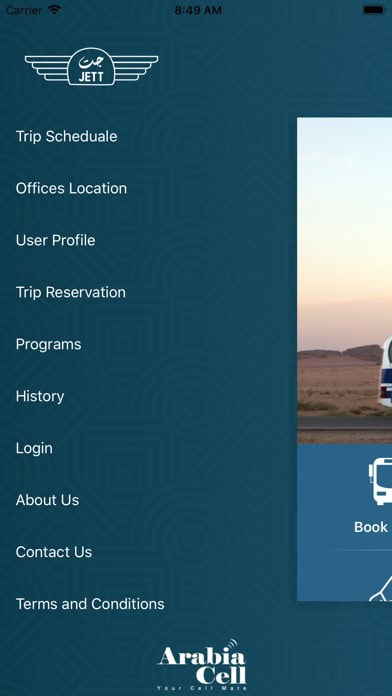
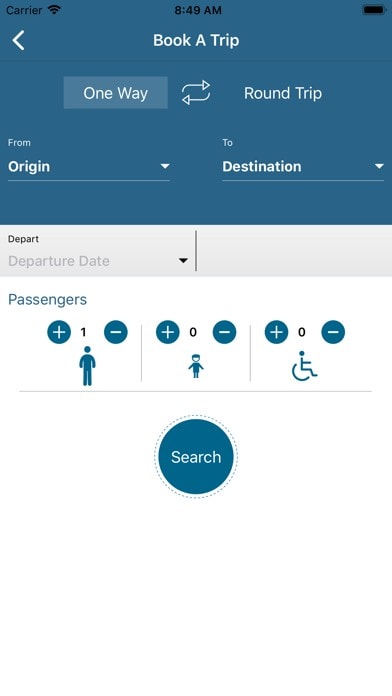
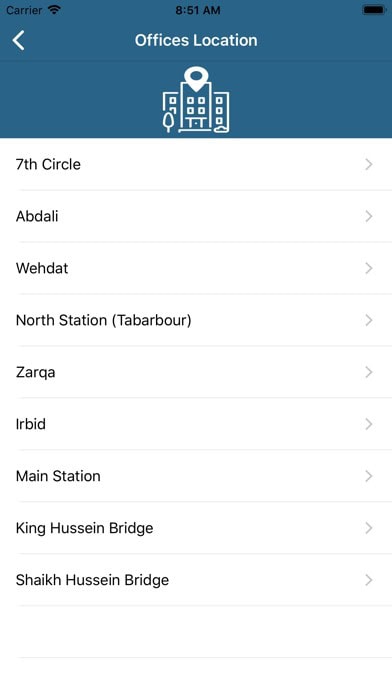
The best-known operator is JETT, which runs modern intercity coaches between Amman and Aqaba. These services are generally the easiest for visitors to use, offering air-conditioned coaches, reserved seating, and a more structured experience than informal local transport. For longer journeys, that added comfort makes a real difference.
The route from Amman is one of the most important, linking the capital with the Red Sea coast in a manageable journey that usually takes several hours depending on traffic and stops. It is a popular option for travellers building a wider Jordan itinerary without wanting the extra cost of a domestic flight.
Connections from Petra and Wadi Musa also make Aqaba a useful onward stop after visiting Jordan’s most famous archaeological site. These desert routes are scenic in their own right, which gives bus travel an added appeal beyond simple practicality.
Tickets are usually affordable, and booking in advance is a good idea during busier periods. Some services can be booked online or through apps, which is helpful for visitors who prefer having plans fixed in advance rather than dealing with terminals on the day.
There are also smaller minibuses and informal services, but these are less predictable and less geared towards tourists. They can work if you are travelling lightly and have flexible timing, but for most visitors the main coach services remain the simpler option.
For intercity travel, buses continue to be one of the most useful tools in Aqaba. They are safe, budget-friendly, and well suited to travellers moving between the main highlights of Jordan.


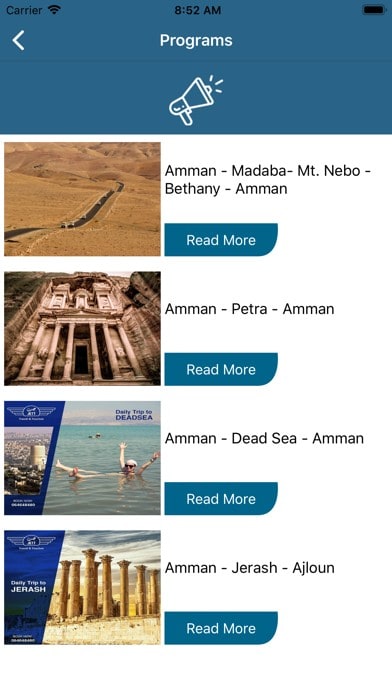
App availability and prices vary by country. Some of these may not appear in your local App Store or Google Play.
Search flights and useful route combinations for your trip.
View flightsChoose an Airalo eSIM and arrange mobile data before you arrive.
Browse eSIMsArrange a private airport pickup for your trip to Aqaba.
Check transfersLocal Public Transport
Within the city itself, local public transport is basic but usable. Aqaba does not have a large formal urban transit network, but it does have shared minibuses and local services that connect the centre with residential districts, beach areas, and some outlying zones.
These vehicles are inexpensive and form part of daily life for many residents, but they are not always the easiest option for first-time visitors. Routes can feel informal, departure times are flexible, and signage is limited. In many cases, the destination may be called out by the driver rather than displayed clearly.
For travellers who are comfortable with a bit of uncertainty, local minibuses can be a useful and low-cost way to move around. They also offer a more local perspective on the city than a taxi or resort shuttle. However, if you are carrying luggage, dive gear, or simply want something smoother, they may not be the best choice.
The good news is that Aqaba is compact enough that local public transport is not something you need to master in order to enjoy the city. Short distances, affordable taxis, and easy walking reduce the pressure significantly.
Public transport becomes more relevant if you are heading to South Beach or more distant city edges and want to save money. Even then, asking hotel staff or local drivers for route guidance is usually the easiest way to use the system confidently.
In practice, Aqaba’s local transport is best seen as a useful backup rather than the core of your stay. It works, but most visitors will combine it with walking, taxis, and hotel shuttles rather than rely on it exclusively.
Taxis & Ride Shares
For most visitors, taxis and ride-hailing services are the easiest way to get around Aqaba. The city is small, journey times are short, and fares are generally reasonable, which makes this one of the most stress-free transport options available.
Traditional taxis are easy to find, particularly near hotels, shopping streets, and the waterfront. They are a familiar part of daily life and remain practical for quick trips between the city centre, South Beach, Tala Bay, and local attractions. Even so, it is still wise to confirm the fare or ensure the meter is being used before the journey starts.
Ride-hailing apps provide an extra layer of convenience, especially for travellers who prefer seeing the route and cost in advance. They are useful for airport transfers, early morning departures, or late evening returns when you want to avoid any uncertainty.
Another advantage of taxis in Aqaba is their usefulness for longer fixed-fare journeys. Drivers can often be hired for routes to places such as Wadi Rum, Petra, or the nearby border crossings, which makes them more flexible than many visitors initially realise. Sharing a taxi with other travellers can also make these trips surprisingly cost-effective.
Because Aqaba is so compact, most journeys within town are short and inexpensive. This means you can use taxis frequently without feeling as though transport is swallowing your budget. That is one of the reasons the city works well for independent travellers.
In practical terms, taxis and ride shares are often the default choice here. They are quick, simple, affordable, and well suited to a city where distances are short but the heat can make walking less appealing in the middle of the day.
Scooter & Bike Rentals
Exploring Aqaba on two wheels is becoming more popular, particularly in the Tala Bay, Ayla Marina, and South Beach areas where roads are flatter and traffic is lighter. While not as widespread as in European cities, scooter and bike rentals are available and relatively affordable, making them a fun option for short coastal journeys.
Expect to pay around 15–25 JOD (£16–26 / $21–35 / €18–30) per day for a basic scooter and roughly 10–15 JOD (£10–16 / $14–21 / €12–18) per day for a bicycle. Some rental shops also offer electric bikes, which are useful if you want a bit of extra help in the heat. Many operators include helmets in the price, and some will deliver directly to your hotel, especially in resort areas.
Scooters are particularly useful for short rides along the Corniche or between beaches, while bikes suit early morning or late afternoon rides when temperatures are cooler. During the middle of the day, especially in summer, the heat can make riding uncomfortable, so timing matters.
That said, Aqaba is not fully built for cycling. Dedicated lanes are limited, and traffic near the city centre can feel unpredictable. If you do rent, stick to quieter areas, coastal roads, and resort zones where conditions are safer.
For navigation, Google Maps works well, and apps like Komoot can help you find quieter routes. Overall, scooters and bikes are not essential, but they are a fun, flexible way to explore the coastline at your own pace, especially if you want something more active than taxis.
Driving, Parking & Car Access
Driving in Aqaba is straightforward, relaxed, and far easier than in larger cities like Amman. Roads are generally well maintained, traffic is light, and signage is clear in both Arabic and English. For many travellers, this makes Aqaba one of the easiest places in Jordan to drive.
Distances within the city are short, most journeys take 10–15 minutes, which means you can quickly move between hotels, beaches, the marina, and shopping areas without much planning. Parking is also relatively stress-free. In most areas, parking is free, including near public beaches and many city centre locations.
In a few busier spots, especially closer to the souk, you may encounter informal parking attendants or limited paid areas, but even then, costs are low and spaces are usually available. Compared to many destinations, parking is simply not a major issue here.
Fuel is affordable by international standards, and petrol stations are easy to find throughout the city and on main routes. As a guide, petrol prices are clearly displayed nationally, and you can expect to pay far less than in most of Europe.
For visitors, driving is allowed with a valid licence, though an International Driving Permit is strongly recommended and sometimes required by rental companies. Speed limits are enforced, particularly near hotels and tourist areas, and seatbelt use is mandatory.
The only real caution is outside the city. Desert roads can be dark at night, and wildlife such as camels occasionally wander onto highways. If you plan longer drives, it is best to travel during daylight hours.
Overall, Aqaba is one of the best places in Jordan to drive. It offers freedom, simplicity, and easy access to the surrounding region, without the stress often associated with city traffic.
Car Rental
Renting a car in Aqaba is one of the most practical ways to explore southern Jordan, especially if you are planning trips to Petra, Wadi Rum, or the Dead Sea. The process is simple, and both international and local companies operate in the city and at the airport.
Prices typically start from around 25–35 JOD (£26–36 / $35–49 / €30–42) per day for a small car, with larger vehicles or SUVs costing more depending on demand and season. If you are heading into desert areas or want extra comfort on longer drives, upgrading to a larger vehicle can be worth considering.
Most rental companies require a minimum age of 21, though some vehicles require drivers to be 25 or older. You will need a valid driving licence, and an International Driving Permit is strongly advised, particularly if your licence is not in English or Arabic.
Fuel costs are relatively low, and most rentals include unlimited mileage, which is ideal for road trips. However, you should always check what insurance is included. Some policies do not cover off-road driving, which matters if you are planning to visit places like Wadi Rum.
The road network from Aqaba is one of its biggest strengths. The Desert Highway connects directly to Amman in around 4.5 to 5 hours, while the King’s Highway offers a slower but far more scenic route through mountains and valleys. Both are well-maintained and easy to follow.
Parking at hotels and major attractions is usually free, and returning the car is straightforward, particularly at the airport. Some companies also offer one-way rentals, allowing you to pick up in Aqaba and drop off in Amman for an additional fee.
For travellers who want flexibility, car rental is hard to beat. It allows you to move at your own pace, stop at viewpoints, and explore areas that organised tours often miss.
Explore Aqaba with a Hire Car
Hiring a car can open up more of Aqaba and its surrounding region, giving you the freedom to travel beyond the main public transport routes.
Compare offers from Discover Cars and EconomyBookings before booking so you can check both price and rental conditions.
Walking
Aqaba is one of the most walkable cities in Jordan, particularly around the city centre and waterfront. The Corniche promenade is the highlight, stretching along the Red Sea with palm trees, cafés, and open views across the water. It is an easy and enjoyable route connecting key sights such as the fort, marina, and public beach.
Downtown Aqaba is relatively flat compared to cities like Amman, which makes walking far more manageable. Most attractions, restaurants, and shops are within 10–20 minutes of each other, so you can cover a lot without needing transport.
Timing is important, though. During summer, temperatures regularly exceed 35°C (and can reach 40°C+), making midday walking uncomfortable. Early mornings and evenings are far more pleasant, with cooler air and a more relaxed atmosphere.
Walking at night is particularly enjoyable. The Corniche becomes lively with families, food stalls, and local gatherings, giving you a real sense of everyday life. It is also one of the safest ways to experience the city after dark.
Sidewalks are generally decent, though not perfect. Some areas have uneven paving or limited crossings, so basic awareness is needed when moving through busier streets.
For short distances, walking is often the best option. It lets you slow down, take in the surroundings, and experience Aqaba at a more natural pace something you miss when jumping straight into taxis.
Compare hostels and budget-friendly accommodation around Aqaba.
Browse hostelsFlying to Aqaba? Get fast compensation payouts, eligible lounge benefits and expert help when flights go wrong.
See AirHelp+ benefitsUse convenient luggage storage around Aqaba between arrival, check-in and departure.
Check storageFerries & Cruises
As Jordan’s only coastal city, Aqaba plays an important role in regional sea travel. The main passenger route connects Aqaba with Nuweiba in Egypt, offering a direct link across the Red Sea.
Two ferry options usually operate on this route. The fast ferry takes around 1 hour 15 minutes, while the standard ferry takes approximately 3 hours. Ticket prices vary depending on the service, but you can generally expect to pay in the region of 50–70 USD (£37–51 / €43–60), or roughly 35–50 JOD, for a one-way journey.
Schedules can change depending on weather, demand, and border procedures, so it is important to check timings in advance rather than relying on fixed departures. Tickets can be purchased through agents in Aqaba or via official booking channels.
The crossing itself is one of the more unique travel experiences in the region. On a clear day, you can often see Jordan, Egypt, Israel, and Saudi Arabia from the water, a rare geographical perspective that adds something memorable to the journey.
Aqaba also receives occasional Red Sea cruise ships, with passengers using the city as a gateway to Petra and Wadi Rum. During these arrivals, the port becomes busier, and transport options increase temporarily to handle excursions.
Future ferry routes to nearby destinations have been discussed, which could strengthen Aqaba’s position as a regional travel hub. For now, the Egypt connection remains the most established and useful.
For travellers combining Jordan with Egypt, the ferry is a practical and scenic option. It is not just transport. It is part of the experience of moving through this unique part of the world.

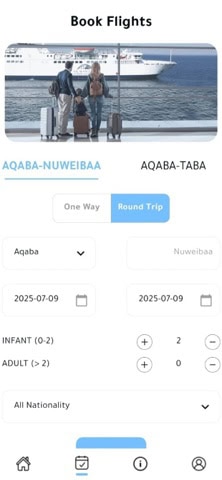
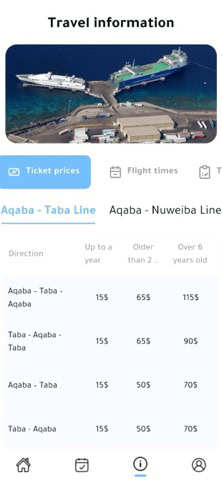


App availability and prices vary by country. Some of these may not appear in your local App Store or Google Play.
Crossing from Aqaba to Israel
One of the most unusual things about visiting Aqaba is how close the city sits to the border with Israel. In fact, the southern border crossing between Jordan and Israel is located only a short distance from central Aqaba, making it possible for travellers to move between the two countries relatively easily compared with some of the more heavily controlled northern crossings.
The border connects Aqaba with the Israeli resort city of Eilat, which sits directly across the border on the northern edge of the Red Sea. For many backpackers and independent travellers, this crossing forms part of a wider Middle East itinerary linking Petra, Wadi Rum, Aqaba, Jerusalem, and Tel Aviv within one trip.
Compared with the more complicated Allenby Bridge Crossing near Jerusalem, the Aqaba – Eilat Crossing is generally considered the easiest and most tourist friendly route between the two countries. Travellers can normally cross independently on foot, and the process is usually simpler and faster than the crossings further north.
Taxis from central Aqaba to the border normally take only a short time, and many hotels can help arrange transport if required. After completing Jordanian exit procedures, travellers walk through the controlled border zone before reaching Israeli immigration and security checks on the Eilat side.
Although the crossing is usually straightforward, travellers should still expect airport-style security procedures, baggage screening, passport inspections, and occasional questioning. Waiting times vary depending on the season, weekends, organised tour traffic, and wider regional conditions.
One important thing travellers should understand is that border procedures and opening hours can occasionally change with limited notice. It is therefore always sensible to check the latest official guidance before travelling, especially during religious holidays or periods of heightened regional tension.
For many travellers, the crossing provides one of the easiest ways to combine the deserts and archaeological sites of Jordan with the beaches, cities, and transport network of Israel. Some visitors continue north towards Jerusalem and Tel Aviv, while others simply cross for a short visit to Eilat before returning to Jordan.
| Aqaba – Israel Border Crossing Quick Facts | Details |
|---|---|
| Israeli Border City | Eilat |
| Crossing Style | Independent pedestrian crossing |
| Distance from Aqaba Centre | Short taxi journey |
| Best For | Tourists and backpackers |
| Typical Procedures | Passport checks and baggage screening |
| Main Advantage | Simpler than northern crossings |
Travellers planning to cross between Jordan and Israel should also ensure they have mobile connectivity ready before travelling because navigation apps, taxi services, and transport information become extremely useful immediately after crossing the border.
For travellers planning to continue beyond Aqaba into Israel, we have also created a dedicated Jordan to Israel Border Crossing Guide covering the full crossing process in far more detail. The guide explains the differences between the Aqaba – Eilat Crossing, Allenby Bridge, and the Sheikh Hussein Crossing, while also covering visas, passport stamps, security checks, crossing times, transport connections, and what travellers should realistically expect when moving between the two countries.
If you are considering crossing the border independently, it is strongly worth reading before travelling because procedures can feel far more complicated than many first-time visitors expect.
Unique & Scenic Ways to Travel
Aqaba is not just about getting from A to B in many cases, the journey itself becomes part of the experience. Thanks to its unique location between sea and desert, there are several ways to travel that feel far more memorable than a standard taxi ride.
One of the standout options is heading into Wadi Rum by 4×4. These desert vehicles take you across red sand dunes, narrow canyons, and vast open plains, often as part of a guided experience. Prices for a half-day jeep tour typically start from around 25–40 JOD (£26–41 / $35–56 / €30–48) per person, depending on group size and inclusions. It is not just transport, it is a full experience with stops, tea breaks, and panoramic viewpoints.
On the water, glass-bottom boats and snorkelling trips offer another perspective. These usually cost around 15–30 JOD (£16–31 / $21–42 / €18–36) per person, depending on duration, and allow you to see coral reefs without diving. Private boat charters and sunset cruises are also available, with prices varying widely but often starting from 40–60 JOD (£41–62 / $56–85 / €48–73) for small group experiences.
For a slower pace, the coastal drives around Aqaba are underrated. A simple journey south toward the Marine Reserve or Tala Bay gives you continuous sea views on one side and mountains on the other. It is one of those drives where you will naturally want to stop for photos.
More adventurous travellers can look into paragliding or light aircraft experiences, which occasionally operate from the area and provide sweeping views of the Red Sea and surrounding desert. These are less common but can cost anywhere from 70–120 JOD+ (£72–124 / $99–169 / €85–145 and up) depending on availability.
Finally, for something calmer, kayaking and paddleboarding in Ayla Lagoon offer a peaceful way to move across the water. Prices are usually around 10–20 JOD (£10–21 / $14–28 / €12–24) per hour, making it an accessible activity for most travellers.
In Aqaba, travel is not just functional. Whether you are crossing desert landscapes or drifting over coral reefs, the way you move often becomes one of the highlights.

Mini Trains, Trams & Tourist Shuttles (Hop On Hop Off)
Aqaba does not yet have a full Hop On Hop Off bus system, but there are still a few alternatives that serve a similar purpose, just on a smaller and more informal scale.
Some tourist shuttle services operate between key areas such as hotels, the Corniche, Tala Bay, and South Beach, particularly during peak travel seasons. These typically run every 30–45 minutes, and passes are often included with hotels or available for a small fee.
Many resorts, especially in Tala Bay, provide complimentary shuttle buses into the city centre. This is one of the easiest ways to move between resort areas and the main shopping and dining districts without relying on taxis.
There is also a small tourist road train that occasionally runs along the Corniche. It is more of a novelty than a serious transport option, but it can be a fun, relaxed way to take in the waterfront, especially for families. Rides are usually short and cost only a few dinars.
For something more structured, local operators offer guided city tours by minibus or private car, often priced between 25–40 JOD (£26–41 / $35–56 / €30–48) per person depending on duration and group size. These cover key highlights such as the fort, marina, beaches, and viewpoints.
Apps like GetYourGuide and Klook also list day tours that combine Aqaba with Wadi Rum or Petra, effectively acting as a broader “hop-on style” experience across the region rather than within the city itself.
While Aqaba lacks the formal sightseeing buses found in larger cities, its small size means you don’t really need one. A mix of shuttles, taxis, and short journeys makes getting around simple enough.
Visiting: Top Attractions
Aqaba’s attractions are compact, varied, and easy to combine in a single day. The real appeal is how quickly you can move between history, beaches, and modern developments without long travel times.
Start with Aqaba Fort (Mamluk Castle), one of the city’s most important historical landmarks. Entry is inexpensive, usually just a few dinars, and the site offers insight into the city’s role in regional trade and defence. Right next door, the Aqaba Archaeological Museum adds further context with artefacts from the ancient city of Ayla.
The coastline is where Aqaba really stands out. The Aqaba Marine Reserve is one of the main draws, with coral reefs just offshore. Snorkelling trips here typically cost around 15–30 JOD (£16–31 / $21–42 / €18–36), while diving experiences can range from 40–80 JOD+ (£41–83 / $56–113 / €48–97 and up) depending on depth and certification level.
For a more relaxed experience, the public beach near the Corniche is free to access and offers a lively atmosphere, especially in the evenings. If you prefer something quieter or more polished, Tala Bay provides private beaches and resort facilities, often accessible via day passes costing around 25–35 JOD (£26–36 / $35–49 / €30–42).
The Ayla Oasis Marina Village is a newer development that combines cafés, shops, and walking areas around a man-made lagoon. It is one of the best places for an evening stroll or a sunset meal by the water.
Finally, the Aqaba Flagpole, one of the tallest in the world, is worth seeing simply for its scale. It marks an important historical moment and is visible from across the city.
What makes Aqaba work so well is not just the attractions themselves, but how easily they fit together. You can move from ancient ruins to coral reefs to modern cafés in a matter of minutes.
Historical Highlights & Landmarks
Aqaba’s history is not always as immediately visible as Petra’s, but it is just as deep, and arguably more varied. The city has been shaped by trade, religion, and conflict, all of which still leave traces today.
The most prominent site is Aqaba Fort, originally built in the Mamluk period and later used by the Ottomans. It played a key role in controlling trade routes and protecting the port. Walking through its walls gives a sense of how strategically important Aqaba once was.
Nearby, the remains of Ayla, the ancient Islamic city, offer a glimpse into life as far back as the 7th century. These ruins are less dramatic than Petra but historically significant, showing Aqaba’s role as an early trading and pilgrimage centre.
The Aqaba Flagpole marks the location of the 1917 Arab Revolt capture of the city, a moment closely associated with T. E. Lawrence. At 130 metres tall, the flag itself is impossible to miss and serves as both a landmark and a reminder of modern Jordanian history.
Religious architecture is also present, particularly in the form of the Sharif Hussein Bin Ali Mosque, which stands out with its clean white design and prominent domes. It reflects the city’s Islamic heritage while remaining accessible to visitors from outside the faith.
Smaller sites, including remnants of the Hejaz Railway, add another layer to the story, connecting Aqaba to wider regional history.
Taken together, these landmarks show that Aqaba is more than just a beach destination. It is a place where trade routes, empires, and modern nation-building all intersected, leaving a quieter but still compelling historical footprint.

Hidden Gems & Local Secrets
Beyond the main attractions, Aqaba rewards travellers who take a little time to explore. Some of the best experiences are not heavily advertised, they are simply part of the city’s everyday rhythm.
One of the most underrated spots is the Aqaba Bird Observatory, located just outside the main city area. It is free or very low cost to enter and attracts a wide range of migratory birds. Early morning visits offer the best chance to see flamingos and other species in a quiet, natural setting.
Another local favourite is the Souk by the Sea, held on Friday evenings. Here you will find handmade crafts, street food, and live music, all set against the backdrop of the Red Sea. Prices are reasonable, and it is one of the best places to experience local culture in a relaxed setting.
For swimming, locals often head beyond the busiest areas of South Beach, where the crowds thin out and the coral becomes even more vibrant. It is possible to find quieter stretches of coastline where you can snorkel almost undisturbed.
Food is another area where hidden gems shine. Small, family-run places often serve better and cheaper meals than more visible tourist restaurants. Expect to pay 5–10 JOD (£5–10 / $7–14 / €6–12) for a full local meal, compared to much higher prices in resort areas.
For views, skip the obvious spots and look for quieter rooftops or backstreet cafés. Some of the best perspectives come from places that are not signposted, you simply find them by wandering.
These smaller experiences are what turn a standard visit into something memorable. Aqaba is easy to enjoy on the surface, but the real value comes when you step slightly off the main path and see how the city actually lives.
Indoor Attractions & Rainy-Day Ideas
Aqaba is known for its sunshine, but there are still times, whether due to heat, wind, or the occasional winter rain when you will want indoor options. Fortunately, the city has enough to keep you occupied without losing the sense of place.
Start with the Aqaba Heritage Museum, a compact but worthwhile stop that showcases traditional Bedouin life, jewellery, textiles, and tools. Entry is usually very affordable, often just a couple of dinars, and it provides useful cultural context for the region.
The Ayla Oasis complex offers a more modern indoor experience. Here you will find art galleries, cafés, and air-conditioned spaces where you can relax while still staying close to the waterfront atmosphere. It is a good place to spend a few hours during the hottest part of the day.
For shopping and entertainment, Aqaba Gateway Mall is the main indoor hub. It includes restaurants, cafés, banks, and a cinema, making it a practical escape from the heat. Prices are similar to other Jordanian cities, with meals typically costing 5–12 JOD (£5–12 / $7–17 / €6–15) depending on the venue.
Many hotels also offer indoor spa facilities, gyms, and wellness centres, with day access sometimes available for non-guests. Expect to pay around 20–40 JOD (£21–41 / $28–56 / €24–48) for spa access or treatments depending on the level of luxury.
For something more interactive, some resorts and cooking schools run Jordanian cooking classes, where you can learn to prepare dishes like mansaf or mezze. These experiences usually range from 25–50 JOD (£26–52 / $35–71 / €30–60) per person.
Indoor options in Aqaba are not about ticking off big attractions, they are about slowing down, cooling off, and experiencing local culture in a more relaxed way.
Beaches in Aqaba
Although many travellers visit Aqaba as a gateway to Petra or Wadi Rum, the city is also one of the best beach destinations in Jordan. Sitting on the northern edge of the Red Sea, Aqaba combines warm weather, clear water, coral reefs, and mountain scenery, creating a completely different atmosphere from the rest of the country.
One of the first things many visitors notice is how calm and clear the water usually is. The Red Sea around Aqaba is famous for snorkelling and diving, with colourful coral reefs located surprisingly close to the shoreline. Even travellers with little experience can often see tropical fish and coral formations simply by entering the water near some of the southern beaches.
The main public beach areas are located close to central Aqaba, making them easy to reach on foot from many hotels and restaurants. These beaches are generally busiest during evenings and weekends, particularly with local families enjoying the waterfront after the daytime heat begins to fade.
Travellers looking for quieter beaches or better snorkelling conditions often head south of the city centre towards the resort beaches and protected coastal areas. Some beach clubs and hotel resorts offer private access to cleaner stretches of sand, sun loungers, pools, and direct access to coral reef areas.
The southern coastline near Aqaba Marine Reserve is especially popular with snorkellers and divers because the reefs there are considered some of the best in Jordan. Visibility underwater is often excellent, particularly outside windy conditions.
One thing visitors should remember is that Aqaba is still part of Jordan, and local cultural expectations remain important, especially on public beaches. Resort beaches are generally more relaxed, while public beaches tend to be more conservative in terms of swimwear and behaviour.
The beach atmosphere also changes significantly depending on the season. During summer, temperatures can become extremely high, making early morning and late afternoon the most comfortable times to visit the coast. Winter, however, is one of the reasons Aqaba is so popular with European travellers because the city remains warm while much of Europe is cold and grey.
| Aqaba Beach Area | Best For | Atmosphere |
|---|---|---|
| Central Public Beaches | Easy access and local atmosphere | Busy and lively |
| South Beach Area | Snorkelling and diving | Quieter and more scenic |
| Resort Beaches | Relaxation and facilities | Private and comfortable |
| Aqaba Marine Reserve Area | Coral reefs and marine life | Natural and protected |
For many travellers, the biggest surprise about Aqaba is how different it feels from the rest of Jordan. After the deserts of Wadi Rum and the archaeological landscapes of Petra, the city’s beaches, warm sea air, and relaxed Red Sea atmosphere can feel almost like entering a completely different country.

Shopping & Markets
Shopping in Aqaba is a mix of traditional markets, modern malls, and duty-free advantages, giving it a different feel from other cities in Jordan.
The Aqaba Souk is the starting point. Located near the city centre, it is packed with spice stalls, perfumes, textiles, and small gift shops. Bargaining is expected, and prices are generally lower than in Amman or Petra. You can pick up items like spices, scarves, and souvenirs for just a few dinars.
One of the highlights is the Souk by the Sea, held weekly along the Corniche. This is less about hard bargaining and more about atmosphere: handmade goods, street food, and live music. It is one of the best places to buy locally made items while supporting small businesses.
For modern retail, Aqaba Gateway Mall and City Center Mall provide air-conditioned comfort and international brands. Prices here are fixed, and you will find a mix of clothing, electronics, and everyday goods.
Aqaba’s special economic zone status also means duty-free shopping is a genuine advantage. Items like perfumes, chocolates, and electronics can be noticeably cheaper than elsewhere in Jordan. Just be aware of limits if you are travelling onward.
Food shopping is also worth mentioning. Local bakeries and sweet shops sell fresh pastries and desserts for 1–3 JOD (£1–3 / $1.50–4 / €1–4), making them an easy and affordable treat.
Overall, shopping here is not about luxury, it is about variety, value, and atmosphere, with just enough modern convenience alongside traditional charm.
Suggested Itinerary
Aqaba works best as a 2–3 day stop, giving you enough time to enjoy both the sea and the surrounding landscapes without rushing.
Day 1 – Coastline & City Highlights
Start your day at Aqaba Fort and the Ayla ruins, both quick but worthwhile stops that give you a sense of the city’s history. Entry costs are minimal, making this an easy introduction.
Spend the afternoon along the coast. A glass-bottom boat trip or snorkelling session (15–30 JOD, £16–31 / $21–42 / €18–36) is a great way to experience the Red Sea without committing to a full dive. Alternatively, relax at the public beach or use a resort day pass (25–35 JOD, £26–36 / $35–49 / €30–42) for more comfort.
In the evening, head to Ayla Marina Village for dinner. Expect meals in the 8–15 JOD (£8–16 / $11–21 / €10–18) range, with higher-end options available if you want something more refined.
Day 2 – Sea & Desert Combination
Use the morning for snorkelling or diving at sites like South Beach. Diving sessions typically cost 40–80 JOD (£41–83 / $56–113 / €48–97), depending on experience level and equipment.
After lunch, head to Wadi Rum, just one hour away. A half-day 4×4 tour (25–40 JOD, £26–41 / $35–56 / €30–48) is enough to see the main highlights, including rock formations and desert viewpoints.
Return to Aqaba in the evening or stay overnight in a desert camp if you want a more immersive experience.
Day 3 – Flexible Day (Relax or Explore)
Your final day in Aqaba should be shaped around your energy levels and onward travel plans, because this is a city that works just as well at a slow pace as it does for ticking off one last experience.
If you want a relaxed finish, spend the morning enjoying your hotel or a beach club. Many resorts offer day access between 25 and 35 JOD (£26–36 / $35–49 / €30–42), giving you use of pools, private beach areas, and shaded loungers. It is one of the easiest ways to enjoy the Red Sea without committing to another full activity.
For travellers who prefer to explore, a short trip to the nearby border with Eilat is possible in under 20 minutes. Border fees apply and you should check visa requirements in advance, but it can be an interesting way to experience a different side of the Red Sea in a single day.
Another option is to stay within Aqaba and explore more of the city itself. Take a slow walk along the Corniche in the morning, visit any shops or cafés you missed earlier in your stay, and pick up final souvenirs from the souk. Small purchases such as spices, sweets, or local crafts usually cost just a few dinars and are easy to carry onward.
If you have a later departure, consider finishing with a proper meal by the water. A relaxed seafood lunch or early dinner will typically cost 8 to 15 JOD (£8–16 / $11–21 / €10–18), depending on the restaurant, and gives you one last chance to enjoy the coastal setting.
This final day is not about rushing to fit things in. It is about choosing the experience that suits you best, whether that is rest, exploration, or a simple moment by the sea before moving on.
Aqaba is easy to adapt, you can keep it relaxed and coastal or turn it into a base for bigger adventures.
Events, Festivals, Seasonal Highlights & Annual Events
Aqaba’s event calendar is shaped by its climate and coastal setting, with most activity centred around the cooler months when outdoor events are far more comfortable. From autumn through spring, the city becomes noticeably livelier, with festivals, food events, and cultural gatherings bringing energy to the waterfront.
One of the standout events is the Aqaba Traditional Arts Festival, typically held in spring. This event focuses on Jordanian heritage, music, and crafts, with artisans demonstrating traditional skills such as weaving and pottery. Entry is often free or very low cost, and food stalls offer local dishes at accessible prices, usually between 3 and 8 JOD (£3–8 / $4–11 / €4–10) per item.
The Aqaba Food Festival is another major draw, particularly for travellers interested in seafood and regional cuisine. Restaurants and pop-up vendors line the promenade, serving freshly grilled fish, mezze, and desserts. A full meal here can still remain affordable, with most dishes priced under 10 JOD (£10 / $14 / €12), making it one of the best-value food experiences in the city.
For something more contemporary, the Aqaba Jazz Festival takes place in autumn, bringing regional and international performers to venues around Ayla and Tala Bay. Tickets vary depending on the performance but are typically in the range of 10 to 20 JOD (£10–21 / $14–28 / €12–24), offering a relaxed evening of live music by the sea.
Sporting events also play a role in the city’s calendar. The Jordan Triathlon attracts both international competitors and spectators, with races taking place along the Red Sea coastline. Even if you are not participating, the atmosphere adds a sense of occasion to the city.
Throughout the year, the Souk by the Sea functions as a weekly cultural event rather than a one-off festival. Held on Friday evenings, it combines street food, crafts, and live music, with small purchases typically costing just a few dinars. It is one of the most consistent and accessible ways to experience local life.
The best overall period for events is October to April, when temperatures are comfortable and the city’s outdoor spaces are at their most enjoyable. During summer, activity slows due to the heat, but this also brings fewer crowds and lower prices across hotels and activities.

City Passes, Discount Cards & Tourism Bundles
Aqaba does not currently offer a dedicated city pass, but visitors can still combine several options to create strong value across their trip. The approach here is less about a single ticket and more about stacking practical savings across accommodation, activities, and national passes.
The most important starting point is the Jordan Pass, which provides access to over 40 attractions across the country, including major sites such as Petra and Wadi Rum. Prices begin at around 70 JOD (£72 / $99 / €85), depending on how many days you plan to visit Petra. If purchased before arrival and used correctly, it can also waive the tourist visa fee, which is normally around 40 JOD (£41 / $56 / €48), making it one of the best-value purchases for travellers exploring more than just Aqaba.
Within Aqaba itself, the best savings come from resort and activity bundles. Many hotels, particularly in Tala Bay and along the main coastline, offer day passes priced between 25 and 35 JOD (£26–36 / $35–49 / €30–42). These typically include access to private beaches, swimming pools, sun loungers, and changing facilities, which can be far more comfortable than public beach areas.
For water-based activities, dive centres often provide multi-dive packages, which reduce the cost per session compared to booking individually. A single dive might cost 40 to 60 JOD (£41–62 / $56–85 / €48–73), while packages bring the average down depending on the number of dives booked. Snorkelling trips and boat excursions are also commonly bundled, usually priced between 15 and 30 JOD (£16–31 / $21–42 / €18–36), depending on duration and inclusions.
Online booking platforms such as GetYourGuide and Klook offer combined experiences, particularly for travellers planning to visit Petra or Wadi Rum from Aqaba. These packages often include transport, entry, and guiding services, simplifying logistics even if the upfront price is higher. For travellers short on time, this convenience can be worth the added cost.
Some hotels also provide stay-and-activity packages, combining accommodation with diving, spa access, or excursions. These are especially useful for travellers who want a structured experience without planning each element separately.
There is no single all-in-one solution in Aqaba, but that is not a disadvantage. By combining the Jordan Pass for national attractions with local resort access and activity bundles, travellers can control both cost and experience without being locked into a rigid system.
The key is simple. Plan ahead, group activities where possible, and use bundled options strategically. Done right, Aqaba can be both high quality and surprisingly affordable.
Parks, Gardens & Green Spaces
Despite being surrounded by desert, Aqaba offers several pleasant green spaces and seaside parks where Aqaba may sit on the edge of the desert, but it still offers a number of pleasant green and coastal spaces where you can slow down and escape the heat. These areas are not vast parks in the European sense, but they are well used, well maintained, and form an important part of everyday life in the city.
The standout is the Aqaba Marine Reserve, which stretches for around 7 kilometres along the southern coastline. This protected area combines snorkelling zones, shaded seating areas, and simple walking paths, making it one of the best places to relax while still being close to the Red Sea. It became Jordan’s first marine protected area in December 2020, when the older Aqaba Marine Park was formally redesignated as the Aqaba Marine Reserve, the name you will now see on official signage and maps. ASEZA confirms that entry to the reserve’s four public beaches is free of charge, and snorkelling gear can be rented nearby for around 5 to 10 JOD (£5–10 / $7–14 / €6–12).
Closer to the centre, the Corniche promenade acts as Aqaba’s main social space. While not a traditional park, it offers palm-lined walkways, benches, and open areas where locals gather in the evenings. Food stalls and small cafés nearby make it easy to combine a walk with a casual meal.
The King Hussein Gardens, located near the waterfront, provide a quieter alternative. These gardens include shaded seating, small green lawns, and fountains, and are especially popular with families during the evening when temperatures drop.
For a more modern setting, the landscaped areas around Ayla Marina Village offer clean walkways, water features, and controlled green spaces. These are ideal for a morning walk or sunset stroll, with cafés and restaurants close by.
Finally, just outside the main city, the Aqaba Bird Observatory offers a completely different environment. This protected wetland attracts migratory birds from Africa and Europe, making it a peaceful spot for nature lovers. Entry is low cost, and visits are best in the early morning or late afternoon.
These spaces show a different side of Aqaba. Even in a desert environment, there is still room for relaxation, greenery, and quiet moments away from the beach crowds.
Where & What to Eat
Food in Aqaba is one of the easiest ways to experience Jordanian culture, with a strong focus on fresh seafood, traditional dishes, and generous portions. Whether you are eating at a simple café or a beachfront restaurant, the overall experience tends to be relaxed, welcoming, and good value.
Start with local classics. Dishes such as mansaf, Jordan’s national dish of lamb and rice in a yoghurt sauce, and maqluba, a layered rice and vegetable dish, are widely available. In local restaurants, these meals typically cost between 6 and 12 JOD (£6–12 / $8–17 / €7–15), depending on portion size and location.
Seafood is the highlight in Aqaba. Restaurants such as Floka Seafood Grill and Captain’s Restaurant serve fresh fish, shrimp, and calamari, often grilled or prepared with simple sauces. Expect to pay around 10 to 20 JOD (£10–21 / $14–28 / €12–24) for a full seafood meal, with higher prices for premium dishes.
For something more casual, street food is both cheap and excellent. Falafel, shawarma, and wraps can be found for 1 to 3 JOD (£1–3 / $1.50–4 / €1–4), making them ideal for quick lunches or snacks between activities.
The marina areas, particularly Ayla, offer more modern dining with international menus. Prices here are slightly higher, but the setting and atmosphere often justify it, especially at sunset.
Desserts are also worth seeking out. Bakeries sell kunafa and other sweets for around 1 to 2 JOD (£1–2 / $1.50–3 / €1–2.50), and they are widely regarded as some of the best in the region.
Eating in Aqaba is not complicated. It is about simple food done well, generous portions, and a setting that combines sea views with local flavour.
Nightlife
Nightlife in Aqaba is low-key, social, and centred around atmosphere rather than intensity. This is not a party destination in the traditional sense, but there is still plenty to enjoy once the sun goes down.
Most activity takes place in hotel bars, beach lounges, and marina areas, where visitors and locals gather for drinks, food, and conversation. Venues such as Rovers Return Aqaba offer a familiar pub-style environment, while resort bars in Tala Bay provide a more polished setting.
Drinks are available in licensed venues, with beers typically costing 4 to 6 JOD (£4–6 / $6–8 / €5–7) and cocktails ranging from 6 to 10 JOD (£6–10 / $8–14 / €7–12) depending on the location.
For a more relaxed experience, many people choose shisha cafés along the Corniche, where the focus is on conversation rather than music or dancing. A shisha session usually costs 3 to 5 JOD (£3–5 / $4–7 / €4–6), making it an affordable and popular evening option.
Evenings in Aqaba often involve a simple routine. A walk along the waterfront, followed by food, followed by a drink or coffee. The pace is slower, but that is part of the appeal.
For many visitors, the highlight is not a venue but the setting itself. Sitting by the Red Sea at night, with lights reflecting on the water, is often more memorable than any nightclub.
Day Trips
Aqaba’s biggest advantage is its location. Within a short drive, you can reach some of the most famous landscapes in the Middle East, making it an excellent base for exploration.
The closest and most popular trip is Wadi Rum, located about one hour away. This desert landscape is known for its red sand, rock formations, and open skies. A typical 4×4 tour costs between 25 and 40 JOD (£26–41 / $35–56 / €30–48), depending on duration and inclusions.
A slightly longer but essential trip is Petra, around two hours from Aqaba. Entry fees are covered by the Jordan Pass or cost around 50 JOD (£52 / $71 / €60) for a one-day visit. It is one of the most iconic archaeological sites in the world and a key part of any Jordan itinerary.
For something closer, the border with Eilat is just 20 minutes away. Crossing is straightforward for many travellers, though fees and visa rules apply.
Another option is the Red Sea itself. Boat trips, snorkelling excursions, and diving sessions all take place just offshore, meaning you can experience marine life without travelling far.
Longer trips to the Dead Sea are also possible, taking around 3.5 hours by car, though this is better suited to travellers continuing north rather than returning the same day.
The key advantage of Aqaba is flexibility. You can combine sea, desert, and history within a very short distance, which is rare in most travel destinations.
Cultural Norms & Etiquette
Aqaba is relaxed compared to many parts of the region, but it still follows the broader cultural expectations of Jordan. Understanding these makes your experience smoother and more enjoyable.
Dress is the first thing to consider. Swimwear is completely acceptable at beaches and resorts, but in the city it is best to cover shoulders and knees, especially in markets or local areas.
Greetings are simple but important. A polite “hello” or “shukran” is appreciated, and Jordanians are generally welcoming and helpful. Hospitality is part of the culture, and you may be offered tea or coffee during interactions.
Tipping is expected but not excessive. In restaurants, around 10 percent is standard, while small tips for taxi drivers or service staff are appreciated.
During Ramadan, behaviour should adjust slightly. Eating, drinking, or smoking in public during daylight hours should be avoided, even though hotels and tourist venues continue to operate.
Public behaviour should remain respectful. Loud or disruptive actions are frowned upon, and public displays of affection are best kept minimal.
Overall, Aqaba is easy to navigate culturally. It combines traditional values with a relaxed coastal atmosphere, making it one of the most accessible destinations in the region for international travellers.
Where to Stay
Aqaba offers a strong range of accommodation, from full-service beachfront resorts to simple, budget-friendly guesthouses. The key decision is location, because where you stay will shape your experience more than anything else.
In the city centre, you are close to the Corniche, restaurants, and local shops. Hotels here are generally more affordable, with solid mid-range options such as Lacosta Hotel Aqaba offering modern rooms and easy access to everything. Prices typically range from 40 to 80 JOD (£41–83 / $56–113 / €48–97) per night, depending on season and availability.
For a more premium experience, the main cluster of luxury hotels sits along the waterfront. Properties such as Mövenpick Resort & Residences Aqaba and InterContinental Aqaba Resort provide private beaches, pools, and full resort facilities. Expect prices to start around 120 JOD (£124 / $169 / €145) per night, rising significantly during peak periods.
Further south, the Tala Bay area is designed specifically for resort-style stays. Hotels here offer quiet surroundings, marina views, and controlled beach access, making them ideal for relaxation. However, you will need transport to reach the city centre.
Budget travellers are well catered for in Aqaba. Simple hotels and guesthouses can be found from 20 to 35 JOD (£21–36 / $28–49 / €24–42) per night, often with basic but clean facilities. Some are located near South Beach, which is also popular with divers.
Across all categories, Wi-Fi is standard, and service levels are generally high. The real difference is not quality, but proximity to the beach and level of facilities.
Local Accommodation Highlights
| Hotel | Style / Category | Key Features |
|---|---|---|
| Mövenpick Resort & Residences Aqaba | 5★ Luxury | Private beach, multiple pools, central location, spa |
| InterContinental Aqaba Resort | 5★ Luxury | Beachfront, Red Sea views, lagoon-style pool, fine dining |
| DoubleTree by Hilton Aqaba | 5★ Business/Luxury | Rooftop pool, gym, sea views, downtown convenience |
| Lacosta Hotel | 4★ Mid-Range | Modern rooms, walkable to Corniche, family-friendly |
| Bedouin Garden Village | 3★ Budget/Dive Lodge | Near South Beach, dive centre, relaxed atmosphere |
| Al Qidra Hotel & Suites | 3★ Budget | Spacious rooms, city centre location, friendly staff |
| Tala Bay Resort (various) | 5★ Resort Cluster | Gated marina setting, private beaches, water sports |
Major International Hotel Chains
| Hotel Chain | Presence in Aqaba | Nearest Alternative / Distance |
|---|---|---|
| Accor (Mövenpick / Novotel) | ✅ Present – Mövenpick Resort Aqaba & Tala Bay | N/A |
| Hilton | ✅ Present – DoubleTree by Hilton Aqaba | N/A |
| Marriott | ❌ Not in Aqaba | Dead Sea (≈3.5 hrs) |
| IHG (InterContinental / Crowne Plaza) | ✅ Present – InterContinental Aqaba Resort | N/A |
| Radisson | ❌ Not in Aqaba | Amman (≈4 hrs) |
| Hyatt | ❌ Not in Aqaba | Amman (≈4 hrs) |
| Wyndham | ❌ Not in Aqaba | Amman (≈4 hrs) |
| Best Western | ❌ Not in Aqaba | Amman (≈4 hrs) |
| Choice Hotels | ❌ Not in Aqaba | Amman (≈4 hrs) |
Luxury travellers will find Mövenpick and Hilton properties fully equipped for premium stays, while mid-range options like Lacosta or City Tower deliver excellent comfort and value. For divers and backpackers, Bedouin Garden Village and Darna Divers Village provide an affordable seaside escape.
Whether you’re after luxury, leisure, or local charm, accommodation in Aqaba delivers easy access to beaches, coral reefs, and desert routes: the perfect base for any Aqaba vacation.
Toilets & Accessibility
Facilities in Aqaba are generally reliable and improving, particularly in areas that receive regular tourist traffic. Most hotels, restaurants, and shopping centres provide clean and well-maintained toilets, and access is usually free for customers.
Public toilets are available at locations such as the Corniche, Aqaba Marine Reserve, and major shopping areas, though some charge a small fee, typically 0.25 to 0.50 JOD (£0.25–0.50 / $0.35–0.70 / €0.30–0.60). Standards are acceptable, but it is always sensible to carry tissues and hand sanitiser.
Accessibility varies depending on location. Modern developments such as Ayla and Tala Bay offer smooth pavements, ramps, and step-free access, making them suitable for wheelchair users and those with limited mobility.
Older parts of the city, particularly around the souk and central streets, can be more challenging. Pavements may be uneven, narrow, or partially obstructed, which makes independent navigation more difficult.
Hotels at the mid-range and luxury level usually provide accessible rooms, lifts, and adapted bathrooms, and many are willing to assist with additional requirements if contacted in advance.
Transport is manageable, with taxis able to carry foldable wheelchairs, though it is best to arrange these through your hotel for ease.
Overall, Aqaba is accessible for most travellers, but planning ahead will make a noticeable difference in comfort.
Weather & Best Time to Visit
Aqaba’s climate is one of its biggest advantages. The city enjoys warm temperatures and sunshine for most of the year, making it a reliable destination for beach travel.
The best time to visit is between October and April, when daytime temperatures sit comfortably between 20 and 30 degrees Celsius. This is ideal for exploring, diving, and day trips, and it is when the city feels most active.
From May to September, temperatures rise significantly. Daytime highs can exceed 40 degrees, especially in July and August. While this heat can be intense, it also brings lower hotel prices and fewer crowds, which can be appealing if you plan your days carefully.
The Red Sea remains warm throughout the year, with water temperatures ranging from around 21 to 27 degrees, so swimming and diving are always possible.
Rain is rare, usually limited to short periods between November and February, and it rarely disrupts travel plans.
For most visitors, the choice is simple. Cooler months offer comfort and activity, while summer offers value and quiet. Both can work well depending on your priorities.
eSIMs & Connectivity
Staying connected in Aqaba is straightforward, with strong mobile coverage and widely available Wi-Fi across the city.
Most hotels, cafés, and restaurants offer free Wi-Fi, though speeds can vary depending on location and time of day. For consistent access, a mobile data plan is the better option.
eSIMs are the easiest solution for most travellers. Providers such as Airalo and Nomad allow you to activate data immediately without changing your physical SIM. Prices typically start at around 5 USD for 1GB, with larger plans offering better value.
For those who prefer a local SIM, the main networks are Zain, Orange, and Umniah. SIM cards are available at the airport and in the city, usually costing 5 to 10 JOD (£5–10 / $7–14 / €6–12) for starter packages with data included.
Coverage is strong throughout Aqaba and extends to nearby destinations such as Wadi Rum and Petra, though signal strength can drop in more remote desert areas.
Navigation apps work reliably, and services such as messaging, streaming, and ride-hailing perform well even on basic plans.
Connectivity is not something you need to worry about here. It is simple, affordable, and widely available, which makes travel logistics much easier.
Religious Customs & Behaviour in Sacred Spaces
Religion plays an important role in daily life in Jordan, and while Aqaba is relaxed, it is still important to show basic awareness and respect.
Mosques are found throughout the city, with the most prominent being the Sharif Hussein Bin Ali Mosque. Non-Muslim visitors may be able to enter outside prayer times, but this depends on the situation and should always be approached respectfully.
During the call to prayer, which happens five times a day, the atmosphere changes slightly. Shops may pause, and it is best to keep noise levels low and avoid disruptive behaviour.
Photography is generally acceptable outside, but always ask before taking pictures of people, especially those praying.
During Ramadan, customs become more visible. Eating or drinking in public during daylight hours should be avoided out of respect, even though tourist venues continue to operate discreetly.
These are not restrictive rules. They are simple guidelines that reflect the culture of the country. Following them ensures a smoother experience and often leads to more positive interactions with locals.
Laws, Safety & Warnings
Aqaba is widely regarded as one of the safest destinations in the Middle East, with low crime rates and a strong tourism presence. Most visits are completely trouble-free, but it is still important to understand local laws and expectations.
Petty crime is rare, though it is sensible to keep valuables secure, particularly on public beaches or in busy areas such as the souk. Hotels and resorts are generally very safe, with staff available at all times.
Jordan has strict laws regarding drugs, and penalties are severe even for small amounts. This is taken very seriously, and there is no tolerance in this area.
Alcohol is legal but only in licensed venues such as hotels, bars, and certain restaurants. Drinking in public spaces is not permitted, and behaviour should remain controlled and respectful.
When it comes to photography, avoid taking pictures of military areas, government buildings, or border crossings. This includes areas near the Israeli and Saudi borders.
Healthcare standards in Aqaba are good, with clinics and hospitals available if needed. Bottled water is recommended for drinking, and it is widely available at low cost, usually less than 1 JOD (under £1 / $1.50 / €1.20) per bottle.
Driving is generally safe, but extra care should be taken on highways and in desert areas. Night driving outside the city is best avoided due to limited lighting and occasional animals on the road.
Emergency services can be reached by dialling 911, which connects to police, ambulance, and fire services. Some travellers also like to have our guide to Middle East emergency alert apps installed before their trip, as an extra layer of reassurance while travelling through the wider region.
Overall, Aqaba is a calm, stable, and welcoming destination, where common sense is usually all that is required to stay safe.

Rupert’s Handy Travel Tips for Aqaba
Jordan’s southern gem is relaxed but full of surprises: here’s how to make the most of your Aqaba vacation.
- Carry small change: taxis and beach cafés don’t always have reliable card readers, so cash helps in smaller shops.
- Download Moovit or Careem: both make it easy to get around without overpaying for transport.
- Visit Aqaba Marine Reserve early morning: you’ll get the clearest snorkelling visibility and fewer crowds.
- Respect local dress codes: cover shoulders and knees when walking through town, away from the beaches.
- Combine your stay with Wadi Rum and Petra: together they make the perfect three-day Red Sea and desert itinerary.
Want to meet the reindeer behind our travel tips? Find out more in our page Who is Rupert?.




Frequently Asked Questions
Do I need a visa to visit Aqaba?
Many travellers can enter Aqaba without paying a visa fee if arriving directly into the special economic zone. If entering through other points such as Queen Alia International Airport, the Jordan Pass can include the visa cost. Always check your specific nationality requirements before travelling.
Is Aqaba good for swimming and snorkelling?
Yes, the Red Sea here is known for clear water, calm conditions, and healthy coral reefs. Snorkelling trips typically cost 15 to 30 JOD (£16–31 / $21–42 / €18–36), while diving experiences range from 40 to 80 JOD (£41–83 / $56–113 / €48–97) depending on experience level.
How expensive is Aqaba compared to the rest of Jordan?
Aqaba can be slightly more expensive in resort areas, but overall it still offers good value. Meals can cost as little as 2 to 5 JOD (£2–5 / $3–7 / €2.50–6) for street food or 10 to 20 JOD (£10–21 / $14–28 / €12–24) in restaurants, while accommodation ranges widely depending on category.
Can I visit Petra or Wadi Rum from Aqaba?
Yes, both are very accessible. Wadi Rum is about one hour away, while Petra is around two hours by car. Day trips are possible, though Petra is better with a full day.
Is Aqaba safe for solo travellers?
Aqaba is considered very safe for solo travellers, including those travelling alone for the first time in the region. The city has a strong tourism infrastructure and welcoming culture, which makes it easy to navigate independently.
Further Reading & Related App Guides
Planning a trip to Jordan, or hoping to see more of the country beyond Aqaba? These guides cover the practical groundwork, from saving on entry fees to reaching the country’s biggest sights. Before you set off, it is worth reading Unlock Jordan: The Complete Jordan Pass Spotlight Guide to see how much you can save on major attractions, then pairing it with our Petra Travel Guide: Explore Jordan’s Lost City of Stone to plan a visit.
If you are deciding how to get between Jordan’s two biggest cities, Amman to Aqaba Flight: Fly or Drive? weighs up the pros and cons of each option, while our Amman Travel Guide: Best Apps, Tips & Local Insights will help you make the most of the capital once you get there. Travellers who would rather see the whole country by road can follow Ultimate Jordan Road Trip: Amman to Aqaba Adventure, which maps a full route linking the two.
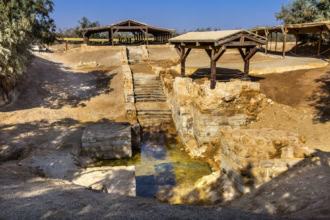
Two of Jordan’s most significant landmarks are within easy reach on a wider itinerary. Visiting the Baptism Site of Jesus and Mount Nebo: A Traveller’s Guide covers two of the country’s most important religious sites, while our Dead Sea Jordan Travel Guide: How to Visit, Float & Explore explains how to experience one of the world’s most unusual natural wonders.
For the journey itself, our Royal Jordanian Airline Guide: Routes, Fleet, Loyalty & Travel Tips covers everything you need to know about the country’s national carrier. And if you would rather leave the planning to someone else, Petra Tours from Amman, Aqaba & Wadi Rum: Best Guided Trips (2026) rounds up the best guided trips to Petra from across Jordan, whichever city you are starting from.