Reviewed by our editorial team Updated
Why the Trenitalia Pass Can Save You Money in Italy
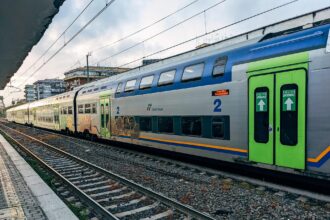
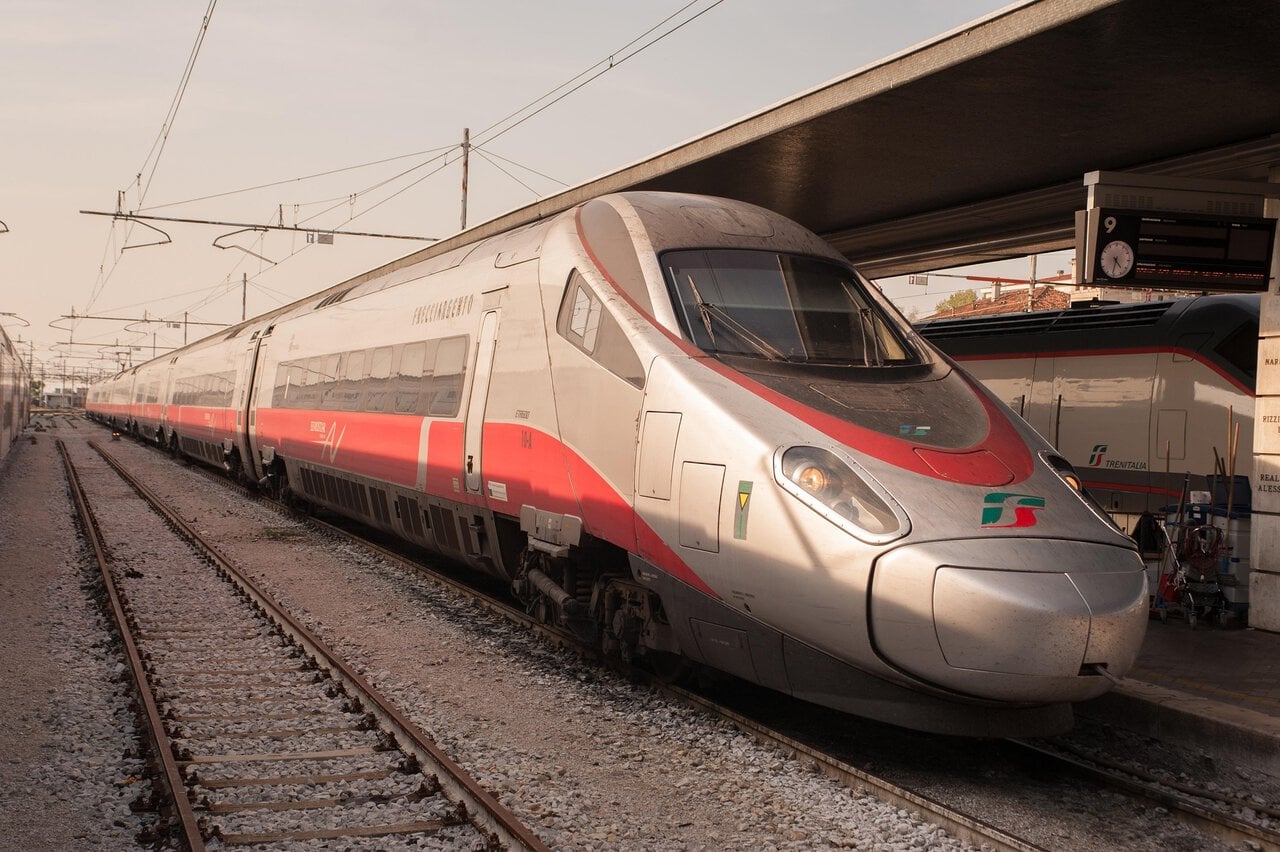
Train travel in Italy is fast, frequent, and often expensive if you approach it the wrong way. High-speed trains such as the Frecciarossa and Frecciargento connect major cities like Rome, Florence, Milan, and Venice in just a few hours, but ticket prices can rise quickly, especially on popular routes and at busy times.
Many travellers start by searching for individual tickets and are surprised by how much prices can vary. Book early and fares can be relatively low. Leave it too late, and the same journey can cost significantly more. This is where the Trenitalia Pass becomes useful. Instead of dealing with fluctuating prices, you pay a fixed amount upfront and gain access to a set number of journeys across the network.
What makes this pass different from many other European tickets is that it is designed specifically for high-speed travel. You are not restricted to slow regional trains. Instead, you can use it on Italy’s fastest and most important routes, which is where ticket prices are usually at their highest.
However, this is not a universal money-saving solution. The pass works best in specific situations, particularly when you are making multiple long-distance journeys or booking closer to your travel dates. If you only plan to travel once or twice, or you book very early, individual tickets can still be cheaper.
The key is understanding when the Trenitalia Pass gives you an advantage. Used correctly, it can control costs and add flexibility. Used in the wrong situation, it can cost more than buying tickets individually.
What the Trenitalia Pass Is and How It Works
The Trenitalia Pass is a multi-journey rail pass designed specifically for foreign residents travelling in Italy. It allows you to take a fixed number of train journeys within a set period, rather than buying individual tickets for each trip.
You can choose between passes that include 3, 4, 7, or 10 journeys, and these must be used within a defined time window once your first trip is booked. Depending on the option selected, this could be 7 days, 15 days, or 30 days, and the days run consecutively from your first journey.
Each journey you book counts as one trip, even if it includes connecting trains. This is an important detail, as it means you can travel between cities with a change of trains without using multiple journeys from your pass.
The pass is available in two main formats. The Easy option covers Standard class on high-speed trains and second class on Intercity services, while the Comfort option allows access to higher classes, including Premium and Business on Frecce trains and first class on Intercity services.
It is also important to understand that the pass is personal and non-transferable. It is issued in your name and must be used by the registered traveller. You will need to show both your pass and a valid identification document when travelling.
Unlike some rail systems, seat reservations are mandatory for every journey, but they are included in the price of the pass at no extra cost. This means you still need to book each train, but you do not pay additional reservation fees.
In simple terms, the Trenitalia Pass allows you to prepay for a set number of high-speed journeys, giving you cost certainty and flexibility across Italy’s main rail network.
Compare hotels and other places to stay in Italy.
Check availabilityExplore holiday homes and apartments around Italy.
See holiday homesCompare prices for Italy hotels across multiple booking sites.
Check dealsTrenitalia Pass Prices and Options
The Trenitalia Pass is built around flexibility, allowing you to choose both the number of journeys and the level of comfort. Prices start from €139, making it accessible, but the real value depends on how you use it.
You can choose between 3, 4, 7, or 10 journeys, with each option valid over a set number of consecutive days once your first trip is booked. The pricing is split into two tiers. The Easy option covers standard travel, while the Comfort option gives access to higher classes and more premium seating.
Here is the full pricing structure:
| Journeys | Validity | Easy Adult | Easy Senior | Easy Youth | Comfort Adult | Comfort Senior | Comfort Youth |
|---|---|---|---|---|---|---|---|
| 3 trips | 7 days | €139 | €129 | €119 | €189 | €179 | €159 |
| 4 trips | 7 days | €169 | €159 | €149 | €234 | €214 | €194 |
| 7 trips | 15 days | €269 | €249 | €229 | €369 | €349 | €329 |
| 10 trips | 30 days | €354 | €324 | €304 | €469 | €419 | €394 |
The difference between Easy and Comfort comes down to class of travel. The Easy option keeps costs lower but limits you to Standard class, while Comfort allows access to Premium and Business class seating, along with higher classes on Intercity trains.
There are also strong benefits for families. Up to two children aged 4 to 12 can travel free with each paying adult, which can significantly increase the value of the pass for family travel. Infants under 4 can also travel free if they do not require a seat.
The key takeaway is that the pass is not about being the cheapest option on paper. It is about controlling costs across multiple journeys, especially on high-speed routes where prices can rise quickly.
What Trains Are Included
One of the biggest advantages of the Trenitalia Pass is that it covers Italy’s high-speed rail network, which is where ticket prices are usually at their highest. This is what separates it from many other European ticket options, as you are not limited to slower regional services.
The pass is valid on Frecciarossa, Frecciargento, and Frecciabianca trains, which form the backbone of Italy’s fast intercity connections. These services link major destinations such as Rome, Florence, Milan, Venice, and Naples, allowing you to travel long distances quickly and efficiently. The pass also includes Freccialink services, which combine train and bus connections to reach destinations not directly served by rail.
In addition to high-speed trains, the pass can be used on Intercity and Intercity Night services, giving you access to a wider range of routes across the country. It also covers Eurocity trains within Italy, which is particularly useful on certain cross-border routes that operate domestically for part of their journey.
It is important to understand that the pass is valid only on services operated by Trenitalia. It cannot be used on trains run by other companies, including Italo, which operates its own high-speed network. This means you need to plan your journeys using Trenitalia services to make full use of the pass.
The inclusion of high-speed trains is what gives the pass its value. Routes such as Rome to Milan, Florence to Venice, and Naples to Rome can become expensive when booked individually, particularly at short notice. The pass allows you to take these journeys without being exposed to rising ticket prices.
In simple terms, the Trenitalia Pass gives you access to Italy’s fastest trains, which is where the biggest savings opportunities are found.
How the Journey System Works
The Trenitalia Pass is based on a journey system, and understanding how this works is essential if you want to get the best value from it.
Each booking you make counts as one journey, regardless of how many trains are involved. If you travel between two cities with a connection, it will still count as a single trip, as long as it is booked as one continuous journey. This makes the pass particularly useful for longer routes that require changes, as you do not lose additional journeys from your allowance.
All journeys require a seat reservation, and this is mandatory for the trains included in the pass. However, these reservations are included in the price, so you do not pay anything extra when booking your trains. You still need to reserve your seat in advance, but the process is straightforward and does not increase your costs.
The pass becomes active when you book your first journey. From that moment, the validity period begins, and you must use all your allocated journeys within the selected timeframe. Depending on the option you choose, this will be 7 days, 15 days, or 30 consecutive days.
It is also important to ensure that all journeys are completed within this period. You cannot start a journey before the pass becomes active, and you cannot finish one after it expires. Planning your travel dates carefully helps you avoid wasting any of your journeys.
The key to using the Trenitalia Pass effectively is to treat each journey as valuable. The longer and more expensive the route, the more value you extract from the pass.

How Much You Can Actually Save
The real value of the Trenitalia Pass becomes clear when you compare it with standard ticket prices on Italy’s high-speed routes.
Take a typical journey between Rome and Milan. If booked early, tickets can be relatively affordable, but prices often rise significantly closer to the travel date. It is not uncommon for fares to reach much higher levels, particularly during peak times. With the pass, the cost of that journey is already included, which removes the risk of price increases.
The same applies to routes such as Florence to Venice or Naples to Rome, where ticket prices can vary depending on demand. If you are making several of these journeys, the total cost of individual tickets can quickly exceed the price of the pass.
The pass works best when you are making multiple long-distance trips. For example, a route covering Rome to Florence, Florence to Venice, and Venice to Milan can use three journeys from the pass. When these routes are priced individually, especially closer to departure, the total cost can be significantly higher than the entry price of the pass.
However, the savings depend on how you use it. If you are travelling only once or twice, or if you book tickets well in advance at low prices, the pass may not offer better value. The advantage comes when you need flexibility or are travelling during periods when ticket prices are higher.
In simple terms, the Trenitalia Pass saves the most money when you use it for multiple long-distance journeys on high-speed trains, particularly when booking closer to your travel dates.
Best Routes to Use the Trenitalia Pass
The Trenitalia Pass delivers the most value on long-distance, high-speed routes between Italy’s major cities. These are the journeys where ticket prices fluctuate the most and can become expensive if booked late.
One of the strongest routes is Rome to Florence. This is one of the busiest lines in Italy, with frequent Frecciarossa services running throughout the day. The journey is short, but ticket prices can rise quickly at peak times. Using the pass allows you to travel without worrying about availability or price increases.
Continuing north, the route from Florence to Venice is another excellent use of the pass. This is a classic tourist journey, and trains often fill up, especially during busy seasons. The pass allows you to secure a seat without paying high last-minute fares.
The full route from Rome to Florence to Venice to Milan is where the pass becomes particularly effective. This type of itinerary uses multiple journeys on high-speed trains, and the combined cost of individual tickets can be significantly higher than the price of the pass, especially if you are booking closer to your travel dates.
In southern Italy, the route from Naples to Rome is another strong option. This is a popular journey with frequent services, and it fits well into itineraries that include both northern and southern cities. Using the pass helps keep costs predictable across longer travel distances.
These routes all share the same characteristics. They are high-demand, high-speed, and often expensive when booked late. This is exactly where the Trenitalia Pass performs best.
The more long-distance, high-speed journeys you include in your itinerary, the more value you extract from the pass.
When the Trenitalia Pass Is NOT Worth It
While the Trenitalia Pass can offer strong value, it is not always the cheapest option. Understanding when it does not work helps you avoid overpaying.
If you are only making one or two journeys, the pass is unlikely to be worth it. In these cases, buying individual tickets is usually cheaper, particularly if you book in advance and secure lower fares.
The pass is also less effective for short-distance travel. Routes such as Florence to Pisa or other regional connections are already relatively inexpensive, so using one of your journeys on these routes does not provide good value.
Another important factor is timing. Italy’s high-speed trains use dynamic pricing, which means tickets can be very cheap if booked early. If you plan your trip well in advance and lock in low fares, individual tickets may cost less than using the pass.
The pass is also limited to Trenitalia services, so it does not cover trains operated by Italo. On some routes, Italo may offer competitive or lower prices, particularly if you are flexible with departure times.
Finally, the pass requires you to manage your journeys carefully. Each trip has value, and once used, it cannot be recovered. If your plans change significantly, you may not get full use from all your allocated journeys.
The Trenitalia Pass works best when you are making multiple long-distance journeys and need flexibility. If your travel is limited, short, or booked well in advance, individual tickets are often the better option.
Compare routes and fares for your journey to Italy.
Compare flightsChoose an Airalo eSIM and arrange mobile data before you arrive.
Browse eSIMsArrange a private airport pickup for your trip to Italy.
Check transfersIs There an Italo Pass and When Is It Cheaper
Many travellers assume there is a direct equivalent to the Trenitalia Pass for Italo, but this is not the case. There is no Italo tourist rail pass that allows flexible travel across the network in the same way.
Instead, Italo focuses on point-to-point pricing and discounted fares. Tickets are sold per journey, and prices vary depending on demand, timing, and availability. In some cases, these fares can be very competitive, particularly if you book early or travel at less popular times.
This creates an important comparison. With the Trenitalia Pass, you are paying upfront for a set number of journeys, which gives you price certainty and flexibility. With Italo, you are relying on finding good fares for each individual journey.
On routes such as Rome to Milan or Florence to Venice, Italo can sometimes offer lower prices than Trenitalia, especially if you book early. However, these prices are not guaranteed and can increase as trains fill up.
The choice comes down to how you are travelling. If you want flexibility and protection from rising prices, the Trenitalia Pass is often the better option. If you are able to plan ahead and secure cheap fares, Italo tickets can sometimes be cheaper for individual journeys.
The key difference is simple. The Trenitalia Pass is about locking in value across multiple trips, while Italo is about finding the best price for each journey individually.
Step-by-Step: How to Buy and Use the Trenitalia Pass
Buying the Trenitalia Pass is straightforward, but using it correctly is what makes the difference.
You can purchase the pass online through the official Trenitalia website, as well as at ticket offices and selected travel agencies. The pass is issued digitally and is linked to your name, so it is personal and non-transferable. You will need to show both your pass and a valid identification document when travelling.
After purchase, you do not need to activate it immediately. You have up to 11 months to book your first journey. The pass only becomes active once your first train is reserved, and from that moment, your validity period begins.
Before each journey, you must make a seat reservation. This is mandatory for all trains included in the pass, but it is included at no extra cost. You can book your journeys online, through the app, at ticket machines, or at train stations.
It is important to plan carefully. All journeys must take place within the validity window of your pass, and each booking uses one of your allocated trips. Once a journey is used, it cannot be recovered, so it is worth making sure you are using each one efficiently.
The key is simple. Buy the pass, reserve each journey in advance, and use it for high-value routes to get the most out of it.
Pro Tips for Using the Trenitalia Pass
Getting the most value from the Trenitalia Pass comes down to how you use each journey.
Focus on long-distance, high-speed routes, where ticket prices are highest. This is where the pass delivers the most value compared to buying individual tickets.
Avoid using journeys on short or low-cost routes, as these can often be purchased cheaply without using the pass. Saving your journeys for more expensive trips helps maximise the overall value.
Plan your itinerary so that you are travelling every few days within the validity window, rather than leaving gaps that waste time. Since the validity period runs consecutively, unused days reduce the effectiveness of the pass.
Book your seat reservations as early as possible, especially on busy routes. While reservations are included, trains can still fill up, particularly during peak travel periods.
Finally, think of each journey as something valuable. The pass works best when each trip replaces a ticket that would otherwise be expensive.
Used correctly, the Trenitalia Pass turns multiple high-speed journeys into a controlled and predictable cost.
Best Apps for Planning Italy Train Travel
Planning your journeys efficiently makes a big difference when using the Trenitalia Pass.
The official Trenitalia app is the most important tool, as it allows you to check schedules, book seat reservations, and manage your journeys in one place. It also ensures that you are selecting valid trains included with the pass.
For broader comparisons, apps such as Trainline and Omio can help you understand journey times and alternative options. These are useful for planning your itinerary, even if you ultimately book through Trenitalia.
Using a combination of official tools and wider journey planners gives you the best view of available routes while ensuring your bookings remain valid under the pass.
The right tools make it easier to plan efficiently and avoid wasting journeys.

Rupert’s Handy Travel Tips
Thinking about buying a Trenitalia Pass? Here are a few simple tips that can help you decide whether it’s the right option for your Italian rail adventure:
- Use it for long-distance journeys: The pass delivers the greatest value on expensive high-speed routes such as Rome to Milan, Venice to Florence, and Naples to Rome.
- Don’t waste journeys on short routes: Local and regional tickets in Italy are often inexpensive, so save your pass journeys for the routes that would otherwise cost the most.
- Reserve seats early: Reservations are included, but popular Frecciarossa services can still fill up during holidays and summer travel periods.
- Compare against advance fares: If you’ve booked months ahead, individual tickets may sometimes be cheaper than the pass. Always check before purchasing.
- Perfect for multi-city trips: Travellers visiting Rome, Florence, Venice, Milan, Bologna, and Naples often get the best value from the pass.
Want to meet the reindeer behind our travel tips? Find out more in our page Who is Rupert?.




Frequently Asked Questions About the Trenitalia Pass
Can tourists use the Trenitalia Pass
Yes. The pass is designed specifically for foreign residents travelling in Italy and is not available to Italian residents.
Do I need to reserve seats
Yes. All journeys require mandatory seat reservations, but these are included in the price of the pass.
Can I use the pass on high-speed trains
Yes. The pass is valid on Frecciarossa, Frecciargento, and Frecciabianca trains, as well as Intercity services.
Does a connecting journey use more than one trip
No. As long as the journey is booked as one route, it counts as a single trip, even if it involves multiple trains.
Can I use the pass on Italo trains
No. The pass is valid only on Trenitalia services and cannot be used on Italo trains.
Further Reading & Related Guides
If you’re planning a wider rail adventure across Italy, it’s worth understanding how the Trenitalia Pass compares with other ticketing and pass options. Our Interrail Italy Pass Guide explains when an Interrail pass offers better value and which travellers are most likely to benefit from each option.
Travellers interested in Italy’s fast and efficient railway network should also read our European High-Speed Trains Guide. Italy’s Frecciarossa services are widely regarded as some of Europe’s best high-speed trains, and understanding how they compare with operators in countries such as France, Spain, Germany, and Austria can help you plan more ambitious rail itineraries.
If you’re looking to cover long distances without losing valuable sightseeing time, our Rome to Sicily Sleeper Train Guide explores one of Italy’s most fascinating overnight rail journeys. Combining high-speed trains with sleeper services can often create highly efficient itineraries while reducing accommodation costs.
Reliable mobile data makes train travel considerably easier. Our eSIM Guide for Travellers compares the best options for Italy and Europe, helping you access tickets, reservations, platform information, navigation tools, and accommodation bookings throughout your trip.
Whether you’re travelling between Rome, Florence, Venice, Milan, Naples, or exploring further afield, combining the right rail pass with careful planning can save both time and money while making your Italian adventure considerably more enjoyable.