Reviewed by our editorial team Updated
Why Travel with WESTbahn?
For many visitors to Austria, the first train company they encounter is ÖBB, the national railway operator. However, over the past decade, WESTbahn has established itself as one of the country’s most popular alternatives, offering fast, comfortable, and often competitively priced long-distance services across some of the most important travel corridors in Austria and beyond.
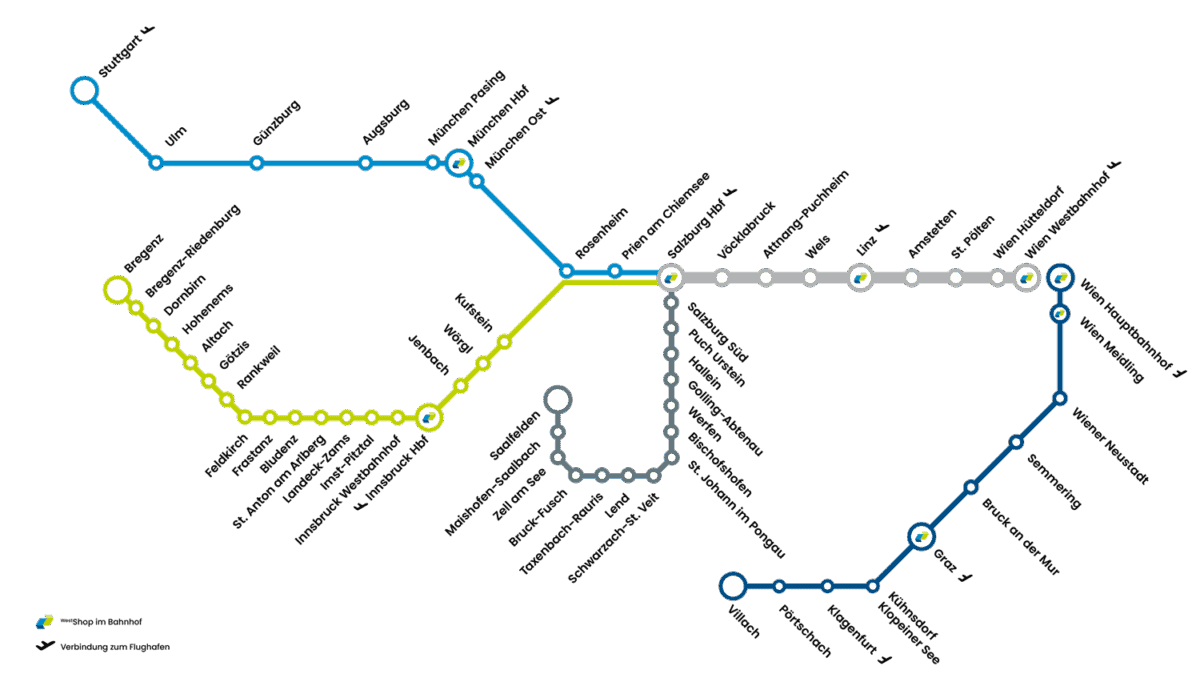
Founded in 2011, WESTbahn became Austria’s first major private open-access rail operator, introducing competition on routes that had traditionally been dominated by state rail services. What began as a relatively simple operation between Vienna and Salzburg has steadily expanded into a network that now stretches across western Austria to Lake Constance, south towards Graz, Klagenfurt, and Villach, and internationally into Germany, serving destinations including Munich and Stuttgart.
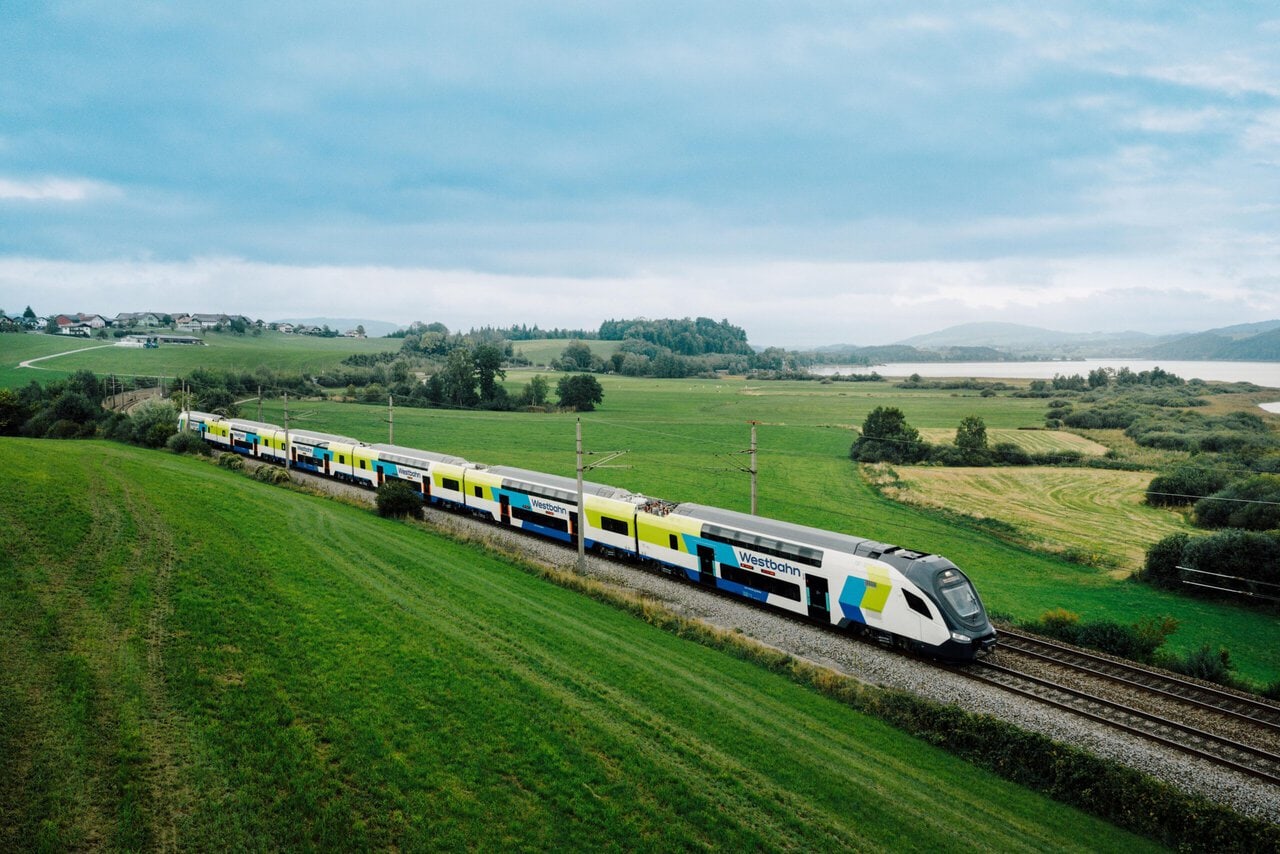
One of the biggest attractions for travellers is the combination of high-speed rail travel, modern trains, and straightforward ticketing. WESTbahn’s fleet of double-deck trains provides panoramic upper-deck seating, generous luggage space, free Wi-Fi, power sockets, and a range of seating options suitable for everything from short business trips to longer leisure journeys. Unlike some European rail operators where compulsory reservations can complicate travel plans, many WESTbahn tickets remain refreshingly flexible, making the network particularly appealing to tourists exploring Austria at their own pace.
Another major advantage is the company’s focus on connecting city centres directly. Rather than spending time travelling to distant airports, passing through security, and waiting at departure gates, passengers can simply board a train in the heart of Vienna, Salzburg, Munich, or Innsbruck and arrive directly in the centre of their destination. For journeys of up to several hundred kilometres, rail often proves faster door-to-door than flying.
For international visitors, WESTbahn tickets can be purchased directly through the operator’s website and app, but many travellers find it convenient to compare schedules and fares through Omio, particularly when combining WESTbahn services with trains operated by other companies across Europe.
Today, WESTbahn is more than simply a train operator. It has become an important part of the Austrian travel experience, linking historic cities, Alpine resorts, lakeside towns, ski destinations, and major European transport hubs through a growing network of comfortable and reliable rail services.
The Vienna–Salzburg Corridor
The route between Vienna and Salzburg remains the heart of the WESTbahn network and is one of the most important railway corridors in Central Europe. Stretching across northern Austria, the line connects the country’s capital with its fourth-largest city while passing through several destinations that are worth exploring in their own right.
Most journeys begin at Vienna Westbahnhof, one of the Austrian capital’s principal railway stations. Before boarding, travellers may wish to spend time exploring the city’s extraordinary collection of attractions, including Schönbrunn Palace, St Stephen’s Cathedral, the Belvedere Palace, and the historic cafés that helped shape Vienna’s cultural identity. As the train departs westwards, it quickly reaches St. Pölten, the capital of Lower Austria, a city often overlooked by international tourists despite its attractive old town and growing arts scene.
Continuing west, trains call at Amstetten, an important regional hub, before reaching Linz, Austria’s third-largest city. Situated on the banks of the Danube River, Linz offers a fascinating blend of historic architecture and modern innovation. Visitors can explore the futuristic Ars Electronica Center, stroll through the grand Hauptplatz, or enjoy views from Pöstlingberg, which overlooks the city and river below.
Further along the route, Wels serves as a useful gateway to central Austria, while Attnang-Puchheim provides convenient connections towards the famous Salzkammergut region. This area contains some of Austria’s most spectacular scenery, including Hallstatt, Bad Ischl, St. Wolfgang, and numerous lakes surrounded by dramatic mountain landscapes. Many travellers use Attnang-Puchheim as the starting point for day trips into this UNESCO-recognised region.
As the train approaches Salzburg, the scenery becomes increasingly Alpine. Upon arrival, visitors find themselves in one of Europe’s most beautiful small cities. Famous as the birthplace of Wolfgang Amadeus Mozart, Salzburg combines a magnificent Old Town, dominated by the imposing Hohensalzburg Fortress, with elegant squares, churches, riverside promenades, and numerous filming locations associated with The Sound of Music.
For visitors planning this journey, WESTbahn often provides a cost-effective alternative to other operators. Tickets can frequently be compared and booked through Omio, making it easy to find suitable departures and connect onward travel across Austria.
See hotel options and places to stay for your trip.
Browse hotelsExplore holiday homes and apartments for your trip.
See holiday homesCompare prices from multiple hotel booking sites.
Check dealsThrough the Tyrol to Innsbruck
For many rail enthusiasts, the journey from Vienna to Innsbruck represents one of the finest train trips in Austria. Building upon the Vienna to Salzburg corridor, this route continues deep into the Tyrol, gradually replacing urban landscapes with increasingly dramatic Alpine scenery.
After departing Salzburg, WESTbahn trains continue through the Austrian-German border region before reaching Rosenheim, an important Bavarian railway hub. Although many passengers remain onboard, Rosenheim itself is a pleasant town with traditional Bavarian architecture and serves as an important interchange for travellers heading towards southern Germany.
Back in Austria, the train reaches Kufstein, one of the most attractive towns in western Austria. Dominated by the imposing Kufstein Fortress, the town sits beside the River Inn and provides a perfect introduction to the landscapes of Tyrol. The historic centre, mountain backdrop, and riverside cafés make Kufstein well worth a stop for travellers exploring the region.
The next major stop is Wörgl, an important transport gateway that provides access to some of Austria’s best-known mountain destinations. From here, travellers can reach resorts around Kitzbühel, one of the world’s most famous ski centres, as well as numerous hiking destinations throughout the Tyrolean Alps.
A particularly valuable stop for tourists is Jenbach, where connections are available to the Zillertal Railway and the historic Achensee Railway. The surrounding area offers outstanding opportunities for skiing, mountain biking, hiking, and lake activities throughout the year. During summer, the turquoise waters of Lake Achensee attract visitors from across Europe, while winter brings thousands of skiers to nearby resorts.
The route culminates in Innsbruck, arguably Austria’s most spectacular mountain city. Surrounded by towering peaks, Innsbruck combines urban culture with immediate access to Alpine adventure. Visitors can explore the famous Golden Roof, ascend the Nordkette Cable Car, visit the impressive Bergisel Ski Jump, or simply enjoy the remarkable sight of mountains rising directly above the city centre. Few European cities combine history, culture, and mountain scenery as effectively as Innsbruck.
Across the Arlberg to Lake Constance
The western extension of the WESTbahn network offers one of the most scenic long-distance rail journeys available in Austria. Travelling beyond Innsbruck towards the shores of Lake Constance, the route passes through some of the country’s most celebrated mountain landscapes and ski regions.
The first standout destination is St. Anton am Arlberg, internationally renowned as one of Europe’s premier winter sports resorts. During ski season, visitors from around the world arrive to experience the extensive pistes of the Arlberg region, while summer brings hikers, mountain bikers, and outdoor enthusiasts seeking access to some of the Alps’ most impressive scenery.
Beyond St. Anton, trains continue to Bludenz, an attractive Alpine town that serves as a gateway to several valleys and mountain regions. The surrounding landscape is characterised by dramatic peaks, traditional villages, and excellent outdoor recreation opportunities throughout the year.
Further west lies Feldkirch, one of Austria’s hidden gems. Its beautifully preserved medieval centre, narrow streets, and historic buildings provide a very different atmosphere from Austria’s larger cities. Located close to both Liechtenstein and Switzerland, Feldkirch is also an excellent base for exploring three countries during a single trip.
The line then reaches Bregenz, the capital of Vorarlberg, situated directly on the shores of Lake Constance. The city is famous for its spectacular floating stage, used during the annual Bregenz Festival, where large-scale opera productions are performed against a backdrop of water and mountains. Visitors can also take the Pfänder Cable Car for panoramic views across Austria, Germany, and Switzerland.
Some WESTbahn services continue a short distance further to Lindau, a picturesque German town located on an island within Lake Constance. With its historic harbour, lighthouse, medieval streets, and stunning Alpine backdrop, Lindau provides a fitting conclusion to one of the most scenic routes on the WESTbahn network.
Munich, Augsburg and Stuttgart
WESTbahn’s expansion into Germany transformed the company from an Austrian operator into an increasingly important cross-border rail provider. Rather than simply terminating at the Austrian frontier, trains continue deep into southern Germany, providing direct connections to some of the country’s most important cities without the need to change trains.
For many passengers, Munich is the primary destination. As the capital of Bavaria, Munich combines grand architecture, world-class museums, historic beer halls, and excellent transport links with a relaxed atmosphere that makes it one of Germany’s most popular city break destinations. Visitors can explore Marienplatz, the famous Hofbräuhaus, the extensive English Garden, and the magnificent Nymphenburg Palace, all within easy reach of the city centre station.
Beyond Munich, the route continues through Augsburg, one of Germany’s oldest cities and a destination often overlooked by international visitors. Founded by the Romans more than two thousand years ago, Augsburg features attractive Renaissance architecture, historic squares, and the remarkable Fuggerei, recognised as the world’s oldest social housing complex still in operation.
Further west lies Günzburg, best known as the home of LEGOLAND Germany, making it a particularly useful stop for families travelling through southern Germany. The station provides convenient access to the theme park and surrounding attractions.
The route then reaches Ulm, home to the spectacular Ulm Minster, whose church tower remains the tallest in the world. The historic city centre, riverside setting along the Danube, and distinctive blend of medieval and modern architecture make Ulm a worthwhile stop even on a longer journey.
At the western end of the line sits Stuttgart, one of Germany’s wealthiest and most influential cities. Famous as the birthplace of both Mercedes-Benz and Porsche, Stuttgart offers exceptional automotive museums alongside excellent shopping, vineyards, parks, and cultural attractions. The city also serves as a major transport hub for travellers continuing towards Frankfurt, Switzerland, and western Germany.
For travellers combining Austria and Germany in a single itinerary, WESTbahn provides one of the simplest ways to move between the two countries. Tickets can often be purchased directly from the operator or compared through Omio, making it easy to integrate WESTbahn services into wider European rail journeys.

Graz, Klagenfurt and Villach
The newest addition to the WESTbahn network heads south from Vienna towards the historic cities and Alpine landscapes of southern Austria. This route has rapidly become one of the company’s most interesting services because it combines major urban destinations with some of the country’s most spectacular mountain scenery.
One of the highlights appears relatively early in the journey as trains cross the legendary Semmering Railway. Opened in 1854, this remarkable engineering achievement became the world’s first true mountain railway and is now recognised as a UNESCO World Heritage Site. Travellers pass through tunnels, over stone viaducts, and across dramatic mountain landscapes that continue to attract railway enthusiasts from around the world.
The first major destination is Graz, Austria’s second-largest city and one of its most underrated urban destinations. The beautifully preserved Old Town, another UNESCO-listed site, combines Renaissance courtyards, historic streets, and impressive architecture with a vibrant student atmosphere. Visitors can climb the iconic Schlossberg, admire the futuristic Kunsthaus Graz, and enjoy some of Austria’s best food and wine culture.
Continuing south, the line reaches Klagenfurt, capital of the state of Carinthia. The city sits close to the shores of Lake Wörthersee, one of Austria’s most popular summer holiday destinations. During warmer months, visitors flock to the lake for swimming, sailing, cycling, and lakeside relaxation, while the surrounding mountains provide excellent hiking opportunities.
The route finally arrives in Villach, an important transport hub positioned close to the borders of Italy and Slovenia. Its strategic location makes Villach a popular starting point for onward travel towards Lake Bled, Ljubljana, Venice, and the Julian Alps. For travellers exploring multiple countries during a single trip, Villach often acts as the gateway between Austria and the wider Alpine region.
WESTbahn for Ski Holidays in Austria
For winter sports enthusiasts, WESTbahn is far more than a convenient intercity train operator. The network serves several of Austria’s most important Alpine gateways, making it an excellent option for travellers looking to reach ski resorts without hiring a car or paying for expensive private transfers.
One of the biggest advantages of travelling by train is that the journey itself becomes part of the holiday experience. Instead of navigating winter roads, dealing with snow chains, or sitting in transfer traffic, passengers can relax onboard while travelling directly into the heart of the Austrian Alps. WESTbahn’s spacious trains, generous luggage areas, and comfortable seating make them particularly well suited to carrying bulky winter clothing and ski equipment.
The most important ski gateway on the network is St. Anton am Arlberg. Located directly on the route between Innsbruck and Bregenz, St. Anton is one of Europe’s most famous ski destinations and forms part of the enormous Ski Arlberg area, which includes Lech, Zürs, Stuben, Warth, and Schröcken. The station sits within easy reach of the resort, allowing many visitors to complete their journey entirely by rail.
Further east, Wörgl acts as a major gateway to the vast SkiWelt Wilder Kaiser-Brixental region. Resorts including Söll, Ellmau, Scheffau, Hopfgarten, Westendorf, and Brixen im Thale can all be reached from Wörgl using local buses, taxis, or connecting rail services. The station is also useful for travellers heading towards the world-famous slopes of Kitzbühel.
Since December 2025, WESTbahn has also run three daily direct services between Vienna and the Pinzgau region, calling at Schwarzach-St. Veit, Lend, Bruck-Fusch and Maishofen-Saalbach before terminating at Zell am See or Saalfelden. The journey takes around 4 hours 15 minutes, with fares starting from roughly €14, and puts the Zell am See-Kaprun and Saalbach-Hinterglemm ski areas within a single change-free ride of the capital.
Another important stop is Jenbach, which provides access to the spectacular Zillertal Valley. From here, visitors can continue towards major ski destinations including Mayrhofen, Zell am Ziller, Kaltenbach, Fügen, and the year-round glacier skiing at Hintertux Glacier. The valley is one of Austria’s most popular winter sports regions and offers something for everyone, from beginners to advanced skiers.
Travellers heading to Innsbruck gain access to a remarkable concentration of ski areas. The city itself is surrounded by mountains and provides convenient links to resorts including Nordkette, Axamer Lizum, Patscherkofel, Kühtai, and the extensive Stubai Glacier region. This makes Innsbruck one of Europe’s best destinations for visitors who want both city attractions and world-class skiing during the same trip.
The newer southern route also creates opportunities for ski holidays in Carinthia. Passengers travelling to Villach can easily reach resorts such as Gerlitzen Alpe and Nassfeld, one of Austria’s largest ski areas. Compared with some of the country’s better-known Alpine destinations, this region often offers excellent value while still providing extensive skiing and spectacular scenery.
WESTbahn can also form part of a wider airport transfer strategy. Many international visitors arrive through Vienna Airport, transfer into the city, and then continue west by rail towards Tyrol or Vorarlberg. Others fly into Munich Airport before joining WESTbahn services towards destinations such as Kufstein, Wörgl, Innsbruck, or St. Anton am Arlberg. In many cases, this combination is cheaper, more comfortable, and more environmentally friendly than booking dedicated ski transfer services.
For travellers planning a winter holiday in Austria, WESTbahn provides one of the easiest ways to reach some of the country’s most famous ski regions while avoiding the stress of winter driving. Combined with local buses, regional trains, and resort shuttles, the network opens up a huge range of Alpine destinations from a single rail ticket.
WESTbahn Ticket Types Explained
One of the reasons WESTbahn has become popular with both Austrian residents and international visitors is its relatively straightforward ticket structure, fully explained with current fares on the official WESTbahn website. Unlike some rail operators that offer dozens of fare categories and complex restrictions, WESTbahn focuses on a small number of ticket types designed to suit different styles of travel.
Travellers who book well in advance can often secure the lowest fares through discounted promotional tickets. These are particularly attractive on popular routes such as Vienna to Salzburg, Vienna to Innsbruck, and Vienna to Munich, where booking ahead can produce significant savings compared with last-minute travel.
Passengers who value flexibility can instead choose tickets that allow greater freedom to travel on different departures. This approach is especially useful for tourists whose plans may change during a trip or who wish to spend extra time exploring destinations along the route.
One of WESTbahn’s strengths is that competitive pricing often remains available even relatively close to departure. While advance booking generally offers the best value, travellers frequently find fares that compare favourably with both competing rail operators and domestic flights.
For international visitors planning complex journeys, it is often worth comparing prices through Omio, particularly when combining WESTbahn services with trains operated by ÖBB, Deutsche Bahn, or other European rail companies.
Regardless of ticket type, passengers benefit from the same modern trains, free Wi-Fi, power sockets, luggage facilities, and onboard services that have become hallmarks of the WESTbahn experience.

Check Train Routes for your destination with Omio
If your plans include travelling by train to or from your destination, Omio provides a convenient way to search routes and compare ticket options.
Having multiple operators available through one search can make planning easier, particularly for long-distance and international journeys.
Scan to open
on your phone

Compare routes and fares for your next trip.
Compare flightsUse an eSIM to get online without hunting for a local SIM after arrival.
See eSIM optionsArrange a private pickup before travel instead of sorting transport after landing.
Book a transferTravel Classes on WESTbahn
WESTbahn operates modern double-deck trains that offer several seating categories, allowing travellers to choose between value, comfort, and premium travel experiences depending on their budget and priorities.
Most passengers travel in Standard Class, which already provides a level of comfort that compares favourably with many European rail operators. Seats are spacious, power sockets are widely available, Wi-Fi is included, and the upper deck offers excellent views of the surrounding countryside. For many leisure travellers, Standard Class provides everything needed for journeys of several hours.
Passengers seeking additional space often choose Comfort Class. These areas typically provide quieter surroundings, enhanced seating arrangements, and a more relaxed atmosphere for longer journeys. Business travellers frequently favour this option when travelling between major cities such as Vienna, Salzburg, Munich, and Innsbruck.
At the top end of the offering sits First Class, which delivers the highest level of comfort available on WESTbahn services. Wider seating, increased personal space, and a quieter onboard environment make it particularly attractive for longer journeys across Austria and into Germany. Travellers heading to destinations such as Bregenz, Stuttgart, or Villach may find the additional comfort worthwhile, especially on journeys lasting several hours.
Regardless of class, all passengers benefit from the modern design of WESTbahn’s fleet. Large windows, generous luggage storage, clean interiors, onboard refreshments, and reliable connectivity help make rail travel an attractive alternative to driving or flying across Austria and southern Germany.
Luggage Rules and Travelling with Bags
One of the biggest advantages of travelling with WESTbahn is the relatively relaxed approach to luggage. Unlike airlines, there are no complicated baggage drop procedures, weight checks, or security queues. Passengers simply arrive at the station, board the train, and store their luggage onboard.
The double-deck design of WESTbahn trains provides generous luggage space throughout the train. Larger suitcases can be placed in dedicated luggage areas, while smaller bags can usually be stored in overhead racks or beside seats. This makes the service particularly attractive for tourists carrying holiday luggage, winter sports equipment, or multiple bags during longer European trips.
The flexibility of rail travel becomes especially valuable when visiting destinations such as Salzburg, Innsbruck, St. Anton am Arlberg, or Bregenz, where travellers may be carrying ski equipment, hiking gear, or larger suitcases for extended stays. Instead of worrying about airline baggage allowances, passengers can generally bring what they reasonably need for their journey.
For international visitors arriving at Vienna Airport, many choose to transfer into the city and continue by WESTbahn rather than taking a domestic flight. This allows luggage to remain with the traveller throughout the journey while avoiding additional airline baggage charges and airport security procedures.
Travellers carrying particularly valuable items should always keep them close by during the journey, but overall WESTbahn offers one of the most convenient luggage experiences available on European long-distance rail services.
WESTbahn vs ÖBB
Many visitors planning rail travel in Austria quickly discover that they have a choice between WESTbahn and ÖBB, Austria’s national railway operator. Both companies operate modern trains and extensive services, but they offer slightly different experiences that may appeal to different types of traveller.
For many leisure passengers, the biggest difference is often price. WESTbahn has built much of its reputation on offering competitive fares, particularly along its core routes between Vienna, Salzburg, Innsbruck, and Munich. On some dates, travellers may find noticeably cheaper fares than competing services, especially when booking in advance.
ÖBB, however, operates a significantly larger network. While WESTbahn focuses on major intercity corridors, ÖBB provides access to thousands of destinations throughout Austria and neighbouring countries. For travellers heading to smaller towns or rural areas, ÖBB frequently offers more direct options.
In terms of onboard comfort, both operators provide modern trains with Wi-Fi, power sockets, and comfortable seating. Many passengers particularly enjoy WESTbahn’s double-deck trains, which provide elevated views of Austria’s countryside and Alpine landscapes. Others prefer the modern Railjet fleet operated by ÖBB, especially on international routes extending beyond the WESTbahn network.
Flexibility can also influence the decision. Depending on the ticket purchased, WESTbahn often offers a straightforward and user-friendly approach to rail travel, while ÖBB provides a wider variety of fare products and reservation options.
For many visitors, the reality is that they do not need to choose one operator exclusively. A trip through Austria may involve WESTbahn for a journey between Vienna and Salzburg, followed by an ÖBB service to destinations such as Hallstatt, Zell am See, or Graz. Comparing both operators through Omio can often help travellers identify the most suitable combination of routes, schedules, and fares.
Best WESTbahn Journeys
The WESTbahn network includes several journeys that rank among the most enjoyable rail experiences in Austria and southern Germany. While every route has its appeal, certain sections stand out for their scenery, convenience, or access to major tourist destinations.
The journey between Vienna and Salzburg remains the most popular. Combining two of Austria’s most famous cities, the route offers fast travel times while passing through attractive landscapes and important cultural centres such as Linz. For many first-time visitors to Austria, this is the ideal introduction to the country’s rail network.
For mountain scenery, the route towards Innsbruck is particularly impressive. As the train moves westward, the landscape becomes increasingly Alpine, with snow-capped peaks, valleys, and traditional Tyrolean towns creating some of the finest railway views in Austria.
Travellers seeking spectacular scenery should also consider continuing beyond Innsbruck towards St. Anton am Arlberg, Bregenz, and Lindau. The combination of mountain passes, Alpine villages, and the shores of Lake Constance creates one of the most varied rail journeys available anywhere in Central Europe.
The newer route towards Graz, Klagenfurt, and Villach offers a very different experience. Crossing the historic Semmering Railway provides an opportunity to travel on one of the world’s most important railway engineering achievements while enjoying dramatic mountain scenery along the way.
International travellers may find the route to Munich and Stuttgart particularly useful. Rather than flying between Austria and Germany, passengers can travel directly between city centres while enjoying comfortable seating, onboard facilities, and constantly changing scenery throughout the journey.
Is WESTbahn Included with Interrail?
For holders of an Interrail Pass, WESTbahn can be one of the most useful operators in Austria. The company participates in the Interrail programme, allowing pass holders to use many WESTbahn services as part of their wider European rail adventure.
This can be particularly valuable for travellers exploring Austria because some of the country’s most popular routes fall directly on the WESTbahn network. Journeys between Vienna, Salzburg, Innsbruck, Bregenz, and several destinations in Germany can often be completed using an Interrail Pass, helping travellers maximise the value of their rail investment.
One of the major advantages is that many WESTbahn services do not require the compulsory seat reservations commonly found on certain high-speed trains elsewhere in Europe. This provides greater flexibility for Interrail travellers who may wish to alter their plans at short notice or spend extra time in destinations discovered along the way.
However, rail policies can change, and reservation requirements may vary depending on route, season, and service type. Travellers should always verify the latest conditions before travelling, particularly during busy holiday periods when trains may be exceptionally popular.
For visitors building an Austrian rail itinerary, WESTbahn and Interrail complement each other extremely well. A pass holder can travel from Vienna to Salzburg, continue to Innsbruck, head west towards Lake Constance, or even cross into Germany, all while enjoying the comfort and convenience that have made WESTbahn one of Austria’s most popular rail operators.
The WESTbahn App
For most travellers, the easiest way to manage a journey on WESTbahn is through the official mobile app. Available for both major smartphone platforms, the app allows passengers to search timetables, purchase tickets, check platform information, and manage bookings without needing to visit a ticket office.
The app is particularly useful for travellers making multiple journeys across Austria, as it provides real-time access to schedules and booking information while on the move. Whether travelling between Vienna, Salzburg, Innsbruck, Munich, or Villach, passengers can quickly check upcoming departures and make adjustments if their plans change.
However, many international visitors prefer to use Omio when planning rail travel because it allows them to compare WESTbahn services alongside ÖBB, Deutsche Bahn, Trenitalia, and numerous other European operators. This can be particularly helpful when building multi-country itineraries where several train companies are involved.
For straightforward point-to-point travel within Austria, the official WESTbahn app works well. For more complex European journeys, comparing routes and fares through Omio can often simplify the planning process.
Alongside the WESTbahn app itself, travellers may also find additional apps useful during their journey. Navigation tools, translation apps, and travel eSIM applications can all enhance the experience, particularly for visitors arriving from outside Austria.
Compare hostels and lower-cost accommodation for your trip.
Search hostelsGet fast compensation payouts, eligible lounge benefits and expert help when flights go wrong.
See AirHelp+ benefitsUse convenient luggage storage between arrival, check-in and departure.
Check storageAccessibility and Travelling with Reduced Mobility
Modern railway travel should be accessible to everyone, and WESTbahn has invested significantly in making its trains suitable for passengers with a wide range of mobility requirements.
The company’s modern fleet includes accessible boarding facilities, designated wheelchair spaces, accessible toilets, and priority seating areas. Wide aisles and spacious interiors help create a more comfortable environment for passengers who may find air travel or long-distance coach travel challenging.
Travellers requiring assistance should consider contacting WESTbahn before travelling, particularly if boarding assistance or additional support is required at stations. Advance notification helps ensure that staff are available and that any necessary arrangements can be made before departure.
Many of the major stations served by WESTbahn, including Vienna Westbahnhof, Salzburg Hauptbahnhof, Innsbruck Hauptbahnhof, Munich Hauptbahnhof, and Graz Hauptbahnhof, have undergone extensive modernisation and generally provide lifts, step-free access, and accessible facilities throughout the station complex.
For visitors exploring Austria by rail, the combination of accessible stations and modern rolling stock makes WESTbahn one of the easier long-distance transport options available within the country.
Tips for Travelling on WESTbahn
A little preparation can make any rail journey smoother, particularly for visitors unfamiliar with the Austrian railway system.
One of the simplest tips is to arrive at the station slightly earlier than you might for a local commuter service. While there are no airport-style security procedures, larger stations such as Vienna Westbahnhof, Vienna Hauptbahnhof, Salzburg Hauptbahnhof, and Munich Hauptbahnhof can be busy, particularly during holiday periods and weekends.
Travellers seeking the best views should consider choosing seats on the upper deck whenever possible. WESTbahn’s double-deck trains are one of the company’s most distinctive features, and the elevated seating position provides excellent views of the countryside, rivers, lakes, and mountain landscapes that define much of Austria.
If travelling on routes towards Innsbruck, St. Anton am Arlberg, Bregenz, or Villach, it is worth keeping cameras and phones accessible because some of the most impressive scenery can appear with little warning as the train rounds mountain valleys and river gorges.
Food and drink options are available onboard, but travellers embarking on longer journeys may wish to pick up snacks before departure. Stations such as Vienna, Salzburg, Innsbruck, and Munich offer a wide selection of shops, bakeries, and supermarkets for provisions.
Finally, if travelling during major events such as the Salzburg Festival, Oktoberfest, the Bregenz Festival, Christmas market season, or peak ski weeks, booking early is strongly recommended. These periods can generate exceptionally high demand across the network, particularly on routes serving Austria’s most popular tourist destinations.

Rupert’s Handy Travel Tips
Travelling with WESTbahn? These tips will help you get the most from Austria’s leading private rail operator:
- Book early for the best fares: Routes between Vienna, Salzburg, Munich, and Innsbruck can be significantly cheaper when booked in advance.
- Choose the upper deck: WESTbahn’s double-deck trains offer excellent views, particularly on journeys through the Tyrol, the Arlberg region, and towards Lake Constance.
- Use Attnang-Puchheim for Hallstatt: This station provides one of the easiest rail connections towards the famous lakes and villages of the Salzkammergut.
- Consider Jenbach for mountain adventures: It is the gateway to the Zillertal Valley, Lake Achensee, and several popular ski areas.
- Compare fares before booking: WESTbahn often offers excellent value, but it is worth comparing departures through Omio when combining journeys with other European train operators.
- Travel off-peak where possible: Friday afternoons, Sunday evenings, Christmas markets, and ski season weekends can be considerably busier than midweek services.
Want to meet the reindeer behind our travel tips? Find out more in our page Who is Rupert?.



Frequently Asked Questions About WESTbahn
What is WESTbahn?
WESTbahn is a private Austrian railway company operating long-distance passenger services across Austria and into Germany. Founded in 2011, it was the first major private operator to compete directly with Austria’s national railway company, ÖBB, on key intercity routes.
Can tourists use WESTbahn?
Yes. WESTbahn is designed for both domestic and international travellers. Visitors can purchase tickets through the official WESTbahn website and app, at selected stations, or through Omio when comparing routes across multiple operators.
Which cities does WESTbahn serve?
WESTbahn connects many of Austria’s most important destinations, including Vienna, St. Pölten, Linz, Salzburg, Innsbruck, St. Anton am Arlberg, Bregenz, Graz, Klagenfurt, and Villach. The network also extends into Germany, serving Munich, Augsburg, Ulm, and Stuttgart.
Does WESTbahn go to Germany?
Yes. WESTbahn operates international services between Austria and Germany. Direct trains connect Austrian cities with destinations including Munich, Augsburg, Ulm, and Stuttgart, making it a convenient option for cross-border rail travel.
Is WESTbahn cheaper than ÖBB?
In many cases, yes. WESTbahn often offers highly competitive fares on routes such as Vienna to Salzburg, Vienna to Innsbruck, and Vienna to Munich. However, prices vary depending on demand, travel date, and booking conditions, so comparing both operators before booking is always worthwhile.
Can I use an Interrail Pass on WESTbahn?
WESTbahn participates in the Interrail programme, allowing pass holders to travel on eligible services. Policies can change, so travellers should always check the latest Interrail conditions before travelling.
Do I need to reserve a seat on WESTbahn?
Seat reservations are generally not compulsory, which provides greater flexibility than many European high-speed rail services. However, reservations may be worthwhile during busy periods such as summer holidays, Christmas markets, major festivals, and ski season.
Does WESTbahn have First Class?
Yes. WESTbahn offers several travel classes, including premium seating options that provide more space, increased comfort, and a quieter environment for longer journeys.
Is there Wi-Fi on WESTbahn trains?
Yes. Free Wi-Fi is available onboard WESTbahn services, allowing passengers to work, browse the internet, or stay connected throughout their journey.
Can I bring luggage on WESTbahn?
Yes. WESTbahn provides generous luggage storage areas and has a much more relaxed baggage experience than air travel. Passengers can bring suitcases, travel bags, and other reasonable luggage without the restrictions commonly associated with airlines.
What is the most scenic WESTbahn route?
Many travellers consider the routes towards Innsbruck, St. Anton am Arlberg, Bregenz, and Villach to offer the best scenery. These journeys pass through spectacular Alpine landscapes, mountain valleys, historic railway corridors, and lakeside destinations.
Is WESTbahn a good alternative to flying within Austria?
For many journeys, absolutely. Routes such as Vienna to Salzburg, Vienna to Innsbruck, and Vienna to Graz allow travellers to move directly between city centres without airport transfers, security queues, or baggage restrictions, often making rail the more convenient option overall.

Further Reading & Related Guides
Planning a journey on WESTbahn often leads to much wider exploration of Austria’s rail network. If you’re considering using an Interrail Pass alongside WESTbahn services, our Austria Interrail Pass Guide explains where the pass is valid, how reservations work, and how to get the best value from rail travel across the country. Travellers heading to the Austrian capital should also explore our Best Things to Do in Vienna guide, while those continuing into the Alps can discover the highlights of western Austria in our Best Things to Do in Innsbruck guide.
If you’re arriving by air before continuing your journey by train, our detailed Vienna Airport Transfer Guide, Salzburg Airport Transfer Guide, and Innsbruck Airport Transfer Guide explain the easiest ways to reach the city centre and connect onwards to Austria’s rail network. Looking beyond Austria, our Guide to European High-Speed Trains compares many of the continent’s leading rail operators and routes, helping you build longer multi-country itineraries. Travellers curious about other private, open-access operators competing with the national railways should also read our Leo Express Trains Guide, which covers a similar model of low-cost, high-comfort rail travel across Czechia, Slovakia, Poland and Germany.
Travellers looking to save money should also read our Einfach-Raus-Ticket Guide, which explains one of Austria’s most useful regional rail offers. Finally, if you’re travelling internationally and want reliable mobile data throughout your journey, our eSIM Apps Guide compares the best options for staying connected across Austria, Germany, and the rest of Europe without relying on expensive roaming charges.