
Why Tallinn Old Town Became a UNESCO World Heritage Site
Tallinn Old Town became a UNESCO World Heritage Site because it is recognised as one of the most complete and best-preserved medieval trading cities anywhere in Europe. Unlike many historic centres that were heavily rebuilt or modernised, Tallinn still retains an extraordinary amount of its original medieval street layout, stone fortifications, merchant houses, churches and defensive structures.
UNESCO particularly recognised Tallinn because of its importance within the historic Hanseatic League, the powerful network of merchant cities that dominated trade across the Baltic Sea and Northern Europe during the medieval era. Wealth generated through maritime commerce helped transform Tallinn into one of the Baltic region’s most important trading hubs.
What makes Tallinn UNESCO Old Town especially remarkable is how intact the city still feels today. Walking through the cobbled streets, narrow alleyways and fortified gateways often feels far closer to experiencing a genuine medieval city than a reconstructed tourist district.
The combination of towering church spires, preserved city walls, merchant buildings and elevated viewpoints creates one of the most visually recognisable skylines anywhere in the Baltic region. Even after wars, occupations and Soviet rule during the 20th century, much of Tallinn’s medieval core survived in remarkably strong condition.
Today, Tallinn Old Town stands as one of the finest surviving examples of a northern European medieval trading city and one of the most atmospheric UNESCO sites anywhere around the Baltic Sea.
What Makes Tallinn Old Town Special
What makes Tallinn Old Town so special is not simply the age of the buildings, but how completely the medieval city still survives within the modern Estonian capital. The original street network, fortified walls, merchant districts and elevated upper town structure remain clearly visible centuries after they were first developed.
One of the most distinctive features is the division between the Lower Town and Toompea Hill. Historically, wealthy merchants and traders controlled the lower commercial districts near the harbour, while political and religious power centred on the elevated upper town above. That separation still shapes Tallinn’s layout and atmosphere today.
The skyline is another major reason the city feels so visually unique. Massive church spires, defensive towers and stone fortifications dominate views across Tallinn, creating one of the most recognisable medieval skylines anywhere in Northern Europe. From many viewpoints around the city, the Old Town still appears astonishingly close to its historic appearance centuries ago.
Tallinn also survived several difficult historical periods while preserving much of its medieval identity. Wartime damage, political upheaval and Soviet-era redevelopment transformed other parts of the city, but the medieval core escaped the large-scale destruction seen in many European capitals.
Today, visitors can still walk through hidden courtyards, narrow stone alleyways, fortified gateways and historic merchant streets while experiencing a genuine medieval atmosphere rarely preserved so completely elsewhere in Europe.
See hotel options and places to stay in Tallinn.
Browse hotelsExplore holiday homes and apartments around Tallinn.
See holiday homesCompare prices for Tallinn hotels across multiple booking sites.
Check dealsThe History of Medieval Tallinn
The story of medieval Tallinn is closely connected to trade, maritime wealth and the strategic importance of the Baltic Sea. Positioned between Scandinavia, Russia and wider Northern Europe, Tallinn developed into one of the region’s most important commercial and defensive cities during the medieval period.
The city became a major member of the powerful Hanseatic League, the alliance of merchant cities that dominated Baltic trade routes for centuries. Ships carrying goods, merchants and supplies regularly passed through Tallinn’s harbour, helping generate enormous wealth and transforming the city into a prosperous trading centre.
Throughout its history, Tallinn experienced influence from several major regional powers including the Danes, Swedes, German merchants and later the Russian Empire. These shifting political influences shaped the city’s architecture, religion, military importance and cultural identity over time.
Merchant wealth played a central role in creating the Tallinn visitors see today. Wealthy trading families funded large stone houses, warehouses, guild halls, churches and defensive fortifications, many of which still survive inside the UNESCO-protected Old Town.
Tallinn’s fortifications also reflected its strategic value. Defensive walls, watchtowers and fortified gates protected both the commercial wealth of the Lower Town and the political authority concentrated around Toompea Hill above.
Even today, Tallinn’s identity remains deeply connected to its medieval maritime past and its centuries as one of the most important commercial cities in the Baltic region.
Tallinn’s Medieval City Walls and Towers
One of the strongest reasons for Tallinn’s UNESCO status is the extraordinary survival of its medieval defensive system. Large sections of the original city walls, fortified gates and defensive towers still surround the Old Town, creating one of the most complete medieval fortification networks anywhere in Northern Europe.
During the medieval period, Tallinn’s defensive walls stretched for several kilometres around the city and included dozens of towers designed to protect the wealthy Hanseatic trading centre from attack. Significant parts of these structures remain visible today, allowing visitors to experience how heavily fortified medieval Tallinn once was.
Many of the surviving towers have become iconic landmarks in their own right. Circular stone towers, elevated defensive passageways and preserved wall sections help create the dramatic skyline that defines modern Tallinn Old Town.
Several sections of the walls can still be explored directly, giving visitors elevated views across medieval rooftops, church spires and narrow cobbled streets below. Walking along the preserved fortifications provides one of the clearest ways to understand Tallinn’s strategic importance during the height of Baltic trade.
The walls become especially atmospheric during winter, when snow and low northern light transform the stone towers into scenes that feel almost cinematic. Summer evenings also provide exceptional photography conditions around the fortifications and viewpoints overlooking the Old Town.
Very few European capitals retain such extensive and visually dominant medieval defences integrated directly into the modern cityscape, which is one of the main reasons Tallinn Old Town remains such an important UNESCO World Heritage Site today.
Toompea Hill
Rising high above the merchant districts below, Toompea Hill formed the political, military and religious heart of medieval Tallinn for centuries. While the bustling Lower Town focused on trade, maritime commerce and merchant wealth, Toompea became the centre of noble authority, government and church power within the city.
The elevated position gives Toompea Hill enormous visual importance within the Tallinn UNESCO site. Church spires, castle towers and defensive walls dominate the skyline and create many of the classic panoramic views associated with Tallinn today. Walking uphill from the busy merchant streets below also creates a dramatic atmosphere shift, with quieter lanes, stone courtyards and historic government buildings replacing the crowded commercial centre.
One of the most important landmarks is Toompea Castle, which still houses the modern Estonian Parliament. The site reflects centuries of political control by various regional powers including the Danes, Swedes, German nobles and the Russian Empire, all of whom shaped Tallinn’s political history at different times.
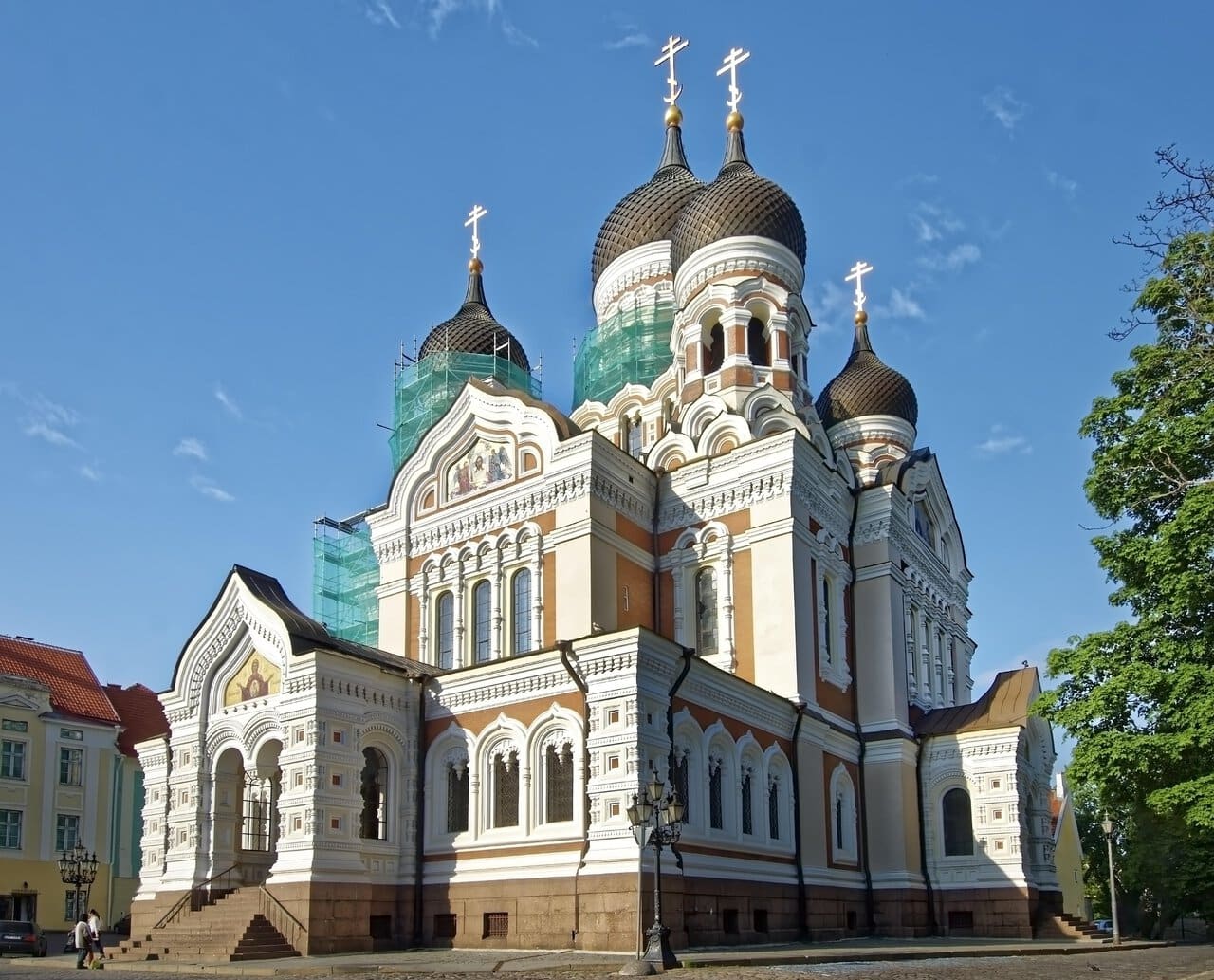
Nearby stands the striking Alexander Nevsky Cathedral, whose dark onion domes remain among the most recognisable features of Tallinn’s skyline. Several of the city’s most famous viewpoints also sit around Toompea, offering spectacular panoramas across the red rooftops of the Old Town, ferry terminals and the wider Baltic Sea coastline.
Historically, the separation between Toompea Hill and the Lower Town reflected deeper divisions within medieval society itself. Political elites, clergy and nobility occupied the elevated upper town, while merchants and traders dominated the lower commercial districts near the harbour.
Today, Toompea Hill remains one of the most atmospheric parts of Tallinn Old Town, combining medieval streets, political history, fortified architecture, cathedrals and some of the finest viewpoints anywhere in the Baltic region.
Town Hall Square
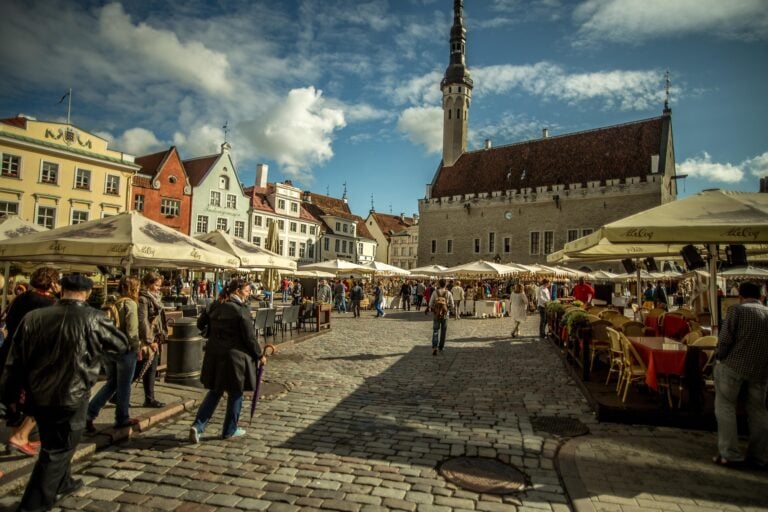
At the very centre of Tallinn Old Town lies the beautiful Town Hall Square, one of the most historically important and visually iconic public spaces in the entire Baltic region. Surrounded by colourful merchant buildings, Gothic façades and historic cafés, the square has served as the social and commercial heart of Tallinn for centuries.
The focal point is the magnificent Tallinn Town Hall, widely considered one of the best-preserved Gothic town halls in Northern Europe. Its tall medieval tower dominates the skyline and remains one of the defining symbols of Tallinn itself.
During the height of the Hanseatic League, merchants gathered here to trade goods arriving through Tallinn’s busy harbour. Markets, civic events, punishments, celebrations and public announcements all centred around the square, helping establish Tallinn as one of the most important trading cities on the Baltic Sea.
Today, the square remains lively throughout the year. Summer brings outdoor terraces, festivals and crowded café seating, while winter transforms the area into the centre of Tallinn’s famous Christmas market, one of the most atmospheric seasonal events anywhere in Europe.
Despite modern tourism, the square still retains an extraordinary medieval atmosphere. Merchant houses, narrow passageways and preserved stone buildings surrounding the plaza help create one of the strongest surviving medieval urban environments anywhere in the UNESCO network.
For many travellers, Town Hall Square becomes the emotional centre of Tallinn itself, perfectly capturing the city’s blend of medieval architecture, maritime wealth and Baltic trading history.
Alexander Nevsky Cathedral
The dramatic Alexander Nevsky Cathedral is one of the most visually striking buildings in Tallinn and one of the city’s most recognisable landmarks. Located prominently on Toompea Hill, the cathedral’s dark onion domes and richly decorated Russian Orthodox architecture create a sharp contrast with the Gothic merchant buildings and medieval fortifications surrounding it.
Constructed during the era of the Russian Empire, the cathedral reflected the growing political and cultural influence of imperial Russia over Estonia during the late 19th century. Its commanding position above the city was highly symbolic, reinforcing imperial authority over medieval Tallinn itself.
Architecturally, the cathedral is exceptionally impressive. Elaborate domes, richly decorated façades, mosaics and ornate Orthodox interiors create a dramatically different atmosphere compared with Tallinn’s medieval Lutheran churches and Hanseatic merchant structures.
Historically, the cathedral has also remained politically controversial. For some Estonians, the building became associated with periods of foreign dominance and imperial control during both the Russian imperial and Soviet eras. Discussions about removing the cathedral even emerged during parts of the 20th century because of its symbolism.
Today, however, the cathedral forms an inseparable part of Tallinn’s skyline and UNESCO atmosphere. The contrast between Orthodox domes, medieval walls and Baltic merchant architecture actually helps illustrate the many layers of political and cultural influence that shaped Tallinn over centuries.
For photographers, the cathedral is one of the strongest visual landmarks in the entire city. During winter, snow and low Baltic light make the dark domes appear especially dramatic above the surrounding medieval streets.
St Olaf’s Church
Towering above the rooftops of Tallinn Old Town, the enormous St Olaf’s Church was once believed to be among the tallest buildings anywhere in the world during the medieval era. For centuries, the church symbolised Tallinn’s wealth, ambition and importance as one of the leading trading cities on the Baltic Sea.
The church’s massive spire served not only as a religious landmark, but also as a practical navigation point for merchants and sailors approaching Tallinn by sea. Visible from long distances across the Baltic coastline, the tower helped guide ships safely towards the harbour and reinforced Tallinn’s reputation as a major Hanseatic trading centre.
Because of its extreme height, the church suffered repeated lightning strikes and fires throughout history, leading to several rebuilds and architectural changes over the centuries. Even today, however, the tower remains one of the most visually dominant features of Tallinn’s skyline.
Visitors can climb the church’s viewing platform for some of the best panoramic views in Tallinn UNESCO Old Town. From above, the medieval layout becomes especially clear, with church spires, fortified walls, merchant streets and ferry terminals spreading across the city beneath the tower.
The church also reflects the extraordinary wealth and confidence of medieval Tallinn itself. Constructing such a towering structure during the medieval period demonstrated both engineering skill and the commercial power of the city’s merchant elite.
Today, St Olaf’s Church remains one of Tallinn’s defining landmarks and one of the strongest visual symbols of the city’s remarkable medieval preservation and UNESCO World Heritage status.
Search flights and useful route combinations for your trip.
View flightsUse an eSIM to get online without hunting for a local SIM after arrival.
See eSIM optionsArrange a private airport pickup for your trip to Tallinn.
Check transfersHidden Medieval Streets and Courtyards
Beyond the busy crowds of Town Hall Square and the main tourist streets, some of the best parts of Tallinn Old Town are the quieter medieval alleyways, stone passageways and hidden courtyards scattered throughout the UNESCO-protected centre. These lesser-known corners help the city feel far more authentic and atmospheric than many heavily commercialised historic districts elsewhere in Europe.
Narrow lanes wind between ancient merchant houses, church walls and fortified gateways, often opening unexpectedly into secluded courtyards and tiny squares hidden from the busiest visitor routes. In many places, the atmosphere changes completely within seconds of leaving the main tourist areas behind.
Some of the most memorable streets include steep stone passageways climbing towards Toompea Hill, narrow medieval corridors near the defensive walls and quieter side streets surrounding St Catherine’s Passage and the old merchant quarters. These areas are especially rewarding during early mornings or late evenings when the largest cruise and tour crowds disappear.
Photography is one of the biggest reasons travellers explore these hidden sections of Tallinn. Uneven cobblestones, iron lanterns, medieval doors, church spires and stone archways create exceptionally atmospheric scenes throughout the UNESCO district. Winter snowfall and low Baltic light make these streets feel even more cinematic.
What makes Tallinn especially impressive is that many of these medieval spaces remain functional parts of the modern city rather than purely reconstructed heritage zones. Small cafés, artisan workshops, galleries and apartments continue operating inside buildings that originated centuries ago.
For travellers wanting to experience the quieter and more atmospheric side of Tallinn UNESCO Old Town, exploring beyond the main squares and famous landmarks is absolutely essential.
Tallinn UNESCO Viewpoints
One of the greatest highlights of visiting Tallinn UNESCO Old Town is climbing above the medieval streets to experience the panoramic viewpoints surrounding Toompea Hill. Few European capitals offer such dramatic elevated views across preserved medieval rooftops, church spires and the wider Baltic Sea coastline.
The most famous viewpoint is the Kohtuotsa Viewing Platform, where visitors can enjoy the classic postcard panorama across Tallinn’s red rooftops, defensive towers and ferry terminals. From here, the contrast between the medieval Old Town, modern skyline and Baltic harbour becomes especially striking.
Another spectacular location is the Patkuli Viewing Platform, which offers wider views across the city walls, railway station and harbour districts beyond the UNESCO core. The preserved fortifications and church towers appear particularly dramatic from this angle, especially during sunrise and sunset.
These viewpoints become even more atmospheric during winter, when snow-covered rooftops and church spires transform the Old Town into one of the most visually impressive medieval cityscapes in Europe. During summer, long northern evenings allow visitors to photograph the skyline well into the late evening light.
The viewpoints also help visitors understand Tallinn’s strategic historical importance. Looking out across the harbour, ferry routes and Baltic coastline quickly explains why Tallinn developed into such an important Hanseatic trading city during the medieval era.
For photographers, the best conditions usually come early in the morning or later in the evening after the largest tourist groups have left the viewpoints. The softer Baltic light and quieter atmosphere dramatically improve the overall experience.
Tallinn Christmas Market and UNESCO Atmosphere
During winter, the combination of Tallinn Old Town and the famous Tallinn Christmas Market creates one of the most atmospheric seasonal destinations anywhere in Europe. The UNESCO-protected medieval setting gives the market a far more authentic and historic feeling than many modern city-centre Christmas events elsewhere on the continent.
The market takes place inside beautiful Town Hall Square, surrounded by Gothic merchant houses, medieval façades and illuminated church towers. Snowfall, festive lights and freezing Baltic air combine to create a remarkably cinematic winter atmosphere throughout the Old Town.
Traditional Estonian winter food, mulled wine, seasonal pastries and handmade crafts fill the square during the Christmas period, while nearby medieval streets become decorated with lights and festive displays. The UNESCO setting itself becomes one of the biggest attractions, transforming Tallinn into what many travellers consider one of Europe’s best Christmas market cities.
The winter atmosphere also changes the pace of Tallinn significantly. Compared with busy summer cruise periods, the Old Town often feels quieter, calmer and more intimate during December evenings once day visitors leave the city centre.
The combination of preserved medieval architecture, fortified walls, church spires and snowy Baltic weather makes winter one of the most visually impressive times to experience Tallinn UNESCO Old Town.
Browse hostels and budget-friendly stays around Tallinn.
See hostelsAccess compensation support, eligible lounge benefits and faster payouts when flights go wrong.
See the benefitsLeave your luggage somewhere convenient and enjoy Tallinn hands-free.
View storageMuseums Inside Tallinn Old Town
Although much of Tallinn UNESCO Old Town functions like an open-air medieval museum itself, the historic centre also contains several excellent museums helping visitors understand the city’s trading, political and architectural history in greater detail.
One of the most important is Kiek in de Kök, the famous defensive tower complex connected to Tallinn’s medieval fortifications. The museum explores the city’s military history, defensive systems and underground passages while also providing elevated views across the Old Town itself.
Several preserved merchant houses within Tallinn also operate as museums or historical attractions, allowing visitors to see how wealthy Hanseatic trading families once lived inside the medieval city. Stone halls, storage rooms and preserved interiors reveal the commercial wealth generated through Baltic trade.
The wider Tallinn City Museum network covers everything from medieval life and maritime commerce to later Soviet and political history. Smaller museums hidden throughout the Old Town often focus on very specific aspects of Tallinn’s past, helping visitors explore the city beyond the most obvious tourist attractions.
Many museums also become particularly valuable during winter weather, heavy rain or colder Baltic conditions when travellers want indoor historical attractions alongside outdoor sightseeing around the UNESCO district.
How to Explore Tallinn Old Town
The best way to explore Tallinn UNESCO Old Town is simply on foot. The medieval centre is relatively compact, and many of the city’s most important attractions sit within walking distance of each other inside the preserved fortified district.
Walking allows visitors to properly experience the atmosphere of the UNESCO site, especially the narrow alleyways, hidden courtyards, defensive gateways and elevated passages connecting the Lower Town with Toompea Hill. Many of the most memorable corners of Tallinn are impossible to appreciate properly from vehicles or organised transport.
Travellers should still prepare for the physical realities of a medieval city. Uneven cobblestones, steep streets and stone staircases are common throughout the Old Town, particularly around Toompea Hill and the historic defensive walls. Comfortable footwear is extremely important, especially during winter when surfaces can become icy and slippery.
Guided walking tours can be useful for visitors interested in the deeper history of the city, particularly themes connected to the Hanseatic League, medieval trade, Soviet history or Tallinn’s UNESCO status. However, Tallinn is also one of the easiest European historic centres to explore independently because the layout is relatively straightforward and the city feels safe and compact.
Many travellers find the best approach is a mixture of both. A short guided tour can provide historical context early in the trip, while independent wandering later allows visitors to discover quieter medieval streets and hidden corners at their own pace.
Because the UNESCO district remains highly walkable, travellers staying near the Old Town rarely need taxis or public transport while exploring the historic centre itself.
Best Time to Visit Tallinn UNESCO Old Town
The atmosphere of Tallinn UNESCO Old Town changes dramatically throughout the year, giving the medieval city a completely different character depending on the season you visit.
Summer, particularly between June and August, brings the busiest tourist conditions. Long daylight hours, cruise ship arrivals and outdoor café culture make the city lively and energetic. Warm evenings and extended northern daylight also create excellent conditions for photography around the medieval walls, church spires and viewpoints.
However, summer also brings the largest crowds. Town Hall Square, the main viewpoints and popular medieval streets can become extremely busy during peak cruise periods and weekends.
Winter creates a completely different experience. Snow-covered rooftops, illuminated medieval streets and the famous Tallinn Christmas Market transform the UNESCO district into one of Europe’s most atmospheric winter destinations. The combination of Gothic architecture, freezing Baltic air and festive lighting feels especially cinematic during December evenings.
Spring and autumn are often overlooked but can actually provide some of the best overall conditions for exploring Tallinn. Visitor numbers are lower, hotel prices are often more reasonable and the Old Town feels calmer and more authentic without peak summer congestion.
Photographers often prefer the softer Baltic light during autumn and winter, while travellers wanting ferry day trips and outdoor café culture usually benefit more from the warmer summer season.

Tallinn UNESCO and Dark History
Although Tallinn UNESCO Old Town is best known for medieval architecture and Hanseatic trading history, the city’s darker modern history also forms an important part of the wider Tallinn experience.
During the 20th century, Tallinn experienced wartime occupation, Soviet political control and decades of Cold War surveillance that reshaped many parts of the city beyond the medieval walls. What makes Tallinn especially fascinating is the contrast between the beautiful UNESCO-protected medieval centre and the much harsher political realities that later developed around it.
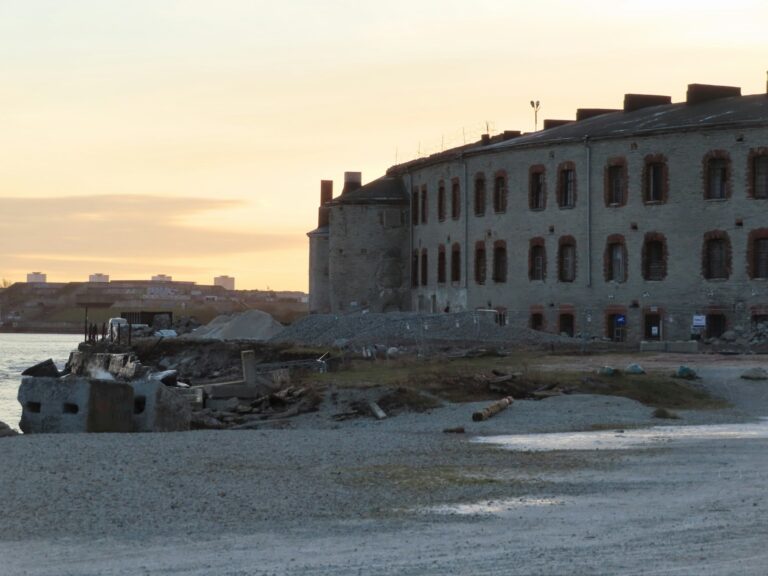
Visitors can walk from medieval churches and merchant squares directly towards former surveillance sites, Soviet-era buildings and Cold War landmarks within minutes. Attractions such as the KGB Prison Cells, Hotel Viru KGB Museum, Patarei Sea Fortress Prison and Soviet waterfront architecture reveal a completely different layer of Tallinn’s history beyond the medieval postcard image.
This contrast between medieval beauty and modern political history is one of the reasons Tallinn feels more historically layered than many other European city breaks. The UNESCO district preserves the city’s medieval trading wealth, while the surrounding Cold War and Soviet-era sites reveal the much more difficult realities of Estonia’s 20th-century history.
Travellers interested in the darker side of Baltic history should also explore our dedicated Tallinn Dark Tourism Guide, which covers Soviet surveillance, prison history, Cold War landmarks and abandoned coastal military infrastructure in much greater detail.

Rupert’s Handy Travel Tips
Rupert recommends exploring Tallinn UNESCO Old Town early in the morning or later in the evening when the medieval streets become quieter and far more atmospheric. The city feels completely different once the largest cruise and day-trip crowds disappear.
- Climb the viewpoints around Toompea Hill during sunset for the best skyline photography across the red rooftops and church spires.
- Wear proper footwear because the uneven medieval cobblestones can become slippery during winter and rainy Baltic weather.
- Explore beyond Town Hall Square to discover quieter alleyways, hidden courtyards and some of Tallinn’s most atmospheric medieval corners.
- Combine the UNESCO sites with Tallinn’s fascinating Cold War and Soviet-era attractions to understand the city’s full historical story.
- Visit during winter if possible. Snow, festive lighting and the famous Tallinn Christmas Market create one of Europe’s most atmospheric medieval city experiences.
Want to meet the reindeer behind our travel tips? Find out more in our page Who is Rupert?.
Frequently Asked Questions
Why is Tallinn Old Town a UNESCO World Heritage Site?
Tallinn Old Town received UNESCO status because of its exceptionally well-preserved medieval architecture, fortified walls, merchant districts and importance within the historic Hanseatic League trading network.
What is the most famous part of Tallinn Old Town?
Many visitors consider Town Hall Square, Toompea Hill and the medieval city walls to be the most iconic parts of the UNESCO district.
Can you walk around Tallinn Old Town easily?
Yes. The UNESCO area is highly walkable, although visitors should prepare for steep streets, uneven cobblestones and stone staircases in some sections.
What is the best viewpoint in Tallinn?
The famous Kohtuotsa Viewing Platform and Patkuli Viewing Platform both provide spectacular panoramic views across the medieval rooftops, church spires and Baltic coastline.
Is Tallinn Old Town good in winter?
Yes. Snowfall, festive lights and the Tallinn Christmas Market make winter one of the most atmospheric times to visit the UNESCO site.
How long do you need in Tallinn Old Town?
Most travellers need at least one full day to explore the main UNESCO attractions properly, although two or three days allows a much more relaxed experience including museums, viewpoints and nearby historical sites.
Further Reading & Related Guides
If you want to explore more of Estonia’s capital beyond the medieval centre, our detailed Best Things to Do in Tallinn guide covers ferry terminals, Cold War landmarks, major attractions, transport connections and wider city itineraries in far greater depth.
Travellers interested in the city’s more difficult modern history should also read our dedicated Tallinn Dark Tourism Guide, covering Soviet surveillance sites, Cold War architecture and former prison complexes.
For travellers arriving by sea, our comprehensive Ferry Routes from Tallinn guide explains Baltic ferry connections towards Helsinki, Stockholm and wider Scandinavian destinations. Visitors planning a quick international excursion should also explore our detailed Day Trips from Tallinn guide and dedicated Helsinki to Tallinn Daytrip Guide.
Travellers arriving by air can also read our practical Tallinn Airport Transfers guide, while rail travellers exploring the Baltic region should compare routes using our Interrail Estonia Pass guide.