

Why Tallinn Is One of the Baltic’s Biggest Ferry Hubs
Tallinn is one of the most important passenger ferry hubs in the entire Baltic Sea region, linking Estonia with Finland, Sweden and wider Northern Europe. Large ferries cross the Gulf of Finland throughout the day towards Helsinki, while overnight cruise-style vessels connect Tallinn with Stockholm and wider Scandinavian ferry networks.
The city’s location directly opposite southern Finland has made ferry travel a central part of life in Tallinn for decades. Commuters, tourists, cruise passengers and freight traffic all rely heavily on these Baltic routes, helping create one of Europe’s busiest international ferry corridors.
For travellers, the biggest advantage is convenience. Tallinn’s ferry terminals sit relatively close to the Old Town, allowing visitors to move between ferries, hotels and city attractions surprisingly easily compared with many larger European port cities.
Ferry travel from Tallinn also fits naturally into wider Baltic, Scandinavian and Interrail itineraries. Many travellers combine Tallinn with destinations such as Helsinki, Stockholm, Riga and Vilnius, using ferries as both transport and overnight accommodation.
Tallinn Ferry Terminals Explained
Most international ferry services from Tallinn operate from terminals close to the city centre and harbour district. For foot passengers, the terminals are generally straightforward to navigate and remain within walking distance of the Old Town and many central hotels.
The busiest terminal is usually the D-Terminal, which handles many of the major Helsinki ferry routes. Nearby terminals also serve overnight ferries, cruise-style Baltic sailings and seasonal services. Large operators such as Tallink Silja, Viking Line and Eckerö Line dominate most passenger routes.
The harbour area itself is modern and well organised, with check-in desks, waiting areas, cafés and luggage facilities available before departure. Foot passengers normally experience relatively quick boarding procedures, although busy summer weekends and holiday periods can create congestion around departure times.
Most ferry companies recommend arriving at least 30 to 45 minutes before departure for foot passengers, while vehicle passengers should generally arrive earlier. International passport or ID checks may also apply depending on the route and nationality of the traveller.
One major advantage of Tallinn is how close the port sits to the historic centre. Many travellers can comfortably walk between the ferry terminals and the Old Town within around 15 to 25 minutes depending on luggage and weather conditions.
See hotel options and places to stay in Tallinn.
Browse hotelsBrowse apartments, holiday homes and self-catering stays in Tallinn.
View rentalsCompare hotel deals in Tallinn from multiple booking sites.
Compare pricesHelsinki to Tallinn Ferry Route
The Helsinki to Tallinn ferry route is one of the busiest and most popular passenger ferry routes anywhere in Europe. Large ferries cross the Gulf of Finland multiple times daily, making it easy for travellers to move between Finland and Estonia in just a few hours.
Journey times usually range between around two and two-and-a-half hours depending on the operator and vessel type. Some ferries focus on speed and fast crossings, while others provide a more relaxed cruise-style experience with larger onboard facilities.
This route is extremely popular for day trips, allowing travellers to visit Tallinn from Helsinki or vice versa without needing overnight accommodation. Many passengers board early morning ferries before returning later the same evening after exploring the destination city.
Onboard facilities are often surprisingly extensive for such a short crossing. Restaurants, cafés, bars, duty-free shopping areas and outdoor decks are common on many vessels. Some larger ferries also offer private cabins, which can be useful for travellers wanting extra comfort or overnight onward travel connections.
Summer crossings across the Gulf of Finland are usually relatively calm, although winter conditions and strong Baltic winds can occasionally create rougher sailings. Travellers prone to motion sickness may still wish to choose larger conventional ferries over smaller high-speed vessels when possible.
Tallinn to Stockholm Ferry Route
The overnight Tallinn to Stockholm ferry is one of the most atmospheric ferry journeys in Northern Europe and feels far more like a mini cruise than simple transport. Large overnight vessels cross the Baltic Sea between Estonia and Sweden, combining cabins, restaurants, bars and entertainment into a full overnight travel experience.
Journey times are much longer than the Helsinki route, typically involving overnight sailings with arrival the following morning. Because of this, cabins become an important part of the experience. Travellers can choose from budget inside cabins through to premium sea-view options depending on comfort level and budget.
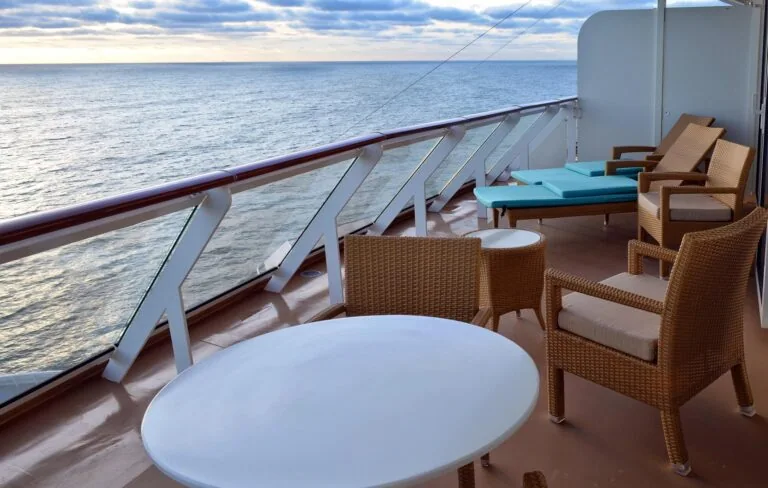
The onboard atmosphere is very different from shorter Baltic crossings. Restaurants, bars, duty-free shopping, live entertainment and panoramic sea views create a relaxed cruise-style environment that many travellers enjoy as part of the holiday itself rather than merely transportation.
The route also connects naturally into wider Scandinavian itineraries. Travellers arriving in Stockholm can continue deeper into Sweden, connect towards Norway or continue using wider ferry and rail networks across Northern Europe.
Winter crossings can occasionally become rougher during storms in the Baltic Sea, but the larger overnight vessels usually remain relatively stable compared with smaller fast ferries. For many travellers, this route becomes one of the highlights of travelling around the Baltic region itself.
Tallinn to Mariehamn Ferry Route
The lesser-known Tallinn to Mariehamn ferry route offers travellers a chance to experience a more unusual side of Baltic Sea travel while connecting Estonia, the autonomous Åland Islands and wider Scandinavian ferry networks. Although far less busy than the famous Tallinn to Helsinki route, these sailings can form part of longer overnight ferry journeys towards Stockholm and other destinations across Northern Europe.
Mariehamn, the capital of the Åland Islands, sits between Finland and Sweden and plays an important role within Baltic maritime networks. The islands themselves are Swedish-speaking but politically part of Finland, creating a unique cultural mix that many travellers find fascinating. Ferry passengers travelling between Tallinn and Stockholm often pass through Mariehamn during overnight sailings across the Baltic.
One reason the route is important is the islands’ special tax status, which allows many Baltic ferries to continue operating large duty-free shopping areas onboard. Because of this, Mariehamn stopovers became deeply integrated into the economics of Baltic ferry travel over the years.
For travellers interested in slow travel, maritime culture and island scenery, the route provides a very different atmosphere from the fast commuter-style ferries operating between Tallinn and Helsinki. Instead of short high-frequency crossings, these longer sailings feel much more like mini cruises, with restaurants, bars, cabins, panoramic sea views and overnight Baltic travel experiences forming part of the journey itself.
The Åland Islands are also worth visiting independently for travellers with extra time. The region is known for quiet island landscapes, cycling routes, small harbours and relaxed Nordic island culture far removed from the busy capitals of Tallinn, Stockholm and Helsinki.
Schedules and routing can vary depending on season and operator, so travellers planning to stop in Mariehamn rather than simply passing through should always check sailing details carefully before booking.

Booking Ferry Tickets from Tallinn
Booking ferry tickets from Tallinn is usually very straightforward, but prices, cabin availability and sailing options can change dramatically depending on the season, departure time and overall Baltic travel demand. Travellers booking early often secure significantly better prices, particularly on popular summer routes between Tallinn, Helsinki and Stockholm.
The busiest route by far is the Tallinn to Helsinki ferry, where multiple departures operate daily throughout the year. This high frequency means last-minute bookings are sometimes possible, but prices can still rise sharply during summer weekends, Christmas market season, major festivals and Scandinavian holiday periods.
Overnight ferries towards Stockholm should generally be booked much earlier, especially for travellers wanting private cabins, sea-view rooms or vehicle spaces. Premium cabins on Baltic overnight ferries can sell out surprisingly quickly during peak Nordic travel periods because many passengers treat the crossing as part of the holiday experience itself.
Travellers bringing cars, campervans or motorcycles should always reserve early. Vehicle deck capacity is limited, particularly during summer when Baltic road trips and Scandinavian driving holidays become extremely popular.
One important thing many travellers underestimate is how different the onboard experience can be depending on the ferry type. Some crossings operate more like simple transport services, while others feel much closer to mini cruises with restaurants, bars, entertainment and overnight accommodation. Comparing vessel facilities before booking can make a huge difference to the overall experience.
For travellers planning wider Baltic Sea itineraries, using a ferry comparison platform is often the easiest way to compare operators, schedules, cabin types and pricing across multiple routes at once. This becomes especially useful when combining destinations such as Tallinn, Helsinki, Stockholm and wider Scandinavian ferry networks.
We recommend checking routes and comparing sailings through Direct Ferries, particularly for travellers planning multi-country Baltic ferry travel, overnight Scandinavian crossings or vehicle transport between Estonia, Finland and Sweden.

Organise Your Tallinn Ferry Journey with Direct Ferries
You can use Direct Ferries to research ferry travel for Tallinn, check sailing schedules and compare operators before booking.
Having the available crossings together can make it easier to build your itinerary around the most convenient departure and arrival times.
Want to compare ferry prices? You can also check Ferryhopper and FerryScanner before booking.
Tallinn to Finland Ferry Connections Beyond Helsinki
Although the vast majority of travellers focus on the busy Tallinn to Helsinki ferry route, Tallinn also connects into wider ferry networks serving other parts of Finland and the broader Baltic Sea region. These additional routes can be useful for travellers building longer Scandinavian itineraries or looking for alternatives to simply travelling between the two capitals.
Some overnight Baltic ferry services continue onwards through routes linked with Mariehamn, Turku and wider Finnish ferry systems, particularly when combined with sailings towards Sweden. This allows travellers to move deeper into the Nordic region without relying entirely on flights.
The Finnish ferry network itself is extensive, connecting mainland Finland with islands, archipelagos and Swedish ferry corridors across the Baltic. Travellers arriving from Tallinn can therefore continue beyond Helsinki towards destinations across southern and western Finland using a mixture of rail, bus and additional ferry services.
Seasonality can affect some connections significantly. Summer normally brings more frequent sailings, calmer sea conditions and additional tourist demand across the Baltic. Winter schedules may become more limited outside the main Helsinki corridor, particularly on less heavily used regional routes.
For travellers planning broader Northern European journeys, Tallinn works extremely well as a gateway between the Baltic States, Finland and Scandinavia. Combining ferries with rail travel can create particularly scenic and flexible itineraries across the region.
Cruise Ferries vs Fast Ferries from Tallinn
Travellers booking ferry routes from Tallinn will quickly notice two very different styles of vessel operating across the Baltic Sea. Some ferries prioritise speed and rapid crossings, while others focus much more heavily on comfort, entertainment and overnight travel experiences.
Fast ferries are primarily designed for efficiency. These vessels usually operate on shorter routes such as the busy Tallinn to Helsinki corridor, where frequent departures and reduced journey times matter most. Crossings are typically quicker, but onboard facilities may feel more limited compared with larger overnight ferries.
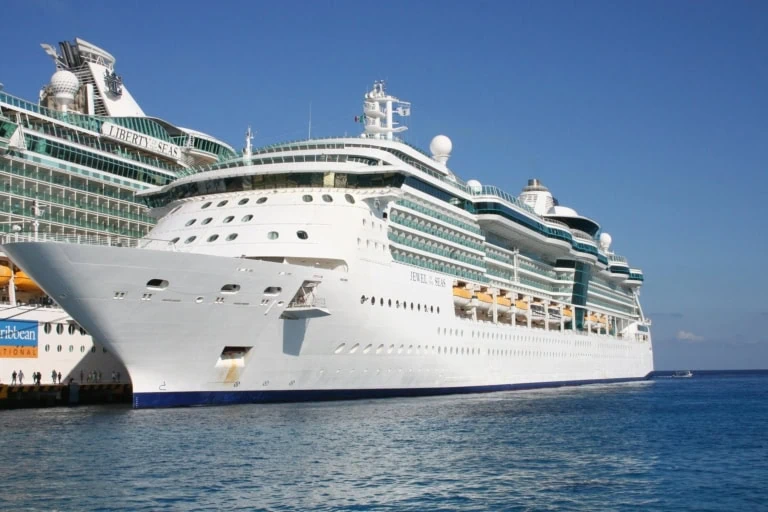
Cruise-style ferries provide a completely different experience. Large overnight vessels travelling towards destinations such as Stockholm often include restaurants, bars, shops, entertainment venues, cabins and panoramic lounges overlooking the Baltic Sea. Many travellers treat these sailings as part of the holiday itself rather than simply transportation.
Comfort levels can also vary significantly between vessel types. Large overnight ferries generally feel more stable during rough weather because of their size, while smaller fast ferries may experience stronger movement during windy Baltic conditions. Travellers prone to seasickness often prefer larger conventional ferries whenever possible.
Cabins are another major difference. Fast ferries usually focus on standard seating areas because of the shorter journey times, while overnight Baltic ferries offer a wide range of cabin categories ranging from basic internal rooms to premium sea-view accommodation.
Pricing varies depending on season, operator, departure time and onboard facilities. Fast ferries may appear cheaper initially, although overnight ferries can sometimes save travellers money by replacing a hotel night during longer Scandinavian journeys.
Compare hostels and budget-friendly accommodation around Tallinn.
Browse hostelsFlying to Tallinn? Get fast compensation payouts, eligible lounge benefits and expert help when flights go wrong.
See AirHelp+ benefitsUse convenient luggage storage around Tallinn between arrival, check-in and departure.
Check storageWhat Onboard Facilities Are Like
Many first-time visitors are surprised by how extensive the onboard facilities are on major Baltic Sea ferries operating from Tallinn. Even relatively short crossings often feel more like mini cruise experiences than simple passenger transport.
Most ferries include multiple restaurants, cafés, bars and seating lounges spread across several decks. Larger vessels operating overnight routes towards Stockholm can contain surprisingly large entertainment areas, live music venues, shopping zones and panoramic viewing spaces overlooking the Baltic Sea.
Duty-free shopping remains an important part of Baltic ferry culture. Many passengers use the crossings to purchase alcohol, sweets, cosmetics and Scandinavian goods while travelling between Estonia, Finland and Sweden. Some ferries almost resemble floating shopping centres during busy weekend departures.
Outdoor decks are another major attraction, particularly during summer crossings. Travellers can watch ferries departing Tallinn harbour, passing through the Gulf of Finland and moving across wider Baltic shipping routes while enjoying sea views and fresh air.
Wi-Fi is usually available onboard, although connection quality varies significantly depending on vessel location and weather conditions. Mobile data signals may also weaken once ferries move further offshore, particularly during longer overnight crossings.
Family facilities are common as well. Children’s play areas, gaming zones and family-friendly restaurants help make Baltic ferry travel particularly popular with Scandinavian and Finnish families during holiday periods.
How Early to Arrive for Ferries
Travellers using ferry routes from Tallinn should avoid arriving at the port too late, especially during busy summer weekends, holiday periods and major cruise traffic days. Although the terminals are generally modern and efficient, boarding procedures can still take time depending on the operator, route and whether you are travelling as a foot passenger or with a vehicle.
For most Helsinki ferries, foot passengers are usually advised to arrive at least 30 to 45 minutes before departure. Boarding is often relatively fast on these short Baltic crossings, but queues can build quickly during peak tourist periods and commuter rush hours.
Vehicle passengers should normally allow considerably more time. Car check-in procedures, passport checks and loading operations can become congested, particularly on larger overnight ferries travelling towards Stockholm or wider Scandinavian routes.
Travellers should also remember that some operators close check-in surprisingly early before departure. Missing these deadlines can sometimes mean losing the booking entirely, particularly on heavily booked departures during summer.
Passport or ID requirements vary depending on nationality and route, but international identification should always be carried even when travelling within the wider Schengen Area. Ferry operators and border authorities may still request identification during boarding procedures.
Weather can occasionally affect schedules as well. Strong Baltic winds, winter storms and ice conditions may create delays during colder months, particularly on longer overnight sailings across the Baltic Sea.
Best Time of Year for Baltic Ferry Travel
The best time for ferry travel from Tallinn depends heavily on the type of Baltic experience you want. Summer offers calmer seas, long daylight hours and busy ferry schedules, while winter creates a much darker and more atmospheric Nordic travel experience.
Between May and September, Baltic ferry travel is usually at its easiest and most enjoyable. Sea conditions are often calmer, outdoor decks become far more pleasant and ferries operate with higher frequencies across major routes such as Tallinn to Helsinki and Tallinn to Stockholm. Summer evenings across the Baltic can also feel remarkably bright because of the northern latitude.
Peak summer weekends can become extremely busy though. Ferries often fill with tourists, commuters and Scandinavian holiday travellers, particularly during school holiday periods and major events in Tallinn, Helsinki and Stockholm.
Winter ferry travel creates a very different atmosphere. Snow-covered Baltic coastlines, dark seas and illuminated ferry interiors can make overnight crossings feel especially memorable during the Christmas season. The famous Tallinn Christmas Market also increases winter passenger demand significantly.
However, winter conditions can occasionally create rougher sailings. Strong winds, Baltic storms and icy weather sometimes affect schedules, particularly on longer overnight routes. Travellers prone to motion sickness may find larger conventional ferries more comfortable during these periods.
Spring and autumn often provide an excellent balance between lower prices, quieter ferries and relatively comfortable sailing conditions. Many experienced travellers prefer these shoulder seasons because terminals, hotels and city attractions feel noticeably less crowded.
Seasickness on Baltic Ferries
Most major ferry routes from Tallinn are relatively comfortable compared with exposed Atlantic crossings, but seasickness can still affect passengers depending on weather conditions, vessel type and route length.
The shorter Tallinn to Helsinki route across the Gulf of Finland is usually fairly manageable, particularly during summer. However, strong Baltic winds and winter weather can still create rough crossings, especially on smaller fast ferries and high-speed vessels.
Longer overnight routes towards Stockholm generally use larger cruise-style ferries that feel more stable during difficult conditions. These vessels are typically much more comfortable for travellers prone to motion sickness because they experience less aggressive movement than smaller fast ferries.
Travellers worried about seasickness should consider choosing larger conventional ferries, sitting midship and spending time on outdoor decks whenever possible. Looking at the horizon and avoiding excessive screen use can also help reduce symptoms during rough conditions.
Medication such as antihistamines may help during winter sailings or windy weather periods. Travellers especially sensitive to motion should ideally take medication before departure rather than waiting for symptoms to begin.
Our dedicated Seasickness Travel Guide explains ferry motion sickness, prevention strategies, medications and the roughest ferry routes in much greater detail.
Tallinn Ferry Routes and Interrail
Ferry routes from Tallinn fit extremely well into wider Interrail and Scandinavian travel itineraries, particularly for travellers exploring the Baltic States, Finland and Sweden in a single trip. Combining rail and ferry travel allows visitors to move across Northern Europe without relying heavily on flights, while also turning the journey itself into part of the experience.
The most useful route for many Interrail travellers is the busy Tallinn to Helsinki ferry, which creates a direct link between the Baltic rail network and the wider Scandinavian rail system. Once in Helsinki, travellers can continue deeper into Finland using long-distance Finnish trains or connect onwards through overnight ferries and wider Nordic transport networks.
The overnight Tallinn to Stockholm ferry is especially useful because it combines accommodation and transport in one journey. Many Interrail travellers use this route to move directly between the Baltics and Sweden while avoiding the cost of flights and hotels for a night.
Travellers should remember that ferry inclusion varies depending on the specific Interrail Pass being used. Some Baltic ferry operators offer discounted fares rather than fully included sailings, while reservation supplements and cabin costs may still apply even when discounts are available.
For travellers mainly staying within Estonia, the Interrail Estonia Pass may be sufficient for rail travel, but wider Scandinavian ferry itineraries usually make much more sense with an Interrail Global Pass. This is especially true for travellers combining Tallinn, Helsinki, Stockholm, Copenhagen and wider Nordic rail routes into one larger journey.
Because ferry schedules and rail timetables do not always align perfectly, travellers should also leave sensible connection times between ports and railway stations, particularly during winter or busy holiday periods when delays are more likely.
eSIMs and Connectivity on Baltic Ferries
Staying connected while travelling on Baltic ferry routes from Tallinn is usually straightforward near major cities and coastlines, but travellers should still understand how mobile coverage changes once ferries move further offshore.
On routes such as the Tallinn to Helsinki ferry, passengers often retain strong mobile coverage for much of the crossing because the distance between Estonia and Finland is relatively short. However, signal quality can still fluctuate depending on weather conditions, vessel location and mobile provider.
Longer overnight sailings towards Stockholm are more unpredictable. Mobile signals may weaken significantly once ferries move deeper into the Baltic Sea, and some passengers accidentally connect to expensive maritime satellite networks without realising it. This can result in surprisingly high roaming charges if mobile data remains active automatically.
Most major Baltic ferries now provide onboard Wi-Fi, although connection quality varies considerably depending on passenger numbers and sea conditions. Streaming and large downloads may perform poorly during busy crossings, particularly on overnight routes.
For travellers moving between Estonia, Finland, Sweden and wider Scandinavia, using a travel eSIM is often the simplest option. Multi-country European eSIM plans allow passengers to avoid changing physical SIM cards while maintaining data access across several Baltic and Nordic destinations.
Travellers should still download ferry tickets, maps and transport information before departure whenever possible. Even on modern Baltic ferries, connectivity can occasionally become unreliable once vessels move further away from shore.

Rupert’s Handy Travel Tips
Rupert recommends treating Baltic ferry travel as part of the adventure rather than simply transport between cities. Some of the best views of the Baltic Sea, northern sunsets and Scandinavian coastlines are seen directly from the ferry decks.
- Book overnight ferries early during summer because the best cabins on routes towards Stockholm sell out surprisingly quickly.
- Choose larger conventional ferries rather than smaller fast ferries if you are worried about seasickness.
- Download ferry tickets and maps before departure because onboard Wi-Fi can become unreliable offshore.
- Arrive early for busy departures during weekends and Christmas periods, especially on the Tallinn to Helsinki route.
- Spend time on the outdoor decks during summer crossings because Baltic sunsets and coastline views can be spectacular.
Want to meet the reindeer behind our travel tips? Find out more in our page Who is Rupert?.
Frequently Asked Questions
How long is the ferry from Tallinn to Helsinki?
Most ferries between Tallinn and Helsinki take around two to two-and-a-half hours depending on the operator and vessel type.
Can you take a car on ferries from Tallinn?
Yes. Most major Baltic ferry routes from Tallinn allow cars, campervans and motorcycles, although vehicle spaces should usually be booked early during summer.
Do Tallinn ferries have cabins?
Short Helsinki crossings usually focus on seating areas, but overnight ferries towards Stockholm offer a wide range of private cabins and sea-view accommodation.
Are Baltic ferries rough?
Conditions are usually manageable, particularly during summer, although winter storms and strong Baltic winds can occasionally create rougher crossings.
Can Interrail be used on Tallinn ferries?
Some ferry operators offer discounts for Interrail Pass holders, although full inclusion depends on the route and specific operator.
Which is the best ferry route from Tallinn?
The most popular route is the busy Tallinn to Helsinki ferry, while the overnight Tallinn to Stockholm route is often considered the most scenic and atmospheric.
Further Reading & Related Guides
Travellers planning shorter Baltic adventures should also explore our dedicated guides to the perfect day trip from Helsinki to Tallinn and the reverse Tallinn to Helsinki Ferry Guide.
For wider Scandinavian and Baltic transport planning, our comprehensive Finland ferry guide explores overnight sailings, cabins and major routes linking Finland, Sweden and the wider Baltic region. Rail travellers combining ferries with European train travel should also read our detailed Interrail Estonia Pass guide.
If you are spending time in the Estonian capital itself, our main Best Things To Do In Tallinn guide and dedicated Tallinn UNESCO guide explore the city’s medieval history, ferry culture and major attractions in much greater detail. Travellers worried about rough sea conditions should also read our practical Seasickness Travel Guide before travelling across the Baltic Sea.