Reviewed by our editorial team Updated
Why Understanding London Areas Matters
London is not a single destination you can move through easily without planning. It is a vast, layered city made up of distinct areas that function almost like separate towns, each with its own transport links, landmarks, and atmosphere. Choosing the right area is not just about convenience, it directly shapes how much you see, how much time you waste travelling, and how enjoyable your trip feels.
For most travellers, the biggest mistake is underestimating distances. Two places that look close on a map can take 30 to 45 minutes to reach once you factor in Tube changes, walking time, and crowds. By understanding London’s key areas, you can group attractions logically, minimise travel time, and build a trip that flows naturally rather than feeling rushed or disjointed.
This is where a structured approach pays off. Instead of treating London as one large destination, think of it as a series of connected zones, each with its own strengths. Some are built around iconic landmarks, others around museums, nightlife, or riverside views. When you align your itinerary with these areas, you spend less time navigating and more time experiencing what makes London one of the world’s great cities.
London transport status
Live from Transport for London.
Powered by TfL Open Data
Live service status for the London Underground, DLR, London Overground, Elizabeth line, London Trams, river buses and the cable car, updated continuously from Transport for London.
Quick Guide to London Areas
London’s main visitor areas are spread across central zones, but each offers a very different experience. Westminster is the political and historic heart, home to many of the landmarks most visitors come to see. The South Bank stretches along the River Thames, packed with attractions, views, and walkable routes that connect multiple highlights in one go.
Further west, Kensington offers museums, parks, and a more refined atmosphere, while Soho sits at the centre of London’s entertainment scene, known for restaurants, theatres, and nightlife. To the north, Camden provides a more alternative and creative environment, with markets and music culture defining its character.
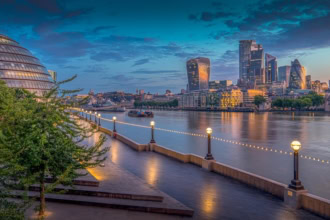
Heading east, the City of London represents the historic and financial core, quieter at weekends but rich in heritage and architecture. Further out, Greenwich offers a completely different feel, combining maritime history, open space, and river views that make it feel removed from the intensity of central London.
Each of these areas connects through a mix of Tube lines, rail stations, and river transport, meaning you can move between them efficiently once you understand how they link together. Choosing the right combination of areas is the foundation of a well-planned London trip.
| Area | Best Tube Stations | Nearest Rail Station | Key Attractions | Best For |
|---|---|---|---|---|
| Westminster | Westminster, St James’s Park | London Victoria | Big Ben, Buckingham Palace, Westminster Abbey | First-time visitors, landmarks |
| South Bank | Waterloo, Southwark | Waterloo | London Eye, Tate Modern, Southbank Centre | Views, culture, walking |
| Soho | Oxford Circus, Tottenham Court Road | Charing Cross | West End theatres, restaurants, nightlife | Food, nightlife |
| Camden | Camden Town | Camden Road | Camden Market, Regent’s Canal | Markets, alternative culture |
| Kensington | South Kensington, Gloucester Road | Kensington Olympia | Museums, Hyde Park | Museums, families |
| Greenwich | Cutty Sark (DLR), North Greenwich | Greenwich | Royal Observatory, Cutty Sark | History, day trips |
| City of London | Bank, Liverpool Street | Liverpool Street | St Paul’s, Tower of London | History, architecture |
See hotel options and places to stay in London.
Browse hotelsExplore holiday homes and apartments around London.
See holiday homesCompare hotel deals in London from multiple booking sites.
Compare pricesBest London Areas by Travel Style
Not every part of London suits every type of traveller, and matching your base to your priorities makes a huge difference. For first-time visitors, Westminster and the South Bank provide the strongest starting point, placing you within walking distance of major landmarks and well connected to the rest of the city. This reduces the need for constant transport and allows you to experience London’s highlights more naturally.
If your focus is on museums and culture, Kensington is one of the best areas in London, offering access to world-class institutions alongside green spaces and a more relaxed pace. For those interested in nightlife, dining, and entertainment, Soho stands out as one of the most dynamic London neighbourhoods, with everything from theatres to late-night venues within a compact area.
Travellers looking for something different often gravitate towards Camden, where markets, music, and a more alternative atmosphere create a distinct experience compared to central London. Meanwhile, those interested in history and open space will find Greenwich particularly rewarding, combining heritage with views and a slower pace.
Budget-conscious travellers may need to balance location and cost, often staying slightly further out but near strong transport links. In London, being close to a well-connected Tube station can be more important than being in the absolute centre, as it keeps journey times manageable while reducing accommodation costs.
Westminster
Westminster is the area most people picture when they think of London. It is home to some of the city’s most recognisable landmarks, including Big Ben, the Houses of Parliament, Westminster Abbey, and Buckingham Palace, all within a relatively compact area. This makes it one of the easiest parts of London to explore on foot, particularly for first-time visitors who want to see the major sights without constant travel.
Transport access in Westminster is excellent. Key Tube stations such as Westminster, St James’s Park, and Victoria connect you to multiple lines, while nearby rail hubs like Victoria Station provide access to wider London and beyond. This combination of central location and strong transport links makes Westminster one of the most practical bases in the city.
The area is best suited to travellers who want to prioritise iconic sights, walkable routes, and efficient access to other parts of London. However, it is also one of the busiest and most expensive areas, particularly around peak travel seasons. Planning your time carefully, especially around major attractions, helps you make the most of Westminster without getting caught in the crowds.
Despite its popularity, Westminster remains one of the most effective areas to base yourself if your goal is to experience the classic London highlights in a short period of time.
South Bank
The South Bank is one of the most rewarding areas in London for visitors, combining major attractions, river views, and some of the most walkable routes in the city. Running along the southern side of the River Thames, it links together a series of highlights that can easily fill a full day without needing to rely heavily on transport.
This is where you will find the London Eye, Tate Modern, Shakespeare’s Globe, and the Southbank Centre, all connected by a continuous riverside path. Walking along the river here is not just practical, it is part of the experience, with views across to Westminster and constant activity along the route. It is one of the few areas in London where sightseeing naturally flows from one attraction to the next.
Transport connections are strong, with Waterloo Station acting as a major rail hub, supported by Tube access at Waterloo and nearby stations such as Embankment and Blackfriars. River services also play a key role here, offering an alternative way to travel between areas while avoiding the Underground. This makes the South Bank particularly effective for combining sightseeing with efficient movement across the city.
The South Bank is best suited to travellers who want a balanced London experience, combining culture, views, and easy navigation. It works well for both short visits and longer stays, particularly if you want to explore London at a steady pace without constantly navigating complex transport routes.
Soho
Soho sits at the centre of London’s West End and is one of the most energetic and densely packed areas in the city. Known for its restaurants, theatres, nightlife, and entertainment, it offers a completely different experience compared to more traditional sightseeing areas.
This is where London comes alive in the evening, with a concentration of venues that makes it easy to move between locations without long walks or transport journeys. Theatres are within minutes of each other, and the surrounding streets are filled with bars, cafés, and late-night dining options, making Soho one of the most convenient areas for those focused on entertainment.
Transport access is excellent, with Tottenham Court Road, Oxford Circus, and Leicester Square all within walking distance, connecting you to multiple Underground lines. This central positioning makes Soho not only a nightlife destination but also a practical base for exploring the rest of London during the day.
Soho is best suited to travellers who want to be in the middle of the action, particularly those interested in theatre, dining, and nightlife. It is less suited to those looking for quiet surroundings, but for many visitors, its energy and location make it one of the most appealing areas in London.
Camden
Camden offers a completely different side of London, known for its creative atmosphere, markets, and music heritage. Located slightly north of central London, it attracts visitors looking for something less formal and more alternative than the traditional tourist areas.
The centre of Camden is the Camden Market area, which stretches along the canal and includes a mix of food stalls, independent shops, and unique spaces that reflect the area’s character. The nearby canal paths provide a quieter contrast, offering scenic walking routes away from the busiest streets.
Transport connections are straightforward, with Camden Town Underground Station providing direct access to central London via the Northern line. While it is not as central as Westminster or Soho, travel times remain manageable, making Camden a viable base for exploring the wider city.
Camden is best suited to travellers who want a different perspective on London, particularly those interested in markets, music, and a more relaxed, informal environment. It also tends to offer slightly better value compared to central areas, making it attractive for those balancing experience and budget.
Kensington
Kensington is one of the most refined and visually appealing areas in London, known for its wide streets, historic buildings, and concentration of world-class museums. It provides a calmer environment compared to the busiest central districts, while still offering excellent access to key attractions.
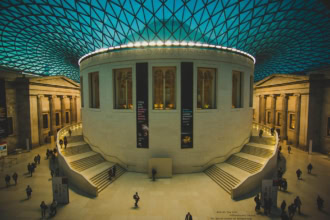
This area is home to some of London’s most important cultural institutions, including the Natural History Museum, the Science Museum, and the Victoria and Albert Museum, all located within a short distance of each other. Combined with nearby green spaces such as Hyde Park and Kensington Gardens, it offers a balance of culture and relaxation that is difficult to match elsewhere in the city.
Transport links are strong, with South Kensington and Gloucester Road stations providing access to multiple Underground lines. This makes it easy to reach central London while enjoying a quieter base away from the busiest tourist areas.
Kensington is best suited to travellers who value space, museums, and a more relaxed pace, while still wanting to remain well connected. It is particularly appealing for families and those looking for a more comfortable and less crowded London experience.
Search routes and flight options for your trip to London.
Search flightsBrowse Airalo eSIM options for convenient travel data.
Check eSIMsCheck private pickup options and plan your onward journey before arrival.
View transfersGreenwich
Greenwich offers one of the most distinctive experiences in London, combining maritime history, open space, and some of the best views in the city. Located to the east of central London, it feels noticeably different in pace and atmosphere, making it an excellent choice for travellers looking to step away from the busiest areas while still staying connected.
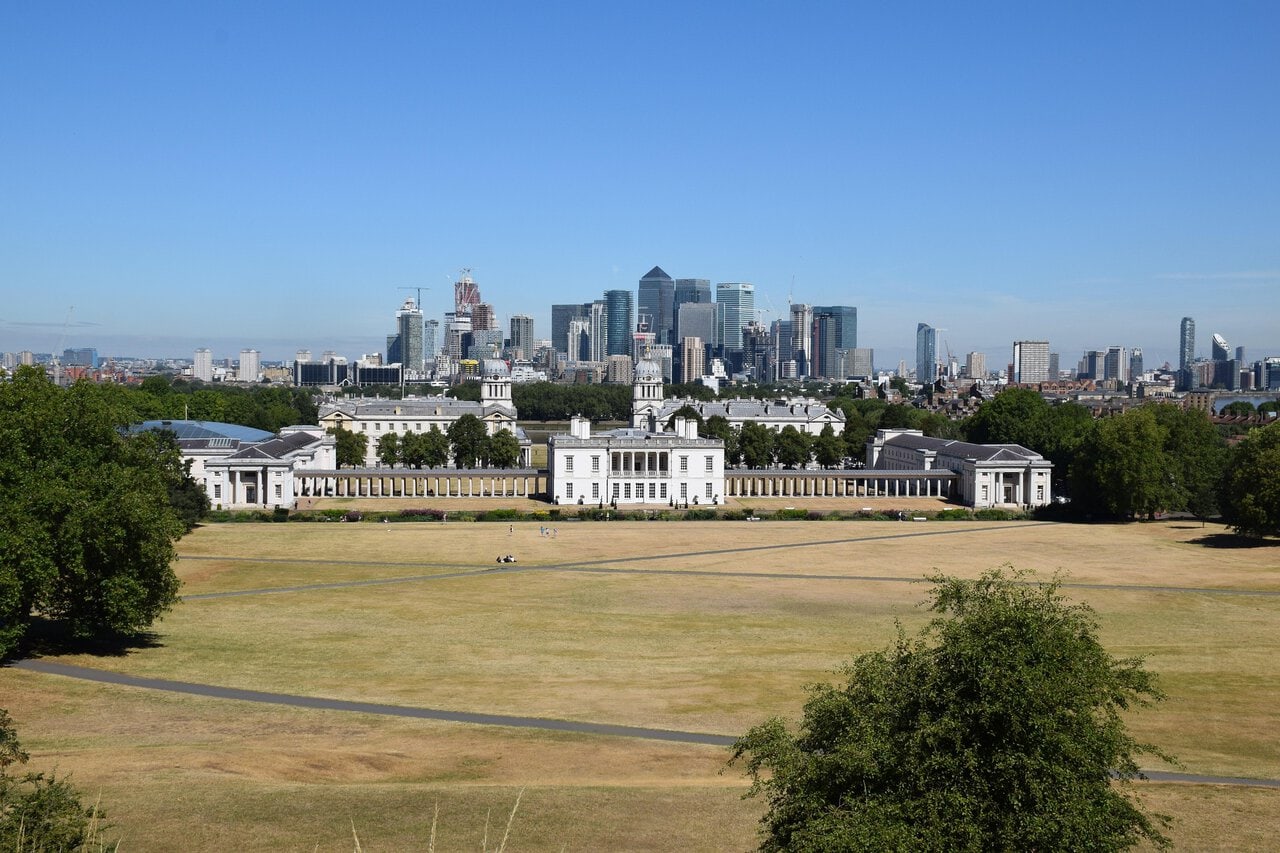
The area is centred around a collection of major attractions, including the Royal Observatory, the Prime Meridian line, the Cutty Sark, and the National Maritime Museum. These are all set within or around Greenwich Park, one of London’s most impressive green spaces, where elevated viewpoints provide sweeping views back across the city skyline. This combination of history and scenery makes Greenwich one of the most rewarding areas to explore in a single visit.
Transport is a key part of Greenwich’s appeal. While it is further out, it is well connected via the DLR, National Rail services, and river transport along the Thames. The river boats are particularly useful, offering a more scenic and often more enjoyable journey into central London compared to the Underground. Travel times are longer than staying in central areas, but the experience of reaching Greenwich is part of what makes it unique.
Greenwich is best suited to travellers interested in history, space, and a more relaxed environment, as well as those willing to trade a central location for a more distinctive experience. It works particularly well as a full day trip or as part of a broader London itinerary that includes river travel.
City of London
The City of London is often misunderstood by visitors, as it operates very differently from the rest of central London. By day, it is the financial centre of the UK, filled with office buildings, historic streets, and modern architecture. By evening and at weekends, it becomes noticeably quieter, offering a completely different atmosphere.
Despite its business focus, the City contains some of London’s most important historic sites, including St Paul’s Cathedral, the Tower of London, and Tower Bridge, all within or just on the edge of its boundaries. The contrast between historic landmarks and modern skyscrapers creates a unique visual identity that sets it apart from other areas.
Transport connections are excellent, with major hubs such as Liverpool Street, Bank, and Farringdon providing access to Underground, rail, and Elizabeth Line services. This makes the City one of the best-connected areas in London, even if it is not always the most convenient place to stay for traditional sightseeing.
The City of London is best suited to travellers who want to explore history and architecture during the day while benefiting from strong transport links, but it is less ideal as a base for those seeking evening activity or a lively atmosphere.
Getting Between London Areas
Understanding how to move between London’s areas is just as important as choosing where to stay. The city’s transport network is extensive, but knowing which options to use in different situations can save a significant amount of time and effort.
The London Underground remains the fastest way to travel longer distances, particularly when moving between major areas such as Westminster, Kensington, and Camden. However, for shorter journeys, the time spent entering stations and waiting for trains can make it less efficient than expected. In these cases, walking or using buses can often be quicker, especially in central areas where attractions are relatively close together.
River transport provides an alternative that is often overlooked. Services along the Thames connect key locations such as Westminster, the South Bank, and Greenwich, offering a more relaxed and scenic way to travel. While not always the fastest option, it can turn a simple journey into part of the experience.
Contactless payment and Oyster cards make using public transport straightforward, allowing you to move seamlessly between Tube, bus, and rail services. The key to navigating London efficiently is combining these options rather than relying on just one, choosing the method that best fits each journey rather than defaulting to the Underground every time.
Best Transport Apps for London
Using the right apps in London is not just helpful, it can completely change how smoothly your trip runs. The city’s transport network is extensive and efficient, but without real-time information it can quickly become confusing, especially when dealing with delays, route changes, or unfamiliar connections.
For day-to-day travel, Citymapper is one of the most useful tools available. It provides detailed, real-time journey planning across the Underground, buses, trains, and even river services. What makes it particularly effective is how clearly it breaks down each journey, showing exact routes, platform changes, and live disruption updates, helping you make quick decisions without second guessing your route.
Alongside this, Google Maps remains essential for broader navigation, especially when combining walking with public transport. It is particularly useful in central London, where distances between areas such as Soho, Westminster, and the South Bank can often be covered on foot more quickly than expected. The ability to switch between walking, public transport, and cycling directions makes it a flexible tool throughout your trip.
For official updates, TfL Go provides direct information from London’s transport authority. This includes live Tube status, planned engineering works, and station-specific updates, which can be particularly useful when services are disrupted or running differently at weekends.
Visitors travelling between major attractions along the Thames may also benefit from apps or booking platforms linked to river services such as Uber Boat by Thames Clippers, which allows you to check routes, timetables, and ticket options for journeys between areas like Westminster, the South Bank, and Greenwich.
Reliable connectivity is just as important as the apps themselves. Using an eSIM or travel data app ensures you can access maps, transport updates, and booking tools without relying on public WiFi. This becomes particularly valuable when moving between areas or navigating more complex routes across the city.
By combining a dedicated transport planner, a navigation app, and reliable mobile data, you create a simple system that allows you to move confidently between London’s areas, adapt quickly to changes, and avoid the delays that can disrupt an otherwise well-planned trip.
Suggested 1 to 3 Day London Area Itinerary
Planning your time in London becomes much easier when you group areas together rather than moving randomly across the city. By focusing on clusters of nearby neighbourhoods, you reduce travel time and create a more natural flow to your days. This approach allows you to see more while spending less time navigating between locations.
For a one day visit, focusing on Westminster and the South Bank provides the strongest introduction to London. You can begin in Westminster, exploring landmarks such as Big Ben, Westminster Abbey, and Buckingham Palace, before crossing the river and continuing along the South Bank. This route allows you to cover major attractions including the London Eye and Tate Modern while following a clear and walkable path. The proximity of these areas means you can experience a significant part of London without relying heavily on transport.
With two days available, you can expand your coverage while still keeping each day structured. The first day can follow the Westminster and South Bank route, while the second day focuses on Kensington and Soho. In Kensington, you can explore museums and green spaces at a more relaxed pace, before moving into Soho later in the day for dining and entertainment. This combination balances culture with atmosphere, giving you a broader sense of what London offers.
A three day itinerary allows you to include areas that sit slightly further out while still maintaining a logical structure. After covering central areas in the first two days, the third day can be dedicated to Greenwich or Camden, depending on your interests. Greenwich offers history, views, and river travel, while Camden provides a more alternative experience centred around markets and music culture. Both options add variety without requiring overly complex travel plans.
The key to any London itinerary is not how many places you include, but how well they connect. By grouping areas intelligently and understanding the transport links between them, you can build a trip that feels smooth, efficient, and far more enjoyable.
Where to Stay in London by Area
Choosing where to stay in London is one of the most important decisions you will make when planning your trip. The right location can significantly reduce travel time and make it easier to explore multiple areas without constantly relying on transport. Each part of London offers a different balance of convenience, atmosphere, and cost, so understanding these differences helps you make a more informed choice.
For those wanting to be close to the main landmarks, Westminster and the South Bank offer the most central positioning. Staying here allows you to walk to many of London’s most recognisable sights, which is particularly valuable for shorter trips. However, this convenience comes at a higher cost, and accommodation options can be more limited.
Travellers looking for a balance between accessibility and comfort often choose Kensington, where you gain access to excellent transport links alongside a quieter and more spacious environment. This area works particularly well for families and those planning a longer stay, as it provides a more relaxed base while still being well connected to central London.
If your priority is nightlife and dining, Soho places you directly in the heart of the West End, making it easy to move between theatres, restaurants, and bars without needing transport late at night. This convenience is a major advantage, although it comes with higher prices and a busier atmosphere.
For those willing to stay slightly outside the centre, areas such as Camden or Greenwich can offer better value, while still providing strong transport connections. The key is not just distance from the centre, but proximity to a well-connected Tube or rail station, which can often make a bigger difference than location alone.
Ultimately, the best place to stay in London depends on how you plan to spend your time. Matching your accommodation to your itinerary ensures that you minimise unnecessary travel and make the most of every day in the city.
Compare hotel prices in London with Vio
Vio compares prices across major booking sites, including Booking.com, Expedia, Agoda and Hotels.com, so you can check whether the same stay is cheaper elsewhere before you book.
Other booking options
Click the map to open a larger interactive view and explore more accommodation options.

Rupert’s Handy Travel Tips
London is an exciting place to explore, but it can quickly become tiring without a bit of planning. Rupert enjoys the energy of the city, especially the buzz along the Thames and the constant movement between areas, but prefers a smooth and well-planned route rather than rushing from place to place.
- Start early in Westminster or the South Bank to enjoy the main landmarks before the largest crowds build
- Take advantage of the river boats along the Thames for a more relaxed way to travel between key areas
- Group nearby areas together to avoid unnecessary journeys across the city
- Use a transport or navigation app to stay flexible and adapt routes when needed
- Walk between central areas such as Westminster, Soho, and the South Bank whenever possible to make the most of the experience
Want to meet the reindeer behind our travel tips? Find out more in our page Who is Rupert?.




Browse hostels and budget-friendly stays around London.
See hostelsAccess compensation support, eligible lounge benefits and faster payouts when flights go wrong.
See the benefitsLeave your luggage somewhere convenient and enjoy London hands-free.
View storageFrequently Asked Questions About London Areas
One of the most common questions is what is the best area to stay in London for first-time visitors. For most people, Westminster and the South Bank provide the strongest starting point, as they place you close to major landmarks and offer excellent transport connections.
Another frequent concern is whether central London areas are too expensive. While areas such as Westminster and Soho tend to be higher in price, staying slightly further out in places like Kensington, Camden, or Greenwich can provide better value without significantly increasing travel time, provided you are close to a well-connected station.
Visitors also often ask how easy it is to travel between London areas. The city’s transport network makes it relatively straightforward, with the Underground, buses, and rail services linking all major districts. In many cases, walking between central areas can also be quicker than expected, particularly when attractions are clustered together.
Safety is another important consideration, and many travellers wonder which London areas are safest. Central London is generally safe for visitors, especially in well-trafficked areas such as Westminster, Kensington, and Soho. As with any major city, staying aware of your surroundings and avoiding quieter areas late at night is sensible.
A final common question is how far areas like Greenwich are from central London. While Greenwich is further out, it is well connected by rail, DLR, and river services, making it easy to include as part of a day trip or longer stay.
Further Reading & Related Guides
Understanding London’s different areas is only part of planning your trip. Once you know where you want to explore or stay, getting around efficiently becomes just as important. Our London Underground guide explains how to move between neighbourhoods quickly, helping you connect places like Camden, Westminster, and Canary Wharf without wasting time.
If you are building an itinerary, our London in a weekend guide shows how to combine multiple areas into a manageable plan, making the most of your time in the city. For those focusing on sightseeing, our London attractions guide highlights the key landmarks across different neighbourhoods, helping you group visits logically.
If you are travelling on a budget, our free things to do in London guide points you towards experiences spread across the city, many of which are located in easily accessible areas such as South Bank, Greenwich, and Kensington.
For practical travel planning, our eSIM apps guide ensures you stay connected while navigating between areas, and our taxi hailing apps guide provides reliable options when public transport is less convenient or when travelling late at night.