
Reviewed by our editorial team Updated
Isle of Man TT Travel Guide: What to Expect and Why Planning Matters
The Isle of Man TT is one of the most famous and extreme motorsport events in the world. Each year, riders race at incredible speeds on public roads across the Isle of Man, turning a quiet island into a high-energy, high-pressure environment that attracts visitors from across the UK, Ireland and beyond.
What makes the TT so special is also what makes it difficult to plan. The races take place on the 37.73 mile Mountain Course, which uses normal roads that are closed for racing and qualifying sessions. Once closures are in place, large parts of the island become effectively cut off from each other, and movement has to be planned around the schedule.
At the same time, the island has a limited capacity for transport and accommodation. There is only one main airport, a small number of ferry routes, and a finite number of hotel rooms and rental vehicles. During the TT, demand overwhelms all of these at once. Flights sell out, ferries sell out, and accommodation disappears long before the event begins.
This Isle of Man TT travel guide is built for exactly that reality. It is not designed for perfect early planners. It is designed for people trying to make the trip work, even when availability is limited. The focus throughout is simple. Show you how to get there, where to stay, and how to experience the TT even when everything appears to be full.
Isle of Man TT 2027 Dates and Event Structure
The Isle of Man TT in 2027 runs from 31 May to 12 June 2027, following the event’s familiar two-week format of qualifying and racing.
Qualifying Week is scheduled to run from 31 May to 4 June 2027, followed by Race Week beginning on 5 June 2027. The event builds toward the Senior TT Race on 12 June 2027, which is traditionally the highlight of the entire fortnight.
Qualifying Week runs across five scheduled sessions from Monday to Friday, giving riders time on the course to adapt to conditions before racing begins.
For visitors, understanding this structure is critical. The TT is not a single race day event. It is a two-week rolling schedule of sessions, closures and peak moments, and the busiest days will see the highest pressure on transport, accommodation and viewing spots. Planning around this structure can make the difference between a smooth experience and a very frustrating one.
Browse hotels and accommodation for your visit to Isle of Man.
View staysBrowse apartments, homes and self-catering accommodation in Isle of Man.
Browse rentalsCompare prices for Isle of Man hotels across multiple booking sites.
Check dealsWhy Planning the TT Is So Difficult
Planning a trip to the Isle of Man during the TT is fundamentally different from booking almost any other travel experience in the UK or Europe.
The core issue is capacity. The island simply cannot scale to meet the surge in demand. Isle of Man Airport handles a limited number of flights each day, and during the TT those seats are taken quickly, often many months in advance. Ferry routes, especially from Liverpool, are under similar pressure, particularly from visitors travelling with motorcycles who book early to secure vehicle space.
Accommodation becomes the next major constraint. Hotels, guesthouses and short-term rentals are typically reserved well ahead of time, and as availability drops, prices increase significantly. By the time most people begin searching, the standard options are either gone or no longer realistic.
Car hire is another common problem. The island has a small rental fleet, and during TT these vehicles are in extremely high demand from teams, media and visitors. For most travellers, hiring a car during the event is not a realistic expectation.
The result is a situation where many people assume the trip is impossible once they encounter full flights or unavailable hotels. In reality, the trip is still achievable, but only if you approach it differently. The key is to prioritise flexibility over perfection, and to build your plan around whatever availability you can secure first.
Flights to the Isle of Man and Realistic Arrival Strategies
The main air gateway to the island is Isle of Man Airport, located in the south near Castletown. During the TT period, several airlines operate routes into the island, including easyJet, Loganair, and Aer Lingus.
Direct flights are available from major UK cities such as London, Manchester, Liverpool and Birmingham, along with routes from Dublin and Belfast. On paper, this provides strong coverage. In practice, availability becomes extremely limited as the event approaches.
Flights from Manchester and London are usually the first to sell out, followed closely by regional UK departures. Irish routes can sometimes remain available slightly longer, particularly at less convenient times, but these too eventually fill.
For early planners, flying directly into the island is the simplest and most efficient option. For everyone else, it should be seen as just one part of a wider strategy. The reality is that many successful TT trips involve flying to the mainland UK or Ireland and completing the journey by sea.
This is where flexibility becomes the deciding factor. Being willing to adjust your arrival airport, travel time, or routing can dramatically increase your chances of reaching the island. Visitors who focus only on direct flights often give up too early, while those who expand their search to include alternative routes frequently find workable options even close to the event.
Flights to the Isle of Man (Full Route Grid and Options)
The main air gateway to the island is Isle of Man Airport, and during the TT period it becomes one of the most constrained parts of the entire travel experience.
While there is a reasonable spread of routes on paper, capacity is limited and demand is extremely high. The result is that many of these flights are fully booked well in advance, particularly around peak race days and weekends.
The full range of routes operating during the TT period is shown below:
| Departure Airport | Airline(s) | Typical Frequency | Notes |
|---|---|---|---|
| Manchester | Loganair, easyJet | Multiple daily | Best overall connectivity |
| Liverpool | Loganair, easyJet | Daily / frequent | Closest and fastest UK route |
| London City | Loganair | Daily (weekday focus) | Strong business route |
| London Heathrow | Loganair | Regular | Key hub for connections |
| London Gatwick | easyJet | Regular | Main London leisure route |
| Birmingham | Loganair | Regular | Reliable Midlands option |
| Edinburgh | Loganair | Regular | Good Scottish link |
| Dublin | Aer Lingus Regional (Emerald Airlines) | Frequent | Best international route |
| Newquay | Loganair | Regular | Regional UK connection |
| Southampton | Loganair | Limited / seasonal | Short-term winter service |
| Bristol | easyJet | Seasonal | Summer-focused route |
| London Luton | easyJet | Limited (May–June) | Short seasonal run |
In practical terms, Manchester, Liverpool and London routes are the most important. They offer the highest frequency and the widest range of onward connections, but they are also the first to sell out.
The Dublin route is particularly important for flexibility. It often retains availability slightly longer than UK routes and opens up alternative routing options via Ireland if direct UK access fails.
The key takeaway is simple. Direct flights are ideal, but they should not be your only plan. Treat them as one option within a wider travel strategy, not the entire solution.
Ferry Routes to the Isle of Man (Complete Network Overview)
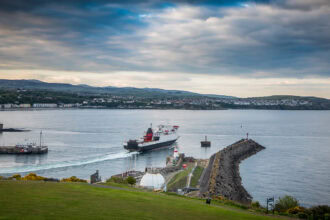
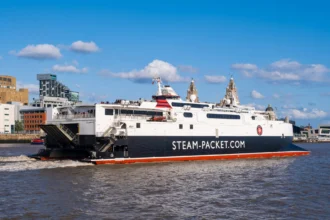
All ferry services to the island are operated by the Isle of Man Steam Packet Company, and during the TT they become the most important access routes once flights begin to sell out.
The full network of routes is as follows:
| Route | Duration | Key Notes |
|---|---|---|
| Liverpool → Douglas | Around 2 hours 45 minutes | Fast ferry, most popular, sells out first |
| Heysham → Douglas | Around 3 hours 30 minutes | Year-round route, most reliable fallback |
| Dublin → Douglas | Around 2 hours 55 minutes | Seasonal, strong alternative |
| Belfast → Douglas | Around 2 hours 45 minutes | Limited sailings, often overlooked |
Liverpool is the most convenient departure point, particularly for foot passengers. It offers fast crossings and easy access from major UK cities. Because of this, it is also the first route to sell out, often months ahead of the event.
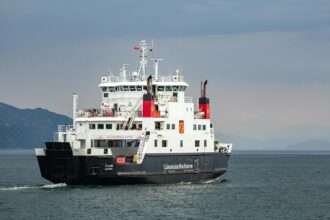
Heysham is the most important backup. It operates year-round and typically has more capacity available for longer, especially for foot passengers. While it requires a connection via northwest England, it is often the route that keeps a trip viable when Liverpool is no longer an option.
Dublin and Belfast routes provide an entirely different angle. They allow you to approach the island from Ireland, which becomes extremely valuable when UK-based routes are fully booked. Many visitors overlook these options, which means they can sometimes offer availability when everything else appears gone.

Search Isle of Man Ferry Routes with Direct Ferries
When planning onward travel involving Isle of Man, Direct Ferries allows you to compare routes and sailing options from a range of ferry operators.
This can save time when several services operate in the same region or when you are comparing different ports for the next stage of your trip.
Want to compare ferry prices? You can also check Ferryhopper and FerryScanner before booking.
What to Do When Everything Is Fully Booked
This is where most people give up. Flights are showing as unavailable, ferries appear full, and accommodation options look non-existent. At first glance, it feels like the trip is no longer possible.
In reality, this is the point where a different approach becomes essential.
The first step is to stop trying to book the “perfect” route. Instead, focus on any workable combination that gets you onto the island. This might mean flying into a different city, taking a longer ferry route, or travelling at less convenient times.
A common successful strategy is to separate the journey into stages. Instead of searching for a single direct route, break it down into smaller parts. For example, fly into Manchester or Dublin, then look at ferry availability separately. This opens up far more options than trying to find a single end-to-end booking.
Flexibility with timing is equally important. Early morning and late evening departures often retain availability longer than peak travel times. Midweek crossings can also be easier to secure compared to weekend sailings.
Another key point is speed. Availability during the TT changes quickly. When something appears, even if it is not ideal, it is often worth securing it immediately and adjusting the rest of your plan around it. Waiting for a better option usually results in losing the one you already had.
The reality is that many successful TT trips are not perfectly planned. They are assembled from whatever availability can be secured, often at short notice. Accepting that mindset is what allows you to make the trip happen when others assume it cannot be done.
Rail and Sail Strategy from the UK
For travellers coming from mainland UK, one of the most effective and underused approaches is combining rail and ferry travel.
The key route here is via Lancaster railway station, which provides a direct connection point for onward travel to Heysham Port. From Lancaster, it is a short and straightforward transfer to the ferry terminal, where you can board services to Douglas.
This approach works particularly well when Liverpool sailings are fully booked. While Liverpool is more direct, Heysham often retains availability longer, especially for foot passengers. By focusing on rail connections rather than driving, you remove the need for vehicle space on the ferry, which is one of the main constraints during the TT.
Rail connections into Lancaster are strong from across the UK, including direct services from London, Manchester, Birmingham and Scotland. This makes it a flexible and scalable option, even when planning late.
Another advantage of this approach is predictability. Train services run frequently, and even if you need to adjust your timing, alternative departures are usually available. This makes it easier to build a journey around a fixed ferry booking.
For many visitors, this combination of train plus Heysham ferry becomes the route that makes the trip possible. It is not always the fastest option, but during the TT, reliability and availability matter far more than absolute convenience.
Compare routes and fares for your journey to Isle of Man.
Compare flightsUse an eSIM to get online without hunting for a local SIM after arrival.
See eSIM optionsHave a private airport pickup arranged before you travel.
Book a transferAccommodation During the Isle of Man TT: What You’re Really Up Against
Accommodation during the Isle of Man TT is one of the biggest challenges you will face, and it is often the point where trips either succeed or fail.
The island has a limited number of hotels, guesthouses and rentals, and during TT these are booked months in advance, often as soon as dates are confirmed. Prices increase sharply as availability drops, and by the time most people start looking, the remaining options are either extremely expensive or simply non-existent.
The highest demand is concentrated in Douglas, which is the main hub for the event. Staying here gives you the easiest access to the start and finish line, as well as transport links, supermarkets and nightlife. However, it is also where accommodation disappears the fastest.
Other towns such as Ramsey, Peel and Castletown can offer slightly better availability, but these too fill quickly. The reality is that during TT, you are not choosing your ideal location. You are securing any viable base on the island, then building your experience around it.
The key mindset shift is simple. Do not wait for the perfect hotel. Focus on locking in accommodation first, even if it is not ideal, because without it, the rest of the trip cannot happen.
Camping at the TT: The Most Reliable Backup Option
For many visitors, especially those booking late, camping is not a compromise, it is the solution that makes the trip possible.
During the TT, a wide network of campsites opens across the island, ranging from basic fields with minimal facilities to fully serviced sites with showers, food vendors and social areas. These sites are specifically set up to handle the surge in visitors and are one of the few accommodation types that still offer availability closer to the event.
Camping has several major advantages. It is more flexible, often more affordable, and significantly more available than hotels or rentals. It also places you closer to the atmosphere of the event, with many campsites becoming lively hubs filled with fans from across the world.
Location still matters. Campsites near Douglas provide easy access to the main race areas, while those further out can offer quieter environments but require more planning for transport. Either way, you should always consider proximity to bus routes or key viewing areas, as this will shape your daily experience.
If you are travelling without equipment, some sites offer pre-pitched tents or glamping options, which can be a practical middle ground between comfort and availability.
For anyone planning late, camping should not be seen as a last resort. It is often the most realistic and effective way to secure a place to stay during the TT.
Alternative Accommodation Strategies That Actually Work
When traditional accommodation is gone, and camping is not your preference, there are still options available, but they require a more flexible and proactive approach.
One of the most common alternatives is homestay accommodation, where local residents rent out spare rooms or entire properties during the TT. This is a long-standing tradition on the island and can provide access to accommodation even when hotels are fully booked. These opportunities are often found through local listings, forums and social groups, rather than mainstream booking platforms.
Another effective approach is to stay outside the main hub of Douglas. Towns such as Ramsey, Peel and Castletown may still have limited availability, and while this means longer travel times, it can be the difference between securing accommodation and missing out entirely.
A more creative option is the split-stay strategy. Instead of staying in one place for the entire trip, you book accommodation in different locations across different nights. This requires more planning and flexibility, but it can unlock availability that would not exist for a continuous stay.
Some visitors also consider staying off-island and travelling in for race days, but this is only viable if you can secure reliable ferry transport, which is often just as constrained as accommodation.
The key principle across all of these approaches is flexibility. The more rigid your requirements, the harder it becomes to find a solution. Those who succeed are usually the ones willing to adapt their plan around what is available, rather than searching for a perfect fit.
Getting Around the Isle of Man Without a Car
One of the most common concerns for TT visitors is transport on the island, particularly given how difficult it is to secure a rental vehicle.
The reality is that you do not need a car to experience the TT, and in many cases, it can actually be an advantage not to have one.
The island has a well-developed public transport network, centred around Bus Vannin, which operates routes covering the majority of key towns and viewing areas. During the TT, services are extended and adapted to handle increased demand, making buses one of the most practical ways to move around.
In addition to buses, the island offers unique heritage transport options, including the steam railway and electric railway, which provide both transport and a memorable part of the experience itself. These routes connect key areas and can be a useful alternative when roads are closed.
Road closures are a defining feature of the TT. Once racing begins, large sections of the island become inaccessible by road until sessions end. This means planning your movements in advance is essential. You need to decide where you will watch from, how you will get there, and how long you are prepared to stay.
Walking is also a major part of the experience. Many of the best viewing spots require short walks, and positioning yourself early is often necessary to secure a good place.
In practice, visitors who rely on public transport, walking and smart planning often have a smoother experience than those trying to navigate the island by car. The key is to understand the schedule, plan ahead, and embrace the way the event operates rather than trying to work around it.
Food, Groceries and Supplies During the TT
During the Isle of Man TT, food and basic supplies become far more important than most visitors expect. With long race days, road closures, and large crowds concentrated in key areas, you cannot rely on being able to grab what you need at the last minute.
The island has several major supermarkets, including Tesco and Shoprite, primarily located in Douglas and other main towns. These are your best option for stocking up on essentials, especially if you are staying in self-catering accommodation or camping.
Timing matters. Visiting supermarkets early in the morning or outside peak hours is important, as stores become busy and occasionally picked over, particularly on major race days. If you are planning to spend a full day at a viewing location, it is always worth preparing in advance with food, drinks and any essentials you might need, as returning once roads are closed is often not possible.
On race days, food stalls and vendors appear around popular viewing areas, particularly in locations like Douglas, Ramsey and Creg-ny-Baa. These provide convenient options, but queues can be long and prices higher than normal. Relying entirely on these can limit your flexibility, so having your own supplies is a smart approach.
The key principle is simple. Treat each race day like a self-contained outing. Prepare early, carry what you need, and assume limited access once the roads close.
Best Places to Watch the Isle of Man TT
Watching the Isle of Man TT is unlike any other motorsport experience. Instead of a single grandstand or circuit, the action unfolds across a 37.73 mile course, giving you a wide range of viewing options, each with a completely different atmosphere.
Douglas Promenade is the heart of the event. This is where the start and finish line is located, and it offers the most accessible viewing, along with a strong atmosphere, easy access to facilities, and plenty of places to eat and drink. It is one of the best locations for first-time visitors.
Bray Hill is one of the most famous sections of the course. Riders descend at incredible speed, and the proximity to the road makes it one of the most intense viewing experiences available. This is where you truly understand the speed and danger of the TT.
Ballaugh Bridge is another iconic spot, known for the moment where bikes become briefly airborne as they pass over the bridge. It is a popular location and attracts large crowds, but it offers one of the most recognisable moments of the race.
Ramsey Hairpin provides a completely different perspective. Speeds are lower here, which allows for better visibility and photography, making it a great choice if you want to observe the technical side of the race rather than pure speed.
Creg-ny-Baa combines racing with atmosphere. This well-known pub sits directly on the course and offers one of the most social viewing environments on the island. It is a place where you can spend the entire day, combining racing with food, drinks and a lively crowd.
Each location offers a different experience. Some are about speed and intensity, others about technical riding or atmosphere. Choosing where to watch is not just about convenience, it shapes your entire experience of the TT.
Browse hostels and budget-friendly stays around Isle of Man.
See hostelsFlying to Isle of Man? Get fast compensation payouts, eligible lounge benefits and expert help when flights go wrong.
See AirHelp+ benefitsArriving before check-in or leaving later? Store your luggage and make more of your time in Isle of Man.
Store your bagsRoad Closures and How to Plan Your Day
Road closures are one of the most important aspects of the Isle of Man TT, and they catch out many first-time visitors.
Once racing or qualifying begins, large sections of the island are closed to normal traffic. The TT course effectively becomes a sealed circuit, and crossing it is not possible until the session has finished and roads are reopened.
This means that planning your day is essential. Before heading out, you need to decide where you will watch from, how you will get there, and how long you are prepared to stay. If you move to a viewing spot after roads close, you may find yourself unable to return until hours later.
The most effective approach is to commit to a location for the duration of a session. Arrive early, settle in, and treat it as a full experience rather than trying to move between multiple points during the same race.
Public transport continues to operate in many areas, but routes may be diverted or restricted depending on closures. Walking often becomes the most reliable way to reach certain viewing points, particularly those slightly off the main roads.
Understanding the schedule is critical. Knowing when roads close, when sessions start, and when they are expected to reopen allows you to avoid getting stuck and ensures you can move around the island effectively.
In short, the TT rewards preparation. Those who plan ahead enjoy a smooth experience, while those who do not can quickly find themselves stuck, delayed, or missing key parts of the action.
Smart Booking Strategy: How to Actually Make the Trip Happen
This is where everything comes together. Visiting the Isle of Man TT is not about finding the perfect plan. It is about building a workable one before availability disappears.
The most important rule is to book in the right order. Accommodation should come first. Without somewhere to stay, nothing else matters. Even if it is not ideal, securing a base on the island is the foundation of your trip.
Once accommodation is in place, focus on transport. Check flights first, but if availability is limited, move quickly to ferry options. Prioritise Heysham and Irish routes if Liverpool is full, and be prepared to combine flights and ferries rather than relying on a single direct route.
Speed matters. Availability changes quickly during the TT period, and hesitation often results in losing viable options. If something works, even if it is not perfect, it is usually better to secure it and adjust the rest of your plans around it.
Flexibility is equally important. Being open to different travel dates, alternative routes, or split accommodation can significantly increase your chances of success.
The final point is mindset. Many visitors assume that once the obvious options are gone, the trip is no longer possible. In reality, most successful TT trips, especially those booked late, are built by adapting to what is available rather than waiting for something better.
If you approach it that way, the trip is still very much within reach.

Rupert’s Handy Travel Tips
Rupert loves the raw thrill of the Isle of Man TT, the moment when bikes come tearing past at incredible speed just a few feet away. But he’s far less enthusiastic about stressful travel, missed ferries, and fully booked hotels. Over the years, he’s learned that enjoying the TT properly comes down to getting the logistics right before the engines even start. Here are his tried and tested tips.
- Book something, not everything: secure any workable option rather than waiting for a better one, since availability disappears quickly and rarely comes back.
- Use Heysham or Ireland as backup: switch to these ferry routes if Liverpool is full, as it is the move that saves most late trips.
- Treat race days as full-day commitments: bring food, drinks and essentials, as you may not be able to leave once roads close.
- Commit to your viewing spot: pick it carefully and stick with it, since moving around once roads close is rarely possible.
- Don’t underestimate camping: it is often the difference between going and missing out completely.
Want to meet the reindeer behind our travel tips? Find out more in our page Who is Rupert?.




Frequently Asked Questions About Visiting the Isle of Man TT
Is it still possible to visit the TT if everything looks fully booked?
Yes, it is often still possible. The key is to move away from direct routes and look at combined travel options, such as flying to mainland UK or Ireland and taking a ferry, or using Heysham instead of Liverpool. Many successful trips are built this way, even at short notice.
Do I need a car on the Isle of Man during the TT?
No, and in many cases it is actually easier without one. With road closures, limited parking, and high demand for rentals, relying on Bus Vannin, walking, and fixed viewing locations is often the better approach.
Where is the best place to stay during the TT?
Douglas is the most convenient location, as it is close to the start and finish line, transport links, and key services. However, availability is extremely limited. Staying in Ramsey, Peel or Castletown can still work well, especially if you plan your transport and race viewing locations in advance.
Is camping a good option for the TT?
Yes, camping is one of the most reliable and flexible accommodation options. Many visitors rely on it, especially when booking late. It provides availability, affordability, and proximity to the event atmosphere, making it a practical solution rather than a last resort.
How early should I book for the TT?
Ideally, you should book 6 to 12 months in advance, particularly for accommodation and ferry routes. However, even if you are booking later, the trip can still be made to work with flexibility and quick decision-making.

Further Reading & Related Guides
If you are planning a trip around the Isle of Man TT, it is worth looking at your journey in a bit more detail before you book. If you are struggling to secure a place on the most popular routes, our guide to Heysham Port explains why this is often the most reliable fallback option when Liverpool sailings are full, and how to use it effectively as part of your route.
For a broader overview of the island itself, including where to stay, how to get around, and what to see beyond the races, take a look at our full Isle of Man travel guide, which helps you turn your TT trip into a more complete experience.
If you are travelling from mainland UK, our Rail & Sail guide shows how to combine train travel with ferry routes, particularly via Heysham and Lancaster, which is often the key to unlocking availability when direct options are gone.
For those starting from northwest England, our Liverpool to Isle of Man ferry guide breaks down crossing times, booking strategies and availability tips, helping you decide whether to stick with Liverpool or switch routes.
Finally, staying connected during the TT is essential, especially when dealing with travel changes, live updates and navigation around road closures. Our eSIM apps guide will help you find the best options for reliable mobile data without roaming charges, so you can manage your trip in real time.
Planning these elements together gives you a much better chance of building a trip that actually works during one of the busiest and most in-demand events of the year.