Reviewed by our editorial team Updated
Why Fly with Loganair
Loganair plays a unique and essential role in the UK’s transport network, particularly in Scotland and its island communities. While many airlines focus on major cities and international routes, Loganair specialises in regional connectivity, linking remote destinations that would otherwise be difficult or time-consuming to reach.
For travellers, this means access to parts of the UK that are not easily served by rail or ferry. Routes to islands such as Orkney, Shetland, and the Outer Hebrides can involve long ferry crossings or complex multi-leg journeys. Flying with Loganair provides a much faster and often more practical alternative, particularly when time is limited.
One of the key advantages of Loganair is its reliability in serving remote areas. Many of its routes are essential services, meaning they operate consistently to support local communities as well as visitors. This creates a network that is both functional and dependable, rather than purely tourism-driven.
The experience is also different from larger airlines. Flights are typically shorter, aircraft are smaller, and the journey often feels more personal. For many travellers, this adds to the appeal, turning the flight itself into part of the experience.
Choosing Loganair is not just about convenience. It is about unlocking access to some of the most remote, scenic, and culturally distinct parts of the UK, making it a key option for anyone exploring beyond the main cities.
Quick Facts About Loganair
| Information | Details |
|---|---|
| Airline Type | Regional airline |
| Main Focus | Scotland, islands, and regional UK routes |
| Largest Hubs | Glasgow, Edinburgh, Aberdeen, Inverness |
| Famous Route | Westray to Papa Westray (world’s shortest flight) |
| Best Known For | Scottish island flights and regional connectivity |
| Aircraft Type | Small regional turboprop aircraft |
| Popular Destinations | Shetland, Orkney, Stornoway, Barra, Islay |
| Alternative to | Long ferry and rail journeys |
| Check-In Recommendation | For UK domestic flights, arrive around 2 hours early |
| Best Seat Choice | Window seat for island views |
Compare hotels and other places to stay in Scotland.
Check availabilityExplore holiday homes and apartments around Scotland.
See holiday homesCompare prices for Scotland hotels across multiple booking sites.
Check dealsWhat Loganair Is and Where It Flies
Loganair is the largest regional airline in the United Kingdom, with a network focused on connecting smaller cities, towns, and island communities across Scotland and beyond. Its routes extend across Scotland, Northern England, and select UK regional airports, creating a network that complements rail and ferry travel rather than competing with it.
The airline’s core strength lies in its coverage of Scotland’s more remote regions, including the Highlands and islands. Airports such as Inverness, Kirkwall, Stornoway, and Sumburgh form key hubs, linking mainland Scotland with island destinations that are otherwise only accessible by ferry or long overland journeys.
Loganair also operates routes connecting Scotland with cities in Northern England, as well as services linking smaller regional airports that are not served by larger airlines. This creates a highly specialised network, designed to fill gaps in the UK’s transport system.
Unlike major airlines, Loganair focuses on short-haul, high-utility routes, often with multiple daily departures. This makes it particularly useful for both local travel and visitors looking to explore less accessible parts of the country.
Understanding where Loganair flies helps you see it not simply an airline, but as a key part of the UK’s wider transport ecosystem, sitting alongside rail and ferry networks to provide complete coverage.
Loganair Routes and Destinations
The route network of Loganair is built around a series of regional corridors and island connections, each serving a specific purpose within the UK’s transport system. These routes are best understood by grouping them into key categories.
Scottish Mainland Routes
On the mainland, Loganair connects cities such as Glasgow, Edinburgh, Aberdeen, and Inverness, providing essential links across Scotland. These routes are often used for business travel as well as tourism, offering a faster alternative to long rail or road journeys.
Scottish Island Routes
The airline is best known for its extensive network of island routes, linking mainland Scotland with destinations across the Orkney, Shetland, and Hebrides. These include flights to Kirkwall, Sumburgh, Stornoway, and smaller island airports, creating a network that is vital for both residents and visitors.
These routes are particularly important because they dramatically reduce travel time. Journeys that might take several hours by ferry can often be completed in under an hour by air.
Routes to Northern England and Beyond
Loganair also operates services connecting Scotland with cities in Northern England, including Manchester and Newcastle, as well as other regional destinations. These routes help bridge gaps in the UK’s transport network, offering connections that are not always available via rail.
Taken together, these routes form a highly specialised but extremely useful network, allowing travellers to move efficiently between regions that would otherwise require complex or time-consuming journeys.
Flying to the Scottish Islands
Flying to the Scottish islands with Loganair is one of the most efficient ways to reach some of the most remote and scenic destinations in the UK. While ferry services remain an important option, flights provide a significant advantage in terms of speed and convenience.
For example, reaching islands such as Shetland or the Outer Hebrides by ferry can take several hours, often involving overnight crossings. By comparison, a flight from mainland Scotland can take under an hour, making it far more practical for shorter trips or tight itineraries.
Flights are particularly useful in situations where time is limited or where ferry schedules are less frequent. They also provide a more predictable travel option, especially during periods of rough weather when ferry services may be disrupted.
That said, flying offers a different experience to ferry travel. While ferries provide a slower, more scenic journey across the sea, flights offer efficiency and a unique aerial perspective of the landscape, with views of coastlines, islands, and open water.
Choosing between flying and ferry travel depends on your priorities. If you value speed and convenience, flights are often the better option. If you prefer a slower, more immersive journey, ferries may be more appealing.
For many travellers, the best approach is to combine both, using flights to reach the islands quickly and ferries to explore further once you arrive, creating a flexible and well-rounded travel experience.
| Route | Flight Time | Departure Airport | Destination Airport | Best For |
|---|---|---|---|---|
| Glasgow → Barra | ~1 hour | Glasgow | Barra | Unique beach landing and Outer Hebrides access |
| Glasgow → Stornoway | ~1 hour | Glasgow | Stornoway | Outer Hebrides main hub |
| Inverness → Stornoway | ~45 minutes | Inverness | Stornoway | Fast mainland connection |
| Aberdeen → Kirkwall | ~50 minutes | Aberdeen | Kirkwall | Orkney Islands access |
| Aberdeen → Sumburgh | ~1 hour | Aberdeen | Sumburgh | Shetland Islands main route |
| Glasgow → Tiree | ~1 hour | Glasgow | Tiree | Remote island with beaches and wildlife |
| Glasgow → Islay | ~45 minutes | Glasgow | Islay | Whisky tourism and rugged scenery |
| Inverness → Kirkwall | ~45 minutes | Inverness | Kirkwall | Alternative Orkney route |

When to Fly vs Take the Ferry to the Scottish Islands
Choosing between flying with Loganair and taking a ferry is one of the most important decisions when travelling to the Scottish islands. Both options offer distinct advantages, and the best choice depends on your priorities, budget, and travel style.
Flying is the fastest option by a significant margin. Routes that take 30 to 90 minutes by air can take several hours, or even overnight by ferry. This makes flights particularly valuable for travellers with limited time or those planning shorter trips. For destinations such as Shetland, where ferry crossings can take over 12 hours, flying provides a dramatic reduction in travel time.
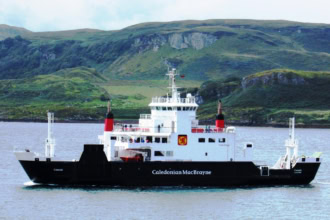
Ferries, however, offer a very different experience. They provide a slower, more scenic journey, with the opportunity to travel with a vehicle and carry more luggage. On longer routes, ferries can feel more like a mini cruise, with cabins, dining options, and space to move around.
Cost is another important factor. Flights are typically more expensive than ferries, particularly when booked at short notice. However, when you factor in the time saved and the cost of accommodation on overnight ferry routes, the difference can be less significant than it first appears.
The decision often comes down to how you want to travel. If your priority is speed and convenience, flying is usually the better option. If you value the journey itself and want a more relaxed pace, ferries provide a more immersive experience.
| Route Example | Flight Time | Ferry Route and Time | Best Option For |
|---|---|---|---|
| Aberdeen → Shetland | ~1 hour | Aberdeen to Lerwick, ~14 hours (overnight) | Flying for speed, ferry for experience |
| Aberdeen → Orkney | ~50 minutes | Aberdeen to Kirkwall, ~6 hours | Flying for convenience, ferry for flexibility |
| Glasgow → Stornoway | ~1 hour | Ullapool to Stornoway, ~2 hours 40 minutes | Flying for time, ferry for cost |
| Glasgow → Islay | ~45 minutes | Kennacraig to Islay, ~1 hour 55 minutes to 2 hours 10 minutes | Flying for short trips, ferry for vehicles |
| Glasgow → Barra | ~1 hour | Oban to Castlebay, ~4 hours 45 minutes direct | Flying for unique experience, ferry for slower travel |
One point to watch when comparing the two: the ferry rarely leaves from the same place as the flight. There is no sailing from Glasgow to Stornoway or Barra, so those crossings run from Ullapool and Oban instead, and Islay sailings leave from Kennacraig in Kintyre.
Orkney has three mainland options, with NorthLink sailing from Aberdeen in around six hours or from Scrabster in 90 minutes, and Pentland Ferries crossing from Gills Bay in just over an hour. Factor in the drive or train to the ferry port before assuming the short crossing is the quicker journey overall.
The Shortest Flight in the World: Westray to Papa Westray
One of the most unique routes operated by Loganair is the flight between Westray Airport and Papa Westray Airport in the Orkney Islands. This is officially recognised as the shortest scheduled commercial flight in the world, with a flight time of around 90 seconds under ideal conditions.
Despite its short duration, this route is a vital connection for local communities, providing an essential link between islands where alternative transport options are limited or time-consuming. The flight is part of a wider network across Orkney, connecting smaller islands with the regional hub at Kirkwall.
For visitors, this route has become something of a travel highlight. It offers a rare opportunity to experience a truly unique aviation journey, where take-off and landing happen within moments. The flight also provides striking views of the surrounding coastline and sea, making it memorable despite its brevity.
While it is not always practical for standard itineraries, it is often included by travellers looking to experience something distinctive within the UK’s transport network.
Loganair Aircraft and Onboard Experience
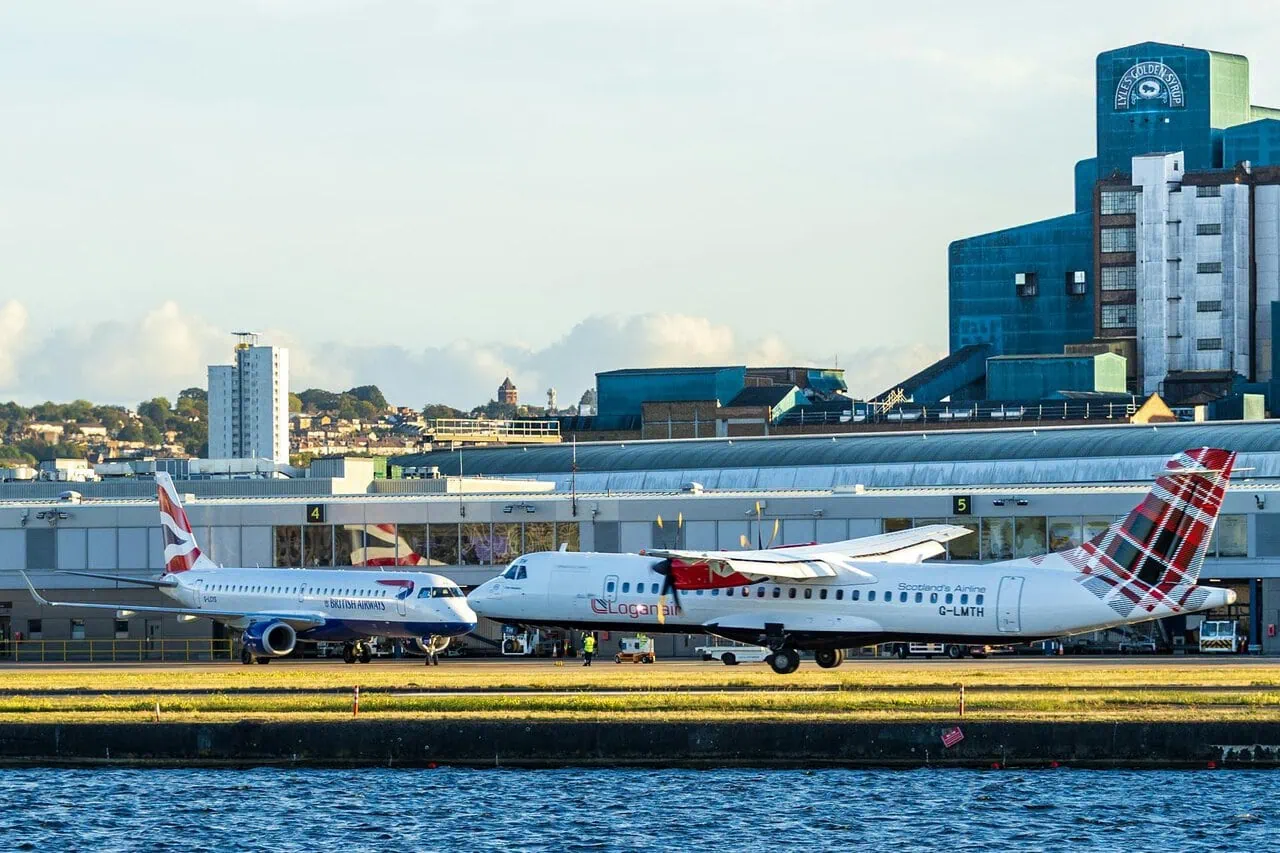
Flying with Loganair is a very different experience compared to larger airlines. The fleet is made up primarily of small regional aircraft, designed to operate on short routes and access smaller airports.
Aircraft typically include turboprop planes such as the ATR and smaller island-hopping aircraft used on shorter routes. These planes are built for efficiency and reliability rather than luxury, but they provide a comfortable and practical travel experience.
Cabins are compact, with fewer seats than standard commercial aircraft. This creates a more personal atmosphere, and boarding is usually quick and straightforward. On many routes, there is no need for long boarding processes or extensive queues.
The onboard experience is simple but effective. On shorter flights, there may be limited or no service, while on slightly longer routes, passengers may receive a light snack and drink. The focus is on getting you to your destination efficiently.
For many travellers, the smaller aircraft and shorter routes make the experience feel more connected to the landscape, with excellent views of coastlines, islands, and remote terrain during the flight.
Search flights and useful route combinations for your trip.
View flightsBrowse Airalo eSIM options for convenient travel data.
Check eSIMsArrange a private airport pickup for your trip to Scotland.
Check transfersTickets, Pricing and How to Book
Ticket pricing for Loganair reflects the specialised nature of its routes. Because many services connect remote areas, prices can be higher than typical short-haul flights, particularly when booking close to departure.
Booking in advance is one of the most effective ways to manage costs. Fares are generally lower when purchased early, especially for popular routes to island destinations. Prices can increase significantly as availability decreases, particularly during peak travel periods.
To give a sense of the numbers, Loganair publishes lead-in one-way fares on its own route pages. At the time of writing these started at £93 ($126 / €109) for Glasgow to Islay, £96 ($130 / €112) for Glasgow to Barra, £116 ($157 / €136) for Aberdeen to Orkney and £140 ($190 / €164) for Glasgow to Stornoway. Treat those as a floor rather than a typical price. They apply to a small number of off-peak departures booked well ahead, and island fares climb steeply as seats sell.
Island residents pay considerably less. The Air Discount Scheme and Loganair’s Island Resident Card reduce fares on eligible Highlands and Islands routes, and the discount is applied during booking rather than claimed back afterwards. Visitors do not qualify, so the published fares above are the realistic starting point for a trip.
Flights are typically booked directly through the airline or via comparison platforms. When planning a trip, it is worth checking multiple dates and times, as small changes can sometimes lead to noticeable savings.
While flights may appear more expensive than ferry tickets, it is important to consider the overall value. The time saved, particularly on longer routes, can make flights a more efficient option, especially for shorter trips.
Understanding pricing and booking strategies allows you to plan more effectively and avoid unnecessary costs, particularly on routes where demand is high.
Baggage Allowance and Travel Rules
Baggage policies on Loganair are generally straightforward, but they can vary depending on the route and aircraft type.
Most tickets include both a cabin bag and a checked bag allowance, which is more generous than many low-cost airlines. This makes Loganair particularly useful for travellers carrying more luggage, especially when visiting remote areas where additional equipment or supplies may be needed.
Cabin space on smaller aircraft can be limited, so larger hand luggage may be stored in the hold during boarding and returned after landing. This is a normal part of flying on regional aircraft and is handled quickly by ground staff.
Passengers should also be aware that weight limits may be more strictly enforced on smaller aircraft, particularly on island routes where capacity is limited. Checking baggage allowances in advance helps avoid issues at the airport.
Overall, baggage policies are designed to balance practicality with the limitations of smaller aircraft, ensuring a smooth and efficient boarding process.
What to Expect When Flying on Small Regional Aircraft
Many travellers booking with Loganair are unfamiliar with smaller regional aircraft, particularly on routes serving the Scottish islands and Highlands. The experience is slightly different from flying with larger airlines, but for many passengers this becomes one of the most memorable parts of the journey.
Boarding is usually much quicker and simpler than at major airports. Passengers often walk directly across the tarmac to the aircraft, and smaller passenger numbers create a more relaxed atmosphere compared to busy low-cost airline terminals.
Cabin interiors are more compact, with lower ceilings and fewer seats, but flights are generally short, making the experience comfortable and efficient. Because aircraft fly at lower altitudes than larger jets on many routes, passengers often enjoy exceptional views of coastlines, mountains, islands, beaches, and remote landscapes throughout the flight.
On some routes, hand luggage may be placed in the hold at the aircraft steps before departure and returned immediately after landing. This is completely normal on smaller aircraft and helps maximise cabin space onboard.
For many travellers, flying on these regional aircraft feels more personal, more scenic, and more connected to the landscape than a standard short-haul airline experience.
Airports Used by Loganair
Loganair operates from a network of regional airports across the UK, with a strong concentration in Scotland and the northern regions. These airports act as key hubs for connecting mainland cities with more remote destinations.
Major hubs include Glasgow and Edinburgh, which provide access to a wide range of domestic and island routes. These airports are well connected to the UK rail network, making them easy to reach from other parts of the country.
Further north, Inverness and Aberdeen play a critical role in linking the Scottish mainland with island destinations such as Orkney and Shetland. These airports are often the starting point for flights to more remote areas.
Island airports such as Kirkwall, Stornoway, and Sumburgh serve as regional gateways, connecting smaller communities with the mainland. These airports are typically smaller and easier to navigate, offering a more relaxed travel experience.
The use of smaller airports is one of Loganair’s strengths. It allows the airline to provide direct connections that would not be viable for larger carriers, making travel to remote areas significantly more accessible.
Why Loganair Is Important for Scotland and the Islands
Unlike most airlines, Loganair is not simply focused on tourism or major business routes. Many of its services act as essential transport links for remote communities across Scotland and the islands.
In regions such as Orkney, Shetland, and the Outer Hebrides, flights provide critical access to healthcare, education, business services, and mainland connections. Without these routes, many journeys would involve extremely long ferry crossings or overnight travel.
Some services operate as Public Service Obligation routes, often referred to as PSO routes, meaning they receive support because they are considered socially and economically important. These routes help maintain connectivity between remote communities and the rest of the UK.
For visitors, this creates a network that feels very different from traditional commercial airlines. Flights are not purely tourism-focused but form part of the everyday infrastructure of life in remote Scotland.
Understanding this role helps explain why Loganair occupies such an important place within Scotland’s wider transport system and why the airline remains so heavily associated with island and Highland travel.
Using the Loganair App and Managing Your Booking
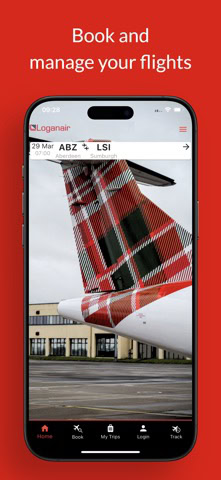
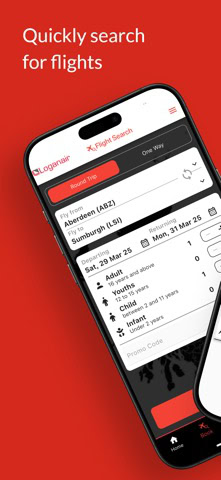
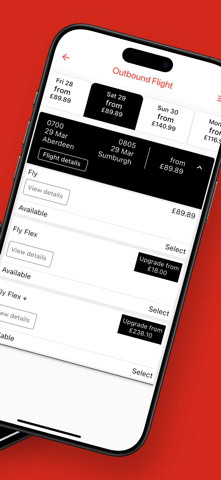
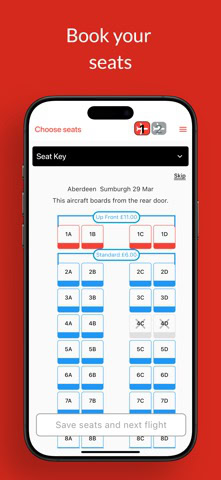
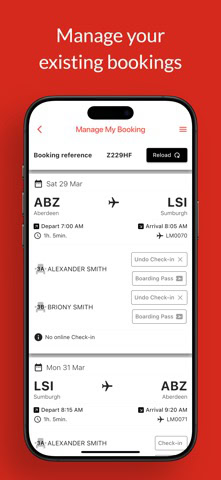
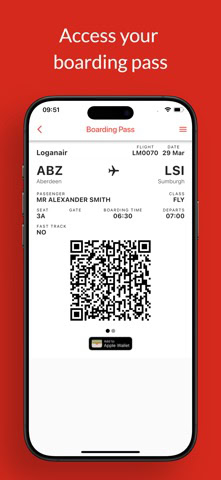
The Loganair App provides a simple way to manage your flights, check in, and stay updated on travel information, particularly useful for regional routes where schedules can change.
Through the app, you can access your booking, download boarding passes, and receive real-time updates on departure times and gate information. This is especially helpful when travelling through smaller airports, where information screens may be more limited than in larger terminals.
Mobile check-in is available on most routes, allowing you to skip queues and streamline your airport experience. Notifications can also alert you to any changes, helping you stay informed throughout your journey.
For travellers using multiple transport types, such as combining flights with rail or ferry journeys, having access to live updates in one place adds a layer of convenience and reduces uncertainty.
While the app is not essential, it is a useful tool that can make your journey smoother, more organised, and easier to manage, particularly when travelling on tight schedules.

App availability and prices vary by country. Some of these may not appear in your local App Store or Google Play.
Compare hostels and budget-friendly accommodation around Scotland.
Browse hostelsFlying to Scotland? Get fast compensation payouts, eligible lounge benefits and expert help when flights go wrong.
See AirHelp+ benefitsUse convenient luggage storage around Scotland between arrival, check-in and departure.
Check storageHow to Combine Loganair Flights with Rail and Ferry Travel
One of the biggest advantages of flying with Loganair is how easily it integrates with other forms of transport, particularly rail and ferry services. This makes it possible to create flexible, multi-modal journeys across the UK and beyond.
For example, you can travel by train to cities such as Glasgow, Inverness, or Aberdeen, and then connect directly to flights serving island destinations. This combination allows you to cover large distances efficiently while still accessing remote locations.
Flights can also be combined with ferry travel to create more varied itineraries. Many travellers choose to fly one way and return by ferry, balancing speed with a more scenic and relaxed journey.
This approach works particularly well in Scotland, where rail, air, and ferry networks complement each other. Using resources such as our UK rail guide, UK ports guide, and Rail & Sail guide can help you plan these journeys effectively.
By combining different transport options, you can build an itinerary that is both efficient and enjoyable, making the most of what each mode of travel offers.
Popular Loganair Routes
Some routes operated by Loganair stand out due to their importance, scenery, or uniqueness. These routes highlight the strengths of the airline and the variety of journeys available.
Flights from Glasgow to Barra are among the most famous, thanks to the unique beach landing at Barra Airport. This route is often considered one of the most distinctive travel experiences in the UK.
Routes from Aberdeen to Shetland and Aberdeen to Orkney provide essential links to the northern islands, offering a much faster alternative to long ferry crossings.
Connections from Inverness to Stornoway and Glasgow to Islay are popular with travellers heading to the Outer Hebrides and whisky regions, combining convenience with access to remote landscapes.
These routes demonstrate how Loganair enables travel to destinations that would otherwise require significant time and planning, making it a key part of the UK’s transport network.
Tips for Flying with Loganair
Flying with Loganair is straightforward, but there are a few practical considerations that can make your journey smoother, particularly when travelling to remote or island destinations.
Weather plays a significant role. Flights to the Scottish islands can be affected by changing conditions, so it is always worth checking forecasts and allowing some flexibility in your plans. While services are generally reliable, delays can occur in more exposed regions.
Arriving at the airport early is still important, even though regional airports are smaller and easier to navigate. Boarding tends to be efficient, but giving yourself enough time helps avoid unnecessary stress.
Because aircraft are smaller, cabin space is more limited. Packing efficiently and understanding baggage rules helps ensure a smoother boarding process. Items may occasionally be placed in the hold at the aircraft steps, which is standard practice on regional flights.
Finally, take advantage of the views. Many routes offer spectacular aerial perspectives of coastlines, islands, and landscapes, making the journey itself a memorable part of your trip.
With a little preparation, flying with Loganair becomes a simple, efficient, and highly enjoyable way to explore remote parts of the UK.

Rupert’s Handy Travel Tips
Rupert has spent plenty of time hopping between islands on small planes, and he knows that the best journeys come from planning smart and staying flexible.
- Check the weather: Island flights can be affected by changing conditions, so check the forecast and flight status before travelling.
- Allow enough airport time: For UK domestic flights, Loganair advises arriving around two hours before departure.
- Know the cabin limit: Standard Fly and Fly Flex fares include up to 6kg of cabin luggage plus a small handbag.
- Take the window seat: Island sectors can give clear views of coastlines, beaches and the surrounding islands when conditions allow.
Want to meet the reindeer behind our travel tips? Find out more in our page Who is Rupert?.




Frequently Asked Questions About Loganair
Is Loganair safe?
Yes. Loganair operates under strict UK aviation safety regulations and has extensive experience operating regional and island routes.
Are the planes very small?
Most aircraft are smaller than standard commercial planes, but they are designed for short regional routes and provide a comfortable experience.
How early should you arrive for a flight?
For UK domestic flights, Loganair advises arriving around two hours before departure. Online check-in closes one hour before departure at UK airports except Exeter, so arriving only 60 minutes before departure can be too late.
Can you take luggage on Loganair flights?
Yes. Most tickets include both cabin and checked baggage, though allowances can vary depending on the route and aircraft.
Are flights often delayed due to weather?
Weather can affect flights, particularly to island destinations, but schedules are designed to be as reliable as possible given local conditions.
Further Reading & Related Guides
If you are planning a wider journey across Scotland and the UK, our UK rail guide explains how to travel efficiently between major cities, while our UK ports guide covers ferry routes to island destinations and mainland Europe.
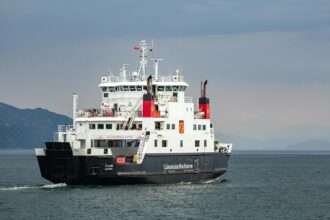
For island travel planning, our guides to the Aberdeen to Shetland ferry and Aberdeen to Orkney ferry provide detailed alternatives to flying, while the CalMac ferry guide helps you navigate routes across the Hebrides.
To plan your full journey, combining flights, ferries, and rail travel, our Rail & Sail guide shows how to connect these different transport options into a smooth and flexible itinerary.