Reviewed by our editorial team Updated
Why Travel Bank Apps Are Essential for Global Travel
Travel bank apps have become one of the most important financial tools for modern travellers, because they solve a problem that traditional banks have never handled particularly well. Spending abroad has historically meant poor exchange rates, foreign transaction fees, unexpected ATM charges, delayed support, and very little visibility over what your money was actually doing in real time. For anyone moving between countries, those costs and frustrations can add up quickly.
What makes these apps so valuable is that they are built around the realities of international spending rather than domestic banking habits. Instead of forcing travellers to rely on branch-based banks and static card systems, they put currency exchange, card controls, spending notifications, and account management directly into a mobile app. That changes the experience completely. You can move money, check balances, freeze a card, review exchange rates, or top up your account in seconds, wherever you are.
Another major advantage is transparency. Traditional banks often hide the true cost of foreign spending inside poor exchange rates or additional card fees, while travel bank apps are designed to show those costs clearly and, in many cases, reduce them dramatically. Apps such as Revolut and Wise have become popular precisely because they give users near-market rates, clearer fees, and a much stronger sense of control over how their money is being used abroad.
Security is also a major reason these apps matter. When you are travelling, losing a card or spotting suspicious activity can be stressful and expensive. Travel bank apps reduce that risk by allowing instant card freezing, biometric login, virtual cards, and live transaction alerts, which means problems can be identified and dealt with immediately instead of after the damage is done.
For long-term travellers, digital nomads, frequent flyers, gap year travellers, and even occasional holidaymakers, these apps offer more than convenience. They reduce friction, cut unnecessary costs, and make international money management far easier to understand. A travel bank app is no longer a clever optional extra. For many people, it is now the smartest way to spend, save, and stay secure while abroad.
Quick Comparison Table of Top Travel Bank & Card Apps
The travel banking space is broad, and not every app serves the same purpose. Some are true multi-currency banking platforms, some are prepaid travel cards, and others are region-specific payment tools that become essential in certain countries. The table below gives a clear overview of the main strengths and limitations of each app mentioned on this page.
| App | Region Strength | Best Feature | Limitations |
|---|---|---|---|
| Revolut | Global | Interbank exchange rates and budgeting tools | Premium tiers unlock many of the strongest perks |
| Wise | Global | Multi-currency accounts and low-cost transfers | Free ATM withdrawals are capped monthly |
| N26 | Eurozone | Free basic account and sleek mobile-first design | Limited to the Eurozone; no longer available in the UK or the US |
| Monzo | UK and Europe | Fee-free card spending abroad | UK account requirement limits access |
| Curve | UK and Europe | Link multiple cards into one app-managed card | Not a full bank and rewards are limited |
| Travelex Money Card | Global | Widely accepted prepaid travel card | Exchange rates are not always the best available |
| Caxton FX | UK and Europe | Locked-in exchange rates for predictable budgeting | Mainly focused on the UK market |
| Chime | United States | No foreign transaction fees | Available only to US residents |
| SoFi Checking and Savings | United States | Fee-free international card spending | Limited usefulness outside the US |
| Alipay | China | Essential for payments in China | Very limited value outside China |
| WeChat Pay | China | Huge retail and lifestyle acceptance in China | Full functionality can require local banking links |
| Paytm | India | Near-universal QR acceptance across India | Needs an Indian mobile number and bank account; visitors use UPI One World instead |
| GrabPay | Southeast Asia | Cashless payment built into the Grab super-app for rides and food | The stored-value wallet needs local ID or a local bank; visitors pay by card instead |
This comparison makes one point very clear. There is no single perfect travel bank app for every traveller and every destination. Global tools such as Wise and Revolut are ideal for broad international use, but in places like China or India, local platforms such as Alipay, WeChat Pay, and Paytm can become far more important than any global travel card. In practice, the best setup often combines one strong global app with one region-specific solution when needed.
Best for two or three nights. The widest choice of rooms, with filters for free cancellation and included breakfast.
View staysBest for longer stays. Whole apartments and houses, so you are not eating out three times a day.
View rentalsBest as a last check before booking. Compares hotel rates across several sites in one search.
Compare ratesHow Travel Bank Apps Work for Travellers
At their core, travel bank apps function like digital-first current accounts, but they are designed with overseas spending in mind rather than domestic banking alone. In most cases, you open an account through the app, verify your identity, receive a physical card, and manage everything else through your phone. That includes balances, currency exchange, transaction tracking, card controls, and transfers.
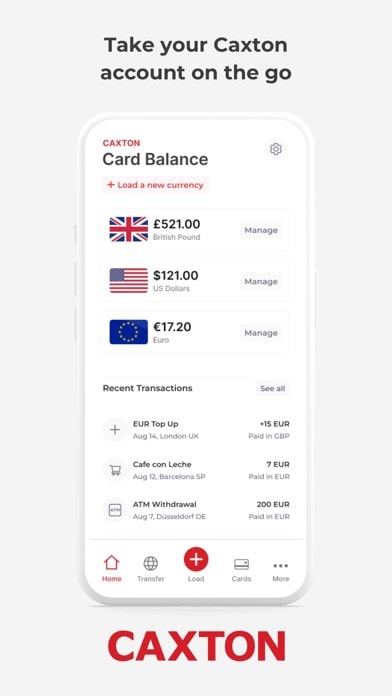
One of the biggest operational advantages is multi-currency support. Many of the strongest travel bank apps allow you to hold several currencies inside the same account and either convert money in advance or let the app handle conversion automatically at the point of purchase. This means you can top up in pounds, euros, or dollars, then spend in the local currency without needing separate bank accounts or multiple cards.
In practice, the app becomes the control centre for your spending. You can see where your money is going in real time, often with instant push notifications the moment a purchase is made. If a card is lost, stolen, or used suspiciously, you can usually freeze it immediately from the app instead of making a phone call and waiting in a support queue. That speed is one of the biggest differences between traditional bank cards and modern travel-first systems.
Some apps, such as Wise, Revolut, Monzo, and N26, work like full digital bank accounts with cards attached. Others, such as Travelex Money Card and Caxton FX, are more like prepaid travel cards, where you load money in advance and spend only what you have already added. That prepaid structure can be useful for travellers who want tight control over a trip budget and do not want to risk overspending.
Another useful feature is transfer functionality. Many travel apps allow fast international transfers at much lower cost than traditional banks. This is especially useful for long-term travellers, remote workers, and group trips where people may need to split accommodation, move money between countries, or reimburse each other quickly.
In simple terms, travel bank apps replace the old model of static cards and vague bank fees with a system that is far more visible, flexible, and travel-friendly. You get more control, more speed, and usually a much better understanding of what your money is doing while you are abroad.
Benefits of Using Travel Debit Card Apps Abroad
The biggest reason travellers switch to travel debit card apps is simple. They usually make international spending cheaper, clearer, and much easier to manage than a standard bank card.
The most obvious benefit is cost reduction. Traditional banks often add foreign transaction fees of 2 to 3 percent per purchase, along with ATM charges and poor exchange rates, which means travellers can lose money on almost every transaction without fully realising it. Travel apps such as Wise and Revolut reduce or remove many of these costs, which can produce meaningful savings over the course of a trip.
Convenience is another major advantage. Instead of carrying several cards or trying to remember which account is best for which currency, many apps allow you to manage everything from one dashboard. Curve takes this a step further by letting you connect multiple debit and credit cards into a single card-managed system, while apps like Monzo and N26 make everyday card use abroad feel much closer to domestic spending.
Budgeting also becomes much easier. Because these apps show spending instantly and often categorise it automatically, travellers can see where their money is going by country, merchant, or type of expense. This is particularly useful on longer trips, family holidays, or multi-country journeys where costs can otherwise become difficult to track. Many apps also allow sub-accounts, savings spaces, or prepaid balances that help users separate travel money from everyday funds.
Security is another clear strength. Instant notifications, in-app card freezing, biometric login, virtual cards, and fraud monitoring all make travel debit card apps more responsive than many traditional banks when something goes wrong. In a foreign country, that speed matters. If a card is lost or compromised, being able to react immediately from your phone is a major advantage.
There is also a psychological benefit. Travellers feel more in control when they can see exchange rates, transaction history, and card settings directly in the app instead of waiting for bank statements or relying on unclear fee structures. That clarity reduces anxiety and helps users make better decisions in real time.
Taken together, these benefits explain why travel debit card apps have become so important. They save money, simplify spending, improve visibility, and offer stronger security, all while making international travel feel financially easier to manage.
Revolut
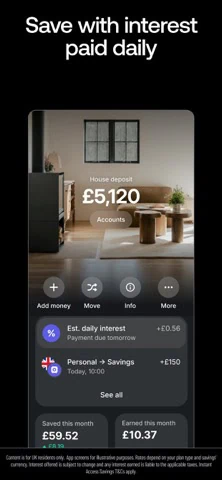
Revolut has become one of the most recognisable names in travel banking because it combines multi-currency spending, strong app controls, and a broad set of travel-oriented features inside one platform. Originally launched as a fintech challenger, it has grown into one of the most widely used travel bank apps in the world, particularly among travellers who want flexibility across multiple countries and currencies.
One of its strongest features is currency handling. Revolut allows users to hold, exchange, and spend in more than 30 currencies, which makes it especially useful for trips involving several countries rather than just one destination. Instead of repeatedly converting money through a traditional bank, users can move funds inside the app and spend directly from local balances, often at much more competitive rates.
The exchange model is a major part of its appeal. Revolut is widely known for offering interbank-style exchange rates, which are far better than the rates many high street banks give travellers. That means purchases abroad, cash withdrawals, and transfers can all be cheaper and more predictable. For people who travel regularly, those savings can become significant over time.
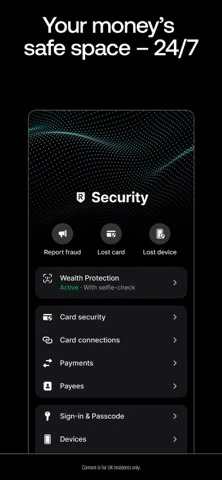
The app is also very strong on control and security. Users can freeze or unfreeze their card instantly, generate virtual or disposable cards for safer online spending, and receive immediate push notifications for every transaction. This gives travellers a real-time view of their money and allows them to respond quickly if anything looks wrong.
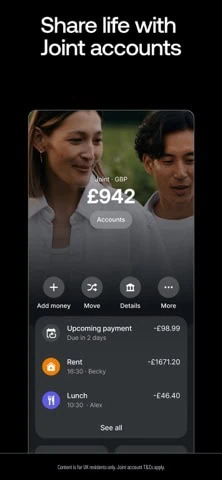
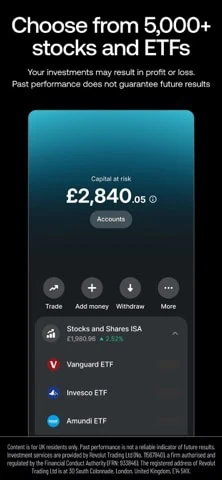
Beyond core banking, Revolut also bundles in a wider set of extras. Depending on the plan, users may get access to budgeting tools, travel insurance features, airport lounge perks, and other premium services. For frequent travellers, these extras can make the app feel like more than a card account. It becomes part of a wider travel toolkit.
That said, the best version of Revolut is not always the free one. Many of its strongest perks sit behind paid subscription tiers such as Premium or Metal, and free users may face ATM withdrawal caps and weekend foreign exchange markups. For occasional travellers, the free version may still be more than enough. For heavy travellers, the paid tiers can justify themselves more easily.
Revolut is best for travellers who want a broad, all-in-one international money app with strong currency support, fast controls, and optional premium travel benefits. It is especially useful for multi-country travel, frequent flying, and users who like handling everything from one powerful mobile dashboard.

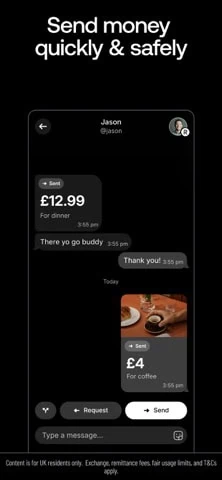
App availability and prices vary by country. Some of these may not appear in your local App Store or Google Play.

Wise
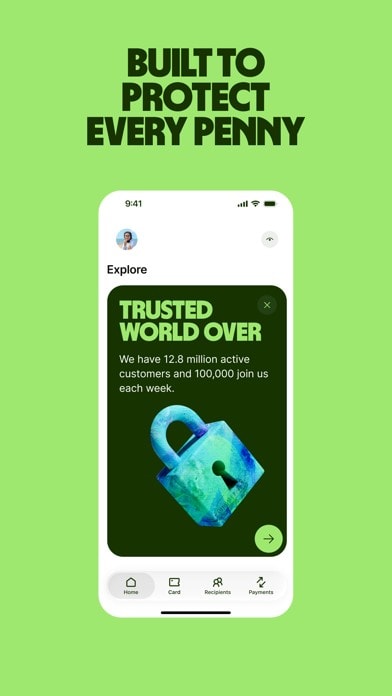
Wise is one of the strongest travel bank apps for travellers who care most about transparency, low fees, and clear currency management. Originally known as TransferWise, it built its reputation by challenging the hidden markups and poor exchange rates that traditional banks and money transfer services often apply. That same strength now makes it one of the most practical options for spending abroad.
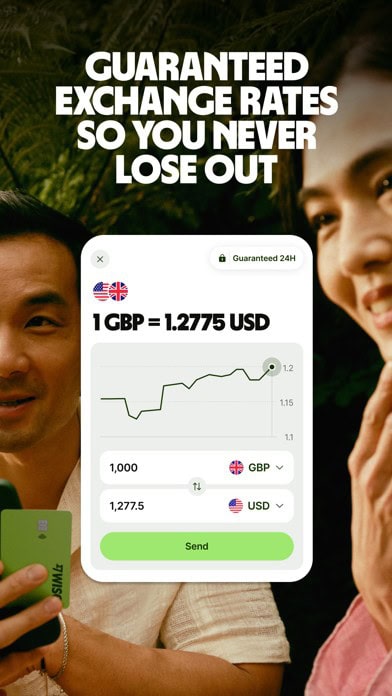
Its biggest selling point is honesty around exchange rates. Wise uses the real mid-market exchange rate and shows fees clearly before you confirm a conversion or transfer, which gives travellers a level of clarity that is still surprisingly rare in financial services. For anyone moving money between currencies regularly, that transparency is a major advantage.
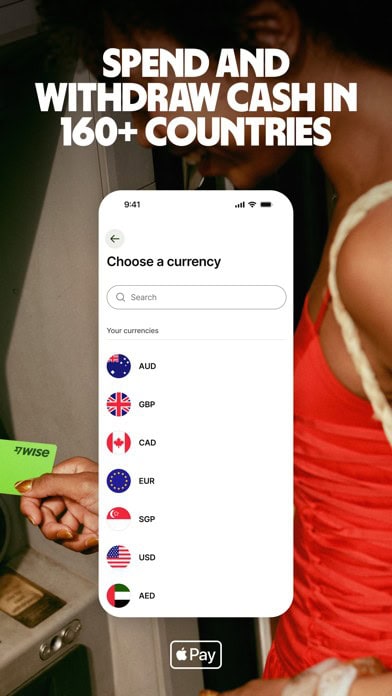
The multi-currency account is another core strength. Wise allows users to hold, manage, convert, and spend in more than 40 currencies from a single account, which makes it especially useful for long-term travellers, digital nomads, and multi-country trips. If you already have money in the local currency, the app spends directly from that balance. If not, it converts automatically from the next best available balance at the applicable rate.
The debit card is simple and effective. You can pay directly from your account in shops, restaurants, hotels, and transport systems worldwide, while the app gives instant transaction alerts and live balance visibility. This means spending feels controlled and understandable, even across several countries and currencies.
Wise is also excellent for international transfers. Sending money to other countries is usually faster, cheaper, and clearer than doing so through a traditional bank, which is useful not just for travellers but also for remote workers, expats, and anyone needing to move funds between accounts abroad.
Security is solid and practical rather than flashy. You can freeze the card, manage digital card settings, and monitor transactions instantly, which helps reduce risk when travelling. That said, one of the trade-offs is ATM access. Wise does allow free ATM withdrawals, but only up to a monthly cap, after which fees apply. For travellers who rely heavily on cash, that is important to remember.
Wise is best for travellers who want the clearest view of exchange rates, very strong multi-currency support, and cost-effective global spending without unnecessary extras or complexity. It is one of the best pure-value options in this space, particularly for users who prioritise transparency over lifestyle perks.

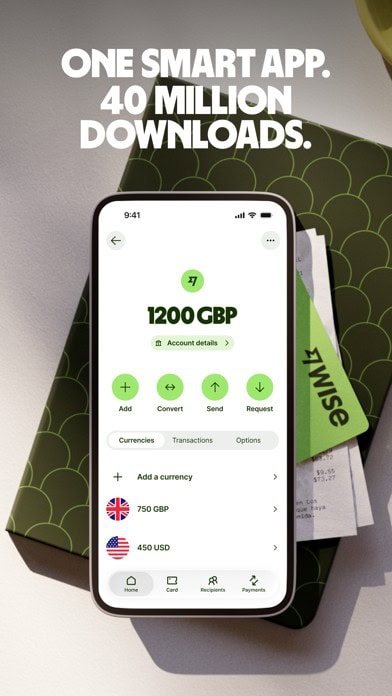
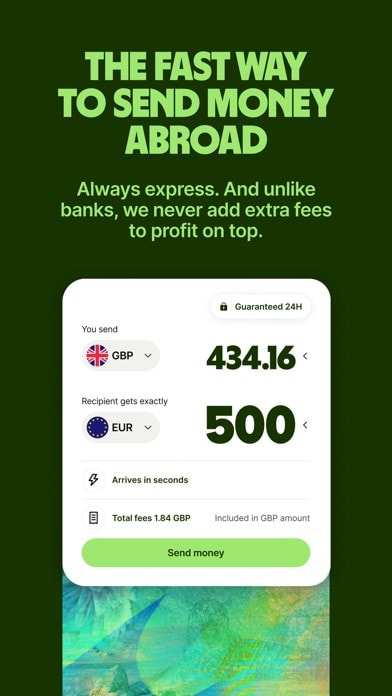
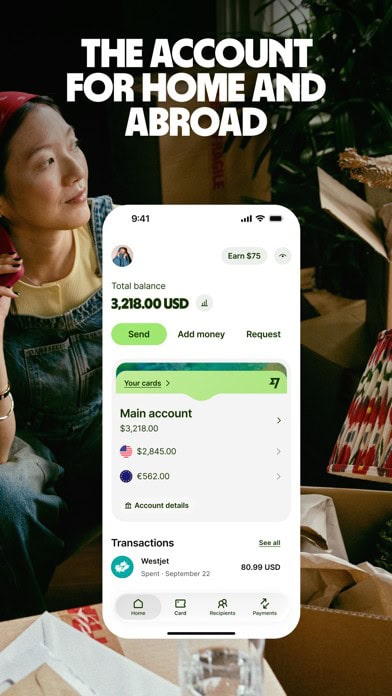
App availability and prices vary by country. Some of these may not appear in your local App Store or Google Play.
N26
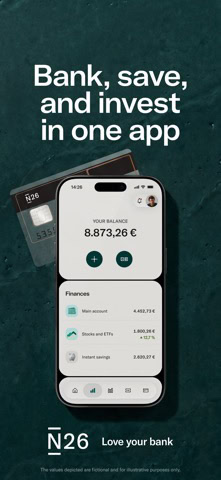
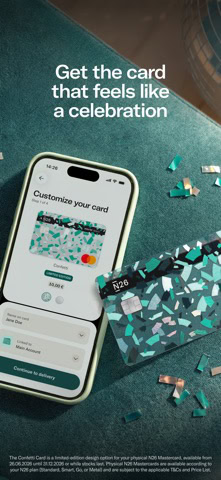
N26 is a mobile-first digital bank that has become especially popular across the Eurozone, thanks to its clean design, smooth app experience, and strong travel-friendly spending features. It is one of the most polished banking apps in this category and appeals particularly to users who want something that feels like a modern current account rather than a specialist travel card alone.
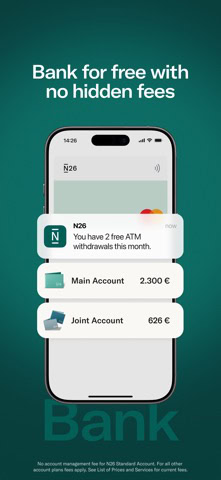
One of its biggest strengths for travellers is fee-free card spending abroad. With the standard account, users can generally make foreign currency card payments without the extra foreign transaction fees often charged by traditional banks, which immediately makes it more attractive for travel than many standard debit cards. For people who travel often within Europe or between major international cities, that simplicity is valuable.
The app experience is also one of the best in the category. N26 is known for its minimalist, intuitive design, which makes it easy to understand balances, track transactions, and manage card settings quickly while on the move. Spending notifications arrive in real time, categories are applied automatically, and the overall interface feels calm and efficient rather than overloaded.
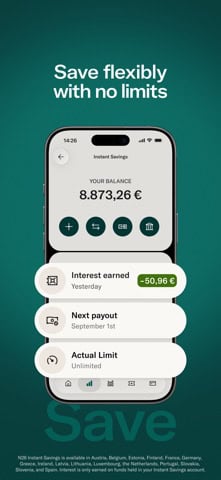
A useful feature for travellers is Spaces, which allows users to create separate sub-accounts for different purposes. In practical terms, this means you can set aside money for flights, accommodation, daily spending, or an upcoming trip without mixing everything into one visible balance. That kind of budgeting structure is particularly helpful for longer or more expensive journeys.
Security is strong and immediate. Biometric login, instant card freeze and unfreeze controls, and live transaction notifications give users a strong sense of control over their money while abroad. If something goes wrong, the app makes it easy to respond quickly without needing to deal with slow legacy bank processes.
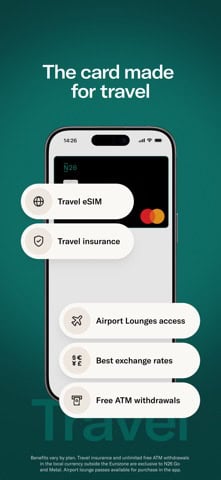
Premium N26 plans go further by adding travel insurance packages, better ATM withdrawal terms abroad, and priority support, which may appeal to frequent travellers. However, those extra benefits are paid features, and availability remains a constraint. N26 is not a global service in the same sense as Wise or Revolut. Its main limitation is that it is restricted to the Eurozone, and it is no longer available in the UK or the United States, which means many travellers simply cannot open an account.
N26 is best for users who want a sleek, mobile-first bank with strong overseas card spending, excellent budgeting structure, and a more premium-feeling app experience, particularly if they are based in one of its supported markets.


App availability and prices vary by country. Some of these may not appear in your local App Store or Google Play.
Monzo
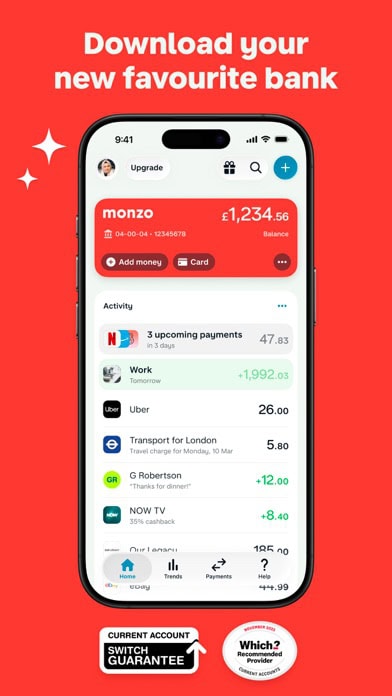
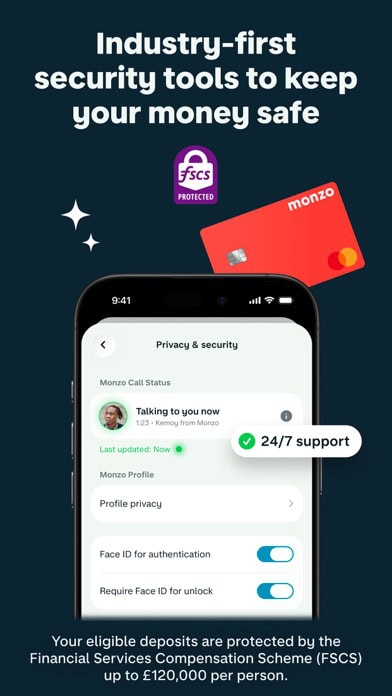
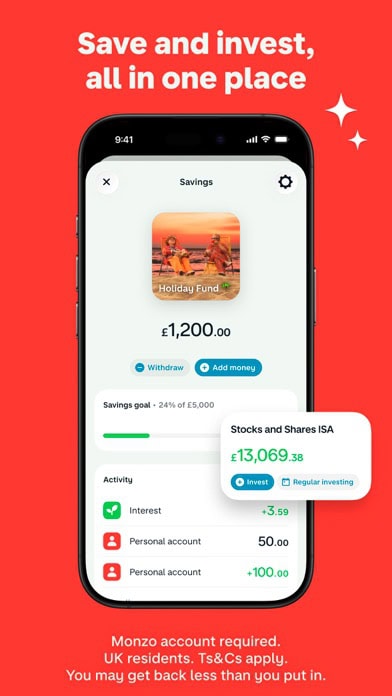
Monzo has become one of the most recognisable digital banks in the UK, and its travel appeal comes from combining simple overseas spending with some of the best budgeting and account-visibility tools in the market. For many UK travellers, it is the app that made mobile-first banking feel genuinely useful in everyday life as well as abroad.
One of the strongest reasons travellers choose Monzo is its straightforward foreign spending model. Card payments abroad can usually be made without foreign transaction fees, which immediately makes it far more attractive than many traditional bank accounts for travel use. That means everyday purchases overseas feel much closer to domestic spending, with fewer nasty surprises hidden in exchange costs.
The app is one of Monzo’s biggest strengths. Every transaction appears instantly, spending is categorised automatically, and users can review where their travel money is going in real time. This is particularly useful on trips where costs can sprawl across food, transport, attractions, accommodation, and small local purchases without much structure. The clearer the visibility, the easier it is to stay in control.
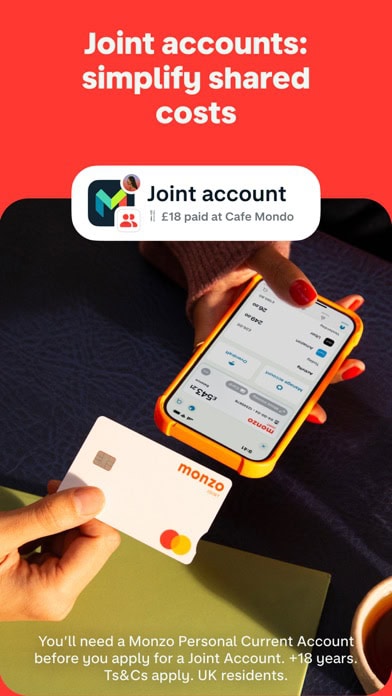
Monzo is also very good for shared travel spending. Its bill-splitting tools and shared tabs make it easier for friends, couples, or group travellers to divide costs without relying on external payment apps or manual calculations. For city breaks, group holidays, and shared accommodation, this is genuinely practical rather than just a nice extra.
Security is strong and easy to manage. Instant card freezing, biometric access, and live notifications help users respond quickly if a card is misplaced or something suspicious appears. Those controls make Monzo a reassuring companion when travelling, especially in busy cities or unfamiliar places.
There are, however, some limitations. Monzo remains primarily a UK-focused service, which means it is not broadly available to travellers based elsewhere. Free cash withdrawals abroad are also capped, so it works best for card-heavy travel rather than trips where large amounts of cash are needed.
Monzo is best for UK travellers who want simple overseas spending, excellent budgeting visibility, and strong group travel tools inside an app that is extremely easy to use. It is not the most globally flexible service, but within its user base, it is one of the most traveller-friendly.

App availability and prices vary by country. Some of these may not appear in your local App Store or Google Play.
Best if you can move a day either way. Shows how the fare changes across the month.
Compare flightsBest for anyone whose home plan charges by the megabyte abroad. Pay a fixed price up front.
Check eSIMsBest if you would rather not work out the transport on arrival. Book it now and forget it.
View transfersCurve
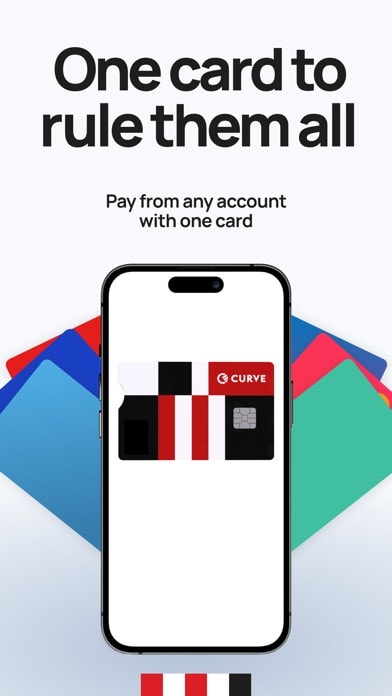
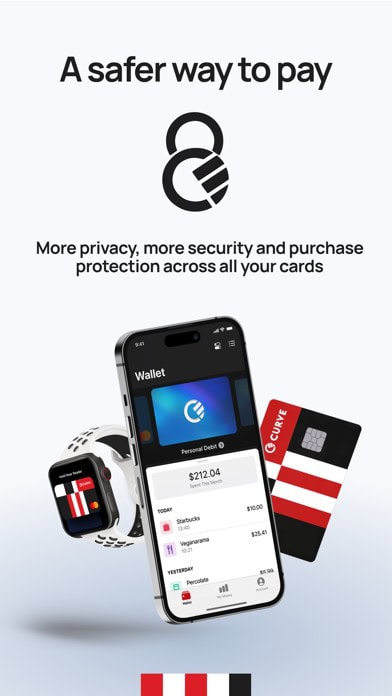
Curve is one of the most unusual and genuinely innovative travel finance apps because it is not primarily a bank at all. Instead, it acts as a card aggregator, allowing users to connect multiple existing debit and credit cards into a single Curve card and manage them through one app. For travellers who already have several cards but want less wallet clutter and more control, that can be extremely useful.
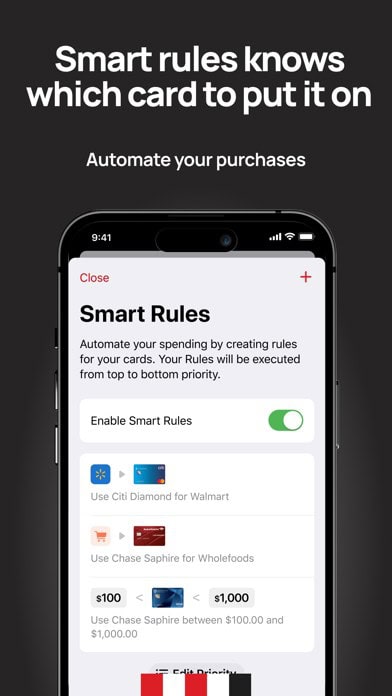
Its biggest practical benefit is consolidation. Instead of carrying multiple cards abroad and trying to remember which one is best for travel spending, ATM use, or rewards, Curve lets you route all spending through one Mastercard while deciding in the app which underlying card should actually be charged. That simplifies travel significantly, especially for people who mix personal, joint, and backup cards.
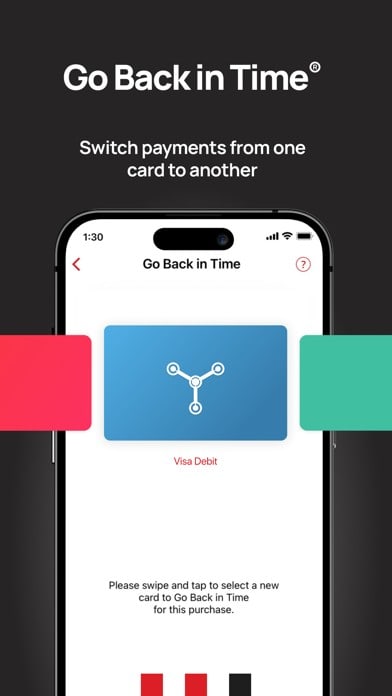
The standout feature is Back in Time, which allows users to move a transaction from one linked card to another after the purchase has already happened. In practice, that means if you accidentally used the wrong funding card while travelling, or later decide a hotel charge belongs on a different account, you can correct it without the merchant being involved. That flexibility is rare and especially useful for travellers who like to optimise spending across cards.
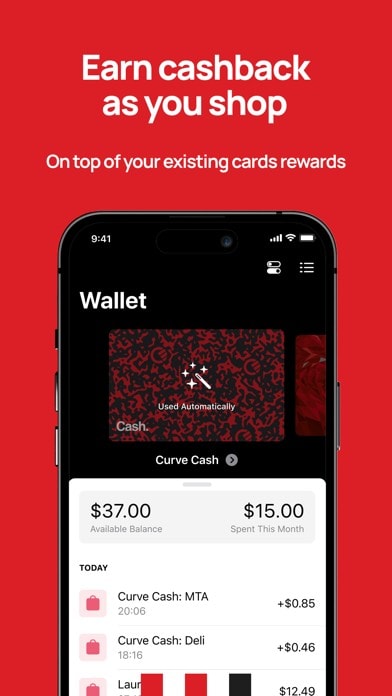
Curve also adds value through foreign spending. It applies its own foreign exchange structure, which can be more favourable than what some linked cards would charge directly, helping users avoid unnecessary foreign transaction costs in many situations. Combined with instant spend notifications and app-based card controls, it adds a very useful management layer on top of the cards you already own.
Security is another plus. You can freeze or unfreeze the Curve card instantly, monitor spending in real time, and manage linked cards without exposing all of them separately while travelling. That creates a cleaner and often safer way to use multiple financial products abroad.
Its limitations are structural. Curve is not a full bank, so it does not offer the same kind of deposit account, savings, or standalone balance features that apps like N26, Monzo, or Wise do. Some premium functions also require paid plans, and its reward value varies depending on region and usage pattern.
Curve is best for travellers who want to simplify a multi-card setup, reduce physical wallet clutter, and gain more control over how existing cards are used abroad. It is especially attractive for users who already hold strong debit or credit cards and want a smarter layer on top rather than a brand-new bank account.

App availability and prices vary by country. Some of these may not appear in your local App Store or Google Play.
Travelex Money Card
The Travelex Money Card represents a more traditional travel-money approach, but one that has been modernised through app controls and digital management. Unlike mobile-first neobanks, this is a prepaid travel card built specifically for overseas use, which makes it attractive to travellers who prefer to load money in advance and keep their trip spending separate from their main bank account.
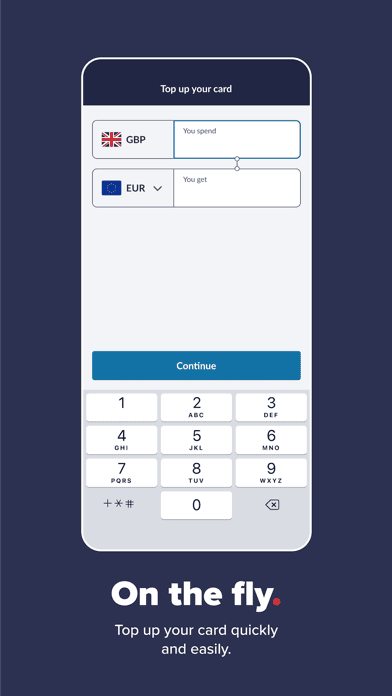
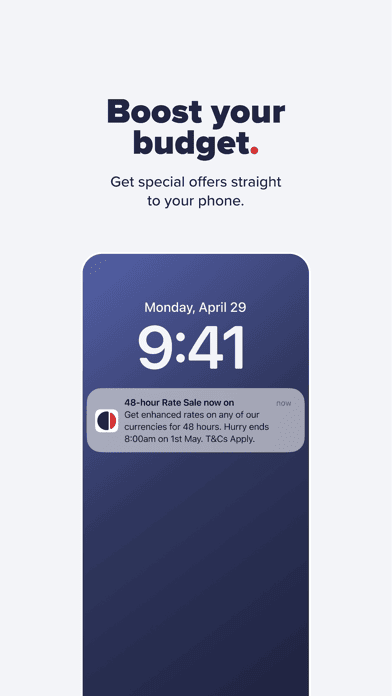
Its core appeal is predictability. Users can preload money in up to 10 currencies before travelling, which means they can lock in exchange rates ahead of time and know exactly how much travel money they have available. For holidaymakers who prefer structure and want to avoid dipping into everyday funds while abroad, that can be very reassuring.
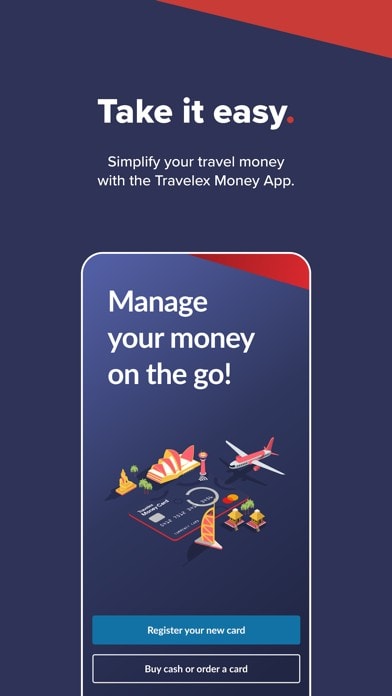
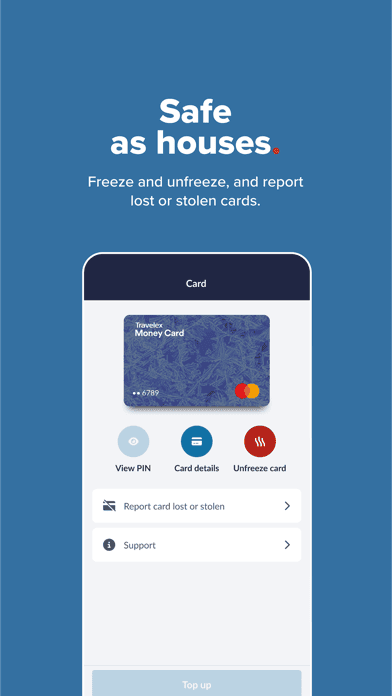
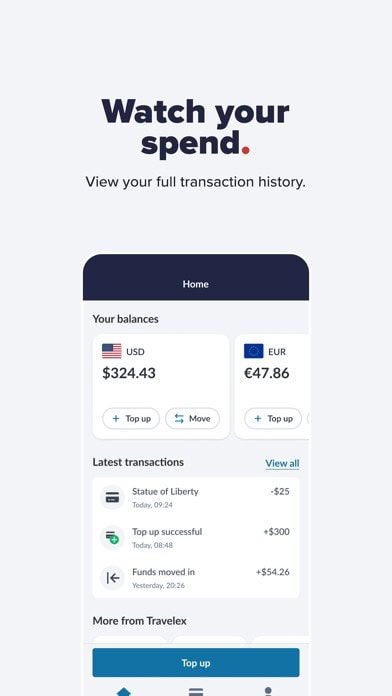
The Travelex Money app gives users basic but useful controls. You can check balances, top up funds, review transactions, freeze or unfreeze the card, and retrieve your PIN from the app, which is a significant improvement over older prepaid travel money products that offered little visibility once you were on the road.
The card itself runs on the Mastercard network, so it is widely accepted around the world for card payments, which makes it workable for most mainstream travel scenarios. It is also connected to Travelex’s broader foreign exchange services, which can be useful for travellers who still want to combine card spending with pre-ordered foreign cash.
Where it is weaker is cost competitiveness. While Travelex is strong on convenience and budgeting discipline, its exchange rates are not always as favourable as those available through travel-first digital banks such as Wise or Revolut. ATM withdrawals and certain currency operations may also carry fees, depending on how and where the card is used.
This means Travelex is best for travellers who want a prepaid, controlled, budgeting-friendly card that keeps travel money separate and predictable, rather than those seeking the very best live exchange rate. It suits holidaymakers and cautious spenders especially well, but more financially optimising travellers may find stronger value elsewhere.

App availability and prices vary by country. Some of these may not appear in your local App Store or Google Play.
Caxton FX
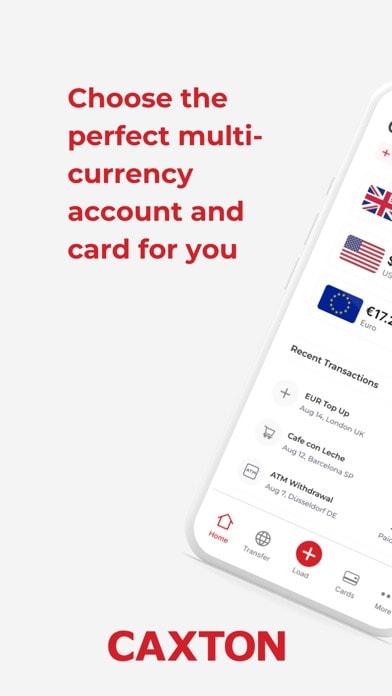
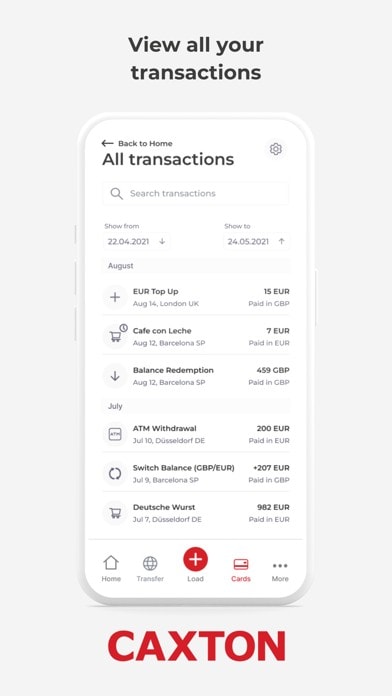
Caxton FX is a long-established UK-based prepaid travel card and app designed for travellers who want control, predictability, and simplicity when spending abroad. It doesn’t try to be a full digital bank. Instead, it focuses purely on foreign exchange and prepaid travel spending, which gives it a very clear and practical role.
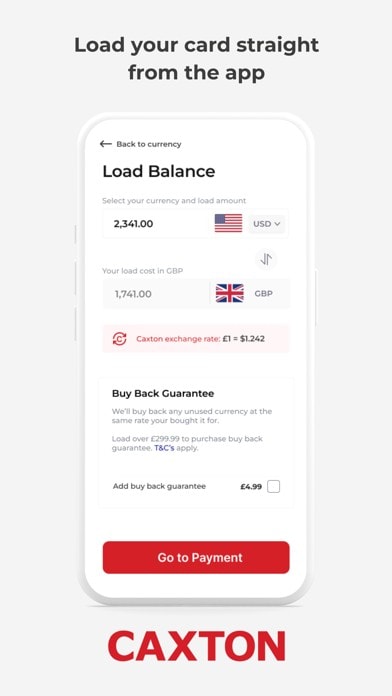
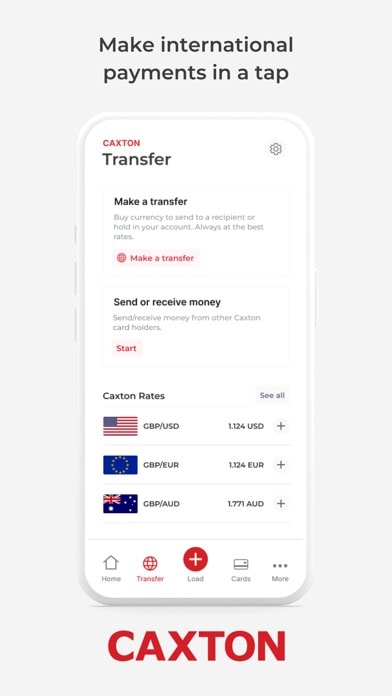
The key advantage is the ability to lock in exchange rates before you travel. This means you can load your card in advance and avoid worrying about currency fluctuations while you’re away. For many travellers, especially those on fixed budgets, this removes a layer of uncertainty and makes trip planning much easier.
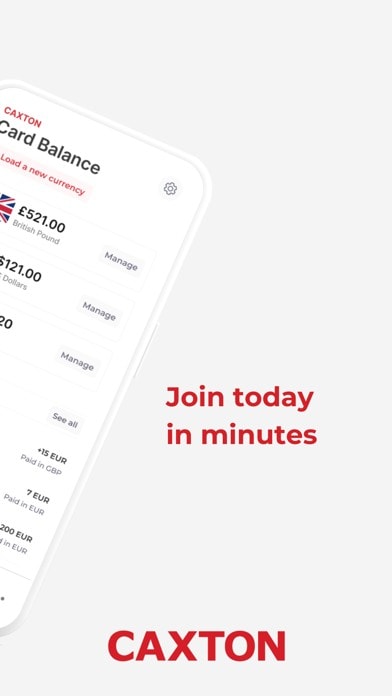
The app itself is straightforward and functional. You can top up instantly, manage multiple currencies, track spending, and control your card directly from your phone. It also allows PIN retrieval and card freezing, which are essential features when travelling.
Another useful feature is the ability to order foreign currency cash directly through the app, which is delivered before your trip. That combination of card + cash flexibility is something many newer digital banks don’t offer as seamlessly.
However, Caxton FX is not designed for global flexibility in the same way as apps like Wise or Revolut. It is primarily aimed at UK users, and its features are more limited outside that core market. While spending abroad is generally fee-free, ATM withdrawals and certain conversions may still incur charges.
Caxton FX is best for UK travellers who want a prepaid, controlled approach to travel spending with locked exchange rates and minimal surprises. It’s not the most advanced option, but it’s dependable and easy to understand.

App availability and prices vary by country. Some of these may not appear in your local App Store or Google Play.
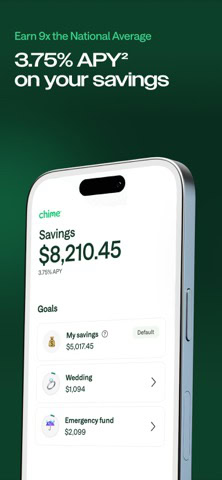
Chime
Chime is one of the fastest-growing neobanks in the United States, and while it isn’t specifically built for travel, its fee structure makes it surprisingly effective for spending abroad. For US travellers, it’s often a major upgrade over traditional bank accounts.
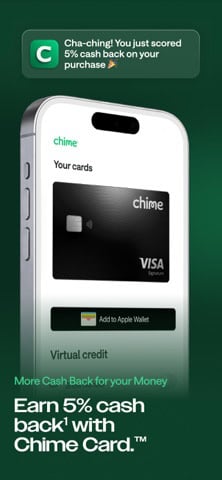
The standout feature is simple but powerful: no foreign transaction fees on card payments. Many US banks charge around 3% on overseas spending, so removing that fee instantly makes Chime a cost-effective option for international travel.
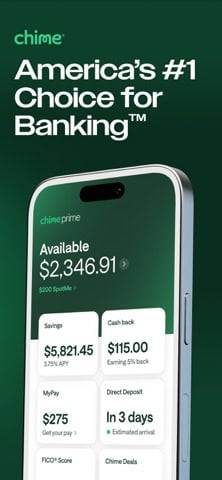
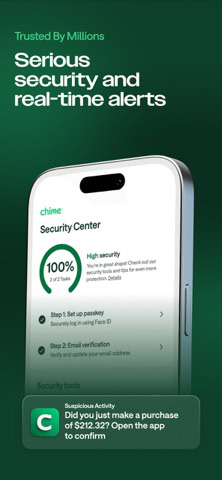
The app is clean and easy to use. You get real-time notifications, instant balance updates, and full control over your card, including the ability to freeze or unfreeze it quickly. This kind of visibility is especially useful when travelling, where small transactions can add up quickly.
Chime also includes features like automatic savings tools and round-up functionality, which can help travellers build up funds before a trip. While not directly travel-focused, these features support better financial habits overall.
There are limitations, though. Chime is only available to US residents, and while card payments abroad are strong, ATM withdrawals overseas may still incur third-party fees. It also lacks multi-currency wallets, so everything is handled in USD with conversions happening at the point of purchase.
Chime is best for US travellers who want a simple, no-fee card for international spending without needing a specialist travel banking app. It’s not the most advanced tool, but it removes one of the biggest costs very effectively.

App availability and prices vary by country. Some of these may not appear in your local App Store or Google Play.
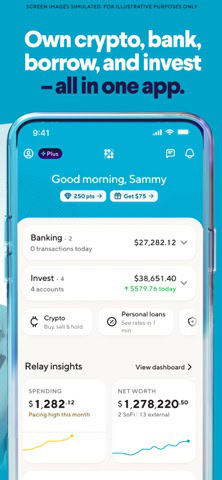
SoFi Checking and Savings
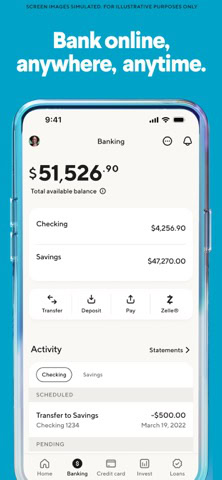
SoFi Checking and Savings is another US-based digital banking app that performs well for travel, particularly because of its straightforward, fee-free international spending model. It’s designed as a modern checking account alternative, but it translates nicely into a travel companion.
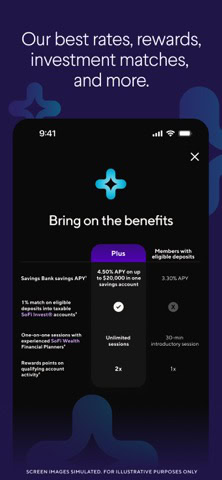
Like Chime, its biggest strength is no foreign transaction fees, which immediately puts it ahead of many traditional banks for overseas spending. Whether you’re paying in Europe, Asia, or elsewhere, you avoid the standard percentage surcharge that can quietly inflate travel costs.
The app experience is smooth and modern. You get real-time transaction alerts, easy card controls, and simple budgeting tools that make it easy to track spending while travelling. Everything is designed to be clear and accessible, which matters when you’re dealing with multiple currencies and unfamiliar environments.
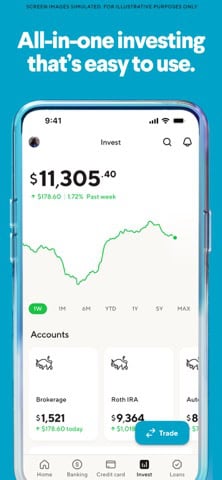
SoFi also integrates with a wider financial ecosystem, including investments and credit products, which may appeal to users who want everything in one place. While that’s not strictly travel-related, it adds long-term value for users already in the SoFi system.
Where it falls short is global flexibility. It’s only available to US residents, and while card spending is strong, international ATM usage can still involve external fees. It also lacks true multi-currency wallet functionality, so conversions happen at the point of transaction rather than being managed in advance.
SoFi Checking and Savings is best for US travellers who want a clean, no-fee spending experience abroad without overcomplicating things. It’s simple, reliable, and effective for card-first travel.



App availability and prices vary by country. Some of these may not appear in your local App Store or Google Play.
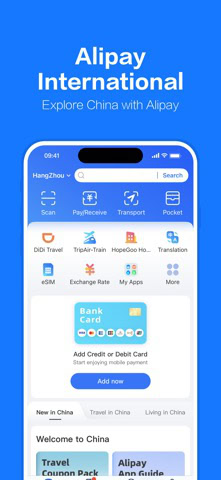
Alipay
Alipay is one of the most essential travel payment apps for anyone visiting China. The country operates as a largely cashless society, and Alipay sits at the centre of that ecosystem, powering payments for everyday life.
The biggest strength is near-universal acceptance. From high-end shopping malls to small food stalls, Alipay is accepted almost everywhere, often replacing both cash and cards entirely. Without it, travellers can struggle to pay for even basic services.
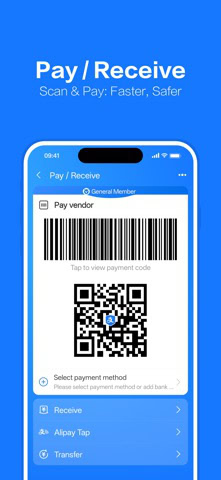
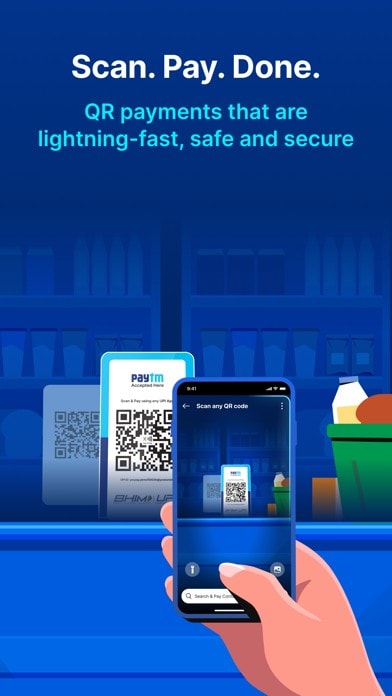
Payments are made using QR codes, which have become the standard method across China. You simply scan a code or present your own, and the transaction completes instantly. This makes payments fast, simple, and extremely efficient.
Alipay has also become more accessible for international travellers. The Tour Pass feature allows users to link a foreign debit or credit card, load funds, and use the app without needing a Chinese bank account. This has made it far easier for visitors to access the local payment system.
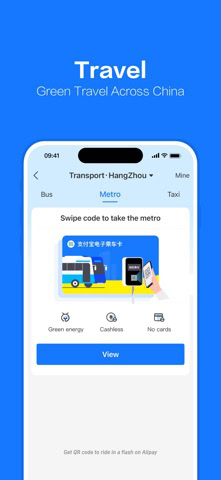
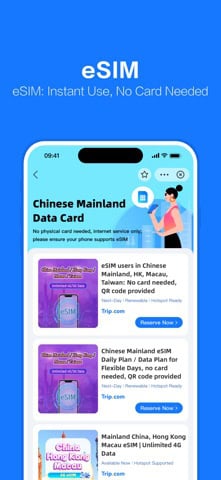
Beyond payments, Alipay is a full lifestyle platform. It integrates transport booking, food delivery, ticketing, and other services, making it a central hub for daily travel needs within China.
Security is strong and reliable. Features include biometric login, real-time transaction monitoring, and app-based controls, ensuring that travellers can use the platform with confidence.
The main limitation is geographic. Alipay is primarily useful within China and has limited functionality elsewhere. It is not a global travel banking app but rather a region-specific essential tool.
Alipay is best for travellers visiting China who need a reliable, widely accepted way to pay for almost everything. Without it, navigating the country’s payment system can be significantly more difficult.



App availability and prices vary by country. Some of these may not appear in your local App Store or Google Play.
Best for short city stops where being central matters more than the room. Dorms and private rooms both listed.
See hostelsBest for anyone flying more than once or twice a year. Handles the compensation claim so you are not chasing the airline.
See AirHelp+Best for a day with a suitcase and nowhere to put it. Find a storage point near where you already are.
View storageWeChat Pay
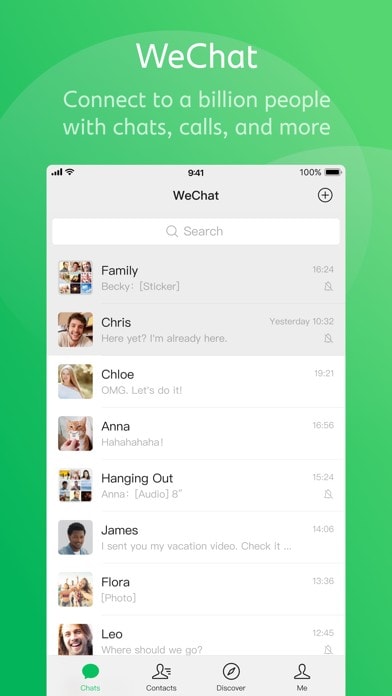
WeChat Pay is one of the most important payment tools in China and is essential for travellers who want to move easily through the country’s cashless economy. Built into the widely used WeChat app, it combines messaging, payments, and everyday services into a single platform, making it far more than just a digital wallet.
The core strength of WeChat Pay is its integration into daily life. Across China, payments are almost entirely handled through QR codes, and WeChat Pay is accepted in nearly every setting. From restaurants and supermarkets to taxis and street vendors, this app allows you to pay quickly and seamlessly without relying on cash or foreign cards.
For international travellers, accessibility has improved significantly. Visitors can now register using their passport and link a foreign debit or credit card. This removes the previous barrier of needing a Chinese bank account and makes the app far more practical for short-term stays. Once set up, payments are instant, and spending is clearly tracked within the app.
Beyond payments, WeChat Pay connects directly with a wide ecosystem of services. Travellers can book trains, reserve hotels, order food, and manage transport, all within the same interface. This creates a smooth, all-in-one experience where communication and payments work side by side.
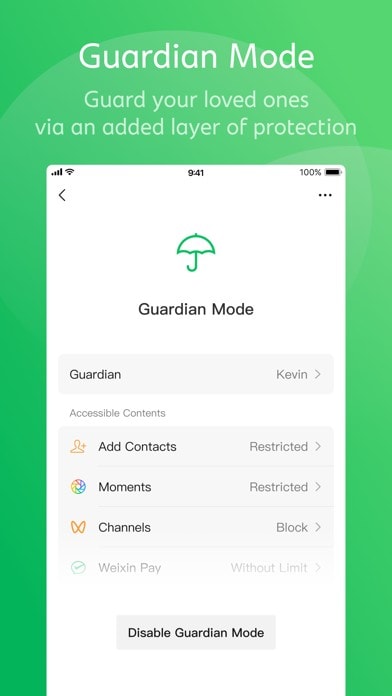
Security is strong and reliable. The app includes biometric login, transaction monitoring, and account controls that allow you to manage and secure your funds at all times. Real-time notifications ensure you always know where your money is going.
WeChat Pay is best for travellers in China who want a simple, widely accepted payment solution that works across every part of daily life. Its usefulness outside China is limited, but within the country it is one of the most powerful tools available.




App availability and prices vary by country. Some of these may not appear in your local App Store or Google Play.
Paytm
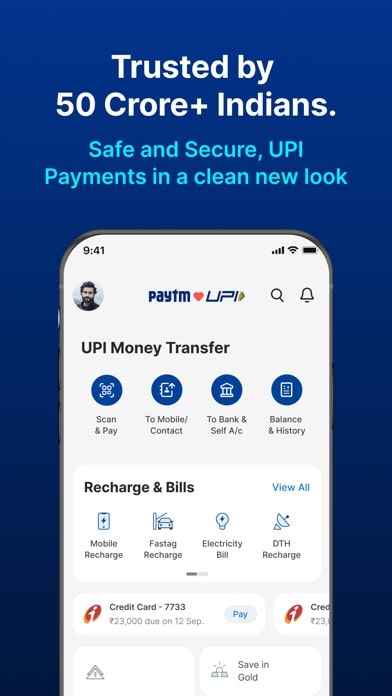
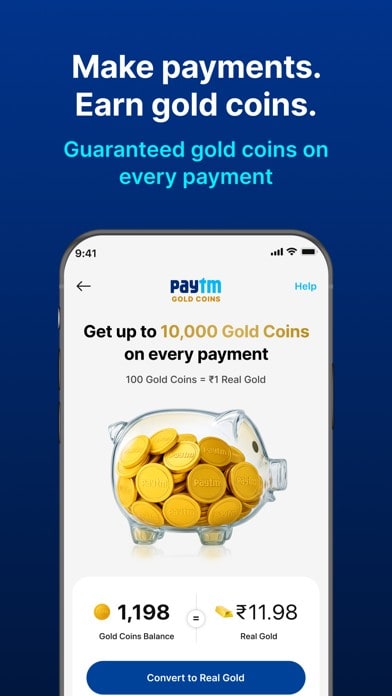
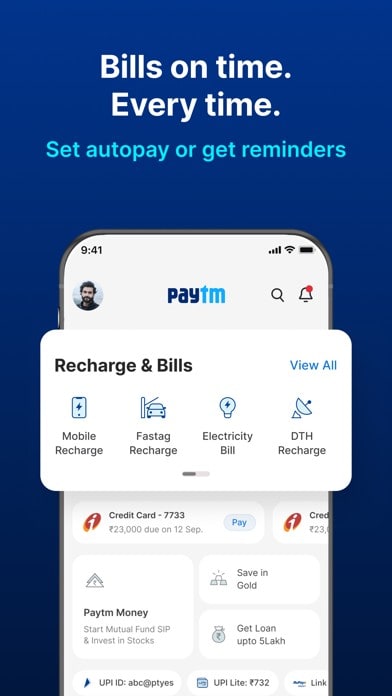
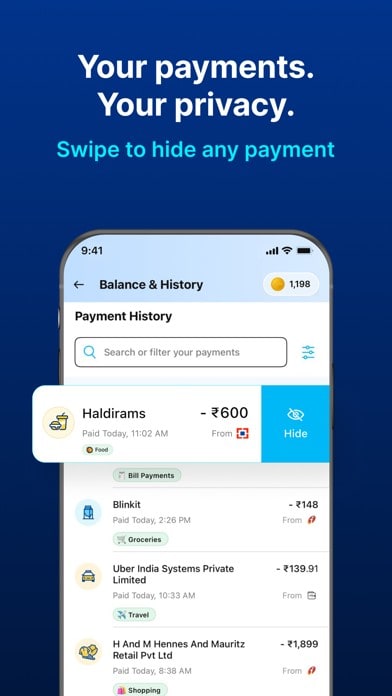
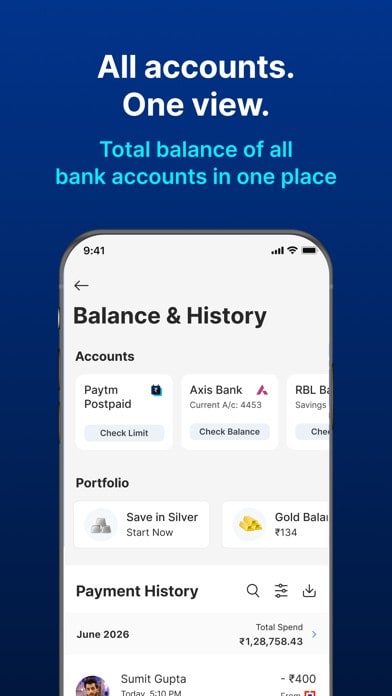
Paytm is one of India’s largest digital payment platforms and is accepted almost everywhere in the country, from major retailers to street stalls and auto-rickshaws. Like Alipay and WeChat Pay in China, it is built around QR code payments, and in India it sits on top of UPI, the national real-time payments system that now handles the majority of everyday transactions.
Its core strength is acceptance. Paytm QR codes appear in shops, restaurants, transport hubs, and small independent businesses across India, often in places that do not take foreign cards at all. For anyone spending more than a few days in the country, being able to pay this way removes a great deal of friction and reduces the need to carry cash.
The important caveat for visitors is that Paytm was designed for Indian residents. Opening a standard account requires an Indian mobile number issued by a local carrier and an Indian bank account or KYC-verified wallet, none of which most short-stay travellers will have. A roaming foreign SIM will not complete registration, and the wallet cannot be topped up directly from an overseas card.
Visitors who want UPI-style payments without an Indian bank account should look at UPI One World instead. This is a prepaid wallet aimed specifically at foreign travellers, set up against a passport and visa and loaded from an international card. Availability is mainly through airport counters and partner outlets, and balances are capped under India’s prepaid wallet rules, so it suits day-to-day spending rather than large purchases.
Transactions run in Indian rupees only, and currency conversion happens when the wallet is loaded rather than at the point of sale. As with any QR-based system, it is worth checking the merchant name shown on screen before confirming a payment.
Paytm is best understood as the payment method you will encounter constantly in India rather than one most tourists can sign up for. Longer-stay visitors, students, and anyone with an Indian number and bank account will get real value from it. Short-trip travellers are usually better served by pairing a global card such as Wise or Revolut with UPI One World for the places that only take QR payments.

App availability and prices vary by country. Some of these may not appear in your local App Store or Google Play.
GrabPay
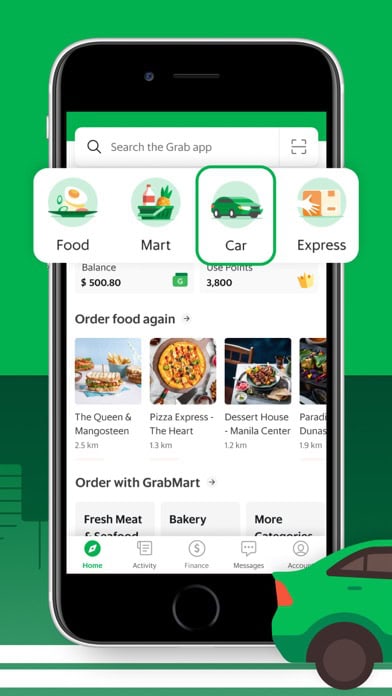
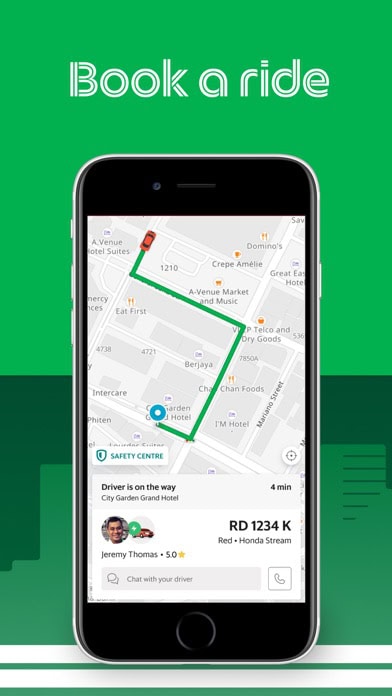
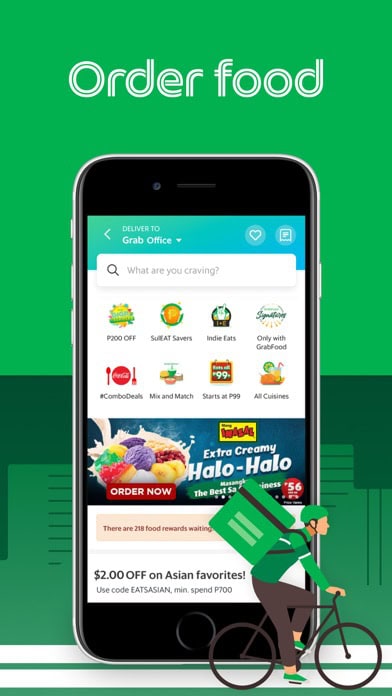
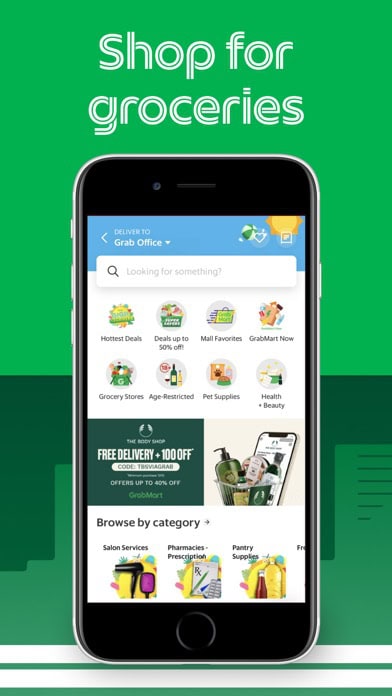
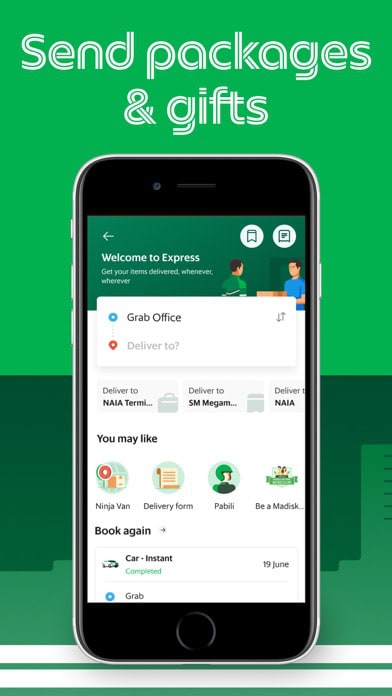
GrabPay is the payment side of Grab, the Southeast Asian super-app used for rides, taxis, food delivery and everyday shopping. Grab itself uses the name as an umbrella term for all of its payment methods, covering credit and debit cards added to the app, partner wallets, and the stored-value GrabPay Wallet balance.
Its strength for travellers is convenience inside the Grab app. Booking a car, ordering food, or paying a driver without cash removes a great deal of friction in cities such as Singapore, Kuala Lumpur, Bangkok, Manila and Jakarta. A visitor can add a foreign credit or debit card to Grab and pay that way without any local banking setup.
The GrabPay Wallet itself is a different matter. It is a licensed e-money wallet regulated in each market, and opening one is built around local identity checks. In Singapore, verification runs through SingPass, the national digital ID that short-stay visitors cannot obtain. In Thailand, the wallet is topped up through Thai banking apps such as K PLUS, SCB Easy, Krungthai NEXT and Krungsri. In practice that means most tourists can use Grab, but not the GrabPay Wallet.
Coverage is regional rather than global, and it has changed in recent years. Grab operates across Singapore, Malaysia, Thailand, Indonesia, the Philippines, Vietnam, Cambodia and Myanmar, but the wallet is not offered in every one of them. Grab closed its Moca wallet in Vietnam on 1 July 2024, and Grab payments there now run through bank cards, ZaloPay or MoMo instead. The GrabPay Card in Singapore was also discontinued from June 2024, so there is no card or ATM access attached to the wallet.
Grab has said it is rolling out a feature called GrabPay for Travel, which is intended to let users scan and pay at merchants across several Southeast Asian countries using a home credit or debit card added to Grab after a one-time verification. Grab has pointed to the Philippines and Malaysia first, followed by Singapore and Thailand, so it is worth checking what is actually live in your destination rather than assuming it will work.
GrabPay is best understood as the payment layer of an app you will almost certainly use in Southeast Asia rather than a travel bank account in its own right. Pair the Grab app and a foreign card with a global option such as Wise or Revolut, and treat the stored-value wallet as something for residents and longer-stay visitors.


App availability and prices vary by country. Some of these may not appear in your local App Store or Google Play.

Comparison Table of Key Features
| App | Currencies Supported | ATM Withdrawals | Foreign Transaction Fees | Key Strength | Best For |
|---|---|---|---|---|---|
| Revolut | 30+ | Free up to set limits | None within plan limits | Interbank exchange rates and travel perks | All-in-one global travel banking |
| Wise | 40+ | Free up to monthly cap | None | Transparent real exchange rates | Low-cost international spending |
| N26 | Multi-currency | Free with premium plans | None | Clean app with strong EU support | Eurozone travellers |
| Monzo | GBP with FX support | Limited free withdrawals | None | Budgeting and real-time tracking | UK travellers abroad |
| Curve | Linked cards | Depends on card | None via Curve FX | Combines multiple cards into one | Multi-card travellers |
| Travelex | 10 currencies | Fees may apply | None | Locked exchange rates | Prepaid budgeting |
| Caxton FX | 10+ | Fees may apply | None | Fixed rates and UK focus | UK prepaid travel users |
| Chime | USD | Some fees abroad | None | No FX fees for US users | US travellers |
| SoFi Checking and Savings | USD | Some limits | None | Simple no-fee spending abroad | US travellers |
| Alipay | CNY with FX support | Limited | None in app | Essential China payments | Travel in China |
| WeChat Pay | CNY with FX support | Limited | None in app | Messaging plus payments ecosystem | Travel in China |
| Paytm | INR only | Limited | None in app | Near-universal QR acceptance in India | Longer stays in India |
| GrabPay | Local currency only | Not available | None in app | Payments built into the Grab super-app | Getting around Southeast Asia |
This comparison shows that no single app covers every situation. Global tools such as Revolut and Wise dominate for international travel, while regional apps like Alipay, WeChat Pay, and Paytm are essential in specific destinations. Choosing the right combination depends entirely on where you are travelling.
Travel Banking Safety Tips
Using travel bank apps is generally safer than traditional banking, but smart habits are still essential. The most important step is to enable real-time notifications, which allow you to monitor every transaction as it happens. Apps such as Revolut, Monzo, and N26 provide instant alerts, helping you spot unusual activity immediately.
Card control features should always be used proactively. If your card is lost or misplaced, the ability to freeze it instantly through the app prevents unauthorised use. This is far quicker and more effective than contacting a traditional bank.
Virtual cards add another layer of protection. Many apps allow you to generate disposable card details for online purchases. This reduces the risk of fraud when booking hotels, transport, or activities while travelling.
Public WiFi should be approached carefully. Even though banking apps are secure, logging into financial accounts on open networks increases risk. Using a secure connection or a VPN ensures safer access when managing your finances abroad.
Carrying a backup payment method is essential. Even the best digital banking apps can face outages or restrictions. Having a second card ensures you are never left without access to funds.
Biometric security should always be enabled. Fingerprint or facial recognition prevents unauthorised access and adds a strong layer of protection if your device is lost or stolen.
By combining these features with sensible habits, travellers can significantly reduce financial risk while enjoying the flexibility of modern banking apps.
Usage Rules and Legal Restrictions
Travel bank apps are designed for flexibility, but they still operate within strict financial regulations that vary by country. One of the most important considerations is residency requirements. Many apps, including Monzo, N26, and Chime, require users to be residents of specific regions such as the UK, Europe, or the United States. Travellers cannot usually open new accounts while abroad. It is also worth checking how each provider holds your money, because the Financial Services Compensation Scheme’s deposit protection for banks and building societies applies only to UK-authorised deposit takers, not to every app that issues a card.
Identity verification is another key factor. Most apps require Know Your Customer checks, which involve verifying identity through documents such as passports. In countries like India and China, apps such as Paytm, Alipay, and WeChat Pay may also require a local phone number or additional verification steps.
Spending limits and ATM restrictions are common. Even apps that advertise fee-free usage often include monthly caps. Once these limits are exceeded, additional charges apply. Understanding these limits before travelling helps avoid unexpected costs.
Prepaid cards come with their own rules. Services such as Travelex and Caxton FX may restrict use in certain industries or regions. Travellers should always review terms and conditions to ensure their card works where they need it.
Currency controls can also affect usage. In countries such as China and India, regulations around foreign exchange may limit how money can be transferred or spent. Apps designed for those markets work within these rules, but travellers may need to use specific features such as tourist accounts.
By understanding these legal and operational constraints in advance, travellers can avoid disruption and ensure their travel banking apps work smoothly throughout their journey.

App Availability by Region
Travel bank apps are not universally available, and understanding regional coverage is essential before you travel. While some platforms operate globally, others are tightly linked to specific countries or financial systems. Choosing the right combination of apps based on your destination can make a significant difference to how smoothly your trip runs.
Global apps such as Revolut, Wise, Curve, Travelex, and Caxton FX offer the broadest international usability. These platforms are designed for cross-border spending and currency conversion, making them suitable for multi-country trips. However, even these apps can have feature differences depending on where your account is registered.
Europe remains the strongest market for digital-first banking. Apps like Monzo, Revolut, and Curve are widely available and highly competitive across the UK and EU, although N26 itself is limited to the Eurozone and is no longer available in the UK or the US. Travellers within Europe benefit from seamless card acceptance, low fees, and strong regulatory protections.
In the United States, options such as Chime and SoFi Checking and Savings provide excellent fee-free spending abroad, but they are limited to US residents. While Wise and Revolut are also available, access to European-only features may be restricted.
India operates a very different system, where local platforms dominate. Paytm is widely accepted across the country and often essential for everyday transactions, though registering for it requires an Indian mobile number and bank account, so most short-stay visitors use UPI One World instead. Global apps can still be used, but they may not be accepted everywhere, particularly in smaller businesses.
China is almost entirely dependent on mobile payment ecosystems. Alipay and WeChat Pay are essential tools, with limited acceptance of foreign cards in many places. These apps now offer tourist access, but they still function primarily within China.
Southeast Asia blends global and regional solutions. GrabPay is highly effective across countries such as Singapore, Malaysia, Thailand, and the Philippines, particularly when combined with global apps like Wise or Revolut for cross-border spending. Vietnam is the exception, because Grab closed its Moca wallet there on 1 July 2024 and payments in the app now run through bank cards, ZaloPay or MoMo instead.
The key takeaway is simple. No single app works everywhere. A combination of one global travel banking app and one or two region-specific tools will give you the best coverage and flexibility.

Rupert’s Handy Travel Tips
Managing money on the move is easier with the right apps, but it pays to be prepared. Here are my top tips for keeping your finances smooth abroad:
- Mix global and local apps – Use global options like Revolut or Wise, but add local wallets such as GrabPay, Alipay, or Paytm in Asia.
- Lock in rates – Apps like Travelex or Caxton FX let you preload currency at fixed exchange rates for predictable budgeting.
- Use smart controls – Enable biometric login, instant notifications, and the ability to freeze your card instantly.
- Carry backups – Always travel with at least two cards in case of app downtime or restrictions abroad.
- Plan ATM use – Wise and Revolut have withdrawal caps, so save them for spending and keep ATMs as a backup.
Want to meet the reindeer behind our travel tips? Find out more in our page Who is Rupert?.




Further Reading & Related App Guides
Want to prepare for every part of your journey? These related guides will help you stay informed, connected, and ready to travel with confidence. If you are also comparing rates before you go, our Currency Converter Apps Guide is the natural next stop for keeping track of exchange rates alongside your travel bank app.
Language barriers are another common source of stress abroad, so our Translation Apps Guide will help you translate on the go, while our eSIM Apps Guide explains how to stay connected worldwide without expensive roaming charges.
Once your money and connectivity are sorted, our Luggage Storage Apps Guide will help you store your bags safely while exploring, and our Travel Insurance Apps Guide rounds things off by helping you protect your trip from the unexpected.
Frequently Asked Questions
Do I need more than one travel bank app?
Yes. A global app like Revolut or Wise is useful almost everywhere, but in regions such as China or Southeast Asia, you’ll also need local solutions like Alipay, WeChat Pay, or GrabPay for full acceptance.
Are travel bank apps safer than regular cards?
Generally, yes. Features like instant freeze/unfreeze, biometric login, and virtual cards make them more secure than traditional debit cards.
Do these apps work without mobile data?
You need an internet connection for full functionality, but the cards themselves still work offline at most terminals. Pair with an eSIM app for uninterrupted access.
Can I withdraw cash abroad using these apps?
Yes. Most apps, like Wise, Revolut, and N26, allow ATM withdrawals. However, caps and fees may apply, so always check your app’s terms before travel.
Which travel bank app is best for budget travellers?
For transparency and low costs, Wise is the most budget-friendly, while Revolut’s free tier is also excellent. Prepaid options like Caxton FX and Travelex help strict budgeters lock in costs.