Reviewed by our editorial team Updated
Why Skiing in Scotland Is Worth It
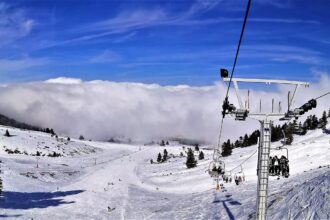
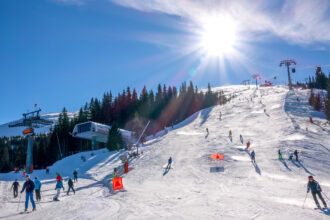
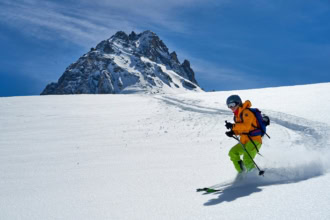
Skiing in Scotland is not the first thing that comes to mind when people think about winter sports, but that is exactly what makes it so appealing. It offers a completely different kind of ski experience, one that is closer, more flexible, and often far more accessible than travelling to the Alps.
One of the biggest advantages is location. For UK-based travellers, Scottish ski resorts can be reached in a matter of hours rather than requiring flights, transfers, and multiple days of planning. This opens up the possibility of short trips, weekend breaks, and even day trips, something that is far harder to achieve with European resorts.
Cost is another factor. While Scottish skiing is not always cheap, it can be significantly more affordable than major European destinations, particularly when you factor in flights, accommodation, and transfers. For those looking to get on the slopes without committing to a full overseas trip, Scotland provides a practical alternative.
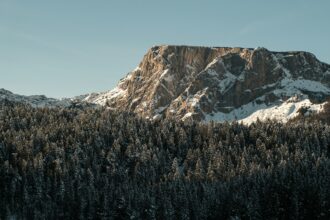
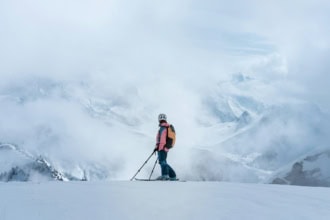
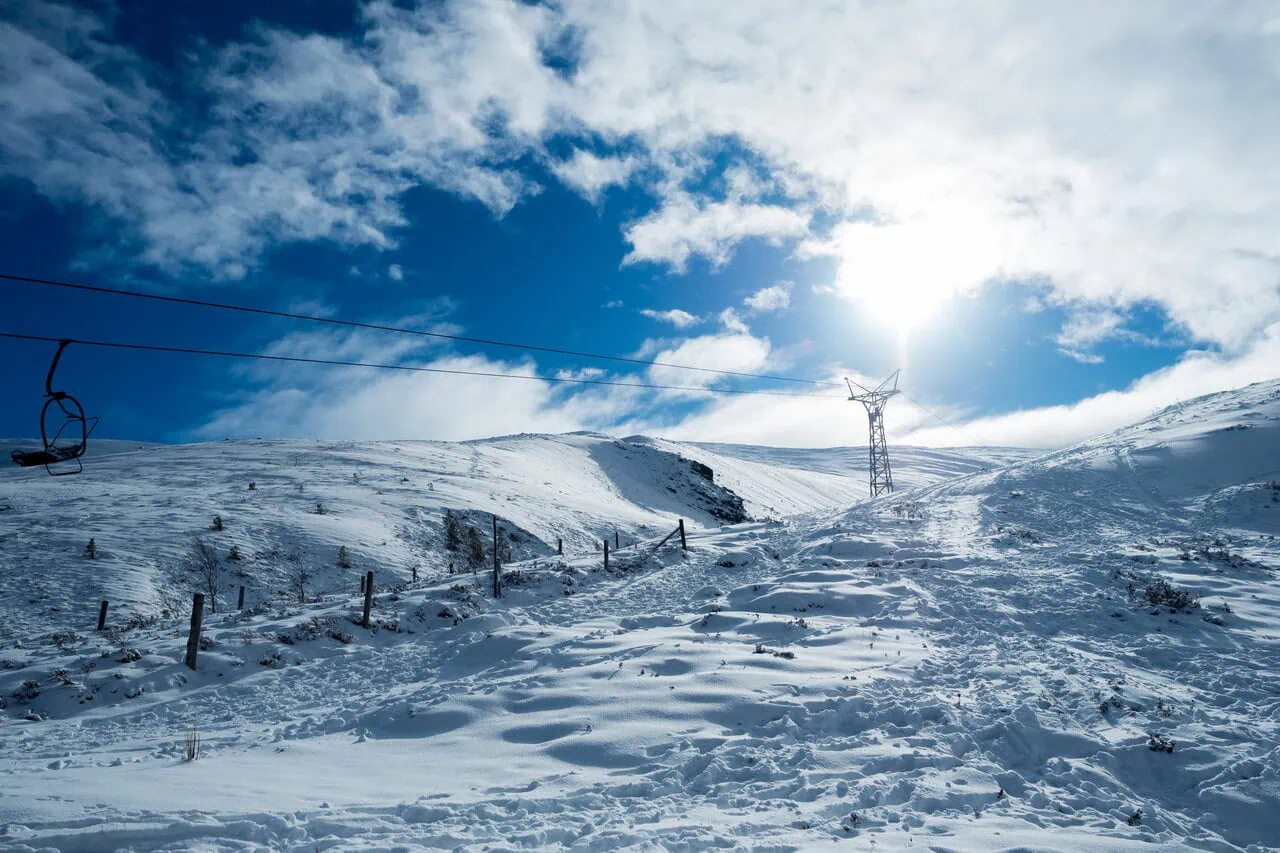
The experience itself is also unique. Skiing in Scotland means dramatic landscapes, rugged mountain scenery, and a raw, natural environment that feels very different from the groomed resorts of continental Europe. On a good day, conditions can rival many European resorts, with excellent snow and quiet slopes.
However, it is important to be realistic. Scottish skiing is highly dependent on weather conditions, and snow reliability can vary significantly from season to season. This unpredictability is part of the experience and requires a flexible approach to planning.
For those willing to adapt, skiing in Scotland offers a rewarding and distinctive alternative, combining accessibility, adventure, and the chance to experience winter sports in a uniquely British setting.
Where You Can Ski in Scotland
Skiing in Scotland is concentrated in five main resorts, all located in the Highlands. Each offers a slightly different experience, but all share the same core appeal of accessible mountain skiing within the UK.
The most well-known resort is Cairngorm Mountain, located near Inverness. This is often the first choice for many skiers due to its accessibility and range of slopes. It offers a good mix of terrain and is one of the most developed ski areas in Scotland.
Further east, Glenshee Ski Centre is the largest ski area in the UK, with the widest range of runs. It is particularly popular for its variety, offering something for beginners, intermediates, and more experienced skiers.
On the west coast, Glencoe Mountain Resort provides a very different experience. Known for its dramatic scenery, it offers a more rugged and atmospheric setting, often appealing to those looking for a more adventurous and less commercial feel.
Nearby, Nevis Range, located close to Fort William, offers skiing with views of Ben Nevis, the UK’s highest mountain. This resort is well suited to a mix of abilities and benefits from its location in one of Scotland’s most scenic areas.
Finally, The Lecht Ski Centre is smaller and more focused on accessibility. It is particularly popular with beginners and families, offering a friendly and less intimidating environment for those new to skiing.
Together, these resorts form a compact but varied network, allowing skiers to choose an experience that matches their ability and travel plans. Despite their differences, they all share the same defining characteristic: skiing in a uniquely Scottish landscape.
See hotel options and places to stay in Scotland.
Browse hotelsExplore holiday homes and apartments around Scotland.
See holiday homesCompare hotel deals in Scotland from multiple booking sites.
Compare pricesBest Scottish Ski Resorts
Each Scottish ski resort offers a different balance of terrain, accessibility, and atmosphere. Understanding these differences helps you choose the right destination for your trip.
| Resort | Region | Best For | Difficulty |
|---|---|---|---|
| Cairngorm Mountain | Highlands (near Inverness) | Accessibility and variety | Beginner to Intermediate |
| Glenshee Ski Centre | Eastern Highlands | Largest area and range of runs | Beginner to Advanced |
| Glencoe Mountain | West Highlands | Scenery and advanced terrain | Intermediate to Advanced |
| Nevis Range | Fort William | Scenic skiing and mixed terrain | Beginner to Intermediate |
| The Lecht | Eastern Highlands | Beginners and families | Beginner to Intermediate |
Cairngorm Mountain stands out for its accessibility and is often the most convenient option for travellers flying into northern Scotland. Glenshee offers the greatest variety, making it ideal for those who want a full day of skiing with multiple runs.
For those seeking a more dramatic setting, Glencoe provides a rugged and atmospheric experience that feels closer to wild mountain skiing. Nevis Range combines good facilities with outstanding scenery, while The Lecht is perfect for beginners or those looking for a more relaxed introduction to the slopes.
Choosing the right resort depends on your priorities. If you want convenience and ease of access, Cairngorm is hard to beat. If you are looking for variety, Glenshee is the strongest option. For scenery and atmosphere, Glencoe and Nevis Range stand out.
Best Place to Stay for Scottish Skiing
Where you base yourself can make a significant difference to your skiing experience in Scotland. Because resorts are spread across the Highlands, choosing the right location helps you maximise time on the slopes and minimise travel time.
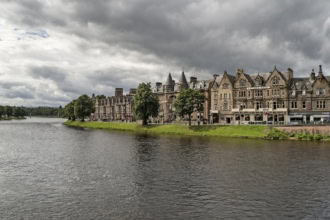
For most travellers, Inverness is the best overall base. It offers the closest access to Cairngorm Mountain, along with reasonable travel times to other resorts such as The Lecht and Glenshee. Inverness also provides a wider range of accommodation, restaurants, and transport options, making it a practical and comfortable place to stay. Our Inverness guide covers where to stay, how to get around, and how to plan your visit in more detail.
If you are targeting the west coast resorts, particularly Glencoe or Nevis Range, Glasgow is the better choice. It offers strong transport connections and relatively straightforward access to these areas, making it a good base for combining skiing with a wider trip.
Edinburgh is the most accessible city overall, particularly for international visitors. While it is further from the slopes, it offers the widest range of flights and transport options, making it ideal for those who want to combine skiing with a city break.
Choosing the right base is about balancing access, convenience, and travel time. For most people, Inverness offers the best combination, but Glasgow and Edinburgh both have their advantages depending on your plans.
Cairngorm Mountain
Located in the Cairngorms National Park near Inverness, Cairngorm Mountain is one of the most accessible and well-known ski resorts in Scotland. Its proximity to Inverness makes it the most practical choice for many travellers, particularly those flying into the Highlands or looking to maximise time on the slopes.
The resort offers a broad mix of terrain, with runs suitable for beginners and intermediate skiers, as well as some more challenging areas when conditions allow. Wide, open slopes make it a good place to learn, while the higher sections of the mountain can provide a more demanding experience.
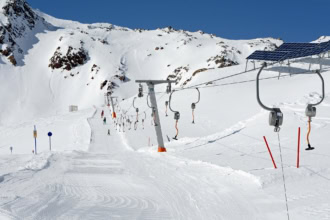
One of Cairngorm’s key strengths is its infrastructure. It has one of the most developed lift systems in Scotland, including funicular access to higher elevations, which helps maximise skiable terrain when weather conditions permit. Facilities are also strong by Scottish standards, with cafés, equipment hire, and ski schools available.
Snow conditions can vary, as with all Scottish resorts, but Cairngorm benefits from its altitude and location, which can help maintain coverage during colder periods. On good days, the skiing here can be surprisingly extensive and rewarding, particularly given how accessible it is.
The surrounding area also adds to the appeal. The Cairngorms are known for their dramatic landscapes and outdoor activities, making this a strong base for a wider winter trip.
For most travellers, Cairngorm Mountain represents the best balance of accessibility, facilities, and terrain, making it the standout choice for skiing in Scotland.

Glenshee Ski Centre
Glenshee Ski Centre is the largest ski area in Scotland and the UK, offering the widest range of runs and terrain of any Scottish resort. Located in the eastern Highlands, it is accessible from both Edinburgh and Inverness, making it a flexible option for many travellers.
The scale of Glenshee is its defining feature. With a large number of runs spread across multiple valleys, it provides a level of variety that is rare in Scotland. This makes it particularly appealing for intermediate and advanced skiers, who can explore different areas throughout the day.
Beginners are also well catered for, with dedicated areas and gentler slopes, but the real strength of Glenshee lies in its ability to offer longer runs and more varied terrain compared to other Scottish resorts.
The lift system covers a wide area, allowing access to multiple sections of the mountain. While conditions can affect which lifts are open, on a good day the resort feels expansive and dynamic, offering a full day of skiing without repetition.
Glenshee’s location means it can be more exposed to weather changes, so conditions can vary. However, when snow levels are good, it is widely considered the best all-round skiing experience in Scotland.
For those looking for variety, space, and the closest thing to a traditional ski resort layout, Glenshee is the strongest option in the country.
Glencoe Mountain Resort
Set in one of the most dramatic landscapes in Scotland, Glencoe Mountain Resort offers a very different skiing experience. Located in the West Highlands near Glasgow, it is known for its steep terrain, rugged scenery, and more adventurous feel.
Glencoe is often favoured by more experienced skiers and snowboarders. The terrain includes steeper runs and more natural features, creating a less groomed and more challenging environment. This makes it particularly appealing for those seeking a more authentic mountain experience.
The setting is a major part of its appeal. Surrounded by dramatic peaks and valleys, Glencoe offers some of the most striking scenery of any ski resort in the UK. On clear days, the views alone can make the trip worthwhile.
Facilities are more limited compared to larger resorts such as Cairngorm or Glenshee, but this is part of the charm. The focus here is on the experience of the mountain itself, rather than extensive infrastructure.
Snow conditions can be variable, but when they align, Glencoe offers some of the best and most exciting skiing in Scotland. It is not always the easiest option, but it is often the most memorable.
For those looking for a more adventurous, less commercial experience, Glencoe Mountain Resort stands out as one of the most distinctive ski destinations in the UK.
Nevis Range
Located near Fort William and close to Ben Nevis, Nevis Range combines accessible skiing with some of the most impressive scenery in Scotland. It is one of the most popular resorts in the West Highlands and is well suited to a wide range of skiers.
The resort offers a mix of terrain, with runs that cater to beginners and intermediate skiers, along with some more challenging areas depending on snow conditions. It is generally considered more approachable than Glencoe, making it a good option for mixed-ability groups.
One of its standout features is the gondola lift, which provides access to higher areas of the mountain and is also used year-round for sightseeing. This adds an extra dimension to the experience, even for non-skiers.
Nevis Range benefits from its location near Fort William, which provides a good range of accommodation and facilities. This makes it easier to plan a longer stay compared to more remote resorts.
The scenery is a major highlight. Skiing with views of Ben Nevis and the surrounding Highlands creates a distinctive and memorable setting, particularly on clear days.
Overall, Nevis Range offers a strong balance of accessibility, scenery, and varied terrain, making it one of the most well-rounded ski destinations in Scotland.
Search routes and flight options for your trip to Scotland.
Search flightsBrowse Airalo eSIM options for convenient travel data.
Check eSIMsHave a private airport pickup arranged before you travel.
Book a transferThe Lecht Ski Centre
The Lecht Ski Centre is the smallest of the main Scottish ski resorts, but it plays an important role, particularly for beginners and families. Located in the eastern Highlands, it is accessible from both Inverness and Aberdeen.
The Lecht is known for its friendly and approachable atmosphere, making it one of the best places in Scotland to learn to ski or snowboard. The slopes are generally gentler, and the layout is easy to navigate, which helps build confidence for first-time visitors.
Despite its smaller size, the resort is well organised, with good facilities for equipment hire, lessons, and basic amenities. It may not offer the same variety as larger resorts, but it excels in providing a comfortable and supportive environment.
Because of its location, The Lecht can sometimes benefit from favourable snow conditions, although like all Scottish resorts, this can vary. On good days, it provides a solid and enjoyable skiing experience, particularly for those not looking for advanced terrain.
The Lecht is not designed for long, challenging ski days, but that is not its purpose. It is best seen as a place for learning, improving, and enjoying a relaxed day on the slopes.
For beginners or those travelling with families, The Lecht is one of the most accessible and welcoming options in Scotland.
Which Scottish Ski Resort Should You Choose?
Choosing the right resort for skiing in Scotland depends on your priorities. The resorts are close enough that you have options, but different enough that the right choice can significantly improve your trip.
If your priority is ease and reliability, Cairngorm Mountain is the best option. Its proximity to Inverness makes it the most accessible resort in Scotland, with short transfer times and good facilities. It is particularly well suited to beginners and intermediate skiers who want a straightforward experience.
If you are looking for variety and the largest ski area, Glenshee Ski Centre stands out. It offers the widest range of runs in the UK and is the best choice for those who want to spend a full day exploring different terrain. It is especially strong for intermediate skiers.
For a more adventurous and scenic experience, Glencoe Mountain Resort is the clear choice. Its rugged landscape and steeper terrain make it ideal for more experienced skiers who want something closer to a traditional mountain environment. It is less about convenience and more about the experience of the slopes themselves.
If you want a balance between scenery and accessibility, Nevis Range offers a strong middle ground. Located near Fort William and beneath Ben Nevis, it provides excellent views, solid facilities, and a mix of terrain that works well for groups with different ability levels.
For beginners, families, or those looking for a low-pressure introduction to skiing, The Lecht Ski Centre is the best option. Its smaller size and gentler slopes make it far more approachable than the larger resorts.
In simple terms: Cairngorm for the easiest trip, Glenshee for variety, Glencoe for adventure, Nevis Range for scenery and balance, and The Lecht for beginners.
How to Get to Each Scottish Ski Resort
Getting to Scottish ski resorts requires a combination of air, rail, and road travel, with the final leg almost always involving a road transfer. Understanding the closest airports and transport options makes planning much easier.
| Resort | Closest Airport | Best Base City | Public Transport Options | Typical Transfer Time |
|---|---|---|---|---|
| Cairngorm Mountain | Inverness | Inverness | Train or bus to Aviemore, then local bus or taxi | ~45 minutes from Inverness |
| Glenshee Ski Centre | Edinburgh / Inverness | Edinburgh | Train to Perth or Blairgowrie, then bus or taxi | ~2 hours |
| Glencoe Mountain | Glasgow | Glasgow | Train to Fort William, then bus or taxi | ~2 hours |
| Nevis Range | Inverness / Glasgow | Fort William | Direct train to Fort William, then local transport | ~15 minutes from Fort William |
| The Lecht | Inverness / Aberdeen | Inverness | Limited public transport, best via car or taxi | ~1 to 1.5 hours |
Most journeys involve a combination of transport types. Trains provide strong connections to major towns such as Inverness, Perth, and Fort William, while buses and taxis cover the final stretch to the resorts.
For those relying on public transport, Cairngorm and Nevis Range are the easiest to reach. Other resorts, particularly The Lecht and Glenshee, may require more planning or the use of a car for the final part of the journey.
Our UK rail guide can help you plan the main part of your journey, while local transport options will vary depending on your chosen resort.
Understanding these routes allows you to build a trip that is both efficient and realistic, ensuring you spend more time on the slopes and less time travelling.
Ski Season in Scotland
The ski season in Scotland is far less predictable than in mainland Europe, but when conditions align, it can offer excellent skiing within easy reach of the UK.
In general, the Scottish ski season runs from December through to March, with the best conditions typically found between January and early March. During this period, colder temperatures increase the likelihood of sustained snow coverage across the Highlands.
However, unlike the Alps, Scotland does not have guaranteed snow. Conditions can vary significantly from year to year, and even within a single season. Some winters offer long, consistent periods of skiing, while others may see shorter windows of good conditions.
Higher altitude resorts such as Cairngorm Mountain and areas within Glenshee tend to hold snow better, particularly during colder spells. West coast resorts such as Glencoe can also benefit from weather systems moving in from the Atlantic, which can bring fresh snowfall.
Because of this variability, flexibility is key. Many skiers in Scotland plan trips at short notice, watching snow reports and weather forecasts before committing. This approach allows you to take advantage of the best conditions when they occur.
For a broader view of global ski timing, our ski season guide explains how Scotland compares with other destinations and when conditions are typically at their best.
Snow Conditions and What to Expect
Snow conditions are the defining factor when it comes to skiing in Scotland, and understanding what to expect is essential for planning a successful trip.
Scottish resorts rely primarily on natural snowfall, which means conditions can change quickly. One week may offer excellent coverage across multiple resorts, while the next may see limited or reduced skiing.
When conditions are good, the experience can be surprisingly comparable to European resorts, particularly in terms of snow quality and the range of runs available. Fresh snowfall combined with cold temperatures can create excellent skiing conditions, often with fewer crowds than major destinations.
However, there are also challenges. Wind can affect lift operations, visibility can be limited in poor weather, and thaw conditions can reduce snow coverage. These factors are part of the Scottish skiing experience and need to be factored into your plans.
Most resorts provide live updates on snow conditions, lift status, and weather, which are essential tools for planning your day. Checking these regularly allows you to make informed decisions and adjust your plans if needed.
The key to enjoying Scottish skiing is to remain flexible. Treat it as an opportunity rather than a guarantee, and you are far more likely to have a positive and rewarding experience.
Can You Do a Ski Day Trip in Scotland?
One of the biggest advantages of skiing in Scotland is that, in the right conditions, it is possible to complete a same-day ski trip, something that is almost impossible with overseas destinations.
From cities such as Inverness, Edinburgh, and Glasgow, several resorts can be reached within 1 to 2.5 hours, making a day trip feasible.
Cairngorm Mountain is the best option for this, particularly from Inverness, where travel times are short enough to allow for a full day on the slopes. Glenshee is also a strong candidate from Edinburgh, while Glencoe and Nevis Range can be reached from Glasgow.
The key challenge is timing. You need to leave early, arrive when lifts open, and allow enough time for the return journey. Weather conditions also play a major role, as changes can affect both travel and skiing availability.
Day trips work best when conditions are already confirmed and stable. Trying to plan too far in advance increases the risk of poor snow or limited lift access.
For those who live nearby or can travel at short notice, Scottish ski day trips are a unique and highly rewarding option, offering real mountain skiing without the need for flights or overnight stays.
Compare hostels and budget-friendly accommodation around Scotland.
Browse hostelsAccess compensation support, eligible lounge benefits and faster payouts when flights go wrong.
See the benefitsArriving before check-in or leaving later? Store your luggage and make more of your time in Scotland.
Store your bagsLift Passes, Prices and Value
Lift passes in Scotland are generally cheaper than those in major European resorts, but the value you get depends heavily on conditions.
A typical adult day pass costs less than you would expect in the Alps. Current adult day lift passes are around £28.95 ($39 / €34) at Nevis Range, £36 ($49 / €42) at Cairngorm Mountain, £38 ($51 / €44) at The Lecht, and £34 to £40 ($46 to $54 / €39 to €46) at Glencoe Mountain Resort and Glenshee Ski Centre, though all resorts vary these rates by day of the week and how much of the mountain is open. Because conditions can vary, the value of a lift pass is closely tied to how much terrain is available on the day.
When most lifts are open and snow coverage is good, Scottish resorts can offer excellent value for money, particularly given the lower overall travel costs. Without flights or expensive accommodation, the total cost of a ski day can be significantly reduced.
Some resorts offer flexible pricing or partial access options when conditions are limited, helping to ensure you are not paying full price for reduced skiing.
Compared to European destinations, Scotland is best seen as a flexible and opportunistic option, rather than a guaranteed full-season experience. When conditions are right, it can deliver strong value, but planning around those conditions is essential.
For comparison with other destinations, our cheapest places to ski in the world and ski & snowboarding in Europe guide provide a broader perspective on cost and value.
Equipment Hire and Facilities
Ski resorts in Scotland are well equipped for short trips, with most offering on-site equipment hire, lessons, and basic facilities that make it easy to get on the slopes without extensive preparation.
All major resorts, including Cairngorm Mountain, Glenshee, Glencoe, Nevis Range, and The Lecht, provide ski and snowboard hire, allowing you to rent everything you need on arrival. This is particularly useful for day trips or short breaks, where bringing your own equipment may not be practical.
Hire shops typically offer a full range of gear, including skis, snowboards, boots, helmets, and poles. Equipment quality is generally good, although availability can vary during busy periods, so arriving early helps ensure you get the right fit and size.
Ski schools are also widely available, offering lessons for beginners and intermediate skiers. This makes Scottish resorts a good option for those looking to learn or improve without committing to a longer trip abroad.
Facilities across the resorts are functional rather than luxurious. Expect cafés, rest areas, and basic services, rather than large resort-style amenities. This reflects the nature of Scottish skiing, which is focused more on the experience than on extensive infrastructure.
Overall, the setup is well suited to short, flexible ski trips, where convenience and simplicity are more important than resort-style extras.
Tips for Skiing in Scotland
Skiing in Scotland requires a slightly different approach compared to more established European destinations. A few practical tips can make a significant difference to your experience.
Flexibility is the most important factor. Because snow conditions can change quickly, being able to adjust your plans at short notice greatly increases your chances of skiing in good conditions.
Checking conditions regularly is essential. Most resorts provide live updates on snow coverage, lift status, and weather, and these should always be reviewed before setting out.
Timing your visit carefully can also help. Midweek trips are often quieter, while weekends and good snow periods can become busy. Arriving early ensures you maximise your time on the slopes.
Weather preparation is equally important. Conditions in the Highlands can change rapidly, so bringing appropriate clothing for wind, cold, and reduced visibility helps you stay comfortable throughout the day.
Finally, manage expectations. Scottish skiing is not about perfectly groomed slopes every day. It is about taking advantage of opportunities when conditions are right and enjoying a more natural, less commercial skiing experience.

Rupert’s Handy Travel Tips
Rupert knows Scottish skiing is all about timing, and he will always tell you that the best days come to those who stay flexible and keep an eye on the conditions.
- Check snow reports before you travel: be ready to adjust your plans if conditions change.
- Arrive early: make the most of daylight and lift access.
- Dress for changing weather: conditions in the Highlands can shift quickly.
- Treat good snow days as an opportunity: act quickly, as conditions may not last.
Want to meet the reindeer behind our travel tips? Find out more in our page Who is Rupert?.




Frequently Asked Questions About Skiing in Scotland
Is skiing in Scotland reliable?
Snow conditions can vary from year to year, but during colder periods there are often good windows of skiing, particularly between January and March.
What is the best resort in Scotland?
It depends on your priorities. Cairngorm Mountain is the most accessible, Glenshee offers the most variety, and Glencoe provides the most adventurous terrain.
Can beginners ski in Scotland?
Yes. Resorts such as The Lecht and Cairngorm are well suited to beginners, with gentler slopes and ski schools available.
Is skiing in Scotland cheaper than Europe?
Generally, yes. While lift passes still have a cost, the lack of flights and lower accommodation costs can make it more affordable overall.
Do you need a car to reach the resorts?
Public transport can get you part of the way, but the final leg often requires a bus, taxi, or car, particularly for more remote resorts.
Further Reading & Related Guides
If you are considering skiing beyond the UK, our ski & snowboarding in Europe guide explores major destinations across the continent, while our cheapest places to ski in the world highlights options for budget-conscious travellers.
To understand timing, our ski season guide explains when conditions are best globally and how Scotland compares. For inspiration, our best ski resorts in the world showcases top destinations for every type of skier.
If you are planning your trip within Scotland, our Inverness guide provides a strong base for accessing Cairngorm and nearby resorts, helping you plan accommodation, transport, and your overall itinerary.