
Why Ski & Snowboarding in Europe Is So Popular
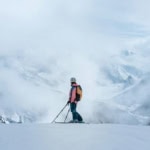
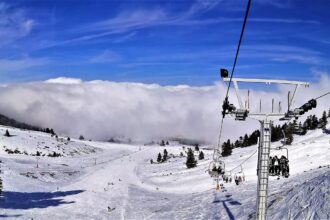
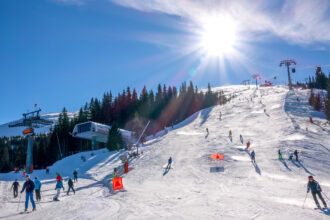
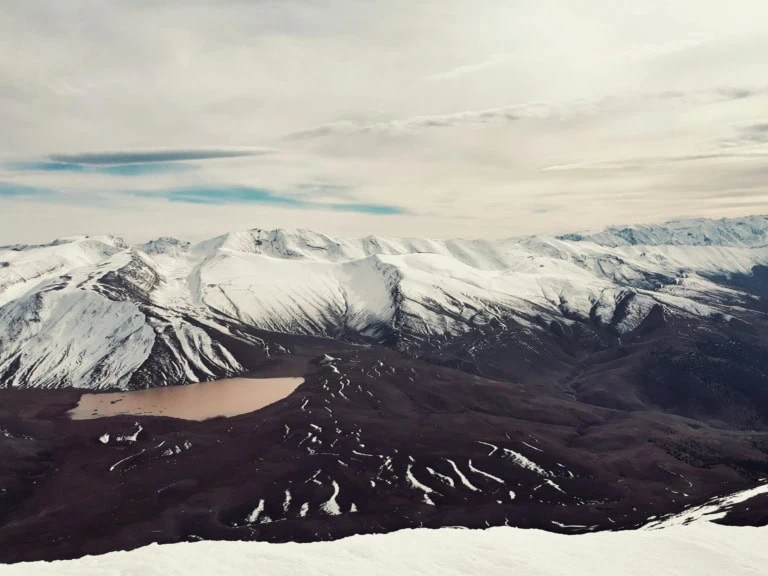
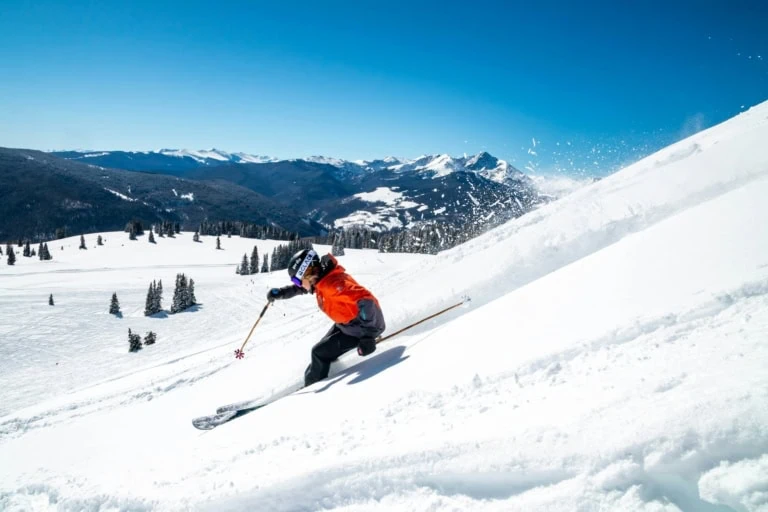
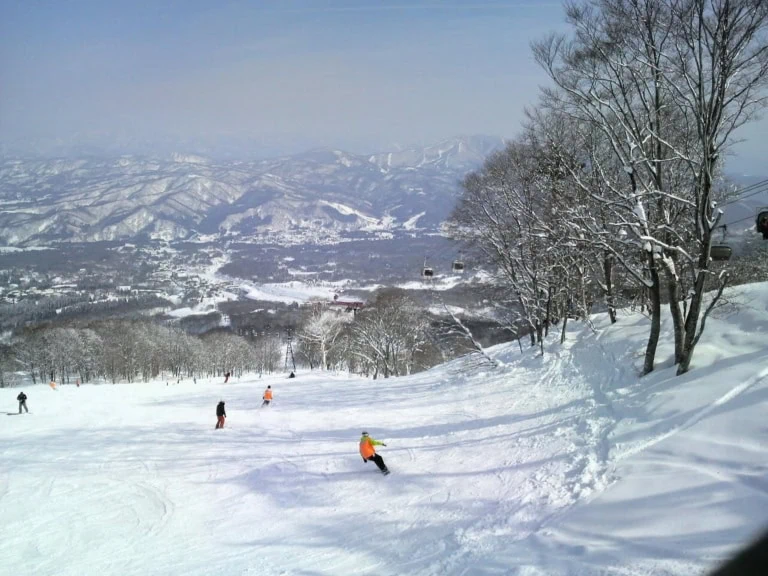
Ski & snowboarding in Europe is some of the most famous in the world, and for good reason. Europe is home to the Alps, Pyrenees, Dolomites, Scandinavian mountains and Eastern European ski ranges, which together create one of the largest ski regions on the planet. Within a relatively small area, you can find huge interconnected ski areas, traditional mountain villages, modern resorts and excellent transport links.
One of the biggest advantages of skiing in Europe is how easy it is to travel between countries and resorts. You can land at a major airport such as Geneva, Zurich, Munich, Milan or Innsbruck and reach multiple ski resorts within a few hours. This makes Europe ideal for both short ski breaks and longer ski holidays.
Another reason ski & snowboarding in Europe is so popular is the variety of resorts available. You can find luxury resorts such as St. Moritz and Courchevel, huge ski areas such as the Three Valleys or Paradiski, traditional villages in Austria, and cheaper ski destinations in Eastern Europe. This means Europe offers ski trips for beginners, families, intermediate skiers and expert off-piste skiers.
European ski resorts are also known for their mountain restaurants, après-ski culture and scenic villages, which are often very different from purpose-built ski resorts in North America. In many Alpine resorts, villages existed long before skiing, which gives them a more traditional atmosphere and character.
Overall, ski & snowboarding in Europe remains one of the most varied, accessible and scenic ski experiences in the world, which is why millions of visitors travel to the Alps and other European mountain ranges every winter.
Ski Season in Europe
The ski season in Europe usually runs from December to April, although this depends heavily on altitude and location. Some high-altitude resorts open in late November, while glacier resorts can sometimes stay open into May.
The busiest period for ski & snowboarding in Europe is Christmas and New Year, followed by February school holidays across many European countries. During these periods, accommodation prices increase significantly and ski slopes can be very busy. However, snow conditions are usually very good because temperatures are cold and most resorts are fully open.
Many experienced skiers believe March is one of the best months to ski in Europe. Snow coverage is usually still good, especially at higher altitude resorts, but the weather is warmer, the days are longer and you are more likely to get sunshine. Mountain restaurants are busy, après-ski is lively and overall the atmosphere is often better than mid-winter.
Altitude is extremely important when choosing where to ski in Europe. Resorts with ski areas above 1,800 to 2,000 metres are usually much more snow reliable than low-altitude resorts. Early season and late season skiing is always safer in high-altitude resorts or glacier ski areas.
Understanding the European ski season is one of the most important parts of planning a ski trip, because the timing of your trip can affect snow conditions, prices and crowds more than the resort itself.
Compare hotels and other places to stay for your trip.
Check availabilityBrowse apartments, homes and self-catering accommodation.
Browse rentalsCompare hotel prices across multiple booking sites.
Compare ratesMain Ski Regions in Europe
Europe has several major ski regions, each with its own style, landscape and type of resort. The most famous region is the Alps, which run through France, Switzerland, Italy, Austria, Germany and Slovenia. The Alps contain many of the largest ski resorts in the world and are the centre of ski & snowboarding in Europe.
France has some of the largest interconnected ski areas in the world, including the Three Valleys and Paradiski. Switzerland is known for scenic mountain villages and high-altitude resorts, while Austria is famous for traditional villages, après-ski and well-maintained pistes. Italy offers beautiful scenery, good food and often slightly lower prices, particularly in the Dolomites.
Outside the Alps, the Pyrenees between France and Spain also have ski resorts, although they are smaller and less internationally known. Scandinavia, particularly Norway and Sweden, has ski resorts with long seasons due to cold temperatures, although mountains are generally lower than the Alps.
Eastern Europe has become increasingly popular for skiing and snowboarding in Europe, largely because prices are often significantly lower than in the Alps. Countries such as Bulgaria, Slovakia, Slovenia, and Romania offer ski resorts that are more affordable while still delivering reliable conditions, particularly for beginners and intermediate skiers.
Across the continent, the main ski regions are clearly defined. The Alps dominate in terms of size, infrastructure, and global reputation, while the Dolomites offer a more scenic and structured experience, particularly in Italy. The Pyrenees provide a quieter alternative between France and Spain, and Scandinavia is known for its unique conditions, including long seasons and Arctic landscapes. In contrast, Eastern Europe focuses on value, making it one of the most attractive options for budget-conscious travellers.
Each of these regions offers a different style of ski experience, and choosing the right one is a key part of planning a successful European ski trip.
Europe Ski Resort Overview by Country
Ski & snowboarding in Europe is spread across a large number of countries, but most resorts are located in the Alps, Dolomites, Pyrenees, Scandinavian mountains and Eastern European ranges. One of the biggest advantages of skiing in Europe is the huge variety of countries, resort styles and price ranges, from luxury Swiss resorts to budget ski areas in Eastern Europe.
Some countries are known for huge interconnected ski areas, others for traditional villages, and others for cheap ski holidays. The table below gives an overview of the main ski countries in Europe, the most famous resorts and the typical cost level compared to the rest of Europe.
| Country | Main Ski Resorts | Typical Cost Level | What to Expect |
|---|---|---|---|
| France | Val Thorens, Tignes, Courchevel, Chamonix, Les Arcs | High | Very large ski areas, high altitude, extensive terrain |
| Switzerland | Zermatt, St. Moritz, Verbier, Wengen, Davos | Very High | Scenic, premium resorts with top-tier infrastructure |
| Austria | St. Anton, Ischgl, Kitzbühel, Sölden, Mayrhofen | Medium to High | Traditional villages, strong après ski culture |
| Italy | Cortina, Val Gardena, Arabba, Livigno, Cervinia | Medium | Scenic skiing, good food, sunny conditions |
| Germany | Garmisch-Partenkirchen, Oberstdorf | Medium | Smaller ski areas, ideal for short trips |
| Poland | Zakopane, Białka Tatrzańska, Karpacz, Szklarska Poręba | Low to Medium | Affordable skiing, growing resorts, great for beginners |
| Slovenia | Kranjska Gora, Vogel, Maribor Pohorje | Low to Medium | Compact resorts, good value |
| Slovakia | Jasná, Tatranská Lomnica | Low | Affordable skiing, beginner-friendly |
| Bulgaria | Bansko, Borovets, Pamporovo | Low | Popular budget destinations with good facilities |
| Romania | Poiana Brașov, Sinaia | Low | Smaller resorts, growing popularity |
| Spain | Baqueira-Beret, Sierra Nevada | Medium | Sunny skiing with varied terrain |
| Andorra | Grandvalira, Vallnord | Medium | Large ski areas with good value |
| Norway | Trysil, Hemsedal | High | Reliable snow, long seasons |
| Sweden | Åre, Sälen | Medium to High | Family-friendly, well organised resorts |
| Finland | Levi, Ruka, Ylläs | Medium | Cold temperatures, consistent snow |
| Scotland | Glenshee, Cairngorm | Low | Weather-dependent skiing, short seasons |
This overview shows that skiing and snowboarding in Europe is not limited to the Alps. While countries such as France, Switzerland, Austria, and Italy dominate the European ski industry, there are many other destinations offering ski resorts, often at significantly lower prices.
In general, the most expensive skiing is found in Switzerland and some high-end French resorts, where accommodation, lift passes, and on-mountain costs are consistently higher. A mid-range experience is typically found in Austria, Italy, much of France, and parts of Scandinavia, where there is a balance between quality and cost. At the lower end, the cheapest skiing in Europe can be found in countries such as Bulgaria, Slovakia, Romania, and Slovenia, where overall trip costs are far more accessible.
Choosing the right country is often just as important as selecting the right resort, particularly if you are planning a budget ski trip or travelling as a beginner looking for value and simplicity.
Skiing in the Balkans
Although the French Alps, Austria and Switzerland dominate most European ski holidays, the Balkans have quietly become one of the continent’s best-value winter sports destinations. Combining affordable prices with spectacular mountain scenery and far fewer crowds, the region offers an excellent alternative for travellers looking to experience something a little different.
Countries including Montenegro, Bulgaria, Bosnia & Herzegovina, Slovenia, Serbia and North Macedonia all offer established ski resorts, with modern lift systems, reliable winter snowfall and significantly lower prices than many of Europe’s most famous Alpine destinations. Lift passes, ski hire, accommodation and restaurant prices are often considerably cheaper, allowing visitors to enjoy a longer holiday for the same budget.
One of the Balkans’ greatest advantages is variety. In Montenegro, you can spend the morning skiing beneath the dramatic limestone peaks of Durmitor National Park before exploring the medieval streets of Kotor or relaxing beside the Adriatic Sea just a few hours later.
Bulgaria is home to internationally recognised resorts such as Bansko, Borovets and Pamporovo, while Slovenia combines excellent skiing with beautiful Alpine scenery and easy access from Central Europe. Smaller resorts in Bosnia & Herzegovina, Serbia and North Macedonia provide authentic mountain experiences that remain largely undiscovered by international visitors.
The region is also becoming increasingly accessible. Low-cost airlines serve airports including Podgorica, Tivat, Sofia, Ljubljana, Belgrade and Sarajevo, while improving road and rail connections make travelling between countries easier than ever. This means it’s entirely possible to combine several Balkan destinations into a single winter holiday.
For travellers seeking excellent value, quieter slopes and a more authentic mountain experience, skiing in the Balkans is becoming one of Europe’s most exciting alternatives to the traditional Alpine ski holiday. As investment continues and international awareness grows, it’s a region that’s likely to become even more popular over the coming years.
| Country | Best Known Resort | Best For |
|---|---|---|
| Montenegro | Kolašin & Savin Kuk | Scenery and value |
| Bulgaria | Bansko | Largest ski infrastructure |
| Slovenia | Kranjska Gora | Family skiing |
| Bosnia & Herzegovina | Jahorina | Quiet slopes |
| Serbia | Kopaonik | Long ski holidays |
| North Macedonia | Mavrovo | Budget-friendly skiing |

Best Countries for Ski & Snowboarding in Europe
When planning ski & snowboarding in Europe, most people choose between a handful of major ski countries, each of which has a different style of skiing and different types of resorts.
France is known for very large ski areas and purpose-built high-altitude resorts. Many French resorts are designed specifically for skiing, which means ski-in ski-out accommodation and large lift networks. France is often a good choice if you want huge ski areas and high-altitude skiing.
Switzerland is famous for scenic mountain villages such as Zermatt, Wengen and St. Moritz. Skiing in Switzerland can be expensive, but the scenery and resort quality are often considered among the best in the world.
Austria is very popular for its traditional villages, friendly atmosphere and strong après-ski culture. Many Austrian resorts are located in real villages rather than purpose-built resorts, which gives them more character.
Italy is often slightly cheaper than Switzerland and some French resorts, and the Dolomites are considered one of the most beautiful ski areas in the world. Italian ski resorts are often known for good food, sunshine and relaxed skiing.
Bulgaria and Slovakia are among the most popular cheaper ski destinations in Europe, particularly for beginners and families looking for affordable ski holidays.
Choosing the right country for ski & snowboarding in Europe depends on budget, skiing ability, resort atmosphere and how important large ski areas are to you.
Biggest Ski Areas in Europe
One of the biggest reasons people choose ski & snowboarding in Europe is the size of the ski areas. Europe has many huge interconnected ski regions where you can ski across multiple valleys and resorts without taking off your skis. These areas are often much larger than ski resorts in other parts of the world.
The largest ski area in Europe is The Three Valleys in France, which includes resorts such as Val Thorens, Méribel and Courchevel. This is often considered the largest linked ski area in the world, with hundreds of kilometres of pistes and a huge lift network. You can ski for several days in this area without repeating the same runs.
Another very large ski area is Paradiski, which links Les Arcs and La Plagne, and Espace Killy, which links Tignes and Val d’Isère. These large French ski areas are known for high altitude skiing, modern lift systems and reliable snow conditions.
In Austria, the SkiWelt area and the Arlberg region are among the largest ski areas, linking multiple villages and resorts. Austria is particularly known for well-maintained pistes and traditional mountain villages.
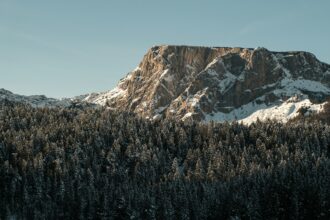
In Italy, the Dolomiti Superski area is one of the largest ski regions in the world, covering multiple valleys and resorts across the Dolomites. The scenery in this region is considered some of the most beautiful skiing landscapes in the world.
Large ski areas are particularly good for intermediate skiers, because they allow long ski routes between resorts and a wide variety of pistes. Beginners and advanced skiers may sometimes prefer smaller or more specialised resorts depending on their level.
Overall, Europe has some of the largest and most varied ski areas in the world, which is one of the main reasons ski & snowboarding in Europe is so popular.
Cheapest Ski Countries in Europe
Ski holidays can be expensive, but ski & snowboarding in Europe does not always have to be expensive if you choose the right country and resort. While Switzerland and some French luxury resorts are among the most expensive places to ski in the world, there are also several European countries where ski holidays are much more affordable.
Bulgaria is one of the most popular cheap ski destinations in Europe. Resorts such as Bansko, Borovets and Pamporovo offer lift passes, accommodation and ski hire at much lower prices than the Alps. These resorts are particularly popular with beginners and intermediate skiers.
Slovakia is another affordable ski destination, particularly the resort of Jasná in the Low Tatras. Slovakia offers good skiing at lower prices than Austria or Switzerland and is becoming increasingly popular for budget ski trips.
Romania and Slovenia also have smaller ski resorts that are often much cheaper than the Alps. These resorts are usually smaller and have fewer lifts, but they can be good for beginners and shorter ski trips.
Even within the Alps, some countries are cheaper than others. Italy and Austria are often cheaper than Switzerland, and some French resorts are more affordable than others, particularly smaller or lower altitude resorts.
If you want to save money on skiing and snowboarding in Europe, there are a few key strategies that make a significant difference. One of the biggest factors is avoiding destinations like Switzerland and high-end luxury resorts, where accommodation, lift passes, and food costs are consistently higher. Instead, looking at more affordable countries such as Bulgaria or Slovakia can dramatically reduce overall trip costs while still offering good skiing conditions.
Timing also plays an important role. Travelling outside of school holidays can lead to much lower prices and quieter slopes, making the experience both cheaper and more enjoyable. Finally, where you stay has a direct impact on your budget. Choosing smaller resorts or nearby towns instead of major ski hubs often provides better value, with lower accommodation prices and more flexibility.
Choosing the right country can make a huge difference to the total cost of a ski holiday.

Best Ski Resorts in Europe for Beginners
Beginners learning ski & snowboarding in Europe should look for resorts with wide beginner slopes, good ski schools, gentle nursery areas and easy lift systems. Not all ski resorts are equally suitable for beginners, and some large ski areas are actually better for intermediate skiers than beginners.
Many beginner-friendly resorts are located in Austria, Italy and some French resorts, where there are good ski schools and plenty of easy pistes. Austrian resorts are particularly well known for ski schools and beginner areas.
Resorts such as Alpbach, Ellmau, Mayrhofen, Livigno and La Plagne are often considered good choices for beginners. These resorts have good nursery slopes, easy runs and well-developed ski schools.
Beginners should also consider staying in smaller resorts rather than very large ski areas, because large ski areas can sometimes be confusing and require long lifts and connections to reach beginner slopes.
Another important factor for beginners is resort layout. Ski-in ski-out resorts can be easier for beginners because you do not need to carry skis long distances or take buses to ski lifts.
Learning ski & snowboarding in Europe is very popular because ski schools are generally very good and many instructors speak English, particularly in France, Austria, Italy and Switzerland.
Best Ski Resorts in Europe for Advanced Skiers
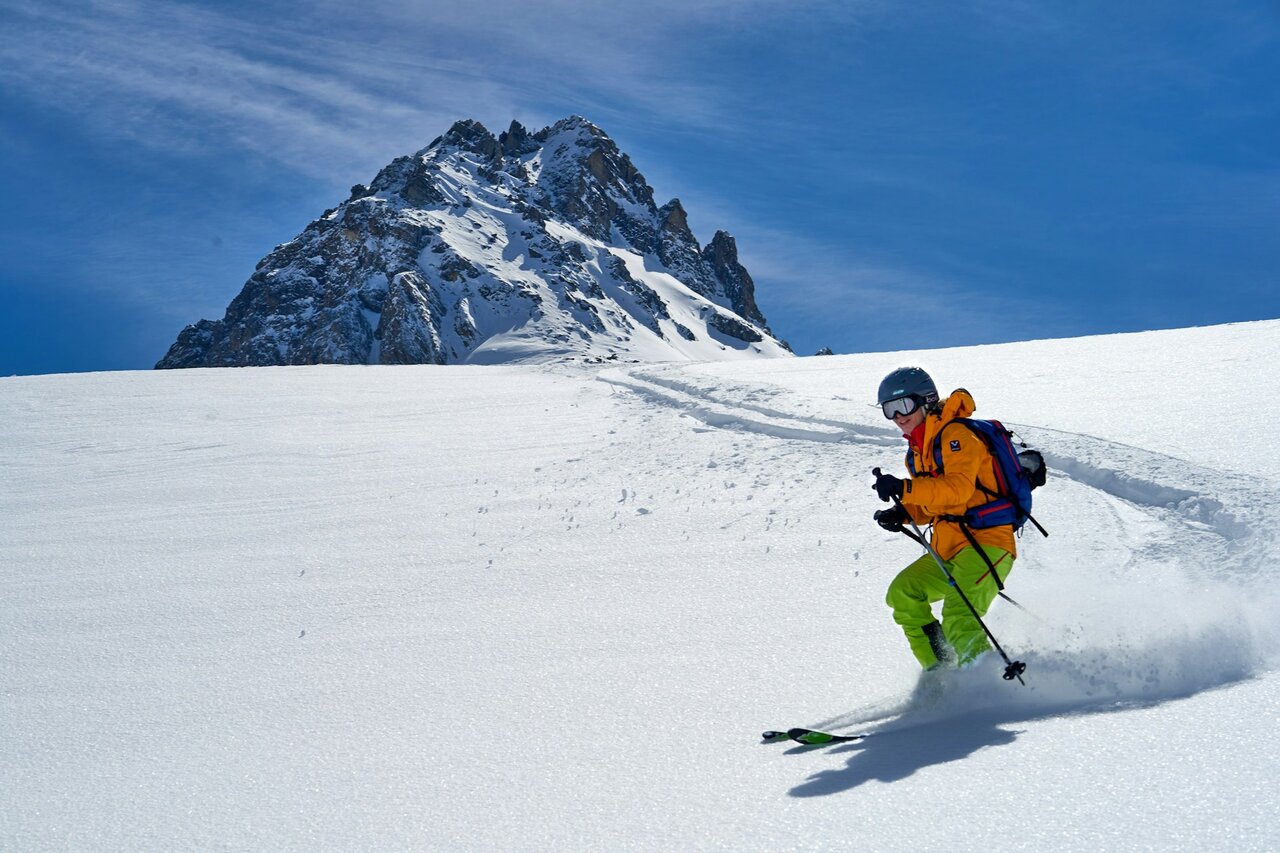
Advanced skiers and snowboarders often look for steep runs, off-piste terrain, long vertical drops and challenging ski routes. Europe has many resorts that are particularly well suited to advanced and expert skiers.
Resorts such as Chamonix in France, Verbier in Switzerland, St. Anton in Austria and Courchevel in France are well known for advanced skiing and off-piste terrain. These resorts often have steep slopes, challenging mogul runs and extensive off-piste areas.
Chamonix is particularly famous for off-piste skiing and the Vallée Blanche, which is one of the most famous off-piste ski routes in the world. Verbier is also known for steep terrain and freeride skiing.
Austria also has many resorts with challenging terrain, and resorts such as St. Anton are known for both advanced skiing and lively après-ski.
Advanced skiers often prefer high-altitude resorts with large ski areas, because these resorts offer more varied terrain and longer runs.
Overall, ski & snowboarding in Europe offers excellent terrain for advanced skiers, particularly in the Alps, where there are many resorts with challenging pistes and extensive off-piste areas.
Snow-Sure and High Altitude Ski Resorts in Europe
One of the most important things when planning ski & snowboarding in Europe is snow reliability, and the biggest factor affecting snow reliability is altitude. High-altitude resorts stay colder, keep snow longer and usually have longer ski seasons than low-altitude resorts. If you are travelling early season or late season, choosing a high-altitude resort can make a huge difference to your trip.
In general, ski resorts with slopes above 2,000 metres are considered much more snow reliable. Many of the most snow-sure resorts in Europe are located in France and Switzerland, where some ski areas reach above 3,000 metres. These resorts often open earlier and close later than lower resorts.
Some of the most well-known snow-sure resorts in Europe include Val Thorens, Tignes, Val d’Isère, Zermatt, Saas-Fee, Cervinia and Obergurgl. These resorts are known for long seasons and reliable snow conditions. Glacier resorts such as Zermatt and Saas-Fee can sometimes offer skiing outside the main winter season.
Low-altitude resorts can still be very good ski destinations, especially in the middle of winter, but they are more dependent on natural snowfall and artificial snowmaking. If temperatures are warm or snowfall is poor, lower resorts may have limited runs open early or late in the season.
If snow conditions are very important for your trip, it is usually best to:
Choose a high-altitude resort, travel between January and March, and avoid very early season or very late season trips unless you are visiting glacier resorts.
Understanding altitude is one of the most important parts of planning ski & snowboarding in Europe, and it often matters more than the country or resort name.
Compare hostels and budget-friendly places to stay.
Browse hostelsGet fast compensation payouts, eligible lounge benefits and expert help when flights go wrong.
See AirHelp+ benefitsUse convenient luggage storage between arrival, check-in and departure.
Check storageHow to Get to Ski Resorts in Europe
One of the biggest advantages of ski & snowboarding in Europe is how easy it is to reach ski resorts from major cities and airports. Many ski resorts are located within one to three hours of major international airports, which makes weekend ski trips and short breaks possible.
The main airports for European ski trips include Geneva, Zurich, Innsbruck, Munich, Milan, Turin and Salzburg. From these airports, you can reach many ski resorts by train, bus or private transfer. Geneva is one of the most popular ski airports in Europe because it provides access to many French and Swiss ski resorts.
Many ski resorts do not have airports nearby, so the final part of the journey usually involves a transfer by train, bus or coach. Some resorts have railway stations in the resort itself, while others require a bus transfer from the nearest train station.
Travelling by train to ski resorts is very common in Europe, especially in Switzerland and Austria where the rail networks are excellent. In some resorts, you can travel from the airport to the resort entirely by train, which can be easier than hiring a car.
Another option is shared ski transfers, which run between airports and major ski resorts during the winter season. These transfers are often cheaper than private taxis and easier than driving in snowy conditions.
Overall, one of the reasons ski & snowboarding in Europe is so popular is because transport links are excellent and many resorts are easy to reach without needing to drive.
Train Travel to European Ski Resorts
For many visitors, travelling by train is one of the most enjoyable ways to reach Europe’s ski resorts. Rather than navigating mountain roads, fitting snow chains or worrying about winter driving conditions, you can simply sit back and watch the scenery change from bustling cities to snow-covered forests and dramatic Alpine peaks.
Across Europe, rail networks make it surprisingly easy to reach the mountains. France, Switzerland, Austria and Italy all have excellent train services linking major cities and international airports with popular ski destinations. High-speed rail services reduce journey times significantly, while local mountain railways and ski buses complete the final stage of the journey.
One of the most popular options is the Eurostar Snow Train, which carries winter sports enthusiasts from London to the French Alps during the ski season. Travelling through France by high-speed rail, it provides a convenient alternative to flying and avoids lengthy airport queues, baggage restrictions and winter road transfers. From stations such as Moûtiers, Aime-la-Plagne and Bourg-Saint-Maurice, regular buses connect directly with many of the Alps’ best-known ski resorts.
Elsewhere in France, the country’s excellent TGV high-speed network provides fast connections from Paris, Lyon and Lille to numerous Alpine destinations. Whether you’re travelling to the Three Valleys, Paradiski, Tignes, Val d’Isère or Chamonix, train travel often proves just as convenient as flying, particularly when travelling from elsewhere in Europe.
Switzerland arguably offers the finest rail-based ski experience anywhere in the world. Resorts such as Zermatt, Wengen, Mürren and St. Moritz are either entirely car-free or exceptionally well connected by rail, with spectacular mountain railways climbing through deep valleys, across viaducts and into the heart of the Alps. In many cases, the train journey becomes one of the highlights of the holiday.
Austria also has an outstanding rail network serving many of its leading ski resorts. Destinations including St. Anton, Kitzbühel, Innsbruck and Zell am See are all easily reached by train, allowing visitors to avoid winter driving while enjoying comfortable, scenic journeys through the Austrian Alps.
For many ski holidays, travelling by train is more relaxing, more environmentally friendly and often surprisingly cost-effective. Once you factor in airport transfers, parking charges, motorway tolls and fuel costs, rail travel can compete very favourably with driving, particularly for visitors travelling from the UK and elsewhere in Europe.
If you’re considering travelling by rail, we’ve created detailed guides covering the Eurostar Snow Train, train travel to the French Alps, and the best rail routes to many of Europe’s leading ski resorts, helping you plan a smooth and enjoyable journey from the moment you leave home.
Ski Resort Transfers and Getting Around
Reaching the airport or railway station is often only the first stage of your journey. Many of Europe’s best ski resorts are located high in the mountains, meaning you’ll usually need to complete a final transfer before you can clip into your skis. Depending on your destination, this last leg can take anything from 30 minutes to more than three hours, making it an important part of planning your holiday.
For many travellers, shared or private ski transfers offer the most convenient solution. Companies such as Alps2Alps operate services from major airports including Geneva, Lyon, Grenoble, Chambéry, Innsbruck, Salzburg and Munich to hundreds of ski resorts across France, Switzerland, Austria and Italy. Shared transfers provide an affordable option for individuals and couples, while private transfers offer direct door-to-door travel for families and groups carrying plenty of ski equipment.
If you’re travelling by train, many resorts are also well connected by dedicated shuttle buses meeting arriving services. Throughout the French Alps, for example, stations such as Moûtiers, Bourg-Saint-Maurice, Aime-la-Plagne and Saint-Gervais-les-Bains have regular buses linking arriving trains with nearby ski resorts. In Switzerland and Austria, integrated public transport networks often make transferring between trains, buses and mountain railways remarkably straightforward.
Driving remains a popular option, particularly for visitors wanting maximum flexibility, but winter conditions shouldn’t be underestimated. Snow-covered roads, mountain passes, compulsory winter tyres or snow chains and expensive resort parking can all add extra cost and stress to your journey. For this reason, many skiers choose to leave the driving to professional transfer companies instead.
Once you’ve arrived, getting around is usually easy. Most ski resorts operate free ski buses linking accommodation, ski lifts, village centres and nearby neighbourhoods throughout the day. These services are often included with your lift pass or local visitor card, allowing you to travel around the resort without needing a car. Traditional Alpine villages are also highly walkable, and in many cases you’ll be only a few minutes’ stroll from the nearest lift, restaurants and après-ski venues.
Choosing the right transfer can have a surprisingly big impact on your holiday. A well-planned journey means less time travelling and more time on the slopes, whether you’re arriving by plane, train or car. Before booking, it’s always worth checking transfer times, luggage allowances for ski equipment and whether shared or private transfers offer the best value for your group.
Plan This Ski Transfer with Alp2Alps
Need a simple way from the airport or train station to your ski resort? Rupert recommends comparing your public transport options first, then checking a door-to-door ski transfer if you are carrying skis, travelling with family, arriving late, or heading to a resort where bus timings are awkward.
Alps2Alps can help with private and shared transfers from major Alpine gateways to ski resorts across France, Switzerland, Austria and Italy.
Ski Holiday Costs in Europe
The cost of ski & snowboarding in Europe can vary enormously depending on the country, resort, accommodation type and time of year. Some ski resorts in Switzerland and France are among the most expensive winter destinations in the world, while resorts in Bulgaria or Slovakia can be a fraction of the price.
The biggest costs on most ski holidays are usually accommodation, lift passes, flights and equipment hire. Food and drinks can also be expensive in some resorts, particularly in Switzerland and luxury French resorts.
Lift passes in large Alpine ski areas are often one of the biggest expenses. Large ski areas with hundreds of kilometres of pistes usually have higher lift pass prices than smaller resorts. However, larger ski areas also offer more variety and more lifts, so many skiers consider the cost worthwhile.
Accommodation prices vary depending on whether you stay in ski-in ski-out hotels, apartments in the resort centre or accommodation in nearby towns. Staying slightly outside the main resort area can often save a significant amount of money.
Food prices also vary by country. Italy and Austria are often considered good value for food on the mountain, while Switzerland is usually the most expensive. France is generally somewhere in the middle depending on the resort.
Overall, ski & snowboarding in Europe can be very expensive in Switzerland and luxury French resorts, mid-range in Austria and Italy, and much cheaper in Bulgaria, Slovakia and parts of Eastern Europe.
Choosing the right country and booking at the right time can make a huge difference to the total cost of a ski trip.
When to Book Ski Holidays in Europe
Booking ski holidays at the right time can save money and help ensure you get good accommodation and flight options. Ski holidays are very seasonal, and prices can increase significantly closer to peak weeks such as Christmas and school holidays.
For most European ski trips, it is usually best to book flights and accommodation several months in advance, particularly if you are travelling during peak season. Popular resorts and ski-in ski-out accommodation often sell out early, especially for Christmas, New Year and February holidays.
If you are travelling outside peak season, it is sometimes possible to find last-minute deals, particularly in January or March. However, last-minute bookings can be risky if flights become expensive or accommodation availability is limited.
The best general booking strategy for ski & snowboarding in Europe is:
Book early for peak season, but look for deals for January, March and early April travel.
Lift passes and equipment hire can often be cheaper if booked online in advance, and this can also save time when you arrive at the resort.
Planning ahead is one of the best ways to reduce the cost and stress of ski holiday planning.

Planning Your Ski & Snowboarding Trip in Europe
Planning ski & snowboarding in Europe involves several important decisions, including choosing the country, resort, accommodation, transport and time of year. Many first-time ski travellers choose resorts based only on price or photos, but there are several important factors that should be considered before booking.
One of the most important decisions is choosing the right resort for your skiing ability. Some resorts are better for beginners, while others are better for intermediate or advanced skiers. Large ski areas are often best for intermediate skiers, while smaller resorts can be ideal for beginners.
Another important factor is resort altitude and snow reliability, especially if travelling early or late in the season. High-altitude resorts usually have better snow conditions and longer seasons.
Transport and transfer time are also important. Some ski resorts are close to airports, while others require long transfers through mountain roads. Travel time can significantly affect how much skiing time you actually get during a short trip.
Accommodation location is also important. Staying close to ski lifts or in ski-in ski-out accommodation can make ski trips much easier, especially for beginners or families.
Overall, planning ski & snowboarding in Europe is about balancing budget, snow reliability, resort size, travel time and accommodation location to create the best possible ski trip.

Rupert’s Handy Travel Tips
Planning a ski trip in Europe? Here are a few useful tips to make your winter holiday smoother, cheaper and far more enjoyable:
- Check resort altitude before booking: High-altitude resorts are usually far more reliable for early season and late season skiing.
- Avoid peak school holiday weeks: Christmas, New Year and February are usually the most expensive and busiest weeks.
- Book lift passes online: Many ski resorts offer discounts for advance online purchases.
- Plan airport transfers carefully: Some ski resorts are several hours from the nearest airport.
Want to meet the reindeer behind our travel tips? Find out more in our page Who is Rupert?.
Frequently Asked Questions About Ski & Snowboarding in Europe
When is the ski season in Europe?
The ski season in most European resorts runs from December to April, although some high-altitude resorts open earlier and glacier resorts may stay open later.
What is the cheapest country to ski in Europe?
Bulgaria and Slovakia are usually among the cheapest ski destinations in Europe, while Switzerland is usually the most expensive.
What is the best month to ski in Europe?
January, February and March are usually the best months for skiing in Europe, with March often offering the best combination of snow and weather.
Can you reach ski resorts in Europe by train?
Yes, many ski resorts in Switzerland, Austria and France can be reached by train, sometimes directly from major cities or airports.
Do you need a car for ski resorts in Europe?
In many European ski resorts, especially in the Alps, you do not need a car because resorts have ski buses, trains and transfers.
Further Reading & Related Travel Guides
If you’re planning more winter trips or comparing ski destinations around the world, these guides will help you explore the best places to ski across different continents and seasons.
Ski & Snowboarding in North America
Compare the major ski resorts in the USA and Canada, including Colorado, Utah, British Columbia and Alberta, with information on resort size, snow reliability and travel distances from major airports.
Ski & Snowboarding in Asia
Discover where to ski in Japan, China, Kazakhstan, Turkey and India, including the famous powder snow resorts in Hokkaido and the growing ski resorts across Asia.
Ski & Snowboarding in South America
If you want to ski during the northern hemisphere summer, this guide covers Chile and Argentina ski resorts in the Andes, including high altitude resorts and summer ski seasons.
Ski & Snowboarding in Oceania
Guide to skiing in New Zealand and Australia, including Queenstown ski resorts, the Snowy Mountains and the best months for skiing in the southern hemisphere.
Ski & Snowboarding in Africa
Yes, you can ski in Africa. This guide covers ski resorts in Morocco and South Africa, including the Atlas Mountains and the only ski areas on the continent.
Best Ski Resorts in the World
Discover the world’s top ski resorts across Europe, North America, Japan and New Zealand, with resort comparisons, snow reliability and travel tips.
Cheapest Ski Resorts in the World
Compare the best-value ski destinations for travellers who want snow without the premium price tag, including affordable resorts in Europe and beyond.
Ski Season Guide: Best Months to Ski Around the World
Not sure when to go skiing? This guide explains where to ski each month of the year, including winter in Europe, powder season in Japan and summer skiing in South America and New Zealand.
Best Ski Apps 2025: Track Runs, Snow Reports & Resort Guide
Download the best ski apps for piste maps, GPS tracking, snow forecasts and resort information so you can track your runs and plan your ski days more efficiently.