Reviewed by our editorial team Updated
Why Skiing in Poland Is Worth It
Skiing in Poland offers something that is increasingly hard to find in Europe, a genuinely affordable ski experience without needing to compromise on access, convenience, or overall quality. For many travellers, particularly those coming from the UK or nearby European countries, Poland provides a way to enjoy a winter sports trip without the high costs associated with the Alps.
One of the biggest advantages is price. Lift passes, accommodation, food, and equipment hire are all significantly cheaper than in major Alpine resorts. This makes Poland especially attractive for first-time skiers, families, and budget-conscious travellers who want to experience skiing without committing to a high-cost trip.
Travel is also simpler than many people expect. Flights into Kraków Airport, Katowice Airport, and Wrocław Airport are frequent and often low-cost, and transfer times to the mountains are relatively short. In many cases, you can be on the slopes within two to three hours of landing, which is far more efficient than many Alpine journeys.
It is important to be clear about expectations. Poland does not offer the vast, interconnected ski areas you find in France, Austria, or Switzerland. Instead, it offers smaller, well-run resorts, often with modern lifts, good facilities, and a more relaxed atmosphere. For beginners and intermediate skiers, this is often an advantage rather than a limitation.
Overall, skiing in Poland works best for travellers who value affordability, simplicity, and accessibility, and who are looking for a practical alternative to more expensive ski destinations.
Where You Can Ski in Poland
Skiing in Poland is centred around two main mountain regions, each offering a different experience. Understanding this split is essential before choosing where to go, as your destination will shape your entire trip.
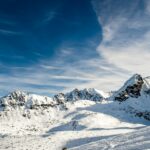
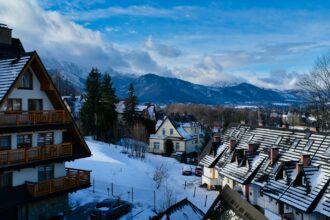
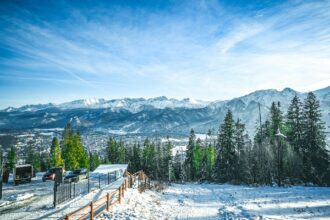
The first and most well-known region is the Tatra Mountains in the south, centred around Zakopane. This is Poland’s primary ski destination and attracts the majority of international visitors. The area offers a range of ski zones rather than a single resort, with options for beginners through to more advanced skiers. It is also the best choice if you want a combination of skiing, nightlife, and a traditional mountain town atmosphere.
The second region is the Sudetes Mountains in the south-west, which are accessed via Wrocław. This area includes resorts such as Karpacz, Szklarska Poręba, and Zieleniec Ski Arena. These resorts are generally smaller and quieter than Zakopane but offer good conditions, shorter travel times, and a less crowded experience.
The key difference between Poland and Alpine destinations is that skiing is spread across multiple independent areas, rather than one large interconnected network. This means you need to choose your base carefully, as moving between resorts is not always as simple as skiing across a lift system.
Best for two or three nights. The widest choice of rooms, with filters for free cancellation and included breakfast.
View staysBest for longer stays. Whole apartments and houses, so you are not eating out three times a day.
View rentalsBest if you have already picked a hotel. Checks the big booking sites for the same room and shows who is cheapest.
Check dealsBest Ski Resorts in Poland
Poland’s ski offering is built around a group of well-established resorts, each with its own strengths. Choosing the right one depends on your experience level, travel style, and what you want from your trip.
Zakopane
Zakopane is the main ski hub in Poland and the most popular destination for international visitors. Rather than being a single resort, it gives access to multiple ski areas, including slopes within the town and nearby destinations such as Białka Tatrzańska and Bukowina Tatrzańska.
This makes Zakopane the best choice if you want variety, flexibility, and a lively base, with a mix of skiing, restaurants, and nightlife. It is also one of the easiest areas to access from Kraków Airport and Katowice Airport, making it a natural starting point for many trips.
Białka Tatrzańska
Białka Tatrzańska is one of the most modern ski areas in Poland, known for its well-maintained slopes, efficient lift systems, and strong snowmaking.
It is particularly well suited to beginners and intermediate skiers, with wide, forgiving runs and a layout that makes it easy to navigate. The resort is also popular with families due to its facilities and overall ease of use.
Located close to Zakopane, it is typically accessed via Kraków Airport, with a transfer time of around 2 to 2.5 hours.

Krynica-Zdrój
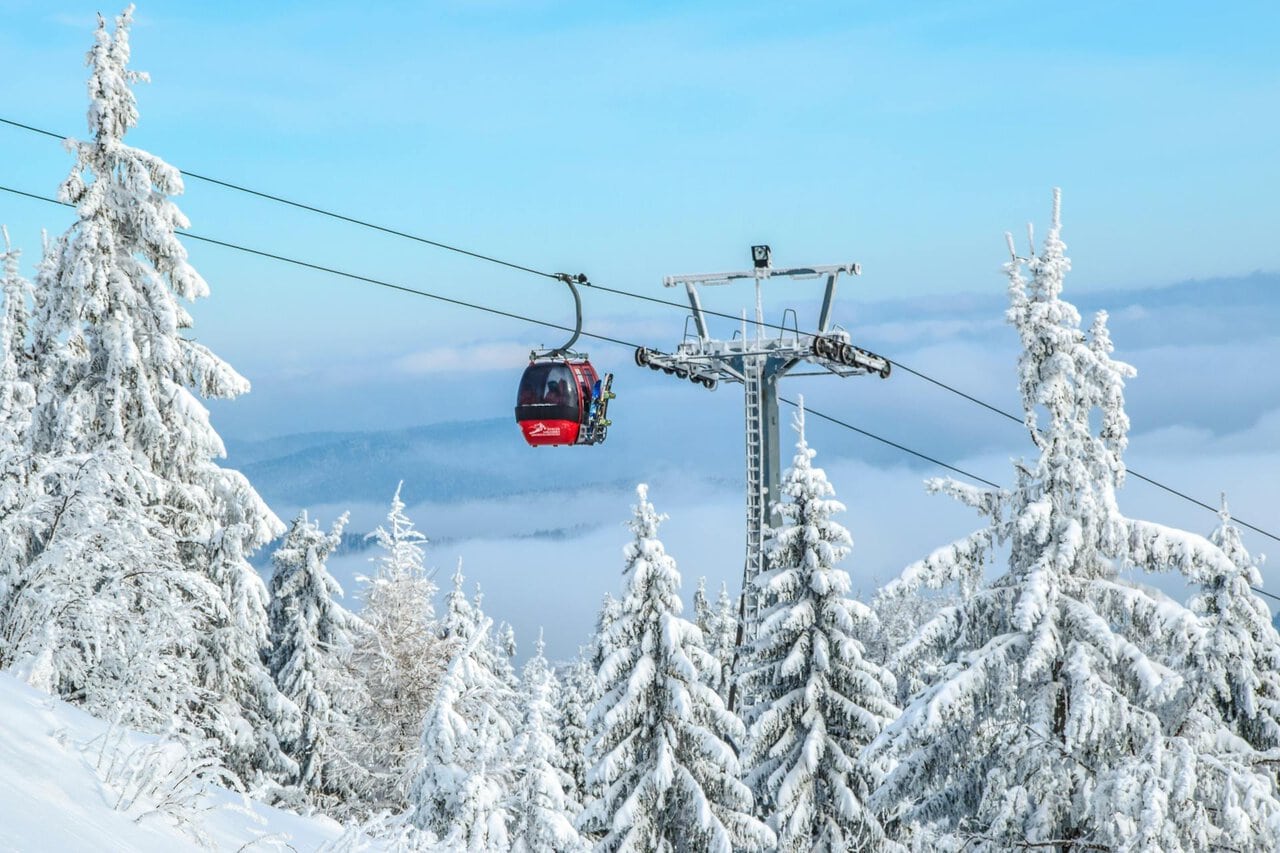
Krynica-Zdrój offers a slightly different experience, combining solid skiing with a quieter, spa-town atmosphere. The main ski area is centred around Jaworzyna Krynicka, which features one of the longest runs in this part of Poland along with a modern gondola system.
The resort is best suited to intermediate skiers, and it tends to be less crowded than Zakopane, making it a good choice if you want a more relaxed trip.
Krynica-Zdrój is best accessed via Kraków Airport, with a journey time of around 2.5 to 3 hours, and works well as an alternative for travellers who want to avoid the busiest ski hubs.
Karpacz
Karpacz is one of the leading resorts in the Sudetes region, offering a strong all-round experience with a mix of slopes and a more laid-back atmosphere.
It is well suited to mixed-ability groups, with enough variety to keep different skill levels engaged while remaining manageable in size. The setting near Śnieżka adds to its appeal, particularly for those looking to combine skiing with mountain scenery.
Karpacz is most easily reached from Wrocław Airport, with a transfer time of around 2 to 2.5 hours.
Szklarska Poręba
Szklarska Poręba offers a more spread-out ski experience, with longer runs and a quieter atmosphere compared to some of the busier Polish resorts.
It is particularly attractive for intermediate skiers, who benefit from the longer pistes and less crowded slopes. The town itself is more relaxed, which makes it a good option if you want to focus on skiing without a heavy nightlife scene.
Like Karpacz, it is best accessed via Wrocław Airport, with similar travel times.
Best for finding routes the airlines do not sell as a single ticket. Combines carriers to bring the fare down.
Search flightsBest for short trips. Install the eSIM at home and arrive in Poland with working data, no shop queue.
Browse eSIMsBest when public transport has stopped, or when you are travelling with children and bags.
Book a transferZieleniec Ski Arena
Zieleniec stands out for its exceptional snow reliability, thanks to a unique microclimate that helps maintain consistent conditions throughout the season.
While it is slightly less convenient to reach than other resorts, it rewards the effort with reliable skiing and well-maintained slopes, making it a strong choice for those prioritising snow quality.
It is also accessed via Wrocław Airport, typically with a journey time of 2.5 to 3 hours depending on connections.
Skiing in Poland vs the Alps
One of the main reasons travellers consider skiing in Poland is the significant cost difference compared to the Alps. In almost every category, from lift passes to accommodation and food, Poland offers a much more affordable experience.
Lift passes in Poland are typically far cheaper than in France, Austria, or Switzerland, and accommodation costs are often significantly lower, even during peak season. Eating out is also more affordable, which can make a noticeable difference over the course of a trip.
However, the trade-off is scale. Alpine resorts offer vast, interconnected ski areas, often with hundreds of kilometres of pistes. In Poland, resorts are smaller and operate independently, which means you do not get the same level of variety within a single lift system.
Snow reliability is another factor. While Polish resorts use snowmaking and can offer good conditions, they generally sit at lower altitudes than major Alpine resorts, which can affect consistency in certain seasons.
That said, for many travellers, particularly beginners, families, and those looking for a budget-friendly ski trip, these trade-offs are more than acceptable. Poland provides a way to enjoy skiing without the high costs, long transfers, and crowded slopes that often come with more established destinations.
For a full breakdown of costs, conditions, and whether Poland or the Alps is the better choice for your trip, see our cheap Poland skiing vs Alps guide, where we compare both options in detail.
Prices: How Much Does Skiing in Poland Cost?
One of the strongest reasons to choose skiing in Poland is the overall cost, which is consistently lower than most Alpine destinations. The savings are not limited to one area. They apply across lift passes, accommodation, food, and equipment hire, which means the total trip cost is often significantly reduced.
Lift passes are where the difference is most obvious. In resorts such as Zakopane and Białka Tatrzańska, a full-day pass typically costs far less than in France, Austria, or Switzerland. At Białka Tatrzańska, a well-established modern area, an adult weekday day pass is currently around 170 PLN (£34 / $43 / €39), well under half the typical Alpine rate, making it much easier to ski multiple days without pushing your budget.
Accommodation is another major saving. Whether you choose a hotel, guesthouse, or apartment, prices are generally lower across all categories, and you often get more space for your money. Budget-to-mid-range double rooms in Zakopane typically run from around 330 PLN (£66 / $84 / €76) a night in peak season to 500 PLN (£100 / $127 / €115) or more at a well-rated three-star hotel. This makes Poland particularly attractive for families and groups, where accommodation costs in the Alps can rise quickly.
Food and drink also remain affordable. Eating out in mountain towns is significantly cheaper than in Alpine resorts, and local restaurants offer good quality at reasonable prices. Over the course of a week, this can make a noticeable difference to your overall spending.
Equipment hire and lessons are also competitively priced, which makes Poland a strong choice for beginners or anyone learning to ski. A full ski or snowboard set (boots, poles and skis or a board) typically costs from around 50 PLN (£10 / $13 / €11) a day, rising to 100 PLN (£20 / $25 / €23) or more for premium equipment. Lower costs reduce the barrier to entry and allow you to try skiing without committing to a high-cost trip.
Overall, skiing in Poland is not just slightly cheaper. It is consistently more affordable across every part of the experience, which is why it continues to grow in popularity as a budget-friendly alternative to the Alps.
When to Go Skiing in Poland
Timing your trip correctly can make a big difference to your experience, particularly when it comes to snow conditions, pricing, and crowd levels.
The main ski season in Poland runs from December through to March, with the most reliable conditions typically found between January and February. During these months, temperatures are lower, snow cover is more consistent, and resorts are fully operational.
December can be a good time to visit, especially around the festive period, but snow conditions can be less predictable earlier in the month. Resorts rely more heavily on snowmaking at the start of the season, although most major areas are well equipped to handle this.
March often offers a good balance between decent snow conditions and fewer crowds, particularly outside school holiday periods. Prices can also begin to drop slightly, making it an attractive option for those looking to save money while still enjoying a full ski experience.
Peak travel periods, including Christmas, New Year, and school holidays, bring higher demand, busier slopes, and increased prices. If you want a quieter and more affordable trip, travelling outside these periods is usually the better option.
Choosing the right time depends on your priorities. If you want the best snow conditions, aim for mid-season. If you want fewer crowds and better value, consider travelling slightly earlier or later within the ski window.
How to Get to Poland’s Ski Resorts
Reaching the slopes in Poland is generally straightforward, but the best route depends on which region you choose and which airport you fly into.
For the Tatra region, most travellers fly into Kraków Airport or Katowice Airport, then travel south to Zakopane and the surrounding ski areas. These routes are well established and offer a range of options, from public transport to direct transfers.
For the Sudetes region, the main entry point is Wrocław Airport, with onward travel to resorts such as Karpacz, Szklarska Poręba, and Zieleniec Ski Arena. These journeys are slightly more varied, as the resorts are spread across the region, but travel times are generally shorter than those to Zakopane.
Across all routes, you have a choice between public transport, taxis, private transfers, and car hire. Public transport is usually the cheapest option but involves connections, while direct transfers provide a faster and simpler journey, particularly for those travelling with luggage or ski equipment.
Choosing the right route comes down to balancing cost, convenience, and travel time, and understanding which airport best matches your chosen resort.
Best Way to Plan Your Ski Trip
Planning a ski trip to Poland is relatively straightforward once you break it into a few key decisions. The most important step is choosing your resort and airport combination, as this determines your travel route and overall journey time.
Flights into Kraków, Katowice, and Wrocław are frequent and often low-cost, which makes Poland an accessible destination from across Europe. Booking flights early usually gives you the best choice of times and prices, particularly during peak winter periods.
Transfers should be planned alongside your flights. If you are using public transport, check that your arrival time allows you to make the necessary connections without rushing. If you prefer a simpler journey, booking a direct transfer in advance removes uncertainty and ensures you can reach your accommodation without delays.
Accommodation is widely available across all major resorts, and booking early is recommended during peak ski season. Choosing a location close to the slopes or with good local transport can make your daily skiing much easier.
Finally, make sure you have everything in place before you travel, including lift passes, equipment hire, and connectivity. Having access to maps, bookings, and transport information on arrival makes the entire trip smoother and easier to manage.
With the right planning, skiing in Poland becomes a simple, affordable, and well-organised experience, even for first-time visitors.
Best for solo travellers and anyone watching the budget. Dorm beds and private rooms in the same search.
Browse hostelsBest if you have ever given up on a claim. AirHelp checks whether the flight qualifies and pursues it for you.
See the benefitsBest if your room is not ready yet. Left luggage booked in advance, so you are not hunting for a locker.
Check storagePros and Cons of Skiing in Poland
Skiing in Poland offers clear advantages, but it also comes with limitations that are worth understanding before you book. The biggest strength is value for money, with lower costs across lift passes, accommodation, food, and equipment hire compared to most Alpine destinations. This makes Poland especially attractive for beginners, families, and budget-conscious travellers who want a full ski experience without the high overall spend.
Another major advantage is accessibility. Flying into Kraków Airport, Katowice Airport, or Wrocław Airport allows you to reach the mountains in around two to three hours, which is often quicker and simpler than many Alpine transfers. Resorts are also generally less crowded, particularly outside peak periods, which creates a more relaxed atmosphere on and off the slopes.
The trade-off is scale. Polish resorts are smaller and less interconnected, which means you do not get the same variety of terrain within a single ski area as you would in the Alps. For advanced skiers looking for extensive off-piste terrain or very long runs, this can be a limitation.
Snow reliability is another factor. While resorts such as Zieleniec Ski Arena benefit from strong conditions, most Polish resorts sit at lower altitudes than Alpine counterparts. Snowmaking helps maintain coverage, but conditions can vary more depending on the season.
Overall, the balance is clear. Poland offers excellent value, easier access, and a more relaxed experience, but with smaller ski areas and slightly less consistent snow conditions compared to the Alps.
Is Skiing in Poland Right for You?
Skiing in Poland is not a one-size-fits-all destination, but for the right type of traveller, it can be an excellent choice.
For beginners, Poland is one of the best places in Europe to start. The slopes are generally less intimidating, lessons are more affordable, and the overall environment is more relaxed than in large Alpine resorts. This makes it ideal if you are learning to ski for the first time or building confidence.
For families, the combination of lower prices and manageable resort sizes makes Poland particularly appealing. Resorts such as Białka Tatrzańska are well suited to mixed-ability groups, and the reduced cost of accommodation and food helps keep the overall trip within budget.
For budget travellers, Poland is one of the strongest options in Europe. You can ski multiple days, eat out regularly, and still spend significantly less than you would in the Alps. This makes it a practical choice for shorter trips or those looking to maximise value.
For more experienced skiers, Poland can still be enjoyable, particularly for shorter trips or as an alternative to more crowded destinations. However, if you are looking for large-scale ski areas, extensive off-piste terrain, or very high-altitude skiing, Alpine resorts may still be the better fit.
The key is to match your expectations to what Poland offers. If you are looking for affordable, accessible skiing with a straightforward travel experience, it is a strong option. If you are chasing scale and extreme terrain, it may be better suited as a complementary destination rather than your main ski trip.
Rupert’s Handy Travel Tips

Rupert loves the après ski just as much as anyone, but he knows the real secret to a great trip is getting the planning right before you even reach the slopes.
- Choose your resort first: match it to the right airport so your journey is simple from the moment you land.
- Book flights and transfers together: this helps avoid awkward connections and long waits, especially during peak ski season.
- Book a direct transfer if travelling with gear or arriving late: it makes the journey far smoother than relying on multiple public transport connections, and a little preparation before you travel means you can focus on the skiing once you arrive.
Want to meet the reindeer behind our travel tips? Find out more in our page Who is Rupert?.




Frequently Asked Questions About Skiing in Poland
Is Poland a good country for skiing?
Yes, Poland is a strong option for skiing, particularly for beginners, families, and budget travellers. It offers good facilities, lower prices, and relatively easy access compared to many Alpine destinations.
What is the best ski resort in Poland?
Zakopane is the most popular ski hub, offering access to multiple ski areas, while Białka Tatrzańska is often considered one of the best for modern facilities and family-friendly skiing.
Is skiing in Poland cheaper than the Alps?
Yes, skiing in Poland is significantly cheaper across lift passes, accommodation, food, and equipment hire, making it one of the most affordable ski destinations in Europe.
When is the best time to ski in Poland?
The best conditions are usually found between January and February, with the ski season running from December to March depending on weather conditions.
Which airport is best for skiing in Poland?
The best airport depends on your destination. Kraków Airport and Katowice Airport are best for Zakopane, while Wrocław Airport is best for resorts in the Sudetes region.
Further Reading & Related Guides
If you are planning a ski trip, it is worth understanding how Poland compares to other destinations before making your final decision. Our cheap Poland skiing vs Alps guide breaks down the real cost differences, helping you decide whether a Polish ski holiday offers better value for your trip. If you want to see how Poland compares to budget ski destinations further afield, our cheapest places to ski in the world guide rounds up the best-value ski regions globally.
Once you have chosen your destination, planning your journey becomes much easier. If you are heading to Zakopane, our Kraków Airport to Zakopane transfer guide and Katowice Airport to Zakopane transfer guide walk you through the exact steps, including buses, taxis, and private transfers. For resorts in the south-west, the Wrocław Airport to ski resorts transfer guide explains how to reach Karpacz, Szklarska Poręba, and Zieleniec.
Staying connected is also essential when travelling, particularly for managing bookings and navigating transport. Using a reliable eSIM for Poland ensures you have access to maps, tickets, and real-time updates from the moment you land, making your trip far easier to manage.