Reviewed by our editorial team Updated
Poland vs Alps: Which Is the Better Value Ski Holiday?
Choosing between skiing in Poland and the Alps comes down to one core question: how much are you willing to spend, and what do you expect in return?
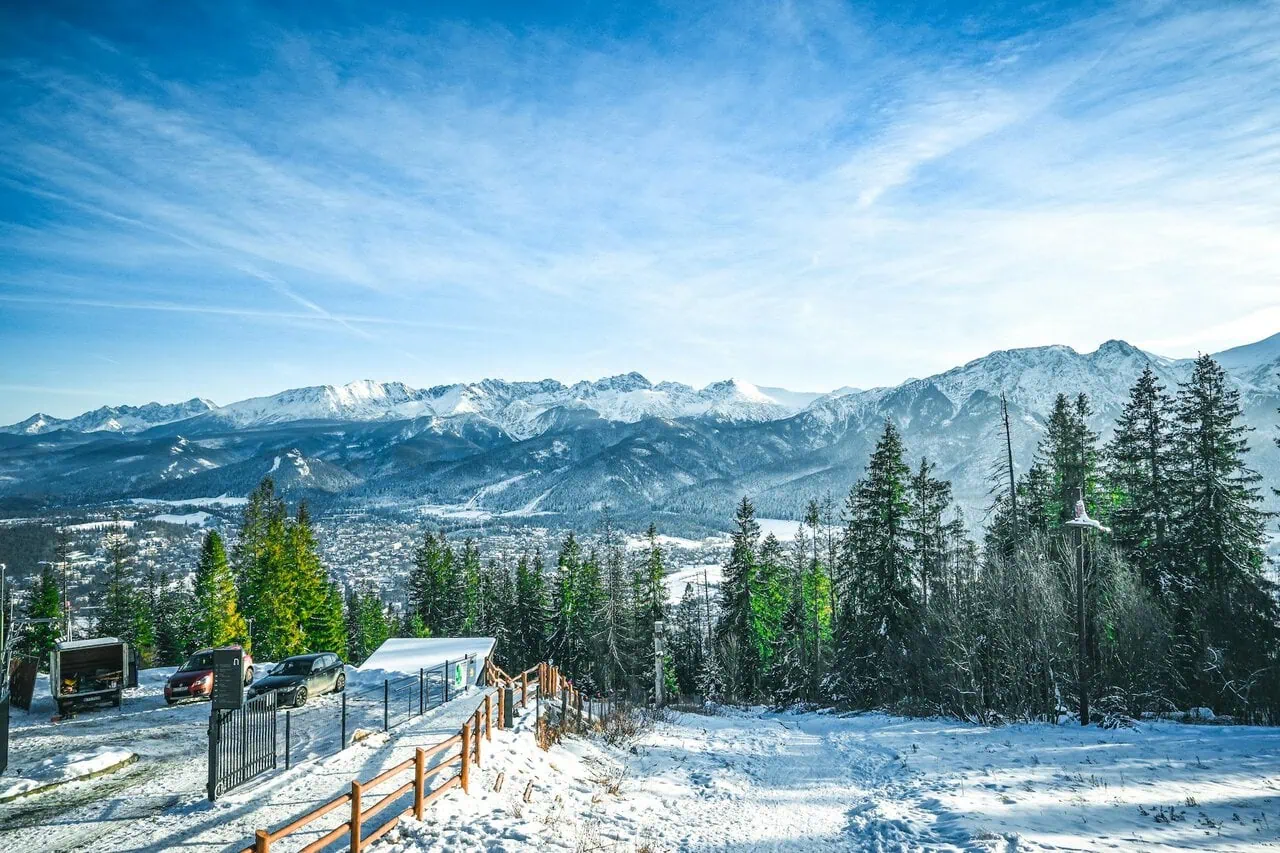
Poland offers a low-cost, accessible ski experience with shorter transfers, cheaper lift passes, and significantly lower daily spending once you arrive. Resorts around Zakopane, Karpacz, and Szklarska Poręba provide solid infrastructure, modern lifts in key areas, and a relaxed atmosphere that works well for beginners and families.
The Alps, on the other hand, deliver scale and variety. Destinations in France, Austria, and Switzerland offer vast, interconnected ski areas, higher altitudes, and more extensive terrain. You get more runs, more vertical, and a more premium overall experience.
The trade-off is cost. Almost every part of an Alpine trip is more expensive, from lift passes and accommodation to food, drinks, and transfers. For many travellers, that price difference is the deciding factor.
This guide breaks down exactly where the differences lie, so you can decide whether the Alps are worth the extra cost, or whether Poland offers better value for your trip.
Quick Cost Comparison: Poland vs Alps
| Category | Poland (Typical) | Alps (Typical) |
|---|---|---|
| Lift Pass (Day) | £25–£45 / $35–$55 / €30–€50 | £60–£100+ / $80–$130+ / €70–€120+ |
| Accommodation | £40–£120 / $50–$150 / €45–€140 | £100–£300+ / $130–$400+ / €120–€350+ |
| Meals | £8–£20 / $10–$30 / €10–€25 | £15–£40+ / $20–$50+ / €18–€45+ |
| Beer / Drink | £2–£4 / $3–$6 / €2.5–€5 | £5–£10+ / $7–$15+ / €6–€12+ |
| Ski Hire (Day) | £10–£20 / $15–$30 / €12–€25 | £20–£40+ / $30–$60+ / €25–€50+ |
| Lessons (Hour) | £20–£40 / $30–$50 / €25–€45 | £40–£80+ / $60–$100+ / €50–€90+ |
| Transfers | £20–£80 / $30–$100 / €25–€90 | £50–£150+ / $70–$200+ / €60–€180+ |
The difference is consistent across every category. Poland is cheaper across the board, and not just slightly cheaper. Over a full trip, the savings can be significant, especially for families or longer stays.
Best if you want daily housekeeping and a front desk. Filter by area first, then by price.
Check availabilityBest for longer stays. Whole apartments and houses, so you are not eating out three times a day.
View rentalsBest as a last check before booking. Compares Poland hotel rates across several sites in one search.
Compare ratesLift Pass Prices: Poland vs Alps
Lift passes are one of the biggest cost differences between Poland and the Alps. In Poland, a full-day pass in areas such as Białka Tatrzańska or around Zakopane is typically well under half the price of a comparable Alpine pass.
This lower pricing makes it much easier to ski multiple days without worrying about escalating costs. It also makes Poland a strong option for beginners, who may not ski full days and therefore get better value from cheaper passes.
The trade-off is scale. Alpine resorts often include hundreds of kilometres of pistes on a single pass, while Polish resorts operate as separate ski areas, meaning you are paying less but accessing a smaller network. For many travellers, particularly those not skiing long distances each day, this difference is less important than the cost saving.
Accommodation Costs: Poland vs Alps
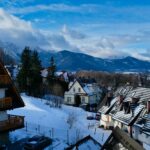
Accommodation is another area where Poland offers clear value. In ski towns such as Zakopane or Karpacz, you can find a wide range of options, from budget guesthouses to mid-range hotels, all at prices that are significantly lower than Alpine equivalents.
In the Alps, accommodation costs rise quickly, especially in ski-in ski-out locations or popular resorts. Even basic hotels can command premium prices during peak season, and availability becomes limited unless you book well in advance.
In Poland, you generally get more space for your money, and it is easier to find affordable accommodation even during busy periods. This makes a noticeable difference for families and groups, where accommodation is often the largest expense after flights.
Food and Drink Prices on a Ski Holiday
Food and drink are where the cost difference becomes most visible on a daily basis. In Poland, eating out is consistently affordable, with restaurant meals, snacks, and drinks all priced well below Alpine levels.
In towns such as Zakopane, you can enjoy local restaurants without worrying about high bills, and even on-mountain food remains relatively reasonable. This allows you to relax and enjoy the trip without constantly managing your spending.
In the Alps, food and drink costs can add up quickly, particularly in popular resorts where prices are driven by demand. Lunch on the mountain, après drinks, and evening meals all come at a premium, which can significantly increase the overall cost of your holiday.
Over the course of a week, this difference becomes substantial. Poland allows for a more relaxed spending experience, while Alpine trips often require closer budgeting.

Equipment Hire and Ski Lessons
For many travellers, especially those new to skiing, equipment hire and lessons are a major part of the overall cost. This is another area where skiing in Poland offers a clear advantage.
In resorts such as Białka Tatrzańska and around Zakopane, ski hire is typically much cheaper than in the Alps, with good-quality equipment available at a fraction of the cost. The same applies to lessons, where qualified instructors and ski schools offer sessions at significantly lower prices.
This makes Poland particularly attractive for beginners, as the cost of learning to ski can quickly add up in Alpine resorts. Lower prices allow you to take more lessons, hire better equipment, and build confidence without feeling pressured by high daily costs.
In the Alps, equipment hire and lessons are widely available and often excellent in quality, but prices are consistently higher. For experienced skiers, this may be less of an issue, but for those starting out, the difference can be substantial.
Overall, Poland provides a more accessible entry point into skiing, where you can learn, practice, and improve without the financial pressure that often comes with Alpine trips.
Travel Costs: Flights and Transfers
Travel costs are another key factor when comparing Poland and the Alps, and this is where Poland often has a practical advantage.
Flights into Kraków Airport, Katowice Airport, and Wrocław Airport are typically low-cost and frequent, particularly from the UK and across Europe. This makes it easier to find affordable flights at convenient times, even during the winter season.
Transfers are also generally shorter and cheaper. From Kraków or Katowice, you can reach Zakopane in around 2 to 3 hours, while from Wrocław you can access resorts such as Karpacz and Szklarska Poręba in a similar timeframe. Options include public transport, taxis, private transfers, and car hire, giving flexibility depending on budget and preference.
In the Alps, flights are often more expensive, particularly during peak season, and transfers can be longer and more complex. Travelling from airports such as Geneva, Innsbruck, or Salzburg to major resorts can take several hours, and private transfers can be costly.
While both regions are accessible, Poland offers a combination of cheaper flights and simpler transfers, which can reduce both cost and travel time.
Ski Experience: What Do You Get for Your Money?
The biggest difference between Poland and the Alps is the scale of the ski experience.
In the Alps, you are paying for access to large, interconnected ski areas, often covering hundreds of kilometres of pistes. Resorts are designed for long ski days, with extensive lift systems, high-altitude terrain, and a wide variety of runs for all ability levels.
In Poland, the experience is different. Resorts are smaller and more localised, with individual ski areas rather than one connected network. You may need to move between different slopes or resorts rather than skiing continuously across a large area.
For beginners and intermediate skiers, this is often not a disadvantage. Smaller resorts can feel less overwhelming, less crowded, and easier to navigate, which makes them ideal for learning and building confidence.
For advanced skiers, the Alps still offer more variety and challenge. Longer runs, off-piste terrain, and higher altitudes provide a level of skiing that Poland cannot fully match.
The key is understanding what you are paying for. The Alps offer scale and variety, while Poland offers simplicity and value.
Best for finding routes the airlines do not sell as a single ticket. Combines carriers to bring the fare down.
Search flightsBest for anyone whose home plan charges by the megabyte abroad. Pay a fixed price up front.
Check eSIMsBest when public transport has stopped, or when you are travelling with children and bags.
Book a transferSnow Reliability and Conditions
Snow conditions are one of the most important factors in any ski trip, and this is an area where the Alps generally have an advantage.
Alpine resorts are often located at higher altitudes, which leads to more consistent snow conditions throughout the season. This makes them a safer choice if you are booking early or travelling at the edges of the ski season.
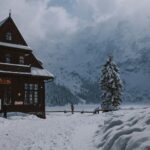
Polish resorts are typically at lower elevations, which means snow conditions can vary more depending on the weather. However, many resorts now use modern snowmaking systems, which help maintain coverage even when natural snowfall is limited.
Resorts such as Zieleniec Ski Arena are known for particularly reliable conditions due to their local climate, while others can vary depending on the season.
For the best chance of good snow in Poland, travelling between January and February is usually the safest option. Outside these months, conditions can still be good, but are less predictable than in high-altitude Alpine resorts.
In summary, the Alps offer greater snow reliability, but Poland still provides solid conditions during the core winter months, particularly when trips are timed correctly.
Après Ski and Atmosphere
The atmosphere of a ski trip can be just as important as the skiing itself, and this is another area where Poland and the Alps offer very different experiences.
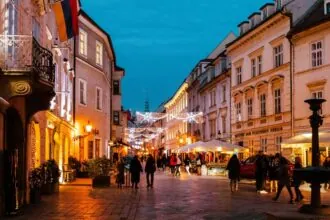
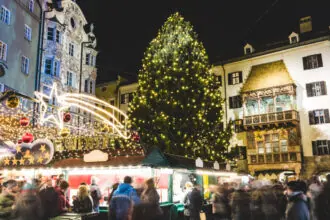
In the Alps, après ski is a major part of the culture. Resorts in Austria, France, and Switzerland are known for lively bars, music, and social scenes, with venues that start filling up as soon as the lifts close. For many travellers, this is a core part of the trip, particularly in well-known party resorts.
In Poland, the atmosphere is more relaxed and local. Towns such as Zakopane do offer bars, restaurants, and nightlife, but the focus is less on large-scale après ski and more on casual evenings, traditional food, and smaller venues. This creates a quieter and often more authentic experience.
For some travellers, this is a major advantage. The environment feels less commercial and less crowded, which can make the trip more enjoyable, particularly for families or those looking for a slower pace. For others, especially those seeking a high-energy après ski scene, the Alps will still be the better fit.
The choice here is not about better or worse, but about what kind of atmosphere you want from your trip.
Pros and Cons: Poland vs Alps
When comparing Poland and the Alps, the differences are consistent across the entire experience.
Poland stands out for its affordability, shorter travel times, and simpler resort environments. It is easier to plan, easier to budget, and generally less crowded, which makes it particularly appealing for beginners, families, and short trips.
The Alps offer larger ski areas, more varied terrain, and more consistent snow conditions, which makes them better suited to experienced skiers and those looking for a premium ski experience. However, this comes with significantly higher costs and often more complex travel arrangements.
The decision ultimately comes down to priorities. If you want maximum value and a straightforward trip, Poland is a strong choice. If you want scale, variety, and a more developed ski environment, the Alps justify their higher price.
Who Should Choose Poland vs the Alps?
Choosing between Poland and the Alps becomes much easier when you match the destination to your travel style.
Poland is ideal for beginners, as the slopes are less intimidating and the cost of lessons and equipment is lower. It is also well suited to families, where the combination of affordability and manageable resort size makes planning simpler and more cost-effective.
For budget travellers, Poland offers one of the best-value ski experiences in Europe. You can ski for multiple days, eat out regularly, and still spend significantly less than you would in Alpine resorts.
The Alps are better suited to experienced skiers who want access to larger ski areas, longer runs, and more varied terrain. They also appeal to travellers looking for a premium experience, including high-end accommodation and a more developed après ski scene.
Both options have their place, but the key is choosing the one that matches your expectations rather than assuming one is universally better.
Final Verdict: Is Poland or the Alps Better?
There is no single answer to whether Poland or the Alps is better for a ski holiday, because the two offer fundamentally different experiences.
If your priority is cost, accessibility, and simplicity, Poland provides outstanding value. You can plan a shorter, more affordable trip, reach the slopes quickly, and enjoy a relaxed ski environment without the pressure of high daily spending.
If your priority is scale, variety, and high-altitude skiing, the Alps remain the stronger option. The larger resorts, extensive terrain, and more consistent snow conditions deliver a level of experience that Poland cannot fully match.
For many travellers, the decision comes down to budget and expectations. Poland offers a practical and affordable way to ski, while the Alps offer a premium and expansive experience at a higher cost.
Understanding that difference allows you to choose the right destination for your trip, rather than simply following the most well-known option.
Rupert’s Handy Travel Tips

Rupert loves the après ski just as much as anyone, but he knows the real win on a ski trip comes from getting the pre-ski planning right before you even reach the mountains.
- Decide what matters most before booking: if it is price and simplicity, Poland will usually give you a smoother and more affordable trip; if it is scale and variety, the Alps justify the extra cost, but only if you plan properly.
- Match your flights, transfers, and accommodation early: this matters especially during peak ski season.
- Always check the full route before you commit: a cheap flight can quickly turn into a stressful journey if your transfer does not line up.
Want to meet the reindeer behind our travel tips? Find out more in our page Who is Rupert?.




Frequently Asked Questions About Cheap Ski Holidays in Poland vs the Alps
Is skiing in Poland really cheaper than the Alps?
Yes, skiing in Poland is significantly cheaper across lift passes, accommodation, food, and equipment hire. The savings become even more noticeable over a full trip, particularly for families or longer stays.
Are the Alps worth the extra cost?
The Alps offer larger ski areas, more varied terrain, and more consistent snow conditions. For experienced skiers or longer trips, this can justify the higher cost, but for many travellers the difference in price is the deciding factor.
Is Poland good for beginner skiers?
Yes, Poland is one of the best places in Europe for beginners. Lower costs, smaller resorts, and a less crowded environment make it easier to learn and build confidence.
Which is better for a short ski trip?
Poland is often the better choice for short trips due to lower costs, shorter transfers, and easier planning. You can reach the slopes quickly and make the most of a limited time.
What is the cheapest way to plan a ski holiday in Europe?
Choosing a destination like Poland, booking flights early, and planning transfers carefully are some of the best ways to reduce overall costs while still enjoying a full ski experience.
Best if you would rather spend the money on Poland than on the room. Compare hostels by location and rating.
Search hostelsBest for anyone flying more than once or twice a year. Handles the compensation claim so you are not chasing the airline.
See AirHelp+Best for a day with a bag and nowhere to put it. Find a storage point near where you already are.
View storageFurther Reading & Related Guides
If you are considering skiing in Poland, it is worth exploring your options in more detail before booking. Our skiing in Poland guide gives a full overview of the country’s main resorts, helping you decide where to go based on your experience level and travel style. If you want to compare value beyond Poland and the Alps, our cheapest places to ski in the world guide rounds up the best-value ski destinations globally.
Once you have chosen your destination, planning your journey becomes much easier. If you are heading to the Tatra region, our guides for travelling from Kraków Airport and Katowice Airport to Zakopane walk you through the exact steps. For resorts in the south-west, the guide from Wrocław Airport explains how to reach destinations such as Karpacz and Szklarska Poręba.
Staying connected is essential when managing bookings, transport, and navigation. Using a reliable eSIM for Poland ensures you can access maps, tickets, and updates from the moment you land, helping your trip run smoothly from start to finish.