
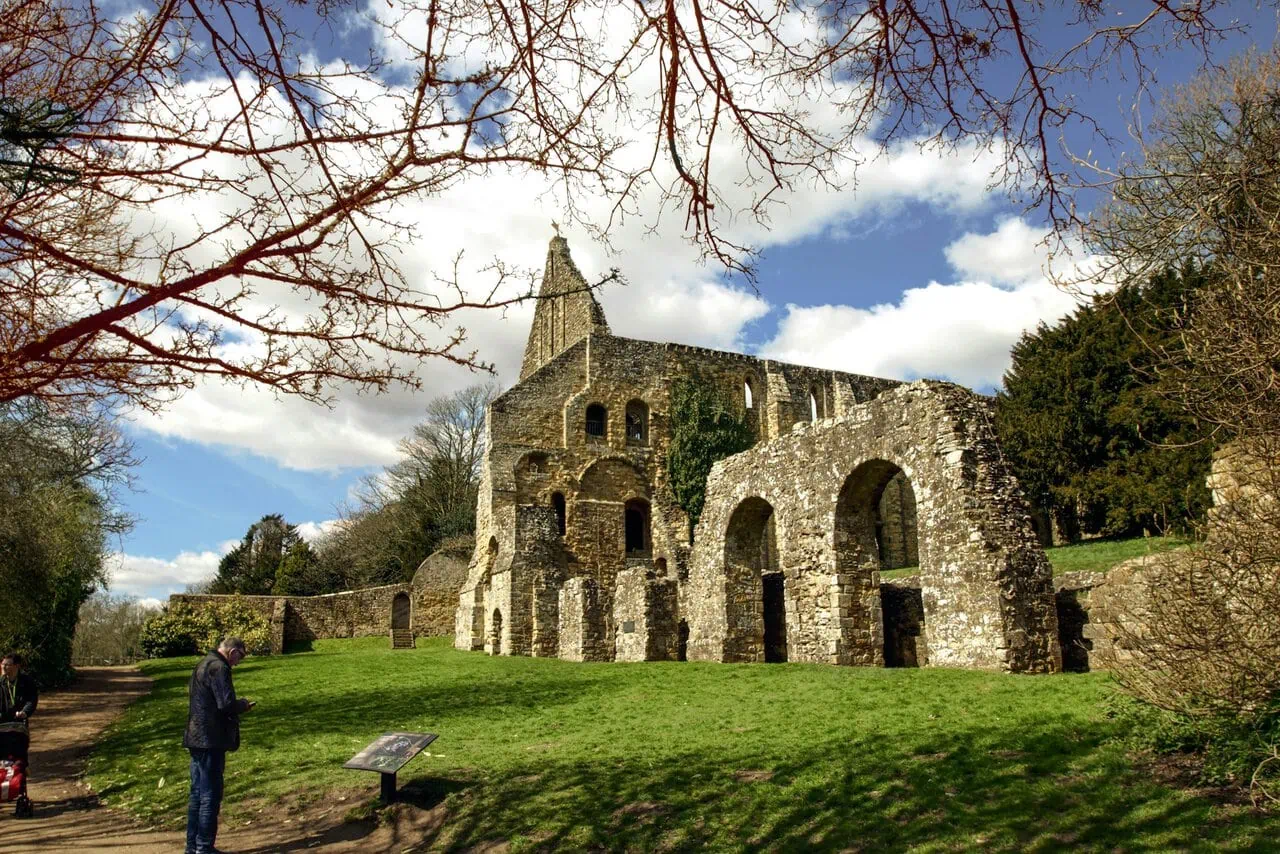
Why the Battle of Hastings Still Matters Today
The Battle of Hastings is one of the most important events in British history. Fought on 14 October 1066, the battle permanently transformed England’s monarchy, language, aristocracy and relationship with continental Europe. Nearly a thousand years later, travellers can still walk across the landscape where the Norman conquest of England changed the course of the country forever.
For many visitors, the battlefield around Battle feels surprisingly peaceful at first. The rolling countryside now contains the ruins of Battle Abbey, walking trails and panoramic viewpoints rather than armies and warfare. Yet this quiet landscape was once the setting for one of the most decisive military encounters in medieval Europe.
The battle took place between the invading Norman forces led by William the Conqueror and the exhausted English army of King Harold II. By the end of the fighting, Harold was dead and William’s path to the English throne was effectively secured. The consequences shaped England for centuries, influencing everything from castle building and royal power to the development of the modern English language itself.
Today, the battlefield attracts history enthusiasts, school groups, medieval warfare fans and travellers exploring southern England. Many visitors also combine the site with trips to nearby Hastings, the wider East Sussex coastline and the Bayeux Tapestry exhibition at the British Museum.
Quick Visitor Facts
The main battlefield site is centred around Battle Abbey in the town of Battle, located roughly 60 miles southeast of London. The abbey and battlefield are managed by English Heritage and remain one of the most important surviving sites connected to the Norman conquest.
Most visitors arrive by train from London Bridge Station or Charing Cross Station, usually changing at Hastings railway station before continuing towards Battle. Typical journey times from central London range between 1 hour 45 minutes and 2 hours depending on connections.
Entry tickets normally include access to the abbey ruins, battlefield walking trails, visitor exhibitions and elevated viewpoints overlooking the historic fighting ground itself. Audio guides and interpretation boards help visitors understand how the battle unfolded across the surrounding hills and fields.
Most travellers should allow at least 3 to 4 hours for the full visit, although visitors deeply interested in medieval history or battlefield tourism can easily spend longer exploring the trails, museums and nearby historic coastline around Hastings.
Compare hotels and other places to stay for your trip.
Check availabilityExplore holiday homes and apartments for your trip.
See holiday homesCompare prices from multiple hotel booking sites.
Check dealsWhat Happened at the Battle of Hastings?
The Battle of Hastings took place after the death of Edward the Confessor, whose lack of a clear heir triggered a major struggle for control of England. Several powerful figures claimed the throne, but the central conflict eventually developed between King Harold II and William, Duke of Normandy.
William claimed that Harold had previously sworn loyalty to him and promised to support his claim to the English crown. Harold rejected this interpretation and instead became king himself in early 1066. In response, William assembled a huge invasion force in Normandy, gathering ships, cavalry, archers and soldiers before crossing the English Channel.
The English army was already exhausted before the battle even began. Only weeks earlier, Harold had marched north and defeated another invasion led by Harald Hardrada at the Battle of Stamford Bridge. Harold’s forces then had to rapidly march back south across England to confront William’s newly landed Norman army near modern-day Battle.
The fighting lasted for much of the day and became one of the bloodiest battles in English medieval history. Harold’s troops initially held a strong defensive ridge position, but the Norman cavalry and repeated attacks eventually broke through the English lines. By the evening, Harold was dead, much of the Anglo-Saxon nobility had been destroyed and William the Conqueror was on the path towards becoming King of England.
William the Conqueror, King Harold and the Norman Conquest
The story of the Battle of Hastings is ultimately the story of two rival leaders competing for control of England. King Harold II became the last crowned Anglo-Saxon king of England, while William the Conqueror was a powerful Norman ruler from northern France who believed he had a legitimate claim to the English throne.
Harold is often remembered as a tragic figure forced into an almost impossible situation. After defeating the Norwegian invasion in northern England, he had virtually no time to rest before leading his exhausted army south towards Battle. His troops were tired, depleted and under immense pressure by the time they reached the battlefield.
William, meanwhile, arrived with a highly organised invasion force made up of Norman cavalry, archers and professional soldiers from across northern France. His victory at Hastings allowed the Normans to seize control of England and begin one of the biggest political and cultural transformations in British history.
The Norman conquest of England reshaped the country completely. Castles rapidly appeared across the landscape, French became the language of the ruling elite and vast amounts of land passed into Norman hands. Even modern English vocabulary still contains strong Norman-French influence nearly a thousand years later. For many visitors, standing on the battlefield helps bring these enormous historical changes into much sharper focus.
Visiting Battle Abbey and the Battlefield
The centrepiece of any visit is Battle Abbey, the abbey founded by William the Conqueror shortly after his victory in 1066. According to tradition, the abbey church altar was positioned on the approximate spot where King Harold II was killed during the battle itself.
Today, visitors can explore the surviving abbey ruins, defensive walls, medieval gatehouse and the extensive battlefield trails surrounding the site. The location feels surprisingly open and rural, especially considering its importance in English history. Standing on the ridge where the English army once formed its shield wall gives visitors a much clearer understanding of how the battle unfolded across the surrounding terrain.
The battlefield walking route is one of the strongest parts of the experience. Information panels positioned across the landscape explain key moments in the fighting, including the Norman cavalry attacks, the English defensive formations and the collapse of Harold’s forces late in the day. The gradual slopes and open fields also help visitors understand why the geography of the battlefield mattered so much.
Inside the visitor areas, exhibitions explore the wider story of the Norman conquest, medieval warfare and the long-term impact of the battle on England. Artefacts, reconstructions and historical displays help bring the events of 1066 to life, particularly for visitors unfamiliar with the period before arriving.
Walking the Battlefield Trail
One of the most memorable parts of visiting the site is following the Battle of Hastings battlefield trail itself. Rather than simply viewing ruins from a distance, visitors can physically walk across the same landscape where thousands of soldiers fought nearly a thousand years ago.
The trail loops around the battlefield and passes several important viewpoints connected to different stages of the conflict. From the higher ground occupied by King Harold II’s army, visitors can clearly see why the English defensive position initially proved so difficult for the Normans to break. The ridge offered visibility, defensive strength and a strong shield-wall formation.
As visitors continue across the site, the trail explains how William the Conqueror’s forces gradually wore down the English defenders through repeated assaults, cavalry manoeuvres and possible feigned retreats. These battlefield explanations help transform what might otherwise feel like an ordinary grassy hillside into one of the most important military sites in Europe.
The walk itself is relatively manageable for most visitors, although parts of the terrain can become muddy during wet weather. Comfortable footwear is strongly recommended, particularly during autumn and winter visits to East Sussex. Visitors interested in photography will also find some excellent panoramic views across the surrounding countryside from the higher sections of the trail.
How to Get to Battle from London
Reaching Battle from London is relatively straightforward, and the battlefield works very well as a full-day trip from the capital. Most visitors arrive by train, although driving and coach travel are also possible depending on your itinerary around southern England.
For rail travellers, the destination station you need is Battle railway station, not Hastings railway station itself. Most journeys from central London begin at London Bridge Station or Charing Cross Station and usually involve changing trains at Hastings before continuing onwards to Battle. Typical total journey times range from around 1 hour 45 minutes to 2 hours depending on the connection.
Tickets can usually be booked in advance through the Omio app, National Rail websites or station ticket machines. Booking earlier departure times often produces cheaper fares, especially during weekends and school holiday periods. Travellers using railcards should ensure discounts are applied before purchase.
Once you arrive at Battle railway station, the battlefield is very easy to reach on foot. The walk to Battle Abbey normally takes around 10 minutes and passes directly through the centre of the small town. The route is clearly signposted and follows High Street uphill towards the abbey entrance and visitor centre.
Visitors driving from London should normally allow around 2 to 3 hours depending on traffic conditions. The most common route follows the M25 before connecting towards East Sussex via the A21. Parking is available near the abbey, although spaces can become busy during summer weekends, school holidays and special historical events.
Coach and bus travel is slower but still possible for budget-conscious travellers. National coach services generally operate towards Hastings rather than directly to Battle itself. From Hastings, local buses and regional train services connect onwards to Battle relatively quickly. However, for most visitors travelling from London specifically to see the battlefield, rail travel remains by far the simplest and most efficient option.

Organise Your your destination Train Trip with Omio
You can use Omio to research train travel for your destination, check schedules and compare ticket options before making your booking.
For journeys involving connections or multiple operators, having the available services together can make it much easier to work out your itinerary.
Scan to open
on your phone

Visiting Hastings and Nearby Historic Sites
Many visitors combine the battlefield with time in nearby Hastings, located only a short distance away on the south coast. Although the battle itself actually took place inland near modern-day Battle, Hastings remains heavily connected to the story of the Norman conquest and offers several additional historical attractions.
The town’s historic Old Town area contains narrow streets, fishing heritage and traditional seaside architecture that contrast sharply with the battlefield landscapes further inland. Visitors can also explore Hastings Castle, one of the earliest Norman castles established after the invasion.
The surrounding coastline also helps visitors understand the logistical side of the Norman invasion itself. William’s forces crossed the English Channel from Normandy and landed along the Sussex coast before advancing inland towards Harold’s army. Seeing the coastline in person gives travellers a much stronger sense of how vulnerable southern England would have appeared to invading forces arriving from continental Europe.
History enthusiasts exploring wider parts of the region may also wish to visit nearby Pevensey Castle, where William is believed to have landed during the invasion. Together, these sites create one of the most important medieval history routes anywhere in England.
Search flights and useful route combinations in one place.
View flightsUse an eSIM to get online without hunting for a local SIM after arrival.
See eSIM optionsArrange a private pickup before travel instead of sorting transport after landing.
Book a transferTickets, Opening Hours and Best Time to Visit
The battlefield and Battle Abbey are managed by English Heritage, and visitors normally require an admission ticket to access the abbey ruins, battlefield trails and exhibitions. Ticket prices vary depending on the season, with discounts usually available for children, families and English Heritage members.
Booking online in advance is generally recommended, particularly during summer weekends, school holidays and special anniversary events linked to 1066 history. Visitors travelling from London should especially avoid arriving late in the day, as the site deserves several hours to properly explore.
Opening hours vary throughout the year, with longer hours during spring and summer and shorter daylight-based hours during winter months. Before travelling, visitors should always check the official English Heritage website for the latest seasonal opening information, temporary closures and ticket availability.
The best time to visit the battlefield is usually during spring and early autumn, when the countryside around Battle is quieter and temperatures are more comfortable for walking the battlefield trails. Summer offers greener landscapes and longer daylight hours, but it can also bring significantly larger visitor numbers.
Autumn can be especially atmospheric. Mist, low sunlight and quieter paths often make the battlefield feel more reflective and dramatic, particularly for visitors interested in the military and political history of the Norman conquest of England. Winter visits are still possible, although muddy ground and colder weather can make the walking trails more demanding.
Facilities at Battle Abbey and the Battlefield
Visitors to Battle Abbey will find a good range of on-site visitor facilities, particularly considering the relatively rural location of the battlefield. The main visitor area includes a ticket office, gift shop, toilets and indoor exhibition spaces managed by English Heritage.
A visitor café is normally available near the entrance area, offering drinks, snacks and light meals during opening hours. Additional pubs, cafés and restaurants can also be found within the centre of Battle itself, only a short walk from the abbey entrance and battlefield trails.
Public toilet facilities are located near the main visitor complex, although travellers exploring the wider Battle of Hastings battlefield trails should remember that large sections of the site remain open countryside with limited shelter and relatively few facilities away from the entrance area.
Most of the abbey complex is reasonably accessible for visitors, but sections of the battlefield trail contain uneven ground, grassy slopes and muddy pathways during wet weather. Comfortable walking shoes are strongly recommended throughout the year, especially during autumn and winter visits to East Sussex.
Visitors arriving by car will usually find parking facilities available nearby, although spaces can become significantly busier during summer weekends, school holidays and special historical reenactment events linked to the battle and wider Norman history.
Battle of Hastings Facts Most Visitors Miss
One detail many visitors do not realise is that the battle did not actually take place in modern-day Hastings itself. The fighting happened several miles inland around present-day Battle, which only developed later around the abbey founded by William the Conqueror.
Another common misconception is that the English army was poorly equipped or unskilled. In reality, King Harold II’s forces were highly experienced and had only recently defeated a major Viking invasion at the Battle of Stamford Bridge. Exhaustion and timing played enormous roles in the Norman victory.
Many visitors are also surprised by how uncertain some parts of the battle remain. Historians still debate exactly how King Harold II died and whether the famous story of an arrow striking his eye is completely accurate. The Bayeux Museum tapestry strongly influenced this image, but historical evidence from the period is less clear than many people assume.
The battle also changed the English language itself. Following the Norman conquest, French became the language of the ruling elite, influencing thousands of English words still used today. Legal, political and aristocratic vocabulary across modern English still contains major Norman-French influence nearly a thousand years later.
Compare hostels and budget-friendly places to stay.
Browse hostelsGet fast compensation payouts, eligible lounge benefits and expert help when flights go wrong.
See AirHelp+ benefitsLeave your luggage somewhere convenient and explore hands-free.
View storageIs the Battle of Hastings a Dark Tourism Site?
The Battle of Hastings can absolutely be viewed as a form of dark tourism, although it sits within the historical battlefield category rather than modern disaster or atrocity tourism. Thousands of soldiers died during the fighting, and the battle permanently altered the political direction of England.
Unlike darker modern sites linked to genocide or industrial-scale warfare, the atmosphere around the battlefield today feels reflective rather than disturbing. The countryside is peaceful, and much of the interpretation focuses on medieval history, military tactics and political change rather than graphic violence.
Battlefield tourism remains extremely popular across Europe, and sites such as Battle of Waterloo, Battle of the Somme and the Normandy D-Day beaches attract millions of visitors interested in understanding how conflicts shaped nations and societies. The Battle of Hastings battlefield fits naturally within this wider tradition of historical travel.
For many visitors, the emotional impact comes less from visible destruction and more from standing in a place where history fundamentally changed direction. The landscape itself still helps travellers visualise the moment England transitioned from Anglo-Saxon rule to Norman control.
For Visitors Interested in the Bayeux Tapestry
Many travellers first become interested in the Battle of Hastings after seeing the famous Bayeux Tapestry, one of the world’s most important surviving medieval artworks. The embroidery tells the story of the events leading up to the Norman invasion and provides one of the clearest visual records of the battle itself.
The tapestry normally lives in the Bayeux Museum in Normandy, although it is scheduled to appear temporarily at the British Museum between 2026 and 2027. Seeing the embroidery before visiting the battlefield gives many travellers a much clearer understanding of the people, weapons, ships and military tactics connected to the invasion.
Several scenes shown in the tapestry directly relate to locations visitors can still explore today around Battle and the wider Sussex coastline. This connection between artwork and physical landscape is part of what makes visiting the battlefield feel so immersive for history enthusiasts.
Want to explore the tapestry exhibition in more detail? Read our full Bayeux Tapestry London Exhibition Guide for ticket information, museum advice, transport tips and exhibition highlights.

Rupert’s Handy Travel Tips
Rupert thinks the most surprising part of visiting the Battle of Hastings battlefield is how calm and open the landscape feels today. It is easy to forget that one of the most important battles in English history happened here until you begin walking the ridgeline and imagining thousands of soldiers fighting across the hills below.
- Arrive early: the battlefield feels far more atmospheric before larger visitor groups arrive.
- Bring proper footwear: sections of the battlefield trail can become muddy surprisingly quickly, especially during wetter months.
- Combine with Hastings: pair the battlefield with nearby Hastings and the Sussex coastline rather than rushing straight back to London afterwards.
- Compare with the Bayeux Tapestry: if you are visiting after seeing the tapestry, compare the landscape to the scenes shown in the embroidery. It makes the history feel much more real.
Want to meet the reindeer behind our travel tips? Find out more in our page Who is Rupert?.

Frequently Asked Questions About Visiting the Battle of Hastings
Where did the Battle of Hastings actually take place?
The battle took place near the modern town of Battle in East Sussex, not directly inside modern Hastings itself. The main visitor site today is centred around Battle Abbey.
How far is the battlefield from London?
The battlefield is located roughly 60 miles southeast of London. Most rail journeys from central London take around 1 hour 45 minutes to 2 hours depending on the route and connections.
What train station do I need for the battlefield?
Visitors should travel to Battle railway station. From the station, the walk to Battle Abbey normally takes around 10 minutes.
Can you walk around the actual battlefield?
Yes. Visitors can follow dedicated battlefield walking trails managed by English Heritage. These routes include interpretation panels explaining the major stages of the battle and key positions used by both armies.
How long should I allow for visiting Battle Abbey?
Most visitors should allow at least 3 to 4 hours for the abbey, battlefield trails and exhibitions. Travellers combining the visit with Hastings or nearby castles may wish to spend an entire day in the region.
Is Battle Abbey built on the real battlefield?
Tradition states that Battle Abbey was constructed on the orders of William the Conqueror close to the exact location where King Harold II died during the battle.
Is the Battle of Hastings suitable for children?
Yes. The site is generally very family friendly, particularly for children interested in castles, knights, medieval battles and English history. The open battlefield trails also provide plenty of outdoor space compared with traditional indoor museums.
Can I visit the battlefield as a day trip from London?
Absolutely. The battlefield is one of the best historical day trips from London, especially for visitors interested in medieval England, royal history and the Norman conquest.
Further Reading & Related Guides
Visitors interested in the Battle of Hastings often continue exploring the wider story of medieval England, historic transport routes and famous landmarks across southern Britain afterwards. If you want to see the famous embroidery connected directly to the battle itself, read our full Bayeux Tapestry London Exhibition Guide, covering tickets, transport and exhibition planning at the British Museum.
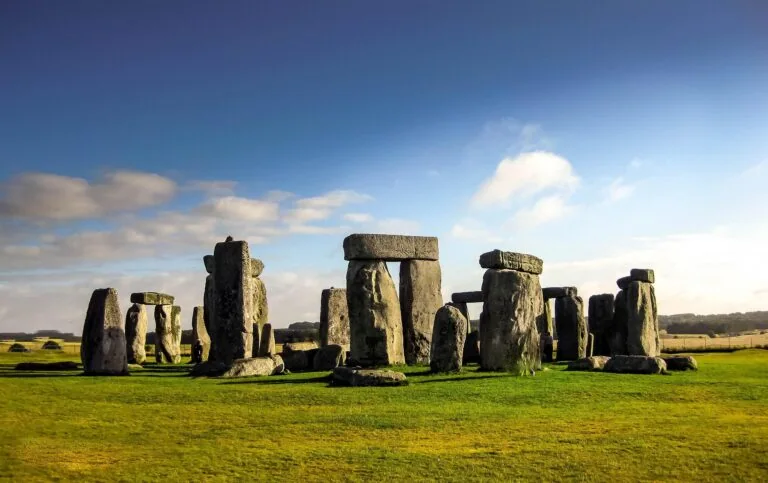
Travellers continuing beyond the battlefield may also enjoy our Stonehenge Visitor Guide, which explores another of Britain’s most iconic historic sites and one of the country’s most famous UNESCO landmarks. Visitors planning wider journeys around southern England can also use our Isle of Wight Ferry Guide, particularly if continuing towards the south coast after visiting Hastings and East Sussex.
Rail travellers planning day trips from London should also read our Train Booking Apps Guide, which compares the best apps for checking live train times, split tickets and advance fares across Britain. Visitors hoping to save money on premium rail seats may also find our Seatfrog guide useful, especially for upgrading longer rail journeys at reduced prices.
International visitors arriving in the UK should also consider our eSIM Apps guide, explaining the easiest ways to stay connected across Britain without needing a physical SIM card.