
Why Sicily Has So Many UNESCO Sites
Sicily has one of the greatest concentrations of UNESCO World Heritage Sites anywhere in the Mediterranean. Very few places in Europe combine active volcanoes, ancient Greek cities, Roman mosaics, Norman cathedrals, Baroque towns and prehistoric landscapes within a single island region.
The island’s position at the centre of the Mediterranean shaped this extraordinary diversity. Over thousands of years, Greeks, Romans, Byzantines, Arabs, Normans and Spanish rulers all controlled parts of Sicily, leaving behind major architectural, archaeological and cultural legacies that still define the island today.
This layered history explains why Sicily’s UNESCO sites feel so varied. Travellers can move from the volcanic crater landscapes of Mount Etna and the Aeolian Islands to the ancient Greek temples of Agrigento, the Roman mosaics near Piazza Armerina and the spectacular medieval cathedrals of Palermo, Monreale and Cefalù.
Natural landscapes are just as important as historical monuments. Sicily contains two UNESCO sites recognised primarily for geology and volcanic activity rather than architecture or archaeology. Both Mount Etna and the Aeolian Islands remain internationally important for understanding volcanic processes and continue shaping the landscape today.
The island also contains one of Europe’s most unusual architectural mixes. The UNESCO recognised Arab Norman Palermo sites combine Islamic, Norman and Byzantine influences in ways rarely seen elsewhere in Europe. Meanwhile the towns of the Val di Noto represent some of the finest examples of Sicilian Baroque architecture anywhere in the world.
Following the catastrophic 1693 earthquake, entire towns such as Noto, Ragusa and Modica were rebuilt in elaborate Baroque style, creating one of the Mediterranean’s most distinctive urban landscapes.
One of Sicily’s biggest advantages for travellers is accessibility. Many UNESCO locations can be combined relatively easily using regional trains, roads and ferries, allowing visitors to experience volcanoes, archaeology, medieval cities and coastal landscapes within the same itinerary.
For travellers interested in history, UNESCO travel, ancient civilisations, volcanoes, architecture and Mediterranean culture, Sicily offers one of the richest heritage landscapes anywhere in southern Europe.
Quick Facts About Sicily’s UNESCO Sites
Sicily currently contains 7 UNESCO World Heritage Sites, covering an extraordinary range of natural landscapes, archaeological ruins, historic cities and architectural masterpieces spread across the island and surrounding waters.
| UNESCO Site | Type | Known For |
|---|---|---|
| Mount Etna | Natural | Europe’s largest active volcano |
| Aeolian Islands | Natural | Volcanic islands and Stromboli |
| Valley of the Temples | Cultural | Ancient Greek temples |
| Syracuse & Pantalica | Cultural | Greek ruins and prehistoric tombs |
| Villa Romana del Casale | Cultural | Roman mosaics |
| Arab Norman Palermo, Cefalù & Monreale | Cultural | Norman Arab architecture |
| Val di Noto | Cultural | Sicilian Baroque towns |
The UNESCO sites are spread across much of Sicily, from the volcanic eastern regions near Catania to the medieval and Norman landscapes around Palermo and the archaeological zones of southern Sicily.
Two Sicilian UNESCO sites are classified as natural UNESCO sites. These are Mount Etna and the Aeolian Islands, both recognised because of their geological and volcanic importance.
The remaining UNESCO sites are recognised for their cultural and historical significance. Together they cover:
ancient Greek archaeology, Roman history, Norman cathedrals, Byzantine mosaics, volcanic geology, Baroque urban planning and prehistoric burial landscapes.
Several Sicilian cities are included within larger UNESCO groupings. The Val di Noto designation includes towns such as Noto, Ragusa, Modica, Scicli and Caltagirone, while the Arab Norman Palermo designation includes monuments across Palermo, Monreale and Cefalù.
Very few islands anywhere in Europe offer such a wide variety of UNESCO experiences within relatively manageable travel distances.
Learn More from UNESCO
This destination is connected to a UNESCO World Heritage Site, recognised for its outstanding cultural, historical, or natural importance. You can explore official listings, background information, and protected heritage sites through UNESCO’s global database.
See hotel options and places to stay in Sicily.
Browse hotelsBrowse apartments, homes and self-catering accommodation in Sicily.
Browse rentalsCompare prices for Sicily hotels across multiple booking sites.
Check dealsMap & Geography of Sicily’s UNESCO Sites
Sicily’s UNESCO sites are spread across the island in several major regional clusters, making it relatively practical for travellers to combine multiple locations within the same trip.
Eastern Sicily contains some of the island’s most famous UNESCO destinations, including Mount Etna, Syracuse, Pantalica and many of the towns included within the Val di Noto UNESCO zone. This side of the island combines volcanic landscapes, Greek archaeology and Baroque architecture within relatively short travel distances.
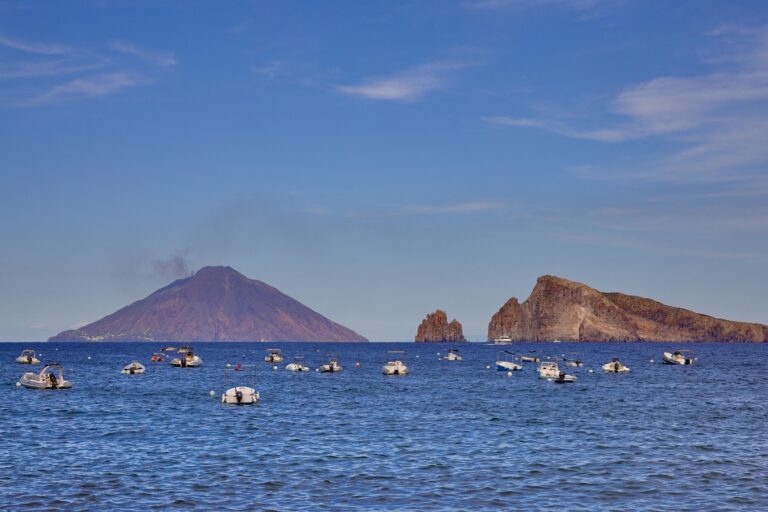
North of Sicily sit the Aeolian Islands, one of Europe’s most important volcanic archipelagos. Islands such as Stromboli, Lipari and Vulcano form part of this UNESCO recognised volcanic landscape in the Tyrrhenian Sea.
Western Sicily is more strongly associated with medieval and Norman heritage. The Arab Norman Palermo UNESCO grouping centres around Palermo, Monreale and Cefalù, reflecting Sicily’s medieval blend of Norman, Arab and Byzantine influences.
Southern Sicily contains some of the island’s most important archaeological landscapes, particularly the Valley of the Temples near Agrigento, one of the finest surviving Greek archaeological sites anywhere outside modern Greece.
Central Sicily contains the famous Villa Romana del Casale near Piazza Armerina, whose mosaics rank among the best preserved Roman artworks anywhere in the world.
One of Sicily’s greatest strengths as a UNESCO destination is the contrast between sites. Travellers can experience active volcanoes, Greek temples, Roman villas, medieval cathedrals, Baroque towns and island landscapes within the same region.
Travel times between UNESCO clusters are generally manageable by Sicilian standards. Many visitors use Palermo or Catania as bases before exploring surrounding UNESCO destinations through day trips or regional itineraries.
The journeys themselves also become part of the experience. Coastal roads, volcanic slopes, mountain villages and Mediterranean scenery create dramatic landscapes between the UNESCO sites rather than simple transport corridors.
Complete List of UNESCO Sites in Sicily
The following UNESCO World Heritage Sites are officially recognised across Sicily and its surrounding islands.
| UNESCO Site | UNESCO Type | Main Location |
|---|---|---|
| Mount Etna | Natural | Eastern Sicily |
| Aeolian Islands | Natural | North of Sicily |
| Archaeological Area of Agrigento | Cultural | Agrigento |
| Syracuse & the Rocky Necropolis of Pantalica | Cultural | Syracuse |
| Villa Romana del Casale | Cultural | Piazza Armerina |
| Arab Norman Palermo & Cathedral Churches of Cefalù and Monreale | Cultural | Palermo Region |
| Late Baroque Towns of the Val di Noto | Cultural | Southeastern Sicily |
Mount Etna is the largest active volcano in Europe and one of the most important volcanic systems anywhere in the world. Its lava fields, crater zones and eruptions continue shaping eastern Sicily today.
The Aeolian Islands were recognised because of their volcanic importance and geological significance. Islands such as Stromboli helped define the scientific understanding of volcanic eruption types.
The Archaeological Area of Agrigento, often referred to as the Valley of the Temples, contains some of the finest surviving Greek temples anywhere in the Mediterranean world.
Syracuse was once one of the greatest cities of the ancient Greek world, while nearby Pantalica contains thousands of prehistoric rock cut tombs carved into dramatic canyon landscapes.
The Villa Romana del Casale is internationally famous for its extraordinary Roman mosaics, including the iconic “bikini girls” mosaics that have become some of the best known Roman artworks anywhere in Italy.
The Arab Norman Palermo UNESCO grouping reflects Sicily’s unique medieval fusion of Norman, Arab and Byzantine cultural influences. Sites such as Monreale Cathedral contain some of the most spectacular mosaics anywhere in Europe.
Finally, the Val di Noto towns showcase the remarkable rebuilding of southeastern Sicily after the devastating 1693 earthquake, creating one of the world’s finest concentrations of Sicilian Baroque architecture.
Mount Etna UNESCO Site
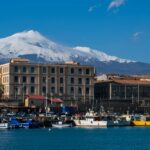
Mount Etna is one of the most famous natural landmarks in Europe and the largest active volcano on the continent. Rising above eastern Sicily near Catania, the volcano dominates huge parts of the island with its smoking craters, black lava fields and constantly changing volcanic landscapes.
UNESCO officially recognised Mount Etna as a World Heritage Site in 2013 because of its enormous geological importance and its role as one of the world’s most intensively studied active volcanoes. Scientists from across the world continue using Etna to understand eruptions, lava flows, gas emissions and volcanic behaviour.
One of the reasons Etna is so significant is because it remains highly active while also being relatively accessible. Visitors can travel high onto the volcano using roads, the famous Funivia dell’Etna cable car and guided summit tours. Very few active volcanoes anywhere in the world allow ordinary travellers to experience volcanic landscapes so closely.
The volcanic scenery changes dramatically depending on altitude. Lower slopes contain forests, vineyards and villages such as Nicolosi, Zafferana Etnea and Linguaglossa, while the upper mountain transforms into a harsh volcanic desert of ash fields, lava rock and crater systems.
The volcano’s eruptions have shaped Sicilian history for thousands of years. Lava flows have repeatedly threatened towns and infrastructure, yet the fertile volcanic soil also supports agriculture and some of Sicily’s most important wine regions.
Winter creates an especially unusual atmosphere on Etna. Snow frequently covers the upper slopes, allowing skiing on an active volcano while overlooking the Mediterranean Sea.
For many travellers, visiting Mount Etna becomes one of the highlights of Sicily because it combines geology, adventure travel, photography, hiking and dramatic Mediterranean scenery within a single destination.
Aeolian Islands UNESCO Site
The Aeolian Islands form one of the Mediterranean’s most important volcanic landscapes and were recognised as a UNESCO World Heritage Site because of their extraordinary geological significance.
Located north of Sicily in the Tyrrhenian Sea, the archipelago contains seven main inhabited islands:
Lipari, Vulcano, Stromboli, Salina, Panarea, Filicudi and Alicudi.
UNESCO recognised the islands in 2000 because they provide some of the world’s most important examples of volcanic island formation and volcanic activity. Scientists have studied the islands for centuries to better understand eruptions, lava systems and geological processes.
Among the islands, Stromboli is especially famous because of its almost continuous volcanic activity. The island became so important scientifically that the term “Strombolian eruption” is now used globally within volcanology.
The islands combine volcanic landscapes with traditional Mediterranean island culture. Black sand beaches, steaming volcanic slopes, dramatic cliffs and whitewashed harbour villages create scenery unlike anywhere else in Italy.
Each island offers a different atmosphere. Lipari acts as the main transport hub, Vulcano is famous for its smoking crater and geothermal landscapes, while Salina is known for vineyards and greener scenery. Panarea has become popular for boutique tourism, while Alicudi and Filicudi remain far quieter and more remote.
The UNESCO designation also protects the islands from large scale overdevelopment. Compared with many Mediterranean island destinations, the Aeolian Islands still retain much of their natural volcanic character and maritime atmosphere.
For travellers interested in volcanoes, island hopping, geology and dramatic coastal scenery, the Aeolian Islands UNESCO Site is one of the most unique destinations anywhere in southern Europe.
Valley of the Temples UNESCO Site
The Valley of the Temples near Agrigento is one of the greatest surviving archaeological landscapes from the ancient Greek world and one of the most important UNESCO sites anywhere in Italy.
Officially recognised by UNESCO as the Archaeological Area of Agrigento, the site contains remarkably preserved Greek temples overlooking the southern Sicilian countryside and coastline.
The city of Akragas, modern day Agrigento, was founded by Greek settlers during the 6th century BC and became one of the wealthiest and most powerful cities in the ancient Mediterranean world.
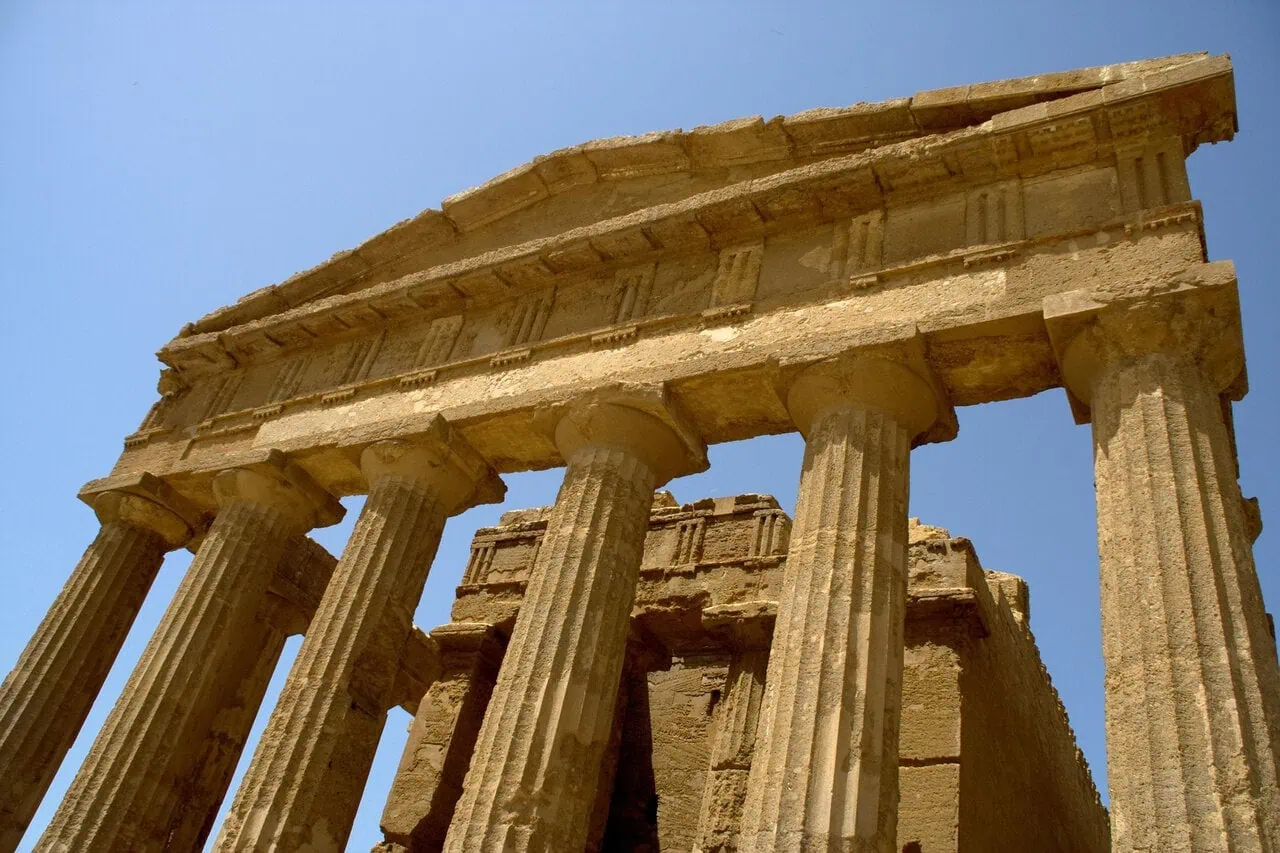
Today, visitors can walk among huge Doric temples that survived for over two thousand years. The most famous structure is the spectacular Temple of Concordia, widely considered one of the best preserved Greek temples anywhere in the world.
Other major structures include the Temple of Juno, the Temple of Hercules and the massive remains of the Temple of Olympian Zeus, which was once among the largest temples in the Greek world.
One of the most striking aspects of the site is its setting. The temples stand across ridges and hills surrounded by olive trees, Sicilian countryside and distant sea views, creating one of the most atmospheric archaeological landscapes in Europe.
The UNESCO designation recognises both the architectural importance of the temples and the historical significance of Akragas within ancient Greek civilisation.
The site is especially impressive during sunrise and sunset when warm Sicilian light transforms the golden stone temples and surrounding landscape. Evening illuminations also create a completely different atmosphere after dark.
For travellers interested in ancient history, Greek archaeology and monumental architecture, the Valley of the Temples is one of Sicily’s absolute highlights and one of the finest classical archaeological sites in the Mediterranean region.
Syracuse & Pantalica UNESCO Site
The UNESCO site officially known as Syracuse and the Rocky Necropolis of Pantalica combines one of the Mediterranean’s greatest ancient Greek cities with one of Europe’s most important prehistoric burial landscapes.
Syracuse, located on Sicily’s eastern coast, was once among the most powerful cities in the ancient Greek world. During classical antiquity, it rivalled cities such as Athens in wealth, military power and cultural importance.
The historic centre on the island of Ortigia remains one of Sicily’s most beautiful urban landscapes today. Narrow streets, Baroque piazzas, seafront promenades and ancient ruins combine to create a city layered with thousands of years of history.
One of the site’s most famous monuments is the Greek Theatre of Syracuse, carved directly into the hillside and still used for performances today. Nearby archaeological areas also include Roman amphitheatres, ancient quarries and defensive structures from different historical periods.
The second part of the UNESCO designation lies inland at Pantalica, a dramatic rocky canyon landscape containing thousands of prehistoric tombs cut into the cliffs. These burial chambers date back thousands of years and represent one of the most important prehistoric necropolises anywhere in Europe.
The contrast between Syracuse and Pantalica is one of the reasons the UNESCO designation is so remarkable. Visitors can experience both the monumental remains of classical civilisation and far older prehistoric landscapes within the same heritage zone.
The surrounding scenery also adds to the experience. Coastal views around Syracuse and the canyon landscapes of Pantalica create some of the most visually dramatic UNESCO environments in Sicily.
For travellers interested in ancient Greece, Mediterranean archaeology, prehistoric history and historic urban landscapes, the Syracuse UNESCO site offers one of the richest historical experiences anywhere in southern Italy.
Compare routes and fares for your journey to Sicily.
Compare flightsUse an eSIM to get online without hunting for a local SIM after arrival.
See eSIM optionsArrange a private airport pickup for your trip to Sicily.
Check transfersVilla Romana del Casale UNESCO Site
The Villa Romana del Casale near Piazza Armerina contains some of the finest and best preserved Roman mosaics anywhere in the world. Hidden within the hills of central Sicily, the villa represents one of the island’s most extraordinary archaeological treasures.
UNESCO recognised the villa because of the exceptional quality, scale and preservation of its mosaics, which cover huge sections of the ancient Roman complex. Unlike many archaeological sites where decoration survives only in fragments, the mosaics here remain astonishingly detailed and colourful.
The villa itself dates largely from the 4th century AD and was probably owned by an extremely wealthy Roman elite family connected to the imperial administration. The scale of the complex demonstrates the immense wealth and influence that existed in Roman Sicily during late antiquity.
The most famous mosaics are the so called “bikini girls” mosaics, showing women exercising and participating in athletic activities while wearing remarkably modern looking garments. These images have become internationally famous and are among the most recognisable Roman artworks anywhere in Italy.
However, the villa contains far more than a single mosaic scene. Huge halls, corridors and reception rooms display mosaics showing hunting expeditions, mythological stories, wild animals, ships and scenes from everyday Roman life.
One of the most remarkable features is the enormous Great Hunt Mosaic, stretching through a long corridor and depicting the capture and transport of exotic animals from across the Roman world. The level of artistic detail remains extraordinary nearly two thousand years later.
The villa survived partly because landslides and mud gradually buried large sections of the site, protecting the mosaics from weather and destruction over centuries.
Today, elevated walkways allow visitors to move above the rooms while protecting the ancient floors beneath. This creates one of the best archaeological viewing experiences anywhere in Sicily.
For travellers interested in Roman history, ancient art, archaeology and UNESCO heritage, the Villa Romana del Casale offers one of the most visually impressive historical sites anywhere in the Mediterranean.
Arab Norman Palermo, Cefalù & Monreale UNESCO Site
The UNESCO site officially known as Arab Norman Palermo and the Cathedral Churches of Cefalù and Monreale reflects one of the most fascinating cultural mixtures anywhere in medieval Europe.
The designation recognises a series of monuments across Palermo, Monreale and Cefalù that combine Norman, Arab and Byzantine artistic and architectural influences into a unique Sicilian style found nowhere else in the world.
During the medieval period, Sicily became one of the Mediterranean’s great cultural crossroads. Islamic, Latin Christian and Byzantine traditions all influenced the island simultaneously, creating architecture and decoration unlike anything seen elsewhere in Europe.
In Palermo, UNESCO recognised several major monuments including the Palatine Chapel, Palermo Cathedral, the churches of San Cataldo and La Martorana, along with royal palaces and historic structures connected to Norman rule.
The Palatine Chapel inside the Palace of the Normans is considered one of the greatest artistic masterpieces in Sicily. Glittering Byzantine mosaics, carved Islamic style ceilings and Norman architecture combine inside a single extraordinary space.
Outside Palermo, the spectacular Monreale Cathedral is one of the greatest cathedral interiors anywhere in Europe. The church is famous for its immense golden mosaics covering huge sections of the walls and apse, creating one of the most visually overwhelming religious interiors in Italy.
The seaside town of Cefalù also forms part of the UNESCO designation because of its magnificent Norman cathedral overlooking the Mediterranean coastline beneath dramatic rocky cliffs.
One of the most remarkable things about this UNESCO grouping is how clearly the different cultural influences remain visible. Islamic geometric decoration, Byzantine mosaics and Norman architecture coexist within the same buildings rather than replacing one another.
For travellers interested in medieval history, religious art, Byzantine mosaics, Norman Sicily and Mediterranean cultural history, this UNESCO site offers one of the richest architectural experiences anywhere in southern Europe.
Val di Noto Baroque Towns UNESCO Site
The Late Baroque Towns of the Val di Noto represent one of the greatest concentrations of Baroque architecture anywhere in the world and one of Sicily’s most visually distinctive UNESCO sites.
The UNESCO designation covers several towns in southeastern Sicily rebuilt after the devastating 1693 earthquake, which destroyed huge sections of the region. Rather than reconstructing the towns in older medieval styles, Sicily’s rulers and architects rebuilt entire urban centres in elaborate Sicilian Baroque style.
The UNESCO recognised towns include Noto, Ragusa, Modica, Scicli, Caltagirone, Palazzolo Acreide, Militello Val di Catania and parts of Catania itself.
Among them, Noto is often considered the most spectacular example. Wide golden stone streets, grand staircases, ornate churches and elegant palaces create one of the most harmonious Baroque cityscapes anywhere in Europe.
Ragusa Ibla offers a different atmosphere, with dramatic Baroque architecture rising across steep hills and narrow streets. The town’s elevated viewpoints create some of the most photogenic urban scenery in Sicily.
Modica is famous not only for its Baroque buildings but also for its historic chocolate making traditions dating back centuries. The town spreads across deep valleys beneath layers of churches, palaces and staircases.
The Baroque style in Sicily developed its own distinctive identity. Buildings often feature dramatic balconies, carved stone figures, theatrical facades and warm golden limestone that glows beautifully beneath Sicilian sunlight.
One of the most impressive aspects of the Val di Noto UNESCO zone is the scale of reconstruction. Entire towns were redesigned and rebuilt after the earthquake, creating coherent urban landscapes rather than isolated individual monuments.
The region also combines architecture with outstanding food, countryside scenery and Mediterranean atmosphere. Many travellers consider southeastern Sicily one of the most beautiful and culturally rich parts of the island.
For travellers interested in architecture, historic towns, photography and Italian cultural heritage, the Val di Noto represents one of the finest Baroque regions anywhere in Europe.
Compare hostels and lower-cost places to stay in Sicily.
Search hostelsAccess compensation support, eligible lounge benefits and faster payouts when flights go wrong.
See the benefitsArriving before check-in or leaving later? Store your luggage and make more of your time in Sicily.
Store your bagsUNESCO Sites Near Palermo
The area surrounding Palermo contains some of Sicily’s most important UNESCO landmarks and provides one of the easiest bases for exploring the island’s medieval and Norman heritage.
The most significant UNESCO grouping near Palermo is the Arab Norman Palermo designation itself. Within the city, travellers can visit major monuments such as the Palatine Chapel, Palace of the Normans, Palermo Cathedral, La Martorana and San Cataldo.
These sites reflect the extraordinary mixture of Norman, Arab and Byzantine influences that shaped medieval Sicily. Glittering mosaics, Islamic decorative details and Norman architecture combine throughout the city in ways rarely seen elsewhere in Europe.
Just outside Palermo lies Monreale, home to one of Italy’s most spectacular cathedrals. The golden mosaics inside Monreale Cathedral are among the most impressive religious artworks anywhere in the Mediterranean world.
Further east along the northern Sicilian coastline sits Cefalù, another UNESCO recognised Norman cathedral town. The cathedral rises dramatically beneath the rocky cliffs dominating the town and combines medieval architecture with one of Sicily’s most scenic coastal settings.
Palermo also acts as an excellent transport base for reaching other UNESCO locations across western and central Sicily. Regional trains, buses and motorways connect the city with destinations such as Agrigento and the central Sicilian interior.
One of the advantages of basing yourself in Palermo is the combination of UNESCO heritage with food markets, street life, beaches and broader Sicilian culture. The city itself is one of the most energetic and historically layered urban environments anywhere in Italy.
For travellers interested in medieval architecture, mosaics, Norman history and cultural heritage, the Palermo region offers one of the strongest UNESCO clusters anywhere in Sicily.
UNESCO Sites Near Catania
The region surrounding Catania contains some of Sicily’s most dramatic UNESCO landscapes, combining active volcanoes, ancient Greek history and spectacular Baroque cities within relatively short travel distances.
The most famous UNESCO site near Catania is undoubtedly Mount Etna, the largest active volcano in Europe. Rising directly above the city, Etna dominates the skyline with smoking craters, black lava fields and constantly changing volcanic landscapes.
Because of the volcano’s proximity, many travellers visit Mount Etna as a day trip from Catania using organised tours, rental cars or the seasonal AST 607 bus towards Rifugio Sapienza. The journey from the city towards the volcanic slopes is one of the most dramatic urban to natural transitions anywhere in Italy.
Catania itself also forms part of the UNESCO recognised Val di Noto Baroque zone. Large sections of the city were rebuilt after the devastating 1693 earthquake, creating grand Baroque piazzas, churches and palaces built largely from dark volcanic stone.
South of Catania lies Syracuse, another of Sicily’s greatest UNESCO sites. The historic island district of Ortigia, the Greek Theatre of Syracuse and the surrounding archaeological areas make Syracuse one of the Mediterranean’s most important ancient cities.
Further inland sits Pantalica, whose dramatic canyon landscapes contain thousands of prehistoric rock cut tombs carved directly into the cliffs. Together with Syracuse, the necropolis forms one of Sicily’s most important combined archaeological UNESCO designations.
Travellers exploring eastern Sicily from Catania can also relatively easily continue towards the Aeolian Islands, especially through ferry connections from Milazzo further north along the coastline.
One of the biggest advantages of the Catania region is the sheer variety of UNESCO experiences available nearby. Visitors can combine active volcanoes, Baroque architecture, Greek ruins, prehistoric archaeology and island landscapes within a relatively compact area.
Because Catania Airport is one of Sicily’s main international gateways, the eastern side of the island is often the easiest starting point for broader UNESCO focused itineraries across Sicily.
How to Travel Between Sicily’s UNESCO Sites
Travelling between Sicily’s UNESCO sites requires some planning because the island is much larger than many visitors initially expect. However, with the right itinerary, travellers can combine volcanoes, archaeological sites, medieval cities and island landscapes relatively efficiently.
The two main transport hubs are Palermo in western Sicily and Catania in eastern Sicily. Most UNESCO itineraries begin from one of these cities because they contain the island’s strongest airport, rail and bus connections.
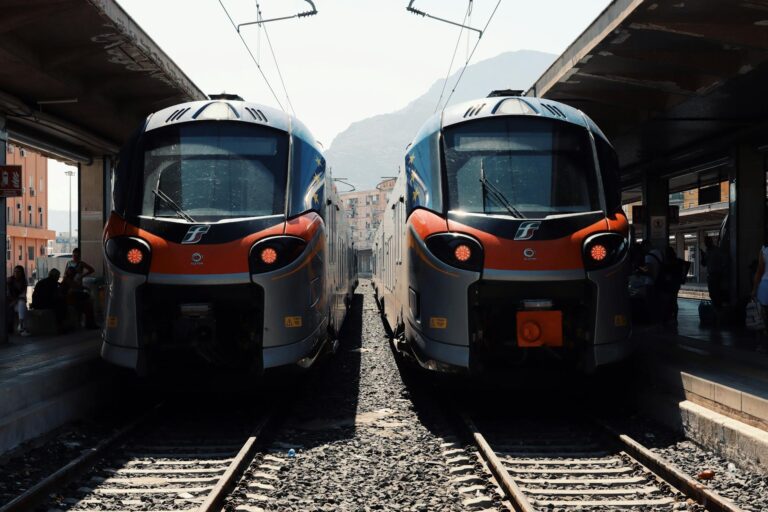
Regional trains work well for some major UNESCO routes, particularly along the northern and eastern coastlines. Travellers can relatively easily move between Palermo, Cefalù, Messina, Taormina and Catania by rail.
However, many of Sicily’s most important UNESCO sites are inland or poorly connected by train. Destinations such as the Villa Romana del Casale, Pantalica and several of the Val di Noto towns are often easier to reach by rental car or organised tours.
Hiring a car is usually the most efficient option for travellers wanting to visit multiple UNESCO locations across the island. Driving provides far greater flexibility for exploring smaller towns, archaeological landscapes and volcanic areas where public transport can be limited.
For travellers avoiding driving, organised excursions remain extremely popular, especially for Mount Etna, Agrigento and the southeastern Baroque towns. Multi stop day tours operate from both Palermo and Catania.
The Aeolian Islands require ferry travel rather than road or rail transport. Most visitors reach the islands through ports such as Milazzo or occasionally Messina, depending on the chosen island and ferry operator.
Travel times across Sicily are often longer than expected because of mountainous terrain, winding roads and slower regional infrastructure. Although distances on the map may appear short, journeys between UNESCO regions frequently require several hours.
One of the best strategies is focusing on regional clusters rather than attempting to cross the entire island repeatedly. Many travellers separate Sicily into western Sicily around Palermo, eastern Sicily around Catania, southeastern Sicily around the Val di Noto, and volcanic island itineraries around the Aeolian Islands.
This approach creates far more manageable and enjoyable UNESCO itineraries.
| UNESCO Site | Public Transport Possible? | Best Base | Best Transport Option | Difficulty |
|---|---|---|---|---|
| Mount Etna | Yes | Catania | AST 607 bus, tours or rental car | Moderate |
| Aeolian Islands | Yes | Milazzo | Ferry or hydrofoil | Easy |
| Valley of the Temples | Yes | Agrigento | Regional train + local bus/walk | Easy |
| Syracuse & Pantalica | Partly | Syracuse | Train to Syracuse, car for Pantalica | Moderate |
| Villa Romana del Casale | Limited | Piazza Armerina | Rental car or organised tour | Difficult |
| Arab Norman Palermo Sites | Yes | Palermo | Walking, buses and trains | Easy |
| Monreale Cathedral | Yes | Palermo | Local AMAT bus or taxi | Easy |
| Cefalù Cathedral | Yes | Palermo or Cefalù | Regional train | Easy |
| Val di Noto Towns | Partly | Noto or Ragusa | Rental car preferred | Moderate |

Suggested Sicily UNESCO Itineraries
The best Sicily UNESCO itinerary depends heavily on how much time travellers have and whether they are most interested in volcanoes, archaeology, architecture or broader Sicilian culture.
For shorter trips of around 4 to 5 days, many visitors focus on either western or eastern Sicily rather than attempting to cover the entire island. This usually creates a far less rushed experience and allows more time inside the UNESCO sites themselves.
An eastern Sicily itinerary often begins in Catania and includes Mount Etna, Syracuse, Pantalica and several of the Val di Noto Baroque towns such as Noto, Ragusa and Modica.
A western Sicily itinerary typically centres around Palermo, Monreale, Cefalù and the Valley of the Temples near Agrigento. This route focuses more heavily on Norman architecture, medieval history and ancient Greek archaeology.
Travellers with around 7 to 10 days can combine both halves of the island into a much broader UNESCO route. A common strategy is arriving into Palermo and departing from Catania, or vice versa, avoiding the need to backtrack across Sicily.
Longer itineraries may also include the Aeolian Islands, especially for travellers interested in volcanic landscapes and island travel. Islands such as Stromboli and Lipari add a completely different dimension to Sicily’s UNESCO heritage.
Thematic itineraries also work extremely well in Sicily. Some travellers focus almost entirely on ancient Greek archaeology, volcanic landscapes, Norman architecture, Baroque towns or Mediterranean religious heritage.
Because the island contains such varied UNESCO sites, Sicily rewards slower regional exploration far more than trying to tick off every site in the shortest possible time.
One of the smartest itinerary strategies is balancing major UNESCO landmarks with ordinary Sicilian experiences. Markets in Palermo, seafood restaurants in Syracuse, vineyards around Etna and coastal scenery between destinations often become just as memorable as the UNESCO monuments themselves.
| Day | Base | UNESCO Sites | Key Experiences |
|---|---|---|---|
| Day 1 | Palermo | Arab Norman Palermo | Palatine Chapel, Palermo Cathedral, street food |
| Day 2 | Palermo / Cefalù | Cefalù Cathedral, Monreale | Norman mosaics, coastal scenery |
| Day 3 | Agrigento | Valley of the Temples | Greek temples at sunset |
| Day 4 | Piazza Armerina / Catania | Villa Romana del Casale | Roman mosaics, transfer east |
| Day 5 | Catania | Mount Etna | Cable car, volcanic landscapes |
| Day 6 | Syracuse / Noto | Syracuse & Val di Noto | Ortigia, Baroque towns |
| Day 7 | Aeolian Islands or Taormina | Aeolian Islands | Stromboli, island hopping |
Costs & Budget Tips
The cost of exploring Sicily’s UNESCO sites varies heavily depending on transport choices, season and how independently travellers plan their itinerary.
Compared with many other major heritage destinations in western Europe, Sicily can still offer relatively good value, especially outside peak summer. Accommodation, food and regional transport are often cheaper than in cities such as Rome, Venice or Florence.
One of the biggest costs is transport between UNESCO regions. Sicily is a large island, and reaching multiple archaeological sites, volcanic landscapes and historic towns often involves long journeys. Hiring a car increases flexibility but also adds fuel, parking and motorway costs.
Regional trains are usually the cheapest option between major cities such as Palermo, Catania, Messina and Syracuse. However, many UNESCO sites beyond the main rail network require buses, taxis or organised tours.
Entry fees also vary considerably. Sites such as the Valley of the Temples, Villa Romana del Casale and archaeological parks around Syracuse all charge admission fees, while many historic town centres themselves remain free to explore.
Volcanic experiences on Mount Etna can become significantly more expensive if travellers add cable cars, summit excursions or guided volcanic tours. However, lower crater areas around Rifugio Sapienza can still be explored relatively cheaply.
Travelling during spring or autumn often provides the best balance between weather, crowd levels and pricing. Accommodation prices rise sharply during July and August, especially in popular destinations such as Taormina, Cefalù and the Aeolian Islands.
Food remains one of Sicily’s best value experiences. Street food in Palermo, pastries in Catania, seafood in Syracuse and wine around Etna often provide exceptional quality without extreme prices compared with many tourist heavy regions elsewhere in Italy.
Travellers trying to cover too much of the island too quickly often spend unnecessarily on transport and rushed logistics. Focusing on regional UNESCO clusters usually creates both a cheaper and more rewarding overall trip.

Rupert’s Handy Travel Tips
Rupert recommends splitting a Sicily UNESCO trip into regional clusters rather than constantly crossing the island. Sicily is much larger than many visitors expect, and trying to visit every UNESCO site too quickly usually means spending more time on roads, trains and buses than actually enjoying the destinations themselves.
- Use Palermo as a base for the Arab Norman UNESCO sites, Monreale and Cefalù.
- Base yourself in Catania for Mount Etna, Syracuse and the eastern Val di Noto towns.
- The hardest UNESCO site to reach using public transport is usually the Villa Romana del Casale. A rental car or organised tour is often much easier.
- Visit the Valley of the Temples either early in the morning or near sunset. Midday summer heat around Agrigento can become exhausting.
- Allow extra flexibility for the Aeolian Islands because ferry schedules can change due to sea conditions and seasonal timetables.
Want to meet the reindeer behind our travel tips? Find out more in our page Who is Rupert?.
Frequently Asked Questions About Sicily UNESCO Sites
How many UNESCO World Heritage Sites are there in Sicily?
Sicily currently has 7 UNESCO World Heritage Sites, including Mount Etna, the Aeolian Islands, the Valley of the Temples, Syracuse, the Villa Romana del Casale, the Arab Norman Palermo monuments and the Val di Noto Baroque towns.
What is the most famous UNESCO site in Sicily?
The most internationally famous site is probably Mount Etna, Europe’s largest active volcano. However, the Valley of the Temples and the Arab Norman Palermo monuments are also among Sicily’s best known UNESCO attractions.
Can you visit Sicily’s UNESCO sites without a car?
Yes, but some sites are much easier to reach than others. Palermo, Cefalù, Catania, Syracuse and Agrigento work relatively well using trains and buses, while places such as the Villa Romana del Casale and parts of the Val di Noto region are easier with a rental car or organised tour.
What is the best UNESCO site in Sicily for history lovers?
Travellers interested in ancient history usually prioritise the Valley of the Temples, Syracuse and the Villa Romana del Casale because of their extraordinary Greek and Roman archaeological remains.
What is the best natural UNESCO site in Sicily?
The two natural UNESCO sites are Mount Etna and the Aeolian Islands. Etna is best for volcanic landscapes and hiking, while the Aeolian Islands combine volcanic scenery with Mediterranean island culture.
Which UNESCO site is closest to Palermo?
The closest UNESCO sites to Palermo are the Arab Norman Palermo monuments themselves, along with Monreale Cathedral and Cefalù Cathedral.
Which UNESCO sites are easiest from Catania?
From Catania, travellers can relatively easily visit Mount Etna, Syracuse, Noto and several other towns within the Val di Noto UNESCO region.
How many days do you need for a Sicily UNESCO trip?
Most travellers need at least 7 to 10 days to comfortably experience Sicily’s major UNESCO sites without rushing constantly between regions.
What is the best time to visit Sicily’s UNESCO sites?
The best periods are usually spring and autumn, especially April to June and September to October, when temperatures are more comfortable for sightseeing and archaeological exploration.
Are Sicily’s UNESCO sites crowded?
Some major sites such as Mount Etna, the Valley of the Temples and parts of Taormina can become extremely busy during summer. Visiting during shoulder season often provides a far more enjoyable experience.
Further Reading & Related Guides
Travellers exploring Sicily’s UNESCO sites often combine heritage travel with volcanoes, island hopping and wider Mediterranean transport routes. Our detailed Mount Etna Guide explains how to visit Europe’s largest active volcano, including cable cars, crater tours, hiking routes and winter snow conditions on the volcano.
For travellers interested in Sicily’s volcanic island landscapes, our Aeolian Islands Travel Guide covers Stromboli, Lipari, Vulcano and the wider UNESCO recognised volcanic archipelago north of Sicily.
Visitors arriving through eastern Sicily should also read our Catania Airport Transfers guide, while travellers heading towards western Sicily may find our Palermo Airport Transfers and Trapani Airport Transfers pages useful for planning regional transport.
Our Sicily Train Guide explains regional rail routes between destinations such as Palermo, Catania, Messina, Syracuse and Agrigento, while the Sicily Ferry Guide covers ferry routes to the mainland, the Aeolian Islands, Malta and wider Mediterranean connections.
Travellers arriving from mainland Italy may also find our Rome to Sicily Sleeper Train Guide useful, especially for understanding the famous overnight train ferry crossing across the Strait of Messina.
For travellers wanting reliable mobile data while navigating Sicily’s archaeological sites, island ferries and mountain regions, our eSIM Apps Guide compares the best travel eSIM options for Italy and wider European travel.