
Why Sicily Is One of the Mediterranean’s Best Ferry Hubs
Few islands in Europe are as important for ferry travel as Sicily. Positioned between mainland Italy, Malta, Tunisia, and the wider central Mediterranean, the island acts as one of southern Europe’s great maritime crossroads. For travellers exploring the region without relying entirely on flights, Sicily opens up an enormous network of sea routes linking mainland Italy, volcanic islands, North Africa, and some of the Mediterranean’s most rewarding overland journeys.
One of Sicily’s biggest strengths is the sheer variety of ferry travel available. Large overnight ferries connect ports such as Palermo with mainland Italian cities including Naples and Genoa, while high frequency crossings run constantly between Messina and mainland Calabria across the famous Strait of Messina. Elsewhere on the island, fast ferries connect Pozzallo with Malta, while regional island services depart toward the volcanic Aeolian Islands and the beautiful Egadi Islands.
Unlike airport focused travel, Sicily ferry journeys often feel closely connected to the cities themselves. Ferry terminals in places such as Palermo, Messina, and Trapani sit relatively close to railway stations, historic districts, hotels, and local transport systems, making onward travel far easier for independent travellers.
The island also works exceptionally well for combining different styles of transport into one larger Mediterranean journey. Many travellers arrive on sleeper trains from cities such as Rome, continue onto ferries crossing into Sicily, then travel onward toward destinations including Malta, the Aeolian Islands, or even Tunisia. Others combine Sicily ferries with road trips, Interrail itineraries, regional Italian trains, and island hopping adventures across southern Europe.
The ferries themselves vary enormously depending on route and destination. Some are huge overnight vessels carrying trains, freight trucks, campervans, and hundreds of passengers across the Mediterranean, while others are fast catamarans designed for quick crossings between islands and nearby countries.
For travellers willing to embrace slower and more atmospheric Mediterranean travel, Sicily’s ferry network creates one of the richest combinations of sea travel, rail travel, island exploration, and overland adventure anywhere in Europe.
Sicily Ferry Routes at a Glance
| Route | Typical Duration | Main Operator(s) | Best For |
|---|---|---|---|
| Palermo to Naples | Around 10 to 12 hours | GNV, Tirrenia | Mainland Italy access |
| Messina to Villa San Giovanni | Around 20 to 30 minutes | Caronte & Tourist | Fast mainland crossing |
| Messina to Reggio Calabria | Around 30 minutes | Liberty Lines | Foot passenger crossings |
| Pozzallo to Malta | Around 1 hour 45 mins | Virtu Ferries | Malta trips |
| Trapani to Tunis | Around 10 to 12 hours | Seasonal operators | Tunisia access |
| Milazzo to Lipari | Around 1 hour | Liberty Lines | Aeolian Islands |
| Milazzo to Stromboli | Around 2 to 3 hours | Liberty Lines | Volcano islands |
| Trapani to Favignana | Around 30 to 45 minutes | Liberty Lines, Siremar | Egadi Islands |
| Palermo to Genoa | Around 20 hours | GNV | Northern Italy ferries |
See hotel options and places to stay in Sicily.
Browse hotelsExplore holiday homes and apartments around Sicily.
See holiday homesCompare hotel deals in Sicily from multiple booking sites.
Compare pricesMain Ferry Ports in Sicily
The most important ferry port in Sicily is Palermo, which acts as the island’s primary gateway for overnight ferry routes to mainland Italy. Large passenger ferries connect Palermo with destinations including Naples and Genoa, carrying tourists, freight traffic, campervans, motorcycles, and Sicilian families travelling between the island and mainland Europe.
One of Palermo’s biggest strengths is its location. The port sits relatively close to central Palermo itself, making it easy to combine ferry travel with railway connections, city hotels, restaurants, and sightseeing inside the Sicilian capital.
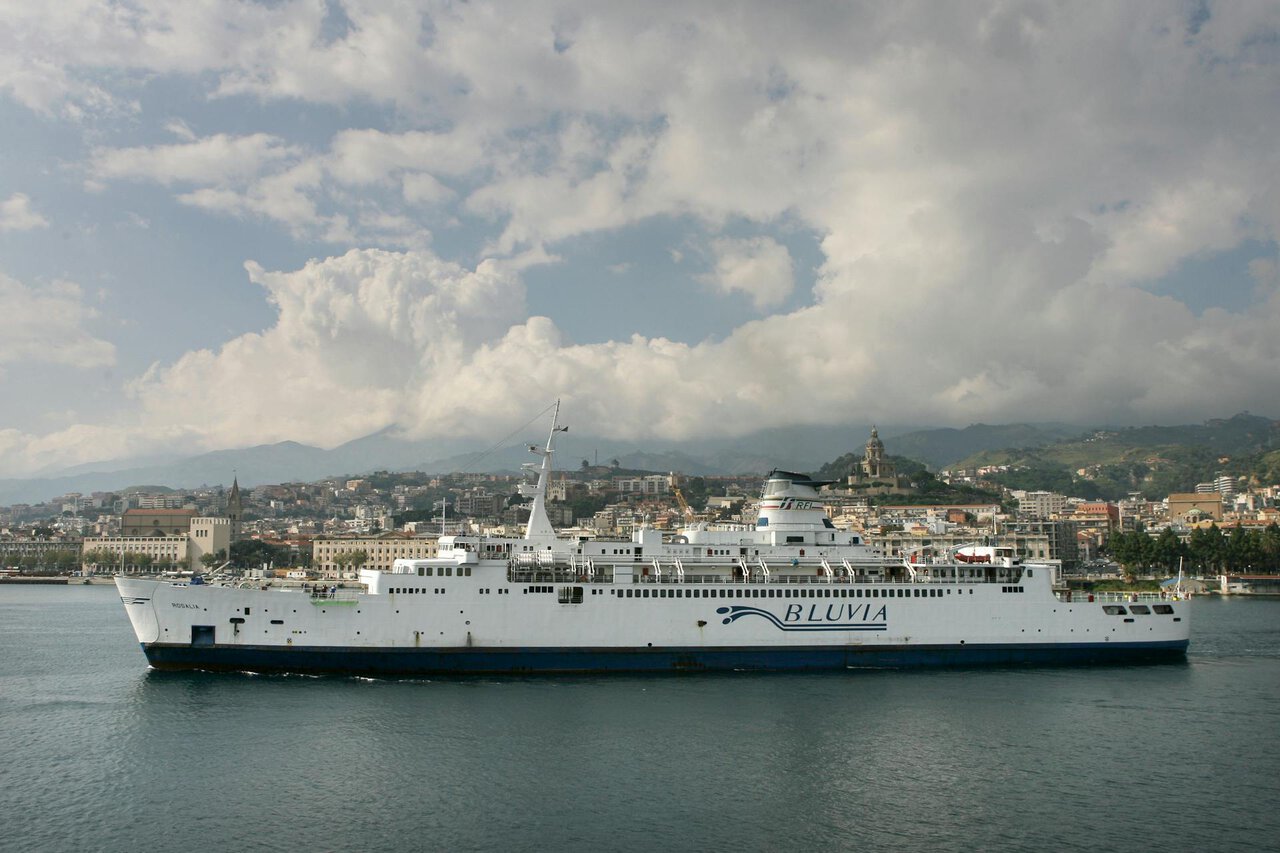
At the northeastern corner of Sicily, Messina operates one of Europe’s busiest short sea crossings. Ferries move constantly between Sicily and mainland Calabria, particularly toward Villa San Giovanni and Reggio Calabria. These crossings are absolutely critical to Sicily’s transport network because they carry not only passengers and vehicles but also long distance trains connecting Sicily with mainland Italy.
Further south, Pozzallo serves as Sicily’s main gateway toward Malta. High speed catamarans operated by Virtu Ferries connect Sicily with Valletta, creating one of the Mediterranean’s most useful short international ferry crossings. The route has become especially popular with independent travellers, backpackers, and visitors combining Malta with wider Sicily itineraries.
On Sicily’s northern coastline, Milazzo functions as the primary departure point for the volcanic Aeolian Islands, including Lipari, Stromboli, and Vulcano. During summer, Milazzo becomes one of Italy’s busiest island hopping ferry hubs as travellers head toward the islands’ beaches, volcanoes, hiking routes, and dramatic coastal scenery.
Meanwhile, Trapani in western Sicily connects the island with both the nearby Egadi Islands and occasional international ferry routes toward Tunisia. The port is particularly useful for travellers exploring western Sicily without relying entirely on Palermo.
Together, these ports make Sicily one of the Mediterranean’s most interconnected islands for ferry travel.
| Ferry Port | Closest Railway Station | Typical Transfer Time to Port | Main Ferry Routes |
|---|---|---|---|
| Palermo Port | Palermo Centrale | Around 10 to 15 mins by taxi or roughly 25 to 30 mins walking | Naples, Genoa, mainland Italy ferries |
| Messina Port | Messina Centrale | Usually 5 to 15 mins depending on terminal and luggage | Villa San Giovanni, Reggio Calabria |
| Pozzallo Port | Pozzallo Station | Around 10 mins by taxi or local transfer | Malta ferries |
| Milazzo Port | Milazzo Station | Around 10 to 20 mins by taxi or shuttle | Aeolian Islands ferries |
| Trapani Port | Trapani Station | Usually 5 to 15 mins | Egadi Islands, Tunisia ferries |
| Catania Port | Catania Centrale | Around 15 to 25 mins depending on traffic | Limited ferry and cruise routes |
Ferries from Sicily to Mainland Italy
The ferry routes between Sicily and mainland Italy are among the busiest and most important maritime corridors anywhere in southern Europe. These crossings move enormous numbers of tourists, freight vehicles, trains, campervans, motorcycles, and local travellers every single day.
The most famous route is the overnight Palermo to Naples ferry, which allows passengers to travel between Sicily and mainland southern Italy while sleeping onboard. Most sailings take roughly 10 to 12 hours, depending on weather conditions and operator schedules.
These ferries are operated primarily by companies such as GNV and Tirrenia, using large overnight ships equipped with cabins, restaurants, lounges, bars, vehicle decks, and public seating areas. For many travellers, the route feels more like a moving Mediterranean hotel than simple transport.
The crossing is especially popular with road trippers exploring southern Italy, campervan travellers touring the Mediterranean, Interrail users avoiding domestic flights, and families transporting vehicles between Sicily and mainland Europe.
The other major mainland connection is the short crossing across the Strait of Messina. Ferries between Messina and Villa San Giovanni operate almost continuously throughout the day and night, with departures often running every few minutes during busy daytime periods.
Unlike the overnight Palermo ferries, these crossings are extremely short, usually lasting around 20 to 30 minutes. However, they are absolutely critical to Sicily’s transport system because they carry cars, freight trucks, motorcycles, foot passengers, and even long distance trains between Sicily and mainland Italy.
The train ferries are particularly famous because passenger trains from mainland Italy physically board ships before continuing onward into Sicily. This remains one of Europe’s most unusual railway operations and is still a highlight for many overland travellers.
There are also shorter passenger focused services between Messina and Reggio Calabria, which are especially useful for travellers crossing quickly between Sicily and mainland Italy without vehicles.
For many visitors, these ferry routes form the backbone of wider Mediterranean journeys, allowing movement between Sicily and mainland Italy without relying entirely on domestic flights.
Sicily to Malta Ferries
One of the Mediterranean’s most interesting short international ferry routes connects Sicily with Malta. High speed catamarans operated by Virtu Ferries link the Sicilian port of Pozzallo with Valletta, creating a fast sea connection between southern Italy and one of Europe’s smallest island nations.
The crossing usually takes around 1 hour 45 minutes to 2 hours, depending on sea conditions and schedules. Compared with many longer Mediterranean ferry routes, the journey feels remarkably quick and straightforward.
For many travellers, this route opens up the possibility of combining two completely different Mediterranean experiences in one trip. Sicily offers volcanic landscapes, major historic cities, mountain railways, dramatic coastlines, and huge regional diversity, while Malta delivers fortified harbour cities, compact historic towns, swimming coves, and a very different cultural atmosphere shaped by centuries of Mediterranean history.
The route has become especially popular with independent travellers exploring southern Europe without relying entirely on flights. Backpackers, Interrail travellers, Mediterranean island hoppers, cruise extension travellers, and slow overland travellers all regularly use the crossing between Sicily and Malta.
One particularly interesting angle is that the route can work as an extreme day trip. Travellers staying in either Sicily or Malta sometimes use early morning departures and evening return ferries to briefly experience the other destination in a single day. It is ambitious and requires careful planning, but it is entirely possible.
We already cover this concept in detail in our dedicated guide Malta to Sicily Day Trip: Ferry Routes, Times & Tips
That guide explains schedules, timings, ferry logistics, and whether attempting the crossing as a day trip is realistically worthwhile.
The Sicilian departure point of Pozzallo sits on the southeastern coastline of Sicily and is reachable from cities such as Catania and Siracusa, though travellers should plan onward rail and bus connections carefully because the port itself is much smaller than Sicily’s major mainland ferry terminals.
Unlike the large overnight ferries to mainland Italy, the Malta route uses fast passenger focused vessels rather than huge cruise style ships. The atmosphere therefore feels closer to international high speed sea transport than a traditional overnight Mediterranean ferry.
Summer sailings can become extremely busy, especially during weekends and holiday periods, so booking ahead is strongly recommended for anyone travelling during peak season.
For travellers building wider Mediterranean overland itineraries, the Sicily to Malta ferry remains one of southern Europe’s most rewarding and unusual short international crossings.

Sicily to Tunisia Ferries
One of Sicily’s most fascinating ferry routes is the connection between the island and Tunisia in North Africa. These crossings create one of the Mediterranean’s few direct sea links between Europe and the African continent, making them particularly interesting for overland travellers and long distance Mediterranean itineraries.
Most Tunisia ferries depart from Trapani or occasionally Palermo, depending on season and operator schedules. Crossings usually arrive into ports such as Tunis or nearby Tunisian ferry terminals connected with the capital region.
Journey times are significantly longer than Sicily’s domestic routes, with many crossings taking around 10 to 12 hours or operating overnight depending on weather and vessel type.
The atmosphere onboard also feels different from Sicily’s domestic ferry network. These ships often carry a mixture of tourists, freight traffic, Tunisian families travelling between Europe and North Africa, overland vehicle travellers, and long distance Mediterranean passengers.
For many travellers, the route represents something far more adventurous than a standard ferry crossing. Travelling directly between Sicily and Tunisia creates a strong sense of geographical transition between southern Europe and North Africa in a way flights rarely achieve.
Vehicle travellers use the route heavily, particularly those driving between Europe and Africa using campervans, motorcycles, or long distance overland vehicles.
The crossing also appeals to slower travellers interested in Mediterranean history and culture. Sicily itself has deep historical links with the Arab world, and travelling onward toward Tunisia by sea creates a fascinating continuation of that wider Mediterranean story.
Schedules can vary substantially depending on season, weather conditions, and operator demand, so travellers should always check routes carefully before planning wider itineraries around the crossing.
Compared with mainland Italy ferries, the Tunisia routes feel far more international and expedition like in atmosphere. For many travellers, that is precisely what makes them so memorable.
Island Ferries from Sicily
Sicily is not only a major destination in its own right. It also acts as the gateway to some of the Mediterranean’s most spectacular island groups.
The most famous are the volcanic Aeolian Islands, located north of Sicily in the Tyrrhenian Sea. Ferries and fast hydrofoils depart primarily from Milazzo, connecting Sicily with islands including Lipari, Stromboli, Vulcano, Panarea, and Salina.
These islands are famous for black volcanic landscapes, dramatic cliffs, hiking trails, whitewashed villages, and active volcanoes rising directly from the sea. Stromboli, in particular, is internationally known for its continuously active volcano, which can often be seen erupting at night from ferries approaching the island.
Crossing times vary significantly depending on destination and vessel type. Fast hydrofoils reach closer islands such as Lipari relatively quickly, while routes toward Stromboli can take several hours.
The atmosphere around Milazzo during summer is one of the great island hopping experiences in Italy, with travellers constantly arriving and departing toward different islands carrying hiking gear, beach equipment, cameras, and backpacks.
On Sicily’s western coastline, ferries also connect Trapani with the beautiful Egadi Islands, particularly Favignana, Levanzo, and Marettimo.
These islands feel very different from the volcanic Aeolian chain. The Egadi Islands are better known for turquoise waters, swimming coves, fishing villages, cycling routes, and slower Mediterranean coastal life.
The crossing from Trapani to Favignana is especially popular because it is both short and relatively easy to organise, making it realistic even as a day trip from mainland Sicily.
During summer, ferry demand toward both island groups rises dramatically. Accommodation and ferry tickets can sell out surprisingly early, particularly during July and August.
For many travellers, combining mainland Sicily with smaller island ferries creates one of the best ways to experience the wider Mediterranean beyond the island’s major cities alone.
What Sicily Ferries Are Actually Like
The experience of using ferries in Sicily varies enormously depending on the route, vessel type, and time of year. A short fast catamaran to Malta feels completely different from an overnight ferry between Palermo and Naples, while the quick crossings across the Strait of Messina operate almost like floating motorway connections.
The largest ferries are usually the overnight mainland routes. Ships operated by companies such as GNV and Tirrenia often include restaurants, bars, lounges, outdoor decks, cabins, reclining seats, children’s play areas, vehicle decks, and onboard shops.
For many travellers, these overnight ferries feel surprisingly comfortable. Private cabins in particular transform the experience, allowing passengers to effectively combine transport and accommodation into one journey.
Shorter crossings are usually more functional. Ferries between Messina and mainland Calabria prioritise speed and efficiency because they form such a critical part of Sicily’s transport infrastructure.
Meanwhile, routes toward Malta, the Aeolian Islands, and the Egadi Islands are often operated using faster catamarans or hydrofoils designed for passenger focused travel rather than heavy freight traffic.
Sea conditions also matter. Summer crossings are usually relatively calm, especially during stable Mediterranean weather periods. Winter journeys can become rougher, particularly on longer open sea routes toward mainland Italy or Tunisia.
One thing many travellers enjoy is the atmosphere onboard. Sicily ferries often feel more social and relaxed than airports, especially during overnight journeys where passengers settle into cabins, watch coastlines disappear into darkness, and wake up approaching new destinations.
The ferries also create a stronger sense of geography. Travellers physically experience the transition between Sicily, mainland Italy, Malta, or North Africa rather than simply flying over the Mediterranean in an hour.
For slower travellers and overland explorers, that sense of movement across the sea is often one of the best parts of the entire journey itself.
Compare hostels and lower-cost places to stay in Sicily.
Search hostelsAccess compensation support, eligible lounge benefits and faster payouts when flights go wrong.
See the benefitsArriving before check-in or leaving later? Store your luggage and make more of your time in Sicily.
Store your bagsHow to Book Sicily Ferries
Booking ferries in Sicily is usually straightforward once travellers understand the different types of routes operating around the island. The process varies depending on whether you are travelling on overnight ferries to mainland Italy, fast catamarans to Malta, short crossings across the Strait of Messina, or island hopping services toward the Aeolian Islands and Egadi Islands.
For most international travellers, the easiest option is usually Direct Ferries because it allows multiple ferry companies, schedules, and routes to be compared in one place. This is especially useful in Sicily because several operators run similar routes with different departure times, crossing lengths, and onboard facilities.
Travellers booking routes such as Palermo to Naples, Pozzallo to Malta, or ferries toward islands such as Lipari and Stromboli can compare journey times, overnight cabins, vehicle transport options, and seasonal schedules before committing to a booking.
Vehicle travellers should pay particularly close attention during the booking process because ferry operators require accurate information about vehicle length, height, campervan dimensions, motorcycles, trailers, and roof boxes. Incorrect vehicle details can create problems during boarding, especially on crowded summer sailings.
For short crossings between Messina and mainland Calabria, many travellers simply buy tickets at the port because departures operate so frequently throughout the day and night. However, for overnight ferries and Malta crossings, advance booking becomes much more important during busy travel periods.
Summer demand across Sicily can become intense, particularly during July and August. Overnight cabins on ferries between Sicily and mainland Italy often sell out well in advance, especially private cabins and larger family rooms. Travellers booking late may discover that only deck passage or reclining seats remain available.
The same issue affects island ferries toward places such as Stromboli, Favignana, and Lipari, where ferry capacity and accommodation availability can both become heavily restricted during peak season.
Foot passengers generally have the simplest experience because they avoid vehicle loading procedures and the more complicated boarding systems used for cars and campervans.
Most Sicily ferry operators now support digital ticketing, making boarding significantly easier than older paper based systems. Keeping tickets downloaded offline is still sensible because mobile signal around ports and onboard vessels can occasionally become unreliable.
For travellers building wider Mediterranean itineraries involving Sicily, Malta, mainland Italy, and smaller islands, booking ferries properly in advance usually makes the entire journey far smoother and far less stressful.

Travel by Ferry to Sicily with Direct Ferries
For ferry journeys involving Sicily, Direct Ferries gives you a single place to compare available sailings from different operators.
It is useful for island hopping, coastal routes and international crossings where schedules and prices can vary considerably between companies.
Want to compare ferry prices? You can also check Ferryhopper and FerryScanner before booking.
Rail Connections to Sicily Ferry Ports
One of Sicily’s biggest advantages as a ferry hub is how well many of its ports connect with the island’s railway network. This makes Sicily particularly attractive for overland travellers combining ferries, trains, sleeper routes, and wider Mediterranean journeys without needing domestic flights.
The strongest rail ferry integration exists at Messina, where the railway system connects directly with the famous crossings across the Strait of Messina toward mainland Italy. Long distance trains from mainland Italy physically board ferries before continuing into Sicily, creating one of Europe’s most unusual transport systems.
From Messina Centrale, travellers can continue south toward Catania and Siracusa, or west along the northern coastline toward Palermo and Cefalù.
Palermo also works exceptionally well for rail ferry travel. Palermo Centrale sits within relatively easy reach of the city’s ferry terminals, allowing travellers arriving from overnight ferries to continue directly into Sicily’s rail network.
This creates an especially useful combination for travellers arriving from Naples or northern Italy without vehicles.
Further south, Pozzallo is more limited from a rail perspective but still reachable using Sicily’s southeastern rail network. Travellers normally combine regional trains with buses, taxis, or local transfers when travelling onward toward the Malta ferry terminal.
The island hopping port of Milazzo is also accessible via Sicily’s northern railway corridor, though onward transfers between the station and ferry terminals are often required.
For travellers using Interrail or wider European rail passes, Sicily’s ferry network works surprisingly well alongside mainland Italy’s long distance rail system. A traveller can realistically leave cities such as Rome, Florence, or even Munich, continue south by train, cross into Sicily by ferry, and then continue onward toward Malta or the smaller Mediterranean islands.
This combination of railways and ferries is one reason Sicily appeals so strongly to slower travellers interested in overland European travel rather than airport based tourism.
Common Mistakes Travellers Make
One of the biggest mistakes travellers make when planning ferry travel in Sicily is underestimating how busy the routes become during summer. Crossings toward Malta, the Aeolian Islands, and mainland Italy can all sell out surprisingly early during July and August, particularly for vehicle travellers and overnight cabin bookings.
Another common mistake is assuming all Sicily ferries work the same way. In reality, the experience varies enormously depending on route type. A fast catamaran to Malta feels completely different from an overnight Palermo to Naples crossing or the short vehicle ferries operating across the Strait of Messina.
Many travellers also fail to understand the geography of Sicily itself. Ferry ports are spread across a very large island, and reaching places such as Pozzallo, Trapani, or Milazzo may still involve substantial rail or road journeys after arriving in Sicily.
Vehicle travellers frequently underestimate boarding procedures too. Summer loading operations can become chaotic around larger ports, especially at Palermo and Messina, where freight traffic and tourist traffic overlap heavily.
Another common issue involves choosing the cheapest possible ticket without considering comfort. Overnight ferries without cabins can become exhausting, particularly during busy summer crossings when public seating areas remain crowded late into the night.
Travellers also occasionally confuse Sicily’s ferry ports when booking tickets. Routes toward Malta, mainland Italy, Tunisia, and the smaller islands all depart from different parts of Sicily, and selecting the wrong departure port can create major logistical problems.
Weather is another overlooked factor. While Mediterranean crossings are often calm during summer, winter conditions can occasionally affect schedules, particularly on longer open sea routes.
One of the smartest things travellers can do is treat Sicily ferries as part of the travel experience rather than simply transport. The people who enjoy these crossings most are usually those who slow down, spend time on deck, enjoy the changing coastlines, and embrace the atmosphere of Mediterranean sea travel itself.

Rupert’s Handy Travel Tips
Rupert thinks Sicily is one of the best places in Europe for travellers who genuinely enjoy the journey itself. He loves the moment ferries pull away from ports such as Palermo, Messina, and Trapani, especially at sunset when the coastline, mountains, and busy harbour lights begin to disappear behind the ship.
- If you are taking an overnight ferry between Sicily and mainland Italy, Rupert strongly recommends booking a cabin rather than the cheapest deck ticket. He says proper sleep completely changes the experience.
- Travelling to Malta? Rupert advises booking early morning sailings where possible because the sea is often calmer and arrival into Valletta feels especially dramatic from the water.
- For island hopping toward the Aeolian Islands, Rupert recommends travelling lighter than normal. Smaller ferries and hydrofoils can feel much easier with compact luggage.
- Rupert says ferry decks are one of the best places in the Mediterranean to watch geography change in real time. He recommends spending time outside rather than sitting inside lounges for the entire crossing.
Want to meet the reindeer behind our travel tips? Find out more in our page Who is Rupert?.
Frequently Asked Questions About Sicily Ferries
Can you get ferries from Sicily to mainland Italy?
Yes. Major ferry routes connect Sicily with mainland Italy, particularly from Palermo to Naples and across the Strait of Messina toward Calabria.
Can you take a ferry from Sicily to Malta?
Yes. Fast catamarans operated by Virtu Ferries connect Pozzallo in Sicily with Valletta in Malta.
How long is the ferry from Sicily to Malta?
Most crossings take around 1 hour 45 minutes to 2 hours depending on weather and vessel schedules.
What is the main ferry port in Sicily?
The most important ferry port is generally considered to be Palermo, though Messina handles the busiest mainland crossing traffic.
Can you travel from Sicily to Tunisia by ferry?
Yes. International ferry routes connect Sicily with Tunisia, usually departing from Trapani or sometimes Palermo depending on season.
Do trains go onto ferries in Sicily?
Yes. Long distance trains from mainland Italy physically board ferries crossing the Strait of Messina before continuing into Sicily.
What is the best ferry route in Sicily?
That depends on the type of trip. Many travellers consider the Naples to Palermo overnight ferry and the Pozzallo to Malta crossing among the most memorable.
Can you island hop from Sicily?
Absolutely. Ferries connect Sicily with both the Aeolian Islands and the Egadi Islands, making island hopping one of the best parts of Sicilian travel.
Should you book Sicily ferries in advance?
During summer, yes. Popular routes and cabin accommodation can sell out quickly, especially during weekends and holiday periods.
Are Sicily ferries expensive?
Prices vary significantly depending on route, season, vehicle size, and cabin choice. Short crossings are usually relatively affordable, while overnight ferries with cabins cost more.
Further Reading & Related Guides
Sicily’s ferry network works best when viewed as part of a much larger Mediterranean travel system rather than a collection of isolated crossings. Many travellers combine Sicily ferries with sleeper trains, overland rail journeys, island hopping routes, and wider southern European itineraries.
If you are travelling between Sicily and mainland Italy, our detailed Naples to Sicily Ferry Guide explains overnight crossings, cabins, vehicle transport, and practical boarding advice for ferries between Palermo and Naples.
Travellers crossing the Strait of Messina should also read our dedicated Villa San Giovanni to Messina Ferry Guide, which covers the short but extremely important sea connection between mainland Italy and Sicily. The route is especially useful for road trips, train travel, and overland journeys through southern Italy.
For travellers considering the Malta route, our dedicated Malta to Sicily Day Trip: Ferry Routes, Times & Tips guide explores one of the Mediterranean’s most unusual extreme day trip opportunities, including ferry timings, logistics, and whether attempting the crossing in a single day is realistically worthwhile.
Rail travellers should also explore our growing Sicily Train Guide, which explains how Sicily’s railway network connects with ferry ports including Messina, Palermo, and Pozzallo.
If you are planning wider Mediterranean ferry adventures, our Ferry Routes from Bari: Italy to Greece, Albania & Croatia guide explores another of southern Europe’s major ferry hubs and helps connect Sicily travel with Adriatic and Balkan itineraries.
Travellers interested in overnight rail journeys should also read our European Sleeper Trains Guide, especially if combining Sicily ferry routes with long distance trains across mainland Europe.
For travellers relying heavily on maps, ferry tickets, digital boarding passes, and mobile navigation while moving between Sicily, Malta, and mainland Italy, our detailed eSIM Apps Guide explains the best mobile data solutions for Mediterranean travel without expensive roaming charges.
Together, Sicily’s ferries, sleeper trains, railways, and island routes create one of Europe’s richest opportunities for slower and more atmospheric overland travel.