Reviewed by our editorial team Updated
Why Sleeper Trains in Europe Are Back
Sleeper trains are experiencing a major revival across Europe, and for many travellers, they are becoming one of the smartest and most efficient ways to travel long distances.
For years, overnight trains declined as low-cost airlines expanded. However, that trend has reversed. Today, governments and private operators are investing heavily in night trains as part of a broader shift towards more sustainable and experience-driven travel.
One of the biggest advantages is efficiency. Sleeper trains allow you to travel overnight while you sleep, meaning you can cover large distances without losing a full day to transport. Instead of checking into a hotel and then travelling the next day, your train journey effectively becomes both transport and accommodation in one.
This is particularly valuable on routes such as Vienna to Amsterdam, Berlin to Brussels, or Rome to Sicily, where daytime travel can take many hours. By using a sleeper train, you arrive in the morning ready to explore, making it a highly practical option for multi-city trips and Interrail-style journeys.
There is also a strong environmental angle. Rail travel produces significantly lower emissions than flying, and sleeper trains are often positioned as a more sustainable alternative to short-haul flights, particularly within mainland Europe.
However, the appeal is not just practical. Sleeper trains offer a distinct travel experience, combining comfort, scenery, and a slower pace of travel. Whether you are in a private cabin or a shared couchette, the experience of waking up in a new country is something that traditional travel simply cannot replicate.
With new routes launching and operators expanding services, sleeper trains are no longer a niche option. They are becoming a core part of European travel planning, particularly for those looking to travel efficiently while enjoying the journey itself.
What Is a Sleeper Train and How It Works
A sleeper train is designed to carry passengers overnight, allowing you to board in the evening and arrive at your destination the following morning. While the concept is simple, understanding how these trains work is key to choosing the right option for your trip.
The most important distinction is between the different types of accommodation available onboard. Unlike standard daytime trains, sleeper services offer a range of options that vary in comfort, privacy, and price.
At the most basic level, some services offer standard seats, similar to those found on regular trains. These are the cheapest option but are not ideal for longer journeys, as sleeping in a seated position can be uncomfortable.
The next step up is the couchette, which is one of the most common options across Europe. Couchettes are shared compartments, typically with 4 to 6 bunk beds, providing a simple but effective way to sleep during the journey. They offer a balance between cost and comfort and are popular with budget travellers and Interrail users.
At the top end are sleeper cabins, which provide a much more comfortable experience. These range from shared compartments with beds to private cabins with en-suite facilities, depending on the operator and route. This option is ideal for those looking for a more relaxed and restful journey.
Onboard facilities vary by operator, but many sleeper trains include basic catering, bedding, and secure compartments, ensuring that passengers can travel safely and comfortably overnight.
Booking and boarding are also slightly different from standard trains. You will usually need a reservation for your sleeping accommodation, even if you are travelling with an Interrail pass. Boarding typically takes place in the evening, with staff assisting passengers to their compartments.
Understanding these differences helps you choose the right type of sleeper train for your journey. Whether you are prioritising cost, comfort, or experience, there is usually an option that fits your travel style.
Browse hotels and accommodation for your journey.
View staysExplore holiday homes and apartments for your trip.
See holiday homesCompare prices from multiple hotel booking sites.
Check dealsComplete European Sleeper Train Routes (Core Network)
Europe’s sleeper train network is not one single system, but a collection of services operated by different companies across multiple countries. However, a core group of routes forms the main, reliable network, connecting major cities across Western, Central, and Northern Europe.
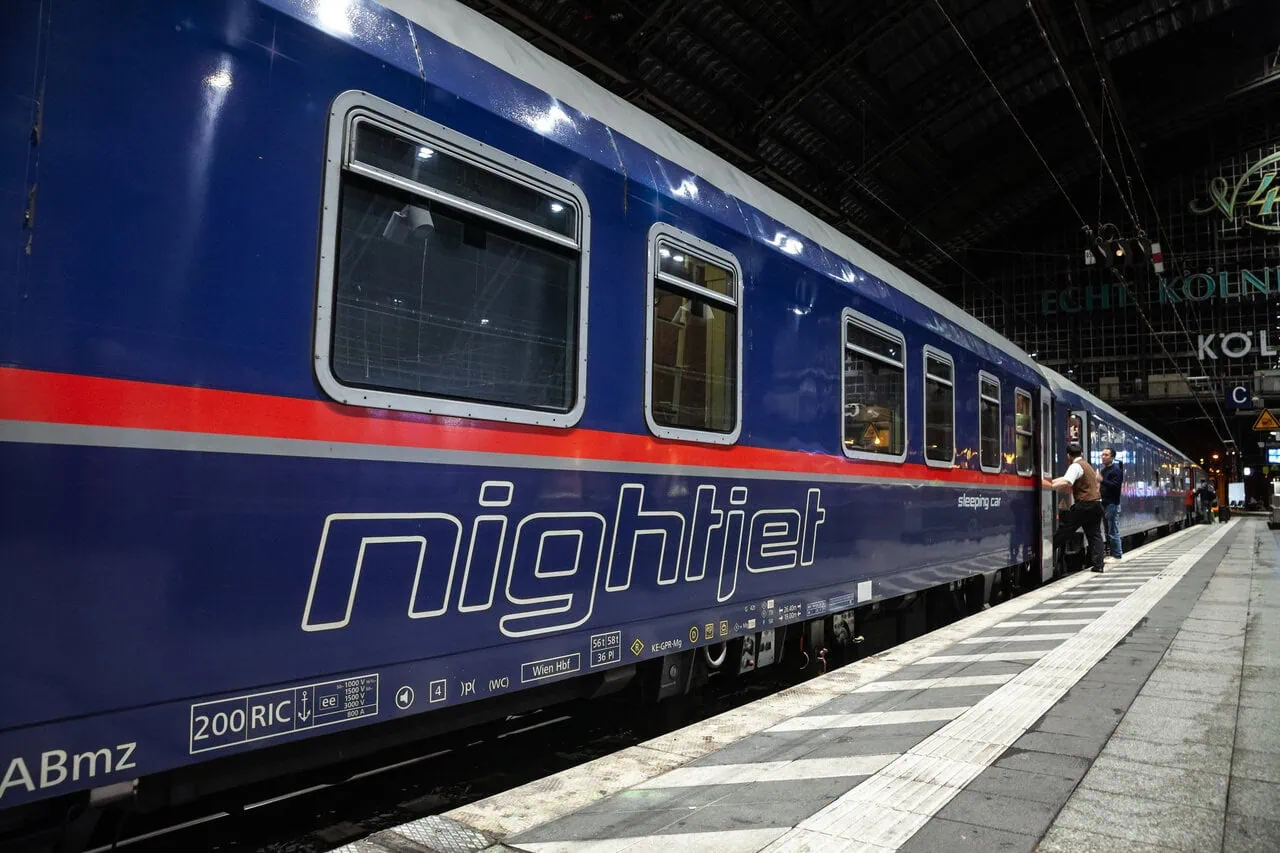
These routes are typically operated by established providers such as ÖBB Nightjet, which has become the backbone of the modern European sleeper network, along with newer operators such as European Sleeper.
In addition, national rail companies such as SNCF, Trenitalia, and SJ continue to operate key overnight routes within their respective countries.
There are also important regional operators such as RegioJet, which runs sleeper-style services across Central Europe and offers a more budget-friendly alternative with strong onboard service. Our RegioJet guide covers routes, comfort levels, and booking tips in detail.
The routes in the core network are those that run regularly, are widely bookable, and form the backbone of overnight travel in Europe. These are the services most travellers will use when planning multi-country journeys or long-distance trips.
They connect major cities such as Vienna, Berlin, Paris, Amsterdam, Zurich, Rome, and Stockholm, allowing passengers to move efficiently across the continent without relying on flights.
This table brings together the main active sleeper train routes across Europe, including key operators, journey times, and what each route is best suited for.
| Route | Operator | Duration | Key Stops | Best For |
|---|---|---|---|---|
| Vienna → Brussels | ÖBB Nightjet | ~14–15 hrs | Frankfurt, Cologne | Central Europe to the Low Countries |
| Berlin → Brussels | European Sleeper | ~13 hrs | Amsterdam, Rotterdam | Low Countries + Germany |
| Amsterdam → Vienna | ÖBB Nightjet | ~14 hrs | Cologne, Frankfurt | Long-distance overnight travel |
| Amsterdam → Zurich | ÖBB Nightjet | ~12 hrs | Cologne, Basel | Alps access |
| Munich → Rome | ÖBB Nightjet | ~13 hrs | Innsbruck, Verona | Germany to Italy |
| Stuttgart → Venice | ÖBB Nightjet | ~12 hrs | Munich, Salzburg | Direct to northern Italy |
| Zurich → Hamburg | ÖBB Nightjet | ~12 hrs | Frankfurt | North–south Germany |
| Paris → Nice | SNCF | ~12 hrs | Marseille, Toulon | South of France |
| Paris → Toulouse | SNCF | ~10 hrs | Limoges | Budget overnight France |
| Paris → Briançon | SNCF | ~11 hrs | Alps resorts | Ski access |
| Milan → Palermo | Trenitalia | ~20 hrs | Rome, Naples | Full Italy + Sicily |
| Rome → Palermo | Trenitalia | ~14 hrs | Naples | Unique ferry train crossing |
| Turin → Lecce | Trenitalia | ~14 hrs | Bologna, Bari | North to south Italy |
| Stockholm → Narvik | SJ | ~18 hrs | Kiruna, Abisko | Arctic Circle travel |
| Stockholm → Malmö | SJ | ~7 hrs | Linköping | Sweden spine route |
| Gothenburg → Umeå | SJ | ~14 hrs | Stockholm | Long Sweden crossing |
| Budapest → Bucharest | CFR Călători | ~16 hrs | Brasov | Eastern Europe classic |
| Prague → Warsaw | PKP Intercity | ~9 hrs | Ostrava | Central to Eastern Europe |
| Vienna → Bucharest | ÖBB Nightjet | ~18 hrs | Budapest | Long-haul sleeper |
| Berlin → Stockholm | SJ | ~16 hrs | Hamburg, Copenhagen | Germany to Scandinavia |
Additional and Seasonal Sleeper Train Routes in Europe
Beyond the core network, Europe has a much wider range of sleeper and overnight train services that are less frequent, more regional, or seasonal, but still highly valuable for travellers who know how to use them.
These routes are often overlooked because they are not always marketed as strongly, may not run daily, or are operated by smaller national rail companies. However, they form a hidden layer of the European rail network, particularly in Eastern Europe, Scandinavia, and parts of Spain and the Balkans.
Understanding these services allows you to unlock more flexible, cheaper, and sometimes more adventurous travel options, especially if you are travelling with an Interrail pass or planning a multi-country itinerary.
| Route | Region | Operator | Notes |
|---|---|---|---|
| Paris → Rodez | France | SNCF | Budget overnight service, less tourist-focused |
| Paris → Latour-de-Carol | France (Pyrenees) | SNCF | Access to mountain regions |
| Madrid → Galicia (Lugo / A Coruña) | Spain | Renfe | Long-distance domestic sleeper |
| Barcelona → Galicia | Spain | Renfe | Less frequent but useful |
| Kraków → Budapest | Central Europe | Regional operators | Popular Interrail route |
| Prague → Budapest | Central Europe | RegioJet / others | Budget-friendly sleeper-style service |
| Warsaw → Vienna | Central Europe | PKP Intercity | Growing demand route |
| Zagreb → Split | Croatia | Croatian Railways | Seasonal summer sleeper |
| Belgrade → Bar | Balkans | Serbian Railways | Scenic coastal route |
| Berlin → Malmö | Scandinavia | SJ | Expanding network |
| Stockholm → Berlin | Scandinavia | SJ | Seasonal / growing route |
These routes vary significantly in comfort and reliability. Some operate with modern rolling stock and full sleeper cabins, while others may offer basic couchette-style accommodation or upgraded seating arrangements.
What they lack in consistency, they make up for in flexibility and value. Many of these services are cheaper than flagship routes, and they often connect regions that are not served by the main sleeper network.
They are particularly useful for travellers looking to explore less-visited destinations or build more complex itineraries, especially across Eastern Europe and the Balkans.
Major Sleeper Train Operators in Europe
Europe’s sleeper train network is operated by a mix of national rail companies, open-access operators, and regional providers, which is why the network can feel fragmented at first. Unlike high-speed rail, there is no single European night train system. Instead, each operator controls its own routes, timetable rules, cabin types, and booking process.
| Operator | Brand / Service | Main Region | Key Routes |
|---|---|---|---|
| ÖBB | Nightjet / EuroNight | Austria, Germany, Switzerland, Italy, Benelux | Vienna to Brussels, Amsterdam to Vienna, Zurich to Hamburg, Munich to Rome, Stuttgart to Venice |
| European Sleeper | European Sleeper | Belgium, Netherlands, Germany, Czech Republic, France, Italy | Brussels to Prague, Paris to Berlin, Brussels to Milan |
| SNCF | Intercités de Nuit | France | Paris to Nice, Paris to Briançon, Paris to Toulouse, Paris to Latour-de-Carol, Paris to Cerbère |
| Trenitalia | Intercity Notte | Italy | Milan to Palermo, Rome to Sicily, Turin to Lecce, Rome to Bolzano |
| Caledonian Sleeper | Caledonian Sleeper | United Kingdom | London to Edinburgh / Glasgow, then Highland routes to Inverness, Aberdeen, and Fort William |
| Great Western Railway | Night Riviera Sleeper | United Kingdom | London Paddington to Penzance |
| SJ | SJ Nattåg | Sweden, Norway connections | Stockholm to Narvik, Stockholm to Luleå, Stockholm to Malmö, Berlin to Stockholm |
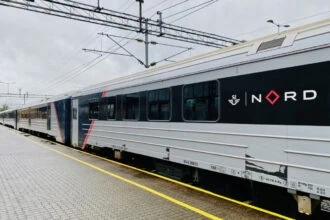
| Vy / SJ Norge | Nattog | Norway | Oslo to Bergen, Oslo to Trondheim, Trondheim to Bodø, Oslo to Stavanger |
| VR | VR Night Trains | Finland | Helsinki to Rovaniemi, Helsinki to Kemijärvi, Helsinki to Kolari |
| RegioJet | RegioJet overnight services | Central Europe | Prague to Košice, Prague to Croatia seasonal services, selected Central European overnight routes |
| PKP Intercity | Night / sleeper services | Poland and cross-border routes | Warsaw to Kraków / Zakopane, Prague to Warsaw, selected international sleepers |
| CFR Călători | Romanian night trains | Romania and Eastern Europe | Budapest to Bucharest, Bucharest to Brașov, Bucharest to Constanța / Mangalia |
| BDZ | Bulgarian night trains | Bulgaria | Sofia to Varna, Sofia to Burgas |
| ZSSK | Slovak night trains | Slovakia | Bratislava / Prague to Košice, selected domestic and cross-border services |
| HŽPP | Croatian overnight services | Croatia | Zagreb to Split, especially useful in summer |
| TCDD Taşımacılık | Turkish sleeper trains | Turkey | Istanbul / Ankara to eastern and southern Turkey, including long-distance overnight routes |
A useful way to understand the network is to split it into flagship international operators and domestic or regional sleeper providers. ÖBB Nightjet remains the most important backbone of the modern European sleeper network, while European Sleeper is the most visible newer operator expanding cross-border services. National operators such as SNCF, Trenitalia, SJ, VR, and GWR keep important domestic sleeper routes alive, including France’s night trains from Paris Gare d’Austerlitz, Italy’s Sicily train ferry sleepers, Sweden’s Arctic routes, Finland’s Lapland trains, and Britain’s Caledonian Sleeper and Night Riviera.
The main thing readers need to understand is that operator choice affects everything: booking platform, reservation rules, cabin types, refund conditions, and whether a route runs daily, weekly, seasonally, or only on selected dates. This is why sleeper train planning should always be checked against the current operator timetable before booking. European Sleeper lists its routes as Paris to Berlin, Brussels to Prague, and Brussels to Milan, while Nightjet publishes its current international Nightjet and EuroNight connections separately.

Sleeper Train Routes by Country
| Country | Main Sleeper Routes | Main Operators | Notes |
|---|---|---|---|
| United Kingdom | London to Inverness, London to Aberdeen, London to Fort William, London to Edinburgh / Glasgow, London to Penzance | Caledonian Sleeper, GWR Night Riviera | Strong domestic sleeper network, no regular sleeper to mainland Europe |
| France | Paris to Nice, Paris to Briançon, Paris to Toulouse, Paris to Latour-de-Carol, Paris to Lourdes / Tarbes, Paris to Cerbère | SNCF Intercités de Nuit | All main French night trains depart from Paris Gare d’Austerlitz |
| Italy | Milan to Palermo, Rome to Palermo, Turin to Lecce, Rome to Bolzano, Rome to Sicily | Trenitalia Intercity Notte | Sicily routes use the train ferry across the Strait of Messina |
| Austria | Vienna to Brussels, Vienna to Rome, Vienna to Hamburg, Vienna to Zurich, Vienna to Split (seasonal) | ÖBB Nightjet / EuroNight | One of Europe’s most important sleeper hubs |
| Germany | Berlin to Vienna, Berlin to Zurich, Hamburg to Zurich, Munich to Rome, Berlin to Stockholm | Nightjet, European Sleeper, SJ | Major connector country for north, west, and central Europe |
| Belgium | Brussels to Prague, Brussels to Berlin, Brussels to Milan, Brussels to Vienna | European Sleeper, Nightjet / EuroNight | Important cross-border hub, especially from Brussels |
| Netherlands | Amsterdam to Vienna, Amsterdam to Zurich, Amsterdam to Prague, Amsterdam to Berlin | Nightjet, European Sleeper | Strong overnight links into Central Europe |
| Switzerland | Zurich to Hamburg, Zurich to Berlin, Zurich to Vienna, Zurich to Amsterdam | Nightjet / EuroNight | Excellent hub for north-south sleeper travel |
| Sweden | Stockholm to Narvik, Stockholm to Luleå, Stockholm to Malmö, Stockholm to Berlin | SJ, Snälltåget | Strong Nordic and seasonal international sleeper network |
| Norway | Oslo to Bergen, Oslo to Trondheim, Trondheim to Bodø, Oslo to Stavanger | Vy, SJ Norge | Domestic sleeper routes only, no regular Oslo to Stockholm sleeper |
| Finland | Helsinki to Rovaniemi, Helsinki to Kolari, Helsinki to Kemijärvi | VR | Strong Lapland sleeper network, including car-carrying trains |
| Poland | Warsaw to Kraków / Zakopane, Prague to Warsaw, Warsaw to international routes | PKP Intercity | Useful for Central and Eastern Europe connections |
| Czech Republic | Prague to Brussels, Prague to Košice, Prague to Warsaw, Prague to Budapest | European Sleeper, RegioJet, ČD / partners | Good hub for Central Europe |
| Romania | Budapest to Bucharest, Bucharest to Brașov, Bucharest to Constanța / Mangalia | CFR Călători | Strong domestic and regional night train network |
| Bulgaria | Sofia to Varna, Sofia to Burgas | BDZ | Mainly domestic overnight routes |
| Croatia | Zagreb to Split | HŽPP | Especially useful in summer |
| Turkey | Istanbul / Ankara to long-distance domestic routes | TCDD Taşımacılık | Long-distance sleepers are important, but sit slightly outside the core EU network |
How the Main Operators Compare
The most important operator to understand is ÖBB Nightjet, which forms the backbone of the European sleeper train network. If you are travelling between major cities such as Vienna, Berlin, Amsterdam, Zurich, and Rome, there is a strong chance your journey will involve a Nightjet service. It offers the most consistent combination of route coverage, reliability, and accommodation options, including modern sleeper cabins on newer trains.
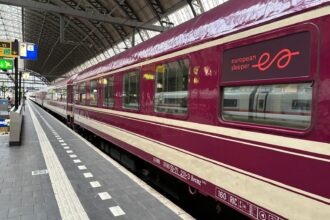
Newer operators such as European Sleeper are helping to expand the network, particularly across Northern Europe. While still developing, these services are important because they show how sleeper travel is growing, with new routes gradually being introduced.
National rail operators still play a key role. In France, SNCF focuses on affordable domestic overnight routes, while Trenitalia in Italy operates long-distance services that connect the north of the country with the south, including unique routes involving ferry crossings to Sicily. In Spain, Renfe maintains a smaller network, but its services remain useful for long internal journeys.
In Scandinavia, SJ operates some of the longest sleeper routes in Europe, including services into the Arctic Circle. These are less about speed and more about the travel experience itself, offering journeys through remote and scenic regions.
Finally, RegioJet provides a strong alternative in Central Europe, combining competitive pricing with a higher level of onboard service than many traditional operators. It is particularly popular with travellers looking for value without sacrificing comfort.
Best Sleeper Train Routes in Europe
While Europe has a wide network of overnight trains, a handful of routes stand out as the most rewarding, practical, and memorable sleeper journeys. These routes combine strong connections, good onboard experience, and genuine travel value.
One of the most popular is the Vienna to Amsterdam route operated by ÖBB Nightjet. This journey connects Central Europe with the Netherlands in a single overnight trip, allowing you to board in the evening and wake up in one of Europe’s most visited cities. It is particularly useful for travellers moving between major cultural hubs without losing a full day to travel.
The Berlin to Brussels route, operated by European Sleeper, has quickly become one of the most talked-about services. Passing through cities such as Amsterdam and Rotterdam, it offers a convenient way to connect multiple destinations across Northern Europe while travelling overnight.
For something more distinctive, the Rome to Sicily sleeper operated by Trenitalia stands out. This journey includes a unique segment where the train is transported by ferry across the Strait of Messina, creating one of the most unusual rail experiences in Europe. It is both practical and memorable, combining long-distance travel with a sense of adventure.
In Scandinavia, the Stockholm to Narvik route operated by SJ offers a completely different experience. This is not just a transport link but a journey through remote landscapes, including the Arctic Circle. It is particularly popular with travellers seeking scenery and a slower, more immersive travel experience.
Within France, the Paris to Nice overnight service operated by SNCF remains one of the most practical domestic routes. It allows you to travel from the capital to the south coast overnight, arriving ready to explore without the need for a daytime journey.
These routes highlight the range of what sleeper trains can offer, from efficient city connections to unique travel experiences. Choosing the right route depends on whether you prioritise speed, scenery, or overall experience, but each of these journeys demonstrates why sleeper trains are becoming such a compelling option.
Compare routes and fares for your next trip.
Compare flightsUse an eSIM to get online without hunting for a local SIM after arrival.
See eSIM optionsBook a private airport transfer in advance and have your ride planned before you arrive.
Check transfersTypes of Sleeper Cabins Explained
Understanding the different types of accommodation on sleeper trains is essential, as this will have the biggest impact on your comfort and overall experience.
The most basic option is a standard seat, which is similar to a daytime train seat. While this is the cheapest way to travel overnight, it is not ideal for longer journeys, as sleeping upright can be uncomfortable. This option is best suited to shorter routes or travellers prioritising cost above comfort.
A more practical option is the couchette, which is the most common form of overnight accommodation in Europe. Couchettes are shared compartments with bunk beds, usually arranged in groups of four or six. They provide a simple but effective way to sleep during the journey and are widely used by travellers looking for a balance between price and comfort.
For those seeking a more comfortable experience, sleeper cabins offer a significant upgrade. These compartments provide proper beds and greater privacy, with some services offering private cabins that can be booked exclusively. On newer trains, particularly those operated by ÖBB Nightjet, sleeper cabins may include modern interiors, improved bedding, and even en-suite facilities.
The choice between these options depends on your priorities. Seats are the cheapest but least comfortable, couchettes offer a good middle ground, and sleeper cabins provide the most relaxed and restful journey. Understanding these differences helps you choose an option that matches both your budget and your expectations.
Prices and What to Expect
The cost of sleeper train travel in Europe can vary widely, depending on the route, operator, and level of comfort you choose. Prices are typically dynamic and demand-driven, meaning they can change significantly based on availability and booking time.
At the lower end, budget travellers can find seats or basic couchettes for relatively low prices, particularly on domestic routes operated by companies such as SNCF or regional operators in Central and Eastern Europe. These options provide an affordable way to travel overnight, although comfort levels are more limited.
Mid-range pricing is usually associated with couchette accommodation on major routes. This offers a good balance between cost and comfort, making it one of the most popular choices for travellers using services such as ÖBB Nightjet.
At the higher end, private sleeper cabins can cost significantly more, particularly on busy routes or during peak travel periods. However, these options effectively combine transport and accommodation, which can offset the overall cost compared to booking a hotel and separate travel.
Value is not just about price. Sleeper trains allow you to save time, reduce the need for additional accommodation, and arrive in your destination early, which can make them more efficient overall. When used strategically, they can be a highly cost-effective way to travel across Europe.
How to Book European Sleeper Trains
Booking sleeper trains in Europe can be more complex than booking standard rail tickets, as availability, operators, and reservation systems vary across countries.
Many travellers use platforms such as Trainline or Rail Europe to compare routes and check availability. These platforms provide a convenient starting point, particularly for international journeys.
However, for some routes, booking directly with the operator can provide better availability or pricing. Services operated by ÖBB Nightjet, for example, are often best booked through their own system, particularly for sleeper cabins.
Reservations are almost always required for overnight travel, even if you are using an Interrail pass. This means you will need to secure both your ticket and your sleeping accommodation in advance, especially on popular routes.
Planning ahead is essential. Sleeper trains can sell out quickly, particularly during peak seasons or on well-known routes. Booking early ensures you have access to the full range of accommodation options and helps you secure the best price.
Understanding how to book effectively is key to making the most of sleeper trains, ensuring a smooth experience from departure to arrival.

Plan Your Train Journey with Rail Europe
Booking train tickets in Europe can become complicated when different operators, routes, and booking systems are involved. Rail Europe makes it easier to search routes, compare fares, and buy train tickets in one place.
It is especially useful for international rail journeys, European city-to-city travel, and travellers looking to book both regular rail tickets and passes. Instead of checking multiple train operators separately, you can plan your journey faster and book with confidence.
Using Interrail with Sleeper Trains
One of the biggest advantages of European sleeper trains is how well they integrate with Interrail travel. For many travellers, combining overnight trains with an Interrail pass is one of the most efficient ways to move across Europe.
Interrail allows you to travel across multiple countries using a single pass, but it is important to understand how sleeper trains fit into this system. While your pass covers the base fare of the journey, you will still need to pay a reservation fee for your sleeping accommodation.
This means that even with a pass, you must book a seat, couchette, or sleeper cabin in advance. These reservation fees vary depending on the route and level of comfort, with seats being the cheapest and private cabins costing significantly more.
The main advantage is efficiency. By travelling overnight, you can save a travel day and avoid the need for additional accommodation, making Interrail journeys more streamlined. For longer routes, this can be a major benefit, particularly when moving between major cities.
Sleeper trains also allow you to cover large distances within the Interrail network. Routes operated by ÖBB Nightjet and other providers make it possible to travel between countries such as Austria, Germany, France, and Italy without relying on daytime connections.
However, planning is essential. Popular routes can sell out, especially during peak travel periods, so reservations should be made as early as possible. Without a reservation, you may not be able to board, even if your pass is valid.
For a full breakdown of how Interrail works and how to maximise value, see your Interrail guides, which explain routes, pass types, and booking strategies in detail.
Sleeper Trains vs Flights: Which Is Better?
Choosing between a sleeper train and a flight depends on your priorities, as each option offers different advantages.
Sleeper trains excel when it comes to efficiency and experience. Instead of travelling during the day, you board in the evening and arrive the next morning, effectively combining transport and accommodation into a single journey. This can save both time and money, particularly on longer routes.
Flights, on the other hand, are usually faster in terms of total travel time, especially over longer distances. However, this does not always translate into a better experience. When you factor in airport transfers, security checks, boarding times, and waiting periods, the time difference can be reduced significantly.
There is also a difference in arrival experience. Sleeper trains typically arrive in city centre stations, allowing you to start your day immediately. Flights often arrive at airports located outside the city, requiring additional travel time before you reach your destination.
Comfort is another consideration. Sleeper cabins can provide a more relaxed and private environment, particularly compared to short-haul flights. However, this depends on the type of accommodation you choose, as basic seating options may be less comfortable.
Environmental impact is increasingly important. Rail travel generally produces lower emissions than flying, making sleeper trains a more sustainable option for many journeys within Europe.
Ultimately, the best choice depends on your route and travel style. Sleeper trains are ideal for those who value efficiency, experience, and sustainability, while flights remain the fastest option for longer distances.
Which Sleeper Train Routes Are Best for First-Time Travellers
If you are new to European sleeper trains, choosing the right route can make a significant difference to your experience. Some services are easier to use, more reliable, and better suited to first-time travellers.
Routes operated by ÖBB Nightjet are often the best starting point. These services are widely used, well organised, and offer a range of accommodation options, making them a safe and predictable choice.
Journeys such as Vienna to Amsterdam or Amsterdam to Zurich are particularly well suited to beginners. They connect major cities, run regularly, and provide a good balance between travel time and comfort.
The Berlin to Brussels route operated by European Sleeper is another strong option. It passes through several major cities and is relatively straightforward to book and use, making it ideal for those trying sleeper travel for the first time.
Domestic routes within France and Italy can also work well for beginners. Services operated by SNCF and Trenitalia are often simpler to navigate, particularly if you are staying within one country.
The key is to choose a route that is well established, easy to book, and not overly complex, allowing you to focus on the experience rather than the logistics.
Browse hostels and budget-friendly stays.
See hostelsGet fast compensation payouts, eligible lounge benefits and expert help when flights go wrong.
See AirHelp+ benefitsUse convenient luggage storage between arrival, check-in and departure.
Check storageTips for Taking a Sleeper Train in Europe
Travelling on a sleeper train is straightforward, but a few practical considerations can improve your experience significantly.
Booking early is one of the most important factors. Popular routes and sleeper cabins can sell out quickly, particularly during peak travel periods, so securing your reservation in advance ensures you have access to the best options.
Packing carefully also makes a difference. Having essentials such as water, snacks, and personal items easily accessible helps you settle in more comfortably once onboard. Space can be limited, particularly in shared compartments, so keeping luggage organised is important.
Understanding your accommodation type helps manage expectations. A couchette provides a simple and functional sleeping arrangement, while a sleeper cabin offers greater comfort and privacy. Choosing the right option ensures a more enjoyable journey.
Security is generally good, but it is still wise to keep valuables close, particularly in shared compartments. Most services provide secure environments, but taking basic precautions is always recommended.
Finally, approach the journey as an experience. Sleeper trains are not just about getting from one place to another. They are about travelling differently, saving time, and enjoying the journey itself, which is what makes them such a compelling option across Europe.
One thing that catches plenty of travellers out is smoking policy, because Europe has nothing like Amtrak’s single, published smoke-break rule. Onboard, every operator covered in this guide runs a strict no-smoking policy with no smoking carriage at all, so that part is consistent everywhere. What happens on the platform during a stop is a different matter, governed by national and station-level law rather than the railway itself. The Netherlands enforces a total smoking ban across all station property, with fines of up to €95, Germany still permits smoking in a shrinking number of marked zones at some stations, Italy goes further and allows smoking on open-air platforms under a rule dating back to 2007, and France permits it only in specifically designated areas. The safest approach on any route is to check the station’s own signage rather than assume the rule from the last country still applies.
A Route That No Longer Runs: Vienna to Paris
For several years, ÖBB Nightjet ran a direct overnight service between Vienna and Paris, and older guides (including earlier versions of this one) list it as a flagship Central Europe to France connection. That service ended on 14 December 2025. The Vienna to Paris and Berlin to Paris Nightjets were both joint operations that depended on cooperation with SNCF, and once the French state operator withdrew its participation, ÖBB confirmed it could not continue running either route alone.
This does not mean Vienna and Paris are cut off from each other overnight. ÖBB has confirmed that the Vienna to Brussels Nightjet continues running three times a week, and from Brussels a fast daytime Eurostar or Thalys connection reaches Paris in a couple of hours. Travellers coming from the other direction can also use European Sleeper’s Paris to Berlin service and change onto a Nightjet toward Vienna. Neither option is a single through-train, so build in some daytime connection time either side of the border rather than expecting a direct overnight replacement.

Rupert’s Handy Travel Tips
Rupert always says that sleeper trains are one of the smartest ways to travel across Europe, turning long journeys into something you can enjoy rather than endure.
- Book early if you want a private cabin, as they sell out quickly
- Choose couchettes for a good balance between comfort and price
- Keep essential items within easy reach during the journey
- Treat the journey as part of your trip, not just transport
Want to meet the reindeer behind our travel tips? Find out more in our page Who is Rupert?.




Frequently Asked Questions About European Sleeper Trains
Are sleeper trains in Europe comfortable?
Yes, but comfort depends on the type of accommodation you choose. Sleeper cabins offer the highest level of comfort and privacy, while couchettes provide a more basic but practical option. Standard seats are the least comfortable and are best suited to shorter overnight journeys.
Do sleeper trains have private rooms?
Yes. Many services, particularly those operated by ÖBB Nightjet, offer private sleeper cabins, some of which include en-suite facilities. These are ideal for travellers looking for a more relaxed and uninterrupted journey.
Are sleeper trains safe?
Sleeper trains are generally safe and well managed, with staff onboard throughout the journey. Compartments can usually be locked, and most services are designed to provide a secure environment for overnight travel.
Do you need to book in advance?
Yes. Reservations are essential, particularly for couchettes and sleeper cabins. Popular routes can sell out quickly, so booking early is recommended to secure the best options and prices.
Can you use Interrail on sleeper trains?
Yes, but you will still need to pay a reservation fee for your sleeping accommodation. The Interrail pass covers the base fare, but reservations are required for overnight services.
Can you smoke on European sleeper trains?
No sleeper operator covered in this guide offers an onboard smoking carriage, so smoking is banned for the entire journey regardless of which train or country you are travelling through. Platform rules at your stops are a separate matter and vary sharply: the Netherlands and Belgium ban it everywhere on station property, Italy is one of the few countries that still allows it on open-air platforms, and Germany permits it only in specific marked zones at some stations. Always check the local station’s signage rather than relying on a single Europe-wide rule.

Further Reading & Related Guides
If you are planning a wider rail journey across Europe, our train booking apps guide shows how to compare routes and find the best fares across multiple operators. For flexible travel across multiple countries, our Interrail guides explain how to use a rail pass effectively, including how sleeper trains fit into longer itineraries.
If you are travelling to or from the UK, our guides to the Caledonian Sleeper and Night Riviera Sleeper provide detailed breakdowns of routes, cabins, and booking strategies, helping you extend your journey with overnight rail travel.
For a closer look at one of the most popular Central European operators, our RegioJet guide explores routes, onboard experience, and how it compares to other sleeper-style services.
If one specific operator has caught your eye, our dedicated European Sleeper guide breaks down its Brussels to Prague, Paris to Berlin, and Brussels to Milan services in full, including cabin classes and reservation costs. For a completely different kind of overnight journey, our Rome to Sicily sleeper train guide explains the route where the train itself is loaded onto a ferry to cross the Strait of Messina.