Reviewed by our editorial team Updated
Why Choose the Sweden Pass
The Interrail Sweden Pass is one of the most flexible ways to explore Scandinavia’s largest country, especially if you want to combine major cities, long-distance rail journeys, overnight trains, and remote northern landscapes in one trip. Sweden is vast, and the rail network stretches from the southern gateway of Malmö to the Arctic landscapes around Kiruna and Abisko, and on to Riksgränsen at the Norwegian frontier.
This is exactly where the pass becomes useful. Sweden’s long distances mean individual train tickets can become expensive, especially on popular routes such as Stockholm to Gothenburg, Stockholm to Malmö, or Stockholm to Kiruna. With the Interrail Sweden Pass, you can group these bigger journeys into flexible travel days instead of buying multiple separate tickets.
The pass is particularly strong for travellers who want to experience Sweden beyond the obvious city breaks. In the south, trains connect Malmö, Gothenburg, Stockholm, Uppsala, and Linköping with fast and comfortable services. Further north, rail travel becomes much more atmospheric, with overnight trains crossing forests, lakes, mining towns, mountain regions, and Arctic landscapes.
One of the biggest highlights is the chance to use Sweden’s famous night trains. Routes towards Luleå, Kiruna, Abisko, and Riksgränsen allow travellers to cover huge distances while sleeping onboard, saving time and reducing accommodation costs. In winter, these journeys open access to the Northern Lights, while in summer they lead towards the midnight sun and hiking areas above the Arctic Circle, including Abisko National Park on the Kungsleden trail.
It is worth being clear about where the pass stops. The Interrail Sweden Pass is a One Country Pass, valid only inside Sweden, so it carries you as far as Hyllie on the Copenhagen line and Riksgränsen on the Narvik line, and no further. Sweden does connect naturally with Denmark across the Öresund Bridge and with Norway towards Oslo and Narvik, and those short onward legs are inexpensive to add as separate tickets, but they are not part of the pass.
For travellers who want city culture, Arctic scenery, sustainable transport, night train adventures, and the freedom to cover long distances without constantly checking separate ticket prices, the Interrail Sweden Pass is a strong and highly practical choice.
Interrail Sweden Pass Overview and Key Facts
The Interrail Sweden Pass is a flexible One Country Pass designed for travellers who want to explore Sweden by rail across a set number of travel days within one month. It is available for Youth, Adult, and Senior travellers, with children under 12 usually travelling free when accompanied by an eligible adult pass holder.
The table below gives a quick at-a-glance comparison of pass length against price for each age category. Figures are approximate 2025 rates in second class; always confirm current pricing at checkout on interrail.eu before booking.
| Travel Days (within 1 month) | Youth (27 or under) | Adult | Senior (60+) |
|---|---|---|---|
| 3 days | €82 (£71 / $89) | €105 (£91 / $113) | €95 (£83 / $103) |
| 4 days | €101 (£88 / $109) | €129 (£112 / $139) | €116 (£101 / $125) |
| 5 days | €119 (£104 / $129) | €152 (£132 / $164) | €137 (£119 / $148) |
| 6 days | €132 (£115 / $143) | €169 (£147 / $183) | €152 (£132 / $164) |
| 8 days | €151 (£131 / $163) | €194 (£169 / $210) | €175 (£152 / $189) |
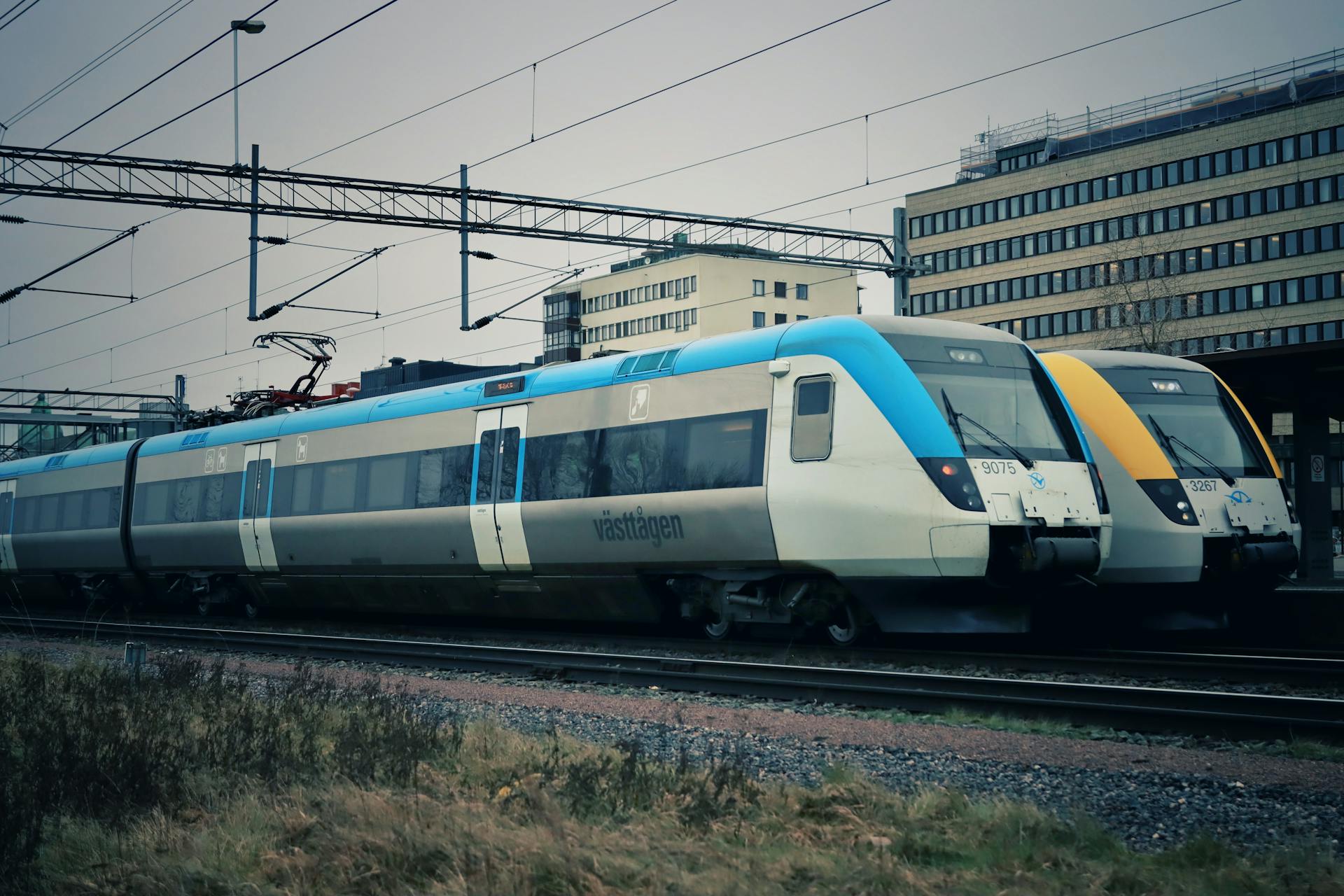
The pass covers Sweden’s main national operator, SJ, which runs many of the country’s most important long-distance services, including high-speed trains, InterCity trains, and overnight sleeper services heading into northern Sweden. It also works with several important private and regional operators, giving travellers strong coverage across the country.
The most important routes for many travellers are the fast services between Stockholm, Gothenburg, and Malmö, as well as the long-distance trains north towards Umeå, Luleå, Kiruna, and Abisko. These routes show why Sweden is such a good fit for an Interrail pass. Distances are long, regular tickets can be costly, and one well-used travel day can cover a huge amount of ground.
Seat reservations are an important part of rail travel in Sweden. Many SJ high-speed trains, long-distance services, and night trains require reservations, usually at modest extra cost. This means the pass is flexible, but not completely reservation-free. Travellers should still plan major routes in advance, especially during summer, school holidays, and peak winter travel periods.
The pass is especially useful for travellers planning overnight trains, cross-country journeys, or a mixture of city breaks and northern landscapes. It is less useful for travellers staying only in one city or relying mainly on local public transport, as the pass does not replace city metro, tram, or local bus tickets.
Overall, the Sweden train travel pass works best as a long-distance rail tool. Used well, it can connect stylish southern cities, forested inland regions, Arctic destinations, and neighbouring Scandinavian countries with far less ticketing stress.
Best for two or three nights. The widest choice of rooms, with filters for free cancellation and included breakfast.
View staysBest for groups who want one address and separate bedrooms rather than three hotel rooms.
See holiday homesBest as a last check before booking. Compares Sweden hotel rates across several sites in one search.
Compare ratesKey Operators and Rail Network Size
Sweden’s rail network is one of the most important in northern Europe, stretching across more than 11,000 kilometres of track and connecting major cities, rural regions, coastal areas, and remote northern communities. For a country as long and sparsely populated as Sweden, rail plays a crucial role in linking regions that would otherwise require long road journeys or domestic flights.
The main operator is SJ, Sweden’s national rail company. SJ runs many of the country’s key long-distance services, including the fast X2000 high-speed trains, regular InterCity services, and important night trains to northern Sweden. For most travellers using the Interrail Sweden Pass, SJ will be the operator used most often.
The high-speed network is strongest in southern and central Sweden. Routes between Stockholm, Gothenburg, and Malmö are fast, modern, and heavily used by both locals and visitors. These trains are comfortable, with reserved seating, onboard Wi-Fi, power sockets, and food options on many services.
Sweden also has several private and regional rail operators that add important value to the pass. MTRX operates modern services on the popular Stockholm to Gothenburg route, offering an alternative to SJ. Snälltåget is known for seasonal and long-distance services, including sleeper trains and connections that can link Sweden with wider European routes. Inlandsbanan is one of the most distinctive operators, running through central Sweden’s forests, lakes, and wilderness landscapes.
The south of Sweden has the densest railway coverage, with frequent services around Stockholm, Gothenburg, Malmö, Lund, Uppsala, and Linköping. Further north, the network becomes less dense but far more dramatic. Long-distance lines connect the capital with Sundsvall, Umeå, Luleå, Kiruna, and on to Abisko and Riksgränsen, the last Swedish station before the Norwegian port of Narvik.
This scale is exactly why the Sweden Interrail ticket can be so useful. Sweden is not a compact rail country where every destination is an hour away. It is a long-distance rail country where smart pass use can turn huge journeys into manageable, comfortable, and scenic travel days.
Transport Hubs and Major Routes
Sweden’s rail system is built around several major hubs, with Stockholm Central Station as the most important. This is the country’s busiest rail station and the natural starting point for many Interrail journeys. From Stockholm, travellers can head west to Gothenburg, south to Malmö, north to Umeå, Luleå, and Kiruna, or east and regional routes around the capital.
Gothenburg Central Station is the main hub in western Sweden. It connects quickly with Stockholm, links south towards Malmö, and provides onward rail access towards Oslo in Norway. For travellers combining Sweden and Norway, Gothenburg is one of the most useful interchange points, with the pass covering the Swedish side of that run and a separate ticket handling the rest.
Malmö Central Station is Sweden’s southern gateway and one of the most important international hubs in Scandinavia. Trains run across the Öresund Bridge to Copenhagen, making it easy to combine Sweden and Denmark within the same trip, although the pass itself is only valid to Hyllie on the Swedish side. For many travellers, Malmö is the natural entry point into Sweden from mainland Europe.
Uppsala is another important rail hub just north of Stockholm, with frequent regional and intercity connections. It is especially useful for travellers wanting a smaller historic city experience close to the capital.
The classic long-distance routes are what make the Interrail Sweden Pass particularly valuable. Stockholm to Gothenburg is one of the busiest and fastest lines, taking around 3 hours by high-speed train. Stockholm to Malmö provides a major north-south connection through southern Sweden, and continuing to Copenhagen is one of Scandinavia’s easiest border crossings, needing only a cheap add-on ticket beyond Hyllie.
The most adventurous route is the long overnight journey from Stockholm to Kiruna and Abisko. This line travels deep into the Arctic north, passing forests, lakes, mining towns, mountain scenery, and remote landscapes far beyond the usual European city-break circuit.
For slower scenic travel, Inlandsbanan offers a completely different experience through Sweden’s interior, linking small towns, wilderness areas, rivers, and forests. It is not the fastest way to travel, but it is one of the most distinctive rail experiences in Scandinavia.
Together, these hubs and routes make the Sweden Pass useful for both fast city travel and much bigger journeys into the far north.
Example Ticket Prices vs Pass Value
Sweden’s rail network is excellent, but long-distance train travel can become expensive surprisingly quickly, especially if you book close to departure. This is where the Interrail Sweden Pass often delivers its strongest value. Because the country stretches such a huge distance from south to north, even a handful of major journeys can easily exceed the price of the pass itself.
One of the busiest routes in the country is the journey between Stockholm and Gothenburg. On the fast SJ X2000 trains, standard fares commonly range between €30 and €70 one way (£26–£61 / $32–$76), depending on demand and how early you book. Friday afternoons, weekends, and holiday periods can push prices even higher. The route between Stockholm and Malmö is similar, with one-way fares often sitting between €35 and €80 (£30–£70 / $38–$86).
The real costs appear once travellers start heading north. Sweden’s overnight rail network is one of the country’s greatest travel experiences, but individual tickets are expensive. A standard seat from Stockholm to Kiruna regularly costs between €80 and €130 (£70–£113 / $86–$140), while couchettes and private sleeper cabins can climb much higher. Travelling onwards to Narvik in Norway adds a separate cross-border ticket on top, because the pass is valid only as far as Riksgränsen, and demand from Arctic travellers chasing the Northern Lights or the midnight sun keeps those fares high.
The savings case has to rest entirely on Swedish journeys, because the pass does not cover travel beyond the border. Even on domestic fares alone the numbers stack up quickly, and last-minute long-distance tickets are the costliest of all. A traveller combining Stockholm, Gothenburg, Malmö, Kiruna, and Abisko during a single trip could easily spend well over €250–€350 (£218–£305 / $270–$378) buying separate tickets.
This is why the Sweden rail pass becomes attractive after only a few major journeys. Instead of constantly monitoring fluctuating fares and committing to rigid advance bookings, the pass allows travellers to move much more freely across the country.
Another major advantage is flexibility. Sweden uses airline-style rail pricing on many routes, meaning ticket costs rise sharply closer to departure. With the Interrail Sweden Pass, travellers avoid much of that pricing pressure. As long as reservations are available, you can change plans without worrying about losing expensive prepaid tickets.
For travellers planning overnight trains, multiple long-distance routes, or a wider Scandinavian rail itinerary, the pass quickly shifts from being a convenience product into something that can provide genuine financial savings alongside much greater flexibility.

Interrail Sweden Pass Prices (Flexi Passes)
The Interrail Sweden Pass is sold as a Flexi Pass, meaning travellers receive a set number of unlimited rail travel days to use within a one-month period. This system works particularly well in Sweden because journeys are often long, allowing travellers to maximise each active travel day.
Travellers can choose between 3, 4, 5, 6, or 8 travel days within one month, depending on how intensively they plan to travel. The pass is available for Youth travellers, Adults, and Senior travellers, with children under 12 usually travelling free alongside an eligible adult pass holder.
Approximate adult pricing for 2025 begins at around €105 (£91 / $113) for 3 travel days. A 4-day pass costs roughly €129 (£112 / $139), while a 5-day version sits near €152 (£132 / $164). Travellers wanting additional flexibility can choose the 6-day pass for around €169 (£147 / $183), while the larger 8-day version costs approximately €194 (£169 / $210). Prices can vary by season and booking date, so it’s worth double-checking current fares at checkout on interrail.eu before you commit to a specific pass length.
Youth travellers receive particularly strong value. Discounts for travellers aged 27 or under usually reduce prices by around 20–25%, making the pass especially attractive for backpackers, students, and younger Scandinavian explorers.
Senior travellers also benefit from reduced pricing, with fares normally around 10% lower than standard adult tickets. Over multiple long-distance journeys, these savings can become significant.
The 4-day and 5-day passes are usually the most practical choices for travellers visiting Sweden for one to two weeks. These passes comfortably cover major city connections, overnight Arctic trains, and the scenic wilderness routes in between.
For example, a traveller using a 5-day pass could realistically cover journeys between Stockholm, Gothenburg, Malmö, Kiruna, and Abisko within a single trip while spending far less than equivalent point-to-point tickets.
The longer 8-day pass is better suited to travellers planning extensive exploration of Sweden itself, slower itineraries, or a full run north and back rather than flying one leg.
At first glance, the pass may not appear cheap compared with rail products in southern or eastern Europe. However, Sweden itself is an expensive rail country. Once travellers begin using overnight services, high-speed trains, and longer-distance routes, the pass often becomes very competitive financially.
For travellers who want flexibility, large-scale exploration, and freedom from Sweden’s fluctuating rail prices, the Interrail Sweden Pass remains one of the strongest rail products in Scandinavia.
How the Sweden Pass Works
The Interrail Sweden Pass works on a flexible travel-day system rather than offering unlimited continuous daily travel. Instead of travelling every day for a fixed period, travellers receive a selected number of travel days to use freely within a one-month window.
On each active travel day, you can use unlimited included trains across Sweden. This means a single pass day could include a high-speed daytime train, multiple regional services, and even an overnight sleeper train within the same activated travel day.
The pass is available as both a mobile pass and a paper pass, though the mobile version is now the most common choice. The mobile pass works through the official Rail Planner App, where travellers load their pass, activate travel days, and generate the QR code scanned by onboard ticket inspectors.
One of the biggest advantages of the mobile version is spontaneity. Travel days can usually be activated shortly before departure, allowing travellers to adapt their plans based on weather, route availability, or changing itineraries.
Reservations are an important part of Swedish rail travel. Although the pass covers the underlying train fare, many Swedish long-distance services require paid seat reservations. This applies particularly to SJ X2000 high-speed trains, overnight sleeper trains, and some InterCity services.
Reservation fees are generally modest, usually around €5–€10 (£4–£9 / $5–$11) for daytime trains. Overnight sleeper cabins cost more depending on the comfort level selected.
Regional services usually do not require reservations, which makes spontaneous travel easier on shorter journeys.
The standard pass covers 2nd class travel, though travellers can upgrade to 1st class if they want additional comfort, quieter carriages, lounge access, and larger seating areas on certain operators.
Because Sweden combines long distances, high ticket prices, and excellent overnight rail services, the pass works best when travellers strategically use it for major travel days rather than short local journeys.
Used properly, the pass transforms Sweden into an extremely accessible rail destination, even across journeys stretching deep into the Arctic Circle.
Where You Can Travel with the Sweden Pass
The Interrail Sweden Pass provides extensive coverage across Sweden’s railway network, allowing travellers to move between major cities, coastal regions, forested inland areas, and remote Arctic destinations using a single rail product.
The busiest routes are concentrated in southern and central Sweden. High-speed trains connect Stockholm, Gothenburg, and Malmö quickly and comfortably, forming the backbone of the national network. These services are fast enough to compete directly with domestic flights while offering far more scenic and relaxed travel.
From Stockholm, travellers can also head north along Sweden’s dramatic eastern corridor towards Sundsvall, Umeå, Luleå, and eventually Kiruna. These journeys become increasingly remote and atmospheric as forests, frozen landscapes, and Arctic scenery begin to dominate the route.
One of the most famous journeys included with the pass is the overnight train north from Stockholm towards Kiruna, Abisko and Riksgränsen, the last station on the Swedish side of the Iron Ore Line. This route crosses deep into the Arctic Circle and is widely considered one of Scandinavia’s great rail adventures. In winter, it provides access to the Northern Lights, while summer journeys offer almost continuous daylight beneath the midnight sun. The same train carries on over the border to Narvik, but the pass stops at the frontier, so that final Norwegian stretch needs a separate ticket.
The pass also covers routes operated by Inlandsbanan, a slower scenic railway through central Sweden’s wilderness. Unlike the high-speed south, these routes focus on forests, lakes, wildlife, and remote communities rarely seen by international tourists.
What the pass does not cover is travel beyond Sweden. Journeys across the Öresund Bridge into Copenhagen, west to Oslo, or on to Narvik all need a separate ticket for the foreign section. In practice you ride to the last Swedish station on the pass, Hyllie on the Copenhagen line or Riksgränsen on the Narvik line, and buy the short cross-border leg on top.
While the pass does not include local metro systems, trams, or most buses, it still provides enough national rail coverage to connect huge parts of the country efficiently.
For travellers wanting fast city connections, overnight Arctic trains and scenic wilderness routes, all within a single country, the Sweden rail pass offers one of the broadest and most varied rail experiences in northern Europe.
Best for long or awkward journeys. Builds one itinerary out of separate flights.
View flightsBest for short trips. Install the eSIM at home and arrive in Sweden with working data, no shop queue.
Browse eSIMsBest after a long flight or a late landing. Price agreed before you travel, and no taxi queue.
Check transfersHow to Buy the Interrail Sweden Pass
Buying the Interrail Sweden Pass is straightforward, and most travellers now purchase it digitally before arriving in Scandinavia. The easiest method is through the official Interrail website, where travellers can compare pass lengths, choose between 1st class and 2nd class, and select either a mobile pass or traditional paper version.
The mobile pass has become the preferred option for most travellers because it removes the need for physical delivery and allows almost instant activation through the Rail Planner App. Once purchased, the pass is linked directly to your phone, where travel days can be activated whenever needed. This flexibility is particularly useful in Sweden, where weather conditions, train availability, and travel plans can change quickly.
Travellers can also buy the pass through selected rail retailers such as Rail Europe and some major European train stations, though online purchase is normally the easiest and fastest route. Buying in advance is usually recommended because it gives you time to organise reservations for popular services such as the SJ X2000 trains or the overnight Arctic routes to Kiruna and Abisko.
When purchasing, travellers must choose the number of travel days they want within the one-month validity window. The most popular options are usually the 4-day and 5-day Flexi Passes, as these comfortably cover a classic Swedish itinerary involving multiple major cities and one or two longer scenic routes.
Travellers also need to choose the correct age category. Youth passes apply to travellers 27 or under and provide some of the strongest discounts in the Interrail system. Senior passes reduce costs for travellers aged 60 and over, while children under 12 can usually travel free when accompanied by an eligible adult.
One important detail is eligibility. The Interrail Sweden Pass is designed primarily for non-Swedish residents. Swedish residents generally cannot use this specific One Country Pass and instead rely on domestic rail ticket schemes and regional discounts.
Because Sweden’s train prices often increase significantly closer to departure, buying the pass in advance can help lock in predictable transport costs long before your trip begins.
Click Here To Book European Train Tickets & Interrail Seat Reservations
Click Here To Book European Train Tickets & Interrail Seat Reservations
Top Routes and Itineraries with the Sweden Pass
The Interrail Sweden Pass works exceptionally well because Sweden offers such a wide contrast between modern southern cities and remote northern wilderness. A single itinerary can include high-speed trains, overnight sleepers, Arctic landscapes and coastal routes, all on one country pass.
One of the most popular itineraries focuses on Sweden’s three major cities. Travellers typically begin in Stockholm, before heading west to Gothenburg and then south to Malmö. This route combines Sweden’s political capital, cultural west coast, and international southern gateway within just a few days. Because the trains between these cities are frequent and fast, it creates a very efficient introduction to the country. Before moving on, our guide to things to do in Stockholm covers the capital’s museums, Old Town and islands worth building into a stopover.
Many travellers then extend this itinerary across the Öresund Bridge into Copenhagen, turning the trip into a wider Scandinavian rail experience. The crossing itself is a highlight, with trains running directly across one of Europe’s most impressive combined bridge-and-tunnel structures. The pass covers you only as far as Hyllie, so pick up a cheap Öresund ticket for the crossing itself.
For travellers seeking something more adventurous, the Arctic routes are often the real centrepiece of the Sweden rail pass experience. The overnight journey from Stockholm to Kiruna is one of Europe’s great sleeper train routes. As the train heads north, dense forests, frozen lakes, and snowy wilderness gradually replace the southern urban landscapes.
Continuing onwards to Narvik in Norway creates one of the most spectacular rail journeys in Scandinavia, on a short separate ticket from Riksgränsen. The route climbs through Arctic mountains before descending towards the Norwegian fjords. During winter, this line is famous for Northern Lights viewing, while summer brings endless daylight beneath the midnight sun.
Travellers wanting slower scenic exploration often choose the Inlandsbanan route through central Sweden. Unlike the high-speed mainlines, this railway focuses on rural Sweden, passing lakes, forests, wildlife regions, and isolated villages rarely reached by international visitors.
A broader Scandinavian itinerary might combine Stockholm, Oslo, Gothenburg, Malmö, and Copenhagen into one circular route. The Sweden Pass handles every Swedish leg of that loop, with the two border hops bought separately, though anyone crossing frontiers repeatedly should price up a Global Pass instead.
The biggest strength of the Sweden pass is flexibility. Travellers can build fast-paced city itineraries, slow scenic routes, or Arctic expeditions without needing completely separate ticket systems for every journey inside Sweden.
Seat Reservations and Supplements
One of the most important things to understand about the Interrail Sweden Pass is that Sweden operates a much more reservation-heavy rail system than some other European countries.
On many long-distance services, reservations are compulsory even for pass holders. This is particularly true on the high-speed SJ X2000 network linking Stockholm, Gothenburg, and Malmö. Reservation fees are normally reasonable, usually costing around €5–€10 (£4–£9 / $5–$11), but travellers should still budget for them when planning their trip.
Sweden’s overnight sleeper network also requires reservations. Routes towards Luleå, Kiruna, and Abisko offer different accommodation options including standard seats, couchettes, and private sleeper cabins. These supplements vary depending on comfort level, but many travellers consider them excellent value because they effectively replace a hotel night while covering huge distances overnight.
Popular services can sell out well in advance, especially during summer holidays, Christmas periods, and Northern Lights season. Arctic sleeper trains are particularly busy between December and March, when demand for Lapland travel rises sharply.
Regional trains are generally more relaxed. Many shorter-distance regional services do not require reservations at all, allowing travellers to board much more spontaneously. This creates a useful balance between structured long-distance travel and flexible regional exploration.
Services continuing into Denmark and Norway often require reservations too, on top of the separate ticket you need for the section beyond the Swedish border, although both fees remain relatively modest compared with countries such as France or Spain.
One useful strategy for pass holders is mixing high-speed and regional trains. While the high-speed services save time, regional trains sometimes avoid reservation fees entirely and can still provide excellent scenery, especially along Sweden’s coastal and forested routes.
Compared with southern Europe, Sweden’s reservation system is still relatively traveller-friendly. Supplements remain manageable, trains are modern and comfortable, and reservation procedures are straightforward through the SJ app, Rail Planner App, or station ticket offices.
For travellers planning carefully and booking key routes early, the reservation system becomes more of a manageable planning step than a serious drawback.
Benefits of the Sweden Pass
The Interrail Sweden Pass offers a combination of flexibility, long-distance coverage, and scenic access that few European rail products can match.
One of the biggest benefits is the ability to travel huge distances affordably. Sweden is an enormous country geographically, and standard train tickets can become very expensive once travellers begin booking long routes such as Stockholm to Kiruna or Stockholm to Malmö. The pass dramatically reduces those costs for travellers planning multiple major trips.
Flexibility is another major advantage. Instead of locking yourself into fixed non-refundable tickets, the pass allows you to adjust your plans as you travel. This works especially well in Scandinavia, where weather conditions and seasonal activities can heavily influence travel decisions.
The pass also supports a wide range of travel styles. Travellers can build city-focused itineraries linking Stockholm, Gothenburg, and Malmö, or head north towards Lapland and the Arctic Circle for a completely different experience. Few countries offer such a dramatic contrast between urban modernity and remote wilderness entirely by rail.
Another key benefit is access to Sweden’s overnight train network. Sleeper services are not just transport in Sweden: they are often part of the travel experience itself. Travelling overnight towards the Arctic while avoiding hotel costs adds both convenience and atmosphere to a Scandinavian itinerary.
International connections also strengthen the value of the pass. Direct rail links towards Copenhagen, Oslo, and Narvik make Sweden an ideal foundation for wider Nordic travel, provided you budget a separate ticket for the section past the border.
Comfort levels on Swedish trains are generally excellent. Most long-distance services include Wi-Fi, power sockets, quiet carriages, café facilities, and spacious seating. Even long journeys remain relatively relaxed compared with flying or long-distance buses.
Finally, the environmental aspect matters to many travellers. Sweden’s railways are heavily powered by renewable electricity, making train travel one of the most sustainable ways to explore Scandinavia.
For travellers wanting flexibility, comfort, scenic journeys, and access to both cities and wilderness, the Sweden rail pass remains one of the strongest Interrail products in northern Europe.
Drawbacks and Limitations
While the Interrail Sweden Pass offers excellent flexibility and strong value across long-distance routes, there are still several limitations travellers should understand before relying on it completely.
The biggest drawback is Sweden’s reservation system. Unlike countries where pass holders can simply board almost any train freely, Sweden requires reservations on many important long-distance services. This includes most SJ X2000 high-speed trains and nearly all overnight sleeper routes. Although reservation fees are not excessively expensive, they still add additional costs on top of the pass itself.
Availability can also become a problem during peak travel periods. Popular routes such as Stockholm to Gothenburg, Malmö to Copenhagen, and especially Arctic sleeper trains towards Kiruna and Abisko often sell out well in advance during summer holidays and winter Northern Lights season. Pass holders are not guaranteed seats unless reservations are secured early.
Sweden’s geography creates another challenge. The country is extremely large, meaning rail journeys can become very long despite the quality of the trains. Travelling from southern Sweden to Lapland often requires overnight services or full-day travel commitments. While scenic, these long journeys can become tiring if travellers attempt to move around too aggressively.
Another limitation is that the pass focuses mainly on rail rather than fully integrated transport. Local buses, ferries, island services, and urban public transport systems are generally not included. This matters because many smaller Swedish destinations, national parks, and archipelago regions rely heavily on bus or ferry connections beyond the railway network.
Travellers also need to understand that Sweden’s rail network becomes less dense in the far north. While southern Sweden enjoys frequent services, northern areas often have fewer daily departures, meaning missed trains can cause significant delays to itineraries.
The pass is also not always the cheapest option for travellers making only short journeys. Sweden sometimes offers discounted advance tickets that can undercut the cost of using a pass day, especially on shorter routes between nearby cities.
Finally, winter weather can occasionally affect northern rail services. Heavy snow and Arctic conditions sometimes create delays on routes towards Lapland and Norway, particularly during severe weather events.
Despite these drawbacks, most travellers planning multiple major journeys still find that the Sweden rail pass delivers excellent overall value and convenience compared with buying separate tickets.
Who the Pass is Best For
The Interrail Sweden Pass is particularly well suited to travellers who want to experience both Sweden’s cities and its vast natural landscapes without constantly managing separate rail tickets.
It works especially well for long-distance travellers. Sweden’s geography makes rail travel expensive when booking individual journeys, particularly on overnight Arctic routes. Travellers heading from Stockholm towards Kiruna, Luleå, or Abisko usually benefit significantly from the pass.
Backpackers and younger travellers are another ideal audience. The discounted youth pricing provides strong value, especially for travellers covering Sweden end to end, from the southern cities up to Lapland. Because the pass allows flexible planning, it suits travellers who prefer adapting their itinerary while travelling rather than locking themselves into rigid schedules months in advance.
Nature-focused travellers also gain major advantages. The pass opens access to Lapland, Arctic wilderness routes, forest railways, coastal scenery, and smaller regional destinations that would otherwise become expensive to reach individually. Routes such as the Inlandsbanan and Arctic Circle lines are particularly attractive for travellers interested in hiking, photography, skiing, wildlife, and remote landscapes.
The pass also works extremely well for environmentally conscious travellers. Sweden’s railway system is heavily powered by renewable electricity, making rail one of the most sustainable ways to travel around Scandinavia. Travellers wanting to avoid short-haul flights across the Nordic region often find the pass fits perfectly with that approach.
Older travellers and slower-paced explorers also benefit from Sweden’s comfortable trains and well-organised stations. Spacious seating, onboard cafés, quiet carriages, and generally reliable services make even long-distance travel relatively stress-free.
However, the pass is less useful for travellers staying mainly within one city such as Stockholm or Gothenburg. In those situations, local transport passes and occasional rail tickets are usually cheaper than activating expensive Interrail travel days.
Similarly, travellers making only one or two long-distance journeys may find point-to-point advance tickets more economical, particularly if booked months ahead during lower-demand periods.
Overall, the Interrail Sweden Pass is best for travellers wanting flexibility, multiple long-distance journeys, scenic experiences, and wider Scandinavian exploration without constantly monitoring fluctuating ticket prices.
Best for a short stop where being central matters more than the room. Dorms and private rooms both listed.
See hostelsBest arranged before you fly rather than after. Covers claim handling, plus lounge access on eligible delays.
Explore AirHelp+Best if your room is not ready yet. Left luggage booked in advance, so you are not hunting for a locker.
Check storageTips for Using the Sweden Pass
Using the Interrail Sweden Pass effectively requires a little planning, especially because Sweden combines long distances with mandatory reservations on many services.
One of the most important tips is to reserve major trains early. High-speed SJ X2000 services and Arctic sleeper trains can sell out weeks ahead during busy periods. This is especially true for routes towards Kiruna and Abisko during winter Northern Lights season and summer holidays.
Travellers should also use overnight trains strategically. Sweden’s sleeper network is one of the country’s greatest rail assets. Instead of losing an entire day travelling north, you can board in Stockholm during the evening and wake up deep inside the Arctic Circle the following morning. This saves both time and accommodation costs simultaneously.
Another smart approach is balancing high-speed services with slower regional trains. While the X2000 trains dramatically reduce journey times between major cities, regional routes often avoid reservation fees and can provide more scenic local experiences. This combination helps maximise the value of each pass day.
Because the pass operates on a flexi-day system, it usually makes sense to save travel days for long-distance journeys rather than short regional trips. Paying separately for a short commuter-style journey is sometimes cheaper than using one of your limited pass days unnecessarily.
Travellers should also download the necessary rail apps before arriving in Sweden. The Rail Planner App manages the pass itself, while the SJ app is extremely useful for checking live departures, booking reservations, and monitoring delays.
Weather planning is another underrated factor, especially in winter. Arctic conditions can affect rail services in northern Sweden, so travellers should allow some flexibility around critical connections during severe weather periods.
Finally, do not underestimate journey lengths. Sweden looks manageable on a map, but distances are enormous. A route that appears relatively straightforward can still involve ten or more hours onboard. Planning occasional slower days between major rail movements helps prevent travel fatigue.
With sensible planning, early reservations, and strategic use of overnight trains, the Sweden rail pass becomes one of the most enjoyable and flexible ways to experience Scandinavia.
Apps for Train Travel
Several apps significantly improve the experience of travelling with the Interrail Sweden Pass, helping travellers manage reservations, monitor live services, and navigate Scandinavia’s transport systems more efficiently.
The most important app is the official Rail Planner App, which stores the mobile Interrail pass itself. Travellers use the app to activate travel days, generate ticket QR codes, and build journey plans. One major advantage is offline functionality, which becomes extremely useful in remote northern areas where mobile signal may be weaker.
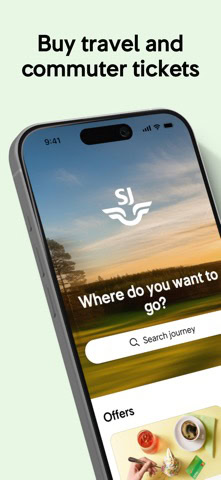
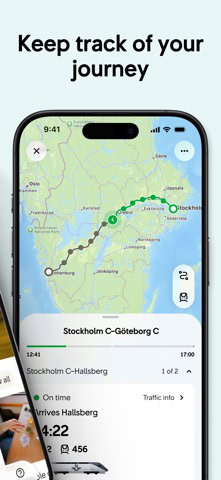
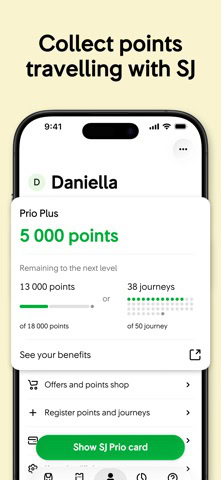
The second essential app is the SJ app, operated by Sweden’s national railway company. This is one of the most useful rail apps in Europe because it provides live departure information, platform updates, reservation booking, and delay notifications in a clean, easy-to-use format.
Travellers using private operators such as MTRX or Snälltåget may also benefit from downloading their dedicated apps, particularly for reservations and service updates on privately operated routes.
For local navigation, Google Maps works extremely well across Swedish cities and integrates public transport information efficiently. Apps such as Moovit can also help with metro, tram, and bus connections once arriving in major urban areas like Stockholm, Gothenburg, or Malmö.
Accommodation apps become particularly valuable because the flexibility of the pass often encourages spontaneous itinerary changes. Services such as Booking.com and Hostelworld make it easy to add overnight stops when travellers unexpectedly decide to remain longer somewhere.
Weather apps are also genuinely useful in Sweden, especially during winter or Arctic travel. Conditions can change rapidly in the north, affecting both rail operations and outdoor activities.
Together, these apps transform the Sweden Interrail ticket from simply a train pass into a highly flexible digital travel system capable of supporting complex Scandinavian journeys with relatively little stress.

App availability and prices vary by country. Some of these may not appear in your local App Store or Google Play.

Rupert’s Handy Travel Tips
I’ve clattered north on the Kiruna sleeper more times than I can count, so here are my honest tips for making the most of a Sweden Pass.
- Book the night train early: the Stockholm to Kiruna and Abisko sleepers sell out fast in Northern Lights season, so lock in your reservation as soon as you activate a travel day.
- Pack for two seasons at once: Sweden can swing from mild southern coastal weather to genuine Arctic cold within a single journey north, so layer up before you board.
- Use Stockholm as your hub: nearly every major route radiates out from Stockholm Central, so it’s the easiest base for planning day trips before heading further afield.
- Ride the X2000 for speed, regional trains for scenery: the high-speed services save time between cities, but a slower regional train often shows off the coast and forests far better.
- Download the SJ app before you travel: it gives live platform and delay information that the Rail Planner App doesn’t always cover, especially useful on the quieter northern lines.
Want to meet the reindeer behind our travel tips? Find out more in our page Who is Rupert?.



Frequently Asked Questions about the Interrail Sweden Pass
Do I need seat reservations for trains in Sweden?
Yes, for most long-distance and high-speed SJ services. Reservations typically cost €5–€10 (£4–£9 / $5–$11). Regional trains usually don’t require them.
Can I use the pass on night trains?
Yes, the Sweden Interrail ticket covers night trains to destinations like Luleå, Kiruna, and Abisko. However, supplements apply for couchettes or sleeper cabins, and the pass stops at Riksgränsen if you are carrying on to Narvik.
Are international routes included?
No. The Sweden Pass is a One Country Pass and is valid only within Sweden. It takes you as far as Hyllie on the Copenhagen line and Riksgränsen on the Narvik line, and you buy a separate ticket for the section beyond the border.
Is the mobile pass better than the paper pass?
Most travellers prefer the mobile pass as it’s easier to manage and harder to lose. It’s stored in the Rail Planner App and activated on the go.
How many days should I buy for Sweden?
If you’re exploring southern cities only, a 3- or 4-day pass may be enough. For Arctic trips or a full run north and back, a 5- to 8-day pass gives more flexibility.

Further Reading & Related App Guides
Want to prepare for every part of your journey? These related guides will help you stay informed, connected, and ready to travel with confidence.
If Sweden’s night trains have you tempted further north, our Norway Interrail Pass Guide covers the fjord country next door, and our Train Booking Apps Guide is useful for comparing booking platforms across the rest of your trip.
Signal can drop out on the quieter northern lines, so it’s worth sorting a data plan through our eSIM Apps Guide before you head for Lapland. Once you’re in a city, our Local Transport Apps Guide covers the metro, tram, and bus apps the Sweden Pass doesn’t.
Finally, our Travel Insurance Apps Guide is worth a look before any Arctic sleeper trip, given how much distance and weather variation is involved.