Reviewed by our editorial team Updated
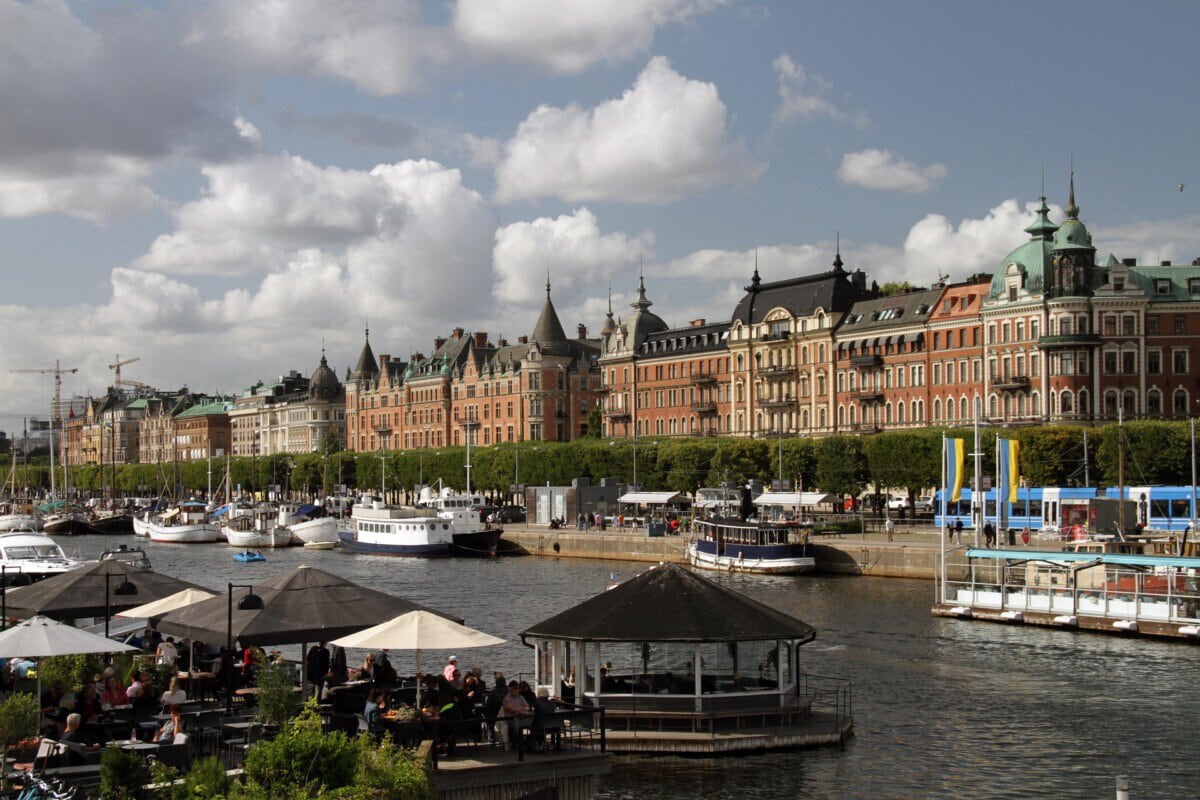
Stockholm is built across 14 islands stitched together by more than 50 bridges, and that geography does most of the work in making the city feel so easy to fall for. Medieval alleys, royal palaces, world-class museums and quiet clifftop viewpoints all sit within a compact centre, so a first-time visitor can genuinely cover a remarkable amount on foot, by ferry, or on the city’s excellent metro.
This guide covers 31 of the best things to do in Stockholm, from the cobbled lanes of Gamla Stan and the raised 17th-century warship at the Vasa Museum, to the open-air folk museum at Skansen and the creative, design-forward streets of Södermalm. Each section below stands on its own, so it’s easy to skim for whatever matches your interests rather than reading start to finish.
Most of what’s covered here sits on or near Djurgården, the green island that holds Stockholm’s biggest single cluster of museums, or across the water in Gamla Stan and Södermalm. Prices below are quoted in Swedish krona (SEK) with approximate GBP, EUR and USD conversions, though exchange rates and admission fees both shift over time, so treat them as a planning guide rather than a locked-in figure.
For getting into the city from Arlanda or Bromma, or getting around once here, our dedicated Stockholm Airport Transfers guide covers the Arlanda Express, buses and taxis in detail, so this page can focus entirely on what to actually do once you’ve arrived.
Things to Do in Stockholm at a Glance
Every entry below gets its own full section further down the page, but this table is a fast way to compare location and typical cost before diving into the details.
| Attraction | Location | Typical Adult Price | Best For |
|---|---|---|---|
| Gamla Stan | Old Town | Free to walk | Medieval streets & architecture |
| Royal Palace & Changing of the Guard | Gamla Stan | Guard free; palace from 200 SEK | Royal history & ceremony |
| Vasa Museum | Djurgården | Around 240 SEK | The 17th-century warship |
| Skansen | Djurgården | 160-245 SEK | Open-air history & Nordic zoo |
| ABBA The Museum | Djurgården | 250-330 SEK | Music fans & families |
| Nordiska Museet | Djurgården | Around 180 SEK | Swedish cultural history |
| Stockholm City Hall | Kungsholmen | 130 SEK tour; 80 SEK tower | Nobel Prize history & views |
| Fotografiska | Södermalm | Around 195 SEK | Contemporary photography |
| Nationalmuseum | Blasieholmen | Free | 700 years of Swedish & European art |
| Moderna Museet | Skeppsholmen | Free | Picasso, Dalí & modern art |
| Nobel Prize Museum | Gamla Stan | Around 140 SEK | Nobel laureate stories |
| Medeltidsmuseet | Gamla Stan | Free | Stockholm’s medieval foundations |
| Junibacken | Djurgården | Around 195 SEK | Young children & Pippi Longstocking |
| Gröna Lund | Djurgården | Entry from around 145 SEK | Rides & seaside fairground |
| Fjäderholmarna Boat Trip | Stockholm Archipelago | Return ferry from around 150 SEK | A taste of the archipelago |
| Södermalm & SoFo | Södermalm | Free to explore | Design shops, cafés & nightlife |
| Monteliusvägen | Södermalm | Free | Sunset views over the water |
| Djurgården Island | Djurgården | Free to explore | Parkland, biking & garden cafés |
| Drottninggatan & Kungsträdgården | Norrmalm | Free | Shopping & central city life |
| Vrak – Museum of Wrecks | Djurgården | Around 185 SEK | Baltic Sea shipwrecks |
| The Viking Museum | Djurgården | Around 200 SEK | Viking Age ride & galleries |
| Skansen Aquarium | Djurgården | Around 175 SEK | Tropical wildlife (separate ticket) |
| Swedish History Museum | Östermalm | Around 180 SEK | The Gold Room & Viking treasures |
| Avicii Arena: SkyView & Avicii Experience | Johanneshov | 180 SEK gondola; 210-270 SEK museum | Views & Avicii tribute museum |
| Canal & Archipelago Cruises | City Centre/Djurgården | From 215 SEK | Short sightseeing boat trips |
| Hop-On/Hop-Off Bus & Boat | Citywide | From 230 SEK | Easy first-day overview |
| Stockholm Pass (Go City) | Citywide | From 950 SEK (1-day) | Multi-attraction discount pass |
| Shopping | Citywide | Free to browse | Swedish design & vintage finds |
| Food and Drink Scene | Citywide | Fika from around 40 SEK | Fika, husmanskost & New Nordic dining |
| Nightlife | Stureplan & Södermalm | Cover charges vary | Clubs, bars & live music |
| Rainy Day Options | Citywide | Varies (several free) | Museums, Kulturhuset & Centralbadet spa |
Gamla Stan: Stockholm’s Medieval Old Town
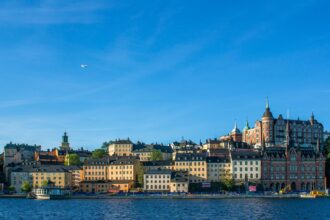
Gamla Stan is where Stockholm began, founded in the 13th century on a small island that now sits at the exact centre of the modern city. Narrow cobbled lanes, ochre and burnt-red townhouses, and small squares like Stortorget, the city’s oldest, make it one of the best-preserved medieval old towns anywhere in Northern Europe.
Wandering is the whole point here, and it costs nothing beyond the time spent doing it. Västerlånggatan and Österlånggatan, the two main pedestrian streets, are lined with shops, cafés and restaurants, though the genuinely quiet, atmospheric alleys tend to be one or two streets back from the busiest tourist route.
Look out for Mårten Trotzigs Gränd, often cited as Stockholm’s narrowest street at under a metre wide at its tightest point, and the tiny copper statue “Järnpojke” (Iron Boy) tucked into a courtyard near the German Church, one of the smallest public statues in the city. Both take only a couple of minutes to find but are the kind of detail that separates a rushed visit from one that actually explores the neighbourhood.
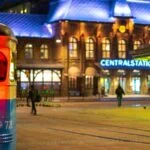
Gamla Stan sits within easy walking distance of Stockholm Central Station and has its own metro stop (Gamla Stan) on the red lines, making it the natural starting point for a first day in the city. Many of the other attractions covered in this guide, including the Royal Palace, Nobel Prize Museum and Medeltidsmuseet, are all within the same small island.
Best for a short trip. Compare rooms by neighbourhood, price and guest rating before you book.
Compare hotelsBest for groups who want one address and separate bedrooms rather than three hotel rooms.
See holiday homesBest for double-checking. Runs the same Stockholm search across several booking sites so you are not leaving money behind.
Compare pricesThe Royal Palace and the Changing of the Guard
The Royal Palace (Kungliga Slottet) is one of the largest royal palaces still in use in Europe, with more than 600 rooms spread across a building that has served as the official residence of the Swedish monarch since the 18th century. A combined ticket covering the Royal Apartments, Treasury and other museum sections costs around 200 SEK (£15/€18/$19) for adults, with free entry for younger children.
The Treasury holds the Swedish regalia, including crowns, orbs and sceptres dating back centuries, and tends to be quieter earlier in the day, so arriving close to opening at 10am is worth it before the crowds build. The State Apartments, still used for official functions, are decorated in a formal 18th-century style that contrasts with the more austere exterior.
The free Changing of the Guard ceremony takes place in the Outer Courtyard (Yttre Borggården) and runs for about 40-45 minutes, combining a military band performance with the formal handover itself. From April to October it runs at 12:15pm on weekdays and 1:15pm on weekends and public holidays; from November to March it scales back to Wednesdays and Sundays only.
No booking is needed to watch, but arriving around 20 minutes early secures a decent view along the courtyard railings. A sensible plan for one morning is the Treasury at opening, followed by the ceremony itself once it starts, which comfortably fills a couple of hours without any advance reservations required.
Vasa Museum: The Warship That Sank in 1628
The Vasa is one of the strangest survival stories in maritime history. Commissioned by King Gustavus Adolphus in 1626 as an ambitious flagship carrying 64 bronze cannons, the ship capsized and sank on its maiden voyage in Stockholm harbour on 10 August 1628, brought down by a design that was too top-heavy for the weight of guns it carried.
It sat on the seabed for 333 years, preserved by the Baltic’s low salinity, which kept the shipworms that usually destroy submerged wood at bay. When it was raised in 1961, roughly 98% of the original timber was intact, making the Vasa the best-preserved 17th-century ship anywhere in the world.
The purpose-built museum on Djurgården now houses the ship at its full scale, with walkways at several levels letting visitors see it from the keel to the towering carved stern. Adult admission runs around 240 SEK (£18/€21/$23), with free entry for anyone under 18, and the ticket includes an introductory film and audio guide covering the ship’s construction, sinking and salvage in detail.
Plan for 1.5 to 2 hours, longer if the temporary exhibitions on 17th-century life are a draw. The exhibition hall is kept deliberately cool to protect the timber, so a light layer is worth carrying even in summer, and the museum runs extended hours until 8pm on Wednesdays outside peak season for a noticeably calmer visit.
Vrak – Museum of Wrecks: A Second Home for Baltic Shipwrecks
Vrak – Museum of Wrecks opened on Djurgården in 2021, just a short walk from its far more famous neighbour, and picked up Museum of the Year 2026 for the way it brings maritime archaeology to a general audience. Rather than focusing on a single ship, it draws on wrecks recovered from right across the Baltic Sea, using immersive films, holograms and virtual reality to recreate scenes that static display cases simply can’t.
Exhibits move across centuries rather than sticking to one era: Viking-age grave finds sit alongside Kraveln, a warship linked to King Gustav Vasa, and Äpplet, the Vasa’s own sister ship built to the same flawed design. Elsewhere the museum covers Gribshunden, a 15th-century royal flagship, and the Resande Man, a merchant vessel lost off Sweden’s coast, each treated as a genuine detective story about how and why it sank.
Standalone adult admission runs around 185 SEK (£14/€16/$17), with free entry for anyone under 18, and a joint ticket covering both Vrak and the Vasa Museum costs around 359 SEK (£27/€31/$34), valid across both sites for 72 hours. Given how close the two buildings sit on the Djurgårdsstrand waterfront, the combo ticket is the more sensible choice for most visitors rather than buying separately.
Plan for around an hour, noticeably less than the Vasa Museum next door, which makes it an easy add-on rather than a full separate outing. Because it opened comparatively recently, Vrak tends to be noticeably quieter than its neighbour even in peak summer, a genuine advantage for anyone who’d rather explore without fighting through crowds.
The Viking Museum: Ragnfrid’s Saga Ride
The Viking Museum sits a short walk from the Vasa Museum on the Djurgårdsstrand waterfront, and it takes a noticeably different approach to the Viking Age than a conventional museum of artefacts in glass cases. Its centrepiece is Ragnfrid’s Saga, a themed indoor ride that carries small boats through a series of dramatised 10th-century scenes following a Viking family’s voyage of trade, raids and survival.
Beyond the ride, the museum’s galleries cover everyday Viking Age life, from longship construction and seafaring routes to trade networks reaching as far as Byzantium and the Islamic caliphates, using reconstructed settings rather than purely static displays. Costumed interpreters and short films fill in context around the artefacts, aiming for something that feels closer to stepping into the period than reading about it.
Adult admission runs around 200 SEK (£15/€18/$19), and the museum runs daily guided tours in both Swedish and English on top of the self-guided galleries and ride. Opening hours shift slightly by season, typically 10am to 5pm at weekends and from 11am on weekdays, so checking ahead is worth doing before building it into a tight schedule.
Because it sits directly between the Vasa Museum and Vrak on the same stretch of waterfront, The Viking Museum slots naturally into a single Djurgården morning covering all three, particularly for visitors with a specific interest in Viking history rather than the 17th-century warship alone. Around an hour covers the ride and main galleries comfortably.
Skansen: The World’s Oldest Open-Air Museum
Founded in 1891, Skansen was the original open-air museum, a model later copied by similar sites across Europe. More than 150 historic buildings, relocated from across Sweden, are arranged into small townscapes and farmsteads spanning the 16th to the 20th centuries, complete with costumed staff demonstrating traditional crafts like glassblowing and baking.
Skansen is also a genuine zoo, focused specifically on Nordic wildlife, so a visit here means a realistic chance of seeing brown bears, wolves, lynx, moose and wolverines in naturalistic enclosures, alongside a separate section for animals from further afield. This dual identity, half living-history museum and half zoo, is part of what makes it feel different from a typical day out.
Admission runs from around 160 SEK (£12/€14/$15) in winter up to 245 SEK (£18/€22/$23) during the busier summer season, and the size of the site means 3 to 5 hours is realistic for seeing it properly rather than rushing through in an hour or two.
Because the museum sits on the same Djurgården island as the Vasa Museum, ABBA Museum and Nordiska Museet, it pairs naturally into a full day covering two or three sites without needing to change islands. Skansen also runs seasonal events, including a well-known Christmas market in December, covered in more detail in our dedicated Stockholm Christmas guide.
Skansen Aquarium: A Separate Ticket Next Door
It’s easy to assume Skansen Aquarium (Skansen-Akvariet) is simply part of a Skansen ticket, but it’s actually a separately owned and separately ticketed attraction that happens to sit inside the open-air museum’s grounds. Visitors specifically wanting to see it need to budget for a second admission fee rather than expecting it to be included.
Inside, the focus is tropical and exotic wildlife rather than the Nordic species found in Skansen’s own zoo, spanning everything from monkeys, crocodiles and scorpions to a working reptile house and a colourful parrot collection. The aquarium also runs a genuine breeding programme for endangered small monkeys and prosimians, giving it a conservation role beyond simply being a visitor attraction.
Adult tickets cost around 175 SEK (£13/€15/$17), and the aquarium’s own shop, stocked with animal-themed toys, books and gifts, is accessible without paying admission, making it a reasonable stop even for anyone not planning to go inside. Opening hours generally track Skansen’s own, though it’s worth checking the aquarium’s separate website before a visit rather than assuming identical times.
Because the two sites are physically right next to each other but commercially unrelated, the simplest approach is deciding in advance whether both are worth the combined cost, rather than discovering the separate charge at the door. Families with children keen on reptiles or primates tend to get the most out of the extra stop.
Best for finding routes the airlines do not sell as a single ticket. Combines carriers to bring the fare down.
Search flightsBest for short trips. Install the eSIM at home and arrive in Stockholm with working data, no shop queue.
Browse eSIMsBest after a long flight or a late landing. Price agreed before you travel, and no taxi queue.
Check transfersABBA The Museum
For a band that has sold hundreds of millions of records worldwide, ABBA The Museum is a surprisingly intimate, interactive experience rather than a static hall of memorabilia. Original stage costumes, including outfits from their 1974 Eurovision-winning “Waterloo” performance, sit alongside instruments and a faithful recreation of the Polar Music Studios where the group recorded.
The interactive side is what visitors tend to remember: a fifth “virtual member” microphone booth for recording your own vocals over ABBA tracks, an illuminated dance floor, and hologram performances that project the group performing on a recreated stage. It leans firmly toward participation rather than passive viewing, which makes it a strong option for families or groups rather than a solo, contemplative museum visit.
Adult tickets run on demand-based pricing from around 250 to 330 SEK (£19-24/€22-29/$24-31), with reduced student rates and free entry for children under 7. Recording a karaoke track costs a small amount extra, typically 25-55 SEK per song.
Same-day tickets do sell out during the summer, so booking a timed slot in advance is worth doing rather than turning up and hoping. Weekday afternoons after 2pm tend to be noticeably quieter than mornings or weekends, and the museum sits an easy tram ride or short walk from the other Djurgården attractions on this list.
Nordiska Museet: Swedish Cultural History
The Nordiska Museet (Nordic Museum) occupies a vast, palace-like building completed in 1907, and the building itself is as much a reason to visit as the collection inside it. A soaring central hall, dominated by a monumental seated statue of King Gustav Vasa, sets the tone for a museum built to feel like a genuine institution rather than a modest local collection.
Inside, the exhibitions cover everyday Swedish life across several centuries, from traditional folk costume and Sámi culture in the north to dining customs, fashion and the domestic interiors that shaped Swedish design sensibilities. It’s a genuinely good complement to Skansen next door, trading that museum’s physical buildings for a deeper look at objects, textiles and social history.
Adult admission costs around 180 SEK (£13/€16/$17), and 1.5 to 2 hours is enough time to cover the highlights without rushing. The museum sits a short walk from the Vasa Museum, making it easy to combine both in a single Djurgården morning before continuing on to Skansen or the ABBA Museum in the afternoon.
Temporary exhibitions rotate regularly and often focus on a specific theme, whether historic textiles, photography or a particular region of Sweden, so it’s worth checking what’s showing before a visit if a specific topic is the draw rather than the permanent collection alone.
The Swedish History Museum: The Gold Room and Viking Treasures
The Swedish History Museum (Historiska museet) sits on Narvavägen in Östermalm, a short walk from the Djurgården bridge, and holds the national collection covering everything from prehistoric Sweden through the Viking Age to the Middle Ages. It’s a more traditional, artefact-led museum than some of the newer Djurgården attractions, built around genuine archaeological finds rather than dramatised experiences.
The standout exhibit is the Gold Room, a vault-like underground chamber holding several kilograms of gold and silver treasure, including elaborate collars, coins and ceremonial objects recovered from across the country. The separate Viking World exhibition covers weapons, jewellery and everyday tools that give a grounded, evidence-based picture of the period, a useful counterpoint to the more theatrical Viking Museum on Djurgården.
Adult admission costs around 180 SEK (£13/€16/$17), with free entry for anyone under 19, and the collection is large enough that 1.5 to 2 hours is a realistic minimum to see the Gold Room and main Viking galleries properly. The museum’s café and shop, stocked with replica jewellery and history titles, are worth a few extra minutes even on a tighter schedule.
Because it sits slightly off the main Djurgården museum cluster, the Swedish History Museum tends to be noticeably quieter than the Vasa Museum or ABBA Museum even in peak season, a genuine advantage for anyone keen to see the Gold Room without a crowd. It pairs naturally with a wider Östermalm wander or a visit to the nearby Nordiska Museet.

Stockholm City Hall: Tower Climb and Nobel History
Stockholm City Hall (Stadshuset) is both a working municipal building and one of the city’s most recognisable landmarks, its brick tower visible from much of the waterfront. It’s also the venue for the Nobel Prize banquet every 10 December, when the Blue Hall seats over 1,000 guests for a formal dinner before celebrations move upstairs to dance beneath the Golden Hall’s mosaics.
The Golden Hall is the interior highlight, its walls covered in roughly 18 million pieces of Venetian gold mosaic depicting historical and mythological scenes, centred on a monumental image of the “Queen of Lake Mälaren” representing Stockholm itself. Interior access is by guided tour only, no self-guided wandering, with English tours typically running at 10am, 12pm and 2pm and costing around 130 SEK (£10/€11/$12) for adults.
The separate tower climb, roughly 106 metres up 365 steps, one for every day of the year, runs seasonally from around May to September and costs about 80 SEK (£6/€7/$8). The reward at the top is a genuine 360-degree panorama over the city and the water, though the exposed final stretch means it isn’t ideal for anyone with severe vertigo.
Because both the interior tour and the tower are ticketed and time-limited, booking online in advance through the City Hall’s own website is worth doing in peak summer months, when slots can sell out by early afternoon.
Fotografiska: Contemporary Photography
Housed in a former Art Nouveau customs building on the Södermalm waterfront, Fotografiska has grown into one of the most respected photography institutions in Europe since opening. The building itself, with tall industrial windows overlooking the harbour, gives even a single exhibition room a sense of scale that smaller galleries can’t match.
Exhibitions rotate regularly and mix internationally known photographers with emerging names, so no two visits look quite the same. Adult admission costs around 195 SEK (£15/€17/$18), and the museum stays open unusually late, until 11pm most nights, making it one of the few major Stockholm attractions genuinely suited to an evening visit.
The on-site restaurant and café, with views back across the water toward Gamla Stan and Skeppsholmen, are worth building into a visit rather than treating as an afterthought, particularly for a sunset table. Plan for 1.5 to 2 hours to see the current exhibitions properly.
Fotografiska sits at the edge of Södermalm, making it easy to combine with a wider wander through the neighbourhood’s SoFo district or the Monteliusvägen viewpoint, both covered later in this guide, rather than treating it as a standalone trip.
Nationalmuseum: 700 Years of Art
Sweden’s national gallery, the Nationalmuseum, occupies a grand 19th-century building on Blasieholmen overlooking the water toward the Royal Palace. Its collection spans roughly 700 years, running from medieval religious art through Rembrandt, Renoir and Sweden’s own major painters, alongside a substantial design and applied-arts collection covering furniture, ceramics and textiles.
Admission is free, which is unusual for a collection of this scale and quality, though temporary special exhibitions occasionally carry a separate charge. The building itself underwent a major multi-year renovation completed in the late 2010s, and the results, bright, well-lit galleries with genuinely thoughtful curation, make it feel considerably more modern than its 19th-century shell suggests.
Plan on at least 2 hours for a proper visit, more if the temporary exhibition wing has something of specific interest. The museum’s café and its harbourside setting make it an easy, relaxed midday stop between Gamla Stan and the Djurgården museums, both within a short walk or one tram stop.
Because entry is free, the Nationalmuseum is one of the easiest attractions on this list to fit into a tight schedule, even as a shorter one-hour stop between other plans, without needing to weigh up whether the cost justifies a rushed visit.
Best for solo travellers and anyone watching the budget. Dorm beds and private rooms in the same search.
Browse hostelsBest arranged before you fly rather than after. Covers claim handling, plus lounge access on eligible delays.
Explore AirHelp+Best for a day with a bag and nowhere to put it. Find a storage point near where you already are.
View storageModerna Museet: Modern Art on Skeppsholmen
Set on the small island of Skeppsholmen, a short walk or bridge crossing from the city centre, Moderna Museet holds one of the strongest modern and contemporary art collections in the Nordic region. Names like Picasso, Dalí, Matisse, Warhol and Duchamp feature alongside a strong roster of major Scandinavian artists, giving the collection a genuinely international scope.
Like the Nationalmuseum, general admission is free, funded as part of Sweden’s national museum network, with charges only for select temporary exhibitions. The building’s interior is spacious and well-lit, with large gallery halls that suit the scale of much of the modern and contemporary work on display.
Skeppsholmen itself is worth the walk on its own merits, a quiet, largely car-free island with sculpture dotted along its paths and views back across the water to Gamla Stan and Djurgården. Around 2 hours covers the permanent collection at a comfortable pace.
Because the island also hosts the Museum of Far Eastern Antiquities (Östasiatiska Museet), also free and rarely crowded, combining both into one quiet afternoon away from the busier tourist circuit is an easy way to spend a low-cost, low-stress half-day.
Nobel Prize Museum
Tucked into the old Stock Exchange building right on Stortorget in Gamla Stan, the Nobel Prize Museum is a compact but genuinely engaging look at the prize’s history and the people who’ve won it. Exhibits cover the science, literature and peace prizes through short films, personal artefacts donated by laureates, and interactive displays that make dense subject matter approachable for a general audience.
A recurring detail visitors remember is the underside of the café chairs, many signed by visiting Nobel laureates over the years, a small, slightly eccentric touch that fits the museum’s generally warm, human approach to what could otherwise be a dry subject. Adult admission runs around 140 SEK (£10/€12/$13).
Around 90 minutes is enough for most visitors to see the core exhibits properly, making this one of the easiest half-morning additions to a Gamla Stan walk, since the museum sits just steps from the Royal Palace and the Medeltidsmuseet covered next.
The museum’s small shop and café are worth a few minutes even for visitors short on time, and combining a Nobel Museum visit with the Changing of the Guard ceremony nearby makes efficient use of a single Gamla Stan morning.
Medeltidsmuseet: Stockholm’s Medieval Foundations
The Medeltidsmuseet (Medieval Museum) is one of Stockholm’s most overlooked attractions, built directly around genuine excavated remains of the city’s 13th-century defensive walls, discovered during construction work beneath Norrbro bridge in the 1970s. Rather than displaying artefacts in cases removed from context, the museum is built partly underground, letting visitors walk among the actual foundations the city grew from.
Reconstructed streets, a full-size section of the old town wall, and a section on the Vasa-era gallows all sit within an atmospheric, dimly lit space that feels closer to an archaeological site than a conventional museum. It’s a strong option on a rainy day, and its underground setting keeps a fairly constant, cool temperature year-round.
Admission is free, and the museum sits directly beneath Norrbro, within a couple of minutes’ walk of both the Royal Palace and the Riksdag (Swedish parliament) building on the neighbouring island of Helgeandsholmen.
Because it’s free and genuinely quiet compared with the more famous Gamla Stan sights nearby, the Medeltidsmuseet is one of the better choices for a quick hour-long stop that still delivers real historical depth, rather than a token add-on to a busier day.

Junibacken: Pippi Longstocking and Children’s Literature
Junibacken is built specifically for young children and fans of Swedish children’s literature, centred on the work of Astrid Lindgren, the author behind Pippi Longstocking, and other beloved Nordic storytellers. The centrepiece is a slow train ride, “Story Trail,” that carries visitors through miniature scenes recreating famous moments from the books.
Beyond the ride, a full-scale walk-through recreation of Villa Villekulla, Pippi’s ramshackle house, lets children climb and explore in a way static displays don’t allow, and a dedicated theatre stages regular children’s performances throughout the year. It’s aimed squarely at families with younger children rather than a general adult audience.
Admission runs around 195 SEK (£15/€17/$18) per person, with the museum shop stocking the Astrid Lindgren books in multiple languages, a popular stop for buying gifts to take home.
Given its location on Djurgården, Junibacken slots naturally into a family day that also covers the more general-audience Vasa Museum or Skansen, and its indoor setting makes it a sensible backup plan on a wet day when the outdoor sections of Skansen are less appealing.
Gröna Lund: Stockholm’s Historic Amusement Park
Operating since 1883, Gröna Lund is a proper seaside amusement park rather than a modern theme park, with several genuine rollercoasters alongside a classic wooden carousel and a waterfront setting that puts some rides directly over the water. Its compact size, small enough to walk end to end in a few minutes, keeps it feeling more like a traditional fairground than a sprawling resort.
The park runs seasonally from May to September, with entry from around 145 SEK (£11/€13/$14), and either an unlimited-ride wristband or pay-per-ride tickets on top of entry. Live concerts are a regular feature on its outdoor stage through the summer, drawing both international touring acts and major Swedish artists.
Because it sits directly next to the ABBA Museum on Djurgården, an evening at Gröna Lund pairs naturally with an afternoon museum visit, particularly since the park often stays open into the evening when the rides and lights are at their best.
Weekday evenings are generally quieter than weekend afternoons, and checking the live entertainment schedule before visiting is worth doing, since a concert night can significantly change both the atmosphere and the crowd levels.
Avicii Arena: SkyView Glass Gondola and the Avicii Experience
Avicii Arena, formerly the Ericsson Globe and still the largest hemispherical building in the world, sits south of the city centre in Johanneshov and holds two very different attractions under one roof. SkyView carries visitors up the outside of the building in a glass gondola, while the Avicii Experience inside is an interactive museum dedicated to Stockholm-born DJ and producer Tim “Avicii” Bergling.
SkyView’s two gondolas each hold up to 12 people and climb 85 metres up the building’s curved exterior, giving a genuine panoramic view over southern Stockholm on the way. Adult tickets cost around 180 SEK (£13/€16/$17), with an onboard audio guide available in five languages via QR code, and the ride typically runs from 10am to 4pm, Monday to Saturday.
The Avicii Experience next door recreates elements of Tim Bergling’s home studio in Los Angeles and plays previously unreleased music alongside interactive exhibits on his creative process, spread across roughly 350 square metres. Adult tickets run from around 210 to 270 SEK (£16-20/€18-24/$20-25) depending on demand, and a visit typically takes 1 to 1.5 hours.
Both attractions share the same building and metro stop (Globen, on the red line), so visitors keen on both can comfortably combine them into a single afternoon rather than making two separate trips. Neither sits particularly close to the Djurgården museum cluster, so it’s worth treating this as its own dedicated outing rather than squeezing it into an already packed island day.

A Boat Trip to Fjäderholmarna
For a genuine taste of the Stockholm archipelago without committing a full day to it, Fjäderholmarna is the closest island group to the city centre, reachable by a scenic boat trip of around 25-30 minutes each way from Nybroplan or Slussen. It’s the easiest possible introduction to the roughly 30,000 islands that make up the wider archipelago stretching east from the city.
The islands themselves are small and easily walkable, with smoked fish smokehouses, craft workshops, a small aquarium, and a handful of restaurants specialising in fresh seafood right on the water. It’s a genuinely relaxed few hours rather than a packed sightseeing stop, which is exactly the appeal for anyone who has spent the previous days moving between museums.
Return boat tickets typically start from around 150 SEK (£11/€13/$14), with several operators running the route regularly through the summer season and a reduced timetable outside it.
Fjäderholmarna is a genuinely good half-day option for anyone with limited time who still wants a sense of the archipelago; those with a full day free should consider the more varied destinations covered in our separate Day Trips from Stockholm guide, which reaches further into the archipelago and inland to historic towns.
The Royal Bridges Canal Cruise: Best Enjoyed on a Clear Day
Before ducking indoors, it’s worth timing a visit to coincide with clear weather for the Royal Bridges Canal Cruise, a roughly one-hour sightseeing route that loops past Gamla Stan, Riddarholmen and the bridges connecting central Stockholm’s islands, with an optional audio guide narrating the sights in multiple languages as the boat passes.
Tickets cost around 282 SEK (£21/€24/$27), and departures run regularly enough through the day that booking far in advance isn’t really necessary. Our full comparison of Stockholm’s various sightseeing cruise routes, covering the longer Djurgården loop and the archipelago option, follows later in this guide, but if the sky isn’t cooperating, here’s where to head instead.
Rainy Day Things to Do in Stockholm
Stockholm’s weather turns often enough that it’s worth having a rainy-day plan ready, and the sheer number of indoor attractions covered in this guide means a wet day rarely has to mean a wasted one. The free galleries alone, Nationalmuseum, Moderna Museet and Medeltidsmuseet, all covered earlier, can comfortably fill a full day without spending anything on admission.
Beyond the free options, Stockholm’s paid museums are almost entirely indoors: the Vasa Museum, ABBA Museum, Fotografiska, Vrak, The Viking Museum and the Swedish History Museum, all detailed above, cover everything from a 17th-century warship to contemporary photography and Viking gold. Junibacken, also covered earlier, is a particularly good call for families with young children on a wet afternoon.
Kulturhuset Stadsteatern, the glass-fronted culture house overlooking Sergels Torg in the city centre, is a genuinely useful rainy-day stop that isn’t covered elsewhere in this guide. Entry is free, and its floors hold reading rooms, a well-regarded children’s library, rotating art exhibitions and a theatre programme, all under one roof in the middle of Norrmalm.
For something less museum-like, Centralbadet, an Art Nouveau bathhouse dating to 1904, offers indoor and seasonal outdoor pools, a Roman-style thermal bath and several saunas, with adult entry running from around 300 to 400 SEK (£22-30/€26-35/$32-38). It’s a genuinely different way to spend a wet afternoon, and its rooftop terrace and bar are a pleasant reward once the rain clears.

Stockholm Canal and Sightseeing Boat Cruises
Beyond the trip to Fjäderholmarna covered above, several shorter sightseeing cruises run directly from the city centre and give a genuinely different perspective on Stockholm’s bridges, waterways and skyline. The Royal Djurgården Boat Tour, run by Strömma from Strömkajen, is the classic option, a roughly one-hour loop through the Djurgårdsbrunn Canal inside the Royal National City Park.
A shorter City Centre Canal Cruise covers the more central waterways and bridges around Gamla Stan and Riddarholmen, typically running under an hour and departing frequently through the day, making it easy to slot in between other plans without much advance thought. Both routes run with narration in multiple languages, either over onboard speakers or through headphones via a smartphone app.
For something further out, Live Guided Archipelago Cruises head beyond the harbour into the inner archipelago, passing smaller islands and waterfront cottages the shorter canal routes don’t reach, with a live guide narrating throughout rather than a recorded track. Prices for all three start from around 215 SEK (£16/€19/$20) for the canal routes, rising to roughly 300 SEK (£22/€26/$28) for the longer archipelago cruise.
All three depart from central piers near Nybroplan or Strömkajen, within easy walking distance of Gamla Stan and Kungsträdgården, so no separate journey out to a marina is needed. Booking a specific departure time online is worth doing in summer, when the more popular sailings can sell out by midday.
Hop-On/Hop-Off Sightseeing Buses and Boats
For visitors who’d rather cover Stockholm’s spread-out sights without planning a route themselves, two operators run open-top hop-on/hop-off buses with connecting boat routes, both looping past major landmarks including the Royal Palace, Stockholm City Hall and the Vasa Museum. RED Sightseeing is the longer-established of the two, with combined bus and boat tickets from around 230 SEK (£17/€20/$22) for 24 hours.
City Sightseeing Scandinavia, run by Strömma, offers a similar red double-decker circuit with tickets from around 390 SEK (£29/€34/$37), and both companies include a recorded audio guide covering the sights along the route in more than a dozen languages. Buses run at regular intervals throughout the day, so waiting times between stops are generally short outside the very height of summer.
Longer 72-hour passes are available from both operators for visitors planning to hop on and off across several days rather than covering the loop in one go, and the boat legs offer a genuinely different view of the city than the bus routes alone. Stops are positioned close to major attractions covered elsewhere in this guide, including Gamla Stan, Skansen and the ABBA Museum, cutting down on walking between sights.
A hop-on/hop-off ticket makes the most sense for a first full day in the city, giving a useful overview before deciding which neighbourhoods are worth a slower, on-foot return visit later in the trip. It’s less essential for anyone staying centrally, since most of Stockholm’s core sights sit within easy walking or metro distance of each other anyway.
Södermalm and SoFo: Stockholm’s Creative Quarter
Södermalm, generally shortened to “Söder,” is the district locals point to when asked where they’d actually choose to spend an afternoon rather than where the tourist checklist says to go. It’s a large, hilly island south of the old town, and its character, design-forward, informal, and noticeably less polished than the palaces across the water, comes through clearly in its shops, cafés and bars.
The SoFo district, the pocket south of Folkungagatan, is the creative core, packed with vintage clothing shops, independent boutiques and casual restaurants concentrated along Skånegatan, Bondegatan and the leafy square at Nytorget. A Saturday afternoon is the classic time to browse it, when most of the smaller shops are open and the outdoor café seating fills up.
Free things to do here include the Mosebacke terrace, a clifftop viewpoint dating to 1846, the leafy central square at Mariatorget, and, seasonally from May to September, the Hornstulls Marknad flea market at the island’s western edge.
Södermalm’s food and drink scene is generally more affordable than the central tourist districts, with a strong run of natural wine bars, specialty coffee roasters and traditional Swedish restaurants that don’t carry a premium simply for their postcode.

Nightlife in Stockholm
Stureplan, the traffic circle and surrounding streets in Östermalm, has been Stockholm’s traditional nightclub hub for decades, home to a cluster of upscale clubs and cocktail bars that draw queues on weekend nights. Many enforce a minimum age well above Sweden’s standard 18, often 23 or 25, along with a smart dress code, so it’s worth checking a venue’s own policy before joining the line.
Södermalm offers a noticeably more relaxed alternative, its bars leaning toward craft beer, natural wine and casual cocktail spots rather than table service and velvet ropes, consistent with the district’s generally informal character covered earlier in this guide. It’s the better choice for a low-key evening that doesn’t involve queuing.
Live music runs through both districts, with long-running venues such as Debaser in Södermalm hosting touring and local bands most nights of the week, and Fasching near Norrmalm covering jazz and related genres in a smaller, more intimate setting. Checking listings in advance is worth doing, since the better nights can sell out.
Sweden’s licensing laws mean most bars and clubs close between 1am and 3am, with a handful licensed until 5am, and alcohol itself is comparatively expensive by European standards, so budgeting accordingly is sensible. Buying bottles or spirits to take away requires a trip to Systembolaget, the state-run off-licence, which keeps far shorter hours than bars and closes entirely on Sundays.
Monteliusvägen: Stockholm’s Best Free Viewpoint
Monteliusvägen is a narrow footpath running 416 metres along the northern cliffs of Södermalm, and it produces one of the best panoramic views in the entire city for the cost of nothing more than the walk to reach it. From the path, City Hall, Riddarholmskyrka, Gamla Stan and glimpses of the Royal Palace all sit across the water in a single sweeping view.
Compared with the better-known viewpoint at Fjällgatan on the island’s eastern side, Monteliusvägen feels noticeably quieter and more like a genuine local spot than a tour-bus stop, particularly outside the sunset hour when it’s most popular for photography.
The path is named after Oscar Montelius, a 19th-century Swedish archaeologist, and runs roughly parallel to Bastugatan, reached most easily on foot from central Stockholm by crossing the Centralbron bridge and climbing up via Hornsgatan and Bellmansgatan.
Winter visits need a little more care, since the path isn’t gritted or plowed and can turn genuinely slippery on the cliffside sections. In the warmer months, though, it costs nothing, takes only 20-30 minutes to walk in full, and is one of the best value-for-effort stops anywhere on this list.
Stockholm’s Food and Drink Scene
Fika, the Swedish coffee-and-cake break, is as close to a national institution as food culture gets here, and it’s less about the coffee itself than the deliberate pause it represents in an otherwise busy day. A proper fika usually involves a kanelbulle (cinnamon bun) or another sweet pastry, and cafes serving both are found on almost every street in the city centre.
Traditional Swedish cooking, known as husmanskost, centres on dishes like meatballs with lingonberry and cream sauce, gravlax, and pickled herring served a dozen different ways, with many older restaurants in Gamla Stan and Norrmalm still serving it in something close to its classic form. Late summer also brings kräftskiva, boisterous crayfish parties that briefly take over gardens and restaurant terraces across the city in August.
For something more structured, Östermalms Saluhall, a market hall inaugurated in 1888 and reopened in 2020 after a major renovation that preserved its original ironwork and brick, gathers dozens of stalls selling oysters, cheese, cured meats and sit-down lunches under one roof. It sits a short walk from the Swedish History Museum, making the two easy to combine.
Stockholm’s fine-dining scene punches well above its size for a city this population, with several Michelin-starred restaurants built around New Nordic cooking and foraged, seasonal ingredients, though booking weeks ahead is generally essential. For something more casual, Södermalm’s natural wine bars and specialty coffee roasters, mentioned earlier in this guide, are where Stockholmers themselves tend to eat and drink.
Djurgården: The Green Island Behind Half This List
It’s worth pausing on Djurgården itself, since so many of the attractions above, the Vasa Museum, Skansen, ABBA Museum, Nordiska Museet, Junibacken and Gröna Lund, all sit on this single former royal hunting ground turned public park. Beyond the museums, the island is genuinely worth exploring on foot or by bike in its own right.
Rosendals Trädgård, an organic garden and bakery on the island’s quieter southern side, is a favourite among locals for its outdoor café serving cake and coffee among the vegetable beds and orchard trees, a world away from the museum crowds a short walk north. Bike rental is widely available near the Djurgården bridge for anyone wanting to cover more ground.
The island is reached easily by tram 7 from the city centre, by the seasonal Djurgården ferry from Slussen or Nybroplan, or by simply walking across the short Djurgårdsbron bridge from Östermalm, and all of these routes take well under 20 minutes.
Given how much sits on one island, allowing a full day for Djurgården, rather than trying to squeeze it into a half-day alongside Gamla Stan, is the more realistic way to actually see two or three of its attractions without feeling rushed between them.
Stockholm Pass and Go City: Are Multi-Attraction Passes Worth It?
For visitors planning to pack in several paid attractions, the Stockholm Pass from Go City bundles admission to more than 60 sights, including the Vasa Museum, Skansen, The Viking Museum, Royal Palace and the hop-on/hop-off bus and boat network, onto a single card. Passes are sold in 1, 2, 3 and 5-day versions, with the shortest starting from around 950 SEK (£70/€83/$90) per adult.
The maths only really works in the pass’s favour for a genuinely packed schedule, roughly three to four paid attractions in a single day, since buying tickets individually is usually cheaper at a more relaxed pace. Anyone planning mostly free attractions, such as the Nationalmuseum, Moderna Museet and Medeltidsmuseet covered earlier in this guide, is unlikely to see much benefit from a pass at all.
Each attraction still generally needs a separate time slot booked or checked in through the Go City app, so a pass doesn’t remove the need for some planning, particularly for popular, bookable sights like the ABBA Museum or Stockholm City Hall. It’s worth listing the specific attractions on the itinerary first and comparing their combined individual cost against the pass price before buying.
A pass makes the most sense for a short, attraction-heavy trip of two or three days, while a longer, slower visit that mixes museums with neighbourhood wandering, like much of what’s covered in this guide, usually works out better on individual tickets.
Drottninggatan and Kungsträdgården
Drottninggatan is Stockholm’s main pedestrianised shopping street, running from Norrmalm down toward the water near Gamla Stan, lined with a mix of international chains, Swedish design brands and smaller independent shops. It’s less about any single attraction and more about the general rhythm of central city life, buskers, street performers and a steady flow of both locals and visitors.
At its southern end sits Kungsträdgården, one of the city’s oldest public parks and a genuine year-round events space. In winter it hosts an open-air ice rink and, in some years, a small Christmas market; in summer it fills with outdoor cafés, occasional concerts and festivals that make it worth checking before a visit for whatever happens to be running.
The park’s rows of Japanese cherry trees draw large crowds for a brief but spectacular bloom each spring, typically in April, one of the more photographed seasonal moments in the city.
Both Drottninggatan and Kungsträdgården sit close to Stockholm Central Station and the T-Centralen metro hub, making this stretch a natural first or last stop on a Stockholm itinerary, easy to fit in around train times or an airport transfer without needing to plan a dedicated visit around it.
Shopping in Stockholm
Central Stockholm’s shopping runs from grand department stores to tiny design studios, and it’s worth knowing the geography before setting out. NK (Nordiska Kompaniet), Sweden’s best-known department store, has anchored Hamngatan since 1902, its rotating rooftop sign still one of the most recognisable landmarks in the city centre, while Biblioteksgatan in Östermalm carries the international luxury houses.
For Swedish design specifically, Svenskt Tenn on Strandvägen has sold furniture and textiles since 1924, and its bold botanical prints, designed by Josef Frank after he fled Nazi-annexed Austria in the 1930s, remain instantly recognisable today. Scandinavian glassware and homeware brands like Orrefors and Iittala have flagship stores within a short walk of each other in the same neighbourhood.
Gamla Stan’s Västerlånggatan, covered earlier in this guide, is the obvious stop for handicrafts, Dala horses and Swedish knitwear, though prices there run higher than in less touristy pockets of the city. For something less polished, the SoFo district and Hornstulls Marknad flea market on Södermalm, both covered in their own section above, are the better bet for vintage clothing and independent design.
Visitors from outside the EU can generally reclaim VAT (moms) on larger purchases through the tax-free shopping schemes offered at most department stores and design retailers, provided the paperwork is sorted out before leaving the country. Most shops keep standard hours of roughly 10am to 6-7pm on weekdays, with shorter Sunday hours outside the main tourist streets.

Rupert’s Handy Travel Tips
Stockholm’s islands make it an easy city to explore, but a little planning helps you cover more without the backtracking.
- Group Djurgården into one day: the Vasa Museum, Skansen, ABBA Museum, Nordiska Museet, Junibacken and Gröna Lund all sit on the same island.
- Book ABBA The Museum and City Hall ahead: both sell out timed slots in summer, so book online rather than turning up.
- Watch the Changing of the Guard for free: arrive 20 minutes early at the Royal Palace’s Outer Courtyard for a good view.
- Save the free galleries for a tight budget day: Nationalmuseum and Moderna Museet both cost nothing to enter.
- Time Monteliusvägen for sunset: the view over Gamla Stan and City Hall is at its best in the last hour of daylight.
Want to meet the reindeer behind our travel tips? Find out more in our page Who is Rupert?.




Frequently Asked Questions About Things to Do in Stockholm
How many days do I need in Stockholm?
Three to four days is enough to cover the highlights in this guide comfortably, including a full day on Djurgården, a day around Gamla Stan and Södermalm, and time for at least one archipelago boat trip.
Is Stockholm expensive to visit?
It’s on the pricier side for Europe, though several of the best attractions, including the Nationalmuseum, Moderna Museet and Medeltidsmuseet, are completely free, and walking areas like Gamla Stan, Södermalm and Monteliusvägen cost nothing at all.
Do I need a car in Stockholm?
No. The metro, trams, buses and ferries cover the whole city well, and most of the attractions in this guide are within easy walking distance of a station or tram stop.
What’s the best free thing to do in Stockholm?
Monteliusvägen is hard to beat for a free experience, offering one of the city’s best panoramic views for nothing more than a short walk, though the Nationalmuseum and Moderna Museet are equally strong free options if the weather turns.
Which Stockholm attractions are best for families?
Skansen, Junibacken and Gröna Lund are all designed with children in mind, and all three sit on Djurgården, making it realistic to combine two of them in a single family day.
Can I see the Stockholm archipelago without a full day trip?
Yes. A return boat trip to Fjäderholmarna takes around 25-30 minutes each way and gives a genuine taste of the archipelago in half a day, without the longer commitment of the destinations covered in our Day Trips from Stockholm guide.
Further Reading
Getting into the city is covered in detail in our Stockholm Airport Transfers guide, which breaks down the Arlanda Express, buses and taxi options from both Arlanda and Bromma airports.
Anyone extending their trip into the wider archipelago or further up the coast should also read our Ferry Routes from Stockholm guide, covering Baltic Sea connections onward from the city.
For those combining Stockholm with rail travel around the rest of Sweden, our Interrail Sweden Pass guide covers pricing and whether a multi-day pass makes sense against single tickets.
Travellers with more than a day to spare should also consider the Baltic islands beyond the archipelago: our Visby and Gotland guide covers Sweden’s largest island and its UNESCO-listed medieval old town, and our companion Gotland Ferry Routes guide explains how to actually get there from the mainland ports south of the city.