
Why Stockholm Is One of Europe’s Great Ferry Hubs
Few cities in Europe are as closely connected to ferry travel as Stockholm. Spread across islands and positioned at the heart of the Baltic Sea, the Swedish capital acts as a major gateway between Scandinavia, Finland, the Baltic States and wider Northern Europe.
Unlike many short ferry crossings elsewhere in Europe, Stockholm’s routes often feel more like mini cruises than simple transport links. Overnight sailings, private cabins, restaurants, entertainment decks and dramatic archipelago scenery make Baltic ferry travel part of the experience itself rather than just a way of reaching another destination.
From Stockholm, travellers can sail directly towards Helsinki, Tallinn, Turku, Riga, the Åland Islands and the island of Gotland, creating one of the strongest ferry networks anywhere in Northern Europe.
The city also combines exceptionally well with Interrail, Scandinavian rail travel and Baltic itineraries, making Stockholm one of the most important transport hubs for travellers exploring the wider region.
Stockholm Ferry Terminals Explained
One of the most important things to understand before taking ferries from Stockholm is that the city uses several different ferry terminals rather than one single central port. Travellers who assume every operator departs from the same harbour can easily end up at the wrong terminal.
The main ferry areas include Värtahamnen, Stadsgården and Frihamnen, each serving different Baltic routes and ferry companies.
Värtahamnen is one of the largest and most important terminals, particularly for ferries towards Finland and the Baltic States. The terminal connects relatively well with Stockholm’s public transport network and can usually be reached using the metro combined with buses or local connections.
Stadsgården sits closer to central Stockholm and is heavily associated with Viking Line services, particularly routes towards Helsinki, Turku and the Åland Islands. Its location near the waterfront also makes it one of the more scenic departure areas in the city.
Frihamnen handles some additional Baltic ferry traffic and cruise operations depending on route and season. Travellers should always check departure terminals carefully before travelling because Stockholm’s ferry network is spread across several harbour districts.
Public transport access is generally very good. Stockholm’s metro, buses and local transport systems make reaching the terminals relatively straightforward, although travellers with large luggage may still prefer taxis or ride-hailing services during winter or late-night departures.
Because many Baltic ferries operate overnight, passengers should also allow extra time for boarding, cabin check-in and navigating the larger terminal buildings before departure.
Browse hotels and accommodation for your journey.
View staysBrowse apartments, homes and self-catering accommodation.
Browse rentalsCompare hotel prices across multiple booking sites.
Compare ratesHow to Get to Stockholm Ferry Terminals
One of the most confusing parts of taking ferries from Stockholm is understanding which terminal your ship actually departs from. Unlike some European ferry cities with one central port, Stockholm uses several different harbour areas spread across the city.
The largest and most important terminal area is Värtahamnen, which handles many ferries towards Finland and the Baltic States. The easiest way to reach the terminal is usually via the Stockholm Metro, travelling towards Gärdet Station on the red line before continuing by bus, local connection or taxi depending on luggage and weather conditions. Travellers arriving from Stockholm Central Station should normally allow around 20 to 35 minutes overall depending on connections.
Another major departure area is Stadsgården, heavily associated with Viking Line services towards Helsinki, Turku and the Åland Islands. This terminal sits closer to central Stockholm and is generally easier to reach from tourist districts and the Old Town. The nearby Slussen transport hub provides strong metro and bus connections across the city.
Frihamnen handles additional Baltic ferry and cruise traffic depending on route and operator. Public transport connections are still good, although travellers with large luggage often prefer taxis or Bolt for simplicity, especially during winter or late-evening departures.
Travellers arriving from Stockholm Arlanda Airport should normally allow at least 1 to 1.5 hours to comfortably reach the ferry terminals using airport trains, public transport or taxis. Winter weather, traffic and evening congestion can occasionally slow transfers, particularly around major departure times.
Because many Baltic ferries operate overnight, passengers should also arrive early enough for check-in, boarding and cabin access. Large terminals can take longer to navigate than many first-time travellers expect.
Main Ferry Routes from Stockholm
| Route | Main Operators | Typical Duration | Overnight Crossing | Key Highlights |
|---|---|---|---|---|
| Stockholm → Helsinki | Viking Line / Tallink Silja | 16–18 hours | Yes | Archipelago scenery, mini-cruise atmosphere, direct Finland connection |
| Stockholm → Tallinn | Tallink Silja | 16–18 hours | Yes | Overnight Baltic crossing, direct access to medieval Tallinn |
| Stockholm → Turku | Viking Line / Tallink Silja | 10–12 hours | Usually | Åland Islands scenery, western Finland access |
| Stockholm → Riga | Tallink Silja | 17–18 hours | Yes | Latvia connection, Baltic capital itinerary |
| Stockholm → Mariehamn | Viking Line / Tallink Silja | 5–6 hours | Sometimes | Åland Islands, scenic archipelago crossings |
| Stockholm → Visby | Destination Gotland | 3–4 hours | No | Gotland island access, UNESCO Visby, summer seasonal travel |
Stockholm to Helsinki Ferry
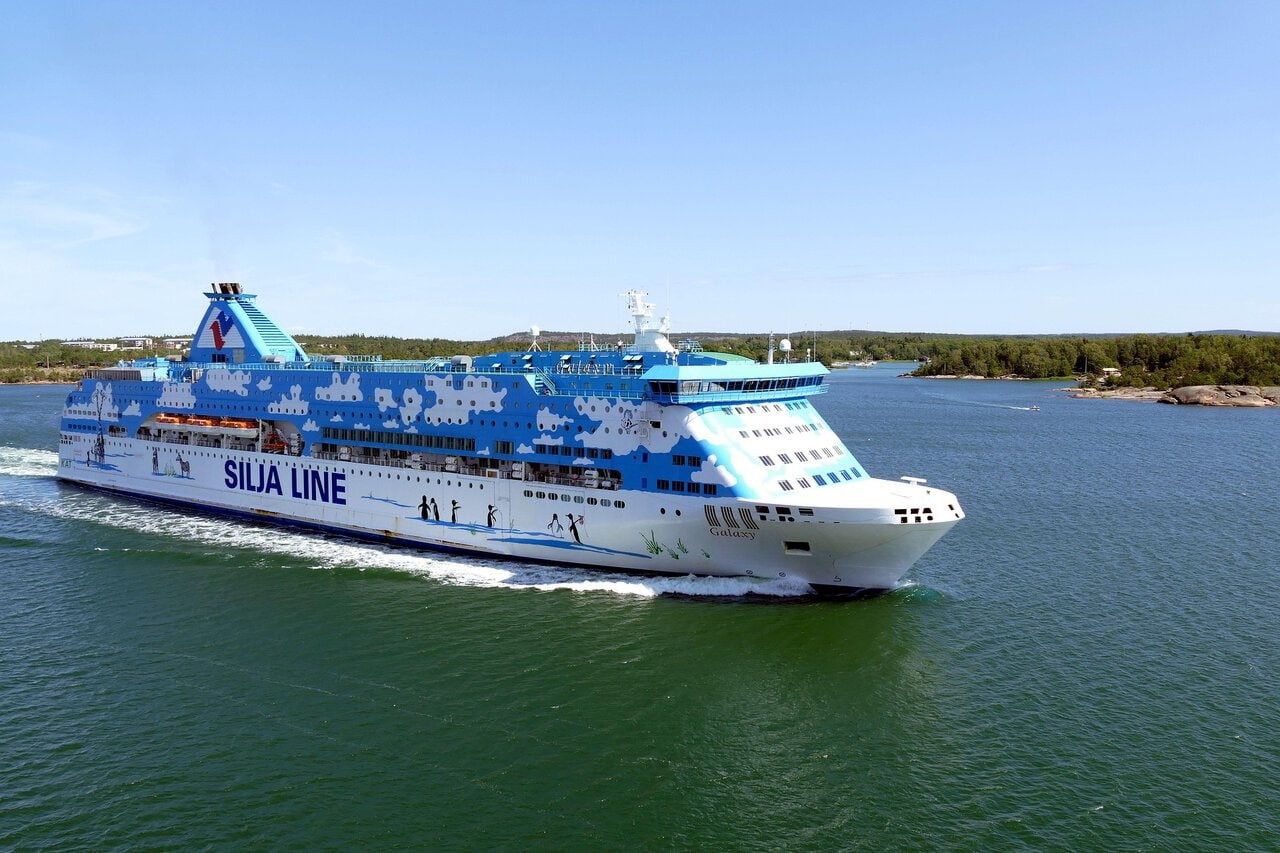
The famous Stockholm to Helsinki ferry is one of the great classic Baltic Sea journeys and easily one of the most iconic overnight ferry routes in Europe. Operated mainly by Viking Line and Tallink Silja, the crossing combines transport, accommodation, entertainment and Scandinavian scenery into a full travel experience.
Most sailings operate overnight, with ships departing Stockholm during the evening before arriving in Helsinki the following morning. Journey times are typically around 16 to 18 hours depending on operator, route and seasonal conditions.
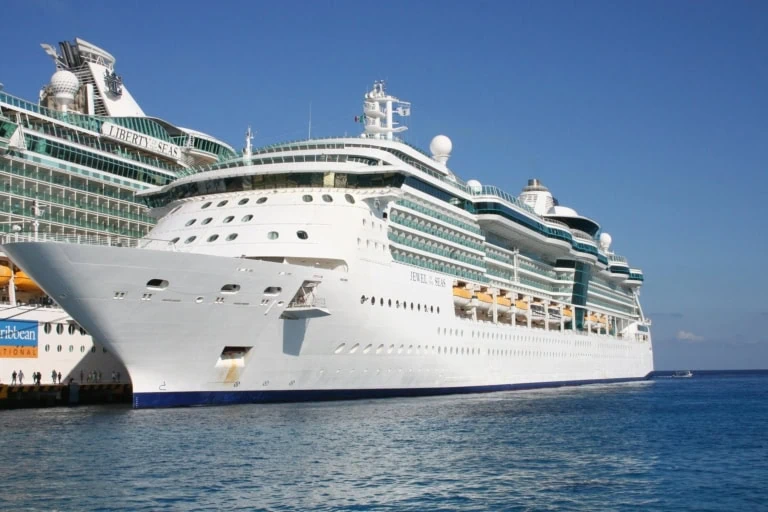
Unlike basic transport ferries, these vessels function almost like floating cruise ships. Passengers can book private cabins, restaurants, bars, saunas, entertainment venues, observation decks and shopping areas while crossing the Baltic Sea overnight.
One of the biggest highlights is the spectacular journey through the Stockholm Archipelago. As ships leave the Swedish capital, passengers pass countless small islands, rocky coastlines and forest-covered Baltic landscapes before reaching open sea.
Cabin choice matters on this route. Budget travellers often use simple inside cabins, while premium passengers may choose sea-view rooms or larger private suites. Booking early becomes especially important during summer weekends, holidays and Christmas cruise periods when prices rise significantly.
For travellers combining Sweden and Finland, this route remains one of the most enjoyable ways to travel between the two capitals and one of the best examples of overnight Baltic ferry culture.

Stockholm to Tallinn Ferry
The overnight Stockholm to Tallinn ferry is one of the most atmospheric ways to travel between Sweden and Estonia, combining Baltic Sea scenery, overnight accommodation and direct access to two very different capital cities. The route is primarily operated by Tallink Silja, with most sailings departing Stockholm during the evening and arriving in Tallinn the following morning.
Journey times are usually around 16 to 18 hours depending on weather conditions and seasonal schedules. Like the Helsinki crossings, these vessels feel far more like mini cruises than basic transport ferries, with restaurants, entertainment areas, bars, observation decks and private cabins spread across multiple decks.
One of the biggest highlights is the departure from Stockholm itself. Ferries pass through the spectacular Stockholm Archipelago, weaving between rocky islands, forests and coastal settlements before reaching the open waters of the Baltic Sea. During summer evenings, the scenery can be extraordinary, particularly from the upper outdoor decks.
Arriving into Tallinn is equally impressive. The ferry terminals sit close to the city centre, allowing passengers to move quickly from the harbour into the medieval streets of Tallinn Old Town, one of the best-preserved UNESCO World Heritage Sites in Northern Europe.
Cabin selection matters on this route because the crossing operates overnight. Travellers can choose simple inside cabins, sea-view rooms or larger premium suites depending on budget and comfort preferences. During summer weekends, Christmas cruise periods and peak holiday seasons, prices rise significantly, so booking early is strongly recommended.
The route works especially well for travellers combining Scandinavia and the Baltic States into one wider itinerary. Many visitors connect Stockholm, Tallinn and Helsinki together using overnight ferries and regional rail travel across Northern Europe.
For many travellers, the Stockholm to Tallinn ferry becomes one of the highlights of the entire Baltic experience because it combines overnight sea travel, dramatic archipelago scenery and direct arrival into one of Europe’s most atmospheric medieval capitals.
Stockholm to Turku Ferry
The Stockholm to Turku ferry provides one of the most practical and scenic sea links between Sweden and western Finland. Operated mainly by Viking Line and Tallink Silja, the route is especially useful for travellers exploring Finland beyond Helsinki or continuing deeper into the Nordic rail network.
Most crossings take around 10 to 12 hours, with both daytime and overnight sailings available depending on operator and season. Many services also stop in the beautiful Åland Islands, adding another layer of Baltic scenery and island culture to the journey.
Compared with the Helsinki route, ferries towards Turku often feel slightly calmer and more transport-focused, although they still include restaurants, entertainment areas, observation decks and private cabins onboard. The route is heavily used by Finnish travellers, motorists, Interrail passengers and travellers combining rail and ferry journeys across Scandinavia.
One of the strongest parts of the crossing is the scenery through the Stockholm Archipelago and the island-dotted Finnish coastline approaching Turku. During summer, passengers pass endless rocky islands, forests, red wooden cottages and quiet Nordic coastal landscapes that many travellers consider among the most beautiful ferry scenery anywhere in Europe.
Turku itself is historically important as one of Finland’s oldest cities and a former capital. The city works particularly well for travellers wanting to explore western Finland, connect with Finnish rail services or continue north towards Lapland and wider Scandinavian routes.
Because the route connects naturally with rail travel, it has become especially popular with travellers using Interrail Scandinavia passes and wider Nordic transport itineraries.
Stockholm to Mariehamn and the Åland Islands
One of the most fascinating ferry destinations from Stockholm is Mariehamn, the capital of the autonomous Åland Islands located between Sweden and Finland in the centre of the Baltic Sea.
Many ferries travelling between Stockholm and Finland stop in Mariehamn, partly because of the islands’ unique tax status. This allows operators to continue offering tax-free shopping onboard, which has historically played a major role in Baltic ferry economics and Scandinavian cruise culture.
The crossing itself is exceptionally scenic. Ferries travel through huge sections of the Stockholm Archipelago before reaching the quieter island landscapes of Åland. During summer, passengers experience one of the most visually impressive ferry journeys anywhere in Northern Europe, with endless rocky islands, forests and small Baltic communities visible throughout the route.
Unlike the larger capital-city ferry routes, the Åland experience feels slower, calmer and far more locally focused. The islands are known for maritime culture, cycling, forests, coastal villages and relaxed Nordic island life rather than major urban tourism.
Mariehamn itself is compact and easy to explore, with ferry terminals located close to the town centre. Many travellers visit the islands either as a stopover between Sweden and Finland or as a destination in their own right within wider Baltic ferry itineraries.
For travellers interested in scenic sea travel, Nordic island culture and quieter Baltic destinations, the Åland Islands provide one of the most distinctive and underrated ferry experiences accessible from Stockholm.
Compare hostels and budget-friendly places to stay.
Browse hostelsAccess compensation support, eligible lounge benefits and faster payouts.
See the benefitsUse convenient luggage storage between arrival, check-in and departure.
Check storageStockholm to Riga Ferry
The overnight Stockholm to Riga ferry provides one of the most interesting sea connections between Scandinavia and the Baltic States, linking the Swedish capital directly with Latvia’s historic capital city across the Baltic Sea. The route is mainly operated by Tallink Silja and functions as both a transport link and a mini cruise experience.
Most crossings take around 17 to 18 hours, with ferries typically departing Stockholm during the evening before arriving in Riga the following morning. Like many major Baltic routes, the ships include restaurants, bars, shopping areas, entertainment spaces and private cabins spread across several decks.
The atmosphere onboard often feels slightly different from the Finland routes because the crossing attracts a mixture of Scandinavian travellers, Baltic visitors, overnight cruise passengers and longer-distance regional travellers moving between Northern and Eastern Europe.
The route also provides excellent opportunities for wider Baltic itineraries. Travellers can combine Stockholm, Riga, Tallinn and Helsinki into one connected journey using ferries and regional rail routes across Northern Europe.
Arriving into Riga also offers a very different experience compared with Helsinki or Tallinn. The Latvian capital combines Art Nouveau architecture, medieval districts, Soviet history and Baltic nightlife into one of the region’s most interesting city-break destinations.
Like other overnight Baltic ferries, cabin choice matters. Basic inside cabins provide the cheapest option, while sea-view cabins and premium suites offer a much more comfortable overnight crossing. Booking early becomes particularly important during summer and festive periods when demand rises sharply.
For travellers wanting to experience the wider Baltic region beyond Scandinavia alone, the Stockholm to Riga ferry remains one of the most rewarding and underrated sea routes in Northern Europe.
Stockholm to Visby Ferry
The seasonal Stockholm to Visby ferry provides access to the island of Gotland, one of Sweden’s most historically fascinating and visually distinctive destinations. Unlike the larger international Baltic ferry routes, this crossing feels more domestic and leisure-focused, particularly during the busy summer travel season.
Most ferries towards Visby are operated by Destination Gotland, with crossings usually taking around 3 to 4 hours depending on vessel type and weather conditions. Services increase heavily during summer when both Swedish and international tourists head towards Gotland for beaches, medieval history and island scenery.
The main attraction is Visby itself, a remarkably well-preserved medieval town surrounded by defensive walls and recognised as a UNESCO World Heritage Site. Stone churches, narrow streets and fortified towers create an atmosphere completely different from mainland Swedish cities.
The route also offers a different Baltic Sea experience compared with the overnight ferries towards Finland or the Baltic capitals. Instead of cruise-style travel and overnight cabins, the Visby crossing feels more like a scenic regional sea journey through Swedish coastal waters.
Summer is by far the most popular season for this route. Warm weather, festivals and long daylight hours transform Gotland into one of Sweden’s busiest seasonal tourism destinations. During peak periods, ferry prices and accommodation costs can rise sharply, making advance booking extremely important.
For travellers interested in medieval towns, Swedish island culture and Baltic coastal scenery, the Stockholm to Visby ferry provides one of the best seasonal ferry experiences in Scandinavia.
Best Scenic Ferry Routes from Stockholm
Some of the most beautiful ferry scenery anywhere in Europe can be found on routes departing from Stockholm. The city’s position within the enormous Stockholm Archipelago means that many ferries begin their journeys by weaving through thousands of islands, rocky coastlines and forest-covered Baltic landscapes before reaching open sea.
The routes towards Helsinki, Turku and the Åland Islands are especially famous for their scenery. During summer evenings, passengers can stand on open observation decks while ferries pass tiny island communities, red wooden cottages, sailing boats and quiet Nordic coastlines stretching across the Baltic horizon.
Winter crossings create a completely different atmosphere. Snow-covered islands, frozen shorelines and icy Baltic conditions can make the archipelago feel almost Arctic during colder months. Some winter sailings even pass through sections of sea ice depending on weather severity.
Sunrise and sunset are often highlights of Baltic ferry travel. Overnight passengers arriving into Stockholm, Helsinki or Tallinn during early morning light frequently experience some of the most dramatic coastal scenery of the entire journey.
Sea conditions in the Baltic Sea are usually calmer than Atlantic crossings, although strong winds and rough weather can still occur during storms and winter periods. Open decks can become extremely windy even during summer, particularly once ships leave the shelter of the archipelago.
For many travellers, the scenery itself becomes one of the main reasons to take Baltic ferries rather than flying between Scandinavian and Baltic capitals.
Overnight Ferries vs Hotels
One of the biggest advantages of Baltic ferry travel from Stockholm is that many routes combine both transportation and overnight accommodation in a single booking. Instead of paying separately for flights and hotels, travellers can sleep onboard while moving between countries overnight.
This approach works especially well on routes towards Helsinki, Tallinn and Riga, where ferries operate almost like floating hotels with restaurants, entertainment venues, cabins and observation decks available throughout the journey.
Cabin quality varies significantly depending on budget and operator. Basic inside cabins are usually the cheapest option and work well for shorter overnight journeys, while sea-view cabins and premium suites provide far more comfort and private space during longer crossings.
For some travellers, overnight ferries can also reduce overall travel stress. Instead of airport security, early flights and hotel transfers, passengers simply board the ship during the evening and wake up in another country the following morning.
However, travellers should still remember that ferries are not identical to traditional hotels. Cabins can feel compact, engine vibration may occasionally be noticeable and rough Baltic weather can affect sleep quality during stormier periods.
For many visitors exploring Scandinavia and the Baltic region, overnight ferries become one of the most memorable parts of the entire journey rather than simply a transport option.
Booking Ferries from Stockholm
Booking ferries from Stockholm is generally straightforward, but prices, cabin availability and sailing schedules can vary dramatically depending on season, route and departure date. Busy summer weekends, public holidays and Christmas cruise periods are especially popular across the Baltic Sea, making advance booking extremely important on the most heavily used routes.
Most travellers compare sailings using platforms such as Direct Ferries, which allow passengers to check multiple operators, cabin categories, vehicle spaces and departure times in one place. This becomes particularly useful because Stockholm’s ferry network involves several operators departing from different harbour terminals across the city.
Cabin selection is one of the most important booking decisions on overnight Baltic ferries. Budget travellers often choose simple inside cabins for shorter overnight journeys, while others prefer sea-view rooms or premium suites for a more comfortable mini-cruise experience. Families and travellers carrying vehicles should usually reserve as early as possible because larger cabins and car spaces can sell out quickly during peak periods.
Vehicle transport is extremely common on Scandinavian ferry routes. Many passengers travel with cars, motorhomes, motorcycles and bicycles while moving between Sweden, Finland, Estonia and wider Northern Europe. Pricing can therefore fluctuate heavily depending on seasonal vehicle demand and holiday traffic.
Travellers should also check baggage allowances, boarding times, terminal locations and whether meals are included or optional before confirming bookings. Compared with airports, Baltic ferries usually provide far more generous luggage flexibility, making them particularly attractive for longer Scandinavian and Interrail-style journeys.
Because many Stockholm ferry routes operate overnight, passengers should also arrive well before departure to allow time for check-in, cabin access and navigating the larger terminal areas around the city.

Book Your Stockholm Ferry Trip with Direct Ferries
Direct Ferries can help you organise a ferry trip involving Stockholm by bringing routes, operators and fares together in a single search.
This can be particularly helpful when your journey involves several possible crossings or when departure times vary between ferry companies.
Want to compare ferry prices? You can also check Ferryhopper and FerryScanner before booking.
Stockholm Ferry Routes and Interrail
One of the biggest advantages of using ferry routes from Stockholm is how smoothly they connect with wider Interrail and Scandinavian rail travel. The Swedish capital functions as one of Northern Europe’s major transport hubs, linking trains, ferries and overnight Baltic crossings into one connected travel network.
Most ferry terminals connect relatively easily with Stockholm Central Station using the metro, local trains, buses or short taxi journeys. This allows travellers to arrive in Stockholm by rail before continuing onwards towards Helsinki, Tallinn, Turku, Riga or the Åland Islands by sea.
For many travellers, combining ferries with Interrail Scandinavia itineraries creates a far more scenic and relaxed alternative to short-haul flights. Overnight ferry crossings also help reduce hotel costs because passengers travel and sleep at the same time while moving between countries.
Interrail pass holders should still remember that ferry discounts, reservation systems and cabin pricing vary depending on route and operator. Some Baltic ferry companies provide reduced fares for rail pass holders, although cabins and private accommodation normally require additional payment.
The Stockholm ferry network also connects naturally with rail routes deeper into Sweden, Finland, the Baltic States and wider Central European rail systems. For travellers planning slower and more scenic journeys through Northern Europe, combining Stockholm ferries with rail travel remains one of the most rewarding transport experiences in the region.
Seasickness and Baltic Weather
Although the Baltic Sea is generally calmer than the Atlantic Ocean, weather conditions can still affect ferry crossings from Stockholm, particularly during autumn and winter.
Most passengers experience relatively smooth sailing while ferries move through the sheltered waters of the Stockholm Archipelago, but conditions can become rougher once ships enter more exposed areas of the Baltic Sea. Strong winds, winter storms and icy conditions occasionally create noticeable ship movement onboard.
The larger overnight ferries operating towards Helsinki, Tallinn and Riga are generally very stable compared with smaller regional ferries, helping reduce seasickness for many travellers. Cabins positioned lower and closer to the centre of the ship also tend to experience less movement during rough weather.
Travellers prone to motion sickness may still want to prepare before longer overnight crossings, especially during winter conditions. Staying hydrated, avoiding heavy alcohol consumption during rough weather and spending time looking towards the horizon can all help reduce discomfort onboard.
Open observation decks can also become extremely windy and cold even during summer, particularly once ferries leave the shelter of the archipelago and enter more exposed Baltic waters.
For travellers concerned about rough seas or overnight ferry conditions, our dedicated Seasickness Travel Guide explains practical preparation tips, medication advice and strategies for more comfortable Baltic crossings.
Best Time of Year for Baltic Ferries
The atmosphere of Baltic ferry travel changes dramatically throughout the year, with each season offering a completely different experience from Stockholm.
Summer, particularly between June and August, is the busiest and most popular period for Baltic ferry routes. Long daylight hours, calmer sea conditions and spectacular archipelago scenery make this the ideal season for open-deck sailing and scenic crossings through the Stockholm Archipelago.
Summer also brings the highest prices and busiest sailings. Ferries towards Helsinki, Tallinn, Turku and Gotland can become extremely busy during school holidays, Nordic vacation periods and major summer weekends.
Winter creates a completely different atmosphere. Snow-covered islands, icy Baltic landscapes and festive onboard cruises make overnight ferry journeys feel much more dramatic and seasonal. Christmas sailings and winter mini-cruises are especially popular throughout Scandinavian ferry networks.
Spring and autumn often provide the best overall balance between scenery, lower crowds and more reasonable pricing. During these shoulder seasons, travellers can still enjoy excellent Baltic scenery without the peak summer congestion.
For photography, the softer northern light during autumn and winter frequently creates some of the most visually impressive conditions anywhere in the Baltic region, especially around the islands and coastlines surrounding Stockholm.

Rupert’s Handy Travel Tips
Rupert recommends treating Baltic ferry travel as part of the holiday itself rather than simply a transport connection. Some of the scenery leaving Stockholm through the archipelago is among the best ferry scenery anywhere in Europe.
- Book cabins early during summer because popular routes towards Helsinki, Tallinn and the Åland Islands sell out surprisingly quickly.
- Spend time on the open deck when leaving Stockholm because the archipelago scenery is one of the highlights of the entire Baltic crossing.
- Pack a light jacket even during summer because Baltic winds can feel surprisingly cold once ferries reach open water.
- Use overnight ferries strategically to combine accommodation and transportation into one booking across Scandinavia and the Baltic region.
- Check ferry terminal locations carefully before departure because Stockholm uses several different harbour areas for Baltic ferry services.
Want to meet the reindeer behind our travel tips? Find out more in our page Who is Rupert?.
Frequently Asked Questions
What are the main ferry routes from Stockholm?
The main ferry routes from Stockholm connect the city with Helsinki, Tallinn, Turku, Riga, Mariehamn and Visby across the Baltic Sea.
Can you take overnight ferries from Stockholm?
Yes. Many major routes including Helsinki, Tallinn and Riga operate as overnight crossings with private cabins and onboard entertainment.
Which Stockholm ferry route is the most scenic?
Many travellers consider the routes through the Stockholm Archipelago towards Helsinki, Turku and the Åland Islands among the most scenic ferry journeys in Europe.
Do Stockholm ferries carry cars?
Yes. Most major Baltic ferries from Stockholm transport cars, motorcycles, bicycles and motorhomes alongside foot passengers.
Are Baltic ferries from Stockholm rough?
The Baltic Sea is usually calmer than the Atlantic, although winter storms and strong winds can occasionally create rougher conditions.
Which Stockholm ferry is best for visiting Tallinn?
The overnight Tallink Silja route provides the main direct connection between Stockholm and Tallinn.
Further Reading & Related Guides
If you are continuing across the Baltic region, our detailed Ferry Routes from Tallinn guide explains onward connections towards Finland, Sweden and wider Northern Europe. Travellers combining Scandinavia with Estonia should also explore our dedicated Helsinki to Tallinn Daytrip Guide and practical Finland Ferry Guide.
For practical onward travel planning, our detailed Arlanda Airport Transfers guide explains how to reach central Stockholm.
Rail travellers exploring Scandinavia should also compare routes using our Sweden Interrail Guide and Estonia Interrail Guide.
Travellers concerned about rough seas or overnight crossings should also read our practical Seasickness Travel Guide, especially before winter Baltic sailings.