Reviewed by our editorial team Updated
Why Finland’s Ferry Network Is One of Europe’s Best
Finland is one of the best countries in Europe for ferry travel. With its long Baltic Sea coastline, huge archipelagos, island communities, and close connections to Estonia, Sweden, and Germany, ferries are not simply tourist attractions here. They are a core part of everyday transport and Nordic life.
For travellers, this creates an unusually varied ferry experience. You can take a fast passenger ferry between Helsinki and Tallinn, board a huge overnight cruise ferry to Stockholm, travel through remote island chains in the Turku Archipelago, or use small local ferries to reach historic sea fortresses such as Suomenlinna.
Unlike many ferry systems elsewhere in Europe, Finnish ferry travel is also extremely integrated with rail and public transport. Major ports in Helsinki, Turku, and Vaasa connect directly with train stations, tram networks, and long distance coach routes, making it easy to combine ferries with wider Scandinavian or Baltic itineraries.
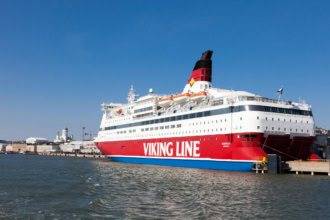
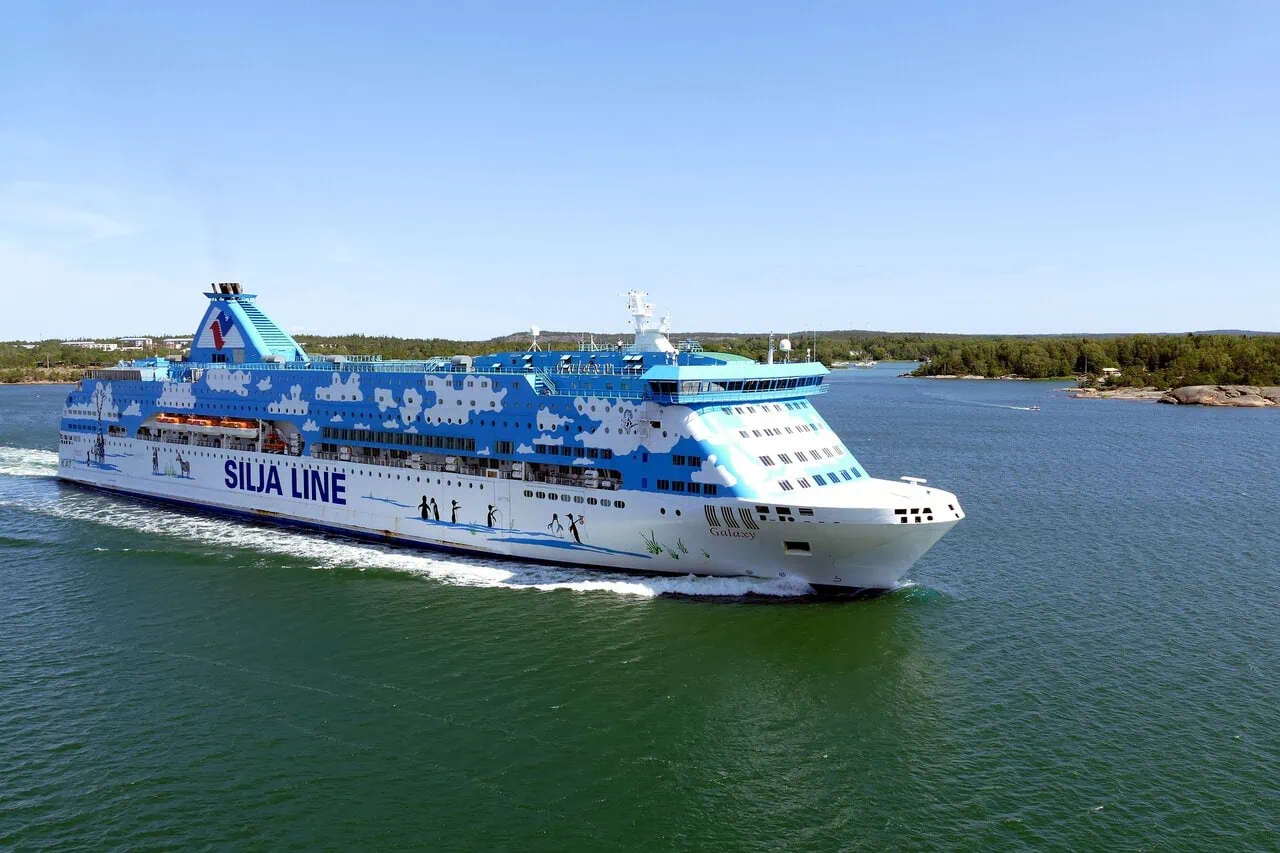
One of the biggest surprises for visitors is how advanced and comfortable the ferry system is. Many Finland ferry routes are operated by enormous modern vessels with private cabins, restaurants, saunas, panoramic lounges, duty free shopping, children’s entertainment, and live music onboard. Some overnight ferries between Finland and Sweden feel closer to floating hotels than transport services.
The ferry network also becomes especially important during winter. Finland continues operating ferry services even during icy Baltic conditions, with vessels specifically designed for northern weather. Watching giant ferries navigate frozen sea channels near Helsinki Harbour is a uniquely Nordic experience that many travellers never forget.
For independent travellers, ferry routes in Finland also unlock destinations that are difficult to experience any other way. Island villages, archipelago roads, coastal fortresses, and scenic Baltic crossings become part of the journey itself rather than simply transport between destinations.
Quick Overview of Finland Ferry Routes
Finland’s ferry network includes fast international crossings, overnight cruise ferries, practical vehicle ferries, and local island services. The busiest routes connect Helsinki, Tallinn, Stockholm, Turku, and the Åland Islands, while domestic ferries help connect remote coastal communities and archipelagos.
Many travellers visiting Finland only discover the Helsinki to Tallinn ferry, but the wider Baltic ferry network is far larger and more interesting. Overnight ferries between Finland and Sweden are among the most famous sea journeys in Northern Europe, while Finland’s smaller archipelago ferries provide access to some of the country’s most scenic coastal landscapes.
| Route | Journey Time | Main Operators | Overnight Route | Vehicle Transport | Highlights |
|---|---|---|---|---|---|
| Helsinki to Tallinn | 2 to 2.5 hours | Tallink Silja, Viking Line, Eckerö Line | No | Yes | Fast Baltic crossing between Finland and Estonia |
| Helsinki to Stockholm | 16 to 18 hours | Viking Line, Tallink Silja | Yes | Yes | Classic overnight Nordic cruise ferry |
| Turku to Stockholm | 10 to 11 hours | Viking Line, Tallink Silja | Yes | Yes | Beautiful archipelago scenery |
| Naantali to Kapellskär | 8 to 9 hours | Finnlines | Usually | Yes | Popular vehicle and freight route to Sweden |
| Vaasa to Umeå | Around 4 hours | Wasaline | No | Yes | Northern Gulf of Bothnia crossing |
| Helsinki to Travemünde | Around 30 hours | Finnlines | Yes | Yes | Long distance Finland to Germany route |
| Helsinki to Suomenlinna | 15 to 20 minutes | HSL Ferry | No | Limited | Historic fortress island near Helsinki |
Most major ferry routes operate year-round, including during harsh winter conditions. Large ferries serving Finland are specially built for Baltic weather and ice conditions, which makes ferry travel surprisingly reliable even during snowy Nordic winters.
Best for two or three nights. The widest choice of rooms, with filters for free cancellation and included breakfast.
View staysBest for families, or any stay past about four nights. A kitchen and a washing machine start paying for themselves.
Browse rentalsBest as a last check before booking. Compares Finland hotel rates across several sites in one search.
Compare ratesInternational Ferry Routes from Finland
Finland’s international ferry routes are among the busiest and most important sea crossings in Northern Europe. These ferries connect the country directly with Estonia, Sweden, and Germany, while also forming a major part of wider Scandinavian and Baltic travel networks.
The most famous route is the Helsinki to Tallinn ferry, which links the Finnish and Estonian capitals across the Gulf of Finland. Ferries operate throughout the day and carry a mixture of tourists, commuters, freight traffic, and local travellers. Because the crossing is so short, it has become one of the easiest international day trips in Europe.
Routes between Finland and Sweden are very different. Instead of functioning purely as transport, ferries between Helsinki, Turku, and Stockholm often operate as overnight cruise experiences. Travellers typically book private cabins, dine onboard, enjoy entertainment venues, and wake up in another Nordic capital the next morning.
The Turku to Stockholm route is especially scenic because ferries travel through the beautiful island landscapes of the Åland Archipelago. During summer, many passengers spend hours on the outer decks watching forests, rocky islands, small harbours, and traditional Nordic coastal scenery slide past.
Longer distance routes also connect Finland with mainland Europe. The Helsinki to Travemünde ferry operated by Finnlines provides an important sea link between Finland and Germany. This route is particularly popular with road trippers, campervan travellers, freight transport, and passengers wanting to avoid flights.
Finland’s international ferry terminals are generally efficient and easy to use. Helsinki Harbour is especially well integrated with the city’s tram system, meaning travellers can walk off major Baltic ferries directly into central Helsinki within minutes.
| International Route | Countries Connected | Typical Crossing Time | Best For |
|---|---|---|---|
| Helsinki to Tallinn | Finland – Estonia | 2 to 2.5 hours | Day trips and fast Baltic travel |
| Helsinki to Stockholm | Finland – Sweden | 16 to 18 hours | Overnight cruise ferry experience |
| Turku to Stockholm | Finland – Sweden | 10 to 11 hours | Scenic archipelago travel |
| Naantali to Kapellskär | Finland – Sweden | 8 to 9 hours | Vehicle and road trips |
| Vaasa to Umeå | Finland – Sweden | 4 hours | Northern Scandinavia travel |
| Helsinki to Travemünde | Finland – Germany | Around 30 hours | Long distance Baltic travel |
Helsinki to Tallinn Ferry
The Helsinki to Tallinn ferry is one of the busiest and most famous ferry routes in Europe. Connecting the capitals of Finland and Estonia, the crossing has become an essential transport link for tourism, business, shopping trips, and wider Baltic travel.
The route crosses the Gulf of Finland and usually takes between 2 and 2.5 hours, depending on the operator and vessel type. Ferries depart frequently throughout the day, especially during summer, making it possible to travel between the two capitals almost as easily as travelling between nearby cities by train.
Three main operators dominate the route: Tallink Silja, Viking Line, and Eckerö Line. Each offers slightly different onboard experiences, although all provide lounges, cafés, restaurants, duty free shopping, and comfortable indoor seating areas. Some vessels are designed more like cruise ships, while others focus on faster passenger transport.
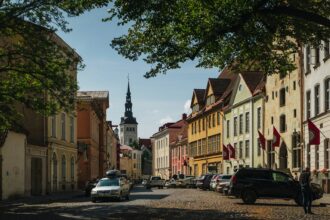
One reason the route is so popular is because both ferry terminals are located close to the city centres. In Helsinki, ferries depart from terminals connected directly to the tram network and close to major attractions such as Market Square, Uspenski Cathedral, and the city waterfront. In Tallinn, the ferry port sits only a short distance from the famous Tallinn Old Town.
Many travellers complete the crossing as a day trip. It is entirely possible to leave Helsinki in the morning, spend a full day exploring Tallinn, and return to Finland later the same evening. Others use the route as part of a larger Baltic itinerary that combines Finland, Estonia, Sweden, and other Nordic destinations.
| Helsinki to Tallinn Ferry Comparison | Tallink Silja | Viking Line | Eckerö Line |
|---|---|---|---|
| Typical Crossing Time | 2 hours | 2.5 hours | 2.25 hours |
| Cruise Style Atmosphere | Strong | Moderate | Moderate |
| Fastest Service | Yes | No | Sometimes |
| Vehicle Transport | Yes | Yes | Yes |
| Duty Free Shopping | Yes | Yes | Yes |
| Restaurants & Cafés | Extensive | Good | Good |
| Best For | Comfort and facilities | Relaxed crossings | Budget friendly fares |
During summer and holiday periods, this route becomes extremely busy, especially on Fridays and weekends. Booking in advance is strongly recommended if travelling with a vehicle or if you want the cheapest passenger fares.
Helsinki to Tallinn Ferry Times & Departures
Use Ferryhopper to check live sailings between Helsinki and Tallinn in both directions. Select your travel date to compare scheduled ferry departures, sailing times and available tickets.
Select the date you want to travel. The times shown on the right-hand side are the scheduled departure and arrival times for each ferry.
Availability can change quickly, particularly during weekends and the summer season. Some sailings may stop accepting bookings a few hours before departure. If a timetable is blank, there may be no available sailings for today. Try moving to a later date to check future services.
This is the timetable for the outward direction. Use it to check sailings from Helsinki to Tallinn for the date you plan to travel.
This is a separate timetable for the opposite direction. It does not select a return ticket for the journey above. Use it to check sailings from Tallinn to Helsinki.
Want to compare different routes and other ferry options?
Compare routes, operators, sailing times and prices with Ferryhopper or Direct Ferries.
Overnight Ferries Between Finland and Sweden
The overnight ferries between Finland and Sweden are among the most iconic travel experiences in Northern Europe. Rather than functioning as simple transport links, these huge Baltic vessels operate as floating hotels, entertainment centres, restaurants, and mini cruises connecting the Nordic capitals.
The two main overnight routes are Helsinki to Stockholm and Turku to Stockholm, operated primarily by Viking Line and Tallink Silja Line. Both routes are extremely popular with tourists, families, Scandinavian travellers, and passengers travelling with cars or campervans.
The Helsinki to Stockholm ferry is the longer crossing, usually taking between 16 and 18 hours. Most departures take place in the early evening, allowing passengers to board, explore the ship, enjoy dinner and entertainment, sleep overnight in private cabins, and arrive in central Stockholm the following morning.
The atmosphere onboard is very different from a standard ferry crossing. Many vessels contain multiple restaurants, buffet dining halls, cocktail lounges, live music venues, children’s play areas, panoramic observation decks, shops, and traditional Nordic saunas. Some ferries even feel comparable to small cruise ships.
The Turku to Stockholm route is often considered the more scenic option because ferries pass through the remarkable island landscapes of the Åland Archipelago. During summer evenings, passengers gather on deck to watch thousands of small rocky islands, forests, lighthouses, and coastal villages pass by through the Baltic twilight.
For many travellers, booking a cabin is essential. While daytime seating areas are available, overnight crossings are much more comfortable with private accommodation. Cabins range from simple inside rooms without windows to premium sea view suites with larger beds and upgraded facilities.
One of the major advantages of these overnight ferries is the time efficiency. Travellers effectively combine transport and accommodation into a single journey, saving the cost of a hotel night while travelling between two countries.
| Overnight Ferry Route | Typical Duration | Main Operators | Scenic Value | Cabin Recommended | Best Feature |
|---|---|---|---|---|---|
| Helsinki to Stockholm | 16 to 18 hours | Viking Line, Tallink Silja | High | Yes | Full overnight cruise experience |
| Turku to Stockholm | 10 to 11 hours | Viking Line, Tallink Silja | Very High | Yes | Åland Archipelago scenery |
Travelling during winter creates a completely different atmosphere. Snow-covered decks, frozen Baltic waters, and dark Nordic evenings make these ferries feel especially dramatic between December and February.
Check Ferry Tickets from Helsinki to Stockholm
Use the live Ferryhopper timetable below to check sailings from Helsinki to Stockholm. Choose today or a future travel date to see available departures and scheduled arrival times.
Select the date you want to travel. The times shown on the right-hand side are the scheduled departure and arrival times for each ferry.
It is important to be aware that availability can change quickly, particularly during weekends and the summer season. Some sailings may also stop accepting bookings a few hours before departure, so leaving it too late can limit your options. If the timetable box is blank, there may be no available sailings for today. Try moving to a later date to check future services.
Want to compare different routes and other ferry options?
Compare routes, operators, sailing times and prices with Ferryhopper or Direct Ferries.
Find Ferry Tickets from Turku to Stockholm
Planning a ferry from Turku to Stockholm? Select your travel date below to compare available sailings, departure times and scheduled arrival times.
Select the date you want to travel. The times shown on the right-hand side are the scheduled departure and arrival times for each ferry.
It is important to be aware that availability can change quickly, particularly during weekends and the summer season. Some sailings may also stop accepting bookings a few hours before departure, so leaving it too late can limit your options. If the timetable box is blank, there may be no available sailings for today. Try moving to a later date to check future services.
Want to compare alternative ferry routes and more sailing options?
Compare routes, operators, sailing times and prices with Ferryhopper or Direct Ferries.

Finland’s Archipelago Ferries
Finland’s archipelago ferry network is one of the country’s most underrated travel experiences. Beyond the large international Baltic ferries, Finland operates hundreds of smaller ferry connections linking islands, coastal roads, fishing villages, and remote communities scattered across the Baltic coastline.
The most famous area is the Turku Archipelago, located in southwest Finland. This region contains thousands of islands and is considered one of the largest archipelago systems in the world. Ferries here are not simply tourist attractions. Many operate as part of the national road network and are used daily by local residents.
One of the most interesting aspects of Finnish archipelago travel is that many ferries are completely free. Public road ferries operated by Finferries connect islands carrying cars, bicycles, buses, and foot passengers without additional charges on many routes.
Travelling through the archipelago feels very different from Finland’s major cities. Small ferry crossings connect quiet forests, red wooden cottages, tiny harbours, rocky coastlines, and isolated villages where life moves at a much slower pace than in Helsinki.
The ferry routes around the Åland Islands are particularly scenic. Located between Finland and Sweden, Åland is an autonomous island region with strong Swedish cultural influences, maritime traditions, and beautiful Baltic landscapes. Ferries travelling between Turku, Mariehamn, and Stockholm often pass through exceptionally narrow island channels lined with forests and small coastal settlements.
These stops also explain a quirk of EU law rather than just geography: our dedicated Åland Islands Ferry Routes guide covers why nearly every big Viking Line and Tallink Silja ship calls in here for duty-free reasons, alongside the direct Grisslehamn crossing from Sweden. Our companion Things to Do on the Åland Islands guide covers Mariehamn, Kastelholm Castle and the wider archipelago once ashore.
Many travellers combine ferry travel with cycling holidays through the archipelago. Dedicated cycle routes connect ferry terminals with quiet island roads, making the region especially popular during summer.
Smaller local ferries also operate near Helsinki, including the extremely popular route to Suomenlinna Fortress, one of Finland’s most important UNESCO World Heritage Sites.
| Archipelago Ferry Area | Main Region | Best Known For | Vehicle Access | Typical Experience |
|---|---|---|---|---|
| Turku Archipelago | Southwest Finland | Island hopping and scenic roads | Yes | Quiet coastal landscapes |
| Åland Islands | Baltic Sea | Nordic island culture | Yes | Long scenic ferry crossings |
| Suomenlinna Ferry | Helsinki | Historic sea fortress access | Limited | Short urban ferry ride |
| Finferries Routes | Nationwide | Public island transport | Yes | Local community connections |
Summer is generally the best season for archipelago ferry travel because daylight hours are extremely long and most island cafés, guesthouses, and tourist facilities remain fully open. During peak midsummer periods, however, some ferry routes can become very busy with local holiday traffic.
Compare Ferry Tickets from Helsinki to Mariehamn, Åland Islands
Check upcoming ferries between Helsinki and Mariehamn, Åland Islands using the live timetable below. Change the date to view services for the day you plan to travel.
Select the date you want to travel. The times shown on the right-hand side are the scheduled departure and arrival times for each ferry.
It is important to be aware that availability can change quickly, particularly during weekends and the summer season. Some sailings may also stop accepting bookings a few hours before departure, so leaving it too late can limit your options. If the timetable box is blank, there may be no available sailings for today. Try moving to a later date to check future services.
Looking for different ferry routes or other ferry options?
Compare routes, operators, sailing times and prices with Ferryhopper or Direct Ferries.
Check Turku to Mariehamn, Åland Islands Ferry Times & Tickets
Compare ferry times from Turku to Mariehamn, Åland Islands below. Select today or a future date to see the sailings currently available for that journey.
Select the date you want to travel. The times shown on the right-hand side are the scheduled departure and arrival times for each ferry.
It is important to be aware that availability can change quickly, particularly during weekends and the summer season. Some sailings may also stop accepting bookings a few hours before departure, so leaving it too late can limit your options. If the timetable box is blank, there may be no available sailings for today. Try moving to a later date to check future services.
Compare other ferry routes, sailings and ticket options.
Compare routes, operators, sailing times and prices with Ferryhopper or Direct Ferries.
Ferry Operators in Finland
Several major ferry companies operate routes in Finland, ranging from huge Baltic cruise ferries to smaller domestic island services. Each operator focuses on slightly different types of travel, and understanding the differences can help travellers choose the best route and onboard experience.
Viking Line is one of the best known ferry companies in the Baltic region and operates major routes between Helsinki, Turku, Stockholm, and the Åland Islands. Viking Line is particularly popular for overnight cruise-style travel, offering large ships with restaurants, entertainment, duty free shopping, and family facilities.
Tallink Silja Line operates many of the busiest Baltic Sea routes and is especially dominant on the Helsinki to Tallinn crossing. The company also runs large overnight ferries between Finland and Sweden, with some vessels designed to feel almost like mini cruise ships.
Finnlines focuses more heavily on vehicle transport, freight traffic, and longer international crossings. Its ferries between Finland, Germany, and Sweden are especially popular with motorists, campervan travellers, and passengers wanting to avoid flying across Northern Europe.
Eckerö Line mainly serves the highly competitive Helsinki to Tallinn route. The company often attracts travellers searching for lower fares while still offering comfortable onboard facilities including restaurants and shopping areas.
Wasaline operates the northern Vaasa to Umeå route across the Gulf of Bothnia. This crossing is important for regional travel between northern Finland and Sweden and is much quieter than the busy southern Baltic routes.
Domestic island services are often operated by Finferries, which manages many of Finland’s public archipelago ferry connections. These smaller ferries form a vital part of the transport infrastructure in coastal regions and on remote islands.
| Ferry Operator | Main Routes | Best For | Cruise Style Atmosphere | Vehicle Transport |
|---|---|---|---|---|
| Viking Line | Finland – Sweden – Åland | Overnight Baltic travel | Strong | Yes |
| Tallink Silja Line | Helsinki – Tallinn – Stockholm | Fast crossings and cruise ferries | Strong | Yes |
| Finnlines | Finland – Germany – Sweden | Road trips and freight routes | Moderate | Yes |
| Eckerö Line | Helsinki – Tallinn | Budget friendly crossings | Moderate | Yes |
| Wasaline | Vaasa – Umeå | Northern Scandinavia travel | Limited | Yes |
| Finferries | Finnish archipelago routes | Domestic island transport | No | Usually Yes |
Most operators now offer mobile apps for booking tickets, checking schedules, managing cabins, and storing boarding passes digitally. During summer and holiday periods, booking early is highly recommended, especially for overnight cabins and vehicle spaces.
How to Reach Finland’s Major Ferry Ports
One of the advantages of ferry travel in Finland is how well the major ferry terminals connect with public transport networks. In cities such as Helsinki and Turku, ferry ports are integrated closely with tram routes, railway stations, buses, and city centres, making it relatively easy for foot passengers to transfer between trains, ferries, airports, and accommodation.
For travellers unfamiliar with Nordic ferry terminals, however, it is still important to check exactly which terminal your ferry uses before departure. Large operators in Helsinki often use different terminals depending on the route and destination, and walking between terminals can take longer than many travellers expect.
| Ferry Terminal | City | Main Ferry Routes | Nearest Public Transport | Notes |
|---|---|---|---|---|
| West Terminal 2 | Helsinki | Tallinn ferries | Tram 7 and Tram 9 | Main Tallinn passenger terminal |
| Olympia Terminal | Helsinki | Stockholm ferries | Tram 2 | Tallink Silja Stockholm route |
| Katajanokka Terminal | Helsinki | Stockholm ferries | Tram 4 and Tram 5 | Viking Line departures |
| Vuosaari Harbour | Helsinki | Freight and Finnlines | Metro and taxi connection | Further from city centre |
| Turku Ferry Terminal | Turku | Stockholm and Åland ferries | Turku Harbour railway station | Excellent train integration |
| Tallinn D-Terminal | Tallinn | Helsinki ferries | Tallinn tram network | Closest major terminal to Helsinki ferries |
| Stockholm Värtahamnen | Stockholm | Finland ferries | Metro and buses | Main Finland ferry terminal |
The busiest ferry hub in Finland is Helsinki Harbour, which is divided into several separate passenger terminals around the waterfront. Travellers using the Helsinki to Tallinn ferry will usually depart from West Terminal 2, located southwest of the city centre. This terminal is easy to reach using Tram 7 and Tram 9, both of which connect directly with central Helsinki and major railway stations.
Passengers travelling on overnight ferries to Stockholm should check carefully whether their ferry departs from the Olympia Terminal or the Katajanokka Terminal, because the two are located in different parts of the city. Fortunately, both are connected to Helsinki’s excellent tram system, making transfers relatively straightforward even for travellers carrying luggage.
The Turku Ferry Terminal is one of the easiest ferry ports in Finland for rail connections because it sits directly beside Turku Harbour railway station. This allows passengers travelling from Helsinki or elsewhere in Finland to transfer almost directly between train and ferry without needing additional public transport.
In Tallinn, most ferries from Finland arrive at the large passenger port area near the city centre. The terminal is connected to Tallinn’s tram network and is only a short taxi or Bolt ride from the famous Tallinn Old Town.
The arrival into Stockholm is also relatively straightforward. Ferries from Finland generally arrive at Värtahamnen, which connects with Stockholm’s metro and public transport system, allowing passengers to continue easily into the Swedish capital.
Travellers arriving during winter should allow extra time for ferry transfers, especially during periods of snow or icy weather. While Nordic transport systems are generally extremely reliable, walking between terminals, tram stops, and railway stations can feel significantly slower during severe winter conditions.
Best for long or awkward journeys. Builds one itinerary out of separate flights.
View flightsBest for anyone whose home plan charges by the megabyte abroad. Pay a fixed price up front.
Check eSIMsBest if you would rather not work out the transport on arrival. Book it now and forget it.
View transfersFerry Cabins, Seating & Onboard Facilities
One of the reasons ferry travel in Finland feels so different from many other countries is the quality of the onboard experience. The larger Baltic ferries connecting Finland, Sweden, and Estonia are designed far more like floating hotels and mini cruise ships than simple transport vessels. On overnight routes especially, the ferry itself becomes a major part of the journey.
Shorter crossings such as the Helsinki to Tallinn ferry usually focus on spacious passenger lounges, cafés, panoramic seating areas, bars, restaurants, and onboard shopping because the journey only takes around two hours. Even on these shorter Baltic routes, ferries are typically modern, comfortable, and designed for year round Nordic travel conditions.
The overnight ferries between Helsinki, Turku, and Stockholm provide a completely different experience. Most departures take place during the late afternoon or early evening, allowing passengers to settle into their cabins, explore the ship, enjoy dinner, and wake up in another country the following morning. For many travellers, these overnight ferries become one of the highlights of visiting Northern Europe.
Cabins range from compact budget rooms to large premium suites with panoramic sea views. Standard inside cabins are usually the cheapest option and normally include bunk beds, a small private bathroom, air conditioning, storage space, towels, and charging sockets. Although these rooms do not contain windows, they remain extremely popular because they provide an affordable way to combine transport and overnight accommodation.
Sea view cabins are especially sought after on routes passing through the Åland Archipelago or the approaches to Stockholm and Helsinki. Watching the Baltic islands, forests, and coastal scenery from your own cabin window is one of the most memorable parts of Nordic ferry travel.
Higher category cabins provide significantly more comfort and space. Premium rooms and suites may include larger beds, upgraded bathrooms, lounge access, priority boarding, breakfast packages, minibars, and wider windows overlooking the sea. Families often book larger cabins during summer holidays, while couples frequently choose upgraded sea view rooms for a more relaxed overnight crossing.
Restaurants onboard Finnish ferries are often surprisingly impressive. Large buffet restaurants serving Nordic seafood, smoked salmon, Scandinavian dishes, desserts, and hot meals are particularly popular on overnight sailings. Many ferries also contain à la carte restaurants, cafés, cocktail bars, wine lounges, and casual food areas spread across multiple decks.
Entertainment forms a major part of the atmosphere onboard larger Baltic ferries. Depending on the vessel and route, passengers may find live music venues, dance floors, observation lounges, children’s entertainment areas, karaoke bars, gaming spaces, and traditional Nordic saunas. Weekend crossings between Finland and Sweden can become especially lively, with many Scandinavian passengers travelling specifically for the social cruise experience rather than purely for transport.
Shopping also remains an important part of Baltic ferry culture. Ferries operating through the Åland Islands can continue selling duty free products, meaning passengers often spend part of the crossing browsing onboard shops selling alcohol, cosmetics, clothing, confectionery, gifts, and Scandinavian goods.
| Cabin Type | Best For | Window Included | Comfort Level |
|---|---|---|---|
| Inside Cabin | Budget overnight travel | No | Moderate |
| Sea View Cabin | Most leisure travellers | Yes | Good |
| Premium Cabin | Comfort focused travel | Usually | High |
| Family Cabin | Families and groups | Usually | High |
| Suite | Luxury ferry experience | Yes | Very High |
Travellers using overnight ferries during summer should normally book cabins well in advance because the most popular sailings between Finland and Sweden often sell out quickly during weekends and school holiday periods.
Bringing a Car on Finnish Ferries
Travelling with a vehicle is one of the major advantages of Finland’s ferry system. Most international ferry routes connecting Finland with Sweden, Estonia, and Germany are specifically designed to transport large numbers of cars, campervans, motorcycles, coaches, and freight vehicles alongside foot passengers.
For many travellers, this creates one of the easiest ways to explore Northern Europe. Instead of relying entirely on flights or trains, visitors can combine Baltic ferry crossings with wider Scandinavian road trips, allowing far greater flexibility when travelling through remote regions, coastal routes, and rural Nordic landscapes.
The Helsinki to Tallinn ferry is particularly popular with motorists because the crossing is short, frequent, and easy to integrate into longer Baltic itineraries. Many travellers drive through Estonia, continue south through the Baltic states, and then connect onward into Poland or mainland Europe.
Overnight ferries between Finland and Sweden are also heavily used by vehicle travellers. Ferries operating between Helsinki, Turku, and Stockholm contain enormous enclosed vehicle decks capable of carrying hundreds of cars and large vehicles at once. These routes are especially popular with campervan travellers and Scandinavian touring holidays.
The longer Finnlines routes between Finland and Germany are extremely useful for motorists wanting to avoid driving all the way around the Baltic Sea through multiple countries. Instead, travellers can board in Helsinki and arrive directly in northern Germany the following day.
Vehicle boarding procedures are usually efficient and well organised. Drivers are directed onto enclosed vehicle decks before departure, after which passengers move upstairs into the main ferry areas. Because vehicle access is normally restricted during the crossing, travellers should always bring essential items such as chargers, medication, passports, and overnight bags with them before leaving the car.
Motorhome and campervan travel has become increasingly popular on Finnish ferry routes, especially during summer. Many visitors combine ferry crossings with extended Nordic road trips through Finland, Sweden, and Norway, using overnight sailings to reduce driving distances and save on hotel accommodation.
Vehicle pricing varies depending on the route, season, vehicle size, cabin category, and how early the booking is made. Summer crossings and weekend departures are generally the most expensive, particularly during school holidays and midsummer travel periods when Scandinavian tourism peaks.
| Route | Vehicle Transport Available | Most Popular For |
|---|---|---|
| Helsinki to Tallinn | Yes | Baltic road trips |
| Helsinki to Stockholm | Yes | Scandinavian touring |
| Turku to Stockholm | Yes | Campervan and island travel |
| Naantali to Kapellskär | Yes | Freight and vehicle transport |
| Helsinki to Travemünde | Yes | Long distance European driving holidays |
Travellers bringing vehicles should always arrive early at ferry terminals because vehicle check in usually closes significantly earlier than passenger boarding. During busy summer departures, ports around Helsinki and Turku can become extremely congested with holiday traffic.
Winter Ferry Travel in Finland
Winter transforms ferry travel in Finland into a completely different experience from the busy summer season. Between roughly November and March, the Baltic Sea becomes colder, daylight hours shorten dramatically, and sea ice begins forming across parts of the northern Baltic. Despite these conditions, Finland maintains one of the most reliable winter ferry systems in Europe, allowing major routes between Finland, Sweden, Estonia, and Germany to continue operating throughout the season.
For many travellers, winter is actually one of the most memorable times to experience Baltic ferry travel. Watching huge ferries navigate frozen sea channels near Helsinki, seeing snow covered islands around the Åland Archipelago, and travelling across dark Nordic waters creates an atmosphere that feels very different from summer cruise style crossings.
Large ferries operating in Finnish waters are specially built for northern conditions. Many vessels have strengthened hulls capable of operating through icy seas, while Finland’s famous icebreaker fleet helps maintain shipping lanes during severe winter periods. Even when sea ice forms around ports and coastlines, major ferry services generally continue running with impressive efficiency.
The overnight ferries between Helsinki and Stockholm become especially atmospheric during winter. Passengers often spend evenings inside warm observation lounges watching frozen coastlines and snow covered islands pass by outside. During periods of heavy snow, the brightly lit ferries moving through dark Baltic waters can feel almost surreal.
Weather conditions do occasionally affect crossings. Strong Baltic winds can create rougher seas on open stretches of water, particularly on routes crossing the Gulf of Finland between Helsinki and Tallinn. Heavy snowstorms may also cause delays during severe weather events, although cancellations on major routes remain relatively uncommon compared with many other northern ferry systems.
The limited daylight hours also change the character of winter sailings. In southern Finland around Helsinki and Turku, daylight during midwinter may last only a few hours, while northern parts of the country experience extremely short winter days. This means many ferry crossings take place largely in darkness, with illuminated ports, lighthouses, and city skylines becoming part of the experience.
Winter ferry travel also combines naturally with wider Nordic seasonal trips. Many travellers use Finnish ferries while visiting Christmas markets, taking Lapland holidays, travelling on Scandinavian rail journeys, or searching for the Northern Lights further north.
One major advantage of travelling during winter outside the Christmas and New Year peak is the calmer atmosphere onboard. Ferries are often quieter than during the busy summer season, creating a more relaxed experience in restaurants, lounges, and observation areas.
| Winter Ferry Travel Factor | What to Expect |
|---|---|
| Sea Conditions | Possible ice and rougher crossings during storms |
| Ferry Reliability | Very strong year round operations |
| Daylight Hours | Very short during midwinter |
| Winter Scenery | Frozen coastlines, snow covered islands, icy harbours |
| Crowd Levels | Usually quieter outside festive periods |
| Best Winter Routes | Helsinki to Stockholm and Turku Archipelago routes |
Travellers taking ferries in winter should still prepare carefully for Nordic weather conditions. Open decks can become extremely cold due to Baltic winds, particularly during overnight crossings when temperatures frequently fall below freezing.
Best Scenic Ferry Routes in Finland
Finland contains some of the most scenic ferry routes in Northern Europe, particularly around its archipelagos, Baltic coastlines, and island regions. While many passengers use ferries simply for transport, certain Finnish ferry crossings are genuine travel experiences in their own right.
The most famous scenic route is usually considered the Turku to Stockholm ferry. Unlike the more open sea route from Helsinki, ferries departing from Turku spend long periods travelling through the spectacular islands of the Åland Archipelago. During summer evenings, passengers standing on the outer decks can watch forests, rocky shorelines, marinas, lighthouses, red wooden cottages, and tiny island communities passing remarkably close to the ship.
The arrival into Stockholm is especially memorable. Ferries slowly weave through narrow island channels surrounded by thousands of islands before eventually entering the Swedish capital itself. Many travellers specifically choose daytime sailings or sea view cabins purely to experience this approach properly.
The shorter Helsinki to Tallinn ferry is very different but still visually impressive. The crossing provides wide views across the Gulf of Finland, while departures from Helsinki Harbour offer excellent perspectives of the Finnish capital’s waterfront, cathedrals, modern architecture, and harbour districts. Arriving into Tallinn also gives passengers views of church spires, port fortifications, and the skyline of the Estonian capital.
Routes through the Finnish Archipelago are often the most peaceful and authentic ferry experiences in the country. Smaller ferries connecting islands near Turku and the southwest coast pass through quiet landscapes filled with forests, fishing villages, rocky islands, and narrow coastal waterways. Many travellers combine these ferries with cycling holidays or slow road trips through the archipelago region.
The ferry to Suomenlinna Fortress may be short, but it remains one of Finland’s most iconic urban ferry crossings. Leaving central Helsinki behind and crossing the water towards the historic UNESCO sea fortress provides excellent views back towards the city skyline and harbour.
Winter changes the scenery dramatically. Snow covered islands, frozen harbours, icy sea channels, and dark Nordic skies create a far more dramatic atmosphere than the bright summer sailings. Some travellers specifically prefer winter crossings because the Baltic landscapes feel more remote and powerful during colder months.
| Scenic Ferry Route | Why It’s Scenic | Best Season |
|---|---|---|
| Turku to Stockholm | Åland Archipelago and Stockholm approach | Summer |
| Helsinki to Stockholm | Open Baltic scenery and overnight atmosphere | Winter and Summer |
| Helsinki to Tallinn | Capital city skylines and Gulf of Finland views | Spring and Summer |
| Turku Archipelago Ferries | Quiet island landscapes and coastal villages | Summer |
| Helsinki to Suomenlinna | Historic fortress and Helsinki waterfront views | Year round |
For travellers wanting the best scenery, outdoor decks are usually most enjoyable during late spring, summer, and early autumn when Baltic temperatures are far more comfortable and daylight hours are exceptionally long.
Ferry Booking Apps & Websites
Booking ferries in Finland has become extremely straightforward thanks to modern ferry apps, operator websites, and large ferry comparison platforms. Most travellers now reserve tickets digitally, manage their bookings through mobile apps, and store boarding passes directly on their phones.
For travellers comparing multiple ferry companies and routes, Direct Ferries is one of the most useful platforms for planning travel around Finland and the wider Baltic Sea region. It allows passengers to compare sailings between Helsinki, Tallinn, Stockholm, Germany, and the Åland Islands while checking schedules, vehicle availability, crossing times, and cabin prices across several operators at once.
This becomes particularly useful on routes such as the Helsinki to Tallinn ferry, where multiple companies operate frequent daily crossings. Instead of checking every operator individually, travellers can compare timings and pricing in one place before booking.
Most major ferry operators serving Finland also provide their own dedicated mobile apps. Viking Line and Tallink Silja Line both offer apps that allow passengers to manage tickets, check departure information, access digital boarding passes, reserve cabins, and view onboard facilities before travelling.
These apps become especially useful for overnight ferry routes between Finland and Sweden, where passengers may also need to manage restaurant reservations, cabin upgrades, vehicle check in information, and terminal boarding procedures.
Travellers bringing vehicles should normally book well in advance during summer because vehicle spaces on popular Baltic routes often sell out quickly during weekends and holiday periods. This is especially true for campervans and larger vehicles travelling between Finland, Sweden, and Germany.
Domestic ferry systems within the Finnish archipelago work slightly differently. Some smaller island ferries operate on a simple first come first served basis, while larger archipelago routes may allow advance reservations for vehicles during busy travel periods.
One major advantage of Finland’s ferry network is the quality of digital integration. Ferry terminals in Helsinki, Turku, and other major ports are generally designed around mobile ticketing, automated check in systems, and digital boarding passes, making the process significantly smoother than many ferry systems elsewhere in Europe.
| Ferry Booking Platform | Best For | Main Coverage |
|---|---|---|
| Direct Ferries | Comparing operators and prices | Finland, Sweden, Estonia, Germany |
| Viking Line App | Overnight ferry bookings | Finland and Sweden routes |
| Tallink Silja App | Baltic crossings and mini cruises | Finland, Estonia, Sweden |
| Finnlines Website | Vehicle and Germany ferry routes | Finland, Germany, Sweden |
| Finferries Information | Domestic island ferries | Finnish archipelago routes |
Travellers booking Finland ferries should always double check terminal information before departure because large ports such as Helsinki Harbour contain several different ferry terminals serving different operators and destinations.

Check Ferry Sailings for Finland with Direct Ferries
If your plans include travelling by ferry to or from Finland, Direct Ferries provides a convenient way to search sailings and compare ticket options.
You can review different operators together instead of checking individual ferry company websites one by one.
Want to compare ferry prices? You can also check Ferryhopper and FerryScanner before booking.
Finland Ferry Tips for Travellers
Finland’s ferry network is generally extremely efficient and easy to use, but understanding a few practical details can make journeys much smoother, particularly during busy summer periods and overnight Baltic crossings.
One of the most important things to understand is that ferry travel forms a major part of everyday Nordic life. Routes such as the Helsinki to Tallinn ferry are not simply tourist services. They are heavily used by commuters, freight traffic, business travellers, and local passengers throughout the year. This means ferries can become extremely busy on weekends, during public holidays, and throughout the summer tourism season.
Travellers using overnight ferries between Finland and Sweden should strongly consider booking cabins rather than relying solely on public seating areas. While onboard lounges remain comfortable, overnight crossings are significantly more enjoyable with private accommodation, especially on longer routes from Helsinki and Turku to Stockholm.
Arriving early at ferry terminals is also important. Large Baltic ports such as those in Helsinki can become extremely crowded during peak departure times, particularly when several international ferries are boarding simultaneously. Vehicle check in normally closes much earlier than passenger boarding, meaning motorists should allow substantial extra time before departure.
Weather conditions can occasionally affect sailings, especially during winter storms across the Baltic Sea. However, Finnish ferry systems are generally very reliable, even during icy winter conditions. Large ferries are specifically designed for Nordic weather and many routes continue operating throughout severe winter periods with assistance from Finland’s icebreaker fleet when necessary.
Travellers prone to seasickness may prefer routes through the Åland Archipelago, such as the Turku to Stockholm ferry, because much of the crossing takes place within more sheltered island waters. Open sea routes across the Gulf of Finland can occasionally feel rougher during periods of strong wind.
Summer provides the best conditions for enjoying outdoor decks and scenic archipelago views. Finland’s exceptionally long daylight hours during June and July make evening ferry departures particularly beautiful, especially around the islands near Turku, Stockholm, and the southwest Finnish coast.
Winter crossings create a completely different atmosphere. Snow covered coastlines, frozen harbours, dark Baltic evenings, and illuminated Nordic ferries produce a far more dramatic experience than the bright summer season.
| Finland Ferry Travel Tip | Why It Matters |
|---|---|
| Book summer ferries early | Popular routes sell out quickly |
| Reserve cabins for overnight crossings | Much more comfortable than public seating |
| Arrive early at terminals | Ports can become very busy |
| Check terminal information carefully | Large ports use multiple terminals |
| Pack warm clothing in winter | Baltic winds can feel extremely cold on deck |
| Consider sea conditions during storms | Some crossings can become rough |
Travellers combining ferry travel with rail journeys should also check how close ferry terminals are to major train stations. In cities such as Helsinki and Stockholm, public transport connections between ferry ports and city centres are generally excellent.

Rupert’s Handy Travel Tips
Rupert loves travelling around Finland by ferry because the journey often becomes part of the adventure itself. The overnight Baltic ferries are especially memorable during winter when the ships sail past frozen coastlines and snow covered islands.
- Book a sea view cabin: on overnight ferries between Helsinki and Stockholm, the archipelago scenery at sunrise can be spectacular.
- Arrive early for the Helsinki to Tallinn ferry: gives you time to explore the ship properly before departure, especially during busy summer weekends.
- Pack warm clothing for winter crossings: outside decks can feel extremely cold in Baltic winds, even on short journeys.
- Take a daytime archipelago ferry near Turku or the Åland Islands: these routes showcase some of the best coastal scenery in Northern Europe.
Want to meet the reindeer behind our travel tips? Find out more in our page Who is Rupert?.




Best if you would rather spend the money on Finland than on the room. Compare hostels by location and rating.
Search hostelsBest if you have ever given up on a claim. AirHelp checks whether the flight qualifies and pursues it for you.
See the benefitsBest for the gap between checking out and your train. Drop bags at a shop or hotel nearby and carry on.
Store your bagsFrequently Asked Questions About Ferries in Finland
Are ferries in Finland reliable during winter?
Yes. Finland operates one of the most reliable winter ferry systems in Europe. Major ferry routes between Finland, Sweden, and Estonia continue operating throughout winter, even during icy Baltic conditions. Large ferries are specifically designed for northern weather, while Finland’s icebreaker fleet helps maintain shipping lanes during severe cold periods.
What is the most popular ferry route in Finland?
The Helsinki to Tallinn ferry is the busiest and most popular international ferry route connected to Finland. Multiple operators run crossings throughout the day between the Finnish and Estonian capitals, with journey times usually taking around two to two and a half hours.
Are Finland ferries more like cruises?
Some are. Overnight ferries between Helsinki, Turku, and Stockholm often feel much closer to mini cruises than standard transport ferries. Many ships contain private cabins, restaurants, bars, entertainment venues, shopping areas, observation lounges, and Nordic saunas.
Do I need a cabin on overnight ferries?
A cabin is not always required, but it is strongly recommended on overnight routes between Finland and Sweden. Public seating areas are available, although private cabins make the journey significantly more comfortable, especially on longer crossings.
Can I take a car on Finnish ferries?
Yes. Most major international ferry routes connected to Finland transport cars, motorcycles, campervans, caravans, and freight vehicles. Vehicle travel is especially popular on routes between Finland, Sweden, Estonia, and Germany.
What is the most scenic ferry route in Finland?
Many travellers consider the Turku to Stockholm ferry the most scenic route because it passes through the remarkable island landscapes of the Åland Archipelago. The approach into Stockholm is also regarded as one of the most beautiful ferry arrivals in Europe.
Are there ferries within Finland itself?
Yes. Finland operates extensive domestic ferry networks connecting islands, coastal communities, and archipelago regions. Many local ferries are operated by Finferries, while routes near Turku, Helsinki, and the Åland Islands are particularly popular with travellers exploring the Finnish coastline.
Further Reading & Related Guides
If you are planning a wider trip around Finland and the Baltic Sea, several other guides across AppySavvyTraveller can help you build a more complete Nordic itinerary. Travellers arriving into the Finnish capital by sea should start with our Helsinki Airport to City Centre Guide, which explains how to move between Helsinki Airport, the city centre, train stations, and ferry terminals using public transport and airport connections.
If you are planning to use Finland’s rail network alongside ferry travel, our Interrail Finland Pass Guide explains the best rail routes across the country, including journeys towards Lapland, Turku, and northern Finland. Ferry and rail travel combine particularly well in Scandinavia because major ports are generally integrated with city transport systems and railway stations. For travellers wanting to combine rail and ferry into a single overnight journey, our Finland Sleeper Trains Guide covers routes, cabins, and booking advice for Finland’s night trains.
The hugely popular Tallinn to Helsinki Ferry Guide and Day Trip from Helsinki to Tallinn Guide are especially useful for travellers wanting to cross the Gulf of Finland. These guides explain ferry operators, journey times, ticket pricing, terminal locations, and how to plan one of the easiest international day trips in Europe.
Travellers staying longer in the Finnish capital should also explore our Helsinki Walking Tour, which covers many of the major landmarks visible from the city’s waterfront and harbour districts. The nearby Suomenlinna Helsinki Guide is particularly relevant because the UNESCO listed sea fortress is reached directly by ferry from central Helsinki.
For travellers exploring beyond Helsinki, our Helsinki to Turku Guide explains how to reach Finland’s historic southwest coastal city, which also acts as one of the country’s major ferry hubs for routes towards Sweden and the Åland Islands. Once you arrive, our dedicated Ferry Routes from Turku Guide breaks down the Stockholm, Mariehamn, and Kapellskär crossings in more detail.
If your Finland trip forms part of a wider Scandinavian or winter itinerary, our Northern Lights Travel Guide can help you plan seasonal travel further north, especially for travellers combining ferry crossings with rail journeys into Lapland and Arctic Finland.