Reviewed by our editorial team Updated
Crossing Between Jordan and Israel: What Travellers Need to Know
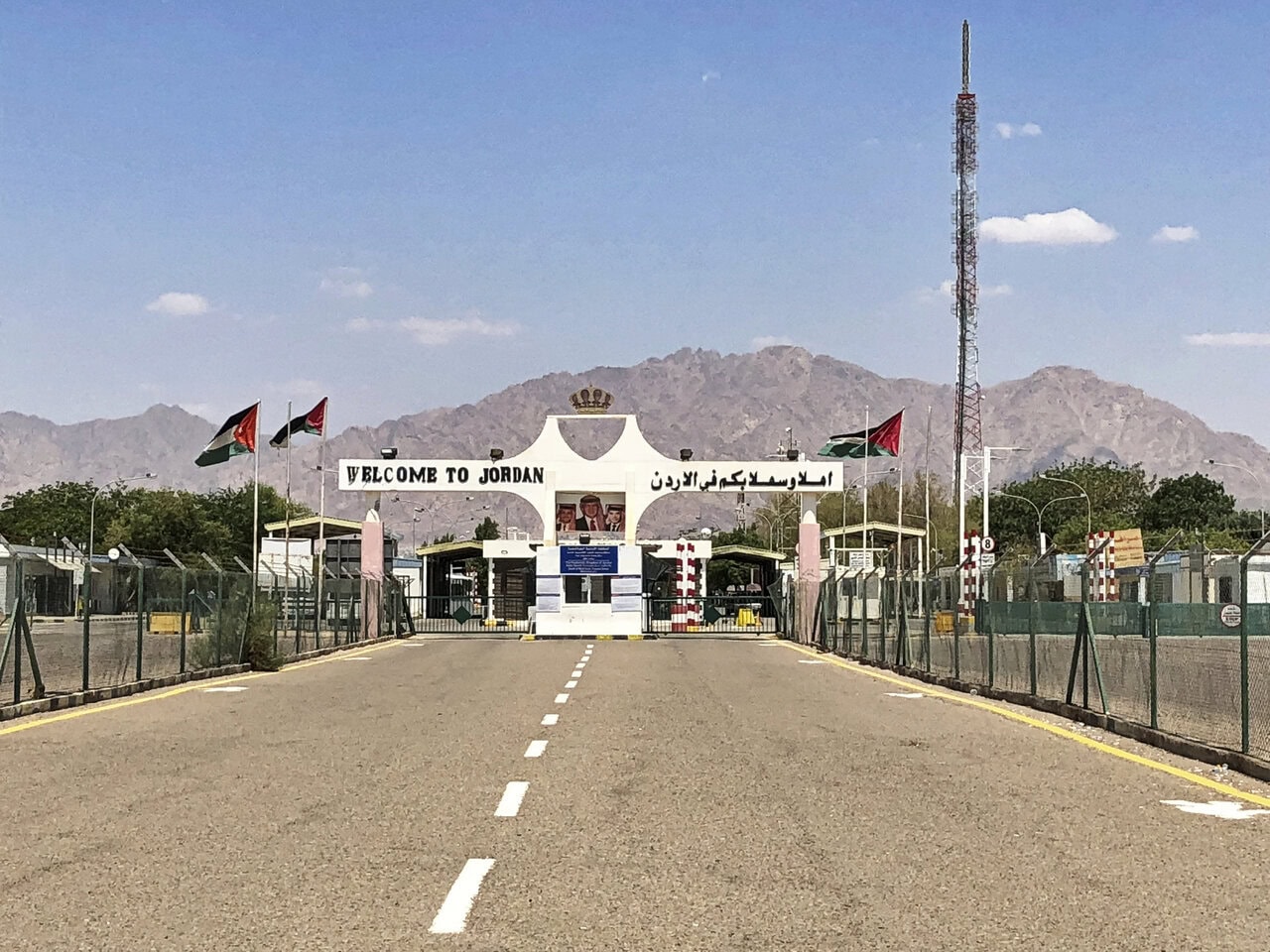
Crossing between Jordan and Israel is entirely possible for tourists and is used by thousands of travellers every year, but the experience is far more complicated than a typical European land border. Procedures vary significantly depending on which crossing you use, where you are travelling afterwards, your nationality, current political conditions, and whether you are travelling independently or with organised transport.
For many visitors, the biggest challenge is not the border itself but understanding how the crossing process actually works. Information online is often fragmented, outdated, or overly political, while official government websites can be confusing and difficult to follow. As a result, many travellers arrive feeling uncertain about visas, transport connections, luggage procedures, or whether they are even using the correct crossing point.
There are three main border crossings between Jordan and Israel, and each serves a very different purpose. The Allenby Bridge / King Hussein Bridge Crossing is the closest route between Amman and Jerusalem, although it involves stricter procedures and more complex transport arrangements. The Aqaba to Eilat Crossing in the south is generally the easiest and most tourist friendly route, particularly for travellers visiting Petra, Wadi Rum, or the Red Sea. The northern Sheikh Hussein / Jordan River Crossing is quieter and useful for travellers heading towards Nazareth, the Sea of Galilee, or northern Jordan.
One important thing to understand is that most crossings do not operate like ordinary road borders in Europe. Depending on the crossing used, travellers may need to complete separate passport checks, baggage scans, shuttle bus transfers, and security procedures before fully entering the other country. Waiting times can vary dramatically depending on the season, time of day, security conditions, weekends, and local holidays.
Another major concern for travellers is passport stamps and future travel implications. In many cases, Israel no longer stamps passports directly for tourists arriving at airports or some land crossings, instead issuing separate entry cards. However, Jordanian and Israeli exit records or border stamps may still appear in your passport depending on the route and direction of travel.
Despite the complexity, the crossings are generally manageable if planned properly. Thousands of backpackers, tour groups, pilgrims, business travellers, and independent visitors successfully cross between Jordan and Israel every week.
Overview of Jordan–Israel Border Crossings
There are three main border crossings between Jordan and Israel, and choosing the correct one can make a huge difference to your journey. Each crossing serves different regions, transport routes, and types of travellers.
The most famous crossing is the Allenby Bridge / King Hussein Bridge Crossing, located between Amman and the West Bank near Jerusalem. This is the closest crossing to Jerusalem and is heavily used by Palestinians, tour groups, and travellers moving between central Jordan and Israel. However, it is also the most procedurally complicated crossing, with stricter transport rules and heavier security procedures compared with the other borders.
The southern crossing between Aqaba and Eilat is usually the easiest option for tourists. Many backpackers and independent travellers use this route when combining Petra, Wadi Rum, the Red Sea, and southern Israel. The crossing process is generally simpler, and travellers can usually complete the crossing independently on foot.
The northern Sheikh Hussein / Jordan River Crossing is quieter and often overlooked by tourists, but it can be very useful for travellers heading towards northern Israel, including Nazareth, Tiberias, and the Sea of Galilee region.
| Border Crossing | Best For | Closest Major Cities | Main Advantages | Main Drawbacks |
|---|---|---|---|---|
| Allenby / King Hussein Bridge | Jerusalem and West Bank travel | Amman and Jerusalem | Closest route to Jerusalem | More complex procedures and transport rules |
| Aqaba – Eilat Crossing | Tourists and backpackers | Aqaba and Eilat | Simplest and easiest crossing | Far from Jerusalem and Tel Aviv |
| Sheikh Hussein / Jordan River Crossing | Northern Israel travel | Amman and Nazareth | Usually quieter and calmer | Less useful for southern Israel |
One of the most important things travellers should check before travelling is border opening hours. Unlike airport immigration, land crossings between Jordan and Israel may close early, operate reduced hours during religious holidays, or experience delays during periods of heightened security.
Best if you want daily housekeeping and a front desk. Filter by area first, then by price.
Check availabilityBest for longer stays. Whole apartments and houses, so you are not eating out three times a day.
View rentalsBest if you have already picked a hotel. Checks the big booking sites for the same room and shows who is cheapest.
Check dealsAllenby Bridge / King Hussein Bridge Crossing
The Allenby Bridge Crossing, also known as the King Hussein Bridge Crossing, is the main land route between Jordan and the area around Jerusalem and the West Bank. For travellers heading directly between Amman and Jerusalem, this is usually the most geographically practical crossing, although it is also the most procedurally complicated border route between the two countries.
Unlike the southern crossing at Aqaba, the Allenby route does not function like a normal road border where travellers simply walk across independently. Instead, the process involves multiple stages, including Jordanian exit procedures, shuttle transfers through the border zone, luggage screening, passport controls, and Israeli immigration checks.
Most travellers begin the journey in Amman, usually by taxi, organised transfer, or tour vehicle. Public transport options exist but are often confusing for first-time visitors, particularly because procedures and transport arrangements occasionally change.
After completing Jordanian exit formalities, passengers are normally transferred by shuttle bus between the border areas before reaching the Israeli side. Security checks can be extensive, and waiting times vary significantly depending on traffic levels, weekends, religious holidays, and the wider regional situation.
The crossing is heavily used not only by tourists but also by Palestinians, diplomats, aid workers, and regional travellers, which means procedures are generally stricter than at the other Jordan–Israel border crossings.
For many visitors, the biggest advantage of the Allenby Crossing is location. It provides the fastest access towards Jerusalem, Bethlehem, and central Israel without requiring the long southern detour through Eilat.
At the same time, travellers should be prepared for a slower and more controlled process than they may expect elsewhere. Border formalities can take several hours, and the overall experience often feels more like airport security combined with a transport transfer than a traditional land crossing.
| Allenby / King Hussein Bridge Quick Facts | Details |
|---|---|
| Best For | Travel between Amman and Jerusalem |
| Crossing Type | Controlled shuttle transfer crossing |
| Independent Walking Possible | No |
| Typical Crossing Time | Several hours possible |
| Main Advantage | Closest border to Jerusalem |
| Main Drawback | Most complex crossing process |
Travellers using this route should always allow substantial extra time and avoid booking tight onward transport connections immediately after crossing.
Aqaba to Eilat Border Crossing
The southern border crossing between Aqaba in Jordan and Eilat in Israel is generally considered the easiest and most tourist friendly route between the two countries. It is particularly popular with backpackers, independent travellers, and visitors combining Petra, Wadi Rum, the Red Sea, and southern Israel within the same trip.
Compared with the more heavily controlled Allenby Bridge Crossing, the Aqaba–Eilat route feels significantly more straightforward. Travellers can normally complete the crossing independently on foot, procedures are easier to understand, and transport connections on both sides are relatively simple.
The Jordanian border terminal sits just outside central Aqaba, while the Israeli side is located close to Eilat and the Red Sea coastline. Taxi journeys from both city centres are usually short and inexpensive, making the crossing relatively easy even for travellers arriving without organised tours.
Many travellers moving between Jordan and Israel choose this route specifically because it avoids some of the more complicated transport and shuttle arrangements required at the Allenby Crossing. Backpackers travelling through the Middle East often move south through Jordan, visit Petra and Wadi Rum, then cross into Israel at Eilat before continuing northwards towards Jerusalem or Tel Aviv.
The crossing itself is usually manageable, although queues can still become long during holiday periods and busy tourism seasons. Travellers normally complete Jordanian exit formalities first before walking through the border area towards Israeli immigration and security checks.
Because the crossing is located in the far south of both countries, it is much less useful for travellers moving directly between Amman and Jerusalem. However, for visitors already exploring southern Jordan or planning Red Sea travel, it is often the simplest and least stressful border option available.
| Aqaba – Eilat Crossing Quick Facts | Details |
|---|---|
| Best For | Tourists, backpackers and Red Sea travel |
| Crossing Type | Independent pedestrian crossing |
| Independent Walking Possible | Yes |
| Typical Crossing Time | Usually faster than Allenby |
| Main Advantage | Simpler procedures and easier logistics |
| Main Drawback | Far from central Israel and Jerusalem |
Many travellers consider this the least intimidating Jordan–Israel crossing, particularly if they are travelling independently for the first time in the region.
Sheikh Hussein / Jordan River Crossing
The Sheikh Hussein Crossing, also known as the Jordan River Crossing, is the northern border route between Jordan and Israel. Although it receives far less attention than the crossings near Jerusalem or Eilat, it can actually be one of the easiest and calmest options for travellers heading towards northern Israel or northern Jordan.
This crossing is particularly useful for travellers visiting destinations such as Nazareth, Tiberias, the Sea of Galilee, or northern parts of the Jordan Valley. On the Jordanian side, the crossing connects reasonably well with routes towards Amman and northern Jordanian towns.
Compared with the heavily controlled atmosphere at the Allenby Bridge Crossing, the Sheikh Hussein route usually feels quieter and more relaxed. Tourist numbers are lower, queues are often shorter, and the overall crossing process can feel less stressful for independent travellers.
Unlike Allenby Bridge, travellers can normally complete the crossing independently on foot. After exiting one country, passengers walk through the controlled border zone before completing immigration and security procedures on the opposite side. Taxi connections are available near both terminals, although public transport links are generally weaker than many travellers expect.
One of the biggest disadvantages of the crossing is that it is not especially convenient for travellers heading directly towards Jerusalem or southern Israel. Because the crossing sits much further north, journeys towards central Israel can take significantly longer after entering the country.
For travellers exploring northern Israel, however, the location can actually be a major advantage. The crossing provides relatively straightforward access towards religious sites, Galilee towns, lakeside resorts, and northern transport routes without needing to pass through the busier southern border crossings.
Security checks and questioning can still occur on both sides of the border, and travellers should still allow extra time in case procedures become slower during holidays, weekends, or periods of heightened regional tension.
| Sheikh Hussein / Jordan River Crossing Quick Facts | Details |
|---|---|
| Best For | Northern Israel and Galilee travel |
| Crossing Type | Independent pedestrian crossing |
| Independent Walking Possible | Yes |
| Typical Crossing Time | Often quicker than Allenby Bridge |
| Main Advantage | Usually quieter and less stressful |
| Main Drawback | Less useful for Jerusalem travel |
Travellers using this crossing should still confirm current opening hours before travelling because schedules occasionally change during religious holidays and security periods.

What Happens During the Border Crossing Process
One of the main reasons travellers feel anxious about crossing between Jordan and Israel is because the process itself can seem unclear before arrival. Unlike many European land borders, these crossings involve multiple stages, security checks, transport transfers, and separate immigration procedures on both sides.
The exact experience depends heavily on which crossing you use, but the overall process usually follows a similar pattern. Travellers first arrive at the departure terminal in one country, where they complete exit formalities and passport checks before officially leaving the country.
After exit procedures, travellers normally move through a controlled border zone before reaching the opposite side. At some crossings, particularly the Allenby Bridge Crossing, this involves shuttle buses and organised transport between checkpoints rather than independent walking. At crossings such as Aqaba – Eilat and Sheikh Hussein, travellers can usually walk independently between the two sides.
Security procedures are often stricter than many visitors expect. Bags may pass through several scanners, passports may be checked multiple times, and travellers can occasionally face additional questioning from border officials. Questions are normally focused on travel plans, accommodation, previous visits, or the purpose of the journey.
Waiting times vary significantly depending on the season, weekends, religious holidays, organised tour traffic, and wider regional security conditions. Some travellers complete the process relatively quickly, while others experience delays lasting several hours, especially at the busier crossings near Jerusalem.
One thing many first-time visitors find surprising is how fragmented the process can feel. Instead of passing through one simple checkpoint, travellers often move through multiple buildings, transport stages, baggage checks, immigration desks, and security areas before fully entering the next country.
The atmosphere also changes noticeably depending on the crossing used. The Aqaba – Eilat Crossing generally feels the most tourist focused and straightforward, while the Allenby Bridge Crossing often feels far more controlled because of the large numbers of regional travellers and additional security procedures.
| Border Process Stage | What Usually Happens |
|---|---|
| Arrival at Border Terminal | Initial passport and ticket checks |
| Exit Procedures | Official departure from Jordan or Israel |
| Security Screening | Baggage scans and possible questioning |
| Border Zone Transfer | Walking or shuttle transfer between checkpoints |
| Immigration Checks | Entry approval and passport processing |
| Arrival Transport | Taxi, bus, or onward connections after crossing |
Travellers should keep passports, visas, accommodation details, and onward travel information easily accessible throughout the crossing process because documents may be checked multiple times before entry is fully completed.
Jordan and Israel Visa Rules
Visa rules for crossing between Jordan and Israel can feel confusing because the requirements vary depending on your nationality, the border crossing you use, and how long you intend to stay in each country. Travellers should always check official government guidance before travelling because entry rules and regional conditions can occasionally change.
For many travellers from the United Kingdom, European Union, United States, Canada, and Australia, tourist entry into both countries is generally straightforward. However, the way border procedures and entry permissions are handled differs significantly between Jordan and Israel.
In Jordan, many nationalities can obtain a visa on arrival at airports and some land borders. Travellers visiting destinations such as Petra, Amman, and Wadi Rum often use the Jordan Pass, which combines attraction entry with visa-related benefits and can reduce overall travel costs significantly.
Travellers should also budget for Jordan’s land-border departure tax, currently 10 JOD (≈£11 / $14 / €13) per person, payable at the crossing before you exit; it does not apply when leaving by air. Jordan’s own border crossing information page sets out the current fees for each crossing.
For Israel, many tourists receive entry permission on arrival without needing to apply for a traditional visa beforehand. Instead of placing a visible stamp directly inside the passport, Israeli immigration often issues a separate printed entry card that travellers are expected to keep with their passport throughout their stay.
One important thing to understand is that procedures can vary depending on which border crossing you use. The Allenby Bridge / King Hussein Bridge Crossing in particular often operates under slightly different rules and procedures compared with the crossings at Aqaba – Eilat or Sheikh Hussein, partly because of its location near the West Bank and Jerusalem.
Travellers should also remember that even when Israeli immigration avoids stamping passports directly, other records linked to the crossing may still appear. Jordanian exit stamps or border processing records can sometimes indicate that you crossed into or out of Israel, even without an Israeli passport stamp itself.
For most tourists, the process is manageable and routine, but travellers with more complicated travel histories, dual nationality situations, or concerns about future regional travel should research carefully before departure.
| Visa Topic | General Situation |
|---|---|
| Jordan Tourist Entry | Visa on arrival available for many nationalities |
| Israel Tourist Entry | Entry permission usually issued on arrival |
| Passport Stamps | Israel often uses separate entry cards instead |
| Jordan Pass | Can reduce visa and attraction costs in Jordan |
| Allenby Crossing Rules | Can differ from other border crossings |
Travellers should always check the latest embassy guidance shortly before travelling because visa rules and operational procedures can occasionally change with little notice.
Will Israel Stamp Your Passport?
One of the most common concerns travellers have before crossing between Jordan and Israel is whether Israel will stamp their passport. This matters because some travellers worry that visible Israeli entry records could complicate future visits to certain countries in the Middle East.
In most situations today, Israeli immigration no longer stamps passports directly for tourists arriving at airports or many land crossings. Instead, visitors are usually given a separate printed entry card containing their immigration details. Travellers are expected to keep this card with their passport during their stay because it may be checked again when leaving the country.
This system was introduced partly to reduce complications for travellers visiting countries that may object to visible Israeli passport stamps.
However, the situation is not always completely straightforward. Even if Israeli immigration avoids stamping the passport directly, other border records may still indicate that you crossed between Jordan and Israel. Jordanian exit stamps, crossing records, or processing marks sometimes reveal which border route was used.
For example, travellers leaving Jordan through the Allenby Bridge Crossing may receive Jordanian processing marks linked specifically to that border location. Experienced immigration officials in other countries may still recognise these crossings even without a visible Israeli stamp itself.
Procedures can also vary depending on the crossing used, the direction of travel, the immigration officer involved, and current operational practices at the time of crossing.
For most tourists, this issue causes far more concern before travelling than actual practical problems afterwards. Many travellers move between Jordan and Israel every day without experiencing difficulties during later trips elsewhere. Nevertheless, it remains one of the most heavily searched and misunderstood parts of travelling between the two countries.
| Passport Stamp Situation | Typical Outcome |
|---|---|
| Israeli Airport Arrival | Usually paper entry card instead of passport stamp |
| Land Border Crossings | Often no direct Israeli stamp |
| Jordanian Exit Records | May still indicate border crossing used |
| Future Travel Concerns | Depends on onward destination countries |
Travellers concerned about future regional travel should research current diplomatic and immigration policies carefully before planning a Jordan–Israel border crossing.
Best for finding routes the airlines do not sell as a single ticket. Combines carriers to bring the fare down.
Search flightsBest if you want maps and messaging working the moment you switch your phone on.
See eSIM plansBest after a long flight or a late landing. Price agreed before you travel, and no taxi queue.
Check transfersCrossing Times, Delays & Security Checks
One of the most important things travellers should understand before crossing between Jordan and Israel is that border crossing times can vary enormously. Some travellers complete the process relatively quickly, while others spend several hours moving between checkpoints, waiting for transport, passing through security screening, or queueing for immigration procedures.
The crossing used makes a major difference. The Aqaba – Eilat Crossing is generally the fastest and simplest route for tourists, especially outside peak holiday periods. Independent travellers often find the process relatively straightforward compared with the more heavily controlled crossings further north.
The Allenby Bridge / King Hussein Bridge Crossing is usually the slowest and least predictable option. Because this crossing handles large numbers of regional travellers, tour groups, diplomatic traffic, and West Bank movements, queues can become extremely long during busy periods. Security procedures are also typically stricter than at the other crossings.
The northern Sheikh Hussein Crossing usually feels quieter than Allenby Bridge and can often be less stressful overall, although waiting times still depend heavily on timing, regional conditions, and transport connections on either side of the border.
Security checks form a major part of the overall crossing experience at all three borders. Travellers should expect luggage screening, passport inspections, questioning, and repeated document checks throughout the process. Questions are usually routine and often focus on accommodation plans, intended destinations, previous visits, or the purpose of the journey.
Waiting times can increase significantly during religious holidays, weekends, summer tourism peaks, organised tour arrival periods, and times of heightened regional security. Morning crossings are often smoother than late afternoon arrivals because some border terminals close relatively early compared with international airports. Arriving too late in the day can create serious problems if processing becomes slower than expected.
Travellers should also prepare for the possibility of operational changes. Border procedures, shuttle arrangements, transport rules, and opening hours occasionally change with limited notice depending on the political and security environment.
| Border Crossing | Typical Experience | Delay Risk |
|---|---|---|
| Aqaba – Eilat | Usually simplest and fastest | Lower |
| Allenby Bridge | Most controlled and unpredictable | Highest |
| Sheikh Hussein Crossing | Usually quieter and calmer | Moderate |
One of the best ways to reduce stress is to avoid planning extremely tight onward connections immediately after crossing. Travellers should leave substantial extra time for delays, particularly when using the Allenby Bridge route near Jerusalem.
How to Travel Between Amman, Jerusalem, Petra & Tel Aviv
One of the main reasons travellers cross between Jordan and Israel is to combine the region’s most famous destinations within a single trip. Routes linking Amman, Petra, Jerusalem, Tel Aviv, Eilat, and Wadi Rum are especially popular with backpackers, independent travellers, and organised tours.
The easiest combination for many tourists is travelling between Petra and Eilat using the southern border crossing near Aqaba. This route works particularly well because the crossing process is generally simpler, taxi connections are straightforward, and travellers can move relatively easily between Jordan’s desert attractions and Israel’s Red Sea coastline.
Travellers heading between Amman and Jerusalem usually use the Allenby Bridge Crossing because it provides the shortest geographical route between the two cities. However, the crossing process itself is significantly more controlled and time consuming than the southern route, meaning the overall journey can still take many hours.
Many visitors choose organised transfer services for this route because they simplify the complicated transport stages between the Jordanian and Israeli border terminals. Independent travellers can still complete the journey themselves, although it normally requires multiple taxis, shuttle buses, and careful timing.
Travelling onwards towards Tel Aviv after crossing from Jordan is generally straightforward once inside Israel. Israel’s bus and rail network is modern and well developed, allowing travellers to continue relatively easily from border regions towards the Mediterranean coast.
For travellers moving northwards through Israel, the Sheikh Hussein Crossing can provide useful access towards Nazareth, Tiberias, and the Sea of Galilee without needing to travel south through Jerusalem first.
Journey planning becomes particularly important because distances in the region can be deceptive. While the countries may appear geographically small on a map, border procedures, security checks, transport changes, and waiting times often make journeys take far longer than travellers initially expect.
| Popular Route | Usually Best Crossing | Typical Travel Style |
|---|---|---|
| Amman to Jerusalem | Allenby Bridge | Transfer service or organised transport |
| Petra to Eilat | Aqaba – Eilat Crossing | Independent travel |
| Amman to Nazareth | Sheikh Hussein Crossing | Taxi and regional transport |
| Eilat to Tel Aviv | Aqaba – Eilat Crossing | Bus or domestic flight onward |
Travellers planning multi-country itineraries should also factor in border closing times carefully because arriving too late at certain crossings can leave passengers stranded far from major city centres.
Best Border Crossing for Tourists
The best border crossing between Jordan and Israel depends heavily on the type of trip you are planning, the destinations you want to visit, and how comfortable you feel managing more complicated transport and border procedures.
For most independent travellers and backpackers, the Aqaba – Eilat Crossing is usually the easiest and least stressful option. The process is generally more straightforward, travellers can normally cross independently on foot, and transport connections on both sides are relatively simple. This route works especially well for travellers combining Petra, Wadi Rum, the Red Sea, and southern Israel within the same itinerary.
The southern crossing is also often the best option for first-time visitors to the region because the atmosphere tends to feel more tourist focused and less procedurally complicated than the crossings further north.
For travellers heading directly between Amman and Jerusalem, the Allenby Bridge Crossing is usually the most practical route geographically. It provides the shortest connection between the Jordanian capital and central Israel. However, it is also the most controlled and unpredictable crossing, with more complicated procedures, stricter security checks, and greater potential for delays.
Travellers who prioritise simplicity over speed sometimes deliberately avoid Allenby Bridge altogether and instead travel south through Aqaba and Eilat, even though the overall journey distance is much longer.
The northern Sheikh Hussein Crossing is often the best choice for travellers focusing on northern Israel. Visitors heading towards Nazareth, Tiberias, the Sea of Galilee, or northern Jordan frequently find this crossing calmer and easier than Allenby Bridge, while also avoiding the long southern detour through Eilat.
One important thing many travellers underestimate is the physical and mental fatigue created by border procedures themselves. Even relatively short crossings can become tiring because of waiting times, repeated security checks, luggage handling, transport changes, and uncertainty about the process.
| Best Crossing Choice | Usually Best For |
|---|---|
| Aqaba – Eilat Crossing | Backpackers, tourists and easiest overall experience |
| Allenby Bridge Crossing | Fastest route between Amman and Jerusalem |
| Sheikh Hussein Crossing | Northern Israel and quieter crossings |
For many tourists visiting the region for the first time, the southern Aqaba – Eilat Crossing is generally considered the least intimidating and most manageable border crossing between Jordan and Israel.
Safety & Political Considerations
Travellers crossing between Jordan and Israel should understand that the border situation can occasionally change due to political developments, regional tensions, or security incidents. While thousands of tourists successfully cross between the two countries every year, this is still a politically sensitive region, and travellers should approach the process with patience and flexibility.
One of the most important things to understand is that border procedures can change with limited notice. Opening hours, security checks, transport arrangements, and waiting times may all be affected by regional events or temporary operational decisions. Travellers should therefore always check current conditions shortly before travelling rather than relying entirely on older blog posts or forum discussions.
In practical terms, most tourists experience routine and manageable crossings, particularly at the Aqaba – Eilat Crossing, which is heavily used by international visitors. The atmosphere there is generally calmer and more tourism focused than at the crossings closer to the West Bank and Jerusalem.
The Allenby Bridge Crossing often feels more politically sensitive because of its location and the large number of regional travellers using the route. Security procedures there can be more extensive, and questioning may occasionally feel stricter than travellers expect.
Travellers should also remain aware of local sensitivities when discussing politics, religion, or regional issues while crossing borders. Border officials are primarily focused on security and immigration procedures, and travellers will usually have a smoother experience by remaining calm, patient, and cooperative throughout the process.
Another practical consideration is travel insurance. Some insurance providers apply restrictions or special conditions to travel involving certain border areas or regions with elevated government travel advisories. Travellers should therefore check policy wording carefully before travelling.
Travellers wanting a wider picture of regional preparedness may also find it useful to read our guides to Middle East Civil Defence Infrastructure and Middle East Emergency Alert Apps, both of which cover practical safety tools relevant to travel in the region.
Because regional conditions can evolve quickly, official travel advice from government foreign offices should always be reviewed before planning a border crossing between Jordan and Israel.
| Practical Consideration | Why It Matters |
|---|---|
| Opening Hours Can Change | Border schedules occasionally change with limited notice |
| Security Checks Vary | Some crossings involve stricter procedures than others |
| Regional Conditions Matter | Political situations can affect operations |
| Travel Insurance | Some policies contain regional exclusions |
| Flexibility Is Important | Delays and operational changes are always possible |
For most tourists, the crossing process is ultimately far less intimidating than they initially expect, especially when journeys are planned carefully and travellers allow extra time for unexpected delays.

Rupert’s Handy Travel Tips
Rupert recommends treating the border crossing between Jordan and Israel as a full travel day rather than a quick transfer. Even the easier crossings can take longer than expected once queues, security checks, transport changes, and immigration procedures are included.
- Carry water, snacks, and offline maps: facilities can be limited during parts of the crossing process, so it’s worth being prepared before you reach the border.
- Choose Aqaba – Eilat for a first crossing: for first-time visitors, this is usually the least stressful and easiest route to understand.
- Allow extra time at Allenby Bridge: avoid booking tight onward connections in Jerusalem or Amman, since this is the least predictable of the three crossings.
- Set up mobile data or an eSIM in advance: this lets you access maps and transport apps immediately after entering the next country.
Want to meet the reindeer behind our travel tips? Find out more in our page Who is Rupert?.




Frequently Asked Questions About Crossing Between Jordan and Israel
What is the easiest border crossing between Jordan and Israel?
For most tourists and independent travellers, the Aqaba – Eilat Crossing is generally considered the easiest and least stressful option. The crossing process is usually simpler, travellers can normally cross independently on foot, and onward transport connections are relatively straightforward.
Which crossing is best for travelling between Amman and Jerusalem?
The Allenby Bridge / King Hussein Bridge Crossing is usually the closest and most practical route between Amman and Jerusalem. However, it is also the most procedurally complicated crossing and can involve long waiting times and multiple transport stages.
Can you walk across the border independently?
At the Aqaba – Eilat Crossing and the Sheikh Hussein Crossing, travellers can usually cross independently on foot. At the Allenby Bridge Crossing, independent walking is generally not possible because shuttle transport is used between border zones.
Will Israel stamp my passport?
In many cases, Israeli immigration no longer stamps passports directly and instead issues a separate paper entry card. However, Jordanian exit records or crossing information may still indicate that you travelled between the two countries.
How long does the border crossing take?
Crossing times vary heavily depending on the border used, security conditions, weekends, holidays, and queue lengths. Some travellers cross relatively quickly, while others may spend several hours completing immigration and security procedures.
Is it safe to cross between Jordan and Israel?
Most tourists complete the crossing safely and without problems every day. However, travellers should always monitor current government travel advice because regional conditions and border procedures can occasionally change.
Can you travel directly from Petra to Jerusalem?
Yes, although the journey normally requires crossing either at Aqaba – Eilat or via the Allenby Bridge Crossing depending on your route and transport arrangements. Many travellers use organised transfers because the journey can involve multiple stages.
Further Reading & Related Guides
If you are planning a wider journey across Jordan and the surrounding region, several other guides across AppySavvyTraveller can help make the trip significantly easier. Travellers beginning their journey in the Jordanian capital should start with our Amman Travel Guide, which explains transport, local apps, practical travel advice, and how to navigate one of the Middle East’s busiest and most fascinating cities.
Visitors travelling south through Jordan before crossing into Israel should also read our detailed Petra Travel Guide and Aqaba Travel Guide. These destinations form the backbone of many Jordan itineraries, especially for travellers planning to use the southern Aqaba – Eilat Crossing. Travellers wanting a more structured experience can also explore our guide to Petra Tours from Amman, Aqaba & Wadi Rum, which explains organised transport and guided tour options across southern Jordan.
For travellers exploring multiple regions of Jordan before reaching the border, our Ultimate Jordan Road Trip guide explains how to travel between Amman, Petra, Wadi Rum, and Aqaba by road, including driving conditions, route planning, and practical transport advice.
Travellers interested in Jordan’s religious and historic sites should also read our guide to the Baptism Site of Jesus and Mount Nebo, both of which sit relatively close to the Jordan Valley border region and form part of many wider regional itineraries.
If you are planning an extended stay in Jordan before crossing the border, our Dead Sea Jordan Travel Guide explains how to visit one of the country’s most famous natural attractions, including transport logistics, floating experiences, resort areas, and practical travel tips.
Travellers wanting to reduce visa and attraction costs across Jordan should also read our detailed Jordan Pass Spotlight Guide, which explains how the pass works and why it can save significant money for visitors travelling around the country independently.
Reliable onward transport is also extremely important after crossing the border. Travellers heading south towards the Red Sea can use our Amman to Aqaba Flight Guide to compare flights, road travel, and overland transport options within Jordan itself.