Reviewed by our editorial team Updated
Why Visit the Jurassic Coast
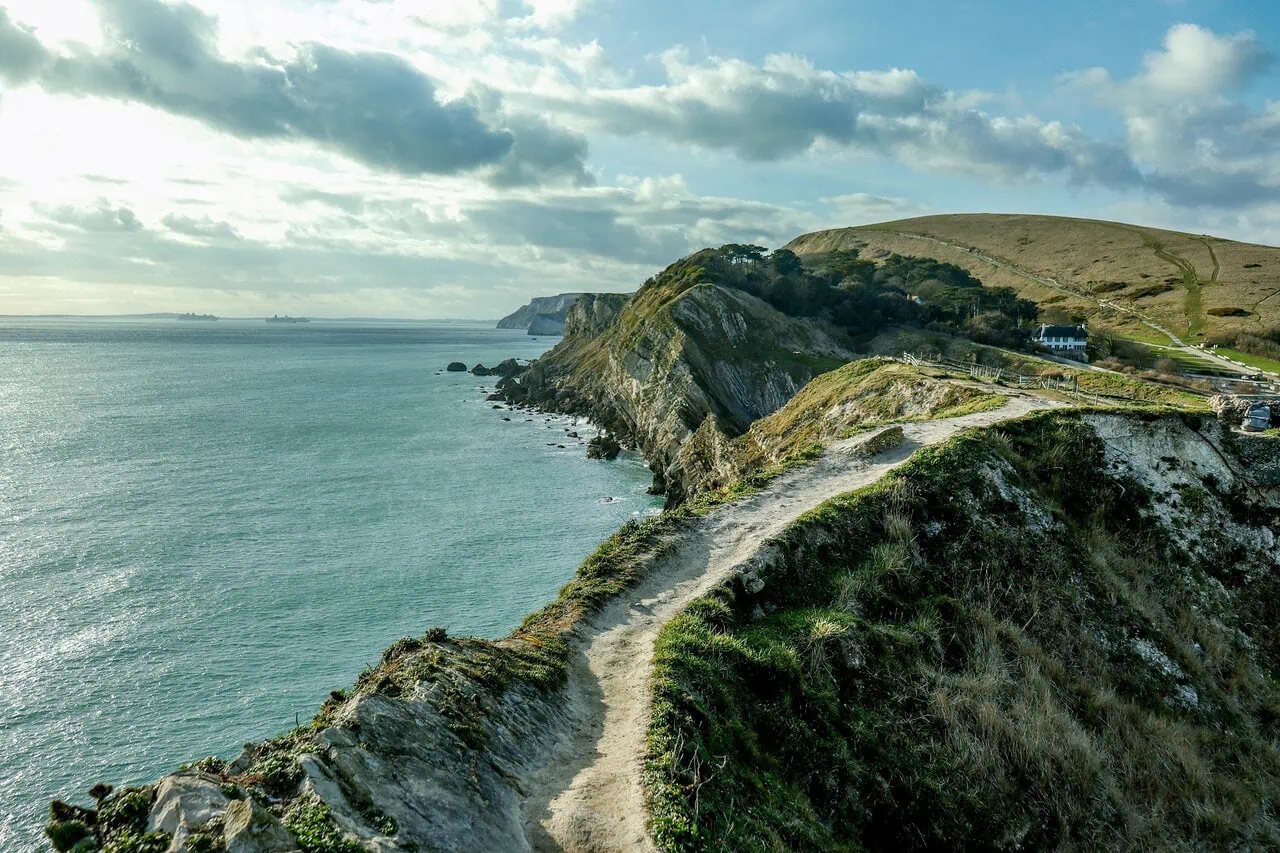
The Jurassic Coast is one of the most spectacular natural destinations in the entire United Kingdom. Stretching for around 95 miles along the coastlines of Dorset and East Devon, this extraordinary UNESCO protected landscape combines towering cliffs, hidden coves, fossil rich beaches, dramatic sea arches, historic seaside towns, and some of the most impressive coastal scenery anywhere in Europe.
What makes the Jurassic Coast so remarkable is the sheer diversity packed into a relatively compact region. In a single trip, visitors can stand beneath the giant limestone arch of Durdle Door, explore the perfectly curved bay at Lulworth Cove, search for fossils around Lyme Regis, walk along the chalk cliffs near Old Harry Rocks, and drive through rolling countryside overlooking the English Channel.
Unlike many coastal destinations that focus mainly on beaches or resorts, the Jurassic Coast delivers a much broader travel experience. It appeals equally to hikers, photographers, geology enthusiasts, families, road trippers, UNESCO collectors, and travellers simply searching for dramatic scenery. Some visitors arrive for a few hours at a famous viewpoint, while others spend an entire week exploring the coastline section by section.
The area also changes dramatically depending on where you visit. Around Lyme Regis and Charmouth, the coastline feels historic and fossil focused, with ancient cliffs constantly revealing prehistoric remains after storms and erosion. Around Durdle Door and Lulworth Cove, the scenery becomes more iconic and instantly recognisable, with turquoise bays and white limestone cliffs creating some of the most photographed landscapes in England. Further east near Studland and Old Harry Rocks, the coast becomes wilder and more rugged again.
For photographers, the Jurassic Coast is exceptional. Sunrise light across the cliffs, storm waves crashing against sea stacks, rolling mist above the hills, and golden sunsets over the sea create constantly changing conditions throughout the year. Even poor weather often improves the atmosphere rather than ruining the experience.
One of the biggest reasons the Jurassic Coast remains so popular is its flexibility. Travellers can visit as a day trip from Bournemouth, Southampton, or Exeter, while others use the coastline as the centrepiece of a much larger road trip through southern England. Whether you want beaches, fossils, coastal walks, photography, geology, or scenic driving routes, the Jurassic Coast delivers one of the strongest overall travel experiences in Britain.
Quick Facts About the Jurassic Coast
| Feature | Details |
|---|---|
| Location | Dorset and East Devon, England |
| UNESCO Status | UNESCO World Heritage Site since 2001 |
| Length | Around 95 miles / 154 km |
| Best Known Locations | Durdle Door, Lulworth Cove, Lyme Regis, Old Harry Rocks |
| Best For | Beaches, fossils, hiking, photography, road trips |
| Ideal Trip Length | 2 to 5 days |
| Best Time to Visit | May to September |
| Main Counties | Dorset and Devon |
| Best Base Towns | Weymouth, Lyme Regis, Swanage, Dorchester |
| Walking Difficulty | Easy to challenging depending on route |
| Best Transport Option | Car for maximum flexibility |
| Can You Visit Without a Car? | Yes, but careful planning helps |
| Closest Airports | Bournemouth, Southampton, Exeter |
| Most Famous Landmark | Durdle Door |
| Most Famous Fossil Area | Lyme Regis |
| Most Scenic Coastal Walks | South West Coast Path |
Best if you want daily housekeeping and a front desk. Filter by area first, then by price.
Check availabilityBest for longer stays. Whole apartments and houses, so you are not eating out three times a day.
View rentalsBest as a last check before booking. Compares hotel rates across several sites in one search.
Compare ratesWhat Is the Jurassic Coast?
The Jurassic Coast is a world famous stretch of coastline along southern England that preserves around 185 million years of Earth’s geological history within its cliffs, beaches, and rock formations. It became the first natural UNESCO World Heritage Site in the UK in 2001, recognised internationally for both its scientific importance and its extraordinary landscapes.
The coastline runs from Exmouth in East Devon to Studland Bay in Dorset, revealing visible layers of rock dating back through the Triassic, Jurassic, and Cretaceous periods. These rock formations effectively create a giant timeline of prehistoric Earth exposed directly beside the sea.
Over millions of years, coastal erosion has carved arches, cliffs, stacks, coves, and beaches into the landscape while simultaneously exposing fossils hidden within the rock. This constant natural erosion is one of the reasons the coastline remains scientifically important today. Unlike static historic monuments, the Jurassic Coast is continually changing as storms, tides, landslides, and collapsing cliffs reshape the shoreline year after year.
The region became internationally famous for fossil discoveries, particularly around Lyme Regis and Charmouth. Fossils of ancient marine reptiles, ammonites, prehistoric fish, and sea creatures have all been discovered here. Some of the world’s most important palaeontological discoveries were made along this coastline, especially by pioneering fossil collector Mary Anning, whose work transformed scientific understanding of prehistoric life.
The landscape itself is equally impressive. Huge limestone formations, steep green hills, chalk cliffs, pebble beaches, hidden bays, and turquoise water often make parts of the coastline feel far more Mediterranean than traditionally British during good weather.
Landmarks such as Durdle Door, Lulworth Cove, and Old Harry Rocks have become iconic travel destinations in their own right, attracting photographers and visitors from around the world. Yet despite the fame of these locations, much of the coastline still feels surprisingly wild and undeveloped compared with heavily commercialised coastal resorts elsewhere in Europe.
Learn More from UNESCO
This destination is connected to a UNESCO World Heritage Site, recognised for its outstanding cultural, historical, or natural importance. You can explore official listings, background information, and protected heritage sites through UNESCO’s global database.
Mary Anning & Jurassic Coast Fossils
No figure is more closely connected to the scientific story of the Jurassic Coast than Mary Anning. Born in Lyme Regis in 1799, she became one of the most important fossil hunters and palaeontologists in history, helping transform scientific understanding of prehistoric life during the nineteenth century.
At a time when few people fully understood the age of the Earth or the existence of extinct creatures, Mary Anning was discovering extraordinary fossils along the cliffs and beaches of Lyme Regis. Her finds included complete skeletons of ancient marine reptiles such as the Ichthyosaur and Plesiosaur, creatures that completely changed how scientists viewed prehistoric oceans and extinct species.
What makes her story even more remarkable is that she achieved these discoveries under extremely difficult conditions. Fossil hunting along the Jurassic Coast was dangerous work involving unstable cliffs, landslides, storms, and collapsing rock faces. Even today, the cliffs around Lyme Regis and Charmouth remain highly active and prone to erosion.
The beaches where Mary Anning once searched for fossils are still among the best fossil hunting locations in the United Kingdom. After storms and periods of heavy erosion, visitors regularly discover ammonites, prehistoric shells, and smaller fossils scattered along the shoreline. Guided fossil walks now operate throughout the area, helping visitors safely explore the coastline while learning about its prehistoric history.
Today, Mary Anning has become one of the defining historical figures of the Jurassic Coast. Museums, statues, exhibitions, and educational centres across Lyme Regis celebrate her contribution to science and palaeontology. Her story adds a deeply human layer to the coastline, connecting dramatic landscapes with one of the greatest scientific discoveries of the nineteenth century.
One of the reasons the Jurassic Coast UNESCO World Heritage Site feels so unique is that it is not simply a beautiful coastline. It is a landscape that fundamentally changed humanity’s understanding of prehistoric Earth.
Where Is the Jurassic Coast?
The Jurassic Coast is located along the southern coastline of England, stretching across large sections of Dorset and East Devon beside the English Channel. The UNESCO protected coastline begins near Exmouth in Devon and continues eastwards for approximately 95 miles before ending around Studland Bay near Swanage in Dorset.
Although many people think of the Jurassic Coast as a single destination, it is actually made up of dozens of beaches, cliffs, walking routes, bays, villages, and seaside towns spread across a very large geographical area. Travelling between locations can therefore take longer than many first time visitors expect, especially during busy summer periods when coastal roads become congested.
The western side of the coastline around Exmouth, Sidmouth, Beer, Branscombe, and Lyme Regis tends to feel greener, quieter, and slightly less crowded. These areas are especially famous for fossil hunting, dramatic red sandstone cliffs, and traditional seaside atmospheres.
Further east, the coastline becomes increasingly dramatic around internationally famous landmarks such as Durdle Door, Lulworth Cove, Chesil Beach, and Old Harry Rocks. This central and eastern section attracts the largest visitor numbers because many of the Jurassic Coast’s most recognisable viewpoints are concentrated here.
The nearest major urban gateways are usually Bournemouth, Poole, Southampton, and Exeter. For international travellers, the closest airports are typically Bournemouth Airport, Southampton Airport, and Exeter Airport, although many overseas visitors also arrive through London Heathrow before travelling southwest.
Transport across the coastline varies considerably. Some towns have railway stations and relatively good public transport connections, while others are much more isolated and easier to reach by car. Distances that appear short on maps can involve narrow roads, steep hills, coastal traffic, and slower travel times than expected.
Because of this, choosing the right base town is extremely important when planning a Jurassic Coast itinerary. Travellers focused on hiking, photography, beaches, fossils, or road trips may all benefit from staying in completely different parts of the coastline depending on their priorities.

Best Places to Visit on the Jurassic Coast
The Jurassic Coast contains dozens of spectacular beaches, towering cliffs, hidden coves, fossil rich shorelines, and historic seaside towns, but several locations stand out as the true highlights of this extraordinary stretch of coastline. Some are internationally famous landmarks recognised instantly from photographs, while others are quieter and more atmospheric destinations that reward travellers willing to explore further along the shores of Dorset and East Devon.
The single most famous location is undoubtedly Durdle Door. This giant natural limestone arch has become one of the defining symbols of the Jurassic Coast and one of the most photographed coastal landmarks anywhere in the United Kingdom. Nearby Lulworth Cove offers equally dramatic scenery, with its almost perfectly circular bay creating one of the most important geological formations in England.
Further west, Lyme Regis combines fossil hunting, traditional seaside atmosphere, prehistoric history, and scientific importance better than almost anywhere else on the coastline. The town is closely associated with pioneering fossil hunter Mary Anning, whose discoveries transformed scientific understanding of prehistoric life. Nearby Charmouth is another major fossil destination and attracts visitors specifically interested in palaeontology, geology, and prehistoric landscapes.
On the eastern side of the coastline, Old Harry Rocks near Swanage delivers some of the most dramatic chalk cliff scenery on the south coast of England. These towering white sea stacks are especially spectacular during sunrise, sunset, and stormy weather conditions.
Further along the coastline, places such as Chesil Beach, Portland, West Bay, Beer, Branscombe, Sidmouth, Kimmeridge Bay, and Worbarrow Bay all provide completely different experiences. Some are best for photography, others for swimming, others for hiking, and others for quieter coastal exploration away from the busiest tourist hotspots.
One of the greatest strengths of the Jurassic Coast is that every section feels different. Some areas focus on fossils and geology, others on beaches and swimming, while others are best for dramatic hiking routes, photography, or scenic coastal drives. This variety is a major reason why the coastline works so well for longer itineraries and multi day road trips across southern England.
Durdle Door
Few natural landmarks anywhere in the United Kingdom are as instantly recognisable as Durdle Door. The enormous limestone arch rising from the sea has become one of the defining images of the Jurassic Coast and one of the most famous coastal landscapes in Europe.
Located near Lulworth in Dorset, Durdle Door was formed through millions of years of coastal erosion gradually cutting through the limestone cliffs. The result is a spectacular natural arch standing dramatically above bright blue water and surrounded by steep white cliffs and rolling green hillsides.
During clear summer weather, the scenery can feel almost Mediterranean. The colour of the sea beneath the arch often becomes vivid turquoise, especially during calm conditions and strong sunlight. Combined with the pale limestone cliffs and sweeping coastal views across the English Channel, the landscape feels dramatically different from many traditional British seaside destinations.
The elevated viewpoint above the beach is one of the most famous photography locations in southern England. From here, visitors can capture the full curve of the arch, the steep cliffs surrounding the bay, and the coastline stretching into the distance. Sunrise and sunset are particularly spectacular, with changing light transforming the appearance of the cliffs and sea throughout the day.
Reaching the beach requires a fairly steep downhill walk from the main parking area. Although manageable for most visitors, the return climb can feel significantly harder, especially during hot weather or busy summer periods. Proper footwear is strongly recommended because parts of the path can become uneven or slippery after rain.
Swimming beneath Durdle Door is popular during warmer months, but sea conditions can occasionally become dangerous. Visitors should always pay attention to warnings regarding strong currents, rough waves, and changing tides before entering the water.
Parking near Durdle Door becomes extremely busy during school holidays, weekends, and sunny summer afternoons. Arriving early in the morning or later in the evening usually provides a much better experience, with quieter walking routes and improved photography conditions.
Despite its enormous popularity, Durdle Door still feels genuinely breathtaking in person. The scale of the cliffs, the colour of the sea, and the dramatic shape of the arch combine to create one of the strongest natural landscapes anywhere in Britain.
Lulworth Cove
Located only a short distance from Durdle Door, Lulworth Cove is one of the most important geological landmarks on the entire Jurassic Coast. The almost perfectly circular bay was formed through thousands of years of erosion cutting through layers of limestone and softer rock, creating one of the clearest examples of coastal landform evolution anywhere in the world.
From above, the shape of the cove appears extraordinary. The narrow entrance opening into a wide sheltered bay creates scenery that looks almost artificially designed. During calm weather, the water often turns bright turquoise and contrasts beautifully against the surrounding white cliffs and steep green hillsides.
The village surrounding Lulworth Cove has become one of the busiest visitor centres on the Jurassic Coast. Cafés, restaurants, small shops, walking routes, and visitor facilities are concentrated close to the waterfront, making the area particularly accessible for day visitors and families.
Walking routes around the cove are a major part of the experience. One of the most famous coastal walks in southern England links Lulworth Cove directly with Durdle Door. The route between the two landmarks provides spectacular elevated views across the cliffs and coastline, especially during sunrise, sunset, or dramatic weather conditions.
Boat trips occasionally operate from the cove during warmer months, allowing visitors to experience the surrounding coastline from sea level. Seeing the cliffs and geological formations from the water helps reveal the scale of the landscape far more dramatically than from land alone.
Because of its popularity, parking around Lulworth Cove can become difficult during summer holidays and sunny weekends. Early arrivals generally enjoy quieter conditions, easier access, and better photography opportunities before larger crowds arrive later in the day.
One of the reasons Lulworth Cove remains so memorable is the combination of accessibility and scenery. Unlike some dramatic coastal locations that require difficult hiking or long walks, much of the cove can be appreciated relatively easily, making it suitable for a very wide range of visitors.
Best for long or awkward journeys. Builds one itinerary out of separate flights.
View flightsBest for anyone whose home plan charges by the megabyte abroad. Pay a fixed price up front.
Check eSIMsBest after a long flight or a late landing. Price agreed before you travel, and no taxi queue.
Check transfersLyme Regis & Fossil Hunting
Lyme Regis is one of the most historic, scientifically important, and atmospheric towns anywhere along the Jurassic Coast. Famous for fossil rich cliffs, traditional seaside charm, and its connection to pioneering palaeontologist Mary Anning, the town combines prehistoric history with classic coastal England exceptionally well.
The beaches around Lyme Regis are internationally recognised for fossil discoveries. Over millions of years, coastal erosion has exposed prehistoric remains hidden within the cliffs, including ammonites, marine reptiles, ancient fish, and creatures from the prehistoric seas that once covered this part of southern England.
Storms and cliff collapses continue exposing new fossils today, which is why fossil hunting remains one of the biggest attractions in the area. Visitors regularly search the beaches after rough weather when fresh material becomes visible along the shoreline.
The story of Mary Anning is deeply connected to Lyme Regis itself. During the early nineteenth century, she made some of the most important fossil discoveries ever recorded, helping transform scientific understanding of prehistoric life. Museums, exhibitions, statues, and educational displays throughout the town celebrate her extraordinary contribution to science and palaeontology.
Many visitors join guided fossil hunting walks led by local experts. These tours explain where fossils are most commonly found, how to identify them safely, and which beaches provide the best opportunities depending on tides and recent weather conditions.
Safety is extremely important around the cliffs near Lyme Regis and Charmouth. Coastal erosion frequently causes cliff collapses and landslides, particularly after storms or prolonged rainfall. Visitors should never stand directly beneath unstable cliff faces, even when fossil hunting opportunities appear tempting.
Beyond fossils, Lyme Regis itself is a beautiful and characterful seaside town. The historic harbour known as The Cobb creates one of the most recognisable landmarks on the south coast of England, while independent shops, seafood restaurants, narrow streets, and cafés give the town a relaxed and timeless atmosphere.
Unlike some of the more iconic photography locations such as Durdle Door, Lyme Regis feels more layered, historic, and lived in. The combination of geology, science, seaside culture, dramatic scenery, and prehistoric history makes it one of the richest and most rewarding destinations anywhere on the Jurassic Coast.
Old Harry Rocks & Coastal Walks
The towering chalk formations known as Old Harry Rocks are among the most dramatic natural landmarks anywhere along the Jurassic Coast. Rising sharply from the sea near Swanage and Studland, these brilliant white sea stacks create one of the most recognisable coastal landscapes on the south coast of England.
Formed through thousands of years of coastal erosion, the chalk cliffs and isolated rock pillars mark the eastern edge of the Jurassic Coast UNESCO World Heritage Site. Constant exposure to wind, waves, and storms continues reshaping the formations today, meaning the coastline is always evolving.
The views from the cliff tops above Old Harry Rocks are spectacular. On clear days, visitors can look across the coastline towards Swanage Bay, the chalk cliffs of Ballard Down, and even across the water towards the distant outline of the Isle of Wight. During sunrise and sunset, the cliffs often glow bright white against the changing sky, creating some of the best photography conditions anywhere on the Jurassic Coast.
The area is especially popular with walkers because several excellent sections of the South West Coast Path pass directly through the cliffs. Walking routes between Studland, Swanage, and Old Harry Rocks combine dramatic sea views, rolling hills, coastal grasslands, and steep cliff edge scenery throughout the route.
Unlike some sections of the Jurassic Coast that feel heavily tourist focused, the atmosphere around Old Harry Rocks often feels quieter and more open. Outside peak summer weekends, the coastline here can feel surprisingly peaceful, particularly during early morning or evening walks.
Boat trips departing from nearby Poole Harbour and Swanage also provide spectacular sea level views of the chalk formations. From the water, the scale of the cliffs becomes even more dramatic, especially during rougher sea conditions when waves crash against the base of the rocks.
Visitors should still exercise caution near cliff edges. Sections of the coastline are unstable, and strong coastal winds can become dangerous during poor weather. Staying well back from exposed edges is particularly important around unfenced sections of the walking paths.
Best Beaches on the Jurassic Coast
The Jurassic Coast contains some of the most varied beaches anywhere in the United Kingdom. Some are famous for fossil hunting, others for dramatic scenery, and others for swimming, photography, or long coastal walks. Every major section of the coastline offers a completely different atmosphere and landscape.
| Beach | Best For | Facilities | Parking | Swimming Conditions |
|---|---|---|---|---|
| Durdle Door Beach | Photography and scenery | Limited | Large nearby car park | Can have strong currents |
| Lulworth Cove | Families and kayaking | Excellent | Large paid parking | Usually calmer waters |
| Lyme Regis Beach | Fossil hunting | Excellent | Good town parking | Generally manageable |
| Charmouth Beach | Fossil hunting | Good | Nearby parking | Variable conditions |
| Weymouth Beach | Traditional seaside experience | Extensive | Large town parking | Safer for swimming |
| Chesil Beach | Coastal walks and photography | Limited | Various access points | Strong currents possible |
| Studland Bay | Sand dunes and relaxation | Good | National Trust parking | Usually calmer |
| Kimmeridge Bay | Rock pools and diving | Limited | Paid parking | Rocky conditions |
One of the biggest differences between Jurassic Coast beaches and many traditional British seaside resorts is the scenery surrounding them. Towering cliffs, chalk formations, limestone arches, and steep green hills often dominate the landscape behind the shoreline, creating a far more dramatic atmosphere than flatter resort beaches elsewhere in the country.
Conditions can also vary significantly between beaches. Sheltered locations such as Lulworth Cove are generally calmer and more suitable for families, while more exposed areas such as Chesil Beach can experience stronger waves, dangerous currents, and rapidly changing sea conditions.
For fossil hunting, the beaches around Lyme Regis and Charmouth remain the strongest choices. After storms and periods of cliff erosion, new prehistoric material can often be found along the shoreline, attracting visitors from around the world.
Travellers looking for softer sand and more traditional seaside facilities often prefer Weymouth Beach or Studland Bay, while photographers and hikers are usually drawn towards the more dramatic landscapes around Durdle Door, Kimmeridge Bay, and Old Harry Rocks.
How to Get to the Jurassic Coast
Reaching the Jurassic Coast is relatively straightforward from most parts of southern England, although travel times can vary considerably depending on which section of the coastline you plan to visit. Because the coastline stretches across both Dorset and East Devon, choosing the correct arrival point is extremely important when planning your itinerary.
For most visitors, travelling by car is the easiest and most flexible option. Driving allows access to smaller beaches, cliff viewpoints, hidden coves, and scenic countryside routes that can be difficult to reach using public transport alone. Road trips are particularly popular because they allow travellers to move between famous locations such as Durdle Door, Lulworth Cove, Lyme Regis, and Old Harry Rocks much more easily.
Visitors travelling from London usually reach the eastern side of the Jurassic Coast in around 2.5 to 4 hours, depending on traffic and destination. Popular routes typically pass through Bournemouth, Poole, or Dorchester before continuing towards the coast itself.
Travellers arriving by train can access several important gateway towns including Weymouth, Dorchester, Bournemouth, Poole, Exeter, and Axminster. However, one of the biggest challenges of visiting the Jurassic Coast is that many of the most famous landmarks are not directly beside railway stations. Additional buses, taxis, or walking routes are often required.
For international travellers, the nearest airports are usually Bournemouth Airport, Southampton Airport, and Exeter Airport. Many overseas visitors also arrive through London Heathrow before continuing southwest by train or rental car.
Coach services connect some of the larger towns along the south coast, although they are generally slower than rail or driving. Public transport becomes significantly more limited in rural areas and smaller coastal villages, particularly outside the peak summer season.
One of the most important things to understand before visiting is that coastal driving times are often longer than expected. Narrow roads, steep hills, seasonal traffic, and busy parking areas can all slow journeys considerably during sunny weekends and school holidays.
Jurassic Coast Locations & Nearest Train Stations
Although much of the Jurassic Coast is rural, several railway stations provide useful access points to major beaches, coastal towns, and landmarks across Dorset and Devon.
| Location | Closest Train Station | Approx Transfer Time | Best Connection Method |
|---|---|---|---|
| Durdle Door | Wool | Around 20 minutes | Bus or taxi |
| Lulworth Cove | Wool | Around 20 minutes | Bus or taxi |
| Lyme Regis | Axminster | Around 15 minutes | Bus or taxi |
| Charmouth | Axminster | Around 20 minutes | Bus |
| Weymouth | Weymouth | Direct access | Walking and buses |
| Swanage | Wareham | Around 25 minutes | Bus or heritage railway |
| Old Harry Rocks | Wareham | Around 30 minutes | Bus and walking |
| Sidmouth | Honiton | Around 25 minutes | Bus |
| Beer | Axminster | Around 25 minutes | Bus or taxi |
| Kimmeridge Bay | Wareham | Around 30 minutes | Car or taxi |
| West Bay | Dorchester South | Around 35 minutes | Bus |
| Corfe Castle | Wareham | Around 15 minutes | Heritage railway or bus |
One of the biggest things visitors underestimate is how spread out the Jurassic Coast actually is. Distances between attractions can become surprisingly long without a car, especially outside the main summer season when bus frequencies are reduced.
Travellers relying on rail connections should usually choose accommodation in towns such as Weymouth, Bournemouth, Poole, or Exeter, where onward transport options are stronger and easier to manage.
Getting Around the Jurassic Coast
Getting around the Jurassic Coast can sometimes be more challenging than visitors initially expect because the coastline is large, rural in places, and spread across dozens of beaches, coves, towns, and cliff top walking routes. Planning transport carefully is therefore extremely important, especially for travellers hoping to visit multiple locations in a short period.
For maximum flexibility, travelling by car is generally the best option. Driving allows easy access to remote beaches, scenic viewpoints, smaller villages, and hidden sections of coastline that are difficult to reach by public transport. It also makes it much easier to combine locations such as Durdle Door, Lulworth Cove, Kimmeridge Bay, and Old Harry Rocks within the same day.
Parking, however, can become a major issue during summer. Popular locations often experience heavy congestion during sunny weekends and school holidays, with car parks filling early in the day. Arriving in the morning or later in the evening usually provides a much smoother experience.
Public transport across the Jurassic Coast is possible but requires more planning. The seasonal Jurassic Coaster bus network connects many major destinations including Weymouth, Lulworth Cove, Durdle Door, Swanage, and parts of east Dorset. These buses are especially useful for walkers wanting to complete one way coastal hikes without returning to the same parking area.
Railway access is strongest around larger towns such as Weymouth, Bournemouth, Poole, Dorchester, Exeter, and Axminster. However, many famous landmarks still require additional buses, taxis, or walking connections after arriving by train.
Walking remains one of the best ways to truly experience the Jurassic Coast. Large sections of the South West Coast Path pass directly along the cliffs, providing incredible sea views and access to locations unreachable by road. Some routes are relatively gentle, while others involve steep climbs and uneven terrain.
Travellers staying without a car should carefully choose their base town. Locations such as Weymouth, Swanage, and Bournemouth usually provide the strongest combination of transport links, accommodation, restaurants, and bus connections to surrounding attractions.
Best for short city stops where being central matters more than the room. Dorms and private rooms both listed.
See hostelsBest if you have ever given up on a claim. AirHelp checks whether the flight qualifies and pursues it for you.
See the benefitsBest for the gap between checking out and your train. Drop bags at a shop or hotel nearby and carry on.
Store your bagsThe Jurassic Coast Without a Car
Visiting the Jurassic Coast without a car is absolutely possible, but it requires more planning than many first time visitors expect. Unlike heavily urbanised coastal regions elsewhere in Europe, large parts of the coastline remain rural, with limited rail access and smaller villages spread across long distances. Choosing the right base town and understanding the transport network in advance can therefore make a huge difference to the overall experience.
The easiest sections of the Jurassic Coast to explore without driving are usually around Weymouth, Bournemouth, Poole, Swanage, Exeter, and Lyme Regis. These towns have the strongest public transport connections and provide easier access to beaches, coastal walks, restaurants, and accommodation.
For many visitors, the best approach is combining train travel with the seasonal Jurassic Coaster bus network. Railway stations at Weymouth, Dorchester South, Poole, Bournemouth, Exeter St Davids, and Axminster all act as useful gateways into different parts of the coastline.
One of the most popular public transport routes is travelling by train to Weymouth before using buses to reach Durdle Door and Lulworth Cove. During summer, the Jurassic Coaster buses make this relatively straightforward, although journey times are naturally slower than driving.
Visitors focused on fossil hunting often choose to stay around Lyme Regis or Axminster. Axminster Station provides rail connections towards London Waterloo and Exeter, while local buses and taxis connect onwards to the coastline itself.
The eastern side of the Jurassic Coast around Swanage, Old Harry Rocks, and Studland Bay can also work well without a car. Travellers can reach Poole or Bournemouth by train before continuing by bus, ferry, or even the historic Swanage Railway heritage line during operating periods.
One of the biggest challenges without a car is flexibility. Coastal bus services can become crowded during summer and less frequent outside peak season. Evening transport options may also be limited in smaller villages, particularly during winter months.
Walking becomes especially important for non drivers. Many sections of the South West Coast Path connect beaches, villages, and viewpoints directly, allowing visitors to explore the coastline naturally on foot once they arrive in the correct area.
Travellers attempting to see the entire coastline without driving should strongly consider splitting their stay across multiple towns rather than relying on a single base. The Jurassic Coast is much larger than many visitors initially realise, and travel times between locations can become surprisingly long using public transport alone.
Jurassic Coaster Buses
The seasonal Jurassic Coaster bus network is one of the most useful transport systems anywhere along the Jurassic Coast, especially for travellers visiting without a car. These coastal buses connect many of the region’s biggest attractions, beaches, walking routes, railway stations, and seaside towns while also providing some of the most scenic public transport journeys in southern England.
For many visitors, the Jurassic Coaster buses are the easiest way to reach famous locations such as Durdle Door, Lulworth Cove, Weymouth, Lyme Regis, West Bay, and parts of the eastern Dorset coastline without dealing with difficult parking or summer traffic congestion.
The buses are operated by First Bus Wessex Dorset & South Somerset, and routes can change seasonally, particularly outside the main tourist months. During summer, some services use open top buses, allowing passengers to enjoy panoramic views across the cliffs, countryside, beaches, and coastline throughout the journey.
The three most important routes for most visitors are:
| Route | Main Route Highlights | Best For |
|---|---|---|
| X51 | Dorchester – Bridport – Charmouth – Lyme Regis – Axminster | Fossil hunting and western Jurassic Coast |
| X53 | Weymouth – Abbotsbury – West Bay – Bridport – Lyme Regis – Axminster | Long scenic coastal journeys |
| X54 | Weymouth – Osmington – Durdle Door – Lulworth Cove – Wareham – Poole | Durdle Door and Lulworth Cove access |
The X54 is particularly important because it provides one of the easiest public transport routes to Durdle Door and Lulworth Cove. Many travellers arrive by train at Weymouth, Wareham, or Poole before continuing onwards by bus into the coastline itself.
The X51 and X53 are especially useful for visitors exploring the western side of the Jurassic Coast around Lyme Regis, Charmouth, West Bay, and Bridport. These routes are extremely popular with fossil hunters, walkers, and photographers because they connect many of the coastline’s most scenic and geologically important locations.
One of the biggest advantages of the Jurassic Coaster network is flexibility for walkers using the South West Coast Path. Many visitors walk one section of coastline before returning by bus rather than retracing the same route on foot. This makes longer linear walks much easier to manage.
Journey times can sometimes be slower than expected because of narrow roads, summer traffic, and busy coastal villages, especially during sunny weekends and school holidays. However, the scenery often turns the bus ride itself into part of the overall travel experience.
Travellers should also understand that services become less frequent outside peak summer months. During autumn and winter, some seasonal routes may operate reduced timetables or stop entirely. Checking the latest schedules before travelling is therefore extremely important.
For visitors without a car, the Jurassic Coaster buses remain one of the best ways to experience the coastline while avoiding parking stress and heavy seasonal traffic around the Jurassic Coast’s most famous landmarks.
Best Jurassic Coast Road Trips
The Jurassic Coast is one of the best road trip destinations anywhere in the United Kingdom. The combination of dramatic coastal scenery, historic seaside towns, hidden coves, scenic countryside roads, cliff top viewpoints, and constantly changing landscapes makes driving through the region an experience in itself rather than simply a way to travel between destinations.
A classic 1 day Jurassic Coast road trip usually focuses on the eastern section around Durdle Door, Lulworth Cove, and Weymouth. This works particularly well for visitors arriving from London, Southampton, or Bournemouth who want to experience the most iconic scenery within a shorter timeframe.
A more relaxed weekend itinerary allows travellers to combine the famous landmarks with quieter areas such as Kimmeridge Bay, Swanage, Old Harry Rocks, and Corfe Castle. This creates a much more varied experience, mixing beaches, coastal walks, photography locations, and historic villages together.
For travellers wanting the full experience, a 3 to 5 day road trip across the entire Jurassic Coast works exceptionally well. Starting around Exmouth or Sidmouth in East Devon before travelling eastwards through Lyme Regis, West Bay, Weymouth, Lulworth, and Swanage allows visitors to experience how dramatically the coastline changes across different regions.
The western side of the coastline tends to feel greener, quieter, and more fossil focused, while the eastern side becomes increasingly dramatic with limestone cliffs, chalk formations, and some of the Jurassic Coast’s most famous photography locations.
Driving also makes it much easier to visit hidden locations that many tourists never reach. Places such as Worbarrow Bay, Dancing Ledge, Kimmeridge, and smaller cliff top viewpoints often become highlights of a road trip precisely because they feel quieter and less commercialised.
Photography road trips are especially popular during spring and autumn when softer light, dramatic skies, and lower visitor numbers create far better conditions along the coastline. Sunrise around Durdle Door and sunset near Old Harry Rocks are particularly famous among landscape photographers.
One thing visitors should always plan carefully is parking. Popular locations become extremely busy during sunny weekends and school holidays, with some coastal roads experiencing significant congestion. Early starts and flexible timing can dramatically improve the overall road trip experience.

Best Towns to Stay on the Jurassic Coast
Choosing the right base town is one of the most important decisions when planning a Jurassic Coast trip. The coastline stretches for around 95 miles, and travelling between locations can take longer than many visitors initially expect. Different towns therefore work better depending on whether your priority is beaches, fossil hunting, walking, photography, nightlife, or public transport access.
For first time visitors, Weymouth is often one of the strongest overall choices. The town combines a large sandy beach, excellent transport connections, restaurants, accommodation, and relatively easy access to major attractions such as Durdle Door, Lulworth Cove, and Chesil Beach. It works especially well for families and travellers without a car.
Lyme Regis offers a very different atmosphere. Smaller, more historic, and strongly connected to fossil hunting and geology, the town appeals particularly to travellers interested in prehistoric history, coastal walks, and photography. Staying here places visitors close to some of the Jurassic Coast’s most important fossil beaches.
For travellers wanting easier access to Old Harry Rocks, Studland Bay, and the eastern side of the coastline, Swanage is an excellent option. The town combines traditional seaside charm with good access to walking routes and nearby attractions such as Corfe Castle and the Swanage Railway.
Visitors focused on luxury stays, restaurants, and easier transport links sometimes choose Bournemouth or Poole instead. Although technically outside the UNESCO coastline itself, these larger towns provide more hotels, nightlife, shopping, and rail connections while still allowing day trips into the Jurassic Coast region.
On the western side, Sidmouth and Beer provide quieter and more traditional coastal atmospheres. These areas appeal strongly to travellers looking for scenic walks, slower paced travel, and less crowded sections of coastline.
Travellers without a car should generally prioritise towns with stronger transport connections such as Weymouth, Bournemouth, Poole, or Exeter. Smaller villages may appear attractive on maps but can become difficult to navigate without private transport, particularly outside peak summer periods.
Because the Jurassic Coast changes so much across different sections, many visitors find that splitting their stay across two towns creates a much richer experience than relying on a single base throughout the trip.
Where to Stay on the Jurassic Coast
Accommodation along the Jurassic Coast ranges from luxury cliff top hotels and boutique seaside inns to holiday parks, countryside cottages, traditional guesthouses, and family friendly coastal resorts. The best place to stay depends heavily on which section of the coastline you plan to explore and the type of trip you want to build around your visit.
Travellers wanting easy access to the most famous landmarks such as Durdle Door and Lulworth Cove often choose accommodation around Weymouth, Dorchester, or nearby countryside villages. These locations provide a good balance between accessibility, facilities, and scenic surroundings.
Visitors interested in fossil hunting and prehistoric history usually prefer staying around Lyme Regis or Charmouth. Accommodation here tends to feel more traditional and atmospheric, with independent hotels, historic guesthouses, and smaller coastal properties dominating the market.
The eastern side of the coastline around Swanage, Studland, and Poole offers stronger access to beaches, coastal walks, and nearby attractions such as Old Harry Rocks and Corfe Castle. These areas are especially popular during summer holidays because of their combination of seaside atmosphere and scenic landscapes.
Larger towns such as Bournemouth provide significantly more hotel choice and are often cheaper outside peak season. This can work particularly well for travellers arriving by train or looking for nightlife, restaurants, and easier transport connections.
| Area | Best For | Atmosphere | Transport Access |
|---|---|---|---|
| Weymouth | Families and first time visitors | Traditional seaside resort | Excellent |
| Lyme Regis | Fossils and photography | Historic and atmospheric | Moderate |
| Swanage | Coastal walks and scenery | Relaxed seaside town | Good |
| Bournemouth | Nightlife and transport | Large coastal city | Excellent |
| Sidmouth | Quiet coastal stays | Traditional and peaceful | Moderate |
| Poole | Harbour access and ferries | Busy waterfront town | Excellent |
Travellers visiting during summer, bank holidays, or school holiday periods should book accommodation well in advance. Popular coastal towns can fill extremely quickly during sunny weather, especially near major landmarks such as Durdle Door and Lulworth Cove.
For photographers and walkers, countryside accommodation slightly inland can often provide a much quieter and more atmospheric experience than staying directly beside the busiest beaches.
Food & Drink on the Jurassic Coast
Food and drink along the Jurassic Coast is heavily shaped by the coastline itself. Fresh seafood, traditional seaside dining, harbour restaurants, country pubs, cream teas, and locally sourced produce all play a major role in the regional food culture across Dorset and Devon.
One of the biggest highlights is seafood. Coastal towns such as Lyme Regis, Weymouth, Swanage, and Beer are especially well known for fresh fish, crab, mussels, scallops, and locally landed seafood served directly beside the harbour or waterfront. In places such as Lyme Regis, seafood restaurants overlooking The Cobb create some of the most atmospheric dining experiences anywhere on the south coast of England.
Traditional British seaside food is also everywhere along the coastline. Fish and chips remain a huge part of the Jurassic Coast experience, particularly after long coastal walks or beach days. Smaller independent cafés and harbour kiosks often provide far better experiences than larger chains, especially in historic towns and fishing villages.
Cream teas are another major regional tradition. Across both Dorset and Devon, visitors will find tea rooms serving scones, jam, and clotted cream alongside countryside views or coastal scenery. This slower style of dining fits the relaxed atmosphere of the coastline particularly well.
The region also has a strong pub culture. Many villages along the Jurassic Coast contain historic inns serving traditional British food beside open fires, stone walls, or beer gardens overlooking the countryside. Coastal pubs near Lulworth Cove, Kimmeridge, and Branscombe are especially popular after long walks along the South West Coast Path.
Larger towns such as Bournemouth, Poole, and Weymouth naturally offer more international dining options and wider restaurant variety. However, many visitors find the smaller independent venues in places such as Lyme Regis, Beer, and Swanage far more memorable because of the atmosphere and coastal setting.
Seasonality also matters along the Jurassic Coast. During summer, many cafés, seafood stalls, and seasonal restaurants open close to beaches and harbours. In winter, some smaller businesses reduce opening hours, particularly in quieter villages.
One of the best ways to experience the Jurassic Coast food scene is simply combining scenic driving or coastal walks with relaxed stops at pubs, seafood cafés, tea rooms, and harbour restaurants along the route.

Walking the Jurassic Coast
Walking is one of the best ways to experience the Jurassic Coast properly. The dramatic cliffs, hidden coves, fossil beaches, rolling green hills, and huge sea views all feel far more immersive on foot than from a car park or viewpoint alone.
The entire coastline is connected by the famous South West Coast Path, one of the longest and most scenic national trails in the United Kingdom. Large sections of the route pass directly along cliff edges overlooking the English Channel, providing extraordinary views across beaches, sea arches, chalk stacks, and coastal valleys.
Some walks are relatively gentle and accessible. Routes around Lulworth Cove, Durdle Door, Lyme Regis, and Swanage are especially popular because they combine spectacular scenery with relatively manageable distances. These shorter walks work well for casual visitors and families wanting dramatic coastal views without committing to full day hikes.
Other sections are significantly more demanding. The Jurassic Coast is not flat, and many routes involve repeated steep climbs and descents across exposed cliff top terrain. Longer stretches between villages can also feel surprisingly remote, especially outside peak summer periods.
One of the most popular walking routes links Lulworth Cove and Durdle Door. This relatively short but steep coastal route provides some of the most iconic scenery anywhere in southern England. Another standout route runs between Studland and Old Harry Rocks, offering spectacular chalk cliff views and sweeping sea panoramas.
The western side of the coastline around Lyme Regis, Golden Cap, and Sidmouth often feels wilder and more rugged than the eastern sections. Walks here can feel more remote and atmospheric, particularly during autumn or winter when visitor numbers fall dramatically.
Weather conditions are extremely important when hiking the Jurassic Coast. Coastal winds can become powerful, paths may become slippery after rain, and exposed cliff edges require constant care. Proper footwear is strongly recommended even for shorter walks because uneven ground and steep gradients are common throughout the coastline.
For photographers, walkers, and landscape lovers, the Jurassic Coast is arguably at its best on foot. Walking allows visitors to experience the constantly changing scale of the cliffs, hear the sea below the paths, and discover viewpoints impossible to appreciate from the road network alone.
Weather, Safety & Coastal Risks
The Jurassic Coast is one of the most beautiful landscapes in the United Kingdom, but it is also an active and constantly changing coastline where weather, tides, erosion, and sea conditions can create genuine risks for visitors.
One of the most important hazards is cliff collapse. Large sections of the coastline are unstable and regularly experience landslides, falling rocks, and erosion, especially after heavy rainfall or storms. This is particularly important around fossil hunting areas near Lyme Regis, Charmouth, and sections of the Devon coastline.
Visitors should never stand directly beneath unstable cliffs, even if fossils are visible nearby. Fresh cliff falls are often dangerous precisely because they expose new fossil material that attracts people closer to unstable rock faces.
Swimming conditions can also become dangerous in some locations. Beaches such as Durdle Door and Chesil Beach can experience strong currents, rapidly changing sea conditions, and steep underwater drop offs. Calm weather in the morning can sometimes deteriorate surprisingly quickly later in the day.
Tides are another major consideration. Some beaches and coves become partially inaccessible at high tide, while certain walking routes along the shoreline may become cut off during changing sea conditions. Checking local tide times is strongly recommended before attempting longer coastal walks.
Weather along the Jurassic Coast can change rapidly. Sunny mornings may quickly turn windy or foggy, particularly around exposed cliff top areas. Coastal winds are often much stronger than inland conditions, especially during autumn and winter.
Heat exposure is another underestimated issue during summer. Many of the most famous locations such as Durdle Door, Old Harry Rocks, and sections of the South West Coast Path offer limited shade. Carrying water becomes extremely important during warm weather because steep coastal climbs can become surprisingly exhausting.
Parking congestion and overcrowding can also indirectly create safety issues during peak periods. Roads around popular locations often become heavily congested during sunny weekends, while unofficial roadside parking occasionally blocks emergency access routes.
Despite these risks, the Jurassic Coast is generally very safe for prepared visitors who respect the environment and understand that this is an active natural coastline rather than a controlled urban attraction.
Photography Tips for the Jurassic Coast
The Jurassic Coast is one of the best landscape photography destinations anywhere in the United Kingdom. The combination of dramatic cliffs, giant sea arches, chalk formations, fossil beaches, rolling hills, and constantly changing weather creates extraordinary conditions throughout the year.
The most famous photography location is naturally Durdle Door. The elevated viewpoint above the limestone arch provides one of the most iconic coastal compositions in England, especially during sunrise when softer light hits the cliffs and sea before larger crowds arrive.
Nearby Lulworth Cove offers equally impressive photography opportunities, particularly from the high viewpoints overlooking the perfectly circular bay. During calm weather, the turquoise water creates a striking contrast against the surrounding limestone cliffs and green hillsides.
For dramatic cliff photography, Old Harry Rocks near Swanage is one of the strongest locations on the entire coastline. Sunrise and sunset are especially spectacular here, with changing light transforming the white chalk formations throughout the day.
The western side of the Jurassic Coast around Lyme Regis, Charmouth, and Sidmouth often produces moodier and more atmospheric conditions. Mist, storm clouds, rough seas, and wet cliffs can create incredibly dramatic images during autumn and winter.
Timing is extremely important for photography along the coastline. Midday sunlight can flatten the landscape and create harsh shadows, while early morning and evening usually provide far more depth, texture, and colour. Many photographers deliberately revisit the same locations multiple times because conditions can look completely different depending on weather and tides.
Drone photography is popular along the Jurassic Coast, but restrictions apply in some areas, especially near crowded beaches, nature reserves, and protected wildlife habitats. Visitors should always check the latest local guidance before flying drones near coastal viewpoints.
One of the biggest photography advantages of the Jurassic Coast is variety. Within a relatively short distance, photographers can capture limestone arches, chalk cliffs, pebble beaches, fossil shorelines, traditional seaside towns, hidden coves, dramatic storms, and huge panoramic sea views all within the same trip.

Hidden Gems on the Jurassic Coast
While famous locations such as Durdle Door, Lulworth Cove, and Lyme Regis attract the largest visitor numbers, some of the most memorable experiences on the Jurassic Coast are often found in the quieter and lesser known corners of the coastline. These hidden locations frequently provide better photography conditions, fewer crowds, and a much stronger sense of atmosphere.
One of the most underrated areas is Kimmeridge Bay in Dorset. Famous for its rock pools, dramatic cliffs, and dark shale coastline, the bay feels far wilder and more rugged than the more polished tourist hotspots nearby. The area is especially popular with photographers, divers, and geology enthusiasts because of the unusual rock formations and constantly changing coastal conditions.
Nearby Dancing Ledge is another spectacular hidden location. Reached via steep walking routes across the cliffs near Langton Matravers, this old quarry ledge overlooking the sea creates one of the most dramatic viewpoints anywhere on the south coast of England. During sunset, the limestone platforms and crashing waves create extraordinary photography opportunities.
Further west, Golden Cap offers one of the highest cliff top viewpoints on the entire Jurassic Coast. Standing at around 191 metres, the summit delivers huge panoramic views across Dorset, Devon, and the English Channel. The climb is steep in places, but the scenery from the top is among the finest on the coastline.
Worbarrow Bay is another hidden highlight and feels completely different from the busier tourist areas nearby. Located within the restricted Tyneham military training area, access is limited on certain days, which helps preserve a quieter and more isolated atmosphere. The combination of empty beaches, steep cliffs, and abandoned nearby buildings creates one of the most atmospheric sections of the Jurassic Coast.
The village of Beer in East Devon is another underrated destination. Smaller and quieter than places such as Lyme Regis or Weymouth, Beer combines fishing heritage, pebble beaches, dramatic cliffs, and a relaxed traditional atmosphere that many visitors find more authentic than larger resorts.
Even within heavily visited areas, smaller hidden viewpoints often transform the experience. Quiet cliff paths near Old Harry Rocks, isolated sunrise viewpoints above Durdle Door, and lesser known coastal routes near Branscombe or Chapman’s Pool often provide far more memorable experiences than the busiest central viewing platforms.
One of the greatest strengths of the Jurassic Coast is that it constantly rewards exploration. Travellers willing to move beyond the most famous postcard locations often discover quieter beaches, dramatic cliff paths, hidden coves, and spectacular viewpoints that feel surprisingly untouched.
Dark History, Shipwrecks & Smuggling
Beneath the beautiful scenery and prehistoric landscapes, the Jurassic Coast also has a darker and more dangerous history shaped by storms, shipwrecks, smuggling, isolation, and coastal tragedy. For centuries, the cliffs and hidden coves of Dorset and Devon created ideal conditions for smugglers, wreckers, and dangerous sea voyages along one of England’s most unpredictable coastlines.
The coastline around Kimmeridge Bay, Portland, Weymouth, and Lyme Bay became particularly notorious for shipwrecks during the eighteenth and nineteenth centuries. Violent storms, hidden reefs, heavy fog, and poor navigation frequently caused ships to run aground along the rocky shoreline. Even today, wreck sites remain scattered beneath the waters off the Jurassic Coast.
Smuggling became deeply connected to many of the small coastal villages. Hidden coves, isolated beaches, and steep cliff paths allowed smugglers to secretly land alcohol, tobacco, tea, and other contraband while avoiding customs officers. Villages such as Worth Matravers, Osmington Mills, and parts of the coastline near Swanage still retain stories and legends connected to smuggling operations.
The abandoned village of Tyneham near Worbarrow Bay adds another unusual historical layer to the region. During the Second World War, residents were forced to leave the village so the surrounding land could be used for military training. The village was never permanently repopulated, leaving behind empty buildings, abandoned cottages, and an eerie atmosphere that feels very different from the surrounding tourist coastline.
Military history also appears elsewhere along the coast. Coastal defences, bunkers, observation points, and wartime structures can still be found in several locations, particularly around Portland and sections of the eastern Dorset coastline. During both world wars, parts of the Jurassic Coast held strategic importance because of their position overlooking the English Channel.
The sea itself remains dangerous even today. Sudden storms, powerful currents, unstable cliffs, and rapidly changing weather conditions continue creating hazards for sailors, swimmers, and walkers along exposed sections of the coastline.
This darker side of the Jurassic Coast gives the region a depth many visitors do not initially expect. Beyond beaches and fossils lies a coastline shaped by danger, isolation, military history, smuggling, and centuries of maritime tragedy.
Tyneham Village & Worbarrow Bay
Hidden within the hills and coastline of eastern Dorset, the abandoned village of Tyneham is one of the most unusual and atmospheric places anywhere along the Jurassic Coast. Combined with the nearby coastline at Worbarrow Bay, the area creates a fascinating mixture of dark history, military heritage, isolation, abandoned buildings, and dramatic coastal scenery.
In 1943, during the height of the Second World War, the residents of Tyneham were forced to leave their homes so the surrounding land could be used for military training ahead of the D-Day landings. Villagers were told the evacuation would only be temporary, but most were never allowed to return permanently after the war ended.
Today, the abandoned cottages, church, schoolhouse, and empty streets still remain preserved inside the active Ministry of Defence training area known as the Lulworth Ranges. Walking through the village creates an eerie atmosphere completely different from the busy tourist beaches elsewhere along the Jurassic Coast.
Unlike many abandoned settlements, visitors can actually explore Tyneham Village during periods when the military ranges are open to the public. Access is not available every day because live military training and live firing exercises still take place throughout the surrounding area. Visitors should therefore always check official Lulworth Ranges public access dates before travelling.
When the ranges are open, visitors can walk freely through the preserved village streets, enter parts of the old schoolhouse and church, and continue onwards through the valley towards Worbarrow Bay on the coast.
The walk down to Worbarrow Bay is one of the highlights of the entire area. Huge cliffs, steep green hillsides, isolated beaches, and the lack of modern development give this section of coastline a wild and almost untouched atmosphere rarely found elsewhere in southern England.
Because the surrounding land remained under military control for decades, large sections of coastline near Tyneham escaped the heavy tourism and coastal development seen elsewhere along the south coast. This isolation is a major reason why the area feels so distinctive today.
Photographers are especially drawn to the combination of abandoned buildings, dramatic skies, quiet roads, rolling hills, and empty coastal scenery. During misty weather or quieter winter periods, the village can feel hauntingly frozen in time.
For visitors interested in dark tourism, Second World War history, abandoned places, or hidden corners of southern England, Tyneham Village and Worbarrow Bay provide one of the most memorable and unusual experiences anywhere on the Jurassic Coast.
Because Tyneham Village sits within the active Lulworth Ranges military training area, access is only possible during official public opening periods. Visitors should always check the latest Ministry of Defence firing times and access calendar before travelling, as the area regularly closes during military exercises and live firing activity.

Nearby Attractions
One of the biggest strengths of the Jurassic Coast is how easily it connects with other major attractions across southern England. Visitors can combine the coastline with historic cities, scenic railways, national parks, castles, harbours, ferry routes, and wider road trip itineraries without travelling huge distances.
Historic Corfe Castle is one of the strongest nearby additions to any Jurassic Coast itinerary. The dramatic ruined fortress rising above the hills of Dorset creates one of the most iconic medieval landscapes in southern England. The nearby Swanage Railway heritage line also adds a classic steam railway experience linking Swanage with Norden through beautiful countryside scenery.
Further east, Poole Harbour provides access to one of the world’s largest natural harbours alongside ferry services, boat trips, waterfront dining, and connections towards Brownsea Island. Nearby Bournemouth offers a very different atmosphere again, with long sandy beaches, nightlife, shopping, and stronger transport links.
To the west, visitors can continue deeper into Devon towards destinations such as Exeter, Dartmoor National Park, and the rugged coastlines around Torquay and Brixham. Combining the Jurassic Coast with wider southwest England road trips works particularly well for travellers exploring beaches, national parks, and historic coastal towns together.
The region also connects naturally with wider UNESCO and heritage themed travel. Attractions such as Stonehenge and Avebury can be combined into broader prehistoric and geological itineraries across southern England.
For railway enthusiasts, the Jurassic Coast also pairs well with scenic train journeys through Dorset, Devon, and the southwest peninsula. Coastal rail sections around Dawlish are especially famous for dramatic sea views and storm photography during rough weather.
Travellers arriving from London often combine the Jurassic Coast with stops in Bath, Salisbury, or the New Forest, creating much broader southern England itineraries rather than focusing solely on the coastline itself.
Because the Jurassic Coast sits between beaches, countryside, historic towns, and transport corridors, it works extremely well as the centrepiece of a much larger regional journey.
Rupert’s Handy Travel Tips

Rupert loves the Jurassic Coast because every section feels completely different. One day you can be searching for fossils in Lyme Regis, and the next you can be standing above the giant cliffs at Durdle Door watching the sunset over the sea.
- Start early: Arrive early for famous locations such as Durdle Door and Lulworth Cove, since parking fills quickly during summer and the best photography light is usually in the morning anyway.
- Mind the terrain: Do not underestimate walking difficulty, as many cliff paths on the South West Coast Path involve steep climbs and uneven terrain even on shorter routes.
- Pack essentials: Carry water and proper footwear during warmer months, because some coastal sections offer very little shade or shelter.
- Watch the tides: Check tide times before coastal walks or fossil hunting, especially near Lyme Regis and Charmouth.
- Go beyond the hotspots: Explore beyond the famous locations. Places such as Kimmeridge Bay, Beer, and Worbarrow Bay often become the most memorable parts of the trip.
Want to meet the reindeer behind our travel tips? Find out more in our page Who is Rupert?.




Frequently Asked Questions About the Jurassic Coast
Is the Jurassic Coast worth visiting?
Yes, the Jurassic Coast is one of the most impressive natural destinations in the United Kingdom. The combination of dramatic cliffs, famous landmarks such as Durdle Door and Lulworth Cove, fossil hunting, coastal walks, photography locations, and UNESCO status makes it one of the strongest overall travel experiences in southern England.
How many days do you need for the Jurassic Coast?
Most travellers should allow at least 2 to 5 days to experience the coastline properly. A single day is enough to visit famous locations such as Durdle Door and Lulworth Cove, but longer trips allow time for fossil hunting, coastal walks, scenic drives, and quieter hidden areas.
Can you visit the Jurassic Coast without a car?
Yes, visiting the Jurassic Coast without a car is possible, especially around towns such as Weymouth, Bournemouth, Poole, and Lyme Regis. However, travelling by car provides significantly more flexibility because many famous beaches and viewpoints are located away from railway stations.
What is the best base town on the Jurassic Coast?
The best base depends on your priorities. Weymouth works well for first time visitors and transport connections, Lyme Regis is ideal for fossil hunting and photography, while Swanage is excellent for coastal walks and access to Old Harry Rocks.
When is the best time to visit the Jurassic Coast?
Late spring, summer, and early autumn generally provide the best weather and longest daylight hours. However, photographers often prefer quieter spring or autumn conditions when the coastline feels less crowded and lighting conditions become more dramatic.
Is swimming safe on the Jurassic Coast?
Swimming conditions vary significantly depending on location and weather. Some beaches such as Lulworth Cove are relatively calmer, while others including Chesil Beach and parts of Durdle Door can experience strong currents and rougher sea conditions.
Can you find fossils on the Jurassic Coast?
Yes, the beaches around Lyme Regis and Charmouth are internationally famous for fossil hunting. Visitors regularly find ammonites and smaller prehistoric remains after storms and periods of coastal erosion.
Why is the Jurassic Coast a UNESCO World Heritage Site?
The coastline received UNESCO World Heritage Site status because it preserves around 185 million years of geological history within its cliffs and rock formations, making it one of the most scientifically important coastlines in the world.
Further Reading & Related Guides
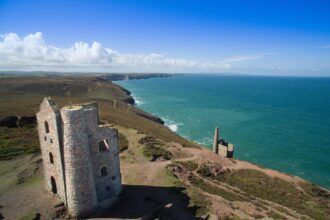
If you are planning a wider journey across southern England, there are several excellent nearby guides that pair naturally with the Jurassic Coast. Travellers interested in dramatic coastal scenery and industrial heritage should explore our Cornish Tin Mining Guide, which covers the spectacular engine houses, cliffside ruins, and UNESCO protected mining landscapes of Cornwall.
For broader regional planning, our Devon & Cornwall Travel Guide connects perfectly with the western side of the Jurassic Coast and includes scenic drives, coastal towns, beaches, transport advice, and itinerary ideas across southwest England.
Travellers looking for island scenery and quieter coastal escapes may also enjoy our Isles of Scilly Travel Guide, covering flights, ferries, beaches, and practical travel advice for one of the UK’s most unique island destinations.
If you are planning to explore Cornwall by public transport, our Ride Cornwall Ticket Guide explains how to travel across the region using trains and buses while reaching scenic branch lines, seaside towns, and major attractions more easily.
Rail enthusiasts should also explore our guide to the Night Riviera Sleeper Train, one of Britain’s most iconic overnight rail journeys connecting London Paddington with Cornwall through some of the most scenic landscapes in southern England.