
Reviewed by our editorial team Updated
Your Complete Guide to Visiting Gibraltar
Gibraltar is one of the most unusual travel destinations in Europe. Sitting at the southern tip of the Iberian Peninsula, it offers a unique mix of British culture, Mediterranean lifestyle, dramatic landscapes, and strategic history.
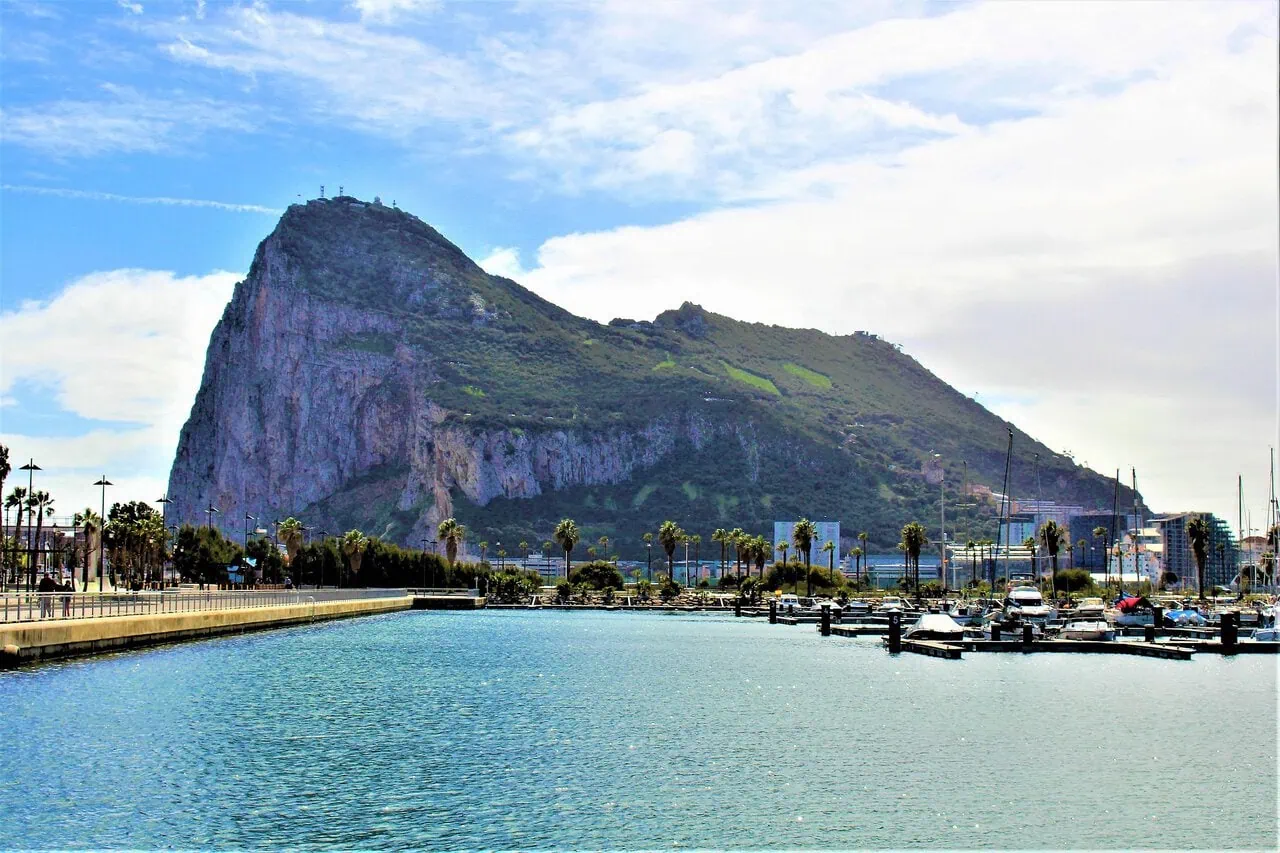
What makes Gibraltar stand out is how much it offers in such a small space. Within a single visit, you can explore historic streets, climb a towering limestone Rock, walk through military tunnels, see wild monkeys, and look across to another continent. Few places in the world provide this level of variety in such a compact area.
It is also a destination defined by contrast. British traditions such as red phone boxes and pubs exist alongside Spanish influences, while modern shops sit next to centuries-old fortifications. This blend gives Gibraltar a character that feels both familiar and completely different at the same time.
Whether you are visiting for a day trip from Spain or planning a longer stay, Gibraltar offers a rich and varied experience that goes far beyond its size.
Neighbourhoods and Key Areas to Know
Although Gibraltar is small, it is helpful to understand its main areas and how they fit together, as this will make planning your visit much easier.
The most important area for visitors is the town centre, built around Main Street and Casemates Square. This is where you will find shops, restaurants, and the main social hub of Gibraltar. It is also where many visitors spend their time after exploring the Rock.
Gibraltar’s reputation as a duty-free shopping stop has changed. The old import duty regime has been replaced by a 15% Transaction Tax, which applies to most goods and services, with reduced 5% and 0% bands on certain items. It is not a VAT, and it is set to rise to 16% in 2027 and 17% in 2028. Prices are often still lower than in Spain or the UK, particularly on alcohol, tobacco and fuel, but the saving is narrower than it once was.
Above the town sits the Gibraltar Nature Reserve, formerly known as the Upper Rock Nature Reserve, which dominates the landscape and contains most of Gibraltar’s major attractions. This is where you will find caves, tunnels, viewpoints, and the famous monkeys, making it the most important area for sightseeing.
To the south, areas such as Europa Point offer open views across the Strait of Gibraltar and towards North Africa. This part of the territory feels more exposed and scenic compared to the busier centre.
The marina and waterfront areas provide a more relaxed setting, with restaurants, cafés, and departure points for boat tours. These areas are particularly popular for evening visits or for starting activities such as dolphin watching tours.
Understanding how these areas connect allows you to move around efficiently and build a well-structured visit without wasting time.
| Category | Details |
|---|---|
| Location | Southern tip of Spain, bordering Andalusia |
| Status | British Overseas Territory |
| Currency | Gibraltar Pound and British Pound Sterling |
| Language | English (widely spoken), Spanish also common |
| Population | Approx. 34,000 |
| Border | Land border with Spain (routine checks removed 15 July 2026) |
| Tax | 15% Transaction Tax (not VAT), with 5% and 0% bands |
| Time Zone | Central European Time |
| Main Attraction | The Rock of Gibraltar |
| Famous For | Monkeys, tunnels, views of Africa |
| Best For | Day trips, history, nature, unique geography |
Compare hotels and other places to stay in Gibraltar.
Check availabilityBrowse apartments, holiday homes and self-catering stays in Gibraltar.
View rentalsSee hotel prices from multiple booking sites in one search.
Compare ratesA Short History of Gibraltar
Gibraltar’s history is shaped by its strategic location at the entrance to the Mediterranean, which has made it one of the most important military and trading points in Europe for centuries.
The area has been inhabited since ancient times, with evidence of early human activity dating back thousands of years. It later became an important location for the Moors, who controlled the region for several centuries and left a lasting influence that can still be seen today, particularly in structures such as the Moorish Castle.
In 1704, Gibraltar was captured by an Anglo-Dutch force during the War of the Spanish Succession and was later ceded to Britain. Since then, it has remained under British control, developing into a key naval base and defensive stronghold.
One of the most significant events in its history was the Great Siege of Gibraltar, during which the Rock was heavily fortified. This period led to the creation of extensive tunnel systems, including the Great Siege Tunnels, which remain one of the most important historical attractions today.
During the 20th century, Gibraltar continued to play a strategic role, particularly during World War II, when additional tunnels were constructed inside the Rock.
Today, Gibraltar’s history is visible throughout the territory, from its fortifications and tunnels to its architecture and cultural influences. This layered past is a major part of what makes visiting Gibraltar so interesting.
Flying to Gibraltar
Travelling to Gibraltar by air is straightforward, but it is important to understand a key limitation from the outset. Gibraltar International Airport has a very focused route network, and unlike many Mediterranean destinations, it does not operate widespread European connections. In practice, this means that the vast majority of direct flights are from the United Kingdom, making Gibraltar one of the few destinations where UK travellers have a clear advantage in terms of direct access.
The airport itself is located just a short distance from the centre of Gibraltar, making arrivals quick and efficient. However, because the route network is limited, planning your journey carefully is essential, particularly if you are travelling from outside the UK or during peak periods when availability can become restricted.
| Departure Airport | Airline(s) | Typical Operation | Notes |
|---|---|---|---|
| London Heathrow | British Airways | Year-round | Main full-service route |
| London Gatwick | easyJet | Year-round | Strong leisure route |
| London Luton | easyJet | Seasonal | Limited seasonal availability |
| Manchester | easyJet | Year-round | Key northern hub |
| Bristol | easyJet | Seasonal | Summer-focused route |
| Birmingham | easyJet | Seasonal | Varies by season |
What becomes clear from this network is that Gibraltar is effectively a UK-connected airport, with routes designed primarily for travellers from England. This makes access simple for UK-based visitors, but it can require an additional step for those travelling from elsewhere in Europe or internationally.
Alternative Route: Flying via Málaga
For travellers unable to secure a direct flight, or those travelling from outside the UK, the most practical alternative is to fly into Málaga-Costa del Sol Airport. This is one of southern Spain’s largest and best-connected airports, offering flights from across Europe and beyond.
From Málaga, Gibraltar can be reached by road in approximately 1 hour 30 minutes to 2 hours, depending on traffic. Regular bus services, private transfers, and car hire options are available, making this a highly flexible and widely used route. For many travellers, particularly those combining Gibraltar with a wider Andalusia itinerary, this approach offers greater choice, more frequent flights, and often better pricing than flying direct.
While flying directly into Gibraltar is undoubtedly convenient, understanding the Málaga alternative ensures that you always have a reliable backup plan. In many cases, it is not just an alternative, but a strategically smarter route, particularly when availability or pricing becomes a constraint.
Getting to Gibraltar From Spain
Reaching Gibraltar is straightforward, but understanding how access works will make your visit much smoother and more efficient.
Most visitors arrive via Spain, crossing the land border from La Línea de la Concepción. This is the most common route and is used by travellers coming from the Costa del Sol, including Málaga, Marbella, and Estepona. Since 15 July 2026, routine passport checks at the land border have been removed under the UK–EU–Spain treaty, so the crossing is normally quick. You should still carry a valid passport, as Gibraltar is not part of the EU or the Common Travel Area.
One of the most unique aspects of arriving in Gibraltar is crossing the airport runway, which intersects the main road into the territory. This is a rare experience and often becomes an unexpected highlight for first-time visitors.
Once inside Gibraltar, getting around is relatively simple due to its compact size. However, it is important to understand that the terrain changes quickly. The town centre is flat and easy to walk, but the Rock itself is steep and requires more planning.
Most visitors rely on a combination of walking, taxis, guided tours, and local buses, depending on how much of the territory they want to explore. Choosing the right mix of transport options can make a significant difference to how much you are able to see in a limited time.
For a more detailed guide please read our Gibraltar Border Crossing Guide.
Local Transport Options
Public transport in Gibraltar is simple, reliable, and often overlooked by visitors, even though it can be one of the most practical ways to move around.
The local bus network connects key areas such as the border, town centre, marina, and southern points of the territory, making it useful for covering longer distances without needing a taxi. Routes such as those linking the border to the centre are particularly helpful for visitors arriving on foot from Spain.
Buses run regularly throughout the day, typically every 15 to 20 minutes, which means you rarely need to wait long. This makes them a convenient option for moving between major points without needing detailed planning. If you would rather explore with a guided, hop-on-hop-off option, the Gibraltar Tour Bus is a flexible alternative to standard public routes.
How to Use Buses in Gibraltar: Tickets and Key Routes
Using buses in Gibraltar is straightforward, but knowing how tickets and routes work will make your journey much smoother.
Tickets are usually purchased directly from the driver when boarding, and you should be prepared to pay in cash. Some services may accept contactless payment, but this is not guaranteed, so having cash available is the safest option. If you are using a city pass, certain routes may already be included, which removes the need to buy separate tickets.
The most useful routes for visitors are Route 5 and Route 10, both of which connect key entry points and major areas.
Route 5 runs between the border and the town centre, making it one of the most important routes for visitors arriving from Spain. It passes through central areas and is ideal for reaching shops, restaurants, and main attractions quickly.
Route 10 is particularly important for accessing the southern parts of Gibraltar and areas closer to the Rock. It also serves stops near the Gibraltar Cable Car base and key viewpoints, making it useful for visitors planning to explore beyond the town.
Other routes exist, but these two cover the majority of visitor needs, especially for those on short trips.
Understanding these routes allows you to move efficiently without relying on taxis, helping you save both time and money while exploring Gibraltar.
Search flights and useful route combinations for your trip.
View flightsBrowse Airalo eSIM options for convenient travel data.
Check eSIMsCheck private pickup options and plan your onward journey before arrival.
View transfersTaxis and Guided Tours: The Easiest Way to Explore the Rock
Taxis are widely available and offer a more direct way to travel, particularly if you are heading towards the Rock. Many taxi drivers also offer guided tours, combining transport with commentary and stops at key attractions. This can be a very efficient option if you want a structured experience without joining a larger group.
Guided minibus tours are another popular choice, especially for visiting the Gibraltar Nature Reserve. These tours provide transport, access, and insight, making them one of the easiest ways to reach the main attractions.
Overall, Gibraltar’s transport options are less about complexity and more about choosing what works best for your itinerary. Simple, direct, and flexible travel is the key.
Walking Gibraltar: What to Expect
Walking is one of the best ways to experience Gibraltar, particularly within the town centre and along the waterfront areas.
The central areas around Main Street and Casemates Square are compact and pedestrian-friendly, making them ideal for exploring on foot. You can easily move between shops, restaurants, and key landmarks without needing transport.
Walking also allows you to notice the smaller details that define Gibraltar, from its mix of architecture to its everyday atmosphere. It is the best way to experience the character and rhythm of the town.
However, once you move towards the Rock, the experience changes significantly. The terrain becomes steeper and more physically demanding, with winding roads, steps, and uneven paths. While it is possible to walk up into the Gibraltar Nature Reserve, it requires a good level of fitness and preparation.
For most visitors, walking works best when combined with other transport options. Exploring the town on foot and then using a tour, taxi, or bus to access higher areas creates a much more balanced and enjoyable experience.
The key is understanding where walking works best and where it becomes more challenging, allowing you to plan your day accordingly.
Driving, Parking and Car Access Explained
Driving into Gibraltar is possible, but it is not always the most practical option for visitors, especially those arriving from Spain.
If you are travelling by car, you will need to cross the land border. Since routine checks were removed on 15 July 2026 this is far quicker than it used to be, though traffic can still build up at peak times. Once inside Gibraltar, space is limited, and the layout of the territory can make driving less convenient than expected.
Parking is one of the main challenges. The town centre is compact, and available parking spaces can be limited, especially during peak times. This often means spending time searching for a space, which can take away from your visit.
For this reason, many visitors still choose to park in La Línea de la Concepción and walk across the border, which avoids the parking problem entirely. Once inside Gibraltar, it is usually easier to rely on walking or local transport rather than using a car.
Car access to the Rock itself is also restricted in certain areas, meaning you may not be able to reach all attractions directly by vehicle without using authorised routes or guided transport.
Overall, while driving is an option, it is rarely the most efficient one. Walking, tours, and local transport generally provide a smoother and more practical way to explore Gibraltar.
Must-See Attractions That Define the Experience
If you are visiting Gibraltar for the first time, there are a handful of places that completely define the experience and should be prioritised.
At the centre of everything is the Gibraltar Nature Reserve, which dominates the landscape and contains many of the territory’s most important sights. This is not just a single attraction. It is a collection of experiences spread across the Rock, including caves, tunnels, viewpoints, and wildlife areas.
Within the reserve, St Michael’s Cave stands out as one of the most visually impressive locations. Its vast chambers and dramatic formations make it one of the most memorable stops on the Rock.
Equally important are the Great Siege Tunnels, which provide insight into Gibraltar’s military history and strategic importance. Walking through these tunnels adds depth to your visit and helps explain why Gibraltar has played such a significant role over time.
The experience is completed by seeing the Barbary macaques, which live freely within the reserve and are one of the territory’s most recognisable features.
Together, these attractions form the core of any visit, offering a combination of nature, history, and unique experiences that cannot be found elsewhere in the same way.
For a full breakdown of attractions, tunnels, cable cars, viewpoints and day planning advice, read our detailed Things to Do in Gibraltar Guide.
Historic Landmarks and Gibraltar’s Military Past
Gibraltar’s history is visible throughout the territory, and exploring its landmarks gives you a deeper understanding of how it developed into such a strategically important location.
One of the most recognisable sites is the Moorish Castle, which dates back to the period of Moorish rule. Positioned high above the town, it serves as a reminder of Gibraltar’s long and complex past, as well as offering excellent views across the surrounding area.
The defensive nature of Gibraltar is also reflected in its extensive fortifications and tunnel systems. Beyond the Great Siege Tunnels, there are additional areas that highlight how the Rock was used during different periods, including the 20th century.
Walking through these historic sites allows you to see how Gibraltar evolved from a strategic outpost into a modern territory, while still retaining much of its original defensive structure.
This part of the experience adds an important layer to your visit. It is not just about seeing attractions. It is about understanding why Gibraltar looks and feels the way it does today.
Hidden Gems and Lesser-Known Places Worth Visiting
While the main attractions draw most visitors, there are several lesser-known places that offer a quieter and often more relaxed experience.
The Alameda Botanic Gardens provide a peaceful escape from the busier parts of Gibraltar. With shaded paths and a wide range of plant life, this area feels very different from the exposed landscapes of the Rock.
Nearby, the Gibraltar Botanic Gardens Wildlife Park offers a small but interesting experience, particularly for those travelling with children or looking for something different.
Another place that is often overlooked is the southern part of Gibraltar around Europa Point, which provides wide open views and a much quieter atmosphere compared to the central areas.
Exploring these locations gives you a more complete picture of Gibraltar, showing that there is more to the destination than just its headline attractions.
Compare hostels and budget-friendly accommodation around Gibraltar.
Browse hostelsAccess compensation support, eligible lounge benefits and faster payouts when flights go wrong.
See the benefitsLeave your luggage somewhere convenient and enjoy Gibraltar hands-free.
View storageIndoor Attractions and Things to Do in Bad Weather
Although Gibraltar is known for its outdoor experiences, there are still several options available if the weather changes or if you prefer indoor activities.
One of the best indoor experiences remains St Michael’s Cave, which provides shelter while still offering a visually impressive environment. Its scale and atmosphere make it a highlight regardless of weather conditions.
The tunnel systems, including the Great Siege Tunnels, are another excellent option, allowing you to explore Gibraltar’s history in a sheltered setting.
Museums and smaller exhibition spaces throughout the town also provide insight into Gibraltar’s past and culture, offering a quieter and more reflective experience compared to the main attractions.
Spending time in the town itself can also be a good alternative. Areas such as Casemates Square offer cafés, restaurants, and indoor spaces where you can relax and wait for conditions to improve.
While Gibraltar is best experienced outdoors, these options ensure that your visit can still be enjoyable and worthwhile in less ideal weather.
If you plan to visit multiple attractions, our full Gibraltar City Pass Guide explains whether the pass is worth buying, which sites are included and how much money it can realistically save during your trip.
Where to Eat and What to Try While Visiting
Food is an important part of any visit to Gibraltar, and the local dining scene reflects the territory’s unique mix of British and Mediterranean influences.
The main areas for eating are centred around Casemates Square and along Main Street, where you will find a wide range of restaurants, cafés, and casual dining options. These areas are easy to access and ideal for both quick meals and more relaxed dining experiences.
What makes Gibraltar’s food scene interesting is its variety. You will find traditional British dishes such as fish and chips, pies, and pub-style meals, sitting alongside Spanish and Mediterranean options including tapas, grilled meats, and fresh seafood.
Seafood is a particularly strong choice due to Gibraltar’s coastal location. Many restaurants offer fresh fish and simple, well-prepared dishes that reflect the Mediterranean influence of the region.
At the same time, international cuisine is widely available, making it easy to find something familiar if you prefer a more recognisable menu. This balance makes Gibraltar a comfortable destination for most travellers, regardless of their food preferences.
Taking time to sit down and enjoy a meal is also an important part of the experience. It allows you to slow down after exploring and take in the atmosphere of the town, which is just as much a part of Gibraltar as its attractions.
Evening Atmosphere and Nightlife Options
While Gibraltar is not known as a major nightlife destination, it still offers a pleasant and relaxed evening atmosphere that is well suited to visitors.
Most evening activity is centred around the town, particularly near Casemates Square and the marina areas. These locations provide a mix of bars, pubs, and restaurants, creating a social but not overwhelming environment.
The nightlife scene tends to be more low-key and sociable rather than high-energy, which suits the overall character of Gibraltar. You can expect places where you can enjoy a drink, listen to music, and spend time in a comfortable setting rather than large clubs or late-night venues.
The marina areas offer a slightly more modern feel, with waterside restaurants and bars providing a good setting for an evening meal or drink. These areas are particularly popular for visitors who want to relax after a day of sightseeing.
Overall, Gibraltar’s nightlife is best described as casual and enjoyable, providing a good way to end the day without the intensity of larger city destinations.

Best Day Trips and Nearby Experiences
Although Gibraltar itself offers plenty to do, its location also makes it a good base for exploring the surrounding region.
One of the most common ways to visit is as part of a day trip from the Costa del Sol, with organised tours running from locations such as Málaga, Marbella, and Fuengirola. These trips make it easy to visit Gibraltar without needing to plan transport or navigation.
If you are staying in Gibraltar, you can also explore nearby areas in southern Spain. Towns along the coast offer a different perspective, with beaches, Spanish culture, and a more traditional Andalusian atmosphere.
The surrounding region provides a contrast to Gibraltar itself, allowing you to experience both the British-influenced environment of the Rock and the Spanish culture of the surrounding area.
For many visitors, combining Gibraltar with nearby destinations creates a more varied and rewarding trip overall.
Local Culture, Etiquette and What to Expect
Understanding the local culture can help you feel more comfortable when visiting Gibraltar.
Gibraltar has a strong British identity, which is reflected in its language, institutions, and general way of life. English is the main language spoken, and visitors from the UK will find many familiar elements.
At the same time, there is a clear Mediterranean influence, particularly in lifestyle and social behaviour. This creates a relaxed and friendly atmosphere that is easy for visitors to adapt to.
People in Gibraltar are generally welcoming and used to tourists, so interactions are straightforward and informal. Basic politeness and respect are all that is required in most situations.
One important point to remember is respecting local rules, particularly when visiting areas such as the Gibraltar Nature Reserve, where wildlife and protected environments are present. Following guidelines and respecting the surroundings helps preserve the experience for everyone.
Overall, Gibraltar is an easy place to visit from a cultural perspective, combining familiar British elements with a relaxed Mediterranean feel.
Where to Stay: Best Areas and Accommodation Options
Choosing where to stay in Gibraltar depends largely on how you plan to explore and how long you intend to stay.
Most visitors who stay overnight choose accommodation close to the town centre, particularly around Main Street and Casemates Square. Staying in this area puts you within walking distance of shops, restaurants, and key attractions, making it the most convenient option for short visits.
The marina areas offer a slightly more modern and relaxed environment, with hotels and apartments overlooking the water. These locations are well suited to travellers who prefer a quieter setting while still being close to the centre.
Accommodation in Gibraltar can be limited compared to larger destinations, and availability can become tight during busy periods. This is particularly noticeable during peak travel seasons and major events, so booking in advance is strongly recommended.
Some visitors choose to stay just across the border in Spain, particularly in La Línea, where accommodation can be more affordable. This can be a practical option, as the border crossing is relatively straightforward, although it does add an extra step to your daily plans.
Overall, Gibraltar offers a small but well-located range of accommodation, with convenience and proximity to the centre being the most important factors.

Weather and the Best Time to Visit
Gibraltar benefits from a mild Mediterranean climate, which makes it a suitable destination throughout the year.
Summers are typically warm and dry, with long daylight hours and clear skies. This is one of the most popular times to visit, particularly for those looking to combine sightseeing with coastal views and outdoor activities.
Spring and autumn are often considered the best times to visit, as temperatures are more comfortable and crowds are generally lower. These seasons provide ideal conditions for exploring the Rock, walking through the town, and enjoying the overall experience without extreme heat.
Winters are mild compared to much of Europe, making Gibraltar a good option for off-season travel. While there may be occasional rain, temperatures remain relatively comfortable, and the main attractions are still accessible.
Weather conditions can change quickly due to Gibraltar’s location, particularly around the Rock, where cloud formations can create dramatic shifts in visibility. On some days, the upper areas may be covered in cloud while the town remains clear.
Choosing when to visit depends on your priorities, but overall Gibraltar offers good travel conditions for most of the year.
Staying Connected: eSIMs and Mobile Access
Staying connected while visiting Gibraltar is important, especially when navigating between Spain and Gibraltar or using maps and bookings throughout the day.
Mobile coverage is generally reliable, but roaming charges can vary depending on your provider, particularly when crossing the border. This can lead to unexpected costs if you rely on your standard mobile plan.
Using an eSIM for travel is one of the easiest ways to avoid this issue. It allows you to access mobile data without needing to switch physical SIM cards, making it a convenient option for short trips.
Having reliable data access makes a significant difference. It allows you to check routes, access tickets, stay updated on bookings, and adapt your plans as needed.
For most travellers, ensuring connectivity in advance helps create a smoother and more flexible experience, especially when moving between different areas.
Safety, Laws and Practical Advice
Gibraltar is generally considered a safe and easy destination to visit, with low levels of crime and a well-organised environment.
As with any destination, it is still important to take basic precautions, particularly in busy areas such as the town centre. Keeping an eye on personal belongings and staying aware of your surroundings is always advisable.
One unique aspect of Gibraltar is the presence of the Barbary macaques. While these animals are a major attraction, they are still wild and should be treated with respect. Avoid feeding them and keep your belongings secure, as they are known to be curious.
It is also important to carry valid identification. Routine checks at the land border ended on 15 July 2026, but Gibraltar is a separate jurisdiction with its own immigration rules, and your passport can still be requested at any time.
Many local laws and regulations resemble those in the UK, which makes Gibraltar easy to navigate for many visitors. It is a separate jurisdiction, though, with its own immigration rules and its own tax system, so it should not be treated as an extension of the UK.
Overall, Gibraltar is a destination where you can feel comfortable exploring, as long as you follow basic travel awareness and common sense.

Rupert’s Handy Travel Tips
Rupert thinks Gibraltar is best enjoyed when you keep things simple and focus on the highlights, rather than trying to do everything in one go.
- Start with the Rock: it is the most important part of the visit.
- Use tours or taxis to save time: the terrain can be challenging.
- Bring your passport: routine land-border checks ended in July 2026, but Gibraltar still requires one and it can be asked for at any time.
- Take time for the views: they are what make Gibraltar special.
- Plan ahead in busy periods: accommodation and tours can fill up quickly.
Want to meet the reindeer behind our travel tips? Find out more in our page Who is Rupert?.


Frequently Asked Questions About Visiting Gibraltar
Is Gibraltar worth visiting
Yes, Gibraltar is worth visiting for its unique location, history, wildlife, and views across two continents, all within a compact area.
How many days do you need in Gibraltar
Most visitors find that one day is enough to see the main highlights, although staying longer allows for a more relaxed experience.
Do you need a passport to visit Gibraltar
Yes, you will need a valid passport or ID. Since 15 July 2026, routine checks at the land border with Spain have been removed, so crossing itself is quick, but Gibraltar still operates its own immigration rules, with EU Entry/Exit System biometric checks now taking place at the airport and port instead.
What is Gibraltar most famous for
Gibraltar is best known for the Rock of Gibraltar, the Barbary macaques, and its strategic position between Europe and Africa.
Can you visit Gibraltar without a tour
Yes, it is possible to explore independently, although many visitors choose guided tours or transport options to reach the main attractions more easily.
Further Reading and Related Travel Guides
To make the most of your visit, it helps to build your plans using more detailed guides.
If you are visiting for a short time, the Gibraltar in a day itinerary provides a clear structure for covering the main highlights efficiently.
For those arriving from Spain, the Malaga to Gibraltar day trip guide explains how to travel from across the Costa del Sol, including key pickup locations and options.
To explore the Rock in detail, the Gibraltar Nature Reserve guide breaks down all the main attractions and how to access them.
For a guided experience, the Rock of Gibraltar History Tour provides an easy way to see the main sights with transport included.
If you want to add a unique activity, the Gibraltar dolphin watching tour offers a memorable experience on the water.
Staying connected is essential when travelling, and using one of the best eSIM apps for travel helps ensure you have reliable access throughout your trip.











