
Why Visit Carcassonne
Carcassonne is one of the most visually dramatic historic cities in Europe. Dominated by the enormous fortified skyline of the Cité de Carcassonne, the city feels completely different from most modern French destinations. Double defensive walls, medieval towers, narrow stone streets, and castle ramparts combine to create one of the most recognisable historic landscapes in the country.
For many travellers, visiting Carcassonne feels like stepping directly into medieval Europe. The city’s UNESCO World Heritage status and remarkably preserved fortifications attract visitors from across the world, particularly during the busy summer season when the citadel becomes one of southern France’s most popular tourism destinations.
One reason the city works so well for visitors is that it combines multiple experiences within a relatively compact area. Travellers can explore medieval military architecture, historic churches, canal routes, markets, restaurants, and southern French scenery all within a short distance of each other.
The city also works well for different travel styles. Railway enthusiasts arrive via the expanding French rail network, road-trippers stop while exploring the Occitanie region, photographers come for the fortress skyline, and history travellers visit because of the city’s role in medieval French history and regional conflicts.
Because the city is relatively compact, visitors can comfortably explore many of the main attractions within a single day. However, staying overnight allows travellers to experience the citadel during quieter evening and early morning hours after the largest crowds leave.
For visitors exploring southern France, Carcassonne remains one of the country’s most memorable and distinctive destinations.
Quick Overview of the Best Things to Do in Carcassonne
| Attraction | Best For | Approx Time Needed | Location |
|---|---|---|---|
| Cité de Carcassonne | First-time visitors | Half day to full day | Upper fortified city |
| Château Comtal | Medieval history | 1–2 hours | Inside the citadel |
| Basilica of Saints Nazarius and Celsus | Architecture & history | 30–60 mins | Citadel |
| Fortress Walls & Gates | Views & photography | 1–2 hours | Around the citadel |
| Bastide Saint-Louis | Local atmosphere | 1–2 hours | Lower town |
| Canal du Midi | Walking & relaxing | 1–2 hours | Near station area |
| Food & Wine Experiences | Southern French culture | Flexible | Across the city |
For most travellers, the highlight is simply exploring the Cité de Carcassonne itself. The fortified city dominates the skyline and contains many of the destination’s most important attractions within its walls.
Visitors wanting the best overall experience should combine both the medieval citadel and the lower town around Bastide Saint-Louis. This creates a much fuller picture of Carcassonne beyond the heavily photographed fortress area alone.
Compare hotels and other places to stay in Carcassonne.
Check availabilityBrowse apartments, holiday homes and self-catering stays in Carcassonne.
View rentalsCompare hotel deals in Carcassonne from multiple booking sites.
Compare pricesExplore the Medieval Citadel
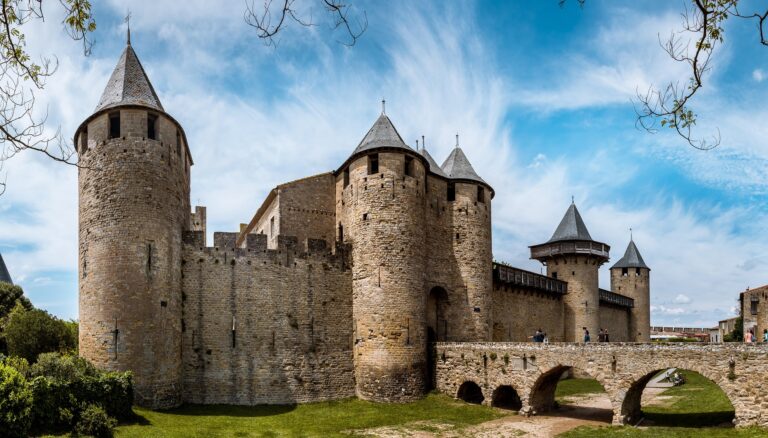
The Cité de Carcassonne is the main reason most travellers visit Carcassonne and remains one of the most visually impressive medieval sites anywhere in Europe. Surrounded by enormous double defensive walls, towering battlements, and fortified gateways, the citadel dominates the skyline above the lower town and creates one of the most recognisable historic landscapes in France.
Walking through the fortified gates immediately feels different from entering a normal French city. Narrow stone streets, elevated passageways, defensive towers, medieval buildings, and hidden courtyards combine to create an atmosphere that feels dramatically removed from modern urban life. Even travellers who normally avoid heavily touristed destinations are often surprised by the sheer scale of the fortress itself.
One of the most important things to understand is that access to much of the medieval cité is completely free. Visitors can walk through the old streets, explore public areas, photograph the walls, and experience the atmosphere of the fortified city without needing an entrance ticket. This makes Carcassonne surprisingly accessible compared with many major European heritage sites.
The city’s layout still reflects its original medieval structure. Streets curve around old defensive routes, fortified entrances, church buildings, and elevated lookout points. Some areas are busy with restaurants and souvenir shops, but quieter corners still allow visitors to appreciate the military scale and historic atmosphere of the fortress.
One of the best things to do in Carcassonne is simply wander without a strict itinerary. Exploring smaller alleyways, hidden staircases, stone archways, and elevated viewpoints often becomes more memorable than rushing directly between individual attractions.
The citadel is especially atmospheric during early morning and evening. Once many day-trip crowds leave, the fortress feels calmer, quieter, and far more authentic. Warm evening light across the stone walls also creates some of the best photography conditions anywhere in southern France.
Because the cité sits elevated above the surrounding landscape, visitors also gain impressive views across the wider Occitanie countryside, the lower town, and parts of the nearby Canal du Midi corridor.
Walk the Fortress Walls and Gates
Walking around the enormous fortress walls is one of the best ways to understand the sheer scale of Carcassonne’s medieval defences. The fortification system surrounding the Cité de Carcassonne was designed to protect the city across centuries of warfare and remains one of the finest surviving examples of medieval military architecture in Europe.
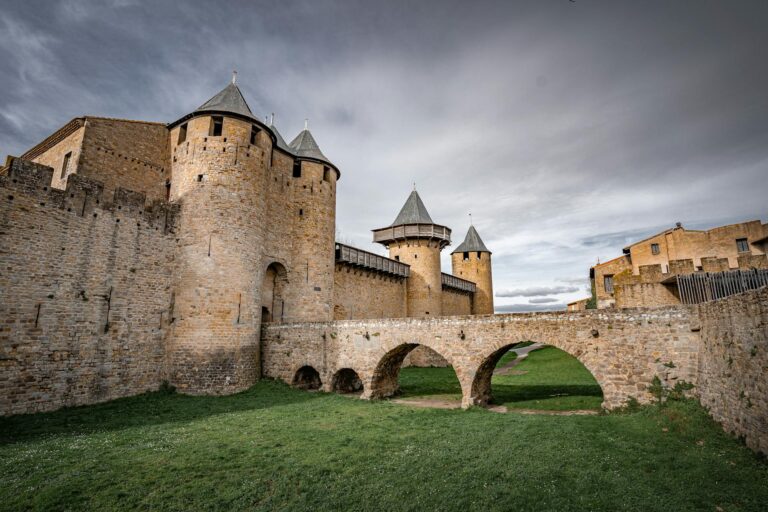
The most visually striking feature is the system of double defensive walls. Massive towers, fortified gates, battlements, defensive corridors, and elevated ramparts create a layered military structure that once made the city exceptionally difficult to attack. From outside the walls, the skyline looks almost unreal in scale, particularly when approaching from the river crossings and lower town.
Many of the exterior walking areas around the walls are freely accessible and provide some of the best views in the city. Visitors can walk around large sections of the outer defences, photograph the towers from below, and experience the dramatic scale of the fortress without needing a ticket.
Some interior rampart walks and defensive sections connected to the Château Comtal are ticketed and form part of the castle experience itself. These paid sections allow visitors to explore elevated defensive areas, galleries, and protected sections of the ramparts more closely.
The gates themselves are also major attractions. Defensive entrances were deliberately designed to slow attackers and create controlled access into the fortress. Passing through these fortified gateways helps visitors understand how heavily defended Carcassonne once was during the medieval period.
One reason the walls remain so visually impressive today is the controversial nineteenth-century restoration work carried out by Eugène Viollet-le-Duc. Although historians still debate aspects of the restoration, the work helped preserve the fortress and transformed Carcassonne into one of the most famous historic sites in France.
Walking outside the walls can often be just as rewarding as exploring the interior streets themselves. The fortress skyline is especially dramatic when viewed from lower ground near the river, bridges, and surrounding approach roads.
For many visitors, the walls become the single most memorable part of visiting Carcassonne because of their sheer size, military scale, and visual impact against the landscape of southern France.
Visit Château Comtal
Château Comtal is the most important paid attraction inside Carcassonne and provides the best opportunity to properly explore the fortress from within. While much of the medieval cité itself can be visited for free, entry tickets are required for the castle complex, sections of the ramparts, and the archaeological areas connected to the fortress.
The castle sits at the heart of the fortified city and once formed the military and political centre of medieval Carcassonne. Originally associated with the powerful Trencavel family before the Cathar Crusade, the fortress later became a major royal defensive stronghold protecting southern France.
One of the biggest highlights of visiting the castle is access to the elevated rampart walks. These sections allow visitors to move through defensive galleries, towers, battlements, and protected wall areas while looking out across the surrounding countryside and lower town. The views from the walls are some of the best in the entire city.
Inside the complex, visitors can also explore courtyards, defensive chambers, exhibition spaces, and archaeological displays explaining the military history of the fortress. The experience is particularly interesting for travellers wanting to understand how the defensive system of Carcassonne actually functioned during the medieval period.
The castle experience usually takes around 1 to 2 hours depending on pace and crowd levels. During summer, queues can become extremely long, especially during the middle of the day when organised tours and day-trip groups arrive from across southern France.
Tickets are strongly recommended during peak tourism periods because the attraction is one of the most visited historic sites in the region. Entry normally includes access to the castle courtyards, sections of the ramparts, and the archaeological museum areas.
Travellers should also remember that the fortress includes steep staircases, uneven stone surfaces, narrow passages, and elevated defensive walkways. Comfortable footwear is therefore highly recommended, particularly during hot summer weather.
See the Basilica of Saints Nazarius and Celsus
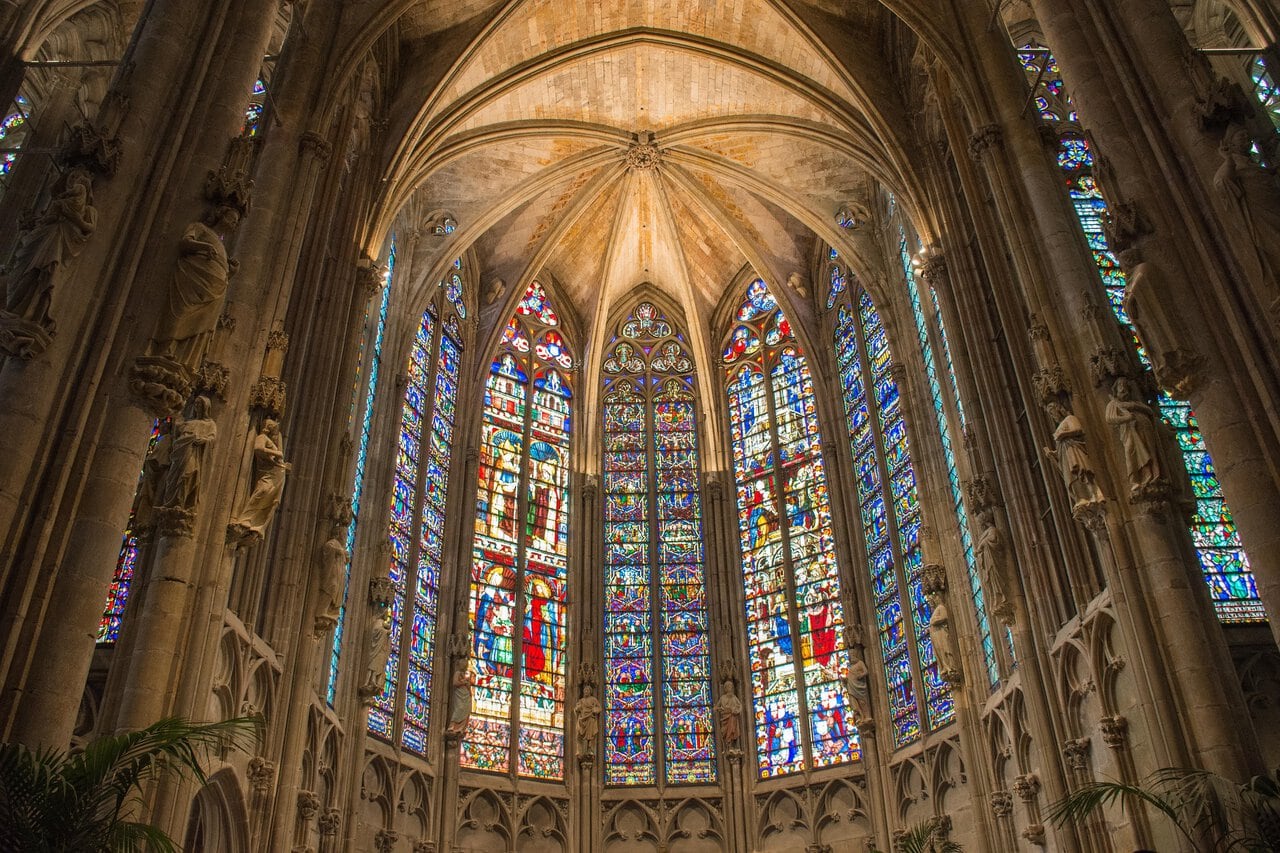
Basilica of Saints Nazarius and Celsus is one of the most important religious buildings inside the medieval citadel and provides a quieter contrast to the military atmosphere of the surrounding fortress walls.
Originally constructed in the Romanesque style before later Gothic additions transformed parts of the structure, the basilica reflects several different architectural periods from the history of Carcassonne. The combination of styles makes the church particularly interesting for travellers interested in medieval architecture and religious history.
The stained glass windows are among the building’s biggest highlights. Light entering through the Gothic sections of the church creates a much brighter and more colourful atmosphere than many visitors expect after walking through the heavily fortified streets outside.
Inside the basilica, visitors can see detailed stonework, vaulted ceilings, carved decoration, and historic religious features connected to the long history of the city itself. Compared with the crowded commercial streets elsewhere in the citadel, the church often feels calmer and more reflective.
The basilica also helps visitors understand that Carcassonne was not simply a military fortress. The city functioned as a living religious, political, and commercial settlement across centuries of medieval history, and the church formed a major part of daily life within the walls.
Because the building sits inside the Cité de Carcassonne itself, most travellers naturally encounter it while exploring the fortress streets. Even visitors with limited time should still consider stepping inside because the contrast between the defensive exterior city and the quieter interior church spaces adds depth to the overall experience.
The basilica is especially atmospheric during quieter morning periods when visitor numbers inside the citadel remain lower and sunlight enters through the stained glass at sharper angles.
Explore Bastide Saint-Louis
While most visitors focus almost entirely on the medieval fortress, Bastide Saint-Louis offers a very different side of Carcassonne and is often overlooked by travellers rushing directly towards the citadel.
Located in the lower town near Carcassonne Railway Station, this area feels much more like a traditional southern French city rather than a preserved medieval attraction. Wider boulevards, cafes, markets, local shops, and residential streets create a calmer atmosphere away from the busiest tourism areas.
Exploring the lower town helps visitors understand that modern Carcassonne extends far beyond the fortress walls themselves. Many locals live, work, and socialise within Bastide Saint-Louis rather than inside the heavily touristed upper city.
One of the main highlights is the central square area around Place Carnot, where cafes, restaurants, and market activity create a more everyday southern French atmosphere. This part of the city works especially well for slower lunches, coffee stops, and evenings away from the busiest sections of the citadel.
The lower town is also useful practically because many hotels, transport links, supermarkets, and services sit closer to the station than the medieval city itself. Travellers arriving by train often pass through Bastide Saint-Louis before continuing towards the fortress skyline.
Architecturally, the area provides an interesting contrast with the medieval upper city. Instead of defensive towers and narrow stone alleys, the lower town reflects later French urban planning with straighter streets and broader public spaces.
For visitors spending longer than a few hours in Carcassonne, exploring Bastide Saint-Louis adds much more balance to the trip and prevents the experience becoming focused entirely on the citadel alone.
Walk Along the Canal du Midi
Canal du Midi provides one of the calmest and most relaxing experiences in Carcassonne, creating a complete contrast with the dramatic military architecture of the medieval citadel.
The canal itself is also a UNESCO World Heritage Site and forms one of the great engineering achievements of early modern France. Originally designed to connect the Atlantic Ocean and the Mediterranean Sea, the canal transformed trade and transport across southern France for centuries.
In Carcassonne, the canal area sits closer to the lower town and railway station than the fortress itself. Tree-lined pathways, bridges, moored boats, and waterside walking routes create a slower-paced atmosphere that feels very different from the busy streets inside the cité.
Walking along the canal is especially popular during warmer weather because the shaded areas provide relief from the heat of the exposed stone fortress. Cyclists also frequently use the canal paths while travelling across wider parts of the Occitanie region.
Boat activity adds another layer to the atmosphere. Visitors often see leisure cruisers, canal barges, and private boats moving slowly through the waterway during the day, particularly during summer tourism periods.
The canal area also works well for photography because it offers some of the best lower-angle views back towards the fortress skyline. Seeing the medieval citadel rising above the surrounding landscape from the canal zone creates one of the most distinctive visual perspectives in the city.
For travellers spending a full day or overnight in Carcassonne, combining the citadel with the quieter canal environment creates a much more rounded experience of the city and its wider history.
Search flights and useful route combinations for your trip.
View flightsBrowse Airalo eSIM options for convenient travel data.
Check eSIMsCheck private pickup options and plan your onward journey before arrival.
View transfersBest Viewpoints and Photo Spots in Carcassonne
Carcassonne is one of the most photogenic cities in France, and many visitors spend almost as much time photographing the fortress as exploring the streets inside it. The skyline of the Cité de Carcassonne changes dramatically depending on angle, light, weather, and time of day.
One of the best viewpoints is from the bridges and riverside areas near the Aude River below the fortress. From here, the full scale of the defensive walls and towers becomes immediately visible, especially during sunrise or sunset when the stone catches warmer light.
The approach routes from the lower town also provide excellent photography opportunities. As travellers walk from Carcassonne Railway Station towards the citadel, the skyline gradually rises above the surrounding buildings, creating some of the most dramatic first views in the city.
Inside the fortress itself, elevated rampart sections around Château Comtal provide impressive views back across the lower town and surrounding countryside. These viewpoints are particularly strong during clearer weather when visibility stretches across large parts of the Occitanie region.
The area near the Canal du Midi also offers quieter photography conditions away from the busiest tourism crowds. Reflections, tree-lined paths, and lower-angle perspectives create a softer contrast with the military architecture above.
Evening photography is especially rewarding in Carcassonne. Once the walls and towers become illuminated after dark, the fortress takes on a completely different atmosphere compared with daytime visits. Many photographers deliberately stay overnight specifically to capture the illuminated skyline.
For the best overall conditions, early morning and late evening remain ideal. Midday sunlight during summer can create harsh shadows and extremely bright stone surfaces, making photography more difficult inside the exposed medieval streets.
Food and Wine Experiences in Carcassonne
Food forms an important part of visiting Carcassonne, particularly because the city sits within one of the strongest culinary regions in southern France. Restaurants inside and outside the Cité de Carcassonne serve a mixture of traditional regional dishes, French classics, and tourism-focused dining experiences.
One of the best-known local dishes is cassoulet, a rich slow-cooked meal traditionally made with beans, meat, and sausage. The dish is strongly associated with southwestern France and remains one of the most famous regional specialities linked to Carcassonne and nearby Toulouse.
Dining inside the citadel is often more atmospheric than purely culinary. Many restaurants occupy historic stone buildings or terraces beneath medieval walls, creating memorable settings even if prices are sometimes higher than elsewhere in the city.
Travellers wanting more local everyday dining often prefer the lower town around Bastide Saint-Louis. Restaurants here usually feel less tourist-focused and can offer better value while still serving regional southern French cuisine.
The wider Occitanie region is also heavily connected with wine production. Vineyards across the surrounding countryside produce a range of wines, and many visitors combine Carcassonne with broader wine tourism across the Aude region and nearby Mediterranean areas.
Markets, cafes, bakeries, and smaller food shops around the city also contribute heavily to the experience. Even simple lunches within the lower town often feel distinctly southern French compared with larger urban destinations elsewhere in the country.
Because the city receives large visitor numbers during summer, restaurant reservations can become important during evenings and weekends, particularly inside the medieval citadel itself.
How Long to Spend in Carcassonne
For most travellers, Carcassonne works best as either a long day trip or a short overnight stay. The city is compact enough that the major highlights can comfortably be explored within a single full day, particularly for visitors focused mainly on the Cité de Carcassonne itself.
A typical one-day visit usually allows enough time to explore the citadel, visit Château Comtal, walk sections of the walls, see the basilica, and spend time around the lower town and Canal du Midi.
However, staying overnight changes the experience considerably. Once many day-trip groups leave during the evening, the fortress becomes quieter, calmer, and significantly more atmospheric. Early morning inside the citadel can also feel dramatically different from the crowded middle of the day during summer.
Travellers interested in photography, slower-paced travel, wine tourism, or wider exploration across the Occitanie region often benefit from spending at least two nights in the area. This allows more flexibility to explore surrounding countryside, canal routes, and nearby towns without rushing.
The ideal stay length also depends heavily on season. During peak summer, the city becomes extremely busy between late morning and afternoon, making overnight stays especially valuable because visitors can experience quieter periods outside the main tourism rush.
Even so, one reason Carcassonne remains so popular is that it provides a remarkably strong experience without requiring a long stay. The city’s compact layout and visually dramatic fortress allow travellers to experience one of France’s most famous historic destinations even within relatively limited time.
Compare hostels and budget-friendly accommodation around Carcassonne.
Browse hostelsFlying to Carcassonne? Get fast compensation payouts, eligible lounge benefits and expert help when flights go wrong.
See AirHelp+ benefitsUse convenient luggage storage around Carcassonne between arrival, check-in and departure.
Check storageBest Time to Visit Carcassonne
The best time to visit Carcassonne depends largely on whether travellers prioritise quieter streets, warmer weather, photography conditions, or seasonal atmosphere. The city attracts visitors throughout the year, but the experience changes significantly between seasons.
For most travellers, spring and autumn provide the best overall balance. Months such as April, May, September, and October usually offer pleasant temperatures, lower crowd levels, and more comfortable conditions for exploring the exposed stone streets of the Cité de Carcassonne.
Summer is the busiest period in the city. Between June and August, visitor numbers rise sharply as travellers arrive from across France, the United Kingdom, and wider Europe. The atmosphere becomes lively, restaurants and terraces stay busy late into the evening, and the illuminated fortress looks particularly impressive after dark.
The downside of summer is crowding and heat. The medieval streets inside the citadel can become extremely congested during the middle of the day, especially when organised tours and cruise excursion groups arrive. Temperatures across southern France can also become very high during afternoon hours.
Winter offers a very different experience. Visitor numbers fall dramatically, accommodation prices often become cheaper, and the fortress feels quieter and more atmospheric. Some restaurants and tourism services reduce opening hours outside the main travel season, but many travellers enjoy the calmer environment.
Photography conditions are generally best during early morning and late evening throughout the year. Sunrise and sunset create softer light across the walls and towers, while midday summer sunlight can create harsh shadows and extremely bright stone surfaces.
Travellers should also consider local holidays and major tourism weekends when planning visits because trains, roads, and accommodation can become significantly busier during peak French travel periods.

Rupert’s Handy Travel Tips
Rupert recommends exploring the outside of the fortress before heading directly into the medieval streets. Seeing the enormous walls and towers of Carcassonne rising above the landscape gives a much better sense of the city’s military scale and UNESCO importance.
- The best photographs of the Cité de Carcassonne are often taken from outside the walls rather than inside the fortress itself.
- Travellers visiting during summer should explore the citadel early in the morning or later in the evening to avoid the hottest temperatures and largest crowds.
- If you plan to visit Château Comtal and the ramparts, Rupert recommends booking tickets earlier in the day because queues can become extremely long during peak tourism periods.
- The lower town around Bastide Saint-Louis is worth exploring because it provides a much more local and less tourist-focused atmosphere than the citadel.
Want to meet the reindeer behind our travel tips? Find out more in our page Who is Rupert?.
Frequently Asked Questions About Carcassonne
What is the main attraction in Carcassonne?
The main attraction is the Cité de Carcassonne, the enormous fortified medieval city dominating the skyline above the lower town.
Is Carcassonne worth visiting?
Yes. Carcassonne is one of the most impressive medieval fortified cities in Europe and one of the most recognisable UNESCO World Heritage Sites in France.
Do you need tickets to enter Carcassonne?
No. Access to much of the medieval cité is free. However, tickets are required for Château Comtal, sections of the ramparts, and archaeological areas inside the castle complex.
How long do you need in Carcassonne?
Most travellers can see the main highlights within one full day, although an overnight stay provides a much calmer and more atmospheric experience.
Is Carcassonne good for a day trip?
Yes. The city works particularly well as a day trip from Toulouse because of the relatively short regional rail journey.
What is the best time to visit Carcassonne?
For most visitors, spring and autumn provide the best balance between weather and crowd levels.
Can you walk around the walls of Carcassonne?
Yes. Some exterior areas are freely accessible, while sections of the elevated ramparts connected to the castle complex require paid entry tickets.
Is Carcassonne touristy?
Yes, especially during summer. However, the fortress remains visually impressive despite high visitor numbers, particularly during quieter morning and evening periods.

Further Reading & Related France Guides
Visitors exploring Carcassonne often combine the city with wider travel across southern France, the Pyrenees, and the broader European rail network. Several related guides can help make onward travel and itinerary planning significantly easier.
Rail travellers arriving in the region may also benefit from the wider Paris to Carcassonne guide and the Toulouse to Carcassonne guide, particularly for understanding regional train connections and overnight sleeper options across France.
Travellers arriving through Carcassonne Airport may also want to explore our wider Carcassonne travel guides before continuing into the city. Learn why the Cité de Carcassonne became a UNESCO World Heritage Site in our dedicated UNESCO Carcassonne guide, or plan wider regional exploration with our Best Day Trips from Carcassonne guide, covering destinations such as Toulouse, Narbonne, the Pyrenees, and the surrounding Cathar region.
Travellers interested in overnight rail should additionally explore the wider French Night Trains from Paris guide, especially because sleeper services towards Toulouse provide one of the easiest ways to reach southwestern France without flying.
Visitors continuing through southern France may also find the Toulouse city guide and the day trips from Toulouse guide useful for broader exploration across the Occitanie region.
Travellers using rail passes should also consider the Interrail pass guide and the Interrail France guide, particularly because regional TER services and sleeper reservations operate differently from many other European rail systems.
For visitors heading south after Carcassonne, the Toulouse to Andorra guide and the Europe ski and snowboarding guide are especially useful for travel into the Pyrenees and wider mountain regions.
Because Carcassonne sits naturally between Mediterranean France, southwestern rail corridors, and mountain routes towards Spain and Andorra, it works particularly well as part of a larger southern European travel itinerary rather than simply as a standalone stop.