
Why Visit Carcassonne from Paris
Travelling from Paris to Carcassonne allows visitors to experience one of the most dramatic contrasts in France. Within a single journey, travellers move from the dense urban landscape of the French capital to the towering medieval walls of Cité de Carcassonne, one of Europe’s most famous fortified cities.
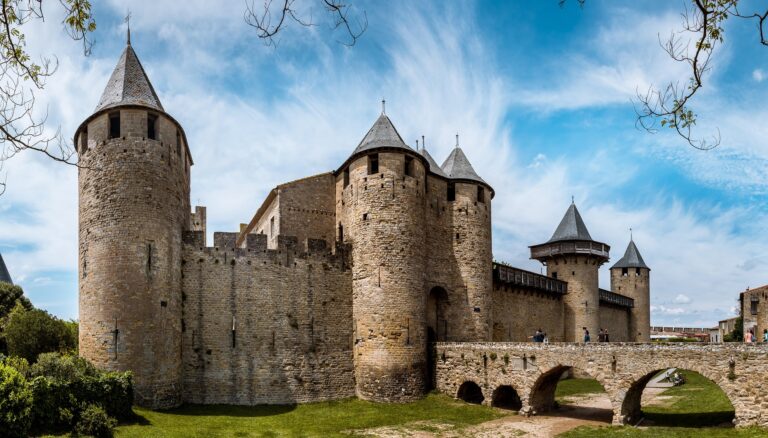
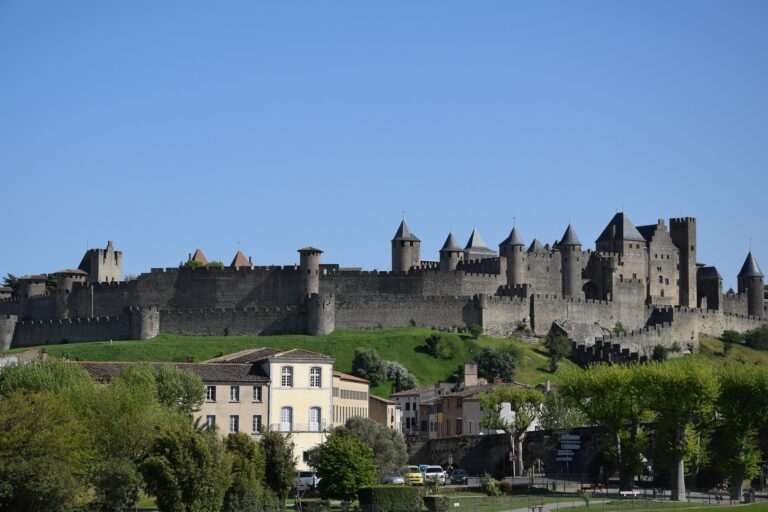
For many international visitors, Carcassonne represents the image of medieval France they imagine before arriving in Europe. Double defensive walls, stone towers, drawbridges, narrow alleyways, and the enormous fortress skyline create an atmosphere that feels completely different from modern Paris. The city’s UNESCO World Heritage status has made it one of the most recognisable historic destinations in southern France.
The journey also works well because France’s transport infrastructure is strong. Travellers can reach Carcassonne using high-speed rail, sleeper trains, flights, long-distance driving routes, or combinations of regional transport. This flexibility makes the city accessible both for shorter trips and wider France itineraries.
Another major advantage is that Carcassonne works equally well as either a short break or part of a larger southern France journey. Many travellers combine the city with destinations such as Toulouse, Mediterranean France, the Pyrenees, or even cross-border travel towards Spain and Andorra.
For railway enthusiasts, the route is also particularly attractive because it combines France’s high-speed rail system with the slower regional atmosphere of the Occitanie region. Travellers interested in overnight rail can even reach the area using the expanding French sleeper train network.
Because the city is relatively compact once you arrive, visitors can experience the main highlights without needing a long stay. Even travellers coming from Paris for only several days can comfortably explore the citadel, lower town, canal area, and surrounding countryside.
Quick Overview of Paris to Carcassonne Transport Options
Travellers moving between Paris and Carcassonne have several transport choices available, with trains generally offering the best balance between speed, convenience, and city-centre access.
| Transport Option | Typical Journey Time | Approx Cost | Best For | Main Arrival Point |
|---|---|---|---|---|
| High-Speed & Regional Train | 5 hrs 30 mins to 7 hrs | Medium | Most travellers | Carcassonne Railway Station |
| Sleeper Train | Overnight | Medium | Slow travel & rail enthusiasts | Carcassonne Railway Station |
| Car Hire / Driving | 7 hrs to 8 hrs | Medium–High | Regional exploration | Flexible |
| Private Transfer | Very long distance | High | Luxury / custom travel | Door-to-door |
For most travellers, the Paris to Carcassonne train is the strongest option overall because it provides direct access into central France. High-speed rail connections usually involve travel via Toulouse or other southern French hubs before continuing into the Occitanie region.
Driving provides the greatest flexibility for wider regional exploration but requires a long day on French motorways.
Travellers interested in slower journeys or overnight rail experiences may also consider sleeper train options linked to the wider French night train network.
Browse hotels and accommodation for your visit to Carcassonne.
View staysBrowse apartments, homes and self-catering accommodation in Carcassonne.
Browse rentalsSee hotel prices from multiple booking sites in one search.
Compare ratesParis to Carcassonne by Train
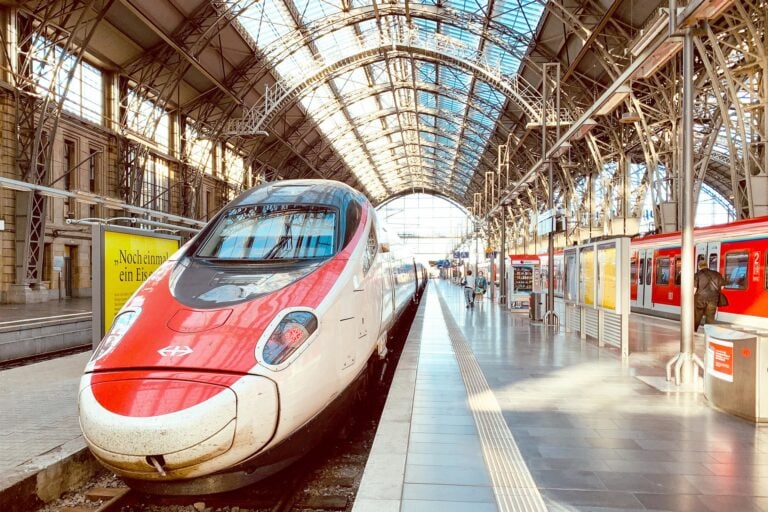
For most travellers, the Paris to Carcassonne train is the easiest and most practical way to make the journey. France’s rail network allows visitors to travel directly from the capital into southern France without needing domestic flights or complicated road journeys.
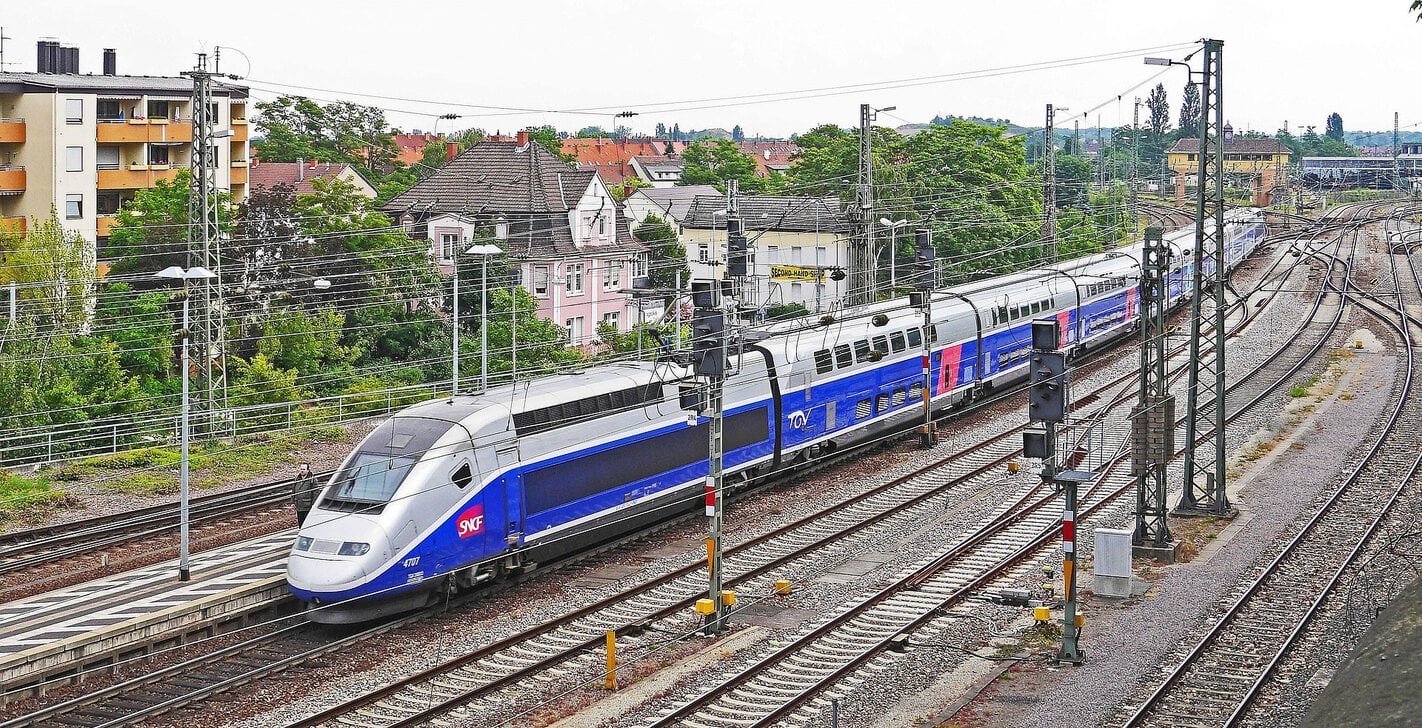
Most rail routes begin from Paris Gare de Lyon or occasionally Paris Austerlitz depending on the specific service. High-speed TGV trains normally cover the first section of the journey before passengers transfer onto regional services towards Carcassonne Railway Station.
Typical overall journey times range from around 5 hours 30 minutes to 7 hours, depending on connections and route patterns. Although this is considerably longer than domestic French air travel in pure flight time, rail journeys are often more efficient overall because travellers depart and arrive directly in city centres.
One of the biggest advantages of rail travel is comfort. Travellers avoid airport security queues, baggage restrictions, and lengthy transfers from distant airports into urban areas. The journey also passes through large sections of the French countryside, giving passengers views of changing landscapes as the route moves southwards towards the Occitanie region.
Rail travel works particularly well for visitors planning wider France itineraries because the journey connects naturally into the country’s broader rail infrastructure. Travellers can easily combine Carcassonne with destinations such as Toulouse, Mediterranean France, or the expanding European high-speed rail network.
Ticket prices vary significantly depending on booking time, season, and train type. Booking early usually produces substantially cheaper fares, especially during summer holidays and major French travel periods. Travellers can normally book through the SNCF Connect app or platforms such as Omio.
Because the journey is relatively long, many travellers also break the route with overnight stays in southern France rather than travelling directly between Paris and Carcassonne in a single day.
Travellers making regular weekend trips may also benefit from the Carte Avantage offered by SNCF. The card can reduce the cost of many long-distance TGV and Intercités journeys across France while also introducing capped ticket pricing on eligible routes. Because fares between Paris and southern France can rise sharply during weekends and holiday periods, the card can quickly pay for itself for travellers planning multiple rail journeys. Our dedicated Carte Avantage guide explains how the card works, who qualifies, the pricing rules, and when it genuinely saves money for rail travel across France.

Check Train Routes for Paris with Omio
If your plans include travelling by train to or from Paris, Omio provides a convenient way to search routes and compare ticket options.
Having multiple operators available through one search can make planning easier, particularly for long-distance and international journeys.
Scan to open
on your phone

Train Station to the Medieval Citadel
After arriving at Carcassonne Railway Station, travellers still need to continue onwards to the Cité de Carcassonne, which sits elevated above the lower town on the opposite side of the river.
The walk from the station to the citadel usually takes around 20 to 30 minutes depending on pace, luggage, weather conditions, and how many stops travellers make for photographs along the way. Many visitors choose to walk because the route gradually reveals the dramatic skyline of the medieval fortress as you approach the old city.
One of the most impressive moments comes when crossing towards the fortress from the lower town. The towers and defensive walls dominate the skyline far more dramatically than many first-time visitors expect, especially during clear weather or evening light.
Travellers carrying heavier luggage may prefer taxis, particularly during the hotter summer months when temperatures across southern France can become extremely high during the afternoon. Taxis are usually available close to the station and provide a much easier uphill transfer towards accommodation near the citadel.
Local buses and shuttle services may also connect parts of the city depending on seasonal schedules and local operations, although many visitors still prefer walking because the overall distance is manageable for most travellers.
Visitors staying inside the fortified city should also remember that many streets around the citadel are cobbled, uneven, and pedestrian-focused. Rolling large suitcases through the old city can therefore become tiring, especially during busy tourism periods.
For most travellers arriving from Paris, however, the walk towards the fortress forms part of the overall experience and provides a memorable first impression of one of France’s most famous historic cities.
Paris to Carcassonne by Sleeper Train
Travelling from Paris to Carcassonne by sleeper train is one of the most interesting and atmospheric ways to reach southern France, especially for travellers who enjoy overnight rail journeys and slower-paced travel. While there is not usually a direct sleeper service terminating in Carcassonne itself, the journey is still relatively easy using the wider French overnight rail network.
The most useful route is normally the SNCF Intercités de Nuit 3731 service from Paris Austerlitz to Toulouse Matabiau Station. This overnight train allows travellers to leave Paris during the evening, sleep onboard, and arrive in southwestern France the following morning before continuing onwards to Carcassonne Railway Station using a regional TER connection.
One reason this route works particularly well is that the onward rail journey between Toulouse and Carcassonne is relatively short and operates frequently throughout the day. Travellers can therefore combine long-distance overnight rail with a simple regional transfer rather than spending an entire day travelling south from Paris.
The overnight train itself normally offers a mixture of reclining seats and shared couchette compartments, with couchettes providing significantly better comfort for the long overnight journey. Travellers using an Interrail One Country Pass France or Interrail Global Pass can also use the service, although sleeper reservations remain mandatory even with a rail pass.
One major advantage of using the sleeper is efficiency. Instead of losing most of a day travelling across France, passengers can effectively combine accommodation and transport into a single overnight journey. For many travellers, this also reduces hotel costs while creating a more memorable travel experience than flying.
The route is particularly attractive for railway enthusiasts and travellers building wider rail itineraries across France and Europe. Visitors interested in overnight rail should also read the wider French Night Trains from Paris guide, which covers additional sleeper routes, service numbers, couchette options, and overnight rail connections across the country.
Travellers should still remember that French sleeper services do not always operate daily throughout the year. Advance booking is strongly recommended, especially during summer holidays, Christmas, and peak tourism periods across southern France because couchettes on popular overnight services can sell out surprisingly early.
Paris to Carcassonne by Flight
Travellers searching for Paris to Carcassonne flights are often surprised to discover that there are usually no direct scheduled air services between the two cities. While Carcassonne Airport does handle international and low-cost European routes, it is not normally connected directly with Paris through regular domestic flights.
In practice, this means flying between the two destinations is usually less convenient than rail travel. Most flight itineraries would require a connection through another airport, adding extra transfer time, airport waiting, baggage procedures, and significantly more travel complexity overall.
Because of this, most travellers choose either the high-speed train or the overnight sleeper train instead. France’s rail network is particularly strong on north-to-south domestic routes, and travelling by train from Paris Gare de Lyon or Paris Austerlitz into southern France is generally far more efficient than attempting to piece together connecting flights.
For travellers determined to fly part of the journey, the nearest major aviation hub is usually Toulouse-Blagnac Airport. From there, passengers can continue onwards towards Carcassonne by regional train, coach, private transfer, or hire car. However, even this combination is often slower overall than simply using direct rail services from Paris.
One reason rail works particularly well on this corridor is that trains arrive directly into Carcassonne Railway Station in the city itself, avoiding airport transfers after arrival. Travellers can move almost seamlessly from central Paris into the heart of southern France without needing additional domestic flights.
For most visitors, the lack of direct flights is therefore not a major problem. In reality, the Paris to Carcassonne train is usually the more comfortable, practical, and environmentally sensible option anyway.
Driving from Paris to Carcassonne
Driving from Paris to Carcassonne is a major cross-country journey through France and usually takes around 7 to 8 hours under normal traffic conditions. The route mainly follows the French motorway network southwards through central France before entering the Occitanie region and continuing towards the fortified city.
The biggest advantage of driving is flexibility. Travellers can stop in smaller towns, vineyard regions, countryside villages, and historic cities along the route rather than simply travelling directly between the two destinations. Many visitors turn the drive into a multi-day road trip across France rather than completing the journey in one continuous stretch.
The motorway network is generally high quality and straightforward to navigate, although travellers should expect toll charges on many major routes. Fuel costs, motorway fees, parking charges, and accommodation can make driving significantly more expensive overall than rail for solo travellers or couples.
Driving becomes more attractive for families, groups, or visitors planning wider exploration across southern France. Travellers continuing onwards towards the Pyrenees, Mediterranean France, rural wine regions, or smaller villages around Carcassonne often benefit from having their own vehicle.
One challenge is parking around the Cité de Carcassonne. The medieval fortress area becomes extremely busy during summer and public holidays, and vehicle access near the walls can be restricted or congested. Many travellers therefore choose accommodation outside the immediate citadel area to simplify parking.
The route also requires significant concentration because of the overall distance involved. Travellers attempting the full drive in one day should plan regular breaks, particularly during summer heat or busy French holiday periods when motorway traffic increases sharply.
For visitors wanting a classic French road trip experience, however, driving between Paris and Carcassonne can become a major part of the holiday rather than simply a transfer between destinations.
Is Carcassonne Worth Visiting from Paris?
Yes, Carcassonne is absolutely worth visiting from Paris, particularly for travellers interested in medieval history, dramatic architecture, and UNESCO World Heritage Sites. Few destinations in France provide such a strong visual contrast with the modern atmosphere of the capital.
The biggest attraction is the Cité de Carcassonne itself. The enormous fortified walls, defensive towers, castle complex, and narrow stone streets create one of the most recognisable medieval landscapes in Europe. For many visitors, it feels closer to a film set or fantasy fortress than a typical French city.
The journey from Paris is long enough that the destination feels genuinely different culturally and geographically. Southern France has a noticeably warmer climate, slower pace, and different architectural style compared with northern France, giving travellers a broader understanding of the country beyond the capital.
One reason the trip works especially well is that Carcassonne does not require an extremely long stay to appreciate the main highlights. Travellers can comfortably explore the citadel within one or two days, making it realistic even for shorter France itineraries.
The city is also highly photogenic. Views of the fortress skyline from outside the walls are among the most iconic in France, particularly during sunrise, sunset, and evening illumination periods.
The main drawback is crowding during peak summer months. Large numbers of tourists and organised groups can make the medieval streets feel busy during the middle of the day. Travellers wanting a quieter experience often prefer staying overnight or visiting outside the busiest summer periods.
Even so, for visitors wanting to experience a dramatically different side of France beyond Paris, Carcassonne remains one of the country’s most memorable historic destinations.
Search routes and flight options for your trip to Carcassonne.
Search flightsUse an eSIM to get online without hunting for a local SIM after arrival.
See eSIM optionsArrange a private airport pickup for your trip to Carcassonne.
Check transfersBest Things to See in Carcassonne
The main attraction in Carcassonne is unquestionably the Cité de Carcassonne, the vast fortified medieval city dominating the skyline above the lower town. Surrounded by double defensive walls and dozens of towers, the fortress forms one of the most important UNESCO World Heritage Sites in France.
Walking through the fortified gates and exploring the narrow stone streets is the core experience for most visitors. Restaurants, medieval buildings, hidden alleyways, and elevated viewpoints create an atmosphere that feels dramatically removed from modern France.
Inside the walls, the Château Comtal is one of the city’s most important historic sites. Visitors can explore sections of the castle, defensive structures, courtyards, and parts of the ramparts while learning more about the military history of the region.
Another major landmark is the Basilica of Saints Nazarius and Celsus, a striking church combining Romanesque and Gothic architecture. The stained glass and interior details are particularly impressive for travellers interested in medieval religious architecture.
Outside the fortified upper city, the lower town around Bastide Saint-Louis offers a very different atmosphere. This part of Carcassonne feels more like a traditional southern French city, with cafes, markets, squares, and local daily life away from the busiest tourism areas.
The nearby Canal du Midi also provides a quieter contrast to the dramatic citadel. The canal area is especially pleasant for walking, cycling, and slower-paced sightseeing.
For many visitors, however, the greatest appeal of Carcassonne is simply wandering through the medieval environment itself. The scale of the walls, towers, and fortified skyline creates one of the most visually distinctive travel experiences anywhere in France.

Rupert’s Handy Travel Tips
Rupert recommends staying at least one night in Carcassonne if travelling from Paris. The medieval citadel becomes far quieter and more atmospheric once evening day-trip crowds disappear.
- Travellers using the overnight route should consider booking a couchette on the Intercités de Nuit 3731 service towards Toulouse rather than standard seats.
- For the best photographs, Rupert recommends viewing the fortress skyline from outside the walls before entering the citadel itself.
- Summer afternoons inside the citadel can become extremely hot because of the exposed stone streets and limited shade.
- The walk from Carcassonne Railway Station to the old city is manageable, but travellers with heavy luggage may prefer taxis.
Want to meet the reindeer behind our travel tips? Find out more in our page Who is Rupert?.
Frequently Asked Questions About Paris to Carcassonne
What is the best way to travel from Paris to Carcassonne?
For most travellers, the Paris to Carcassonne train is the best balance between comfort, convenience, and city-centre access. Rail travel avoids airport transfers and connects directly into southern France.
How long does the train from Paris to Carcassonne take?
Most rail journeys take around 5 hours 30 minutes to 7 hours depending on connections and route patterns.
Is there a direct sleeper train from Paris to Carcassonne?
Not usually. Most overnight journeys use the SNCF Intercités de Nuit 3731 sleeper from Paris Austerlitz to Toulouse before continuing onwards by regional TER train.
Are there direct flights from Paris to Carcassonne?
Usually no. Most travellers use rail instead because France’s domestic train network is generally more practical on this route.
Is Carcassonne worth visiting from Paris?
Yes. Cité de Carcassonne is one of the most impressive medieval fortified cities in Europe and offers a dramatically different atmosphere from the French capital.
How far is Carcassonne station from the medieval citadel?
The walk from Carcassonne Railway Station to the citadel usually takes around 20 to 30 minutes.
Should I stay overnight in Carcassonne?
For most travellers arriving from Paris, yes. An overnight stay allows time to experience the citadel during quieter evening and early morning periods after day-trip crowds leave.
What is the best time to visit Carcassonne?
For most visitors, spring and autumn provide the best balance between weather and crowd levels. Summer is lively but can become extremely crowded and hot.
Compare hostels and lower-cost places to stay in Carcassonne.
Search hostelsFlying to Carcassonne? Get fast compensation payouts, eligible lounge benefits and expert help when flights go wrong.
See AirHelp+ benefitsLeave your luggage somewhere convenient and enjoy Carcassonne hands-free.
View storageFurther Reading & Related France Guides
Travelling from Paris to Carcassonne often forms part of a much wider France or European rail itinerary. If you are continuing beyond the medieval citadel itself, several related guides can help make travelling across southern France significantly easier.
Travellers using overnight rail should also read the wider French Night Trains from Paris guide, particularly because the SNCF Intercités de Nuit 3731 service towards Toulouse provides one of the most practical sleeper-based routes into the region.
Discover the best things to do inside the medieval fortress in our Things to Do in Carcassonne guide, learn why the Cité de Carcassonne became a UNESCO World Heritage Site in our dedicated UNESCO Carcassonne guide, or plan wider regional exploration with our Best Day Trips from Carcassonne guide, covering destinations such as Toulouse, Narbonne, the Pyrenees, and the surrounding Cathar region.
Visitors spending time in southwestern France may also benefit from the wider Toulouse city guide, especially because Toulouse acts as the main transport hub for the Occitanie region. Travellers planning additional excursions can also explore the Toulouse to Carcassonne guide and the day trips from Toulouse guide for wider regional travel ideas.
Rail travellers continuing elsewhere in France or Europe should additionally read the European high speed rail network guide, particularly for onward connections using the TGV network and wider European rail corridors.
Travellers using rail passes may also find both the Interrail pass guide and the Interrail France guide useful because French rail reservations, sleeper supplements, and regional TER services operate differently from many other European countries.
Visitors heading south towards the mountains after Carcassonne may also benefit from the Toulouse to Andorra guide and the Europe ski and snowboarding guide, especially for onward travel towards the Pyrenees.
Because Carcassonne sits naturally between Mediterranean France, southwestern rail routes, and the wider southern European travel network, it works particularly well as part of a broader France itinerary rather than simply as a standalone destination.