
Why Use Carcassonne as a Base
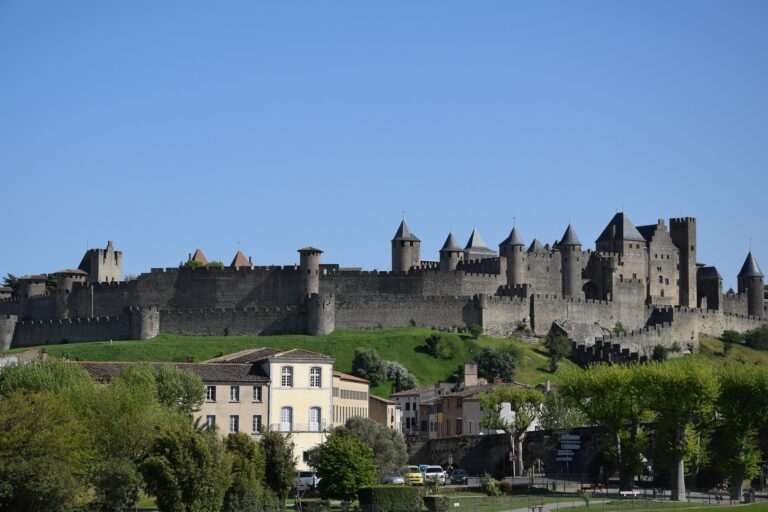
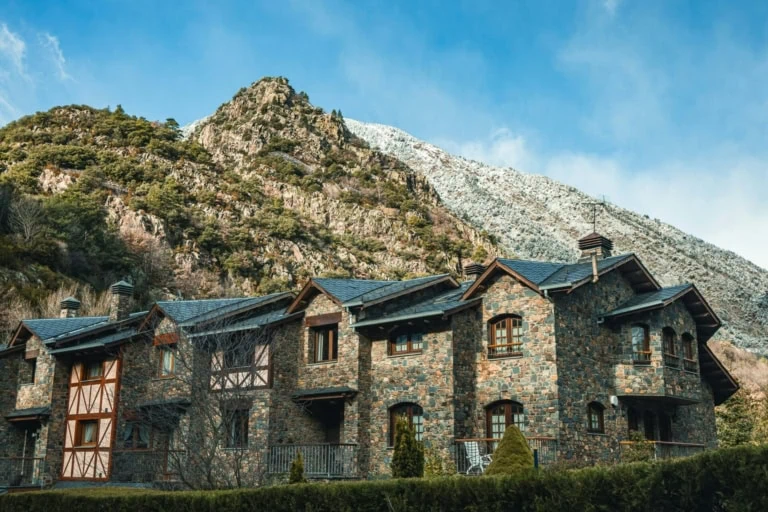
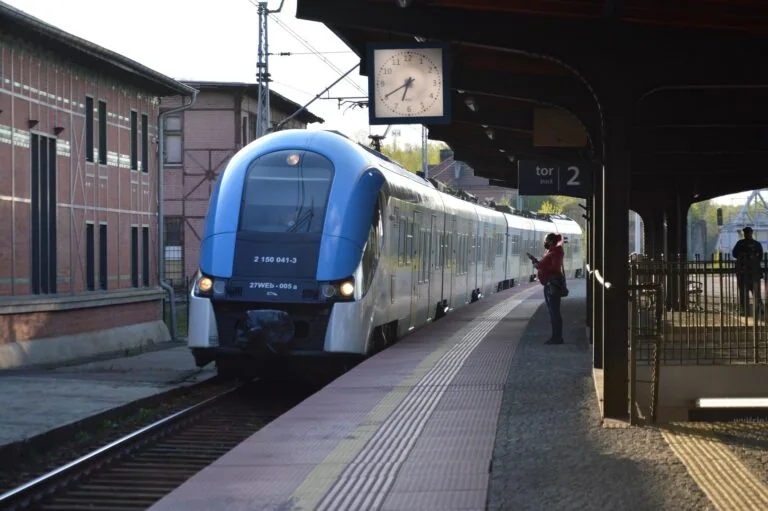
Carcassonne is not only one of the most famous historic destinations in France, it is also an excellent base for exploring wider parts of the Occitanie region. Positioned between the Pyrenees, the Mediterranean coast, vineyard regions, and major southern French rail corridors, the city allows travellers to combine medieval heritage with countryside, mountains, food, beaches, and historic towns within relatively short travel times.
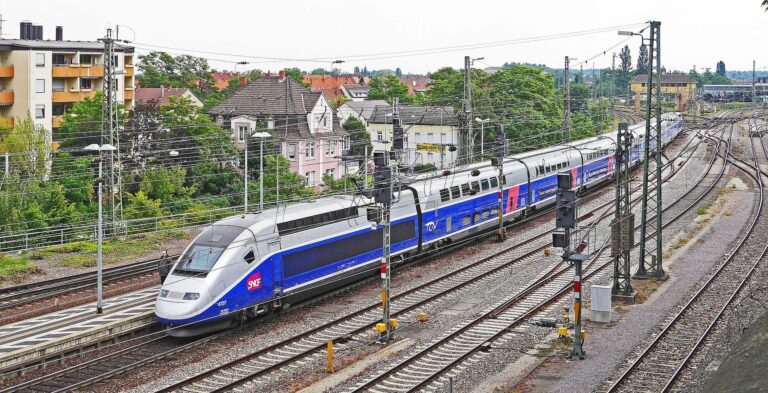
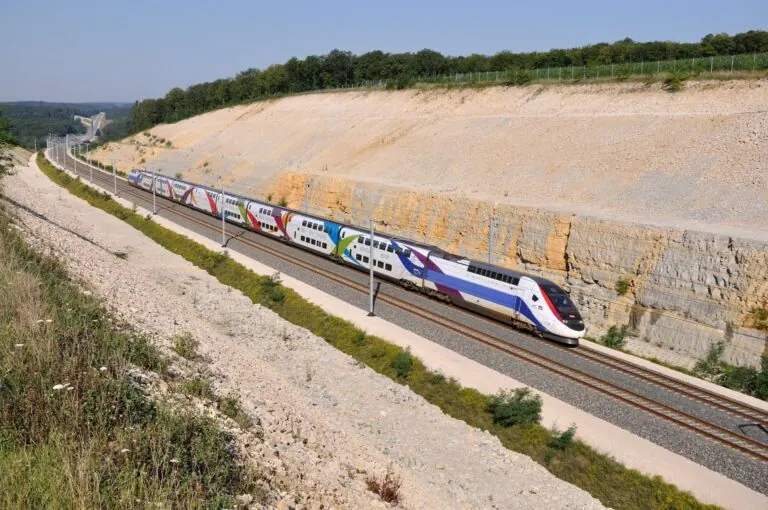
One of the biggest advantages of using Carcassonne as a base is transport accessibility. Carcassonne Railway Station connects easily with Toulouse, Mediterranean France, and several regional routes across southern France. The surrounding motorway network also makes road trips straightforward for travellers hiring cars.
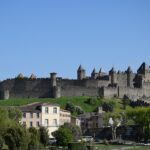
The region around Carcassonne is particularly strong for travellers interested in medieval history. Fortified villages, Cathar castles, Roman heritage sites, and UNESCO landscapes are spread throughout the surrounding countryside. Many destinations feel dramatically different from the fortress atmosphere of the Cité de Carcassonne itself while still complementing the same historical themes.
The area is also ideal for slower travel. Canal routes, vineyards, mountain scenery, local markets, and smaller towns create a very different atmosphere compared with faster-paced tourism in larger French cities. Travellers can comfortably mix rail journeys, scenic drives, walking routes, and relaxed food-focused travel within the same itinerary.
Because the region remains less internationally crowded than areas such as the French Riviera or central Paris, many visitors also find southern France around Carcassonne feels more relaxed and easier to explore independently.
For travellers building wider France itineraries, the city works especially well as a hub between southwestern France, the Pyrenees, Mediterranean destinations, and rail routes towards Spain and Andorra.
Quick Overview of the Best Day Trips from Carcassonne
| Destination | Best For | Typical Journey Time | Best Transport |
|---|---|---|---|
| Toulouse | City breaks & food | 1 hr | Train |
| Narbonne | Mediterranean atmosphere | 35–45 mins | Train |
| Béziers | Cathar history & Canal du Midi | 45 mins to 1 hr | Train |
| Albi | UNESCO & history | 2 hrs | Train / car |
| Foix | Castles & mountains | 1 hr 30 mins | Car / train |
| Canal du Midi | Scenic walking & cycling | Flexible | Local transport |
| Limoux | Wine & local culture | 30 mins | Car / train |
| Cathar Castles | Medieval history | Variable | Car |
| Mediterranean Coast | Beaches & seafood | 1–2 hrs | Train / car |
For most travellers, the strongest day trip combination is usually Toulouse, the surrounding Cathar region, and at least one scenic countryside or vineyard destination. This creates a much broader understanding of southern France beyond the walls of Carcassonne itself.
Travellers using rail passes or relying on public transport will generally find Toulouse and Narbonne the easiest options, while travellers hiring cars gain much greater flexibility for reaching castles, mountain scenery, and smaller villages across the region.
Compare hotels and other places to stay in Carcassonne.
Check availabilityBrowse apartments, homes and self-catering accommodation in Carcassonne.
Browse rentalsSee hotel prices from multiple booking sites in one search.
Compare ratesBest Historic and Medieval Day Trips from Carcassonne
The region surrounding Carcassonne is one of the strongest areas in France for travellers interested in medieval history, fortified towns, religious conflict, and historic architecture. Many nearby destinations connect naturally with the wider story of the Cité de Carcassonne and the medieval history of southern France.
Toulouse
Toulouse is the easiest and most popular historic day trip from Carcassonne. Regional TER trains connect the two cities frequently throughout the day, with journey times normally around 1 hour.
Unlike the enclosed medieval atmosphere of Carcassonne, Toulouse feels much larger, more modern, and more energetic. Known as the Pink City because of its terracotta brick architecture, Toulouse combines historic churches, large public squares, riverfront walking areas, museums, markets, and one of the strongest food scenes in southern France.
The city also works particularly well for travellers interested in transport and aviation history because of its links with the European aerospace industry and Airbus.
Visitors can comfortably combine historic sightseeing with shopping, restaurants, and wider urban exploration before returning to Carcassonne during the evening.
Albi
Albi is one of the most underrated historic destinations in southern France and makes an excellent heritage-focused day trip from Carcassonne. Although it receives far fewer international visitors than larger French cities, Albi contains some of the most impressive medieval and religious architecture anywhere in the region.
The city is most famous for the enormous Sainte-Cécile Cathedral, one of the largest brick cathedrals in the world. Rising dramatically above the surrounding streets, the cathedral almost resembles a fortress rather than a traditional church. Its defensive appearance reflects the turbulent religious history of southern France during the medieval period and the determination of the Catholic Church to demonstrate power following the conflicts associated with the Cathars and the Albigensian Crusade.
Inside, the contrast becomes even more dramatic. Elaborate painted ceilings, rich decoration, and detailed religious artwork create a striking difference compared with the fortress-like exterior. Many visitors are surprised by the scale and visual intensity of the interior spaces after approaching the cathedral through the quieter brick streets outside.
Like Cité de Carcassonne, Albi also holds UNESCO World Heritage status, making the two destinations an excellent pairing for travellers interested in the historic cities of southern France. However, the atmosphere feels completely different. Whereas Carcassonne is dominated by military walls and defensive architecture, Albi feels more open, riverside-focused, and shaped by religious and civic history.
The city is also associated with Henri de Toulouse-Lautrec, whose museum inside the former bishop’s palace attracts visitors interested in art and French cultural history. The riverside setting, red-brick architecture, quieter pace, and strong cafe culture make the city particularly attractive for slower day trips.
Although reaching Albi from Carcassonne can involve longer rail journeys and occasional changes, the city remains one of the strongest UNESCO and heritage excursions anywhere in the wider Occitanie region.
Foix
Foix provides one of the strongest combinations of medieval history, mountain scenery, and Cathar heritage anywhere near Carcassonne. Located at the foothills of the Pyrenees, the town is dominated by the dramatic Château de Foix rising above the valley and surrounding rooftops.
The fortress is one of the defining landmarks of the wider Cathar region and played an important role in the turbulent medieval conflicts that shaped much of southern France during the thirteenth century. Travellers interested in the historical background of UNESCO Carcassonne often find Foix especially rewarding because the town helps place the fortress city within the wider political and military landscape of the medieval south.
Unlike the heavily restored appearance of parts of Carcassonne, the atmosphere in Foix often feels rougher, quieter, and more closely connected with the surrounding mountain landscape. Narrow streets, stone buildings, riverside areas, and steep hills create a more rugged character than many larger heritage destinations in France.
The château itself provides impressive views across the valley and surrounding Pyrenean foothills. Visitors exploring the castle can learn more about the medieval counts of Foix, regional warfare, and the shifting balance of power between local rulers and the expanding French crown.
The surrounding scenery is also a major part of the appeal. Travellers heading towards Foix begin seeing the landscape gradually transition from vineyards and warmer plains into greener valleys and mountain terrain. During clearer weather, the route itself becomes part of the experience.
Because of its position near the mountains, Foix also works particularly well as part of wider travel towards the Pyrenees, Andorra, hiking regions, or winter sports destinations further south.
For travellers wanting a day trip that combines castles, history, mountain landscapes, and a much less commercial atmosphere than larger tourism hubs, Foix remains one of the strongest excursions from Carcassonne.
Minerve
Minerve is one of the most atmospheric medieval villages anywhere in southern France and one of the most historically important destinations linked with the Cathar period. Perched dramatically above deep rocky gorges and surrounded by rugged countryside, the village feels far more isolated and defensive than many other historic communities in the region.
The setting alone makes Minerve memorable. The village sits on elevated rock formations above steep canyon landscapes carved by rivers over centuries. Approaching the settlement by road creates some of the most dramatic scenery anywhere near Carcassonne, particularly during early morning or late afternoon light.
Historically, the village became famous during the Albigensian Crusade when it was besieged in 1210 as part of the campaign against the Cathars. The siege of Minerve became one of the defining moments of the conflict and remains central to the historical identity of the village today.
Unlike larger destinations such as Cité de Carcassonne, Minerve remains relatively small and quiet. Stone streets, medieval remains, fortified viewpoints, and canyon-edge walking areas create an atmosphere that feels far removed from major tourism centres.
The surrounding landscapes are also a major part of the experience. Rocky gorges, natural bridges, dry southern French terrain, and vineyard scenery combine to create one of the most visually distinctive day trips in the wider Occitanie region.
Public transport access remains limited, meaning Minerve works best as a road trip destination or as part of a broader exploration of the Cathar castles and villages scattered across southern France. However, travellers willing to make the journey often consider it one of the most memorable historic excursions anywhere near Carcassonne.
Béziers
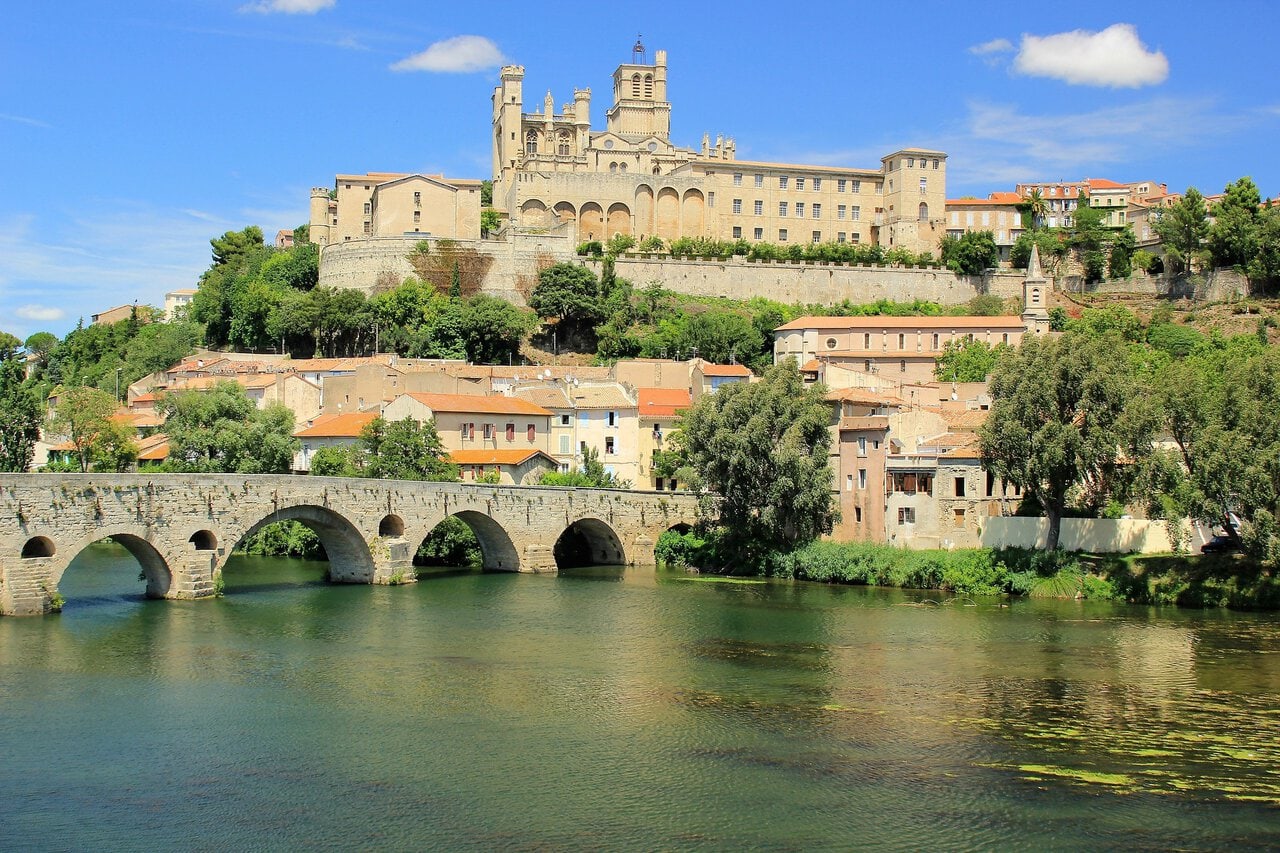
Béziers is one of the most historically important cities in southern France and makes an excellent day trip from Carcassonne, particularly for travellers interested in medieval history, canal engineering, and the darker history of the Cathar Crusades.
The city is strongly associated with the opening stages of the Albigensian Crusade in 1209, when the Massacre of Béziers became one of the defining events of the campaign against the Cathars. For travellers exploring the wider medieval and religious history connected with Carcassonne, visiting Béziers adds important historical context to the region.
Today, however, the city feels very different from the fortress atmosphere of Cité de Carcassonne. Large boulevards, riverside scenery, canal engineering, and southern French urban life create a broader regional experience beyond medieval fortifications alone.
One of the city’s most famous attractions is the Fonseranes Locks on the Canal du Midi. The impressive staircase lock system is one of the engineering highlights of the canal and attracts visitors interested in transport history and waterways across southern France.
The elevated Béziers Cathedral also dominates the skyline above the river and provides some of the strongest viewpoints in the city. From parts of the cathedral area, visitors can see across vineyards, countryside, and the wider Occitanie landscape.
Rail connections between Carcassonne and Béziers are relatively straightforward, making the city one of the easier regional day trips using public transport. The journey usually takes under an hour by regional train, allowing travellers to comfortably explore the city within a single day.
For visitors interested in combining Cathar history, canal engineering, and Mediterranean southern France atmosphere, Béziers remains one of the most rewarding day trips from Carcassonne.
Best Nature and Scenic Day Trips from Carcassonne
While Carcassonne is best known for medieval walls and fortress history, the surrounding region also contains some of the most scenic landscapes in southern France. Mountains, vineyards, canal routes, forests, and river valleys all sit within relatively easy reach of the city.
The Pyrenees
The Pyrenees form one of the most dramatic natural landscapes accessible from Carcassonne and make an excellent day trip for travellers wanting mountain scenery, hiking, winter sports, historic villages, or quieter landscapes away from the busiest tourism routes of southern France.
As the terrain rises southwards towards the border between France and Spain, the atmosphere changes completely from the warmer lowlands surrounding Cité de Carcassonne. Vineyards and plains gradually give way to forested valleys, rivers, mountain roads, stone villages, and increasingly dramatic peaks stretching across the horizon.
One reason the Pyrenees work particularly well as a day trip from Carcassonne is the sheer variety of scenery available within relatively short driving distances. Travellers can move from medieval fortress landscapes into mountain valleys and alpine-style environments within only a few hours.
The region is especially attractive for travellers hiring cars because many of the best viewpoints, villages, hiking areas, and scenic roads are difficult to reach efficiently using public transport alone. Winding mountain routes, riverside valleys, and elevated viewpoints create some of the most rewarding driving experiences anywhere in southern France.
Smaller mountain communities across the foothills also provide a very different side of regional life compared with larger tourism centres. Stone villages, local markets, mountain food traditions, and quieter atmospheres often appeal strongly to travellers wanting slower experiences beyond major cities and UNESCO sites.
During warmer months, hiking and outdoor activities become particularly popular throughout the region. Forest trails, mountain lakes, waterfalls, and panoramic viewpoints attract walkers and cyclists from across Europe. Even travellers not planning major hikes often enjoy simply driving through the valleys and stopping at scenic villages or mountain cafes.
The region also connects naturally with the wider Cathar landscape surrounding southern France. Several historic fortresses and mountain strongholds sit dramatically above valleys and ridgelines, creating a strong historical connection between the medieval history of Carcassonne and the surrounding mountains.
During winter, the eastern Pyrenees become an important skiing and snowboarding destination. Mountain roads from southern France also connect naturally towards Andorra, creating wider opportunities for winter sports, mountain resorts, and cross-border travel.
For travellers wanting a complete contrast to the enclosed medieval atmosphere of Carcassonne, the Pyrenees provide one of the strongest scenic and outdoor day trips anywhere in the region.
Canal du Midi
Canal du Midi provides one of the calmest and most relaxing scenic experiences anywhere near Carcassonne. In complete contrast to the military architecture and crowded medieval streets of the fortress city, the canal offers a slower atmosphere shaped by water, trees, boats, and quiet countryside landscapes.
The canal itself is also a UNESCO World Heritage Site and one of the great engineering achievements of early modern Europe. Constructed during the seventeenth century, the canal linked the Atlantic Ocean with the Mediterranean Sea, transforming trade and transport across southern France for centuries.
Walking or cycling beside the canal remains one of the best ways to experience the landscape surrounding Carcassonne at a slower pace. Tree-lined towpaths, bridges, lock systems, riverside villages, and long shaded stretches create ideal conditions for relaxed exploration, particularly during warmer months when the exposed stone streets of the fortress city can become extremely hot.
The canal also works especially well for flexible day trips because visitors can explore sections entirely at their own pace. Some travellers spend only a few hours near the city itself, while others follow longer stretches towards surrounding villages, vineyards, or nearby historic towns.
Boat traffic forms another important part of the atmosphere. Leisure cruisers, barges, and private boats move slowly through the canal during much of the year, reinforcing the slower rhythm of travel that defines many parts of southern France.
The route near Béziers is especially famous because of the remarkable Fonseranes Locks system, one of the engineering highlights of the canal network. However, quieter stretches closer to Carcassonne are often equally rewarding for travellers wanting peaceful scenery rather than major tourist attractions.
The canal also combines naturally with other experiences across the region. Visitors frequently pair canal walks with vineyard visits, countryside drives, markets, or slower food-focused travel throughout the wider Occitanie region.
For travellers wanting a scenic escape from the crowds and stone fortifications of Cité de Carcassonne, the Canal du Midi remains one of the most relaxing and rewarding day trips anywhere near the city.
Montagne Noire
The Montagne Noire region north of Carcassonne provides one of the most underrated scenic escapes anywhere in southern France. Dense forests, reservoirs, winding hill roads, mountain villages, and cooler temperatures create a dramatically different atmosphere from the warmer vineyards and plains surrounding the fortress city itself.
One reason the region works so well as a day trip is contrast. Visitors can spend the morning exploring the medieval fortifications of Cité de Carcassonne before reaching heavily forested hills and mountain scenery within a relatively short drive northwards.
The name Montagne Noire, meaning “Black Mountain”, comes from the dark forested slopes covering much of the landscape. The region feels greener, cooler, and quieter than many of the more heavily visited tourism areas closer to the Mediterranean coast.
The area is especially attractive for travellers interested in scenic driving, cycling, hiking, and slower countryside travel. Reservoirs, woodland roads, rivers, and elevated viewpoints create some of the most peaceful landscapes anywhere near Carcassonne.
Smaller villages scattered throughout the region also contribute heavily to the atmosphere. Stone buildings, local cafes, rural roads, and quieter communities make the area feel noticeably less commercial than the larger heritage destinations across southern France.
The cooler mountain climate becomes particularly valuable during summer. While the exposed stone streets of Carcassonne can become intensely hot during the afternoon, the forests and elevated landscapes of the Montagne Noire often remain far more comfortable for outdoor exploration.
The region also appeals strongly to travellers wanting more flexible and unstructured day trips. Rather than moving directly between major attractions, many visitors simply explore scenic roads, stop at viewpoints, and experience the countryside at a slower pace.
For travellers wanting natural landscapes rather than purely historic sightseeing, the Montagne Noire remains one of the strongest and least crowded day trip regions surrounding Carcassonne.
Best Coastal Day Trips from Carcassonne
Although Carcassonne itself sits inland, the Mediterranean coast is still relatively accessible for travellers wanting beaches, seafood, marinas, and warmer coastal scenery as part of a southern France itinerary.
Narbonne
Narbonne is one of the easiest and most rewarding coastal day trips from Carcassonne, particularly for travellers using regional TER rail services across southern France. The city combines Roman history, canal scenery, Mediterranean atmosphere, markets, and strong regional food culture within a relatively compact and walkable destination.
Historically, Narbonne was one of the most important Roman settlements in southern France. Founded as a Roman colony during the second century BC, the city became a major regional centre linking inland Gaul with Mediterranean trade routes. Elements of this Roman history remain visible throughout the city today, including sections of the ancient Via Domitia and archaeological remains integrated into the modern urban landscape.
Unlike the enclosed fortress atmosphere of Cité de Carcassonne, Narbonne feels more open, warmer, and Mediterranean in character. Canal routes, palm trees, open squares, riverside walking areas, and lighter architecture create a noticeably different atmosphere from the defensive stone streets of Carcassonne.
One of the city’s main landmarks is the imposing Narbonne Cathedral, whose unfinished Gothic structure dominates the skyline above the old city. Nearby market halls, cafes, wine bars, and canal-side restaurants also make the city particularly attractive for slower food-focused day trips.
The city works especially well for travellers interested in regional cuisine. Seafood, Mediterranean ingredients, local wines, oysters, and southern French market culture all play a major role in the local atmosphere. Many visitors spend much of the day simply exploring markets, riverside areas, and cafe terraces rather than following strict sightseeing itineraries.
Another major advantage of Narbonne is its position close to the Mediterranean coast itself. Beaches, lagoons, marina towns, and nature areas sit within easy reach of the city, allowing travellers to combine historic sightseeing with coastal scenery during the same excursion.
Rail connections between Carcassonne and Narbonne are frequent and relatively fast, making the city one of the easiest regional day trips without needing a car. For travellers wanting a combination of Roman heritage, Mediterranean atmosphere, canal scenery, and southern French food culture, Narbonne remains one of the strongest excursions anywhere near Carcassonne.
Mediterranean Beaches
Several excellent Mediterranean beach areas can be reached relatively easily from Carcassonne, particularly for travellers hiring cars or combining regional train journeys with onward local buses. After days spent exploring medieval fortresses, stone streets, and historic villages, the Mediterranean coastline provides a completely different side of southern France.
The coastline east of Narbonne includes long sandy beaches, marina towns, lagoons, saltwater landscapes, and warmer coastal scenery that contrasts sharply with the inland medieval environment surrounding Cité de Carcassonne.
Many visitors use coastal excursions specifically as a contrast day after exploring the fortress city. The transition from defensive medieval walls to open beaches, marinas, seafood restaurants, and Mediterranean promenades creates a surprisingly varied regional itinerary within relatively short travel distances.
The beaches around the Narbonne-Plage area are particularly popular during summer because of their long sandy stretches and easy access from inland southern France. Travellers also find smaller coastal communities and lagoon areas scattered throughout the wider coastline east of Narbonne.
The Mediterranean environment itself becomes a major part of the experience. Palm trees, seafood restaurants, beach cafes, marinas, sailing activity, and warmer sea air create a noticeably different atmosphere from the inland vineyards and medieval landscapes around Carcassonne.
During summer, coastal areas naturally become much busier, especially during weekends and French holiday periods. However, spring and early autumn often provide a much more relaxed atmosphere while still offering warm weather suitable for beach visits and coastal walking.
Some travellers combine beach visits with wider coastal exploration, including lagoon landscapes, nature reserves, seafood markets, and smaller harbour towns across the Mediterranean shoreline of southern France.
For visitors wanting to balance heritage travel with slower coastal scenery, Mediterranean beach day trips from Carcassonne remain one of the best ways to experience the wider diversity of the Occitanie region.
Best Wine and Food Day Trips from Carcassonne
The countryside surrounding Carcassonne forms part of one of the strongest wine and food regions in southern France. Vineyards, markets, historic villages, and traditional regional cuisine all sit within relatively short distances of the city, making food-focused excursions some of the best day trips in the wider Occitanie region.
Limoux
Limoux is one of the best food and wine day trips from Carcassonne and provides a much slower, more relaxed atmosphere than many of the region’s larger tourism destinations. Surrounded by vineyards and rolling countryside, the town is especially famous for its connection with sparkling wine production and remains one of the most important wine centres in the wider Aude region.
Many locals proudly argue that sparkling wine was being produced around Limoux long before the rise of Champagne in northern France. The area is strongly associated with Blanquette de Limoux, a sparkling wine traditionally produced using local grape varieties and historic winemaking methods dating back centuries.
Wine culture shapes much of the atmosphere of the town itself. Restaurants, wine bars, cafes, local markets, and surrounding vineyard estates all contribute to a distinctly southern French rhythm focused around food, local produce, and slower travel.
Compared with the heavily visited streets of Cité de Carcassonne, Limoux feels calmer and less commercial. Arcaded squares, riverside walking areas, stone buildings, and smaller independent restaurants create a more local atmosphere that many travellers find especially appealing after visiting busier heritage sites.
The surrounding vineyards remain the main reason many visitors come. Wine tastings, countryside drives, local producers, and small-scale vineyard estates all contribute to the area’s reputation as one of the strongest wine destinations near Carcassonne.
The scenery around the town also helps make the journey memorable. Rolling hills, vineyard landscapes, rivers, and quieter roads create a very different environment from the defensive medieval architecture surrounding Carcassonne itself.
Because of its relatively short distance from the fortress city, Limoux works particularly well as either a half-day excursion or a slower full-day trip combined with vineyard visits and countryside exploration across the surrounding region.
For travellers wanting a more relaxed and food-focused experience in southern France, Limoux remains one of the most rewarding day trips anywhere near Carcassonne.
Languedoc Vineyards
The wider Languedoc wine region surrounding Carcassonne contains some of the largest vineyard landscapes in southern France and offers one of the most atmospheric countryside experiences anywhere in the region. Compared with more internationally famous French wine destinations, the area often feels less formal, less crowded, and far more accessible for independent travellers.
Driving through the countryside around Cité de Carcassonne reveals vineyards stretching across hillsides, winery estates, stone villages, quiet roads, and rolling landscapes extending towards both the Mediterranean coast and the foothills of the Pyrenees.
One reason the region works especially well for day trips is flexibility. Travellers can combine vineyard visits with medieval castles, canal routes, countryside markets, mountain scenery, or smaller historic villages within the same excursion rather than focusing entirely on formal wine tourism.
The wine culture of the region also connects naturally with the wider food traditions of southern France. Regional cheeses, cured meats, cassoulet, Mediterranean vegetables, olive products, seafood, and market produce all form part of the broader culinary atmosphere surrounding the vineyards.
Unlike some more heavily commercialised wine regions elsewhere in Europe, many vineyard experiences around Carcassonne still feel relatively local and informal. Smaller producers often offer tastings directly from family-run estates or village wineries rather than large tourism-focused complexes.
The scenery itself is also a major attraction. Rows of vines, isolated stone farms, hilltop villages, church towers, and winding roads create some of the most visually relaxing landscapes anywhere in southern France, particularly during spring and autumn.
Harvest season during early autumn is especially attractive because vineyards become more active and the surrounding countryside changes colour dramatically. Many travellers consider this one of the best times to explore the region.
For visitors wanting a slower and more atmospheric side of southern France beyond the fortress walls of Carcassonne, the vineyard landscapes of the wider Languedoc region provide some of the most rewarding excursions anywhere in Occitanie.
Best Rail Day Trips from Carcassonne
Carcassonne works particularly well for rail-based travel because the city sits on important regional routes across southern France. Travellers relying on trains can still reach several excellent destinations without needing to hire cars or organise complex transport.
The strongest rail day trip is usually Toulouse because of the frequent TER services operating between the two cities. Journey times are relatively short, station access is easy, and the route allows travellers to experience one of the largest cities in southern France without needing overnight stays.
Narbonne and Béziers also work particularly well by train. Both destinations connect naturally into the wider Mediterranean rail corridor and provide a noticeably different atmosphere from the enclosed medieval environment of Carcassonne.
Rail travel is especially attractive in this region because many stations sit relatively close to city centres. Travellers avoid motorway driving, parking issues, and summer traffic while still gaining access to major historic and coastal destinations.
Visitors using an Interrail Global Pass or Interrail One Country Pass France also benefit from the flexibility of regional TER services across southern France, although some longer-distance routes may still require reservations.
The rail network additionally connects naturally with wider journeys towards Paris, Mediterranean France, and cross-border travel towards Spain. This makes Carcassonne a particularly useful stop within broader European rail itineraries.
For travellers preferring slower and simpler transport, rail day trips remain one of the easiest ways to explore the wider Occitanie region.

Compare Carcassonne Train Tickets with Omio
Use Omio to check train options for Carcassonne, compare available journeys and see ticket choices without visiting each railway operator individually.
You can also compare rail journeys with available bus and flight options, which can be useful when deciding the best way to travel between European cities.
Scan to open
on your phone

Best Bus Day Trips from Carcassonne
Regional buses around Carcassonne provide one of the most underrated ways to explore the wider Occitanie region, particularly for travellers who do not want to hire cars or rely entirely on trains. While rail connections work well for larger cities such as Toulouse and Narbonne, buses often reach smaller towns, villages, vineyard areas, and countryside destinations that are much harder to access by rail alone.
Most regional bus services around Carcassonne operate through the liO Occitanie transport network, which connects communities across southern France using integrated regional buses and TER rail services. The system is particularly useful for slower regional exploration because it links many smaller destinations across the Aude department and surrounding areas.
One major advantage of the liO Occitanie network is affordability. Regional bus fares in southern France are often surprisingly cheap compared with long-distance transport elsewhere in Europe because many services receive regional subsidies. This makes buses especially attractive for budget-conscious travellers exploring beyond the walls of Cité de Carcassonne.
Bus routes are particularly useful for reaching smaller communities connected with the wider Cathar region, local vineyard areas, countryside markets, and quieter scenic villages. Travellers wanting to experience a slower side of southern France often find buses more rewarding than simply moving between larger cities by train.
Limoux works especially well using regional bus connections and is one of the easiest countryside-focused excursions from Carcassonne without needing a hire car. Some smaller villages and rural areas surrounding the city are also accessible only through regional bus services rather than rail.
Travellers should still plan carefully because rural frequencies can be limited, particularly during evenings, Sundays, and winter months. Some countryside routes operate only a few times per day, meaning timetable planning becomes important before travelling.
Bus journeys are also generally slower than rail because of winding regional roads, intermediate stops, and mountainous terrain in some parts of the region. However, this slower pace often becomes part of the experience itself, especially when travelling through vineyard landscapes, canal areas, and smaller historic communities.
For visitors wanting affordable and flexible countryside exploration without driving, regional buses remain one of the most practical and overlooked ways to experience the landscapes surrounding Carcassonne.
Compare routes and fares for your journey to Carcassonne.
Compare flightsBrowse Airalo eSIM options for convenient travel data.
Check eSIMsCheck private pickup options and plan your onward journey before arrival.
View transfersBest Road Trip Day Trips from Carcassonne
While trains work well for major cities, hiring a car opens up much larger parts of the countryside surrounding Carcassonne. Many of the region’s best castles, villages, mountain routes, and vineyard areas are significantly easier to reach by road than by public transport.
The biggest advantage of driving is flexibility. Travellers can stop at smaller villages, scenic viewpoints, local wineries, roadside cafes, and lesser-known historic sites without needing to follow fixed train or bus schedules.
The wider Cathar castle region is particularly suited to road trips. Several dramatic fortress ruins sit on elevated hills and rocky outcrops across southern France, often connected by scenic winding roads through vineyards and mountain landscapes.
Driving also allows easier access into the Pyrenees, where mountain valleys, forests, ski areas, and border routes towards Andorra create some of the most scenic landscapes in southern France.
One of the best aspects of road travel around Carcassonne is variety. Within a single day, travellers can move between medieval fortresses, canal routes, vineyards, mountain scenery, and Mediterranean-influenced towns without covering extremely large distances.
Summer road trips are particularly popular, although visitors should still prepare for strong afternoon heat and heavier tourism traffic around major destinations during peak periods.
For travellers wanting maximum freedom and deeper regional exploration, road trips remain one of the strongest ways to experience the wider landscapes surrounding Carcassonne.
How Long to Stay in Carcassonne
For most travellers, Carcassonne works best as a stay of at least two to three nights if using the city as a regional base. While the fortress itself can comfortably be explored within a single day, the wider range of day trips around southern France makes longer stays much more rewarding.
A shorter overnight stay usually allows enough time to experience the Cité de Carcassonne and perhaps one nearby excursion such as Toulouse or Narbonne.
However, travellers interested in Cathar history, vineyards, canal scenery, mountain routes, or slower regional travel benefit significantly from staying longer. The surrounding Occitanie region contains enough historic and scenic destinations to comfortably fill several days without needing to travel huge distances.
The ideal stay length also depends on transport style. Travellers relying on regional trains may prefer slightly longer stays because destinations are easier to combine gradually across several days. Road-trippers with hire cars can cover wider areas more quickly and flexibly.
Summer visitors often appreciate additional nights because the fortress itself becomes much quieter during mornings and evenings once large day-trip crowds disappear. Staying longer also allows more flexibility around weather and photography conditions.
For travellers building wider southern France itineraries, Carcassonne works particularly well as a slower-paced stop between larger urban destinations and mountain or Mediterranean routes.
Best Time for Day Trips Around Carcassonne
The best time for day trips around Carcassonne depends heavily on the type of excursions travellers want to prioritise. The surrounding Occitanie region changes dramatically between seasons, with major differences in weather, crowd levels, transport frequency, and overall atmosphere.
For most travellers, spring and autumn provide the strongest overall balance. During April, May, September, and October, temperatures are usually comfortable for exploring medieval towns, vineyards, canal routes, and historic sites without the intense heat of midsummer.
Spring is especially attractive because the countryside surrounding Carcassonne becomes greener and quieter after winter. Vineyard landscapes, canal paths, and smaller villages often feel far more relaxed before the main summer tourism season begins.
Summer remains the busiest period for regional travel across southern France. Day trips towards the Mediterranean coast, Narbonne, and major heritage sites become particularly crowded between June and August, especially during school holidays.
The advantage of summer is longer daylight hours and stronger evening atmosphere. Travellers can comfortably combine multiple stops within the same day and still return to Carcassonne late in the evening. However, temperatures around exposed stone cities such as Cité de Carcassonne and Béziers can become extremely hot during the middle of the day.
Autumn is often ideal for wine-focused travel. Vineyard landscapes across the Languedoc region become especially attractive during harvest periods, and temperatures usually remain pleasant for slower countryside exploration.
Winter creates a very different regional experience. Visitor numbers fall significantly, and many smaller destinations feel quieter and more local. Mountain areas within the Pyrenees become important winter sports destinations, while canal and vineyard regions operate at a much slower pace.
Travellers relying on buses should also remember that some regional services operate reduced winter frequencies, particularly towards smaller rural communities. Train routes between larger cities generally remain more consistent year-round.
Overall, spring and early autumn remain the best periods for most day trips from Carcassonne, particularly for travellers wanting a combination of history, scenery, food, and comfortable travel conditions.

Compare hostels and lower-cost places to stay in Carcassonne.
Search hostelsGet help with compensation, eligible lounge access and disruption support.
Explore AirHelp+Leave your luggage somewhere convenient and enjoy Carcassonne hands-free.
View storageRupert’s Handy Travel Tips
Rupert strongly believes the best day trips from Carcassonne are the ones where you accidentally stop somewhere unplanned. He recommends leaving a little spare time in your itinerary because southern France is full of villages, viewpoints, vineyards, and roadside cafes that rarely appear in guidebooks but often become the most memorable parts of the journey.
- Rupert recommends using trains for larger cities such as Toulouse and Narbonne, but prefers hiring a car for exploring the wider Cathar region and mountain scenery.
- The roads towards the Pyrenees are often more scenic than travellers expect, particularly during early morning and late afternoon light.
- Rupert insists southern France should never be rushed. Trying to visit too many towns in one day usually means spending more time parking than enjoying the region itself.
- Regional buses around Occitanie can be surprisingly useful and surprisingly cheap, especially for travellers willing to explore at a slower pace.
Want to meet the reindeer behind our travel tips? Find out more in our page Who is Rupert?.
Frequently Asked Questions About Day Trips from Carcassonne
What are the best day trips from Carcassonne?
The most popular day trips from Carcassonne include Toulouse, Narbonne, Béziers, the Cathar castles, the Canal du Midi, and the Pyrenees.
Can you do day trips from Carcassonne without a car?
Yes. Several destinations such as Toulouse, Narbonne, and Béziers are easily accessible using regional TER trains, while regional buses operated by liO Occitanie reach some smaller towns and countryside areas.
What is the easiest day trip from Carcassonne?
For most travellers, Toulouse is the easiest because of the fast and frequent regional rail connections.
Are the Cathar castles worth visiting?
Yes. The wider Cathar region contains some of the most dramatic medieval fortress landscapes in southern France and provides important historical context for understanding the history of Carcassonne.
Can you visit the Mediterranean coast from Carcassonne?
Yes. Coastal destinations near Narbonne and wider Mediterranean beach areas can be reached within roughly one to two hours depending on destination and transport type.
What is the best time for day trips around Carcassonne?
For most travellers, spring and early autumn provide the best balance between weather, crowd levels, and scenic conditions.
Is Carcassonne a good base for southern France?
Yes. Carcassonne sits in an excellent position between the Pyrenees, Mediterranean France, vineyards, historic towns, and wider rail routes across southern France.
How many days should you stay in Carcassonne?
Travellers wanting to explore the wider region usually benefit from staying at least two to three nights.
Further Reading & Related France Guides
Travellers using Carcassonne as a base for southern France often combine the region with wider rail journeys, mountain routes, medieval destinations, and Mediterranean travel across the country. Several related guides can help make planning these itineraries significantly easier.
Visitors arriving by rail may also benefit from the wider Paris to Carcassonne guide and the Toulouse to Carcassonne guide, particularly for understanding regional TER services, overnight sleeper routes, and high-speed rail connections into southern France.
Travellers interested in slower rail travel should additionally explore the wider French Night Trains from Paris guide, especially because sleeper services towards Toulouse create one of the easiest ways to reach southwestern France without flying.
Visitors planning additional regional exploration may also find the Toulouse city guide, the things to do in Carcassonne guide, and the UNESCO Carcassonne guide useful for understanding the wider historical and cultural context of the region.
Travellers using rail passes should additionally read both the Interrail pass guide and the Interrail France guide, particularly because French regional services and reservation systems operate differently from many other European rail networks.
For visitors continuing southwards after Carcassonne, the Toulouse to Andorra guide and the Europe ski and snowboarding guide are especially useful for travel into the Pyrenees, mountain resorts, and wider cross-border routes towards Spain and Andorra.
Because Carcassonne sits naturally between medieval France, mountain landscapes, Mediterranean coastlines, and major southern European rail corridors, it works particularly well as part of a broader multi-stop France itinerary rather than simply as a standalone destination.