
Why Finland’s Sleeper Trains Are So Unique
Finland operates some of the most unusual and atmospheric overnight trains anywhere in Europe. Unlike many sleeper services that mainly exist as slow alternatives to flights, Finland’s night trains are deeply woven into daily life, Arctic travel and long-distance domestic transport across a huge northern landscape.
The country’s geography plays a major role in this. Finland is enormous, sparsely populated in the north and heavily affected by extreme winter conditions for much of the year. Sleeper trains therefore solve a real transport problem rather than functioning purely as nostalgic tourism products.
What makes the Finnish network especially distinctive is the combination of modern cabins, private showers, car-carrying wagons, strong winter reliability and genuinely practical overnight timings. Travellers can board in Helsinki during the evening and wake up deep inside Lapland the following morning.
Unlike some older European sleeper services that still feel dated or improvised, Finland’s trains are generally modern, comfortable and designed for long overnight journeys through severe Arctic conditions.
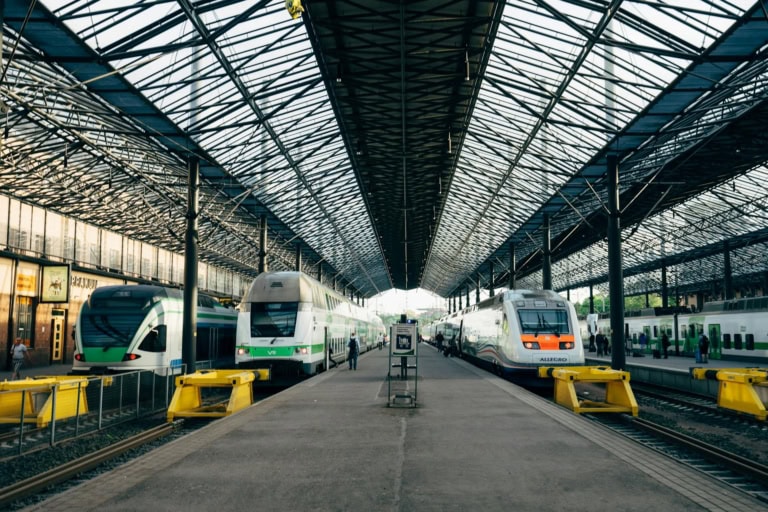
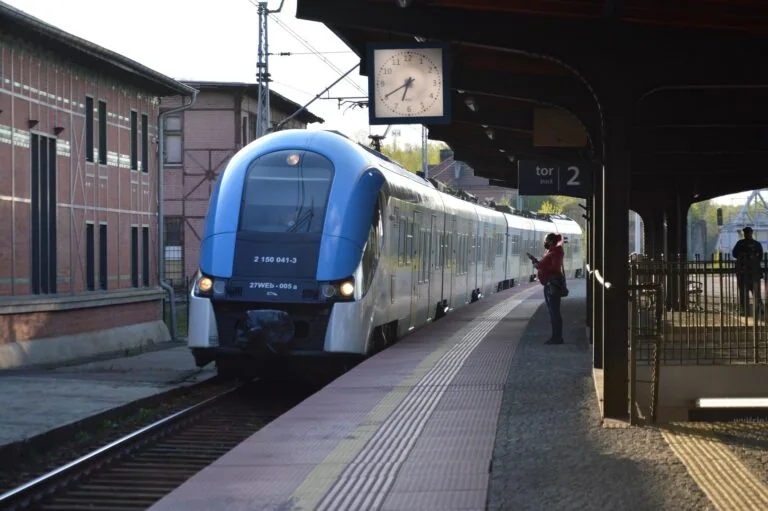
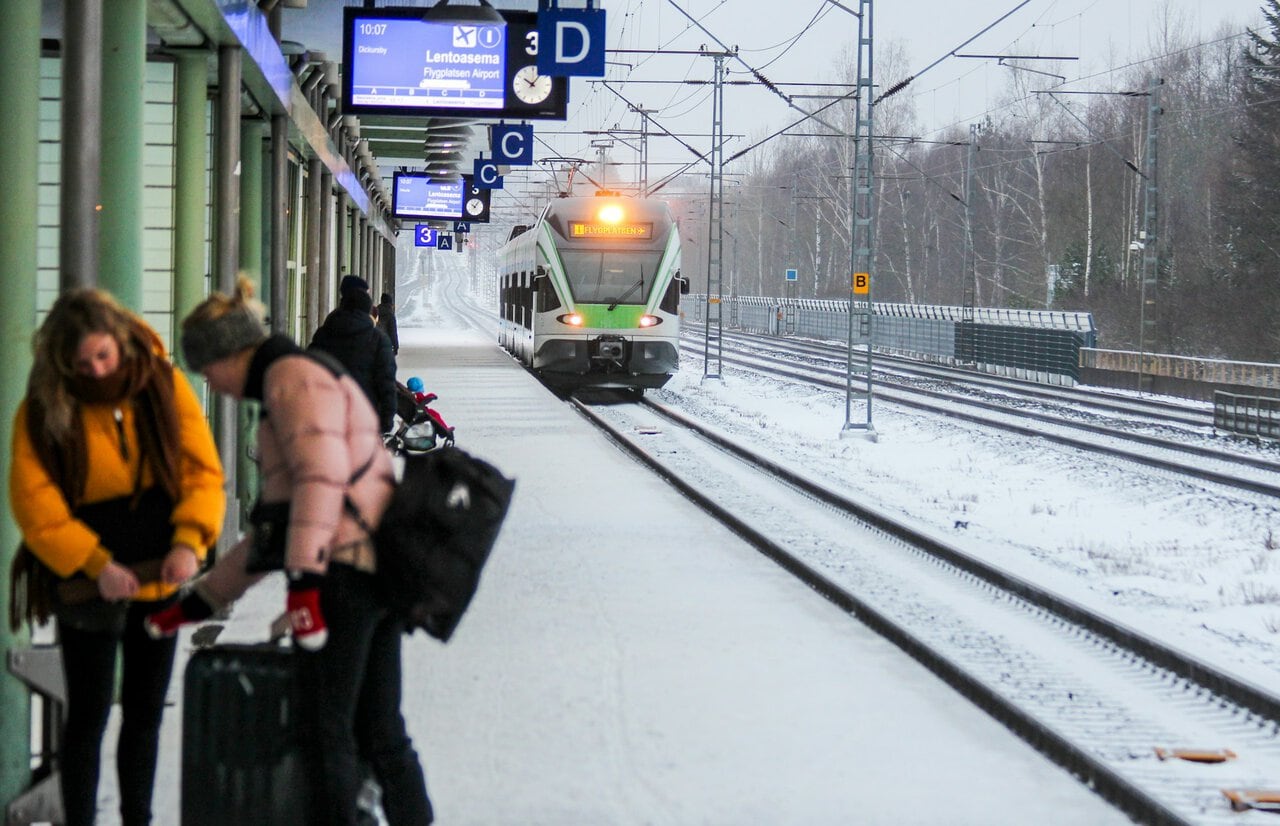
The trains are operated by VR Group, Finland’s national railway operator, whose blue-and-white double-decker sleepers have become iconic symbols of Nordic rail travel.
For many travellers, these trains also represent one of the best ways to experience the gradual transition from southern Finnish cities into forests, snowfields and Arctic landscapes further north.
During winter, the atmosphere becomes especially distinctive. Travelling overnight through dark snowy forests before arriving near the Arctic Circle creates a completely different feeling from flying into Lapland on short domestic flights.
Finland’s sleeper trains therefore function simultaneously as practical long-distance transport, overnight hotel replacements, Arctic travel experiences, sustainable alternatives to domestic flights, valuable Interrail routes and some of Europe’s most distinctive winter tourism journeys. Very few rail systems anywhere on the continent combine everyday usefulness, extreme geography, modern comfort and genuine adventure travel as effectively as the Finnish network.
Quick Overview of Finland Night Train Routes
| Main Route | Typical Journey Time | Main Destination Type | Sleeper Service |
|---|---|---|---|
| Helsinki to Rovaniemi | Around 12 hours | Lapland and Arctic Circle | Yes |
| Helsinki to Kemijärvi | Around 14 to 15 hours | Deep Lapland | Yes |
| Helsinki to Oulu | Around 8 to 9 hours | Northern Finland | Yes |
| Turku to Rovaniemi | Around 13 hours | Lapland via Turku | Yes |
| Turku to Oulu | Around 10 hours | Northern Finland | Yes |
| Helsinki to Kolari | Seasonal overnight service | Ski and winter travel | Yes |
See hotel options and places to stay in Finland.
Browse hotelsExplore holiday homes and apartments around Finland.
See holiday homesCompare hotel deals in Finland from multiple booking sites.
Compare pricesHow Finland’s Overnight Trains Work
Finland’s overnight rail system is surprisingly simple once travellers understand the basic structure.
Most sleeper services begin in Helsinki or Turku before travelling north through central Finland towards Lapland and Arctic destinations.
Passengers normally board during the evening and remain onboard overnight while the train continues north through forests, lakes and increasingly remote landscapes.
Unlike some European sleeper trains that require complicated couchette reservations or shared compartments, Finnish overnight services heavily focus on private cabins. Many rooms include sinks, while premium cabins also contain private toilets and showers.
The trains are also famous for their car-carrier wagons. Travellers can load cars, motorcycles and other vehicles onto dedicated transport wagons before continuing north overnight. This system is extremely popular among Finnish families, winter travellers and visitors heading towards remote northern regions.
One major advantage of Finland’s system is operational reliability during winter. Snow and freezing temperatures are completely normal parts of railway operations, so the infrastructure is heavily adapted for Arctic conditions.
The trains themselves are generally large double-decker sleeper formations with dining cars, luggage areas and extensive sleeping accommodation. Compared with cramped overnight services elsewhere in Europe, Finnish sleepers often feel surprisingly spacious.
Many routes also connect directly with onward buses into ski resorts, Arctic villages and remote Lapland destinations once passengers arrive the following morning.
For travellers unfamiliar with sleeper trains, Finland is actually one of the easiest countries in Europe to try overnight rail travel for the first time because the system is relatively straightforward, modern and heavily focused on passenger comfort.
VR Sleeper Train Network Explained
The entire Finnish sleeper network is operated by VR Group, the state-owned national railway company responsible for most long-distance passenger rail services across Finland.
VR’s overnight trains are commonly known internationally as the Santa Claus Express, although this branding mainly refers to the northern Lapland services rather than a completely separate train product.
The network focuses heavily on northbound overnight travel because demand towards Lapland, Arctic tourism areas and remote northern communities is far stronger than on east-west overnight routes.
The most famous services run from Helsinki towards Rovaniemi, Kemijärvi, Oulu and occasionally Kolari during seasonal winter operations.
Many trains split or combine during parts of the journey, allowing different sections to continue towards separate northern destinations.
One thing that surprises many international travellers is the quality of the rolling stock. Finland’s double-decker sleepers are modern, relatively quiet and heavily adapted for cold-weather operations.
The trains also strongly reflect Finland’s practical travel culture. Rather than treating overnight rail purely as luxury nostalgia, the system functions as serious national infrastructure connecting southern Finland with Arctic regions where distances become extremely large.
Dining cars remain an important part of the experience. Travellers can usually buy hot meals, snacks, drinks and breakfast onboard while watching forests, lakes and winter landscapes pass outside the windows.
During peak winter periods, especially around Christmas, Northern Lights season and school holidays, sleeper services towards Lapland can sell out surprisingly early. Booking well in advance becomes extremely important during these periods.
For many overland travellers, the Finnish sleeper network is one of Europe’s best examples of overnight trains functioning properly as modern long-distance transport rather than simply tourism nostalgia.
Helsinki to Rovaniemi and the Santa Claus Express
The most famous overnight rail route in Finland is the journey between Helsinki and Rovaniemi, internationally known as the Santa Claus Express.
For many travellers, this is not simply a sleeper train. It is the main overland gateway into Finnish Lapland and one of the most atmospheric long-distance rail journeys anywhere in Northern Europe.
The train normally departs Helsinki Central Station during the evening before travelling steadily north overnight through forests, frozen lakes and increasingly remote Arctic landscapes. Passengers then wake up the following morning in Rovaniemi, close to the Arctic Circle itself.
Journey times are usually around 12 hours depending on the exact service and seasonal timetable.
What makes the route especially memorable is the gradual transformation of the landscape during the night. Travellers leave behind the urban environment of southern Finland before waking to deep snow, Arctic forests and the distinctive winter atmosphere of Lapland.
During winter, the experience becomes particularly dramatic because daylight hours in northern Finland are extremely short. Arriving in Lapland during polar twilight or darkness creates a completely different feeling from arriving by domestic flight.
The route is also genuinely practical rather than purely scenic. Rovaniemi functions as the main transport hub for Finnish Lapland and provides onward connections towards ski resorts, Arctic excursions, snowmobile safaris, reindeer farms and Northern Lights tours.
Many travellers heading towards Santa Claus Village specifically choose the overnight train because it allows them to sleep through the long journey while arriving directly in Lapland the following morning.
Unlike some sleeper services elsewhere in Europe that mainly attract railway enthusiasts, Finland’s Lapland trains carry a broad mix of tourists, Finnish families, seasonal workers, students and local residents.
The onboard atmosphere also changes significantly depending on the season. December departures become heavily connected with Christmas tourism, while January and February services attract larger numbers of winter travellers and Northern Lights visitors.
One of the biggest advantages over flying is comfort. Instead of airport hotels, security queues and early domestic departures, passengers can simply board in Helsinki, sleep overnight and wake up already inside the Arctic north.
For many travellers, the route represents one of Europe’s strongest examples of overnight rail functioning simultaneously as practical infrastructure and as a genuine travel experience.

Helsinki to Kemijärvi Overnight Train
Beyond Rovaniemi, some overnight services continue even deeper into northern Finland towards Kemijärvi, one of the northernmost railway destinations anywhere in the European Union.
For travellers heading towards more remote parts of Lapland, this route is often considerably more useful than terminating in Rovaniemi itself.
Journey times between Helsinki and Kemijärvi usually take around 14 to 15 hours depending on schedules and seasonal operations.
The route passes through enormous areas of sparsely populated forest, frozen lakes and Arctic wilderness. During winter, huge sections of the journey take place in darkness or deep snow conditions that feel completely different from rail travel elsewhere in Europe.
One reason the route stands out so strongly is the sense of scale and isolation involved. Travellers are not simply moving between major cities. They are travelling deep into one of Europe’s least densely populated regions using overnight rail infrastructure designed specifically for severe Arctic conditions.
Kemijärvi itself acts as an important gateway for eastern Lapland, remote winter resorts and northern wilderness tourism.
Many passengers continue onwards by bus, rental car or organised Arctic tours after arriving in the town.
The overnight timing is also highly efficient. Instead of losing an entire daytime travelling north across Finland, passengers effectively sleep through most of the journey while the train steadily pushes deeper into Lapland overnight.
Compared with flying, the sleeper train allows travellers to experience the gradual transition from southern Finland into the Arctic environment rather than suddenly arriving at a northern airport disconnected from the wider landscape.
For many rail enthusiasts and Arctic travellers, the Helsinki to Kemijärvi sleeper represents one of Europe’s great modern overnight rail journeys because of the distance, remoteness and extreme geography involved.
Helsinki to Oulu Night Train
The overnight route between Helsinki and Oulu is shorter than the full Lapland services but remains a very important part of Finland’s overnight rail network.
Oulu is one of northern Finland’s largest cities and functions as a major transport, university and technology hub for the wider region.
Journey times are normally around 8 to 9 hours depending on the specific train service being used.
For many Finnish passengers, this route functions primarily as practical overnight transport rather than tourism. Business travellers, students and local residents regularly choose the sleeper instead of domestic flights.
International visitors often overlook Oulu compared with more famous Lapland destinations such as Rovaniemi, but the city plays a major role within Finland’s wider northern transport system.
The overnight train also works extremely well for travellers wanting to experience Finnish sleeper rail travel without committing to the full Arctic journey towards Lapland itself.
Because the route is shorter, some passengers choose ordinary seating accommodation rather than private sleeper cabins, although overnight cabins remain considerably more comfortable for longer winter journeys.
During winter, the scenery north of central Finland becomes increasingly dramatic, with forests, frozen landscapes and snow-covered terrain dominating huge sections of the route.
One of the greatest strengths of the Helsinki to Oulu service is efficiency. Travellers can leave the Finnish capital after dinner and arrive in northern Finland early the following morning without sacrificing an entire daytime to travel.
Compared with domestic air travel, the overnight train also provides a calmer and significantly more atmospheric experience, particularly during snowy Nordic winter conditions.
Sleeper Trains from Turku
Although most international attention focuses on overnight services departing from Helsinki, sleeper trains also operate from Turku on Finland’s southwest coast.
Turku is especially important because of its major ferry connections with Sweden and wider Baltic Sea travel routes.
Many overland travellers therefore combine Baltic ferries with Finnish sleeper trains to create long-distance Scandinavian journeys entirely without flying.
Passengers arriving from Stockholm by overnight ferry can continue onwards through Finland using Turku’s rail connections towards northern destinations including Oulu, Rovaniemi and wider Lapland.
This creates one of Europe’s most interesting multimodal travel experiences where ferries, overnight trains and Arctic rail routes all combine into one continuous long-distance journey.
The sleeper services themselves generally use the same modern VR double-decker rolling stock found on Helsinki departures, including private cabins, showers, dining cars and onboard sleeping facilities.
Compared with Helsinki, departures from Turku usually receive far less international attention, which sometimes makes them easier to book during busy winter travel periods.
The city also functions as an important alternative gateway into Finland for travellers arriving overland from wider Scandinavia rather than by air.
For Interrail travellers especially, combining Stockholm ferries, Turku sleeper trains and wider Scandinavian rail routes creates one of the strongest rail-and-sea itineraries anywhere in Northern Europe.
Search routes and flight options for your trip to Finland.
Search flightsBrowse Airalo eSIM options for convenient travel data.
Check eSIMsCheck private pickup options and plan your onward journey before arrival.
View transfersCabin Types and Sleeping Options
One of the biggest reasons Finland’s sleeper trains stand out compared with other European overnight rail services is the unusually high quality of the onboard accommodation.
Most long-distance overnight trains operated by VR Group use modern double-decker sleeper carriages specifically designed for long Arctic journeys between Helsinki, Rovaniemi, Kemijärvi, Oulu and wider Lapland destinations.
Unlike many older sleeper trains elsewhere in Europe that still rely heavily on crowded couchettes and basic shared compartments, Finland’s overnight trains strongly prioritise private cabins, passenger comfort and proper sleeping conditions.
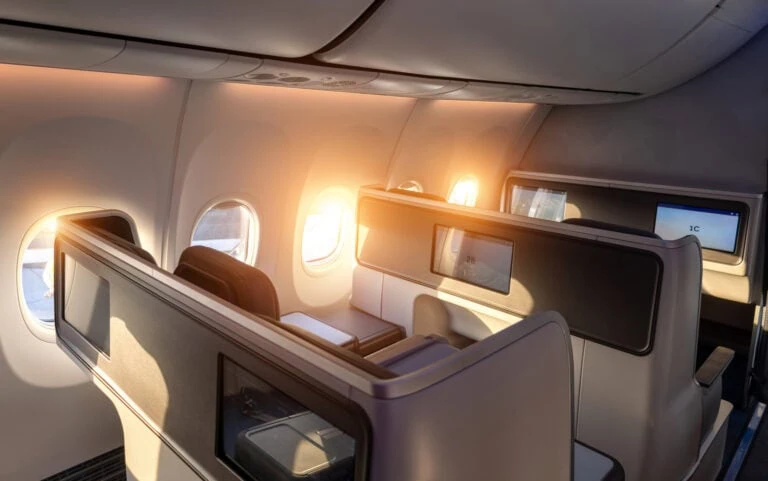
Travellers can usually choose between several accommodation categories depending on budget and route. Standard sleeper cabins normally contain two bunk beds, power sockets, reading lights, storage space and private washbasins, while premium cabins often include private toilets and private showers.
The overall experience feels far closer to a compact Nordic hotel room than traditional old-fashioned overnight rail travel.
For solo travellers, couples and families, the heavy focus on private accommodation completely changes the atmosphere onboard because passengers do not normally need to share sleeping compartments with strangers.
The trains are also heavily adapted for Arctic winter conditions. Strong insulation, modern heating systems and contemporary rolling stock allow passengers to travel comfortably even while temperatures outside drop far below freezing across northern Finland.
Many travellers specifically choose the overnight trains because sleeping onboard removes the need for an additional hotel night in either Helsinki or Lapland, which can save significant money during expensive winter travel periods.
Upper-deck cabins are especially popular because they often provide better views across snow-covered forests, frozen lakes and Arctic landscapes during daylight portions of the route.
During peak periods including Christmas, New Year, Northern Lights season and Finnish winter holidays, the best sleeper cabins can sell out extremely early, especially on the famous Helsinki to Rovaniemi services.
Compared with many sleeper systems elsewhere in Europe, Finland’s cabins feel unusually modern, practical and genuinely designed around long-distance passenger comfort rather than railway nostalgia.
Private Cabins, Showers and Facilities
The availability of private cabins, onboard showers and modern facilities is one of the main reasons Finland’s overnight trains attract travellers who might never normally consider sleeper rail travel elsewhere in Europe.
Many international visitors are genuinely surprised by how modern the accommodation feels once onboard the newest sleeper trains operated by VR Group.
Standard private cabins usually contain two beds, charging sockets, reading lights, private washbasins, luggage storage and large windows overlooking the passing Finnish landscape.
Higher-category accommodation often includes fully private toilets and showers, which dramatically improves comfort during journeys lasting 12 to 15 hours between southern Finland and the Arctic north.
For couples and solo travellers especially, this level of privacy transforms the experience compared with older shared couchettes used on some overnight trains elsewhere in Europe.
The trains are also designed extremely well for luggage and winter equipment. Heavy winter clothing, skis, snowboards and large suitcases are common parts of Finnish overnight travel, so the trains generally cope far better with bulky baggage than many standard European rail services.
Shared facilities throughout the sleeper carriages are usually maintained to a very high standard, reflecting Finland’s wider reputation for cleanliness, organisation and efficient public infrastructure.
One major difference compared with older sleeper systems elsewhere in Europe is overall noise levels. Finland’s overnight trains are generally quiet, smooth-running and calm, which makes proper sleep significantly easier than on many older international sleeper routes.
Large cabin windows also improve the experience enormously. Travellers can wake up and immediately watch snow-covered forests, frozen rivers and pale Arctic daylight slide past directly from their beds.
For many first-time sleeper train users, Finland actually provides one of the best introductions anywhere in Europe because the trains feel modern, reliable and genuinely comfortable rather than dated or chaotic.
Bringing Cars on Finnish Sleeper Trains
One of the most unusual and impressive features of Finland’s sleeper trains is the ability to transport cars onboard alongside passengers.
Dedicated car-carrier wagons allow travellers to load vehicles directly onto the train before continuing north overnight towards Lapland, ski resorts and remote Arctic regions.
This system is especially important in Finland because of the country’s enormous travel distances, harsh winter conditions and sparsely populated northern regions where having a vehicle becomes extremely useful after arrival.
Many Finnish families regularly use the overnight trains specifically to avoid exhausting long-distance winter driving between Helsinki and the Arctic north.
Instead of spending entire days driving through snow, darkness and icy road conditions, passengers can simply load their vehicles in Helsinki, sleep overnight onboard and wake up deep inside Lapland the following morning.
The system is particularly valuable for travellers heading towards northern ski areas around Rovaniemi, Levi, Ylläs and wider Finnish Lapland.
The trains are also highly useful for winter sports travellers because transporting skis and snow equipment by rail is often easier than dealing with airline baggage restrictions and airport security systems.
Motorcycles and certain other vehicle types can often be transported as well depending on route and seasonal operating conditions.
Compared with sleeper rail elsewhere in Europe, this creates a completely different type of overnight transport experience. Finland’s trains are not simply moving passengers between cities. They are effectively transporting entire winter road trips overnight across the country.
The loading process itself is normally highly organised and efficient, although travellers must still arrive early because vehicle boarding procedures close well before departure times.
During busy winter periods including Christmas, ski season and Northern Lights tourism peaks, vehicle spaces frequently sell out earlier than ordinary sleeper cabins.
For many travellers, the car-carrier system perfectly demonstrates how Finland’s overnight trains function as serious national infrastructure rather than purely tourism-focused railway experiences.
Browse hostels and budget-friendly stays around Finland.
See hostelsAccess compensation support, eligible lounge benefits and faster payouts when flights go wrong.
See the benefitsLeave your luggage somewhere convenient and enjoy Finland hands-free.
View storageDining Cars, Food and Onboard Experience
The onboard atmosphere of Finland’s sleeper trains feels completely different from many overnight rail services elsewhere in Europe.
Rather than noisy corridors, cramped shared compartments and chaotic overnight conditions, the trains generally feel calm, spacious and surprisingly relaxing once the long northbound journey settles into rhythm.
Dining cars remain an important part of the experience. Most major overnight services between Helsinki, Rovaniemi, Kemijärvi and northern Finland include restaurant facilities serving hot meals, breakfast, snacks, coffee and alcoholic drinks throughout large sections of the route.
The food itself is generally practical Nordic railway dining rather than luxury fine dining, but many travellers still consider the dining carriage one of the highlights of the journey.
Watching snow-covered forests, frozen lakes and Arctic landscapes pass outside while eating dinner onboard creates a dramatically different atmosphere from domestic air travel.
During winter, the onboard experience becomes especially memorable because darkness, snow and huge northern distances create a strong feeling of isolation and remoteness outside the train.
The dining cars also function as social spaces where tourists, students, Finnish families, Lapland workers and Arctic travellers all mix together during the overnight journey north.
Compared with many historic sleeper services elsewhere in Europe, Finland’s overnight trains feel less nostalgic and more operationally practical. However, that practicality is actually one of their greatest strengths.
The trains are specifically designed to operate efficiently across enormous Arctic distances in difficult winter weather, and the onboard atmosphere reflects that distinctly Scandinavian focus on functionality, comfort and reliability.
For many passengers, some of the most memorable moments happen early in the morning when waking up deep inside the Arctic north while snow-covered forests slide silently past the cabin windows beneath pale winter light.
Winter Travel and Arctic Conditions
Winter completely transforms the experience of travelling on Finland’s sleeper trains. Between roughly November and April, huge sections of Finland become covered in snow, temperatures regularly fall below −20°C in the north and daylight hours shrink dramatically across Lapland.
For many international travellers, this is exactly what makes the overnight trains so memorable.
Routes between Helsinki, Rovaniemi, Kemijärvi and wider Arctic Finland pass through enormous landscapes of snow-covered forests, frozen lakes, remote wilderness and isolated northern settlements that feel completely different from rail travel elsewhere in Europe.
During the deepest part of winter, northern Finland experiences extremely limited daylight. Travellers often wake up onboard the train surrounded by pale blue Arctic twilight rather than full daylight, especially north of the Arctic Circle.
One major strength of Finland’s rail system is that the infrastructure is heavily designed around severe winter operations. Snow, ice and freezing temperatures are completely normal parts of daily railway life, so the sleeper trains generally remain far more reliable than many visitors initially expect.
Compared with domestic air travel, the overnight trains also avoid many of the stress points associated with winter aviation including weather delays, airport queues and difficult transfers after landing.
Winter clothing remains absolutely essential even if most of the journey takes place onboard. Travellers arriving in Lapland during January or February quickly discover that Arctic cold feels dramatically harsher than ordinary European winter weather.
The large luggage spaces onboard Finland’s sleeper trains become particularly valuable during winter because passengers frequently carry heavy coats, thermal layers, ski equipment, snow boots and Arctic travel gear.
The atmosphere onboard also changes significantly during the winter season. Around Christmas, many departures fill with families travelling towards Santa Claus Village, while later winter trains attract larger numbers of Northern Lights travellers, skiers and Arctic tourism groups.
For many passengers, one of the defining moments of the entire Finland trip is opening the cabin curtains in the morning and seeing endless snow-covered forests stretching silently across the Arctic north outside the train windows.
Best Time to Use Finland Sleeper Trains
The best time to use Finland’s sleeper trains depends heavily on what kind of experience travellers actually want from the journey.
For classic Arctic winter scenery, the strongest period is usually between December and March, when northern Finland is fully snow-covered and the overnight trains feel most atmospheric.
This is also the peak season for Northern Lights tourism, Lapland holidays, skiing and Christmas travel. The famous Santa Claus Express services towards Rovaniemi become especially busy during these months.
December is dominated heavily by festive tourism and school holidays, while January and February often provide the strongest overall combination of deep snow, Arctic scenery and Northern Lights conditions.
Travellers wanting quieter journeys and lower prices often prefer late autumn or early spring, when demand drops slightly outside the major winter tourism peaks.
Summer creates a completely different atmosphere onboard Finland’s sleeper trains. Instead of darkness and snow, passengers travel through forests and lakes beneath the strange glow of Nordic summer light.
During parts of summer, northern Finland experiences the Midnight Sun, where daylight barely disappears at all. Watching Arctic landscapes remain bright late into the evening from a sleeper train window creates a very different feeling from winter travel.
Summer journeys are usually calmer and less crowded because the trains carry fewer Christmas tourists and winter sports travellers.
The shoulder seasons between autumn and winter can also be surprisingly attractive because travellers sometimes experience the first snowfall while avoiding peak festive crowds.
One thing travellers should always remember is that Finland’s sleeper trains are genuine domestic transport infrastructure rather than purely tourist attractions. During busy periods, especially around Christmas, New Year, Northern Lights season and Finnish winter holidays, the best sleeper cabins often sell out surprisingly early.
Advance booking becomes especially important for travellers wanting private cabins, upper-deck rooms, vehicle transport or the most popular winter departures towards Lapland.
Interrail and Eurail on Finnish Night Trains
Finland’s sleeper trains work extremely well with both Interrail Pass and Eurail Pass, which is one reason the network has become increasingly popular among long-distance European rail travellers.
Passengers using Interrail or Eurail can normally travel on Finnish overnight services by paying additional reservation and sleeper accommodation supplements alongside their rail pass coverage.
The rail pass itself covers the travel portion of the journey, while passengers pay separately for sleeper cabins, private accommodation and reservation fees.
Compared with some overnight trains elsewhere in Europe where booking systems become confusing and fragmented, Finland’s reservation structure is generally relatively straightforward once understood.
The most popular routes for Interrail travellers are normally the overnight trains between Helsinki and Rovaniemi, particularly during the winter season.
Many travellers combine Finland’s sleeper trains with wider Scandinavian rail and ferry routes linking Sweden, Norway, Denmark, the Baltic region and Arctic Scandinavia.
One especially popular route involves taking the overnight ferry between Stockholm and either Turku or Helsinki before continuing north through Finland using the sleeper network.
Because Finland sits geographically separated from mainland Europe, the overnight trains often become major components of wider Nordic overland journeys rather than simply domestic rail routes.
Winter demand remains the biggest challenge for passholders. During Christmas, New Year and the main Northern Lights season, reservation availability on the best cabins can disappear extremely quickly even when Interrail or Eurail passes remain valid.
For many Interrail travellers, however, Finland’s overnight trains become one of the highlights of the entire European rail journey because few other routes combine modern comfort, Arctic geography and such dramatic seasonal scenery.
Ticket Prices and Booking Strategy
Ticket pricing on Finland’s sleeper trains varies heavily depending on the season, route, cabin category and booking timing.
The most famous routes between Helsinki and Rovaniemi usually become significantly more expensive during Christmas, New Year, February ski season, major winter tourism peaks and Finnish school holidays.
Private sleeper cabins naturally cost far more than standard seating or shared accommodation, although many travellers still consider them excellent value once hotel savings are factored into the journey.
One of the biggest mistakes travellers make is assuming Finland’s overnight trains are always cheap simply because they are domestic services. During peak winter periods, premium cabins on the most popular Lapland departures can become surprisingly expensive.
However, when compared with the combined cost of domestic flights, checked baggage fees, airport hotels, Arctic transfers and an additional hotel night, the sleeper trains often remain highly competitive overall.
Booking early becomes extremely important for travellers wanting private cabins, upper-deck accommodation, vehicle transport or peak-season departures towards Lapland.
The best cabins on the famous Santa Claus Express services can sell out months in advance during the busiest winter tourism periods.
Travellers with flexible schedules often save substantial amounts of money by avoiding Friday and Sunday departures, which normally experience the strongest demand from both tourists and Finnish domestic passengers.
For budget travellers, standard seating remains available on some overnight routes, although journeys lasting 12 to 15 hours are dramatically more comfortable inside proper sleeper cabins.
Many travellers ultimately decide Finland’s overnight trains are worth paying extra for because the experience itself becomes one of the major highlights of the trip rather than simply transport between destinations.
Using Finland Sleeper Trains for Lapland and Arctic Travel
One of the biggest reasons Finland’s sleeper trains have become internationally famous is because they provide one of the easiest and most atmospheric ways to reach Lapland and the wider Arctic north without flying.
For many travellers, the overnight train is not simply transport between cities. It becomes part of the entire Arctic experience.
The main routes between Helsinki, Rovaniemi, Kemijärvi and wider northern Finland allow passengers to travel directly from the Finnish capital into the Arctic Circle while sleeping comfortably overnight.
This works especially well for winter tourism because it removes the need for airport hotels, early domestic flights and exhausting long-distance winter driving.
Many travellers heading towards Santa Claus Village, Northern Lights tours, Arctic safaris and Finnish ski resorts specifically choose the sleeper trains because the transition into Lapland feels gradual and immersive rather than abrupt.
The overnight timing is also extremely efficient. Passengers board during the evening in Helsinki before waking the next morning surrounded by snow-covered forests and Arctic landscapes deep inside northern Finland.
For travellers continuing beyond Rovaniemi, onward buses and road connections operate towards major winter destinations including Levi, Ylläs, Saariselkä and remote wilderness lodges across Lapland.
The sleeper trains also work particularly well for families because private cabins provide a far calmer experience than trying to manage children, luggage and winter clothing through multiple airport stages.
Compared with domestic flights, the overnight trains additionally allow travellers to carry larger luggage loads far more easily, which becomes important during Arctic winter travel involving thermal clothing, snow gear and ski equipment.
For many visitors, one of the strongest moments of the entire journey is waking up and watching endless snow-covered forests pass outside the cabin windows while the train continues north through Lapland.
Few transport experiences elsewhere in Europe combine such extreme geography, winter atmosphere and practical usefulness as effectively as Finland’s overnight rail network.
Are Finland’s Sleeper Trains Worth It?
For most travellers interested in Lapland, Arctic travel or Scandinavian rail journeys, the answer is usually yes.
Finland’s sleeper trains combine practical transport, overnight accommodation and genuine travel experience more successfully than many overnight rail systems elsewhere in Europe.
Instead of wasting daytime hours travelling north across Finland, passengers can board in Helsinki during the evening, sleep overnight and wake up inside Lapland the following morning.
That alone makes the trains highly efficient for many itineraries.
The onboard experience is also considerably stronger than many travellers initially expect. Modern cabins, quiet carriages, winter scenery and reliable operations create a very different atmosphere from older sleeper systems still operating elsewhere in Europe.
Compared with domestic flights, the trains also feel calmer and significantly more atmospheric, particularly during winter when Arctic scenery becomes part of the journey itself.
The strongest value usually comes from combining transport and accommodation together. Once hotel savings are factored in, the sleeper trains often become far more financially competitive than they initially appear.
At the same time, the trains are not perfect for every traveller.
Passengers wanting the absolute fastest journey will still reach northern Finland more quickly by air, especially during shorter trips.
Travellers using standard seating instead of proper sleeper cabins may also find the overnight experience considerably less comfortable on longer Arctic routes.
However, for many visitors, Finland’s overnight trains become one of the defining highlights of the entire Scandinavian journey rather than simply a transport connection between destinations.
Common Mistakes Travellers Make
One of the biggest mistakes travellers make is booking Finland’s sleeper trains too late, especially for winter departures towards Rovaniemi and wider Lapland.
During Christmas, New Year, Northern Lights season and Finnish winter holidays, the best sleeper cabins often sell out months in advance.
Another common mistake is underestimating how cold Arctic winter conditions actually become in northern Finland. Travellers arriving in Lapland without proper winter clothing quickly discover that temperatures of −20°C or lower feel dramatically different from ordinary European winter weather.
Many passengers also mistakenly assume the trains are purely tourism products. In reality, Finland’s overnight trains are heavily used by domestic travellers, students, workers and families, which means peak departures can become busy even outside tourist seasons.
Some travellers also book ordinary seating instead of proper sleeper accommodation on very long routes such as Helsinki to Kemijärvi. Overnight journeys lasting 14 to 15 hours are dramatically more comfortable inside private cabins.
Another frequent mistake involves failing to understand how important onward transport becomes after arriving in Lapland. Destinations such as Levi, Ylläs and remote Arctic lodges often require additional buses, transfers or rental cars after reaching the railway station.
Travellers carrying skis, winter gear or heavy luggage occasionally underestimate how useful Finland’s large luggage areas and car-carrier wagons actually are compared with flying.
Some passengers also expect traditional luxury rail travel similar to historic Orient Express-style trains. Finland’s sleeper network is far more practical and Scandinavian in character, focusing on efficiency, comfort and functionality rather than elaborate onboard luxury.
Perhaps the biggest mistake overall is treating the overnight train simply as a transport necessity. For many travellers, the experience of travelling overnight through snow-covered Finland becomes one of the most memorable parts of the entire trip.

Rupert’s Handy Travel Tips
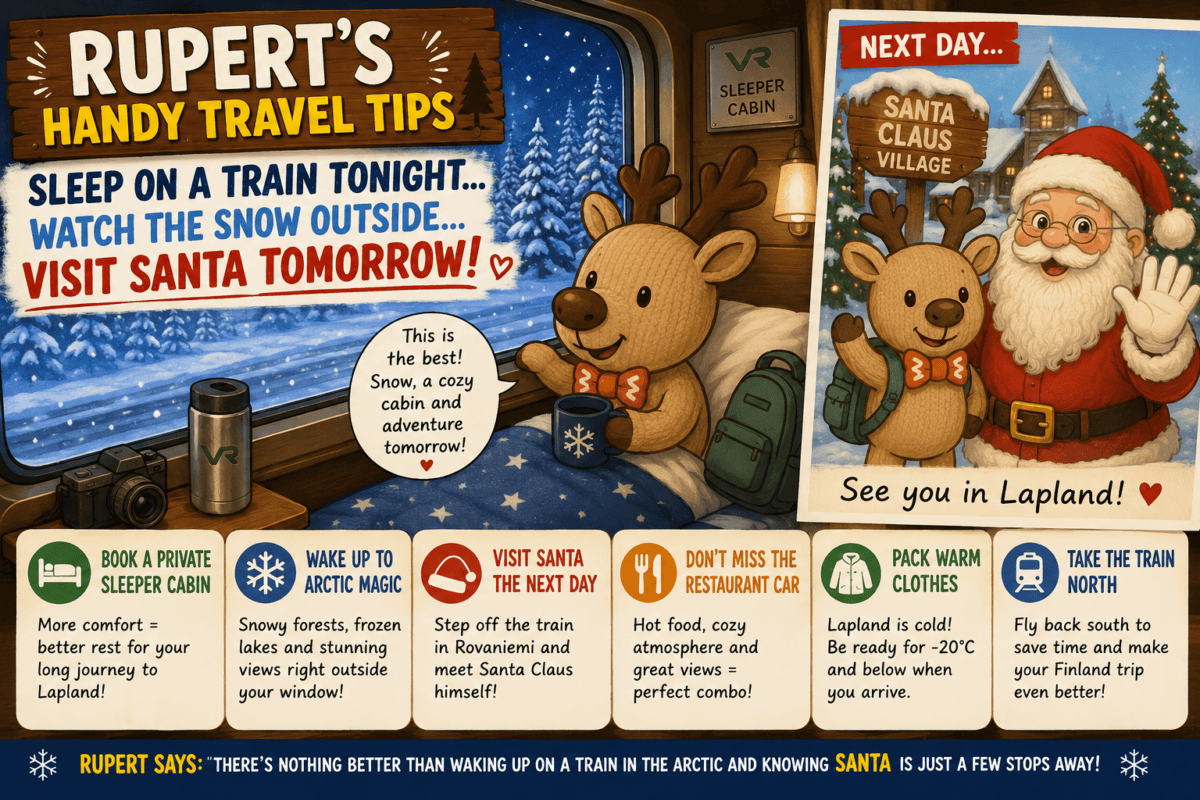
Rupert absolutely loves Finland’s sleeper trains because he says few travel experiences feel more magical than going to sleep on a warm train in Helsinki while snow slowly drifts past the cabin windows outside.
Travelling overnight towards Lapland is one of his favourite railway journeys anywhere in Europe because the train feels cosy, peaceful and properly adventurous at the same time.
- Book a proper private sleeper cabin: waking up well-rested inside the Arctic Circle feels unforgettable.
- Open the curtains early: endless snow-covered forests outside the train are one of the great travel moments of northern Europe.
- Travel in January or February: these months usually provide the deepest snow and the strongest Arctic winter scenery across northern Finland.
- Visit the restaurant carriage in the evening: it feels especially cosy when the train is travelling through darkness and heavy snow towards the Arctic north.
- Bring proper winter clothing onto the train: temperatures in Rovaniemi and wider Lapland can feel brutally cold immediately after arrival.
- Combine the train with a same-day Santa Claus Village visit: it makes the overnight journey feel like part of the adventure rather than simply transport.
Rupert says there is something genuinely exciting about falling asleep on a train while watching Arctic snow outside and then meeting Santa Claus the next morning.
Want to meet the reindeer behind our travel tips? Find out more in our page Who is Rupert?.

Frequently Asked Questions About Finland Sleeper Trains
Are Finland’s sleeper trains good for families?
Yes. Finland’s sleeper trains work exceptionally well for families because the private cabins provide far more space, privacy and comfort than many overnight rail services elsewhere in Europe. Children often find the experience genuinely exciting, especially during winter journeys towards Rovaniemi and wider Lapland. Many families specifically use the overnight trains when visiting Santa Claus Village because the journey itself becomes part of the holiday experience.
Can you see the Northern Lights from Finland’s sleeper trains?
Occasionally yes, although it depends heavily on weather conditions, cloud cover and timing. During winter journeys across northern Finland, passengers sometimes spot the Northern Lights from cabin windows or dining cars while travelling through remote Arctic areas. However, travellers should treat this as a bonus rather than an expectation because visibility changes constantly.
Do Finland’s sleeper trains have private showers?
Yes, many higher-category cabins operated by VR Group include fully private showers and toilets. Standard cabins usually contain washbasins, while premium cabins provide more complete private facilities for long overnight journeys lasting up to 15 hours.
How long is the sleeper train from Helsinki to Rovaniemi?
The overnight journey between Helsinki and Rovaniemi normally takes around 12 hours depending on the exact timetable and seasonal service pattern.
Are Finland’s overnight trains better than flying?
For many travellers, yes. The sleeper trains combine transport, accommodation and Arctic scenery into one experience while avoiding airport hotels, baggage restrictions and domestic flight stress. Travellers short on time may still prefer flying, but many visitors consider the overnight train one of the highlights of travelling through Finland.
Can you take luggage and ski equipment onboard?
Yes. Finland’s overnight trains are particularly good for bulky luggage, winter gear and ski equipment. The trains are designed around Arctic travel realities, so they generally cope much better with large baggage loads than many airlines or standard European trains.
Do you need to reserve sleeper cabins in advance?
Absolutely. During Christmas, New Year, Northern Lights season and peak winter travel periods, the best sleeper cabins between Helsinki and Lapland can sell out months ahead. Early booking is strongly recommended for winter departures.
Further Reading & Related Guides
Travellers using Finland’s sleeper trains often combine them with wider Scandinavian and Arctic journeys across northern Europe. If you are planning a larger rail adventure, our guide to the Interrail Pass explains how overnight trains fit into long-distance European rail itineraries, while the dedicated Interrail Finland Pass guide covers reservations, routes and Arctic rail travel in more detail.
Many passengers travelling north through Finland also continue onwards by sea, particularly between Stockholm, Turku and Helsinki, so our Turku Ferry Guide is especially useful for travellers combining Baltic ferries with Finnish overnight trains. For the wider picture on Baltic sailings, our Finland Ferry Guide covers every major route, while our Tallinn to Helsinki Ferry Guide is useful if you are continuing on to Estonia.
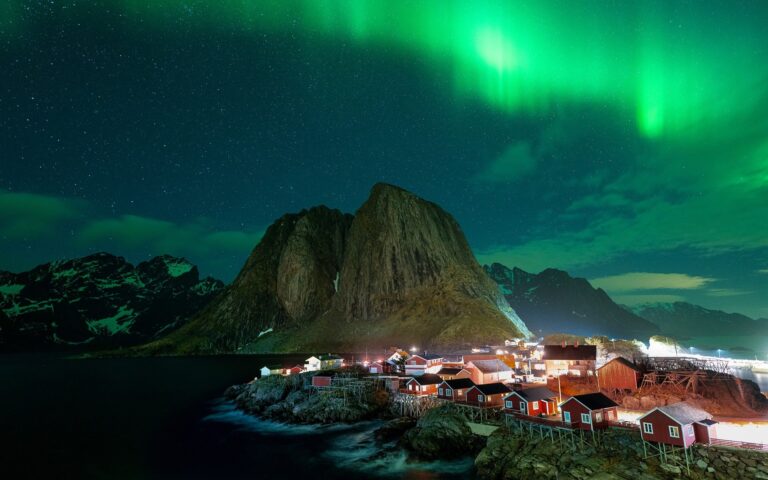
Many travellers heading north on the famous Santa Claus Express also continue towards winter excursions and Arctic experiences across Lapland, so our dedicated guide to the Northern Lights in Finland explains the best viewing periods, strongest regions and practical winter travel advice for seeing the aurora.
Families and Christmas travellers arriving in Rovaniemi should also read our full guide to Santa Claus Village, which covers visiting Santa, Arctic Circle crossings, winter activities, reindeer experiences and what to expect during the busy festive season.
Staying connected across remote Arctic regions can also become surprisingly important during winter travel, especially for booking excursions, checking weather conditions and tracking Northern Lights forecasts. Our wider eSIM travel guides explain the best mobile data options for Scandinavia and Arctic travel.