
Reviewed by our editorial team Updated
Why Consider Day Trips from Istanbul
Istanbul is one of the world’s great megacities, but one of its biggest advantages is how easily you can escape it for a completely different experience within just a few hours. Mountains, islands, forests, beaches, thermal springs, Ottoman capitals, vineyards, and UNESCO sites all sit within relatively easy reach of the city, making day trips one of the best ways to experience a broader side of Türkiye.
Many of the best day trips from Istanbul take less than two hours, allowing travellers to leave behind the traffic and intensity of the city without needing overnight accommodation. In a single day, you can move from crowded tramlines and Bosphorus ferries to peaceful forests, quiet lakesides, ancient ruins, or coastal promenades facing the Black Sea.
One of the reasons these trips work so well is the variety. Some travellers want history and architecture, which makes destinations such as Bursa, Edirne, or Iznik ideal choices. Others prefer nature, fresh air, and slower surroundings, making places such as Sapanca, Şile, Ağva, or the Princes’ Islands especially appealing. Food-focused travellers can head towards wine regions and seafood towns, while wellness travellers may prefer the thermal springs around Yalova.
The transport infrastructure around Istanbul also makes independent exploration surprisingly manageable. Ferries, regional buses, motorways, and organised tours all create relatively simple routes to destinations that feel dramatically different from central Istanbul itself.
For many visitors, these trips provide balance. After several days navigating busy streets, packed bazaars, steep hills, and major attractions, escaping the city for quieter surroundings often becomes one of the most memorable parts of the entire trip.
How to Get Around: Transport Options for Day Trips
Getting around for day trips from Istanbul is generally straightforward once you understand the city’s transport network and regional connections. Ferries, coaches, intercity buses, organised tours, and private vehicles all play major roles depending on where you plan to visit.
Ferries are one of the most scenic and enjoyable transport options, particularly for destinations connected to the Sea of Marmara or the Bosphorus. Routes towards the Princes’ Islands, Yalova, and parts of the southern Marmara region allow travellers to avoid road traffic while also enjoying spectacular skyline views during the journey itself.
Regional buses and long-distance coaches form the backbone of transport across much of Türkiye and are often surprisingly comfortable. Modern coaches frequently include reclining seats, Wi-Fi, air conditioning, refreshments, and assigned seating. Destinations such as Bursa, Edirne, Sapanca, and Tekirdağ are all well connected through regular intercity services departing from Istanbul throughout the day.
Driving provides the most flexibility for travellers wanting to combine smaller towns, viewpoints, forests, or rural destinations into a single itinerary. Major roads surrounding Istanbul are modern and well developed, though traffic leaving the city can become extremely heavy during weekends, holidays, and peak commuting hours.
Organised tours remain popular for longer or more historically complex trips such as Gallipoli and Troy, where transport times are longer and historical context adds significantly to the experience. Many tours include hotel pickup, transport, guides, entrance fees, and lunch, simplifying logistics considerably.
Apps also play an important role in independent travel around Türkiye. Real-time navigation, ferry schedules, coach tickets, ride-hailing, and digital payments all make planning easier than many travellers expect before arriving.
The most important practical advice is simple: leave early. Istanbul traffic can dramatically extend journey times later in the morning, particularly on weekends and public holidays.
Compare hotels and other places to stay in Istanbul.
Check availabilityExplore holiday homes and apartments around Istanbul.
See holiday homesSee hotel prices from multiple booking sites in one search.
Compare ratesBest Day Trips from Istanbul (Overview)
The best day trips from Istanbul cover an impressive range of landscapes, cultures, and experiences. Some focus on Ottoman history and UNESCO architecture, while others revolve around forests, beaches, islands, lakes, vineyards, or thermal springs.
The most famous option remains the Princes’ Islands, where car-free streets, historic mansions, and sea views create a completely different atmosphere from central Istanbul. Ferries make the islands one of the easiest and most scenic escapes from the city.
For Ottoman history and architecture, Bursa and Edirne stand out immediately. Both cities played major roles during the early Ottoman Empire and remain filled with monumental mosques, markets, tombs, and traditional food culture.
Nature-focused travellers often prefer Sapanca, Maşukiye, Şile, or Ağva, where forests, lakes, rivers, beaches, and hiking routes provide a quieter and greener side of northwestern Türkiye.
Travellers interested in military history and archaeology frequently prioritise Gallipoli and Troy, two destinations that carry enormous historical significance and remain deeply emotional experiences for many international visitors.
Smaller but equally rewarding destinations such as Iznik, Tekirdağ, and Yalova offer calmer atmospheres built around lakeside scenery, vineyards, thermal springs, local cuisine, and slower-paced exploration.
One of the strengths of Istanbul as a travel base is precisely this diversity. Within only a few hours, you can completely change landscapes, climate, atmosphere, and even cultural rhythms while still returning to the city the same evening.
Princes’ Islands (Büyükada & Heybeliada)
The Princes’ Islands are among the most iconic and enjoyable day trips from Istanbul, offering a peaceful escape filled with sea air, historic mansions, pine forests, and quiet streets. Despite sitting relatively close to the city, the atmosphere feels entirely different from central Istanbul’s crowds and traffic.
The two most popular islands are Büyükada and Heybeliada. Büyükada is the largest and busiest, known for its elegant wooden Ottoman-era houses, waterfront cafés, walking routes, and panoramic viewpoints. Heybeliada feels quieter and more residential, with a slower rhythm and fewer crowds outside peak summer weekends.
Ferries depart regularly from Kabataş, Eminönü, Beşiktaş, and Kadıköy, with journey times usually ranging between 60–90 minutes depending on the route and operator. Simply reaching the islands by ferry often becomes one of the highlights of the entire experience thanks to the Bosphorus and Marmara Sea views during the crossing.
Cars are heavily restricted across the islands, which dramatically changes the atmosphere. Streets feel calmer, air quality improves noticeably, and walking becomes far more enjoyable than in the city itself. Travellers spend the day cycling, exploring waterfront promenades, visiting monasteries, swimming during summer, or simply sitting in cafés overlooking the sea.
One of the most famous walks on Büyükada climbs towards the Monastery of St. George, where elevated viewpoints reveal spectacular panoramas across the Marmara Sea back towards Istanbul’s skyline.
Summer weekends can become extremely crowded with both tourists and local visitors escaping the city heat. Travelling on weekdays or during spring and autumn creates a much calmer and more enjoyable experience overall.
The islands remain one of the easiest ways to experience a slower, greener, and more relaxed side of life beyond Istanbul itself.

Bursa
Once the first capital of the Ottoman Empire, Bursa remains one of the richest cultural and historical day trips from Istanbul. Surrounded by mountains and filled with grand mosques, covered bazaars, thermal baths, and traditional markets, the city offers a completely different atmosphere from modern Istanbul while still remaining relatively easy to reach.
Most travellers reach Bursa either by direct coach or by combining a fast ferry across the Sea of Marmara with a connecting bus from Mudanya. Total journey times are usually around 2–2.5 hours, making Bursa realistic as a full-day trip without requiring overnight accommodation.
The city’s historical importance becomes obvious immediately. Bursa served as the first major Ottoman capital before the empire moved its centre first to Edirne and later to Constantinople. Because of this, the city contains some of the earliest and most important examples of Ottoman architecture anywhere in Türkiye.
The standout landmark is the magnificent Ulu Cami (Grand Mosque), famous for its enormous prayer hall, elegant fountains, and extraordinary Islamic calligraphy panels covering much of the interior. Nearby, the beautifully decorated Green Mosque and Green Tomb showcase the early Ottoman architectural style that later influenced imperial projects across the empire.
Bursa’s historic bazaars and caravanserais remain another major attraction. The atmospheric Koza Han, originally built for the silk trade, still functions as a traditional marketplace filled with tea houses and textile shops surrounding a central courtyard. The city remains strongly associated with silk production even today.
Food plays a huge role in the Bursa experience as well. The city is considered the birthplace of the famous İskender kebab, where thin slices of meat are served over bread with tomato sauce, yoghurt, and melted butter. Many travellers visit Bursa specifically to try the dish in its original setting.
For travellers wanting nature alongside history, the city also sits beneath Uludağ Mountain, which becomes one of Türkiye’s major ski destinations during winter and offers cable car rides with sweeping views throughout the year.
Bursa works particularly well for travellers wanting a full day packed with architecture, food, markets, and Ottoman history without venturing too far from Istanbul.

Edirne
Located near the borders with Greece and Bulgaria, Edirne offers one of the most historically significant and culturally rewarding day trips from Istanbul. Although many international visitors overlook it entirely, the city was once the capital of the Ottoman Empire before Constantinople became the imperial centre.
The journey from Istanbul usually takes around 2.5 hours by coach, making Edirne a manageable full-day trip filled with monumental architecture, riverside scenery, traditional markets, and a noticeably slower pace than Istanbul itself.
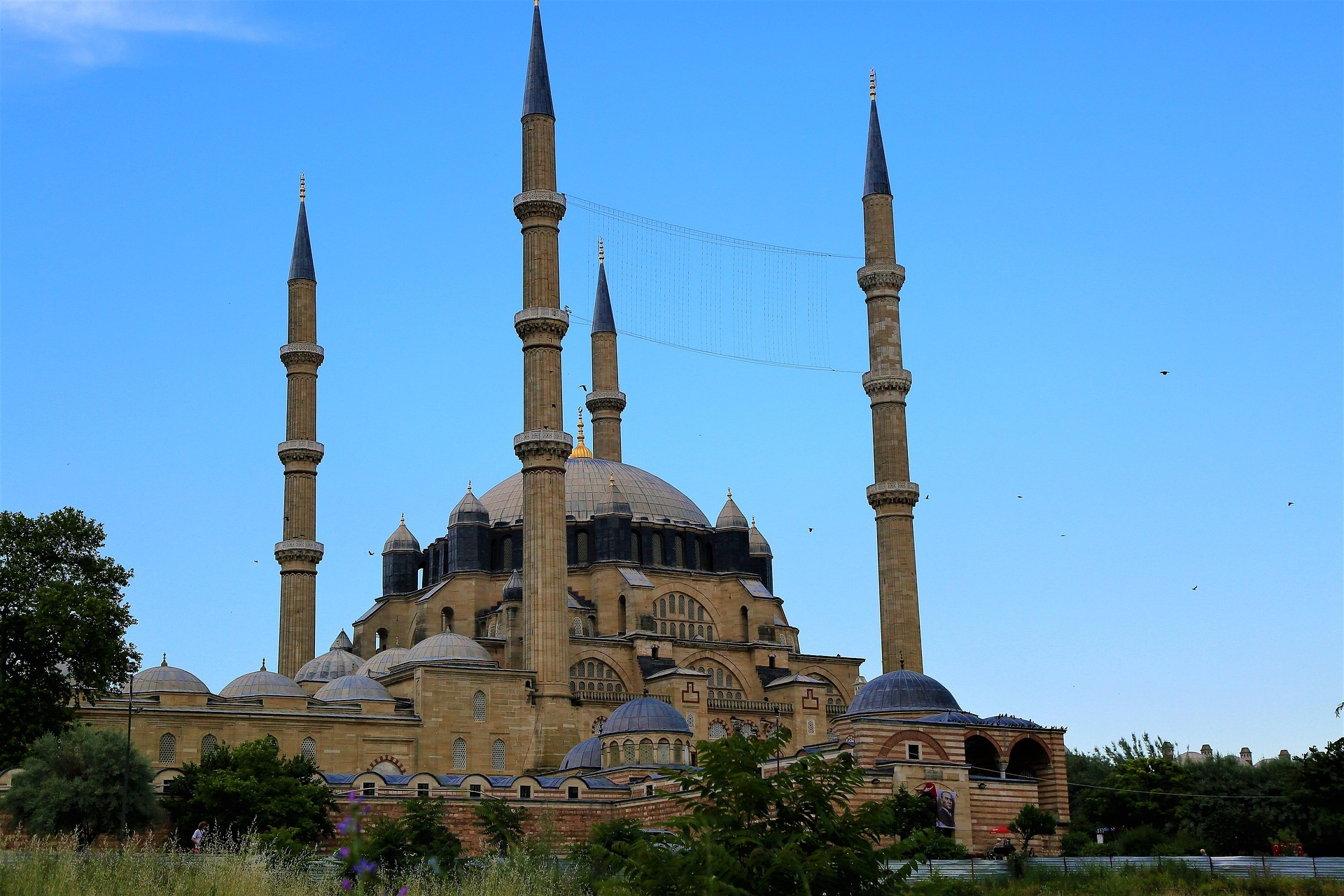
The city’s defining landmark is the extraordinary Selimiye Mosque, widely considered the masterpiece of the legendary Ottoman architect Mimar Sinan. Its enormous dome, elegant proportions, and soaring minarets dominate the skyline and form part of a UNESCO World Heritage Site. Many historians and architects regard it as one of the greatest achievements of Ottoman architecture anywhere in the world.
Beyond the mosque itself, Edirne rewards slow exploration. Historic bridges cross the Tunca River, old bazaars remain active with local trade, and the compact city centre feels easy to navigate on foot compared with the scale and intensity of Istanbul.
The city also carries strong culinary traditions. Edirne is especially famous for its fried liver dishes, regional pastries, and traditional Ottoman desserts. Riverside restaurants and smaller local eateries often provide a much more relaxed dining experience than central Istanbul’s busier tourist districts.
History extends beyond the Ottoman Empire as well. Edirne’s strategic position near the European frontier meant the city played major roles during wars, trade movements, and imperial expansion for centuries.
The atmosphere changes noticeably depending on the season. Spring and autumn are particularly pleasant for walking, while summer brings outdoor festivals and the famous Kırkpınar oil wrestling festival, one of the oldest sporting traditions in the world.
For travellers interested in Ottoman history, architecture, and quieter cultural exploration, Edirne offers one of the most rewarding escapes anywhere near Istanbul.

Şile & Ağva (Black Sea Coast)
For travellers wanting forests, beaches, sea air, and a much slower pace of life, Şile and Ağva provide one of the most refreshing nature-focused day trips from Istanbul. Located along Türkiye’s Black Sea coast, these small towns feel dramatically different from the dense urban atmosphere of the city.
The journey usually takes around 1.5–2 hours depending on traffic and departure times. Driving offers the most flexibility, though buses and organised tours also operate regularly during peak seasons.
Şile is the larger and better-known of the two towns, famous for its beaches, cliffs, fishing harbour, lighthouse, and relaxed coastal atmosphere. The Şile Lighthouse, standing above the Black Sea coastline, remains one of the town’s most photographed landmarks and provides excellent sea views across the rugged shoreline.
The beaches around Şile become especially popular during summer when Istanbul residents escape the city heat for cooler coastal air and swimming. Outside peak summer weekends, however, the town often feels surprisingly peaceful.
Further east, Ağva offers an even calmer atmosphere built around rivers, forests, and small waterside cafés. The town sits between the Göksu and Yeşilçay Rivers, creating a landscape of wooden piers, riverside restaurants, forest roads, and small boat tours moving quietly through the greenery.
Many visitors spend the day walking beside the rivers, taking small boat rides, eating seafood, or simply relaxing in shaded cafés overlooking the water. The surrounding forests also create opportunities for hiking, photography, and nature-focused escapes from Istanbul’s intensity.
Weather plays a major role here. Summer brings beach crowds and lively cafés, while spring and autumn create cooler conditions perfect for walking and riverside dining. Winter becomes quieter and more atmospheric, particularly during misty coastal mornings.
Şile and Ağva work especially well for travellers who want scenery, relaxation, and fresh air rather than dense sightseeing schedules or historical attractions.
Sapanca & Maşukiye (Lakes, Forests & Waterfalls)
For travellers seeking greenery, lakeside scenery, waterfalls, and cooler mountain air, Sapanca and Maşukiye offer one of the easiest and most relaxing nature escapes from Istanbul. Located less than two hours from the city, the region has become increasingly popular with both locals and international visitors wanting a slower and more peaceful atmosphere.
The centrepiece of the region is Sapanca Lake, a large freshwater lake surrounded by forests, walking paths, cafés, and small hotels. The waterfront feels calm and spacious compared with Istanbul, making it ideal for slow walks, cycling, lakeside dining, or simply sitting beside the water.
Nearby Maşukiye provides a more rustic and forest-focused experience. The area is particularly famous for restaurants and breakfast spots built directly beside streams flowing down from the surrounding hills. Wooden platforms extend over the water, creating an atmosphere that feels surprisingly rural considering the short distance from Istanbul.
The region works especially well for travellers wanting outdoor activities without needing serious hiking experience. Forest paths, waterfalls, ATV tours, ziplining, cycling routes, and picnic areas all provide relatively easy access to nature.
Food is another major attraction. Traditional Turkish breakfasts served beside streams have become particularly famous here, often lasting several hours and including fresh bread, cheeses, jams, honey, grilled dishes, and tea served continuously throughout the meal.
Autumn transforms the forests surrounding Sapanca and Maşukiye into shades of gold and orange, making it one of the most photogenic seasons to visit. Spring also creates excellent conditions as flowers bloom and temperatures remain comfortable for outdoor exploration.
The area is accessible by coach, organised tour, or private vehicle, though driving provides the most flexibility for combining lake viewpoints, waterfalls, cafés, and forest stops throughout the day.
Sapanca and Maşukiye are ideal for travellers who want a calmer pace, scenic landscapes, and a break from the intensity of Istanbul without spending excessive time travelling.
Search flights and useful route combinations for your trip.
View flightsUse an eSIM to get online without hunting for a local SIM after arrival.
See eSIM optionsArrange a private airport pickup for your trip to Istanbul.
Check transfersGallipoli (World War I Battlefields)
A visit to Gallipoli is one of the most emotional and historically significant day trips from Istanbul. Unlike many other excursions focused on scenery or relaxation, Gallipoli is centred around remembrance, military history, and the legacy of one of the most important campaigns of the First World War.
The journey from Istanbul usually takes around 3.5–4 hours each way, which makes for a long day, but many travellers consider it deeply worthwhile. Most visitors choose organised tours because the historical context adds enormously to the experience and the battlefield sites are spread across a large peninsula.
The Gallipoli campaign of 1915 involved Ottoman, British, French, Australian, and New Zealand forces fighting under extremely difficult conditions along the narrow Dardanelles peninsula. Today the area is peaceful and green, but cemeteries, memorials, preserved trenches, and monuments still reveal the scale and tragedy of what happened here.
The most visited locations include ANZAC Cove, where Allied troops landed during the campaign, alongside Lone Pine Cemetery, Chunuk Bair, and numerous Turkish memorials overlooking the coastline and surrounding hills.
One of the most striking aspects of Gallipoli is the atmosphere itself. Despite the international importance of the site, the peninsula often feels quiet, reflective, and respectful rather than heavily commercialised. The contrast between the peaceful scenery and the brutality of the history leaves a lasting impression on many visitors.
For Australian and New Zealand travellers especially, Gallipoli holds enormous cultural significance because of the role the campaign played in shaping national identity and the origins of ANZAC Day commemorations.
Spring and autumn generally provide the most comfortable weather for exploring the outdoor memorials and battlefield sites. Summer can become extremely hot across the exposed hillsides, while winter brings colder winds moving in from the sea.
Gallipoli is far more than a sightseeing excursion. It is a deeply human historical experience that often becomes one of the most memorable and meaningful parts of travelling in Türkiye.
Troy (Ancient Archaeological Site)
The ancient city of Troy remains one of the world’s most legendary archaeological sites and one of the most iconic historical day trips from Istanbul. Immortalised through Homer’s Iliad, the site has fascinated travellers, historians, and archaeologists for centuries.
Reaching Troy from Istanbul requires commitment, with journeys typically taking around 5 hours each way, which makes for a long but achievable day trip. Many travellers combine Troy with Gallipoli on organised tours, though dedicated Troy excursions are also widely available.
Unlike the dramatic temples or monumental ruins found at some ancient sites, Troy’s significance comes from its layers of civilisation and its enormous cultural legacy rather than a single surviving structure. Archaeologists have uncovered multiple layers of settlements built on top of one another, revealing thousands of years of occupation stretching back to the Bronze Age.
Visitors can walk through excavation zones, ancient defensive walls, city foundations, gateways, and partially reconstructed structures while learning how the settlement evolved across different eras.
One of the most recognisable features for modern visitors is the large symbolic wooden horse displayed near the entrance, referencing the legendary Trojan Horse story associated with the city’s mythology.
The nearby Troy Museum has become one of Türkiye’s finest archaeological museums and greatly improves the overall experience. Artefacts, models, multimedia displays, and historical explanations provide important context that helps bring the ruins themselves to life.
The landscape surrounding Troy also contributes strongly to the atmosphere. The site sits within open plains near the Dardanelles, creating a quiet and isolated feeling that contrasts sharply with Istanbul’s intensity.
Summer temperatures can become very hot because of the exposed terrain, so water, hats, and sun protection are essential during warmer months. Spring and autumn generally provide more comfortable conditions for walking through the site.
For travellers interested in archaeology, mythology, ancient history, or the foundations of Western literature, Troy remains one of the most important historical destinations anywhere near Istanbul.

Iznik (Historic Tiles & Lakeside Views)
Quiet, scenic, and historically layered, Iznik is one of the most underrated day trips from Istanbul. Once known as Nicaea, the town played a major role in both early Christian history and Ottoman artistic culture, yet today it remains far calmer and less crowded than many of Türkiye’s larger tourist destinations.
The journey from Istanbul usually takes around 2 hours by coach or car, making Iznik an excellent option for travellers wanting a slower and more relaxed historical experience.
The town’s significance stretches back thousands of years. It was here that the famous First Council of Nicaea took place in AD 325, helping shape early Christian doctrine. Later, during the Ottoman period, Iznik became internationally famous for its ceramic and tile production, creating the distinctive blue-and-white decorative tiles seen across many of the empire’s greatest mosques and palaces.
One of the town’s most fascinating landmarks is the Iznik Ayasofya, a structure that began as a Byzantine church before later becoming a mosque. The building captures the overlapping layers of Byzantine and Ottoman history that define much of northwestern Türkiye.
Walking through Iznik feels very different from exploring Istanbul. Ancient city walls still surround large sections of the town, while quiet streets, local cafés, and lakeside promenades create a calm atmosphere largely untouched by mass tourism.
Traditional ceramic workshops remain another major attraction. Visitors can watch artisans continue producing handmade Iznik tiles and pottery using methods inspired by centuries of Ottoman craftsmanship.
The nearby Iznik Lake adds another dimension to the trip. Waterfront restaurants and cafés provide peaceful settings for lunch while overlooking the water and surrounding hills.
Iznik works particularly well for travellers interested in history, photography, architecture, and slower cultural exploration without large crowds or intense sightseeing schedules.
Tekirdağ (Wine Region & Coastal Views)
Located along the northern coast of the Sea of Marmara, Tekirdağ offers a relaxed coastal atmosphere built around vineyards, seaside promenades, seafood restaurants, and regional food culture. Compared with Istanbul’s intensity, the city feels noticeably calmer and more spacious.
The journey from Istanbul takes roughly 2 hours by coach or car, making Tekirdağ one of the easier coastal escapes from the city.
The region is especially famous for its vineyards and wine production. Rolling countryside outside the city contains numerous wineries and estates where visitors can sample local wines while enjoying views across fields, hills, and the Marmara coastline.
Food plays an equally important role in the Tekirdağ experience. The city is strongly associated with Tekirdağ köftesi, a regional style of meatballs served in restaurants throughout the area. Fresh seafood is also widely available along the waterfront, particularly during warmer months.
The seafront itself forms one of the city’s highlights. Long promenades stretch beside the water, lined with cafés, parks, and small restaurants where locals gather during evenings and weekends. The atmosphere feels far more local than many heavily touristed coastal resorts elsewhere in Türkiye.
Outside the city centre, smaller villages and vineyard districts provide opportunities for countryside exploration and food-focused day trips. Spring and autumn are particularly attractive seasons because temperatures remain comfortable while vineyards and fields appear at their most colourful.
Tekirdağ works especially well for travellers wanting a slower day centred around food, coastal scenery, and wine rather than packed sightseeing schedules or major historical attractions.
Yalova Thermal Springs (Relaxation & Wellness)
For travellers looking to slow down and recharge, the Yalova Thermal Springs offer one of the most peaceful and restorative day trips from Istanbul. Known since Roman and Byzantine times for their mineral-rich waters, the springs remain one of Türkiye’s best-known wellness destinations and continue attracting visitors seeking relaxation, spa treatments, and quiet mountain scenery.
Getting there is relatively simple. Most travellers take a fast ferry from Yenikapı or Pendik across the Sea of Marmara to Yalova, followed by a short taxi or minibus ride inland to the thermal district. The total journey usually takes around 1.5–2 hours, making it one of the most convenient wellness-focused escapes from the city.
The thermal area itself sits within forested hills, creating a calm atmosphere that feels dramatically different from Istanbul’s busy streets and constant movement. Steam rises through the cool air during winter months, while shaded woodland and walking paths make the area pleasant throughout spring and autumn.
The hot springs are rich in minerals and are traditionally associated with relaxation and therapeutic benefits. Visitors can choose between restored Ottoman bathhouses, traditional marble hammams, modern spa hotels, and open thermal pools.
Many travellers combine their visit with a traditional Turkish bath treatment, including scrubs, foam massages, and time spent soaking in warm mineral pools. The slower pace and quiet surroundings make the experience feel genuinely restorative after several days exploring Istanbul.
Outside the baths themselves, the surrounding area contains riverside cafés, forest trails, picnic areas, and quiet viewpoints. Some visitors simply spend the afternoon walking through the woodland before relaxing in the thermal pools later in the day.
Winter is especially atmospheric because the contrast between cold air and steaming thermal water creates a striking setting, though the destination works year-round thanks to its sheltered valley location.
Yalova is ideal for travellers wanting a gentle, low-stress excursion focused on comfort, wellness, and nature rather than intense sightseeing or long transport connections.
Seasonal & Weather Considerations
The time of year can dramatically shape your experience when planning day trips from Istanbul. Türkiye’s climate varies considerably between seasons, and certain destinations are far more enjoyable during specific parts of the year.
Spring, particularly from April to June, is widely considered the best overall period for day trips. Temperatures remain mild, landscapes become greener, ferry schedules are reliable, and outdoor sightseeing feels comfortable without the extreme summer heat. Destinations such as Sapanca, Iznik, and the Princes’ Islands are especially attractive during spring thanks to blooming flowers, clear skies, and lighter crowds.
Summer brings long daylight hours and lively coastal atmospheres, making destinations such as Şile, Ağva, Tekirdağ, and the Princes’ Islands particularly popular. Sea breezes help provide relief from Istanbul’s heat, especially along the Black Sea and Marmara coastlines.
However, inland destinations like Troy, Gallipoli, or Bursa can become extremely hot during July and August, especially during the middle of the day. Early departures and carrying water become essential during summer excursions.
Autumn, from September through November, offers another excellent period for exploring. Temperatures cool gradually while landscapes remain colourful and transport systems operate smoothly after the peak tourist season. Vineyards around Tekirdağ become particularly scenic during harvest season, while forests near Sapanca and Maşukiye turn golden and orange.
Winter changes the atmosphere completely. Coastal destinations become quieter and colder, while ferry schedules may occasionally face disruption because of strong winds or rough seas. However, winter also creates unique opportunities. Yalova’s thermal springs become especially appealing during colder weather, while Bursa’s Uludağ Mountain transforms into one of Türkiye’s busiest ski destinations.
Rain can occur throughout the year, especially during autumn and winter, so flexible planning always helps when organising day trips from Istanbul.
Whatever season you travel, layering clothing, checking weather forecasts carefully, and allowing flexibility with ferry or road schedules will make excursions smoother and more enjoyable.
Compare hostels and budget-friendly accommodation around Istanbul.
Browse hostelsFlying to Istanbul? Get fast compensation payouts, eligible lounge benefits and expert help when flights go wrong.
See AirHelp+ benefitsUse convenient luggage storage around Istanbul between arrival, check-in and departure.
Check storageCosts, Tickets & Practical Tips
One of the biggest advantages of taking day trips from Istanbul is that many of them remain relatively affordable compared with similar excursions elsewhere in Europe.
Shorter trips such as the Princes’ Islands are among the cheapest options available. Ferries cost relatively little using an Istanbulkart, and once on the islands, travellers can easily spend the day walking, cycling, or relaxing without major expenses.
Regional buses to places like Bursa, Edirne, Iznik, or Sapanca are also reasonably priced and generally reliable. Türkiye’s long-distance coach system is modern, comfortable, and often includes features such as reclining seats, onboard Wi-Fi, tea service, and regular rest stops.
Longer or more historically focused excursions such as Gallipoli and Troy tend to cost more, largely because of the travel distances involved and the popularity of guided tours. However, these tours usually include transportation, entrance fees, and professional guides, making them relatively good value overall.
Booking transport is generally straightforward. Ferry tickets use electronic turnstiles linked to Istanbulkart payments, while intercity buses can be reserved online, through transport apps, or directly at station counters.
If you are also spending time sightseeing in the city between excursions, it is worth checking whether an Istanbul Tourist Pass or the hop-on hop-off bus would save you time and money on the days you are not travelling further afield, since both can help you cover more of the city’s main attractions between day trips.
Travellers planning independent trips should try leaving Istanbul early in the morning, especially during weekends and holiday periods when outbound traffic can become extremely heavy.
Comfortable shoes are essential for historical destinations like Troy, Edirne, or Bursa, where uneven streets, archaeological terrain, and extensive walking are common.
Carrying small amounts of cash also helps, particularly in smaller towns, local cafés, thermal baths, and market areas where card payments may not always be accepted.
If visiting mosques or religious sites during day trips, modest clothing remains important. Lightweight scarves or shawls can be useful for entering religious buildings respectfully.
A little preparation makes a huge difference. Careful timing, flexible planning, and realistic expectations about travel distances help transform these excursions into smooth and rewarding experiences.
What to Pack for a Day Trip from Istanbul
Packing properly can make day trips from Istanbul far more comfortable and flexible, especially because destinations vary so dramatically between coastal towns, historical sites, thermal spas, and nature areas.
The single most important item is a pair of comfortable walking shoes. Many destinations involve cobbled streets, uneven archaeological terrain, ferry ramps, hillsides, or long waterfront promenades. Poor footwear quickly turns enjoyable trips into exhausting ones.
A small day bag or backpack works best for carrying essentials while remaining lightweight enough for ferries, buses, and walking routes.
Weather conditions around Istanbul can shift surprisingly quickly, particularly during spring and autumn. Carrying lightweight layers allows travellers to adjust comfortably between cool ferry crossings, sunny afternoons, and breezier coastal areas.
During summer, sun protection becomes extremely important. Sunglasses, sunscreen, hats, and refillable water bottles are especially useful for exposed destinations like Troy, Gallipoli, or Black Sea coastal towns.
Travellers heading to nature-heavy locations such as Sapanca, Maşukiye, or Ağva may also want insect repellent and lightweight outdoor clothing for forest trails or lakeside walks.
For thermal bath destinations like Yalova, sandals, swimwear, and basic toiletries are helpful additions, particularly if planning to use spa facilities or public pools.
Portable chargers are highly recommended because transport apps, offline maps, cameras, and ticket bookings can quickly drain phone batteries during long excursions.
Downloading offline maps before leaving Istanbul also helps, particularly in more rural regions where signal coverage may occasionally weaken.
Travellers visiting smaller towns or islands should also keep some cash available for cafés, taxis, bike rentals, or smaller family-run businesses.
Packing lightly but thoughtfully allows much greater flexibility and makes independent day trips feel significantly easier and more enjoyable.

Rupert’s Handy Travel Tips
Thinking about a day trip from Istanbul? Here are a few tips to help you plan:
- Book ferries and trains ahead for popular routes: Princes’ Islands and Bursa connections get busy at weekends, so a little forward planning avoids long queues.
- Start early: Leaving Istanbul before the morning rush gets you there faster and lets you enjoy quieter streets before the crowds arrive.
- Check the weather and seasonal closures: Some attractions and thermal baths operate seasonally, so it is worth confirming opening times before you travel.
- Bring cash for smaller towns: Card payments are not always accepted in villages, markets, or family-run cafés outside the city.
- Wear comfortable footwear: Cobbled streets, archaeological sites, and long waterfront walks are common on most day trips.
Want to meet the reindeer behind our travel tips? Find out more in our page Who is Rupert?.


Further Reading & Related App Guides
If you are combining these excursions with wider travel across Türkiye, it is worth planning your onward routes before you set off. Travellers heading further afield by rail often start with our Interrail Turkey Pass guide, which covers prices, routes, and how the pass fits into the wider European rail network.
For travellers arriving or departing by air, our Turkish Airlines guide covers the national carrier’s routes, fleet, and booking tips, while our SunExpress winter guide looks at seasonal routes and practical considerations for travellers flying with Türkiye’s other major airline.
Before setting out on any of the excursions above, it is also worth revisiting our complete Istanbul travel guide, which covers where to stay, how to get around, and how to build a balanced itinerary that leaves room for a day or two beyond the city.
Frequently Asked Questions
Are day trips from Istanbul worth it?
Yes, they offer a refreshing change of pace, from coastal scenery to UNESCO sites. Whether you visit Bursa, Edirne, the Princes’ Islands or Sapanca, each trip gives you a new perspective beyond the city. Many are under two hours away.
What is the easiest day trip from Istanbul?
The Princes’ Islands are the simplest option, thanks to frequent ferries and straightforward walking routes. Yalova is also easy, especially via fast ferry connections. Both are ideal for first-time visitors.
Can you do Gallipoli or Troy as a day trip?
Yes, but they involve long travel days. Gallipoli typically takes 3.5–4 hours each way, while Troy is closer to 5 hours. Most travellers choose guided tours for context and convenience.
Which day trips are best in summer?
Şile, Ağva, Tekirdağ and the Princes’ Islands are excellent for coastal breezes and outdoor cafés. These offer some relief from Istanbul’s summer heat. Inland trips can be warm but still manageable with early starts.
Do I need to book transport in advance?
For ferries and nearby towns, not always. For longer-distance buses (Edirne, Bursa) or guided tours (Gallipoli, Troy), booking ahead is recommended, especially in peak season.











