
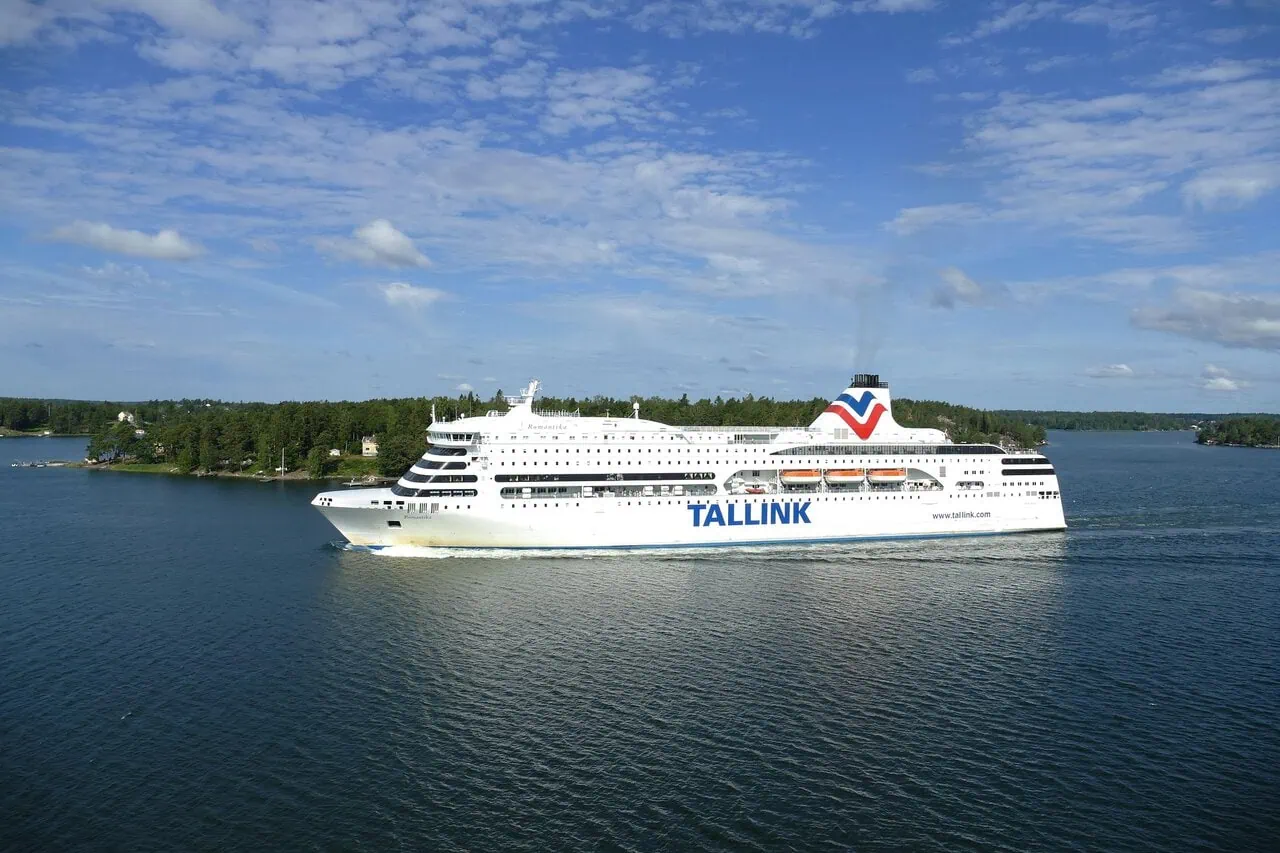
Why Turku Is One of Finland’s Main Ferry Gateways
Positioned on Finland’s south-west coast beside the Baltic Sea, Turku has served as one of the country’s most important maritime gateways for centuries. Today, the city remains a major hub for ferries connecting Finland, Sweden and the Åland Islands, with overnight sailings, scenic archipelago crossings and strong rail links making it one of the most important transport centres in Northern Europe.
Unlike some Baltic ferry cities that feel heavily cruise-oriented, ferry routes from Turku combine practicality with atmosphere. Travellers use these crossings for overnight transport, Scandinavian rail journeys, road trips, Interrail itineraries and wider Baltic travel between the Nordic countries.
One of the biggest highlights of sailing from Turku is the spectacular scenery through the Finnish Archipelago. Ferries pass thousands of rocky islands, forests, coastal villages and narrow sea channels before eventually reaching the more open waters of the Baltic Sea. During summer, the journey becomes one of the most visually impressive ferry experiences anywhere in Scandinavia.
The city also works exceptionally well for travellers combining Finnish rail travel with overnight ferry routes. Long-distance trains arriving from Helsinki, Tampere and northern Finland connect naturally with ferry departures, making Turku one of the key links between the Finnish rail network and wider Scandinavian ferry travel.
| Route | Main Operators | Typical Duration | Overnight Crossing | Key Highlights |
|---|---|---|---|---|
| Turku → Stockholm | Viking Line / Tallink Silja | 10–12 hours | Yes | Overnight crossing, archipelago scenery, Sweden connection |
| Turku → Mariehamn | Viking Line / Tallink Silja | 5–6 hours | Sometimes | Åland Islands, scenic Baltic sailing |
| Turku → Kapellskär | Finnlines | 8–9 hours | Usually | Faster Sweden access, road trip route, vehicle traffic |
Turku Ferry Terminal Explained
The main Turku Ferry Terminal sits west of the city centre beside the lower section of the Aura River, handling major passenger and vehicle ferry departures towards Sweden and the Åland Islands.
One of the terminal’s biggest strengths is how well it connects with Finland’s rail network. Many long-distance trains arriving from Helsinki, Tampere, Lapland and wider Finland are scheduled around ferry departures, allowing travellers to move relatively smoothly between trains and overnight Baltic ferries.
The railway station closest to the terminal is Turku Satama, also known as Turku Harbour Station. Some long-distance Finnish rail services continue directly to this station beside the ferry terminal itself, making transfers particularly convenient for passengers travelling with luggage. Travellers booking rail tickets online should therefore look specifically for Turku Satama rather than simply Turku Central Station.
Passengers arriving into Turku Central Station can still reach the ferry terminal relatively easily using local buses, taxis or Bolt. Local bus services normally connect central Turku with the harbour area throughout the day, with journey times usually taking around 10 to 15 minutes depending on traffic and weather conditions.
Taxis and Bolt are widely available across Turku and are often the easiest option for travellers carrying heavier luggage, travelling with children or arriving late at night before overnight sailings.
Inside the terminal, facilities are modern and relatively straightforward compared with some larger European ferry ports. However, because many departures involve overnight sailings and large vehicle traffic, passengers should still allow enough time for check-in, boarding procedures, security controls and cabin access before departure.
Winter conditions are also important in Finland. Snow, ice and freezing Baltic weather can occasionally affect rail and road timings during colder months, particularly for travellers connecting from longer-distance Finnish rail routes.
See hotel options and places to stay in Turku.
Browse hotelsBrowse apartments, holiday homes and self-catering stays in Turku.
View rentalsCompare prices for Turku hotels across multiple booking sites.
Check dealsTurku to Stockholm Ferry
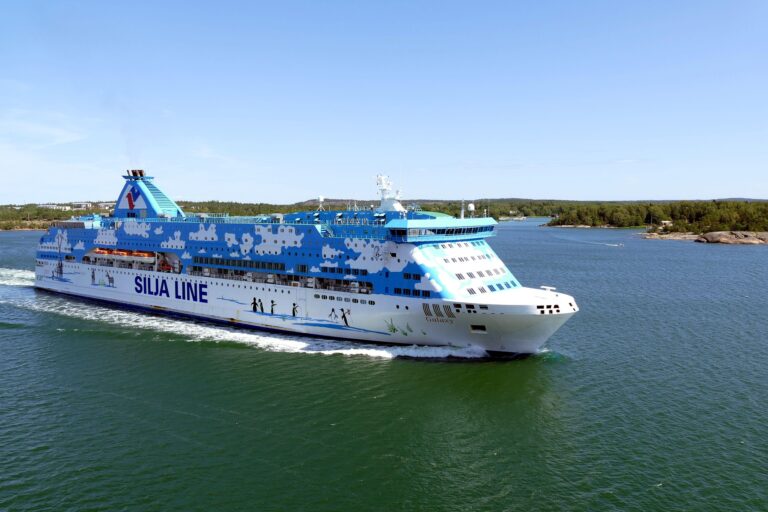
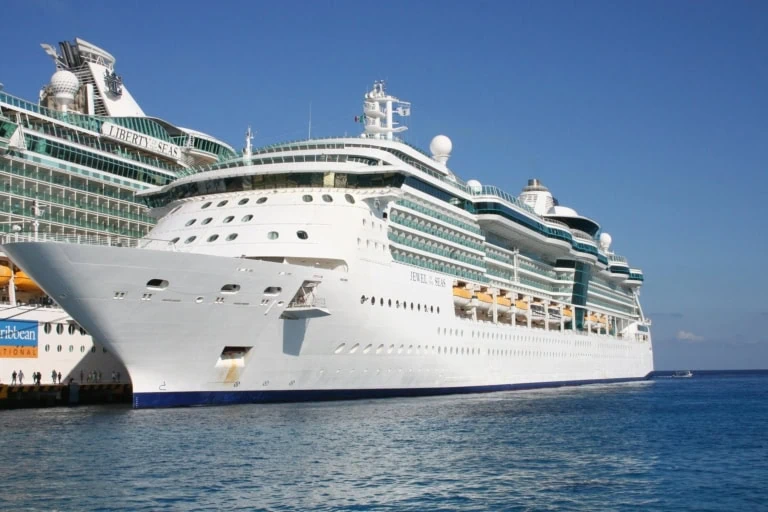
The overnight Turku to Stockholm ferry is the flagship Baltic crossing from south-west Finland and one of the most famous ferry journeys anywhere in Northern Europe. Operated mainly by Viking Line and Tallink Silja, the route combines overnight accommodation, restaurants, entertainment and spectacular archipelago scenery into a full Scandinavian travel experience.
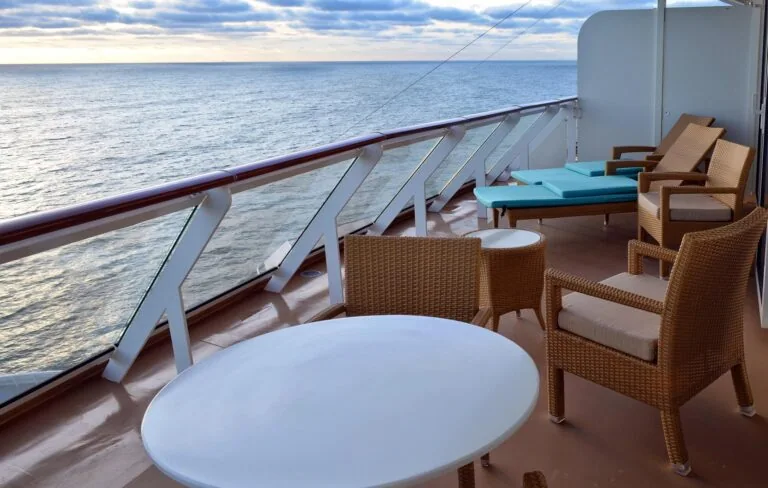
Most sailings take around 10 to 12 hours, with ferries usually departing during the evening before arriving in Stockholm the following morning. The crossing functions almost like a floating hotel, with passengers able to book private cabins, sea-view rooms, restaurants, bars, observation decks, shopping areas and onboard entertainment spread across multiple decks.
The scenery is one of the route’s biggest attractions. Ferries pass through huge sections of the Finnish Archipelago before later entering the spectacular Stockholm Archipelago, creating almost continuous coastal and island views for much of the crossing. During summer, long Nordic daylight hours make the journey especially beautiful, while winter sailings create a completely different atmosphere with icy Baltic landscapes and snow-covered islands.
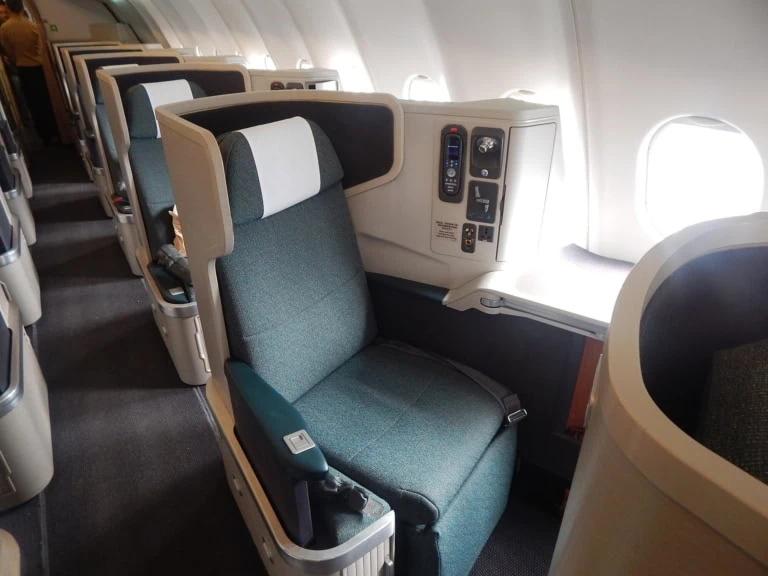
Cabin choice is particularly important because the route operates overnight. Budget travellers often use simple inside cabins, while premium passengers choose larger sea-view rooms or private suites for a more comfortable crossing. Families travelling with children also frequently select larger cabins because of the long overnight sailing time.
Arriving into Stockholm by sea is also a major highlight of the journey itself. Ferries approach the Swedish capital through one of the world’s largest archipelagos, passing forests, rocky islands, marinas and waterfront communities before docking close to the city centre.
The route is especially popular with Interrail travellers, Scandinavian road-trippers, Finnish domestic passengers and tourists combining Sweden and Finland within wider Baltic Sea itineraries.
Turku to Mariehamn Ferry
One of the most scenic and culturally distinctive ferry routes from Turku is the crossing towards Mariehamn, the capital of the autonomous Åland Islands located between Finland and Sweden in the middle of the Baltic Sea.
Many ferries travelling between Turku and Stockholm stop in Mariehamn, partly because of the islands’ unique tax status. This system allows ferry operators to continue offering tax-free shopping onboard, which has historically played a major role in Baltic ferry economics and Scandinavian cruise culture.
The crossing itself is exceptionally scenic. Ferries travel through vast sections of the Finnish Archipelago, passing small islands, forests, rocky coastlines and quiet Baltic communities throughout the journey. During summer, the route becomes one of the most visually impressive sea crossings anywhere in Northern Europe.
Unlike the larger capital-city ferry routes, the Åland Islands feel slower, calmer and more locally focused. The region is known for maritime culture, cycling, forests, harbours and relaxed Nordic island life rather than large urban attractions or heavy tourism infrastructure.
Mariehamn itself is compact and easy to explore, with ferry terminals located relatively close to the town centre. Some travellers use the islands as a stopover between Finland and Sweden, while others visit specifically to experience one of the Baltic region’s most unique autonomous territories.
For travellers interested in scenic sea travel, Nordic island culture and quieter Baltic destinations, the Turku to Mariehamn ferry provides one of the most distinctive ferry experiences accessible from mainland Finland.
Turku to Kapellskär Ferry
The Turku to Kapellskär ferry provides one of the most practical sea routes between Finland and Sweden, particularly for travellers continuing by road through wider Scandinavia rather than heading directly into central Stockholm. Operated mainly by Finnlines, the route is especially popular with motorists, freight traffic and long-distance Scandinavian road-trippers moving vehicles across the Baltic Sea.
Crossings usually take around 8 to 9 hours, making the route slightly faster and more transport-focused than some of the larger overnight cruise-style ferries between Turku and Stockholm. The onboard atmosphere generally feels quieter and more practical, although passengers still have access to private cabins, restaurants, lounges and onboard facilities throughout the crossing.
One of the biggest advantages of arriving into Kapellskär is location. The port sits north of Stockholm and allows travellers to avoid much of the Swedish capital’s traffic congestion when continuing deeper into Scandinavia. This makes the route especially useful for travellers driving towards northern Sweden, Norway, rural Scandinavia and wider European road-trip routes.
The crossing still includes impressive scenery through sections of the Finnish Archipelago and Baltic coastline, particularly during summer when long Nordic daylight hours create excellent visibility from the ship’s observation decks and sea-view lounges.

The Finnish Archipelago Ferry Experience
One of the greatest highlights of taking ferries from Turku is experiencing the extraordinary scenery of the Finnish Archipelago, one of the largest island systems anywhere in the world.
As ferries leave Turku and move towards the open waters of the Baltic Sea, ships pass countless rocky islands, forests, narrow sea channels, small harbours and isolated Nordic communities scattered across the coastline. In many sections of the crossing, land remains visible almost continuously for hours, creating a very different atmosphere from open-ocean ferry travel.
During summer, the archipelago becomes especially spectacular. Long Nordic daylight hours illuminate forests, coastal cottages, marinas and fishing villages late into the evening, creating one of the most scenic ferry experiences anywhere in Northern Europe. The soft evening light across the islands often becomes one of the visual highlights of the entire crossing.
Winter transforms the experience completely. Snow-covered islands, frozen shorelines and icy Baltic landscapes create a far more dramatic atmosphere, particularly during colder periods when sea ice begins forming around parts of the coastline.
The scenery itself is one of the main reasons many travellers choose ferries instead of flights between Finland and Sweden. Open observation decks, panoramic lounges and sea-view cabins allow passengers to fully experience the constantly changing Baltic landscapes throughout the journey.
For photographers, sunrise and sunset crossings through the Finnish Archipelago frequently provide some of the most visually impressive coastal scenery anywhere in Scandinavia.
Overnight Ferries from Turku
Many ferry routes from Turku operate overnight, allowing travellers to combine transportation and accommodation into a single journey across the Baltic Sea. Instead of booking flights and hotels separately, passengers can sleep onboard while travelling between Finland and Sweden overnight.
This works particularly well on the major Turku to Stockholm crossings operated by Viking Line and Tallink Silja. Ferries function almost like floating Scandinavian hotels, with restaurants, bars, lounges, shopping areas, entertainment spaces and private cabins spread across multiple decks.
Cabin selection plays a major role in the overnight ferry experience. Budget travellers often choose simple inside cabins, while passengers wanting greater comfort usually select sea-view rooms or larger premium suites with additional space and better views across the Baltic Sea.
Families travelling with children frequently choose larger cabins because overnight sailings can feel long for younger passengers. Many ferries also include family-friendly facilities, entertainment areas and quieter cabin sections designed specifically for overnight Scandinavian travel.
One of the biggest advantages of overnight ferries is convenience. Travellers board during the evening, enjoy the onboard facilities overnight and wake up in another country the following morning without needing airport transfers, early flights or additional hotel nights.
The atmosphere onboard also changes dramatically depending on season. Summer crossings often feel lively and social, while winter sailings through icy sections of the Baltic Sea create a quieter and far more atmospheric Scandinavian ferry experience.
Booking Ferries from Turku
Booking ferries from Turku is generally straightforward, although prices, cabin availability and vehicle spaces can vary dramatically depending on season, departure date and holiday demand. Summer weekends, Nordic school holidays and major Scandinavian travel periods are especially busy across Baltic ferry routes.
Most travellers compare sailings using platforms such as Direct Ferries, which allow passengers to check multiple operators, sailing times, cabin categories and vehicle prices in one place. This is especially useful for comparing routes operated by Viking Line, Tallink Silja and Finnlines from Turku.
Cabin selection is one of the most important booking decisions, particularly on overnight crossings towards Stockholm. Budget travellers often select standard inside cabins, while passengers wanting a more premium crossing usually choose sea-view cabins or larger private suites.
Vehicle bookings are also extremely common on routes from Turku. Many travellers transport cars, motorhomes, motorcycles and bicycles between Finland and Sweden, especially during the busy Scandinavian summer road-trip season. Because of this, vehicle capacity can sell out surprisingly early on popular departures.
Travellers should also check terminal arrival requirements, boarding procedures, baggage arrangements and optional meal packages before departure. Compared with airlines, Baltic ferries usually offer far more generous luggage flexibility, making them particularly attractive for longer Scandinavian journeys and multi-country Nordic itineraries.
Because many sailings operate overnight, passengers should still arrive early enough for check-in, security procedures and cabin access before departure from the Turku Ferry Terminal.

Travel by Ferry to Turku with Direct Ferries
For ferry journeys involving Turku, Direct Ferries gives you a single place to compare available sailings from different operators.
It is useful for island hopping, coastal routes and international crossings where schedules and prices can vary considerably between companies.
Want to compare ferry prices? You can also check Ferryhopper and FerryScanner before booking.
Browse hostels and budget-friendly stays around Turku.
See hostelsFlying to Turku? Get fast compensation payouts, eligible lounge benefits and expert help when flights go wrong.
See AirHelp+ benefitsUse convenient luggage storage around Turku between arrival, check-in and departure.
Check storageHow Turku Ferries Connect with Finnish Rail Travel
One of the biggest advantages of using ferry routes from Turku is how naturally they connect with Finland’s wider rail network. The city functions as one of the main transport bridges between Finnish rail travel and overnight Baltic ferry crossings towards Sweden and the Åland Islands.
Long-distance trains arriving from Helsinki, Tampere, Lapland and wider Finland often align relatively well with the main evening ferry departures, allowing passengers to move efficiently between rail services and overnight ships. This makes Turku especially useful for travellers combining Scandinavian rail journeys with Baltic ferry travel. Travellers coming from further north can check our Finland Sleeper Trains Guide for overnight rail options connecting with these ferry departures.
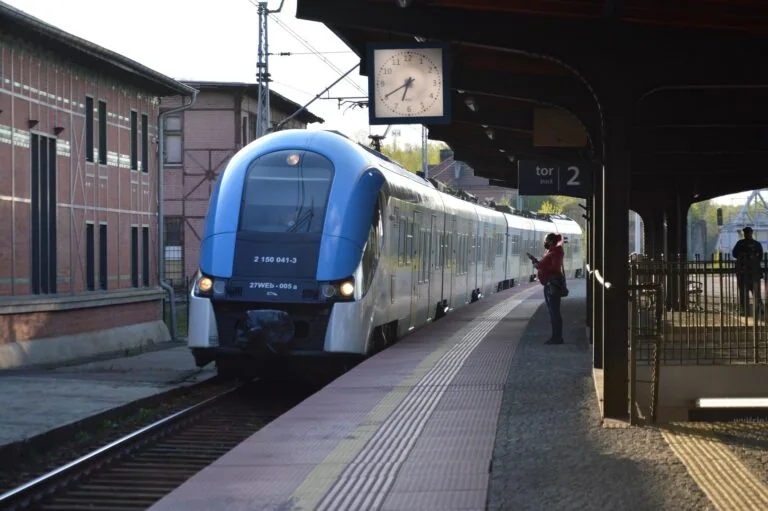
The most important railway station for ferry passengers is Turku Satama, also known as Turku Harbour Station, located directly beside the ferry terminal itself. Some Finnish rail services continue all the way to the harbour station, allowing passengers to walk directly from the train platform towards ferry check-in with minimal transfers or additional transport.
This arrangement works particularly well for Interrail travellers, Scandinavian rail tourists, backpackers carrying luggage and passengers arriving from northern Finland before overnight ferry departures. Travellers using Interrail Finland or wider Scandinavian rail passes can combine Finnish day trains with overnight Baltic ferries to create slower, more scenic alternatives to short-haul flights across Northern Europe.
After arriving in Stockholm, passengers can also continue onwards using Sweden’s extensive rail network towards Gothenburg, Malmö, northern Sweden, Norway and wider Central European rail corridors. For many travellers exploring Scandinavia, combining Finnish rail travel with overnight Baltic ferries creates one of the most enjoyable and practical transport experiences in the region.
Seasickness and Baltic Weather
Although the Baltic Sea is usually calmer than the Atlantic Ocean, weather conditions can still affect ferry crossings from Turku, particularly during autumn and winter.
Most passengers experience relatively smooth sailing while ferries travel through the sheltered waters of the Finnish Archipelago, although conditions can become rougher once ships enter more exposed areas of the Baltic Sea. Strong winds, winter storms and icy weather occasionally create noticeable movement onboard, especially during colder months.
The larger overnight ferries operated by Viking Line, Tallink Silja and Finnlines are generally very stable compared with smaller regional ferries, helping reduce seasickness for many travellers. Cabins positioned lower and closer to the centre of the ship also tend to experience less movement during rough weather.
Travellers prone to motion sickness should still prepare carefully before overnight sailings, particularly during winter conditions. Staying hydrated, avoiding excessive alcohol consumption and spending time looking towards the horizon can all help reduce discomfort during rougher crossings.
Open observation decks can become extremely windy and cold even during summer, especially once ferries leave the shelter of the archipelago and enter more exposed Baltic waters. Winter crossings can feel especially harsh on outdoor decks because of freezing winds and icy sea spray across the Baltic Sea.
Travellers concerned about rough conditions or overnight ferry travel should also read our dedicated Seasickness Travel Guide, which explains practical preparation strategies, medication advice and ways to make longer Baltic crossings more comfortable.
Best Time of Year for Turku Ferries
The atmosphere of ferry travel from Turku changes dramatically throughout the year, with each season creating a very different experience across the Baltic Sea.
Summer, particularly between June and August, is the busiest and most popular period for ferry routes from Turku. Long Nordic daylight hours, calmer sea conditions and spectacular archipelago scenery make summer the ideal season for open-deck sailing and panoramic Baltic crossings through the islands surrounding south-west Finland.
Summer also brings the highest prices and busiest departures. Ferry routes towards Stockholm, Mariehamn and wider Sweden can become extremely busy during Scandinavian holiday periods and peak road-trip season, especially when travellers transport vehicles between Finland and Sweden.
Winter creates a completely different atmosphere. Snow-covered islands, frozen Baltic coastlines and icy sea conditions transform overnight sailings into far more dramatic Nordic travel experiences. Christmas crossings and winter mini-cruises become especially popular during the festive season, when ferries feel more atmospheric and visually striking.
Spring and autumn often provide the best balance between scenery, lower crowds and more reasonable pricing. Travellers visiting during these shoulder seasons can still experience excellent archipelago scenery without the heavy summer congestion found on peak departures.
For photographers, the softer Nordic light during autumn and winter frequently creates some of the most visually impressive ferry scenery anywhere in Scandinavia, particularly around the coastlines and islands surrounding Turku and the wider Finnish Archipelago.
eSIMs and Connectivity on Finland Ferries
Mobile connectivity on ferries departing from Turku can vary depending on route, weather conditions and distance from land. Signals are usually strongest while ferries travel through the Finnish Archipelago, although coverage can weaken once ships move further into open sections of the Baltic Sea.
Travellers using standard European roaming often experience reliable coverage near Finland, Sweden and the Åland Islands, although offshore sections of longer crossings may occasionally switch towards maritime satellite networks. These networks can become extremely expensive if phones connect automatically without passengers realising.
Because of this, many travellers now prefer using travel eSIMs rather than relying entirely on standard roaming services. Providers such as Airalo, Saily, Ubigi, Nomad, Holafly and SimOptions all offer regional European data plans suitable for Scandinavian and Baltic travel itineraries.
Most major overnight ferries also provide onboard Wi-Fi, particularly on routes operated by Viking Line and Tallink Silja. Connection quality can still vary depending on passenger numbers, route location and weather conditions across the Baltic Sea.
Reliable mobile connectivity becomes especially important for passengers managing digital ferry tickets, rail bookings, navigation apps, hotel check-ins and wider Scandinavian itinerary planning while travelling between countries.
Travellers should ideally download important tickets, offline maps and travel documents before departure in case offshore signal quality becomes inconsistent during overnight Baltic crossings.

Rupert’s Handy Travel Tips
Rupert always heads straight for the outer decks when ferries leave Turku, even during freezing Baltic weather. He reckons the first hour through the Finnish Archipelago is one of the most beautiful ferry departures anywhere in Europe, especially when the evening light hits the forests, rocky islands and tiny coastal cottages scattered across the shoreline.
- Spend time outside leaving Turku: the archipelago scenery is one of the highlights of the entire crossing towards Sweden.
- Double-check your train station: Turku Satama, the harbour station, makes ferry transfers dramatically easier with luggage than Turku Central Station.
- Book cabins early in summer: overnight ferries towards Stockholm and the Åland Islands can sell out surprisingly quickly.
- Pack a warmer layer, even in summer: Baltic winds across open decks can feel far colder than many travellers expect.
- Take it slowly: a window seat, something warm from the café and enough time to enjoy the scenery make the crossing feel like part of the trip rather than an airport transfer.
Want to meet the reindeer behind our travel tips? Find out more in our page Who is Rupert?.
Frequently Asked Questions
What are the main ferry routes from Turku?
The main ferry routes from Turku connect the city with Stockholm, Mariehamn, the wider Åland Islands and Kapellskär in Sweden.
How long is the ferry from Turku to Stockholm?
Most overnight crossings between Turku and Stockholm take around 10 to 12 hours depending on operator, route and weather conditions.
Which ferry companies operate from Turku?
The main operators serving Turku Ferry Terminal include Viking Line, Tallink Silja and Finnlines.
Can you take a train directly to Turku Ferry Terminal?
Yes. Some Finnish rail services continue directly to Turku Satama, also known as Turku Harbour Station, located beside the ferry terminal itself.
Are Turku ferries good for Interrail travellers?
Yes. Turku works especially well for Interrail Scandinavia itineraries because ferries connect naturally with Finland’s long-distance rail network and Swedish rail services.
Are Baltic ferry crossings from Turku rough?
The Baltic Sea is generally calmer than the Atlantic, although winter storms and strong winds can occasionally create rougher conditions during overnight crossings.
Further Reading & Related Guides
If you are continuing across the Baltic region, our detailed Ferry Routes from Stockholm guide explains onward Scandinavian ferry connections towards Finland, the Baltic States and wider Northern Europe. Travellers combining Finland with Estonia should also explore our practical Finland Ferry Guide and detailed Tallinn to Helsinki Ferry Guide.
For wider Scandinavian rail planning, our comprehensive Finland Interrail Guide and Sweden Interrail Guide explain how overnight ferries connect with long-distance Nordic rail routes across the region. Travellers concerned about rough overnight sailings should also read our dedicated Seasickness Travel Guide before winter Baltic crossings.