
Why Visit Tallinn
Tallinn is one of the most underrated capital cities in Europe, combining a remarkably preserved medieval Old Town with modern Nordic-style cafés, creative districts, seaside culture and surprisingly affordable prices. Sitting on the shores of the Baltic Sea, the Estonian capital offers a very different atmosphere from the larger cities of Western Europe. Visitors can walk through cobbled streets lined with merchant houses in the morning, explore modern food halls in the afternoon and finish the evening in stylish bars overlooking ancient city walls.
One of Tallinn’s greatest strengths is how compact and walkable the city feels. Many of the main attractions sit within or close to the UNESCO-listed Old Town, meaning travellers can experience a huge amount even during a short stay. This makes Tallinn especially popular for Helsinki day trips, cruise passengers and travellers exploring the Baltic region by ferry or rail.
The city also offers an unusual blend of influences. Elements of Scandinavian, German, Russian and Baltic history are visible throughout Tallinn’s architecture, food and culture. Medieval towers sit beside modern glass developments, while Soviet-era remnants still appear in some districts beyond the historic centre.
Tallinn is also increasingly popular with digital nomads and younger travellers because of Estonia’s reputation for technology, fast internet and efficient public services. Despite this modern reputation, the city still feels historic, atmospheric and relaxed compared with many overcrowded European capitals.
Whether you are interested in medieval history, Christmas markets, ferry travel, Baltic culture or simply looking for a beautiful walkable city break, Tallinn offers far more than many first-time visitors expect.
Where Is Tallinn and Why Is It So Popular?
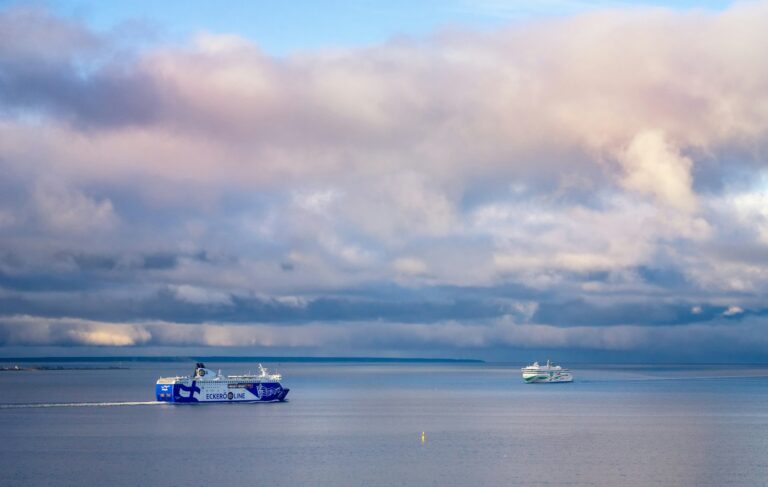
Tallinn sits on the northern coast of Estonia, directly facing Finland across the Gulf of Finland. The city is only around two hours by ferry from Helsinki, which has helped make it one of the most popular international day trip destinations in Northern Europe. Thousands of passengers travel between the two capitals every day using large Baltic ferries operated by companies such as Tallink Silja, Viking Line and Eckerö Line.
Its location has shaped Tallinn’s identity for centuries. Historically, the city was an important trading hub within the Hanseatic League, connecting merchants across the Baltic and Northern Europe. This trading wealth helped create the fortified Old Town visitors see today, with stone towers, defensive walls and wealthy merchant buildings still dominating the historic centre.
Modern travellers are drawn to Tallinn for several reasons. The city is often cheaper than nearby Nordic capitals while still offering high-quality restaurants, cafés, hotels and public transport. Travellers arriving from Stockholm, Helsinki, Riga or wider European destinations often find Tallinn delivers a strong “fairytale city” atmosphere without the overwhelming crowds seen in destinations such as Prague or Venice.
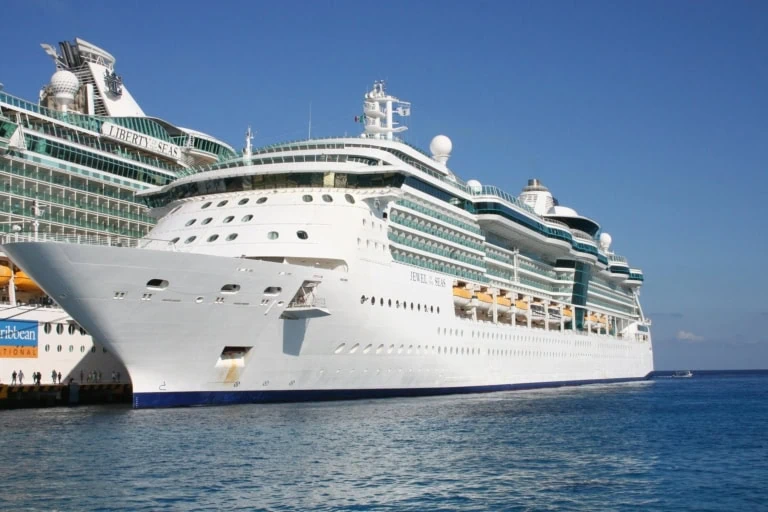
Tallinn has also become increasingly important within Baltic cruise itineraries. During summer, major cruise ships regularly dock near the city centre, allowing passengers to reach the Old Town quickly on foot. This accessibility makes Tallinn especially attractive for short visits and Baltic Sea cruises.
The city’s growing reputation for digital innovation also attracts international attention. Estonia is famous for its e-government systems, startup culture and technology sector, giving Tallinn a surprisingly modern edge beneath its medieval appearance.
Browse hotels and accommodation for your visit to Tallinn.
View staysExplore holiday homes and apartments around Tallinn.
See holiday homesCompare prices for Tallinn hotels across multiple booking sites.
Check dealsHow to Get to Tallinn
Most international visitors arrive in Tallinn either by ferry or via Tallinn Airport. Ferry travel is particularly popular because the city has some of the best maritime connections in the Baltic region.
The most famous route is the Helsinki to Tallinn ferry, which typically takes around two hours depending on the operator and vessel type. Large modern ferries operate throughout the day and offer restaurants, shops, bars, outdoor viewing decks and private cabins on some departures. This route is one of the busiest passenger ferry corridors in Europe and is extremely popular with tourists, commuters and cruise-style travellers.
Overnight ferries from Stockholm also connect Sweden and Estonia. These larger cruise-style vessels usually include cabins, entertainment, restaurants and panoramic sea views across the Baltic Sea. Travelling overnight can be a comfortable way to combine transport and accommodation while exploring Northern Europe.
Tallinn Airport sits relatively close to the city centre, making arrivals straightforward. Direct flights operate from major hubs across Europe, including connections from London, Frankfurt, Amsterdam, Warsaw and Scandinavian capitals. The airport is compact, modern and easy to navigate compared with many larger European airports.
Long-distance buses also connect Tallinn with destinations such as Riga, Vilnius, Warsaw and parts of Eastern Europe. Companies such as Lux Express are particularly well regarded for comfort and onboard facilities.
Rail travel within the Baltics remains more limited than in Western Europe, although infrastructure improvements continue across the region. Travellers combining Tallinn with wider Baltic itineraries often rely more heavily on buses and ferries than traditional rail routes.
Getting Around Tallinn
One of the best things about Tallinn is how easy the city is to navigate. Much of the historic centre is compact and highly walkable, allowing visitors to explore many of the main attractions without needing constant transport.
The Old Town is best explored entirely on foot. Cobbled lanes, medieval courtyards and narrow passageways create an atmosphere that simply cannot be appreciated properly from vehicles or public transport. Comfortable footwear is important though, especially during winter when snow and ice can make surfaces slippery.
Tallinn’s public transport network includes trams, buses and trolleybuses. The tram system is particularly useful for reaching areas such as Kadriorg Park, Tallinn Airport and some outer districts beyond the Old Town. Tickets can usually be purchased through contactless payment systems, ticket machines or mobile apps.
Taxi and ride-hailing services are also widely available. Bolt, which actually originated in Estonia, is one of the most commonly used apps in Tallinn and is often cheaper than traditional taxis. Many visitors rely on Bolt for airport transfers, ferry terminal connections and late-night journeys back to hotels.
Travellers arriving at the ferry terminal can usually walk into the city centre within around 15 to 20 minutes depending on luggage and accommodation location. Cruise passengers benefit from especially easy access because the port sits relatively close to the historic core.
Cycling is becoming increasingly popular during summer, although Tallinn’s steep sections around Toompea Hill and cobbled Old Town streets can make some areas challenging. During winter, icy conditions and snow may make walking and public transport safer options for many visitors.
Tallinn Old Town
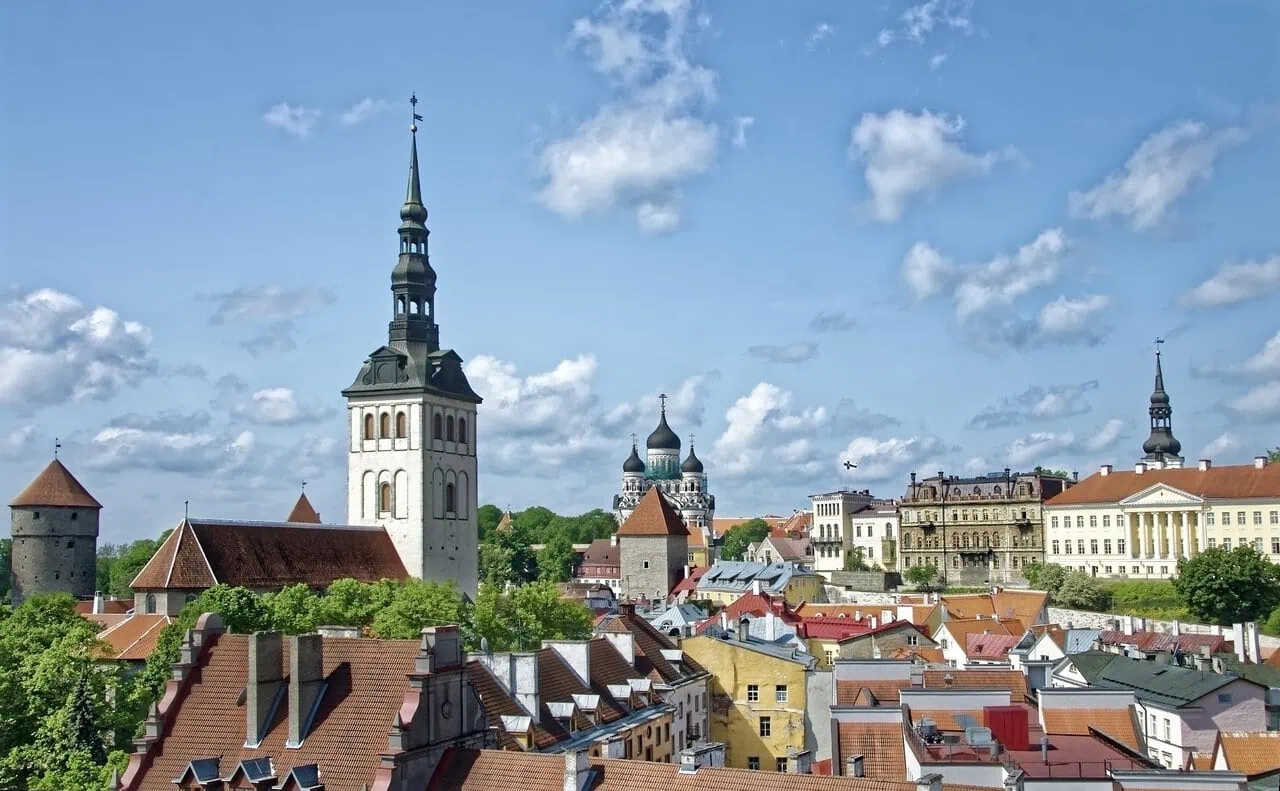
The heart of Tallinn is its extraordinary UNESCO-listed Old Town, one of the best-preserved medieval city centres anywhere in Europe. Walking through the historic core feels like stepping into a fairytale city, with cobbled streets, defensive towers, merchant houses and church spires creating one of the most atmospheric urban landscapes in the Baltic region.
Unlike many historic cities that were heavily damaged during war or modern redevelopment, much of Tallinn’s medieval structure survived remarkably intact. Visitors can still follow the original street layout that developed centuries ago when Tallinn operated as a wealthy trading centre within the powerful Hanseatic League. The result is a city centre filled with authentic stone buildings, hidden courtyards and narrow alleyways that genuinely feel historic rather than reconstructed.
The lower section of the Old Town contains many of the city’s cafés, restaurants and tourist attractions. Streets such as Viru Street, Pikk Street and surrounding lanes are lined with colourful medieval buildings housing everything from traditional taverns to modern Nordic-inspired coffee shops. During winter, snow-covered rooftops and Christmas lights make the area feel especially magical.
Tallinn’s city walls remain one of the Old Town’s defining features. Towers, gateways and defensive sections still surround large parts of the historic centre, creating a sense of enclosure rarely found in modern European capitals. Walking beside these fortifications gives visitors a much better understanding of how important Tallinn once was strategically within the Baltic trading world.
One of the biggest advantages of the Old Town is its compact size. Visitors can explore most major landmarks on foot within a day while still finding quieter corners away from the busiest tourist streets. Early mornings and evenings are especially atmospheric once cruise crowds and day-trippers begin thinning out.
Toompea Castle and Upper Town
Rising above the lower Old Town, Toompea Hill forms the historic upper section of Tallinn and provides some of the city’s most famous panoramic views. This elevated area has historically functioned as Tallinn’s political and administrative centre, and today still houses the Estonian Parliament inside the historic Toompea Castle complex.
The climb towards Toompea is one of the highlights of visiting Tallinn. Narrow stone lanes, staircases and viewpoints gradually reveal wider perspectives across the city’s red rooftops, church spires and Baltic coastline. During clear weather, visitors can see ferries moving across the Gulf of Finland towards Helsinki.
One of the most recognisable landmarks on Toompea Hill is the pink-coloured Toompea Castle, parts of which date back to medieval Danish and German rule. Although the castle itself has evolved over centuries, it remains one of Estonia’s most important political buildings and symbolises the country’s long and complicated history of foreign influence and independence.
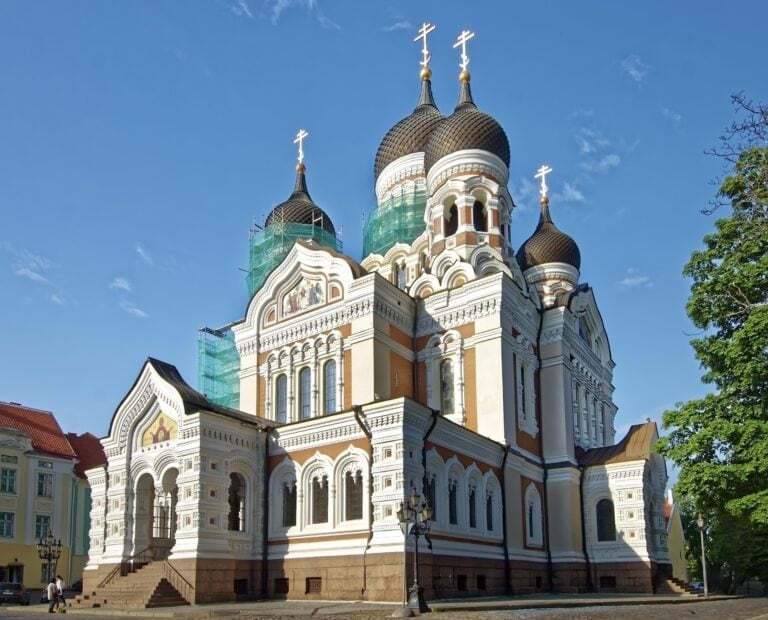
Nearby stands the striking Alexander Nevsky Cathedral, whose large onion domes dominate Tallinn’s skyline. The cathedral was built during the period of the Russian Empire and remains one of the city’s most photographed buildings. The contrast between Russian Orthodox architecture and Tallinn’s medieval Germanic surroundings creates a fascinating visual mix unique to the city.
The upper town also contains several of Tallinn’s most famous viewpoints. Locations such as Kohtuotsa Viewing Platform and Patkuli Viewing Platform provide iconic postcard-style views across the Old Town. Sunset is particularly spectacular, with church spires and medieval rooftops glowing against the Baltic evening light.
Despite being one of Tallinn’s busiest tourist areas, Toompea still feels surprisingly calm compared with many European historic centres. Quiet courtyards, stone walls and hidden lanes make the area ideal for slow wandering rather than rushed sightseeing.
Alexander Nevsky Cathedral
The magnificent Alexander Nevsky Cathedral is one of the most recognisable landmarks in Tallinn and one of the finest examples of Russian Orthodox architecture in the Baltic region. Sitting prominently on Toompea Hill, its dark onion domes and richly decorated façade stand out dramatically against the medieval surroundings of the Old Town.
The cathedral was completed in the early 1900s during Estonia’s period under the Russian Empire. At the time, the building symbolised Russian political and religious influence over the region, which means the cathedral still carries complicated historical associations for some Estonians today. Despite this, it has become one of Tallinn’s most important and visited architectural landmarks.
Inside, visitors will find elaborate mosaics, icons, chandeliers and richly decorated interiors typical of Orthodox churches. The atmosphere feels noticeably different from many Western European cathedrals, with darker colours, incense and traditional liturgical decoration creating a more intimate and dramatic environment.
The cathedral’s bells are among the most powerful church bells in Tallinn and can often be heard echoing across the Old Town. During winter snowfall or foggy Baltic mornings, the cathedral’s domes create some of the city’s most atmospheric photography opportunities.
Because of its elevated position, the cathedral also serves as an important orientation point while exploring Tallinn. Many walking routes through Toompea naturally lead visitors towards the church before continuing to nearby viewpoints and government buildings.
Travellers visiting during peak cruise season should aim for early morning or later evening visits if possible. Midday periods can become crowded, especially when multiple Baltic cruise ships are docked in Tallinn simultaneously.
PROTO Invention Factory
For families, science lovers and travellers looking for something completely different from Tallinn’s medieval history, the excellent PROTO Invention Factory is one of the city’s most unusual modern attractions. Located inside the historic Noblessner submarine factory area near the waterfront, PROTO combines immersive virtual reality technology with imaginative retro-futuristic inventions inspired by the world of Jules Verne.
Rather than functioning as a traditional museum, PROTO feels more like an interactive science and invention playground. Visitors use VR headsets and hands-on installations to experience fantastical machines and inventions inspired by the industrial age and early visions of the future. Attractions allow guests to simulate flying in early hot air balloons, driving primitive steam-powered vehicles and even exploring underwater environments using immersive virtual reality technology.
The attraction works especially well for families because there is a strong interactive element throughout the experience. Instead of simply reading information panels, visitors actively participate in games, challenges and immersive exhibits spread across the large industrial-style interior. The spacious layout also makes the venue feel far less crowded than some of Tallinn’s busier tourist attractions.
One of the most interesting aspects of PROTO is the location itself. The attraction sits within the redeveloped Noblessner district, a former industrial and submarine production area that has gradually transformed into one of Tallinn’s most modern waterfront neighbourhoods. The contrast between cutting-edge VR technology and the old industrial surroundings gives the experience a unique atmosphere.
Travellers should note that some of the VR attractions may trigger mild motion sickness for sensitive visitors, particularly during longer sessions. However, the attraction also includes plenty of non-VR activities and interactive exhibits suitable for wider age groups.
For visitors wanting to experience a more modern, creative and family-friendly side of Tallinn, especially during bad weather or colder Baltic winter days, PROTO Invention Factory provides one of the city’s most distinctive indoor attractions.
Compare routes and fares for your journey to Tallinn.
Compare flightsUse an eSIM to get online without hunting for a local SIM after arrival.
See eSIM optionsCheck private pickup options and plan your onward journey before arrival.
View transfersTallinn City Walls and Towers
Few European capitals retain medieval fortifications as impressive as the Tallinn City Walls. These defensive structures once protected one of the most important trading cities in the Baltic Sea region, and today they remain among Tallinn’s most distinctive historical features.
Originally stretching for several kilometres around the medieval city, the walls included dozens of towers, gates and defensive positions. Large sections still survive remarkably well, allowing visitors to walk beside or even climb parts of the old fortifications while exploring the city centre.
Some of the most famous towers include Kiek in de Kök, whose unusual name comes from Low German and roughly means “peek into the kitchen.” According to legend, guards stationed in the tower could supposedly see into the kitchens of nearby houses from their elevated positions. Today the tower operates as a museum exploring Tallinn’s military and defensive history.
Walking along surviving wall sections gives visitors a strong sense of how fortified medieval Tallinn once was. Stone passageways, watchtowers and defensive corridors reveal how seriously the city took protection during centuries of regional conflict and competition.
The walls are especially atmospheric during winter, when snow settles across the towers and medieval rooftops. Evening lighting also transforms the fortifications into one of the city’s most visually dramatic attractions after dark.
Many travellers compare Tallinn’s walls favourably against those in cities such as Riga, Prague and parts of Germany because of how extensive and well-preserved they remain. Combined with the surrounding cobbled streets and Gothic architecture, they help make Tallinn feel genuinely medieval rather than simply historic.
Town Hall Square
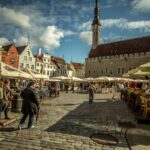
At the centre of Tallinn Old Town sits the beautiful Town Hall Square, known locally as Raekoja plats, one of the most atmospheric public spaces in the entire Baltic region. Surrounded by colourful merchant houses, medieval façades and outdoor cafés, the square has served as Tallinn’s social and commercial heart for centuries.
The focal point is the striking Tallinn Town Hall, a Gothic building dating back to the medieval period and one of the oldest surviving town halls in Northern Europe. Its elegant tower dominates the square and has become one of the defining symbols of Tallinn itself. During summer, the square fills with outdoor dining terraces and visitors enjoying the lively atmosphere, while winter transforms the area into one of Europe’s most picturesque Christmas markets.
Historically, the square hosted everything from markets and celebrations to public punishments and political announcements. Wealthy merchants once gathered here to trade goods arriving through Tallinn’s busy Baltic port, helping the city grow into a major Hanseatic League trading centre.
Many of Tallinn’s best cafés, restaurants and souvenir shops are concentrated around the square and surrounding lanes. Visitors can easily spend hours simply wandering the nearby streets, discovering hidden courtyards, medieval passageways and small artisan shops tucked inside centuries-old buildings.
The square is especially beautiful during the evening when warm lighting illuminates the surrounding architecture. Early morning visits can also be rewarding because the cobbled streets feel far quieter before cruise passengers and ferry tourists arrive in larger numbers.
Kadriorg Palace and Park
Located east of the Old Town, Kadriorg Palace and Park offers a completely different side of Tallinn compared with the medieval centre. Instead of defensive walls and Gothic merchant houses, visitors find elegant gardens, grand avenues and imperial architecture linked to the era of the Russian Empire.
The palace itself was commissioned by Peter the Great during the early 18th century as a summer residence for his wife, Catherine I. Inspired by European royal residences, the building introduced a more refined Baroque style to Tallinn and remains one of Estonia’s most impressive historic palaces today.
Inside, the palace now houses part of the Art Museum of Estonia, displaying foreign art collections in richly decorated halls and ceremonial rooms. Even travellers who are not particularly interested in art often enjoy visiting simply because of the building’s architecture and atmosphere.
Surrounding the palace is the expansive Kadriorg Park, one of Tallinn’s most pleasant green spaces. Tree-lined paths, flower gardens, fountains and quiet ponds create a relaxing environment far removed from the busy tourist streets of the Old Town. During summer, locals gather here for walks, picnics and outdoor activities, while autumn transforms the park into one of Tallinn’s most colourful locations.
The wider Kadriorg district also contains embassies, museums and elegant historic villas. The contrast between the imperial calm of Kadriorg and the medieval intensity of the Old Town highlights how architecturally diverse Tallinn actually is.
Reaching Kadriorg is straightforward using Tallinn’s tram network, making it an easy addition to most city itineraries. Many visitors combine the palace, park and nearby museums into a half-day excursion beyond the historic centre.
Compare hostels and budget-friendly accommodation around Tallinn.
Browse hostelsAccess compensation support, eligible lounge benefits and faster payouts when flights go wrong.
See the benefitsLeave your luggage somewhere convenient and enjoy Tallinn hands-free.
View storageKumu Art Museum
The impressive Kumu Art Museum is widely considered one of the most important cultural institutions in the Baltic States and offers visitors a deeper understanding of Estonian art, identity and history. Located near Kadriorg Park, the museum combines striking modern architecture with extensive collections spanning centuries of Estonian creative work.
The building itself is part of the attraction. Designed with sweeping curves and large glass sections built into the surrounding hillside, Kumu feels modern, spacious and dramatically different from Tallinn’s medieval centre. The contrast between the contemporary museum and the nearby historic districts reflects Estonia’s broader balance between tradition and innovation.
Inside, visitors can explore exhibitions covering everything from classical Estonian paintings to Soviet-era works and modern contemporary art. The museum is particularly valuable for travellers interested in understanding how Estonia’s complex political history shaped national identity during periods of foreign occupation and independence movements.
Kumu also regularly hosts temporary international exhibitions, multimedia installations and cultural events, helping establish Tallinn as a growing artistic centre within Northern Europe. Even travellers who normally skip art museums often appreciate the museum’s modern presentation style and accessible layout.
The surrounding area near Kumu is quieter and greener than the busy Old Town, making it a pleasant place to slow down during a longer Tallinn visit. Combining Kadriorg Palace, Kadriorg Park and Kumu together creates one of the city’s best cultural and walking itineraries outside the medieval core.
Travellers visiting during colder months often find Kumu especially worthwhile because it provides an excellent indoor attraction during snowy or rainy Baltic weather.
Seaplane Harbour Museum
One of Tallinn’s most impressive modern attractions is the outstanding Seaplane Harbour Museum, officially known as Lennusadam. Located near the waterfront north of the Old Town, this maritime museum combines interactive exhibits, naval history and enormous historic vessels inside one of the most architecturally unusual museum buildings in Estonia.
The museum is housed within giant concrete seaplane hangars originally constructed during the era of the Russian Empire. The building itself is remarkable because of its huge curved concrete roof structures, which were considered technologically advanced when built during the early 20th century.
Inside, visitors can explore submarines, naval equipment, icebreaker history and maritime technology linked to Estonia and the wider Baltic Sea region. One of the biggest highlights is the historic submarine Lembit, which visitors can actually enter and explore internally. For many travellers, this becomes one of the most memorable experiences in Tallinn.
The museum also covers Estonia’s relationship with the sea, including merchant shipping, military defence and ferry connections across the Baltic. Travellers arriving in Tallinn by ferry often find the exhibits especially interesting because they help explain how important maritime transport has always been to the city’s development.
Interactive displays make the museum particularly good for families and younger visitors. Simulators, hands-on exhibits and large-scale machinery create a far more engaging experience than many traditional naval museums.
Outside the main building, visitors can also see historic ships and harbour infrastructure along the waterfront. During summer, the surrounding harbour area becomes especially pleasant for walking, with sea views stretching across the Gulf of Finland towards the busy Baltic ferry routes connecting Tallinn with Helsinki and Stockholm.
Tallinn TV Tower
Rising to 314 metres, the striking Tallinn TV Tower is the tallest structure in both Estonia and the wider Baltic region. Located east of the city centre near Pirita, the tower combines panoramic views, Cold War history and modern interactive exhibits, making it one of Tallinn’s most interesting attractions beyond the medieval Old Town.
Originally built for the 1980 Moscow Olympics, the tower later became closely associated with Estonia’s independence movement during the collapse of the Soviet Union. Today, visitors can learn about both the tower’s engineering history and Estonia’s path towards independence through exhibitions inside the complex.
The main attraction is the observation deck located around 170 metres above ground, offering spectacular 360-degree views across Tallinn, the Baltic Sea, the ferry routes towards Helsinki and the forests surrounding the Estonian capital. On clear days, the visibility can stretch surprisingly far across the northern coastline.
Inside, visitors will also find interactive displays, multimedia exhibits and a television studio experience where guests can record their own video broadcasts. The tower’s restaurant and café are particularly popular because of the elevated panoramic dining views across the city and coastline.
Reaching the tower is relatively straightforward using Tallinn’s public transport system. City buses connect the area with the centre, while some sightseeing bus routes also include the tower as part of wider panoramic tours around Tallinn.
For travellers wanting to experience a more modern and panoramic side of Tallinn, especially beyond the medieval streets of the Old Town, the TV Tower provides one of the city’s best skyline experiences.

Telliskivi Creative City
While Tallinn Old Town showcases the city’s medieval history, Telliskivi Creative City reveals Tallinn’s modern artistic and cultural side. Located in a former industrial railway complex close to Balti Jaam Station, this rapidly evolving district has become one of the trendiest areas in the Estonian capital.
Old warehouses, factories and industrial buildings have been transformed into independent cafés, design shops, galleries, bars and creative workspaces. Colourful murals and street art now cover many of the old brick walls, giving the area a completely different atmosphere from the Gothic architecture of the Old Town.
Telliskivi has become especially popular with younger travellers, digital nomads and locals looking for a more contemporary side of Tallinn beyond the traditional tourist attractions. The district hosts cultural events, markets, live music performances and food festivals throughout the year, helping it feel lively even outside peak tourist season.
Food is a major attraction here as well. Visitors can find everything from modern Nordic-inspired restaurants to street food vendors, vegan cafés and craft beer bars. Compared with heavily tourist-focused restaurants in the Old Town, many travellers find Telliskivi offers a more local and relaxed dining experience.
The district is also closely connected with Tallinn’s growing reputation as a technology and startup hub. Creative offices, coworking spaces and modern design businesses now sit beside older industrial structures, reflecting Estonia’s broader transformation into one of Europe’s most digitally advanced countries.
Telliskivi works particularly well as a contrast to the medieval centre. Spending part of the day exploring ancient cobbled streets before moving into this modern creative district helps visitors understand how diverse Tallinn has become.
Balti Jaam Market
Just beside Balti Jaam Station and close to Telliskivi Creative City, the lively Balti Jaam Market has become one of Tallinn’s best places for food, shopping and everyday local atmosphere. Unlike the heavily tourist-focused souvenir stores of the Old Town, this market feels much more connected to modern Estonian daily life.
The market combines traditional produce stalls with modern food halls, cafés and independent retailers spread across several levels. Visitors can browse fresh fruit, vegetables, meats, cheeses and Baltic specialities alongside vintage clothing, antiques, books and handmade crafts.
Food is one of the biggest reasons to visit. Travellers can sample traditional Estonian dishes, Nordic-inspired street food and international cuisine in a far more casual setting than many city-centre restaurants. Local black bread, smoked fish, pastries and regional desserts are especially popular with visitors wanting to try authentic Baltic flavours.
The atmosphere changes throughout the day. Mornings tend to feel more local and practical, while afternoons and evenings become busier with tourists, students and younger residents gathering around cafés and food stalls. The market’s location near major transport links also makes it convenient for travellers arriving by train or moving between districts.
Balti Jaam Market is also a good place to experience Tallinn beyond the polished medieval postcard image. The surrounding area blends Soviet-era infrastructure, modern redevelopment and creative urban culture in a way that feels more representative of the real modern city.
Many visitors combine the market with nearby Telliskivi, creating one of Tallinn’s best half-day urban exploration routes outside the historic centre.
Tallinn Hop-On Hop-Off Bus Tours
For travellers with limited time in Tallinn, especially cruise passengers and ferry visitors arriving from Helsinki or Stockholm, hop-on hop-off sightseeing buses can provide a useful introduction to the city beyond the medieval centre. While the compact Old Town is best explored on foot, these buses make it much easier to reach attractions further away from the historic core without relying heavily on taxis or public transport.
Most services use open-top buses with multilingual audio commentary explaining Tallinn’s history, architecture and complicated political past. Routes typically combine the famous medieval centre with modern districts, harbour areas and coastal suburbs that many short-stay visitors would otherwise miss completely.
The buses usually pass major attractions such as Toompea Castle, Kadriorg Palace, the Seaplane Harbour Museum, the Song Festival Grounds, Pirita Beach and the striking Tallinn TV Tower. Some routes also stop near the main ferry terminals and cruise port, making them particularly convenient for travellers arriving into the city by sea.
One of the biggest advantages is convenience. Visitors arriving in Tallinn for only a few hours can quickly gain an overview of the city while deciding which districts and attractions they want to explore in more detail later in the day. This can be especially useful for families, older travellers or visitors with mobility concerns who may not want to walk continuously across Tallinn’s cobbled streets and steep sections around Toompea Hill.
Services vary significantly depending on the season. During the busy summer cruise period, buses usually operate more frequently and cover multiple sightseeing loops across the city. During quieter winter months, some departures function more like panoramic guided tours rather than full hop-on hop-off services. Ferry schedules and cruise ship arrivals can also influence operating frequency throughout the year.
For travellers wanting to see more than just the medieval centre, particularly areas such as Kadriorg, Pirita and the waterfront districts, Tallinn’s sightseeing buses can be a practical and surprisingly efficient addition to a short Baltic city break.
Best Viewpoints in Tallinn
One of the greatest pleasures of visiting Tallinn is climbing above the medieval streets to admire the city’s rooftops, church spires and Baltic coastline from the city’s famous viewpoints. Few European capitals offer panoramic views as atmospheric as those found around Toompea Hill.
The most famous viewpoint is probably the Kohtuotsa Viewing Platform, where visitors can enjoy the classic postcard panorama across the red rooftops of the Old Town towards the modern skyline and the Baltic Sea beyond. During summer evenings, the warm light across the medieval towers creates some of Tallinn’s best photography conditions.
Another spectacular location is the Patkuli Viewing Platform, which provides a wider view across the city walls, railway station and harbour area. From here, visitors can often watch large Baltic ferries arriving and departing towards Helsinki and Stockholm.
These viewpoints are particularly beautiful during winter snowfall, when Tallinn’s rooftops and church spires become covered in snow beneath pale northern light. Christmas market season is especially atmospheric because festive lights and decorated streets become visible across the Old Town below.
Sunrise and sunset are usually the best times to visit because cruise crowds and day-trippers thin out significantly. Early mornings can feel almost silent apart from church bells and distant harbour sounds, creating a much more peaceful experience than the busy midday periods.
Travellers should also explore smaller hidden viewpoints and elevated lanes around Toompea rather than only visiting the most famous platforms. Some of Tallinn’s best photography opportunities appear unexpectedly while wandering through quiet medieval streets and staircases.
Best Food and Drink Experiences in Tallinn
Food has become one of the biggest reasons many travellers now visit Tallinn. Over the past decade, the city has developed a strong culinary reputation that blends traditional Estonian cuisine, Nordic influences and modern creative dining.
Traditional dishes remain heavily connected to the Baltic climate and regional history. Black bread, smoked fish, pork dishes, pickled vegetables, rye products and hearty soups still appear throughout Tallinn’s restaurants and cafés. Travellers wanting authentic local flavours should look for traditional Estonian taverns and historic-style dining rooms within the Old Town.
At the same time, Tallinn’s younger chefs and restaurant owners have transformed the city into one of Northern Europe’s most interesting food destinations. Areas such as Telliskivi and the modern waterfront districts now contain stylish restaurants focusing on seasonal ingredients, Scandinavian presentation styles and contemporary Baltic cuisine.
Tallinn is also famous for its medieval-themed restaurants. While some are highly tourist-oriented, others genuinely create immersive historic dining experiences with candlelit interiors, traditional recipes and costumed staff. These venues are particularly popular during winter and Christmas market season.
Coffee culture is strong across the city as well. Independent cafés, bakeries and specialty coffee shops appear throughout districts such as Telliskivi, Kadriorg and the Old Town. Many travellers are surprised by how modern and high-quality Tallinn’s café scene feels compared with expectations of a smaller Baltic capital.
Local beer and spirits are also worth exploring. Estonia has developed a growing craft beer scene, while traditional herbal liqueurs and regional spirits remain popular. During colder months, mulled wine and warming winter drinks become common throughout Tallinn’s Christmas markets and festive cafés.
Tallinn Christmas Markets
During winter, Tallinn transforms into one of the most magical Christmas destinations in Europe. The city’s medieval streets, snow-covered rooftops and historic squares create an atmosphere that feels almost designed for the festive season, helping Tallinn repeatedly rank among Europe’s best Christmas market cities.
The centrepiece is the famous market in Town Hall Square, where wooden stalls, festive lights and a large Christmas tree fill the heart of the Old Town. Surrounded by Gothic merchant houses and medieval towers, the setting feels dramatically more atmospheric than many modern city-centre Christmas markets elsewhere in Europe.
Visitors can sample traditional Estonian winter food and drinks including mulled wine, sausages, black bread, roasted nuts and seasonal pastries while wandering between stalls selling crafts, wool products and handmade gifts. The cold Baltic air and frequent snowfall often make the experience feel genuinely festive rather than commercialised.
Tallinn’s Christmas atmosphere extends well beyond the market itself. The entire Old Town becomes illuminated with lights and decorations, while cafés and restaurants create warm cosy interiors perfect for escaping the freezing temperatures outside. Snowfall transforms the medieval walls, church towers and narrow alleyways into some of the most photogenic winter scenes anywhere in Northern Europe.
Winter also changes the pace of the city. Compared with busy summer cruise season, Tallinn feels calmer, quieter and more intimate during December and January. This slower atmosphere appeals strongly to travellers looking for a more relaxed seasonal city break.
Travellers should prepare carefully for Baltic winter conditions though. Temperatures regularly fall below freezing, daylight hours become shorter and icy cobbled streets can become slippery. Warm clothing, waterproof footwear and layered winter gear are essential for comfortable sightseeing.

Day Trips from Tallinn
Although Tallinn itself offers enough attractions for several days, the city also works extremely well as a base for exploring wider parts of Estonia and the Baltic region. Ferry connections, public transport and organised tours make several excellent day trips possible.
The most famous excursion is the Helsinki day trip. Large ferries crossing the Gulf of Finland connect the two capitals in roughly two hours, allowing travellers to experience both Finland and Estonia during the same trip. Many visitors travel to Helsinki in the morning before returning to Tallinn in the evening, while others do the reverse from Finland.
Nature lovers often head towards Lahemaa National Park, one of Estonia’s most beautiful protected areas. Located east of Tallinn, the park contains forests, coastal landscapes, manor houses and traditional fishing villages that provide a very different atmosphere from the capital city. Guided tours are common because public transport connections can be slower in some areas.
Travellers interested in Soviet history and dramatic coastal scenery sometimes visit Paldiski, a former Soviet naval town west of Tallinn. The area still contains traces of Estonia’s Soviet-era past alongside rugged cliffs and Baltic coastal views.
Estonian islands are another possibility for longer excursions. While destinations such as Saaremaa and Hiiumaa are difficult to visit properly in a single day, they remain popular additions to wider Estonia itineraries because of their windmills, coastal scenery and slower pace of life.
Tallinn’s location also makes it an important gateway for wider Baltic travel. Many visitors continue south towards Riga and Vilnius, combining multiple Baltic capitals into one regional itinerary using buses, ferries and future rail developments.
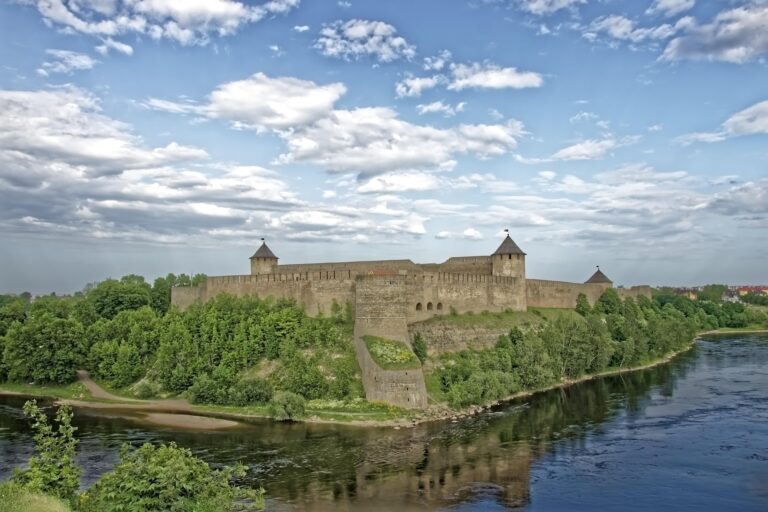
Travellers wanting to explore beyond the Estonian capital should also read our detailed Best Day Trips from Tallinn guide, covering destinations such as Lahemaa National Park, Narva, Paldiski and the medieval streets of Tartu.
Tallinn for Cruise Passengers
Tallinn is one of the best cruise destinations in the Baltic Sea because the main attractions sit relatively close to the port. Unlike some major cruise cities where passengers face long transfers into the centre, Tallinn allows visitors to reach the historic core quickly and easily.
Most cruise passengers can walk from the harbour towards the Old Town in around 15 to 25 minutes depending on docking location and walking speed. Shuttle buses and taxis are also available, but many travellers prefer walking because the route is straightforward and offers excellent first views of Tallinn’s medieval skyline.
For passengers with limited time, the compact nature of Tallinn works extremely well. It is realistic to explore major highlights such as Town Hall Square, Toompea Hill, the Alexander Nevsky Cathedral, the city walls and several viewpoints within a single day. This makes Tallinn especially popular among Baltic cruise itineraries where ships may only remain in port for part of the day.
Cruise visitors should still plan carefully though. During peak summer season, several cruise ships may dock simultaneously, leading to much busier conditions within the Old Town. Early morning exploration or moving slightly beyond the busiest streets can help avoid the largest crowds.
Travellers interested in museums, food culture or modern districts such as Telliskivi may prefer longer stays beyond a simple cruise stop. While Tallinn works extremely well for short visits, the city rewards travellers who spend extra time exploring beyond the main medieval attractions.
Cruise passengers should also remember that Baltic weather can change rapidly. Even during summer, wind and rain can appear unexpectedly around the harbour area, so carrying waterproof clothing is often sensible when exploring independently.
Tallinn on a Budget
Compared with many capitals in Northern Europe, Tallinn remains relatively affordable, especially when compared with nearby cities such as Helsinki, Stockholm and Copenhagen. Budget-conscious travellers can experience a huge amount of the city without spending excessively.
One of Tallinn’s biggest advantages is that many of its best attractions are completely free. Simply wandering through the UNESCO-listed Old Town, exploring the medieval streets and visiting the panoramic viewpoints costs nothing. The city itself often feels like an open-air museum.
Accommodation prices are usually lower than in Scandinavian capitals, although costs rise significantly during summer cruise season and the Christmas market period. Travellers willing to stay slightly outside the Old Town often find particularly good value hotels and apartments connected easily by tram or Bolt taxis.
Food can also remain affordable if travellers move beyond the most tourist-heavy medieval restaurants. Areas such as Balti Jaam Market and Telliskivi Creative City offer good-value dining alongside more local everyday cafés and bakeries. Estonian supermarkets are also useful for travellers trying to reduce costs further.
Public transport in Tallinn is relatively inexpensive and efficient. Walking remains the easiest way to explore the central districts, helping visitors avoid constant transport expenses altogether.
Travellers should still budget carefully for ferry tickets, museums and seasonal events though. Baltic ferry prices between Tallinn, Helsinki and Stockholm vary enormously depending on season, demand and cabin choices. Booking ferry crossings early can sometimes reduce costs dramatically.

Best Time to Visit Tallinn
The best time to visit Tallinn depends heavily on the type of experience you want. The city changes dramatically between the bright Baltic summers and the dark atmospheric winters, giving Tallinn two completely different personalities across the year.
Summer, particularly between June and August, is the most popular period for visitors. Long daylight hours, mild temperatures and busy ferry traffic create a lively atmosphere throughout the city. Outdoor cafés fill the Old Town squares, parks become greener and Baltic cruise ships arrive almost daily. During the peak of summer, Tallinn experiences extremely long evenings with lingering northern light that allows sightseeing well into the night.
Summer is also the easiest season for ferry travel across the Baltic Sea. Crossings between Tallinn, Helsinki and Stockholm are generally calmer and more frequent during this period, making island hopping and multi-city itineraries much simpler.
Winter creates an entirely different experience. From late November through January, Tallinn becomes one of Europe’s most atmospheric festive destinations. Snow-covered medieval streets, Christmas lights and freezing Baltic air transform the Old Town into a genuine winter fairytale. The famous Tallinn Christmas Market is a major attraction during this period.
However, winter conditions can also be demanding. Temperatures regularly drop below freezing, daylight hours become short and icy cobbled streets can make walking more difficult. Travellers visiting during winter should arrive prepared with proper cold-weather clothing and waterproof footwear.
Spring and autumn are often overlooked but can actually provide some of Tallinn’s best travel conditions. Visitor numbers are lower, hotel prices are often cheaper and the city feels calmer without peak-season cruise crowds. Autumn colours around Kadriorg Park and the city’s green spaces can also be particularly beautiful.
How Long to Spend in Tallinn
Although many visitors experience Tallinn as a simple ferry day trip from Helsinki, the city deserves more time than many travellers initially expect. The ideal length of stay depends largely on your travel style and how deeply you want to explore both the medieval centre and Tallinn’s more modern districts.
A single day is enough to experience the main highlights of the Old Town. Visitors can realistically explore Town Hall Square, climb towards Toompea Hill, visit the main viewpoints and walk sections of the medieval walls within a day. This makes Tallinn one of Europe’s strongest short-break and cruise destinations.
However, travellers staying overnight experience a completely different atmosphere. Once cruise passengers and large ferry crowds leave during the evening, the Old Town becomes quieter, calmer and far more atmospheric. Medieval streets illuminated after dark often become one of the most memorable parts of visiting Tallinn.
A two or three-day stay allows time to explore beyond the historic centre. Districts such as Telliskivi, Kadriorg and the waterfront areas reveal a much more modern side of Tallinn that many short-stay visitors completely miss. Museums such as Kumu and the Seaplane Harbour Museum also deserve proper time rather than rushed visits.
Travellers interested in wider Baltic itineraries often combine Tallinn with destinations such as Helsinki, Riga and Vilnius. Because ferry and transport connections are relatively straightforward, Tallinn works extremely well as part of a longer Northern European journey.
During winter and Christmas market season, staying at least two nights is particularly worthwhile because Tallinn’s evening atmosphere becomes such a major part of the experience.
Where to Stay in Tallinn
Choosing where to stay in Tallinn can significantly shape your experience of the city. Fortunately, the Estonian capital is compact enough that most major districts remain relatively well connected.
For first-time visitors, the Old Town is usually the most atmospheric option. Staying inside the medieval centre places travellers within walking distance of Tallinn’s most famous attractions, restaurants and viewpoints. Historic hotels, boutique guesthouses and converted merchant buildings create a unique experience difficult to replicate elsewhere in Europe.
However, the Old Town also has drawbacks. Cobblestone streets can make luggage difficult to manage, some buildings lack lifts and busy tourist areas may feel crowded during peak cruise season. Prices are often higher here as well compared with more modern districts.
Travellers looking for a quieter or more contemporary atmosphere often choose areas near Kadriorg or the modern city centre. These districts offer easier access to trams, larger hotels and modern apartment accommodation while still remaining close to major attractions.
The area around Telliskivi Creative City has become increasingly popular with younger travellers and digital nomads. Stylish apartments, independent cafés and nightlife create a more modern urban experience beyond the traditional medieval core.
Staying near the harbour can also work well for ferry passengers arriving from Helsinki or Stockholm, especially during short visits or overnight ferry itineraries. Some waterfront hotels offer excellent Baltic Sea views alongside convenient access to terminals and cruise facilities.
Budget travellers usually find Tallinn relatively affordable compared with Scandinavian capitals, although prices increase sharply during summer weekends and the Christmas market season.
Tallinn Safety and Travel Tips
Overall, Tallinn is considered one of the safest capital cities in Europe for tourists. Violent crime levels remain relatively low, and most visitors experience very few problems during their stay. However, like any major tourist destination, basic precautions still matter.
Pickpocketing can occasionally occur in crowded areas such as Town Hall Square, busy ferry terminals and Christmas markets, particularly during peak tourist periods. Travellers should keep valuables secure and remain cautious in crowded transport hubs and nightlife districts.
Winter conditions are one of the biggest practical safety issues for visitors. Tallinn’s beautiful cobbled streets can become extremely icy during freezing weather, especially around Toompea Hill and the Old Town staircases. Proper footwear with good grip is strongly recommended during colder months.
Baltic weather can also change rapidly. Strong coastal winds, rain and sudden temperature drops are common even during summer. Travellers arriving by ferry from Helsinki or Stockholm should carry waterproof layers rather than relying entirely on warm sunny forecasts.
Taxi scams are far less common than in many European capitals, but travellers should still use reputable operators or apps such as Bolt whenever possible. Bolt is widely used throughout Tallinn and is often cheaper and more reliable than street taxis.
Travellers exploring nightlife areas should remain aware of alcohol prices and avoid accepting invitations into unknown bars or clubs targeting tourists aggressively. While Tallinn’s nightlife scene is generally safe, some heavily tourist-oriented venues have historically developed poor reputations for overcharging.
Most importantly, visitors should allow themselves time simply to wander. Some of Tallinn’s best experiences come from exploring hidden lanes, quiet courtyards and less crowded corners beyond the busiest tourist streets.
eSIMs and Connectivity in Estonia
Estonia is one of the most digitally advanced countries in Europe, and visitors to Tallinn usually experience excellent mobile coverage, fast internet speeds and reliable public connectivity throughout the city. Whether you are using navigation apps, booking ferry tickets, working remotely or uploading travel photos from the Old Town, staying connected in Tallinn is generally very straightforward.
Most travellers from the European Union can use normal roaming allowances in Estonia without extra charges, making mobile data simple for EU visitors. Travellers arriving from countries outside Europe, however, may face expensive international roaming fees if they rely on their home mobile provider while travelling through the Baltic region.
For many international visitors, using a travel eSIM is now the easiest option. eSIM providers allow travellers to activate mobile data plans digitally without needing physical SIM cards or airport kiosks. This is especially useful for travellers combining Tallinn, Helsinki, Stockholm, Riga and wider Baltic or Scandinavian itineraries where multi-country coverage becomes important.
Tallinn’s strong digital infrastructure also makes the city popular with remote workers, digital nomads and business travellers. Cafés, hotels and coworking spaces generally provide strong Wi-Fi, while mobile coverage across the city is typically excellent even outside the tourist centre.
Travellers arriving by ferry should remember that roaming charges can occasionally change once vessels move into international waters. Some ferry operators also provide onboard Wi-Fi, although speeds and reliability vary considerably depending on the route and weather conditions.
If you are planning wider travel across the Baltic Sea region, our dedicated eSIM guides compare providers such as Airalo, Saily, Ubigi, Nomad, Holafly and SimOptions, including coverage quality, pricing and hotspot support for multi-country European trips.

Rupert’s Handy Travel Tips
Rupert recommends treating Tallinn as more than just a quick ferry stop from Helsinki. The city becomes far more atmospheric once evening arrives and the biggest cruise and ferry crowds disappear from the medieval streets.
- Visit the main viewpoints early in the morning or around sunset for the best photography conditions across the Old Town.
- Use the Helsinki to Tallinn ferry as part of a wider Baltic itinerary rather than a rushed same-day return if possible.
- Carry proper footwear during winter because icy cobblestones around Toompea Hill can become extremely slippery.
- Explore districts such as Telliskivi and Kadriorg to experience the more modern side of Tallinn beyond the medieval centre.
- Book ferry tickets early during summer weekends and Christmas market season because Baltic crossings can fill surprisingly quickly.
Want to meet the reindeer behind our travel tips? Find out more in our page Who is Rupert?.
Frequently Asked Questions
Is Tallinn worth visiting for more than one day?
Yes. While many travellers visit Tallinn as a day trip from Helsinki, staying longer allows time to explore districts such as Telliskivi, Kadriorg and Tallinn’s museums, cafés and waterfront areas beyond the Old Town.
How long is the ferry from Helsinki to Tallinn?
Most ferries between Helsinki and Tallinn take around two hours depending on the operator and vessel type.
Is Tallinn expensive?
Compared with nearby Nordic capitals such as Helsinki and Stockholm, Tallinn is generally more affordable for accommodation, restaurants and transport.
When is the best time to visit Tallinn?
Summer offers long daylight hours and busy Baltic ferry activity, while winter is famous for the city’s atmospheric Christmas markets and snowy medieval streets.
Can you walk around Tallinn easily?
Yes. Much of central Tallinn, especially the Old Town, is compact and highly walkable.
Is Tallinn safe for tourists?
Tallinn is generally considered one of the safer capital cities in Europe, although normal precautions against pickpocketing still apply in busy tourist areas.

Further Reading & Related Guides
If you are arriving from Finland, our detailed Helsinki to Tallinn ferry guide explains ferry operators, onboard facilities, ticket strategies and how to choose the best crossings across the Baltic Sea. Travellers planning a fast cross-border adventure should also read our dedicated guides to the perfect day trip from Helsinki to Tallinn and the reverse day trip from Tallinn to Helsinki, both covering realistic itineraries, ferry timings and how much you can comfortably see in a single day.
For travellers continuing deeper into the Baltics, our detailed Interrail Estonia Pass guide explains rail travel within Estonia, international Baltic connections and how to combine Tallinn with wider Northern European itineraries. If you are staying longer in the Estonian capital, our comprehensive day trips from Tallinn guide explores coastal escapes, national parks, Soviet history sites and wider destinations beyond the city itself.
Travellers interested in maritime connections should also explore our dedicated ferry routes from Tallinn guide, covering major Baltic sailings towards Finland, Sweden and wider Northern Europe. History lovers wanting to understand the medieval importance of the city should also read our detailed Tallinn UNESCO guide, which explores the Old Town’s fortifications, Hanseatic trading history and World Heritage status in much greater depth.