
Why Tallinn Is Perfect for Day Trips
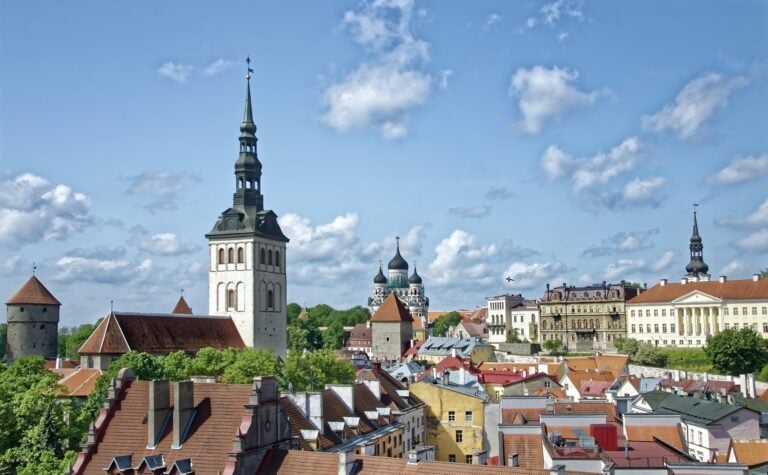
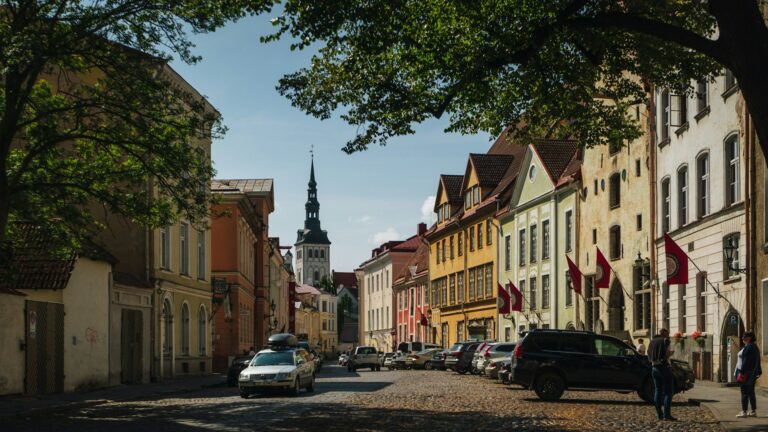
Tallinn is one of the best bases in the Baltic region for easy day trips because the city combines fast ferry links, strong bus connections, compact geography and quick access to forests, coastlines, islands and historic towns. You can spend one day walking through the UNESCO-listed Old Town, then use the next to cross the Gulf of Finland, explore an Estonian national park or visit dramatic Soviet-era coastal landscapes.
The biggest advantage is variety. From Tallinn, travellers can reach the modern Nordic capital of Helsinki, the forests and bog trails of Lahemaa National Park, the cliffs and military history of Paldiski, and the beaches around Pirita and Viimsi without building a complicated multi-day itinerary. This makes day trips from Tallinn especially useful for travellers who want more than a city break but do not have time for a full Estonia road trip.
Transport is also relatively simple. The Tallinn ferry terminals sit close to the city centre, long-distance buses connect major Estonian towns, and guided tours cover destinations that are harder to reach independently. For travellers without a car, that balance matters. Estonia is compact, but not every rural attraction is easy to reach by public transport.
This guide focuses on realistic Tallinn day trips rather than padding the list with places that only work on paper. Some destinations are easy independently, while others are better with a guided tour or rental car. The aim is to help you choose the right trip based on journey time, transport options, season, and how much energy you want to spend outside the capital.
Helsinki Day Trip from Tallinn
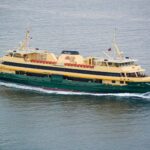
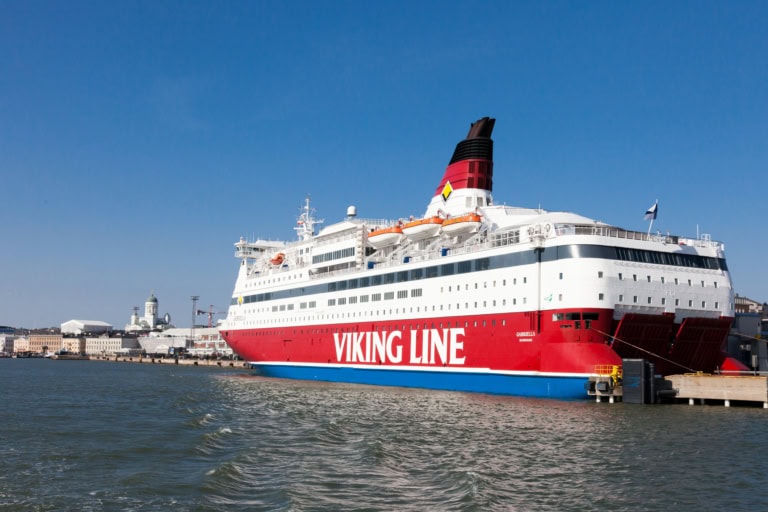
The most famous of all day trips from Tallinn is the ferry journey to Helsinki, which turns two Baltic capitals into a single travel day. Ferries cross the Gulf of Finland in roughly two hours, making it entirely possible to leave Tallinn in the morning, explore the Finnish capital during the day and return to Estonia in the evening.
This trip works best for travellers who enjoy ferry travel and want a sharp contrast between two cities. Tallinn feels medieval, compact and atmospheric, while Helsinki is modern, spacious and Nordic, with wide streets, harbours, design shops, islands, churches and waterfront markets. The contrast is exactly why the route is so popular.
A realistic Helsinki day trip usually focuses on the city centre rather than trying to see everything. Travellers can visit Senate Square, Helsinki Cathedral, the Market Square, the Esplanadi, the harbourfront and possibly Suomenlinna if ferry timings allow. However, Suomenlinna adds another boat journey, so it works better on longer summer days than tight winter itineraries.
The key decision is ferry timing. Early departures from Tallinn give you the best chance of enjoying Helsinki without rushing, while late return sailings allow time for dinner before heading back. Travellers should compare operators, sailing times and onboard facilities carefully, especially during summer weekends and festive periods.
For most visitors, this is the strongest ferry-based excursion from Tallinn and one of the easiest international day trips in Europe. It also pairs naturally with our Helsinki to Tallinn ferry guide, day trip from Tallinn to Helsinki guide, and wider Finland ferry guide for planning the crossing properly.
See hotel options and places to stay in Tallinn.
Browse hotelsBrowse apartments, holiday homes and self-catering stays in Tallinn.
View rentalsCompare prices for Tallinn hotels across multiple booking sites.
Check dealsLahemaa National Park
For travellers who want nature rather than another city, Lahemaa National Park is one of the best excursions from Tallinn. Located east of the capital, it offers forests, bog landscapes, coastal villages, manor houses, waterfalls and quiet Baltic scenery within reach of a full-day trip.
Lahemaa is ideal if you want to understand Estonia beyond its capital. The park shows the country’s softer rural side, with wooden houses, pine forests, wetland boardwalks and historic estates replacing Tallinn’s medieval towers and city walls. It is especially rewarding in spring, summer and autumn, when the forests, coast and bogs feel at their most atmospheric.
Key sights often include Viru Bog, Palmse Manor, Sagadi Manor, Altja fishing village and coastal viewpoints along the northern Estonian shoreline. The exact route depends on whether you travel independently, drive yourself or join a tour, but the best Lahemaa trips usually combine at least one nature walk with one historic manor or village stop.
Public transport can be limiting, so Lahemaa is often easier with a rental car or guided day tour. This is one of those Tallinn day trips where paying for a tour can genuinely improve the experience because it saves time, links scattered sights together and removes the stress of rural transport planning.
Lahemaa is a strong choice for travellers staying in Tallinn for more than two days. It provides a complete change of pace and helps balance the city’s medieval, maritime and museum-heavy attractions with proper Estonian nature.
Lahemaa National Park sits around 50 to 70 kilometres east of Tallinn and is one of the easiest major nature destinations to reach from the Estonian capital. Travel times vary depending on which part of the park you visit, but most journeys take around 45 minutes to 1.5 hours.
The simplest option for many travellers is an organised guided day tour, particularly because the park’s highlights are spread across forests, bog trails, manor houses and coastal villages rather than one central location. Tours also make it much easier to combine sites such as Viru Bog, Palmse Manor, Sagadi Manor and traditional fishing villages within a single day.
Independent travellers can reach parts of Lahemaa using regional buses from Tallinn, although public transport becomes more limited once inside the national park itself. Because of this, a rental car offers the greatest flexibility for exploring the coastline, forests and hiking areas properly.
Paldiski
Paldiski is one of the most unusual day trips from Tallinn, combining dramatic Baltic coastline with Cold War history and a slightly eerie edge-of-Europe atmosphere. Located west of the capital, the town was once a closed Soviet naval base, making it especially interesting for travellers who enjoy military history, abandoned landscapes and darker historical context.
The main appeal is the contrast with polished central Tallinn. Paldiski feels exposed, windswept and rugged, with coastal cliffs, old military traces and views across the Baltic Sea. The area around Pakri Peninsula is particularly striking, with limestone cliffs, lighthouse views and open coastal scenery that feels very different from the compact streets of the Old Town.
Historically, Paldiski played an important role during the Soviet period, when access was restricted because of its military significance. Today, the town is open and accessible, but traces of that past still shape its atmosphere. This makes it a useful addition for travellers interested in Estonia’s 20th-century history rather than only its medieval heritage.
Paldiski can be reached by train or car from Tallinn, although having a car makes it much easier to explore the surrounding peninsula, cliffs and viewpoints properly. Guided tours may also be worthwhile for travellers who want the historical context explained clearly.
This is not the prettiest or easiest day trip for every visitor, but it is one of the most distinctive. If you want a Tallinn excursion with coastal scenery, Soviet history and a more unusual story, Paldiski is a strong choice.
Paldiski sits around 45 to 60 minutes west of Tallinn depending on transport choice and traffic conditions. Travellers can reach the town using regional trains from Tallinn Baltic Station, with services usually taking just over an hour to reach central Paldiski.
However, visitors wanting to explore the wider Pakri Peninsula, coastal cliffs, lighthouse and former military areas will usually find a rental car or organised tour much more practical. Many of the most atmospheric Cold War and coastal sites sit outside the main town itself and are difficult to connect efficiently using local public transport alone.
Narva
For travellers interested in geopolitics, border regions and lesser-visited parts of Eastern Europe, Narva is one of the most fascinating long-distance day trips from Tallinn. Located on Estonia’s eastern border with Russia, the city feels dramatically different from the capital and offers one of the strangest border landscapes in Europe.
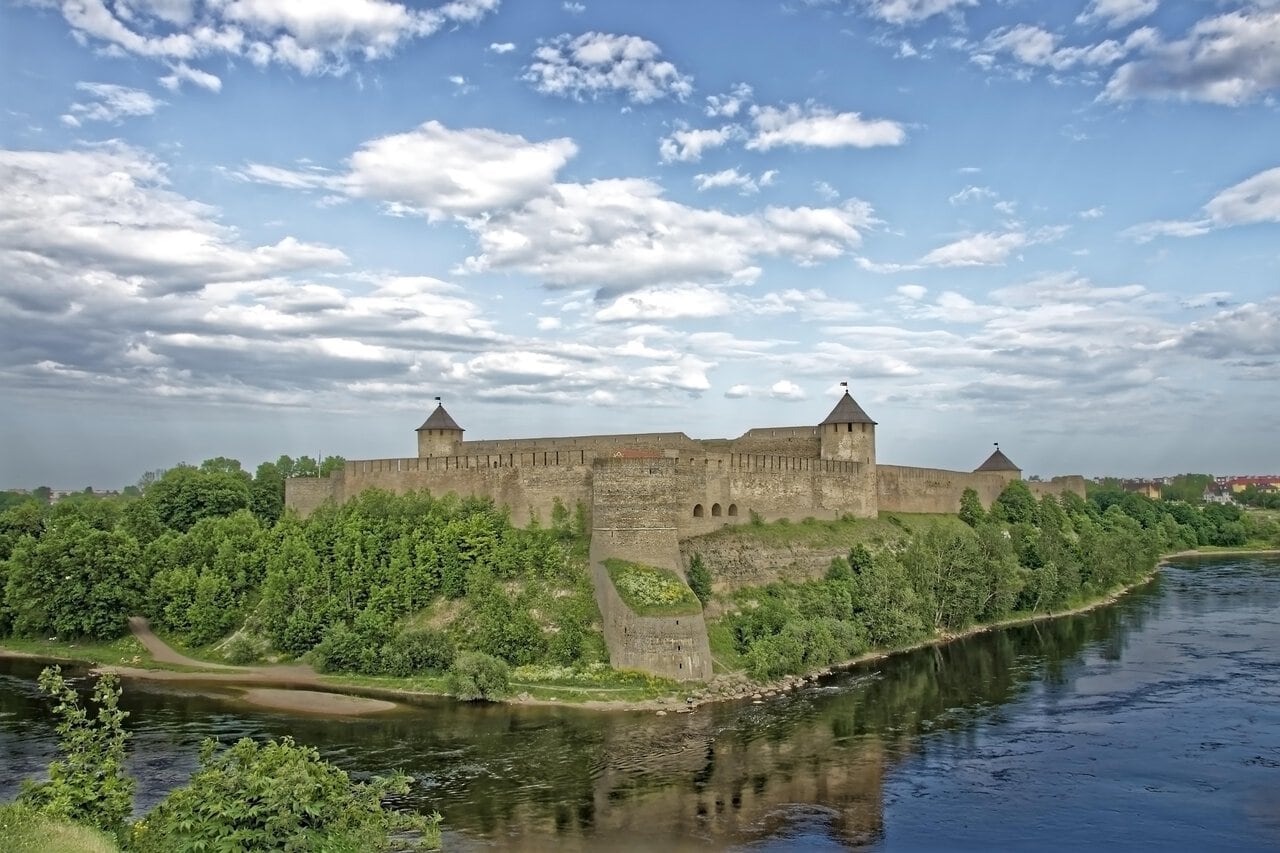
The defining sight is the pair of opposing fortresses facing each other across the Narva River. On the Estonian side stands Narva Castle, while directly opposite sits the Russian fortress of Ivangorod. Few places in Europe provide such a visually direct contrast between the European Union, NATO and modern Russia.
Narva also feels culturally distinct from much of Estonia. Russian language and culture are far more dominant here, creating a noticeably different atmosphere compared with Tallinn’s Nordic and Baltic character. For many travellers, that contrast becomes one of the most interesting aspects of visiting the city.
The journey from Tallinn takes several hours, meaning this works best for travellers willing to start early and accept a longer travel day. Trains and buses both operate between Tallinn and Narva, with buses often being slightly faster and more frequent. Although ambitious as a same-day return, it is still realistic for determined travellers.
Visitors usually focus on Narva Castle, the riverside border views, Soviet-era architecture and the unusual atmosphere of a frontier city sitting directly against Russia. The experience feels far more geopolitical and modern-historical than the medieval tourism associated with Tallinn.
Narva is not the easiest or most relaxing Tallinn day trip, but it is probably the most thought-provoking. Travellers interested in borders, modern European politics and post-Soviet landscapes will often find it one of the most memorable destinations in Estonia.
Narva sits on Estonia’s eastern border with Russia, around 210 kilometres east of Tallinn. Travelling there takes roughly 2.5 to 3.5 hours each way depending on whether you choose the train, long-distance coach or a rental car.
Most independent travellers use either the direct train from Tallinn Baltic Station or long-distance buses, which are usually slightly faster and operate more frequently throughout the day. The journey crosses large sections of eastern Estonia before reaching the dramatic border city on the Narva River.
Because of the travel time, Narva works best as a long full-day excursion or overnight trip rather than a quick casual outing. However, the unique atmosphere, Soviet-era architecture, riverside fortress views and direct border setting make it one of the most unusual destinations in Estonia.
Most visitors focus on Narva Castle, the riverside promenade and the striking views towards the Russian fortress of Ivangorod directly across the water. For travellers interested in Cold War history, border regions and post-Soviet landscapes, Narva offers one of the most distinctive experiences anywhere in the Baltic region.
Prangli Island
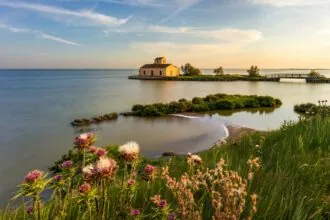
For a quieter and more traditional Baltic island experience, Prangli Island offers one of the most relaxing coastal escapes from Tallinn. Located in the Gulf of Finland, the island feels remote and peaceful despite being relatively close to the Estonian capital.
Unlike larger tourist destinations, Prangli is known for its slower pace, fishing village atmosphere and natural scenery. Visitors come here for coastal walks, cycling, small harbours and the feeling of escaping urban life entirely for a day. The island is especially attractive during summer, when long daylight hours and mild Baltic weather create excellent conditions for outdoor exploration.
Ferries connect Prangli with the mainland, although schedules are naturally far less frequent than the major international Baltic ferry routes. Travellers should therefore plan timings carefully before departure. Because the island is relatively compact, many visitors explore it by bicycle or on foot once they arrive.
One of the main appeals of Prangli is authenticity. Compared with more commercial island destinations elsewhere in Europe, the island still feels genuinely local and lightly developed. Small cafés, wooden houses and quiet roads dominate much of the landscape.
Prangli works particularly well for travellers who have already explored Tallinn’s main attractions and want a calmer nature-focused experience without committing to a much longer Estonia itinerary. It also provides a very different side of the Baltic region compared with busy ferry terminals and medieval city streets.
Although the island can technically be visited independently in a day, weather and ferry schedules remain important considerations, especially outside peak summer months.
Prangli Island sits in the Gulf of Finland north-east of Tallinn and is reached by passenger ferry from the mainland. Most travellers first travel from central Tallinn towards the small harbour at Leppneeme, usually taking around 30 to 45 minutes by car, taxi or bus depending on traffic conditions.
From Leppneeme Harbour, the ferry crossing to Prangli Island normally takes around one hour. Ferry schedules are far less frequent than the large international Baltic routes, so travellers should always check departure times carefully before planning a day trip.
Once on the island, most visitors explore on foot, by bicycle or using local transport services. The island is relatively small and known more for its quiet atmosphere, coastal scenery and traditional village character than major tourist attractions.
Because weather and sea conditions can affect crossings, Prangli day trips work best during the calmer months between late spring and early autumn.
Saaremaa – Worth a Day Trip?
Many travellers researching day trips from Tallinn quickly encounter Saaremaa, Estonia’s largest island. While the island is absolutely worth visiting, it is important to be realistic about whether it truly works as a comfortable same-day excursion from the capital.
Saaremaa lies off Estonia’s western coast and is the country’s largest island, but reaching it from Tallinn takes considerably longer than many travellers expect. Most journeys involve a combination of road travel and a ferry crossing between the mainland and the islands, with total travel times usually reaching around 4 to 5 hours each way depending on connections and traffic.
Saaremaa is famous for its windmills, coastal scenery, forests, spas and relaxed island atmosphere. The island’s main town, Kuressaare, is particularly popular because of its well-preserved bishop’s castle and slower pace of life. However, reaching Saaremaa involves a combination of road travel and ferry crossings that makes the overall journey significantly longer than many travellers initially expect.
Technically, organised tours and very early departures can make a Saaremaa day trip possible, but most travellers will enjoy the island far more with at least one overnight stay. Trying to rush Saaremaa into a single day from Tallinn can leave very little time to actually experience the island itself.
For travellers building a wider Estonia itinerary, Saaremaa becomes far more rewarding as part of a longer route through the country rather than a simple out-and-back excursion from the capital. However, it is still worth mentioning here because the island remains one of Estonia’s most famous destinations and many visitors naturally consider it while planning Tallinn-based travel.
If your schedule only allows a true single-day escape from Tallinn, destinations such as Lahemaa, Paldiski or Prangli Island are usually more realistic and less exhausting.
Tallinn Beach and Coastal Escapes
Although many visitors associate Tallinn primarily with medieval streets and Baltic ferries, the Estonian capital also offers easy access to beaches and coastal scenery, especially during the warmer summer months.
The most popular urban beach area is Pirita Beach, located east of the city centre. The long sandy shoreline, marina views and Baltic atmosphere make it particularly popular during sunny weather. Walking and cycling routes along the coast also connect Pirita with other nearby districts and green spaces.
The wider Pirita area includes forests, river scenery and quieter residential sections that feel noticeably more relaxed than the busy Old Town. During summer, locals often head here for swimming, jogging and evening walks beside the Baltic Sea.
Further coastal escapes can also be found around Viimsi, where travellers encounter small seaside communities, coastal restaurants and quieter stretches of shoreline beyond the busiest urban areas. These destinations are especially good for visitors wanting a slower afternoon away from museums and tourist crowds.
Travellers should still remember that Baltic weather can remain unpredictable even during summer. Windy conditions and cooler sea temperatures are common compared with Mediterranean beach destinations. However, during warm periods, Tallinn’s coastline provides a surprisingly enjoyable contrast to the city’s historic centre.
These coastal areas work particularly well for travellers spending several days in Tallinn who want to combine sightseeing with more relaxed Baltic scenery and outdoor time.
Search routes and flight options for your trip to Tallinn.
Search flightsChoose an Airalo eSIM and arrange mobile data before you arrive.
Browse eSIMsArrange a private airport pickup for your trip to Tallinn.
Check transfersBest Ferry Day Trips from Tallinn
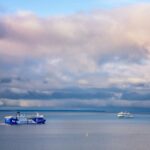
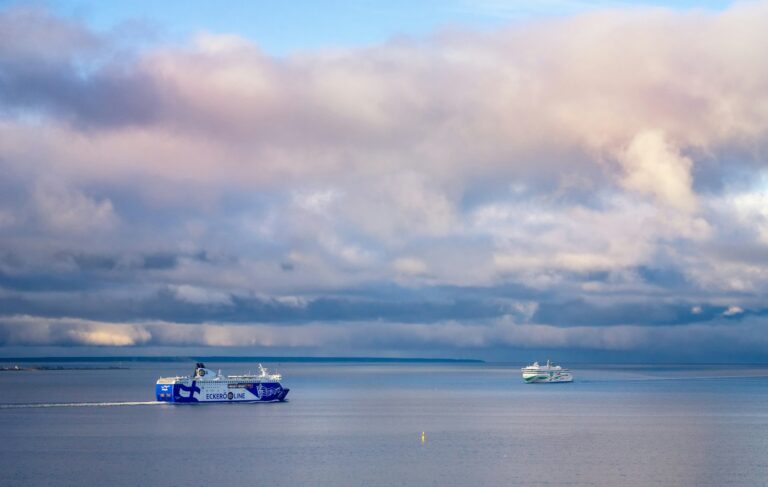
Ferry travel is one of the biggest reasons many travellers visit Tallinn in the first place, and the city offers several excellent opportunities for scenic and practical Baltic ferry day trips. Because the ferry terminals sit close to the city centre, it is surprisingly easy to combine international travel with sightseeing in a single day.
The most popular option by far is the classic Tallinn to Helsinki day trip. Fast and frequent ferries allow travellers to cross the Gulf of Finland in around two hours, making it one of the easiest international ferry excursions anywhere in Europe. Many visitors leave Tallinn early in the morning, spend the day exploring the Finnish capital and return during the evening.
Some travellers instead choose the reverse experience, using Tallinn as the destination while staying in Helsinki. This has become especially popular because Tallinn’s medieval atmosphere feels dramatically different from the modern Nordic style of the Finnish capital.
Longer Baltic ferry journeys can also work as part of a broader travel experience rather than a strict same-day return. Overnight ferries towards Stockholm combine transport, accommodation and Baltic Sea scenery into one journey, effectively functioning as mini cruises across Northern Europe.
Even travellers who do not leave Estonia can still enjoy shorter coastal ferry experiences around nearby islands and harbour areas during summer. These smaller sailings provide a quieter and more local Baltic atmosphere compared with the larger international ferry corridors.
For many visitors, Baltic ferry travel becomes one of the highlights of travelling around Estonia, Finland and wider Scandinavia rather than simply a method of transportation.

Compare Tallinn Ferry Routes with Direct Ferries
Use Direct Ferries to compare ferry options for Tallinn, including available routes, operators and sailing times.
This is especially useful for island journeys and international crossings where more than one ferry company may serve the same general route.
Want to compare ferry prices? You can also check Ferryhopper and FerryScanner before booking.
Guided Tours vs Independent Trips
Most day trips from Tallinn can be organised independently, particularly if you are comfortable using ferries, trains and long-distance buses. Estonia is generally easy to navigate, and many of the most popular destinations have relatively straightforward transport connections from the capital.
Independent travel works especially well for destinations such as Helsinki, Paldiski and some coastal areas because transport routes are direct and easy to understand. Ferry systems between Tallinn and Helsinki are particularly simple, with multiple daily departures and modern passenger terminals.
However, some destinations become much easier with organised tours. Lahemaa National Park is a good example because public transport within rural Estonia can be limited once you leave the main cities. Guided tours allow visitors to combine manor houses, bog walks, waterfalls and villages efficiently without worrying about rural bus schedules.
Tours can also help travellers understand historical context more clearly. Places such as Paldiski and Narva become far more interesting when Soviet history, border politics and regional background are properly explained rather than simply viewed independently.
Travellers should also think realistically about time and energy. Independent trips often provide more flexibility and lower costs, but organised tours reduce logistical stress and can help maximise limited travel days, especially during shorter Tallinn stays.
For many visitors, the ideal approach is a combination of both. Ferries and nearby coastal trips work perfectly independently, while more rural or historically complex destinations may justify guided transport and local expertise.
How to Travel Around Estonia from Tallinn
Tallinn functions as Estonia’s main transport hub, making it relatively easy to explore wider parts of the country using trains, buses, ferries and organised tours.
Long-distance buses are usually the most useful public transport option for travellers exploring Estonia beyond the capital. Bus services are modern, comfortable and often faster than rail connections for many routes. Destinations such as Narva, Pärnu and regional towns are generally straightforward to reach by coach from Tallinn.
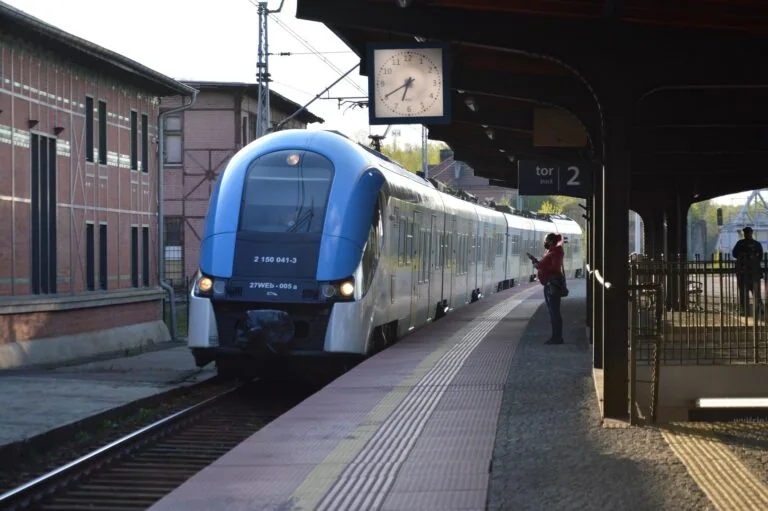
Estonia’s rail network is smaller than those found in many Western European countries, but trains still connect Tallinn with several important destinations including Narva and Tartu. Train travel can feel more relaxed and scenic than buses, although frequencies may be lower on some routes.
Ferries remain important for reaching islands and coastal destinations. International sailings connect Tallinn with Helsinki and wider Scandinavian ferry networks, while smaller domestic ferry services reach various Estonian islands and coastal communities.
Rental cars provide the greatest flexibility for travellers wanting to explore forests, national parks and quieter rural areas. Roads are generally in good condition, and Estonia’s relatively low traffic levels outside Tallinn make driving much less stressful than in many European countries.
Ride-hailing apps such as Bolt are also widely used within Tallinn itself and can be useful for reaching beaches, ferry terminals and outer districts around the capital.
Compare hostels and lower-cost places to stay in Tallinn.
Search hostelsAccess compensation support, eligible lounge benefits and faster payouts when flights go wrong.
See the benefitsArriving before check-in or leaving later? Store your luggage and make more of your time in Tallinn.
Store your bagsBest Time of Year for Tallinn Day Trips
The best season for Tallinn day trips depends heavily on the type of excursion you want to take. Ferry crossings, beaches, forests and island trips all change significantly throughout the year.
Summer is generally the easiest and most flexible season for day trips from Tallinn. Long daylight hours, calmer Baltic Sea conditions and more frequent ferry schedules make travel far simpler between June and August. Nature destinations such as Lahemaa National Park, Prangli Island and Estonia’s coastal regions are particularly enjoyable during this period.
Summer also provides the best conditions for international ferry travel towards Helsinki and wider Scandinavian routes. Outdoor decks, coastal scenery and long northern sunsets become major parts of the experience during warm Baltic evenings.
Winter creates a very different atmosphere. Snow-covered forests, frozen coastlines and Christmas markets make destinations such as Tallinn and Helsinki feel extremely atmospheric, but shorter daylight hours and rougher sea conditions can occasionally complicate travel plans.
Spring and autumn often provide an excellent middle ground. Forest colours, quieter ferry terminals and lower accommodation prices can make these shoulder seasons surprisingly rewarding for travellers wanting fewer crowds.
Travellers planning island or coastal excursions should always monitor weather conditions carefully because Baltic winds and sea conditions can occasionally disrupt ferry schedules outside peak summer periods.
Day Trips from Tallinn for Cruise Passengers
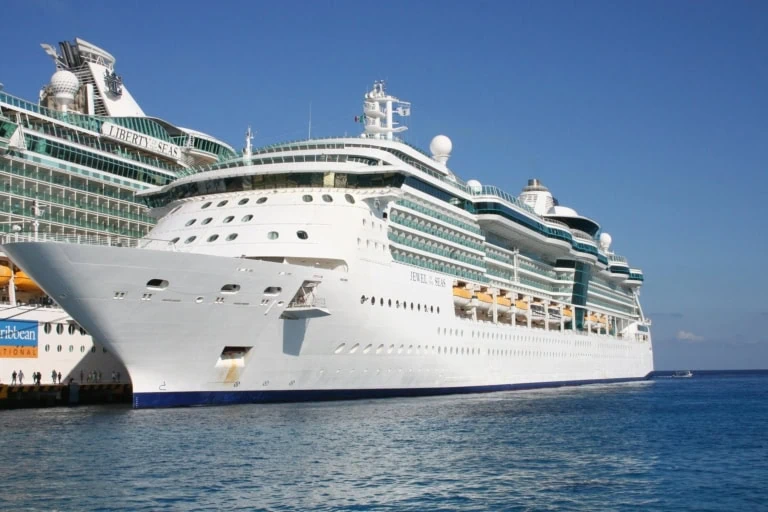
Tallinn is one of the best cruise destinations in the Baltic Sea because many attractions sit relatively close to the harbour. Cruise passengers can comfortably explore large parts of the city independently, and some shorter excursions beyond the centre are also realistic during a port stop.
For visitors with limited time, the safest option is normally focusing on the Old Town, Toompea Hill, the medieval walls and nearby attractions around the city centre. Tallinn’s compact layout means cruise passengers can experience a huge amount without needing complicated transport arrangements.
Travellers wanting to go further often choose shorter nearby destinations such as Pirita, Kadriorg or panoramic attractions like the Tallinn TV Tower. These work much better for cruise schedules than ambitious long-distance journeys across Estonia.
The most famous excursion possibility is the Helsinki ferry crossing, but this requires careful planning. While technically possible on some longer port calls, ferry delays, weather conditions and check-in requirements make same-day international ferry returns risky unless timings are extremely generous. Cruise passengers should avoid attempting this unless they fully understand the schedules and allow substantial buffer time.
Guided shore excursions can be useful for cruise travellers wanting to visit destinations outside central Tallinn without worrying about transport logistics. Organised tours usually guarantee return transport to the ship, which removes much of the stress associated with independent travel on tighter schedules.
Cruise passengers should also remember that summer Baltic itineraries often bring multiple ships into Tallinn simultaneously. This can make the Old Town, ferry terminals and harbour district significantly busier during midday periods. Early morning exploration usually provides the calmest experience before the largest crowds arrive.
eSIMs and Connectivity for Tallinn Day Trips
Staying connected during day trips from Tallinn is usually very easy because Estonia has some of the strongest digital infrastructure in Europe. Mobile coverage around Tallinn, ferry terminals and major tourist routes is generally excellent, particularly in urban and coastal areas.
Travellers moving between Tallinn, Helsinki and wider Baltic destinations should still check roaming arrangements carefully before travelling. European Union visitors can often use standard roaming allowances, but travellers arriving from outside Europe may face expensive international charges if they rely entirely on their home mobile provider.
Travel eSIMs are particularly useful for Baltic itineraries because many visitors combine Estonia, Finland, Sweden and wider Northern Europe within a single trip. Multi-country eSIM plans allow travellers to move between ferries, buses and city breaks without changing physical SIM cards constantly.
Connectivity on ferries can vary significantly. Short crossings between Tallinn and Helsinki often maintain relatively strong mobile signals, while longer overnight Baltic sailings towards Stockholm may lose coverage offshore. Onboard Wi-Fi is commonly available but speeds and reliability vary depending on the operator and sea conditions.
Travellers exploring rural destinations such as Lahemaa National Park generally still experience decent mobile coverage, although speeds may occasionally drop in forested or remote coastal areas. Downloading offline maps before departure remains sensible for nature-focused excursions.
For travellers planning wider Baltic and Scandinavian travel, our dedicated eSIM guides compare providers such as Airalo, Saily, Ubigi, Nomad, Holafly and SimOptions, including coverage quality and roaming performance across Northern Europe.


Rupert’s Handy Travel Tips
Rupert recommends balancing city sightseeing with at least one coastal, ferry or countryside excursion while staying in Tallinn. Estonia’s landscapes and Baltic coastline feel completely different from the medieval atmosphere of the capital.
- Book early morning ferries if you are attempting a full Helsinki day trip from Tallinn.
- Carry waterproof clothing even during summer because Baltic weather can change extremely quickly.
- Use guided tours for destinations such as Lahemaa National Park if you do not want to deal with rural bus connections.
- Allow extra time returning to cruise ships because Tallinn’s harbour area can become congested during peak summer departures.
- Spend at least one evening in Tallinn itself because the medieval Old Town becomes far more atmospheric after cruise crowds disappear.
Want to meet the reindeer behind our travel tips? Find out more in our page Who is Rupert?.
Frequently Asked Questions
What is the best day trip from Tallinn?
The most popular option is usually the Helsinki day trip because of the fast ferry connection across the Gulf of Finland.
Can you do Helsinki as a day trip from Tallinn?
Yes. Ferries operate frequently enough for travellers to visit Helsinki and return to Tallinn on the same day.
Is Lahemaa National Park worth visiting from Tallinn?
Yes. It is one of the best nature-focused excursions from the Estonian capital and provides a strong contrast to Tallinn’s urban atmosphere.
Can you visit Narva in a day from Tallinn?
Yes, although it is a long day trip involving several hours of travel each way.
Are there beaches near Tallinn?
Yes. Pirita Beach and coastal areas around Viimsi are popular during summer.
Do I need a car for Tallinn day trips?
Not necessarily. Ferries, buses and trains cover many destinations well, although rural areas such as Lahemaa are often easier with guided tours or a rental car.
Further Reading & Related Guides
If you are planning Baltic ferry travel, our detailed Helsinki to Tallinn Day Trip guide explains how to plan a trip across the Gulf of Finland. Travellers considering a fast international excursion should also explore our dedicated day trip from Tallinn to Helsinki guide.
For wider Baltic transport planning, our comprehensive ferry routes from Tallinn guide explores overnight sailings, Scandinavian connections and Baltic Sea ferry networks in greater detail. Rail travellers exploring Estonia beyond the capital should also read our detailed Interrail Estonia Pass guide.
If you are spending additional time in the capital itself, our Best Things To Do In Tallinn guide is a good place to start along with our dedicated Tallinn UNESCO guide cover the city’s medieval history, attractions and ferry culture in much more depth. Travellers worried about rough Baltic crossings should also read our practical Seasickness Travel Guide before travelling by ferry across Northern Europe.