Reviewed by our editorial team Updated
Why Choose the Norway Pass
The Interrail Norway Pass is one of the most rewarding one-country rail passes in Europe because Norway is a destination where the train journey itself often becomes the main event. This is not just a practical pass for moving between cities. It is a way to experience mountain plateaus, fjord landscapes, Arctic scenery, deep valleys, and some of the most dramatic railway routes on the continent.
The biggest reason to choose the Norway Pass is the quality of the journeys included. The famous Oslo to Bergen railway is one of Europe’s great scenic train rides, crossing high mountain terrain, passing icy lakes, and linking Norway’s capital with its fjord gateway in the west. Further north, the Dovre Line connects Oslo with Trondheim through central Norway, while the Nordland Line continues all the way to Bodø, crossing the Arctic Circle and opening up a very different side of the country.
The pass can also make strong financial sense. Norway is an expensive country, and long-distance train tickets can cost a lot when bought separately, especially close to departure. A single major journey such as Oslo to Bergen, Oslo to Trondheim, or Trondheim to Bodø can take up a large part of the cost of a pass. If your itinerary includes several long scenic routes, the Interrail Norway Pass can quickly become better value than point-to-point tickets.
Flexibility is another major advantage. Norway’s weather can change quickly, particularly in mountain and fjord regions, so being able to adjust your travel days is useful. You may decide to delay a mountain crossing because of poor visibility, stay longer in Bergen after a clear day on the fjords, or add an extra regional rail journey when conditions improve.
The pass is best for travellers who want to explore Norway properly rather than simply tick off Oslo and Bergen. It gives you a practical rail backbone for reaching Bergen, Trondheim, Stavanger, Bodø, Åndalsnes, and other important rail-connected destinations. For anyone who values slow travel, big scenery, and flexible long-distance journeys, the Norway Pass is a strong choice.
Interrail Norway Pass Overview and Key Facts
The Interrail Norway Pass is a one-country rail pass designed for flexible travel across Norway’s national rail network. It gives travellers a fixed number of travel days within a one-month period, allowing you to spread out your train journeys around city stays, fjord trips, hiking days, and scenic detours.
| Travel Days (within 1 month) | Youth (12-27) | Adult (28-59) | Senior (60+) |
|---|---|---|---|
| 3 days | €105 (£91 / $113) | €123 (£107 / $133) | €111 (£97 / $120) |
| 4 days | €129 (£112 / $139) | €149 (£130 / $161) | €134 (£117 / $145) |
| 5 days | €152 (£132 / $164) | €173 (£151 / $187) | €156 (£136 / $168) |
| 6 days | €172 (£150 / $186) | €194 (£169 / $210) | €175 (£152 / $189) |
| 8 days | €194 (£169 / $210) | €233 (£203 / $252) | €210 (£183 / $227) |
Unlike some older pass formats, the Norway Pass is mobile-only. This means it is stored and managed through the Rail Planner app, where you activate your pass, select your travel days, and add journeys before boarding. For most travellers, this is convenient, but it also means you need a charged phone and should keep a power bank with you on longer journeys.
The pass is available for youth travellers aged 12 to 27, adults aged 28 to 59, and seniors aged 60 and over. Children aged 4 to 11 can travel free when accompanying an adult pass holder, which can make the pass especially attractive for families taking several long-distance train journeys across Norway.
Coverage is broad across the Norwegian rail network. The pass can be used on major long-distance and regional rail services, including key scenic routes such as the Oslo to Bergen Line, the Dovre Railway to Trondheim, the Nordland Line to Bodø, and regional routes such as the Rauma Line to Åndalsnes. These routes are the main reason many travellers choose the pass in the first place.
However, the pass does not cover everything. It is not valid on most city buses, metros, trams, ferries, or urban transport systems in places such as Oslo, Bergen, and Trondheim. You should budget separately for local travel, especially if you plan to use Oslo’s T-Bane, Bergen’s light rail, airport connections, or regional ferries.
Seat reservations are also important. Many long-distance trains in Norway require compulsory reservations, especially major intercity routes and night trains. Regional trains are usually more flexible, but it is still wise to check before travelling.
In simple terms, the Interrail Norway Pass is built for travellers who want to combine high-value long-distance routes with world-class scenery and a flexible pace.
Compare hotels and other places to stay in Norway.
Check availabilityBrowse apartments, holiday homes and self-catering stays in Norway.
View rentalsSee hotel prices from multiple booking sites in one search.
Compare ratesKey Operators and Rail Network Size
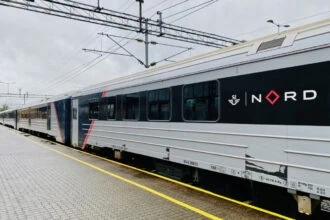
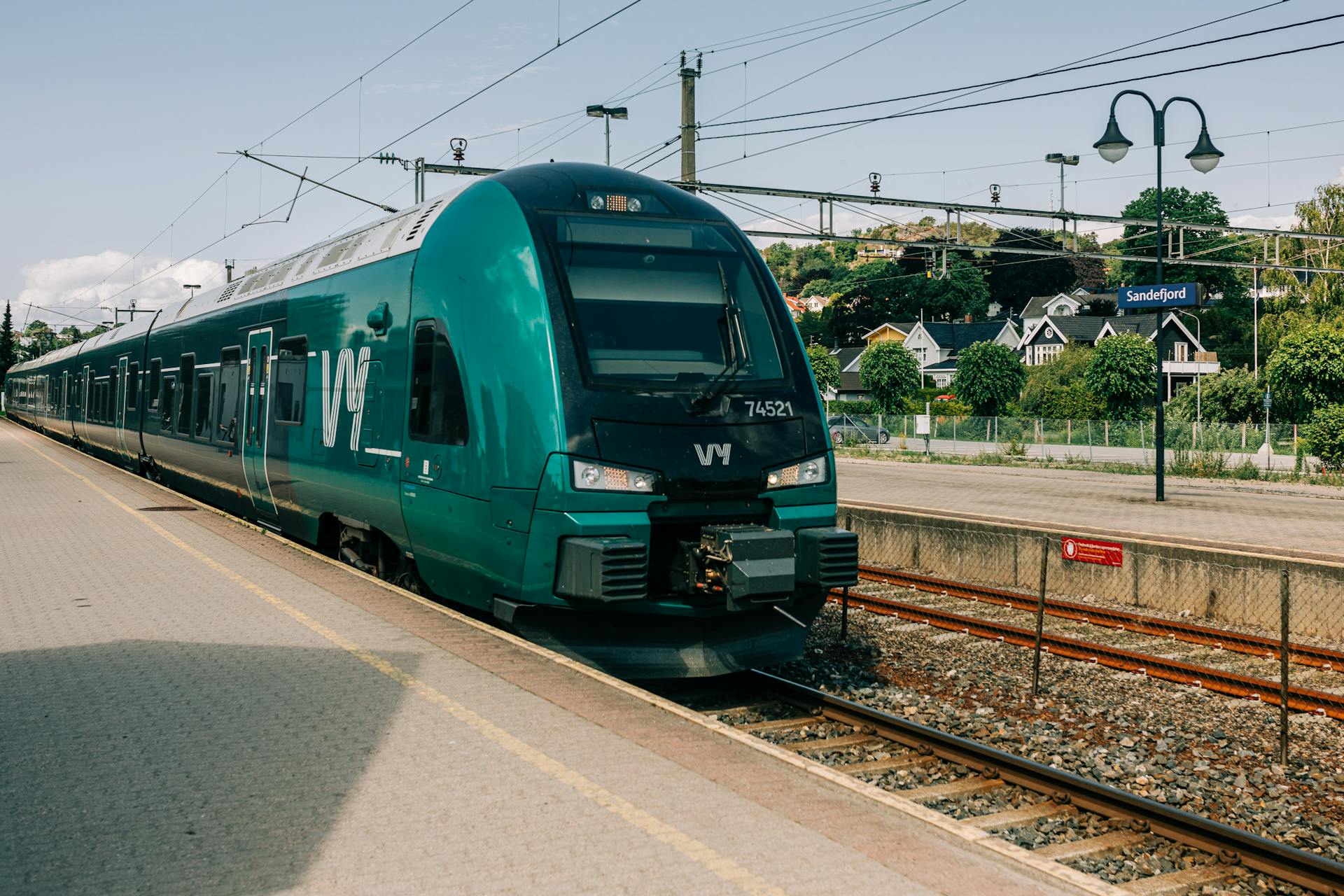
Norway’s rail system is operated by several companies, but the network remains fairly easy for travellers to understand. The most familiar name is Vy, formerly known as NSB, which operates many important services across the country, including major regional and long-distance routes. Other operators include SJ Norge, which runs services in central and northern Norway, and Go-Ahead Nordic, which operates services on parts of the southern network, including routes toward Kristiansand and Stavanger.
For travellers using the Interrail Norway Pass, the key point is that the pass is valid across the national rail network despite these different operating names. You do not need to treat each operator as a completely separate system, although you may need to use different websites or apps for reservations and live journey information.
Norway’s rail network is smaller than those in many large European countries, but it is far more dramatic than most. The total network is around 4,200 kilometres, stretching from the south coast to Bodø inside the Arctic Circle. The railways do not cover every region, but the routes they do cover are often spectacular, passing through mountains, forests, river valleys, fjord landscapes, and high northern terrain.
The strongest rail coverage is in southern and central Norway, where routes radiate from Oslo toward Bergen, Trondheim, Stavanger, and Kristiansand. Further north, the Nordland Line is the standout long-distance route, continuing from Trondheim to Bodø and giving travellers access to one of the most memorable rail journeys in Scandinavia.
Norway’s network is not designed like a dense commuter grid. Instead, it is built around long-distance corridors, regional links, and scenic routes. That makes it different from countries such as Germany, Belgium, or the Netherlands, where frequent short-hop rail travel is more common. In Norway, the pass is less about constant movement and more about using big travel days to unlock unforgettable landscapes.
There are also useful international rail connections. Oslo has links toward Gothenburg and Stockholm, while Narvik connects into northern Sweden via the Ofoten Line. These routes can support wider Scandinavian itineraries, although travellers moving beyond Norway may need separate tickets or a broader Interrail Global Pass.
Transport Hubs and Major Routes
The main hub for rail travel in Norway is Oslo Central Station, usually written as Oslo S. This is the country’s most important railway station and the starting point for many long-distance journeys. From Oslo, travellers can reach Bergen to the west, Trondheim to the north, Stavanger to the southwest, Kristiansand on the southern coast, and international destinations in Sweden.
Oslo is also the easiest place to begin a Norway rail itinerary because it connects well with local transport, airport services, and onward rail routes. If you are arriving from abroad, starting in Oslo gives you the widest choice of long-distance departures and the simplest access to the country’s most famous scenic lines.
Bergen is the western terminus of the famous Bergen Line and one of the most important destinations for pass holders. The journey between Oslo and Bergen is often treated as the signature Norway rail experience, crossing high mountain landscapes before descending toward the fjord region. For many travellers, this single route is the reason they first consider the Norway Pass.
Trondheim is another major hub. It links southern Norway with the north and acts as the gateway to the Nordland Line, which continues toward Bodø. This route is longer, wilder, and more remote than many European rail journeys, making it especially appealing for travellers who want to reach Norway’s Arctic landscapes by train.
Stavanger is the key rail destination in the southwest, reached from Oslo via the Sørlandet Line. This route offers a different type of Norwegian scenery, with coastal towns, southern landscapes, and access to one of the country’s most important regional cities.
Several branch and scenic lines add real value to the pass. The Rauma Line from Dombås to Åndalsnes is especially impressive, with mountain scenery, rivers, and views toward the dramatic Trollveggen, or Troll Wall. The Flåm Railway is another famous route, descending steeply toward the fjords, although travellers should remember that a supplement usually applies.
Together, these hubs and routes show why the Interrail Norway Pass is so different from a normal transport ticket. It is not just about getting from one city to another. It is about building an itinerary around some of Europe’s most spectacular rail journeys.
Example Ticket Prices vs Pass Value
The Interrail Norway Pass can offer strong value because Norway is one of Europe’s more expensive countries for long-distance rail travel. While advance fares can sometimes be reasonable, standard tickets bought closer to departure can become costly, especially on the country’s most scenic and popular routes.
A journey such as Oslo to Bergen can be expensive when purchased individually, particularly during busy travel periods. The same applies to long-distance routes such as Oslo to Trondheim, Oslo to Stavanger, and Trondheim to Bodø. These are not short hops. They are major scenic journeys lasting several hours, and standard fares can quickly climb high enough that a pass becomes worth considering.
The value becomes clearer once you combine routes. A traveller taking Oslo to Bergen, Bergen back across the mountains, then Oslo to Trondheim or Trondheim to Bodø may find that separate tickets cost as much as, or more than, several days on the pass. This is especially true when travelling at short notice, when cheaper advance fares may already be gone.
Night trains can also support the value case. Routes such as Oslo to Bergen, Oslo to Stavanger, and Oslo to Trondheim allow travellers to cover distance while saving on a hotel night. The pass covers the rail travel element, although reservations or sleeper supplements still cost extra. For budget-conscious travellers, even a reserved seat can make overnight travel more affordable than paying separately for both transport and accommodation.
Scenic regional journeys add another layer of value. The Rauma Line from Dombås to Åndalsnes and the Ofoten Line near Narvik are not just practical connections. They are travel experiences in their own right. When these are added to a wider itinerary, the pass can help make ambitious rail travel more affordable.
However, the pass is not automatically the cheapest choice. If you only plan one major rail journey, individual tickets may still be better value, especially if booked early. The Norway Pass works best when you are taking at least two or three substantial long-distance journeys, ideally combined with scenic regional routes.
In simple terms, the more you use Norway’s big-ticket routes, the stronger the pass becomes. For travellers building a serious rail itinerary across mountains, fjords, and the Arctic north, the value can be excellent.

Interrail Norway Pass Prices (Flexi Passes)
The Interrail Norway Pass is sold as a flexi pass, which means you choose a set number of travel days to use within a one-month period. This format suits Norway very well because most travellers do not move every day. Instead, they often travel between major regions, then pause for hiking, fjord trips, city stays, or coastal excursions.
The pass is available for youth, adult, and senior travellers. Youth passes cover travellers aged 12 to 27, adult passes cover travellers aged 28 to 59, and senior passes apply from 60 years old. Children aged 4 to 11 can travel free when accompanied by an adult pass holder, which makes the pass more attractive for families using long-distance trains.
For adults, the 3-day Norway Pass is usually priced at around €123 (£107 / $133), while the 4-day pass is around €149 (£130 / $161). Travellers choosing 5 travel days can expect to pay around €173 (£151 / $187), while 6 travel days cost roughly €194 (£169 / $210). The longest standard option, with 8 travel days within one month, is usually around €233 (£203 / $252).
Youth pricing is lower, which makes the pass particularly appealing for backpackers, students, and younger travellers planning a scenic rail trip. Youth prices generally start at around €105 (£91 / $113) for 3 travel days, rising to about €129 (£112 / $139) for 4 travel days, €152 (£132 / $164) for 5 travel days, €172 (£150 / $186) for 6 travel days, and approximately €194 (£169 / $210) for 8 travel days.
Senior travellers also receive a discount compared with standard adult fares. A senior 3-day pass is usually around €111 (£97 / $120), while 4 days cost about €134 (£117 / $145). The 5-day, 6-day, and 8-day options are usually around €156 (£136 / $168), €175 (£152 / $189), and €210 (£183 / $227) respectively.
Prices above are a general guide and can move with demand, season, and exchange rates, so it is always worth double-checking current pricing at checkout on interrail.eu before you commit to a specific pass length.
For many travellers, the best balance is the 4-day or 5-day pass. These options allow you to combine major journeys such as Oslo to Bergen, Oslo to Trondheim, the Rauma Line, and possibly part of the Nordland Line without paying for more travel days than you need.
The 8-day pass is better suited to travellers making a wider Norway itinerary, especially if they plan to reach Bodø, explore multiple scenic branches, or link several regions over two or three weeks.
How the Norway Pass Works
The Interrail Norway Pass works as a flexible mobile rail pass. Instead of receiving a paper ticket, you manage the pass through the Rail Planner app, where you activate the pass, select travel days, and add each train journey before boarding.
Each pass gives you a fixed number of travel days within a one-month validity period. On an active travel day, you can take unlimited eligible trains in Norway between midnight and midnight. This makes it possible to combine several journeys on the same day, provided they are all covered by the pass.
This system is useful in Norway because many journeys are long and scenic. You might use one travel day for Oslo to Bergen, another for Oslo to Trondheim, and another for a regional route such as Dombås to Åndalsnes on the Rauma Line. You do not need to travel every day, which leaves space for fjord cruises, hikes, city stays, and rest days between rail journeys.
The mobile-only format is convenient, but it does require some preparation. Your phone must be charged, and you should add journeys to the app before boarding. A power bank is a sensible item to carry, especially on long-distance trains or remote routes where charging access may vary.
You can change an unused travel day before you start travelling on that day, but once you board your first train, the day is committed. This means it is worth checking the weather, departure times, and reservation status before activating a travel day.
Reservations are a major part of using the Norway Pass properly. Many long-distance services require compulsory reservations, including routes such as Oslo to Bergen, Oslo to Trondheim, Oslo to Stavanger, and several night trains. These reservations are not included in the pass price and must be booked separately.
Regional and local trains are usually easier. Many do not require reservations, allowing you to use the pass more freely once your travel day is active. However, it is still sensible to check operator information before travelling, especially during peak tourist periods.
Overall, the Norway Pass works best when you treat each travel day as a major part of the itinerary rather than a minor transfer. Used this way, it becomes a practical and flexible tool for seeing Norway by rail.
Where You Can Travel with the Norway Pass
The Interrail Norway Pass covers Norway’s national rail network, giving travellers access to the country’s major cities, long-distance routes, scenic railways, and several important regional lines. It is especially valuable because many of Norway’s best train journeys are not just transport links, but major travel experiences in their own right.
From Oslo Central Station, travellers can reach most of the country’s key rail destinations. The route west to Bergen is the most famous, crossing the mountains on one of Europe’s classic scenic railways. This journey is often the centrepiece of a Norway rail itinerary and is fully covered by the pass, although a seat reservation is usually required.
To the north, the Dovre Line links Oslo with Trondheim, passing through central Norway and giving access to mountain landscapes and inland towns. From Trondheim, the Nordland Line continues toward Bodø, crossing the Arctic Circle and offering one of the longest and most distinctive rail journeys in Europe.
The pass also covers routes toward Stavanger and Kristiansand in southern Norway. These lines provide access to the country’s south-western and southern coastal regions, making the pass useful beyond the more famous Oslo, Bergen, and Trondheim triangle.
Scenic branch lines are a major reason to use the pass. The Rauma Line from Dombås to Åndalsnes is particularly rewarding, with dramatic valleys, mountain views, and access to one of Norway’s most beautiful rail-connected towns. The Ofoten Line near Narvik is another standout, connecting northern Norway with Sweden and offering rugged Arctic scenery.
The famous Flåm Railway is also relevant to many Norway itineraries. It is connected to the wider rail network via Myrdal and descends steeply toward the fjord village of Flåm. However, travellers should be aware that a supplement usually applies, so it is not as simple as boarding with the pass alone.
The pass does not cover every form of transport needed in Norway. Ferries, buses, metros, trams, and most city transport systems are generally separate. This matters because many fjord destinations and northern areas beyond Bodø require onward travel by ferry, coach, or car.
Even with those limits, the Norway Pass covers the country’s most important rail-connected highlights very well. For travellers focused on scenic rail travel, it opens up an exceptional range of routes from southern cities to Arctic landscapes.
Compare routes and fares for your journey to Norway.
Compare flightsChoose an Airalo eSIM and arrange mobile data before you arrive.
Browse eSIMsArrange a private airport pickup for your trip to Norway.
Check transfersHow to Buy the Interrail Norway Pass
Buying the Interrail Norway Pass is a relatively simple process because the pass is now entirely digital. Unlike older paper-based Interrail products, the Norway Pass is available only as a mobile pass, which is managed through the Rail Planner app on your smartphone.
The easiest place to buy the pass is directly through Interrail. During the booking process, you choose your age category, the number of travel days you want, and your approximate travel period. Once payment is completed, you receive a pass activation code which is then added to the Rail Planner app.
Several international rail retailers and travel agencies also sell the Norway Pass, including companies such as Rail Europe. Prices are generally standardised, although occasional promotions and seasonal discounts do appear throughout the year, especially outside the main summer travel season.
One useful feature is that you do not need to start travelling immediately after purchase. The pass can normally be activated anytime within roughly 11 months of purchase, giving travellers flexibility when planning future trips.
After loading the pass into the Rail Planner app, you activate your first travel day closer to departure. From there, you add journeys before boarding trains, and conductors scan the QR code generated inside the app.
Because the pass is mobile-only, keeping your phone charged becomes important. Norway’s long-distance routes can involve many hours onboard, particularly on journeys such as Trondheim to Bodø, so carrying a power bank is highly recommended.
Travellers should also remember that buying the pass itself is only part of the process. Many Norwegian long-distance services require separate seat reservations, particularly routes such as Oslo to Bergen, Oslo to Trondheim, and night trains. These reservations are usually booked separately through operators such as Vy or SJ Norge.
If your trip includes several countries rather than just Norway, it is worth comparing the Norway Pass with the Interrail Global Pass. However, for travellers focusing primarily on Norway’s scenic railways, the dedicated one-country pass is often the better-value option.

Explore Europe by Train with Rail Passes
Travelling by train in Europe can quickly become expensive if you book individual tickets. Rail passes offer a flexible way to travel across one or multiple countries with a single ticket, making it easier to plan your journey.
Rail Europe allows you to compare and buy a wide range of rail passes, including Interrail-style options, helping you choose the best pass for your route and travel style.
Top Routes and Itineraries with the Norway Pass
The Interrail Norway Pass is at its best when used for long scenic rail journeys rather than short city hops. Norway’s railway network is built around dramatic landscapes, and many of the country’s most famous routes are fully covered by the pass.
The most iconic journey is the Oslo to Bergen Line. This route crosses the mountains between eastern and western Norway, climbing above the tree line and passing frozen lakes, snow-covered plateaus, and remote mountain scenery before descending toward the fjords around Bergen. It is widely regarded as one of Europe’s greatest railway journeys and is often the centrepiece of a Norway rail itinerary.
Another major route is the Dovre Line from Oslo to Trondheim. This journey takes travellers through inland Norway, with forests, mountains, and open landscapes replacing the fjord scenery of the west. Trondheim itself is one of Norway’s most historic cities and also acts as the gateway to northern rail travel.
From Trondheim, the Nordland Line continues north toward Bodø, crossing the Arctic Circle along the way. This is one of Europe’s great long-distance train journeys, lasting many hours and passing through increasingly remote landscapes. For travellers heading toward Arctic Norway or planning onward ferry travel to the Lofoten Islands, this route is especially valuable.
Shorter scenic routes also deserve attention. The Rauma Line from Dombås to Åndalsnes is famous for steep mountain scenery, rivers, and views toward the dramatic Troll Wall. It is one of the most visually impressive regional routes in Norway despite being far shorter than the country’s main intercity journeys.
The Flåm Railway is another major highlight. Connected via Myrdal on the Bergen Line, this steep branch railway descends toward the fjord village of Flåm through waterfalls, cliffs, and dramatic valley scenery. Although a supplement is required, many travellers still consider it essential.
A strong one-week itinerary might combine Oslo, Bergen, the Flåm Railway, and the Rauma Line. Travellers with more time often extend north toward Trondheim and Bodø, creating a far larger scenic rail circuit across the country.
What makes the Norway Pass unusual is that many of these routes are attractions in themselves rather than simply ways of reaching destinations. The pass works best when you embrace that slower scenic style of travel.
Seat Reservations and Supplements
Understanding reservations is one of the most important parts of using the Interrail Norway Pass correctly. While the pass covers the rail fare itself, many Norwegian trains still require an additional reservation before boarding.
Compulsory reservations apply on most long-distance services, including the major intercity routes such as Oslo to Bergen, Oslo to Trondheim, Oslo to Stavanger, and many overnight trains. These reservations are normally straightforward to arrange, but they do add extra cost on top of the pass itself.
Reservation prices are generally lower than in some other European countries, but they still matter when planning your budget. Standard seat reservations are often around €7 to €15 (£6 to £13 / $8 to $16), depending on the operator and route. Night trains cost more if you choose couchettes, sleeper cabins, or private compartments.
For many travellers, night trains still represent strong value despite the supplement because they combine transport and accommodation into one journey. Travelling overnight between major Norwegian cities can save both time and hotel costs.
Regional trains are much more flexible. Routes such as the Rauma Line often allow travellers to board without reservations, although busy summer departures may still become crowded. Local and commuter-style services around larger cities are also generally reservation-free.
One of the most important supplements involves the famous Flåm Railway. Although technically included within the Interrail network, travellers must still pay an additional fee because the line functions as a major tourist attraction. This supplement is significantly higher than a normal reservation and should be budgeted for in advance.
Booking early is strongly recommended during summer. Norway’s scenic routes are extremely popular with both domestic and international travellers, and routes such as Oslo to Bergen can sell out well ahead of departure.
Reservations are usually booked through Vy, Norway’s state-owned rail operator, SJ Norge, or station ticket offices. The reservation process is generally simpler than in countries with fragmented rail systems, but it is still important to organise major journeys in advance.
Despite these extra costs, the Norway Pass remains attractive because the underlying point-to-point ticket prices are often extremely expensive. Even after adding reservations, the pass can still represent excellent value for travellers covering several major routes.
Benefits of the Norway Pass
The Interrail Norway Pass offers several major advantages, particularly for travellers who want to experience Norway through its landscapes rather than simply visit a few cities.
The biggest benefit is value on long-distance routes. Norway’s train fares can become expensive very quickly, especially on scenic intercity services booked close to departure. The pass helps reduce those costs while still allowing access to the country’s most famous railway journeys.
Flexibility is another major advantage. Instead of locking yourself into fixed point-to-point tickets months in advance, the pass allows you to adapt your itinerary as you travel. This is especially useful in Norway, where weather conditions can heavily influence your plans. A clear day on the mountains or fjords may completely change where you decide to travel next.
The pass also simplifies logistics. Rather than constantly buying separate tickets for each route, you travel using one central rail product managed through the Rail Planner app. For longer Norway itineraries, this creates a much more relaxed travel experience.
Scenic access is perhaps the strongest overall benefit. Norway’s railways are not ordinary transport corridors. Routes such as the Bergen Line, Nordland Line, and Rauma Line are considered world-class scenic journeys. The pass allows travellers to experience several of these routes within one trip without worrying about the cumulative cost of separate tickets.
Families can benefit significantly as well. Children aged 4 to 11 travel free with adult pass holders, which helps reduce the cost of long-distance family travel in an otherwise expensive country.
The Norway Pass also supports a slower and more immersive style of travel. Rather than flying quickly between cities, travellers experience the gradual changes in landscape, climate, and scenery across the country. This makes the journey itself a core part of the holiday rather than simply a transfer between destinations.
For travellers who value scenery, flexibility, and long-distance rail experiences, the pass can transform Norway from an expensive logistical challenge into a much more manageable and rewarding rail adventure.
Drawbacks and Limitations
While the Interrail Norway Pass offers excellent scenic travel opportunities, it also comes with some important limitations that travellers should understand before buying it.
The biggest drawback is that Norway’s rail network is relatively small compared to many other European countries. Although the main lines are spectacular, large areas of the country simply do not have rail coverage. Many famous fjord regions, remote villages, island communities, and northern coastal destinations require additional travel by ferry, bus, domestic flight, or car.
This means the pass works best as the backbone of a wider transport strategy rather than a complete solution for every part of your trip. Travellers expecting dense rail coverage similar to Germany or Switzerland may be surprised by how many famous Norwegian destinations remain outside the railway system.
Another major issue is compulsory reservations. Most of Norway’s important long-distance trains require reservations, including routes such as Oslo to Bergen, Oslo to Trondheim, and many overnight services. These reservations add extra cost and reduce spontaneity, especially during summer when trains can sell out well in advance.
Night trains can also become expensive once sleeper supplements are added. While the pass covers the base fare, travellers wanting private compartments or comfortable overnight accommodation may still end up paying significant additional fees.
The famous Flåm Railway is another limitation. Although technically included within the Interrail network, it requires a substantial supplement because it functions primarily as a tourist attraction. Some travellers find this frustrating given that the route is heavily promoted within Norway rail itineraries.
Local transport is also excluded. The pass does not cover urban systems such as Oslo’s T-Bane, Bergen’s light rail, city buses, ferries, or trams. Since local transport costs in Norway can also be relatively high, these extra expenses should be factored into your budget.
Service frequency can create challenges too. Norway prioritises quality and long-distance coverage over dense scheduling. On some routes, particularly in northern or rural regions, trains may run only a few times per day. Missing a departure can therefore have a much larger impact than it would in central Europe.
Finally, the Norway Pass is not ideal for short city-break travellers. If your trip only involves a return journey between Oslo and Bergen, or a few days based in one city, separate advance tickets are often cheaper than buying the pass.
The pass delivers its best value when used for multiple major scenic journeys across different parts of the country.
Who the Pass is Best For
The Interrail Norway Pass is best suited to travellers who want to experience Norway through its landscapes and rail journeys rather than simply moving quickly between cities.
It is particularly strong for travellers planning several major long-distance routes such as Oslo to Bergen, Oslo to Trondheim, Trondheim to Bodø, or scenic regional lines such as the Rauma Railway. These are the kinds of journeys where Norway’s expensive standard ticket prices make the pass most worthwhile.
Scenic rail travellers are one of the ideal audiences for this pass. Norway is one of the few countries where the railway itself becomes a major attraction, and travellers who enjoy mountain crossings, Arctic scenery, fjord landscapes, and dramatic regional routes will usually get significant value from the experience.
The pass is also highly suitable for backpackers and independent travellers. Youth discounts make the pass more affordable for younger travellers, while the flexibility of choosing travel days works well for people who prefer adjusting plans as they go.
Families can benefit strongly too. Norway is an expensive destination overall, and the ability for children aged 4 to 11 to travel free with adult pass holders can significantly reduce transport costs on long journeys.
The pass also works well for slow travellers who prefer spending several days in each destination rather than rushing through the country. Norway rewards this style of travel because weather, scenery, hiking opportunities, and seasonal conditions often shape the experience more than rigid itineraries do.
Travellers combining rail with hiking, fjord cruises, and overnight stays in smaller towns often get the most from the pass. It supports a journey style focused on immersion rather than speed.
However, the pass is less useful for travellers staying mainly in one place. If your trip is centred only around Oslo, Bergen, or a single scenic railway, separate advance-purchase tickets may work out cheaper.
It is also not ideal for travellers whose priorities focus heavily on fjord villages or isolated northern regions without rail access. In those situations, buses, ferries, or rental cars become essential regardless of whether you hold the pass.
Overall, the Norway Pass is best for travellers planning a true Norway rail adventure rather than a short city break.
Compare hostels and budget-friendly accommodation around Norway.
Browse hostelsGet help with compensation, eligible lounge access and disruption support.
Explore AirHelp+Arriving before check-in or leaving later? Store your luggage and make more of your time in Norway.
Store your bagsTips for Using the Norway Pass
Getting the best value from the Interrail Norway Pass requires a little planning because Norway’s railway system operates very differently from the dense rail networks found elsewhere in Europe.
One of the most important tips is to reserve long-distance trains early. Routes such as Oslo to Bergen, Oslo to Trondheim, and the Nordland Line are extremely popular during summer and holiday periods. Even with a valid pass, you still need a reservation to board many services, and late bookings can leave you with limited departure choices.
Another useful strategy is to treat travel days as major scenic experiences rather than simple transfers. Norway’s rail journeys are long, but the scenery is often the entire reason people travel by train in the first place. Plan enough time to enjoy the route itself instead of trying to rush between destinations too quickly.
Night trains can be especially valuable. Using overnight services allows you to save both travel time and accommodation costs, particularly on routes linking Oslo with Bergen, Trondheim, or Stavanger. Even a reserved seat can make financial sense in Norway, where hotel prices are high.
Travellers should also leave flexibility in their itinerary wherever possible. Norwegian weather changes rapidly, especially in mountain and fjord regions. A clear day can completely transform the experience of crossing the Bergen Line or exploring around Flåm, so being able to adapt plans is one of the pass’s biggest strengths.
Packing properly matters as well. Long-distance Norwegian trains are comfortable, but journeys can last many hours. Snacks, water, warm layers, a power bank, and downloaded offline maps all make the experience smoother, especially in remote northern regions.
It is also important to understand station logistics. Major stations such as Oslo S, Bergen, and Trondheim Central are easy to navigate, but smaller stations may have fewer services and facilities. Always check departure information in advance, particularly on regional routes with limited daily trains.
Finally, remember that the rail pass is only part of travelling through Norway. Many iconic destinations require onward buses, ferries, or local transport connections, so combining rail planning with broader transport research creates the best overall experience.
Apps for Train Travel
Several apps make travelling with the Interrail Norway Pass far easier, especially when dealing with seat reservations, long-distance train schedules, fjord connections, and Norway’s mix of rail, buses, ferries, and local transport systems.
The single most important app is the Rail Planner app. This is where your mobile Interrail pass is stored, activated, and validated. It also acts as your main journey planner, allowing you to add routes before boarding and display your QR code ticket during inspections onboard.
The app becomes especially valuable on Norway’s longer scenic routes such as the Oslo to Bergen Line, the Dovre Line, and the Nordland Line, where journeys can last many hours. Much of the app works offline once routes are downloaded, which is extremely useful in mountain areas, remote valleys, and parts of northern Norway where mobile signal can occasionally weaken.
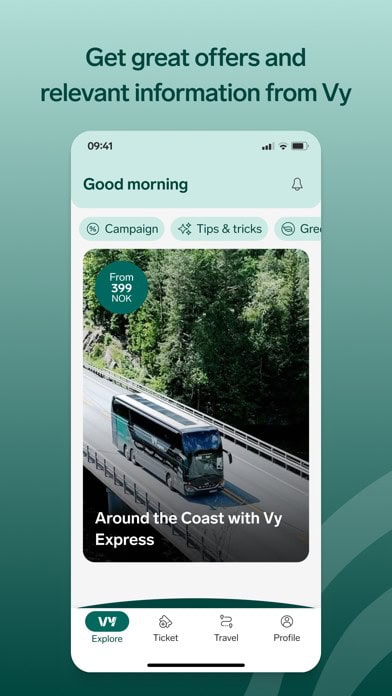
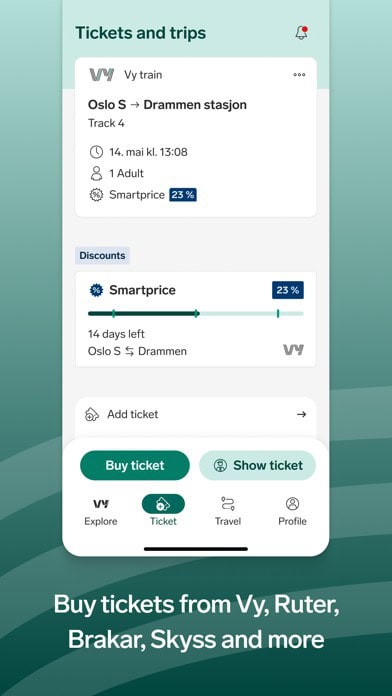
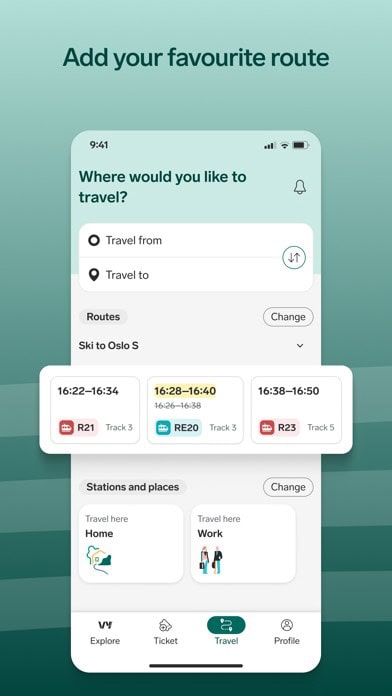
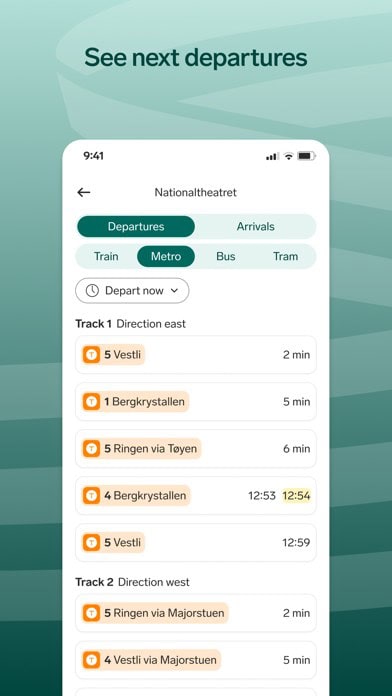
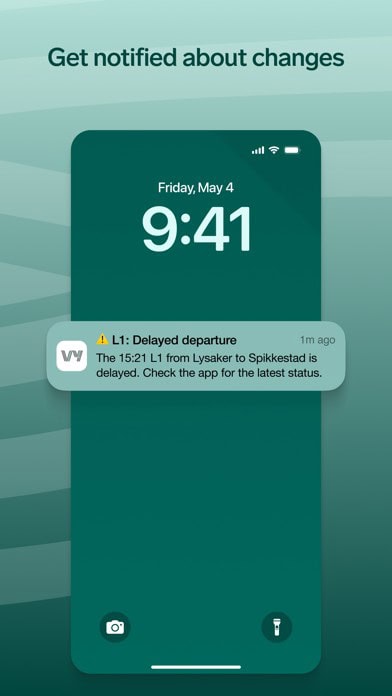
For live train information and reservations, the Vy app is essential. Vy operates many of Norway’s major long-distance services, and the app provides real-time departure boards, platform updates, delay notifications, and seat reservation tools.
The Vy app is particularly useful for travellers using routes such as Oslo to Bergen, Oslo to Stavanger, and Oslo to Trondheim, where compulsory reservations are common and trains can become busy during the summer season.
Travellers heading north should also consider apps linked to SJ Norge services. SJ Norge operates several important routes in central and northern Norway, including parts of the Dovre Line and the famous Nordland Line toward Bodø. Using operator-specific apps can make reservations and live updates easier to manage.
Another extremely valuable tool is Entur. Unlike a standard train-only app, Entur combines rail, buses, ferries, trams, and local transport systems into one nationwide planner. This matters because many famous Norwegian destinations are not directly connected by rail and require onward transport after leaving the train.
For example, travellers visiting the fjords, heading toward the Lofoten Islands, or connecting onward from Flåm, Bodø, or Åndalsnes often need buses or ferries alongside their rail journeys. Entur helps coordinate these multi-stage connections far more effectively than relying only on rail apps.
For urban transport, local ticketing apps become useful because the Interrail Norway Pass does not include city transport systems. In Oslo, the Ruter app manages metro, tram, bus, and local ferry tickets across the capital region. In Bergen, the Skyss app performs a similar role for the city and surrounding fjord region.
General navigation apps such as Google Maps and Moovit are also highly useful for station navigation, walking directions, platform changes, and combining long-distance rail travel with local transport connections.
Using these apps together creates a much smoother Norway rail experience. The combination of Rail Planner for the pass itself, Vy and SJ Norge for reservations and live train information, and Entur for wider transport planning gives travellers a reliable toolkit for exploring Norway’s spectacular rail network with far less stress.

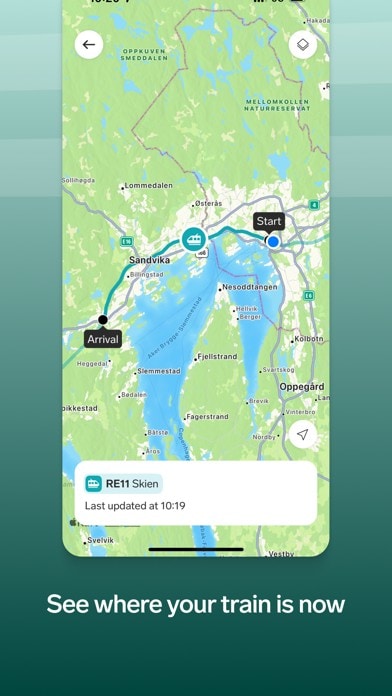
App availability and prices vary by country. Some of these may not appear in your local App Store or Google Play.

Rupert’s Handy Travel Tips
I’ve hopped on and off Norway’s trains enough times to know the pass rewards a bit of planning, so here are my favourite tips for making the most of it.
- Start in Oslo: it’s the easiest hub for onward connections, and giving yourself a day there before heading for the mountains makes the whole trip feel less rushed.
- Book the Bergen Railway and Flåm Railway early: these scenic routes sell out fast in summer, and a missed reservation can wreck a carefully planned itinerary.
- Budget generously: Norway has one of the highest costs of living in Europe, so build extra room into your budget for food, coffee, and local transport beyond the pass.
- Download the Vy app before you travel: it gives live departure boards and reservation tools, which is invaluable on the long single-track routes north of Trondheim.
- Pack for changeable weather: fjord country can shift from sunshine to sleet within an hour, so warm layers and a rain jacket earn their place in your bag even in summer.
Want to meet the reindeer behind our travel tips? Find out more in our page Who is Rupert?.

Frequently Asked Questions about the Interrail Norway Pass
Do I need seat reservations in Norway?
Yes, on most long-distance trains such as Oslo–Bergen, Oslo–Trondheim, Oslo–Stavanger, and all night trains. Reservations typically cost €7 to €15 (£6 to £13 / $8 to $16) and should be booked in advance. Regional trains usually don’t require them.
Is the Flåm Railway included in the Norway Pass?
Yes, but it requires a supplement of around €20 to €30 (£17 to £26 / $22 to $32). Despite the extra cost, it’s considered one of the most scenic railways in the world and is highly recommended.
Does the pass cover local transport in Oslo or Bergen?
No. The pass is only valid on national and regional rail services. Local transport systems such as Oslo’s T-Bane metro, trams, and Bergen’s light rail must be paid separately.
Can I use the Norway Pass for international journeys?
The pass is only valid within Norway, but you can travel to the border on routes like Oslo–Gothenburg, Oslo–Stockholm, or Narvik–Kiruna. For the sections outside Norway, you’ll need a separate ticket.
How long is the pass valid after purchase?
You must activate your first travel day within 11 months of purchase. Once activated, the pass is valid for one month, within which you can use your chosen number of travel days.

Further Reading & Related App Guides
Want to explore more ways to make your European journeys smoother? These guides cover other essential travel tools worth pairing with the Norway Pass.
See how the Norway Pass fits into wider European rail travel with our Interrail Spotlight Guide, and compare booking platforms across the continent with our Train Booking Apps Guide.
Staying connected matters on long rural stretches north of Trondheim, so it’s worth checking our eSIM Apps Guide before you travel. For getting to and from stations at either end of a journey, our Taxi Hailing Apps Guide covers the main options.
Finally, if your itinerary reaches the fjords or islands beyond the railway, our Ferry Apps Guide will help you plan the onward crossing.