Reviewed by our editorial team Updated
Why Ride the Dovre Line
The Dovre Line is one of Scandinavia’s great long-distance rail journeys, connecting the Norwegian capital of Oslo with the historic city of Trondheim through some of the country’s most dramatic mountain landscapes. Officially known as the Dovrebanen, the route combines deep valleys, high mountain plateaus, rivers, forests and isolated settlements into a journey that feels distinctly Norwegian from beginning to end.
Unlike the more internationally famous Bergen Line, which is often marketed heavily around fjord tourism, the Dovre Line feels more grounded and authentic. This is Norway’s primary north-south railway corridor, meaning the trains carry a mixture of commuters, long-distance travellers, students, military personnel and tourists rather than functioning purely as a scenic attraction. That gives the route a more natural atmosphere and makes the experience feel like a genuine overland journey through Norway rather than a curated sightseeing excursion.
The defining section of the route is the crossing of Dovrefjell, a vast mountainous region in central Norway associated with extreme weather, national mythology and Arctic-like landscapes during winter. The mountains here feel wild and expansive rather than sharply alpine, creating a sense of scale very different from rail journeys elsewhere in Europe. During colder months, huge snow-covered plateaus stretch beyond the train windows for hours at a time.
One of the most distinctive aspects of the Dovre Line is the gradual transition between southern and central Norway. The route begins in the urban environment of Oslo, passes through fertile valleys and lakeside landscapes around Lillehammer, then steadily climbs into increasingly remote mountain territory before descending again towards Trondheim. That progression makes the railway feel like a cross-section of Norway itself.
The Dovre Line is also strategically important for wider Scandinavian rail travel. It connects directly with the Nordland Line in Trondheim, allowing passengers to continue all the way north towards the Arctic Circle and Bodø entirely by rail. For many Interrail travellers, the Dovre Line therefore becomes the first stage of a much larger Norwegian rail adventure.
The route works equally well for rail enthusiasts, photographers and general travellers looking to experience Norway beyond the fjords. It combines spectacular scenery with practical long-distance travel in a way few European railways still manage to achieve.
Quick Route Overview
The Dovre Line runs for approximately 550 kilometres between Oslo Central Station and Trondheim Central Station, making it one of Norway’s most important long-distance rail routes. The full journey normally takes between 6 hours 30 minutes and 7 hours, depending on the specific service and operational conditions.
The railway begins in Oslo, Norway’s capital and largest city, before heading north through the heavily populated eastern valleys of the country. Early sections of the route pass lakes, forests and agricultural landscapes before the railway gradually begins climbing towards the mountainous interior of central Norway.
Major stops along the line include Lillehammer, Ringebu, Otta, Dombås and Oppdal before the train eventually reaches Trondheim on the Trondheim Fjord. Each section of the route has a noticeably different character, with scenery becoming increasingly dramatic as the train approaches the high mountain landscapes around Dovrefjell.
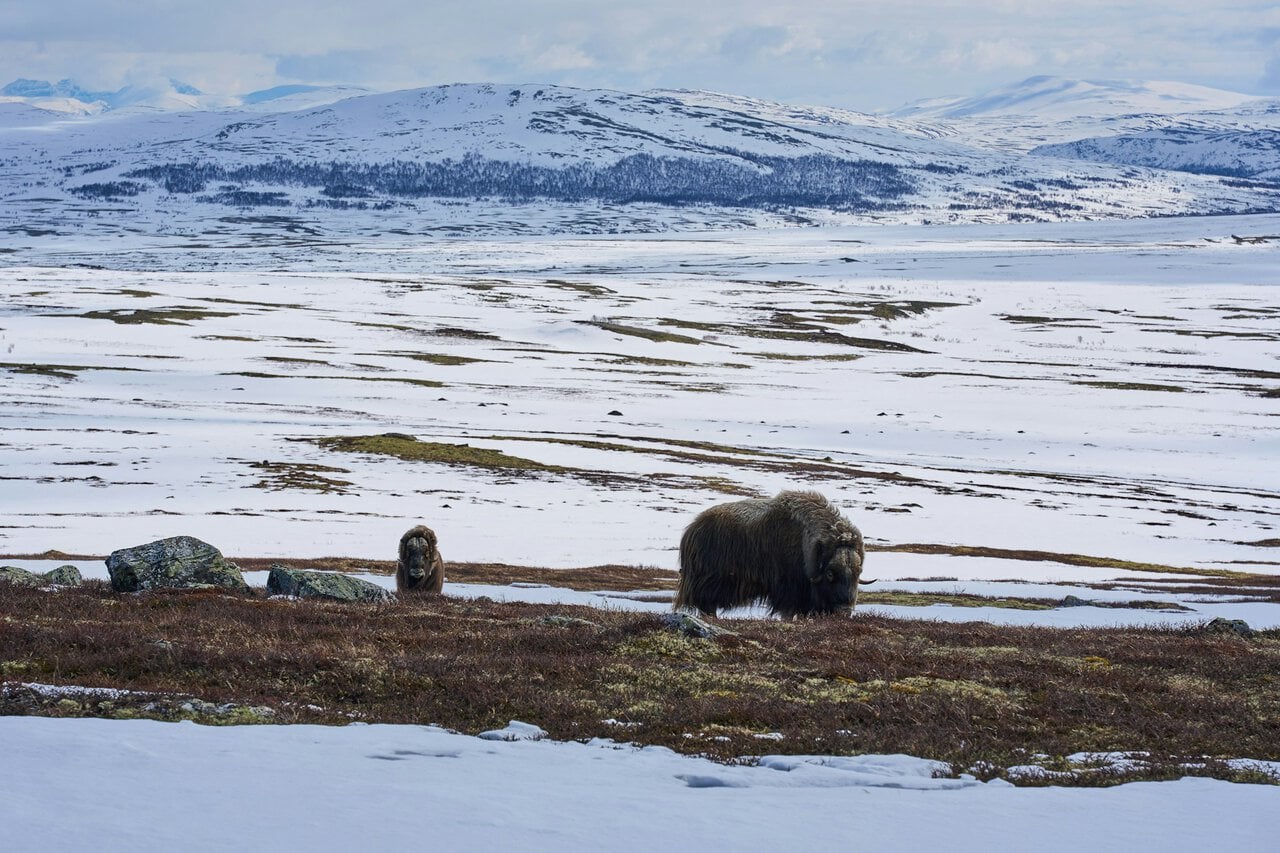
The most famous part of the journey is the crossing of the Dovrefjell mountain plateau, where passengers experience huge open landscapes, exposed terrain and some of the harshest winter conditions regularly encountered on Norwegian railways. This region is also famous for its population of wild musk oxen, one of the few places in Europe where these Arctic animals can still be seen.
Services on the route are operated primarily by SJ Norge using modern long-distance trains designed to handle both comfortable passenger travel and difficult winter conditions. Although the trains are not luxury tourism products, they are comfortable, practical and well suited to the long-distance nature of the route.
The Dovre Line also integrates directly into Norway’s wider rail network. Southbound travellers can connect onwards from Oslo towards destinations such as Gothenburg, Stockholm and continental Europe, while northbound passengers can continue from Trondheim onto the Nordland Line towards Arctic Norway.
For travellers exploring Scandinavia overland, the route acts as one of the core railway arteries of Norway and provides one of the country’s most rewarding scenic rail experiences.
Browse hotels and accommodation for your visit to Oslo.
View staysBrowse apartments, holiday homes and self-catering stays in Oslo.
View rentalsSee hotel prices from multiple booking sites in one search.
Compare ratesOslo to Trondheim Route Map & Major Stops
The journey begins at Oslo Central Station, Norway’s busiest rail hub and the main gateway for long-distance railway travel across the country. Leaving Oslo, the railway initially follows the shores of Lake Mjøsa, Norway’s largest lake. This opening section provides a gentle introduction to the route, with forests, farmland and lakeside settlements creating classic eastern Norwegian scenery.
One of the first major stops is Lillehammer, internationally known for hosting the 1994 Winter Olympics. The town remains one of Norway’s most important winter sports destinations and is surrounded by forests, ski areas and mountain landscapes. Many travellers choose to break the journey here, particularly during winter when the region becomes a centre for skiing and snow-based tourism.
Beyond Lillehammer, the route gradually becomes more rugged as the railway heads deeper into the Gudbrandsdalen Valley. Smaller towns such as Ringebu, Vinstra and Otta provide glimpses into rural central Norway, while mountains increasingly dominate the horizon. Rivers, waterfalls and steep valley sides become constant companions for large sections of the journey.
The railway then reaches Dombås, one of the most important operational points on the route. Historically, Dombås served as a major junction for routes branching towards western Norway and remains strategically significant within the Norwegian rail network today. The surrounding landscapes also begin to feel noticeably harsher and more exposed as the train approaches the mountain plateau.
The crossing of Dovrefjell between Dombås and Oppdal is the dramatic centrepiece of the entire route. Here the scenery changes completely, with broad mountain terrain, exposed plateaus and weather-beaten landscapes stretching far beyond the train windows. During winter, this region can look genuinely Arctic, with deep snow and severe weather conditions dominating the landscape.
After descending from the mountains, the railway reaches Oppdal, another major skiing and outdoor tourism centre. From here, the line gradually transitions back towards greener valleys and more populated landscapes before finally arriving in Trondheim, one of Norway’s oldest and most historically significant cities.
The variation between sections is one of the Dovre Line’s greatest strengths. The route constantly evolves as it crosses lakeside landscapes, fertile valleys, mountain regions and historic towns, creating a journey that rarely feels repetitive despite its length.
Crossing the Dovrefjell Mountains
The crossing of Dovrefjell is the defining moment of the Dovre Line and one of the most iconic railway experiences in Norway. This vast mountain region sits at the heart of the route between Dombås and Oppdal, creating a section of railway that feels dramatically different from the lower valleys and urban areas further south.
Historically, Dovrefjell has occupied a powerful place in Norwegian identity. The mountains were long viewed as a natural barrier separating northern and southern Norway, and they became deeply associated with endurance, isolation and national resilience. Even today, the name “Dovre” carries strong symbolic importance in Norwegian culture and politics.
From the train windows, the landscapes around Dovrefjell feel immense and exposed rather than sharply alpine. Huge open plateaus stretch across the horizon, broken by rocky outcrops, snowfields and isolated mountain peaks. During winter, the entire region can become covered in deep snow, creating conditions that look far more Arctic than most travellers expect from mainland Europe.
Weather shapes the atmosphere of the crossing more than almost anywhere else on the Norwegian rail network. In clear summer conditions, passengers experience enormous open landscapes under wide Nordic skies. During winter storms, visibility can collapse completely as snow blows across the railway, transforming the route into one of Europe’s most atmospheric long-distance train journeys.
One of the most unusual aspects of Dovrefjell is the presence of wild musk oxen. These large Arctic animals were reintroduced to the region during the twentieth century and remain one of the only populations in Europe outside Greenland. Lucky passengers occasionally spot them from the train, particularly during calmer weather conditions when the animals move across the open plateau landscapes.
The crossing also demonstrates the remarkable engineering resilience of Norwegian railways. Maintaining year-round rail operations through such harsh terrain requires extensive snow management, winter maintenance and weather monitoring. During severe conditions, passengers gain a real appreciation for the effort involved in keeping Norway’s mountain railways functioning reliably.
For many travellers, the Dovrefjell crossing becomes the emotional high point of the journey. The combination of open mountain scenery, unpredictable weather and sheer geographical scale creates a feeling of genuine wilderness rarely experienced on European railways today.
What the Journey Is Actually Like
Travelling on the Dovre Line feels very different from riding a high-speed railway elsewhere in Europe. The pace is slower, the scenery feels larger and the atmosphere onboard is noticeably calmer than many major intercity routes. Rather than rushing passengers between cities, the railway allows travellers to experience the gradual transition from urban Oslo to the mountainous interior of central Norway in real time.
The opening stages of the journey feel relatively gentle. After leaving Oslo Central Station, the train follows sections of Lake Mjøsa, with forests, farms and small Norwegian towns passing steadily outside the windows. This southern portion of the route feels green, populated and traditionally Scandinavian, particularly during summer when the landscapes around the lake become exceptionally vibrant.
As the railway pushes further north towards Lillehammer and the Gudbrandsdalen Valley, the scenery begins changing noticeably. Valleys narrow, mountains become more dominant and the sense of remoteness gradually increases. Rivers run alongside the tracks for long stretches, while isolated farmhouses and churches appear against dramatic mountain backdrops.
The atmosphere shifts completely once the train begins climbing towards Dovrefjell. The landscapes suddenly feel broader, harsher and far more exposed. During winter especially, the route can feel almost Arctic in character, with huge snowfields, frozen terrain and low visibility creating an atmosphere that feels closer to northern wilderness travel than a standard European railway journey.
One of the defining characteristics of the Dovrebanen is the constant contrast between sections. The route rarely feels repetitive because passengers move through lakeside landscapes, valleys, forests, mountain plateaus and historic towns all within a single journey. That variety keeps the experience engaging even during the longer stretches between major stations.
The onboard atmosphere is generally practical and relaxed rather than luxurious. Trains are designed for real long-distance travel across Norway rather than purely scenic tourism. Passengers often include students, families, hikers, business travellers and tourists, giving the railway a much more authentic feel than heavily curated panoramic train experiences elsewhere in Europe.
Weather also dramatically affects the mood of the journey. In summer, the Dovre Line feels bright, open and expansive, with long daylight hours illuminating the valleys and mountain scenery. In winter, the same landscapes become darker, more atmospheric and significantly more dramatic, especially during snowstorms across the Dovrefjell plateau.
By the time the train finally descends towards Trondheim, many passengers feel they have crossed a substantial part of Norway rather than simply travelled between two cities. The route creates a strong sense of geographical progression that is increasingly rare in modern rail travel.
Best Scenic Sections of the Dovre Line
The Dovre Line delivers spectacular scenery across almost its entire length, but several sections stand out as especially memorable. The route constantly changes character as it moves from southern Norway into the mountainous interior, creating one of the most varied railway journeys in Scandinavia.
One of the first major scenic highlights comes along Lake Mjøsa north of Oslo. Norway’s largest lake creates broad open views, particularly during calm weather when the surrounding forests and hills reflect across the water. Morning departures are especially beautiful here because mist often hangs low across the lake while sunlight gradually illuminates the surrounding landscapes.
The region around Lillehammer provides another standout section. The combination of forests, ski landscapes and mountain scenery gives this part of the route a distinctly Norwegian atmosphere. During winter, snow-covered terrain around Lillehammer creates some of the most classic Scandinavian railway scenery on the line.
Further north, the railway enters the dramatic landscapes of the Gudbrandsdalen Valley. Here the train follows rivers through increasingly steep-sided valleys surrounded by forests and mountains. Small villages, traditional churches and isolated farms appear periodically beside the tracks, reinforcing the feeling of travelling through rural Norway rather than major urban corridors.
The most famous scenic section is unquestionably the crossing of Dovrefjell between Dombås and Oppdal. This region forms the emotional and visual centrepiece of the route. Huge mountain plateaus stretch across the horizon, while exposed landscapes create a feeling of scale rarely experienced on European railways. During winter, deep snow transforms the area into one of the most atmospheric rail journeys anywhere in Scandinavia.
Passengers travelling carefully through the Dovrefjell section may even spot wild musk oxen, one of the most unusual wildlife sightings possible from a European passenger train. These Arctic animals move across the plateau landscapes and have become one of the defining features of the region.
The descent towards Trondheim also deserves attention. After hours of mountain scenery, the route gradually transitions back towards greener valleys and more populated landscapes before eventually reaching the historic city beside the Trondheim Fjord. The contrast between the exposed mountain terrain and the gentler coastal landscapes near Trondheim gives the journey a satisfying sense of completion.
Seasonality completely transforms the appearance of the route. Winter emphasises snow, isolation and dramatic weather, while summer highlights rivers, forests and vast open mountain landscapes under long Nordic daylight hours. Autumn adds deep colours across the valleys, while spring often combines snow-covered peaks with thawing rivers and waterfalls.
For many travellers, the Dovre Line succeeds because it feels visually diverse from beginning to end. The scenery evolves constantly, making the journey feel dynamic rather than static even over several hours onboard.
Day Train vs Overnight Sleeper
Travellers planning the Dovre Line often face the decision between taking a daytime service or using the overnight sleeper train. Both options work extremely well, but they provide very different experiences depending on what passengers want from the journey.
The daytime train is the obvious choice for travellers focused primarily on scenery. Large sections of the route pass through some of Norway’s most dramatic mountain and valley landscapes, particularly around Dovrefjell, the Gudbrandsdalen Valley and the approaches towards Trondheim. Travelling during daylight allows passengers to fully appreciate the gradual changes in geography that make the route so memorable.
Daytime departures are particularly rewarding during summer, when Norway’s extended daylight hours provide excellent visibility across almost the entire journey. Long evenings also mean that even later departures can still offer excellent mountain scenery well into the evening.
The overnight sleeper service, however, creates a completely different atmosphere. Travelling through Norway’s mountain regions in darkness while sleeping onboard gives the journey a stronger sense of long-distance adventure. Many travellers choose the sleeper specifically because it allows them to maximise time in Oslo or Trondheim without sacrificing a full day to travel.
Winter sleeper journeys can feel especially atmospheric. Watching isolated station lights emerge briefly from snowy darkness before disappearing back into the mountains creates a distinctly Scandinavian rail experience. Heavy snowfall across the Dovrefjell plateau can make overnight journeys feel remarkably remote despite travelling on one of Norway’s primary rail corridors.
The major disadvantage of the sleeper is obvious. Travellers miss much of the scenery while asleep. Because the Dovre Line is such a visually rewarding route, many passengers prefer experiencing it at least once during daylight hours before considering overnight travel on return journeys.
Comfort levels onboard are generally very good by European overnight train standards. Sleeper compartments provide significantly more comfort and privacy than remaining in standard seats for the entire journey. Booking cabins early is strongly recommended during peak travel periods because overnight accommodation can sell out surprisingly quickly.
For travellers continuing onwards onto the Nordland Line, sleeper services can also work strategically. Arriving rested in Trondheim allows passengers to transfer directly onto trains heading further north towards the Arctic Circle and Bodø, creating one of Europe’s great continuous rail journeys.
Ultimately, the choice depends on whether travellers prioritise scenery or efficiency. Day trains maximise the visual experience, while overnight services maximise time and atmosphere. Many experienced Norway rail travellers eventually end up trying both.
Classes, Seats & Comfort Onboard
The trains operating on the Dovre Line are designed for genuine long-distance travel across Norway’s mountainous interior, so comfort is taken seriously throughout the journey. While the route is not marketed as a luxury scenic railway in the style of some Swiss panoramic trains, the onboard experience feels practical, spacious and well suited to spending several hours crossing the country.
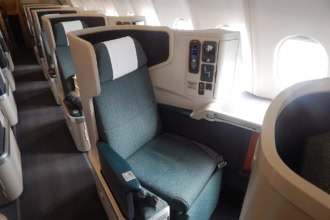
Standard seating on the Dovrebanen is generally excellent by European rail standards. Seats are well padded, legroom is comfortable and the large windows are particularly important because so much of the experience revolves around watching the changing Norwegian landscapes outside. Passengers travelling between Oslo and Trondheim often spend long periods simply relaxing quietly while forests, valleys and mountain plateaus roll past the carriage windows.
Many services also include upgraded seating sections offering quieter environments and additional space. These areas are especially popular with passengers travelling the full route or continuing onwards onto the Nordland Line towards Arctic Norway. During busy travel periods, particularly around holidays and ski season, quieter seating can make a noticeable difference to the overall experience.
The biggest comfort upgrade comes from booking a sleeping compartment on overnight services. Sleeper cabins provide privacy, proper bedding and a significantly more restful experience than attempting to spend the night in standard seating. Travellers often underestimate how exhausting overnight rail travel can become without a proper cabin, particularly during winter journeys through the mountains around Dovrefjell.
One of the strongest aspects of the onboard atmosphere is how calm the trains usually feel. Unlike busy high-speed routes elsewhere in Europe, the Dovre Line rarely feels rushed or chaotic. Even when trains are relatively full, passengers tend to settle quietly into the rhythm of the journey. The surrounding scenery naturally encourages slower, more relaxed travel behaviour.
The trains are also engineered specifically for Norway’s harsh winter conditions. During heavy snow across Dovrefjell, passengers often gain a real appreciation for the reliability and resilience of Norwegian railway operations. Watching the train continue steadily through landscapes buried under snow while remaining warm and comfortable inside becomes part of the experience itself.
For many travellers, the real luxury of the Dovre Line is not onboard extravagance but the combination of comfort, huge panoramic scenery and the sense of crossing Norway overland at a human pace rather than flying above it.
Search routes and flight options for your trip to Oslo.
Search flightsUse an eSIM to get online without hunting for a local SIM after arrival.
See eSIM optionsArrange a private airport pickup for your trip to Oslo.
Check transfersFood, Wi-Fi & Facilities
Because the Dovre Line functions as one of Norway’s primary long-distance rail corridors, onboard facilities are designed to support journeys lasting several hours across remote mountain regions. The trains provide a comfortable balance between practicality and convenience, allowing passengers to settle into the experience rather than simply endure the journey.
Most services include a café or bistro carriage where passengers can purchase hot drinks, snacks, sandwiches and light meals. Sitting with a coffee while the train climbs through the valleys towards Dovrefjell or rolls alongside the landscapes near Lillehammer becomes an important part of the overall atmosphere onboard. The scenery outside often turns even simple meals into memorable moments during the journey.
Prices onboard are typically Norwegian, meaning food and drinks can feel expensive compared with much of mainland Europe. Many experienced travellers therefore bring additional snacks or packed food before departing from Oslo or intermediate stations. This becomes particularly useful on longer daytime journeys or overnight services where passengers may prefer remaining comfortably seated rather than moving repeatedly through the train.
Wi-Fi availability on the Dovrebanen is generally good across populated sections of the route, particularly near Oslo, Lillehammer and Trondheim. However, passengers should still expect interruptions once the railway enters more remote mountain territory. Connectivity often weakens substantially across the exposed sections of Dovrefjell, where the landscapes become far more isolated.
Mobile signal coverage behaves similarly. Large parts of the route maintain reasonable reception, but there are still stretches through mountain valleys and plateau regions where signals can disappear entirely. Many travellers actually welcome this break from constant connectivity because it encourages them to focus fully on the landscapes and atmosphere of the journey itself.
Toilets and onboard facilities are normally clean and well maintained, reflecting the Scandinavian emphasis on functionality and reliability. Heating systems are particularly important during winter, when temperatures outside the train can fall dramatically below freezing across the mountain sections of the route.
Passengers travelling overnight in sleeper cabins receive a significantly quieter and more private environment than standard seating areas. Compartments are compact but comfortable enough to make overnight rail travel through Norway genuinely enjoyable rather than merely practical.
Ultimately, the onboard facilities succeed because they support the long-distance travel experience without distracting from the real highlight of the journey, which remains the extraordinary scenery unfolding beyond the train windows.
Best Time to Ride the Dovre Line
The Dovre Line can be ridden year-round, but the atmosphere, scenery and overall experience change dramatically depending on the season. Choosing the best time to travel depends largely on whether travellers want bright panoramic landscapes or a more dramatic mountain railway experience shaped by winter weather.
For many travellers, winter provides the most memorable version of the route. From roughly November through March, large sections of the railway become surrounded by deep snow, especially across the exposed landscapes of Dovrefjell. The mountain plateau transforms into a world of white open terrain, frozen rivers and harsh weather conditions that feel distinctly Arctic despite being in mainland southern Norway.
Winter also creates the strongest atmosphere onboard. Watching isolated station lights appear briefly through snowstorms or crossing huge mountain landscapes under dark Nordic skies gives the journey a cinematic quality rarely found elsewhere in Europe. The route feels wilder, more remote and considerably more adventurous during colder months.
The major drawback of winter is limited daylight. Around midwinter, darkness arrives early in Norway, meaning passengers may miss some scenic sections unless travelling during brighter parts of the day. Severe snowstorms can also occasionally create delays, although Norwegian railway operations are exceptionally experienced at handling difficult winter conditions.
By contrast, summer completely transforms the route. Valleys become intensely green, rivers flow rapidly through the mountains and daylight stretches long into the evening. The landscapes around Lake Mjøsa, the Gudbrandsdalen Valley and Dovrefjell appear far softer and more expansive during the warmer months.
Summer is also the best season for passengers focused on photography and uninterrupted scenery. Long daylight hours mean travellers can enjoy almost the entire route in clear visibility, particularly on daytime departures between Oslo and Trondheim.
The downside of summer is that the journey loses some of the raw mountain drama created by winter conditions. The landscapes remain beautiful, but they feel less extreme and atmospheric than during heavy snow periods. Summer is also the busiest tourism season in Norway, meaning trains can become significantly more crowded.
Many experienced travellers consider the shoulder seasons to be the ideal compromise. During autumn, forests turn deep gold and orange while early snow begins appearing across the mountains. In spring, travellers can experience snow-covered peaks combined with rapidly thawing rivers and increasing daylight.
Every season creates a distinctly different version of the Dovre Line. Winter emphasises atmosphere and mountain drama, while summer highlights scenery and endless daylight. Both experiences are exceptional in completely different ways.
Winter vs Summer on the Route
The difference between riding the Dovre Line in winter versus summer is enormous. The same railway can feel like two entirely separate journeys depending on the season, with landscapes, atmosphere and even the emotional tone of the trip changing dramatically throughout the year.
During winter, the Dovre Line becomes one of the most atmospheric mountain railways in Europe. The landscapes around Dovrefjell transform into vast frozen plateaus covered in deep snow, while forests and valleys disappear beneath white winter conditions for hours at a time. Heavy snowfall, strong winds and low visibility often make the route feel far more remote than most travellers expect from mainland Europe.
The darkness of winter plays a major role in shaping the experience. Short daylight hours create long stretches where the train moves through black mountain landscapes interrupted only by occasional villages or isolated station lights. Overnight services during winter can feel almost cinematic, particularly when storms sweep across the exposed sections near Dombås and Oppdal.
Winter also provides the best opportunity to experience Norway’s railway engineering at its most impressive. Watching trains continue steadily through severe mountain weather while remaining warm and comfortable inside gives passengers a strong appreciation for the reliability of Scandinavian rail operations.
By contrast, summer transforms the route completely. Snow disappears from most lower elevations, forests become intensely green and rivers rush through the valleys beside the tracks. The landscapes feel more open, more accessible and significantly brighter under Norway’s long daylight hours.
Summer is generally the best season for passengers who want uninterrupted scenic visibility. Long days allow travellers to experience almost the entire route in daylight, including the mountain crossings around Dovrefjell and the valleys approaching Trondheim. This makes summer particularly rewarding for photography and sightseeing.
The atmosphere onboard also changes noticeably between seasons. Winter journeys feel quieter, more introspective and strongly connected to the surrounding weather conditions. Summer services tend to feel livelier and busier, especially with tourists, hikers and Interrail travellers moving through Norway during the warmer months.
Neither season is objectively better. Travellers seeking dramatic mountain scenery, snow-covered landscapes and atmospheric rail travel usually prefer winter. Those focused on panoramic views, long daylight hours and easier travel conditions often favour summer instead.
What makes the Dovre Line so impressive is that both versions of the journey feel equally memorable despite being visually and emotionally so different.
Best Stops Along the Dovre Line
Although many passengers travel directly between Oslo and Trondheim in a single day, the Dovre Line becomes even more rewarding when broken into multiple stages. Several destinations along the route make excellent overnight stops and provide opportunities to experience different sides of Norway’s mountain and valley landscapes.
The most obvious stopping point is Lillehammer, one of Norway’s best-known mountain towns. Internationally famous for hosting the 1994 Winter Olympics, Lillehammer combines outdoor culture, winter sports heritage and traditional Norwegian scenery. During winter, the surrounding hills become filled with ski activity, while summer transforms the region into a centre for hiking, cycling and outdoor tourism. The town itself also has a relaxed atmosphere that contrasts nicely with the faster pace of Oslo.
Further north, the villages and towns of the Gudbrandsdalen Valley provide some of the most traditionally Norwegian scenery on the route. Places such as Ringebu and Vinstra sit beside rivers and forests surrounded by mountain backdrops, creating landscapes that feel deeply connected to Norwegian rural identity. These smaller stops are ideal for travellers wanting slower, quieter experiences away from the country’s major tourist centres.
One of the most strategically important stops is Dombås, positioned close to the centre of the mountain crossing. Historically, Dombås developed as a major transport junction and still acts as one of the key operational centres of Norway’s inland transport network today. The surrounding landscapes are also where the scenery begins changing dramatically as the railway climbs into the harsher environments of Dovrefjell.
The region around Dovrefjell itself attracts hikers, photographers and wildlife enthusiasts throughout the year. This is one of the few places in Europe where travellers have realistic opportunities to see wild musk oxen in their natural environment. Guided hikes operate from several nearby communities, particularly during the warmer months when mountain conditions become more accessible.
Another important stop is Oppdal, one of Norway’s best-known mountain sports destinations. During winter, Oppdal becomes a major ski centre, while summer brings hiking, mountain biking and outdoor tourism. The town also acts as a useful base for travellers wanting to explore the landscapes of central Norway more deeply rather than simply passing through by train.
The journey eventually ends in Trondheim, one of Norway’s oldest and most historically significant cities. Many travellers initially treat Trondheim as a transport connection before continuing onto the Nordland Line, but the city deserves proper exploration in its own right. Attractions such as Nidaros Cathedral, the colourful district of Bakklandet and the waterfront areas around the Trondheim Fjord make it one of the most rewarding city stops anywhere in Norway.
One of the strengths of the Dovre Line is that even the smaller stops feel memorable because of their surroundings. Tiny mountain stations surrounded by forests, valleys or snow-covered plateaus often leave just as much impression as the larger towns themselves.
Dovre Line vs Bergen Line
The comparison between the Dovre Line and the Bergen Line is one of the most common discussions among travellers planning rail journeys through Norway. Both routes are considered among the country’s greatest train journeys, but they deliver very different experiences despite sharing the same reputation for spectacular scenery.
The Bergen Line is generally the more internationally famous of the two. Running between Oslo and Bergen, it is heavily associated with fjord tourism and is often promoted as one of the world’s most scenic railways. The route crosses the dramatic Hardangervidda plateau and connects directly with Norway’s famous western fjord regions, making it especially popular with first-time visitors.
The Dovre Line, by contrast, feels more rugged, grounded and authentically Norwegian. Rather than focusing on fjords and tourism hotspots, the route passes through valleys, forests and mountain plateaus that feel deeply connected to Norway’s inland identity. The scenery is less dramatic in a postcard sense, but many travellers find it more atmospheric and immersive overall.
One major difference is the feeling of remoteness. While the Bergen Line is undeniably spectacular, parts of it can feel heavily touristed during peak travel periods. The Dovre Line generally feels quieter and more natural because it remains such an important domestic transport corridor for Norway itself. The trains often contain a more balanced mixture of tourists and local travellers, which changes the atmosphere onboard significantly.
The mountain scenery also differs noticeably between the routes. The Bergen Line feels more alpine and visually dramatic in places, particularly around snow-covered plateau sections and western Norway landscapes. The Dovre Line, however, feels broader and harsher, especially around Dovrefjell, where the terrain creates a stronger sense of wilderness and exposure.
For winter travel, many experienced rail enthusiasts actually prefer the Dovre Line. Snowstorms across the Dovrefjell plateau, isolated mountain landscapes and the possibility of spotting musk oxen create an atmosphere that feels distinctly Scandinavian and deeply connected to Norway’s mountain identity.
The Dovre Line also has one huge strategic advantage. It connects directly onwards with the Nordland Line in Trondheim, allowing travellers to continue all the way towards the Arctic Circle and Bodø entirely by rail. This creates one of Europe’s greatest continuous overland rail journeys.
Ultimately, choosing between the two routes depends on what travellers want emotionally from the journey. The Bergen Line is often the more visually dramatic introduction to Norway, while the Dovre Line delivers a stronger sense of immersion, remoteness and authentic long-distance Scandinavian rail travel.
How to Book Dovre Line Tickets
Booking tickets for the Dovre Line is relatively simple, although travellers should still plan ahead during busy travel periods because the route is one of Norway’s main long-distance railway corridors. Demand can become especially high during summer holidays, major ski periods and Christmas travel seasons.
Services on the route are primarily operated by SJ Norge, which manages most long-distance passenger trains across central and northern Norway. Tickets can usually be booked directly through the operator’s website or mobile app, where passengers can reserve standard seats, upgraded seating areas or sleeper compartments on overnight services.
One of the most important decisions involves choosing between daytime services and overnight sleepers. Standard daytime journeys between Oslo and Trondheim are straightforward and comfortable, but overnight services allow travellers to save both time and hotel costs while experiencing Norway’s mountain railways after dark.
Travellers planning to use sleeper compartments should book as early as possible. Cabins on overnight services can sell out surprisingly quickly, particularly during winter ski season and the peak summer tourism period. Waiting until the last minute often leaves only standard seating available.
Ticket prices on the Dovre Line operate similarly to airlines in many respects. Advance booking usually produces significantly cheaper fares, while last-minute travel during busy periods can become expensive. Flexible tickets and premium accommodation naturally cost more than basic advance reservations.
The booking system itself is generally user-friendly and available in English, which makes planning straightforward for international travellers. Mobile ticketing works well across Norway, and digital boarding passes are widely accepted throughout the rail network.
Passengers using an Interrail Pass or Eurail Pass should remember that reservations may still be recommended or required on certain departures, particularly for sleeper accommodation. Although the pass covers the route itself, popular services can still fill up during busy periods.
Travellers connecting onwards onto the Nordland Line should also leave sensible transfer times in Trondheim, especially during winter when severe weather occasionally affects operational timings. Norway’s rail network is generally reliable, but Arctic and mountain conditions can occasionally create delays.
For most passengers, booking the Dovre Line is refreshingly uncomplicated compared with many European rail systems. The key is simply recognising that this is both a major domestic route and one of Norway’s most famous scenic railways, meaning early planning is often worthwhile.
Compare hostels and budget-friendly accommodation around Oslo.
Browse hostelsAccess compensation support, eligible lounge benefits and faster payouts when flights go wrong.
See the benefitsUse convenient luggage storage around Oslo between arrival, check-in and departure.
Check storageUsing Interrail & Eurail on the Dovre Line
The Dovre Line is fully included within both the Interrail and Eurail systems, making it one of the most important railway routes for travellers exploring Norway and Scandinavia by train. For many pass holders, the route acts as the backbone of a larger overland journey stretching from southern Norway towards the Arctic north.
Using an Interrail Pass on the Dovre Line is generally very straightforward. Standard daytime services between Oslo and Trondheim are included within the pass network, allowing travellers to ride one of Norway’s most scenic railways without purchasing separate point-to-point tickets.
The route works particularly well for flexible travel because there are several worthwhile stopping points along the way. Travellers can easily break the journey in destinations such as Lillehammer, Dombås or Oppdal before continuing northwards later. This fits naturally with the slower pace of Scandinavian rail travel and allows passengers to experience more than simply the two endpoint cities.
The Dovre Line becomes even more valuable when combined with the Nordland Line. Travellers can ride from Oslo to Trondheim on the Dovre Line, then continue onwards towards the Arctic Circle and Bodø entirely using the same Interrail or Eurail pass. Few rail journeys in Europe provide such dramatic geographical progression while remaining fully integrated into the wider continental rail network.
Passengers planning to use overnight sleeper services should remember that supplements still apply for sleeping accommodation. The rail pass covers the journey itself, but private cabins and couchettes require additional reservation payments. These supplements are generally worthwhile given the comfort advantages on overnight mountain routes.
During busy travel periods, particularly in summer and winter ski season, reservations become increasingly important even for standard seating. Norway’s long-distance trains can become crowded, especially on departures popular with tourists and Interrail travellers.
One of the strongest advantages of using Interrail on the Dovre Line is the freedom it creates. Travellers can decide spontaneously whether to continue directly to Trondheim, stop in mountain regions around Dovrefjell, or connect onwards towards Arctic Norway. The flexibility matches the exploratory nature of Scandinavian rail travel extremely well.
For many rail enthusiasts, the combination of the Dovre Line and Nordland Line represents one of the greatest uses of an Interrail Pass anywhere in Europe. The ability to travel continuously from southern Norway deep into the Arctic almost entirely by rail creates a journey that feels genuinely epic in scale.
Ticket Prices & Reservation Costs
Ticket prices on the Dovre Line vary significantly depending on how early travellers book, the season of travel and whether passengers choose standard seating or overnight sleeper accommodation. Like much of Norway, rail travel can appear expensive compared with other parts of Europe, but advance planning usually makes a substantial difference to overall costs.
Standard daytime tickets between Oslo and Trondheim are generally cheapest when booked several weeks or months ahead. Prices tend to rise closer to departure dates, particularly during busy periods such as Christmas, school holidays, ski season and the peak summer tourism months. Flexible tickets allowing changes or refunds naturally cost more than basic advance fares.
The largest increase in price normally comes when booking a sleeping compartment on overnight services. Sleeper cabins cost substantially more than standard seating, but most travellers consider the extra expense worthwhile given the comfort and privacy they provide during long-distance overnight travel through Norway’s mountain regions.
Passengers should also factor in the broader cost of travelling in Norway. Food, drinks and onboard purchases are relatively expensive by European standards, especially for visitors arriving from southern or eastern Europe. Many experienced travellers therefore bring snacks and drinks onboard before departing from Oslo or larger intermediate stations.
For travellers using an Interrail Pass or Eurail Pass, the overall value of the route is often excellent. The rail pass covers the core journey itself, leaving passengers responsible mainly for reservation supplements and optional sleeper accommodation fees. Given the length, scenery and importance of the route within Norway’s rail network, many pass holders view the Dovre Line as one of the best-value Scandinavian railway experiences available.
Seasonality has a particularly strong effect on demand. Winter departures towards skiing regions around Lillehammer and Oppdal can become extremely busy, while summer services attract large numbers of tourists and Interrail travellers exploring Norway by rail. During these periods, both seats and sleeper cabins can become significantly more expensive if booked late.
Travellers looking for the best value should generally avoid major holiday weekends and reserve as early as possible. Midweek departures occasionally offer slightly lower prices than heavily booked Friday and Sunday services.
Although the Dovre Line is not a budget railway by European standards, most passengers feel the journey justifies the cost. Few routes combine this level of mountain scenery, geographical progression and authentic Scandinavian rail atmosphere while remaining such an important part of a national transport network.
Is the Dovre Line Worth It?
The Dovre Line is absolutely worth experiencing for travellers who enjoy mountain railways, slow overland travel and scenery that changes constantly throughout the journey. Rather than functioning purely as a tourist attraction, the route delivers a genuine cross-country Norwegian rail experience that feels immersive, practical and deeply connected to the landscapes it crosses.
What makes the journey particularly special is the gradual transition between regions. Travellers begin in the urban environment of Oslo, move through lakeside and valley landscapes around Lillehammer, then climb steadily into the harsh mountain terrain of Dovrefjell before descending towards historic Trondheim. That continuous evolution gives the route a strong sense of movement and progression that many modern railway journeys lack.
The crossing of Dovrefjell is the emotional centrepiece of the experience. The exposed mountain plateaus, unpredictable weather and immense open landscapes create an atmosphere that feels dramatically different from most European rail travel. During winter, the route can appear almost Arctic in character, particularly when snowstorms sweep across the higher sections of the plateau.
Unlike heavily commercialised scenic railways elsewhere in Europe, the Dovrebanen still feels authentic because it remains one of Norway’s core domestic transport routes. The trains carry commuters, students, hikers, families and local travellers alongside tourists, creating a far more grounded and natural atmosphere onboard.
The route is especially rewarding for travellers who appreciate the journey itself rather than simply rushing between destinations. Large sections involve little more than sitting quietly and watching forests, valleys and mountains unfold beyond the train windows. People seeking fast-paced sightseeing or luxury tourism may find the slower rhythm challenging, but travellers who enjoy immersive rail journeys usually find the experience unforgettable.
The Dovre Line also gains additional value because of its connections with the Nordland Line. Travellers can continue directly onwards from Trondheim towards the Arctic Circle and Bodø, creating one of the most impressive continuous rail journeys anywhere in Europe.
The biggest drawback is simply the length of the trip. Spending nearly seven hours onboard requires patience, particularly for travellers unfamiliar with long-distance rail travel. However, most passengers quickly realise that the gradual pace is part of what gives the route its atmosphere and emotional impact.
Ultimately, the Dovre Line succeeds because it still feels like a real journey across a real landscape rather than a manufactured tourism experience. It combines mountain scenery, railway history and authentic Scandinavian travel culture in a way that remains increasingly rare on modern rail networks.

Tips for Riding the Dovre Line
Preparing properly for the Dovre Line can make a major difference to the overall experience, especially because the route crosses large mountain regions where weather conditions can change rapidly throughout the year. Although the railway is comfortable and well organised, treating the journey as a genuine long-distance travel experience rather than a short intercity connection usually leads to a much more enjoyable trip.
Choosing a good window seat is one of the most important decisions passengers can make. Large parts of the journey involve spectacular scenery around Lake Mjøsa, the Gudbrandsdalen Valley and especially Dovrefjell, so having uninterrupted views becomes extremely valuable during the longer sections of the route.
Travellers riding the route during winter should prepare for highly variable mountain weather. Temperatures around Dombås and the exposed plateau sections can become extremely cold, particularly during snowstorms. Dressing in layers makes station stops and transfers far more comfortable, even though the trains themselves remain warm and well heated.
Bringing food and drinks onboard is also highly recommended. The café carriage is useful, but Norwegian prices can quickly add up during a journey lasting almost seven hours. Many experienced travellers buy supplies before departing from Oslo or larger intermediate stations such as Lillehammer.
Passengers hoping to photograph the scenery should avoid sitting directly beside heavily reflective windows during darker parts of the day. Winter afternoon departures can create stronger reflections inside the carriage, while summer services generally provide better lighting conditions for photography throughout the journey.
Travellers using overnight sleeper services should reserve cabins as early as possible, especially during ski season and the busy summer tourism period. Sleeper accommodation on Norwegian long-distance trains can sell out surprisingly quickly once demand increases.
The route also works particularly well when combined with extra stops rather than rushed in a single uninterrupted journey. Spending time in destinations such as Lillehammer, Oppdal or Trondheim allows travellers to experience more of Norway’s mountain culture and landscapes beyond simply watching them from the train windows.
Mobile signal interruptions are normal across sections of Dovrefjell, so downloading tickets, maps and entertainment before departure is sensible. Many passengers actually end up appreciating the temporary disconnection because it encourages them to focus on the surrounding landscapes instead of constantly checking devices.
Finally, travellers should allow themselves time to simply enjoy the rhythm of the railway. The Dovre Line works best when approached as one of the core experiences of a Norway trip rather than simply transportation between two cities.
Apps for Norway Train Travel
Using the right apps can make travelling on the Dovre Line significantly easier, especially for passengers navigating long-distance rail connections across Norway. Because the route links major cities, mountain regions and onward Arctic rail services, good travel apps help simplify everything from reservations and platform information to weather tracking and onward transport planning.
The most important app for the route is the official SJ Norge app. This allows passengers to book tickets, manage reservations and store mobile boarding passes for long-distance Norwegian rail services. The app is particularly useful for checking live platform updates and operational changes during winter weather conditions across Dovrefjell.
For travellers using an Interrail Pass or Eurail Pass, the official Rail Planner app becomes extremely valuable. The app helps passengers check train schedules, reservation requirements and onward Scandinavian rail connections. This is especially useful for travellers continuing north from Trondheim onto the Nordland Line towards the Arctic Circle and Bodø.
The official Entur app is another essential tool for travelling in Norway. Entur integrates train, bus, tram and ferry information into one platform, making it particularly useful when navigating stations or organising onward journeys from destinations such as Lillehammer, Oppdal or Trondheim.
Because the Dovre Line crosses remote mountain regions, offline navigation tools remain highly recommended. Downloading offline maps before departure can be extremely useful during stretches through Dovrefjell where mobile signal weakens or disappears entirely.
Weather forecasting apps also become far more important in Norway than many visitors initially expect. Conditions in the mountains can change rapidly, especially during winter, and weather occasionally affects rail operations, road transfers and outdoor activities around the route. Travellers spending time in mountain destinations such as Oppdal or Dombås often rely heavily on detailed local forecasts.
Passengers hoping to photograph the journey or potentially spot wildlife such as musk oxen frequently use photography and wildlife tracking apps during the route. Winter travellers may also use aurora forecasting apps if continuing onwards into Arctic Norway after reaching Trondheim.
One of the advantages of travelling in Norway is that transport systems are generally modern, digital and well integrated. Ticketing and reservations are normally straightforward through apps, even across remote long-distance routes such as the Dovre Line. However, because connectivity interruptions still occur across mountain regions, downloading essential information before departure remains one of the smartest decisions travellers can make.

Rupert’s Handy Travel Tips
Rupert says the Dovre Line feels like the moment Norway truly starts becoming wild. He loves the gradual transition from the lakes and forests north of Oslo into the exposed mountain landscapes around Dovrefjell. If you are travelling during winter, he strongly recommends choosing a daytime departure at least once because the snowy plateau scenery can look absolutely extraordinary when the weather clears.
- Keep your camera ready near Dovrefjell: This is the most dramatic section of the route and one of the best opportunities to spot wild musk oxen.
- Bring extra snacks and drinks: The onboard café is useful, but Norway is expensive and the journey lasts close to 7 hours.
- Do not underestimate winter weather: Snowstorms across the mountains can completely transform the atmosphere of the journey.
- Consider continuing onwards: Rupert recommends combining the Dovre Line with the Nordland Line for one of Europe’s greatest continuous rail adventures.
Want to meet the reindeer behind our travel tips? Find out more in our page Who is Rupert?.




Frequently Asked Questions About the Dovre Line
How long does the Dovre Line take?
The journey between Oslo and Trondheim usually takes between 6 hours 30 minutes and 7 hours, depending on the specific service and operational conditions.
What is the Dovre Line?
The Dovre Line, officially known as the Dovrebanen, is one of Norway’s main long-distance railway routes connecting Oslo with Trondheim through the mountain landscapes of central Norway.
Does the Dovre Line cross mountains?
Yes. The route crosses the famous Dovrefjell mountain region, one of the most dramatic and historically important mountain areas in Norway.
Can you see musk oxen from the train?
Sometimes. Wild musk oxen live around Dovrefjell, and lucky passengers occasionally spot them from the train, particularly during calmer weather conditions.
Is the Dovre Line included in Interrail?
Yes. The route is fully included within both Interrail and Eurail passes, although sleeper reservations and supplements may still require additional payment.
What is the best season for the Dovre Line?
Both winter and summer offer excellent experiences. Winter provides snow-covered mountain scenery and dramatic atmosphere, while summer delivers long daylight hours and uninterrupted panoramic views.
Are there sleeper trains on the Dovre Line?
Yes. Overnight sleeper services operate on the route, allowing passengers to travel between Oslo and Trondheim while sleeping onboard.
Which is better, the Dovre Line or Bergen Line?
The answer depends on the type of experience travellers want. The Bergen Line is often more visually dramatic and fjord-focused, while the Dovre Line feels more rugged, atmospheric and connected to Norway’s inland mountain landscapes.
Can you continue to Arctic Norway from Trondheim?
Yes. Many travellers connect directly from the Dovre Line onto the Nordland Line, continuing north towards the Arctic Circle and Bodø entirely by rail.
Is the Dovre Line worth doing?
Absolutely. The route is widely considered one of Norway’s best rail journeys because of its mountain scenery, authentic long-distance atmosphere and dramatic crossing of Dovrefjell.

Further Reading & Related App Guides
If the Dovre Line leaves you wanting to explore even deeper into Norway, the natural next journey is the spectacular Nordland Line Guide, which continues north from Trondheim towards the Arctic Circle and Bodø through some of Scandinavia’s wildest landscapes.
Travellers comparing Norway’s great rail journeys should also read our detailed Bergen Line Guide, which contrasts sharply with the Dovre route by crossing the dramatic mountain scenery between Oslo and Bergen before reaching the fjords of western Norway.
If you are considering sleeper services or planning a wider overland Norway itinerary, our Norway Night Trains Guide explains the country’s overnight rail network, including routes towards Trondheim, Bodø, Bergen and Stavanger.
Rail pass users should also explore the Interrail Norway Pass Guide, which explains how to combine the Dovre Line, Nordland Line and other Norwegian railways into one continuous Scandinavian rail adventure.
Before boarding in the capital, it is also worth reading our Best Things to Do in Oslo Guide, particularly if you plan to spend time exploring Norway’s museums, waterfront districts and Viking history before heading north into the mountains.