Reviewed by our editorial team Updated
Why Oslo Is One of Scandinavia’s Most Underrated Capitals
Oslo is often overshadowed by cities such as Copenhagen and Stockholm, yet the Norwegian capital offers one of the most distinctive combinations of fjord scenery, modern architecture, Viking history, waterfront culture and outdoor access anywhere in northern Europe.
One of Oslo’s greatest strengths is how closely the city connects with nature. Ferries, forests, islands and waterfront walking routes all sit within surprisingly short distance of the modern city centre, creating a very different atmosphere from many larger European capitals.
The city also feels noticeably more spacious and calmer than many major tourist destinations across Europe. Wide waterfront promenades, modern public spaces and extensive green areas help Oslo feel far less crowded than cities of comparable importance.
At the same time, Oslo contains some of Scandinavia’s most important museums and cultural attractions. Viking heritage, polar exploration history, modern Nordic art and maritime culture all play major roles across the city’s museum network.
For many travellers, one of the biggest surprises is how visually dramatic Oslo can feel despite lacking the steep mountain scenery of western Norway. The combination of the Oslofjord, surrounding forests and modern waterfront districts creates a striking Scandinavian cityscape unlike anywhere else in Europe.
Quick Facts About Visiting Oslo
| Feature | Details |
|---|---|
| Country | Norway |
| Main Waterway | Oslofjord |
| Best Known For | Fjords, Viking history and modern Scandinavian culture |
| Main Railway Hub | Oslo Central Station |
| Best Scenic Experience | Oslofjord ferry and cruise routes |
| Famous Museum Themes | Vikings, polar exploration and art |
| Main Shopping Street | Karl Johans Gate |
| Best Viewpoint | Holmenkollen |
| Main Waterfront District | Aker Brygge |
| Most Famous Artwork | The Scream |
| Cruise Port? | Yes |
| Best Season to Visit | Late spring to early autumn |
| Main Airport | Oslo Airport Gardermoen |
Compare hotels and other places to stay in Oslo.
Check availabilityBrowse apartments, homes and self-catering accommodation in Oslo.
Browse rentalsCompare hotel deals in Oslo from multiple booking sites.
Compare pricesOslofjord Cruises and Scenic Boat Tours
One of the best things to do in Oslo is exploring the Oslofjord itself. Scenic cruises and sightseeing boats provide some of the best views of the Norwegian capital while also introducing visitors to the islands, waterfront districts and coastal scenery surrounding the city.
Unlike the dramatic narrow fjords of western Norway, the Oslofjord feels broader, calmer and far more urban. Ferries and sightseeing vessels pass modern waterfront architecture, marinas, forested islands and smaller coastal communities while remaining closely connected to the city itself.
Many cruises depart directly from the central harbour near Aker Brygge and the waterfront districts surrounding the Oslofjord. This makes the experience extremely accessible even for short city breaks and cruise ship stopovers.
Summer is the busiest season for Oslofjord cruises because the long Scandinavian daylight hours transform the harbour atmosphere completely. Outdoor decks become especially popular during warm evenings when the low Nordic sunlight reflects across the fjord waters surrounding the city.
Some cruises focus heavily on sightseeing while others operate more like relaxed harbour tours with food, drinks or evening entertainment onboard. Several services also combine fjord scenery with historical commentary about Oslo’s maritime development and waterfront districts.
For many visitors, an Oslofjord cruise becomes one of the highlights of visiting the Norwegian capital because it provides a very different perspective on the city compared with exploring purely on foot.
Exploring Oslo’s Modern Waterfront and Opera House
The redeveloped waterfront districts of Oslo are among the most impressive examples of modern Scandinavian urban design anywhere in Europe. Former industrial harbour areas have been transformed into modern cultural districts filled with waterfront promenades, restaurants, museums and contemporary architecture.
One of the most famous landmarks is the striking Oslo Opera House, which rises directly beside the fjord like a giant white glacier emerging from the water.
Unlike traditional opera houses hidden behind formal entrances, visitors can walk directly onto the sloping marble roof itself. The elevated walkways create some of the best panoramic views across the harbour, Oslofjord and surrounding city skyline.
The wider waterfront areas surrounding Aker Brygge, Bjørvika and the Opera House are especially enjoyable for walking because they combine fjord scenery with modern Nordic architecture and lively harbour activity.
During summer, the waterfront becomes one of the busiest parts of the city as ferries, cruise ships, harbour boats and outdoor cafés fill the Oslofjord shoreline.
Even during winter, the area remains visually striking. Snow, ice, illuminated waterfront buildings and dark Scandinavian evenings create a dramatically different atmosphere around the harbour compared with the brighter summer months.
Viking Planet and Viking History Experiences
One of the most distinctive attractions in Oslo is The Viking Planet, a highly immersive attraction focused on Viking history, Norse mythology, Scandinavian exploration culture and the maritime world that shaped early Norway.
Unlike traditional museums built around static artefacts and display cases, Viking Planet uses digital projections, cinematic storytelling, interactive technology and immersive experiences to recreate the atmosphere of the Viking Age in a much more accessible and visually engaging way for modern travellers.
The attraction is especially popular with visitors wanting a strong Viking-themed experience even during shorter stays in Oslo. Its relatively central location makes it particularly convenient for city breaks, cruise stopovers and first-time visitors exploring the Norwegian capital.
One of the biggest strengths of the attraction is the way it explains the broader importance of the Vikings beyond the usual stereotypes of raids and warfare. Exploration, shipbuilding, maritime navigation, Nordic trade routes and Norse cultural identity all play major roles throughout the experience.
The attraction also connects naturally with Oslo’s wider maritime identity. Viking ships, Nordic exploration and Scandinavian seafaring traditions remain deeply connected to the historical development of modern Norway itself.
For many travellers, Viking Planet works especially well when combined with Oslo’s more traditional museums and historic attractions, helping create a broader understanding of Norwegian history, Nordic exploration culture and the Scandinavian relationship with the sea.
Akershus Fortress and Medieval Oslo
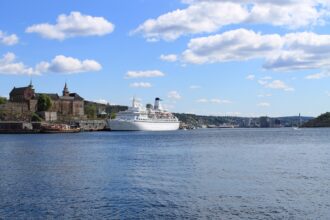
Towering above the waterfront of Oslo, Akershus Fortress remains one of the most important and visually striking historic landmarks in the Norwegian capital.
Originally constructed during the medieval period, the fortress played a major defensive role protecting Oslo and the surrounding Oslofjord from foreign attack, naval threats and maritime invasion.
One of the most impressive aspects of Akershus Fortress is its elevated position overlooking the harbour itself. The fortress walls create superb panoramic views across the Oslofjord, ferry terminals, waterfront districts and harbour areas surrounding central Oslo.
Unlike some heavily commercialised European castles, Akershus still retains a relatively calm and authentic atmosphere. Stone walls, medieval courtyards, military buildings, defensive towers and fortress pathways create a strong sense of Oslo’s older historical identity beneath the modern Scandinavian capital surrounding it.
The fortress also helps explain how important maritime trade, naval power and control of the Oslofjord were to the development of Norway itself. Controlling access through the fjord historically carried enormous strategic and economic importance for the kingdom.
Walking around the fortress grounds becomes especially enjoyable during summer evenings when ferries, harbour traffic and illuminated waterfront districts create a constantly changing maritime backdrop below the fortress walls.
For visitors interested in Norwegian history, medieval Scandinavia and Oslo’s maritime development, Akershus Fortress remains one of the most important attractions in the city.
National Museum of Norway
The National Museum is one of the most important cultural institutions in Norway and contains an enormous collection of Norwegian and international art, design, architecture and historical exhibits.
Located close to Oslo’s modern waterfront districts, the museum forms a major part of the city’s wider cultural redevelopment around the harbour and central urban core.
One of the museum’s most famous highlights is its connection to Edvard Munch, including versions of the world-famous artwork The Scream, one of the most recognisable paintings anywhere in Scandinavia.
The museum itself feels highly modern and distinctly Scandinavian in design, combining large open gallery spaces, minimalist Nordic architecture and carefully curated exhibition areas.
Unlike smaller niche museums focused on single themes, the National Museum covers a huge range of Norwegian cultural identity including painting, architecture, decorative arts, industrial design, fashion and wider Scandinavian artistic development.
For visitors wanting to understand the broader cultural identity of modern Norway, the museum provides one of the strongest introductions anywhere in the country.
The location also makes it easy to combine with nearby Oslofjord waterfront walks, harbour sightseeing and the surrounding modern waterfront districts within the same day.
For many travellers, the National Museum becomes one of the key cultural highlights of visiting Oslo because it combines world-famous art with wider insight into Norwegian and Scandinavian society.
Karl Johans Gate and Central Oslo
The main boulevard running through Oslo, Karl Johans Gate, acts as the central spine of the Norwegian capital and links many of the city’s most important districts together.
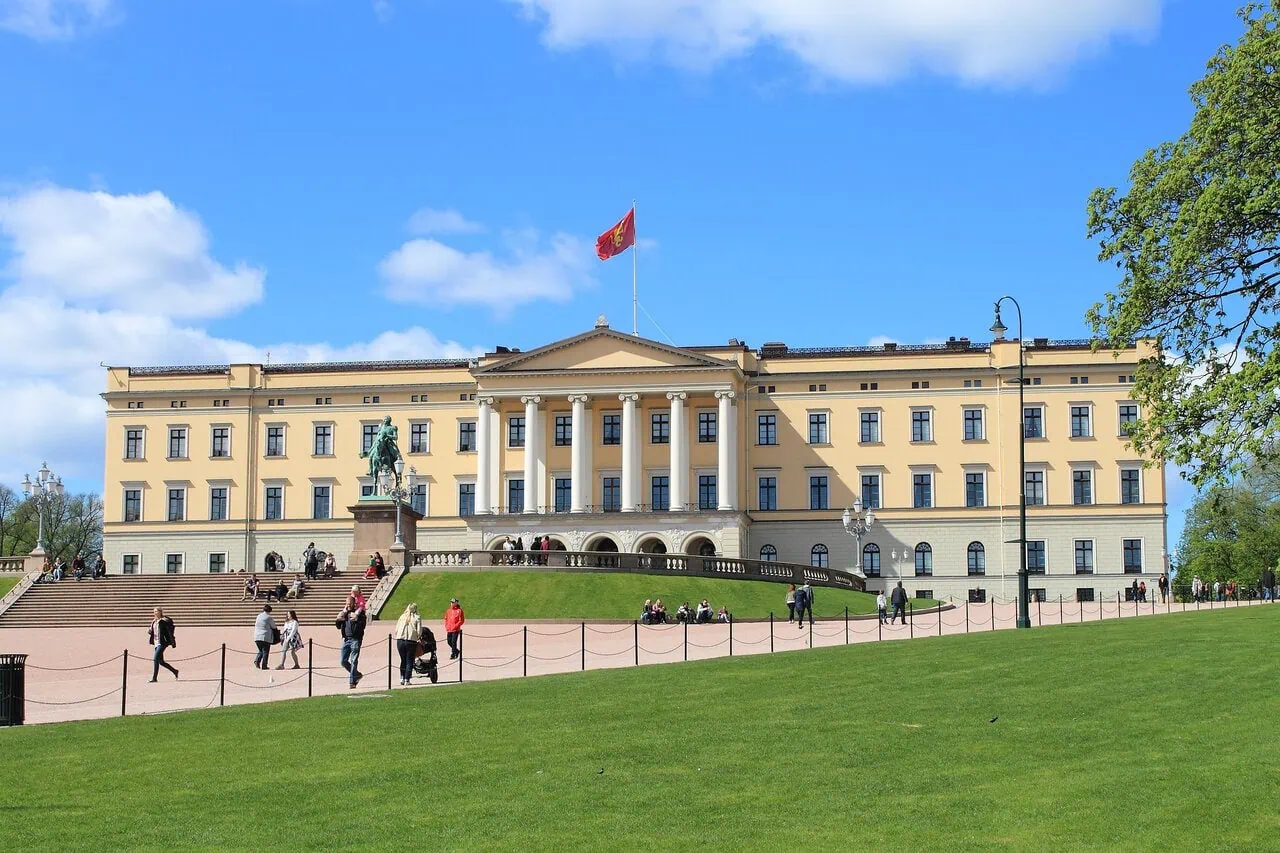
Stretching between Oslo Central Station and the Royal Palace, the avenue combines shopping streets, cafés, hotels, historic buildings, public squares and major transport connections within one of the busiest areas of the city.
One of the biggest strengths of central Oslo is how walkable it feels. Unlike some larger European capitals dominated by dense traffic and sprawling urban districts, much of the city centre can be explored comfortably on foot.
The atmosphere along Karl Johans Gate changes constantly throughout the day. Morning commuter traffic gradually gives way to tourists, shoppers, outdoor dining and evening nightlife as the city becomes busier.
Several of Oslo’s most important landmarks also sit either directly along the avenue or within short walking distance, making the boulevard one of the best orientation points for first-time visitors exploring the Norwegian capital.
The architecture along the street also reflects the wider identity of Oslo itself. Historic buildings, modern Scandinavian retail spaces, government institutions and waterfront connections all combine along the route between the station and the palace.
During winter, the avenue becomes especially atmospheric beneath snow, festive lighting and dark Scandinavian evenings while summer transforms the district into one of the liveliest pedestrian areas anywhere in Norway.
For many travellers, simply walking through central Oslo becomes one of the most enjoyable parts of visiting the city because the avenue naturally connects so many of Oslo’s cultural, historical and waterfront districts together.
Compare routes and fares for your journey to Oslo.
Compare flightsBrowse Airalo eSIM options for convenient travel data.
Check eSIMsCheck private pickup options and plan your onward journey before arrival.
View transfersFram Museum and Polar Exploration History
One of the most famous museums in Oslo is the remarkable Fram Museum, dedicated to Norway’s legendary polar exploration history and Arctic expeditions.
The museum centres around the historic ship Fram, one of the most important exploration vessels ever built. The ship was used during pioneering expeditions into both the Arctic and Antarctic, helping establish Norway’s global reputation for exploration, survival and maritime navigation.
Unlike many maritime museums where ships are viewed only from a distance, visitors can actually walk onboard the Fram itself. Exploring the cabins, engine rooms and interior spaces creates a far stronger sense of how extreme and isolated these expeditions really were.
The museum also explains the achievements of famous Norwegian explorers including Roald Amundsen, who became the first person to successfully reach the South Pole.
One of the most impressive aspects of the attraction is how effectively it recreates the harsh conditions of polar exploration. Exhibits focus heavily on survival, navigation, extreme weather and the dangers faced by early Arctic expeditions.
The location on the Bygdøy Peninsula also makes the museum easy to combine with several other important Oslo attractions during the same day.
For many visitors, the Fram Museum becomes one of the highlights of Oslo because it combines authentic history, interactive exhibits and one of the most important exploration ships in the world.
FLOP Museum Oslo
One of the most unusual attractions in Oslo is the quirky and highly entertaining FLOP Museum, a museum dedicated entirely to failed products, abandoned inventions and commercial disasters.
Located in Oslo’s modern Barcode district close to Oslo Central Station, the museum explores the fascinating stories behind products that once promised to revolutionise technology, transport or everyday life before collapsing into failure.
Unlike traditional museums focused on success stories, the FLOP Museum embraces mistakes, bad ideas and ambitious projects that never achieved commercial success. The result is one of the city’s most original and unexpectedly educational attractions.
Among the exhibits are famous failures including Google Glass, the Nokia N-Gage, Crystal Pepsi, Apple’s unusual “hockey puck” mouse and the Norwegian Think electric car, an ambitious EV project launched years before companies like Tesla transformed the market.
One of the most interesting aspects of the museum is how it demonstrates that innovation often depends on repeated failure. Many products now viewed as obvious mistakes were once considered groundbreaking ideas backed by major companies and investors.
The museum also highlights how timing plays a huge role in technological success. Several products displayed inside the exhibition introduced ideas that later became mainstream years after the original products themselves had disappeared.
Because the museum is relatively compact, it works particularly well alongside nearby attractions around the Oslo waterfront, the Oslo Opera House and the modern harbour districts surrounding central Oslo.
The attraction is also highly family friendly and works well during rainy weather or colder Scandinavian winter days when indoor activities become especially appealing.
For travellers looking for something different from Oslo’s more traditional Viking, polar and art museums, the FLOP Museum offers a refreshing change of pace filled with humour, nostalgia and unusual technology history.
Oslofjord Ferries and Island Hopping
One of the most underrated experiences in Oslo is simply using the local ferries to explore the Oslofjord and the islands scattered around the harbour.
Unlike expensive sightseeing cruises in some European capitals, many of Oslo’s public ferries are integrated directly into the city’s wider transport network, allowing visitors to experience the fjord in a far more authentic and affordable way.
Passenger boats depart regularly from the waterfront areas around Aker Brygge and central Oslo before crossing toward smaller islands, beaches and forested coastal areas spread throughout the fjord.
The atmosphere changes dramatically depending on season. During summer, ferries become filled with locals heading toward swimming areas, island cafés and waterfront parks while winter crossings feel much quieter beneath the darker Scandinavian skies.
One of the biggest advantages of island hopping in Oslo is how quickly the city atmosphere disappears. Within only a short ferry ride, visitors can find themselves surrounded by forests, rocky shorelines and quiet Nordic coastal scenery despite remaining very close to central Oslo.
The ferry journeys themselves also provide some of the best panoramic views back toward the skyline of the Norwegian capital. Modern waterfront architecture, harbour districts and the surrounding Oslofjord create a uniquely Scandinavian urban landscape.
For travellers wanting to experience the connection between Oslo and the sea, the ferry network around the Oslofjord becomes one of the most enjoyable and memorable parts of visiting the city.
Kon-Tiki Museum and Thor Heyerdahl Expeditions
Located close to the Fram Museum on the Bygdøy Peninsula, the Kon-Tiki Museum tells the extraordinary story of Norwegian explorer Thor Heyerdahl and his famous Pacific expeditions.
The museum’s centrepiece is the original Kon-Tiki raft, used by Heyerdahl during his legendary 1947 voyage across the Pacific Ocean. The expedition became one of the most famous maritime adventures of the twentieth century and helped turn Heyerdahl into an international celebrity.
Unlike conventional exploration museums focused mainly on geography, the Kon-Tiki Museum explores themes of human migration, ancient navigation and the possibility of prehistoric long-distance sea travel.
The museum also contains exhibits linked to several of Heyerdahl’s later expeditions, including the Ra II reed boat and archaeological discoveries connected with his wider exploration theories.
One of the biggest strengths of the museum is how unusual and ambitious the expeditions themselves feel. The idea of crossing huge sections of the Pacific Ocean using primitive raft technology still feels extraordinary even today.
The location beside Oslofjord waterfront areas and several other major museums also makes the attraction particularly easy to combine into a full day exploring Oslo’s maritime and exploration history.
For visitors interested in exploration, maritime adventure, Nordic history and unusual scientific theories, the Kon-Tiki Museum remains one of the most distinctive attractions anywhere in Norway.
Vigeland Sculpture Park and Frogner Park
One of the most famous outdoor attractions in Oslo is Vigeland Sculpture Park, located within the larger green spaces of Frogner Park.
The park contains more than 200 sculptures created by Norwegian artist Gustav Vigeland, making it one of the largest sculpture parks in the world created by a single artist.
The sculptures explore themes of human life, relationships, ageing and emotion, with many of the works becoming internationally recognised symbols of Oslo itself.
One of the most famous features is the enormous Monolith, a towering stone column surrounded by sculptural figures rising dramatically above the park landscape.
Unlike traditional museums hidden indoors, the sculptures are fully integrated into open parkland, pathways, bridges and public spaces. This gives the attraction a far more relaxed and accessible atmosphere compared with formal gallery environments.
During summer, the park becomes especially lively as locals and tourists gather around the fountains, lawns and sculpture-lined walkways beneath the long Scandinavian daylight hours.
Winter creates a completely different atmosphere. Snow-covered sculptures, icy pathways and darker Nordic skies transform the park into one of Oslo’s most visually dramatic landscapes.
For many visitors, Vigeland Sculpture Park becomes one of the defining experiences of visiting Oslo because it combines art, public space, Scandinavian design and outdoor culture within one enormous urban park.
Hop-On Hop-Off Buses and Tourist Transport
For visitors wanting a simple overview of Oslo, the Hop-On Hop-Off sightseeing buses provide one of the easiest ways to understand the layout of the Norwegian capital quickly.
The routes normally connect many of Oslo’s major attractions including the Oslo Opera House, Akershus Fortress, the museum districts of the Bygdøy Peninsula, waterfront areas surrounding the Oslofjord and the central shopping districts around Karl Johans Gate.
One of the biggest advantages of the buses is how useful they are for first-time visitors unfamiliar with Oslo’s geography. The city spreads across waterfront districts, harbour areas, hills and wider suburban zones that can initially feel larger and more spread out than many travellers expect.
The elevated seating also creates excellent panoramic views across the Oslofjord, modern harbour redevelopment projects, waterfront architecture and the surrounding Scandinavian cityscape while travelling between attractions.
During colder months, the buses become especially practical because they reduce the amount of walking required between museums, harbour districts and major landmarks during snow, rain or icy winter conditions.
For cruise passengers arriving into Oslo Harbour, the sightseeing buses also provide a very efficient way to experience multiple major attractions within limited timeframes.
Although Oslo’s wider public transport system is extremely good, many visitors still prefer the Hop-On Hop-Off buses during shorter stays because they combine sightseeing, orientation and transport within one simple ticket.
The routes also help connect several attractions spread across the city, particularly the museum-heavy districts around the Bygdøy Peninsula, which can otherwise require multiple ferry, tram or bus connections.
Compare hostels and budget-friendly accommodation around Oslo.
Browse hostelsFlying to Oslo? Get fast compensation payouts, eligible lounge benefits and expert help when flights go wrong.
See AirHelp+ benefitsLeave your luggage somewhere convenient and enjoy Oslo hands-free.
View storageParadox Museum Oslo
One of the most unusual indoor attractions in Oslo is the interactive Paradox Museum Oslo, which focuses on optical illusions, immersive visual experiences and the psychology of perception.
Unlike traditional museums built around historical artefacts or art collections, the Paradox Museum is designed almost entirely around interactive exhibits and visual experiments that challenge how visitors perceive space, movement and reality itself.
The attraction is especially popular with families, younger travellers and visitors looking for indoor activities during colder weather or rainy days in Oslo.
Many exhibits are specifically designed for photography and social media, with mirrored rooms, perspective illusions, immersive installations and visual trickery creating highly memorable experiences throughout the museum.
One of the reasons the attraction works particularly well in Oslo is because it contrasts so strongly with the city’s more traditional cultural attractions such as Viking museums, polar exploration history and Scandinavian art collections.
The museum also provides a useful change of pace between Oslo’s larger historical attractions and outdoor sightseeing areas, especially during busy city itineraries.
Because the attraction sits relatively centrally within Oslo, it can easily be combined with nearby shopping streets, cafés and waterfront sightseeing around the city centre.
For many visitors, the Paradox Museum Oslo becomes one of the city’s most entertaining modern attractions because it focuses entirely on interaction, visual creativity and immersive experiences rather than traditional museum displays.
Holmenkollen Ski Jump and Oslo Viewpoints
Towering above Oslo, the famous Holmenkollen Ski Jump is one of the most iconic landmarks anywhere in Scandinavia and one of the best viewpoints overlooking the Norwegian capital.
The ski jump has become a national symbol of Norwegian winter sports culture and reflects how deeply skiing, outdoor life and mountain recreation remain connected to the identity of Norway.
One of the most impressive aspects of visiting Holmenkollen is the sheer scale of the structure itself. The modern jump tower rises dramatically above the surrounding forests while overlooking the Oslofjord, harbour districts and wider city skyline far below.
The panoramic views from the top are among the best anywhere in Oslo. Visitors can look across the fjord, ferry routes, waterfront districts, forests and urban skyline stretching around the Norwegian capital.
The surrounding area also highlights how closely Oslo connects with outdoor recreation. Forest trails, ski routes, hiking areas and Nordic landscapes begin surprisingly close to the city centre itself.
Winter naturally creates the most atmospheric conditions at Holmenkollen. Snow-covered forests, ski activity, icy landscapes and darker Scandinavian skies create a distinctly Nordic setting unlike most capital cities elsewhere in Europe.
Even during summer, however, the viewpoint remains extremely impressive because of the contrast between dense forests, modern city districts and the broad waters of the Oslofjord stretching toward the horizon.
For many travellers, Holmenkollen Ski Jump becomes one of the defining experiences of visiting Oslo because it combines Norwegian outdoor culture, panoramic scenery and one of Scandinavia’s most recognisable sporting landmarks.
Oslo Food Halls, Cafés and Scandinavian Dining
Food culture in Oslo has developed rapidly in recent years and the Norwegian capital now contains one of the most interesting dining scenes anywhere in Scandinavia.
Unlike southern European cities built around centuries-old café traditions, Oslo’s food scene feels more modern, minimalist and heavily influenced by Nordic culinary traditions, seafood and seasonal Scandinavian ingredients.
The city’s waterfront location means seafood plays an especially important role across many restaurants. Salmon, cod, shellfish and Nordic fish dishes appear throughout Oslo’s dining scene, particularly around the harbour districts and Oslofjord waterfront.
One of the best ways to experience Oslo’s modern culinary culture is through the city’s growing collection of food halls and indoor market spaces. These combine Scandinavian cuisine, international dining and modern Nordic design within lively communal environments.
Coffee culture is also extremely important in Oslo. Scandinavian café culture places heavy emphasis on high-quality coffee, minimalist interiors and relaxed social spaces, making cafés an important part of everyday life throughout the city.
The atmosphere changes significantly with the seasons. During summer, outdoor waterfront dining becomes one of the highlights of visiting Oslo while winter creates a far more atmospheric café culture centred around warm interiors, candles and darker Nordic evenings.
For many travellers, Oslo’s food scene becomes one of the biggest surprises of visiting the Norwegian capital because it combines modern Scandinavian design, Nordic ingredients and international culinary influences within a highly distinctive urban setting.

MUNCH Museum and Edvard Munch’s The Scream
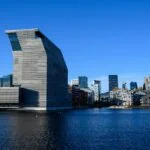
One of the most important cultural attractions in Oslo is the striking MUNCH museum, dedicated to the life and work of Norwegian artist Edvard Munch.
Rising prominently above Oslo’s modern waterfront districts, the museum has become one of the defining features of the Oslo skyline and a major symbol of the city’s contemporary cultural identity.
The museum’s greatest highlight is its connection to The Scream, one of the most recognisable artworks anywhere in the world. Seeing Munch’s work in Norway itself creates a far stronger sense of the artist’s connection to Scandinavian landscapes, Nordic light and the darker emotional atmosphere that shaped much of his work.
Unlike smaller galleries focused on only a handful of famous paintings, MUNCH contains an enormous collection spanning Munch’s wider artistic career including paintings, sketches, photography, experimental works and personal material connected to the artist’s life.
The building itself also feels distinctly Scandinavian in design. Minimalist architecture, large panoramic windows and elevated viewpoints overlooking the Oslofjord all contribute heavily to the overall experience.
One of the most interesting aspects of the museum is how deeply it explores the emotional and psychological themes running through Munch’s work. Isolation, anxiety, mortality, relationships and human emotion all appear repeatedly throughout the exhibitions.
The location beside Oslo’s redeveloped waterfront also makes the museum easy to combine with harbour walks, Oslofjord sightseeing and the nearby Oslo Opera House within the same day.
For many visitors, the MUNCH Museum becomes one of the cultural highlights of visiting Oslo because it combines world-famous art, striking Scandinavian architecture and panoramic waterfront scenery within one attraction.
Best Time to Visit Oslo
The best time to visit Oslo depends heavily on the type of Scandinavian experience travellers are looking for because the city changes dramatically throughout the year.
Summer between June and August is the busiest and most energetic period in Oslo. Long daylight hours, outdoor dining, Oslofjord cruises, waterfront festivals and busy harbour districts create a lively atmosphere across the Norwegian capital.
One of the most remarkable aspects of summer is the amount of daylight. The long Nordic evenings completely transform the city, particularly around the Oslofjord, harbour promenades and waterfront districts.
Summer is also the strongest season for fjord cruises, island hopping, waterfront cafés, outdoor sightseeing and panoramic viewpoints such as Holmenkollen Ski Jump.
Winter creates a completely different atmosphere. Snow-covered streets, icy waterfronts and dark Scandinavian evenings make Oslo feel far moodier and more distinctly Nordic compared with the brighter summer months.
The colder season is especially attractive for travellers interested in winter culture, Christmas markets, Nordic cafés, snow-covered viewpoints and skiing in the forests surrounding Oslo.
Spring and autumn are often the best compromise for visitors wanting fewer crowds while still enjoying relatively comfortable weather and good sightseeing conditions.
Because Oslo combines fjord scenery, forests, waterfront districts and strong seasonal contrasts, the city feels noticeably different depending on the time of year travellers visit.
Oslo Pass, Public Transport and Attraction Planning
One of the biggest strengths of Oslo is how efficient and well integrated the city’s public transport system feels.
Trams, metro lines, buses, ferries and local trains all connect smoothly across the Norwegian capital, making it relatively easy to move between museums, waterfront districts and outer neighbourhoods without needing taxis.
For visitors planning intensive sightseeing, the Oslo Pass can provide particularly strong value because it combines public transport access with entry into many of the city’s major museums and attractions.
The pass is especially useful for travellers planning to visit the Fram Museum, the Kon-Tiki Museum, major art museums and several Oslofjord ferry routes within the same trip.
One of the biggest advantages of Oslo’s transport network is how naturally it connects with the surrounding fjord landscape. Ferries, trams and metro lines all become part of the wider sightseeing experience rather than functioning simply as transport infrastructure.
The city is also highly walkable compared with many European capitals. Large sections of the centre surrounding Karl Johans Gate, the harbour districts and the waterfront can be explored comfortably on foot.
For many travellers, the best strategy is combining walking with selected tram, ferry and metro journeys rather than relying entirely on one single mode of transport.
Because Oslo’s attractions spread across waterfront districts, islands, museums and hilltop viewpoints, planning transport carefully can save significant time during shorter stays in the Norwegian capital.

Rupert’s Handy Travel Tips
Oslo is far more spread out than many travellers initially expect, and Rupert says combining the waterfront, museums and Oslofjord properly makes a huge difference to the overall experience.
- Use Oslofjord ferries as part of your sightseeing because the routes provide some of the best panoramic views of the Norwegian capital.
- Group the Bygdøy museums together because the Fram Museum and Kon-Tiki Museum are easiest to explore within the same day.
- Visit Holmenkollen during clear weather because visibility across the Oslofjord changes dramatically depending on conditions.
- Allow extra time around the waterfront because the harbour promenades, fjord districts and modern waterfront architecture are much larger than they first appear.
- Do not underestimate winter darkness because Oslo feels completely different during the colder months compared with the bright Scandinavian summer.
Want to meet the reindeer behind our travel tips? Find out more in our page Who is Rupert?.

Frequently Asked Questions About the Best Things to Do in Oslo
What are the best things to do in Oslo for first-time visitors?
Most first-time visitors focus on the Oslo Opera House, Oslofjord cruises, the MUNCH, Akershus Fortress and the museums around the Bygdøy Peninsula including the Fram Museum and Kon-Tiki Museum.
Is Oslo worth visiting?
Yes, Oslo is one of Scandinavia’s most underrated capitals because it combines fjord scenery, modern Nordic architecture, Viking history, museums and outdoor culture within one highly walkable city.
How many days do you need in Oslo?
Most travellers need at least 2 to 3 days to experience Oslo properly, especially if they want to combine museums, waterfront sightseeing, Oslofjord ferries and viewpoints such as Holmenkollen Ski Jump.
What is Oslo most famous for?
Oslo is best known for the Oslofjord, Viking history, Scandinavian design, polar exploration museums and the artwork The Scream by Edvard Munch.
Is Oslo expensive for tourists?
Compared with much of Europe, Oslo is relatively expensive, especially for food, alcohol and hotels. However, public transport is efficient and many outdoor attractions, waterfront areas and Oslofjord experiences can still be enjoyed without extremely high costs.
Can you explore Oslo without a car?
Yes, Oslo is one of the easiest Scandinavian capitals to explore without driving because of its strong tram, metro, ferry and rail network combined with highly walkable central districts.
Further Reading & Related Guides
Planning a wider journey through Norway? Continue your Scandinavian adventure with our guide to the Bergen Line railway, one of Europe’s most spectacular train journeys linking Oslo with Bergen across mountains and high plateaus.
Travellers continuing beyond the capital should also explore our guides to ferries from Oslo, the scenic Flåm Railway, overnight journeys covered in our Norway night trains guide and the best options for exploring the country using the Interrail Norway Pass.
Stay connected while travelling through Scandinavia with our guide to the best eSIM apps for Norway and wider Nordic travel.