Reviewed by our editorial team Updated
Arriving at Oslo Airport and First Impressions of Norway
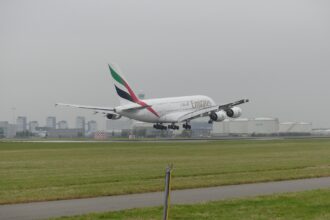
Landing at Oslo Airport often creates a very different first impression compared with arriving in western Norway. Instead of dramatic fjords and steep mountains, the landscapes surrounding the airport are dominated by forests, lakes, flatter terrain and quieter suburban districts stretching north-east of Oslo.
As Norway’s largest airport, Oslo Airport Gardermoen acts as the country’s primary international aviation gateway and one of the most important transport hubs anywhere in Scandinavia. Huge numbers of domestic Norwegian flights connect through the airport alongside European and long-haul international services.
One of the airport’s greatest strengths is its exceptional rail infrastructure. Unlike many large European airports where stations feel disconnected from the terminal itself, Oslo Airport has fully integrated railway platforms directly beneath the arrivals and departures areas. This allows travellers to move quickly from baggage reclaim onto trains heading toward central Oslo and wider Norway.
The airport itself is modern, spacious and relatively easy to navigate despite its size. Railway platforms, airport buses, taxi ranks and arrivals facilities all sit within manageable walking distance of each other, helping transfers feel straightforward even for first-time visitors.
Because Oslo functions as Norway’s main railway hub, many travellers arriving at Gardermoen continue directly toward destinations across the country using long-distance rail services from Oslo Central Station. The airport therefore acts not only as the gateway to the capital but also as one of the most important entry points for wider Scandinavian travel.
Where Is Oslo Airport Gardermoen
Oslo Airport sits approximately 47 kilometres north-east of central Oslo within the municipality of Ullensaker.
Unlike airports positioned directly beside dense city districts, Gardermoen sits within a far more open landscape dominated by forests, lakes and smaller towns north of the Norwegian capital. Despite this greater distance, modern rail infrastructure and fast motorway connections allow travellers to reach central Oslo surprisingly quickly.
The airport’s location also makes it strategically important for travel across wider Norway. Many passengers arriving at Oslo Airport continue onward toward the fjords, central Norway, Arctic Norway, Swedish rail routes, ski resorts and long-distance Scandinavian train services.
The route into Oslo itself gradually changes character throughout the journey. Dense forests and quieter suburban landscapes slowly give way to busier urban districts before the skyline of the Norwegian capital begins appearing closer to the centre.
For many visitors, Oslo Airport functions less like a typical city airport and more like the primary transport gateway for Norway as a whole.
Compare hotels and other places to stay in Oslo.
Check availabilityBrowse apartments, homes and self-catering accommodation in Oslo.
Browse rentalsCompare prices for Oslo hotels across multiple booking sites.
Check dealsQuick Facts About Oslo Airport to City Centre Transfers
| Feature | Details |
|---|---|
| Airport Name | Oslo Airport |
| Distance to Oslo | Approx. 47 km |
| Fastest Transfer | Flytoget Airport Express Train |
| Cheapest Rail Option | Vy Regional Train |
| Fastest Journey Time | Approx. 19–22 minutes |
| Main Arrival Station | Oslo Central Station |
| Airport Train Station | Directly beneath terminal |
| Main Airport Bus Operator | Flybussen |
| Taxi Journey Time | Approx. 35–50 minutes |
| Best Budget Option | Vy regional rail |
| Most Convenient Option | Flytoget |
| Winter Disruption Risk | Moderate during heavy snow |
| Main Travel Role | Norway’s primary aviation gateway |
Flytoget Airport Express Train to Oslo Central Station
The Flytoget Airport Express Train is normally the fastest and most convenient way to travel between Oslo Airport and central Oslo.
The trains operate directly from the station beneath the airport terminal and connect Gardermoen with Oslo Central Station in approximately 19 to 22 minutes, making Flytoget one of the quickest airport rail links anywhere in northern Europe.
Services operate extremely frequently throughout the day, often departing every 10 to 20 minutes depending on time and direction of travel. This high frequency makes the service particularly convenient for both tourists and business travellers arriving throughout the day.
The trains themselves are modern, spacious and specifically designed around airport passengers. Large luggage areas, comfortable seating, level boarding and excellent reliability all contribute to Flytoget’s strong reputation among travellers visiting Norway.
One of the biggest advantages is simplicity. Passengers can move directly from arrivals onto the train platforms without needing shuttle buses, terminal transfers or complicated navigation through the airport itself.
The main drawback is price. Flytoget is significantly more expensive than the standard Vy regional trains, even though overall journey times are only slightly faster. For many travellers, the decision comes down to balancing convenience against savings.
The rail journey into Oslo passes through forests, commuter districts and suburban landscapes before arriving directly into the centre of the Norwegian capital at Oslo Central Station, which connects naturally with metros, trams, regional trains and wider Scandinavian rail routes.
Vy Regional Trains from Oslo Airport
Alongside the premium Flytoget Airport Express service, standard Vy regional trains also provide extremely efficient connections between Oslo Airport and central Oslo.
For many travellers, the Vy trains are actually the best-value airport transfer option because journey times are only slightly slower than Flytoget while ticket prices are significantly cheaper.
The trains depart from the same station beneath the airport terminal and normally reach Oslo Central Station in around 23 to 25 minutes depending on service type and stopping pattern.
One of the biggest advantages of the Vy services is that they integrate directly into Norway’s wider national rail network. Some trains continue beyond Oslo toward destinations across eastern Norway, allowing passengers to avoid unnecessary station changes after arriving at the airport.
The trains themselves are modern, comfortable and generally very reliable. Luggage space is more limited than on Flytoget during busy commuter periods, but the overall standard remains high compared with many regional rail systems elsewhere in Europe.
For budget-conscious travellers, the price difference between Vy and Flytoget can be substantial, especially for families or groups travelling together. Because the overall travel time difference is relatively small, many visitors choose Vy for the better overall value.
The journey into Oslo follows the same broad corridor as the airport express train, passing forests, suburban districts and commuter towns before reaching the capital’s central railway hub.
For travellers continuing onward toward destinations such as Trondheim, Bergen, Lillehammer or the Swedish rail network, the Vy services often provide the most seamless connection from the airport into the wider Norwegian railway system.
Airport Buses from Oslo Airport
Airport buses provide another important transfer option between Oslo Airport and central Oslo, particularly for travellers staying outside the main railway corridor or arriving during periods of rail disruption.
The best-known operator is Flybussen, which runs dedicated airport coach services connecting Gardermoen with central Oslo, hotel districts and several surrounding urban areas.
Unlike the rail services focused primarily on Oslo Central Station, airport buses can sometimes provide more convenient direct access toward hotels and neighbourhoods away from the main rail hub. This can reduce the need for additional metro, tram or taxi connections after arriving in the city.
Journey times vary considerably depending on traffic conditions, weather and final destination. Under lighter traffic, transfers into central Oslo may take around 45 to 60 minutes, although congestion can increase journey times significantly during rush hour.
The coaches themselves are modern and designed heavily around airport passengers. Large luggage compartments, comfortable seating and direct boarding outside the terminal make the buses particularly attractive for travellers carrying heavier luggage.
Pricing is generally higher than the standard Vy regional trains but often slightly cheaper than Flytoget depending on route and booking method.
One of the biggest disadvantages is exposure to road traffic. Unlike Norway’s rail services, buses remain dependent on motorway conditions, weather and congestion levels around Oslo itself.
During periods of heavy snow or severe winter weather, buses can occasionally experience delays, although the road infrastructure between Gardermoen and Oslo is generally maintained to a very high standard.
For visitors staying outside the central railway corridor, airport buses can sometimes provide the simplest overall transfer despite the longer journey times compared with rail.
Taxi Transfers from Oslo Airport
Taxis provide the most direct transfer option between Oslo Airport and central Oslo, particularly for travellers arriving late at night, carrying significant luggage or travelling in groups.
Taxi ranks sit directly outside the arrivals area, making transfers relatively straightforward immediately after landing.
Journey times into Oslo usually range between 35 and 50 minutes depending on traffic conditions, weather and the final destination within the city.
The biggest drawback is cost. Like much of Norway, taxi prices are relatively high compared with most European cities. Fares into central Oslo commonly range between NOK 900 and NOK 1,800 depending on time of day, traffic and vehicle size.
However, taxis become more competitive for families or groups because the total fare can be shared between multiple passengers. For travellers staying outside the city centre or carrying heavy winter luggage, the convenience can also outweigh the additional cost.
The drive into Oslo passes through forests, motorway corridors and suburban districts before gradually entering the denser urban landscape of the Norwegian capital.
During winter, taxis can sometimes provide a more comfortable arrival experience than navigating public transport systems during snow, ice or freezing temperatures, particularly for visitors unfamiliar with Norway.
Private Airport Transfers and Hotel Transfers
Private airport transfers are one of the most comfortable ways to travel between Oslo Airport and central Oslo, especially for travellers prioritising simplicity, reliability and direct hotel access.
Unlike public transport, private transfers provide fixed pickup arrangements and direct door-to-door travel without needing to navigate railway stations, metro systems or additional city connections after arriving in Oslo.
These services are particularly popular with families, business travellers, luxury visitors and passengers arriving with large amounts of luggage during winter conditions.
Because Oslo spreads across a relatively large urban area, direct transfers can sometimes save significant time compared with travelling via Oslo Central Station before continuing onward by metro, tram or taxi.
Private transfers are also commonly used by travellers continuing directly toward ski resorts, fjord regions or wider Norway itineraries outside the capital itself.
Journey times are broadly similar to taxis and usually range between 35 and 50 minutes depending on traffic and weather conditions.
For visitors arriving after long international flights, the simplicity of moving directly from arrivals to a waiting vehicle can make the overall arrival experience feel considerably less stressful than navigating multiple transport connections after landing in Norway.

Travel from Oslo Airport with Welcome Pickups
Welcome Pickups provides pre-booked private transfers for travellers arriving in Oslo, allowing you to organise the airport-to-accommodation journey in advance.
Rather than arranging transport after landing, you can meet your driver and continue directly to your destination.
Compare your Oslo airport transfer choices. You can also check another transfer provider before booking.
Compare routes and fares for your journey to Oslo.
Compare flightsUse an eSIM to get online without hunting for a local SIM after arrival.
See eSIM optionsHave a private airport pickup arranged before you travel.
Book a transferCar Hire at Oslo Airport
Hiring a car at Oslo Airport is an excellent choice if you’re planning to experience more of Norway than just the capital. While frequent trains provide a fast and convenient journey into Oslo city centre, a rental car gives you the freedom to explore the country’s breathtaking fjords, mountain landscapes, national parks and picturesque villages at your own pace. Popular driving destinations include Lillehammer, Geilo, Hemsedal, Jotunheimen National Park, the Hardangervidda plateau, and the spectacular scenic routes leading towards Norway’s world-famous western fjords.
Oslo Airport is Norway’s busiest airport and offers an excellent selection of both international and Norwegian car hire companies. Most rental desks are located within the Arrivals Hall, while vehicle collection takes place at the nearby car hire centre, which is clearly signposted and only a short walk from the terminal. During the summer holiday season, Christmas, Easter and the winter ski season, demand for rental vehicles can be particularly high, so booking in advance is the best way to secure the lowest prices and the widest choice of vehicles.
Before confirming your reservation, it’s worth comparing offers from several providers rather than choosing the first company you find. Daily rental rates, insurance cover, fuel policies, mileage allowances and optional extras such as additional drivers, child seats and winter equipment can vary considerably between suppliers. Spending a few minutes comparing companies before you travel can often save money while ensuring you choose a vehicle that’s well suited to your itinerary.
A hire car is particularly worthwhile if you’re planning a Norwegian road trip or visiting destinations beyond the reach of the country’s excellent rail network. During the winter months, be prepared for snow-covered roads, icy conditions and rapidly changing weather, especially if you’re driving through the mountains. Rental cars are fitted with winter tyres when required by Norwegian law, giving you added confidence in cold conditions. However, if you’re spending your entire visit in Oslo, the airport’s efficient rail services and the city’s outstanding public transport network mean you can comfortably explore the capital without the need for a car.
Check Car Rental Prices in Oslo
For travellers planning to drive around Oslo, comparing rental prices in advance can help you find a vehicle that matches both your itinerary and budget.
Checking Discover Cars alongside EconomyBookings gives you two comparison sources rather than relying on a single set of results.
Oslo Airport to Oslo Central Station and Major Rail Connections
One of the biggest advantages of Oslo Airport is how effectively it connects into Norway’s wider railway network. The airport station sits directly beneath the terminal itself, allowing passengers to move quickly from arrivals onto trains serving both Oslo and the rest of the country.
Most travellers heading into the capital arrive at Oslo Central Station, usually known locally as Oslo S. This is Norway’s largest railway station and the main transport hub for long-distance rail services, regional trains, metros, trams and airport connections.
Because both Flytoget and Vy regional trains terminate directly at Oslo Central Station, onward rail connections are usually extremely straightforward.
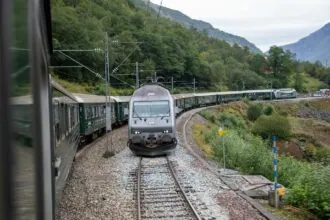
From Oslo S, travellers can continue toward some of Norway’s most famous railway routes including the spectacular Bergen Line toward western Norway and the scenic Dovre Line connecting Oslo with Trondheim.
The station also provides important links toward Gothenburg and Stockholm, making Oslo Airport a key gateway for wider Scandinavian rail travel.
For travellers continuing toward ski resorts, mountain regions or fjord itineraries, Oslo Central Station acts as the main interchange point between airport transfers and long-distance Norwegian rail services.
The station itself is modern, busy and heavily integrated into the centre of Oslo. Hotels, tram routes, metro lines, restaurants and shopping districts all sit within walking distance of the platforms.
Because Norway’s rail system is heavily centred around Oslo, many visitors arriving at Gardermoen spend very little time in the airport itself before continuing directly onward toward wider journeys across Scandinavia.
Oslo Airport to the Oslofjord Ferry Terminals and Cruise Port
Travellers arriving at Oslo Airport and continuing toward the Oslofjord ferry terminals or cruise port usually need to transfer through central Oslo first.
Most international ferry routes and cruise terminals sit around the waterfront districts south of Oslo Central Station, close to the Oslofjord harbour areas and city centre.
The fastest route is normally the Flytoget Airport Express Train or the standard Vy regional trains into Oslo Central Station, followed by a short taxi, tram or local transport connection toward the waterfront.
Major ferry operators serving Oslo include routes toward Denmark and wider Scandinavian destinations, while cruise ships frequently use the Oslofjord as part of larger northern Europe itineraries.
Compared with Bergen, Oslo’s ferry infrastructure is more heavily focused on international passenger routes rather than fjord tourism and coastal voyages.
Journey times between Oslo Airport and the ferry terminals usually range between 45 and 75 minutes depending on traffic, transport choice and final harbour location.
For cruise passengers, private transfers and taxis are often the simplest option because luggage handling becomes significantly easier compared with navigating Oslo’s public transport system after long flights.
The route between the airport and the Oslofjord also gives visitors a gradual transition from forests and suburban landscapes into the denser urban districts surrounding Norway’s capital and waterfront.

Winter Delays, Snow and Weather Disruption at Oslo Airport
Winter weather plays a major role in travel through Oslo Airport, particularly between November and March when snow, ice and freezing temperatures become common across eastern Norway.
Unlike the coastal climate around Bergen, Oslo experiences colder continental winter conditions with more frequent snowfall and lower temperatures.
Despite this, Oslo Airport generally handles winter operations extremely efficiently. Snow clearance systems, winter-trained ground crews and robust rail infrastructure mean that the airport usually continues functioning reliably even during heavy snowfall.
Rail services such as Flytoget and the Vy regional trains are normally the most reliable transfer options during winter because they avoid motorway congestion and icy road conditions around Oslo.
Airport buses and taxis can occasionally face delays during severe snowstorms or rush hour traffic, particularly during darker winter afternoons when commuter congestion increases significantly around the capital.
One of the biggest surprises for many visitors is the amount of darkness during midwinter. In December and January, daylight hours become extremely limited compared with summer, which dramatically changes the atmosphere of arriving in Norway.
Winter also creates a very different visual experience during the journey into Oslo. Snow-covered forests, frozen landscapes and icy suburban districts give the route between the airport and city centre a distinctly Nordic atmosphere that many travellers find memorable.
For passengers connecting onward toward mountain railways, ski resorts or northern Norway, allowing additional flexibility during winter travel is usually sensible because wider weather systems can occasionally affect transport across the country.
Is the Oslo Pass Worth It for Airport Transfers
Unlike the Bergen Card, the standard Oslo Pass does not fully cover the dedicated airport rail services operating between Oslo Airport and central Oslo.
This often surprises visitors because the pass includes extensive access to Oslo’s public transport network, museums and attractions across the capital itself.
The premium Flytoget Airport Express Train is not included within the Oslo Pass, and standard airport rail journeys from Gardermoen usually require separate tickets as well because the airport sits outside Oslo’s central fare zones.
However, the Oslo Pass can still provide strong value once travellers actually reach the city itself. Unlimited use of metros, trams, buses, ferries and local rail transport across Oslo can create substantial savings for visitors planning intensive sightseeing.
The pass also includes entry into many of Oslo’s major museums and attractions, making it especially useful for travellers spending several days exploring the Norwegian capital.
For airport transfers specifically, most visitors still rely on separate Flytoget, Vy or airport bus tickets rather than expecting the Oslo Pass to cover the journey from Gardermoen.
For many travellers, the best strategy is often combining a dedicated airport transfer ticket with an Oslo Pass activated after reaching the city centre.

Rupert’s Handy Travel Tips
Oslo Airport Gardermoen is one of the easiest major airports in Scandinavia to navigate, but Rupert says choosing the right transfer can still save a surprising amount of time and money.
- Use Vy trains if you want the best value because they are only slightly slower than Flytoget while usually costing significantly less.
- Choose Flytoget for maximum simplicity because the trains are extremely frequent and designed specifically around airport passengers.
- Allow extra time during winter because snow, commuter traffic and icy conditions can occasionally slow road transfers into Oslo.
- Book onward Norwegian rail journeys carefully during holidays because long-distance trains from Oslo Central Station can become busy surprisingly early.
- Do not expect the Oslo Pass to cover airport trains because separate tickets are usually still required from Gardermoen.
Want to meet the reindeer behind our travel tips? Find out more in our page Who is Rupert?.
Frequently Asked Questions About Oslo Airport Transfers
What is the fastest way from Oslo Airport to the city centre?
The fastest option is normally the Flytoget Airport Express Train, which reaches central Oslo in around 19 to 22 minutes.
What is the cheapest train from Oslo Airport to Oslo?
The standard Vy regional trains are normally the cheapest rail option between Oslo Airport and Oslo Central Station.
Is Flytoget worth the extra cost?
Many travellers consider Flytoget worthwhile because of its speed, frequency, luggage space and simplicity, although Vy trains offer much better overall value.
How far is Oslo Airport from the city centre?
Oslo Airport sits approximately 47 kilometres north-east of central Oslo.
Does the Oslo Pass include airport transport?
No, the standard Oslo Pass does not fully include airport rail transfers from Gardermoen.
How long does a taxi from Oslo Airport take?
Taxi journeys into central Oslo usually take around 35 to 50 minutes depending on traffic and weather conditions.
Compare hostels and lower-cost places to stay in Oslo.
Search hostelsAccess compensation support, eligible lounge benefits and faster payouts when flights go wrong.
See the benefitsUse convenient luggage storage around Oslo between arrival, check-in and departure.
Check storageFurther Reading & Related Guides
Travellers arriving through Oslo Airport will often continue onward toward some of Scandinavia’s most spectacular railway and fjord journeys. Our guides to the Bergen Line, scenic Norway rail routes and the best things to do in Oslo explain how to combine Norwegian cities, mountain railways and fjord landscapes into wider Scandinavian itineraries.
Visitors travelling beyond Oslo should also explore our coverage of Norway night trains, Oslo ferry routes, Arctic Norway travel and wider Nordic transport connections linking Norway with Sweden and Denmark.
For travellers staying connected while travelling across Norway, our guides to the best eSIMs explain the strongest options for rail journeys, winter travel and long-distance transport across the Nordic region.